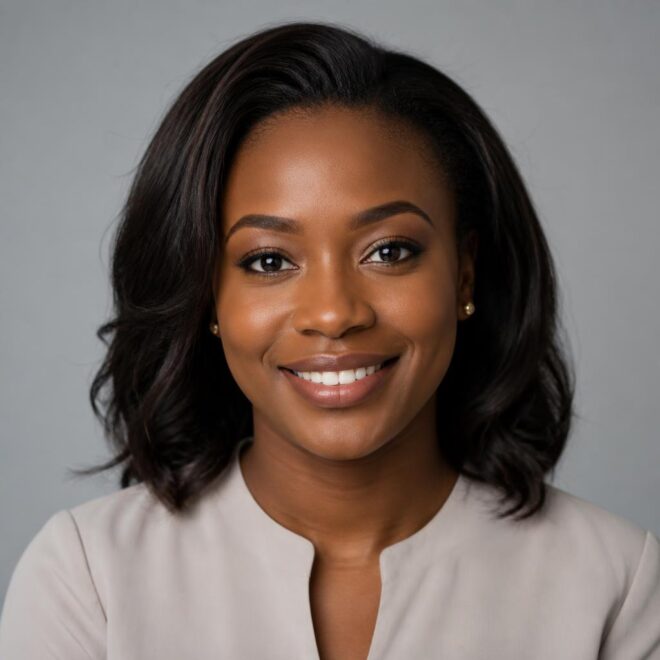


Getting a head of cornrows isn’t just about styling; it’s about claiming a bit of breathing room in your daily routine. When you walk out the door with a well-executed braid pattern, you aren’t just wearing a hairstyle—you’re wearing a shield against the elements and a solution to the “what do I do with my hair” panic that hits every morning. These styles offer a level of utility that is hard to match with any other protective look. You can wake up, check the mirror, and keep moving. There is something deeply satisfying about knowing your hair is tucked away, secure, and looking sharp without requiring a drop of product or a single minute of heat styling.
1. Classic Straight-Back Cornrows
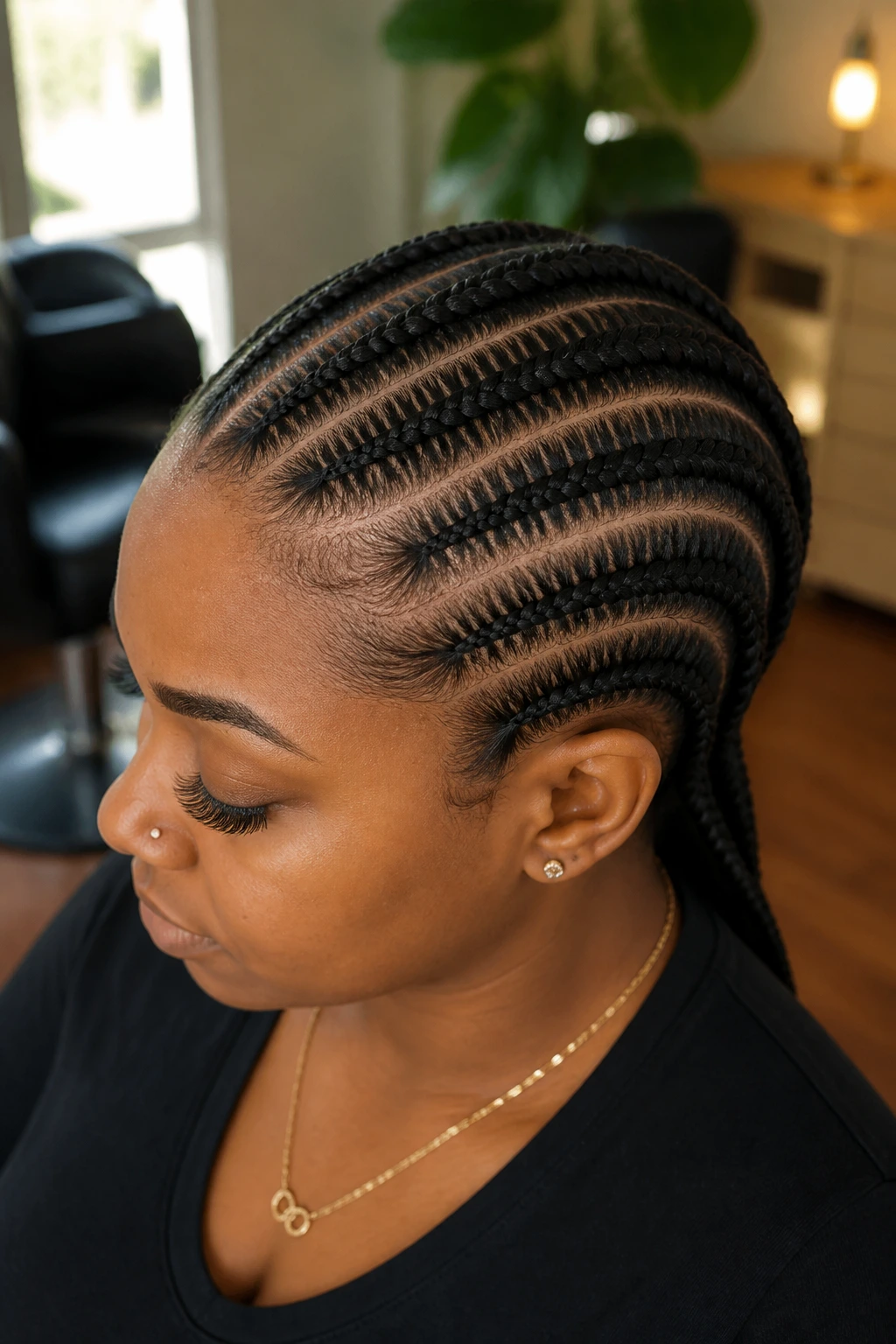
Sometimes, the simplest path is the most effective one. These are the foundation of braided styles, characterized by clean, straight parts running from the front hairline to the nape of the neck. Because they are so uniform, they provide a polished, symmetrical appearance that works just as well in a corporate office as it does at a weekend brunch. When you are looking for longevity, this is the gold standard.
Keeping Them Fresh
- Tie your hair down at night with a silk or satin scarf to prevent frizz and flyaways.
- Apply a light oil to your scalp every two or three days to keep the skin hydrated.
- Avoid over-accessorizing; let the clean lines of the parts do the heavy lifting.
Pro tip: Ask your stylist to braid the edges slightly looser if you have a tender hairline, as this prevents excessive tension and ensures your hair stays healthy over the weeks.
2. Feed-In Braids with a High Ponytail
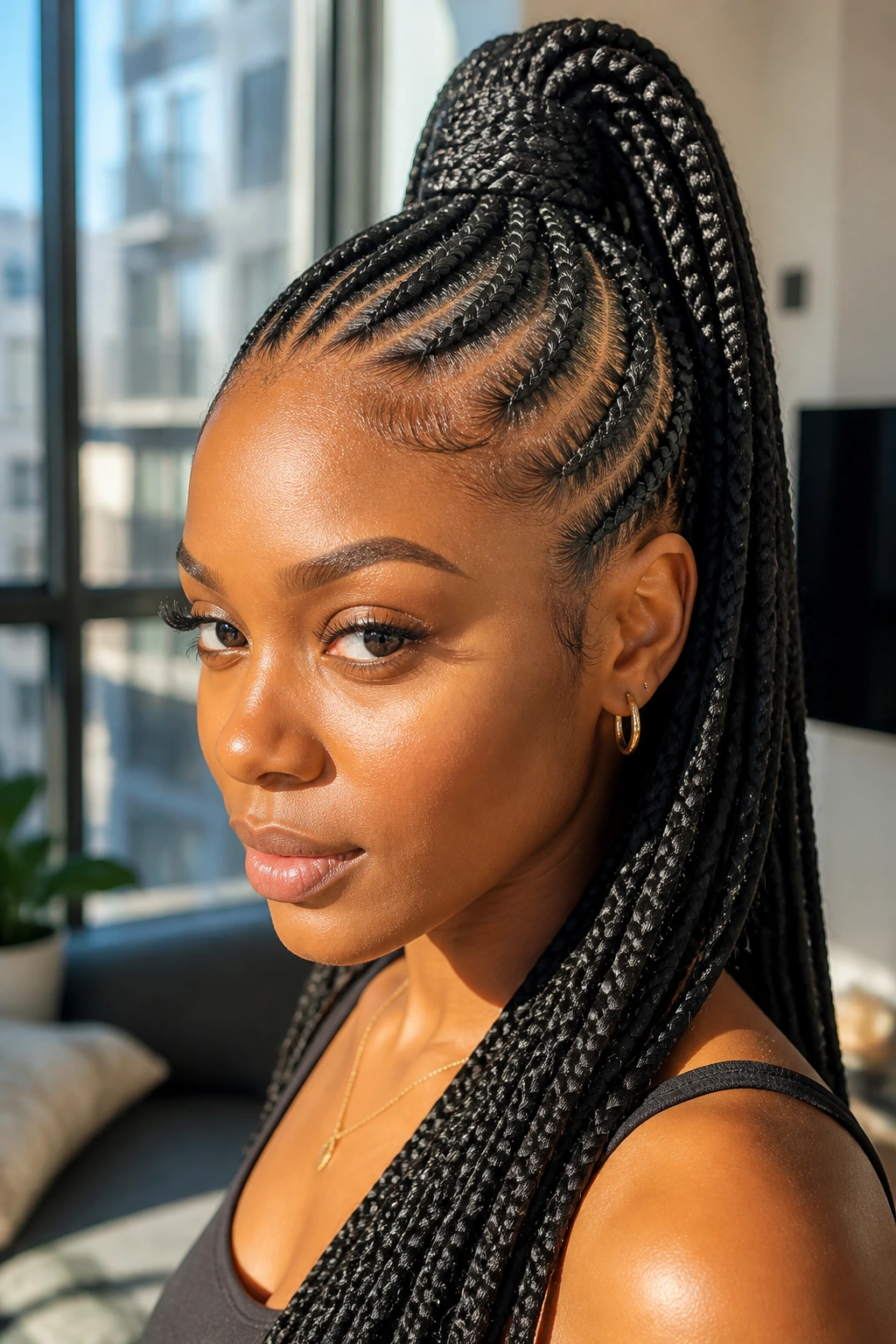
This look takes the traditional cornrow and gives it height and drama. By adding synthetic hair gradually—the “feed-in” technique—you get a seamless start at the hairline that looks like the braid grew directly from your scalp. Pulling them into a high ponytail creates an instant lift, drawing attention to your cheekbones and jawline. It is a bold, energetic look perfect for warmer weather or days when you need to stay active without your hair getting in the way.
3. Side-Swept Cornrows with Beads
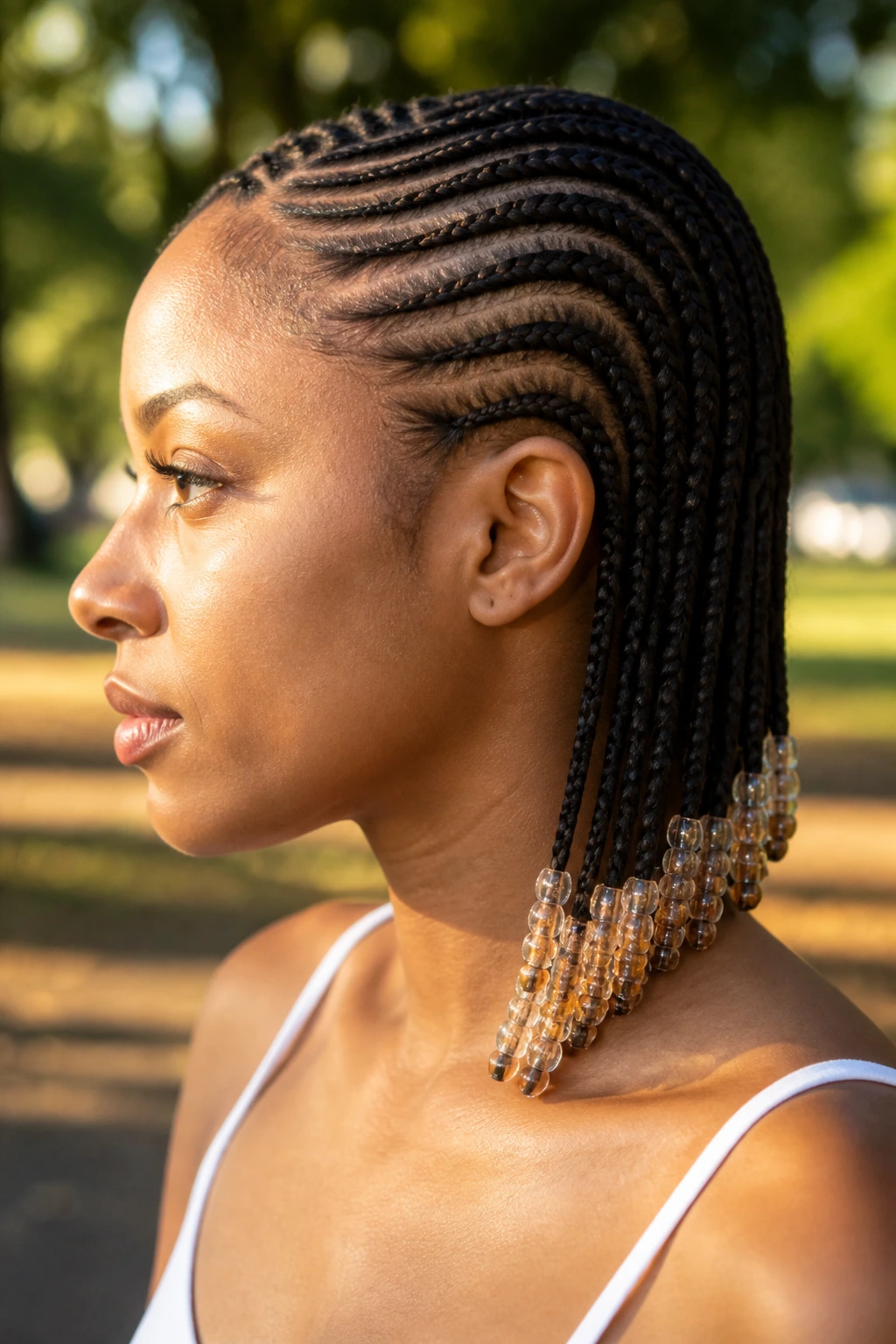
Shifting the direction of your braids can completely change the frame of your face. By braiding the hair to one side, you create a natural, sweeping effect that softens your features. Adding clear, wooden, or metallic beads to the ends adds a rhythmic click and a touch of personality. This style is particularly great if you are growing out a fringe or want to experiment with asymmetrical silhouettes.
4. The Half-Up, Half-Down Braid
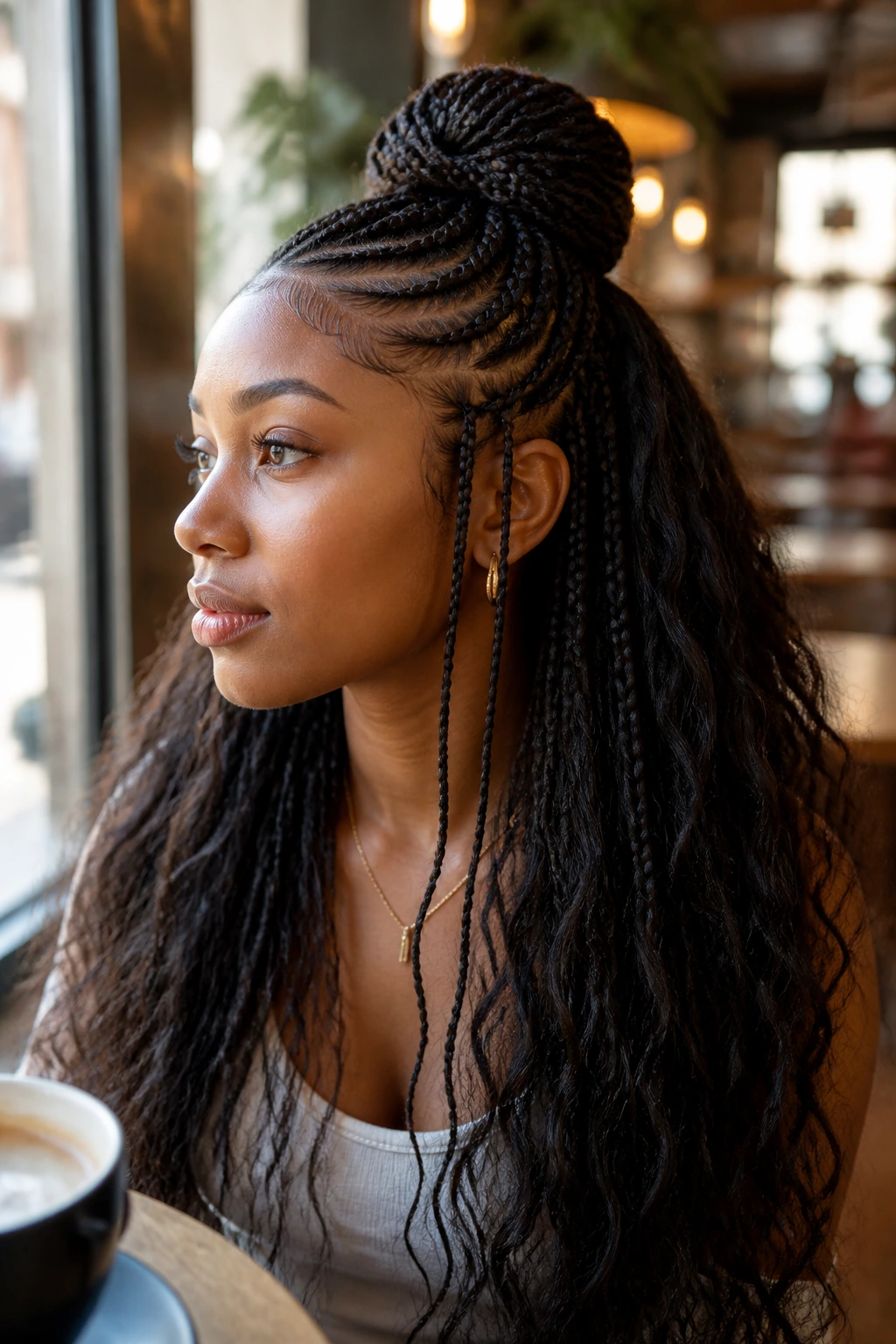
If you have trouble choosing between wearing your hair up or down, this is your solution. You braid the front and crown sections into neat rows while leaving the back section free, or perhaps braided into a single, loose ponytail. It offers the best of both worlds: the structure of protective styling at the roots and the volume and movement of free-flowing hair at the back. It is arguably the most versatile entry on this list.
5. Zig-Zag Parting Cornrows
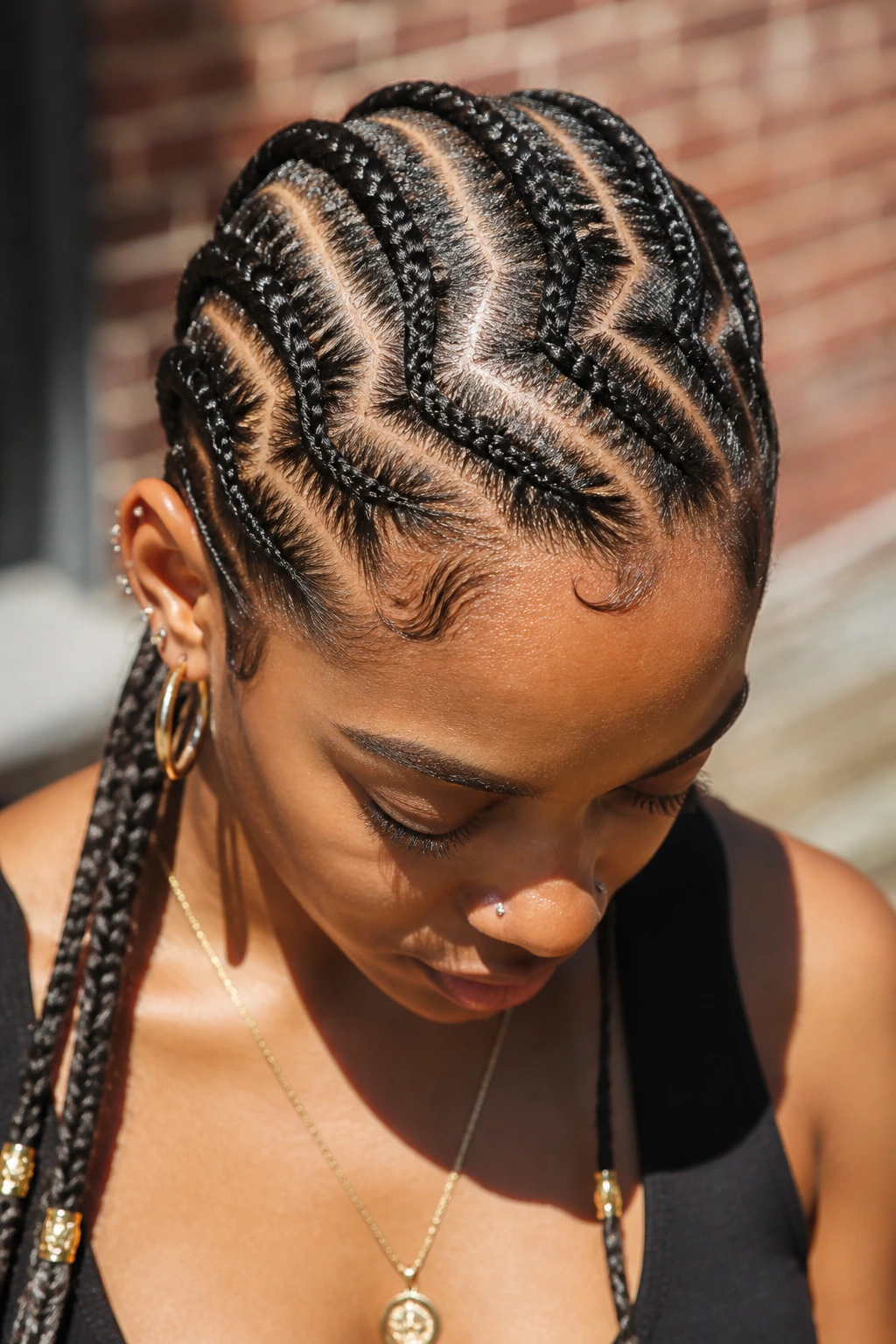
Who says parts have to be straight lines? Incorporating zig-zag or geometric parts into your cornrow base adds a layer of artistry that makes a simple style look complex and high-end. This requires a bit more precision from your stylist—or a very steady hand if you are doing it yourself—but the payoff is a unique look that stands out in a crowd. It turns a standard protective style into a statement piece.
6. Goddess Cornrows with Curly Ends
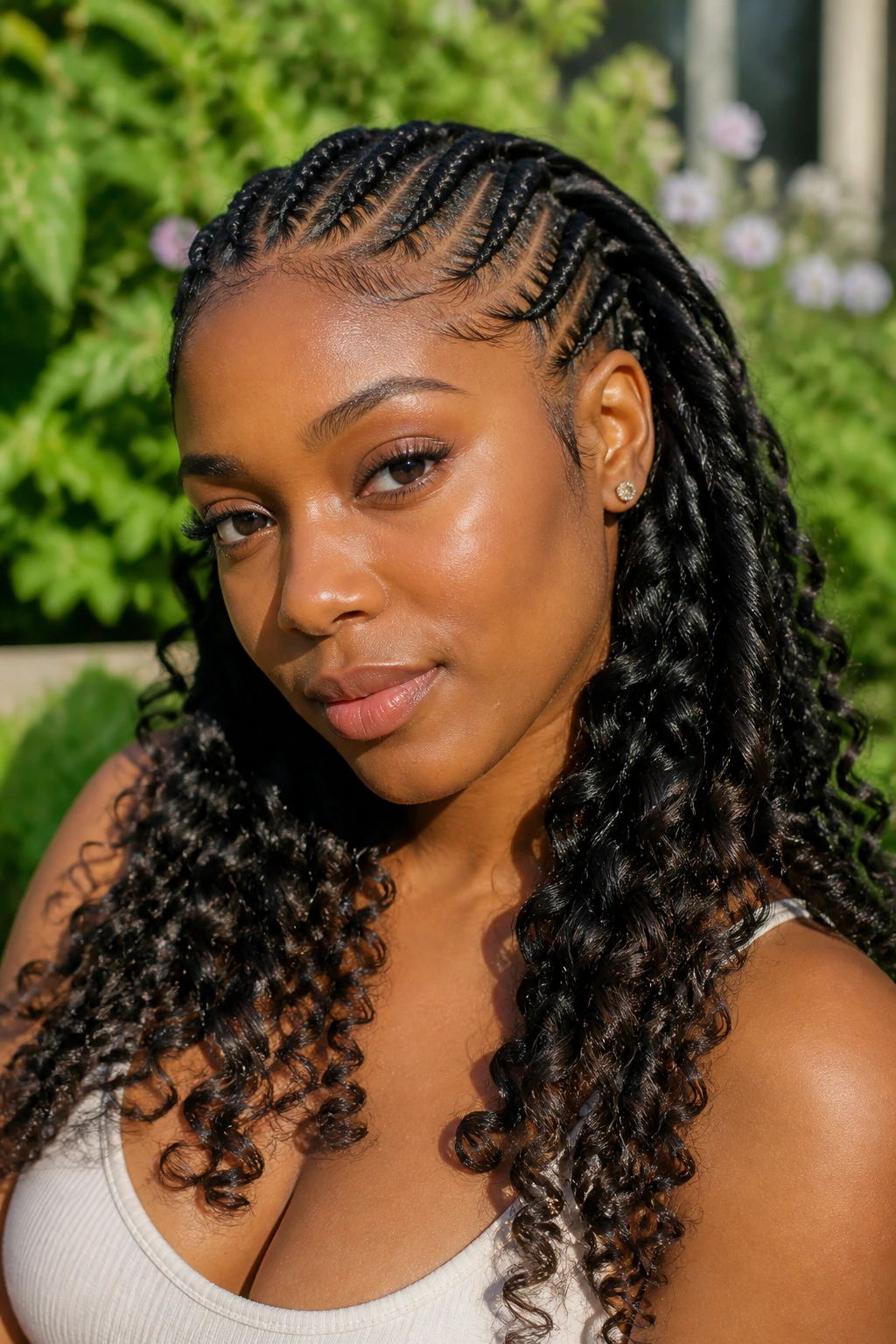
This is for those who crave a bit of texture and romance. The roots are cornrowed tightly, but the extensions are left loose or curled toward the ends, creating a soft, cascading effect. It brings a “goddess” aesthetic to the style, moving away from the rigid look of standard braids. Because the ends are loose, you have to be slightly more diligent about keeping them tangle-free, but the aesthetic impact is undeniable.
7. Chunky Cornrows for Quick Styling
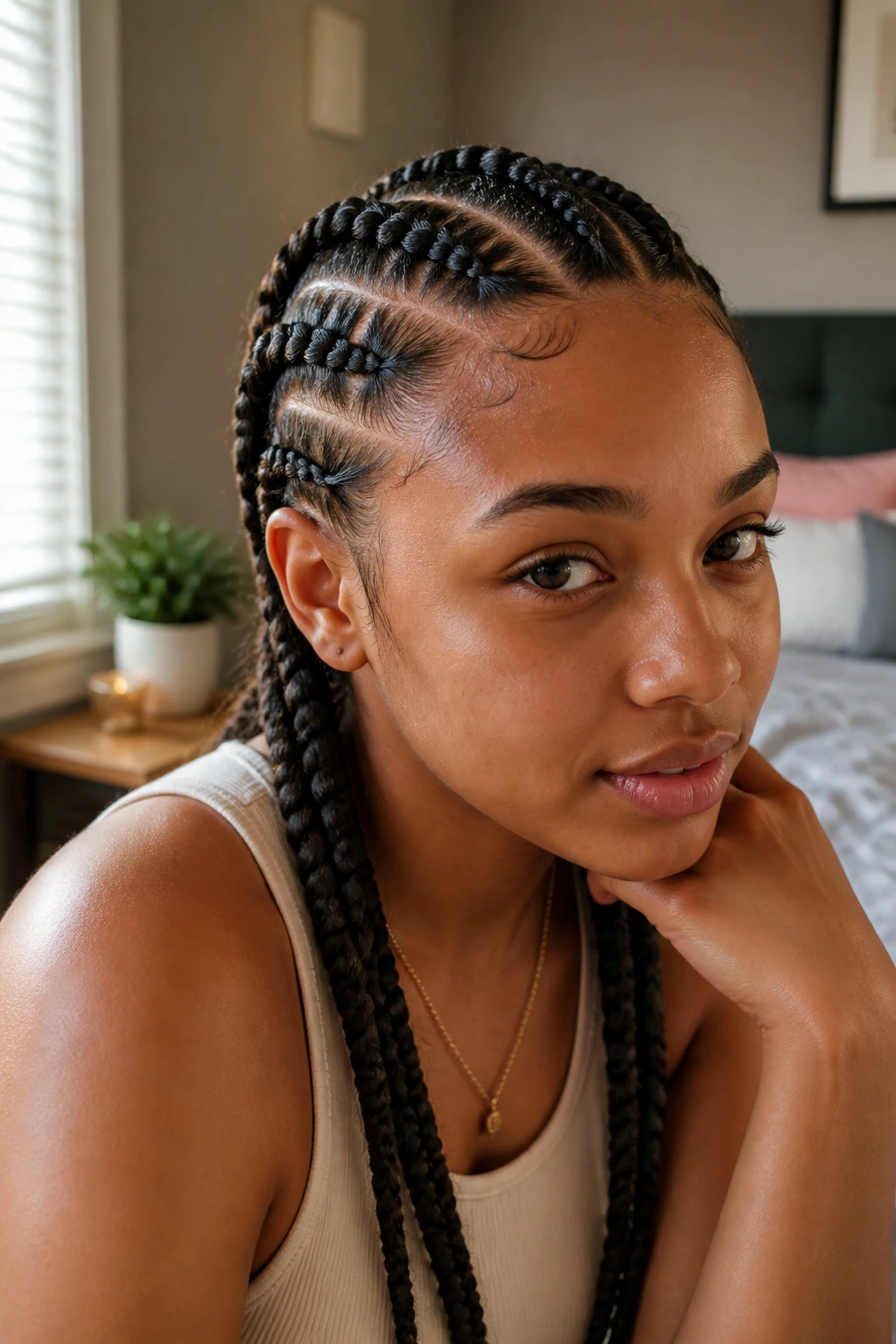
Sometimes you just do not have the patience for tiny, intricate braids that take six hours in the chair. Chunky cornrows are the answer. They use larger sections of hair, meaning fewer braids overall, which significantly cuts down on install time. They have a relaxed, effortless vibe and are much easier to wash and maintain. If you have thick hair, these provide a secure, heavy-duty hold that feels incredibly comfortable.
8. Braided Space Buns
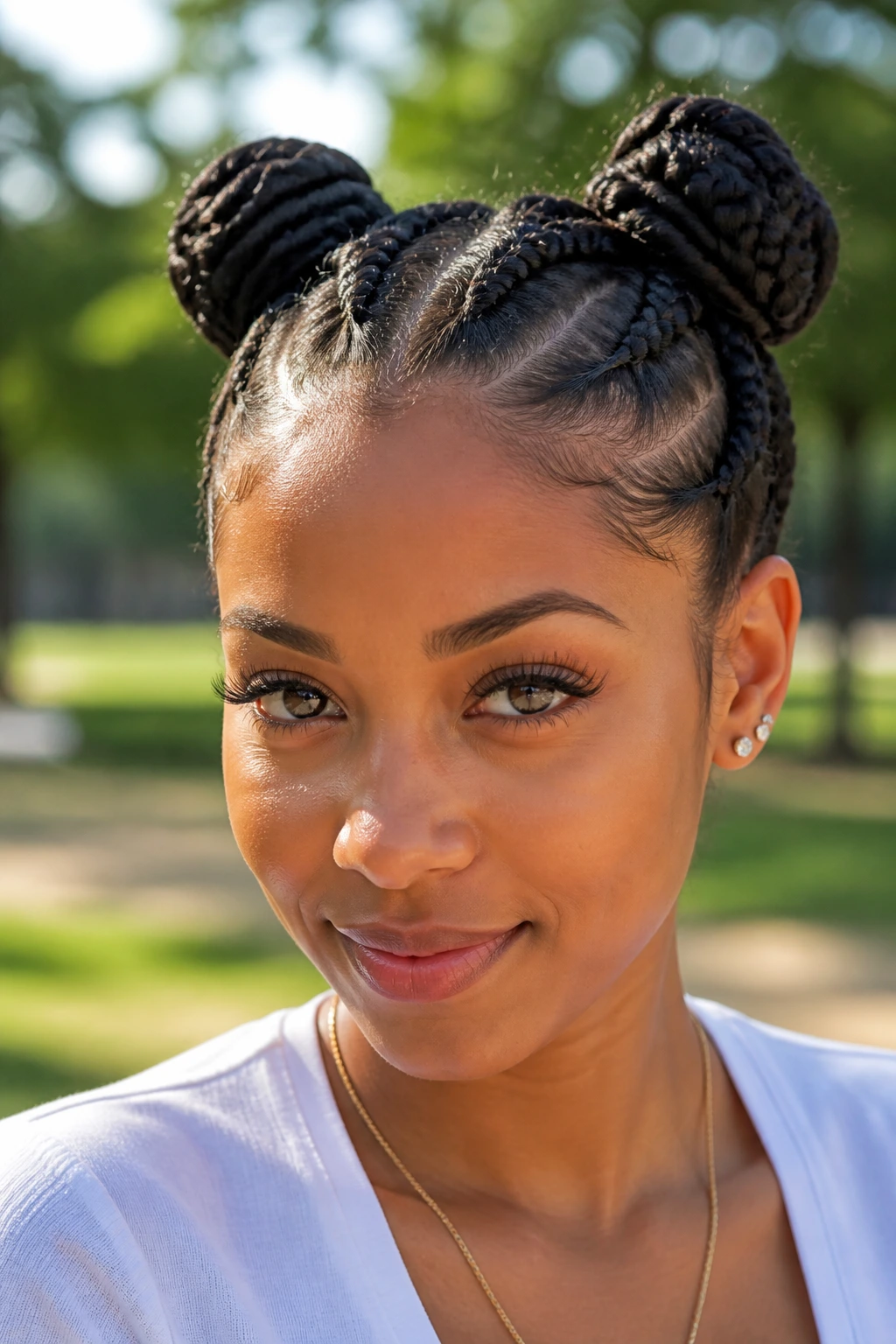
Space buns are playful, youthful, and surprisingly practical. You cornrow the hair toward two points on the crown of your head and then wrap the ends into high, circular buns. This keeps your ends completely tucked away and protected, which is ideal if you are focusing on length retention. Plus, it looks fantastic with everything from casual streetwear to something slightly more dressed up.
9. Crown Braid Cornrows
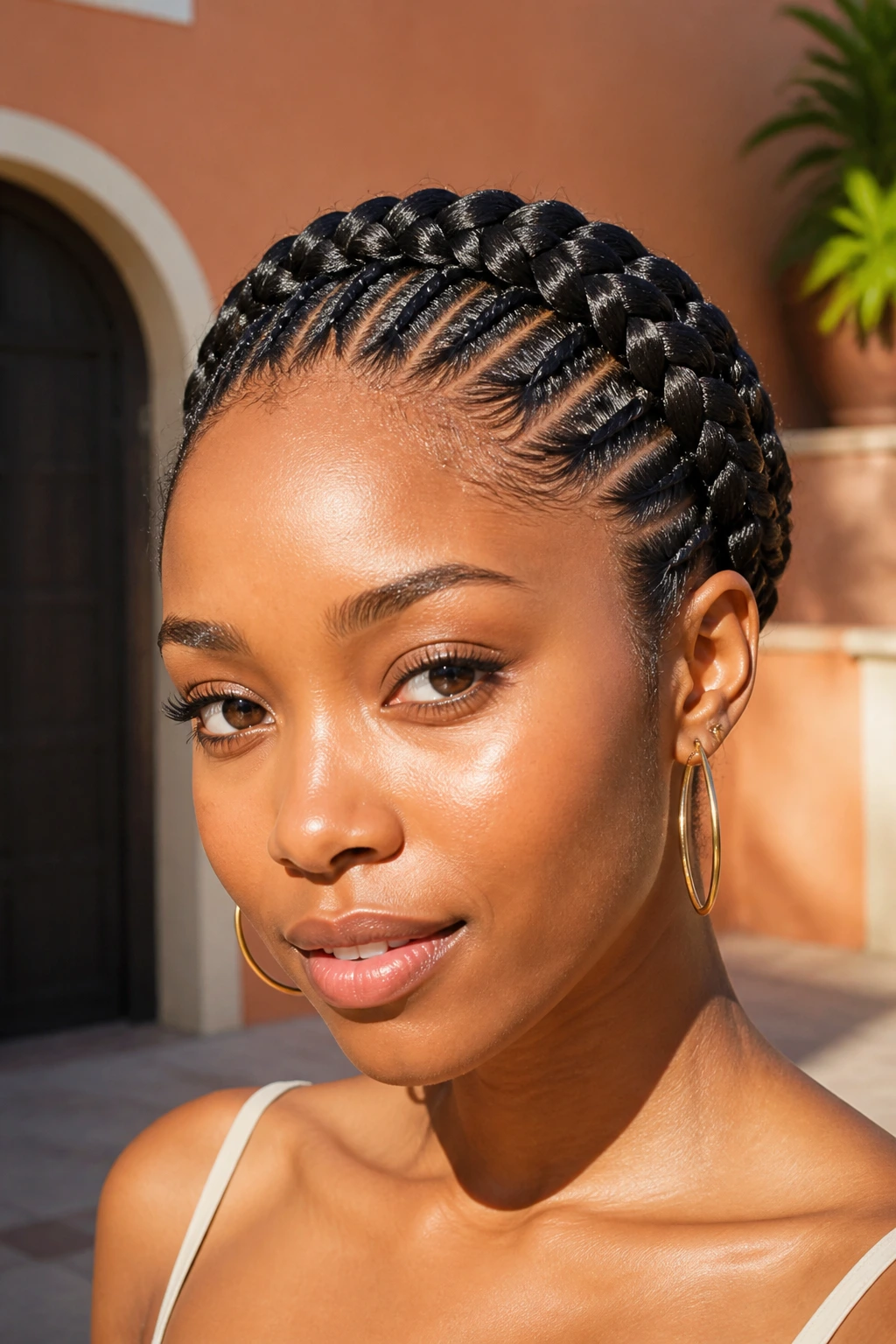
Also known as a halo braid, this style involves cornrowing your hair in a circular pattern around your head. It creates a regal, sophisticated look that is perfect for events but subtle enough for everyday errands. It effectively hides your ends in the center or tucked under, providing an excellent environment for your natural hair to rest and thrive without friction.
10. Cornrows with Gold Cuffs
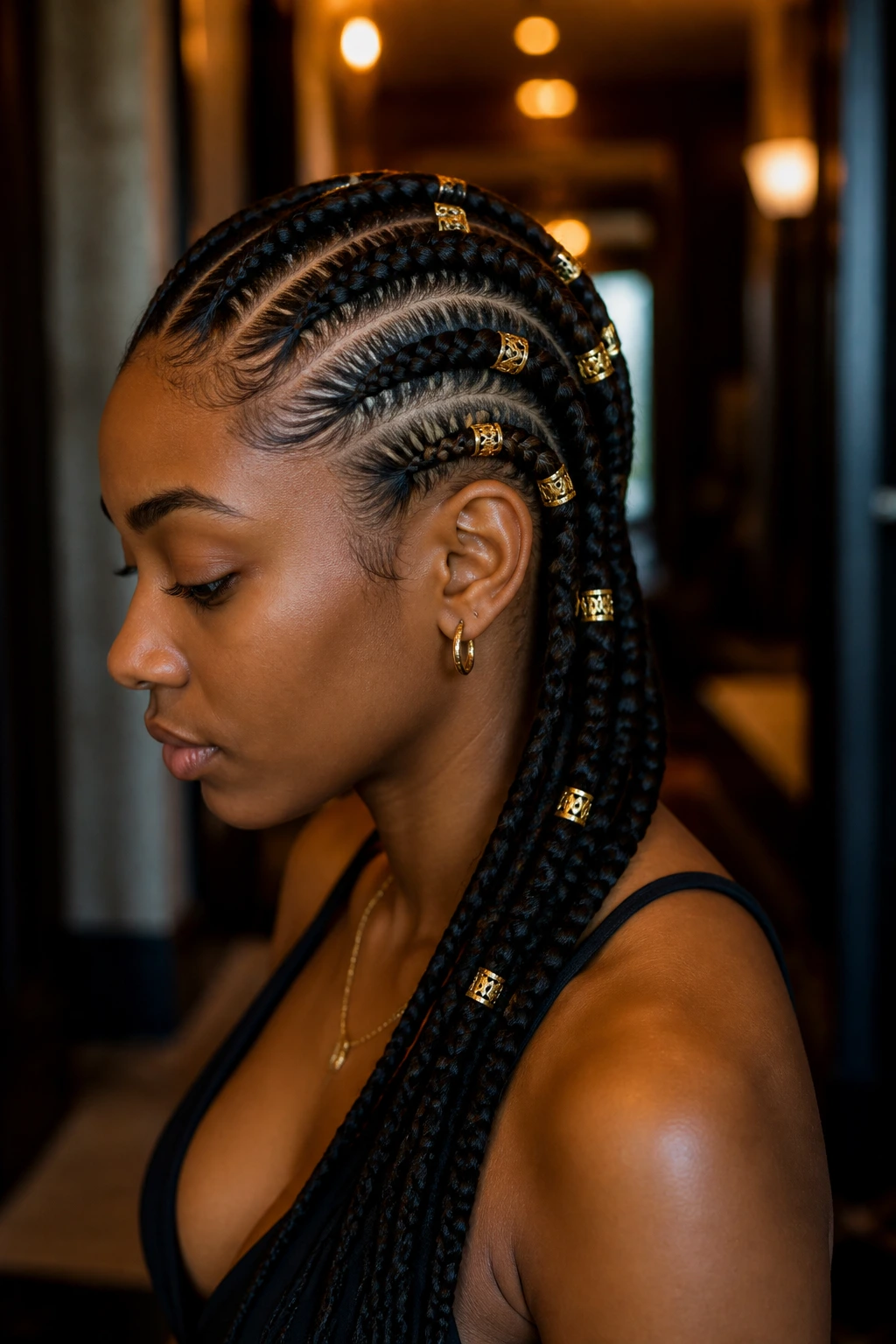
If your braids are looking a bit “too simple” for a specific occasion, adding gold or silver cuffs is the fastest way to elevate the look. You can place them at the very start of the braid or space them out along the length for a glint of metallic shine. The beauty of this is that it is temporary; you can take them out in seconds if you want to switch back to a more understated look.
11. Tribal-Inspired Stitch Braids
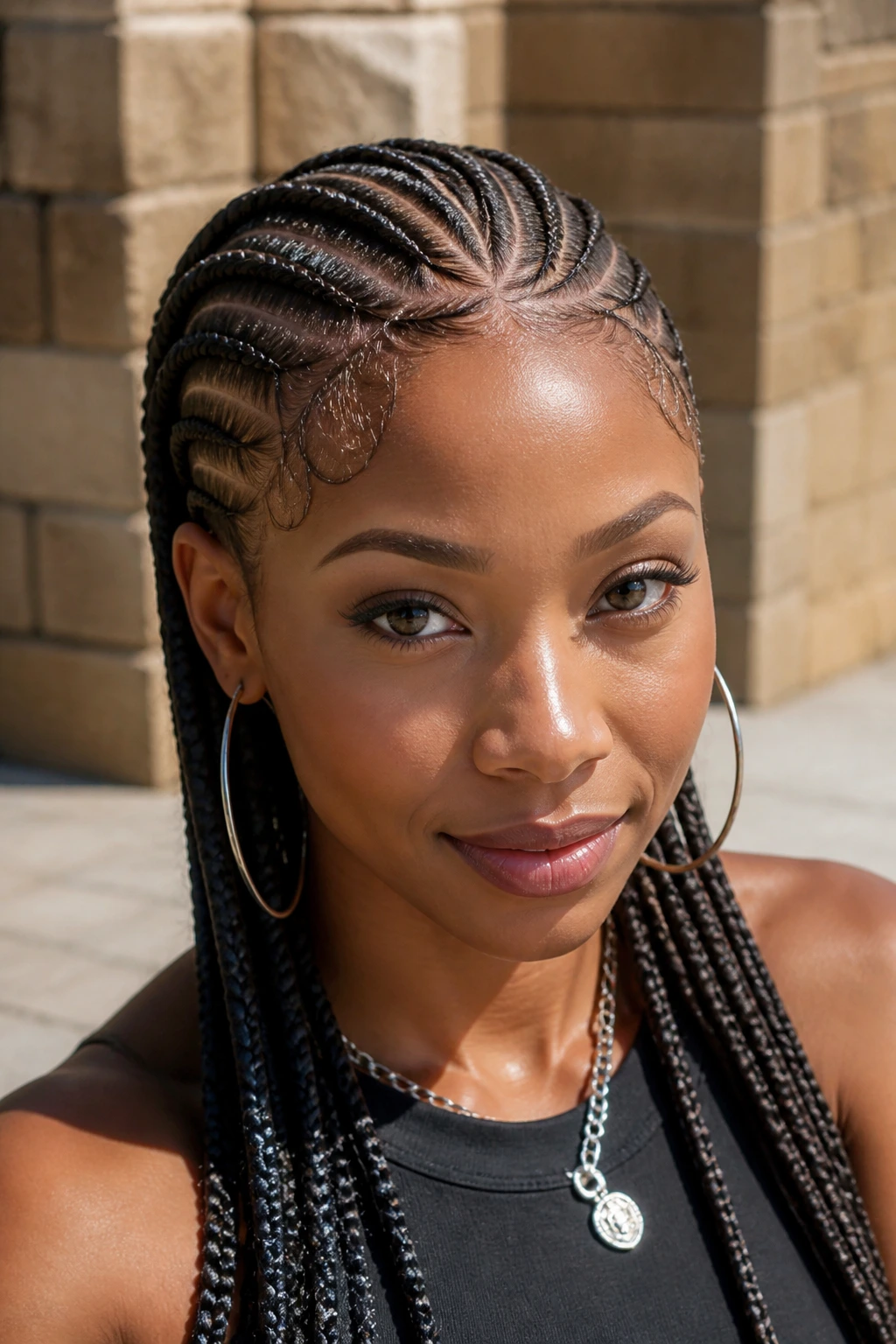
Stitch braids utilize a specific technique where the stylist creates clean horizontal lines across each braid using their fingernails. It gives the braids a unique, textured appearance that is highly popular for its precision. Combining this with tribal-inspired patterns—perhaps braiding some rows toward the front and others toward the back—results in a look that feels rooted in heritage while remaining entirely current.
12. Micro-Cornrows with High Volume
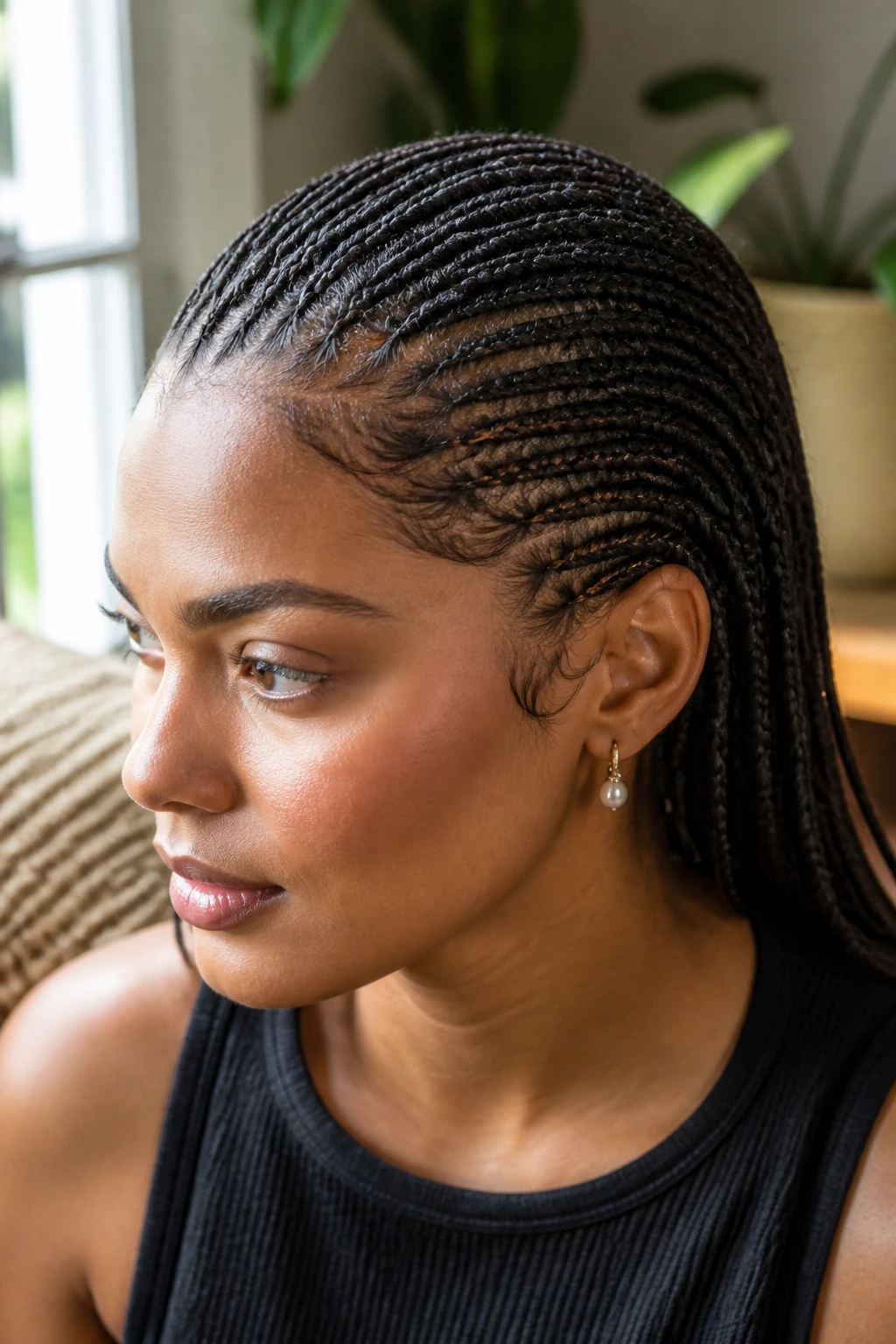
These are the small, tight braids that sit close to the scalp. Because there are so many of them, they create an incredibly dense, intricate pattern. This style is a commitment in terms of time, but it lasts longer than almost any other braid style because it is so compact. It acts almost like a scalp-hugging fabric, making it one of the most durable choices for those with an active lifestyle.
13. Heart-Shaped Braid Patterns
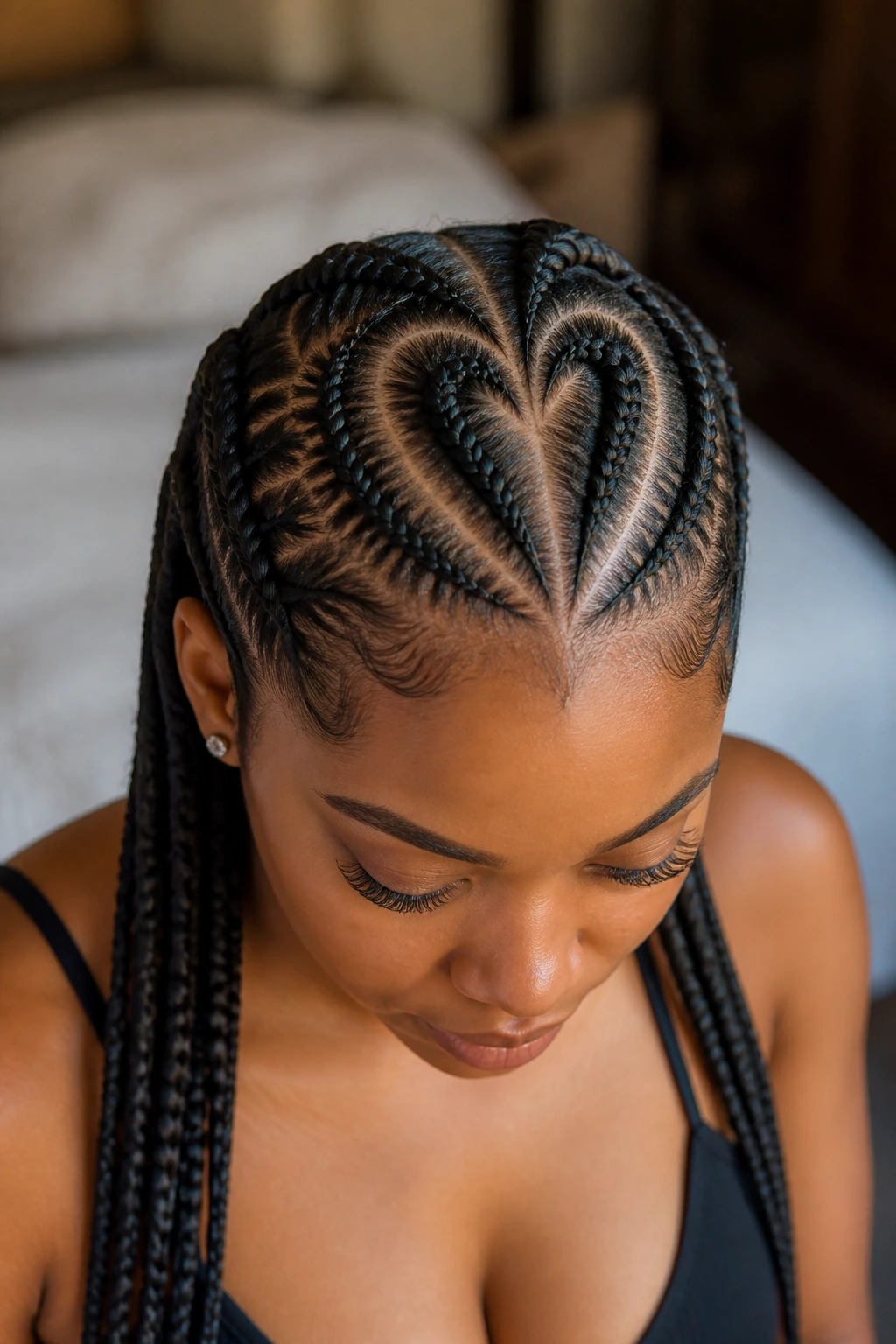
Want something a bit more artistic? Skilled braiders can manipulate your part lines to create hidden heart shapes within your cornrow layout. It is a subtle, fun detail that people only notice when they look closely. It takes the “everyday” out of the style and makes it feel personal and thoughtful. It is a great way to showcase creativity within the constraints of a protective style.
14. Ombré Feed-In Braids
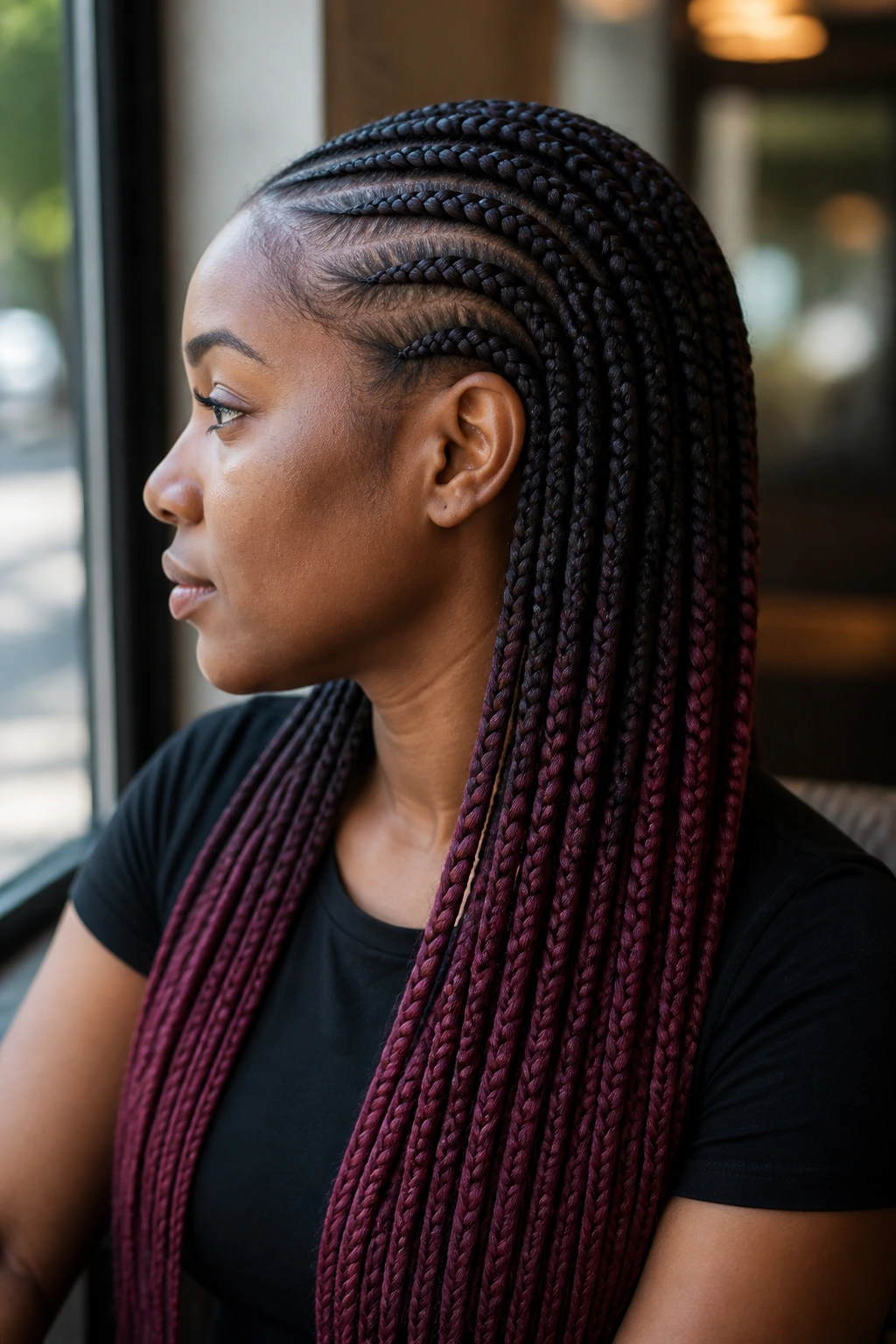
Color is a powerful tool for changing your mood. If you don’t want to dye your own hair, use colored extensions to create an ombré effect where the braids transition from your natural shade to a vibrant color. Plums, deep reds, or honey blondes work particularly well against natural hair textures. It gives you a pop of color that frames your face beautifully without the chemical damage of professional dyes.
15. The Low-Bun Cornrow Wrap
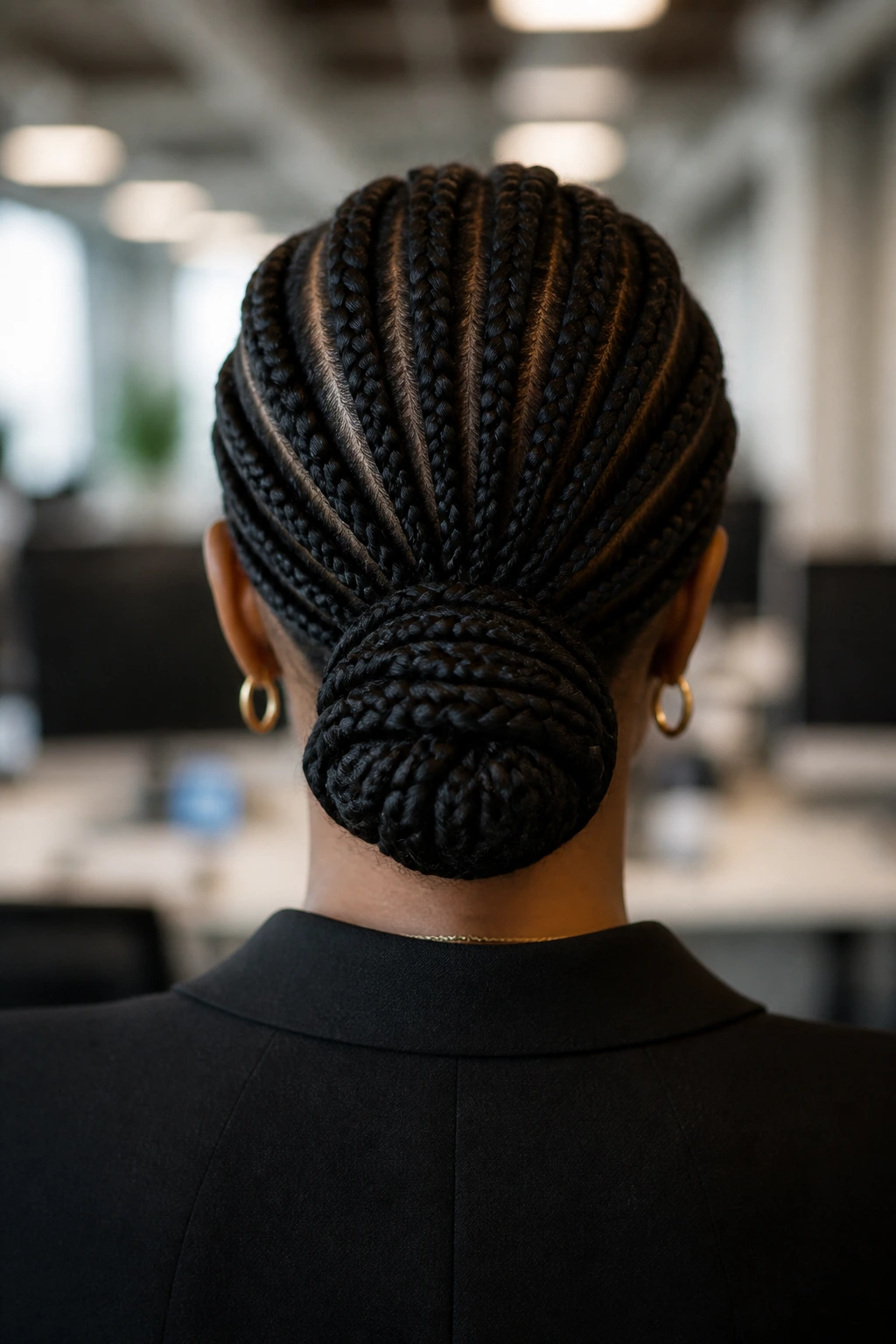
If you need your hair completely out of your face and off your neck, this is the ultimate utilitarian choice. You cornrow the hair back and then consolidate all the ends into one neat, low bun at the nape of your neck. It is incredibly professional, very secure, and works perfectly under hats or scarves during colder months. It is the style equivalent of a clean desk—organized, focused, and ready for work.
16. Double-Part Cornrows
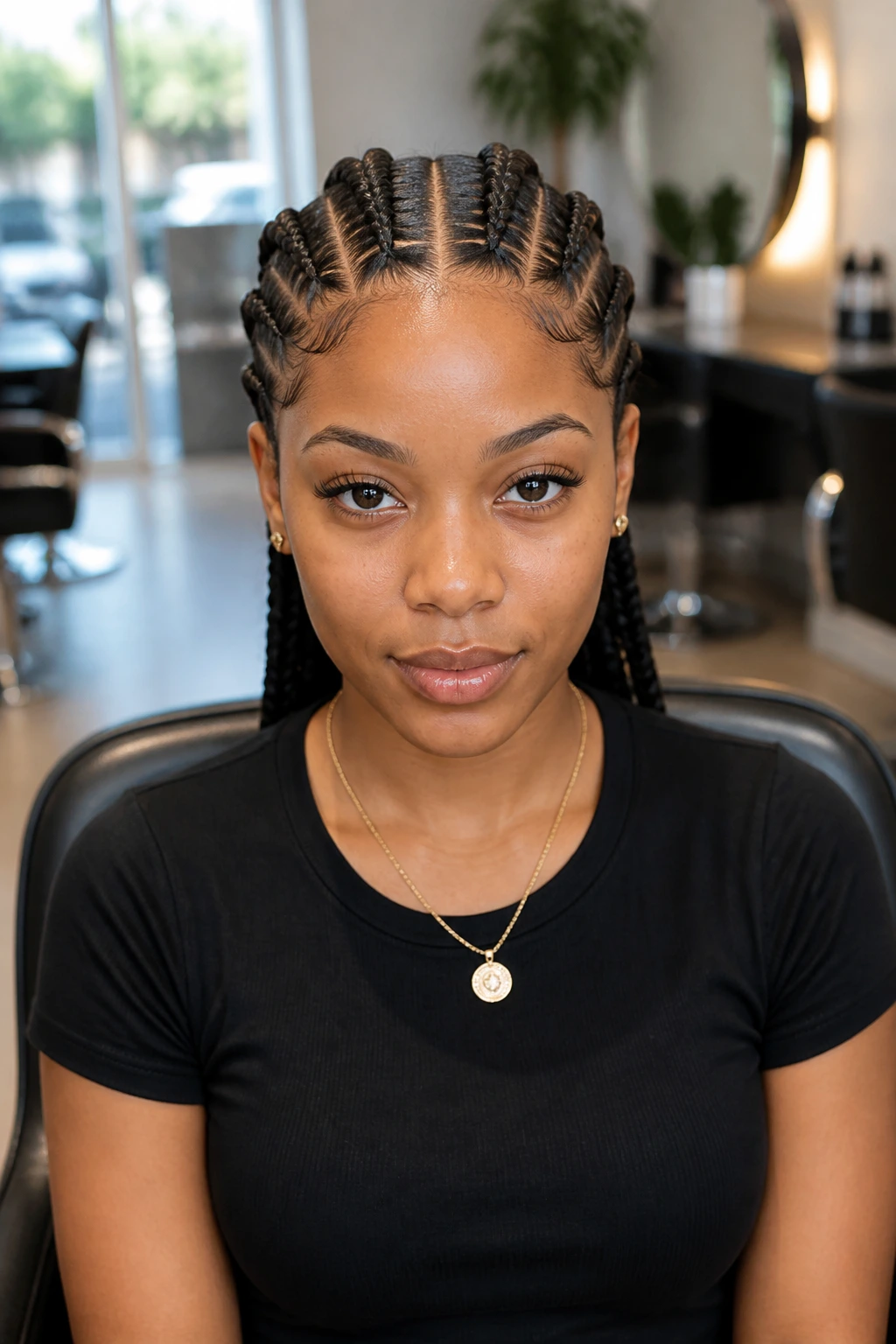
Instead of one straight part, use two parallel parts for every braid. This creates a wider, more distinct path of scalp visibility that looks incredibly intentional and sharp. It’s a small tweak to the standard straight-back style, but it completely changes the visual rhythm of the hair. It looks best when the hair is kept sleek and shiny with a high-quality pomade or edge control.
17. Braided Mohawk
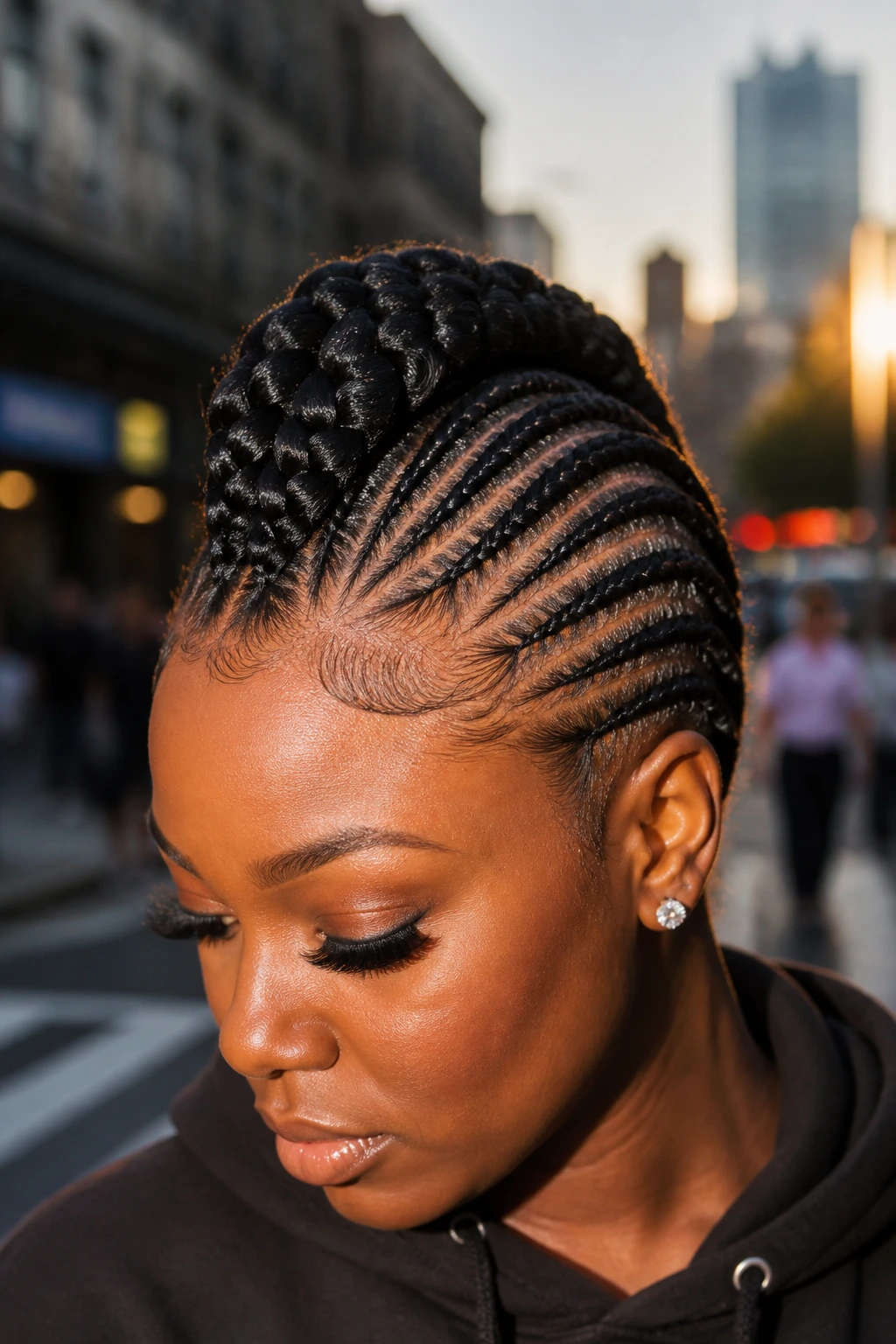
A braided mohawk is all about confidence. You cornrow the sides of your head upward toward the center, creating a raised ridge of hair that mimics a faux-hawk silhouette. It is edgy, bold, and incredibly striking. It draws the eye upward and elongates the face. You can keep the braids tight or loose depending on how dramatic you want the ridge to be.
18. Cornrows with Curly “Boho” Tendrils
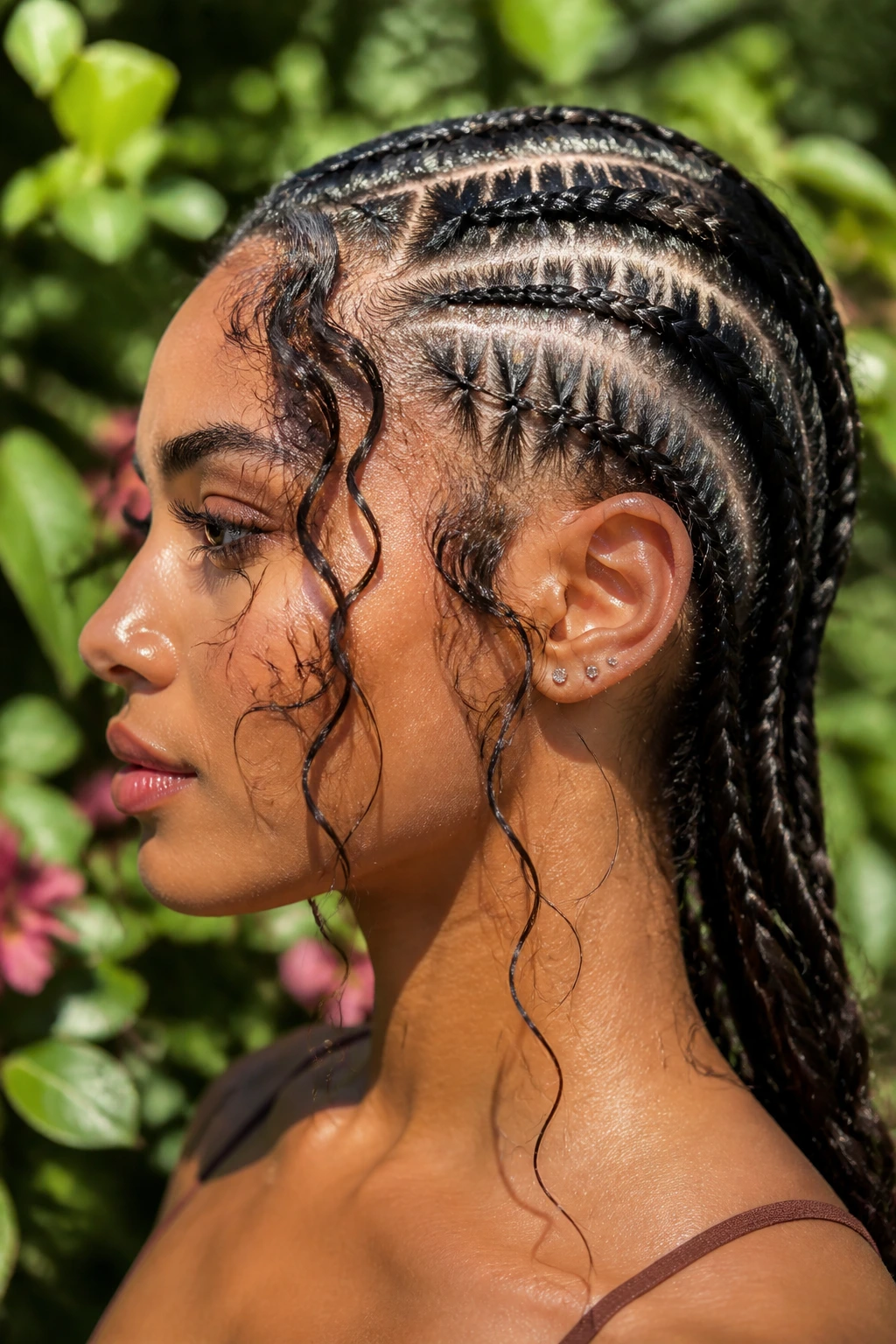
Similar to the goddess style but with more intentional, scattered tendrils, this look is all about the “undone” aesthetic. You leave small sections of hair out of the braid at random intervals to create a wispy, bohemian look. It is softer and less severe than traditional tight cornrows. Just remember to detangle those loose curls daily so they don’t become a matted mess.
19. Swirl Pattern Cornrows
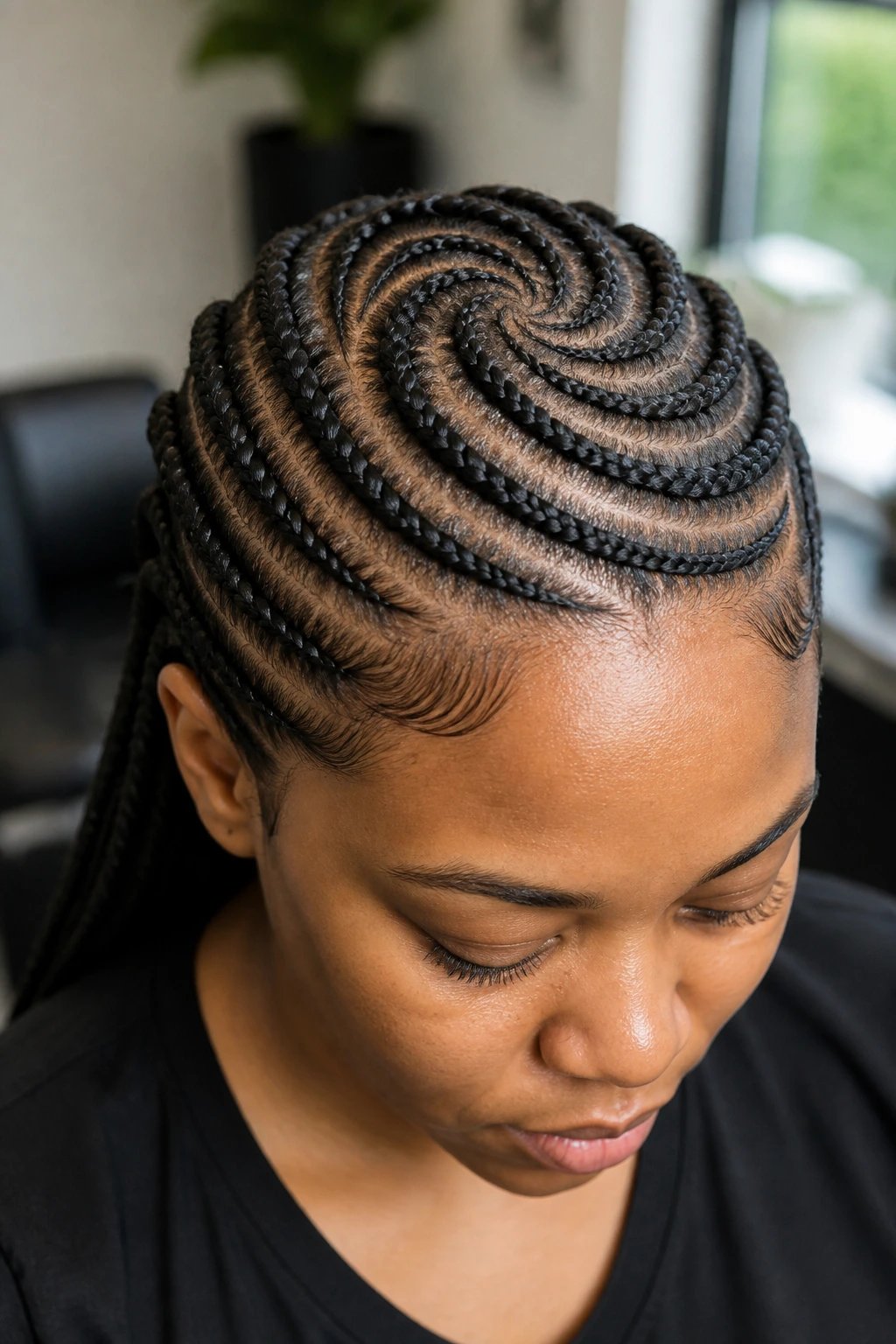
Moving away from straight lines entirely, a swirl pattern mimics the natural growth of the hair on the crown. It creates a fluid, organic look that feels less like a geometric grid and more like a work of art. Because the braids follow the contours of your skull, this style often feels more comfortable and less prone to pulling at the hairline.
20. Accessorized Ends with Shells
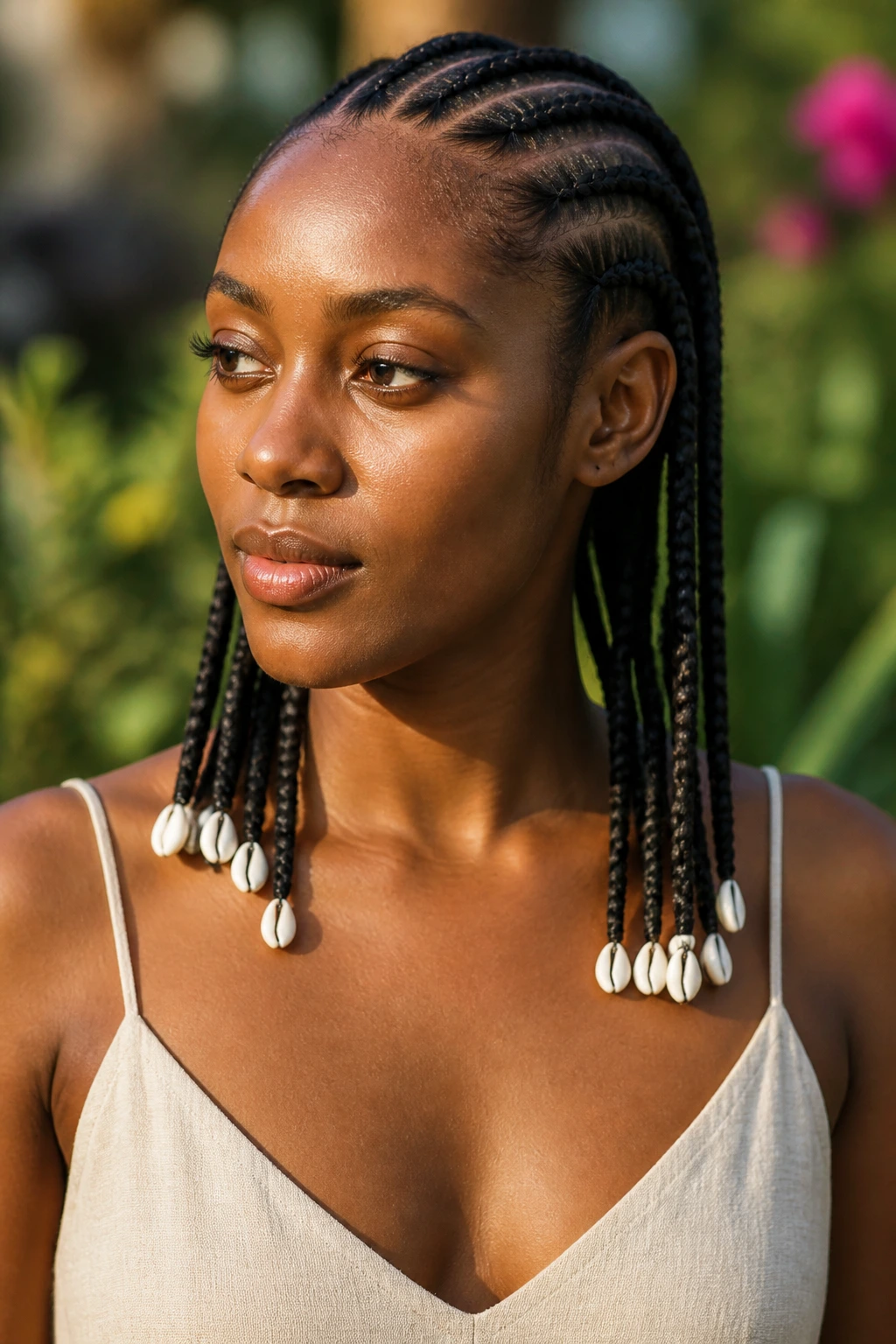
For a more earthy, natural vibe, skip the metallic cuffs and opt for small cowrie shells at the ends of your braids. They bring a bit of weight to the hair, helping them hang straight, and they add a texture that pairs beautifully with natural hair. This style looks great with linen clothing or light, breezy outfits throughout the year.
21. High-Detail Nape Patterns
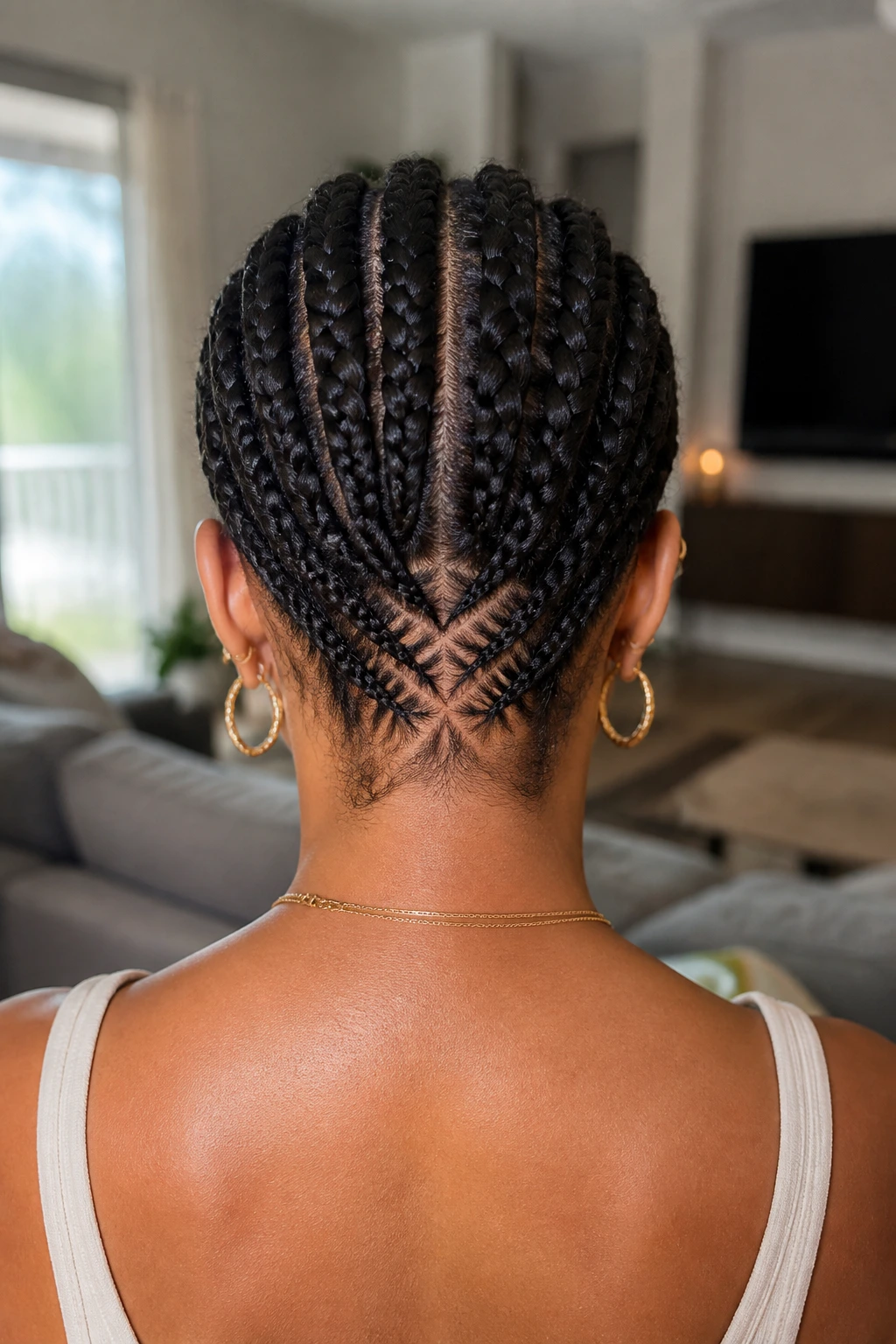
Often, we focus entirely on the front of our hair. But why not put some love into the back? You can braid the nape of your neck into intricate criss-cross or V-shaped patterns, even if the front is a simple straight-back design. It provides a “hidden” surprise that makes the style feel bespoke. It shows a level of detail that elevates even the most basic cornrow configuration.
22. The “Feed-In” Bob
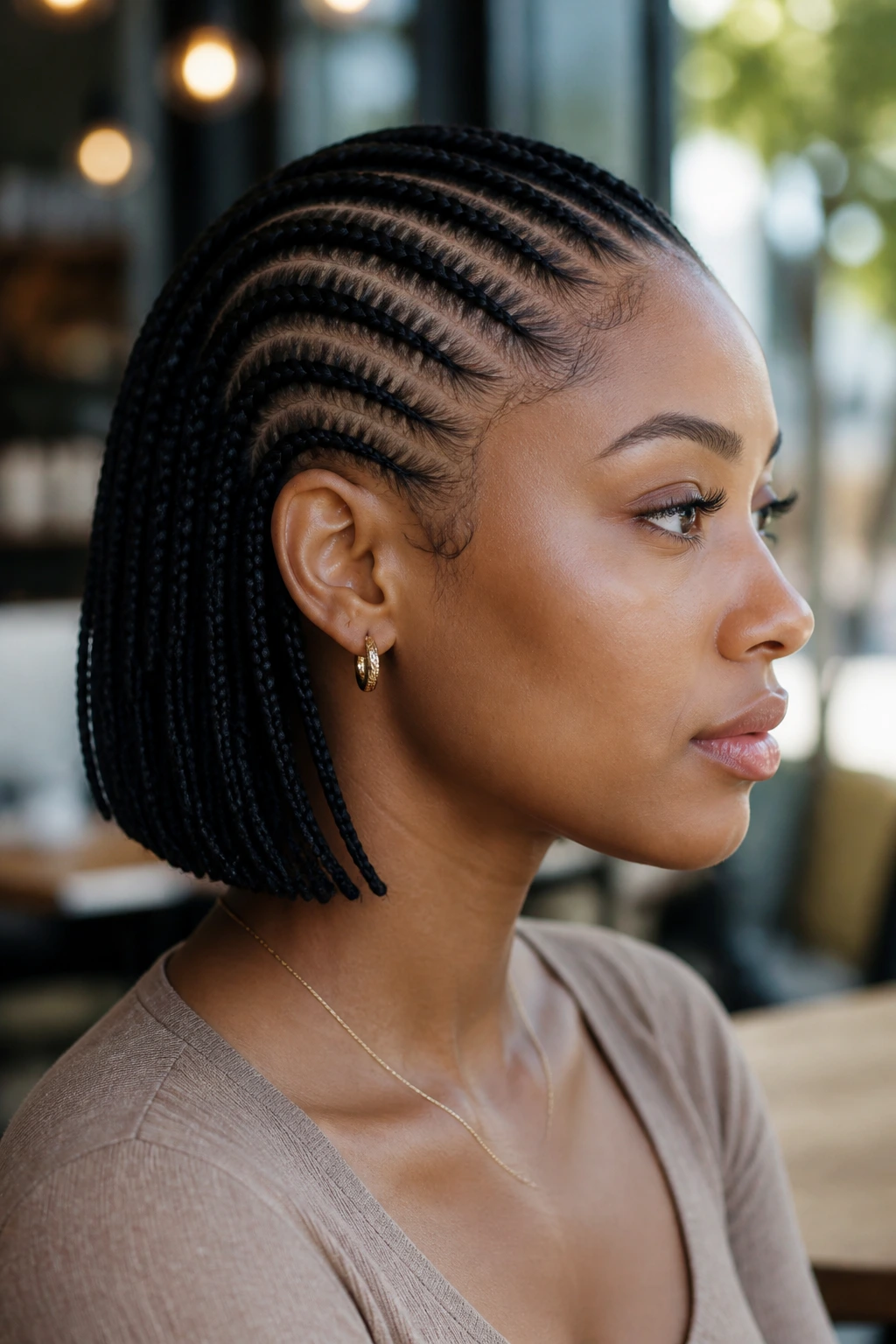
If long braids aren’t for you, cut them short. A braided bob—where the cornrows are fed into a length that hits just at the chin or jawline—is incredibly chic. It frames the face, requires much less time to install, and feels light as air. It is a fantastic option for someone who wants the protection of cornrows without the weight of long, heavy extensions dragging down their neck.
Essential Maintenance for Your Braids
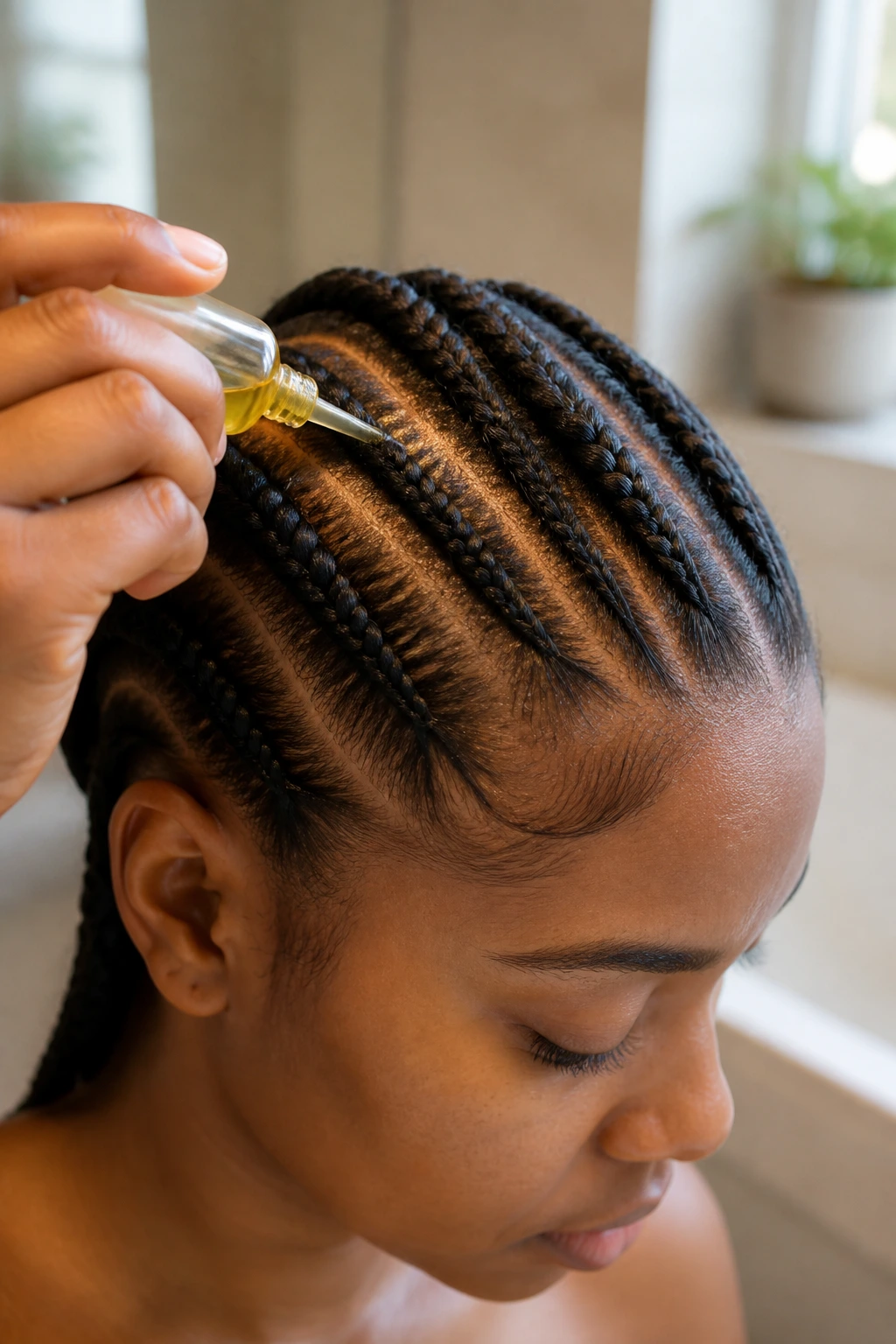
No matter which style you choose, your scalp is the engine that keeps your hair growing. Ignoring the scalp is the fastest way to invite itchiness and dryness. Use a spray bottle filled with a mix of water and a few drops of tea tree oil to keep your skin refreshed. If you feel that classic braid itch, reach for an oil-based serum with a targeted applicator tip—this allows you to get the product directly onto the skin between the braids without creating a buildup of grease on the hair itself.
When it comes to washing, be gentle. You do not want to rub the braids vigorously, as this causes the dreaded “frizz halo.” Instead, use a stocking cap or a specialized braid-friendly shampoo that can be applied directly to the scalp with a sponge. Focus your scrubbing on the parts, not the length of the braids. When you rinse, ensure the water pressure is high enough to clear away the suds, but keep it directed straight down to avoid tangling the synthetic hair.
Choosing the Right Extensions
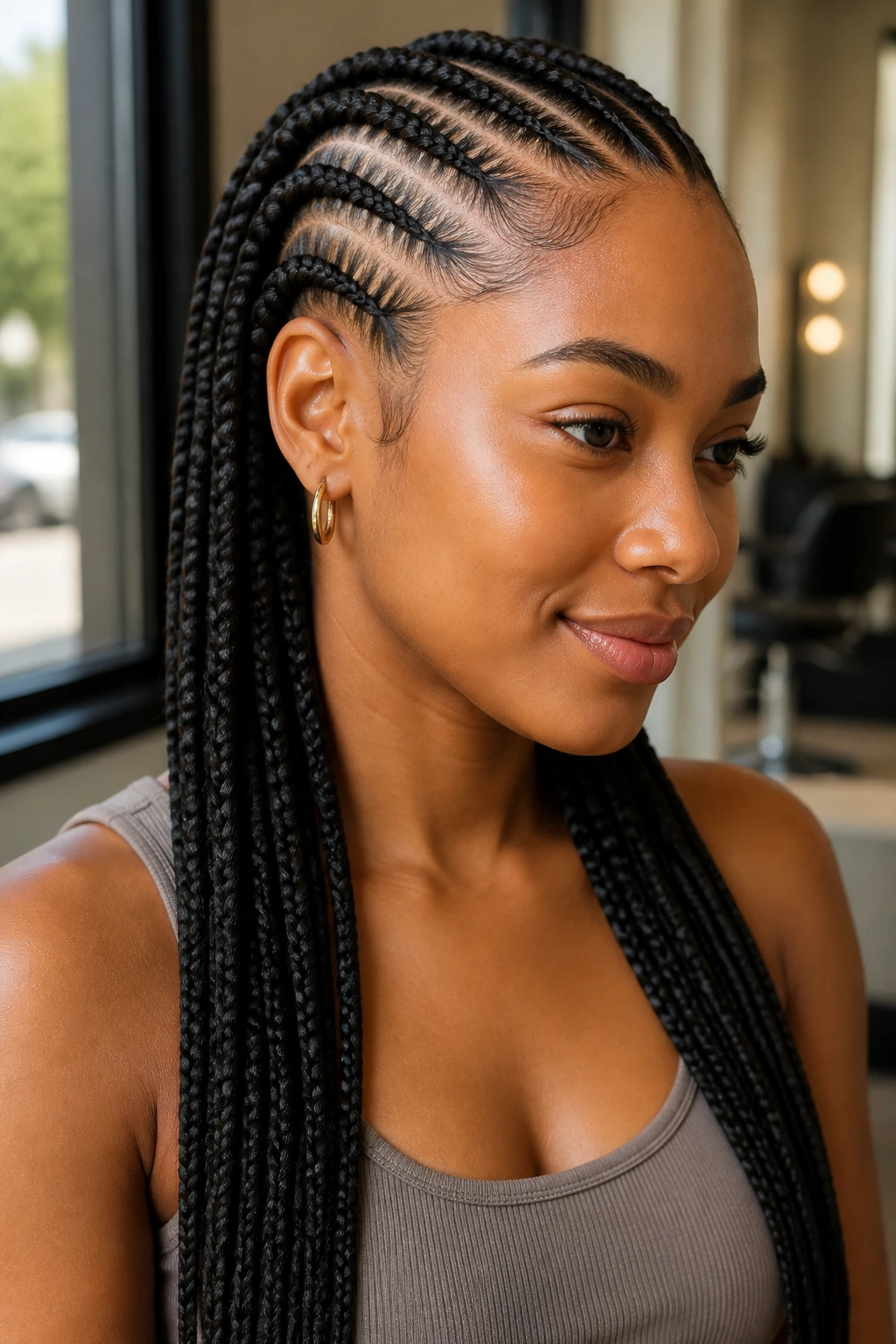
If you are adding hair, the texture matters more than you think. Synthetic kanekalon hair is the industry standard for a reason; it’s lightweight, matte, and handles heat well if you need to seal the ends. However, pay attention to the “pre-stretched” labels. Using pre-stretched hair saves hours of work because it tapers naturally at the ends, which is crucial for that seamless, professional feed-in look. If you use non-pre-stretched hair, your braids might look blunt and heavy at the tips, which can snag on your clothing and look less refined.
Always keep your natural hair health in mind when deciding how much tension to use. If you see tiny bumps forming along your hairline right after your appointment, your braids are too tight. This is your scalp telling you that the hair follicles are under distress. Don’t wait for it to “settle in.” Take the pressure off immediately by loosening the edge braids with a small crochet hook or a warm, damp towel. Your edges are precious—once they are damaged, they are notoriously difficult to regrow.
Styling for Different Occasions
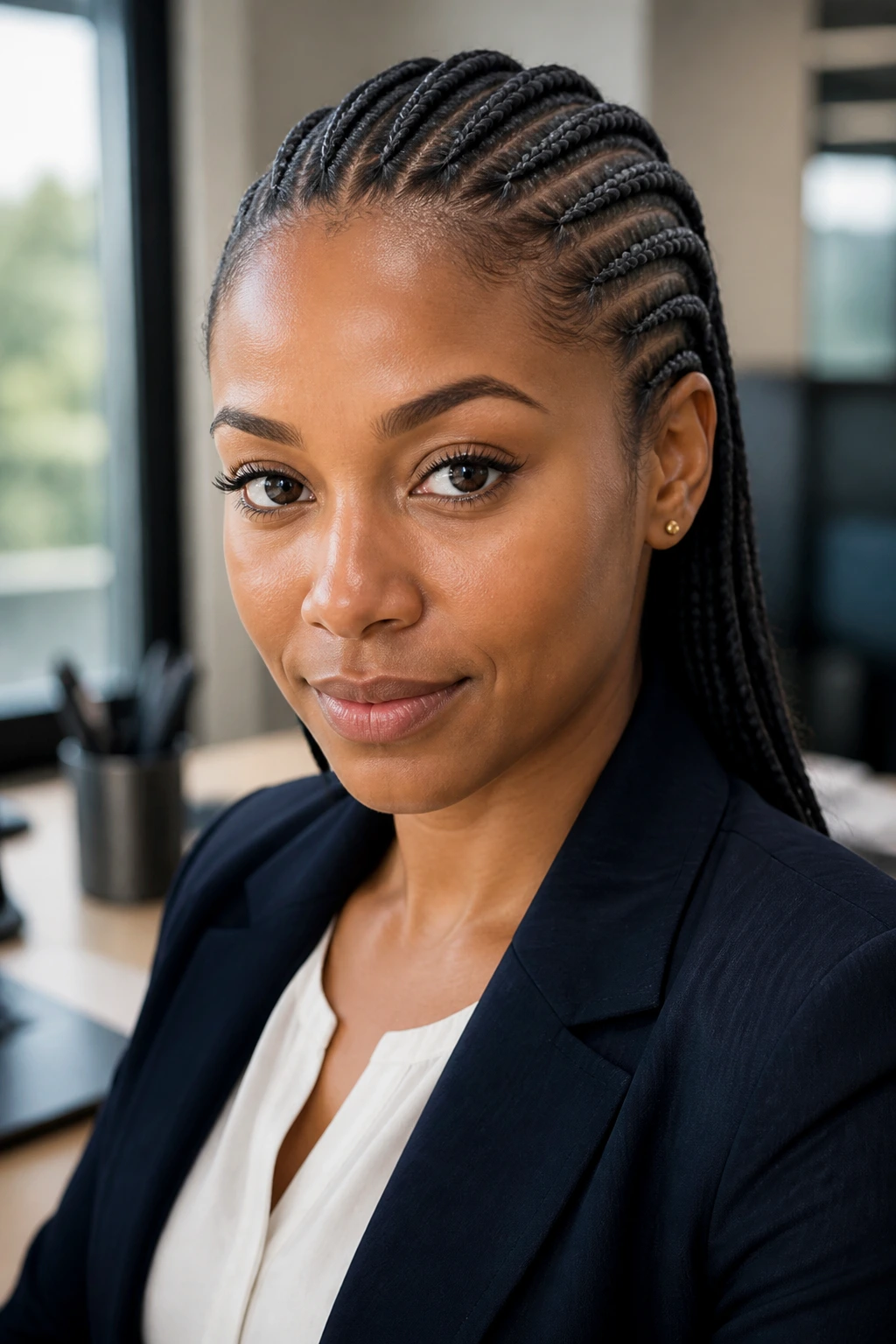
A good cornrow style acts like a chameleon. For the office, a neat, straight-back style or a low bun is perfectly appropriate and keeps your aesthetic clean and professional. When you’re heading out for the evening, those same braids can be adorned with gold cuffs or jewelry to change the vibe entirely. If you’re heading to the gym, keep them pulled back or in a high bun to prevent sweat from weighing down the hair.
The beauty of cornrows for everyday wear is that they eliminate the “hair day” uncertainty. You know how your hair will look when you wake up, and you know how it will look when you get home. It reduces the stress of your daily routine and protects your natural hair from the daily wear and tear of combing, brushing, and heat styling. When you treat your braids with care, they become a powerful, beautiful tool for both personal expression and hair health.
Final Thoughts
Ultimately, the best cornrow style is the one that makes you feel confident and comfortable in your own skin. Whether you lean toward the precision of stitch braids or the soft texture of boho-inspired looks, the goal remains the same: a protective, beautiful, and low-maintenance result. Treat your scalp well, keep your ends tucked, and remember that the art is in the detail of the parts. Your hair is an asset, and with the right braid pattern, it’s one you can set and forget, leaving you with one less thing to worry about when the morning alarm rings.