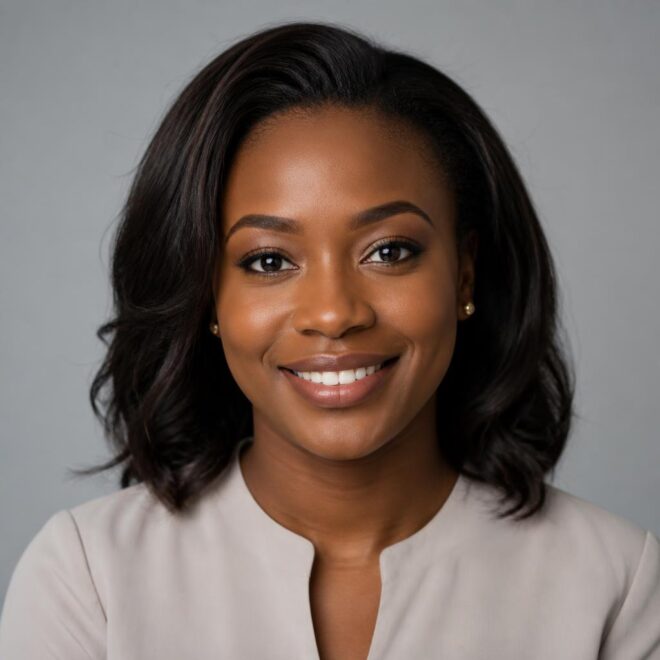


The fairy cut is a delicate, ethereal evolution of the classic pixie, defined by wispy layers, soft texture, and a deliberate lack of bluntness. It captures a dreamlike quality, often characterized by shattered ends that seem to float rather than sit flat against the scalp. For those with Asian hair—typically characterized by a rounder cross-section, higher density of individual strands, and a tendency to grow straight and resistant to heat styling—this cut is a masterclass in weight distribution. Instead of the aggressive, high-contrast edges found in traditional short styles, the fairy cut utilizes precision thinning to soften the silhouette, allowing the hair to embrace its natural density while looking impossibly light.
Achieving this look requires moving away from the “one size fits all” approach of standard salon cuts. Asian hair, being naturally strong and often coarse, can easily turn into a helmet if layered incorrectly. The goal is to move the weight off the crown while leaving just enough length around the ears and nape to maintain that soft, wispy finish. It is a style that thrives on imperfection; the more it moves and catches the light, the better it looks. Whether you have sleek, pin-straight strands or a subtle wave, the fairy cut relies on the balance between deliberate structure and effortless, wind-swept volume.
1. The Classic Wispy Pixie
The foundational fairy cut is all about the “shattered” end. Unlike a sharp bob that draws a harsh line, this style uses point-cutting to create uneven, feathered edges that taper into nothingness. For those with thick, dark Asian hair, this is the safest entry point because it keeps the length minimal enough to prevent the dreaded “mushroom” effect while providing enough texture to make the hair feel airy.
Why It Works for Straight Textures
Straight hair acts as a canvas for this cut, allowing the precision of the layers to shine. Because the hair naturally wants to lie flat, the wispy tips create the illusion of movement without needing a volumizing mousse. You get that soft, angelic frame around the face that standard pixies often lack.
Maintaining the Shape
- Use a lightweight texturizing spray, not a heavy wax.
- Trim every four weeks to keep the wispy ends from growing out into a blunt, heavy block.
- Focus on the nape of the neck; keeping this area closely tapered is what distinguishes the fairy cut from a standard short haircut.
2. The Bottleneck Bangs Fairy Cut
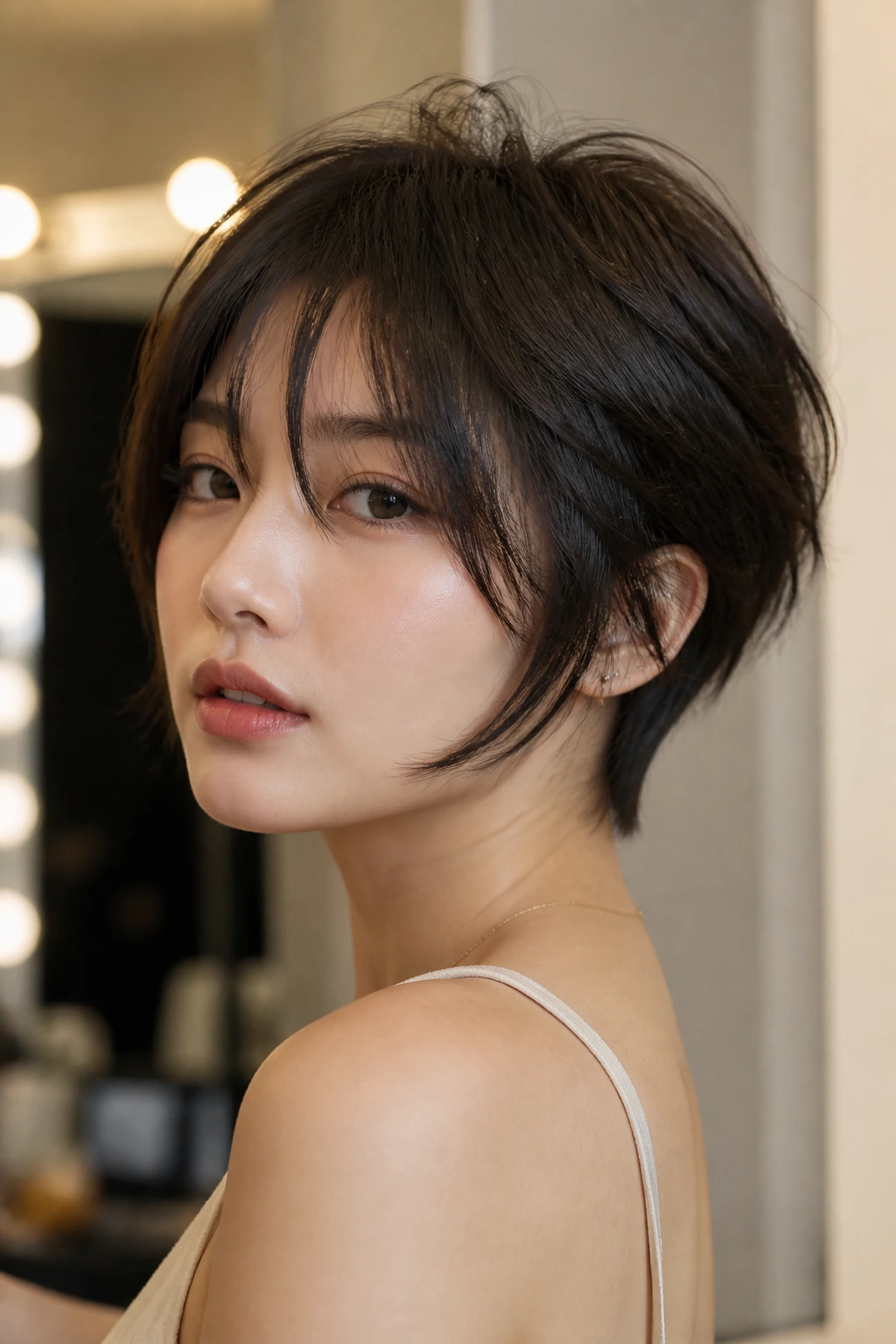
Integrating a bottleneck fringe—a softer, curtain-like bang that curves around the cheekbones—transforms the standard pixie into something far more romantic. For Asian facial features, which often benefit from framing that softens the jawline, this is a strategic choice. The bangs remain slightly longer than the rest of the hair, drawing the eye toward the center of the face while the back remains tight and pixie-like.
Styling the Fringe
The trick here is to avoid over-styling. You want the bangs to fall naturally toward your eyes, creating that “just woke up in a forest” aesthetic. A quick pass with a small round brush is all you need; avoid the flat iron, as it creates too much tension and kills the wispy, lived-in feel.
Best Face Shapes
This style is particularly flattering for round or heart-shaped faces. The vertical length of the pixie combined with the soft, curved framing of the bottleneck bangs provides an elegant geometry that makes the face appear slightly more elongated and balanced.
3. The Tousled Layered Shag
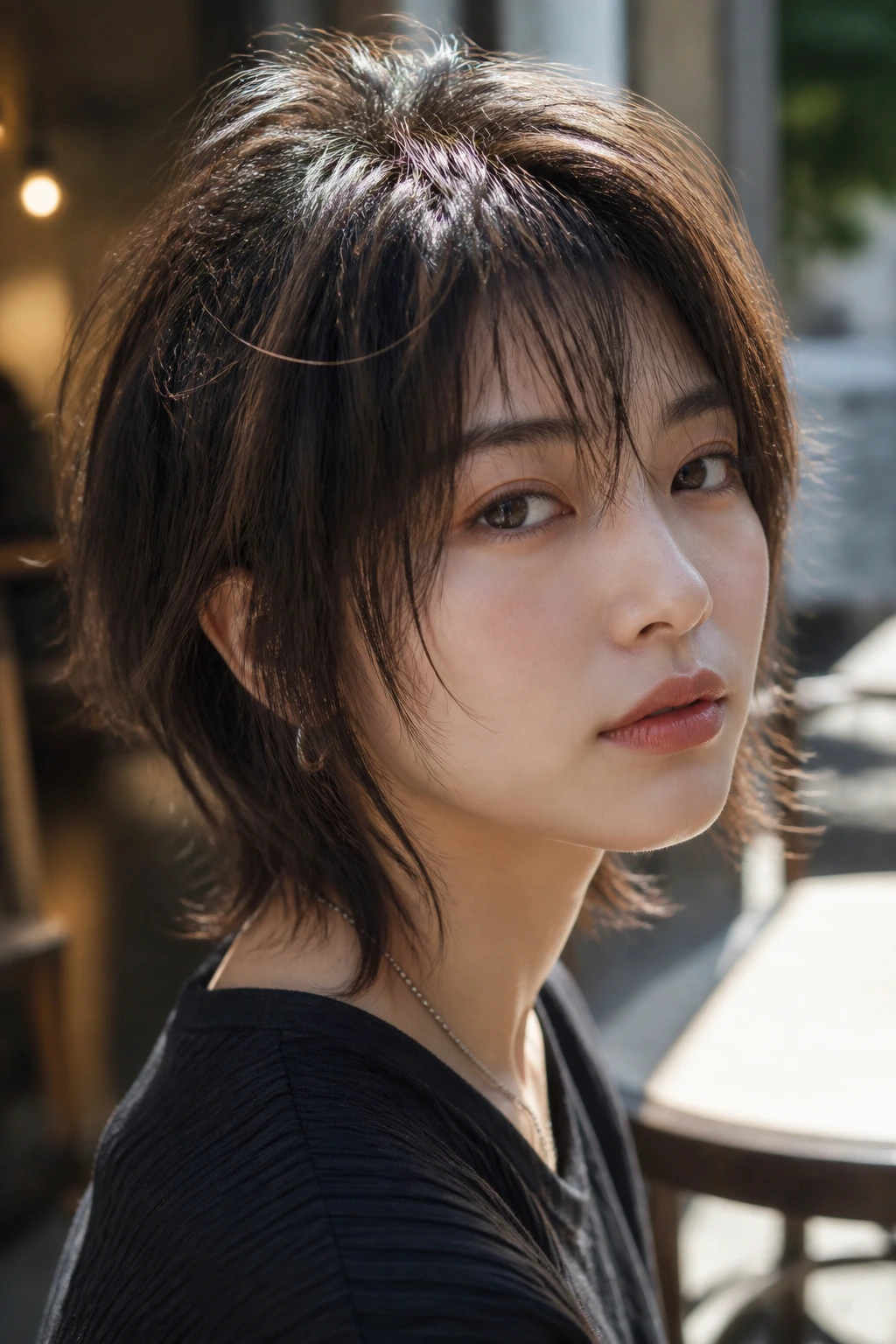
Merging the “shag” aesthetic—think 70s rock, but shrunken down—with the fairy cut creates a high-fashion, punk-lite look. It is for those who find the standard pixie too polished. By leaving more length at the top and crown, you can encourage volume. Asian hair often struggles to hold volume at the root, so this cut relies on internal layering to lift the hair up and away from the scalp.
The Internal Layering Technique
Your stylist should use thinning shears or a razor to debulk the hair from the inside. This removes the mass at the roots without shortening the outer layers, essentially creating a hidden scaffold for your hair to stand on. It turns heavy, stubborn hair into a light, gravity-defying texture.
Key Styling Products
- A sea salt spray to build grit.
- A matte pomade, applied only to the ends, to define the “shattered” pieces.
- Avoid shine-heavy oils if you want the “shag” effect; you want the texture to look matte and raw.
4. The Ear-Tucked Feathered Crop
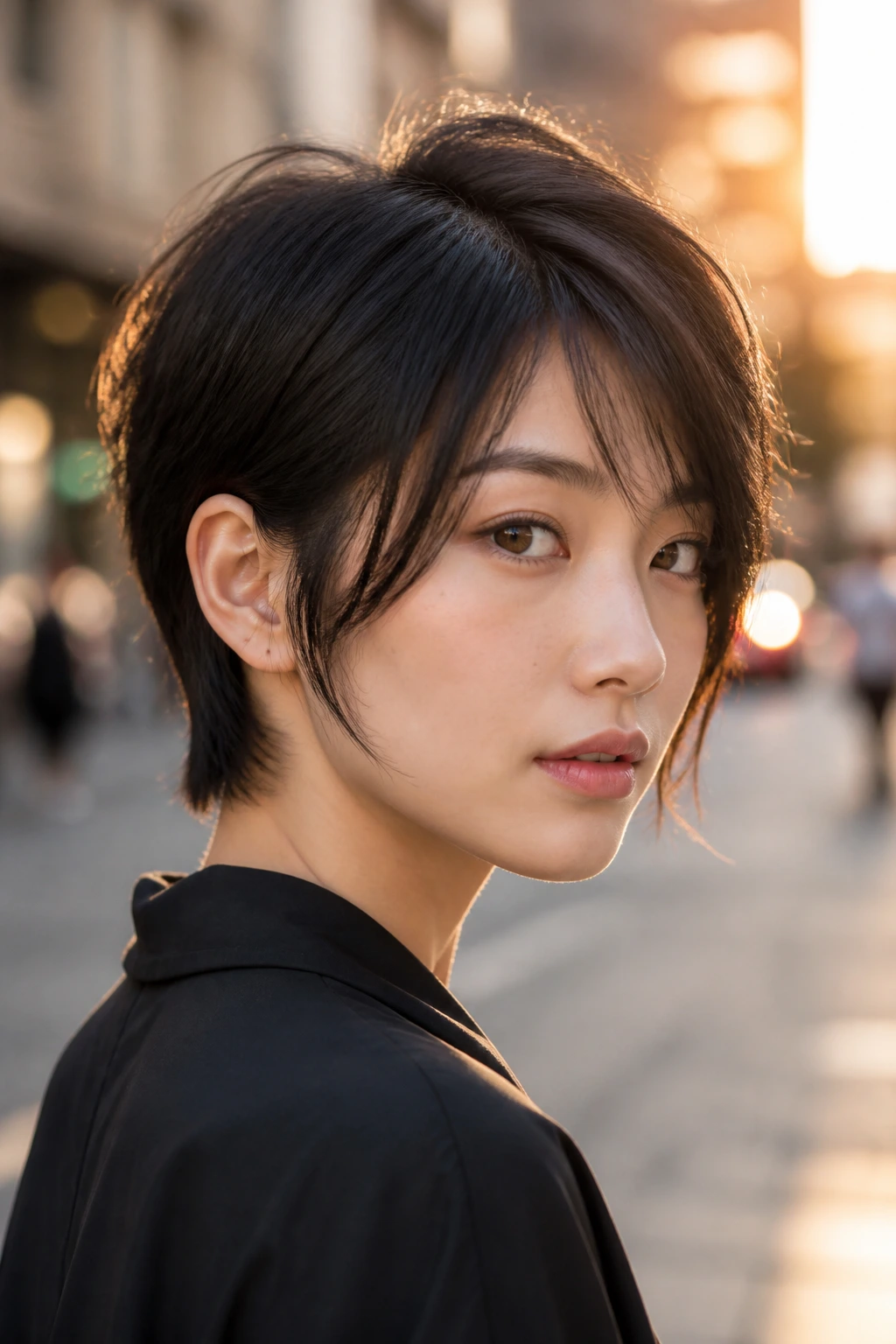
Sometimes the beauty of a haircut lies in how it interacts with accessories or simple habits. The ear-tucked fairy cut is designed specifically to look intentional when one side is pushed behind the ear. This creates an asymmetrical balance that feels both edgy and feminine. The side tucked away shows off your profile, while the opposite side features long, face-framing tendrils that soften the overall look.
Achieving the Perfect Tuck
To keep your hair behind your ear without it popping out (a common annoyance for those with slippery, straight hair), use a tiny dab of styling cream at the roots before you tuck. This acts as a soft-hold anchor. It is a low-maintenance, high-impact style that is perfect for professional settings while remaining whimsical enough for weekends.
Why This Style Persists
This look stays relevant because it is incredibly adaptable. You can wear it neat and tucked for an office look, or run your fingers through it to release the tuck and embrace the messy, layered texture for an evening out. It is the definition of versatile.
5. The Pastel-Toned Airy Pixie
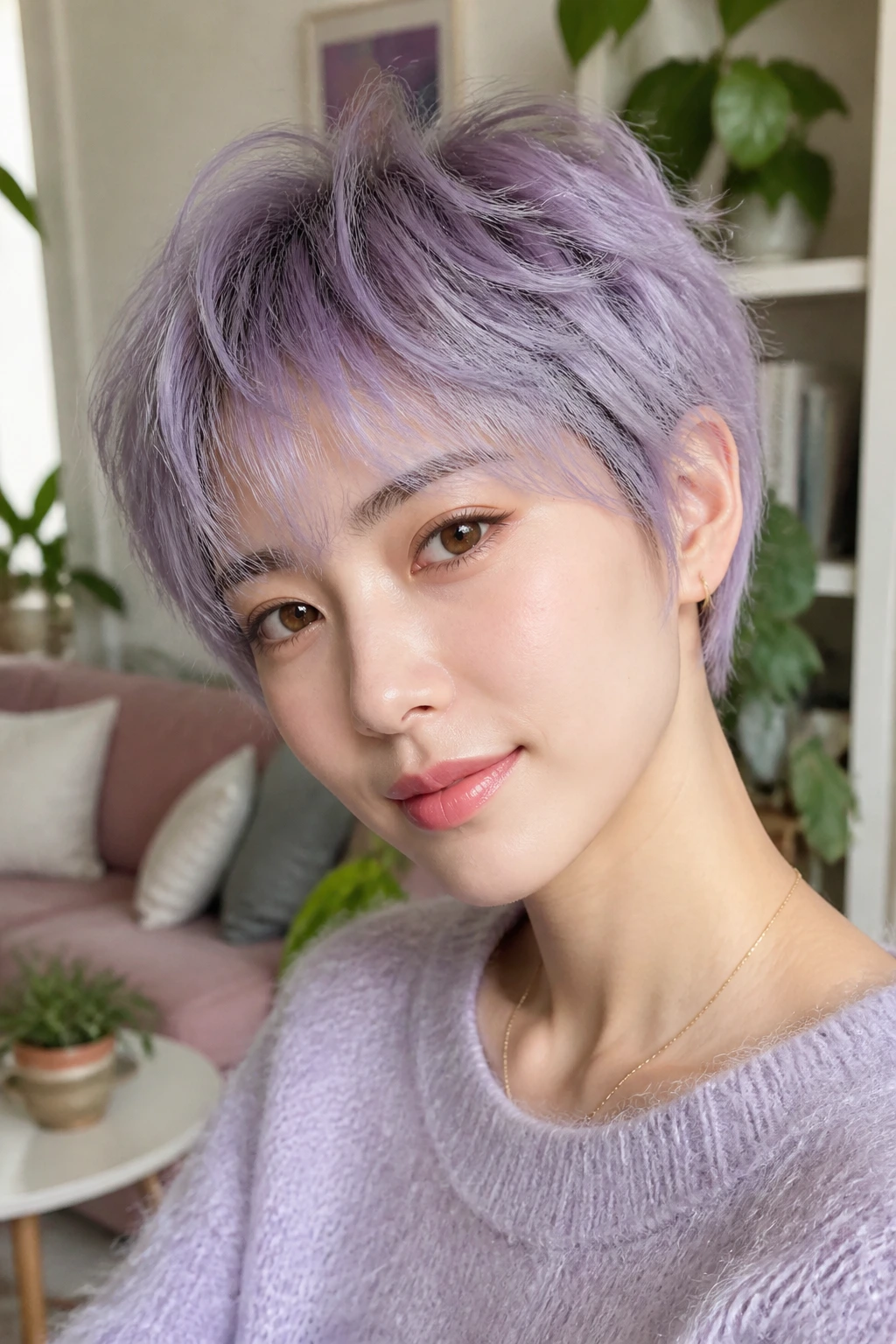
Color changes the geometry of a cut. When you lighten your hair, you lose some of the visual density that dark, coarse Asian hair has. This makes the fairy cut even more effective, as the hair becomes naturally more pliable and easier to manipulate into those delicate, wispy shapes. Pastels like lavender, soft pink, or “ash-gray” complement the ethereal nature of the fairy cut perfectly.
Dealing with Bleach
Bleached hair is more porous, which means it holds texture better than virgin hair. If you have always struggled with your hair being too “slick” or “heavy,” the chemical process of coloring can actually help you achieve the fairy cut’s signature look by adding a bit of natural friction and dryness that helps the layers hold their shape.
Essential Care Tips
- Always use a sulfate-free shampoo to maintain the color intensity.
- Deep condition weekly to ensure the “wispy” ends don’t turn into “split” ends.
- Keep the roots dark if you want a lower-maintenance grow-out process, as the contrast looks intentional.
6. The Long-Nape Fairy Cut
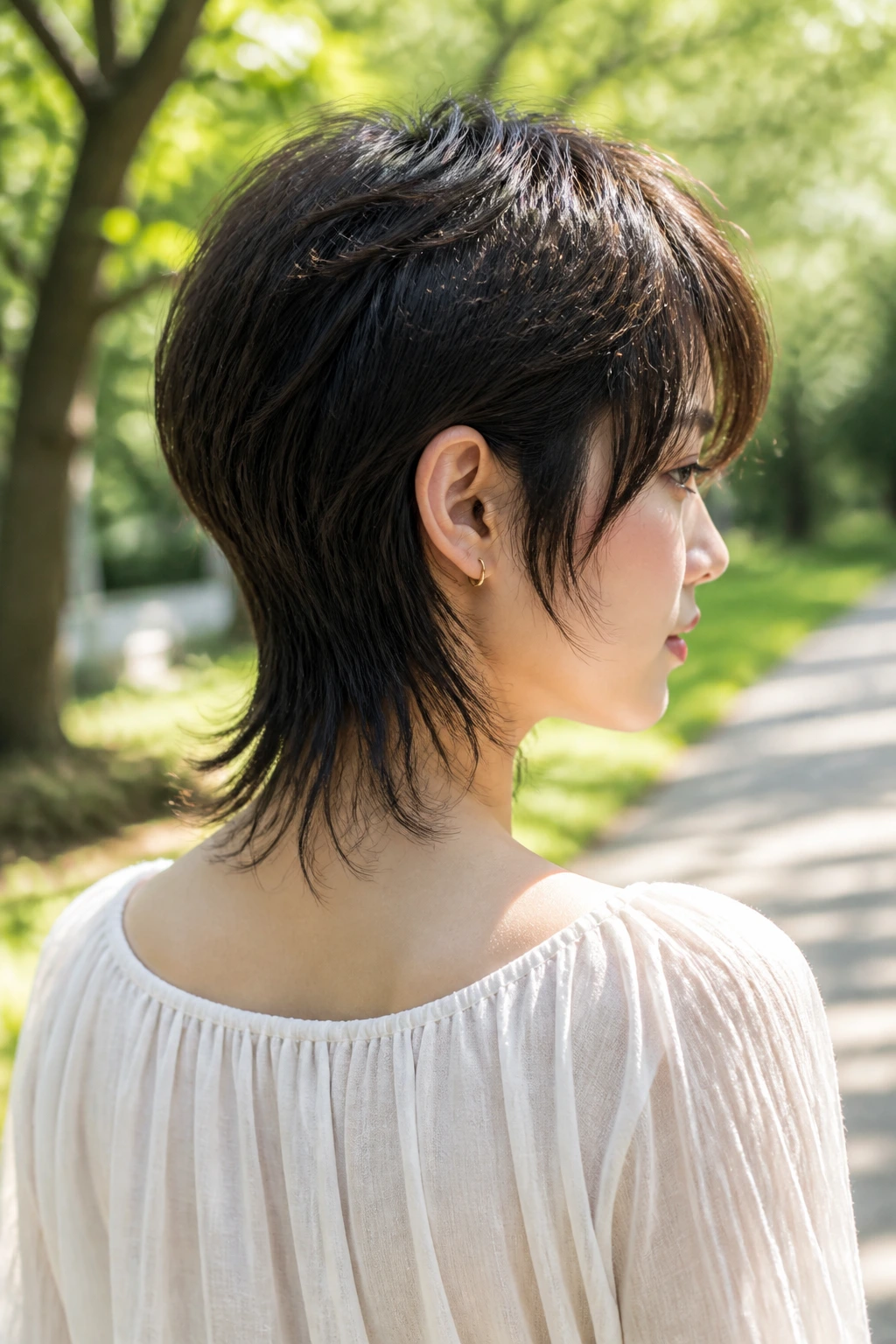
If you are hesitant to go full pixie, the long-nape fairy cut provides a middle ground. The front and crown are kept in that signature short, layered style, but the hair at the back is left long enough to reach the nape of the neck or even graze the collar. It creates a silhouette reminiscent of a mullet, but much softer and more romantic.
Balancing the Length
The key to this look is the transition point between the short crown and the longer nape. It should be a gradual, seamless flow rather than a disconnect. Your stylist must take their time blending these two lengths, or the cut will look like a mistake rather than a deliberate, whimsical style.
Who Should Choose This
This is an excellent option for those transitioning from long hair to short. It allows you to keep some length at the back, which can feel less exposing and more comfortable, while still getting that modern, airy, layered look in the front.
7. The Micro-Fringe Fairy Cut
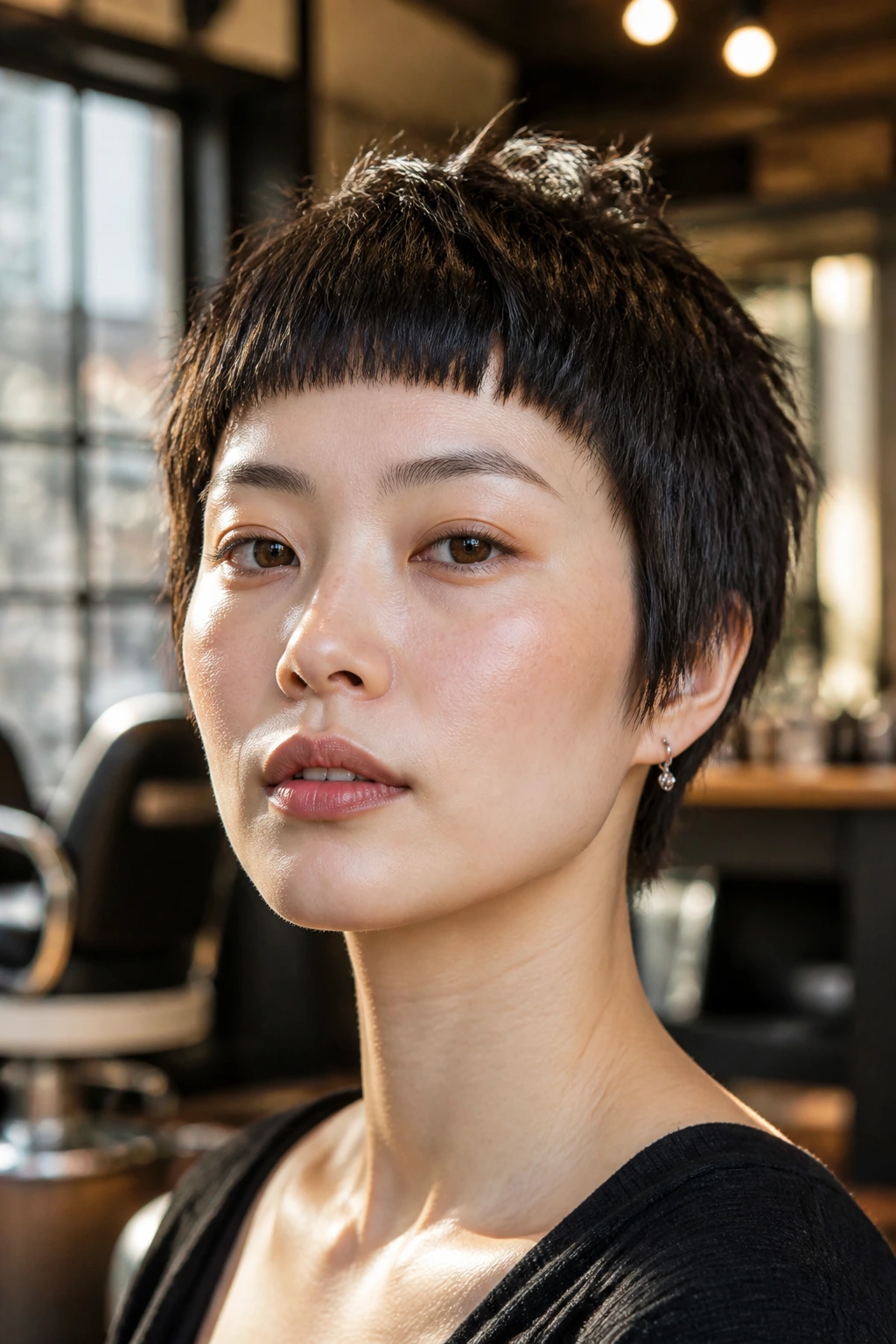
For those willing to be bold, the micro-fringe (bangs cut well above the eyebrows) adds a level of sophistication that feels very modern and high-fashion. On Asian hair, which often grows straight and flat, a micro-fringe stands up and creates a crisp, clear line that contrasts beautifully with the soft, chaotic texture of the rest of the cut.
Styling the Fringe
You will need a flat brush and a small amount of heat to direct the fringe exactly where you want it. Because the hair is cut so short, it is very resistant to cowlicks or unruly patterns—it basically does what you tell it to do. It opens up the face and highlights the eyes and brows, making it a powerful statement look.
Proportional Balance
The secret to pulling off this cut is making sure the rest of your hair isn’t too flat. You need the texture in the crown to prevent the micro-fringe from looking like it’s floating on an otherwise unstyled head. Keep the volume high and the texture messy to provide the necessary contrast.
8. The Asymmetrical Soft-Cut
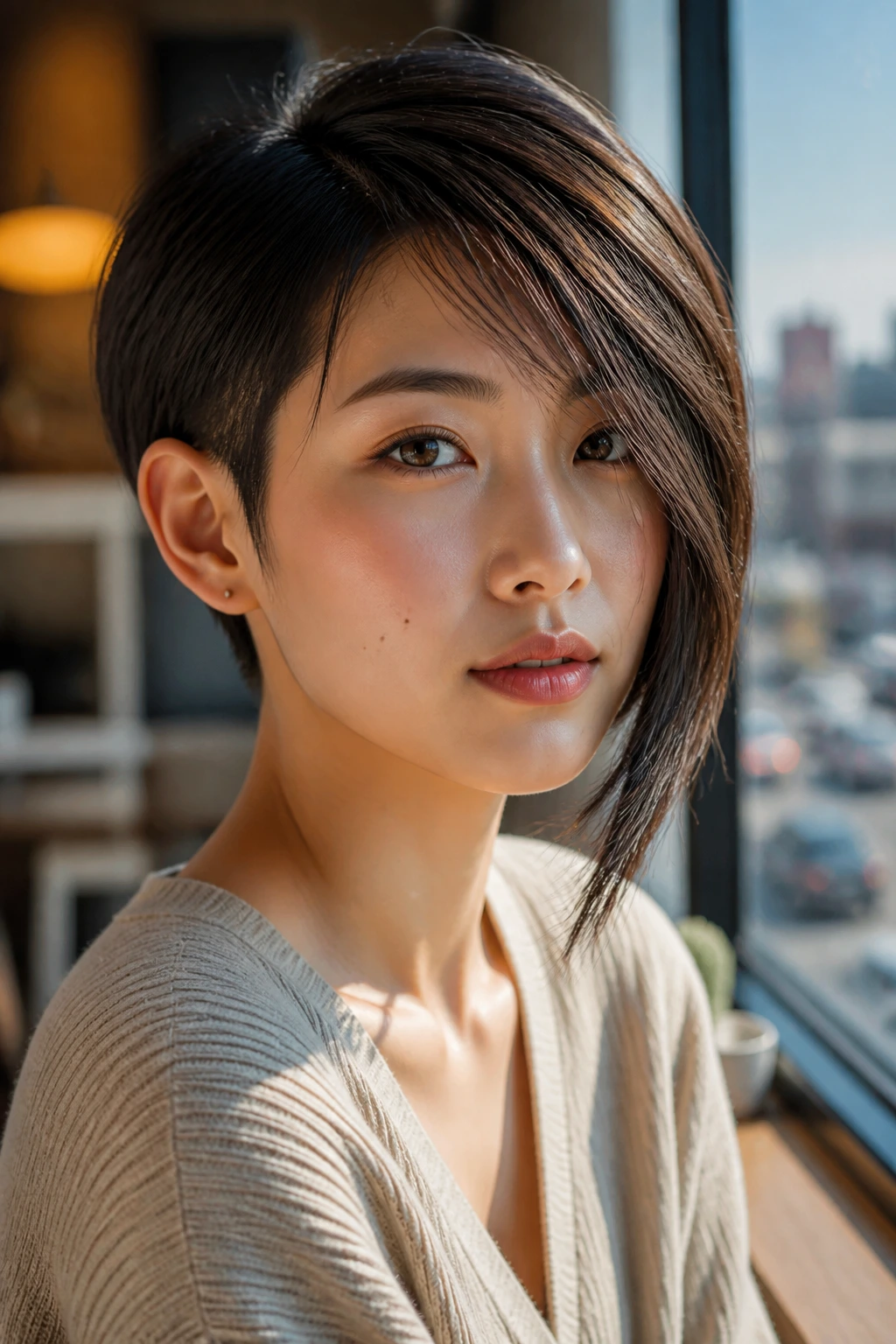
Asymmetry is a fantastic way to handle the weight of dense, straight hair. By cutting one side significantly shorter or tighter than the other, you automatically force the hair to lean into a specific shape. This fairy cut variation is often characterized by a long, sweeping side that grazes the cheekbone, contrasted against a very short, tight side near the ear.
Why Asymmetry Works
It breaks the symmetry of the face, which can be incredibly flattering. For Asian hair that is prone to being “too perfect” or “too straight,” an asymmetrical fairy cut introduces a dynamic, slanted line that moves the eye across the face rather than straight down it. It feels intentional, modern, and very much like a work of art.
Maintenance Considerations
- This style requires frequent trims to maintain the specific length difference.
- It is a “high-style” look that requires a bit of effort in the morning to direct the longer side correctly.
- It pairs beautifully with bold, large-frame glasses or statement earrings.
9. The Undercut Detail Pixie
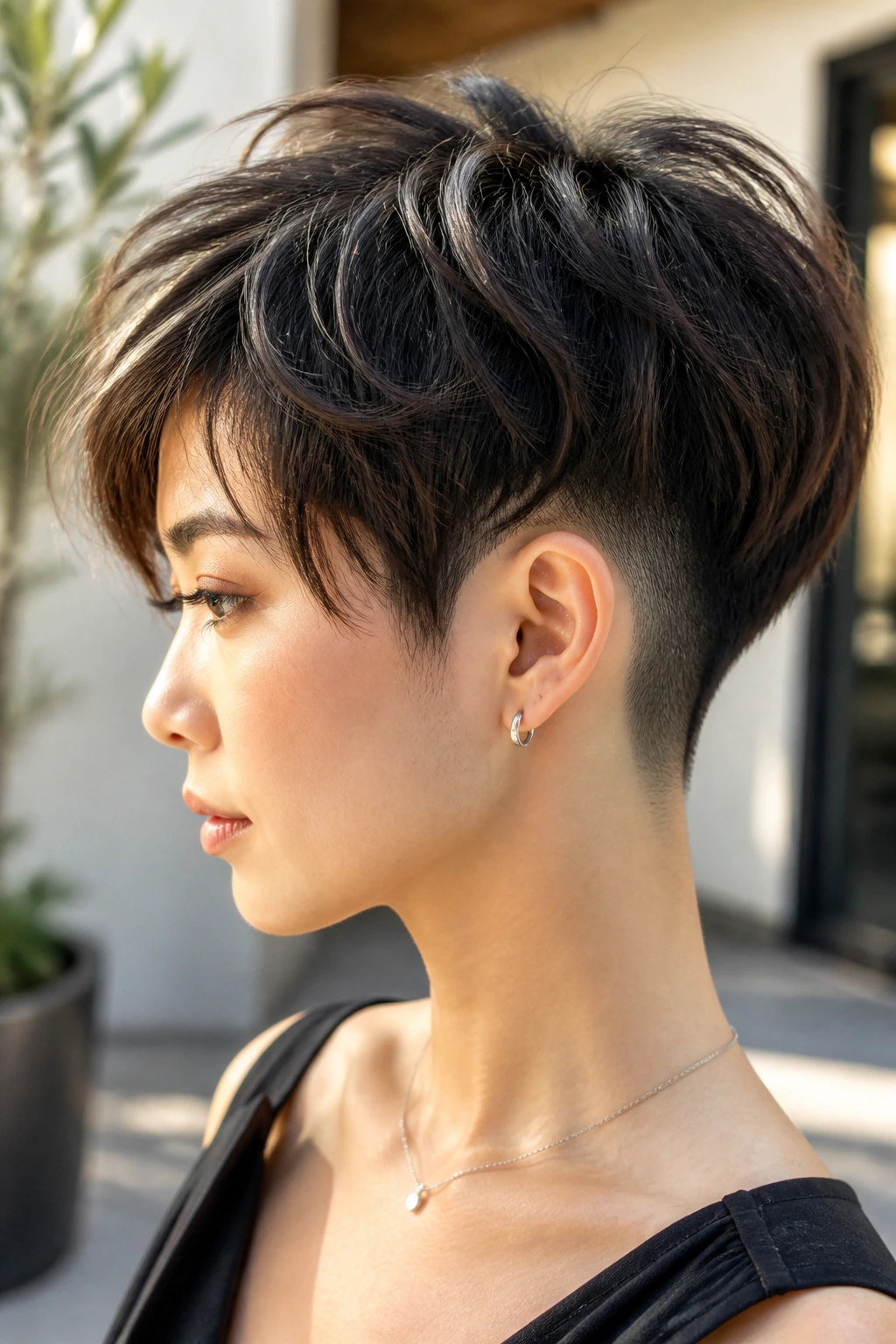
An undercut, where the hair at the nape or sides is shaved very short, can be surprisingly ethereal when combined with a fairy cut. By removing the bulk at the bottom, the longer, wispy layers at the top seem to float. It provides a clean, cool feeling that is perfect for warmer weather, while the top remains soft and romantic.
The Contrast Factor
The magic is in the contrast between the shaved skin and the soft, feathery hair above it. It’s a delicate balance of masculine and feminine energy. You can even experiment with designs in the undercut—like simple geometric lines—that peek out only when you lift your hair or pull it up into a mini-ponytail.
Styling for the Undercut
Keep the top layers long enough to cover the undercut when you want a “proper” look, or style them messy and piecey to reveal the detail underneath. It is essentially two haircuts in one.
10. The Side-Swept Volume Pixie
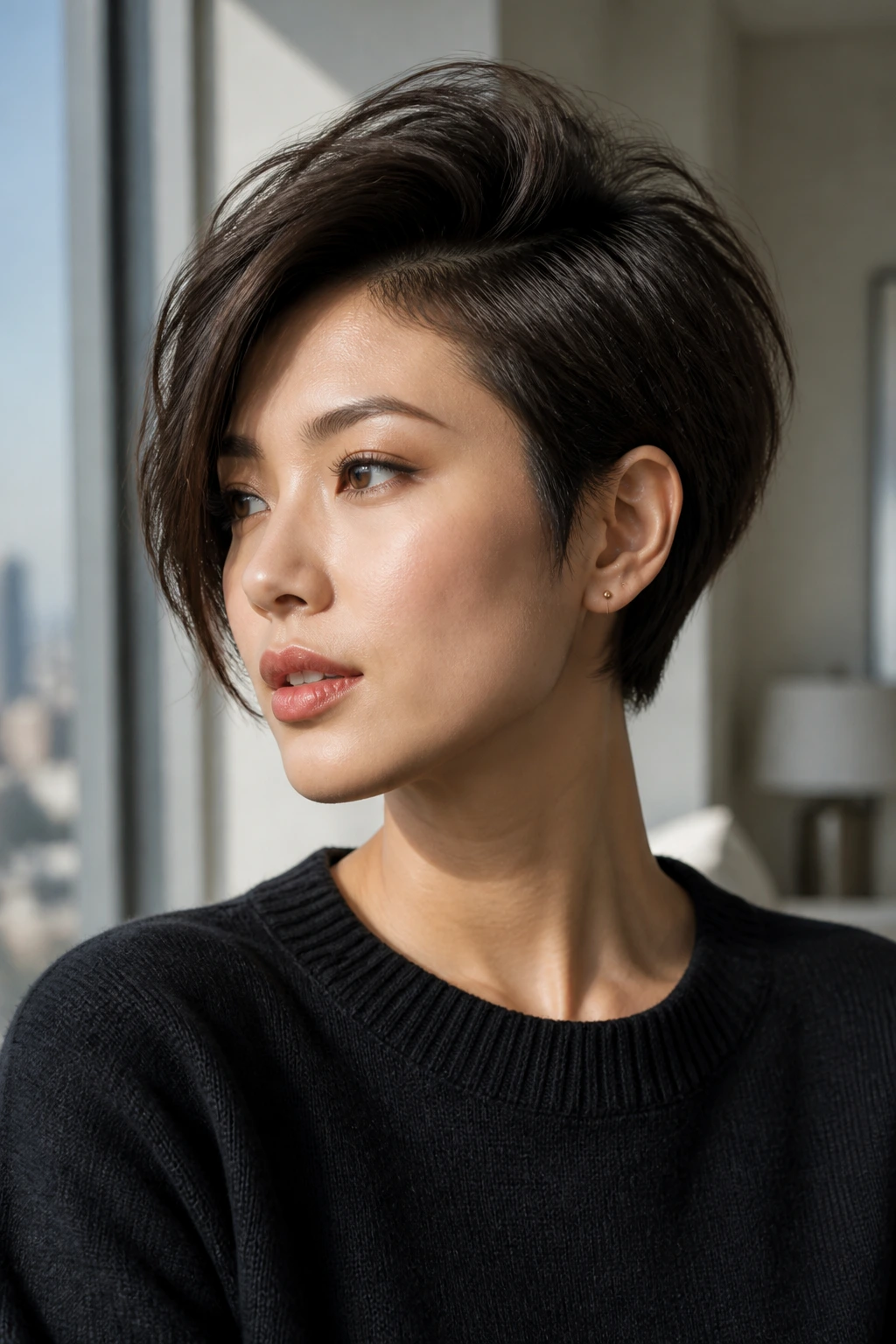
This fairy cut variation focuses on dragging all the hair to one side, creating a heavy, deep side part that builds instant volume. For Asian hair, this is the easiest way to bypass the “flat root” issue. By training your hair to sit in a deep side part, you create a natural lift that persists throughout the day.
Technique for Volume
- Part your hair while it is damp.
- Blow-dry the roots in the opposite direction of how you want it to fall for a few seconds, then flip it over. This creates a “scaffold” that keeps the hair off the scalp.
- Use a dry shampoo even on clean hair to add texture and grip.
Why It’s Timeless
This style has been around for decades in various forms, but the “fairy” version makes it softer and less severe. It is approachable, youthful, and frames the face in a way that feels natural and light, rather than stiffly styled.
11. The Textured Crop with Curtain Bangs
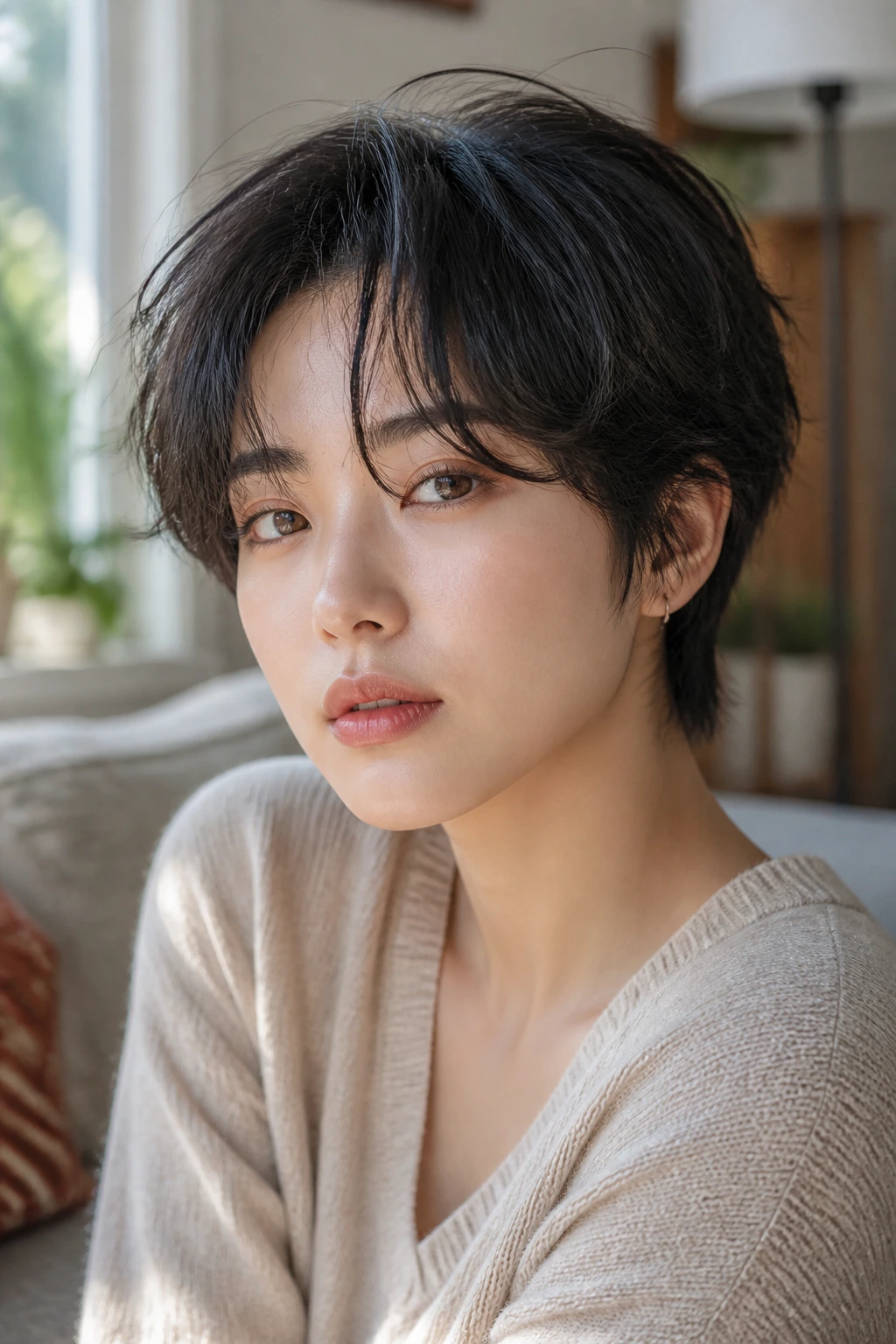
If you are worried about your face looking too “exposed” with short hair, this is the solution. Curtain bangs are a staple in current styling because they provide a soft, face-framing element that takes the pressure off the rest of the cut. Paired with a fairy-cut crop, they make the look feel effortless and grounded.
How to Style Curtain Bangs
Use a round brush to blow-dry the bangs away from the face, then let them cool before touching them. This sets the shape. The rest of the hair should be worked with a bit of texturizing paste to keep it from looking too tidy—the “fairy” quality comes from that slight bit of messiness.
Versatility in Styling
You can wear this cut sleek or messy, with the bangs tucked behind your ears or framing your face. It is arguably the most “forgiving” version of the fairy cut for those who are nervous about going too short.
12. The Ethereal “Woke Up Like This” Bedhead
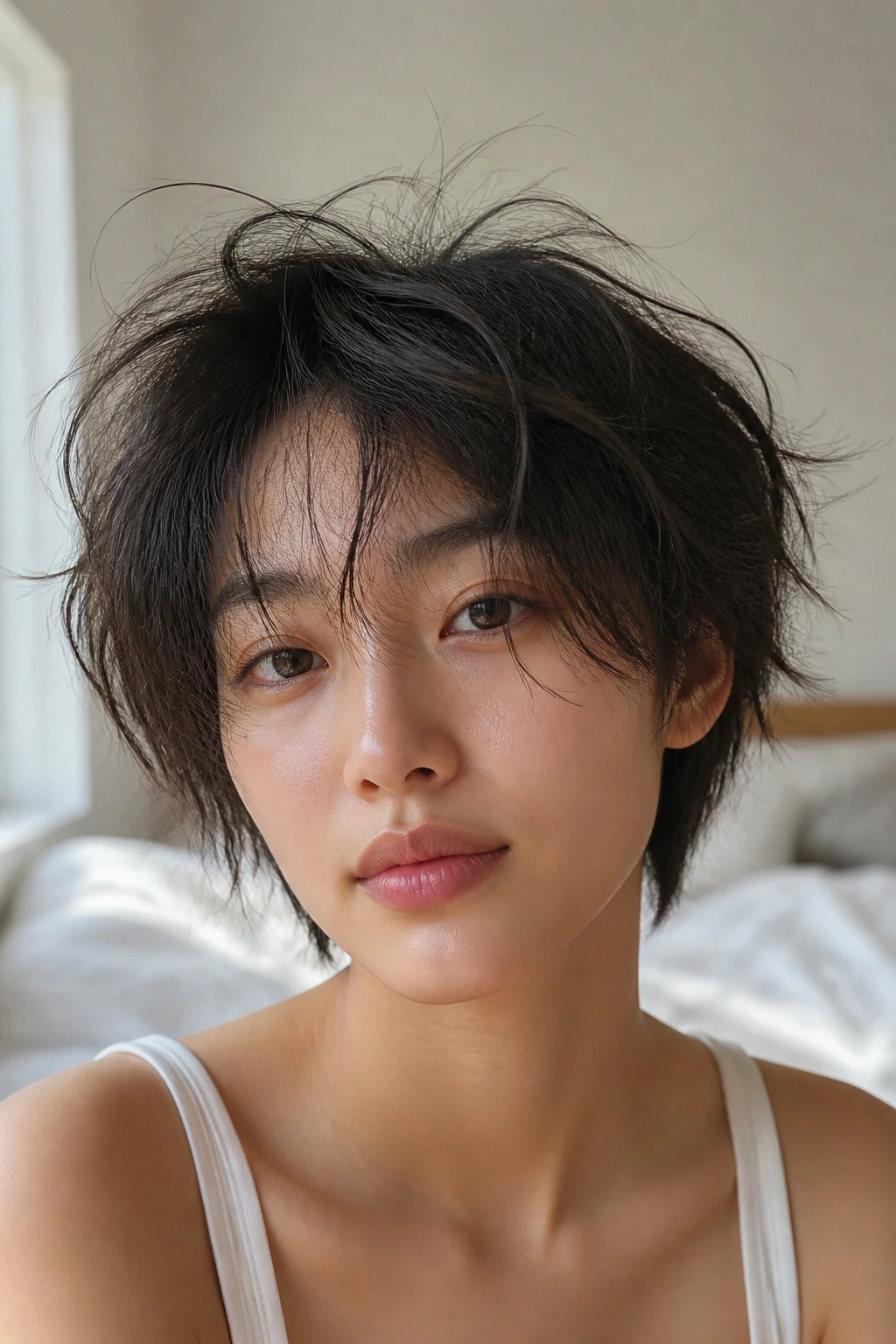
This is the holy grail of fairy cuts: the one that requires the least amount of daily work. It is cut with extreme layering, essentially creating a “disheveled on purpose” look. It’s perfect for those who want to spend less than five minutes on their hair in the morning.
The Secret to Effortless Style
The cut is all in the preparation. Your stylist needs to know you want a “wash-and-wear” style. They will focus on cutting your hair in a way that respects its natural growth pattern—the way it wants to lay after you towel-dry it.
Product Minimalists
- A light, airy foam to add body.
- A finishing spray to keep the flyaways in check without adding weight.
- Nothing else. If you use heavy gels or waxes, you will lose the ethereal, weightless quality that makes this cut special.
Practical Tips for Maintaining the Fairy Cut
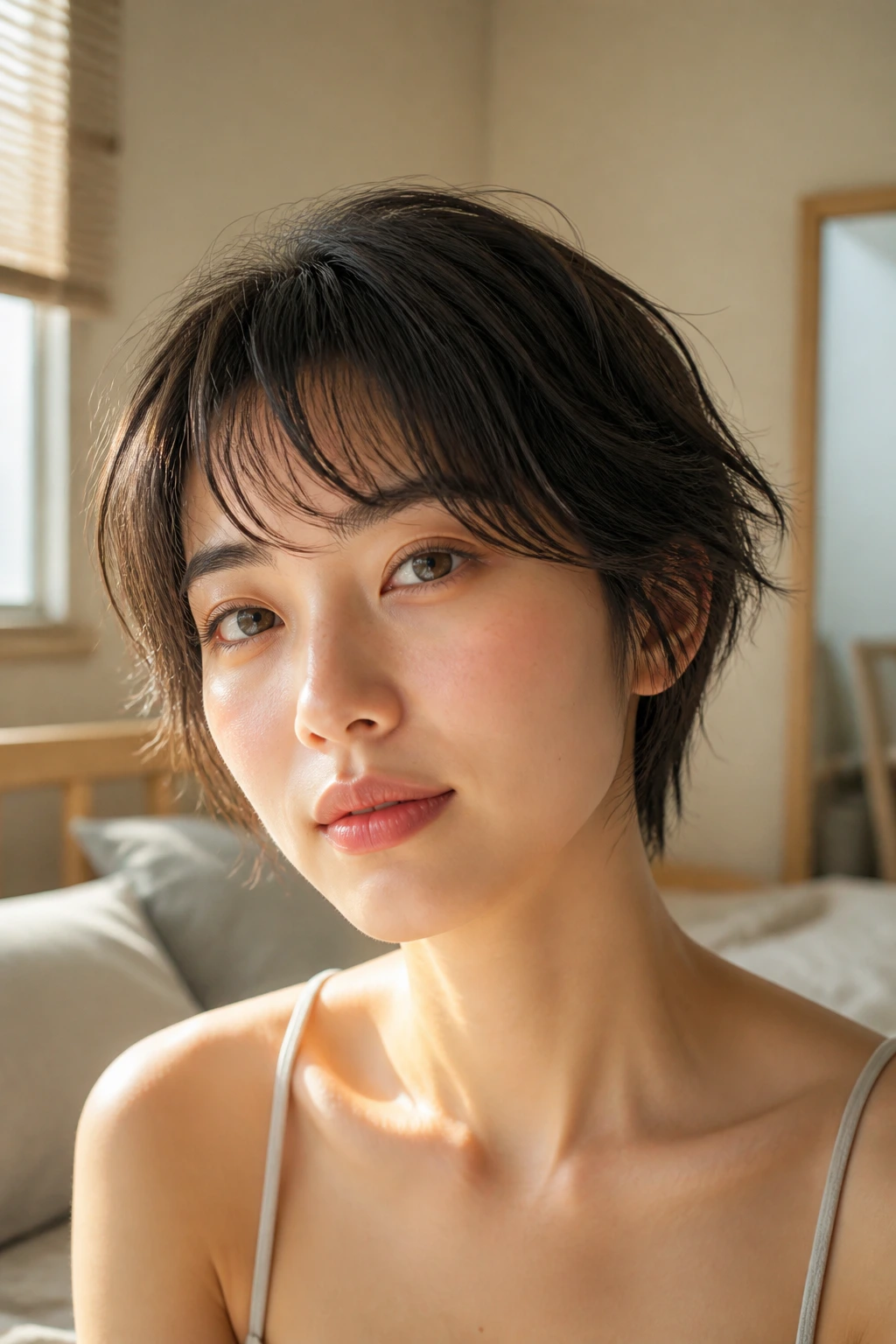
Keeping a short haircut looking fresh requires a shift in how you think about hair health. Because you are trimming the ends so frequently, split ends are rarely an issue, but the health of the root becomes more important. Asian hair density can be high, which means the scalp produces plenty of oil; a short cut can look greasy faster than long hair.
The Routine for Short Hair
- Clarify Regularly: Use a clarifying shampoo once a week to remove product buildup, which can make short hair look weighed down and stringy.
- Precision Trims: The fairy cut is defined by its silhouette. Once it grows out by even half an inch, the “fairy” layers start to lose their shape. Plan for a trim every 4 to 6 weeks.
- Texture Over Hold: Avoid heavy hairsprays. Look for “dry” products—dry texturizing sprays, sea salt sprays, or light hair powders. These add grip and volume without the sticky, wet look that ruins the airy, soft quality of the cut.
Common Mistakes to Avoid
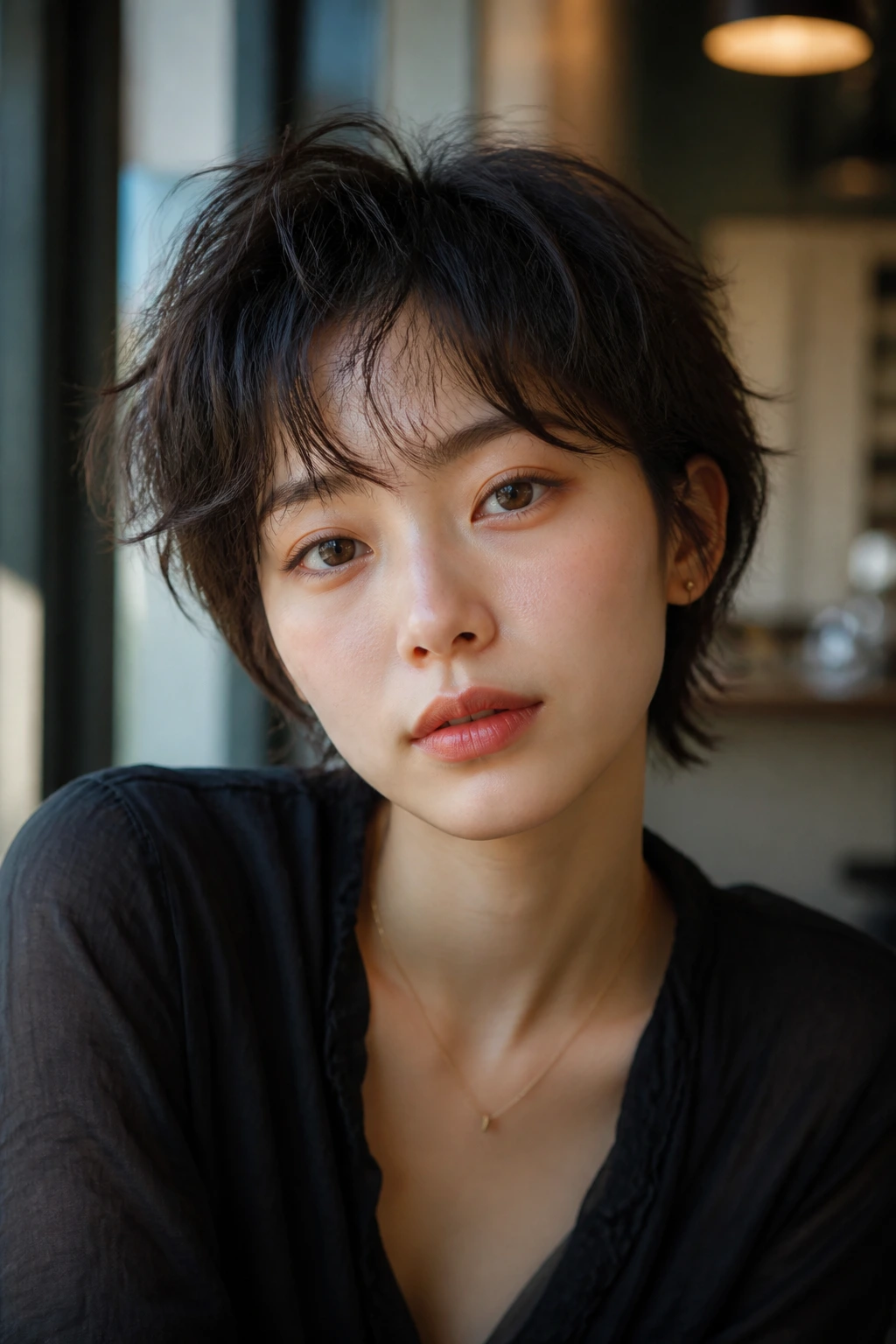
One of the biggest mistakes people make when getting a short, wispy cut is trying to make it look “neat.” The fairy cut is not meant to be neat. If you find yourself using a flat iron to smooth down every strand, you are effectively undoing the point-cutting and layering that your stylist spent hours perfecting.
Avoiding the “Helmet” Look
If your hair starts looking like a solid block, you have too much weight in the lower layers. Return to your stylist and ask for “internal thinning”—this removes the weight without sacrificing the length or the soft, wispy tips. Don’t be afraid to ask your stylist to use a razor if your hair is particularly thick; for many with Asian hair, a razor provides a more feathered, soft edge than heavy scissors ever could.
Customizing Your Cut
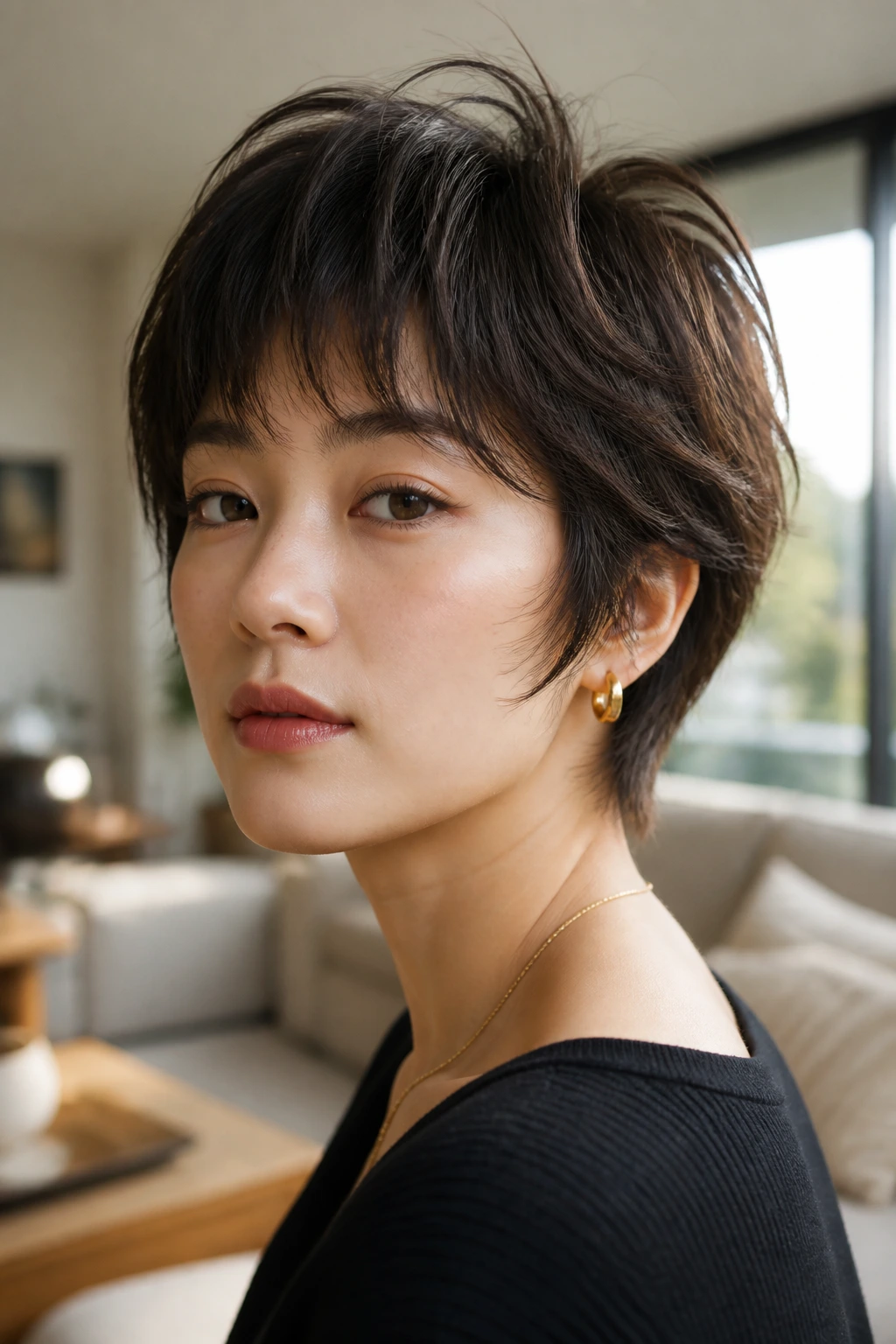
The fairy cut should be personal. You can pull inspiration from these styles, but you must factor in your hair’s unique growth pattern. Take photos to your stylist, but be prepared to listen to their advice on how to adapt the style to your head shape.
Adapting for Face Shapes
- Round Faces: Keep the volume on top and the sides tight. The vertical height helps elongate your features.
- Oval Faces: You have the most freedom. You can experiment with shorter bangs or longer tendrils around the ears.
- Square Faces: Focus on softening the jawline by ensuring the layers around your temples and ears are kept soft and feathered, rather than blunt.
Styling Products That Actually Work
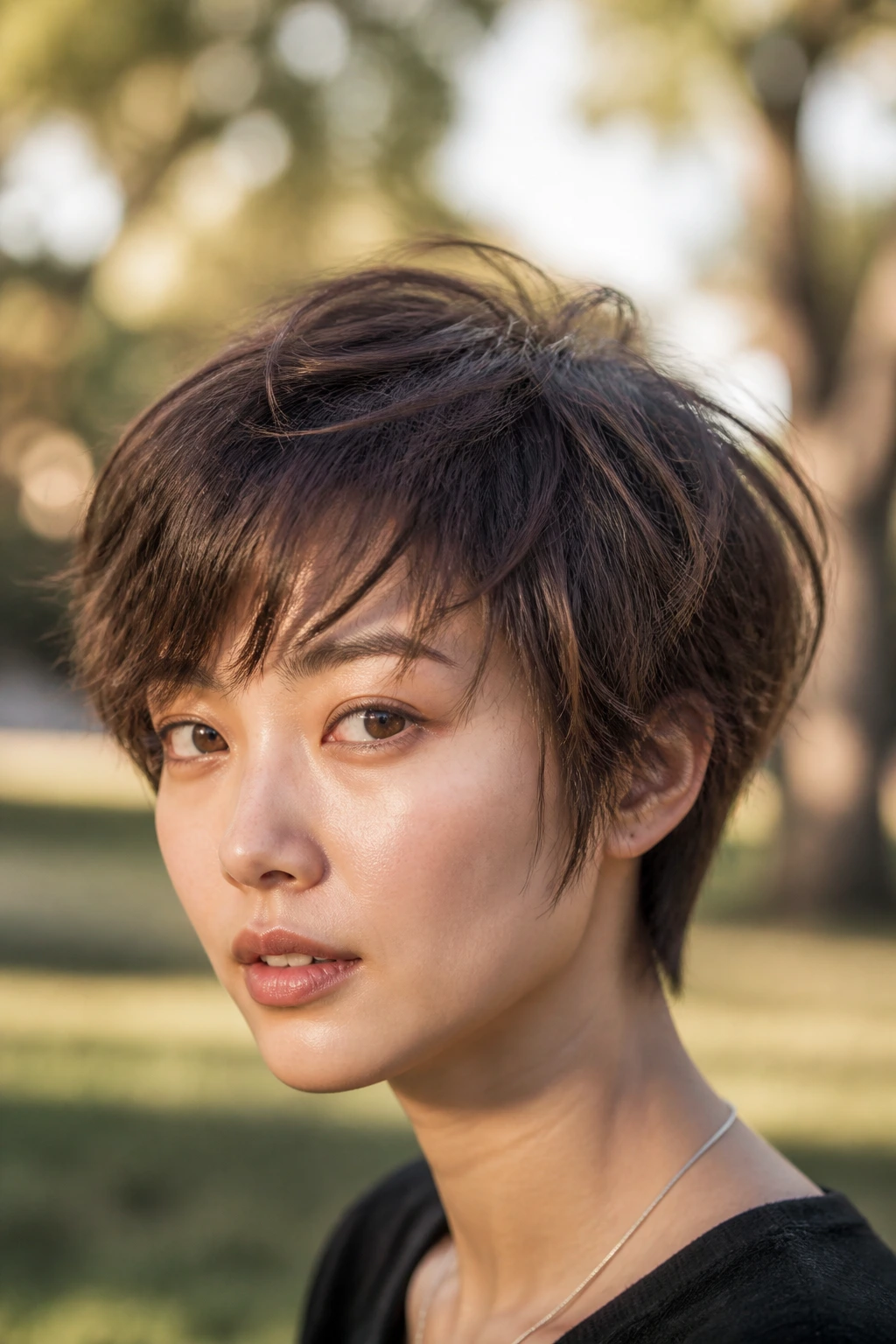
Navigating the world of styling products for short hair can be overwhelming. The market is saturated with heavy pomades and sticky gels, neither of which are your friends here. Look for “lightweight” and “matte” on the labels. If a product claims to give you “high shine,” it will likely make your hair look greasy, which is the antithesis of the fairy-cut aesthetic.
Your Essential Starter Kit
- Volumizing Mousse: Use a golf-ball-sized amount on damp hair to build a foundation.
- Texture Paste: A pea-sized amount, warmed between your palms, is enough to define the wispy ends.
- Dry Texture Spray: Use this on dry hair to add a “lived-in” grit that makes the hair look like it has more volume and less weight.
Final Thoughts
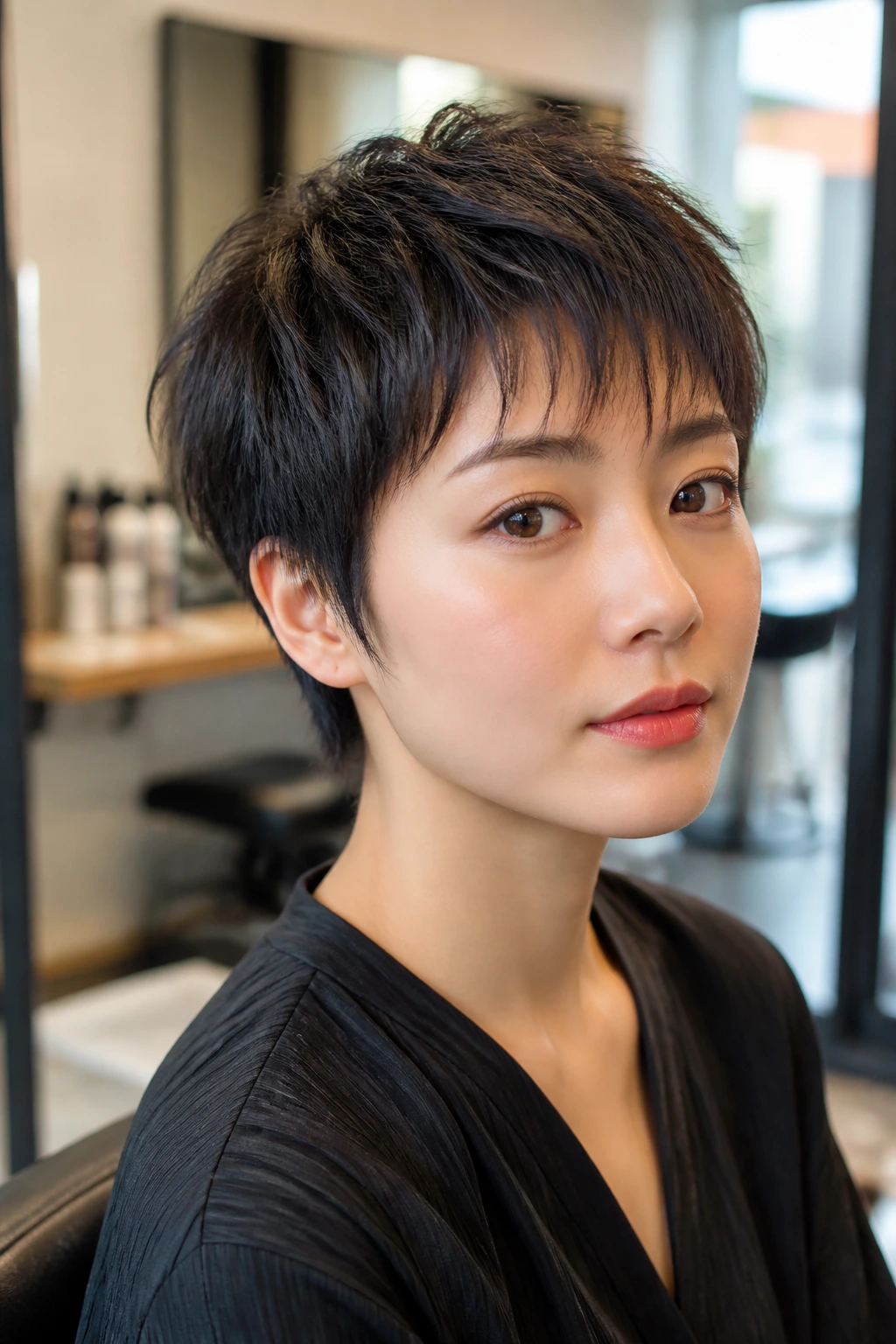
The fairy cut is more than just a trend; it is a celebration of texture and lightness. For those with Asian hair, it solves the age-old problem of dealing with heavy, stubborn strands by using precision cutting to create shape and movement where there previously was none. It is a style that encourages you to embrace the natural growth of your hair, provided you keep it well-maintained and layered to perfection.
Whether you opt for the classic wispy pixie or something bolder like the micro-fringe, the key to the fairy cut is to let it be soft, let it be imperfect, and let it move. It is a haircut that asks you to be a little bit whimsical, a little bit bold, and entirely confident in your own silhouette. Once you go this short and this light, you might find that you never want to look back at the weight of long hair again.