

The bob is perhaps the most enduring silhouette in hair history, but the inverted bob—often called a graduated bob—adds a structural precision that shifts it from a simple classic into something sharper, bolder, and undeniably sophisticated. Unlike a standard blunt cut that hits the same length all the way around, an inverted bob relies on an angled graduation, where the hair at the back is cut shorter and stacked with internal layers to create volume, while the hair near the face remains longer, creating a dramatic, sweeping line.
This style is a masterclass in geometry. By removing weight from the nape and building it up toward the crown, you achieve a shape that looks intentional and polished, regardless of your hair texture. Whether you are looking to thin out thick, unruly hair or breathe life into fine, limp strands, the mechanics of the inverted cut can be tailored to suit. Because it creates a visual frame for your cheekbones and jawline, it is one of the few styles that works across almost every face shape, provided you adjust the front-to-back angle.
Stepping into an inverted bob is a commitment to maintenance, but the reward is a style that often takes less time to dry and style than longer hair. It is a look that feels put-together even on days when you are rushed, and as we look at the various iterations, you will see how minor shifts in layering or length can completely change the vibe from edgy to professional. Let us walk through the most compelling ways to wear this haircut.
1. The Classic Stacked Inverted Bob
The cornerstone of this style is the “stack,” a series of short, layered cuts at the nape of the neck. This technique creates a natural, rounded shape that requires very little effort to maintain, as the hair essentially supports its own volume. If you have fine hair that feels flat, the stacked back is your best friend because it builds density where you need it most.
Why It Works for Fine Hair
The internal graduation removes the weight that usually pulls hair down. By cutting the nape shorter, you are forcing the hair to sit upward, which builds a permanent lift at the back of the head.
Key Maintenance Tips
- Plan for a trim every 6 weeks to keep the angle crisp.
- Use a lightweight volumizing mousse on damp hair before blow-drying to reinforce the stack.
- Avoid heavy waxes that can cause the layers to separate and look greasy.
Pro tip: Ask your stylist to use a razor for the very bottom layer at the nape; this creates a softer, tapered edge that grows out more gracefully than a sharp, scissor-cut line.
2. The Sleek Long Inverted Bob
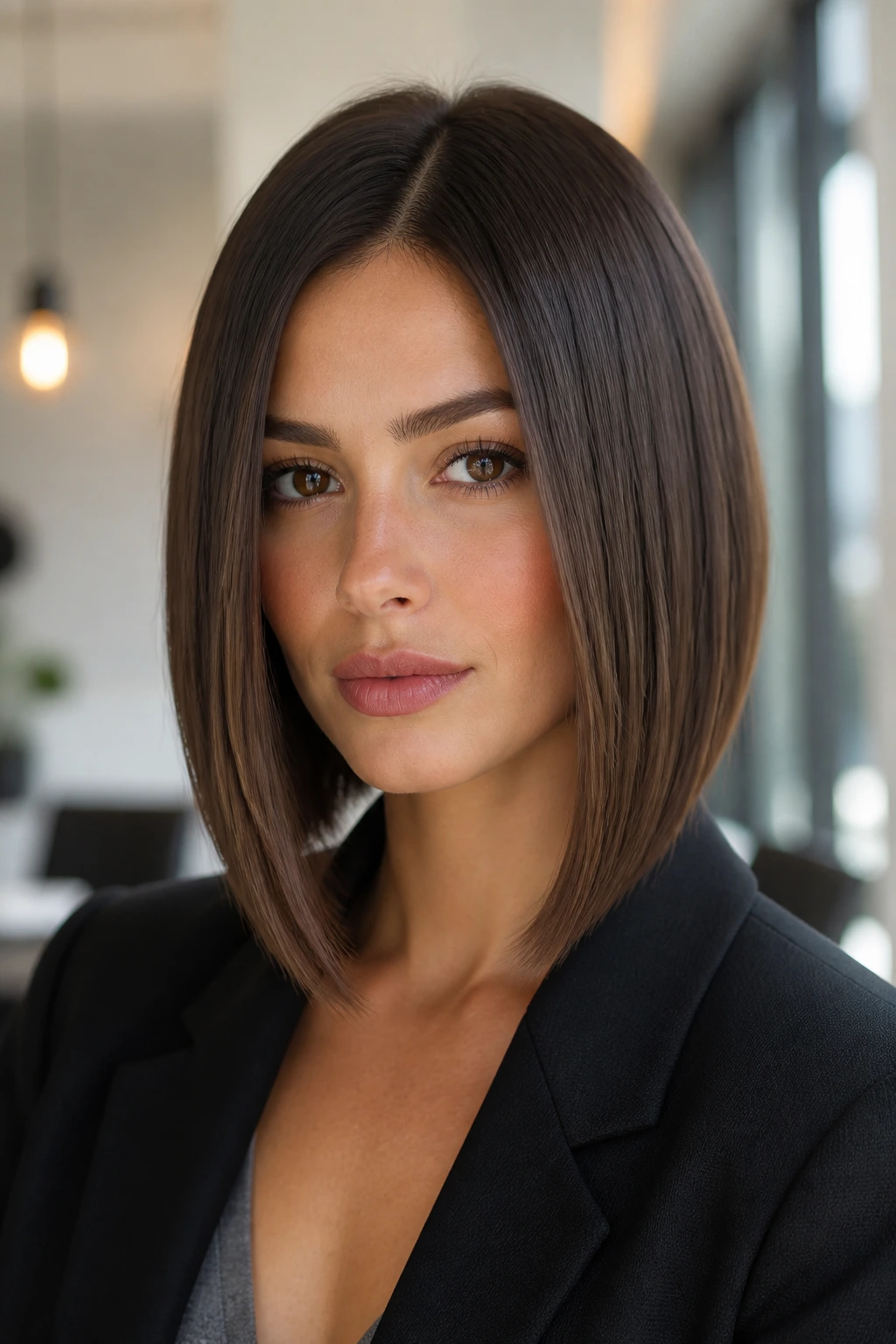
If you are hesitant to go too short, the long inverted bob—often referred to as a “lob”—is the perfect transition. This cut maintains enough length to pull into a low ponytail or tuck behind your ears while still giving you that signature forward-slanting shape. It is professional, clean, and looks fantastic with a center or deep side part.
Styling for a Polished Finish
Because the hair is longer, you have more surface area to work with, which makes a flat iron your primary tool. Using a heat protectant spray is non-negotiable here, as the sleekness of this cut highlights any potential split ends.
Why This Style Wins
- It is incredibly versatile for professional settings.
- The longer front sections work well to soften rounder face shapes.
- It requires less frequent trips to the salon compared to a shorter bob.
Observation: I have found that this length looks most sophisticated when the ends are cut perfectly blunt. Avoid over-texturizing the very tips, as that can make the hair look thin rather than healthy and heavy.
3. The Textured Wavy Inverted Bob
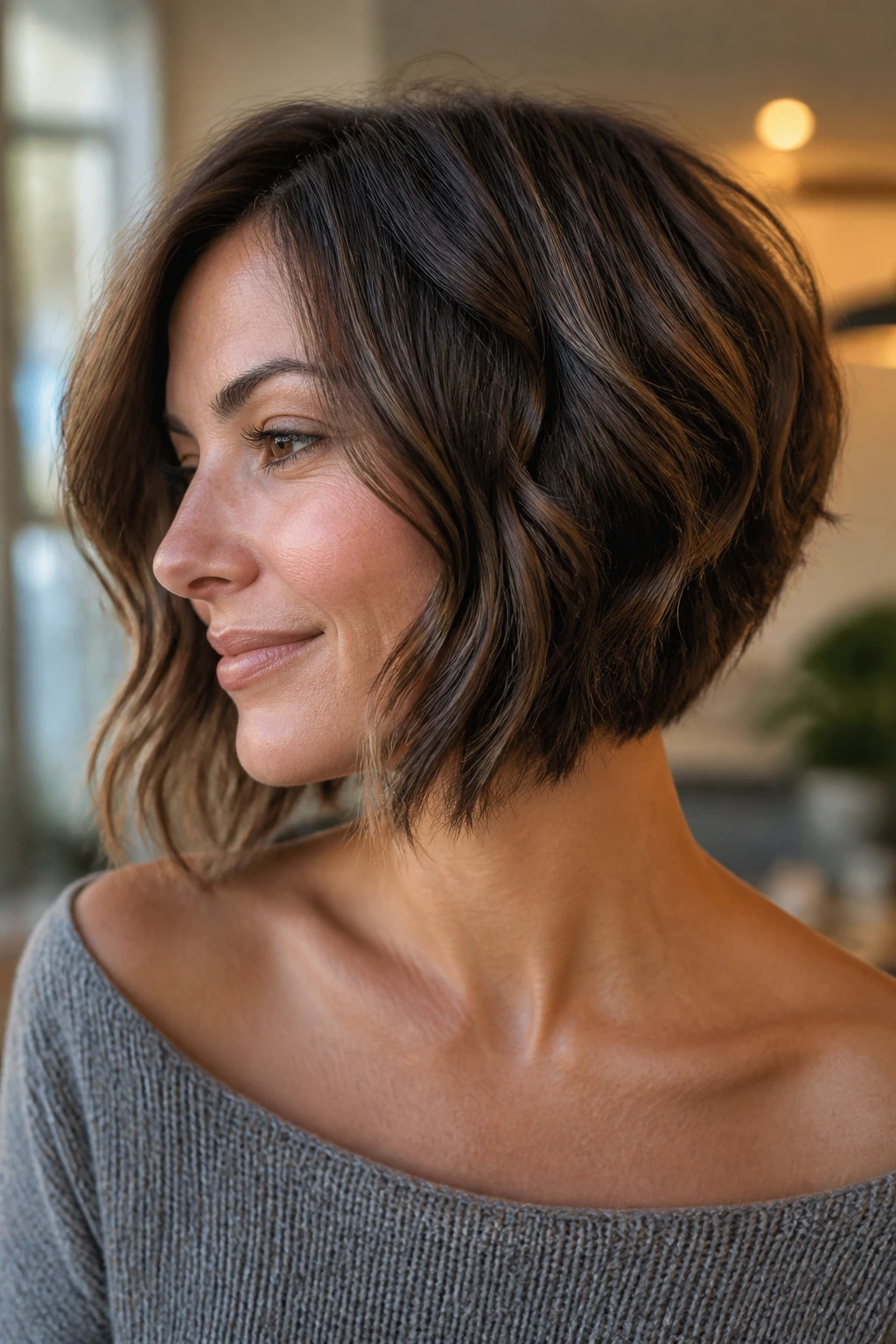
Not every inverted bob needs to be pin-straight. Adding texture or soft waves creates an effortless, “lived-in” aesthetic that feels much younger and more relaxed than the traditional sharp version. If you have natural waves, this is a wash-and-wear dream.
Bringing Out the Texture
To make the waves pop, swap your standard shampoo for a salt-enhancing or texture-boosting formula. You want to avoid products that are overly moisturizing, which can weigh down your natural curl pattern and flatten the graduation.
Recommended Styling Steps
- Apply a sea salt spray or texturizing cream to damp hair.
- Scrunch the hair gently with your hands while it air dries, or use a diffuser on low heat.
- Once dry, use a 1-inch curling wand to define only the top pieces, leaving the bottom layers natural for that effortless contrast.
Note: The beauty of this look is the messiness. Do not worry about being precise; the point is to let the layers move independently.
4. The Deep Side-Parted Inverted Bob
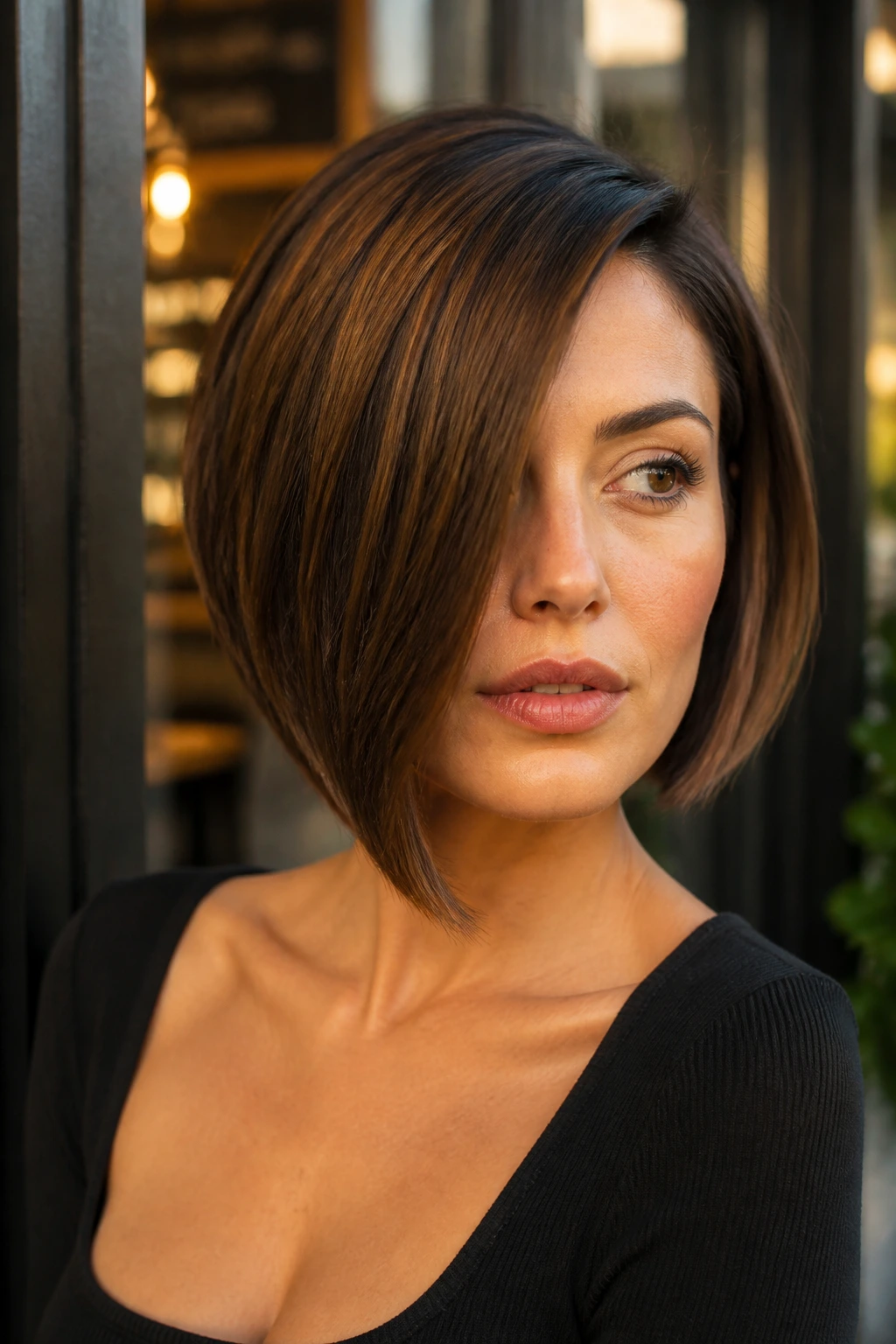
There is something incredibly cinematic about a deep side part paired with an inverted cut. By moving the part line to the extreme side, you create an exaggerated sweep of hair that covers one side of your face and elongates your features. This is a powerful move for someone who wants to emphasize their jawline.
How to Achieve the Look
The secret is all in the wet-to-dry transition. When your hair is damp, use a tail comb to create a sharp line that aligns with the arch of your eyebrow. Blow-dry the hair in the direction you want it to fall, using a round brush to add a slight curve at the ends.
Why It’s Effective
- It adds an automatic “drama” factor to your outfit.
- It is a quick way to change your look without cutting more length.
- It makes even thin hair appear thicker by pushing more volume to one side.
Warning: If you have cowlicks near your hairline, be prepared for a bit of a struggle. You will likely need to use a strong-hold setting spray or a touch of pomade to keep that deep part anchored throughout the day.
5. The Curly Inverted Bob
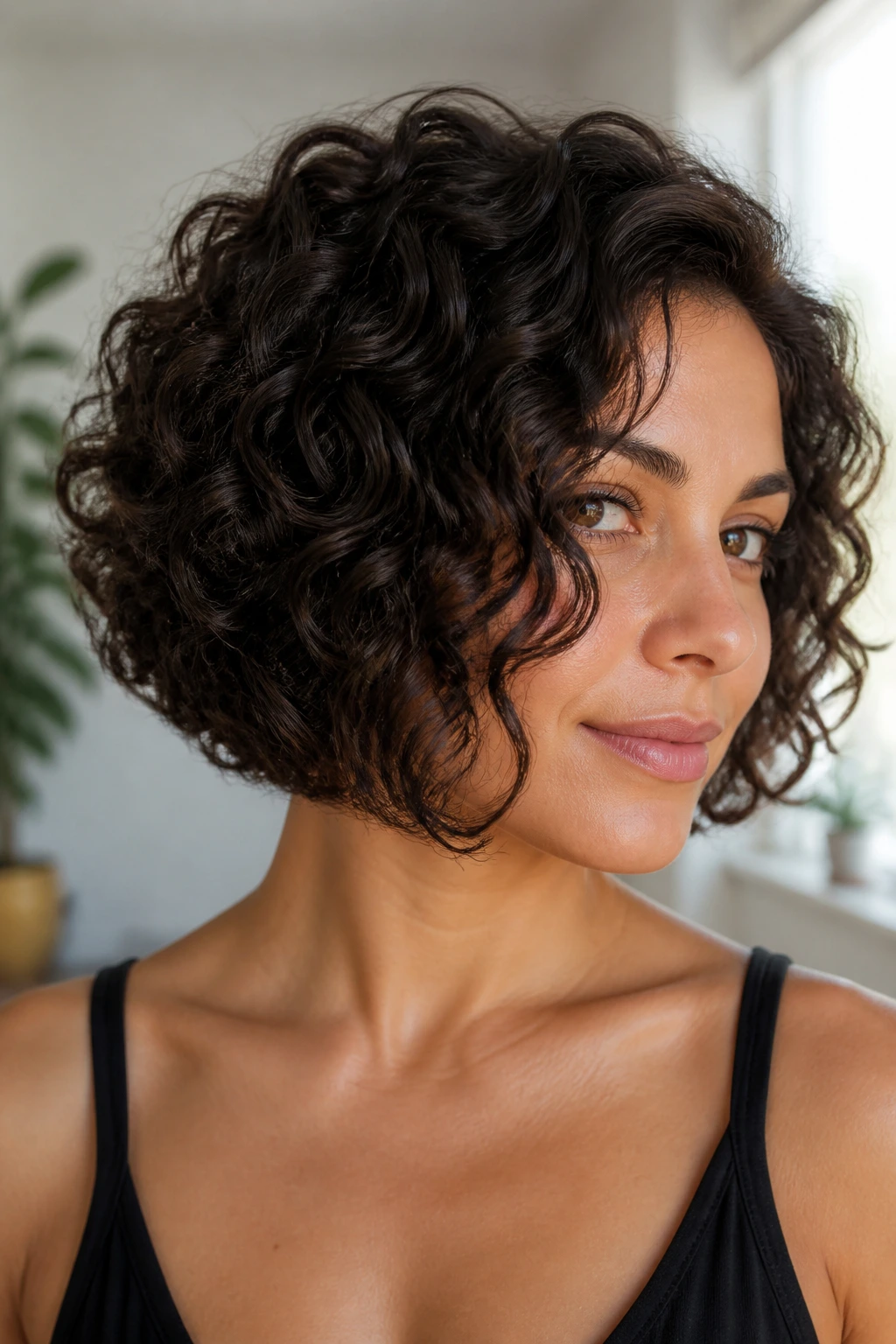
Many people with curly hair are told to avoid bobs because of the “triangle effect,” where the hair gets wider at the bottom. The inverted bob, however, is the solution to that exact problem. By layering the nape and keeping the graduation sharp, you control the volume, ensuring the hair stays rounded and elegant rather than bushy.
Techniques for Success
- Always cut curly hair dry. This allows the stylist to see how the hair springs back and where to place the layers for the best shape.
- Use a “shingling” technique with a light curl cream to ensure each lock is defined and does not frizzle out.
- Ensure the front pieces are cut slightly longer than you want them to be, as they will shrink as they dry.
Styling Considerations
- Avoid fine-tooth combs; use a wide-tooth comb or your fingers to detangle.
- A hooded dryer is excellent for setting this style without adding frizz.
Pro tip: If you find the hair getting too big, look for a lightweight, silicone-free serum to smooth the cuticle without removing the bounce.
6. The Choppy Layered Inverted Bob
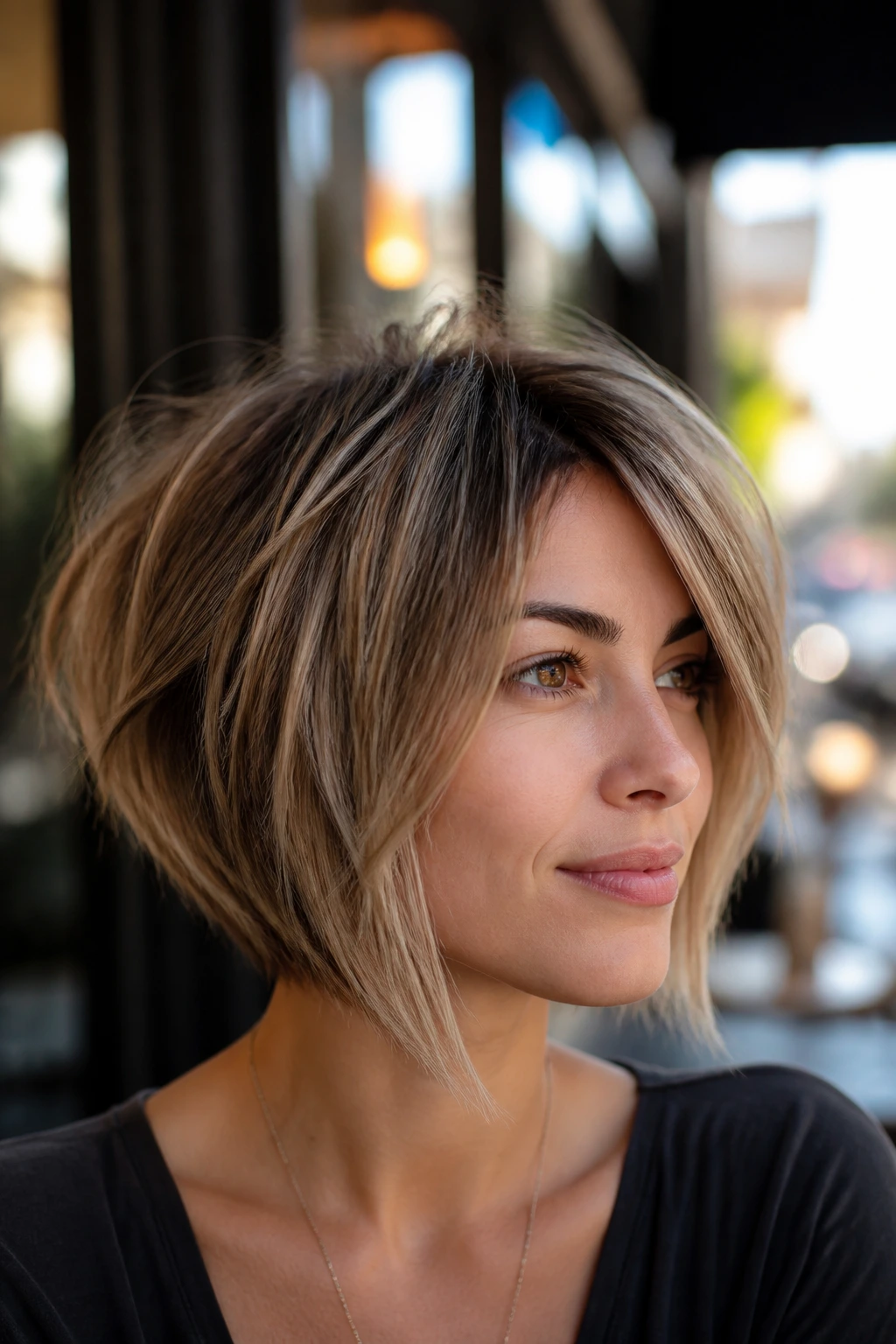
If the classic, smooth inverted bob feels too formal for your personality, a choppy, layered version provides the perfect antidote. By incorporating jagged, razored layers throughout the body of the hair, you achieve a piecey, rock-and-roll vibe that is much easier to style—just add a bit of grit, shake it out, and you are done.
What to Ask For
Tell your stylist you want “shattered ends” or “razored layers.” You are looking for movement, not a blunt, heavy edge. This works exceptionally well for thick hair that needs to be “thinned out” in a way that looks intentional.
Why This Style Works
- It hides split ends better than a blunt cut.
- It feels modern and youthful.
- It requires almost no precision styling; in fact, the messier it looks, the better it works.
Observation: I’ve noticed that this style is the ultimate “low maintenance” haircut for people who hate spending time with a blow dryer. Just let it do its thing.
7. The Inverted Bob With Curtain Bangs
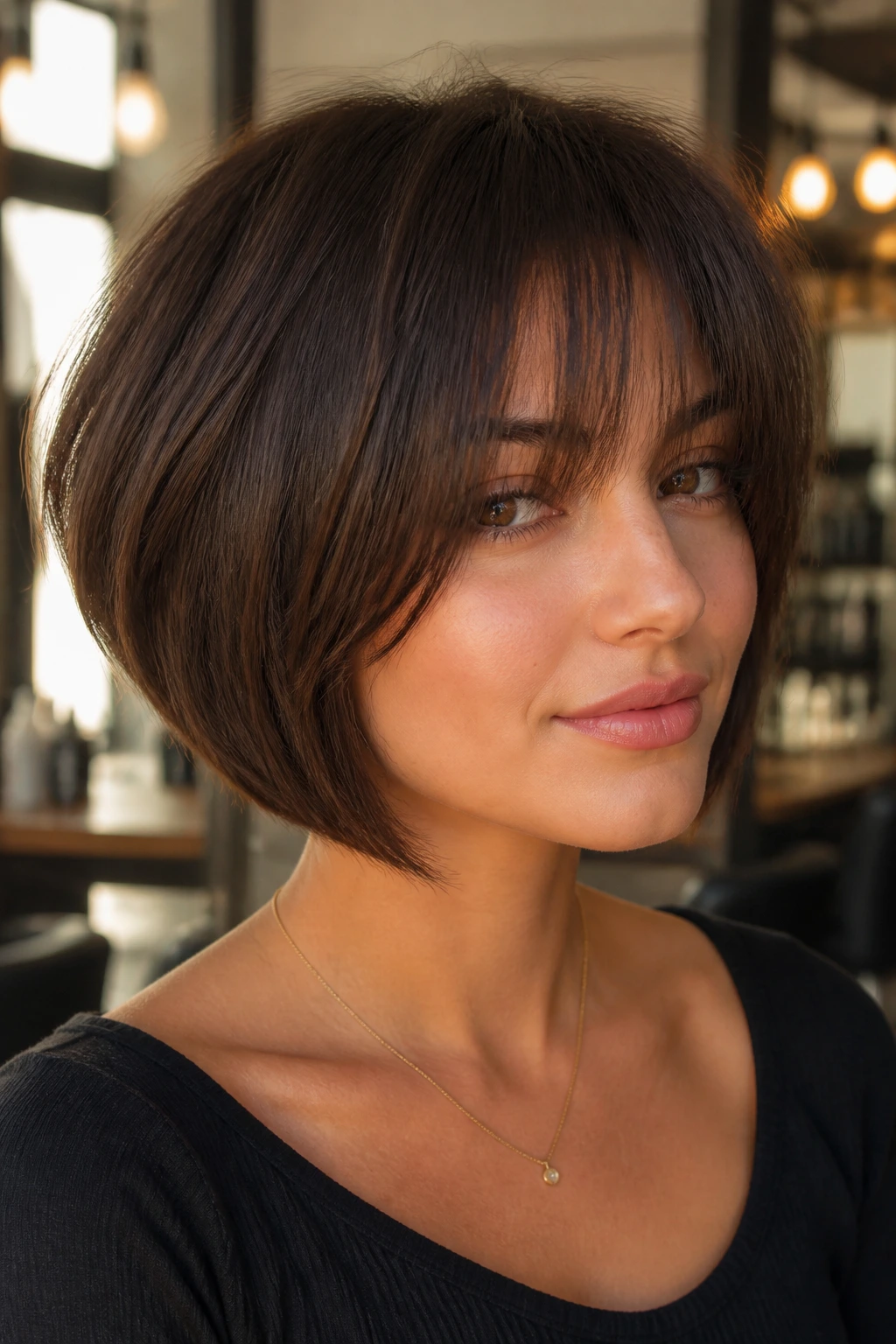
Curtain bangs have taken over the hair scene, and they pair beautifully with an inverted bob. The bangs provide a soft transition between the short back and the long front, effectively framing the face and drawing attention to the eyes. It is a look that feels very 1970s-inspired but remains completely current.
Balancing the Proportions
The key here is ensuring the bangs aren’t too heavy. You want them to be wispy and sheer so they blend into the rest of the cut rather than sitting on top of it. This style is particularly good at masking a higher forehead.
Styling the Bangs
- Use a small round brush to blow-dry the bangs forward and away from the face simultaneously.
- If they need a little help, a quick pass with a flat iron can give them that signature “flick” outward.
Expert advice: If you have an oval face, you can get away with shorter curtain bangs. If your face is rounder, keep them closer to cheekbone length to help elongate the structure.
8. The Ultra-Short “Nape-Grazing” Inverted Bob
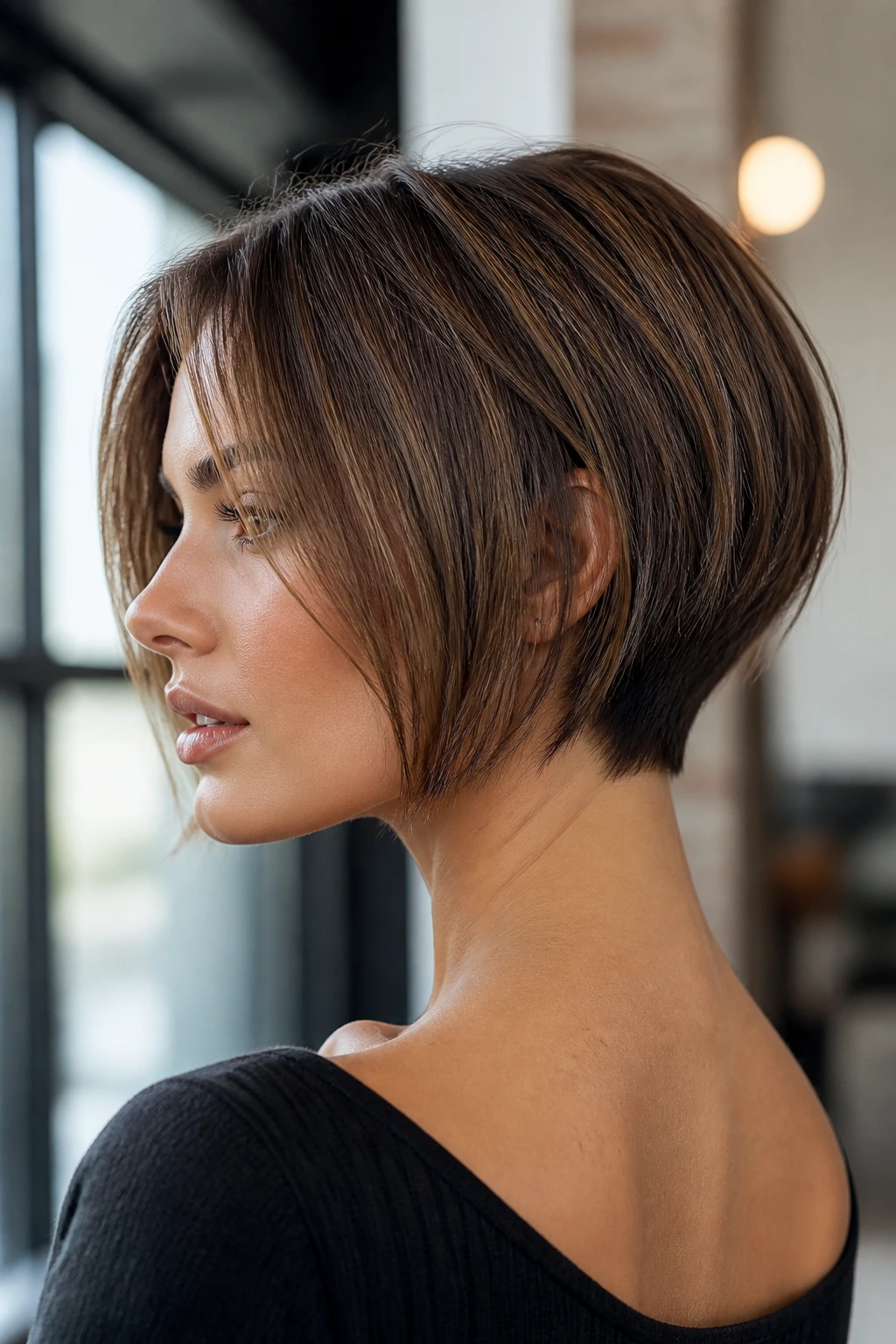
For the brave, the ultra-short inverted bob is a statement piece. This version cuts the back hair very short, almost like a pixie, while the front keeps just enough length to kiss the chin. It is airy, light, and incredibly chic.
Why It’s a Bold Choice
This style highlights the neck and shoulders. If you enjoy wearing high-neck sweaters or statement earrings, this haircut will ensure they are always on display. It is the most “architectural” of all the bob variations.
The Trade-Off
- It requires the most frequent salon visits (every 4 weeks).
- It can be difficult to pull back if you have a busy morning.
- It requires a bit more styling effort to ensure the back doesn’t look like a “helmet.”
Observation: This is not a style for the faint of heart, but for those who commit, it is the most liberating, comfortable haircut imaginable, especially during warmer months.
9. The Blunt-Cut Inverted Bob
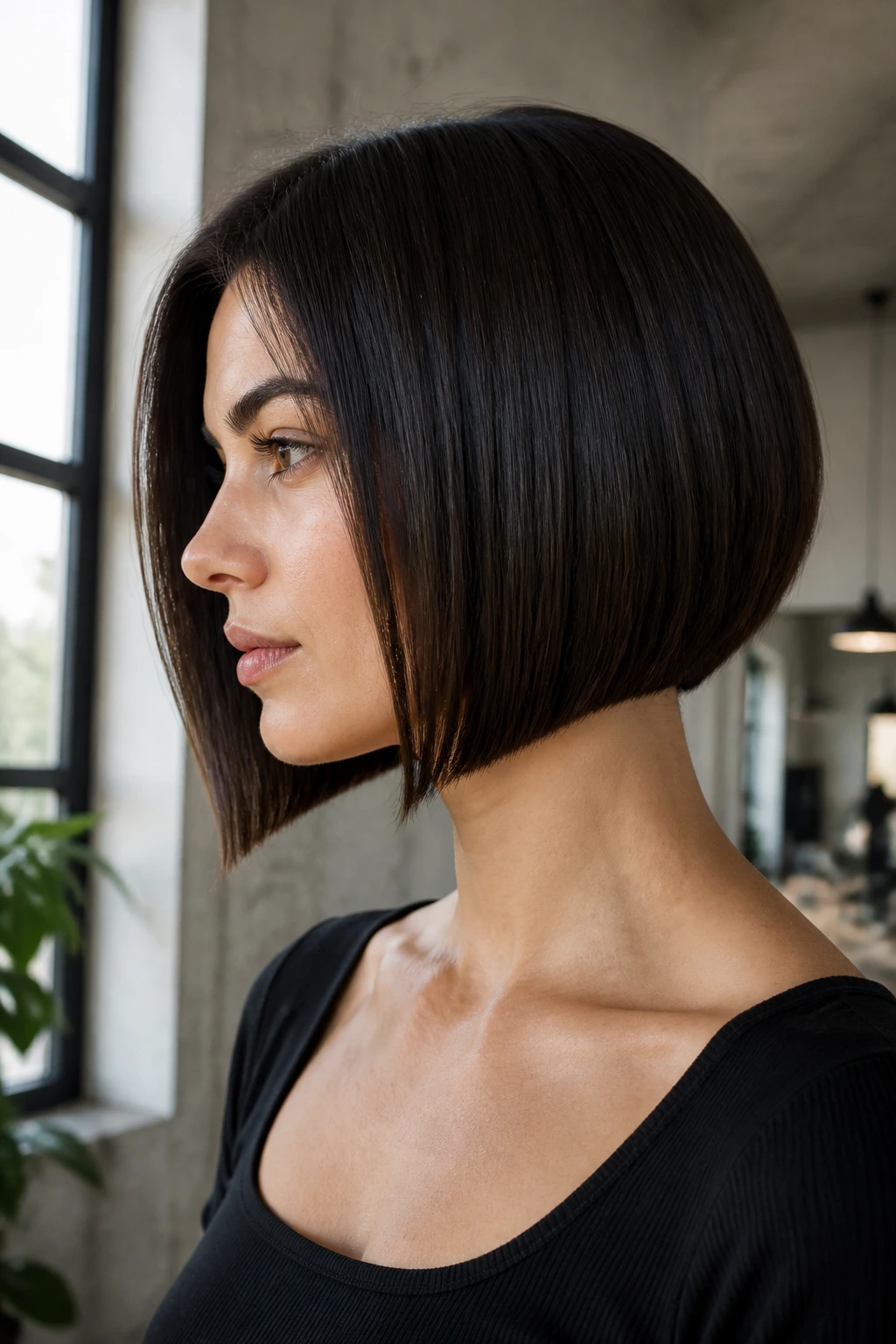
If you want something that screams high fashion and high maintenance, the blunt-cut inverted bob is it. Here, there are almost no interior layers; the shape is created entirely by the angle of the cut itself. It is sharp, geometric, and looks incredible with a glass-hair finish.
Achieving the “Glass Hair” Effect
To pull this off, you need a high-quality flat iron and a shine-enhancing oil. The goal is for the hair to look like a single piece of fabric.
Recommended Daily Routine
- Use a smoothing cream on damp hair.
- Blow-dry using a paddle brush to keep the hair flat and tight to the head.
- Pass a flat iron over thin sections, finishing with a drop of lightweight oil on the ends to seal the cuticle.
Critical Note: This style does not leave room for error. If your hair is prone to flyaways, keep a small purse-sized anti-frizz stick with you to smooth any rogue strands throughout the day.
10. The Asymmetrical Inverted Bob
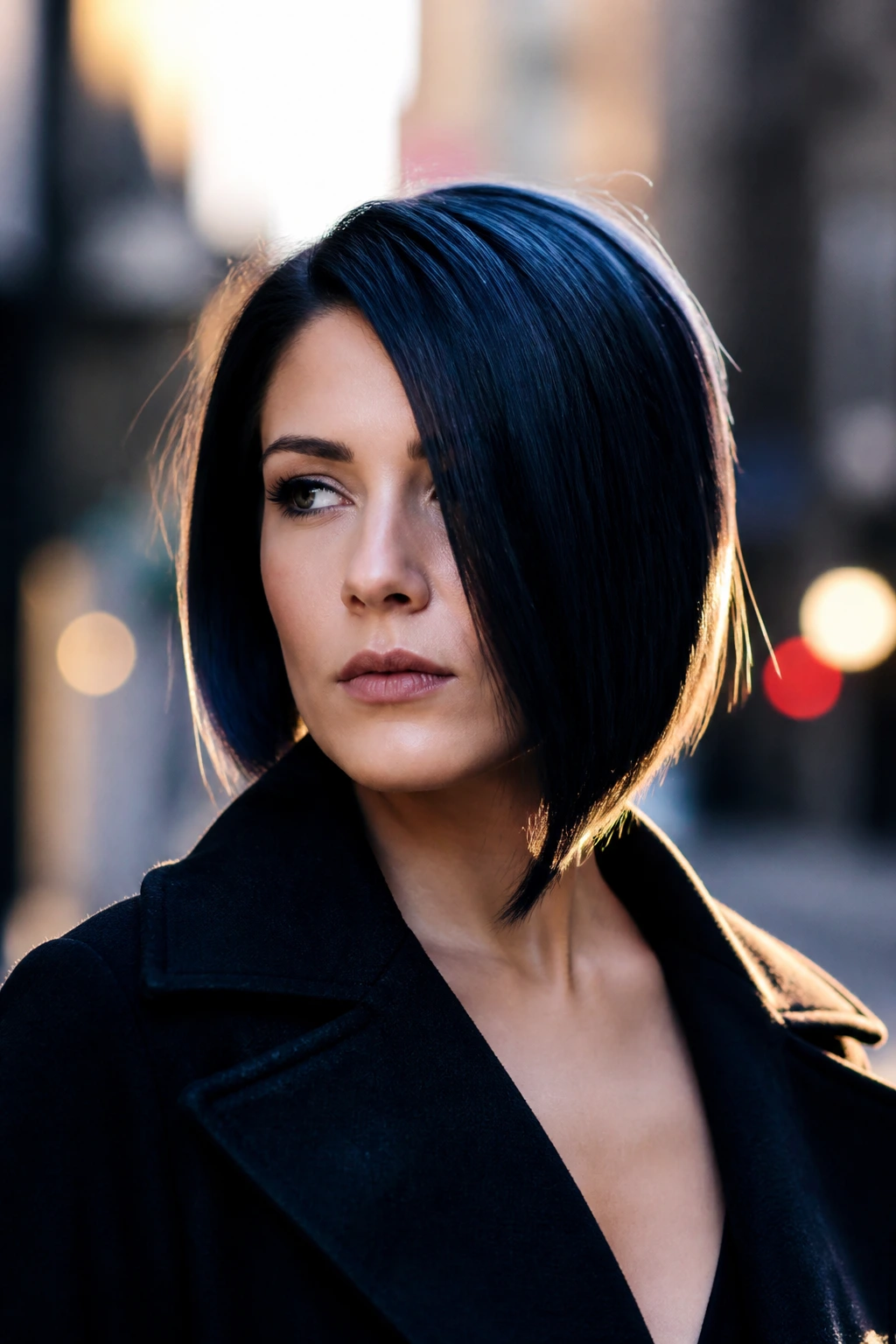
Taking the concept of the inverted bob one step further, the asymmetrical version features one side cut longer than the other. This is the ultimate “edgy” take on the classic. It is artistic, deliberate, and undeniably cool.
Why Choose Asymmetry?
- It draws the eye and creates instant visual interest.
- It is a fantastic way to balance out a face that might be slightly asymmetrical in nature.
- It is a conversation starter.
Styling Tips
Wear it sleek to emphasize the difference in length. If you curl it, be careful; too much volume on the shorter side can sometimes throw off the intended balance of the cut.
Personal Observation: This style looks best when paired with a bold hair color—think platinum blonde or a deep, midnight blue. The shape is so interesting that the color acts as the perfect accent.
11. The Soft-Layered Inverted Bob
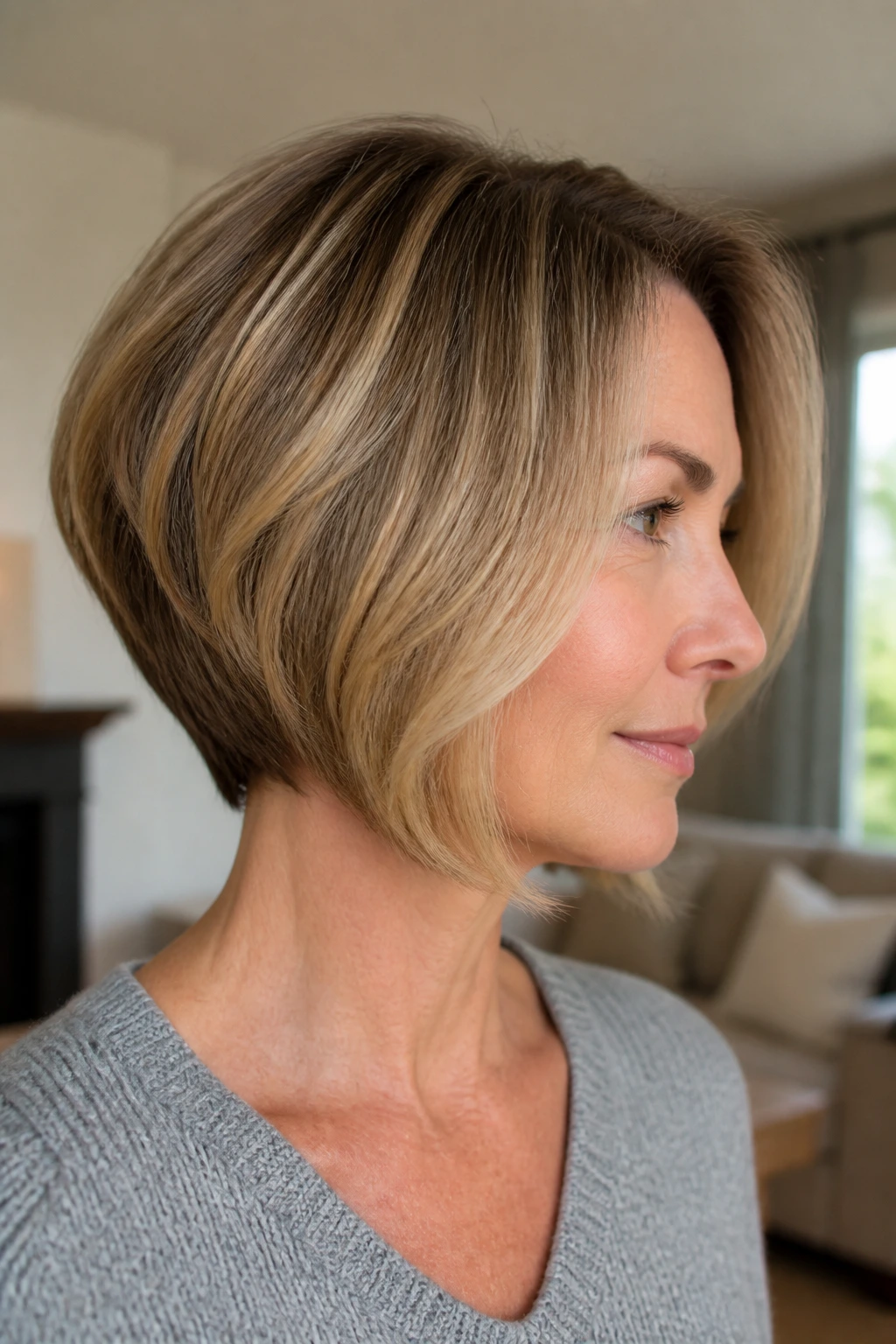
If you want the volume of an inverted bob without the harshness of a sharp angle, ask for soft, blended layers throughout. This version focuses on a “rounded” shape rather than an “angled” one. It feels feminine, approachable, and very easy to manage.
Who Is This For?
This is perfect for women who work in conservative corporate environments but still want a stylish, modern cut. It looks like a classic bob from the front but provides that extra bit of lift at the back that prevents it from looking dated.
Styling for Softness
Use a round brush when blow-drying to pull the ends inward toward the face. This enhances the rounded shape and makes the hair look full and healthy.
Quick Tip: Keep the layering to the back and crown. If you layer the front too much, you lose the face-framing effect of the bob.
12. The “A-Line” Bob With Highlights
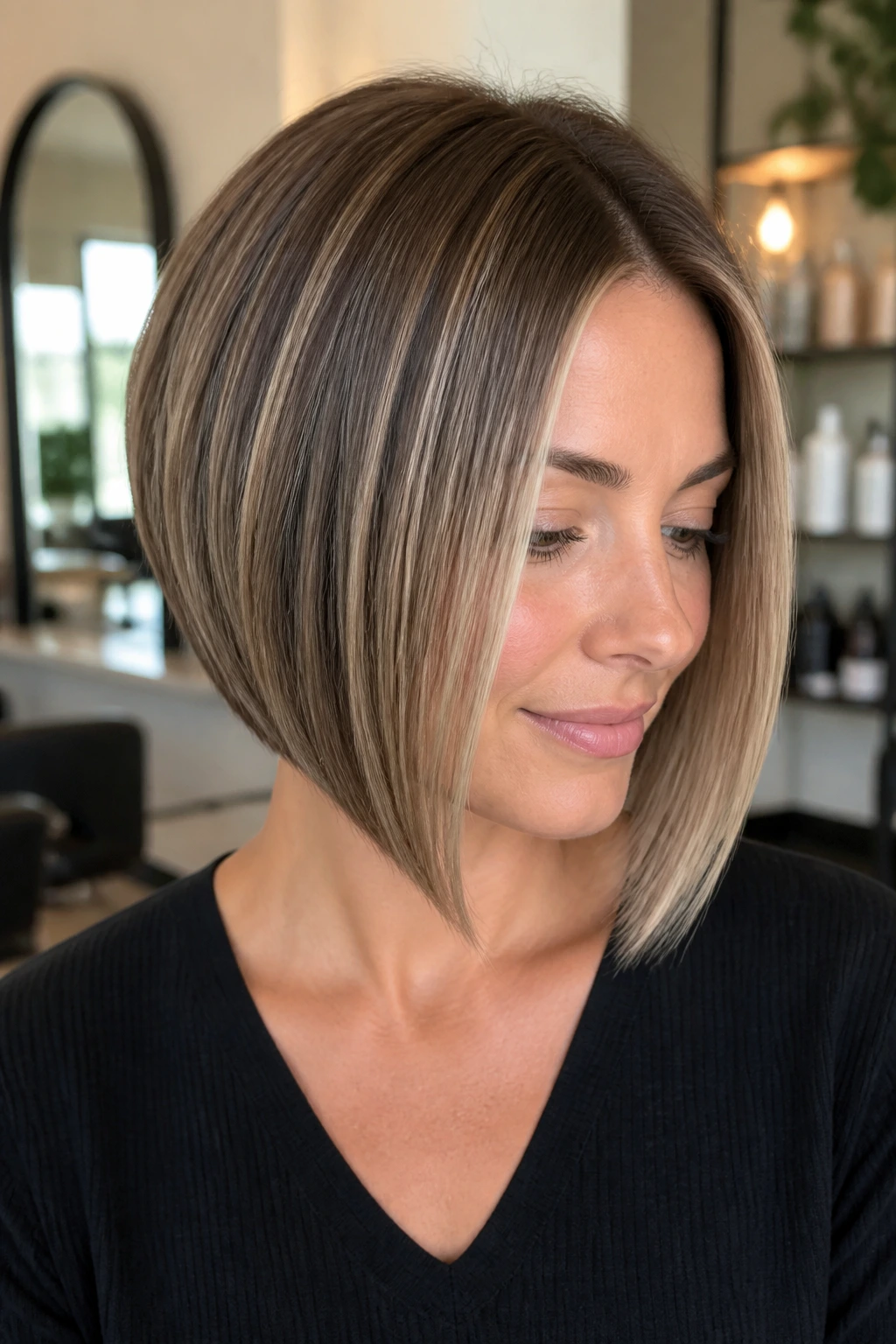
Technically, the A-line is the closest sibling to the inverted bob. The main difference is that an A-line usually lacks the “stacked” back layers and relies purely on the length difference between the back and the front. When you add dimensional highlights—specifically “babylights” or a balayage effect—you accentuate the angle of the cut, making it look much more deliberate.
Color and Cut Coordination
- Place lighter highlights around the face to soften the jawline.
- Use darker tones at the nape to give the illusion of even more depth and thickness.
How to Maintain the Color
Use a color-depositing conditioner once a week to keep the highlights from going brassy. Because the bob is a “precise” cut, dull hair makes the geometry look sloppy. You need the color to be as sharp as the cut.
Observation: I have seen many people try to save money by doing box-dye at home, but this is one style that really benefits from professional color placement. A good colorist will paint the highlights to follow the angle of the bob.
13. The Inverted Bob With Undercut
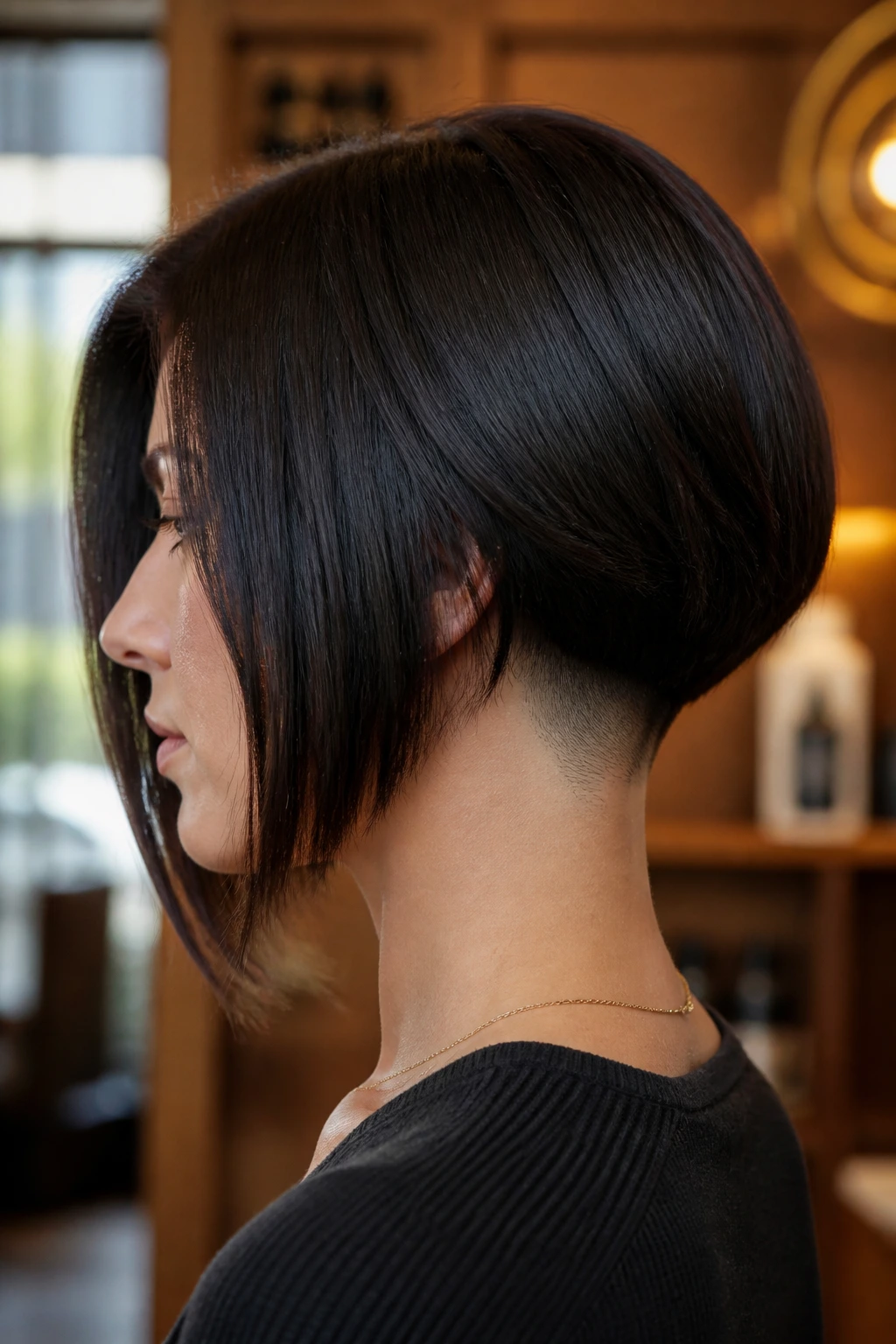
For those who want to push the boundaries, an undercut at the nape of the neck is a secret, practical way to manage thick hair. You shave or buzz the hair at the very base of the skull, then let the top layers of the inverted bob fall over it. It keeps the neck cool and creates an incredibly slim, sleek profile.
Why This is Surprisingly Practical
- It removes bulk from the most difficult part of the head.
- It takes the “triangle effect” completely off the table.
- It’s a fun, hidden element of surprise.
A Note on Growing it Out
Be aware that if you decide you no longer want the undercut, it will be an awkward growing-out phase. Only go this route if you are truly committed to the look for at least six months.
Warning: This is not a “wash and go” style. The hair needs to be styled to ensure the top layers fully cover the shaved portion. If the wind blows the wrong way, the surprise is revealed.
14. The Inverted Bob for Round Faces
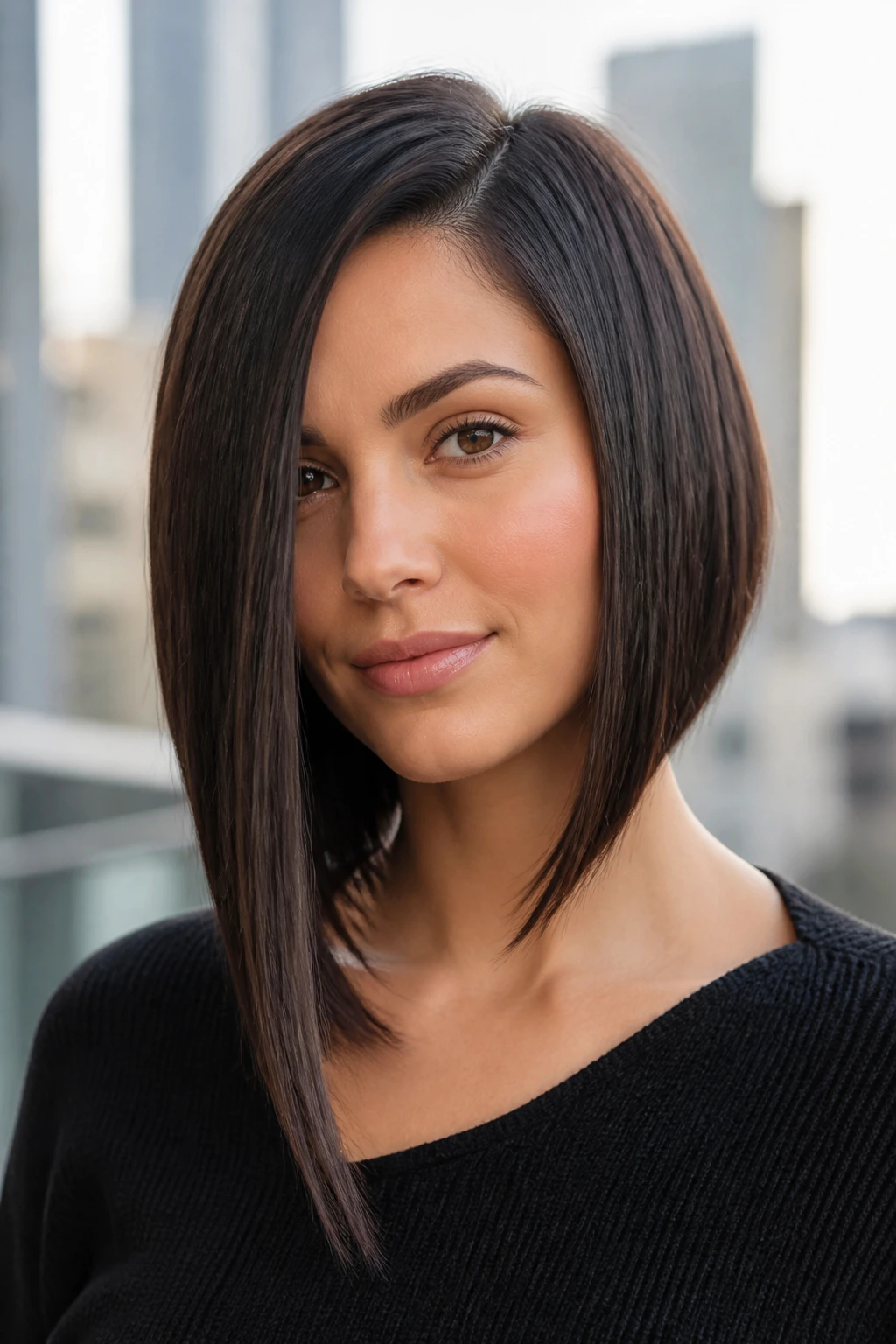
A common concern for those with round faces is that a bob will make their face look “fuller.” However, an inverted bob is actually the best solution because the long front pieces create a vertical line that elongates the face.
The Golden Rule
Ensure the front pieces fall well below your chin. If the hair hits right at the jawline, it will draw a horizontal line across your face, which makes it look wider. You want the ends to touch the collarbone area for the most slimming effect.
Style Suggestions
- Stick to a sleek, straight finish.
- Avoid large, bouncy curls which add horizontal width.
- Consider a slightly off-center part to break up the roundness.
Fact: A longer, angular bob is consistently cited by stylists as the most flattering cut for a round face shape.
15. The Inverted Bob for Square Faces
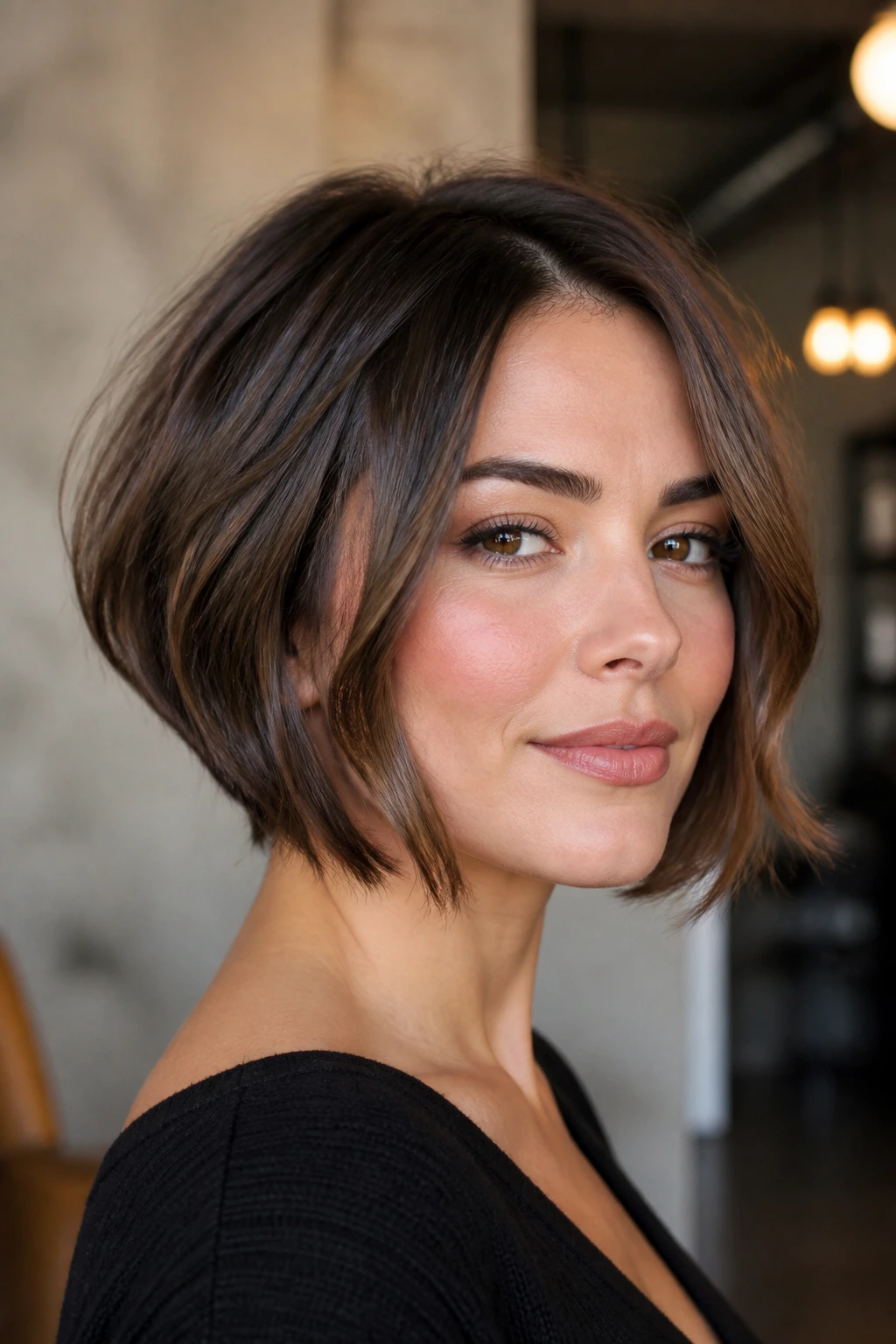
Square faces are defined by a strong, angular jawline. Your goal with an inverted bob is to soften those edges. You can do this by keeping the front sections slightly rounded rather than razor-sharp, or by adding some long, wispy bangs.
Softening the Edges
- Avoid blunt bangs, which emphasize a square forehead.
- Ask for “face-framing” pieces that start around the nose and curve inward.
- Texture is your friend—the softer the hair looks, the less rigid your jawline will appear.
Personal Insight: I’ve found that a bit of wave near the jawline works wonders for square-faced individuals. It breaks up the straight lines of the cut and adds a feminine softness to the face.
16. The Sleek “Wet Look” Inverted Bob
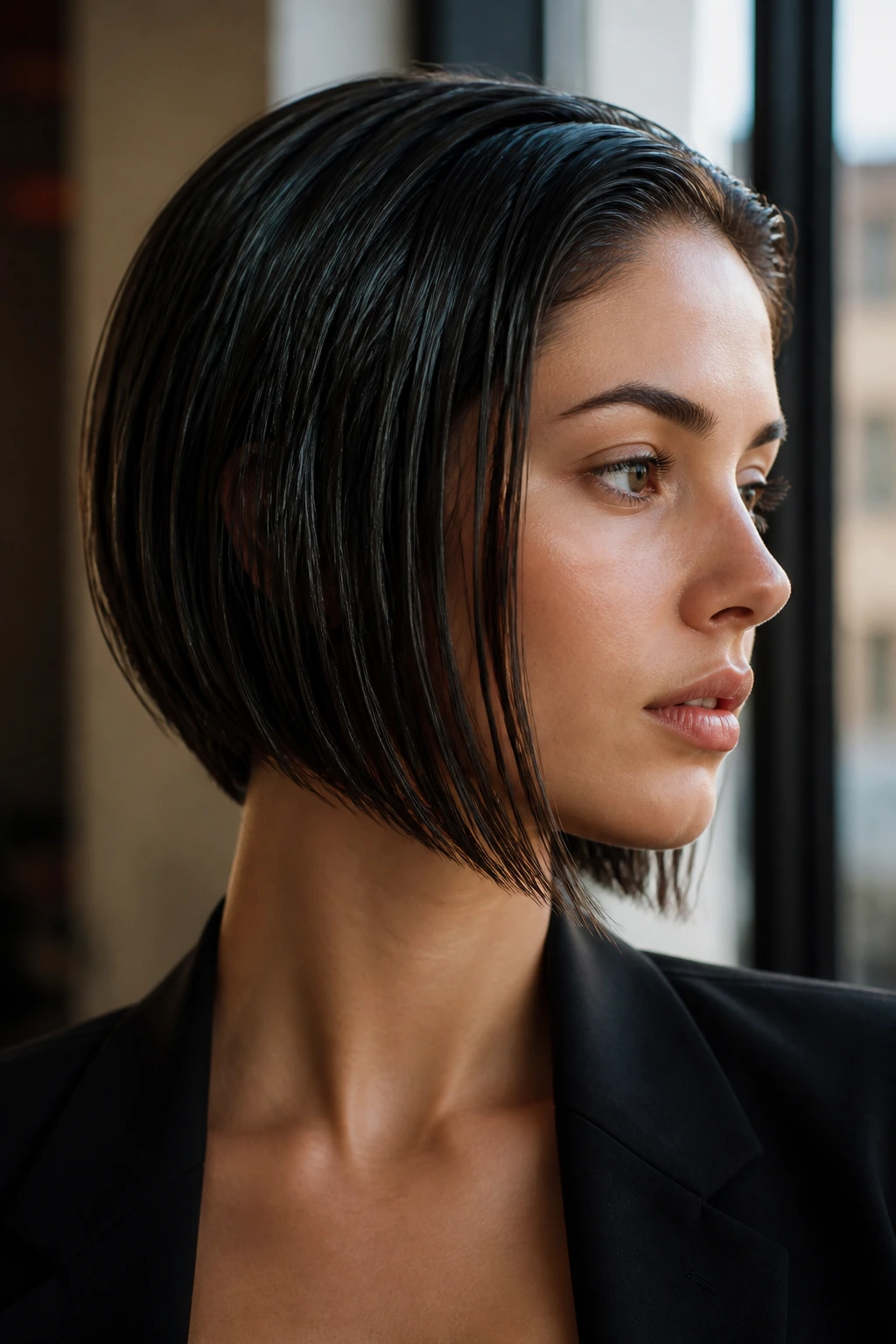
The “wet look” is a runway favorite that translates surprisingly well to an inverted bob. Using a high-shine gel or a light pomade, you can style your bob to look like you’ve just stepped out of the ocean. It is incredibly chic for evening events.
How to Style
- Apply a dollop of gel to towel-dried hair.
- Use a wide-tooth comb to distribute it from roots to ends.
- Allow it to air-dry for that true “damp” finish.
Warning: This style requires confidence. It highlights everything, so make sure your hair is freshly trimmed and you are wearing an outfit that matches the high-fashion vibe.
17. The Inverted Bob With Face-Framing Layers
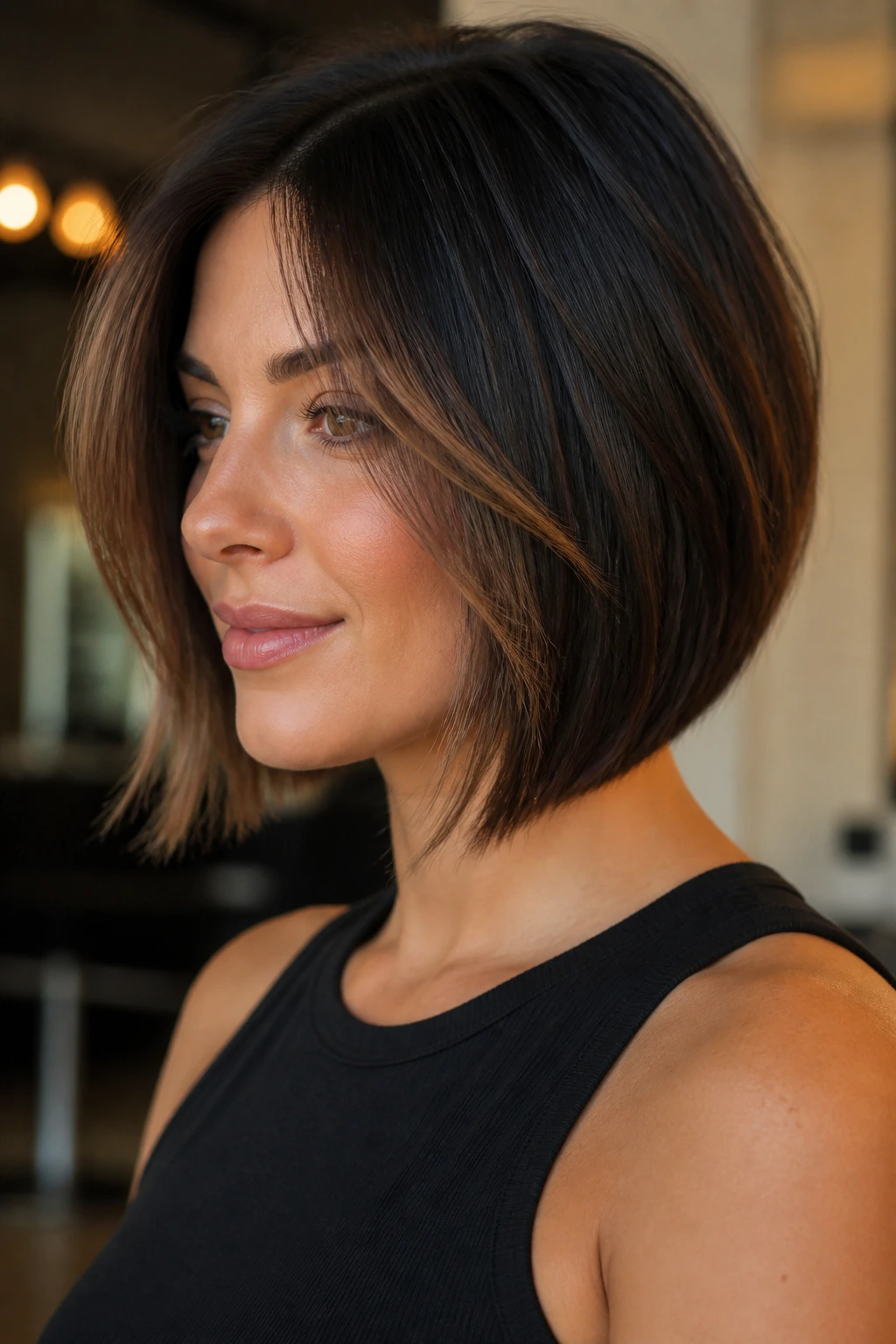
If you like the idea of an inverted bob but feel like the hair is “blocking” your face, ask for interior face-framing layers. These are shorter layers around the front that don’t change the length of the hair but do change how it sits around your eyes and cheeks.
Benefits of Face-Framing
- It makes the cut feel less like a “shell” and more like a style.
- It highlights your eyes.
- It allows you to style the front of the hair with more movement.
How to Style
Use a medium-sized round brush to curl the front layers toward your face. This creates a “swoop” that feels very polished and intentional.
Pro tip: Don’t go too short with these layers, or you’ll end up with a mullet-like effect. Keep them long enough to tuck behind your ears.
18. The Modern “Mob” (Medium Inverted Bob)
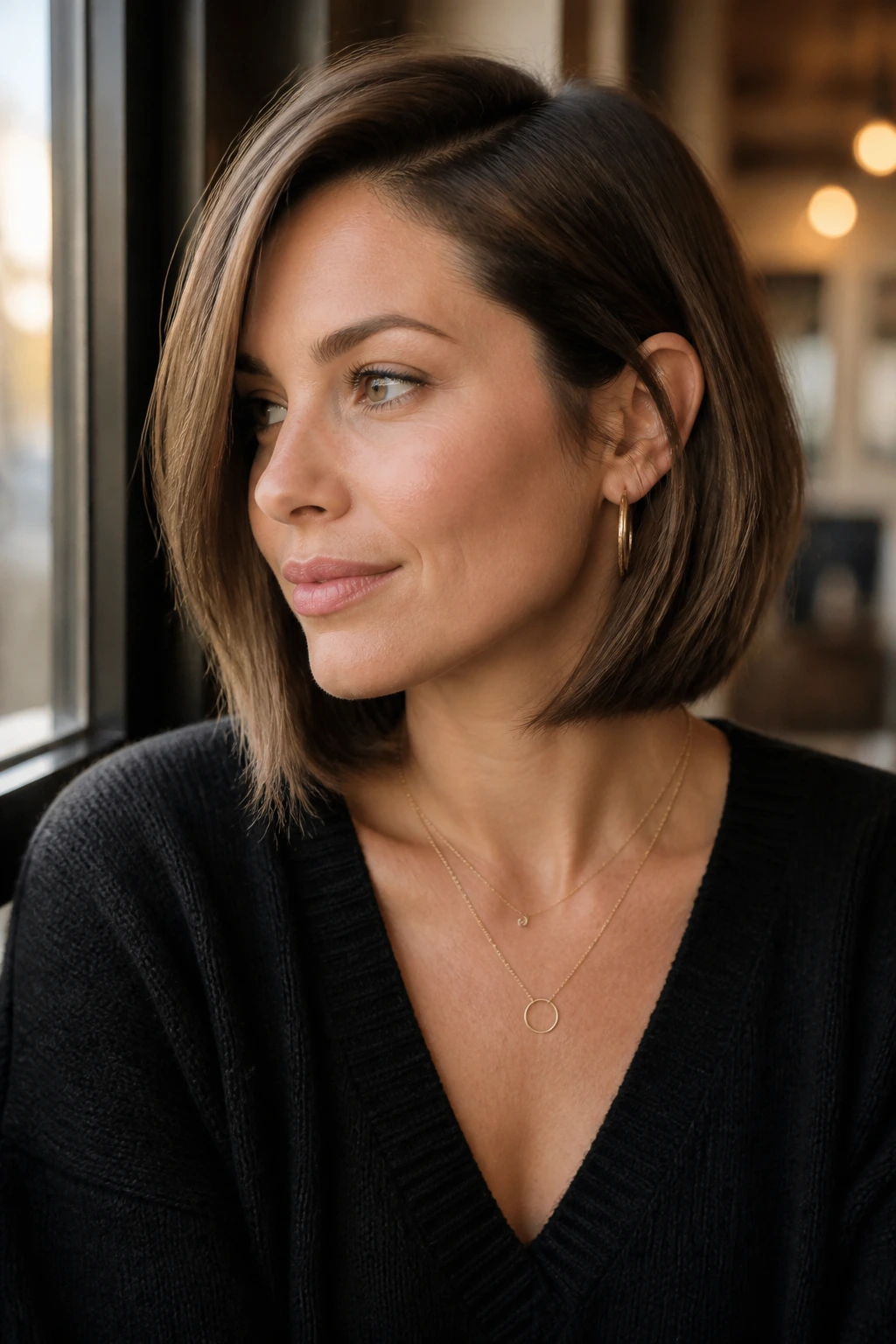
The “Mob”—or medium bob—is the middle ground that everyone seems to be craving lately. It sits just above the shoulders, meaning you aren’t fully committed to the “short hair” life. It provides the perfect angle for an inverted cut while still feeling like you have plenty of length to play with.
Why It Is the Ultimate Choice
It’s the most “forgiving” version of the cut. If you get it wrong, it grows out in a couple of months. If you love it, you can keep it at this length indefinitely.
Styling the Mob
This length is perfect for a “tucked” look. Tucking one side behind the ear while leaving the other side long creates a casual but intentional style that works for almost any occasion.
Observation: I find this to be the best length for someone who is transitioning from very long hair to a shorter style. It isn’t as much of a shock to the system.
19. The Inverted Bob With Blunt Bangs
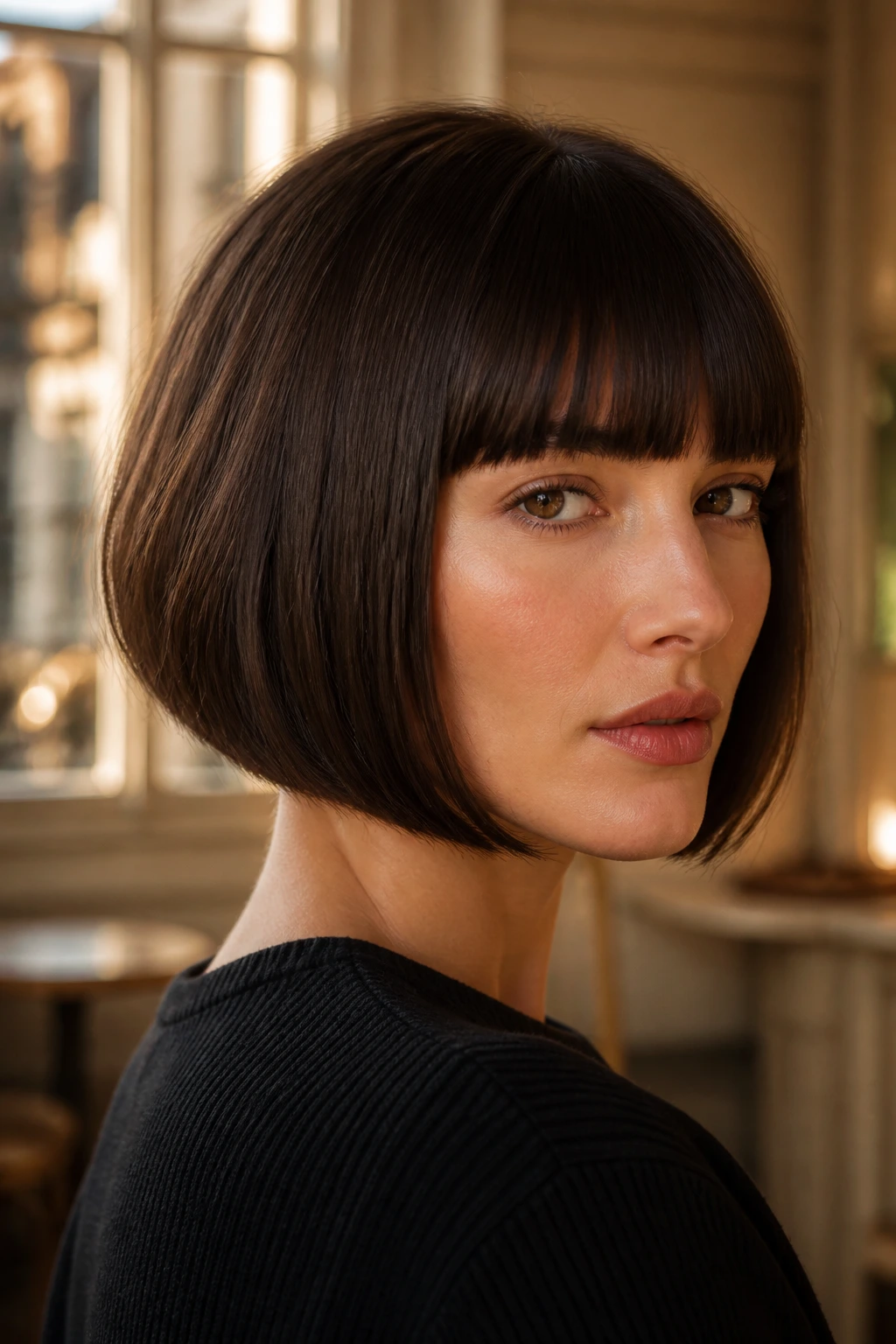
For a sharp, Parisian vibe, pair your inverted bob with blunt, brow-grazing bangs. This is a very high-fashion, statement look. It creates a complete frame for your face and is excellent for highlighting your eyebrows and eyes.
Is This Right for You?
- You need a relatively straight hair texture to make this work without daily struggle.
- You have the time to trim your bangs every few weeks.
- You enjoy a look that is bold and slightly edgy.
Styling the Bangs
You must keep your bangs smooth. Even if you want the rest of your hair textured, your bangs should be the focal point of precision.
Critical Note: If you have thick, cowlick-prone hair, you will need to spend about five minutes every morning ensuring your bangs don’t split. If you aren’t willing to do that, skip the bangs.
20. The Inverted Bob for Graying Hair
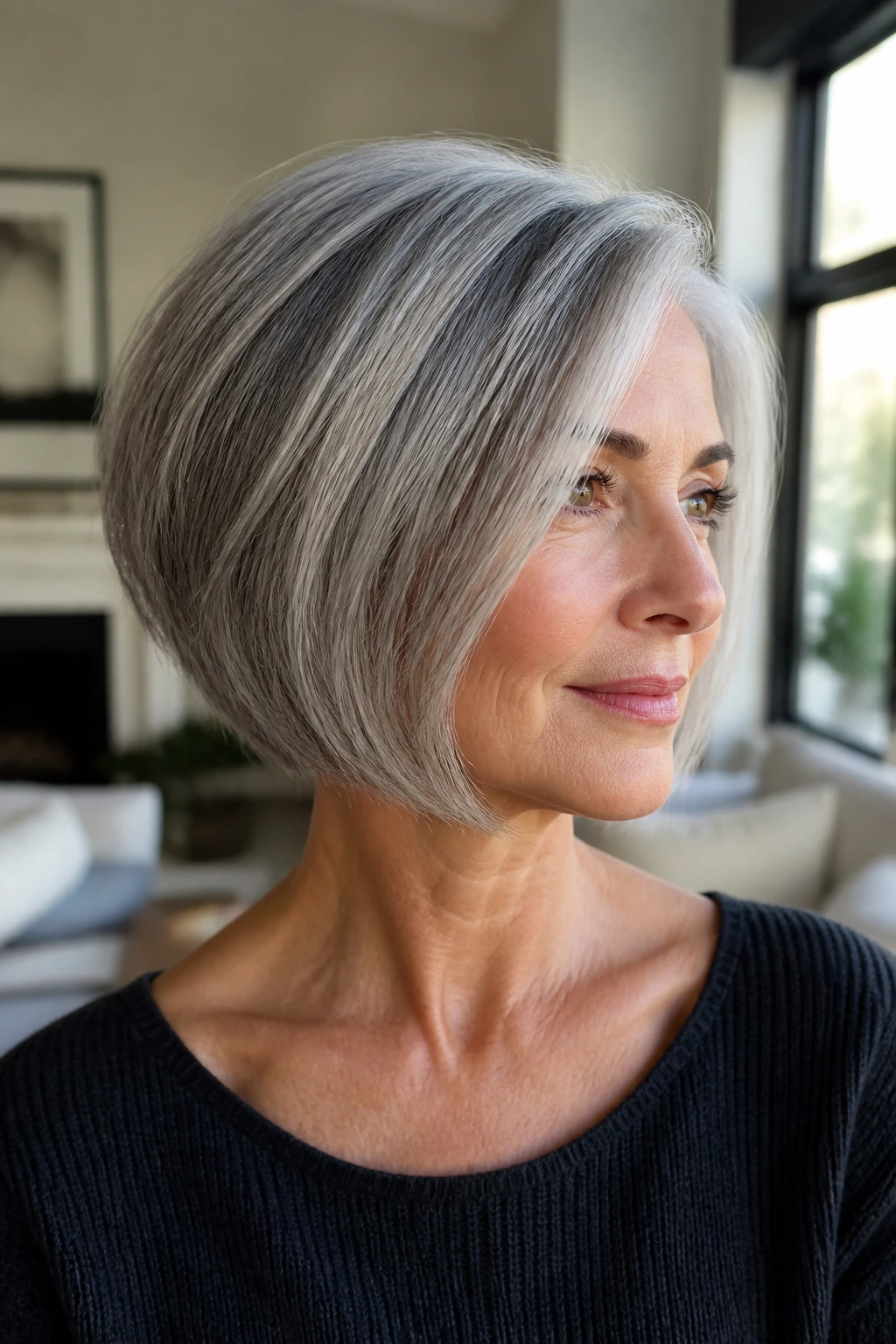
As our hair goes gray, the texture often changes—it becomes coarser or finer, and sometimes less voluminous. The inverted bob is the best haircut for managing these changes. The stack at the back creates the fullness that gray hair often loses, and the sleekness of the cut highlights the natural silver tones beautifully.
Embracing the Silver
Use a purple shampoo once a week to keep your gray hair bright and to prevent any yellowing. Since gray hair can look dry, focus on deep-conditioning treatments.
Why It’s Sophisticated
There is something incredibly refined about a sharp, angled, silver-toned bob. It feels like a conscious choice rather than an accident of aging.
Personal Insight: Keep your makeup fresh and bright when you have this cut. The precision of the style + the silver tone acts like a spotlight on your face.
21. The “Shaggy” Inverted Bob
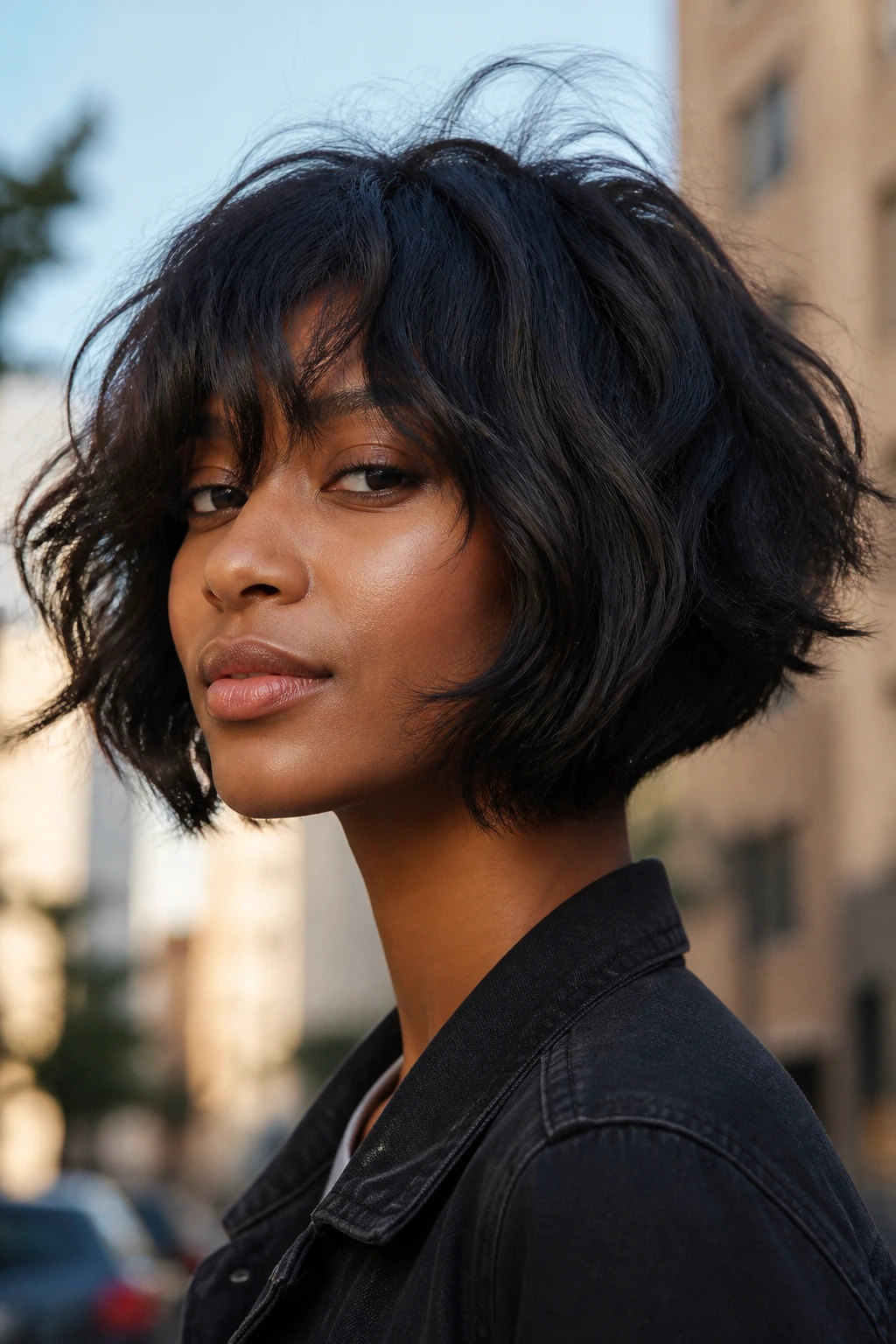
The shaggy bob is the younger, cooler, more rebellious sister of the inverted bob. It uses deep point-cutting to create a ton of movement. It is the definition of “I woke up like this,” and it works exceptionally well for anyone with natural texture.
How to Style
- Apply a mousse with “grit.”
- Scrunch and let air dry.
- Use a bit of dry shampoo at the roots for added volume.
Why It’s Effective: It removes the seriousness of the inverted bob. If you find the inverted shape too “polite,” the shag is your best alternative.
22. The Inverted Bob With Vivid Color
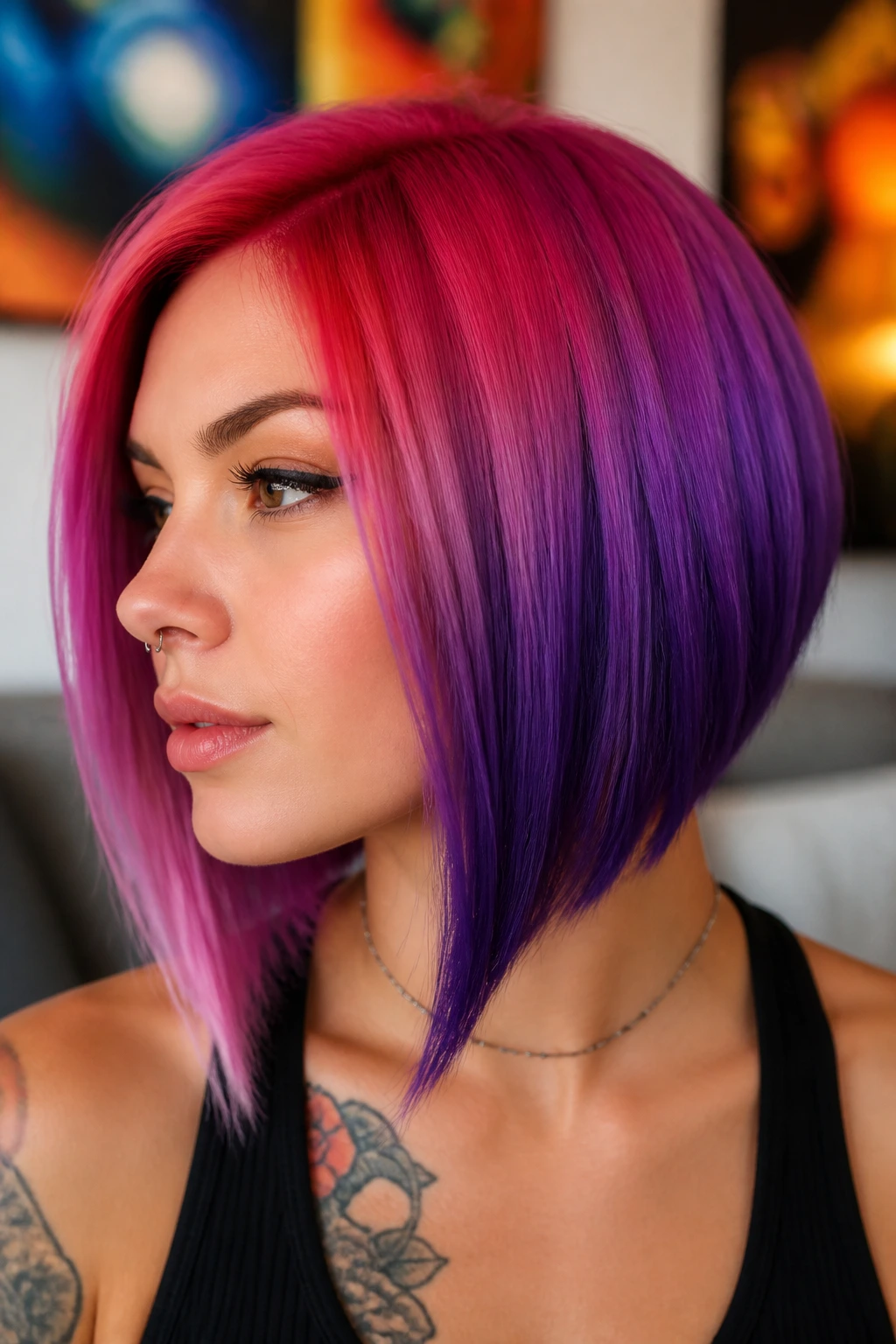
If you are going to invest in a precision cut, you might as well show it off. Vivid colors—like bright red, pastel pink, or deep emerald—work incredibly well with the inverted bob because the different lengths and layers catch the light differently, showing off the dimensions of the color.
Color Commitment
- Be prepared for fading; vivid colors require touch-ups every 4-6 weeks.
- Use only color-safe, sulfate-free shampoos.
- Cold water rinses are your best friend to keep the color vibrant.
Observation: I have seen vibrant, multi-tonal inverted bobs that look like pieces of art. The sharp lines of the cut act like a frame for the color, making it pop in a way it wouldn’t in longer, wavier hair.
Final Thoughts
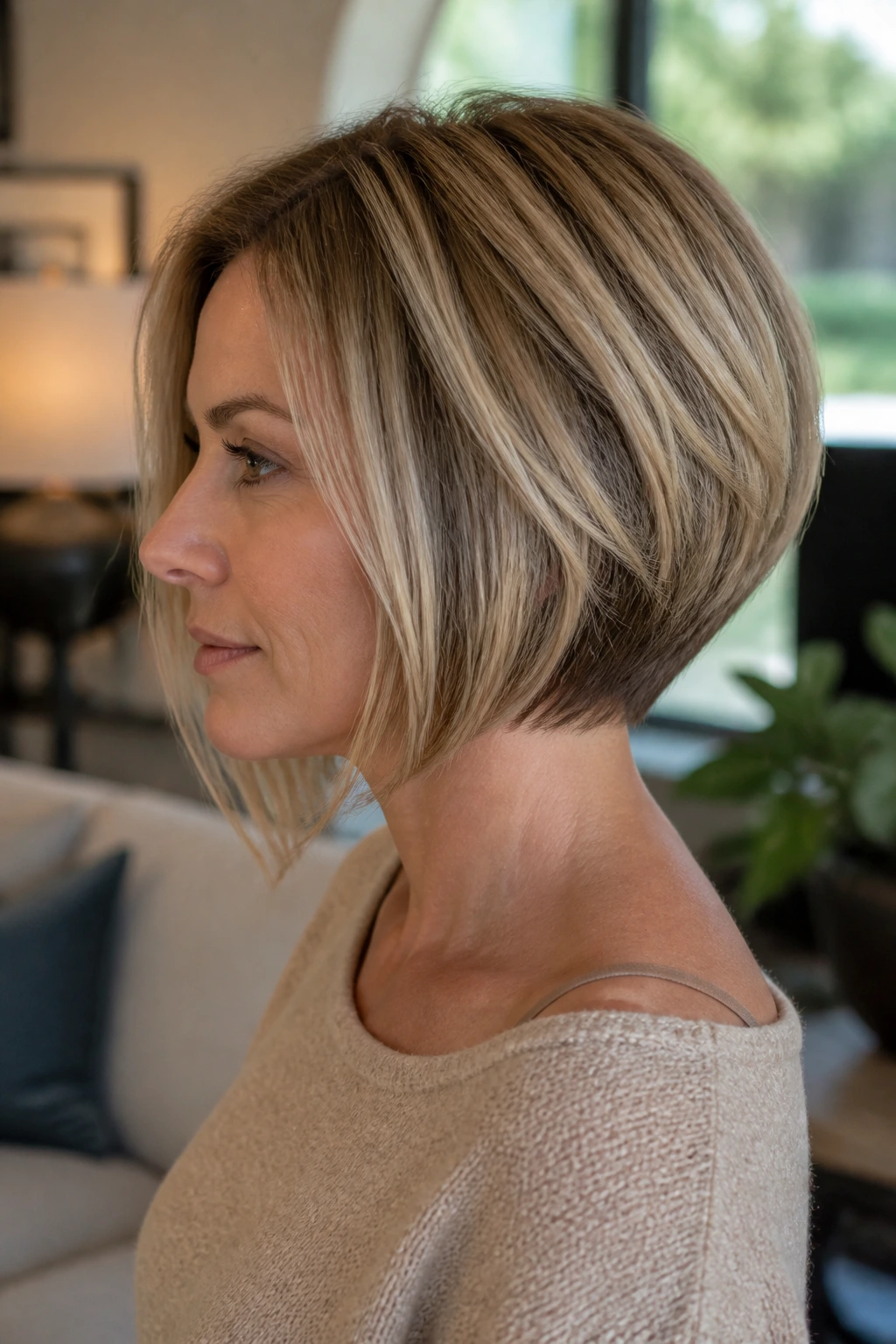
The beauty of the inverted bob lies in its versatility. It is not a singular look but a structural principle that you can mold to fit your hair type, your lifestyle, and your personality. Whether you choose the sharp, high-maintenance blunt cut or the messy, low-maintenance shag, the core of the style—the angled graduation—remains one of the most flattering silhouettes you can choose.
The biggest mistake people make is thinking that a bob is just a bob. It is, in fact, a technical haircut that requires a skilled hand and a clear vision. When you walk into the salon, bring pictures, but more importantly, talk to your stylist about how you intend to style your hair on a daily basis. If you don’t use a blow dryer, tell them. If you love flat irons, tell them.
Choosing the right variation from this list comes down to honesty about your hair texture and your morning routine. A high-maintenance cut on a low-maintenance person is a recipe for frustration. But get it right, and you’ll find that an inverted bob isn’t just a change in your appearance—it’s a streamlined way to look put-together every single day, with minimal effort and maximum style.