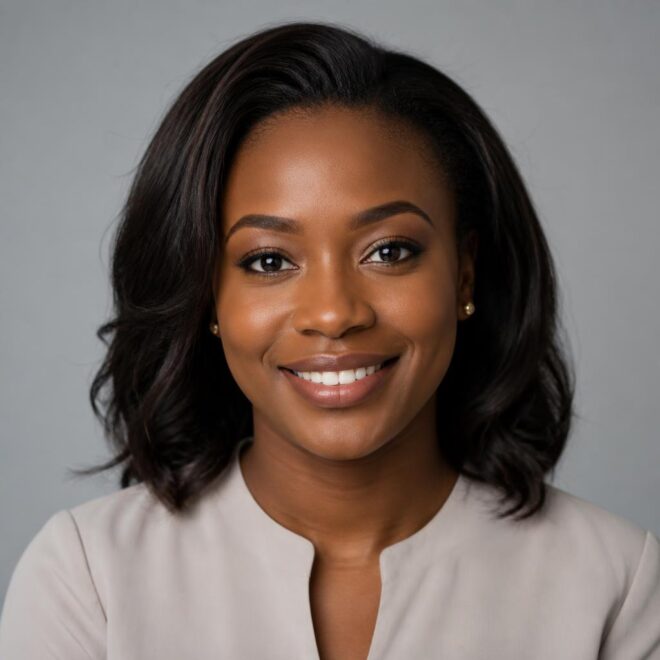


The wedge haircut is a architectural marvel for the scalp. It is not just a style; it is a declaration of confidence that favors sharp angles, precise graduation, and a silhouette that refuses to be ignored. While most people instinctively link the wedge to the gravity-defying, ultra-short crops of the late seventies, the modern evolution of this cut has embraced length. We are talking about hair that hits the shoulders or grazes the collarbone, maintaining that signature stacked volume in the back while allowing for a more flowing, versatile front. If you have been looking for a way to add movement to fine hair or structure to thick, unruly strands, a long wedge might be the transformative shift your mirror has been waiting for.
1. The Classic Long Stacked Wedge
The foundation of a good wedge is the stack. This technique involves cutting the hair at the nape of the neck in short, graduated layers that increase in length as you move toward the crown. When this is applied to longer hair, it creates an unmistakable rounded shape that sits perfectly against the back of the head. It provides an immediate lift for anyone struggling with hair that tends to lay flat.
Why This Works for Fine Hair
Fine hair often lacks the internal scaffolding needed for volume. By stacking the back, you are essentially building that scaffolding. The shorter, internal layers support the longer, outer layers, preventing that dreaded “limp” look. You get the benefit of length without the weight that usually drags fine strands down.
Key Maintenance Tip
Because the integrity of the stack depends on the precision of the cut, you need to commit to trims every six to eight weeks. If the transition between the short layers and the longer layers grows out unevenly, the shape of the wedge disappears, leaving you with just a messy, uneven bob.
2. The Wispy Layered Wedge
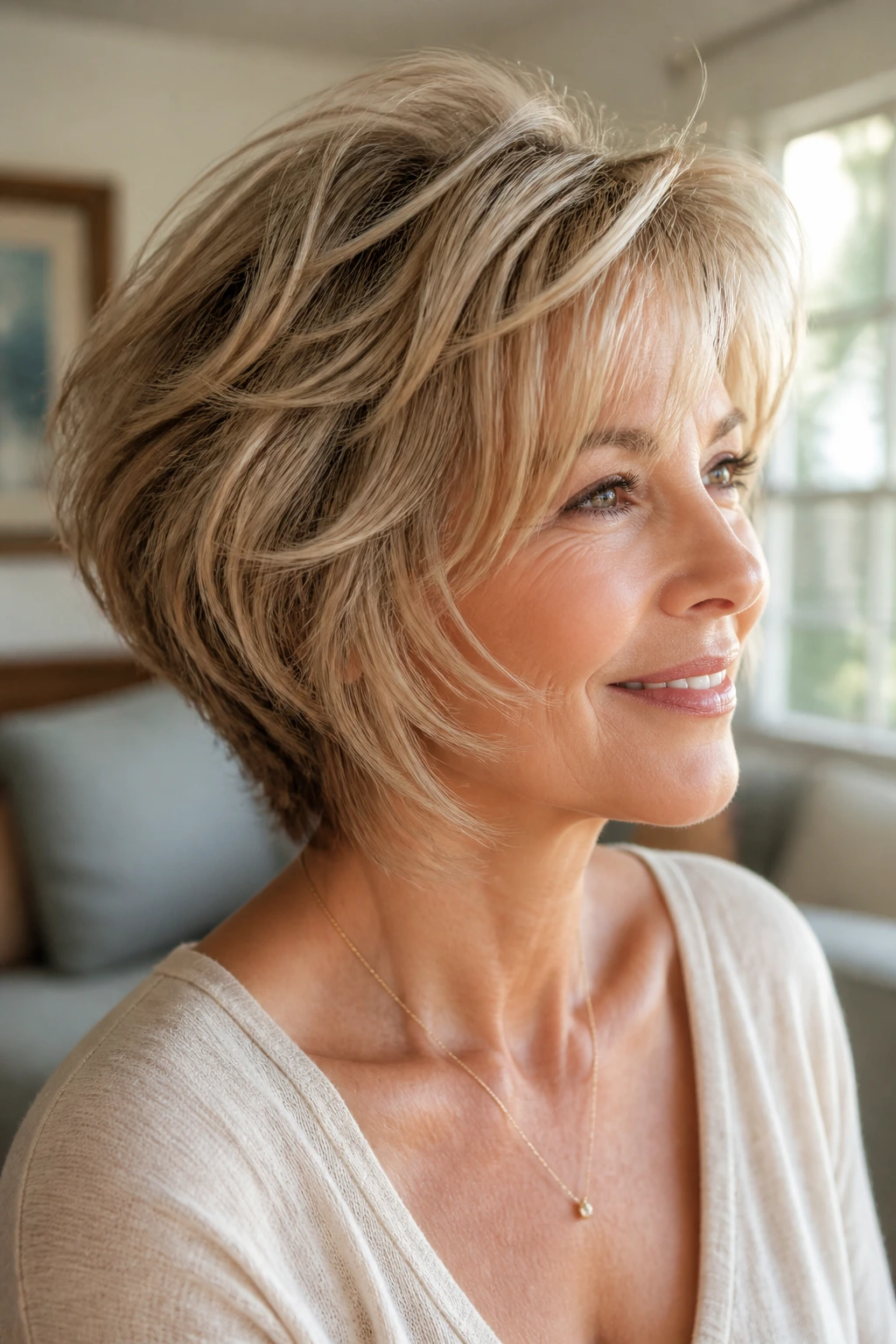
If you crave the structural benefits of a wedge but find the classic, blunt-cut versions too severe, the wispy variant is your best bet. This cut softens the transition between the stacked back and the longer side pieces. Instead of a hard line, you get a feathered, airy finish that moves beautifully in the wind.
Incorporating Softness
Your stylist should use point-cutting—where the scissors are held vertically—rather than slicing straight across. This removes weight from the ends and creates those soft, tapering pieces that frame the face. It feels more organic and less like a “sculpted” piece of art.
Styling for Movement
Use a lightweight texturizing spray once your hair is dry. Avoid heavy pomades or waxes, as they will clump the wispy layers together and make the hair look greasy rather than soft. A quick shake of the head should be enough to reactivate the shape throughout the day.
3. The Asymmetrical Long Wedge
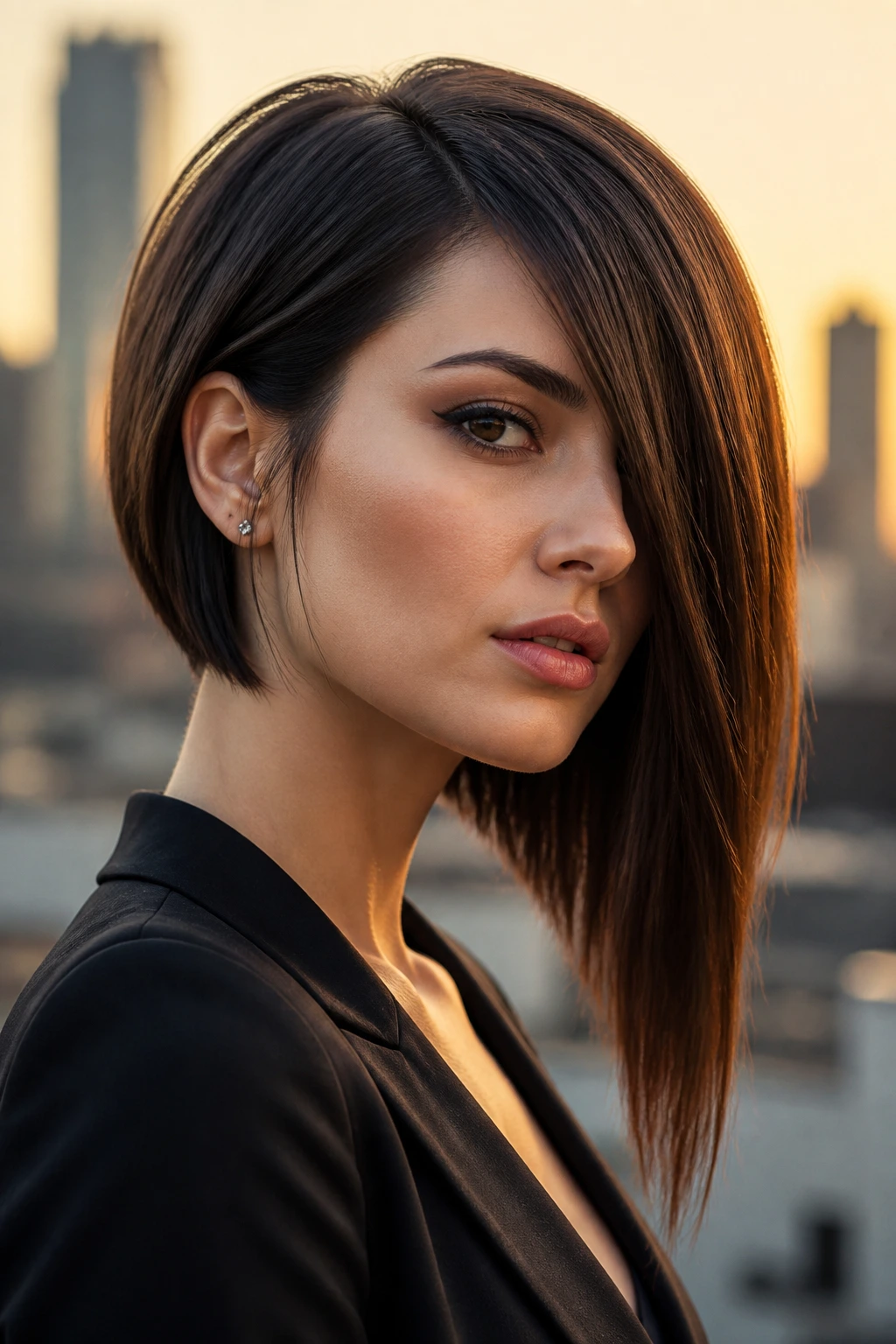
For those who want to push the envelope, the asymmetrical long wedge offers a modern, edgy appeal. One side is kept significantly longer, perhaps brushing the collarbone, while the other side is cut closer to the chin. This draws the eye diagonally across the face, which is an excellent way to balance out round or square facial features.
Who Should Choose This Look
This style is perfect for the person who is bored with traditional, symmetrical bobs. It requires a bit more boldness, as one side will always look a bit more “finished” than the other. If you have a strong jawline, the asymmetrical line acts as a beautiful, contrasting frame.
Daily Styling Demands
Asymmetry requires a bit more intentionality with a flat iron. You want the lines to be sharp and clean to emphasize the contrast in lengths. If your hair has a natural wave, that wave can sometimes obscure the sharpness of the cut, so a quick pass with a straightening tool is often necessary to get that “editorial” look.
4. The Blunt-Cut Wedge with Curtain Bangs
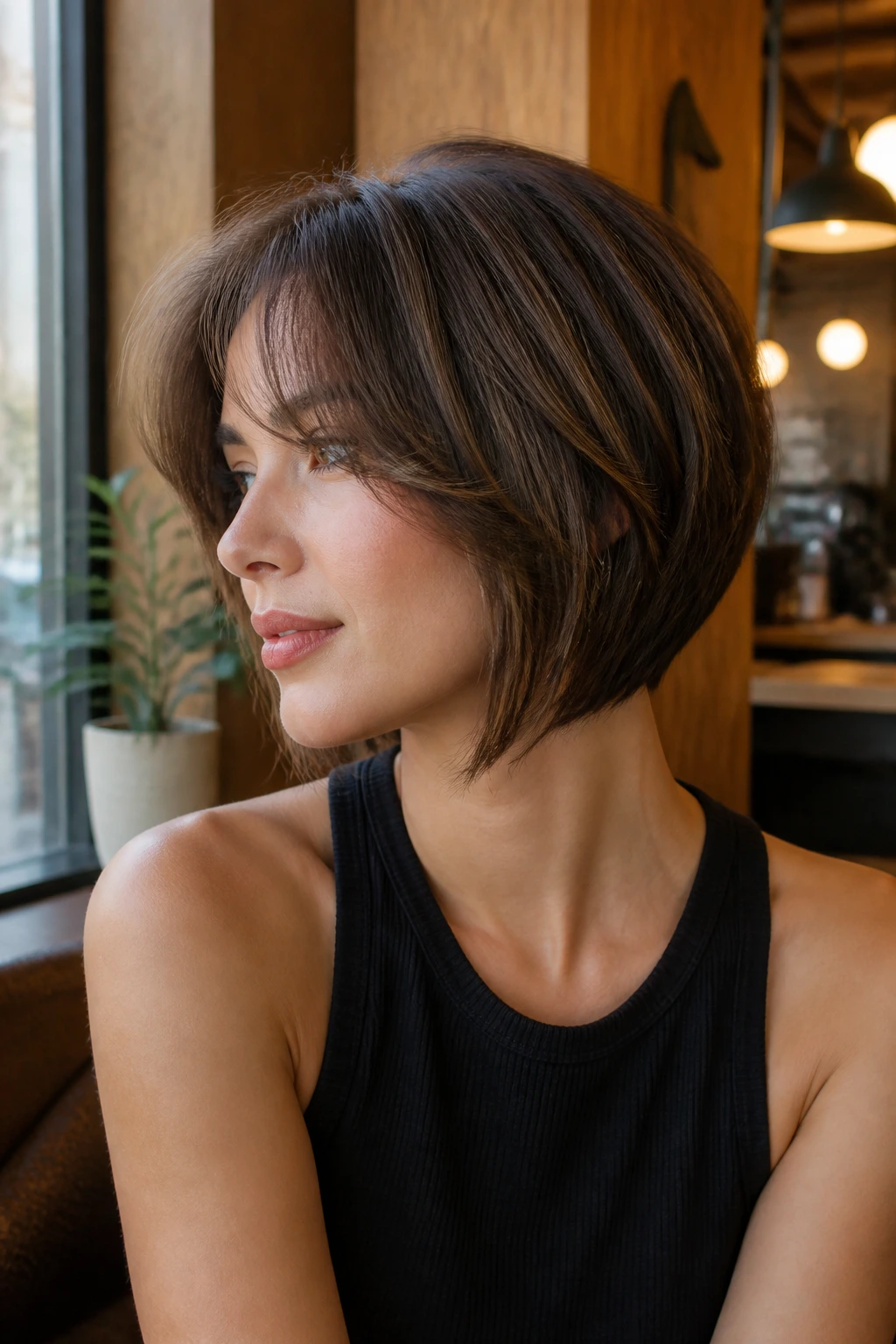
Pairing a sharp, wedge-shaped back with soft, face-framing curtain bangs creates a beautiful juxtaposition of hard and soft. The bangs serve as the transition point, connecting the dramatic volume of the back to the length in the front. It is a very wearable, “French-girl” take on a style that can otherwise feel quite intimidating.
Why Curtain Bangs Change Everything
Curtain bangs are universally flattering because they can be customized to your specific face shape. They break up the forehead and draw attention to the eyes. When they are cut to blend into the longer layers of a wedge, they prevent the style from looking like a traditional, blocky bob.
How to Style the Bangs
You should use a round brush while blow-drying to pull the bangs away from the face. Once they have a bit of volume, let them fall naturally. They should frame your temples and blend seamlessly into the rest of the cut. If they look too “stuck” to your forehead, they are likely too short or too heavy—ask your stylist to thin them out.
5. The Curly Wedge
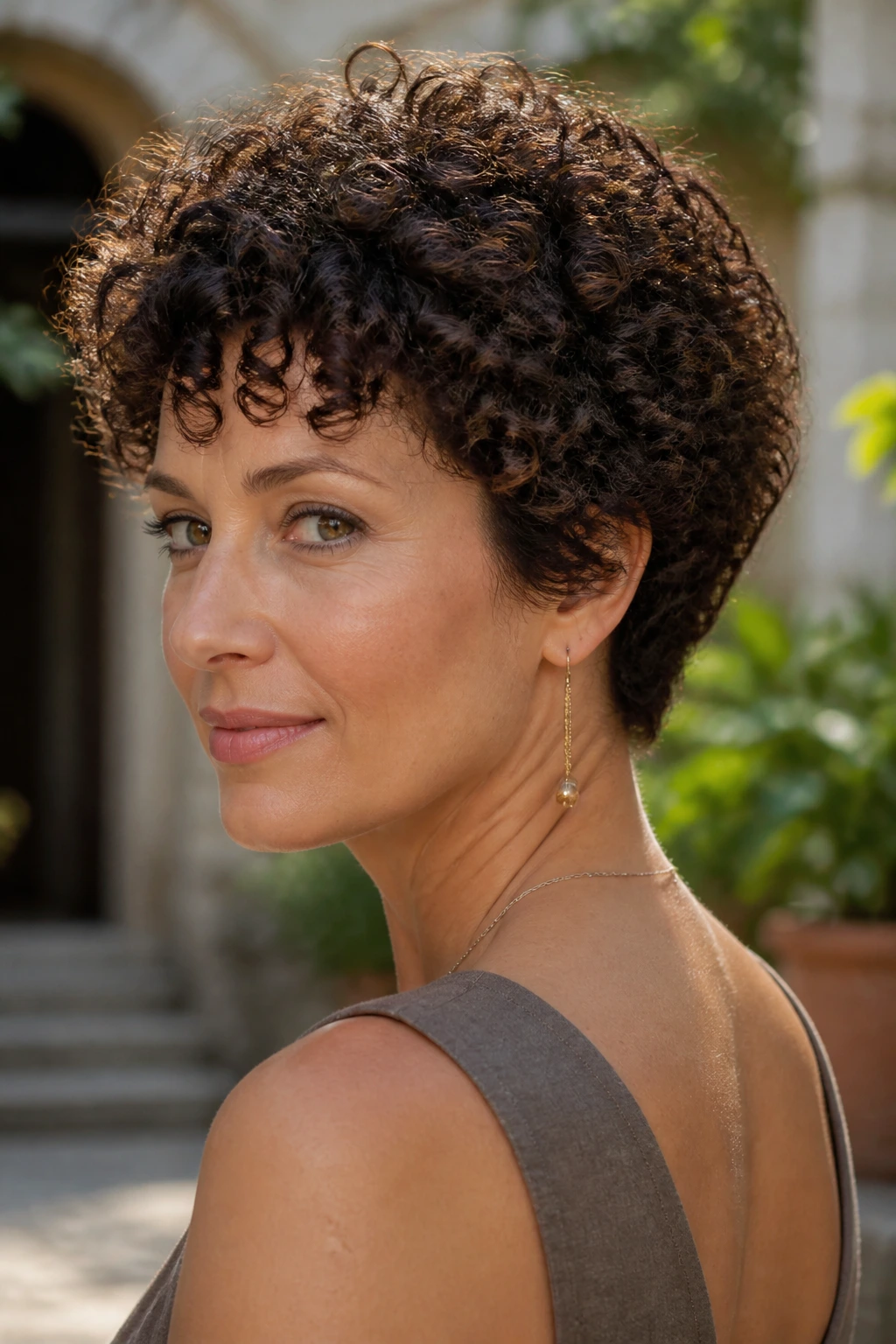
Many people assume that a wedge requires poker-straight hair, but that is a mistake. A long wedge on curly hair is incredibly striking because it utilizes the natural volume of the curls to enhance the stack. The key is to cut the hair while it is dry, so the stylist can see exactly how each curl coil will sit in the overall shape.
Managing Curly Volume
Curls have their own internal weight, so the stack needs to be adjusted accordingly. You do not want the back to puff out too much; you want it to have a controlled, rounded shape. A good stylist will “carve” into the curls to ensure they nestle into one another rather than creating a frizzy triangle.
Essential Products for Curls
Hydration is everything. Use a curl-defining cream on damp hair, then let it air dry or use a diffuser. Avoid brushing the hair once it is dry, as this will destroy the integrity of the wedge shape and result in excessive frizz.
6. The Long Wedge with Undercut
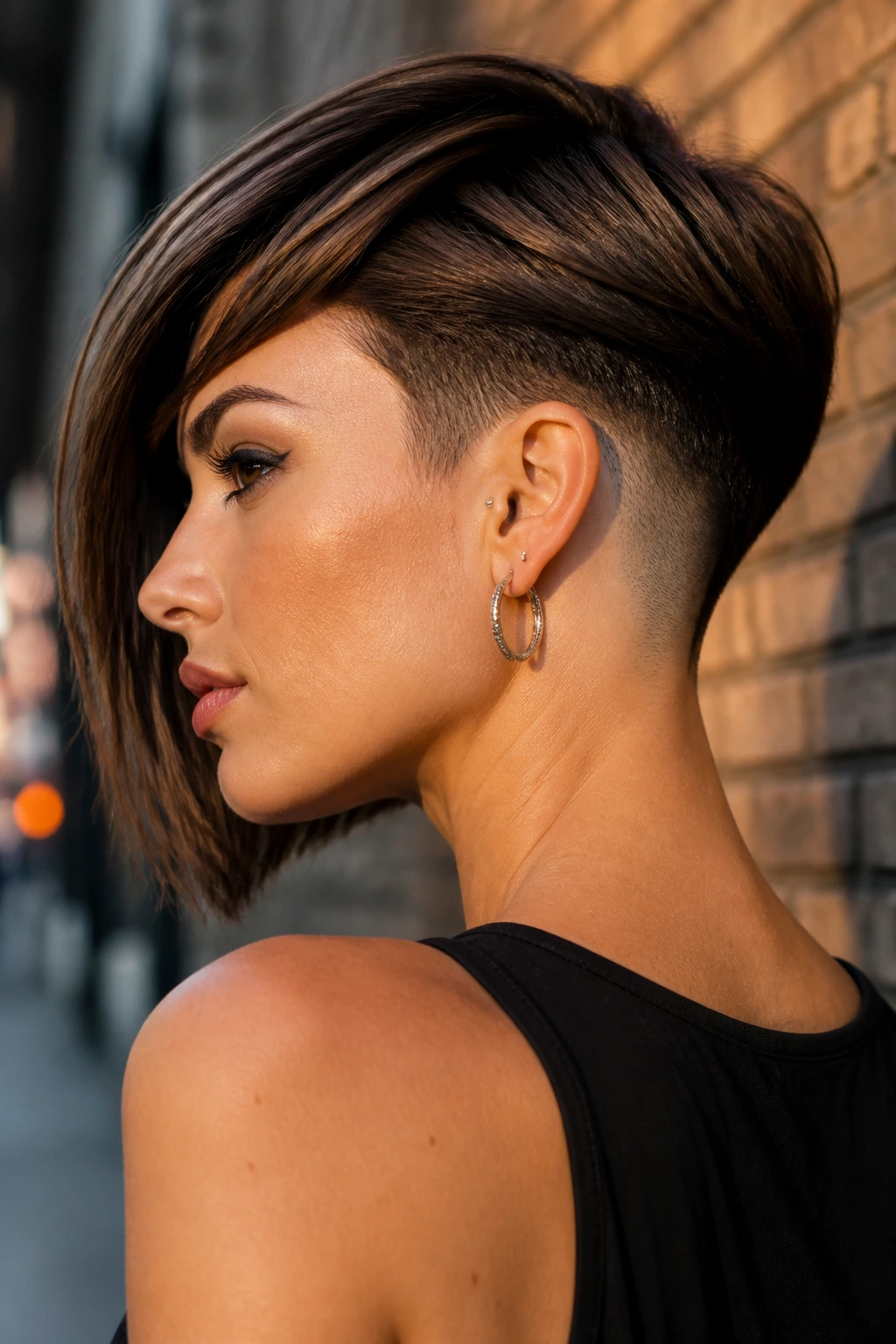
If you really want to lean into the “wedge” aspect of the haircut, an undercut at the nape of the neck is the ultimate statement. By shaving the hair very close at the very bottom, you remove all the bulk that typically hides the neck. This makes the remaining long hair appear much more dramatic and lifted.
The Boldness Factor
This is a high-commitment style. You are shaving part of your head, so it will take significant time to grow out if you decide to change your look. However, the payoff is a clean, modern aesthetic that feels incredibly sleek and intentional.
When to Consider This
If you live in a warm climate, the undercut is a secret weapon for staying cool. It removes the layer of hair that traps the most heat against your neck. It also makes for a very clean line if you like to wear your hair tucked behind your ears or up in a half-up style.
7. The Shag-Wedge Hybrid
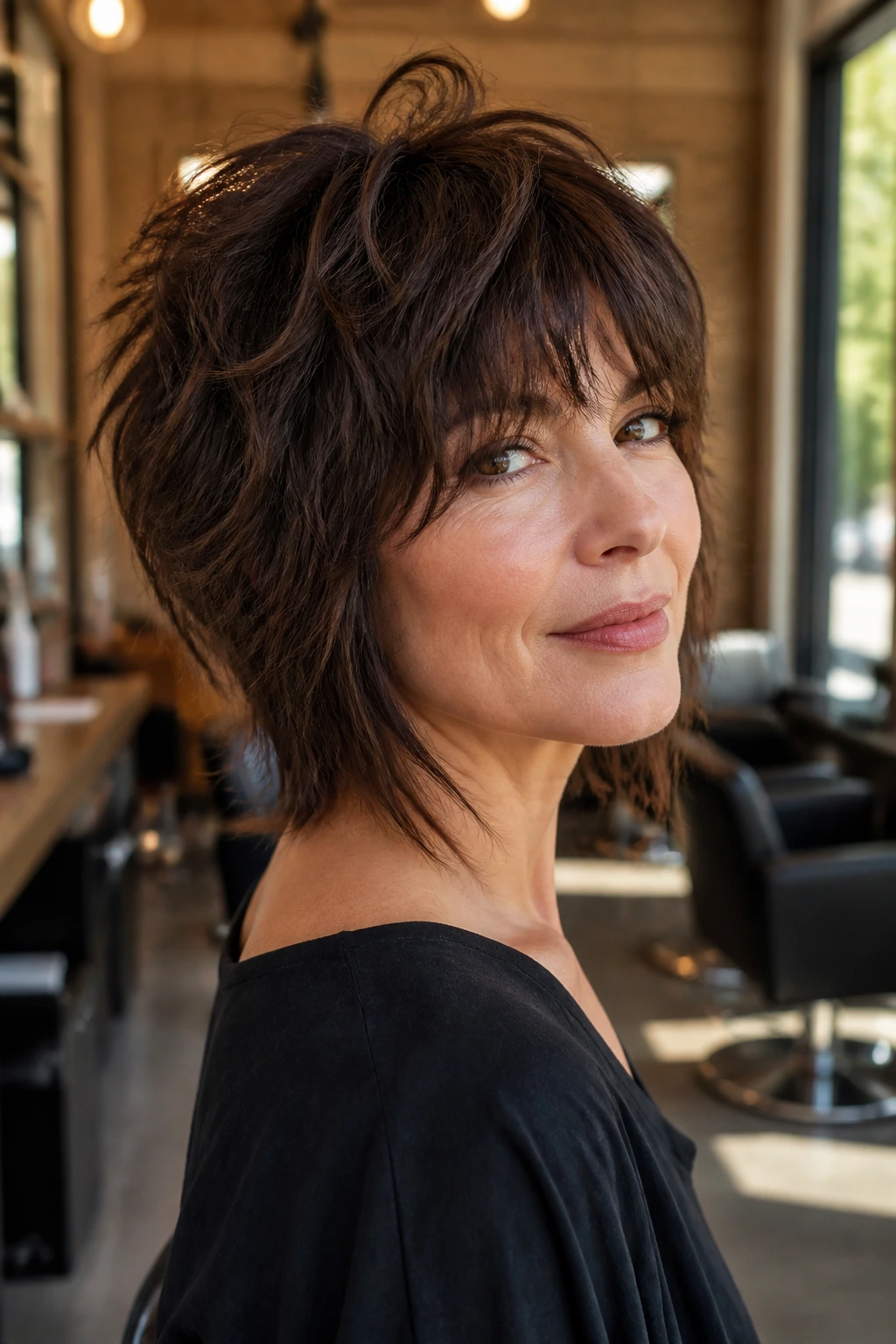
This style takes the heavy, textured layers of a classic seventies shag and marries them to the stacked, graduated back of a wedge. It is messy, rock-and-roll, and incredibly easy to maintain. The goal is to look like you just rolled out of bed, but with the added benefit of intentional volume at the crown.
How It Stays Structured
The “wedge” part of this cut provides the structure at the back of the head, while the “shag” part provides the texture through the length. You end up with a cut that has a clear shape but doesn’t look like it was precision-cut with a ruler. It is effortless, which is exactly the point.
The Best Hair Texture for This
Wavy hair thrives in a shag-wedge hybrid. The natural texture allows the choppy layers to sit nicely without requiring much effort. If your hair is stick-straight, you might need to use a sea salt spray or a light pomade to encourage some grit and separation in those layers.
8. The Sleek, High-Gloss Wedge
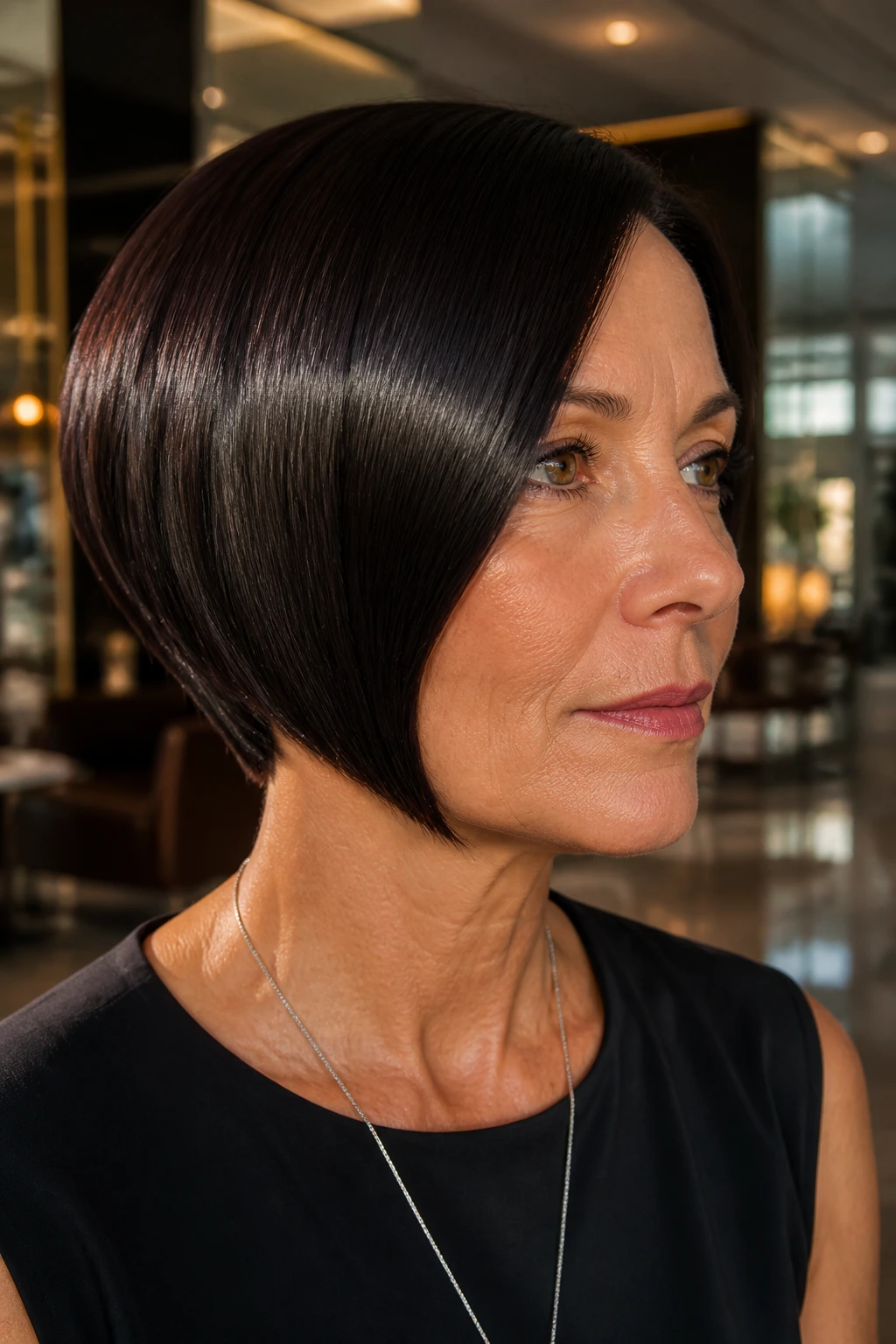
Sometimes, the best way to wear a wedge is to lean into its architectural quality. A sleek, high-gloss version looks like polished glass. It emphasizes the precision of the stack and the clean line of the perimeter. This is a red-carpet-ready look that demands healthy, shiny hair.
The Role of Shine
If your hair is damaged, the sleek wedge will highlight every split end. You must invest in a good shine serum or a gloss treatment to ensure the light reflects off the strands uniformly. Healthy hair is the “finish” that makes this style work.
Precision Styling
You need a high-quality flat iron and a heat protectant. Section your hair meticulously to ensure every strand is perfectly straight. This is a “high-maintenance” style in terms of daily effort, but for some, the clean, professional result is well worth the ten minutes spent in front of the mirror.
9. The Long Wedge with Deep Side Part
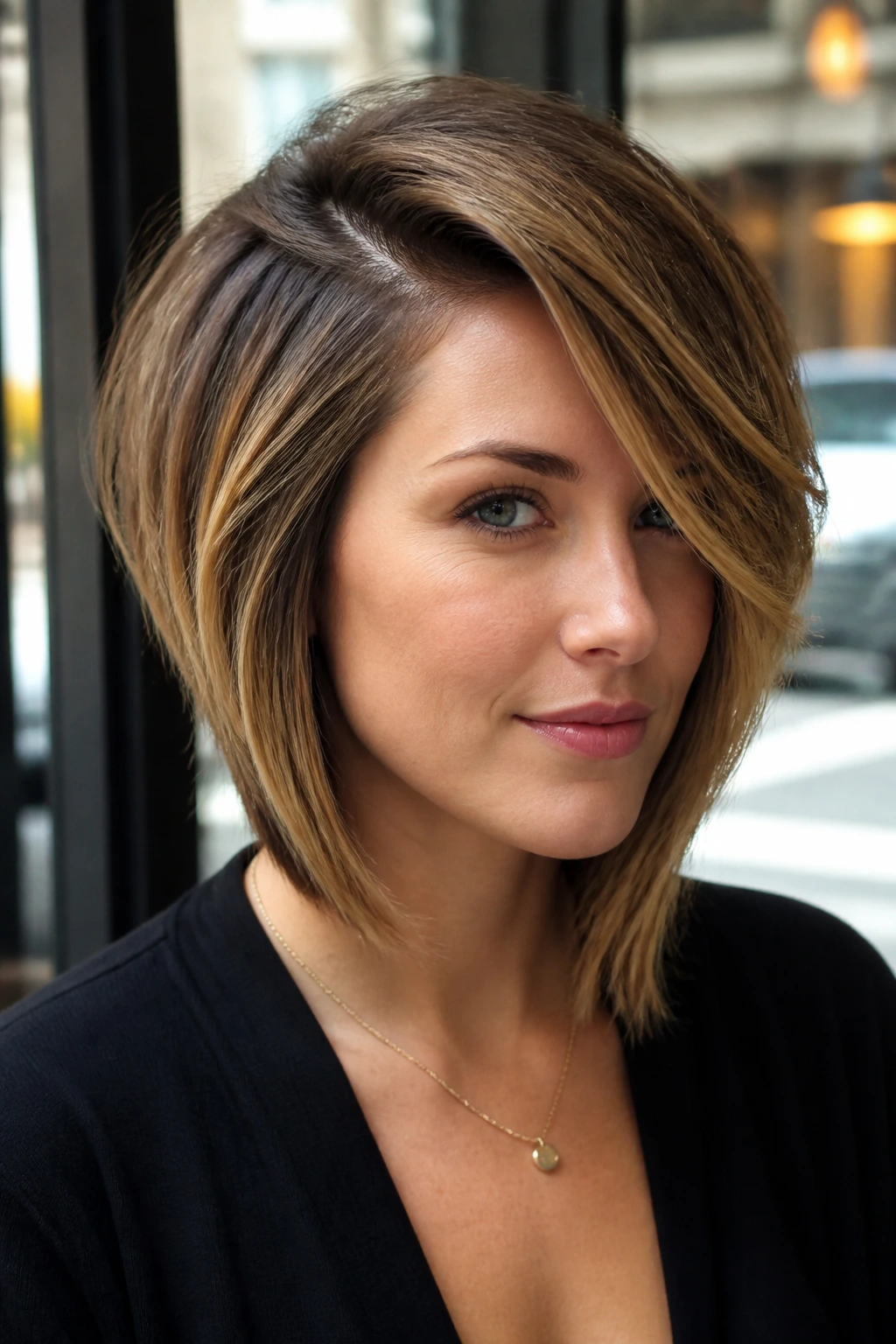
Moving your part can completely change the way a haircut falls, and for a long wedge, a deep side part is transformative. It creates a swooping, dramatic bang that flows into the rest of the cut, adding an extra layer of volume at the crown and softening the overall silhouette.
Why It Balances the Face
A deep side part breaks up the symmetry of the face. If you have a longer face, this style helps “widen” it slightly. If you have a rounder face, the diagonal line created by the side-swept hair provides a nice visual length.
Achieving the Volume
Don’t just flip your hair over and expect it to stay. Use a volumizing mousse at the roots while your hair is damp. As you blow-dry, use your fingers or a round brush to lift the hair up and over, training it to fall in that deeper, more dramatic side-swept direction.
10. The Graduated Wedge with Textured Ends
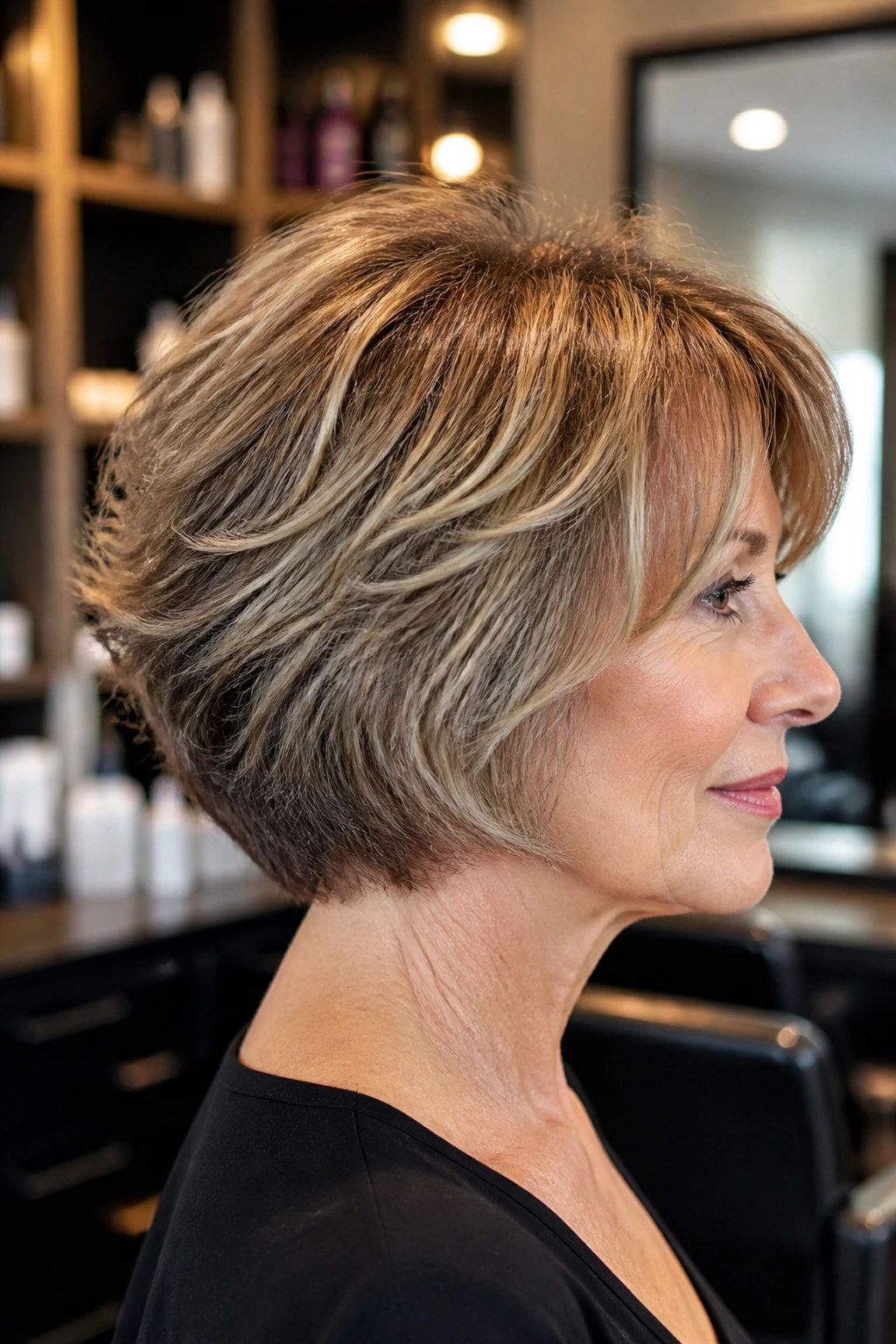
If you want the shape of a wedge but don’t want the ends to feel “stiff,” ask for textured ends. This means your stylist will use specialized thinning shears or a razor to break up the bluntness of the perimeter. It keeps the roundness of the wedge but gives the ends a light, flicky movement.
Preventing the “Shelf” Look
One common problem with stacked cuts is that they can sometimes look like a “shelf” of hair sitting on top of another layer. Textured ends help blend that transition. It makes the hair look like it was grown into a shape, rather than just cut into one.
How to Maintain the Texture
Don’t use heavy products at the bottom of your hair. You want the ends to feel light, not weighed down by silicone or heavy oils. A light misting of flexible-hold hairspray is enough to keep the shape without compromising the texture.
11. The Modern “Lob” Wedge
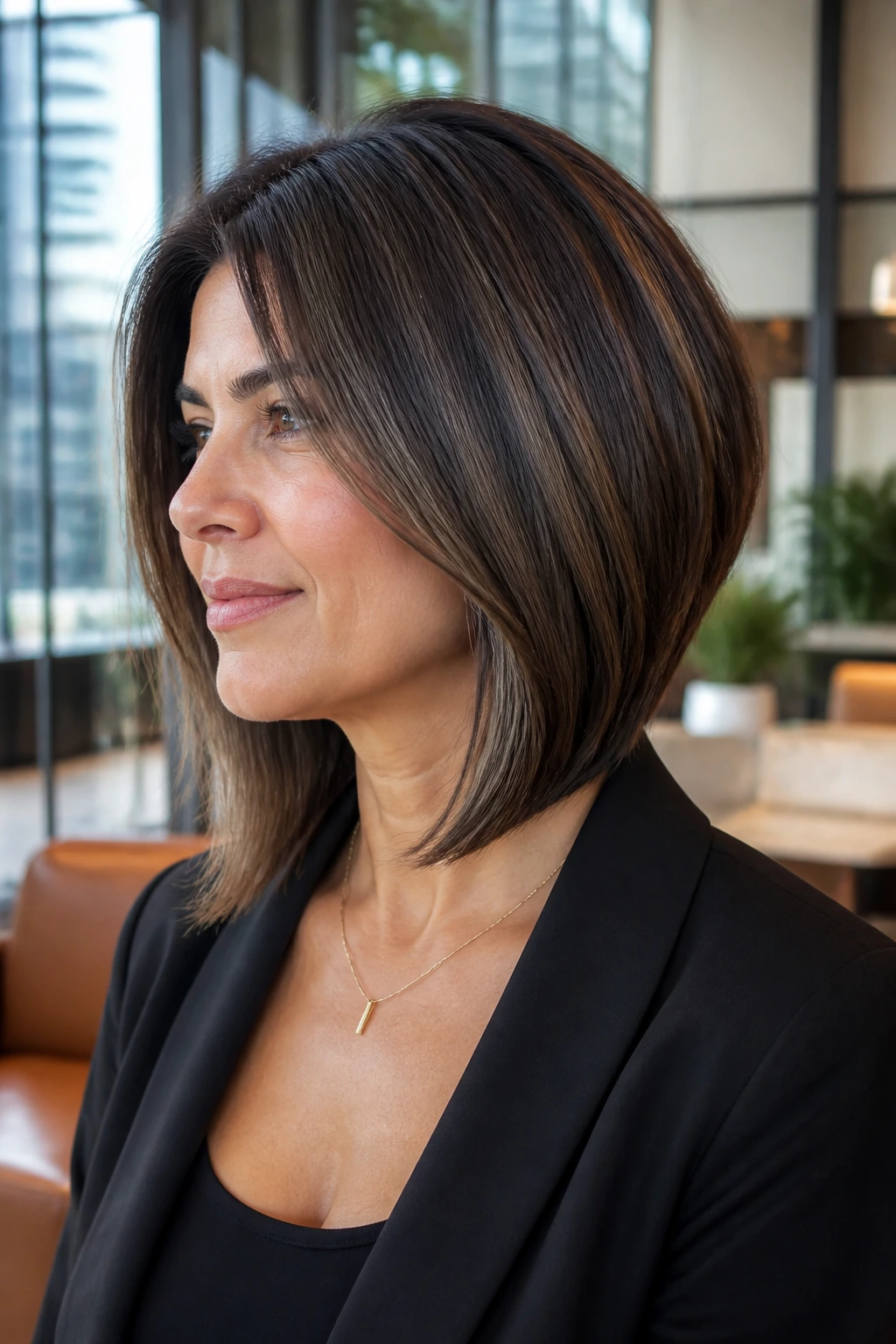
Think of this as a long-hair version of the classic bob, but with a hidden stack in the back. From the front, it looks like a chic, long bob (or “lob”). From the back, the neck is lifted and supported by the shorter, stacked layers. It is a very sophisticated, “grown-up” version of the wedge.
Styling for the Office
This cut is incredibly versatile. It is professional enough for a boardroom but stylish enough for a night out. Because it is longer, you can easily pull it back into a low ponytail for those days when you just can’t deal with styling your hair.
The Growth Factor
As this style grows out, it doesn’t look bad. It simply transitions into a slightly longer, layered haircut. If you aren’t sure about committing to a short wedge, this is the safest way to dip your toes into the trend while maintaining enough length to feel comfortable.
12. The Multi-Toned Wedge
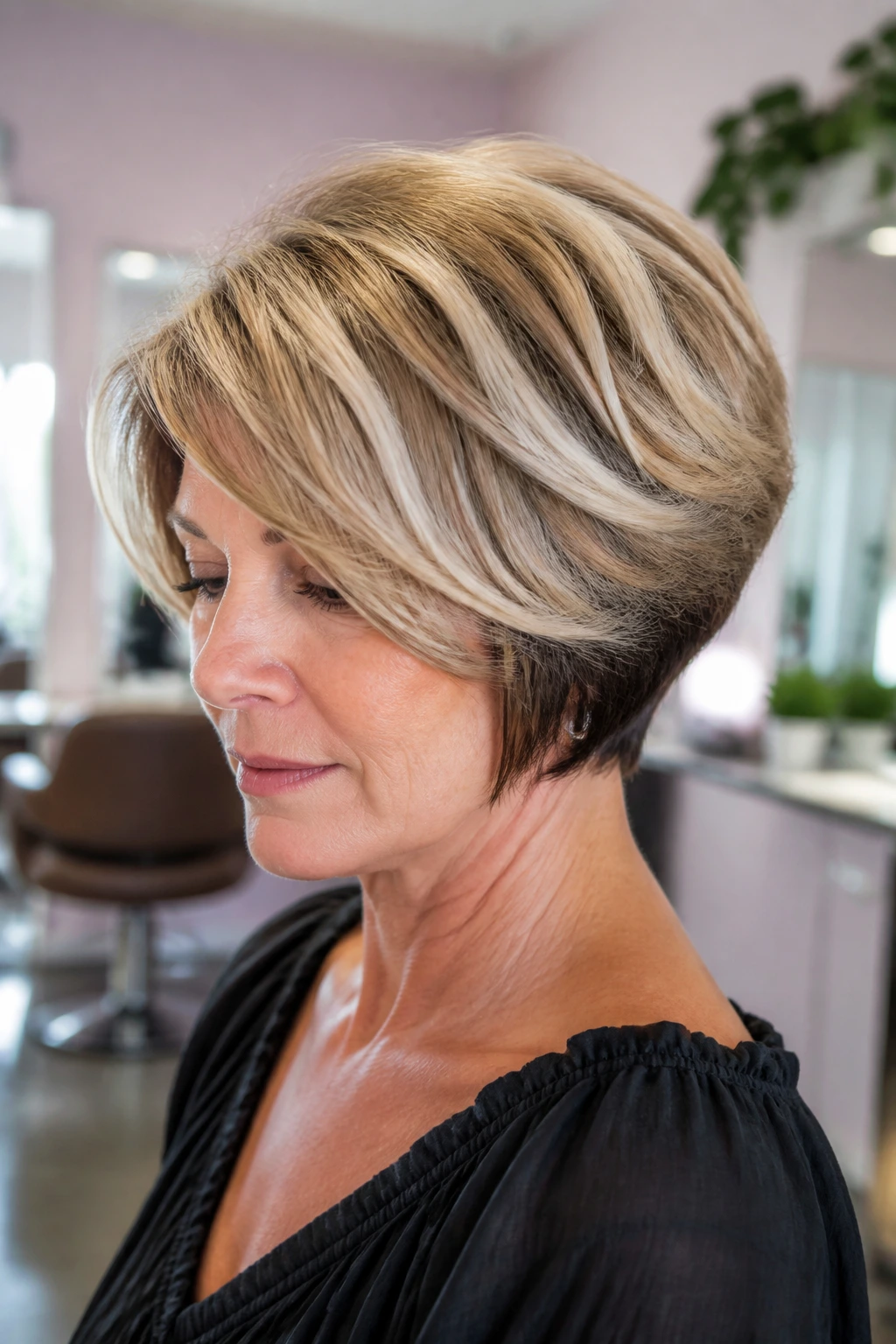
The wedge haircut is all about structure, and color is the best way to highlight that structure. By placing lighter pieces near the crown and darker tones in the stacked nape, you create an optical illusion of even more depth and volume. It’s a classic lighting trick, but applied to your hair.
Choosing Your Colors
You don’t need wild, unnatural colors to make this work. A subtle balayage that is two shades lighter than your natural base will catch the light on the top layers, while the darker color underneath keeps the “shadow” of the wedge stack defined.
Avoiding Damage
Chemical processing can change the texture of your hair, making it finer or more porous. If you are getting a precision cut like a wedge, be aware that over-processing can make it harder for the hair to hold its shape. Deep condition once a week to keep the hair strong and bouncy.
13. The Wedge with Micro-Layers
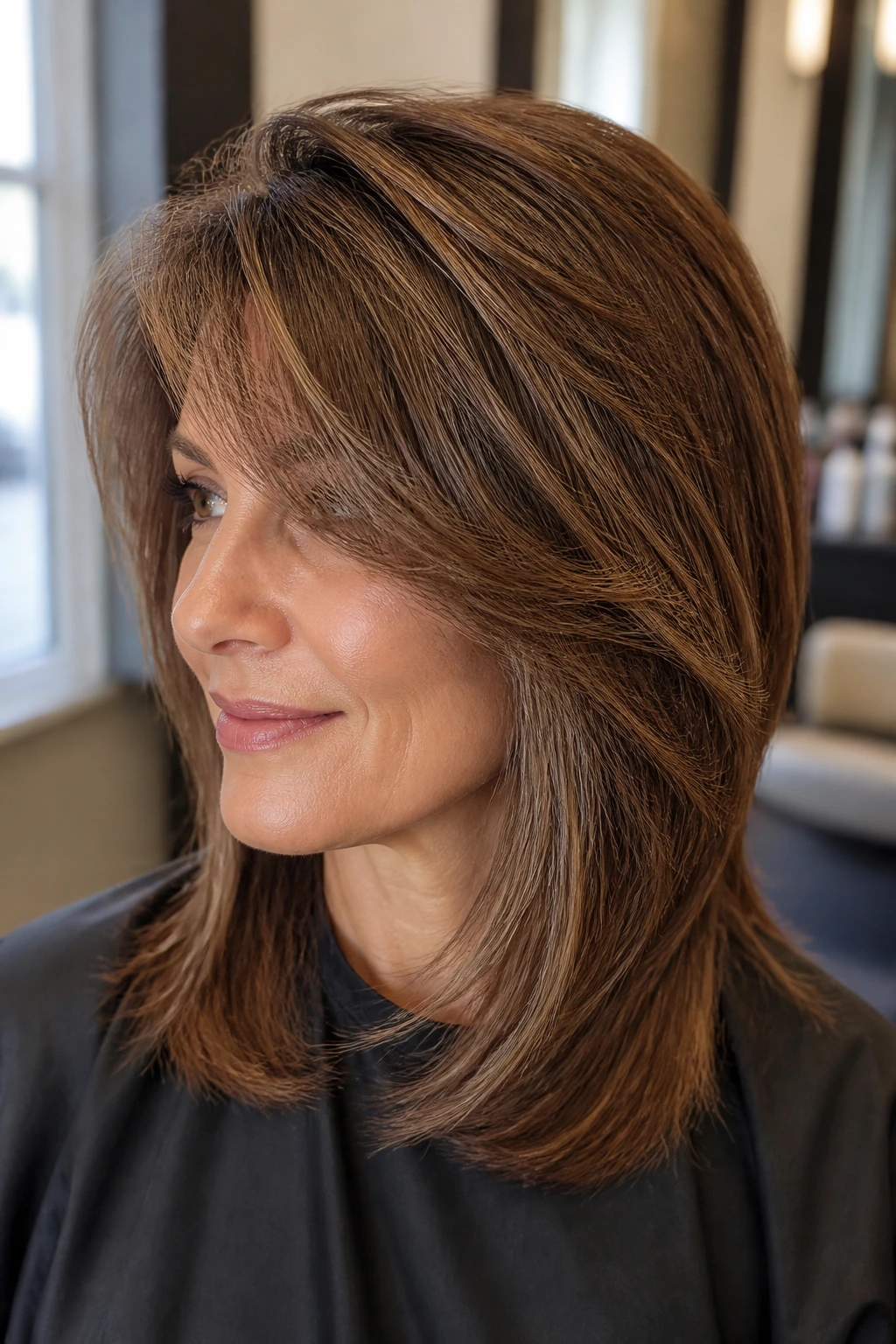
Micro-layers are tiny, hidden layers cut into the interior of the hair. In a long wedge, they act as hidden springs. You don’t see them on the surface, but they keep the hair from collapsing. It is like putting a petticoat under a dress—you get the volume without the bulk.
Who Needs This
Anyone with very heavy, dense hair will benefit from micro-layers. It prevents the hair from looking like a thick, heavy blanket. It also helps the hair dry faster, as air can circulate more easily through the interior layers.
The Skill Level Required
This requires a high level of technical skill from your stylist. Ask if they have experience with “hidden layering” or “de-bulking” techniques. If they aren’t confident, look for someone who specializes in precision cutting.
14. The Soft-Edge Wedge
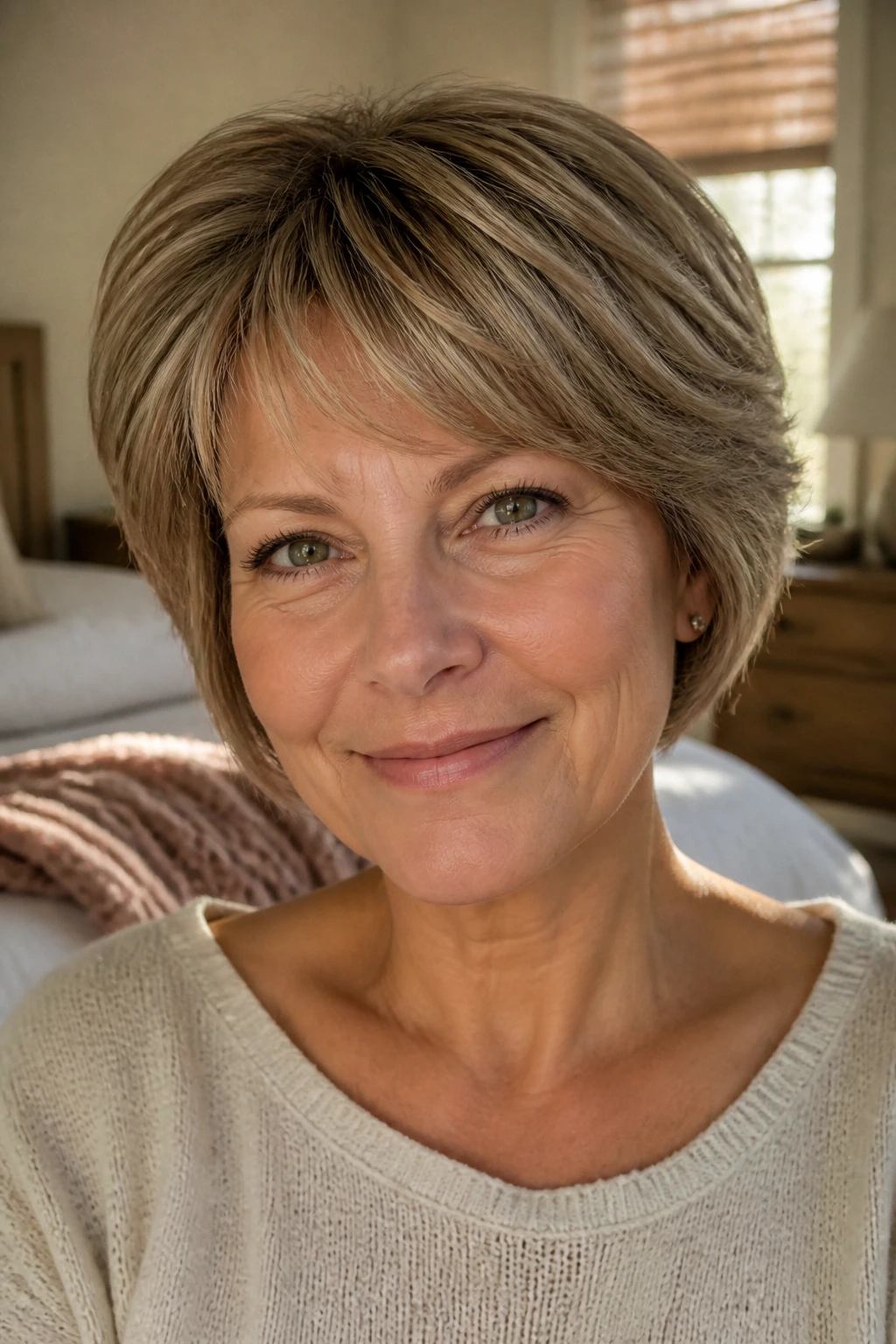
If you hate the idea of a harsh, sharp-edged cut, the soft-edge wedge is your answer. Here, the perimeter is kept soft and slightly rounded, and the stack is subtle rather than aggressive. It is a very romantic, feminine take on a style that is traditionally quite rigid.
Styling for Softness
Use a boar bristle brush when blow-drying to encourage the hair to curve inward. Avoid using a flat iron on the ends; instead, use the heat of the blow dryer to gently bend the hair toward your face.
The “Bedhead” Potential
This style actually looks better the next day. A little bit of natural oil and slept-in texture makes the soft edges look even more lived-in. If you find your hair looks too perfect on day one, give it a quick spritz of texturizing spray to roughen it up.
15. The Long Wedge with Highlights
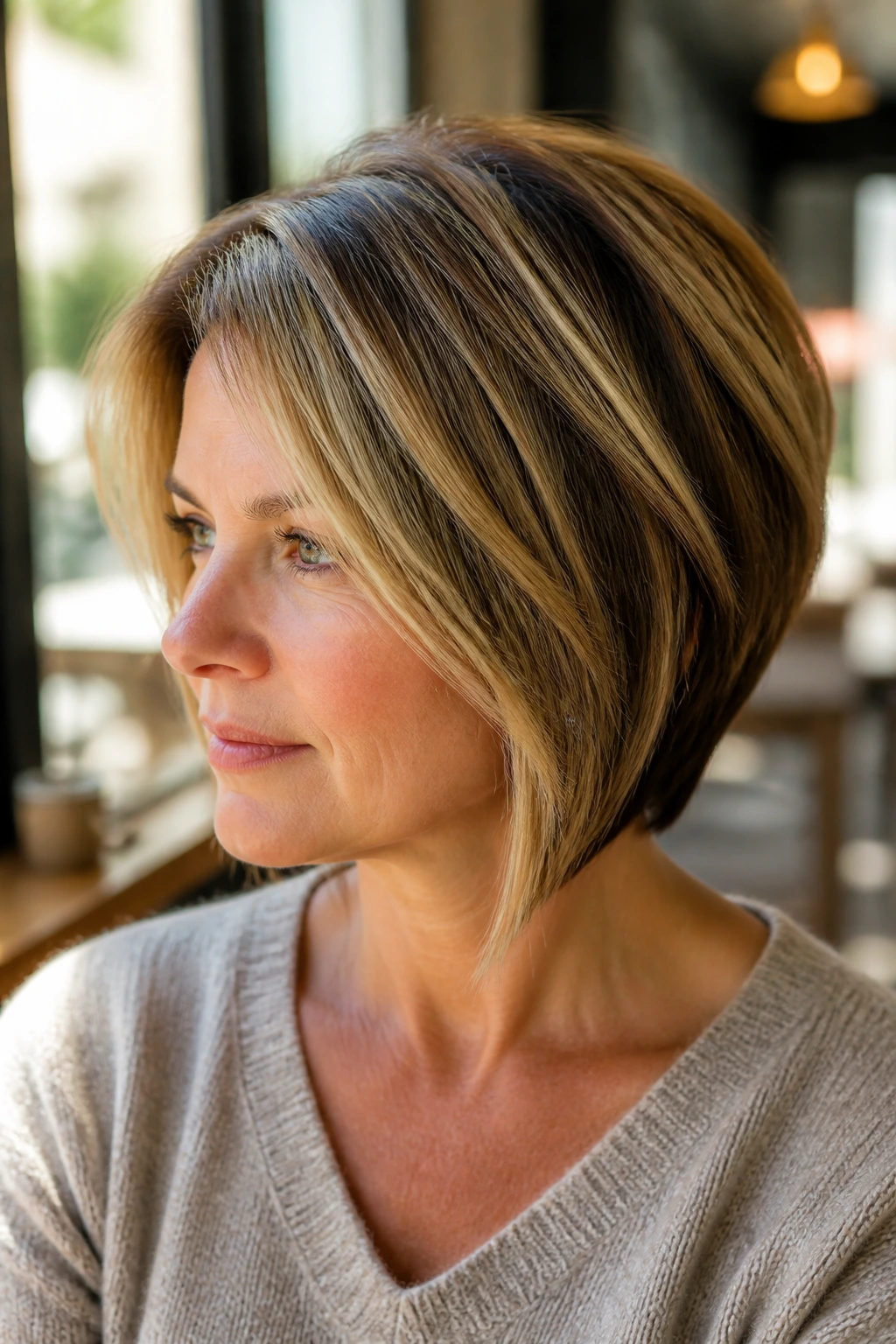
Highlights add movement by breaking up the solid color of your hair. When your hair is cut into a wedge, those highlights follow the line of the cut, effectively “mapping out” the shape for the eye. It makes the volume look intentional and artistic.
Strategic Placement
Focus the highlights on the top of the crown and the face-framing pieces. Leave the stacked nape slightly darker to create that shadow effect. It creates a subtle, sophisticated look that makes your hair look thicker than it actually is.
Long-Term Care
Highlighting can dry out the hair. Use a purple shampoo once a week if you are blonde, and always prioritize a moisturizing mask. If the hair at the nape of the neck (the stack) gets too dry, it can frizz out and lose its precision, so give that area a little extra love.
16. The Deep-Layered Wedge
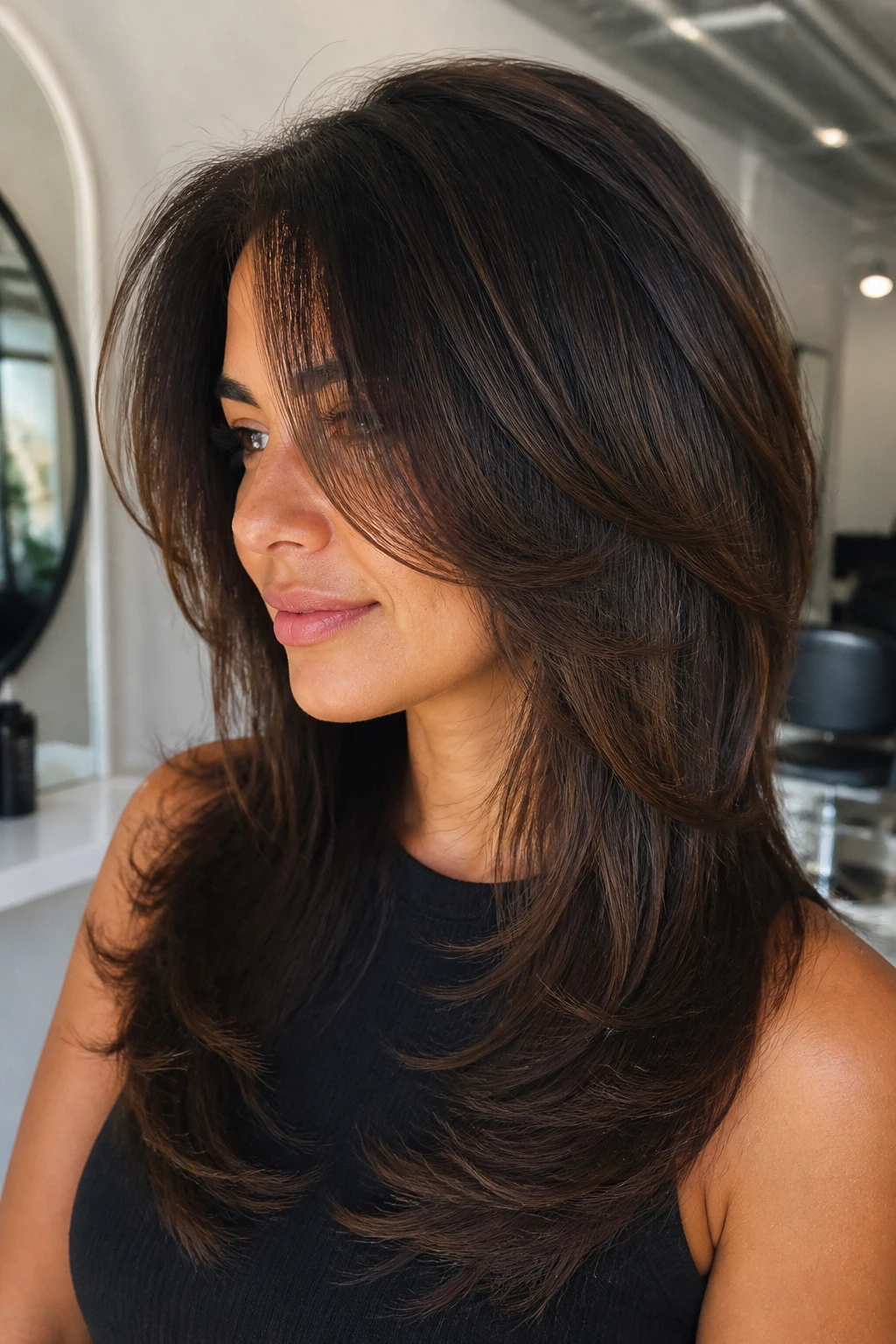
Deep layers are long, sweeping layers that start around the mid-length of the hair. In a wedge, they blend the front length into the back stack, ensuring there is no “disconnected” feeling between the two sections. It is a very fluid, cohesive haircut.
Why It’s Great for Thick Hair
Deep layering is the best way to remove weight from thick hair without losing the length. It allows the hair to move and breathe, preventing that “heavy curtain” effect that often happens when you have a lot of hair but few layers.
How to Style It
Because the layers are long, you have more options for styling. You can use a large-barrel curling iron to create soft, voluminous waves that show off the layers, or you can straighten it to emphasize the sleek, structural shape of the wedge.
17. The Wedge with Side-Swept Bangs
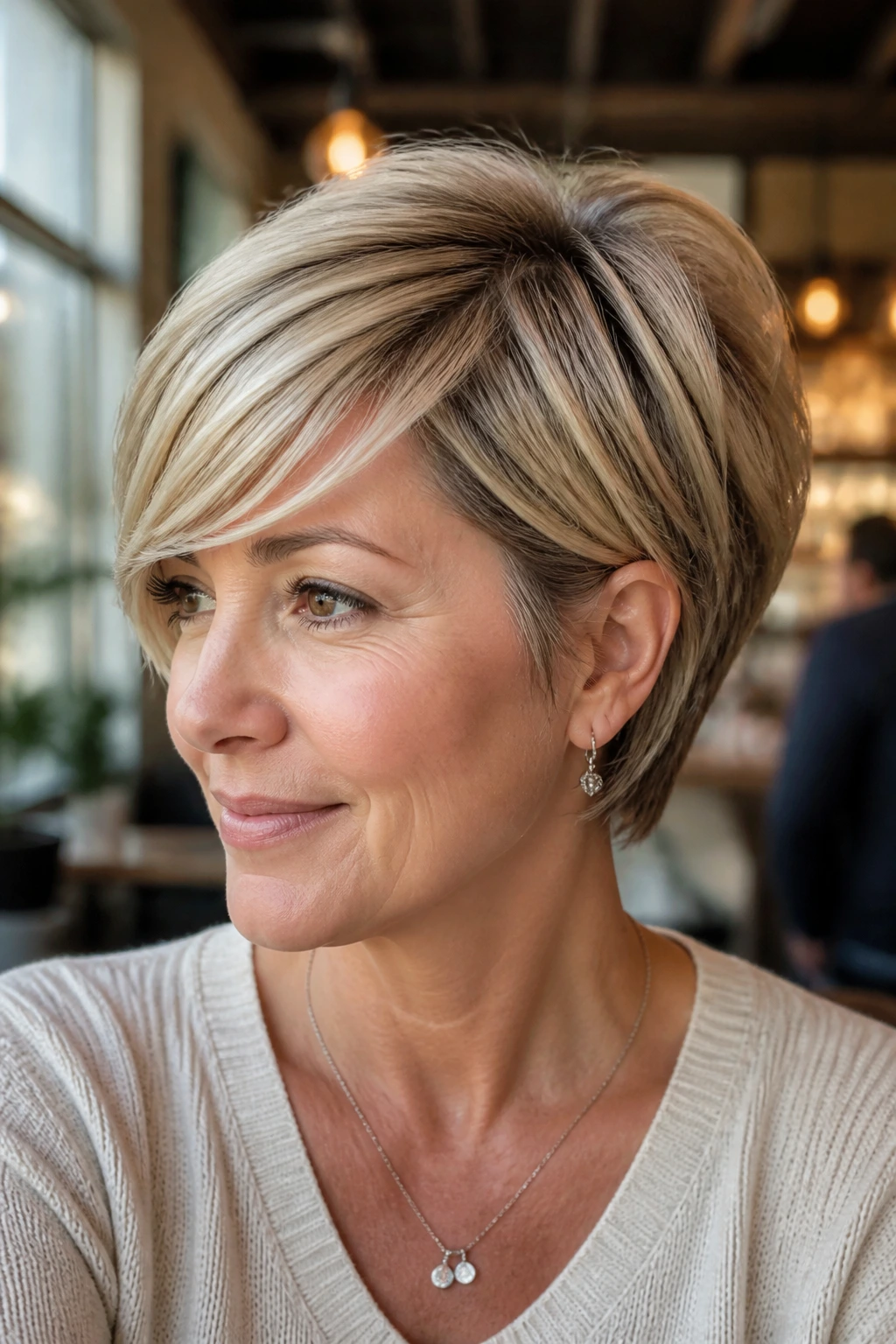
Side-swept bangs are the ultimate “frame” for a long wedge. They create a graceful, elegant line that carries the eye from the crown down to the jawline. It is a very flattering style for anyone who finds middle-parted hair too stark or unflattering.
The Art of the Sweep
The key to side-swept bangs is the angle of the cut. They should start shorter at the arch of the eyebrow and taper down toward the ear. This creates a soft, sweeping motion that naturally settles to one side.
Managing Cowlicks
If you have a stubborn cowlick at your hairline, side-swept bangs are your savior. By cutting the hair to lay in a specific direction, you are essentially “training” the cowlick to cooperate. Use a small amount of light-hold mousse while the hair is damp to reinforce the sweep.
18. The Textured Crown Wedge
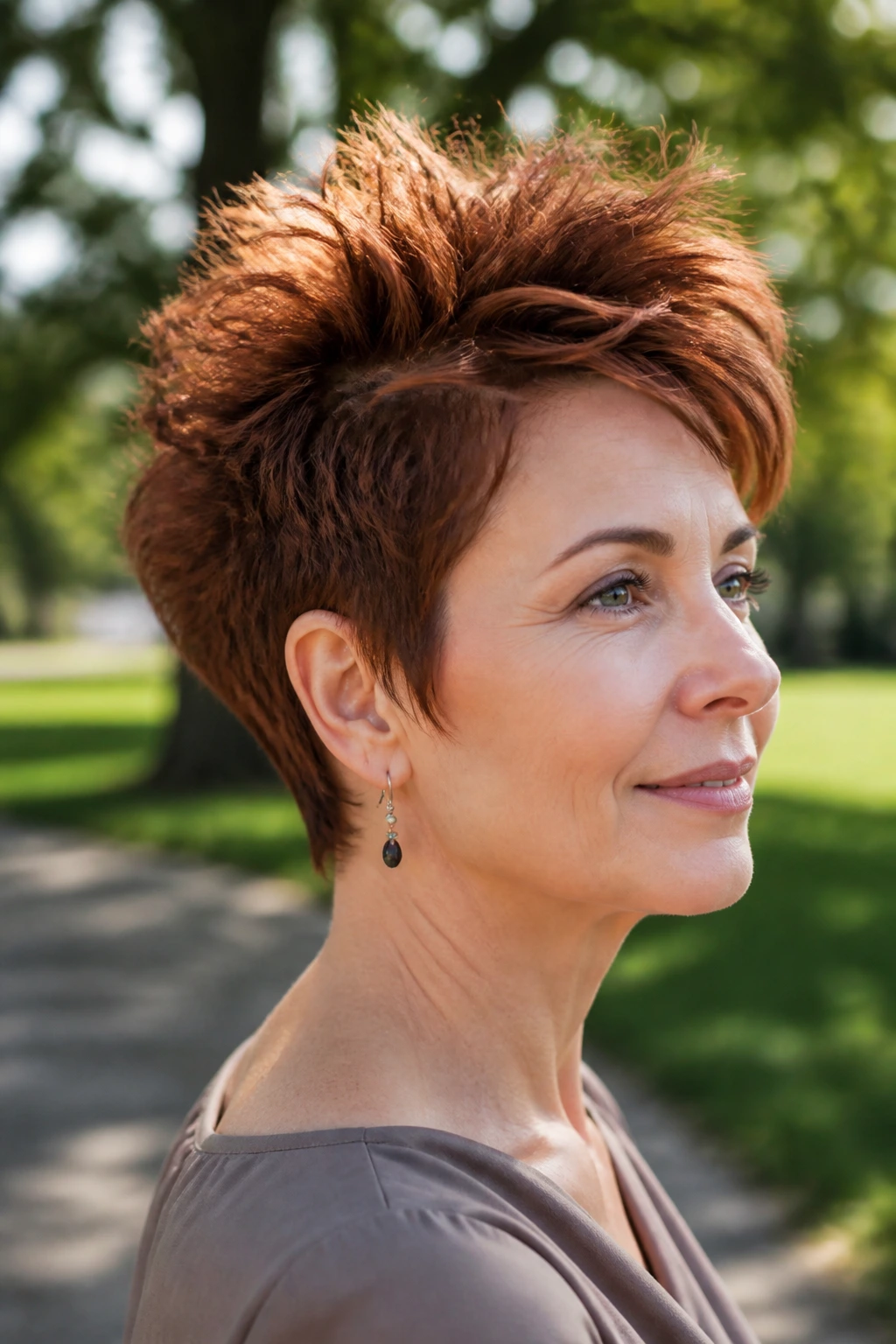
By focusing all the texture at the crown, you maximize the height of the wedge. This is perfect for those with flat, limp hair. The stylist cuts the layers at the top of the head shorter and choppier, which builds height and keeps it there all day.
Why Height Matters
Height is the enemy of gravity. If your hair is flat at the crown, the whole style feels “pulled down.” By creating a textured, voluminous crown, you create an upward lift that makes the entire style look more buoyant and youthful.
Product Selection
Invest in a good root-lifting spray. Apply it to damp hair right at the roots of the crown before you start blow-drying. When you blow-dry, use your fingers to lift the hair up from the scalp to ensure maximum volume.
19. The Wedge with Rounded Layers
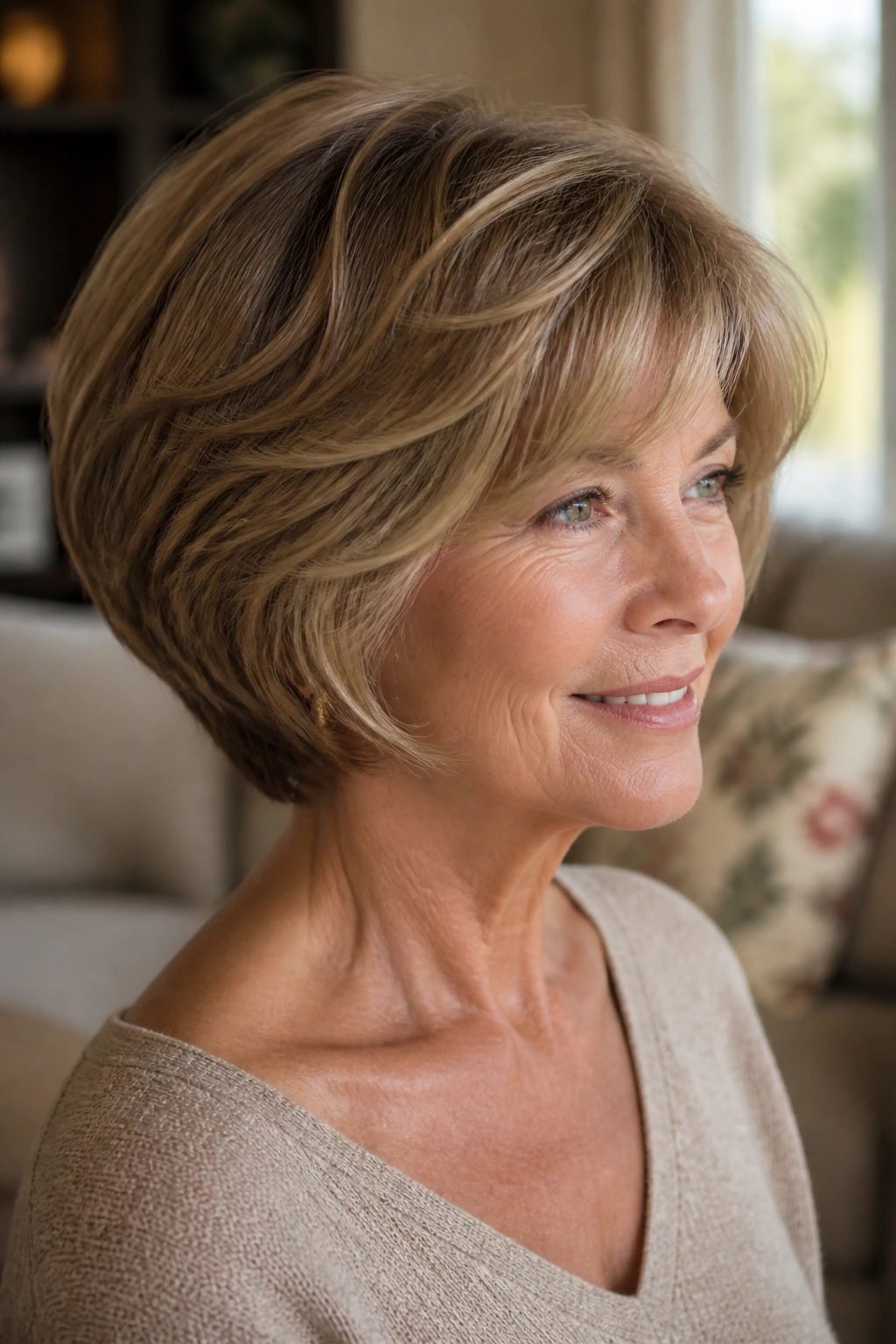
Rounded layers emphasize the curvature of the head. Instead of a jagged, choppy look, this style is all about smooth, flowing, circular lines. It makes the hair look exceptionally soft and healthy, almost like a bell shape.
The “Flow” Effect
This is a very feminine cut. It doesn’t look edgy or aggressive—it looks classic and polished. If you want a style that is low-key but still looks like you put effort into it, the rounded layer wedge is a fantastic choice.
Maintaining the Shape
This cut relies on the shape of the growth, so keep an eye on your trims. As the layers grow out, the “rounded” quality can turn into a “frizzy” quality if you aren’t careful. Keep the ends healthy with regular dustings to maintain that smooth, curved edge.
20. The Long, Disconnected Wedge
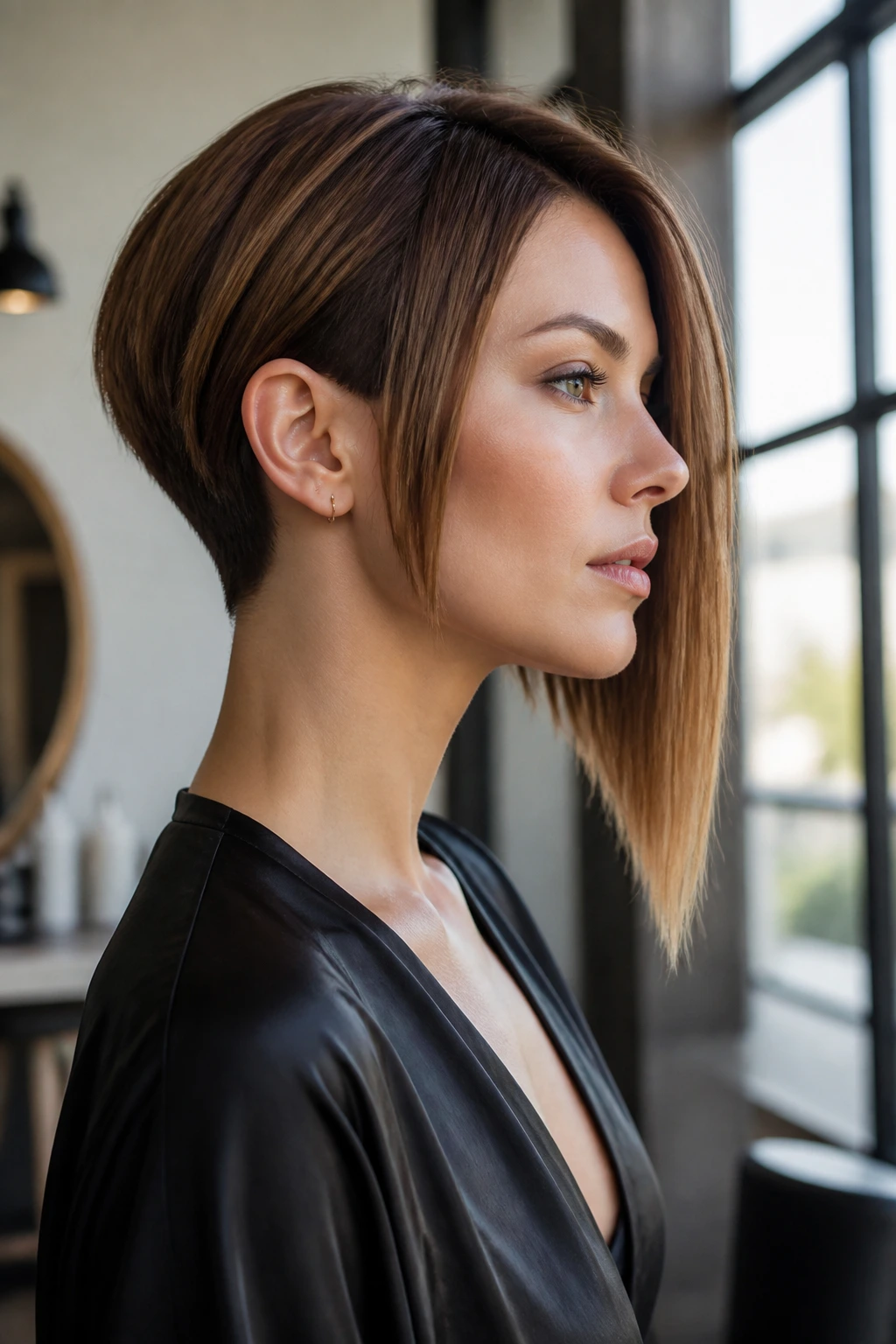
“Disconnected” means the back stack does not blend seamlessly into the sides. There is a distinct line where the short hair meets the long hair. This is for the person who loves the drama of a wedge and wants everyone to know it.
The Aesthetic Impact
It is bold and unconventional. It looks like two haircuts in one—a short crop in the back and a long, face-framing style in the front. It is an editorial look that stands out in a crowd.
Styling Needs
This cut requires a bit of styling every morning to make sure the “gap” between the two lengths looks intentional. You might need a small amount of product to help the long sides lay smoothly against the shorter back, ensuring the transition looks crisp rather than messy.
21. The Wedge with “Peekaboo” Layers
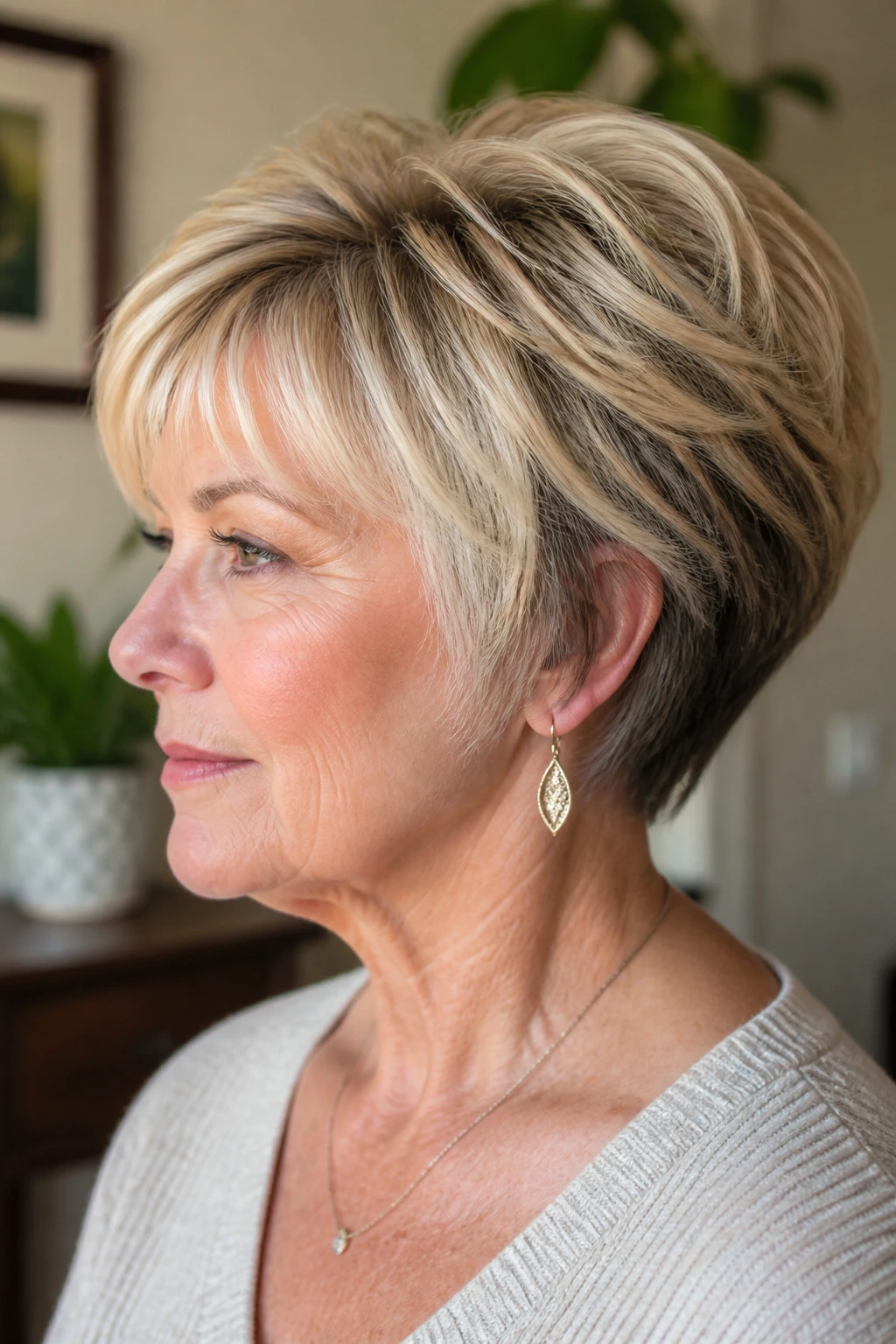
Peekaboo layers are hidden underneath the top layer of hair. In a wedge, they can provide extra bounce and volume without being visible on the surface. It is a secret way to build a better shape.
The Secret Volume
This is ideal for anyone whose hair is too thick for a standard wedge but who still wants that rounded, stacked silhouette. The hidden layers push the hair up and out, giving you that perfect shape without adding bulk to the visual surface.
Maintenance
Since these layers are hidden, they don’t need to be perfectly styled. You can just focus on the top layers, knowing the underlying structure is doing the heavy lifting. It’s a great way to simplify your morning routine.
22. The Minimalist Long Wedge
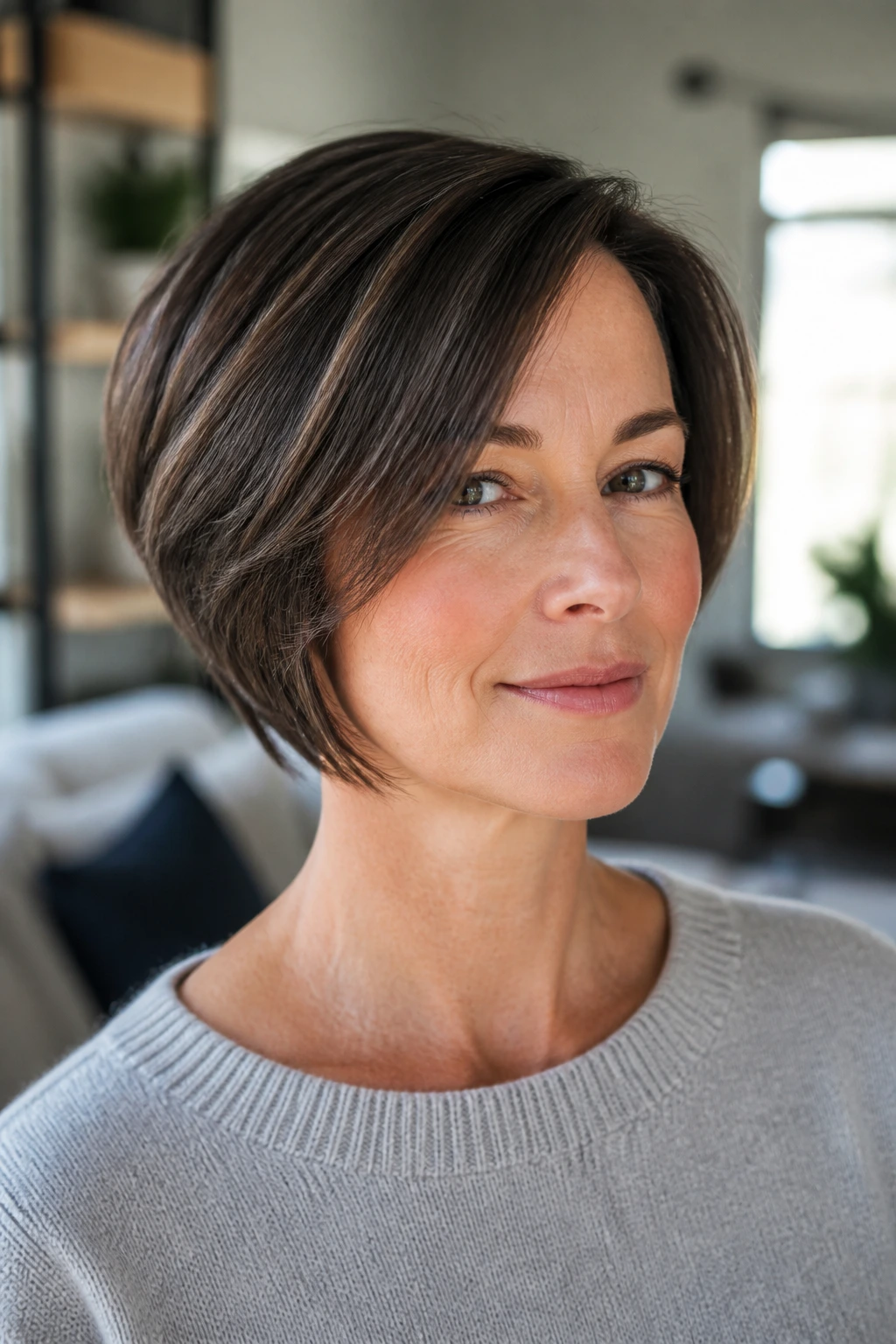
Sometimes, the best version of a style is the simplest. A minimalist long wedge has a very clean stack, subtle layers, and no aggressive texturing. It is sleek, understated, and incredibly chic. It is the kind of haircut that looks great on almost everyone because it highlights the natural texture of your hair without trying to force it into a new shape.
Why Less Is More
Minimalism is sophisticated. By avoiding excessive layers, you keep the hair looking thicker and healthier. It also makes for a very easy transition if you ever decide to grow your hair out, as there are no weird, choppy lengths to deal with.
The Finishing Touch
A simple, high-quality hair oil applied to the ends is all you need. Keep it simple, keep it shiny, and let the precision of the cut do the talking. It is the definition of “effortless elegance.”
Final Thoughts
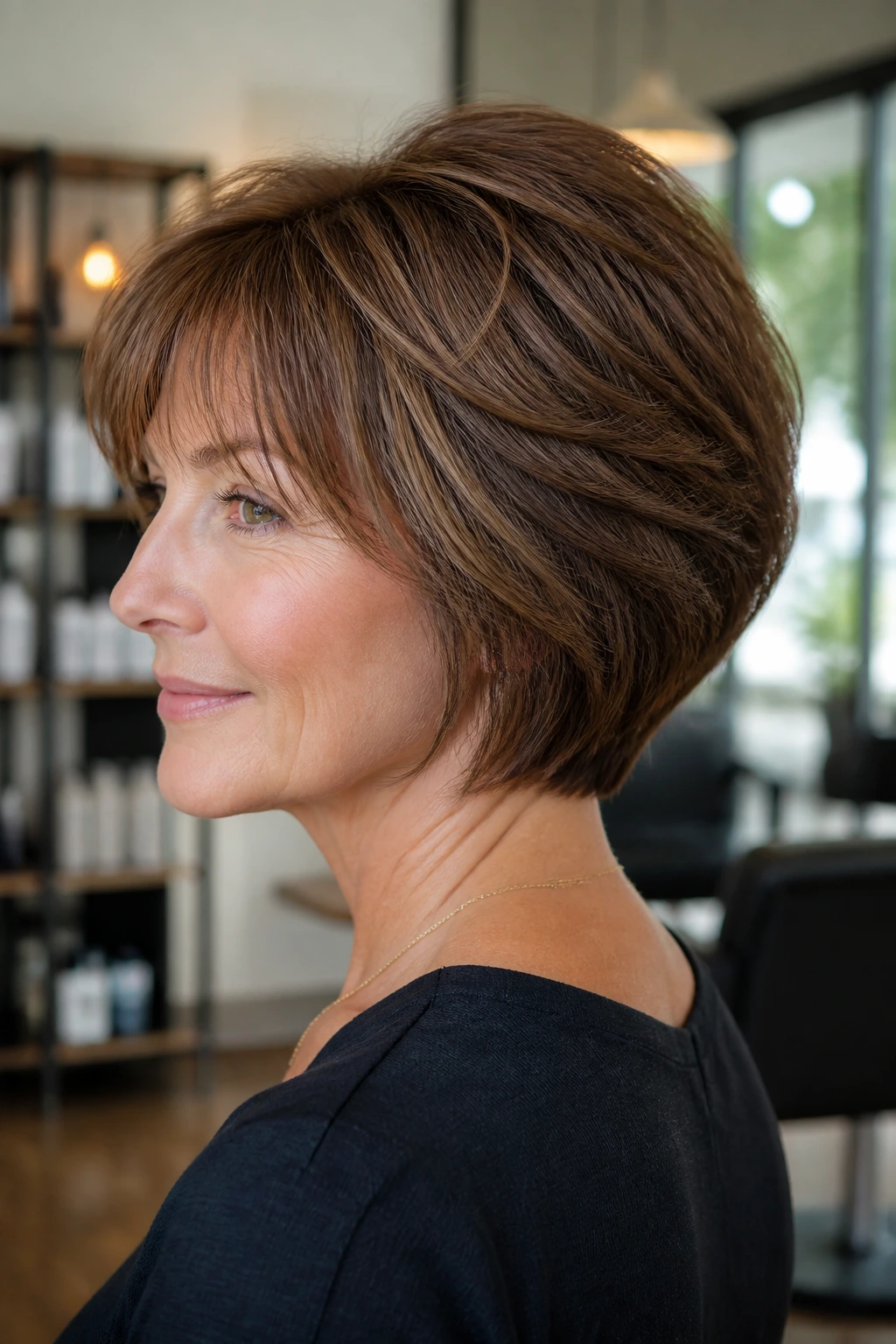
Choosing a long wedge haircut is about finding the right balance between the structural volume of the stack and the flowing freedom of the length. Whether you go for the sleek, high-gloss look or the messy, rock-and-roll hybrid, the key is to ensure your stylist understands the “stack” principle—without that graduated nape, it’s just a layered bob.
Don’t be afraid to customize the cut to your hair’s specific needs. If your hair is fine, lean into more stacking for volume; if it is thick, ask for deep layering to keep it manageable. Ultimately, a great haircut is one that feels like an extension of your personality, providing you with a reliable, beautiful silhouette that requires minimal effort once you master a few simple styling techniques. Treat your hair like the structural canvas it is, and you will find that a good cut can change your entire approach to your daily routine.