


Short hair is not a singular destination; it is a landscape of texture and volume that transforms every time you step out of the shower. Many people view a big chop or a short crop as an invitation to simplify their routine, but the reality is that short hair demands more intentionality regarding how those coils, waves, and zig-zags behave. Whether your hair follows a tight, spring-like coil or a loose, oceanic wave, the way you cut and style those layers changes the entire geometry of your face.
The following list explores the diverse world of texture, breaking down the specific character of twenty-eight different curl patterns as they manifest in short-cropped lengths. Understanding your specific pattern is the first step toward moving away from the frustration of “poofy” hair and toward the freedom of hair that works with your unique bone structure.
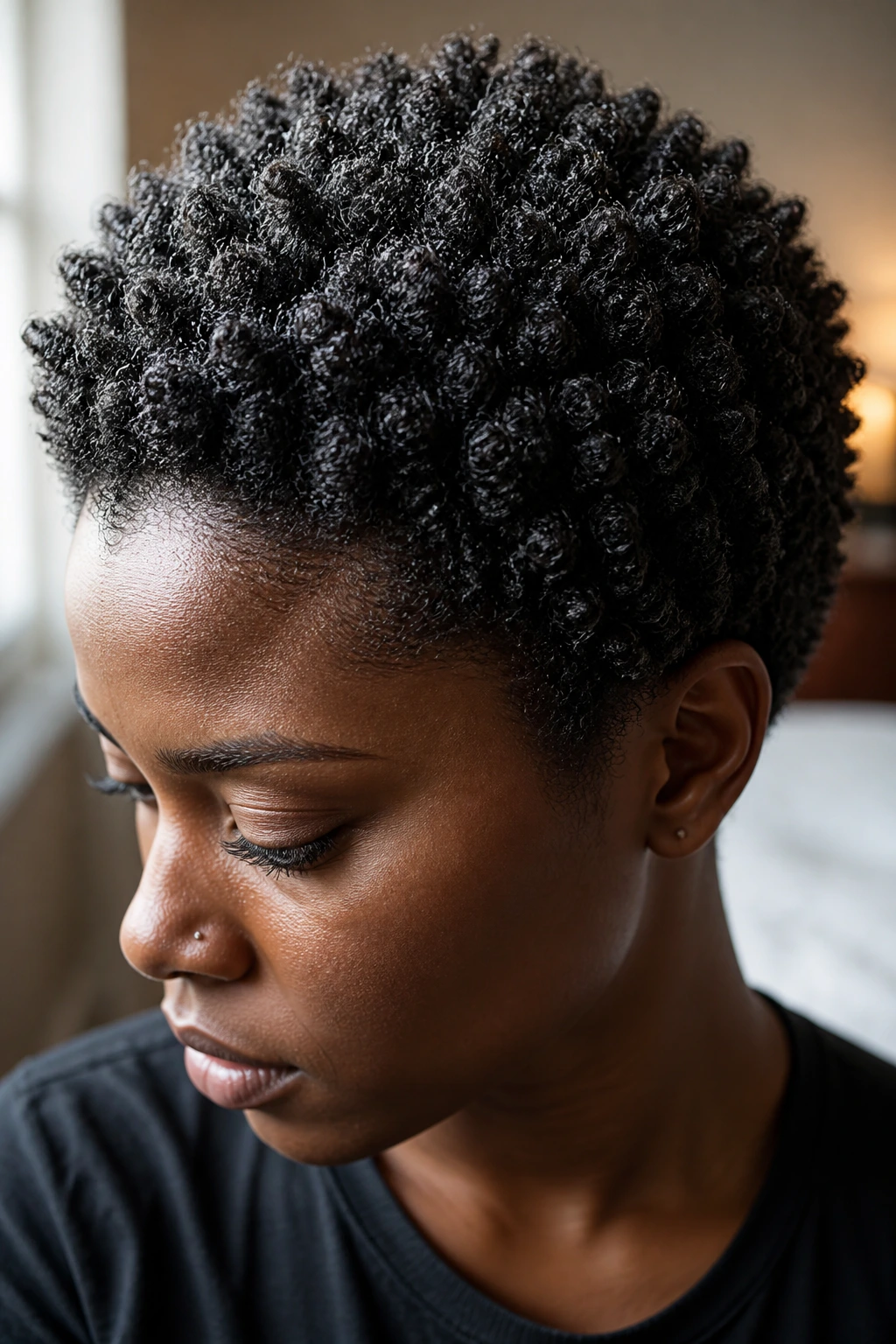
1. The Super-Tight 4C Coil
These coils are dense, fragile, and prone to extreme shrinkage—often losing up to 75% of their length when dry. Because the strands are so tightly wound, they struggle to distribute natural oils from the scalp to the ends.
Styling for Maximum Definition
Focus on intense hydration using heavy creams or rich butters. When your hair is in a short, cropped style, use a finger-coiling technique with a leave-in conditioner while the hair is soaking wet. This locks the pattern into a structured shape that resists frizz throughout the day. Pro tip: Use a silk pillowcase to prevent friction at night; 4C coils are the most prone to breaking when rubbed against cotton.
2. The Springy 4B Z-Pattern
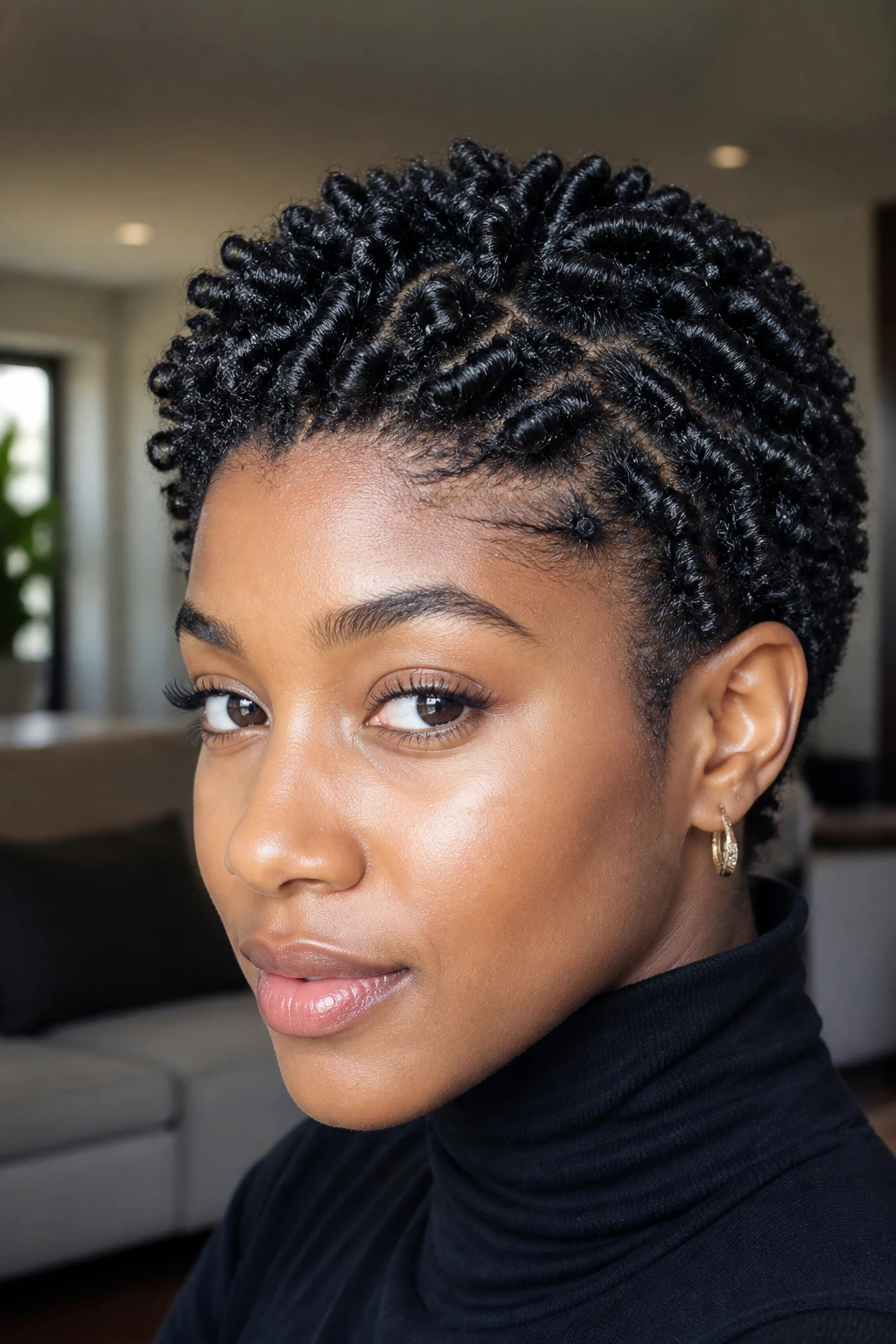
Unlike a circular coil, the 4B pattern is characterized by sharp angles, creating a zigzagging shape that is incredibly distinct. This texture is dense but can appear slightly more voluminous than 4C because the strands don’t lay as flat against one another.
Why It Requires Protein
Because the structural bends in 4B hair are so frequent, the hair shaft is naturally weaker at every “kink.” Incorporate a protein treatment once or twice a month to reinforce these structural weak points. This prevents snapping and keeps your short crop looking healthy and full.
3. The Looser 4A Coil
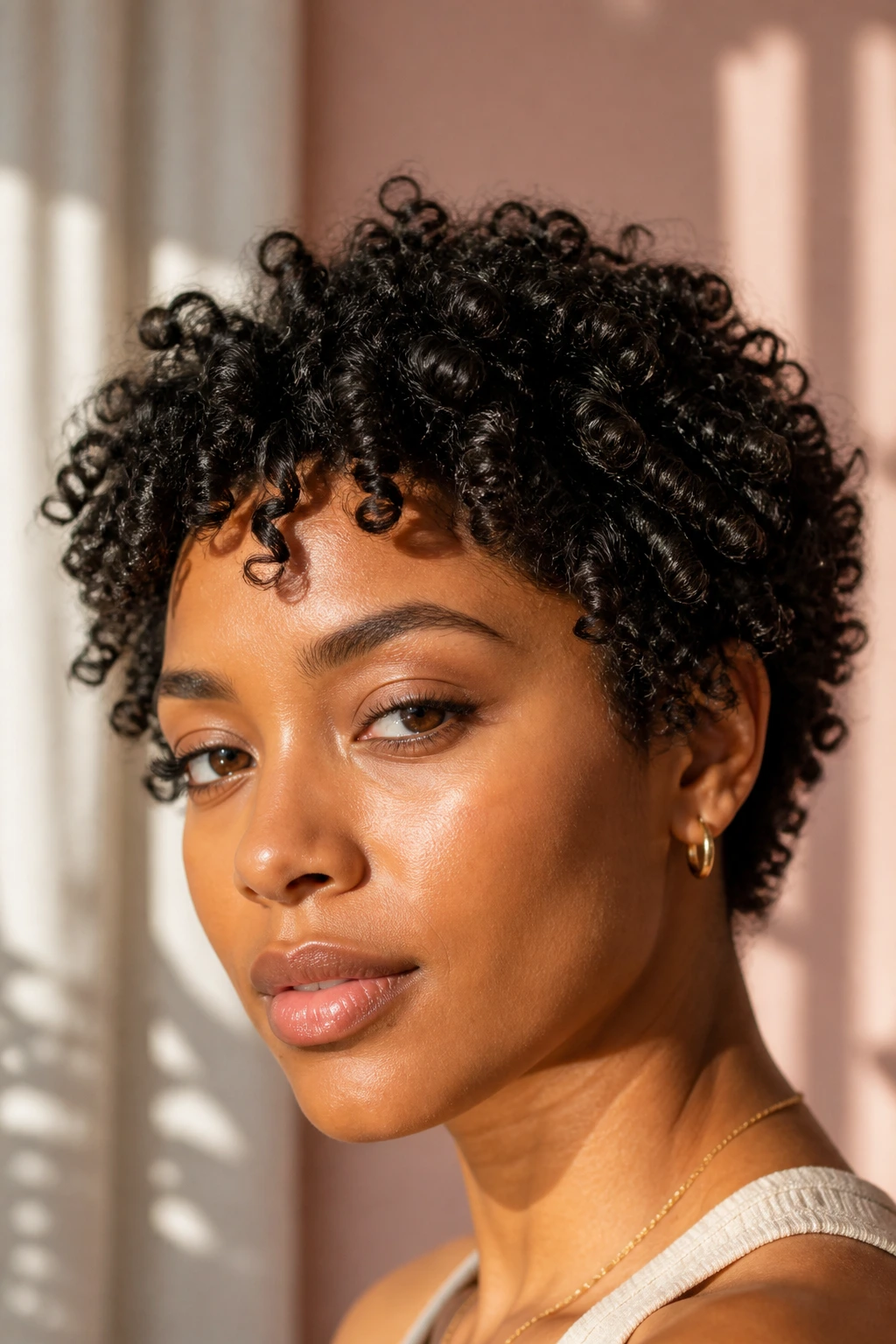
These are defined, S-shaped coils that are roughly the circumference of a pencil. In a short cut, 4A hair behaves beautifully, often forming neat, uniform ringlets that require minimal manipulation to look “done.”
Keeping the Bounce
Avoid heavy oils that can weigh down the individual coils. Instead, opt for lightweight milks or gels that offer hold without sacrificing that signature bounce. Applying product in thin, vertical sections will help the coils clump together properly, creating a clean, defined look that lasts for days.
4. The Defined 3C Corkscrew
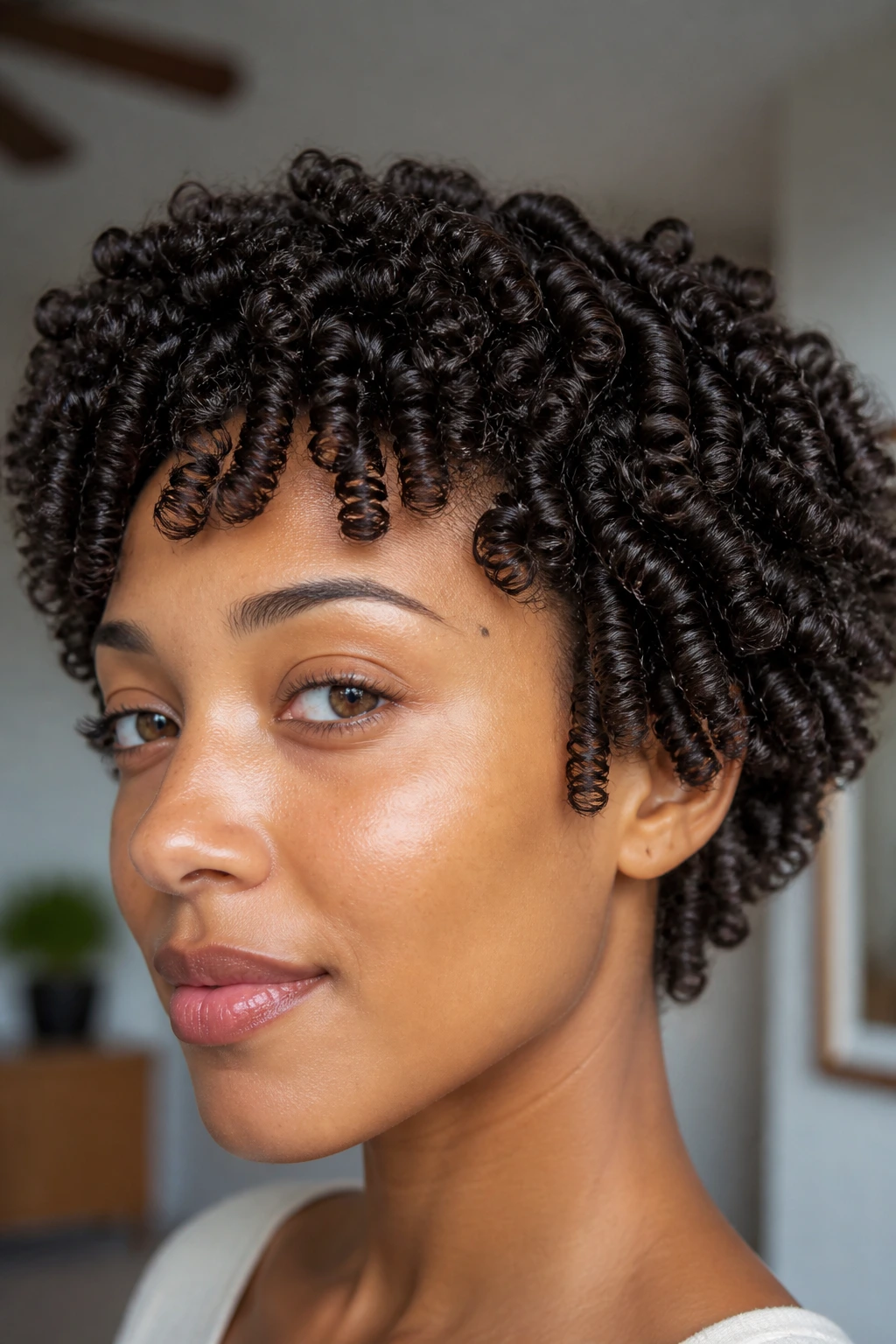
3C curls look like tight, springy spirals that are about the width of a straw. They are high-density and can easily become a tangled mass if not treated with enough slip. When cut short, 3C hair tends to grow “out” rather than “down,” creating a halo of defined texture.
The Diffuser Advantage
If you want to speed up your drying process, a diffuser is your best friend. Hover the diffuser over your curls without touching them too much to preserve the spiral structure. This prevents the “fuzzy” halo effect that occurs when you allow 3C hair to air-dry while constantly touching it.
5. The Spring-Like 3B Spiral
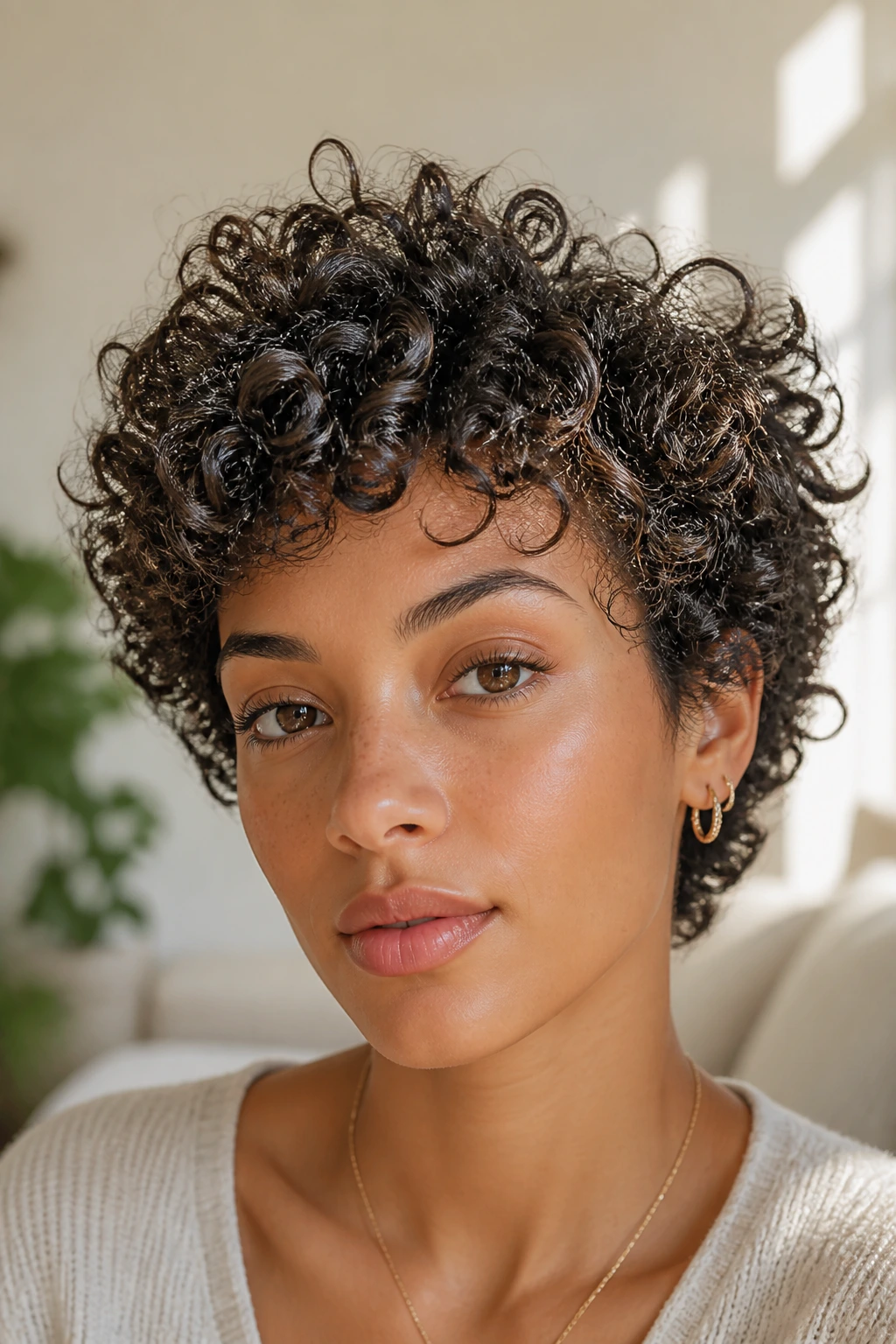
These curls have more volume and a wider diameter than 3C, often resembling bouncy, voluminous springs. They are highly responsive to humidity—for better or worse—and can double in size when the air is damp.
Humidity Control
To maintain your short 3B cut, look for anti-humectant products containing polymers that form a shield around the hair shaft. This keeps the spiraled structure from expanding into a giant cloud when you step out into humid weather.
6. The Relaxed 3A Loop
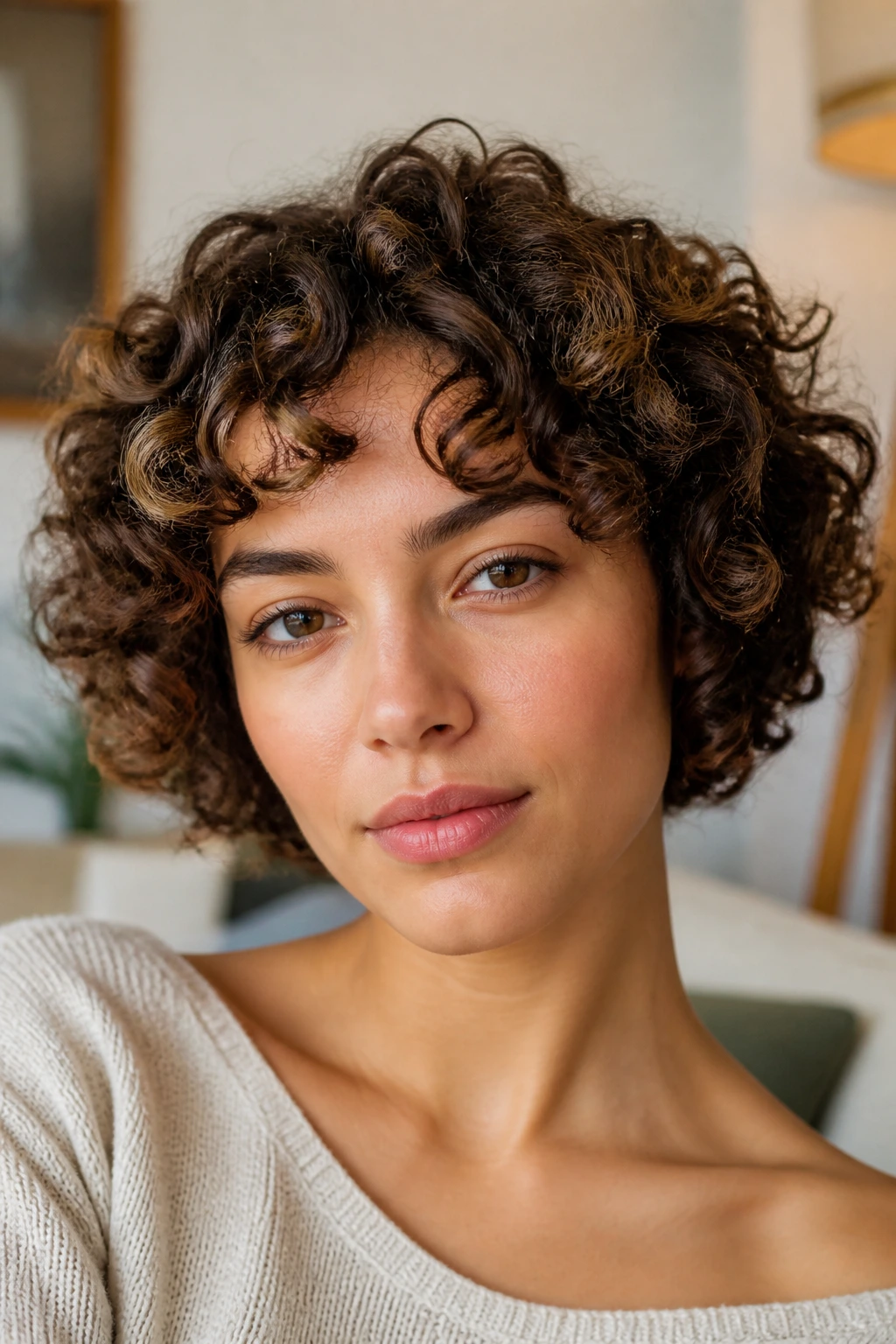
3A curls are large, loose, and S-shaped. They are often misidentified as “wavy,” but they clearly have a full rotation. When worn short, 3A hair can look a bit “triangular” if the cut isn’t layered correctly.
The Importance of Layers
Ask your stylist for internal layering. This removes weight from the ends and prevents the “mushroom” effect, keeping the curls stacked neatly and framing your face rather than drooping heavily toward your shoulders.
7. The Deep 2C Wave

This is where the line between “wave” and “curl” gets blurry. 2C texture features S-shaped waves that start at the roots and possess significant texture and thickness. It is often the coarsest of the wavy patterns.
Salt Sprays and Texturizers
Because 2C hair can sometimes feel a little flat at the root, a sea salt spray or a lightweight texturizing spray is excellent for boosting volume in a short cut. Apply it to damp hair and scrunch upward toward your scalp to enhance the wave pattern.
8. The Beachy 2B Wave
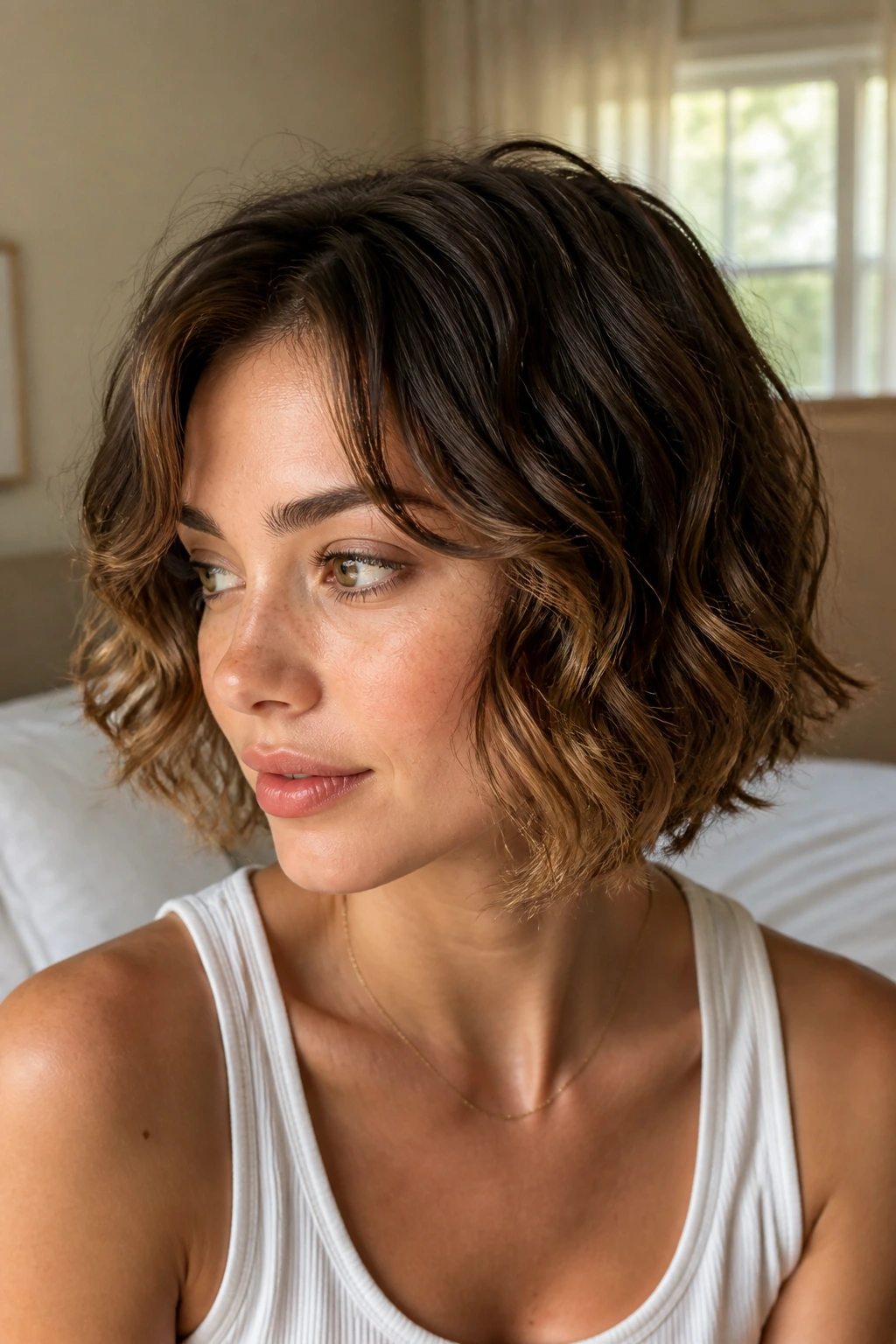
These waves are flatter at the top of the head and become more defined toward the middle and ends. They aren’t quite full loops, but they have a distinct curve that adds body to a short bob or pixie cut.
The Pineapple Technique
Even with short hair, you can benefit from sleeping with your hair gathered loosely at the crown to preserve the wave pattern. If your hair is too short to fully “pineapple,” use a silk scarf to keep the waves from getting crushed while you sleep.
9. The Subtle 2A Wave
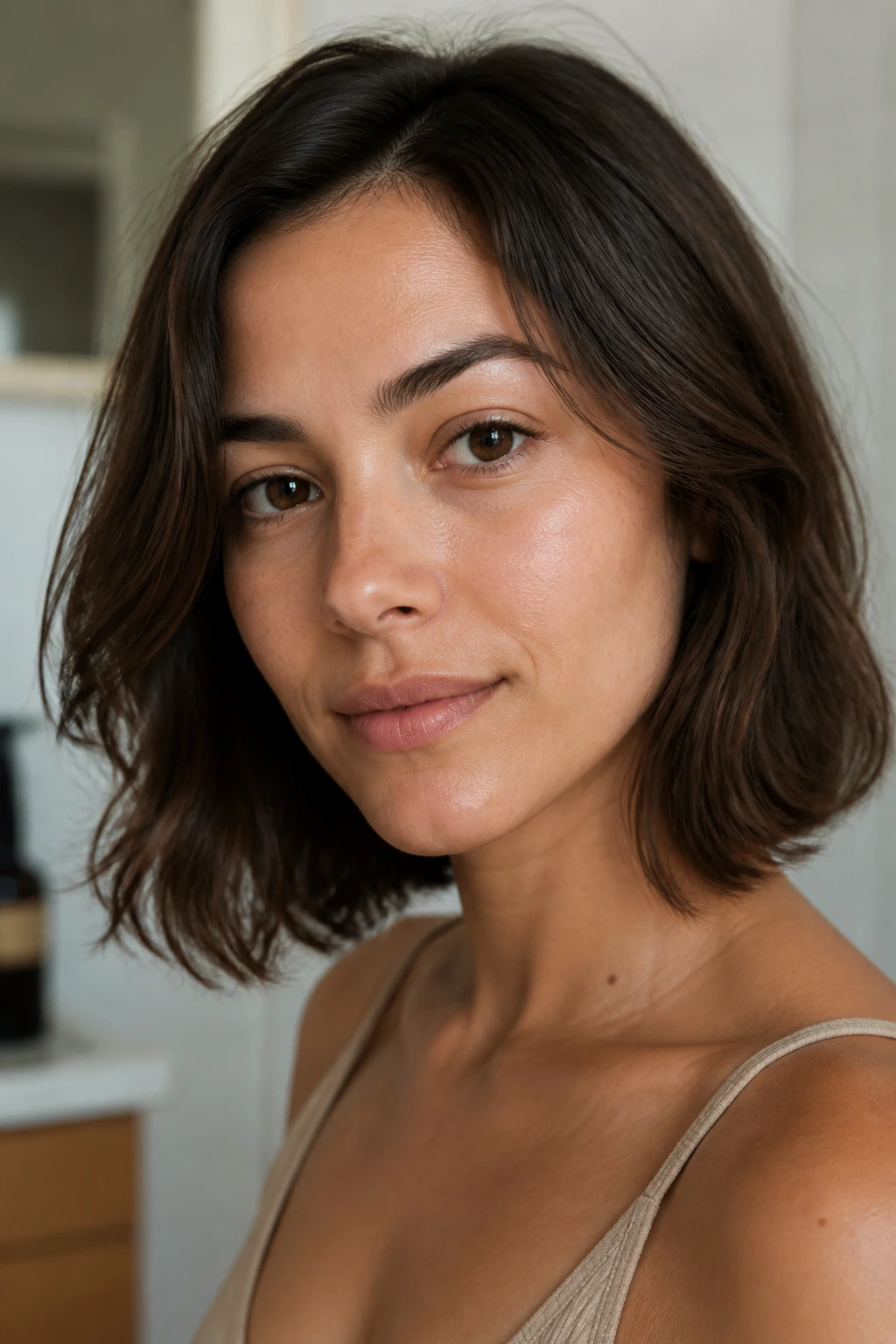
2A hair is straight at the roots and has a slight, barely-there bend toward the ends. It is fine in texture and easily weighed down, making it the hardest pattern to “keep” when cut short—it wants to be straight.
Weightless Styling
Avoid creams or heavy pomades. Use mousse or a light salt spray to encourage the natural bend. If you use too much product, your short, wavy hair will look greasy and flat by midday.
10. The Coiled Pixie
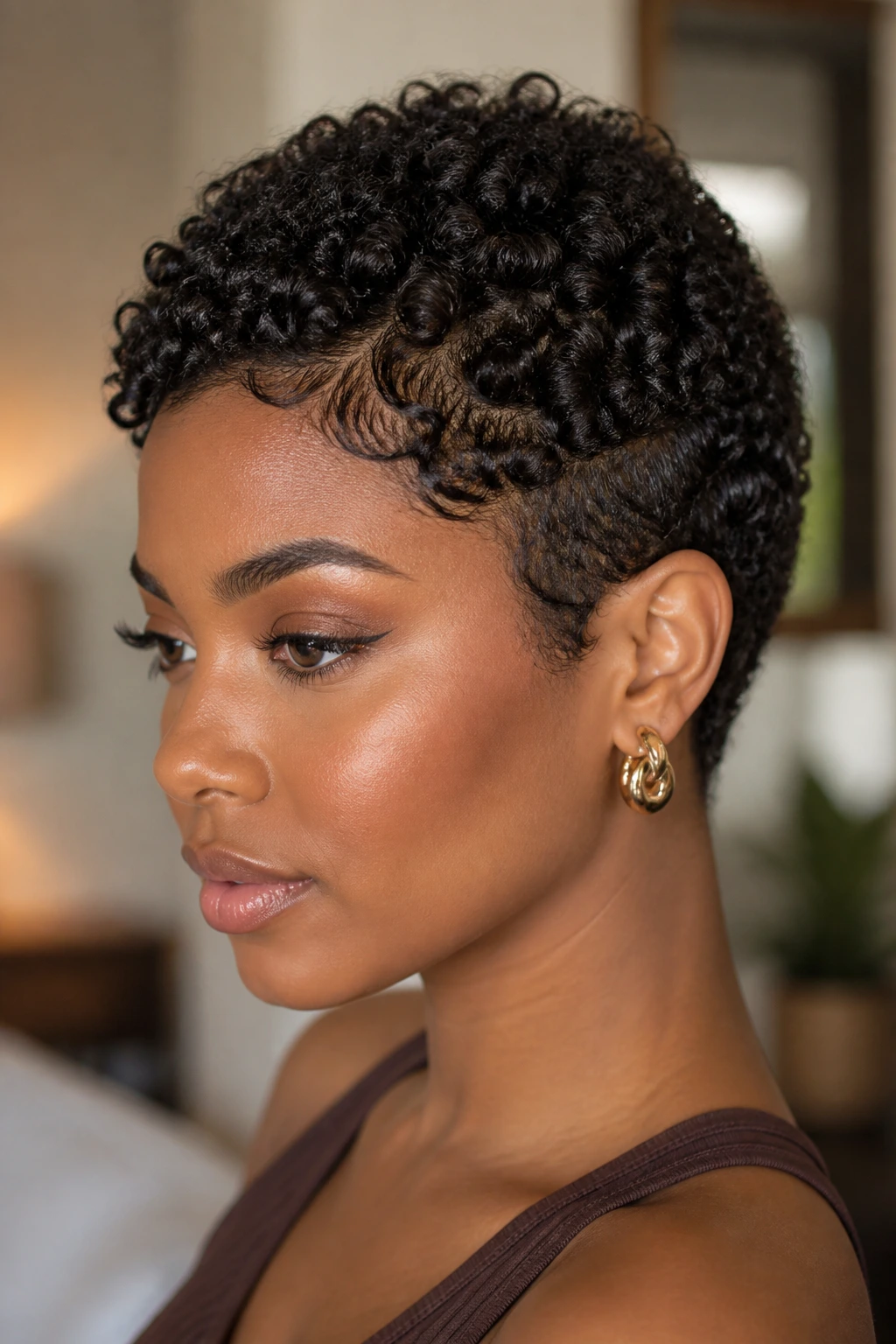
This isn’t a pattern so much as a marriage between a 4C texture and a specific short haircut. The result is a tight, sculptural look that requires zero styling time in the morning.
Maintenance
A quick trim every four to six weeks is vital. Because the hair is so short, even a quarter-inch of growth can change the shape and cause the coils to lose their intended structure.
11. The Asymmetrical Spiral
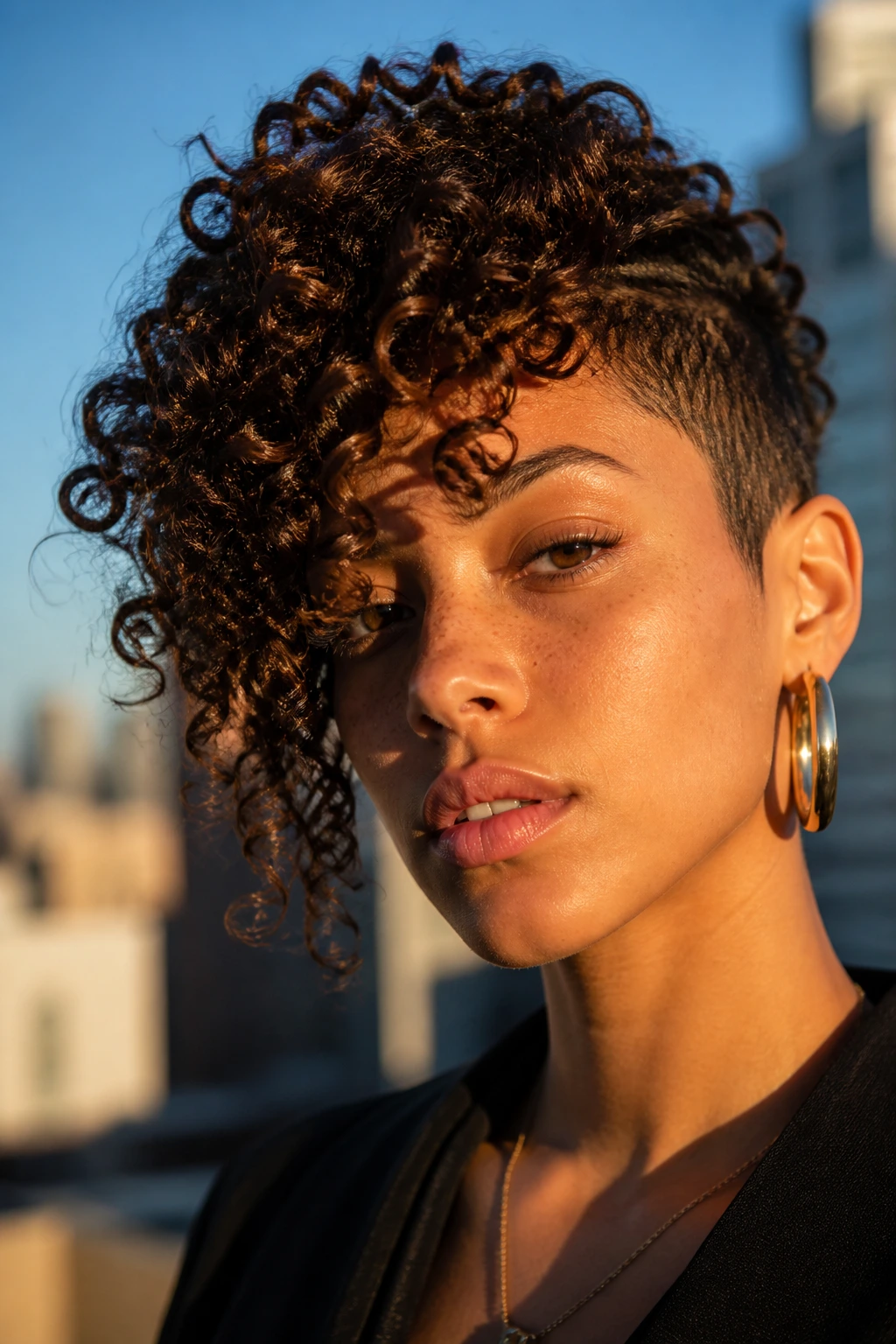
Combining loose 3B curls with an asymmetrical cut—longer on one side, shorter on the other—creates a high-fashion edge. This contrast highlights the beauty of the curl pattern by placing it against a sharp, geometric line.
Enhancing Contrast
Use a light-hold gel on the shorter side to keep it tight to the head, letting the longer side expand and show off the spiral. This keeps the look intentional and sophisticated rather than messy.
12. The Tapered 4B/4C Fade
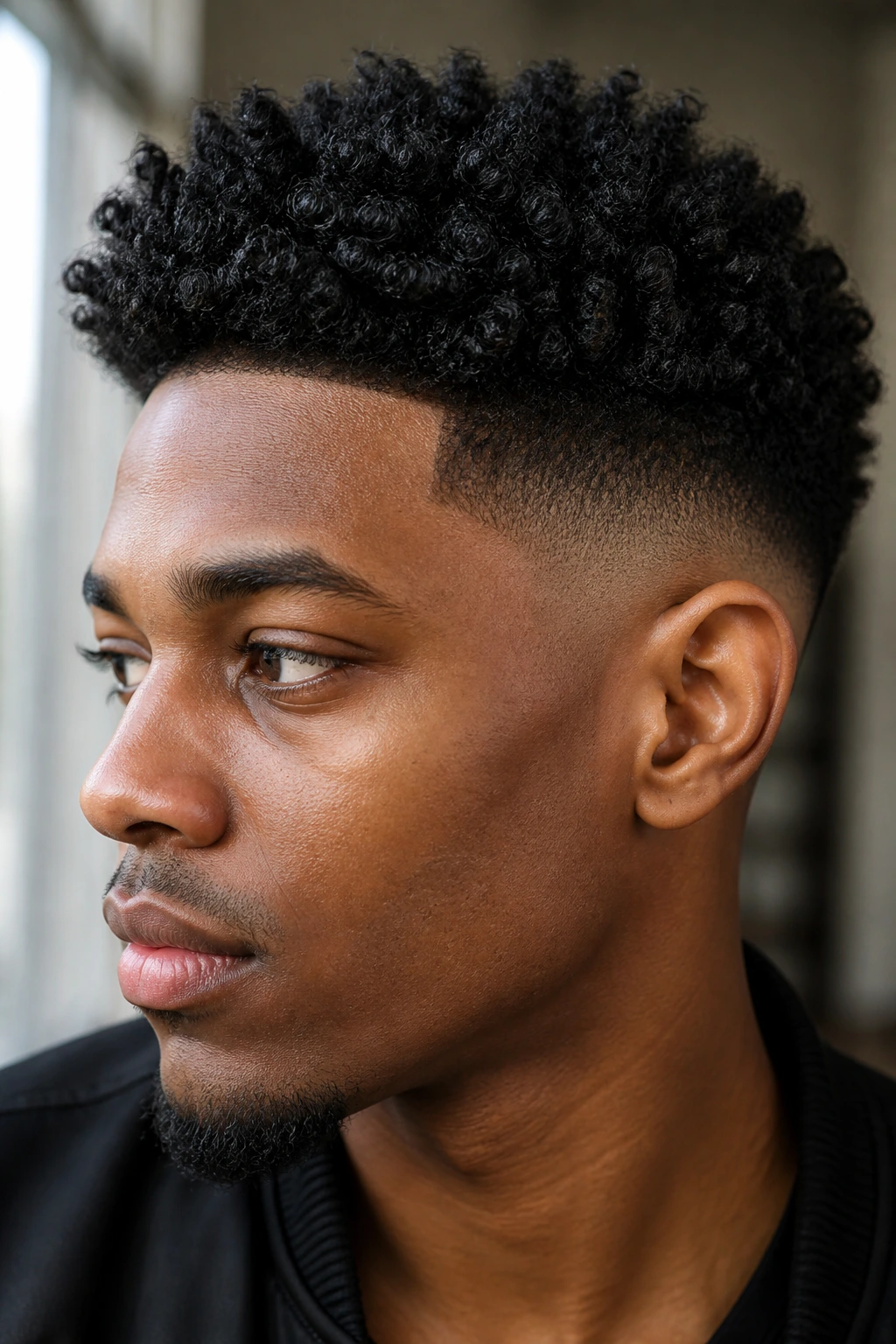
This style features hair that is cropped extremely short at the sides and back, leaving a dense, textured top. It is the perfect way to showcase the “Z” pattern of 4B or the tight coils of 4C without having to manage the weight of a larger head of hair.
Scalp Care
Since the sides are often faded down to the skin, your scalp is fully exposed. Use a gentle, tea tree-infused oil to keep the skin hydrated and free of irritation. A healthy scalp is essential when your hair cut is this close to your skin.
13. The Shaggy 3A/3B Mix
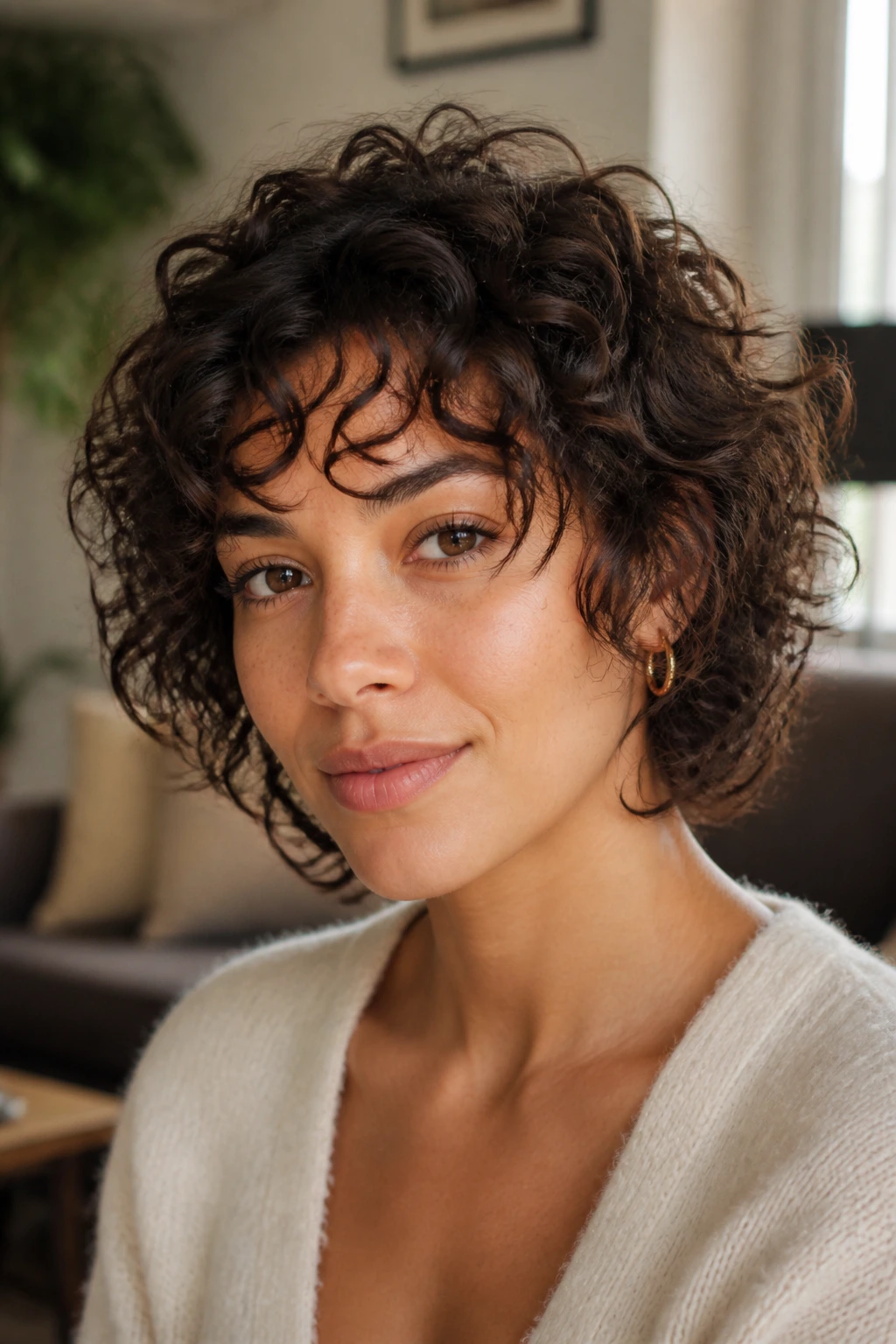
Many people have a combination of curl patterns. A “shag” cut is ideal for this because the choppy layers allow the looser 3A curls to blend seamlessly with the tighter 3B spirals.
Why It Works
The cut does the work for you. By having uneven layers, the hair naturally clumps into a messy, textured shape that hides the fact that your hair might be curling in two different directions.
14. The Undercut Curl Bob
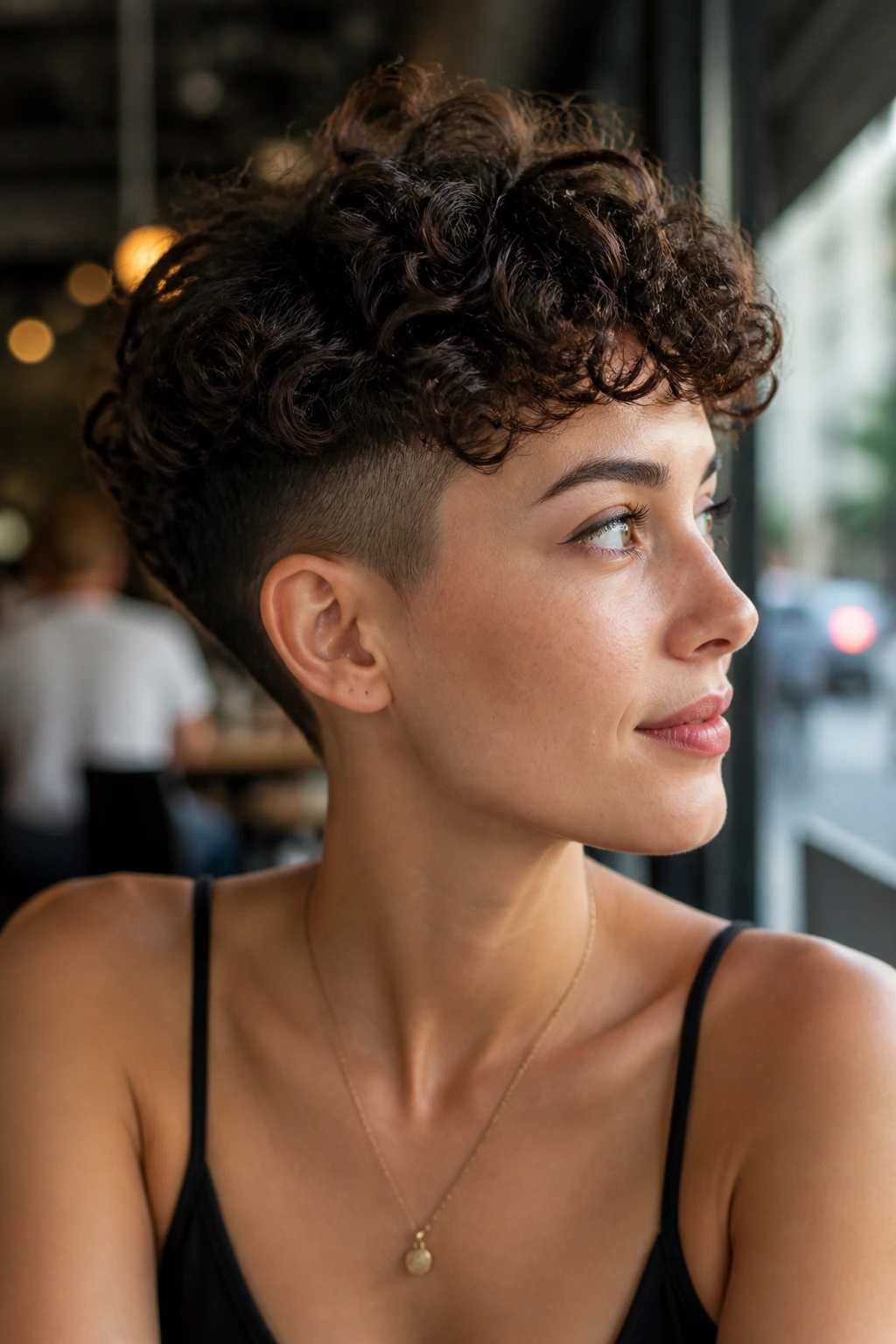
Taking the bottom half of a 3C or 4A head of hair and buzzing it short creates a dramatic, controlled look. It removes the bulk that often makes short hair difficult to style, leaving just enough curls on top to create volume.
Styling Note
Make sure to keep the “line” of your undercut sharp. A clean edge is what separates this look from simply letting your hair grow out unevenly.
15. The Finger-Wave 4C Sculpt
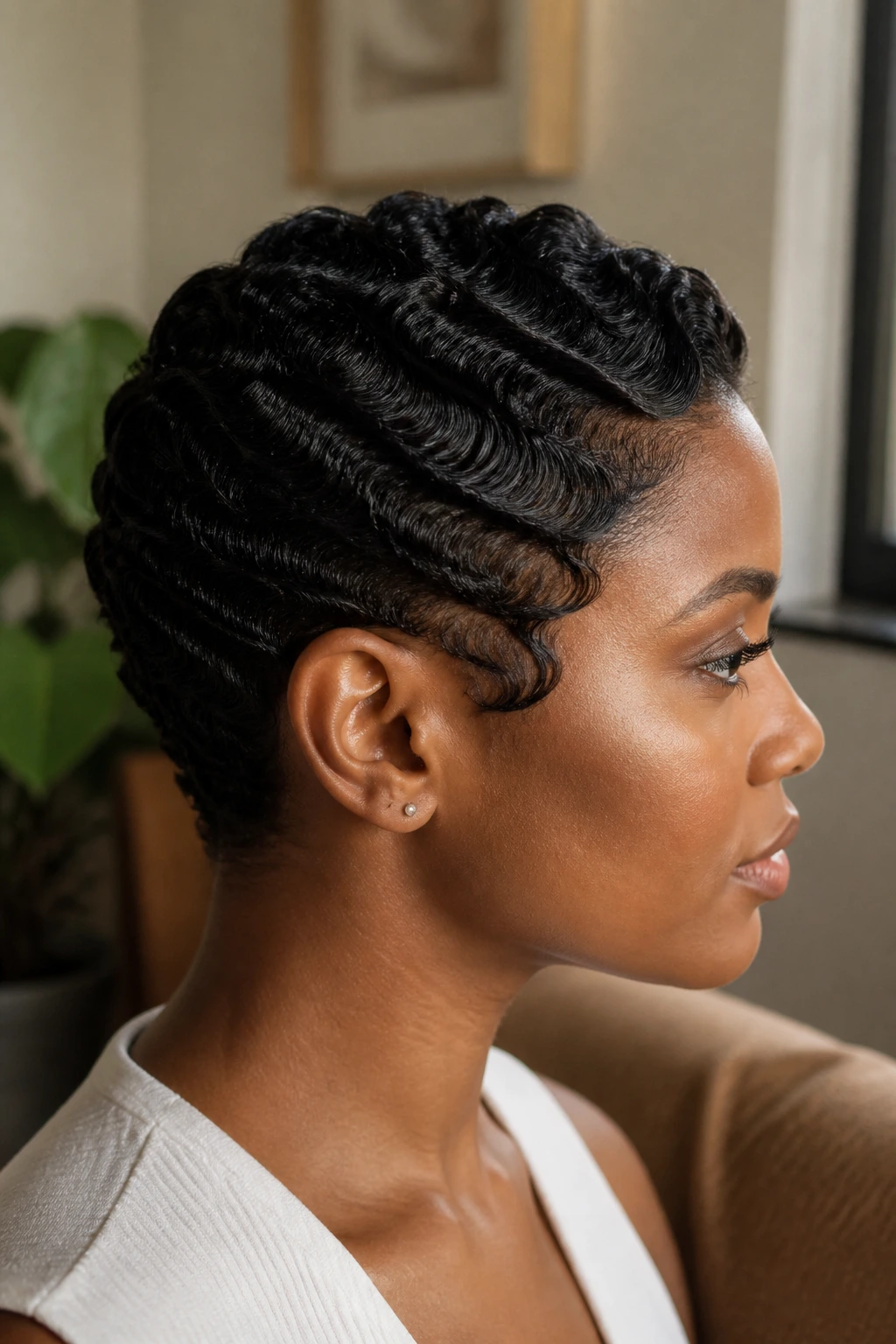
This is a technique-heavy style where 4C coils are molded with gel into structured, vintage-inspired waves. It turns your hair into a piece of art that can last for several days if tied down properly at night.
Product Selection
You need a high-hold, alcohol-free gel. Alcohol-based gels will flake after a few hours, ruining the sculpture. Look for gels with aloe vera or flaxseed as the primary ingredients.
16. The Blown-Out Texture
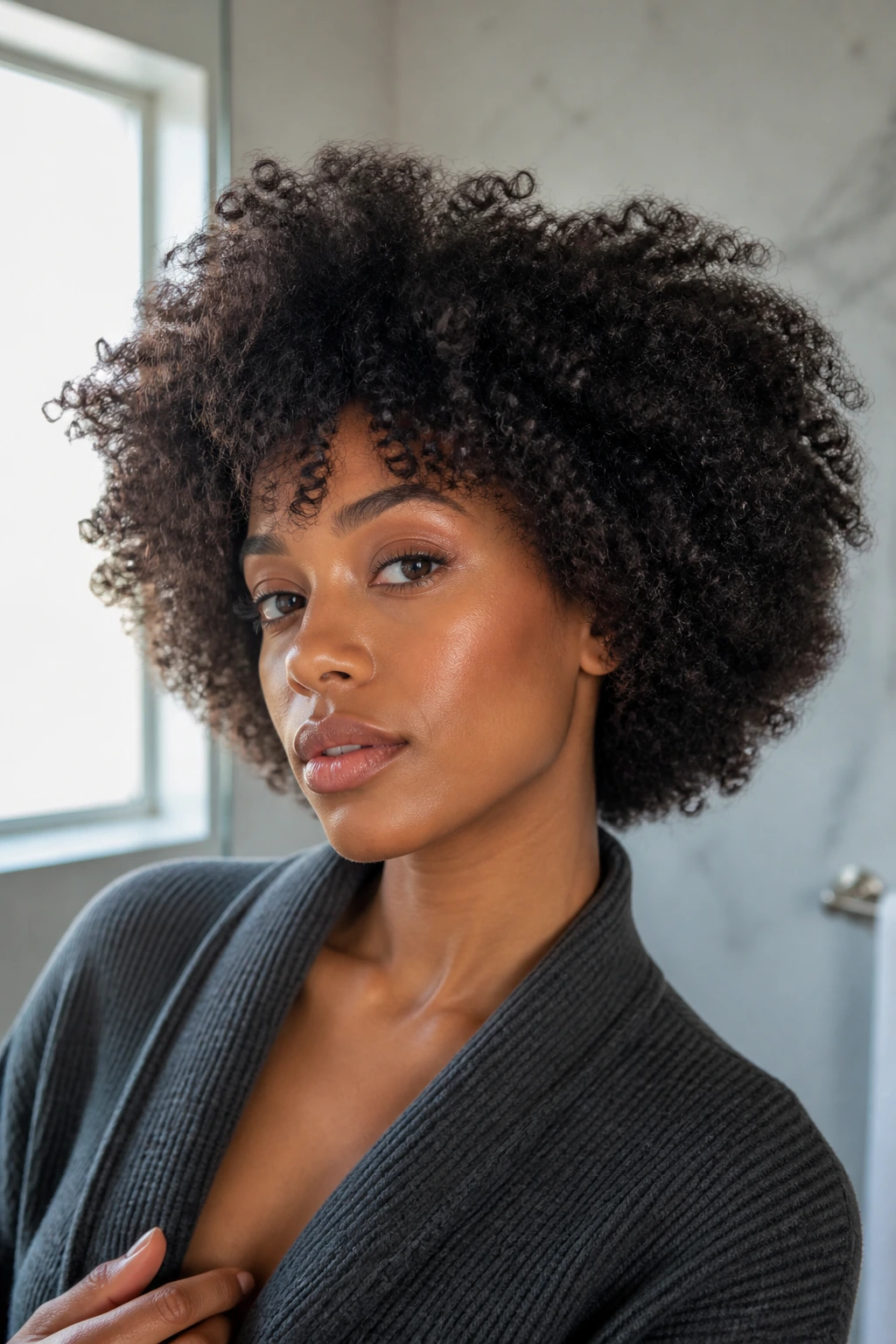
Even if you have curly hair, you can style it in a way that respects your natural pattern while adding volume. Using a blow-dryer with a comb attachment on a low, cool setting allows you to stretch the curls out without damaging the cuticle.
When to Use This
This is great for 3C or 4A hair when you want a “fro-hawk” or a more angular, modern silhouette that your natural, shrinkage-prone curls might not allow on their own.
17. The Wet-Look Spiral
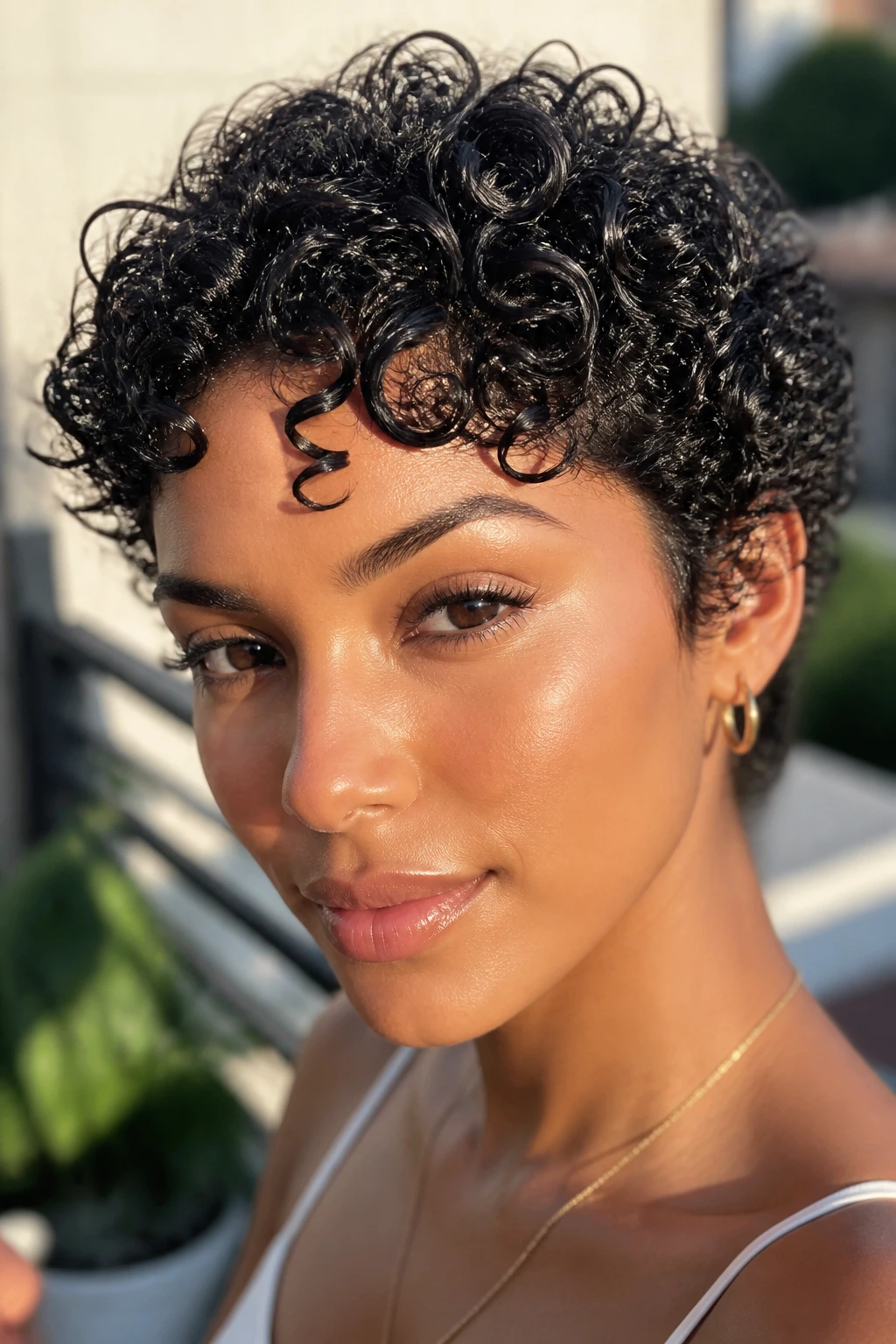
Perfect for 3B and 3C patterns, this style uses a leave-in conditioner followed by a generous amount of clear styling gel to create a “fresh out of the ocean” appearance.
Why It Remains Popular
It creates a glossy, high-definition look that is essentially the polar opposite of the “dry, frizzy” stigma sometimes associated with curly hair.
18. The Graduated Curly Bob
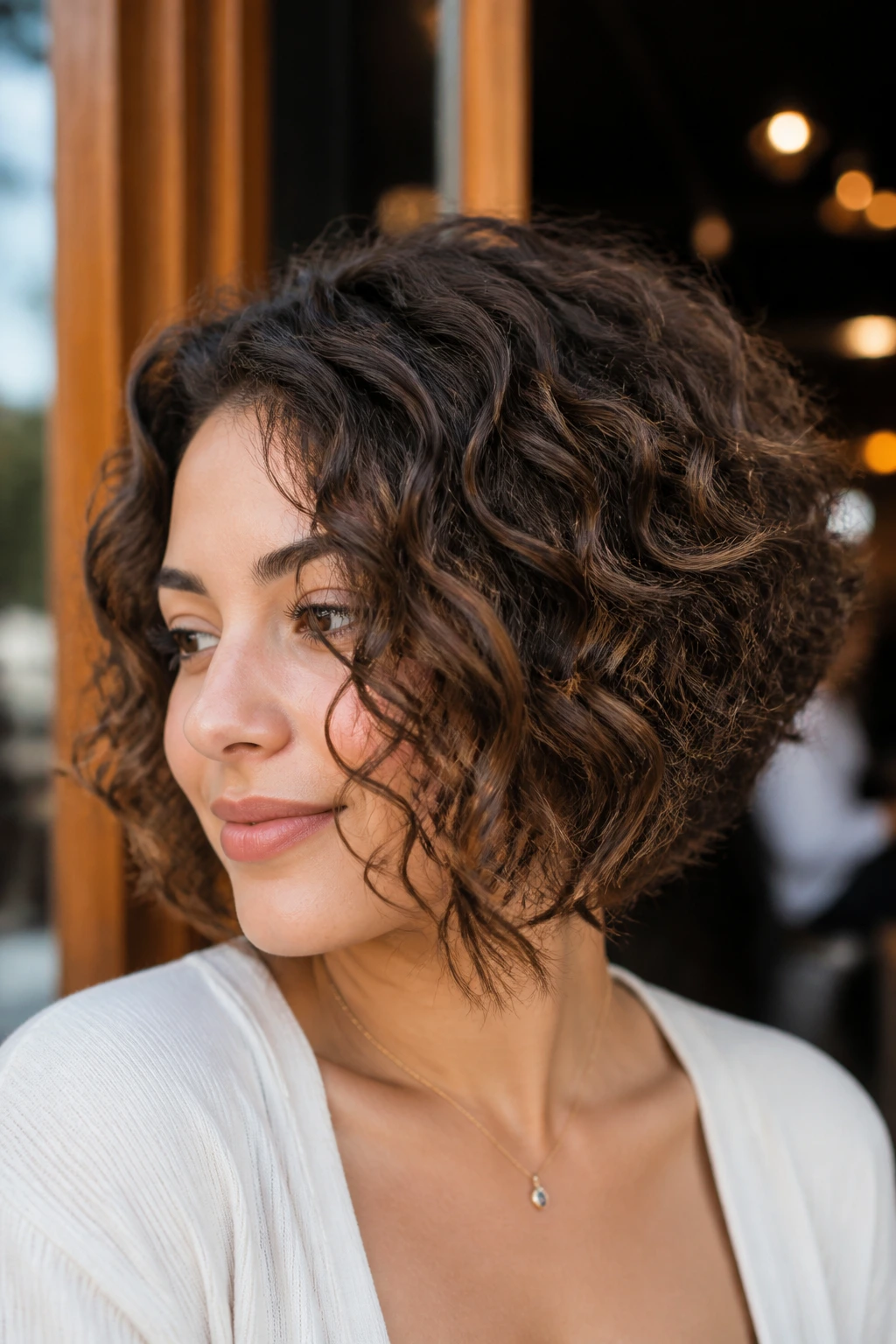
A stacked back with longer layers in the front is a classic way to manage curly hair. This shape prevents the weight from pulling your hair down, which is a common complaint among those with 3B/3C hair.
How to Maintain
Use a diffuser to encourage the curls in the back to sit close to the nape of the neck while allowing the front pieces to frame your face with more volume.
19. The Natural Afro-Pixie
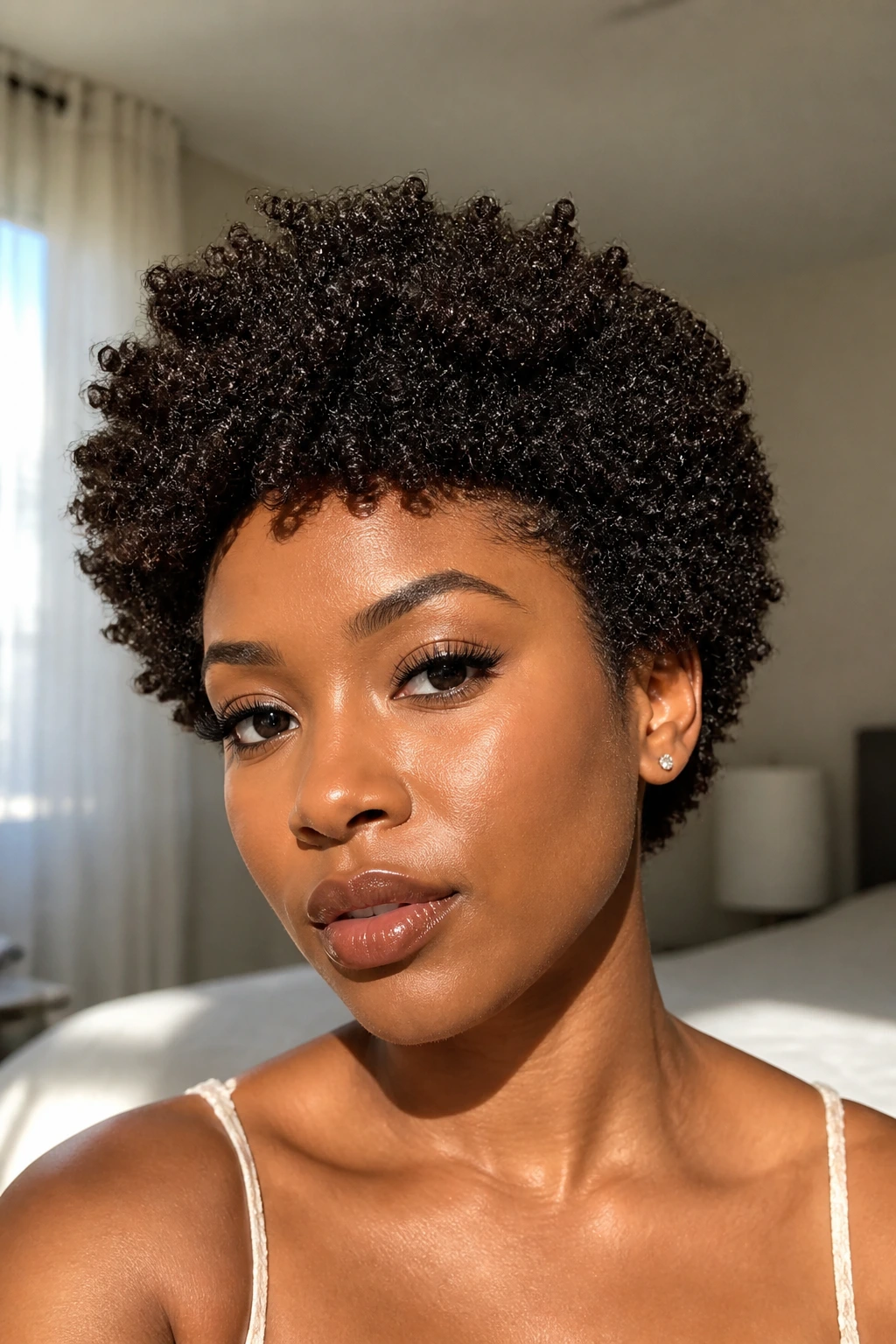
This look embraces the roundness of the head and the natural growth pattern of 4A/4B hair. It requires minimal shaping—just enough to keep it from looking like it hasn’t been touched in months.
The Round Silhouette
This is one of the few styles that celebrates the “shrinkage” of these patterns. By letting the hair grow out in a uniform, circular shape, you highlight the density of your coils.
20. The Perm-Rod Set (on Short Hair)
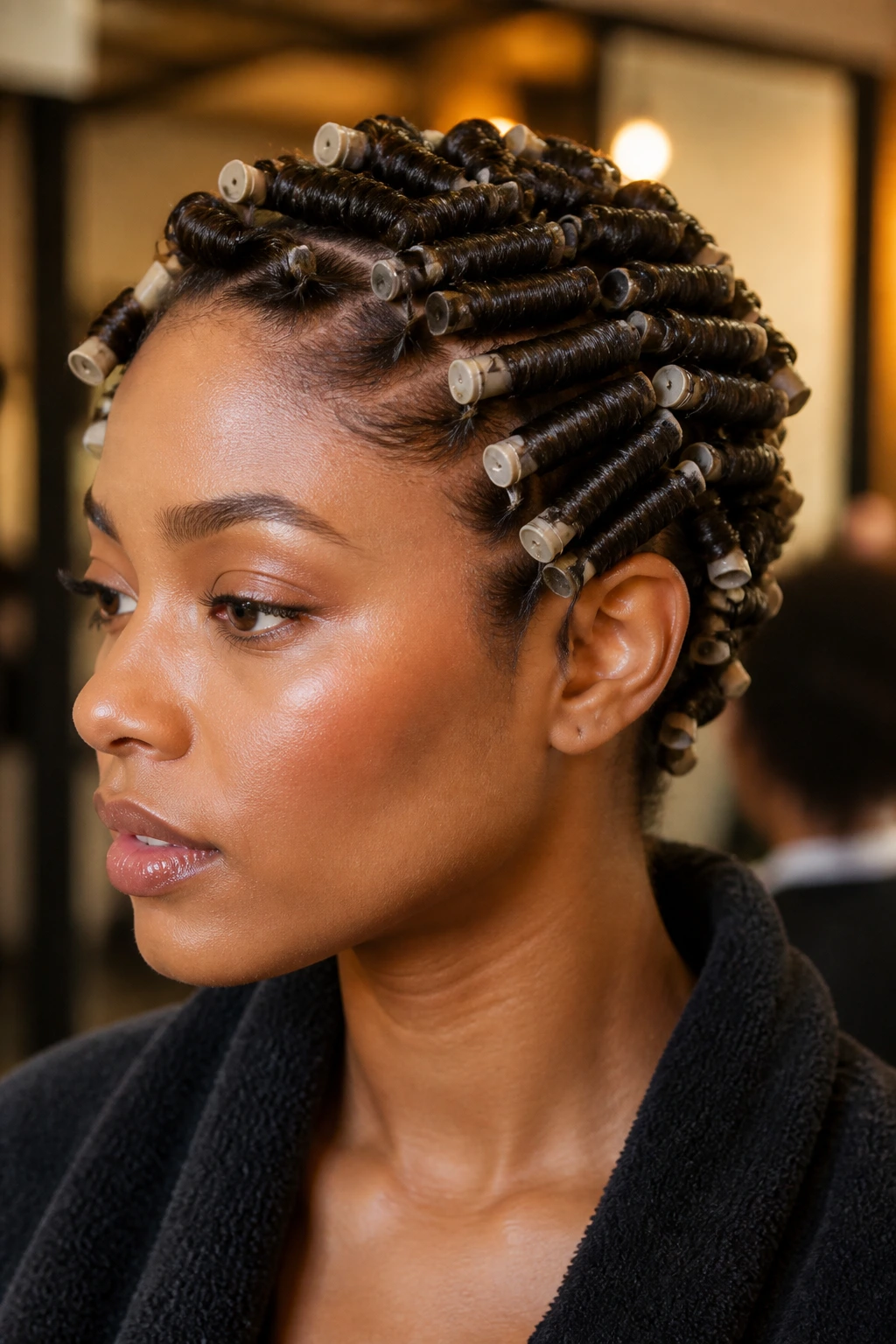
If your natural pattern is a bit inconsistent, using small, thin perm rods on damp hair can unify your texture. It takes about an hour to roll, but the result is a perfect, uniform set of spirals that looks professional and extremely well-defined.
Longevity
A set like this can last up to a week. The key is to avoid getting it wet and to keep the hair wrapped in satin while sleeping.
21. The Side-Swept 2C/3A Crop
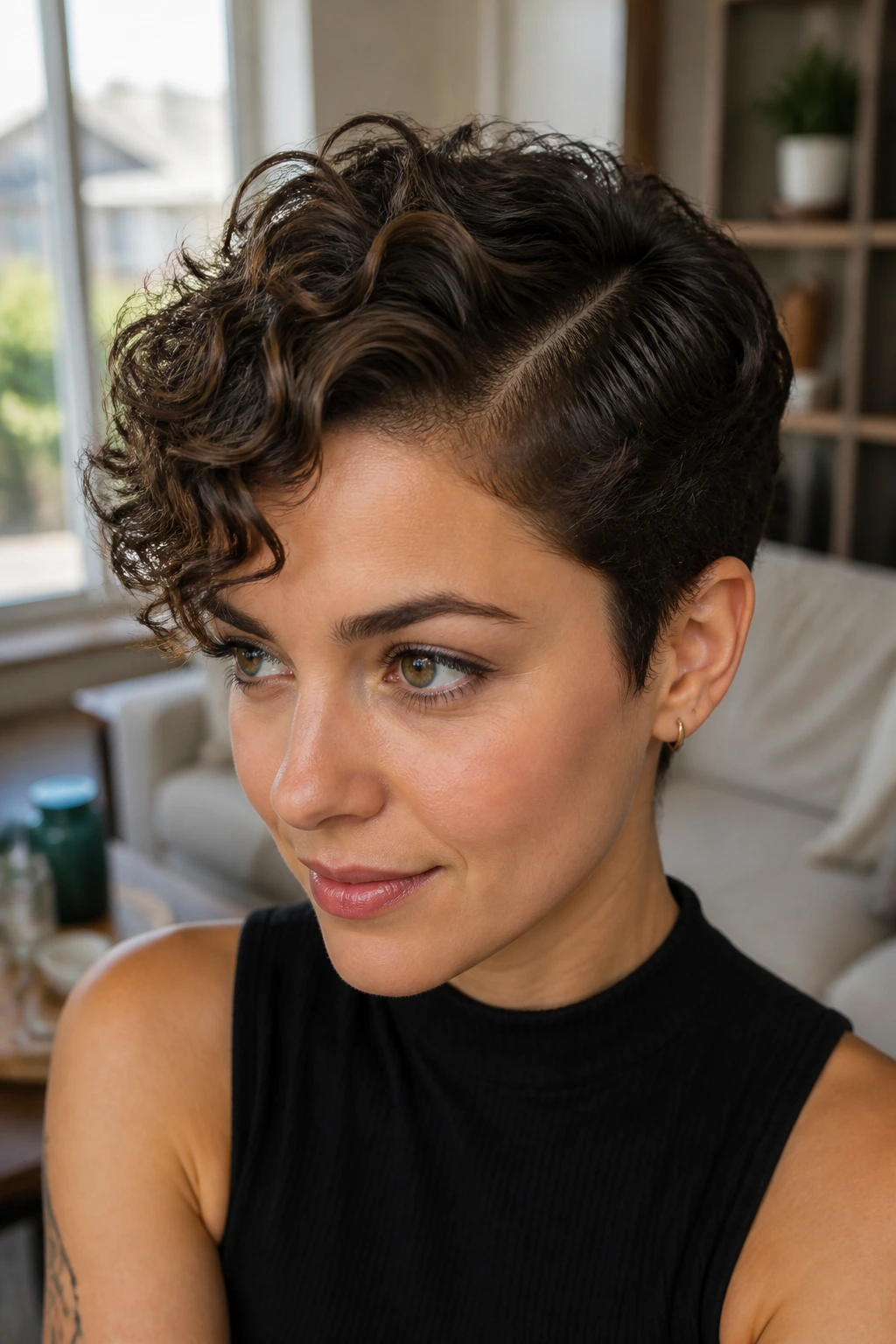
By pushing your waves or loose curls to one side, you can create the illusion of extra volume and a sophisticated, red-carpet look even with a very short cut.
Creating the Part
Use a rat-tail comb to create a clean, deep side part while your hair is still wet and coated with a light-hold cream. Let it dry in this position so the hair “sets” to the side.
22. The Curly Mohawk
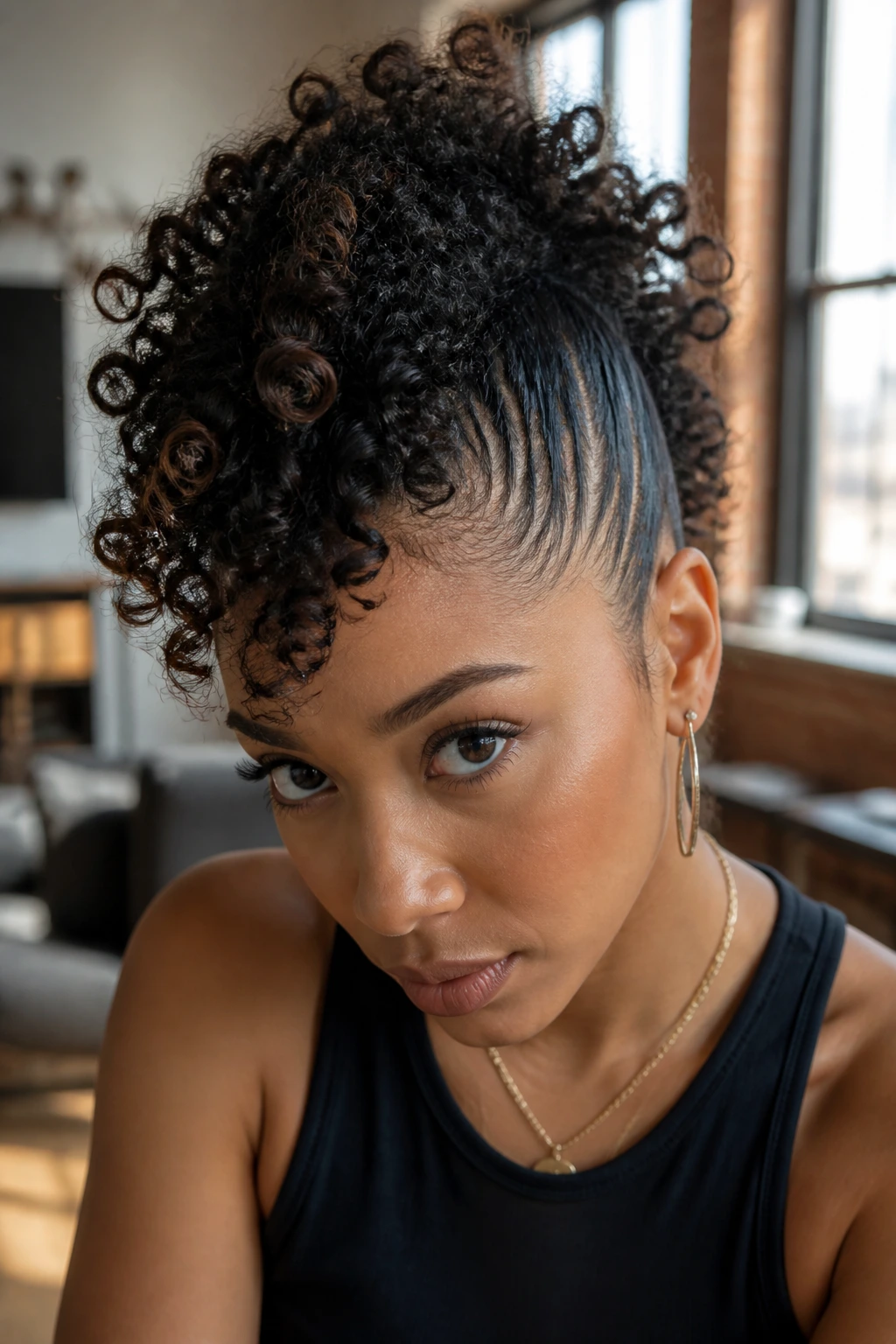
Using bobby pins or a light-hold gel, you can pull the sides of your short hair back, leaving a trail of curls running down the center of your head. This works for almost any curl pattern from 3A to 4C.
Versatility
Because you aren’t cutting the sides, this is a “faux” style. It is an excellent way to see if you like the look of a Mohawk before committing to a real fade or undercut.
23. The Diffused 2B/2C Beach Look

If you have waves that just won’t stay, diffusion is the answer. By flipping your head upside down and diffusing toward the roots, you create gravity-defying waves that look like you spent all day at the beach.
Temperature Control
Keep your dryer on the “warm” or “cool” setting. High heat is the enemy of wavy hair; it will turn those lovely waves into a dry, straight mess within minutes.
24. The Tight-Coiled Taper
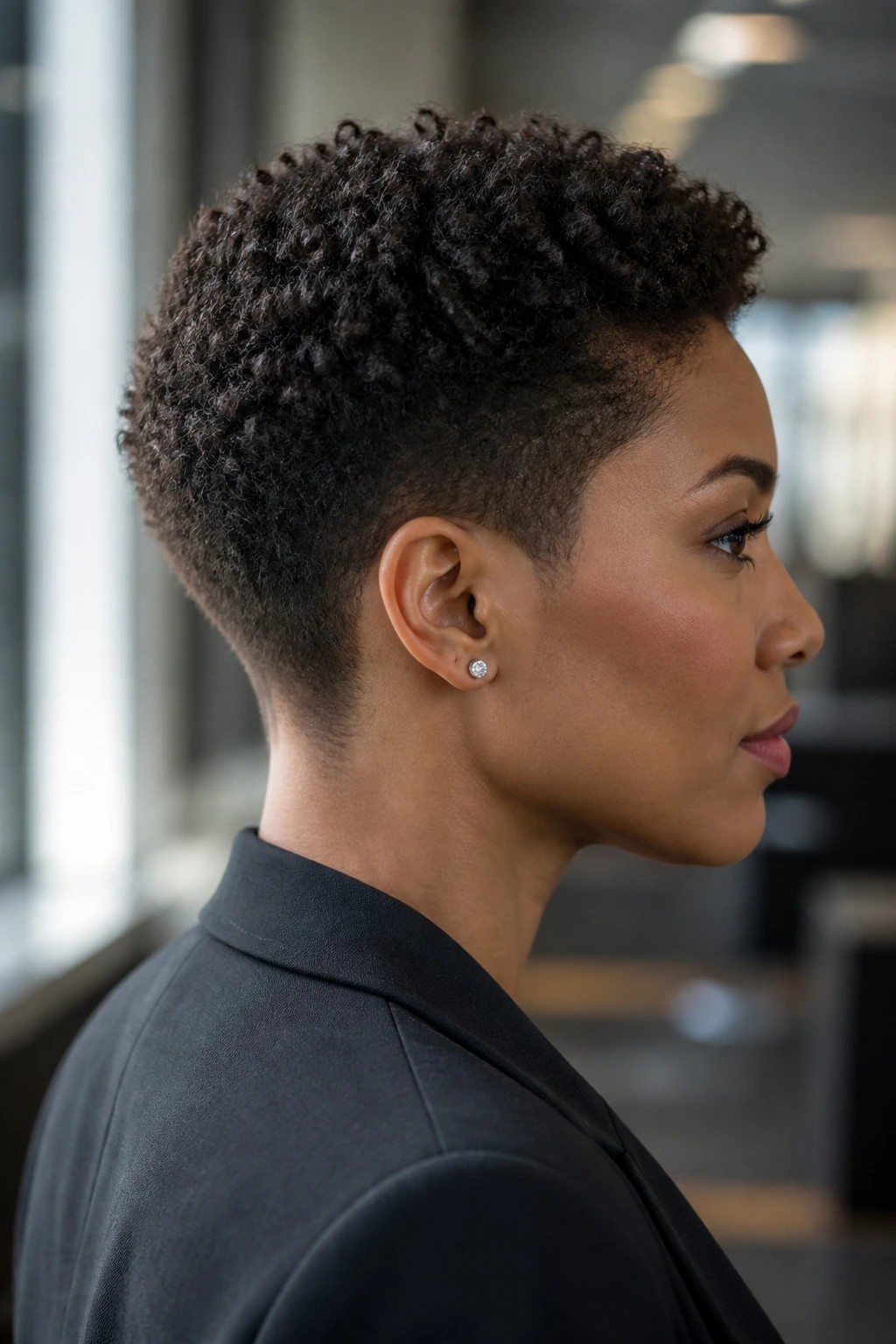
This is the ultimate low-maintenance look. The hair is shortest at the neck and gradually gets longer toward the crown. It creates a sleek, modern line that is very flattering for anyone with 4A or 4B patterns.
Professionalism
Because this cut is so deliberate, it looks “polished” in almost any environment. It’s a great way to wear a very short, natural style while maintaining a very clean, business-appropriate aesthetic.
25. The Twisted Short Style
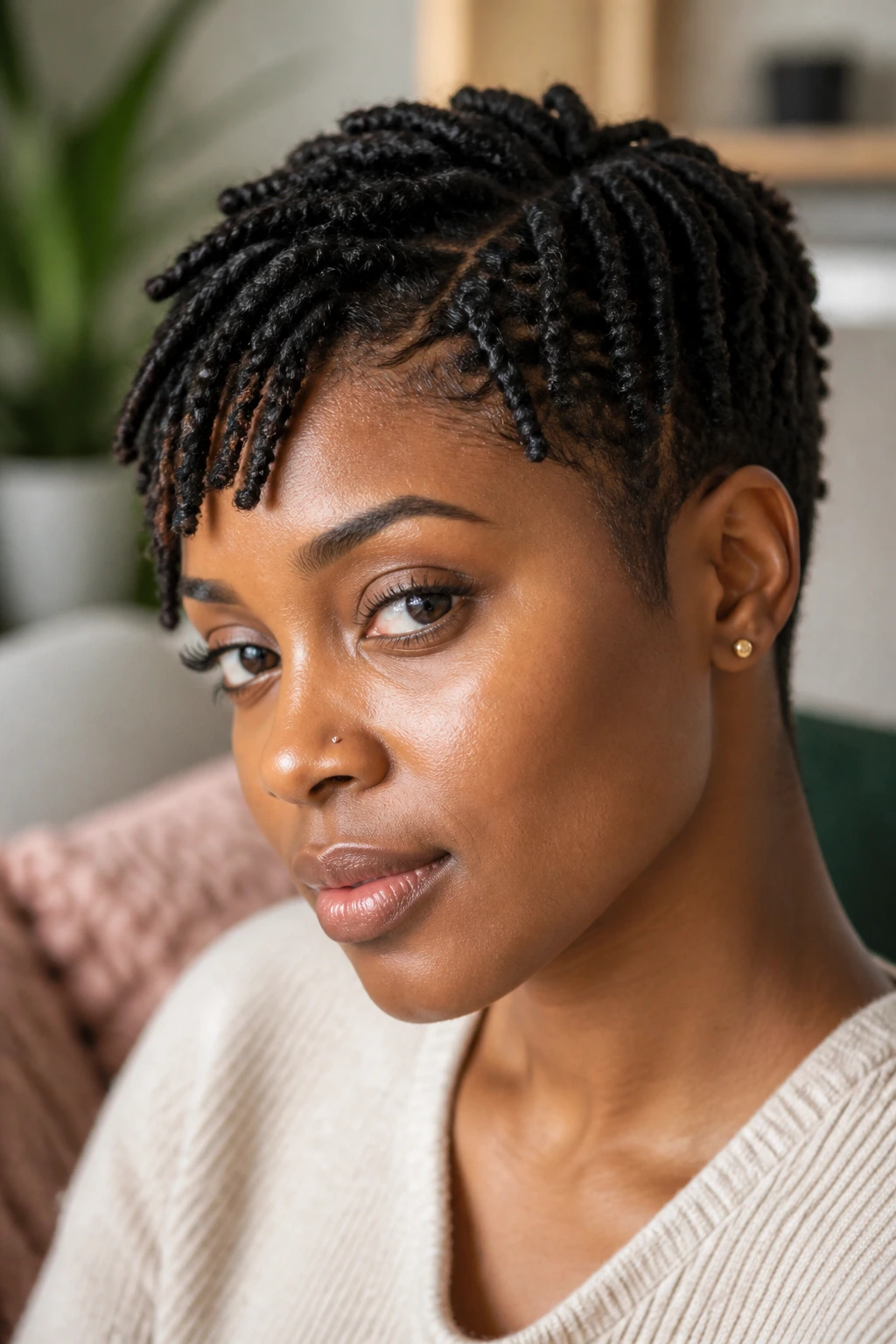
If you have 4C hair, two-strand twists or comb coils on a short cut can add structural longevity. You can wear the twists for a few days, then unravel them for a “twist-out” that lasts for several more days.
Managing Transition
This is the best way to handle hair that is growing out of a very short crop, as it keeps the texture controlled and protected during the growth phase.
26. The Voluminous 3B Crown
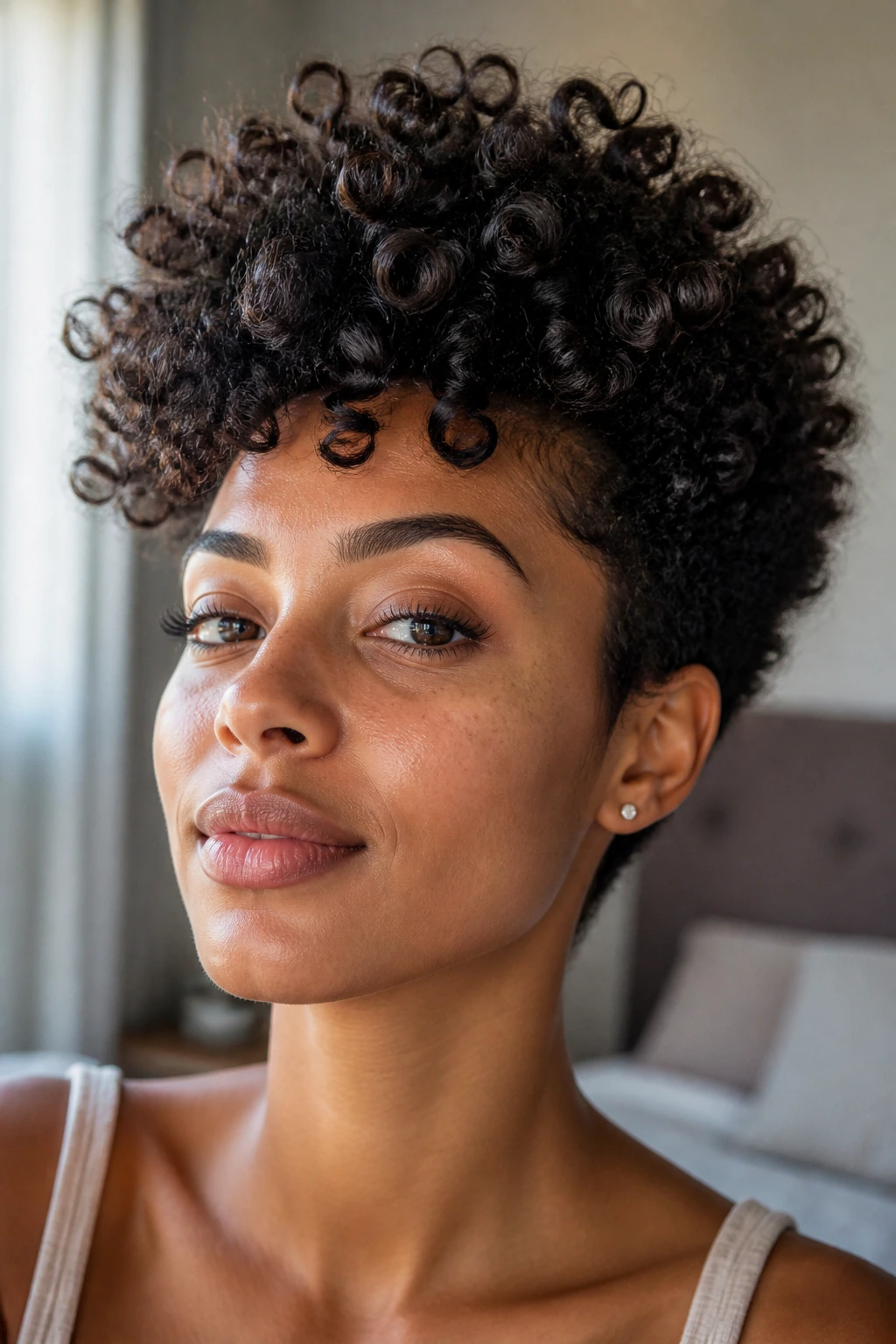
For 3B hair, creating a style that emphasizes height at the crown while keeping the sides slightly tighter creates a regal, balanced appearance.
Building Height
Use a volumizing mousse at the root while the hair is damp. When you dry it, lift the hair at the roots with your fingers to ensure it doesn’t dry flat against the scalp.
27. The Salt-and-Pepper Texture
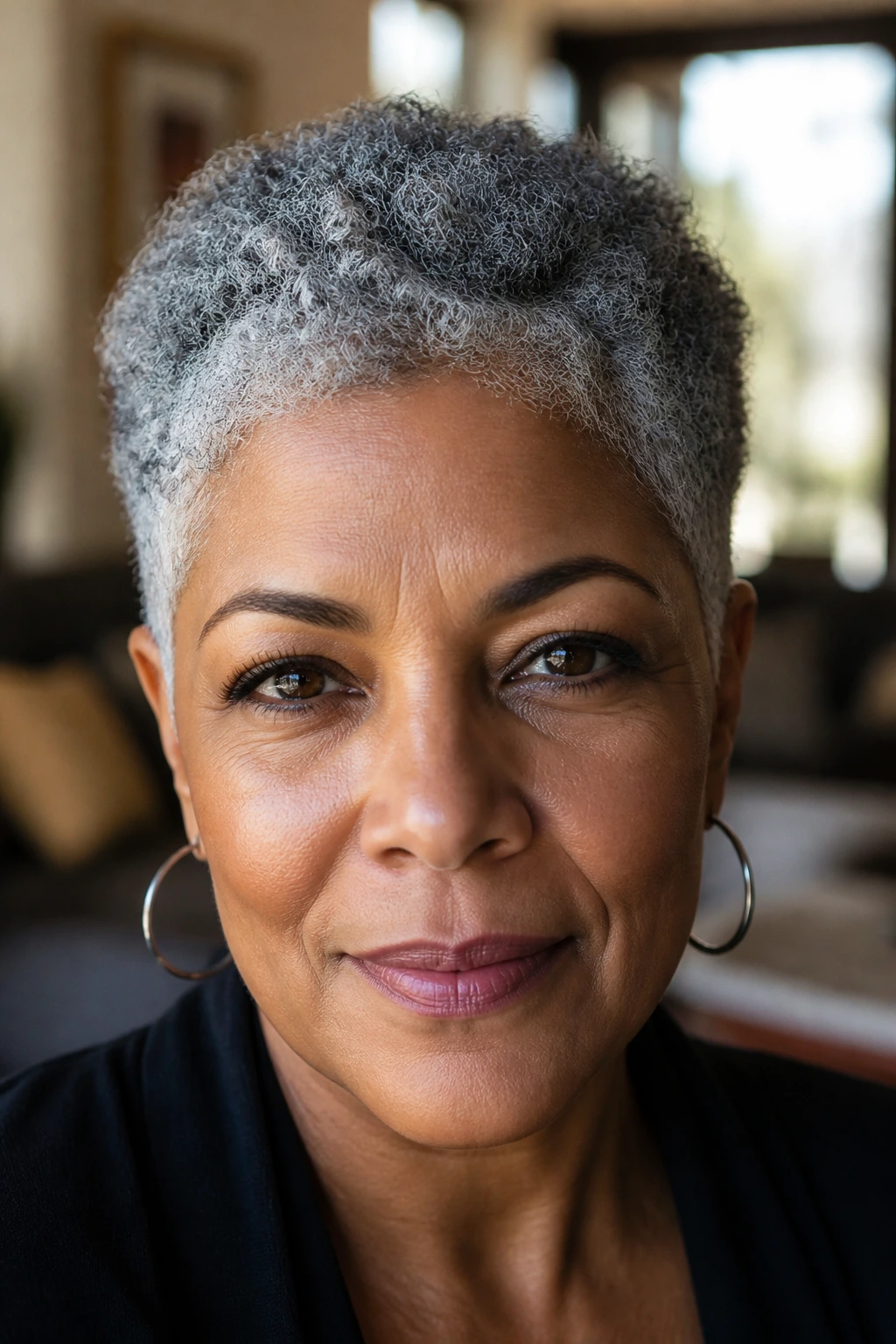
When your hair starts to go gray, the texture often changes—it may become more coarse or springier. Embracing this with a short, tapered cut is a beautiful way to highlight both your natural curls and your natural color.
Moisture Needs
Gray hair is often drier than pigmented hair. Step up your deep conditioning routine to keep that new, coarse texture soft and manageable.
28. The Curly Fringe

Many people with curly hair are afraid of bangs, but a short, curly fringe can be stunning. It draws attention to the eyes and puts your most defined curls right at the front of your face.
Styling the Bangs
You must cut curly bangs while the hair is dry, and never pull them taut. If you stretch the hair while cutting, they will spring back much shorter than you intended. Cut them piece by piece, letting each curl sit naturally before trimming the next.
Wrapping Up
The beauty of short hair lies in its honesty; there is nowhere for the texture to hide. Whether you are rocking a tight, spring-loaded 4C coil or a relaxed, beachy 2A wave, the goal is always the same: hydration, definition, and a cut that respects your pattern rather than fighting it. Once you stop trying to make your hair behave like a texture it simply isn’t, you find that even the “difficult” patterns become your greatest strength. Keep your tools simple, keep your scalp healthy, and never be afraid to go a little shorter to see what your curls are truly capable of doing.