


Curly hair is not just a texture; it is a commitment. If you have spent any time with a coil, a spiral, or a wave, you already know that what works on a Tuesday might be a disaster by Thursday. Managing curls requires a departure from the one-size-fits-all mentality found in mass-market aisles. It is about understanding that your hair—depending on its porosity, density, and pattern—is essentially a delicate ecosystem that demands hydration, protection, and a significant amount of patience. Whether you are rocking tight 4C coils or loose 2C waves, the struggle to keep them bouncy and frizz-free is a shared experience.
Achieving healthy, defined curls is less about finding a miracle product and more about mastering a consistent routine. When you strip away the marketing noise and focus on the fundamental biology of curly hair, you start to see that the goal is always the same: locking in moisture and preventing damage to the hair shaft. Because curly hair has a twisted structure, the natural oils from your scalp struggle to travel down the hair strand, which is why dryness is the most common complaint among curlies. This guide looks at the essential habits that keep curls happy, manageable, and vibrant through every season.
1. Understanding Your Specific Curl Pattern and Porosity
The first step toward manageable hair is knowing exactly what you are working with. Most people fall into a broad categorization—Type 2 (wavy), Type 3 (curly), or Type 4 (coily)—but that is only the beginning. You also need to understand your hair’s porosity, which is how well your hair absorbs and retains moisture. High-porosity hair has lifted cuticles that let moisture in easily but also lose it just as fast, while low-porosity hair has tightly closed cuticles that make it difficult for water to penetrate.
How to Test Your Porosity
- The Float Test: Take a clean, shed strand of hair and drop it into a glass of room-temperature water. If it floats at the top, you likely have low porosity. If it sinks, it is high porosity.
- Why It Matters: Knowing this changes how you shop. Low-porosity hair often needs heat to help conditioners penetrate, while high-porosity hair requires heavier, protein-rich sealants to prevent the moisture from escaping.
- The Feel: High-porosity hair often feels rough to the touch and tends to tangle easily, while low-porosity hair might feel smooth but seems to take forever to air-dry.
2. The Importance of Sulfate-Free Cleansing
Traditional shampoos are formulated with harsh detergents like sodium lauryl sulfate, which create that satisfying, squeaky-clean lather. Unfortunately, that squeak is actually the sound of your hair being stripped of its essential oils. For curly hair, which is already prone to dryness, this is a recipe for disaster. Using a sulfate-free cleanser allows you to remove excess product buildup without leaving your scalp feeling tight or your ends feeling like straw.
Transitioning to Gentle Cleansers
- Look for labels that explicitly say “sulfate-free” or “gentle cleanser.”
- Focus on massaging your scalp with your fingertips rather than scrubbing the mid-lengths and ends of your hair; the suds will clean the rest of your hair as you rinse.
- If you have an active lifestyle, consider a “co-wash” (cleansing conditioner) for midweek refreshes, which keeps the hair hydrated while removing sweat and dirt.
3. Deep Conditioning as a Weekly Ritual
If you treat your hair like a delicate fabric, deep conditioning is the equivalent of a heavy-duty fabric softener. It is not an optional extra; it is the cornerstone of curl health. Deep conditioners are formulated to penetrate the hair shaft more effectively than standard conditioners, delivering moisture, protein, or both, depending on your hair’s needs. Aim for a deep conditioning session at least once a week, ideally using a steam cap or a warm towel to open the cuticles.
Ingredients to Look For
- Humectants: Ingredients like honey, glycerin, and aloe vera, which pull moisture from the air into your hair.
- Emollients: Ingredients like shea butter, jojoba oil, and argan oil that soften the hair and create a protective barrier.
- Proteins: Hydrolyzed wheat or silk proteins help fill in gaps in the cuticle, providing structural strength to curls that have been heat- or color-damaged.
4. Detangling When Wet and Slippery
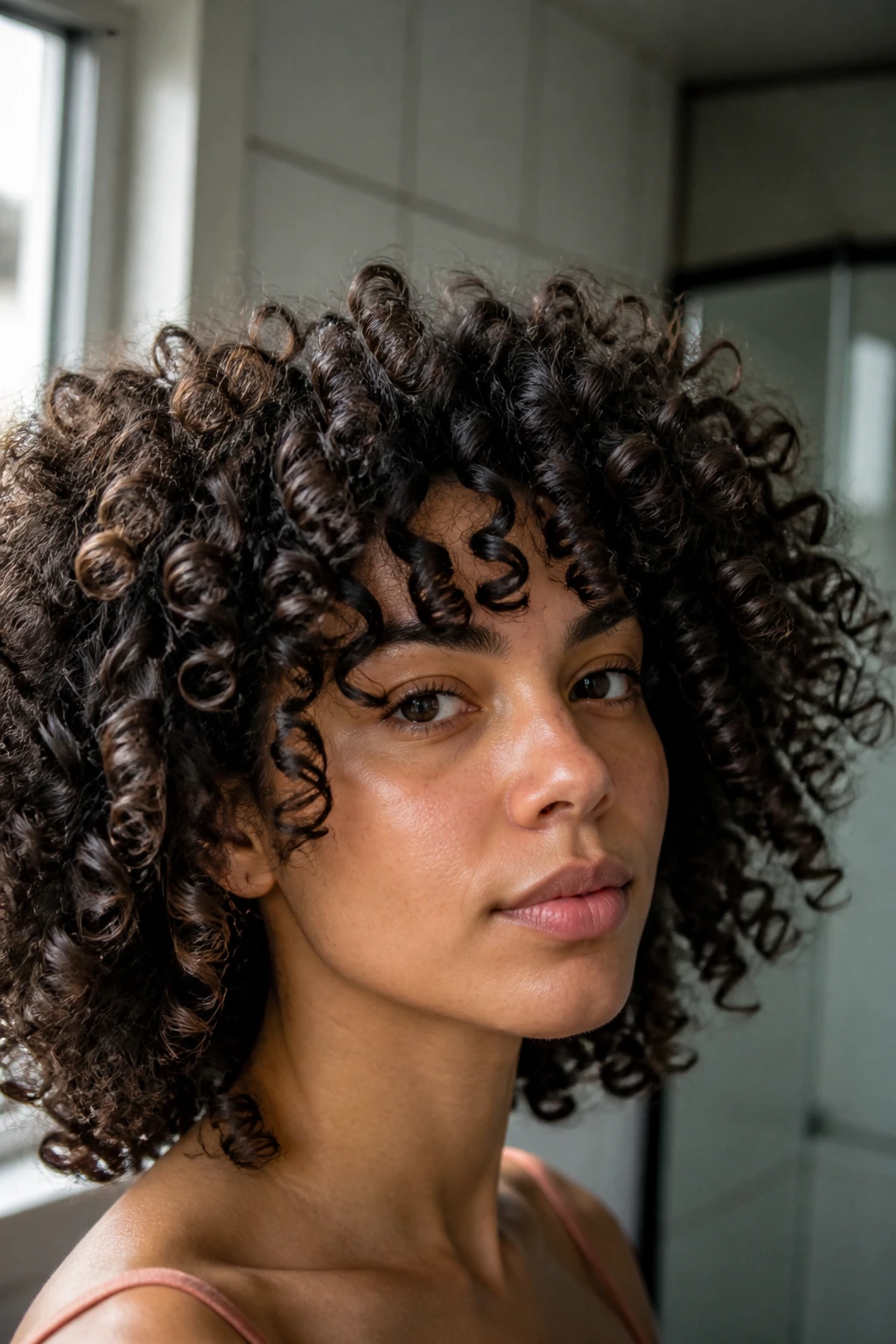
Attempting to detangle dry curly hair is a surefire way to break your hair, create massive frizz, and cause yourself unnecessary pain. The best time to tackle knots is in the shower, while your hair is saturated with conditioner. The conditioner provides “slip,” a crucial quality that allows your fingers or a wide-tooth comb to glide through your curls without hitting resistance. Start from the ends and work your way up to the roots to minimize breakage.
The Right Tools for the Job
- Fingers: Always the safest tool. You can feel a knot before you rip through it.
- Wide-Tooth Combs: Excellent for distributing conditioner evenly throughout the hair.
- Denman Brushes: Popular for styling, but use caution; these are best for defining curls when wet rather than aggressive detangling.
5. Avoiding the Towel Friction Trap
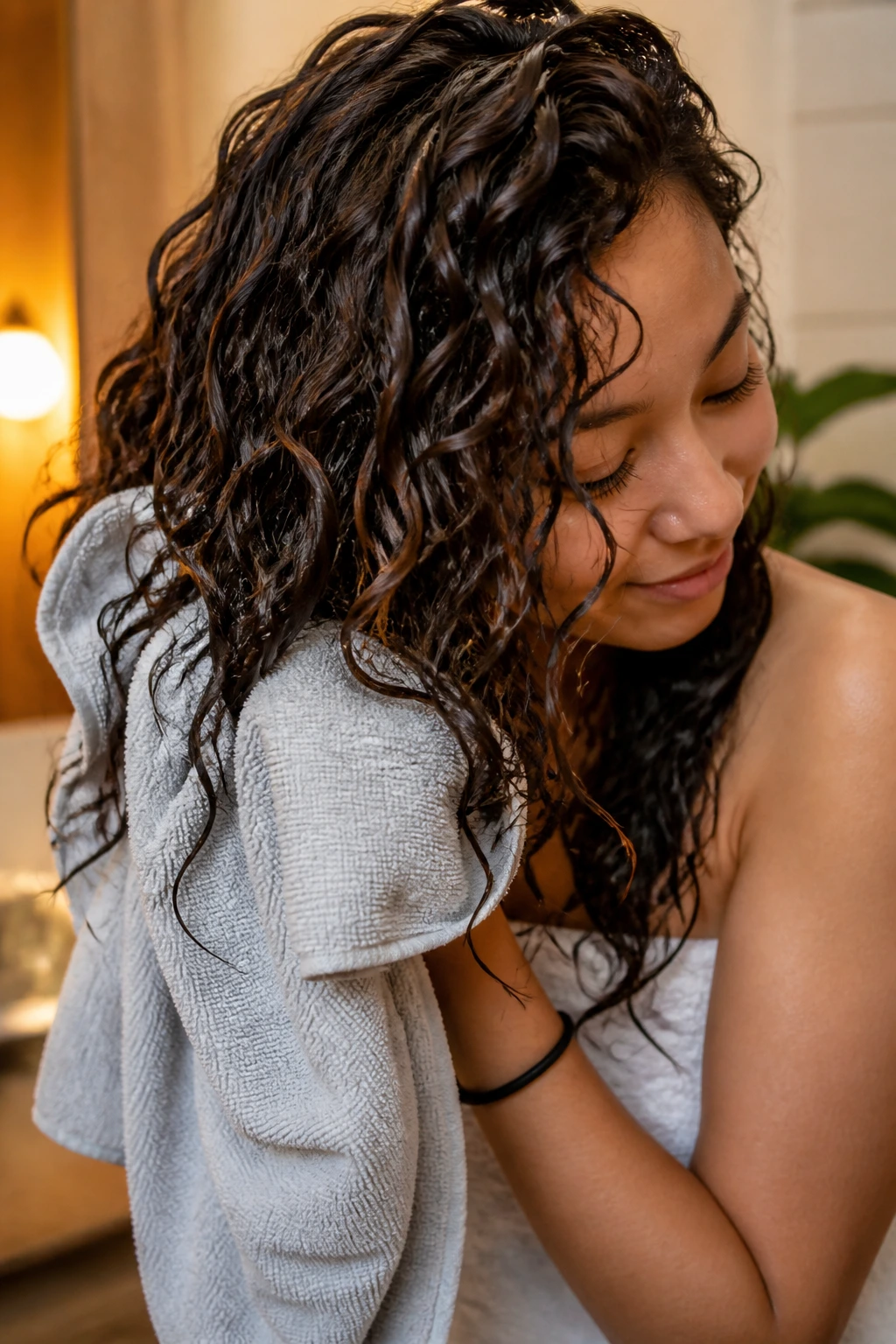
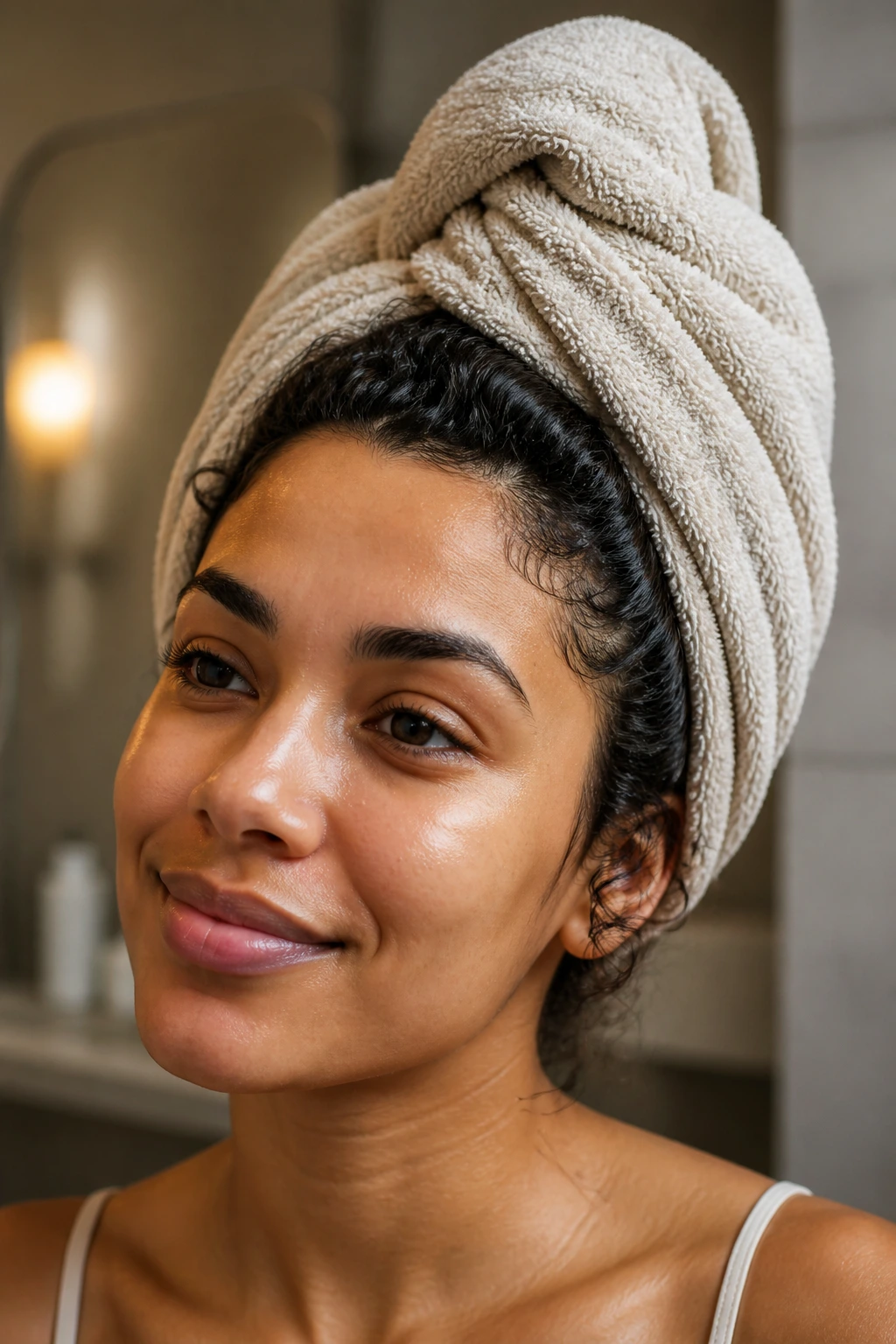
Standard cotton towels are the silent enemies of curly hair. The looped texture of a typical bath towel creates massive amounts of friction, which roughs up the hair cuticle and leads to significant frizz the moment you start drying. Instead, switch to a microfiber towel or an old, soft cotton T-shirt. These materials are much gentler, absorbing excess water without pulling at your curl pattern.
The “Micro-plopping” Technique
- After applying your styling products, gently scrunch your hair with a microfiber towel to remove excess moisture.
- Keep the motion light and upward toward the scalp to encourage the curl formation.
- Avoid rubbing your hair aggressively at all costs; the goal is to squeeze, not to wipe.
6. Mastering the “Squish to Condish” Method
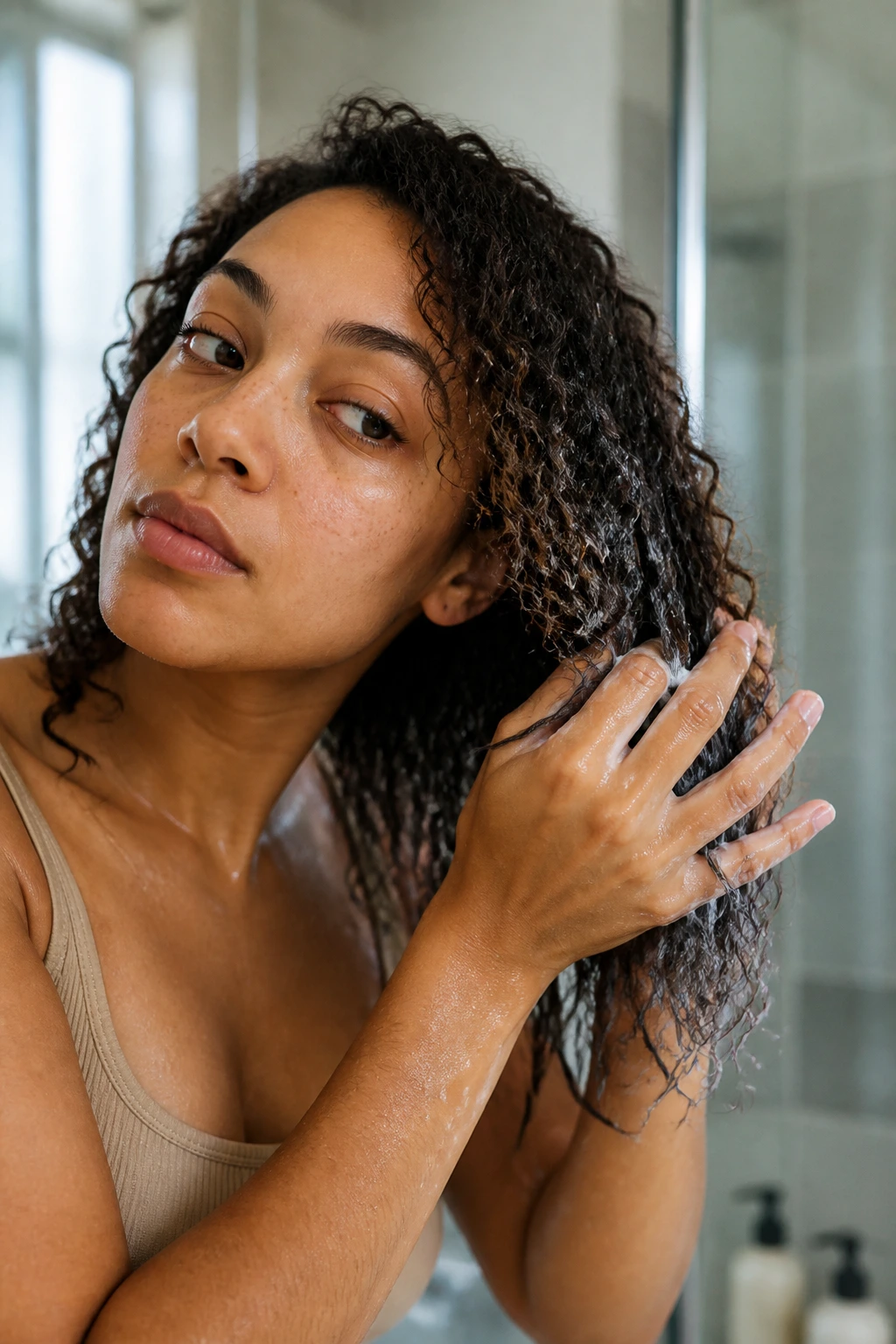
This technique involves applying conditioner and then adding water to the hair, literally “squishing” the mixture into the curls until you hear a squelching sound. It ensures that the water and conditioner are fully integrated into every strand. The extra water helps lock in hydration, while the rhythmic squishing action helps form uniform, bouncy clumps of hair rather than individual frizzy strands.
Why This Works
- It provides a visual cue that your hair has enough moisture.
- It encourages the hair to clump together, which leads to better definition once dry.
- The sound—the squish—is literally the sound of hydration entering the hair shaft.
7. Applying Products to Soaking Wet Hair
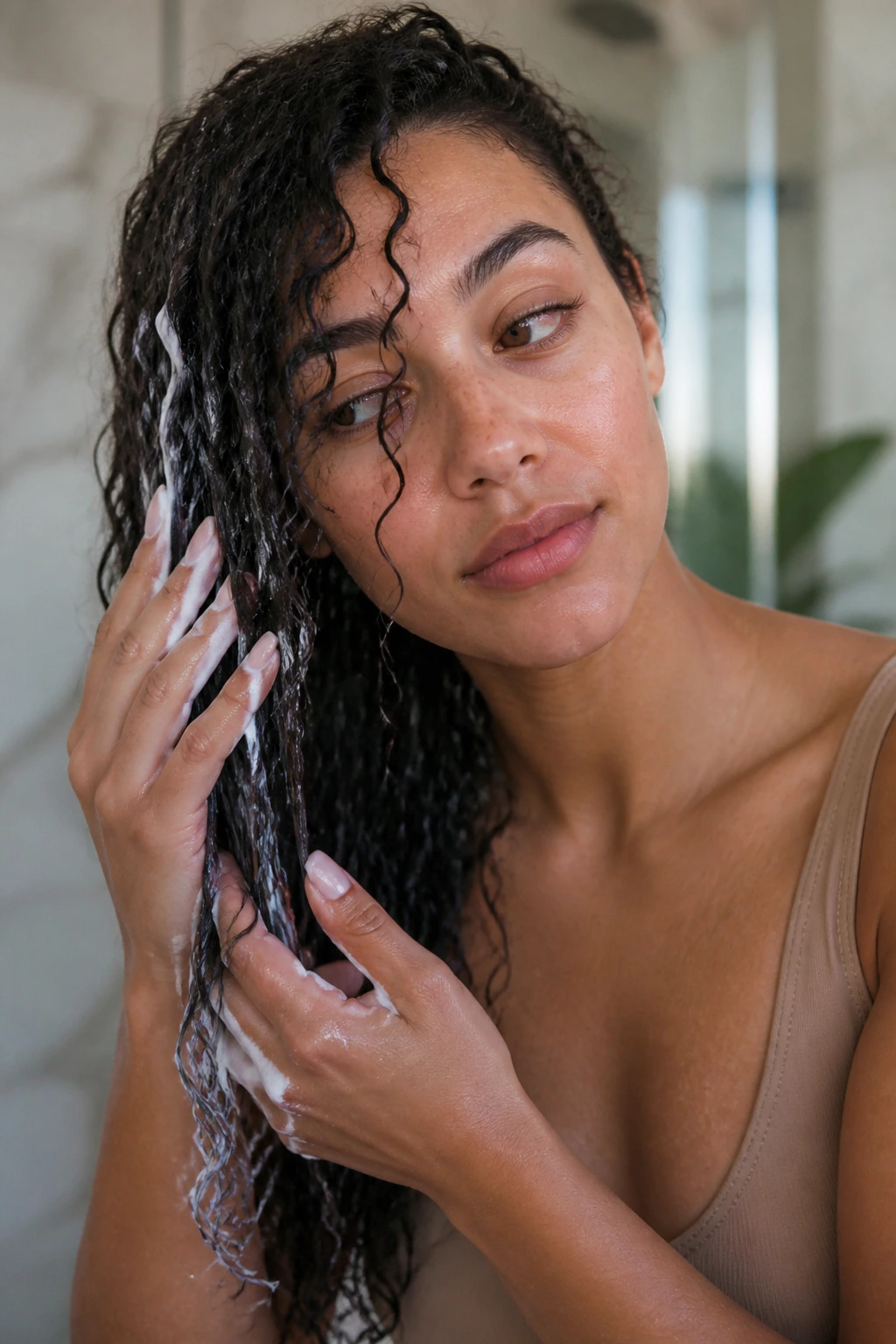
One of the most common mistakes beginners make is waiting for their hair to be damp or towel-dried before applying styling creams and gels. By applying your leave-in conditioner and styling products while the hair is still dripping wet, you trap the water inside the curl. This is the secret to avoiding the “crunchy” look while still getting strong definition. It keeps the hair hydrated for longer, meaning your style will last for several days.
Order of Operations
- Apply your leave-in conditioner first to provide a moisture base.
- Layer on your curl cream or custard to define the pattern.
- Finish with a gel or mousse to create a “cast” that locks the style in place.
- Do not touch your hair until it is completely dry; touching wet curls is the fastest way to invite frizz.
8. The Benefits of Protective Night Styling
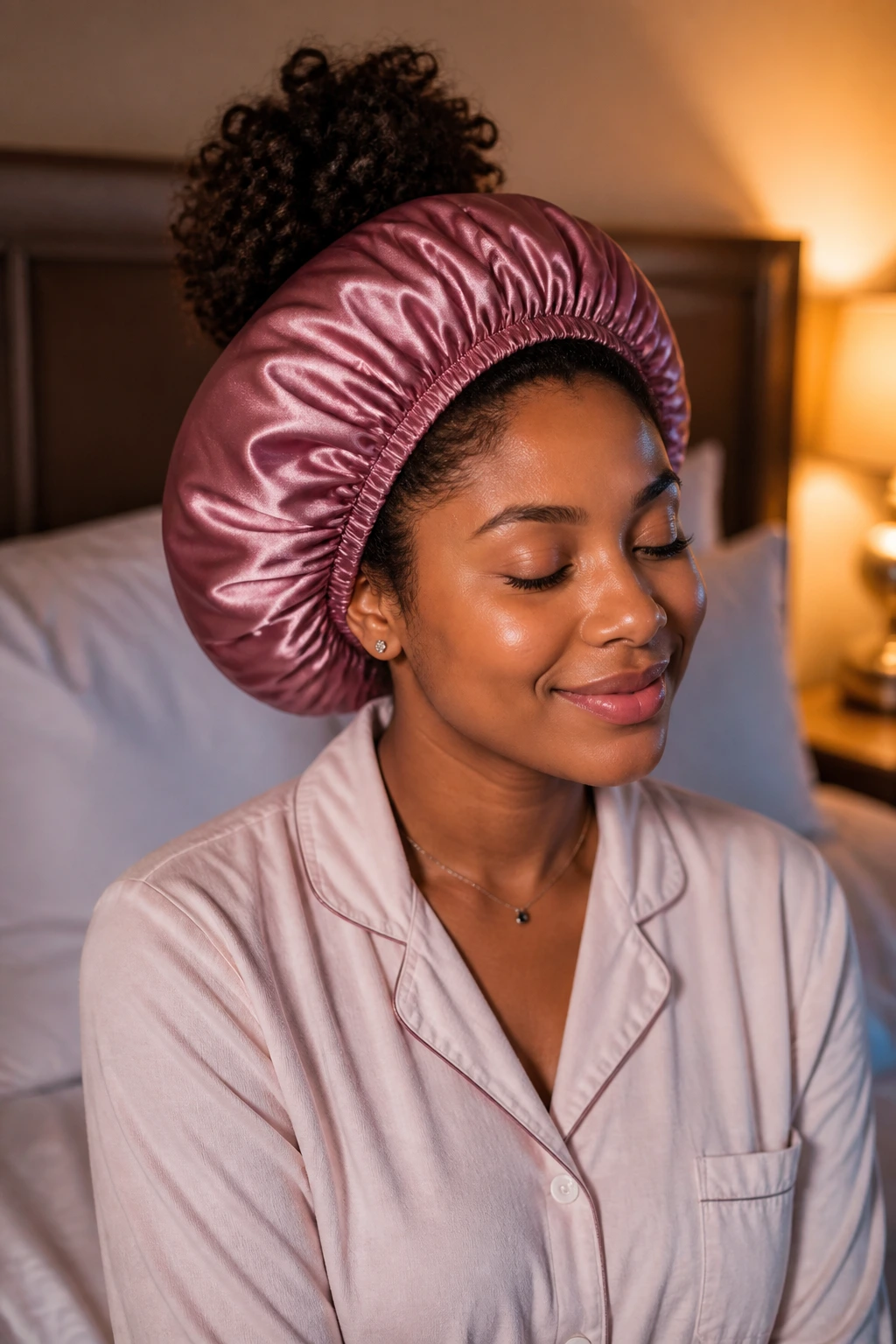
Unless you have a silk pillowcase, your hair is likely suffering while you sleep. The friction of a standard cotton pillowcase can lead to morning bedhead and broken strands. Many curlies swear by the “pineapple” method, where you gather your hair into a very loose, high ponytail at the crown of your head before bed. Pair this with a silk or satin bonnet, and you will wake up with your curls almost as defined as they were the night before.
Why Satin and Silk Matter
- Unlike cotton, which absorbs moisture, silk and satin are non-porous.
- They allow your hair to slide against the surface rather than catching and pulling.
- A satin bonnet keeps your curls contained, preventing them from being crushed or tangled throughout the night.
9. Diffusing for Volume and Shape
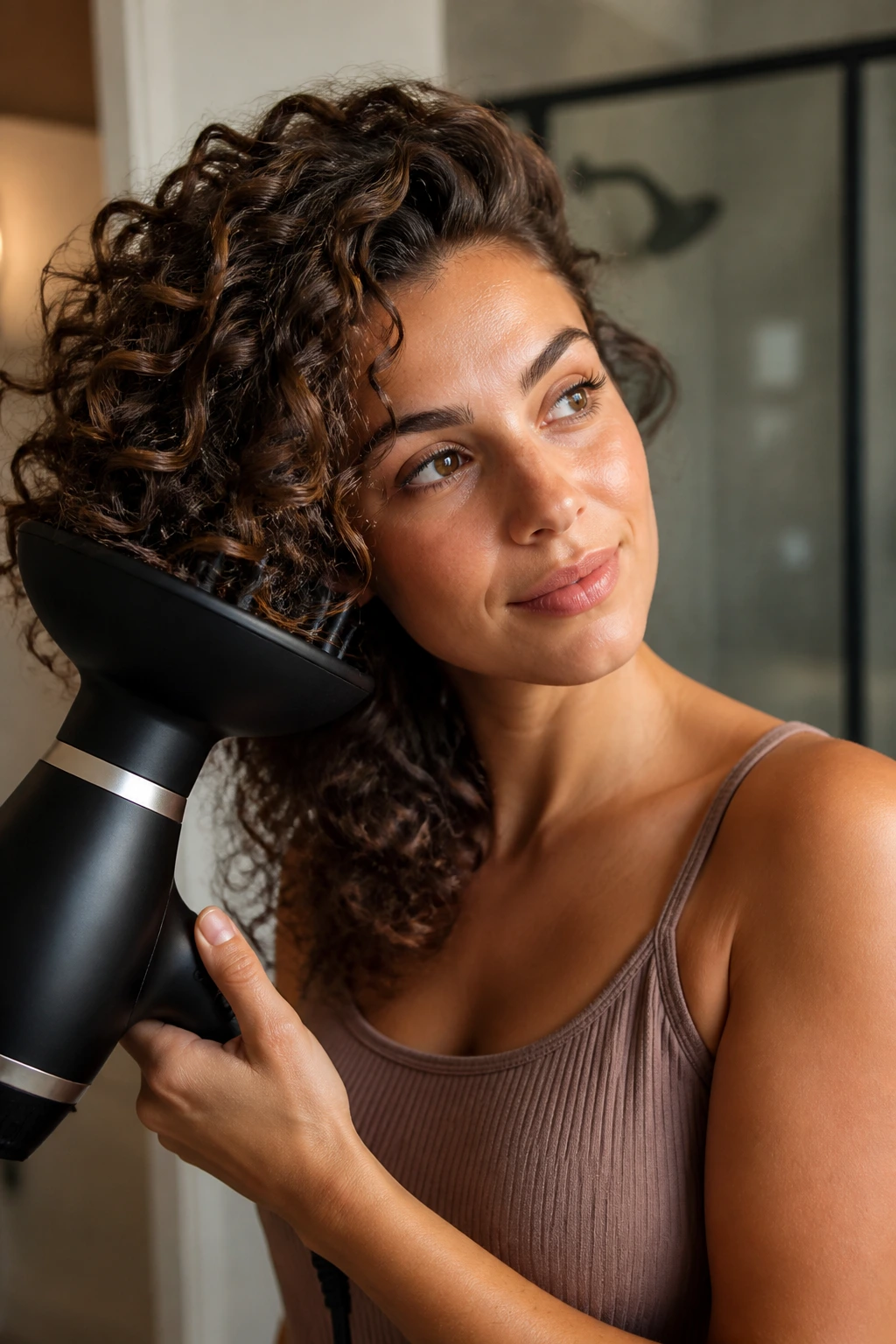
Air-drying is great if you have the time, but for those who want extra volume and a faster drying process, a diffuser is essential. A diffuser is an attachment for your blow dryer that disperses the air, preventing the harsh, direct blast that blows curls apart and creates a chaotic frizz ball. When using a diffuser, use a low heat setting and a low speed to mimic the natural air-drying process while cutting the time in half.
Tips for Better Diffusion
- Hover the diffuser around your roots first to create volume.
- Gently place sections of your hair into the “bowl” of the diffuser and lift them toward your scalp.
- Keep your head tilted or upside down for maximum root lift.
10. The “Cast” and How to Break It
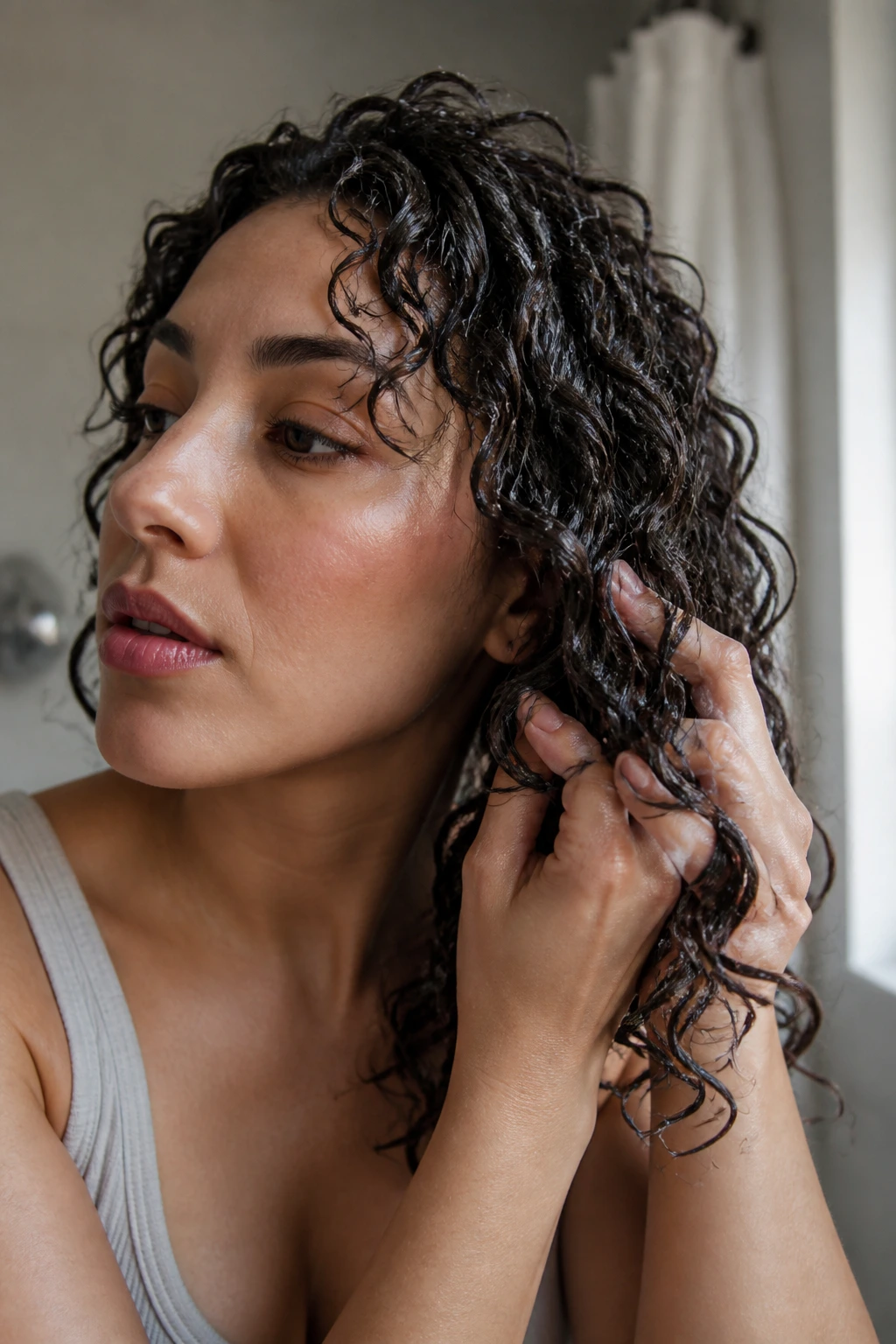
Many people are afraid of gels because they fear the crunchy, stiff result. However, that crunch is actually a “cast.” It is the protective seal that holds your curl pattern together while the hair dries. Once your hair is 100% dry, you should gently scrunch your hair with your hands—or a silk scarf—to break that cast. You will be left with soft, bouncy, and perfectly defined curls that last for days.
Signs the Cast is Ready to Break
- Your hair feels stiff and looks slightly wet or shiny.
- You can hear a faint crunching sound when you squeeze a section.
- If you break the cast while the hair is still even slightly damp, you will likely cause frizz, so wait until you are absolutely certain the hair is fully dry.
11. Trimming Regularly to Prevent Split Ends
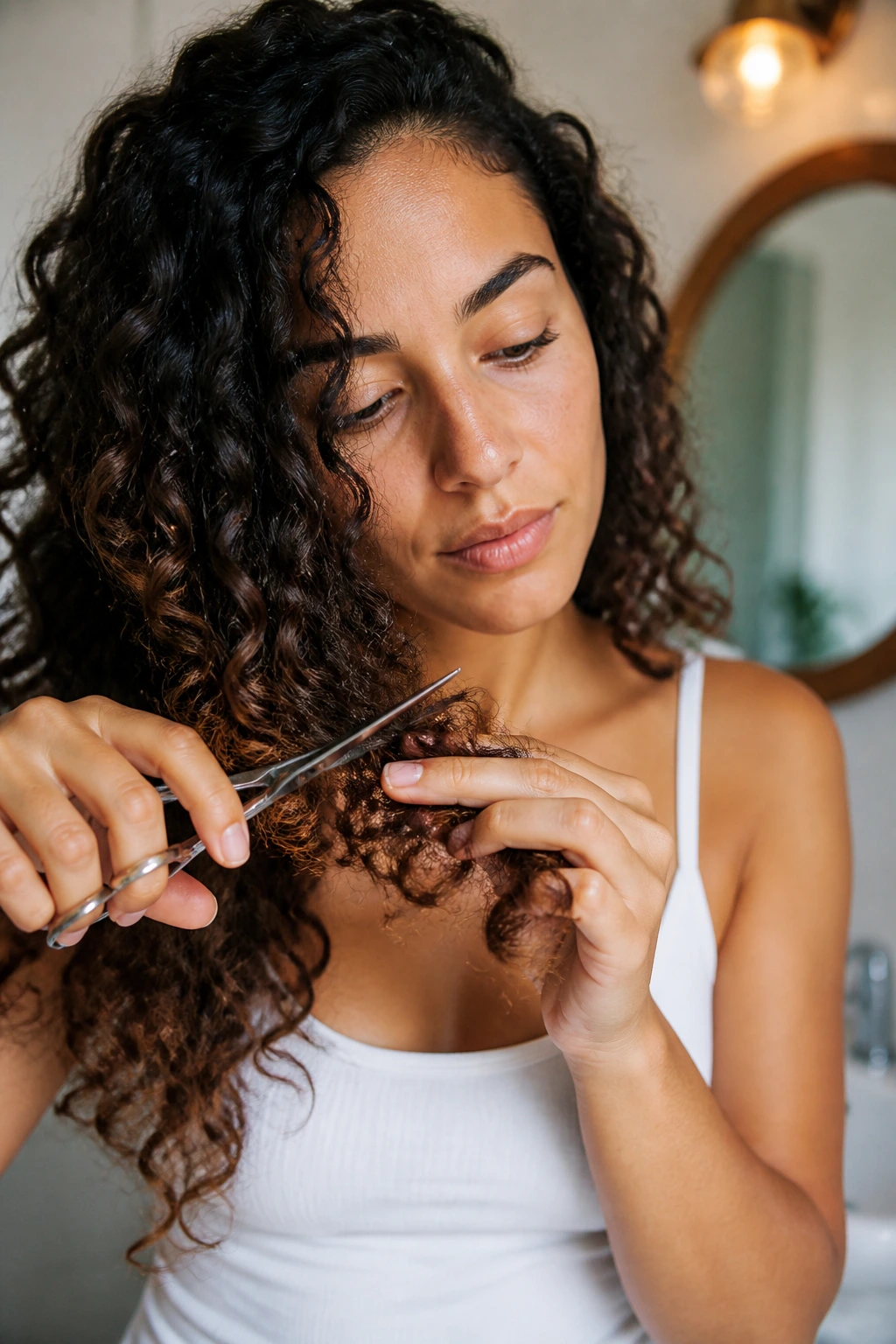
Curly hair hides damage well because the texture masks the ends. Unfortunately, split ends do not stay at the bottom; they climb up the hair shaft, causing more breakage and making the hair look thinner and less healthy. A professional trim every 3 to 4 months is necessary to keep your curls looking fresh. If you notice your curls losing their shape or getting tangled at the ends, it is usually a sign that you are overdue for a cut.
Curly Cut Considerations
- Seek out a stylist who specializes in curly hair.
- These professionals often cut hair dry, which allows them to see exactly how each curl sits and bounces.
- A dry cut ensures that you don’t end up with a shape that looks different once your hair shrinks back to its natural, curly state.
12. Avoiding Excessive Heat Styling
Heat is the enemy of the curl pattern. Regularly using flat irons or high-heat blow dryers can permanently alter the structure of your hair, leading to “heat damage” where the curl relaxes and becomes straight or frizzy. If you must use heat, always, always, always apply a high-quality heat protectant spray first and keep the temperature setting low. Ideally, limit heat styling to special occasions.
The Damage Signals
- Straightened ends that won’t curl back up even when wet.
- A rough, dry, or “fried” texture at the ends of your hair.
- A noticeable change in curl pattern—going from tight coils to loose, limp waves.
13. Ingredients to Avoid for Curly Hair
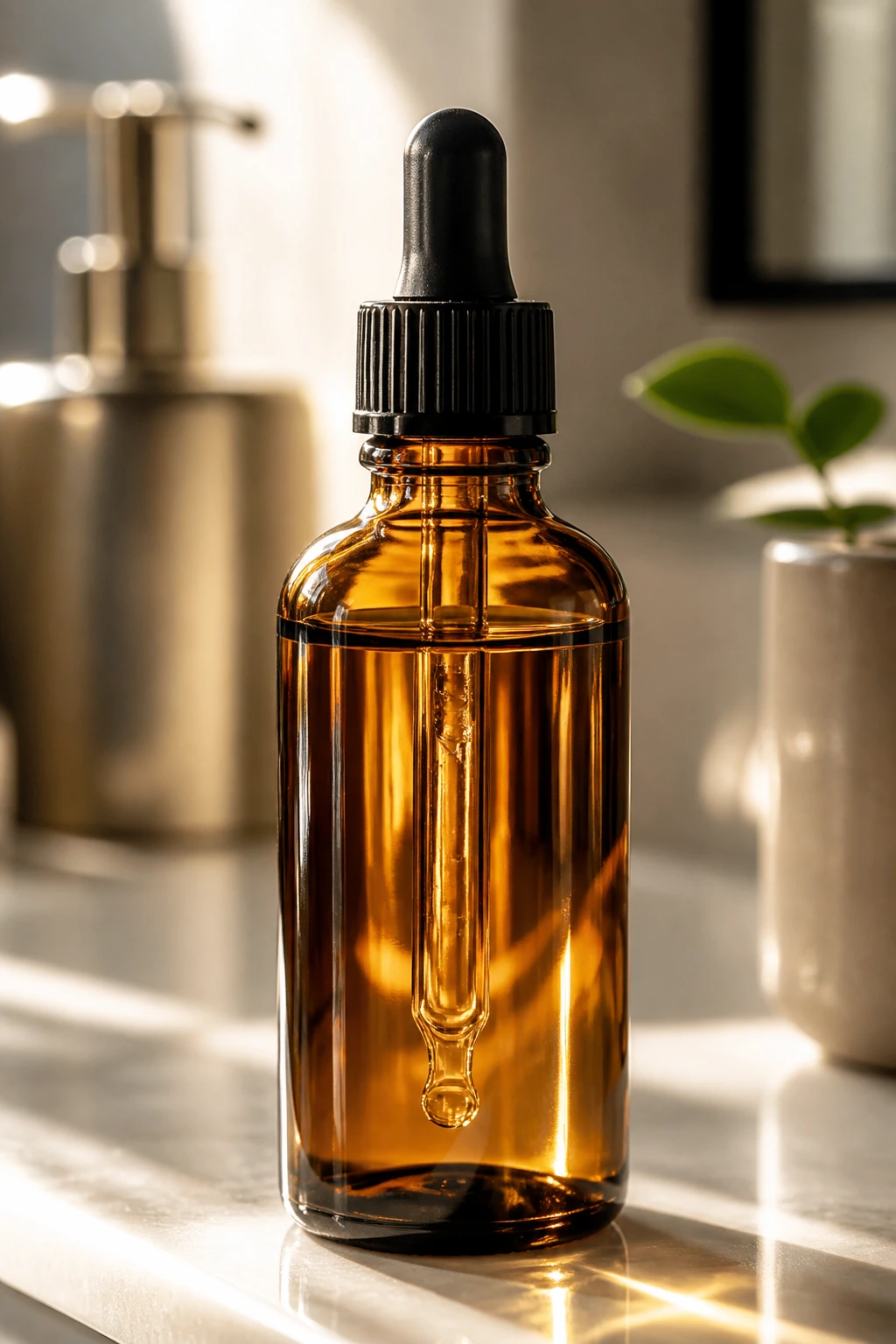
Just as some ingredients are holy grails, others are absolute no-gos. Ingredients like drying alcohols (often listed as isopropyl or denatured alcohol) can strip moisture instantly. Heavy silicones are also a common issue for some; they can make hair look shiny initially, but they aren’t water-soluble, meaning they build up over time and block moisture from entering the hair shaft. This leads to dry, brittle hair that no amount of conditioner can fix.
Common Offenders
- Sulfates (SLS, SLES).
- Non-water-soluble silicones (like dimethicone).
- Drying alcohols (isopropyl alcohol).
- Mineral oil or petrolatum, which can be difficult to remove and weigh fine curls down.
14. Managing Frizz with Humectant Balance
Frizz is often just a curly hair issue, but it is also a moisture issue. In high-humidity environments, your hair sucks up excess moisture from the air, causing the hair shaft to swell and the curl pattern to disrupt. In dry environments, your hair loses its moisture to the air. Finding the right balance of humectants in your styling products is key to maintaining a “frizz-conscious” routine that adapts to your environment.
The Humidity Strategy
- In very humid weather, avoid high-glycerin products.
- Opt for “anti-humectant” stylers, which include film-forming ingredients that seal the hair against outside moisture.
- A little bit of frizz is perfectly normal and adds to the natural, voluminous look of curls—don’t let it stress you out too much.
15. The Benefits of Refreshing Mid-Week
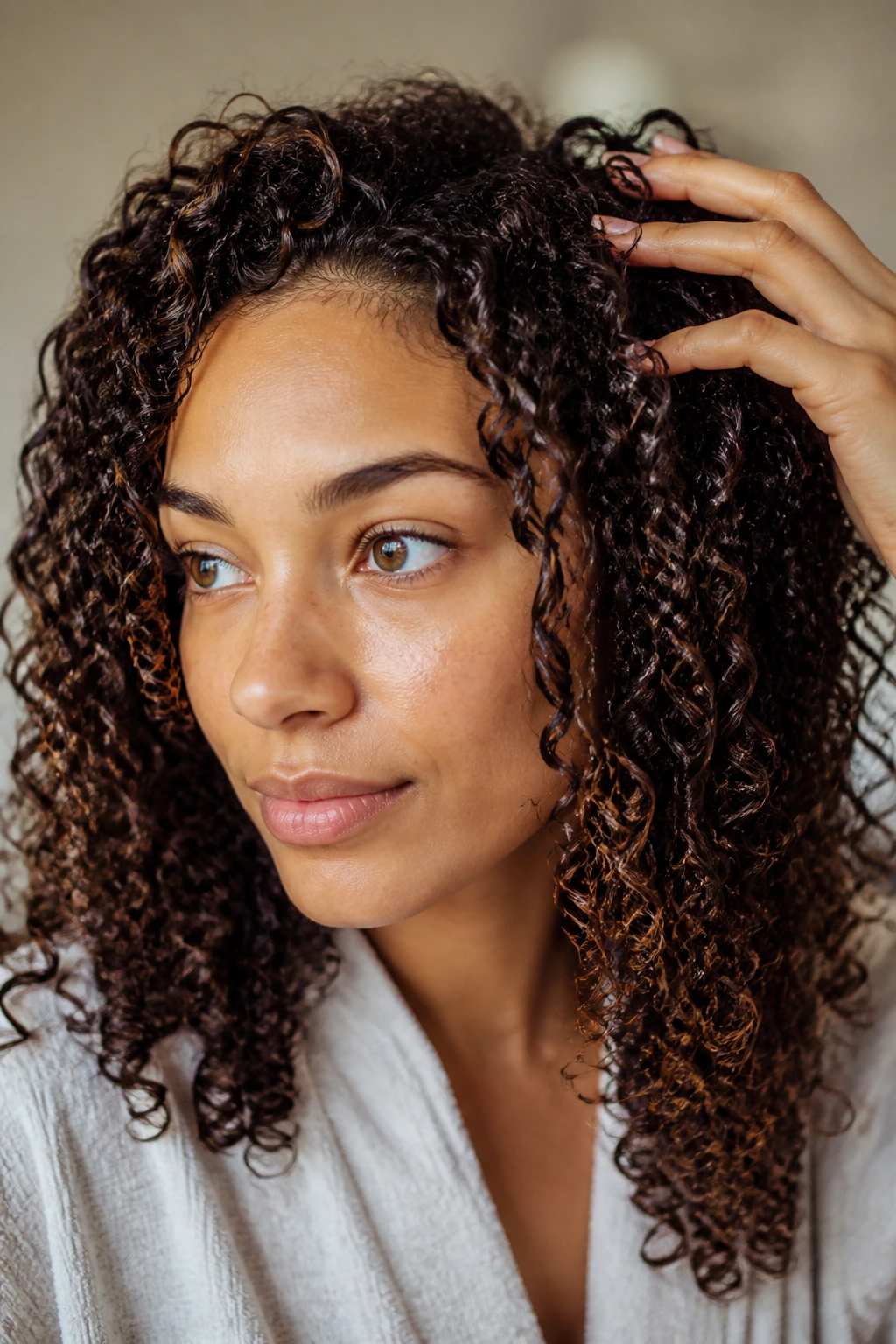
One of the best parts about curly hair is that you don’t have to wash it every day. You can easily extend your style by refreshing it. A simple refresh involves misting your hair with a spray bottle containing water and a tiny bit of leave-in conditioner. You then gently finger-coil any frizzy sections and let them air-dry or diffuse for a few seconds. This resets the shape without the need for a full wash day.
Quick Refresh Techniques
- Dampen your hands and smooth them over the top layer of your hair to calm flyaways.
- Focus on the pieces framing your face, as those tend to lose their shape the fastest.
- Avoid over-saturating the hair, or you will create more frizz than you started with.
16. Protecting Your Hair During Exercise
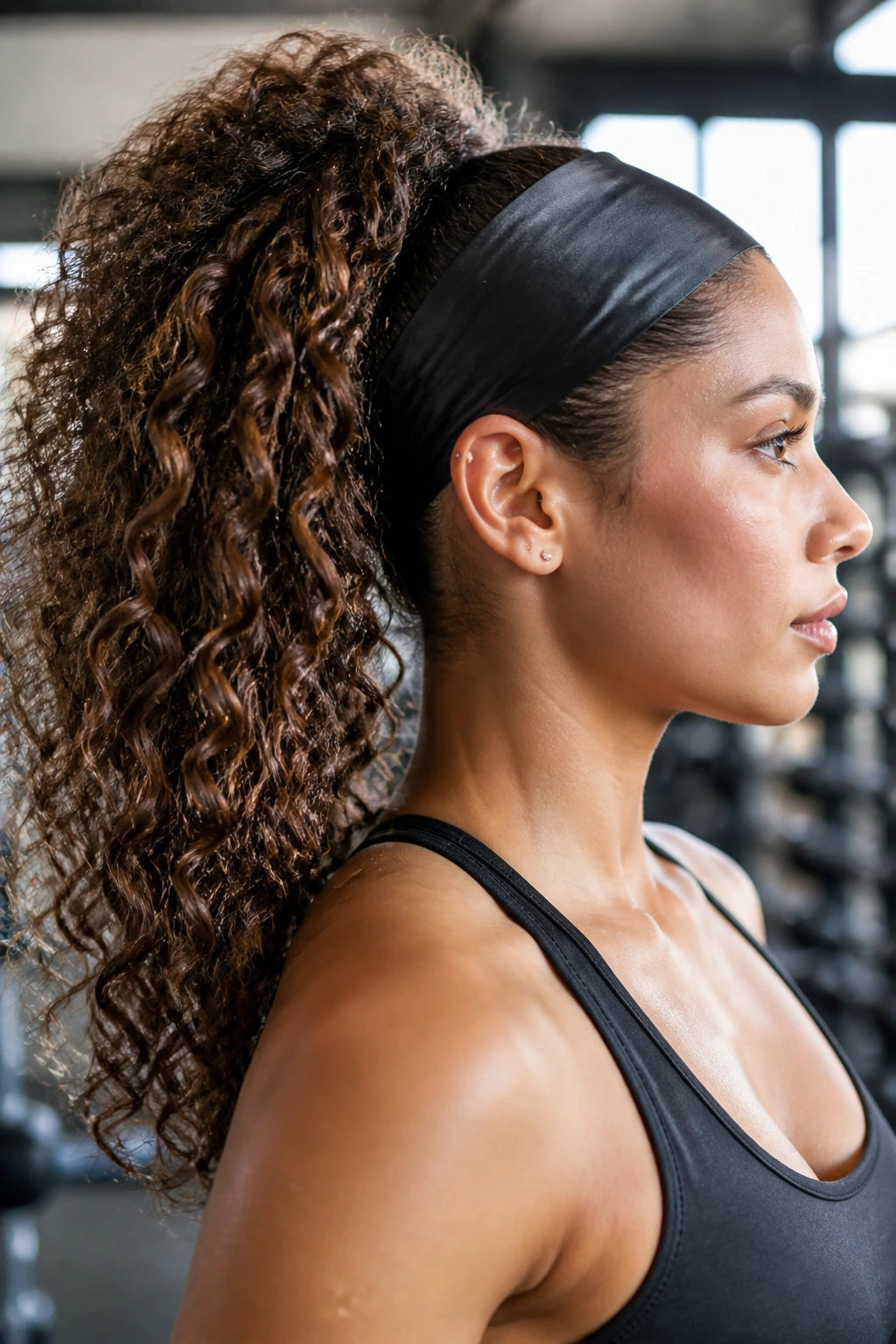
Sweat is salty, and salt is inherently drying. If you are an athlete or workout frequently, you likely struggle with the “to wash or not to wash” dilemma. For light workouts, a dry shampoo or a simple spritz of water and essential oil can work. For intense sweating, a quick co-wash or rinse is better to remove the salt buildup that can irritate the scalp and dry out the hair.
Post-Workout Tips
- Always tie your hair up with a fabric-covered scrunchie to prevent breakage at the ponytail base.
- If you are doing floor work, try to keep your hair off the ground to avoid friction against mats or carpet.
- A silk or satin-lined headband can help absorb sweat without pulling on your hairline.
17. The Role of Protein-Moisture Balance

Your hair needs both protein and moisture to stay healthy. Moisture gives the hair elasticity and softness, while protein gives it strength and structure. If your hair feels “mushy” or loses its pattern when wet, it likely needs protein. If it feels brittle, straw-like, and breaks easily, it likely needs moisture. Balancing these two elements is a bit of a trial-and-error process, but it is the secret to strong, bouncy curls.
Balancing Act
- A deep conditioning treatment once a week is usually enough to keep the balance.
- Rotate between hydrating masks and protein-heavy treatments if you color or bleach your hair.
- Observe your hair: if it’s feeling limp, reach for a protein-rich mask; if it’s feeling like dry hay, reach for a moisture-heavy mask.
18. Choosing the Right Styling Products
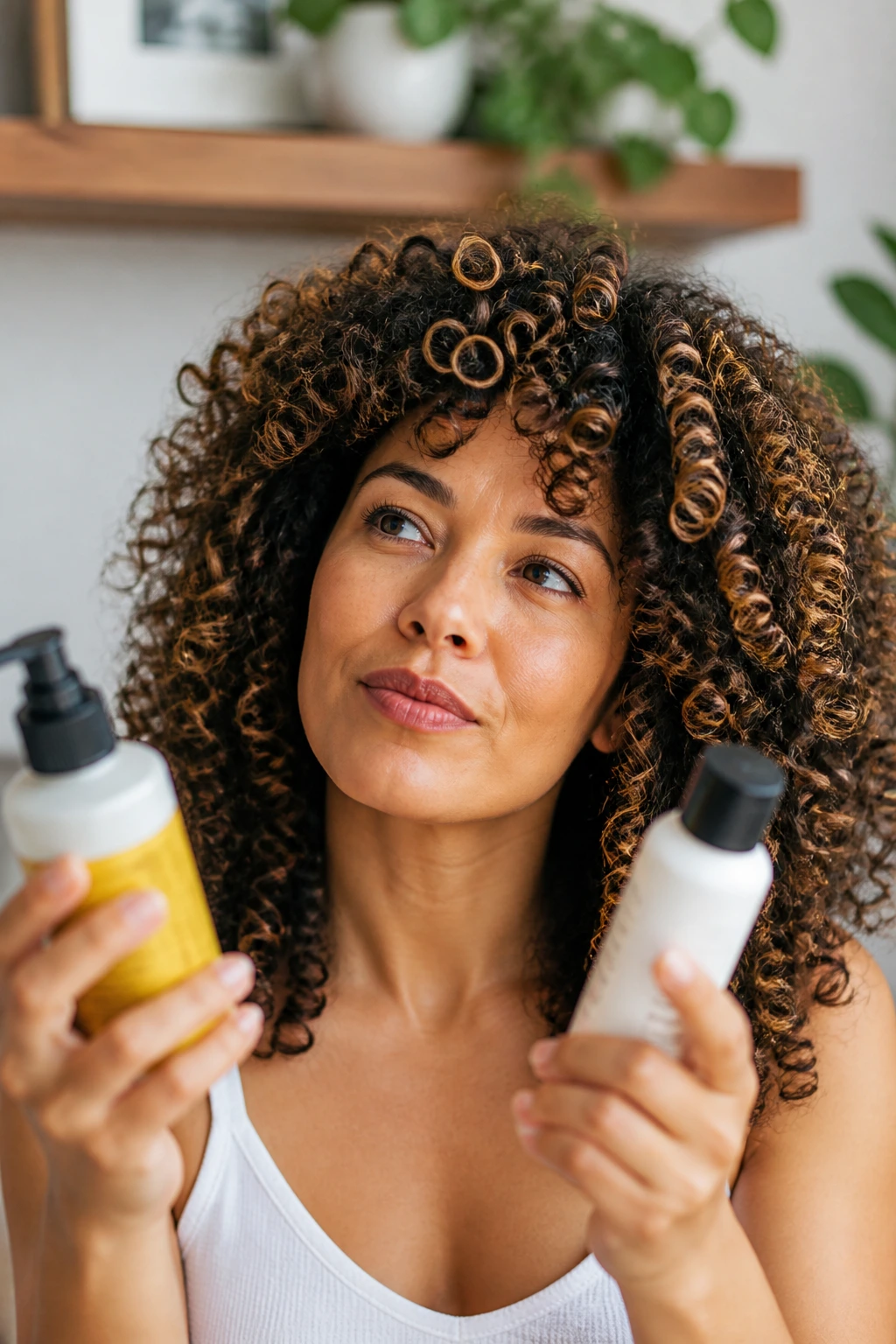
Not every product is created equal, and what works for a friend might leave your hair weighed down and greasy. The density of your hair—whether it’s fine or coarse—dictates the weight of the products you should use. Fine curls usually need lightweight mousses and sprays, while thick, coarse curls can handle heavy butters, thick creams, and oils. Always buy travel sizes first to test a product before committing to a full-size bottle.
How to Test
- Apply the product to one small section of hair first.
- Wait for it to dry completely.
- See how your hair feels—does it feel soft, is the curl defined, or is it sticky and heavy?
19. Using Oils for Sealing and Shine
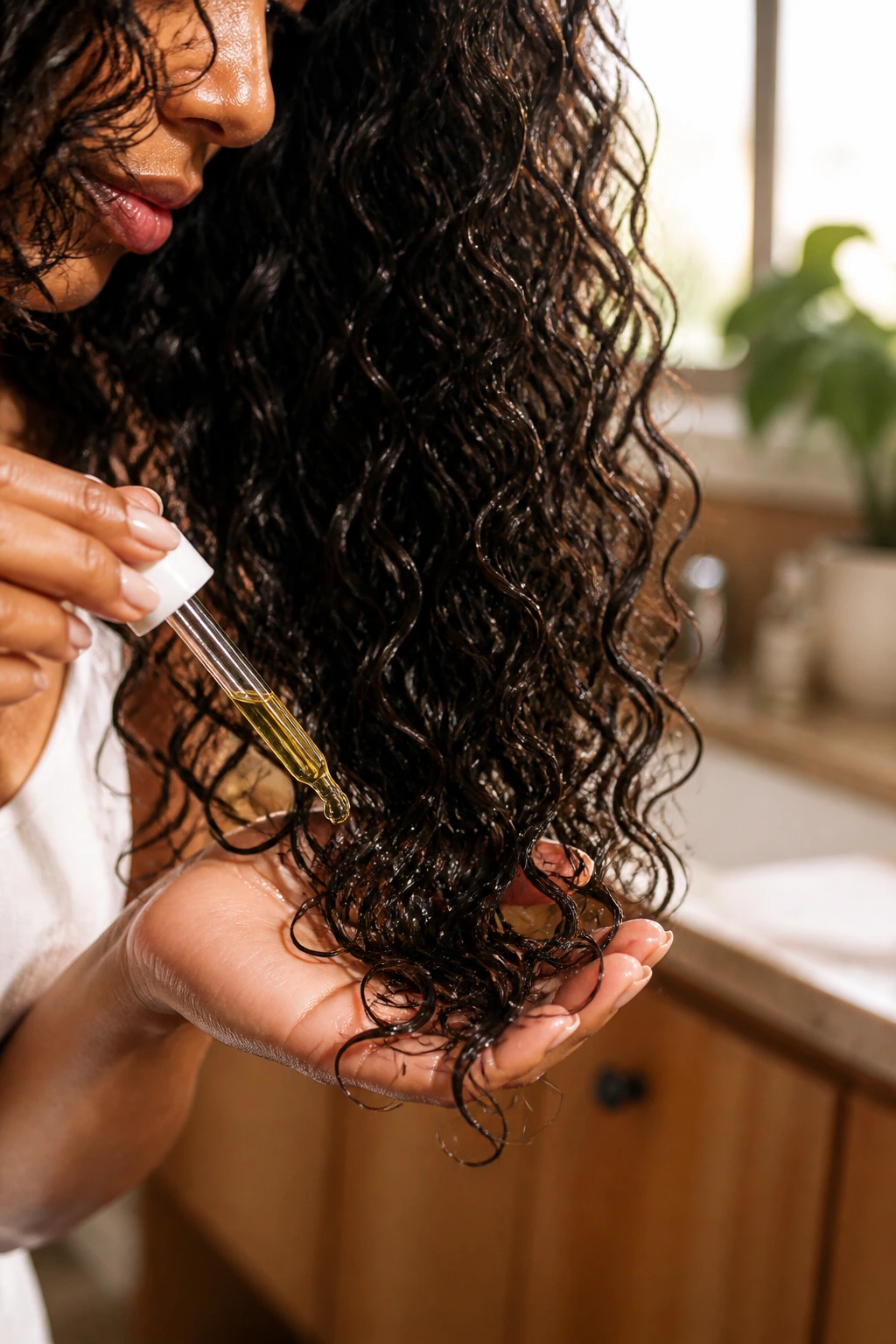
Oils are a fantastic finishing touch for curly hair, but they should generally be the last step. Because oils are hydrophobic, they seal moisture into the hair. If you put oil on before your water-based products, you are essentially preventing the moisture from getting in. Apply a few drops of jojoba or almond oil to your palms, rub them together, and scrunch them into the ends of your hair once it is dry to add shine and softness.
Selecting Your Oils
- Jojoba oil: Very similar to the natural sebum produced by your scalp, making it an excellent choice for most hair types.
- Argan oil: Great for adding shine and smoothing down flyaways without being too heavy.
- Coconut oil: Highly penetrating, which makes it a great pre-shampoo treatment, but some hair types find it too heavy for leave-in use.
20. Embracing the “Good Enough” Mindset
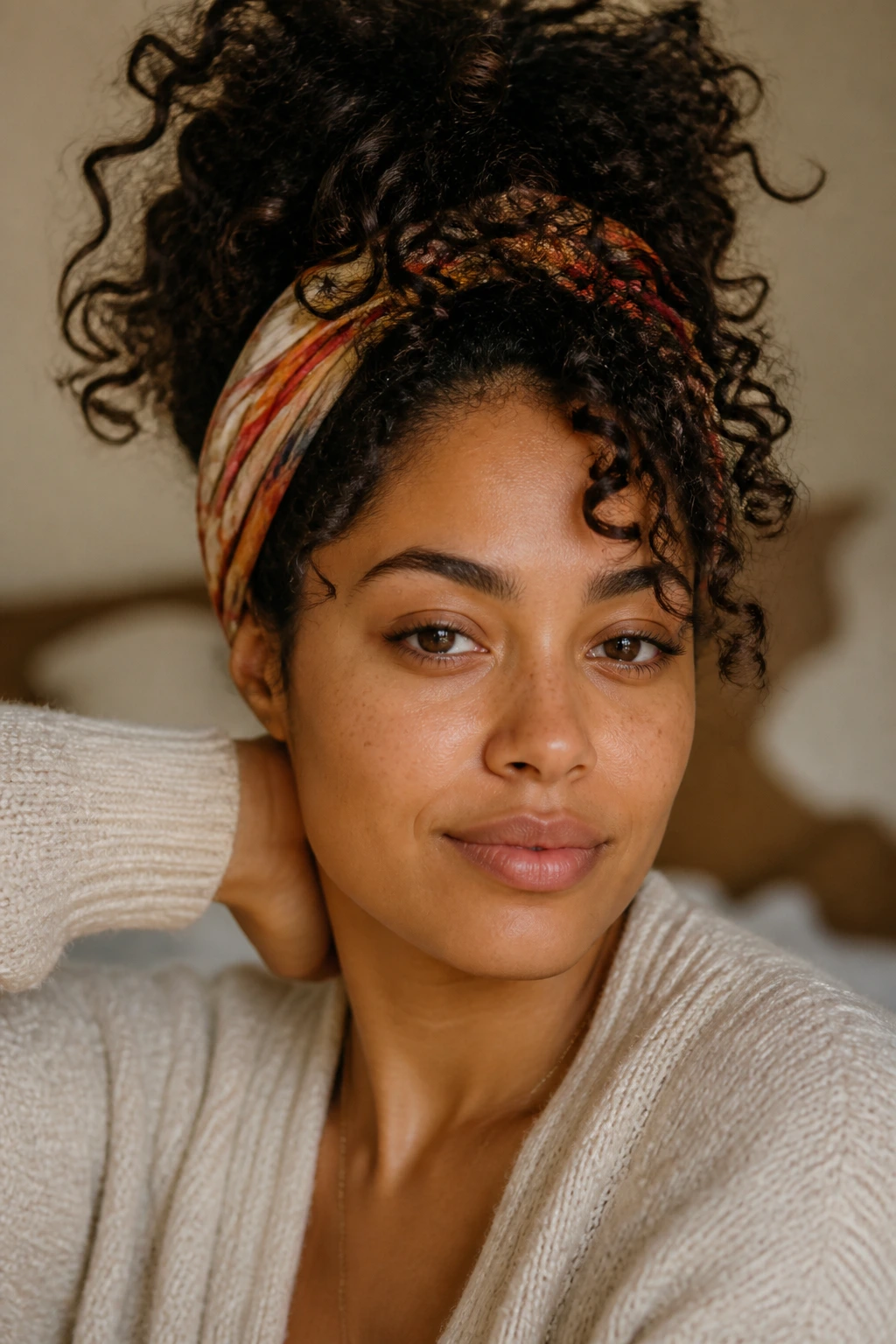
The most important rule in the curly world is to let go of perfection. Some days your curls will be defined, bouncy, and spectacular. Other days, they will be frizzy, tangled, and wild. That is the nature of the beast. Learning to embrace the “bad hair days” as part of the texture’s natural charm is the ultimate curly hair hack. If you feel like your hair is truly unmanageable, put it up in a stylish bun or a colorful headscarf and call it a day.
Why Perfection is a Myth
- Your hair responds to weather, hormones, and stress.
- No one else is looking at your hair as critically as you are.
- Your curls have a personality of their own; sometimes they just want to be big and fluffy, and that is perfectly okay.
Final Thoughts
Curly hair is a lifelong journey of discovery. You will go through different products, different phases, and different levels of frustration, but the more you listen to what your hair needs, the more rewarding the experience becomes. There is no singular “right way” to care for curls, only a series of habits that lead to healthier hair. Take it one wash day at a time, be gentle with your strands, and remember that the most beautiful accessory you have is the unique texture that grows right out of your head.