


Curly hair is a wild, beautiful, and sometimes temperamental landscape to navigate. If your mornings are spent battling frizz or staring at a mirror wondering why your ringlets decided to go flat on one side and chaotic on the other, you are not alone. Having curls is less about following a strict set of laws and more about learning the specific language your hair speaks. Once you master that dialect, you stop fighting your texture and start working with it.
Many people think curly hair is simply a style choice, but it is actually a biological architecture that requires specific tools, techniques, and a hefty dose of patience. The reality is that the tighter your curl pattern, the more difficult it is for the natural oils from your scalp to travel down the hair shaft. This leads to dryness, which is the primary enemy of defined curls. When you understand this fundamental mechanism, every other piece of advice—from how you sleep to how you wash—starts to make sense.
1. The Right Wash Frequency
Finding your rhythm is the first step toward manageable curls. Most people with tight coils do not need to wash their hair daily, as frequent shampooing strips away the very oils your hair is struggling to produce. Aiming for once or twice a week is usually the sweet spot for many curl patterns.
Why Less Is Often More
- Over-washing creates a cycle of dryness and breakage.
- Scalp health relies on a balanced microbiome that harsh soaps can disrupt.
- Skipping a day or two allows natural conditioning to take place.
Pro tip: If your roots get oily quickly but your ends are dry, try a “co-wash” or simply focus your shampoo strictly on the scalp, letting the suds rinse through the ends without scrubbing them.
2. Ditch the Terry Cloth Towel
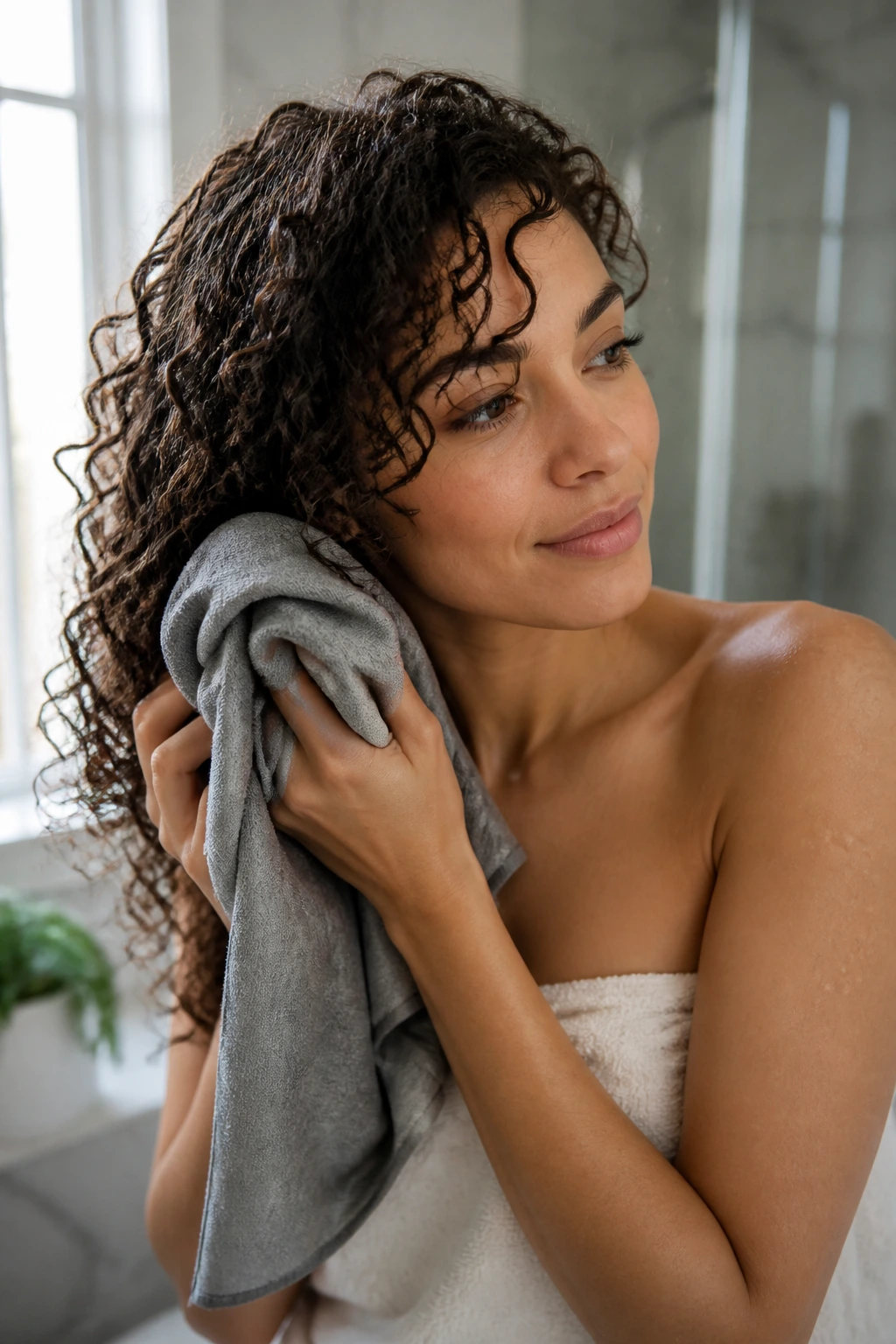
If you are still drying your hair by rubbing it vigorously with a standard bath towel, stop immediately. The loops in cotton towels create friction that pulls at your cuticle, turning smooth waves into a fuzzy, tangled mess.
Better Alternatives for Your Curls
- Microfiber towels: These have a smooth texture that absorbs water without the rough snagging of standard cotton.
- Old cotton T-shirts: An old, soft jersey shirt is often better than any fancy hair towel on the market.
- Paper towels: In a pinch, they are surprisingly good at absorbing excess moisture without adding frizz.
The Golden Rule: Never rub. Gently squeeze or “scrunch” the water out of your hair in an upward motion to encourage the curl pattern to hold its shape.
3. Combing While Wet Only
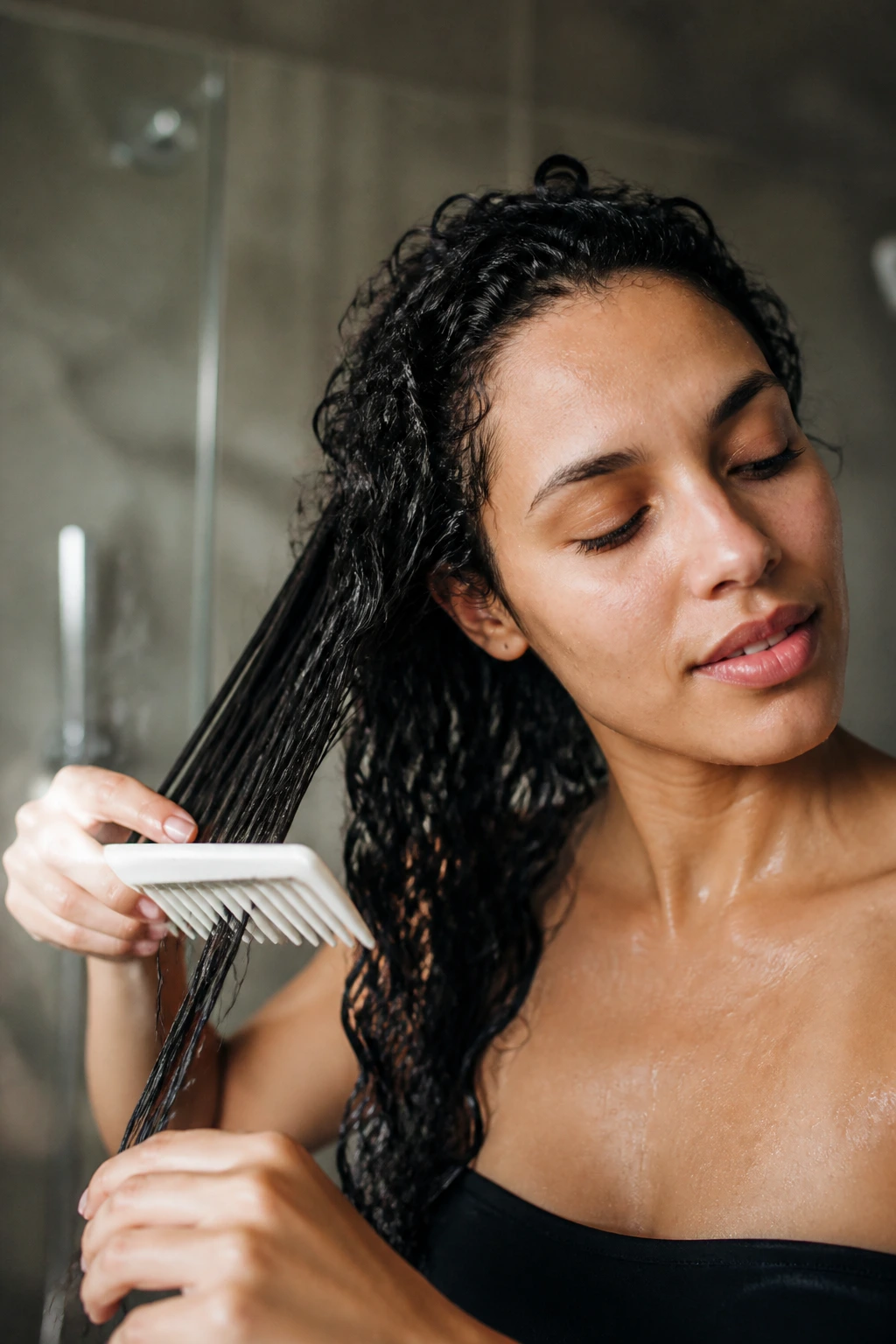
One of the most common mistakes is trying to brush curly hair once it has started to dry. If you pull a brush through hair that is 50% dry, you are essentially breaking the curl clumps apart and creating an immediate halo of frizz.
The Golden Rule of Detangling
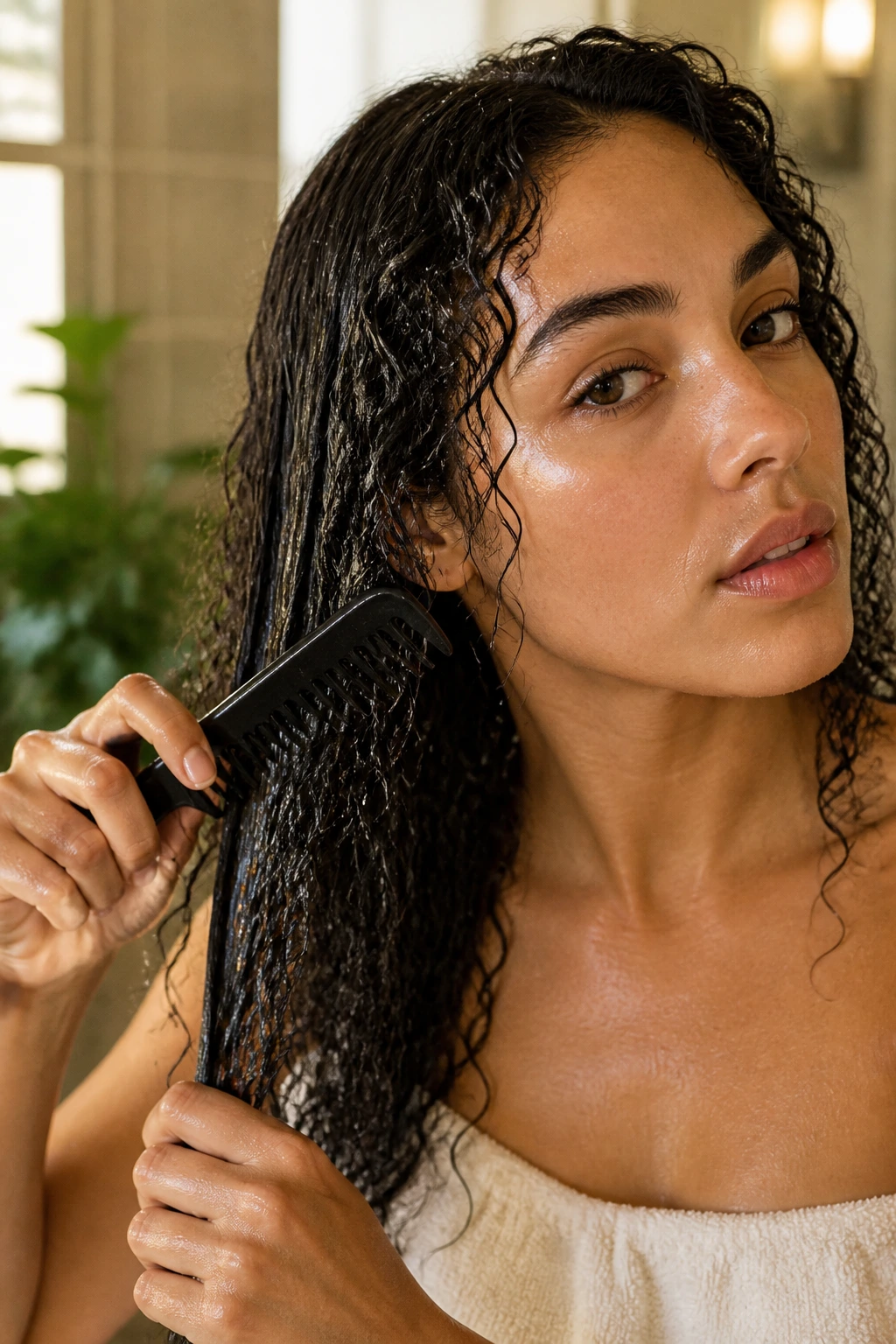
Always apply a generous amount of conditioner or a detangling spray to your hair while it is soaking wet in the shower. Use a wide-tooth comb or your fingers to work through the knots, starting from the very ends and slowly moving upward to the roots. By the time you step out of the shower, your hair should already be detangled and styled.
4. The Power of Leave-In Conditioner
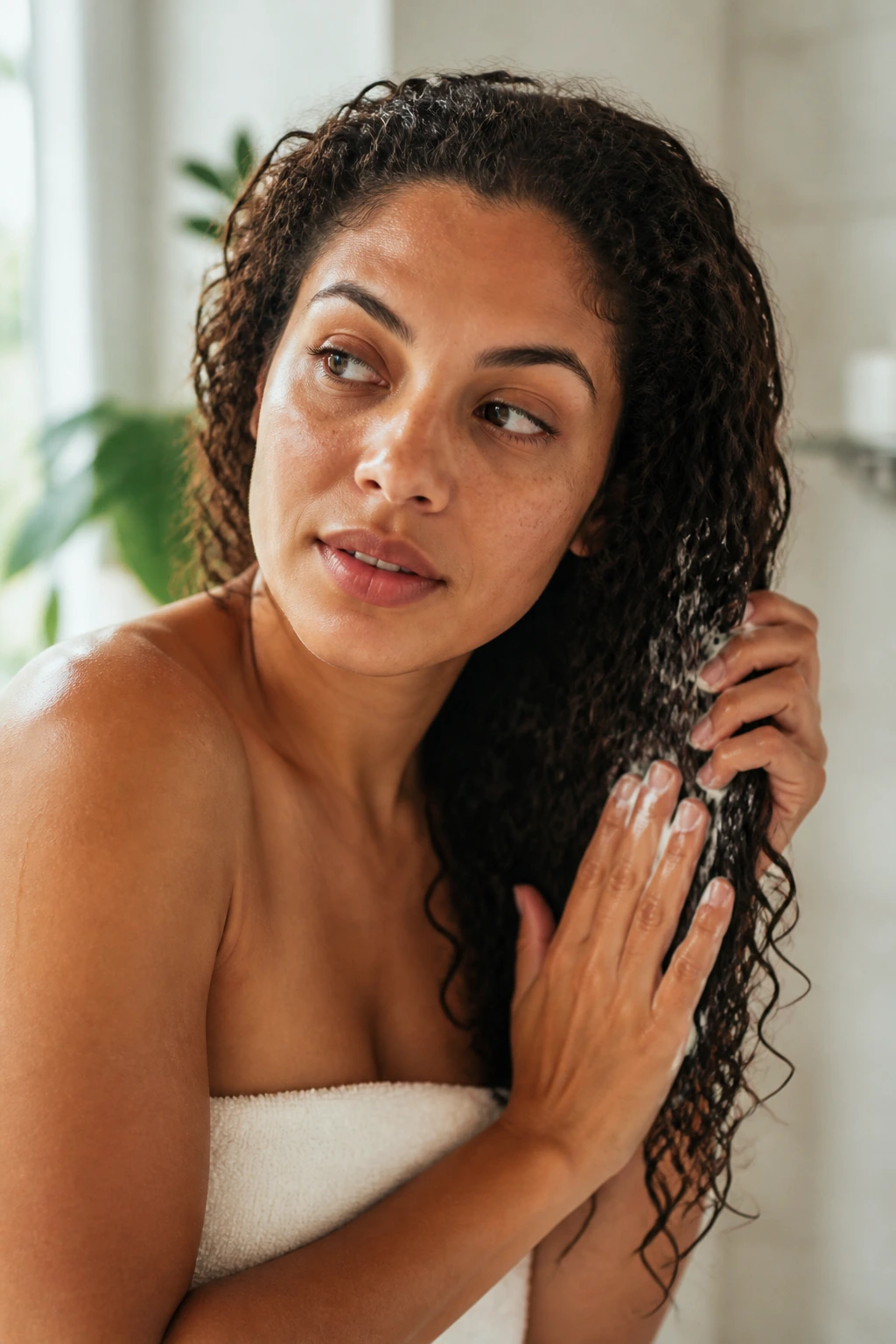
Curly hair is perpetually thirsty. A rinse-out conditioner is great for the shower, but a leave-in product acts as a protective barrier that seals in moisture throughout the day. It provides the “slip” needed to keep curls from knotting and the hydration needed to keep them springy.
How to Apply It
Apply your leave-in conditioner while your hair is still dripping wet. This helps “trap” the water inside the hair shaft. Use a “praying hands” motion—palms pressed together with hair in between—to distribute the product evenly from mid-lengths to ends. Avoid the roots unless you have exceptionally dry hair, as this can lead to buildup and flat volume.
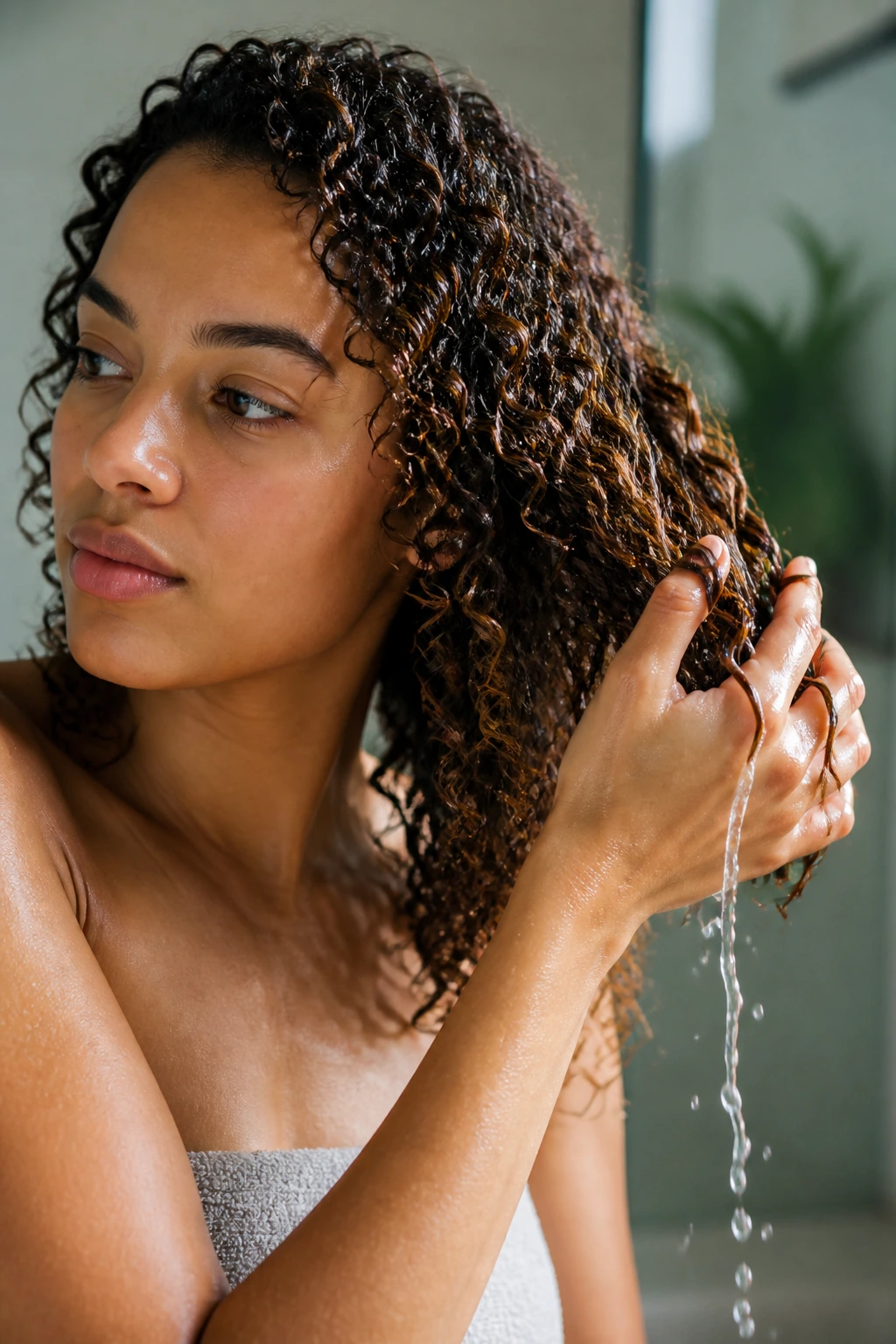
5. Master the Squish-to-Condish Technique
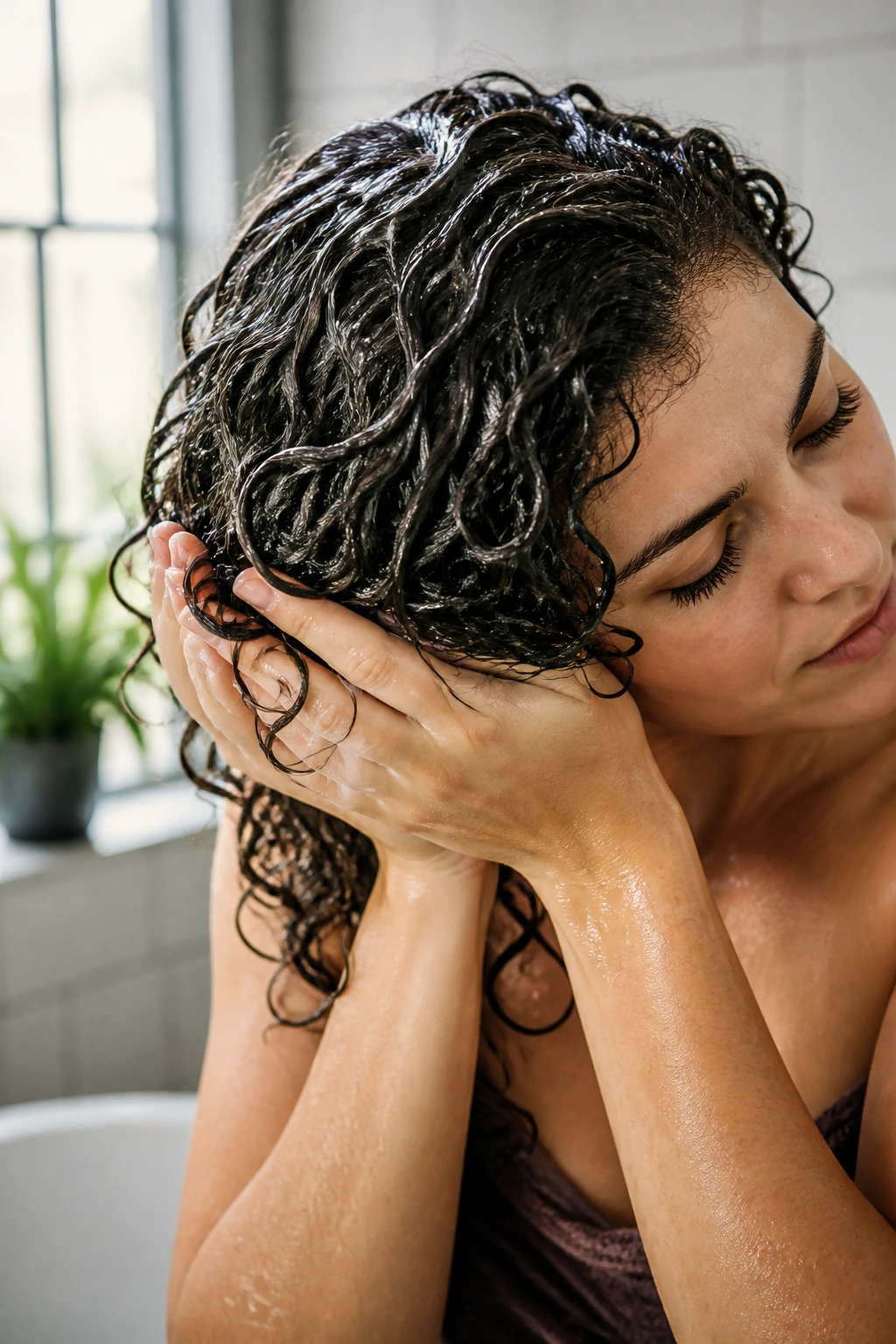
If your hair feels like straw even after you condition, you might be rinsing too much out or not hydrating deeply enough. The “squish-to-condish” method is a game changer for people with stubborn, dry curls.
How It Works
- Apply your conditioner and detangle as usual.
- Cup water in your hands and splash it onto your conditioned hair.
- Squish your hair toward your scalp.
- You should hear a distinct, squishy sound—this indicates that the water and conditioner are being forced into the cuticle.
This technique ensures that your hair is fully saturated with moisture, which leads to tighter, more defined curls once you dry.
6. Use a Diffuser for Volume
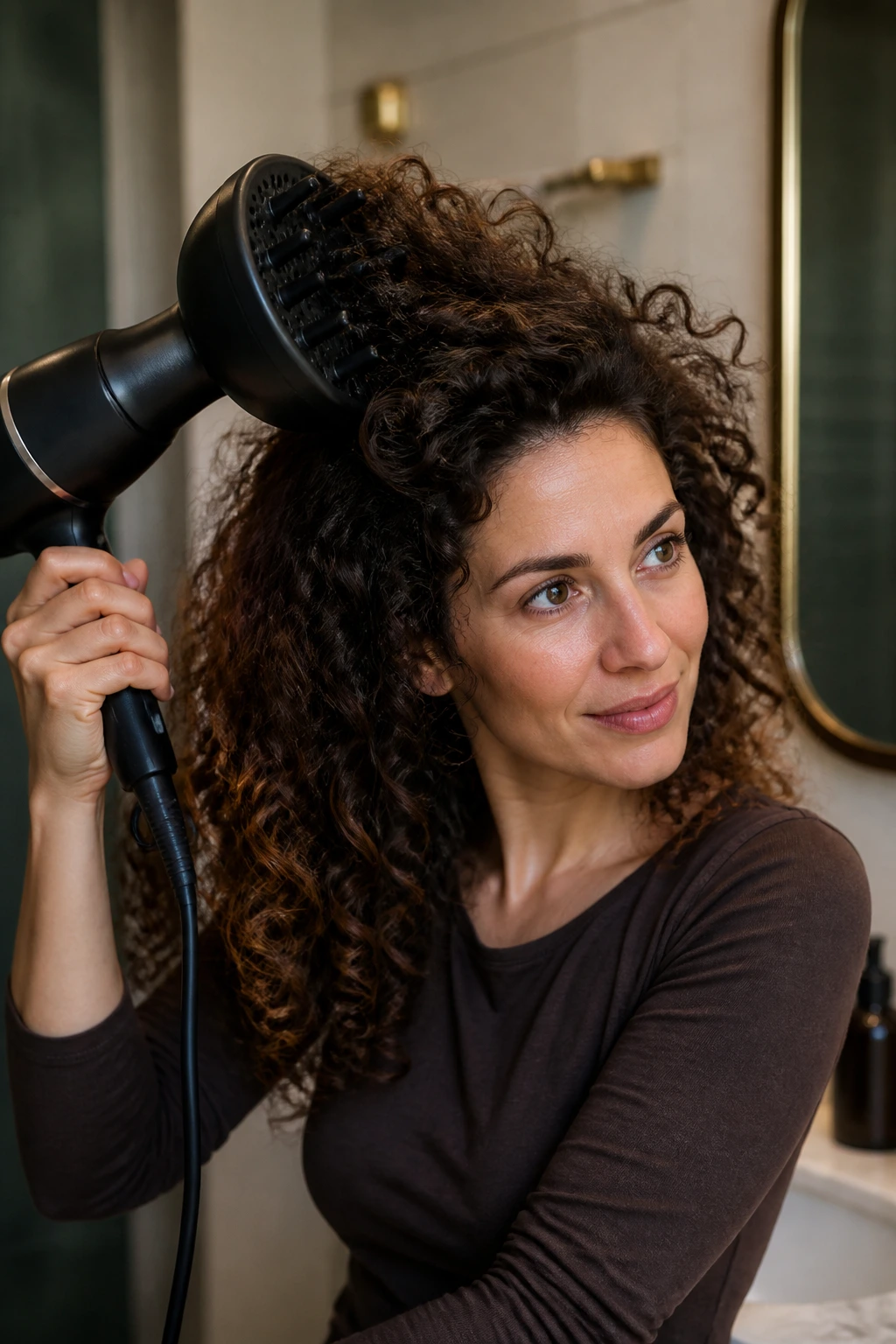
Air drying is beautiful, but it can take hours and often leaves your hair feeling heavy or flat at the roots. A diffuser attachment for your blow dryer is the secret to getting salon-level volume without the blast of air that causes frizz.
Best Practices for Diffusing
- Use a low heat setting to prevent damage.
- “Hover” the diffuser around your roots first to build volume before moving to the ends.
- When you do move to the ends, push your hair into the bowl of the diffuser and hold it there for 20 to 30 seconds.
- Turn off the dryer before moving to the next section to avoid blowing hair around while it is loose.
7. Pineapple Your Hair at Night
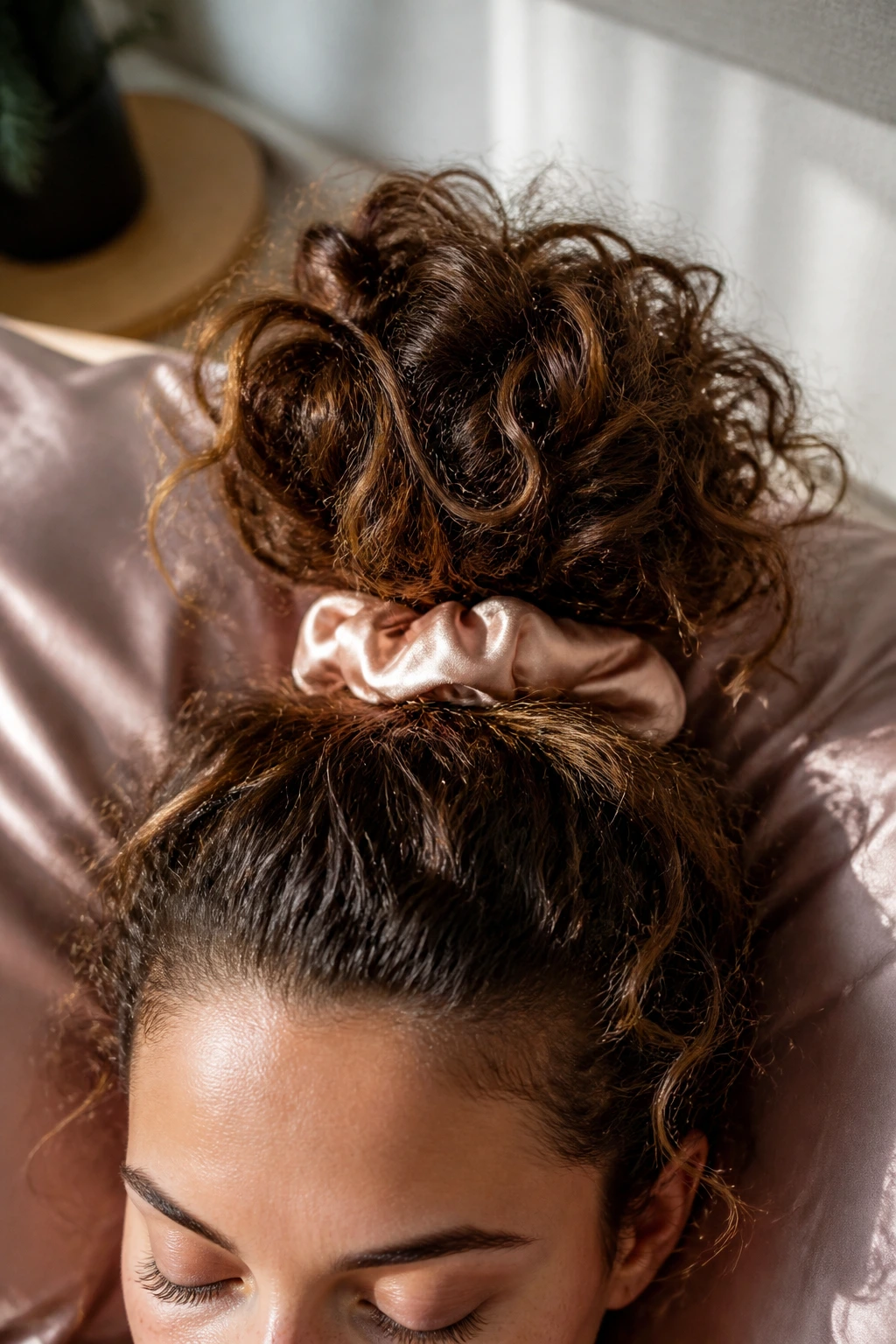
The way you sleep is just as important as how you wash. Sleeping on a cotton pillowcase will inevitably lead to matted, frizzy hair by morning. Instead, try the “pineapple” method.
How to Pineapple
Gather all your hair at the very top of your head and secure it loosely with a silk scrunchie. It should look like a pineapple stem sticking up. This protects the curls at the back and sides of your head from being crushed against the pillow. If your hair is too short for a high ponytail, a silk or satin bonnet or pillowcase will do the trick just as well.
8. Avoid Sulfates and Silicones
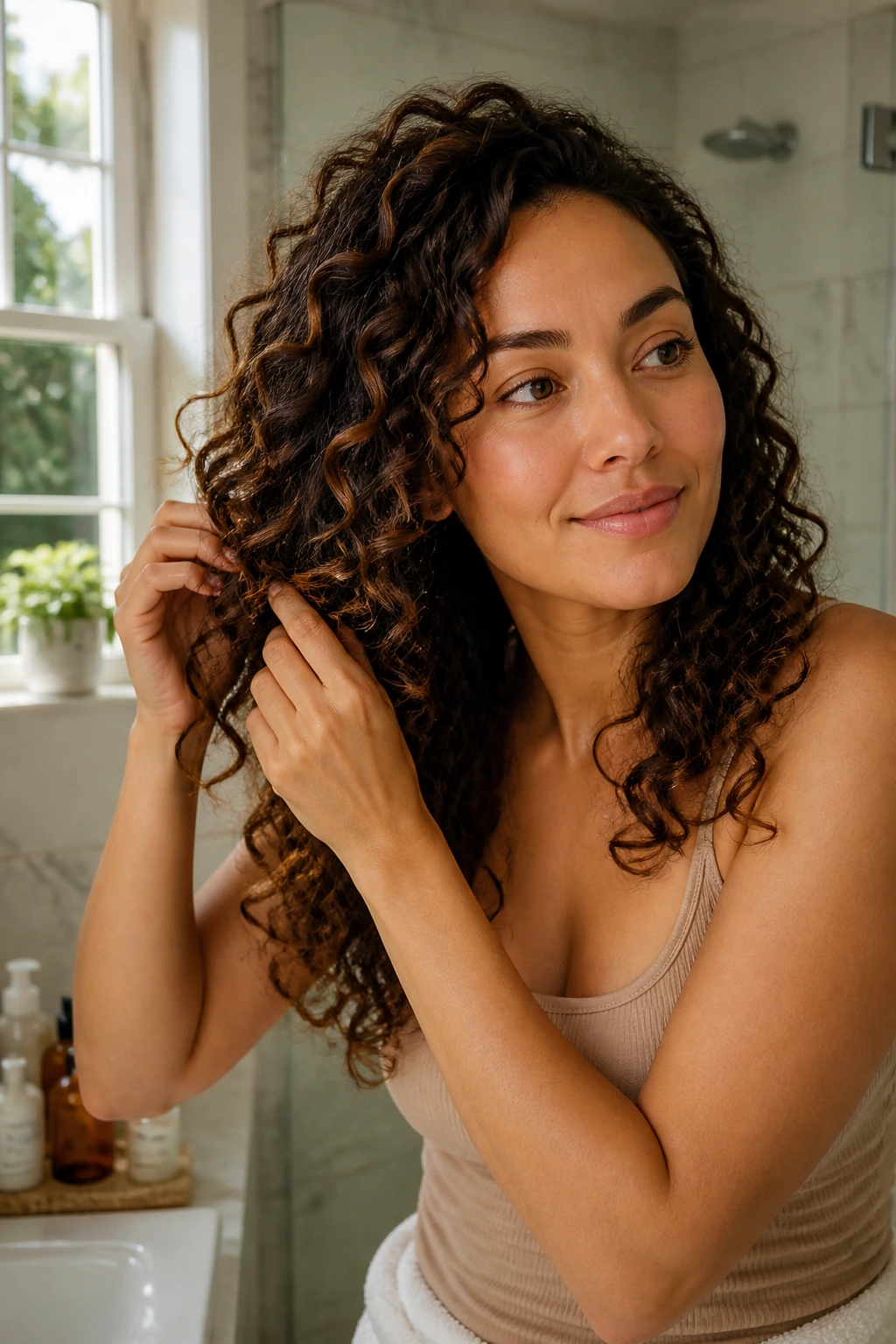
Many mainstream hair products are packed with harsh sulfates—which strip away natural oils—and heavy silicones—which build up on the hair and block moisture from entering. Switching to “curly-friendly” products can make a noticeable difference in your hair’s bounce and shine within just a few washes.
What to Look For
Check your labels for “water-soluble” ingredients. If a product contains silicones that are not water-soluble, you will eventually need a harsh clarifying shampoo to remove them, which sets you back on your hydration journey. Focus on plant-based oils like argan, jojoba, or shea butter instead.
9. Get Regular Dusting Trims
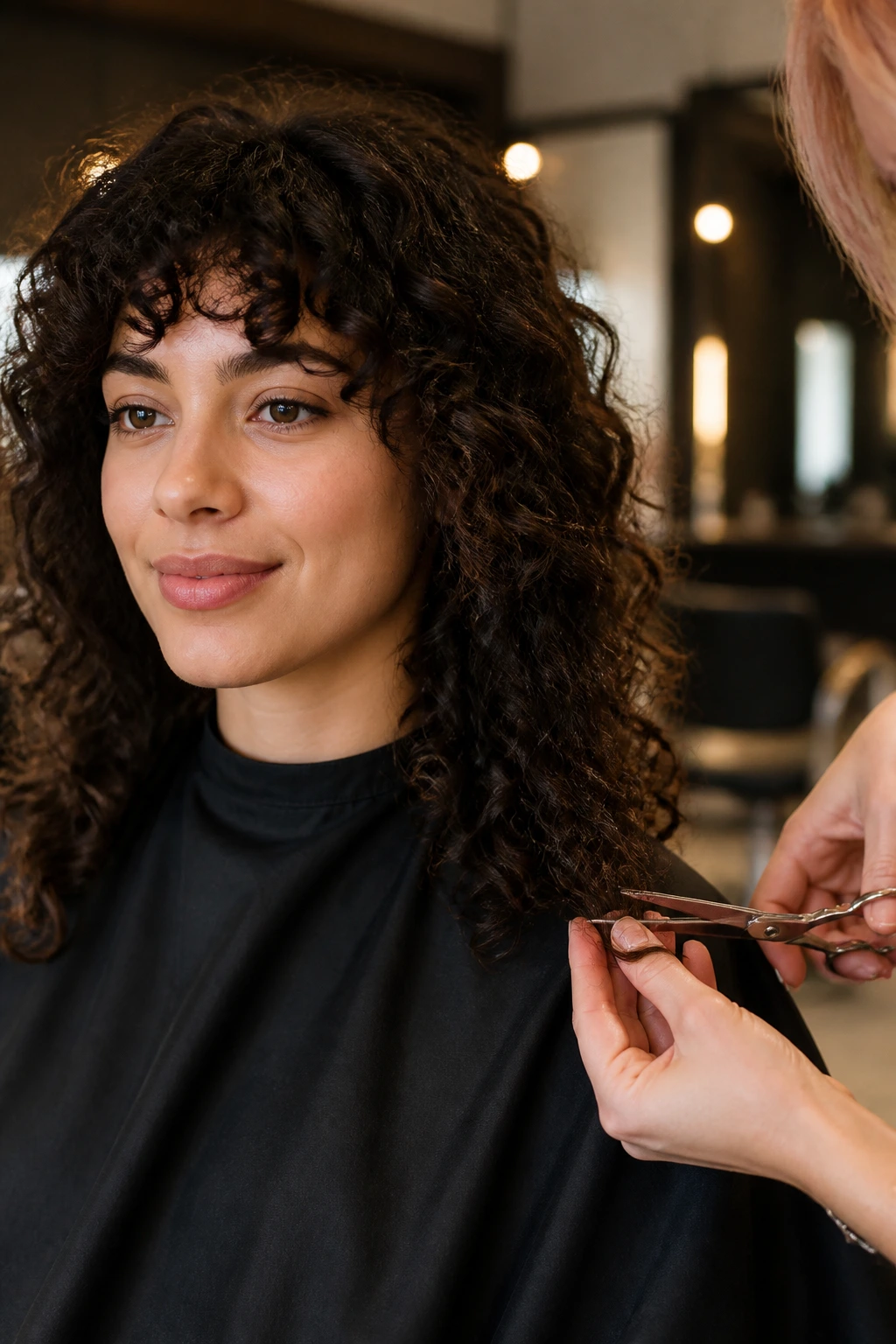
There is a myth that you should avoid haircuts to “grow your hair out.” With curly hair, this is a recipe for disaster. Split ends travel up the hair shaft, and once they reach a certain point, they cause the hair to tangle and break, making it look much shorter than it actually is.
When to Book the Appointment
A “dusting” is a micro-trim where the stylist takes off the absolute bare minimum—usually less than a quarter of an inch. Doing this every 10 to 12 weeks keeps your curls healthy, springy, and free of the dead weight that pulls the curl pattern down.
10. Stop Touching Your Hair

It is tempting to run your fingers through your curls to check their definition or just to play with them, but every time you touch your drying hair, you are depositing oils from your fingertips and disrupting the hair clumps that are trying to form.
The “Hands-Off” Rule
Once you have applied your styling product and your hair is drying, leave it completely alone. If you feel like you must adjust something, do it only when the hair is 100% dry and has formed a “cast.” Even then, try to keep your interference to an absolute minimum to preserve the style for as long as possible.
11. Gel Is Your Best Friend
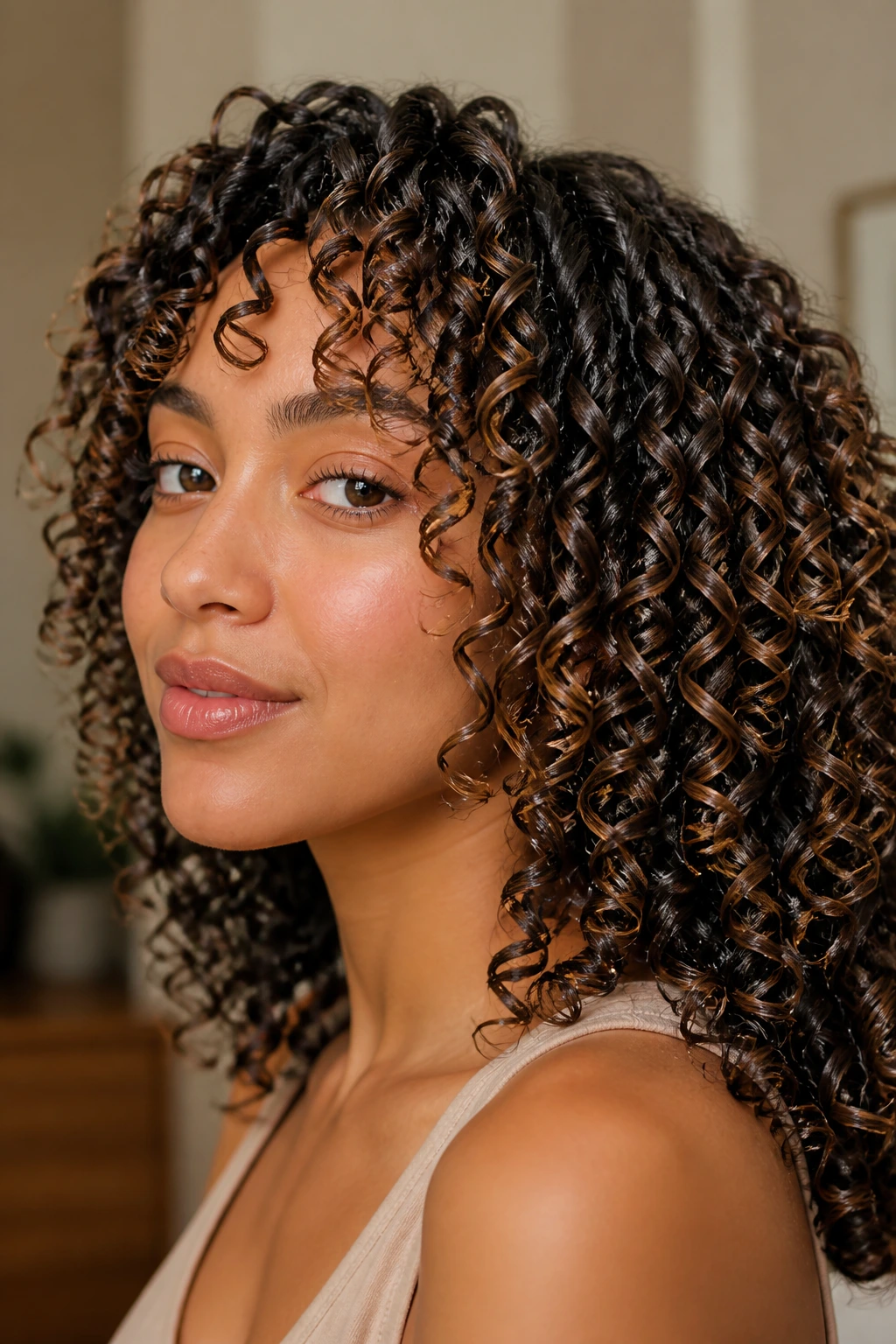
Many people avoid gel because they remember the stiff, crunchy hair of the nineties. However, modern curl gels are designed to create a “cast”—a firm, crunchy layer that holds the curl in its perfect shape while it dries.
How to Soften the Cast
- Let your hair dry completely until it feels slightly hard or crunchy.
- Take a tiny drop of lightweight oil on your palms.
- Gently “scrunch out the crunch” by squeezing the dried curls.
- The cast breaks, leaving behind soft, shiny, and perfectly defined curls.
12. Deep Condition Weekly
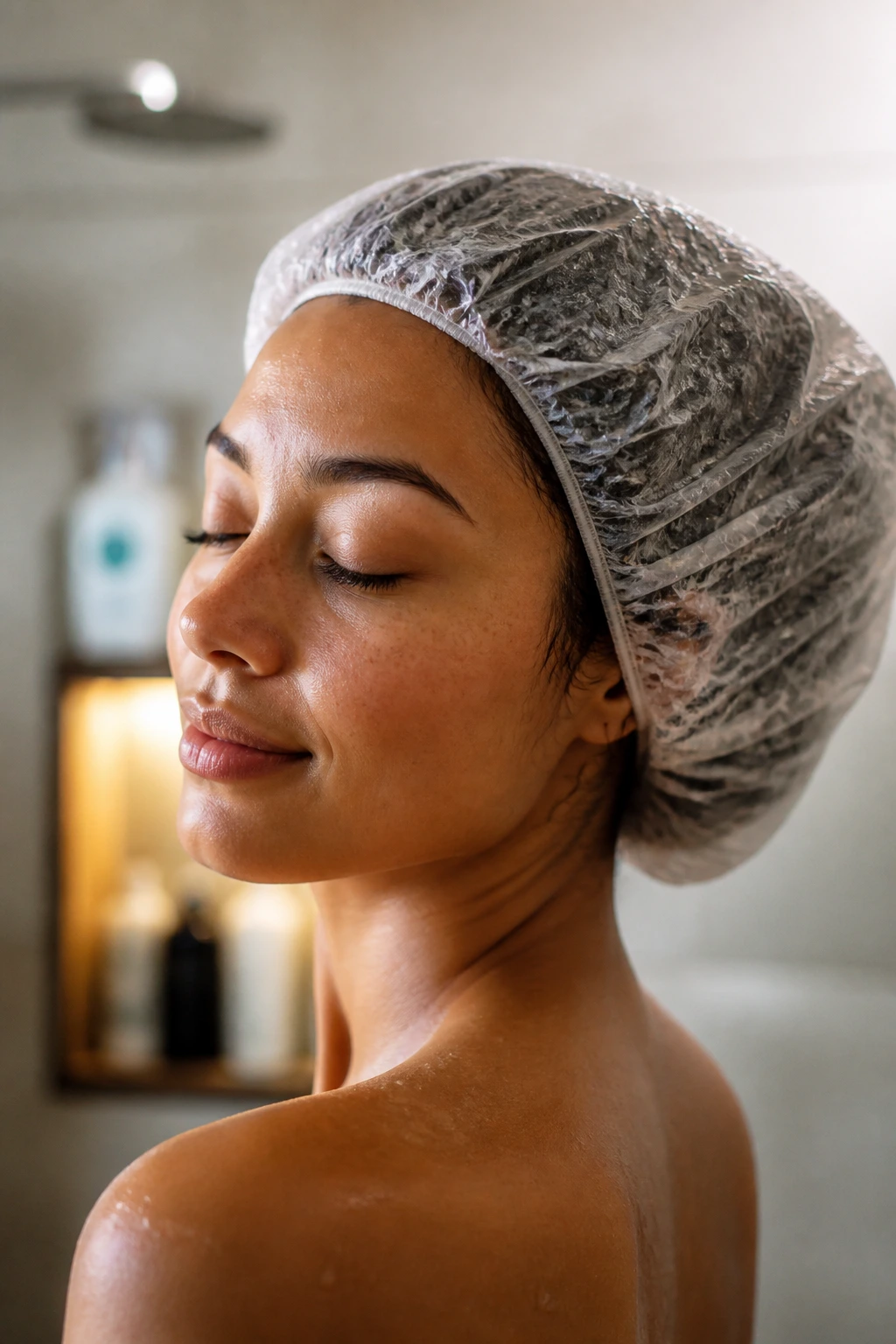
Even the best daily conditioner cannot replace the heavy-duty hydration provided by a deep conditioning mask. If you have fine or porous hair, look for masks labeled “moisture-balancing” to avoid weighing your hair down.
Why It Matters
Deep conditioning infuses moisture into the deeper layers of the hair strand. Over time, this makes your hair more elastic. Think of your curls like a spring; if the metal is dry, it loses its tension. If it is well-lubricated and cared for, it bounces back every single time.
13. Stop Using Fine-Tooth Combs
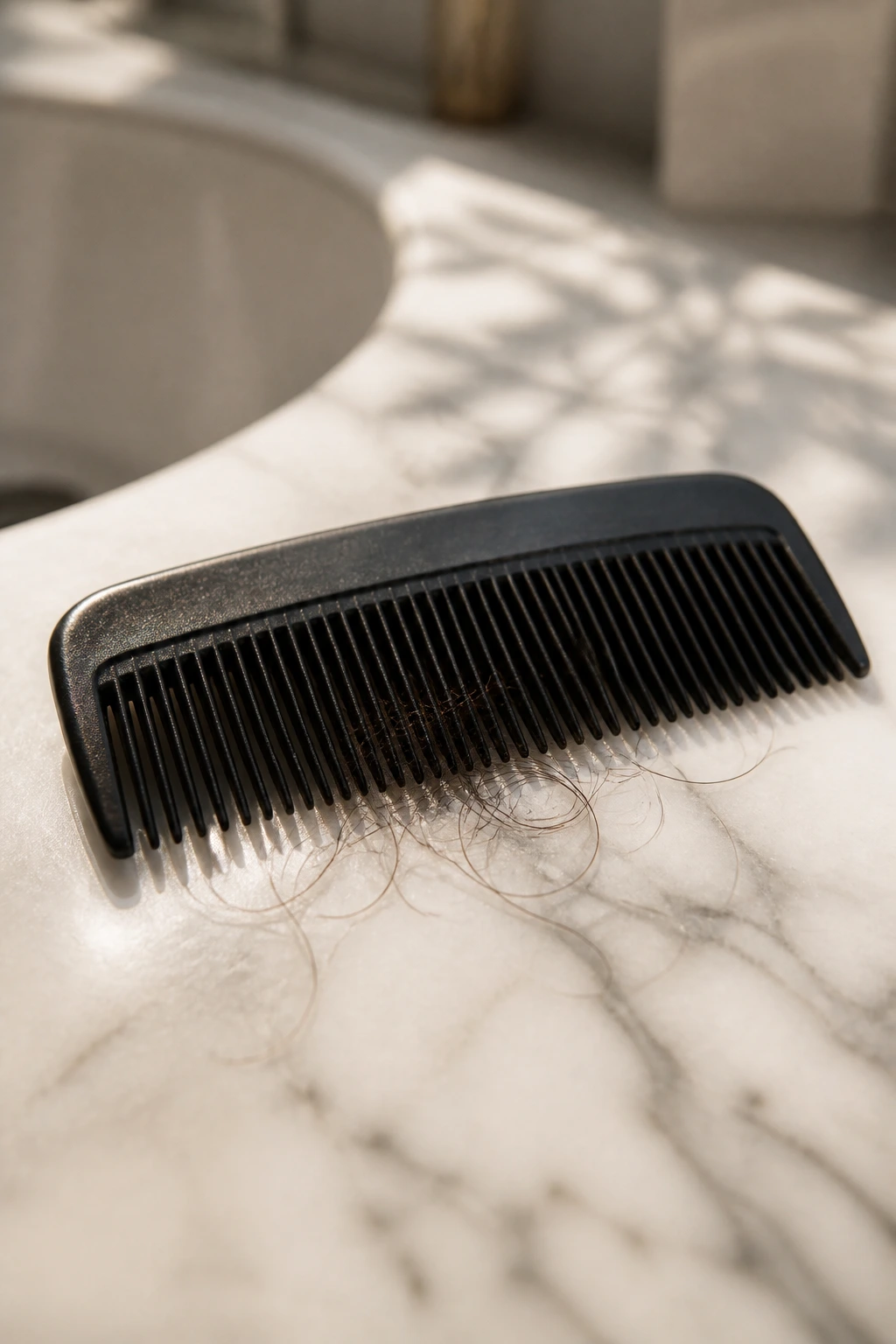
A fine-tooth comb is the enemy of curly hair. It is designed to create sleek, straight lines, but in curly hair, it acts like a rake, breaking apart your natural curl groups and creating an immediate explosion of frizz.
What to Use Instead
If you need to distribute product or detangle, use your fingers. Your fingers are much more gentle and can feel where the knots are, allowing you to untangle them without snapping the hair strand. If you must use a tool, a wide-tooth detangling comb or a specific “curly hair brush” with flexible bristles is the only way to go.
14. Embrace the “Wet Look”
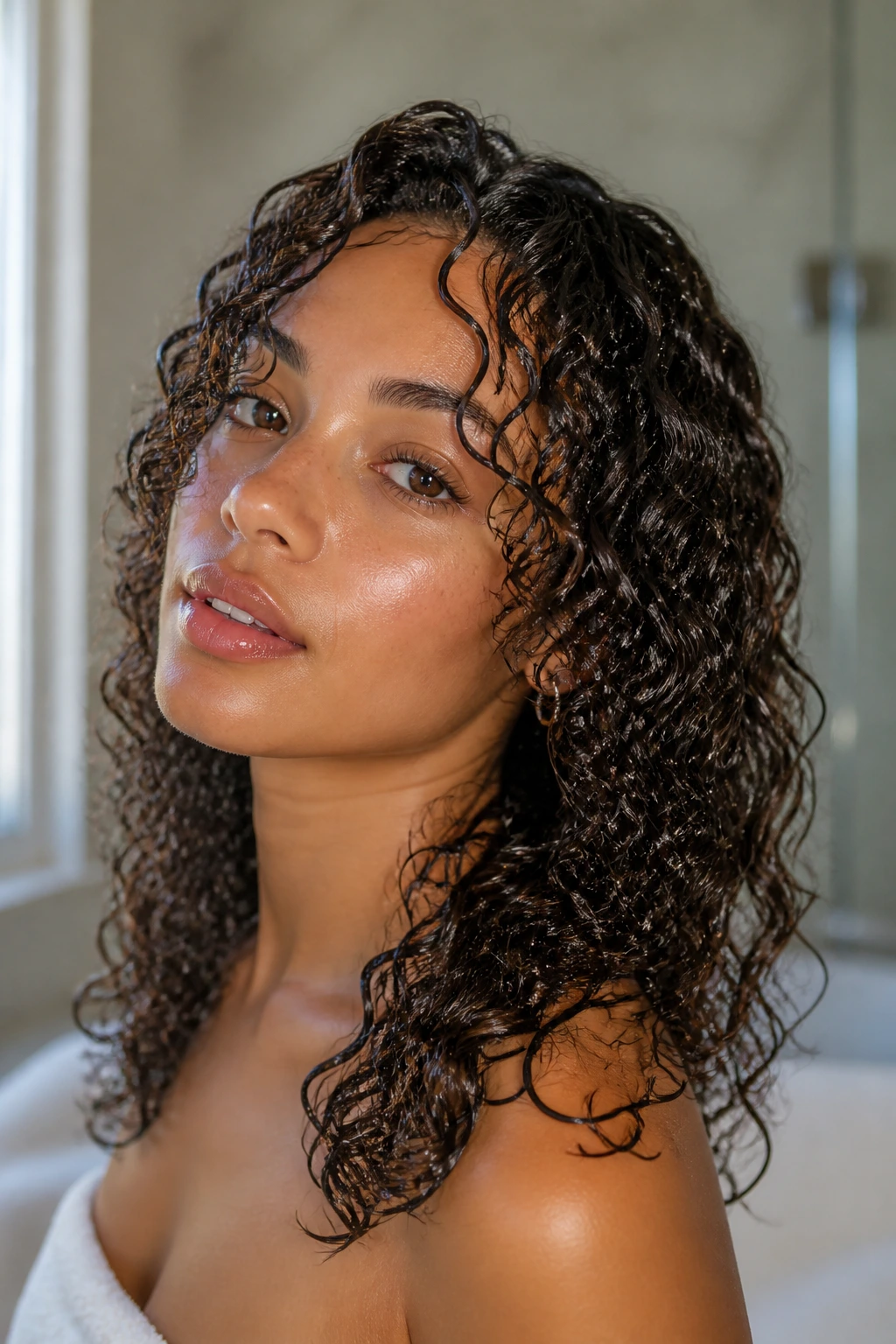
If your curls are looking dry and lifeless by the end of the day, do not try to brush them. Instead, keep a small spray bottle filled with a mixture of water and a little bit of leave-in conditioner.
The Refresh Technique
Lightly mist the frizzy areas. Use your fingers to coil those specific strands around your pointer finger, mimicking the shape you want them to take. Let them air dry. This “refreshing” process allows you to get an extra day or two out of your wash-day style without having to restart the entire process.
15. The Importance of Porosity
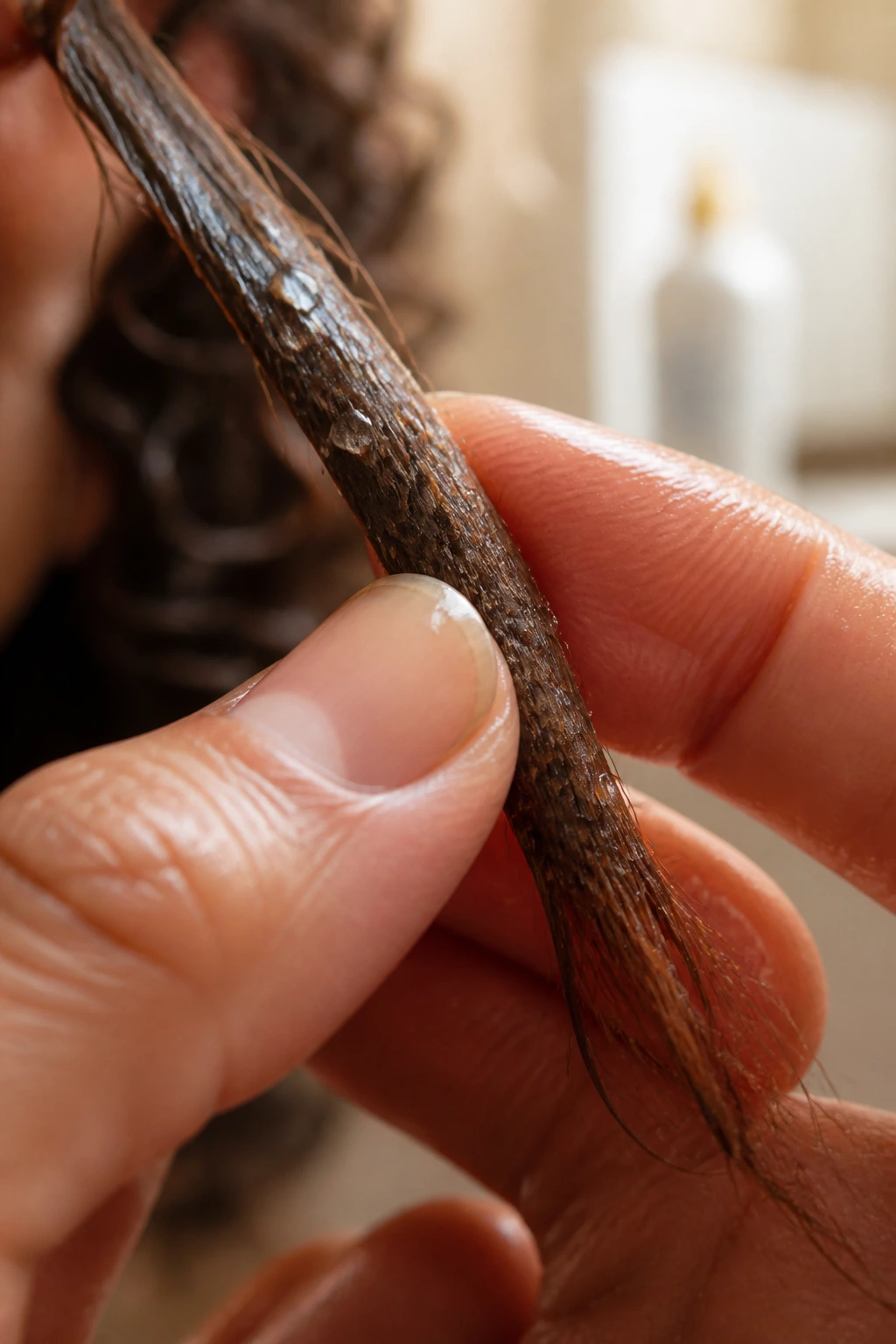
High-porosity hair has “holes” in the cuticle, meaning it sucks up moisture quickly but also loses it just as fast. Low-porosity hair has a tightly sealed cuticle, meaning it is hard to get moisture in, but once it is in, it stays.
Tailoring Your Routine
- High Porosity: Needs protein treatments and heavy sealers like shea butter to keep moisture locked in.
- Low Porosity: Needs heat to open the cuticle (like using a hooded dryer with deep conditioner) and lightweight oils like almond or grapeseed to avoid buildup.
16. Avoid Heavy Heat Styling
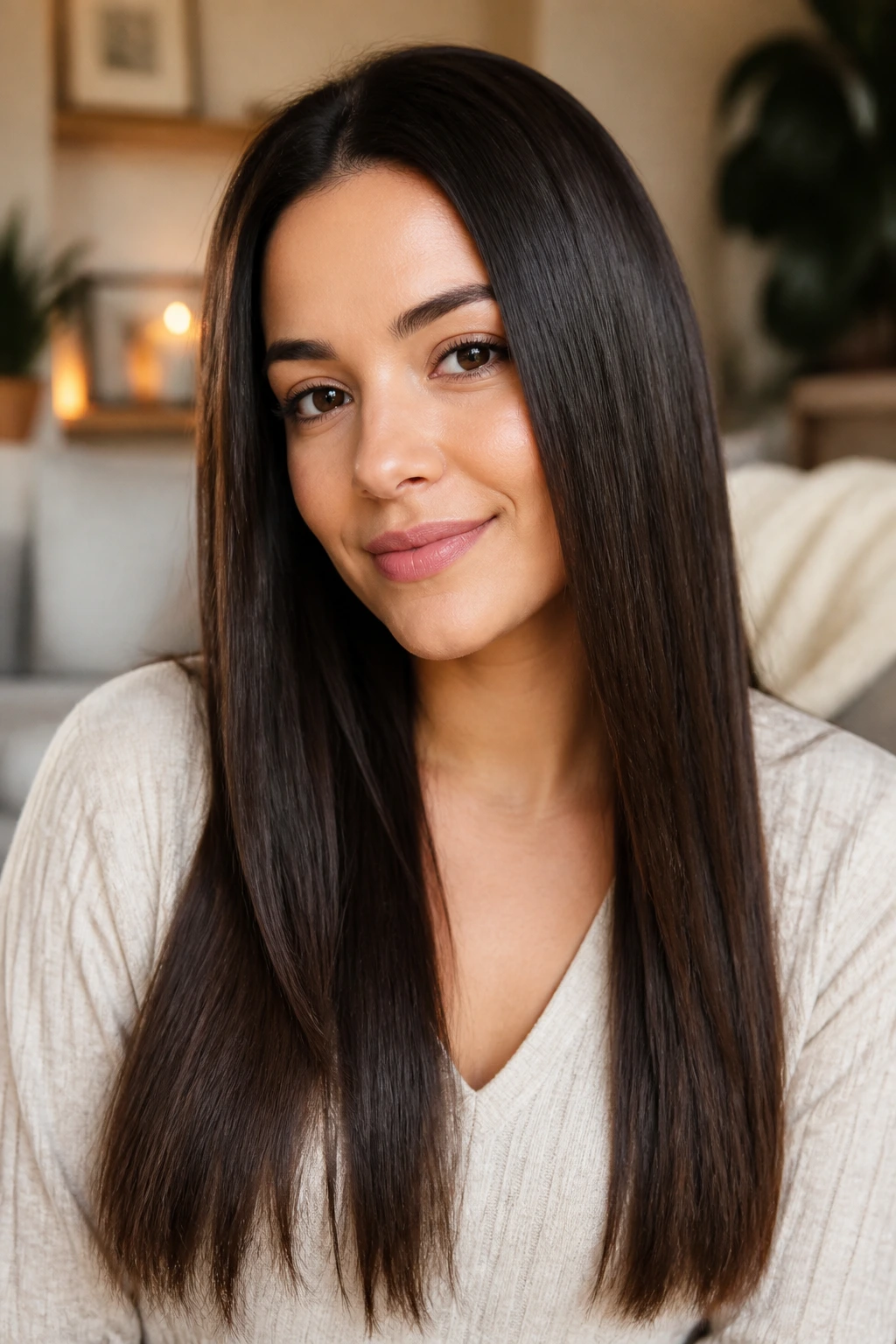
The more you use flat irons and high-heat curling wands, the more you damage the natural protein structure of your hair. This leads to “heat damage,” where curls lose their bounce and become straight or stringy.
A Safer Approach
If you want to change your look, try heatless methods. There are dozens of rollers, braiding techniques, and silk wraps that can stretch your curls or change their shape without a single degree of artificial heat. If you absolutely must use heat, always use a high-quality thermal protectant spray.
17. Use Satin or Silk Accessories
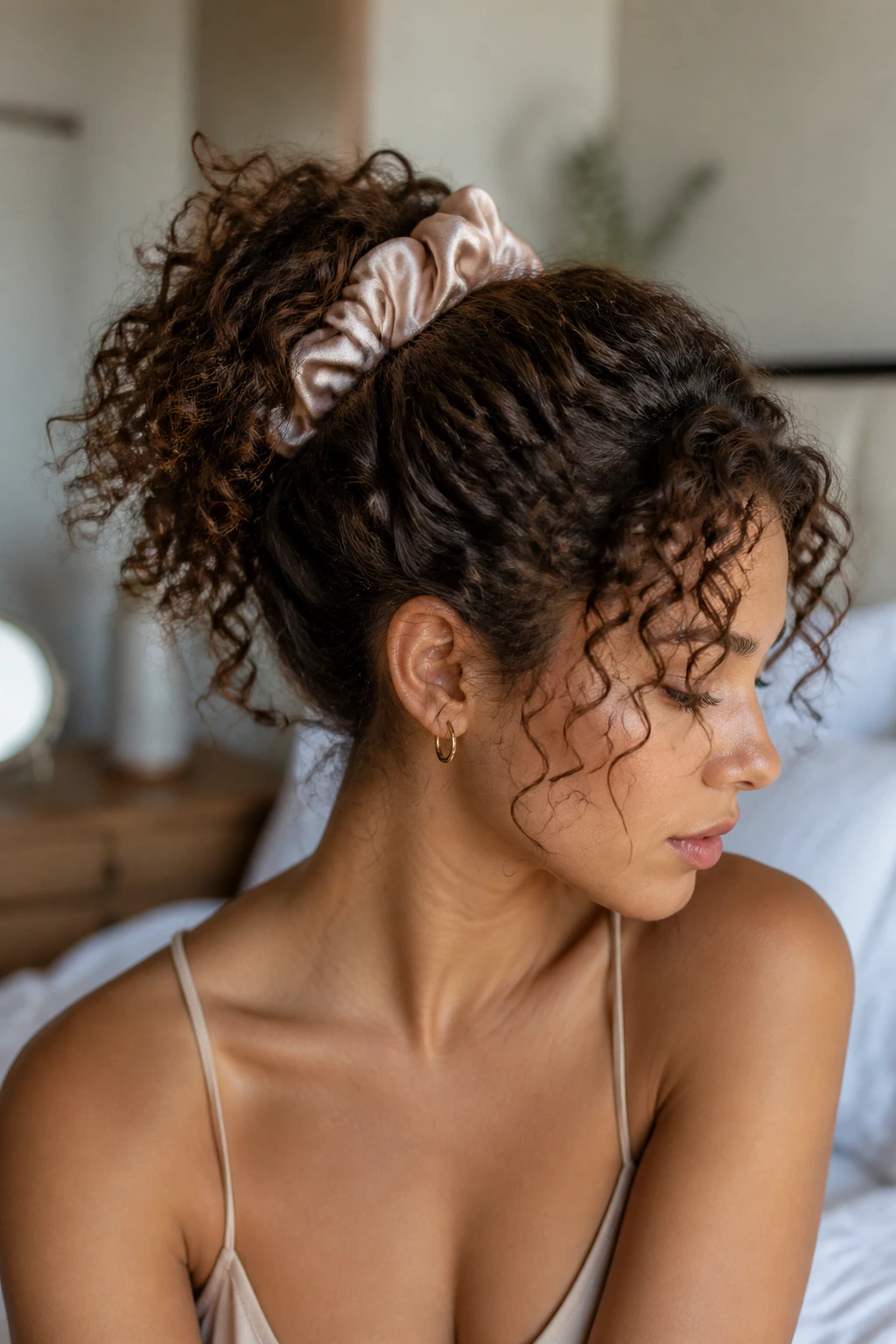
Cotton ties and headbands create friction that leads to breakage, especially around the hairline. Satin and silk accessories are smooth, meaning they slide across the hair rather than grabbing onto it.
The Difference
A silk scrunchie will not leave a “dent” in your hair the way a standard elastic hair tie does. If you wear your hair up often, making this one small switch will significantly reduce the amount of broken hair you find on your bathroom floor.
18. Understand Your Curl Pattern
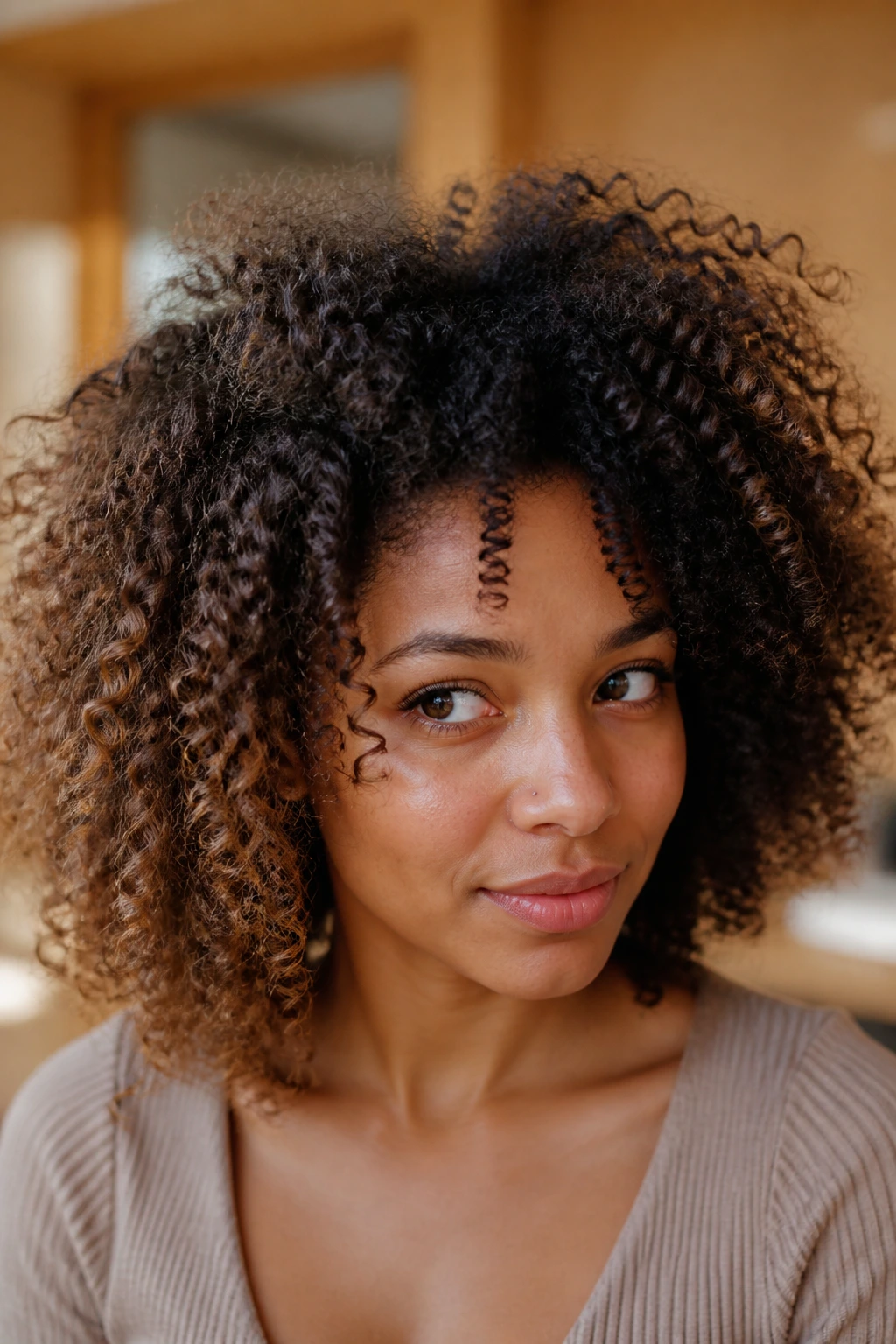
Curls are categorized by type, ranging from 2A (wavy) to 4C (tight, dense coils). While you might have multiple patterns on your head, understanding your dominant type helps you choose the right weight of products.
The General Guideline
- Wavy hair (Type 2) needs lightweight, volumizing products that don’t weigh it down.
- Curly hair (Type 3) thrives on creams and medium-hold gels.
- Coily hair (Type 4) loves thick butters, oils, and heavy creams that provide maximum moisture retention.
19. Don’t Ignore Your Scalp
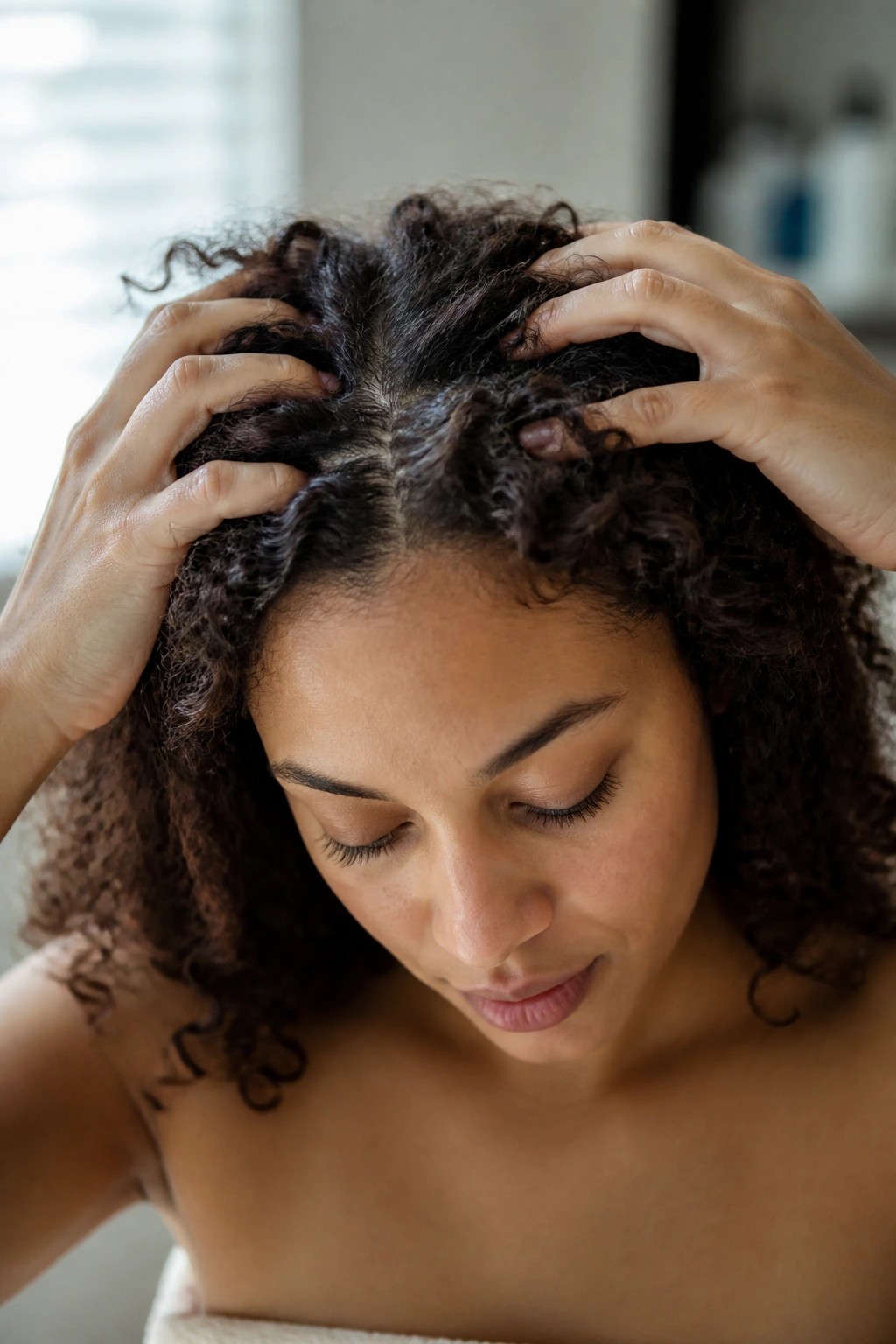
A healthy curl starts at the root. If your scalp is flaky, itchy, or overly oily, your hair growth and texture will suffer. Many people forget that the scalp is skin and needs just as much care as the face.
Simple Scalp Care
- Once a month, use a scalp scrub or a gentle clarifying shampoo to remove product buildup.
- If you have an itchy scalp, tea tree oil or peppermint oil can provide cooling relief and promote circulation.
- Massaging your scalp for five minutes before you shower increases blood flow to the follicles, which is essential for healthy, strong hair growth.
20. Layering Products Correctly
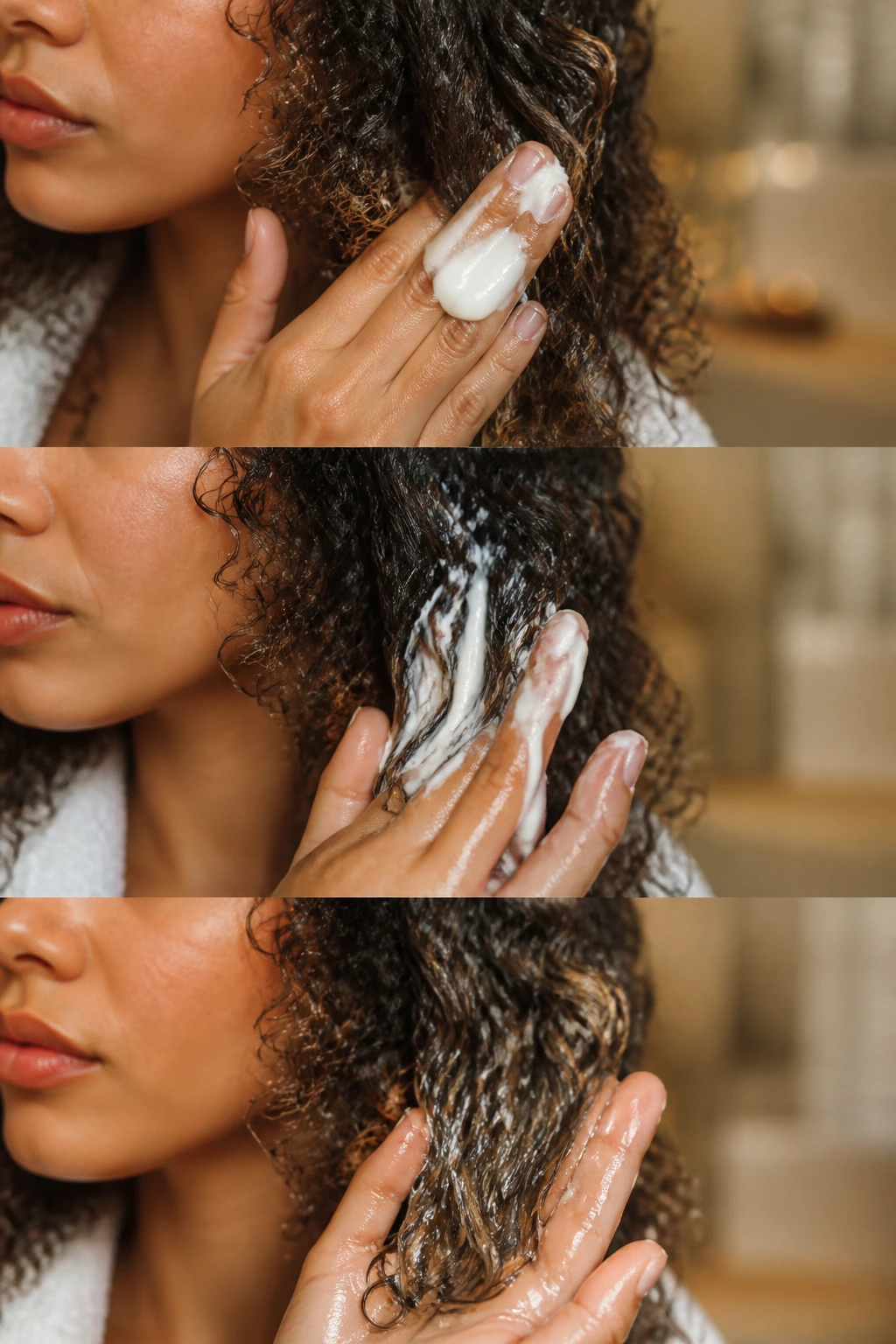
The order in which you apply your products matters. The standard rule of thumb is “L.C.G.”—Leave-in, Cream, Gel.
The Logic
- Leave-in: Provides the base level of moisture.
- Cream: Provides hold and further moisture to define the curl.
- Gel: Provides the final “cast” to lock the style in place. If you apply your products in the wrong order—or if you don’t apply enough—the results will be underwhelming. Experiment with your ratios; some people only need a leave-in and a gel, while others need all three.
21. Look for Ingredients Like Aloe
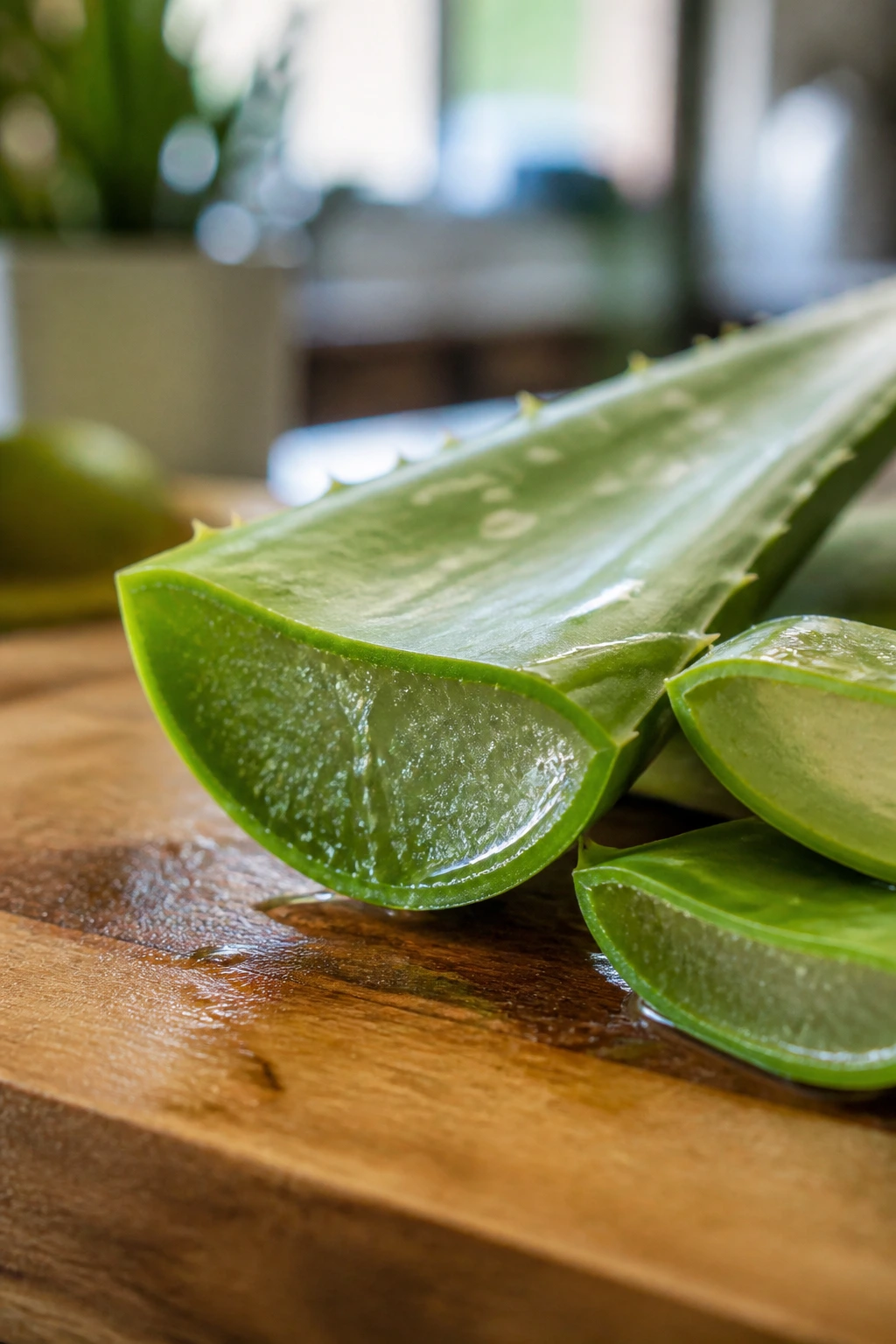
Aloe vera is a humectant, meaning it draws moisture from the air into your hair. It is a fantastic, lightweight ingredient for almost all curly hair types.
Why It Works
It provides a smooth, slippery feel that makes detangling much easier. Plus, it adds a beautiful natural shine without the sticky residue that synthetic polymers can leave behind. If your curls are feeling limp, a light aloe-based styler might be exactly the boost they need to perk up.
22. Never Brush When Dry
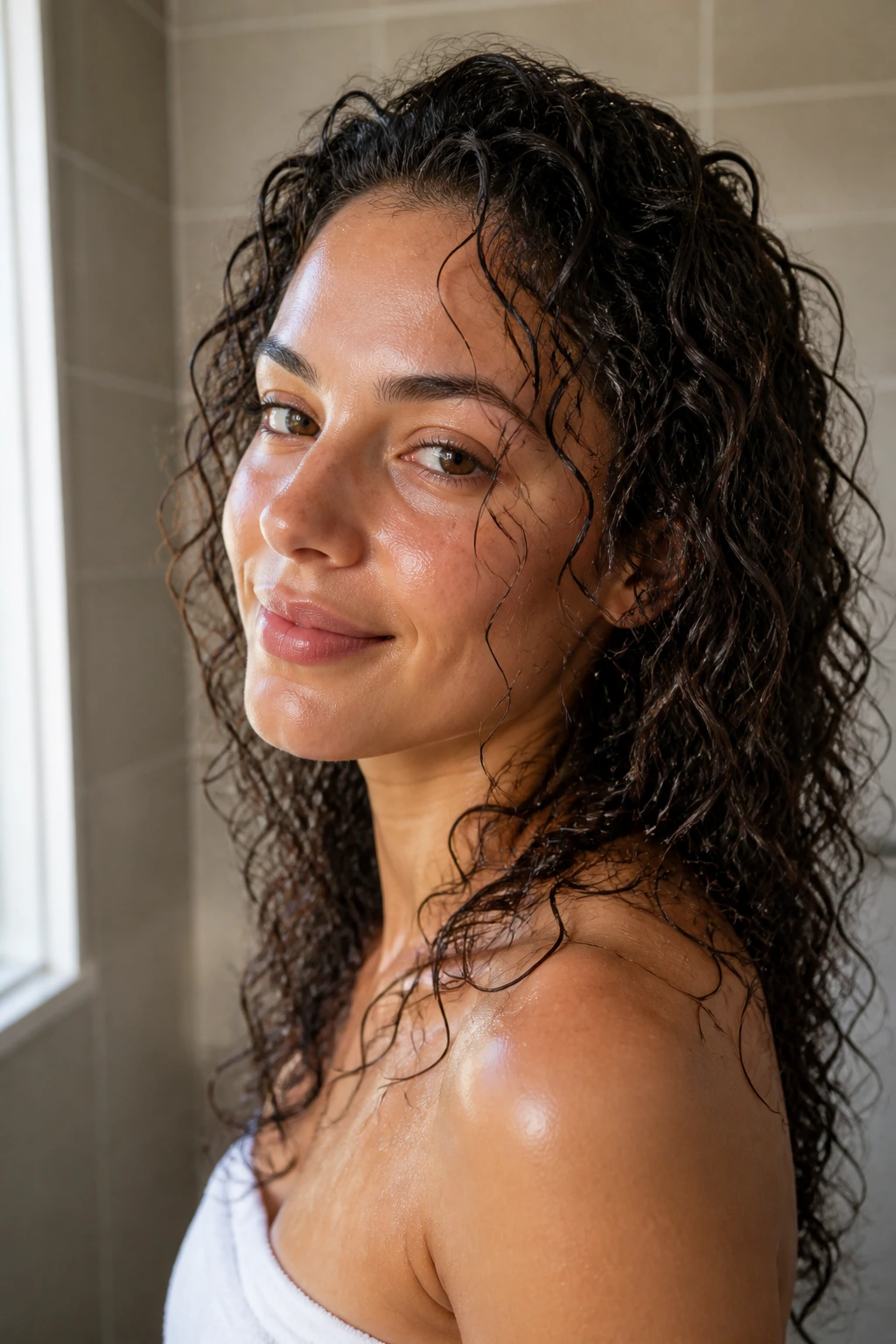
We said it once, but it bears repeating: never, ever brush dry curly hair. It is the fastest way to turn a beautiful style into a giant, unmanageable tangle. If you feel your hair has lost its way, re-wet it, re-apply product, and let it dry again.
23. Be Patient With the Transition
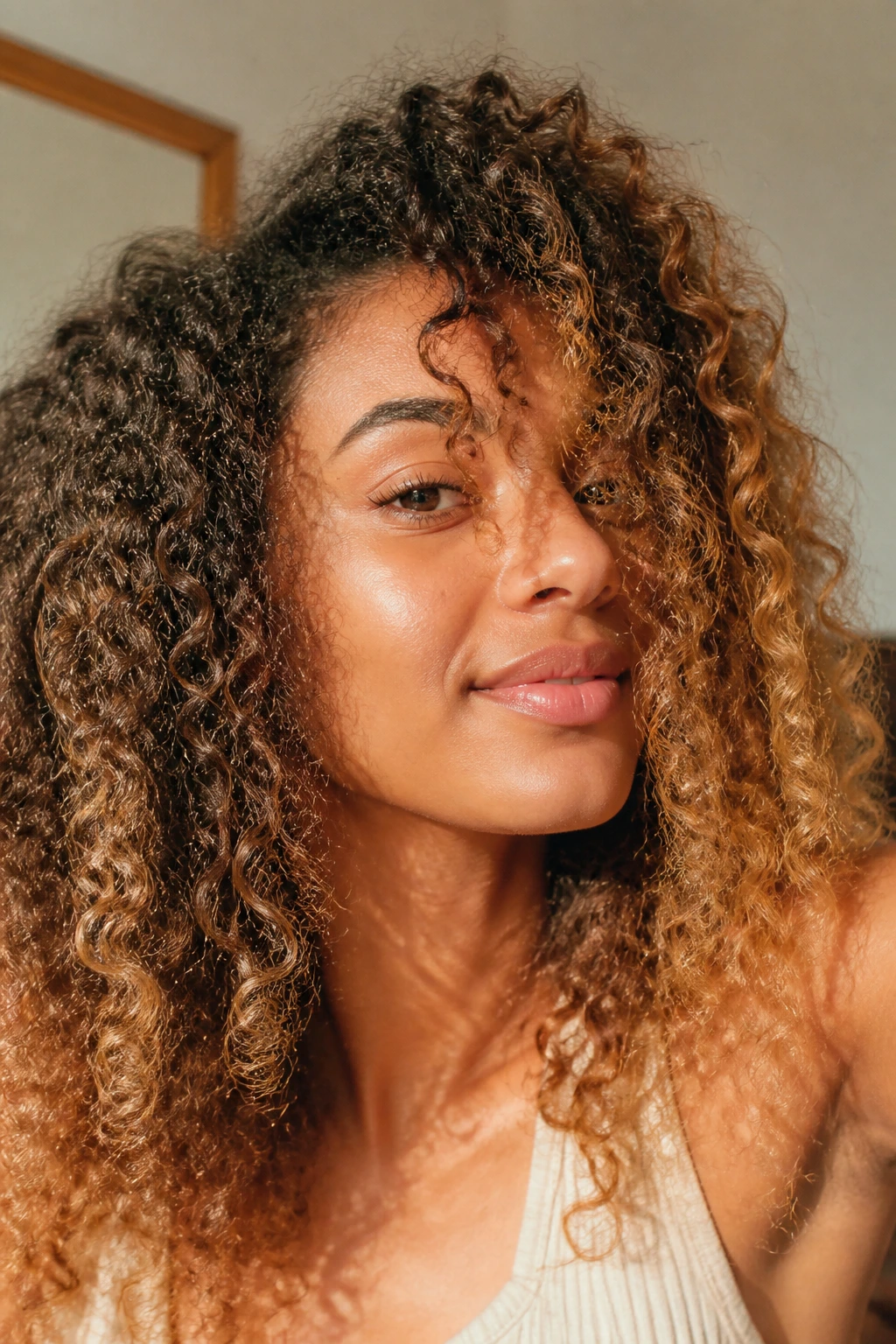
If you are coming off years of heat damage or chemical processing, your hair will not become perfectly curly overnight. It takes time for the cuticle to heal and for your natural curl pattern to “wake up.”
The Reality Check
Give it at least three to six months of consistent, proper care before you judge your results. Many people see a massive change in the texture and health of their hair once they stop fighting it and start nurturing it properly.
24. Protective Styles
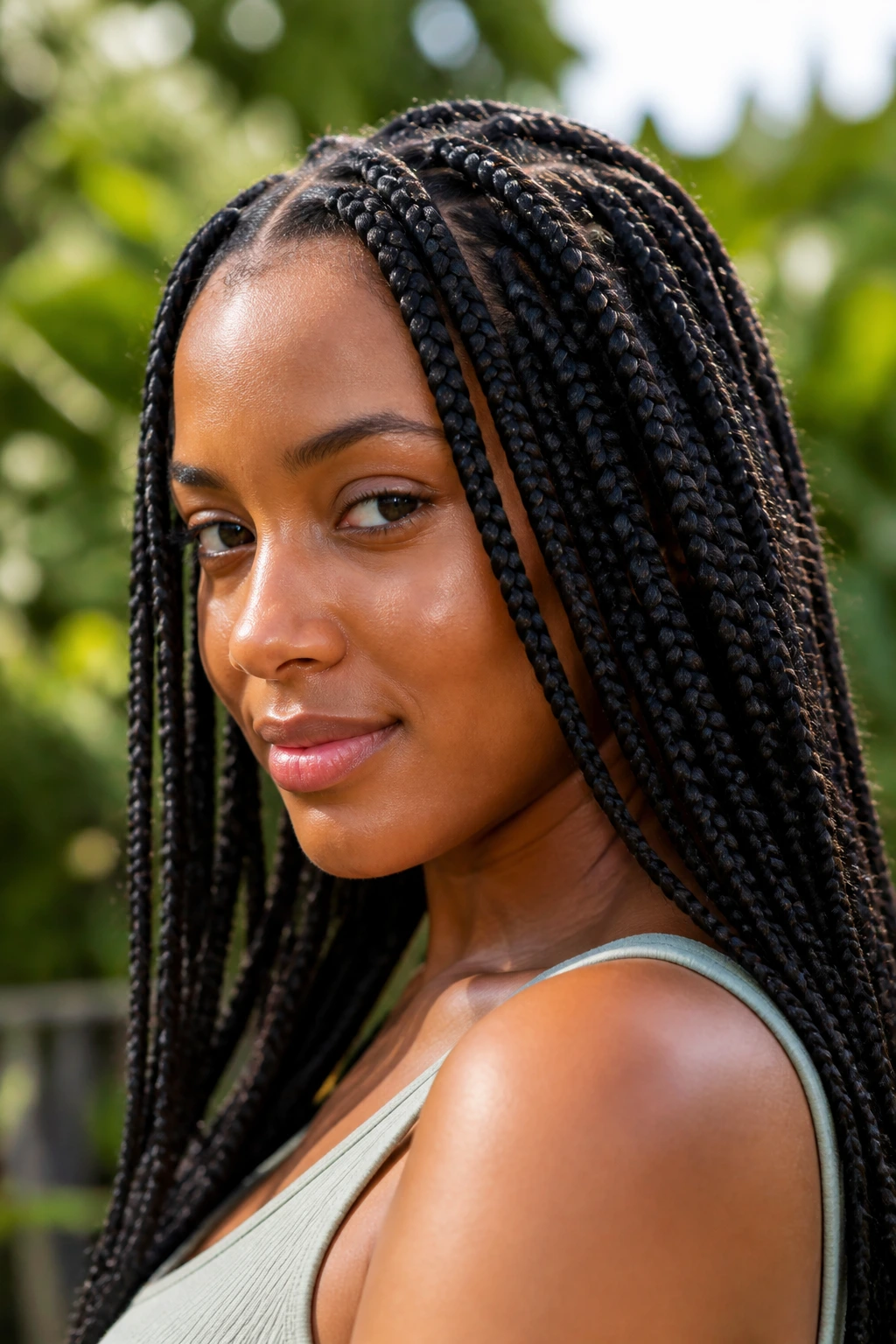
If you find yourself styling your hair every single day, you are overworking it. Protective styles like braids, twists, or low buns keep the ends of your hair tucked away and safe from environmental damage.
The Benefits
- Less friction means fewer split ends.
- You spend less time in front of the mirror each morning.
- Your hair has time to rest and recover from daily manipulation.
25. Avoid Alcohol-Based Products
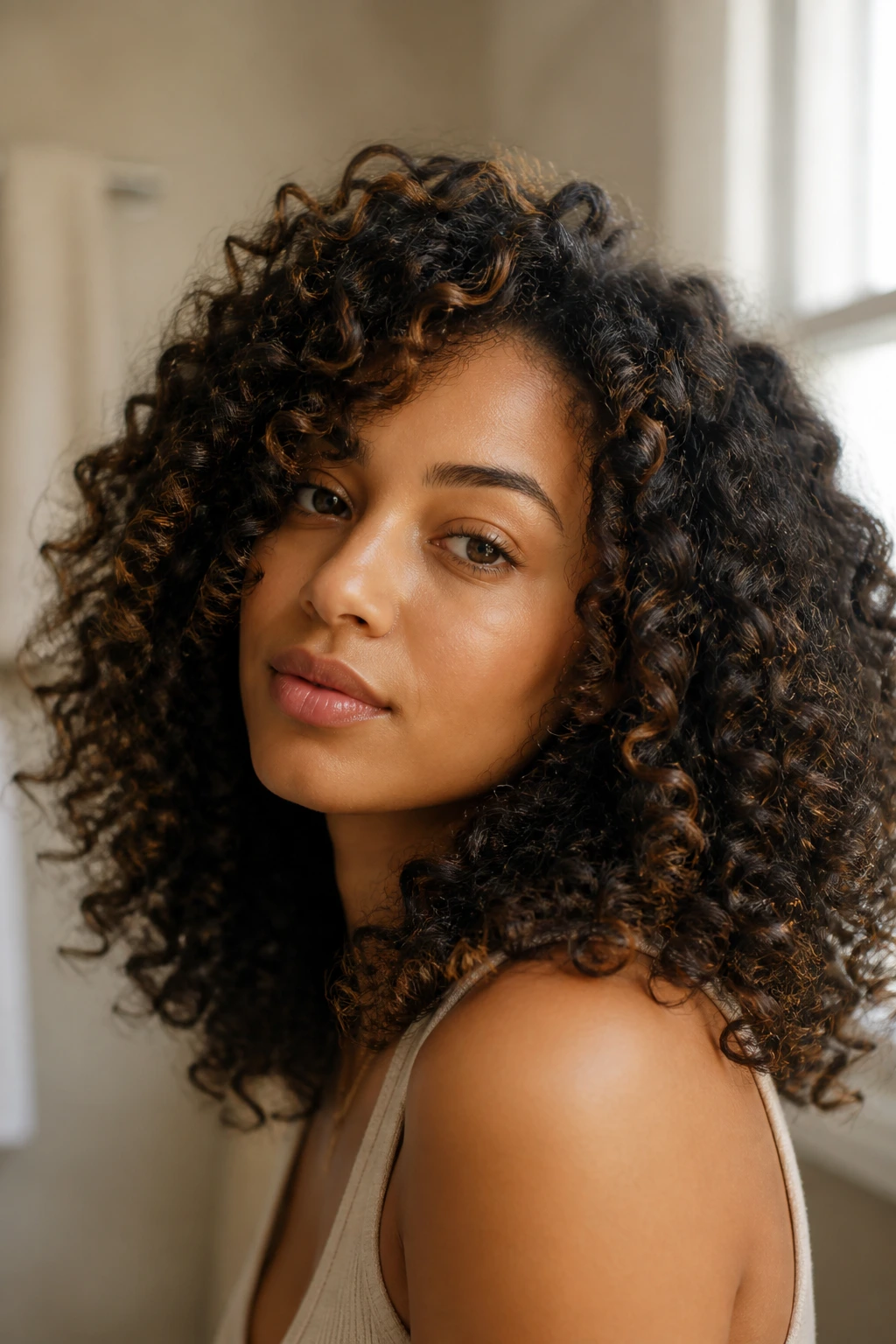
Check your styling gels and hairsprays for “drying alcohols” (like isopropyl or SD alcohol). These are essentially solvents that strip moisture out of the hair to make it dry faster.
The Exception
Not all alcohols are bad. Fatty alcohols like cetyl, stearyl, and cetearyl alcohol are actually good for your hair—they are derived from plants and provide moisture and slip. Always read the ingredient list carefully before making a purchase.
26. Use a T-Shirt to Plop
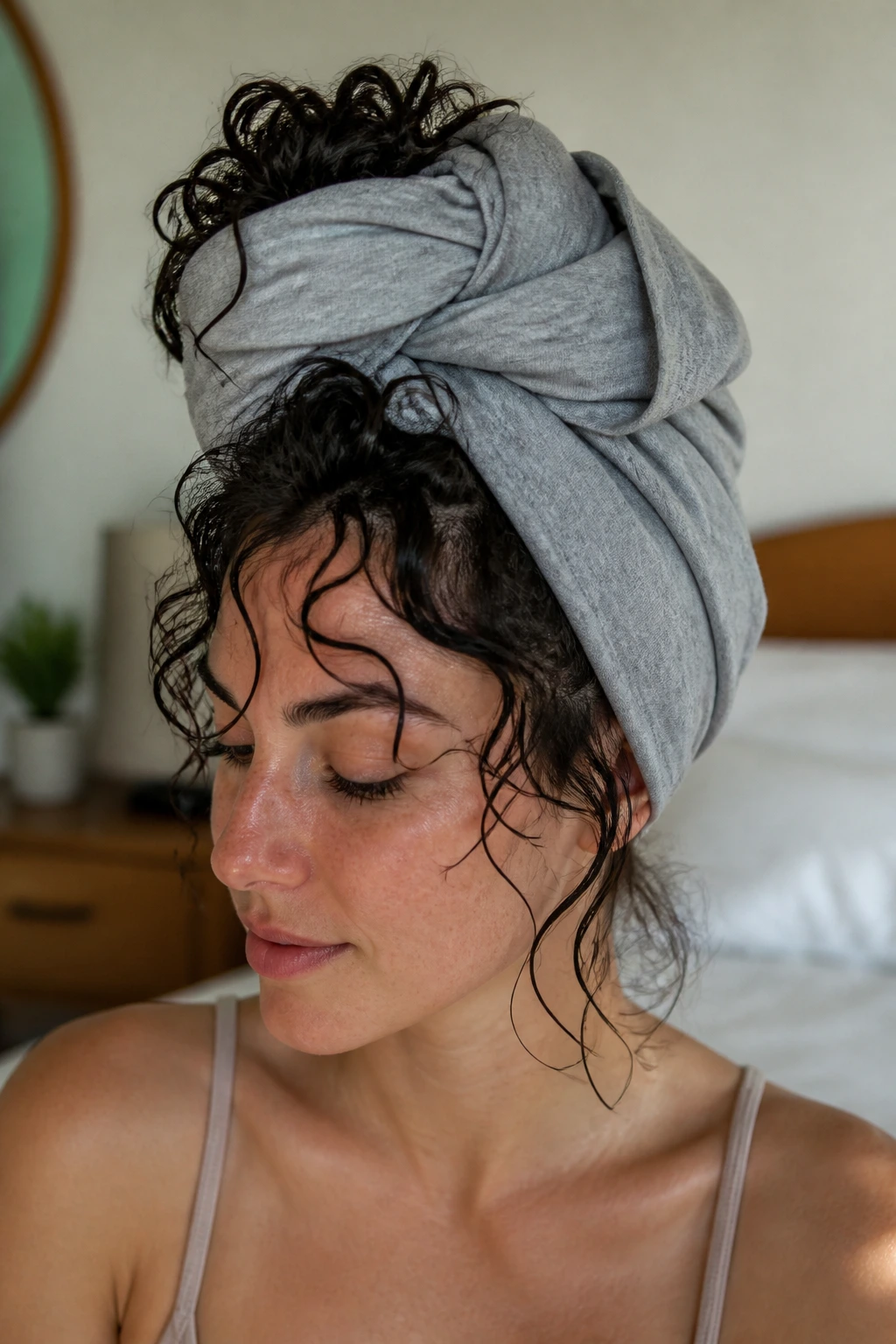
“Plopping” is a technique where you wrap your wet, product-filled hair in a cotton T-shirt on top of your head. This keeps the curls scrunched up toward your scalp, preventing gravity from pulling them flat while they dry.
How to Plop
- Lay a T-shirt flat on your bed with the sleeves closest to you.
- Flip your hair forward into the center of the shirt.
- Wrap the bottom of the shirt over the back of your head and tie the sleeves together in front.
- Leave it for 20 to 30 minutes. It creates incredible root lift and definition.
27. Try Protein Treatments
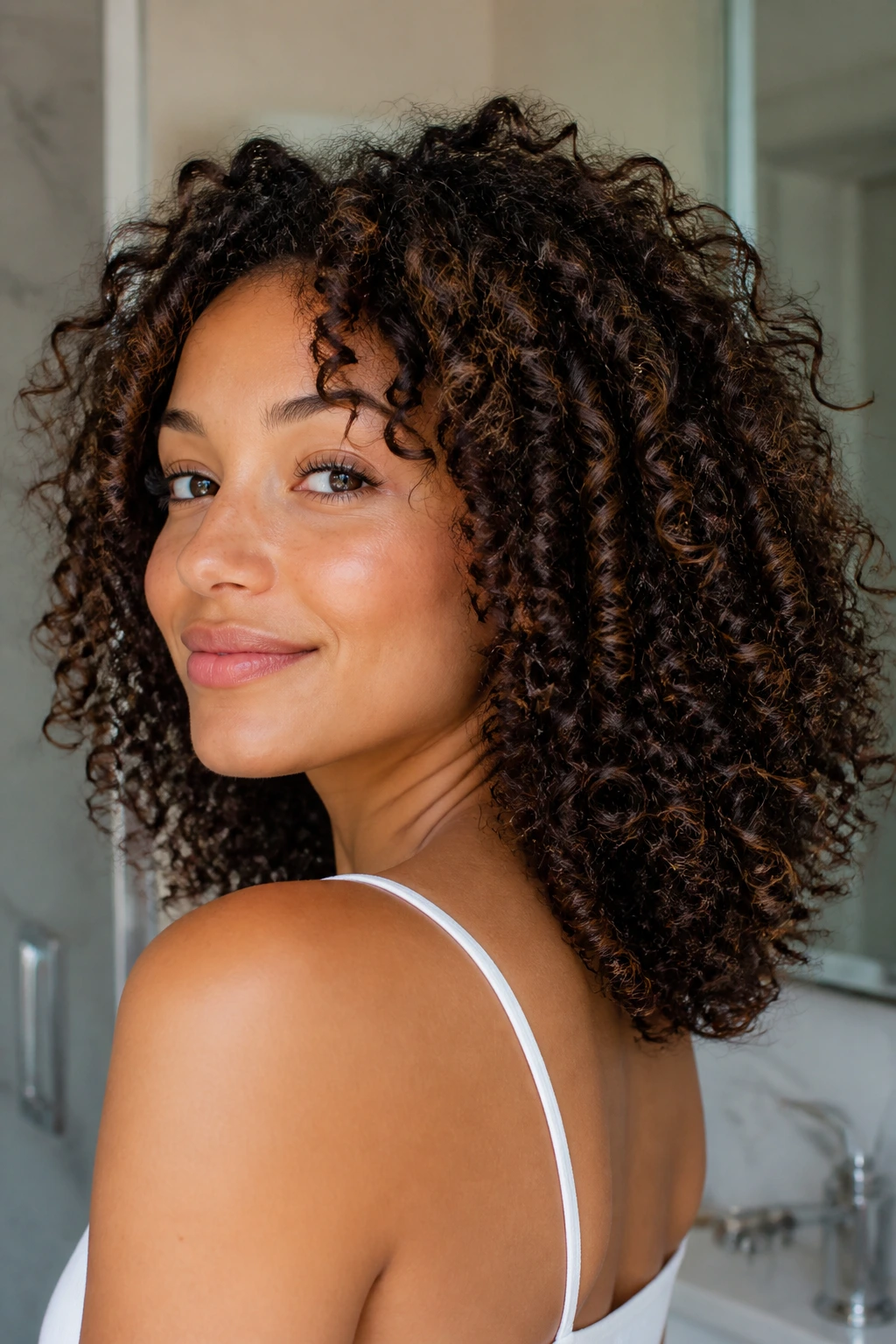
Sometimes curls go limp because they have too much moisture and not enough structure. This is where protein treatments come in.
The Signs You Need Protein
- Your hair feels “mushy” or stringy when wet.
- Your curls don’t hold their shape or lose their bounce quickly.
- Your hair feels weak and overly soft. A simple rice water rinse or a store-bought protein mask can re-strengthen the hair shaft, giving your curls the “backbone” they need to spring back into shape.
28. Monitor Your Weather
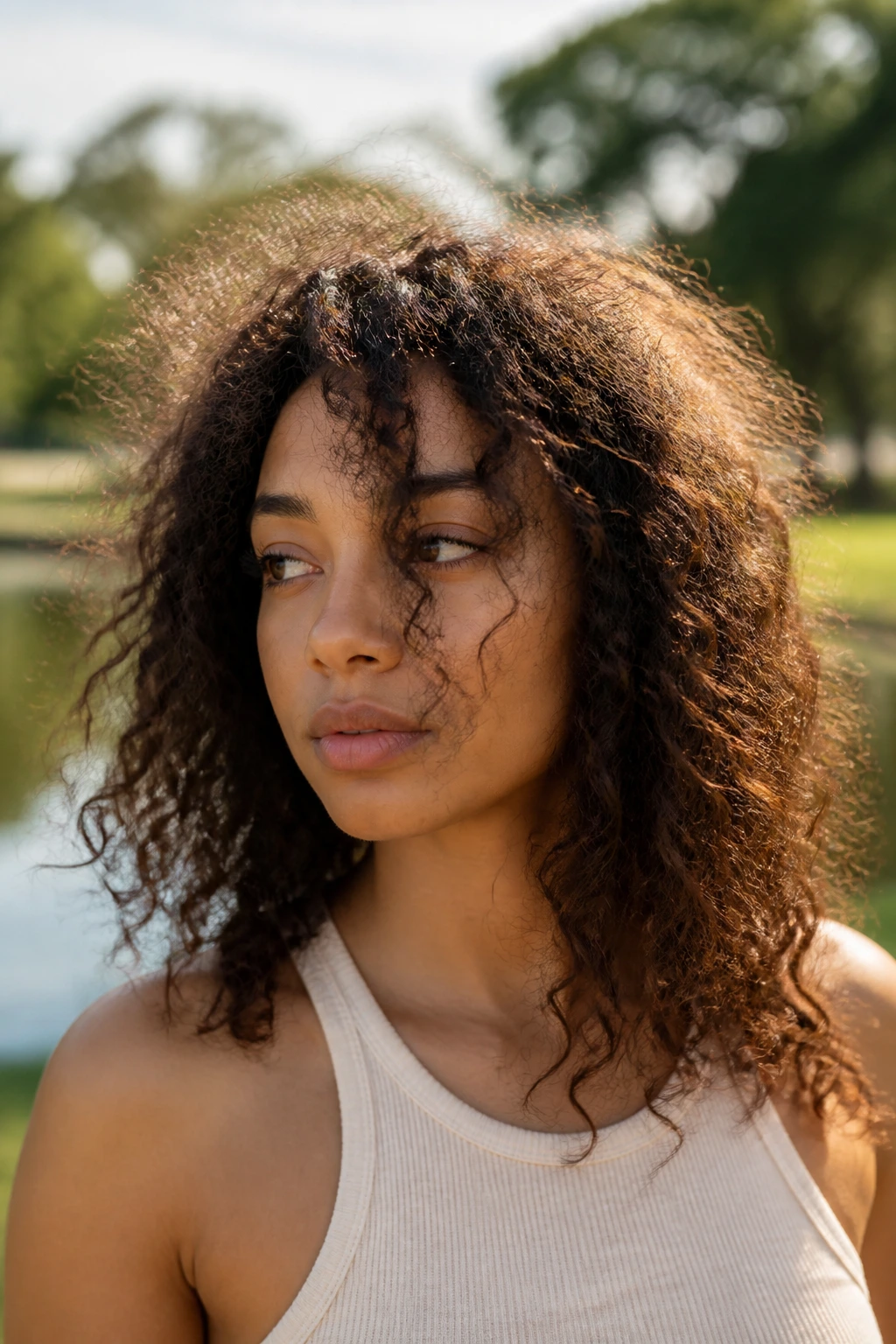
Curly hair is incredibly reactive to humidity. In humid weather, hair absorbs moisture from the air, causing the cuticle to swell and frizz. In dry weather, the air sucks moisture out of your hair.
Adjust Your Strategy
When it is very humid, use a product with a stronger hold or a “humidity blocker.” When it is very dry, add a few extra drops of oil to your routine to lock in the moisture you already have.
29. Sectioning Is Key
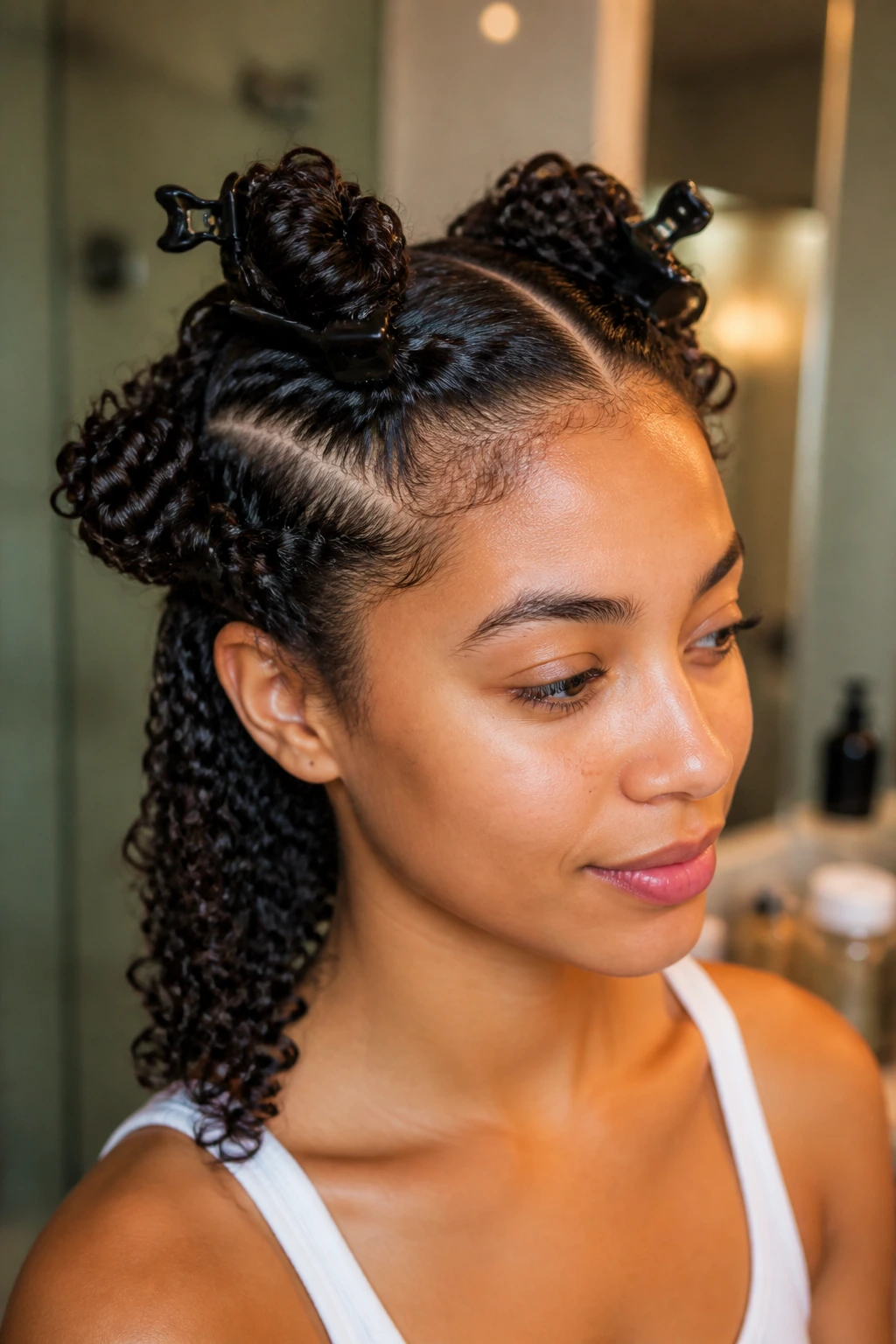
If you are struggling to get even curl definition, you are likely applying product too quickly and unevenly. Sectioning your hair into four or more parts before applying your stylers ensures that every single strand gets the hydration and hold it needs.
How to Section
Use plastic butterfly clips to keep hair out of the way. Work on one small section at a time, raking your product through and then scrunching. It takes longer, but the result is a consistent, frizz-free look from root to tip.
30. The “Prayer Hands” Technique
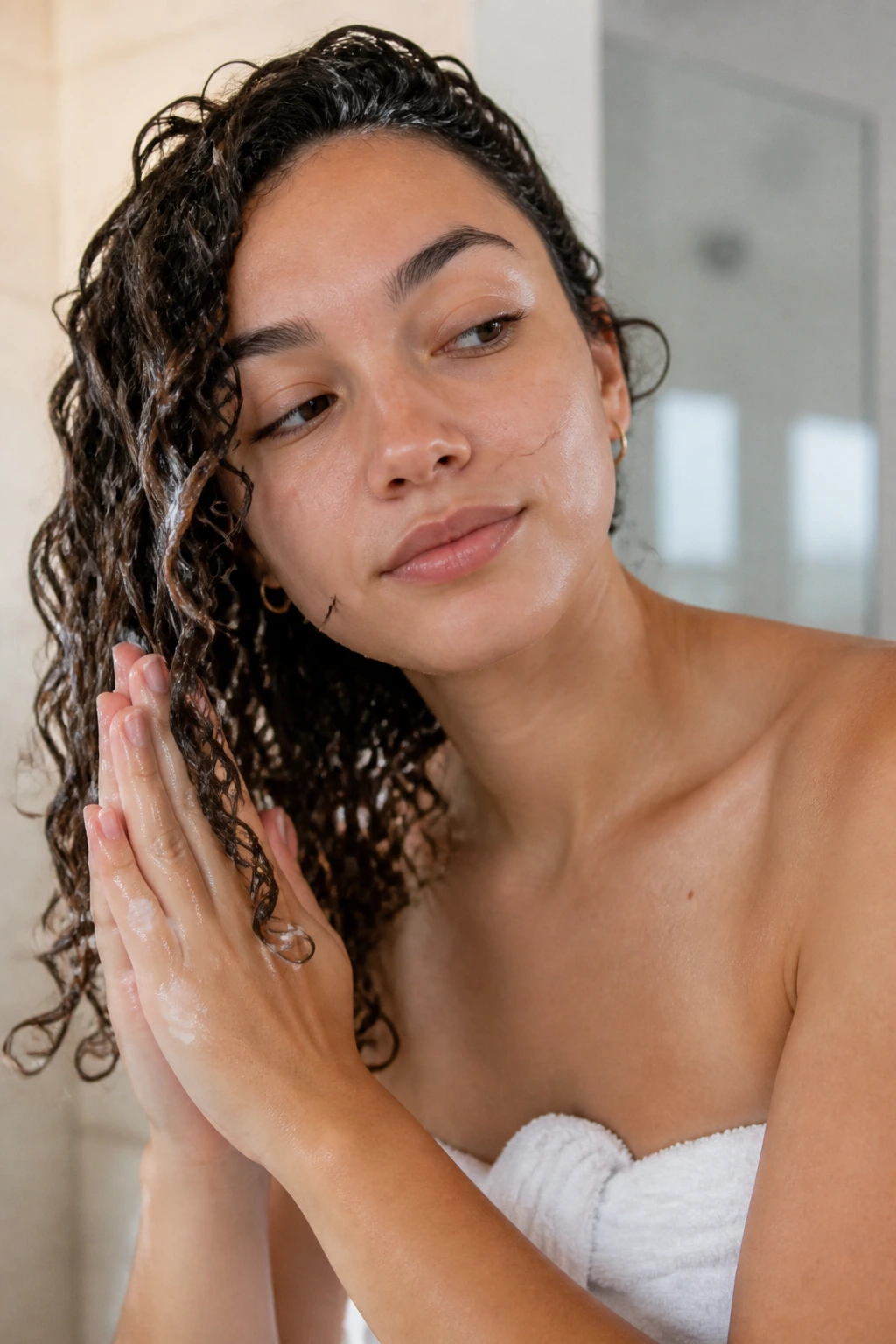
This technique is the secret to smooth, clumpy curls. By keeping your palms pressed together while applying product, you force the hair strands to stay together in “clumps.”
Why Clumping Matters
When hair clumps together, it creates a larger, more defined curl. If you pull the hair apart during the application process, you create dozens of tiny, frizzy strands instead of one beautiful, springy curl.
31. Use a Silk Pillowcase
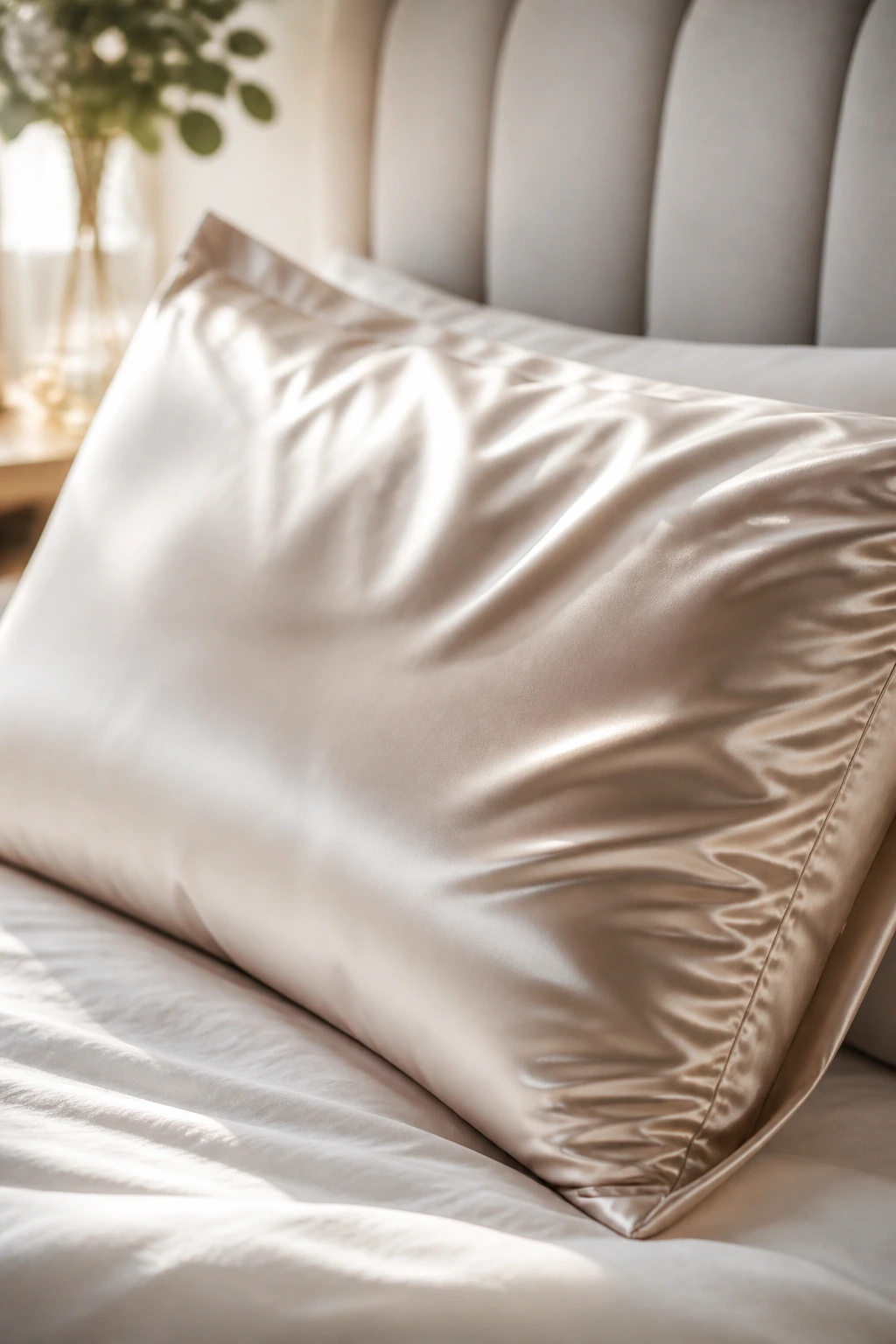
If you don’t want to deal with a bonnet or a “pineapple” at night, a silk or satin pillowcase is the next best thing. It is smooth enough that your hair glides against it without snagging.
The Long-Term Reward
You will wake up with significantly less “morning frizz” and your hairstyle will look refreshed rather than flattened by your sleep position. It is one of the easiest, lowest-effort upgrades you can make for your hair health.
32. Don’t Fear the Frizz
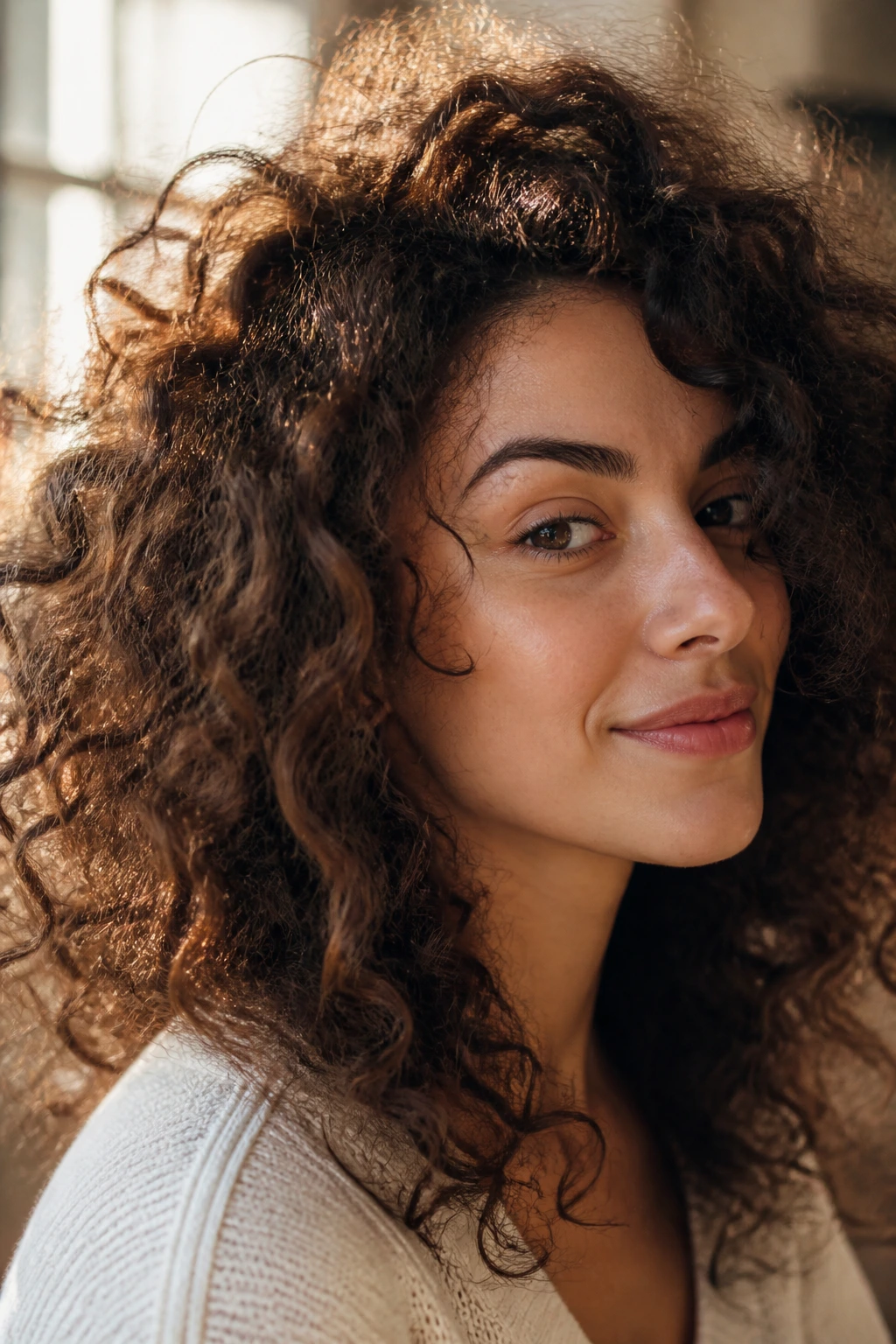
A little bit of frizz is natural. Do not obsess over having “perfect” curls every single day. A few stray strands are a sign of life, texture, and movement.
The Mindset Shift
When you stop aiming for a mannequin-like level of perfection, you start enjoying your hair. Curly hair is inherently messy and chaotic. Once you lean into that aesthetic, you’ll find that you actually look—and feel—more like yourself.
33. Clarify Occasionally
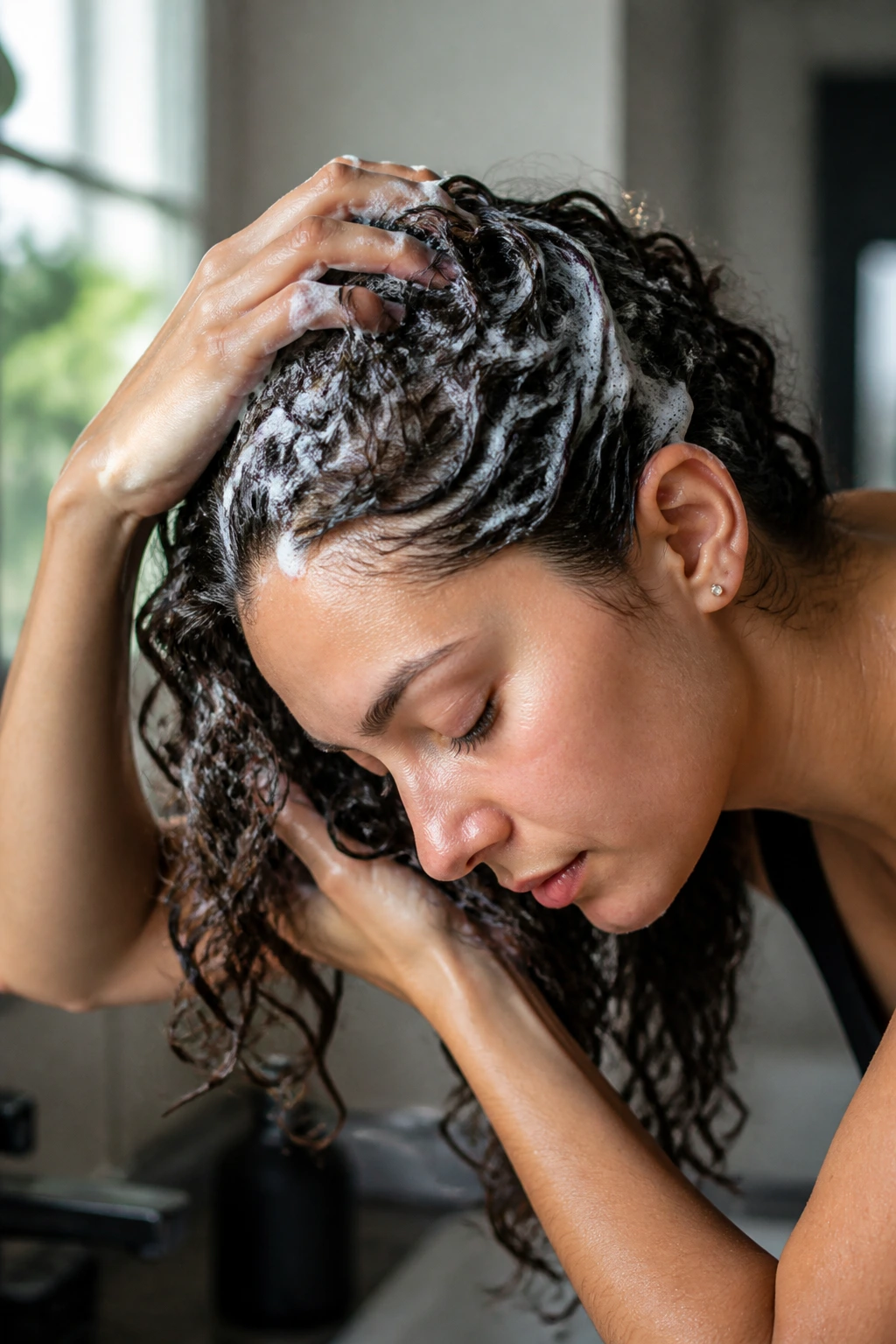
If you use products with silicones, oils, or even just heavy creams, you will eventually experience product buildup. This is when your hair stops responding to your products and feels dull, heavy, or greasy.
When to Clarify
Use a clarifying shampoo once or twice a month to hit the “reset button.” It will strip away everything, giving you a fresh start. Just make sure to follow up with a very deep conditioning treatment, as clarifying can be quite drying.
34. Customise Your Cut
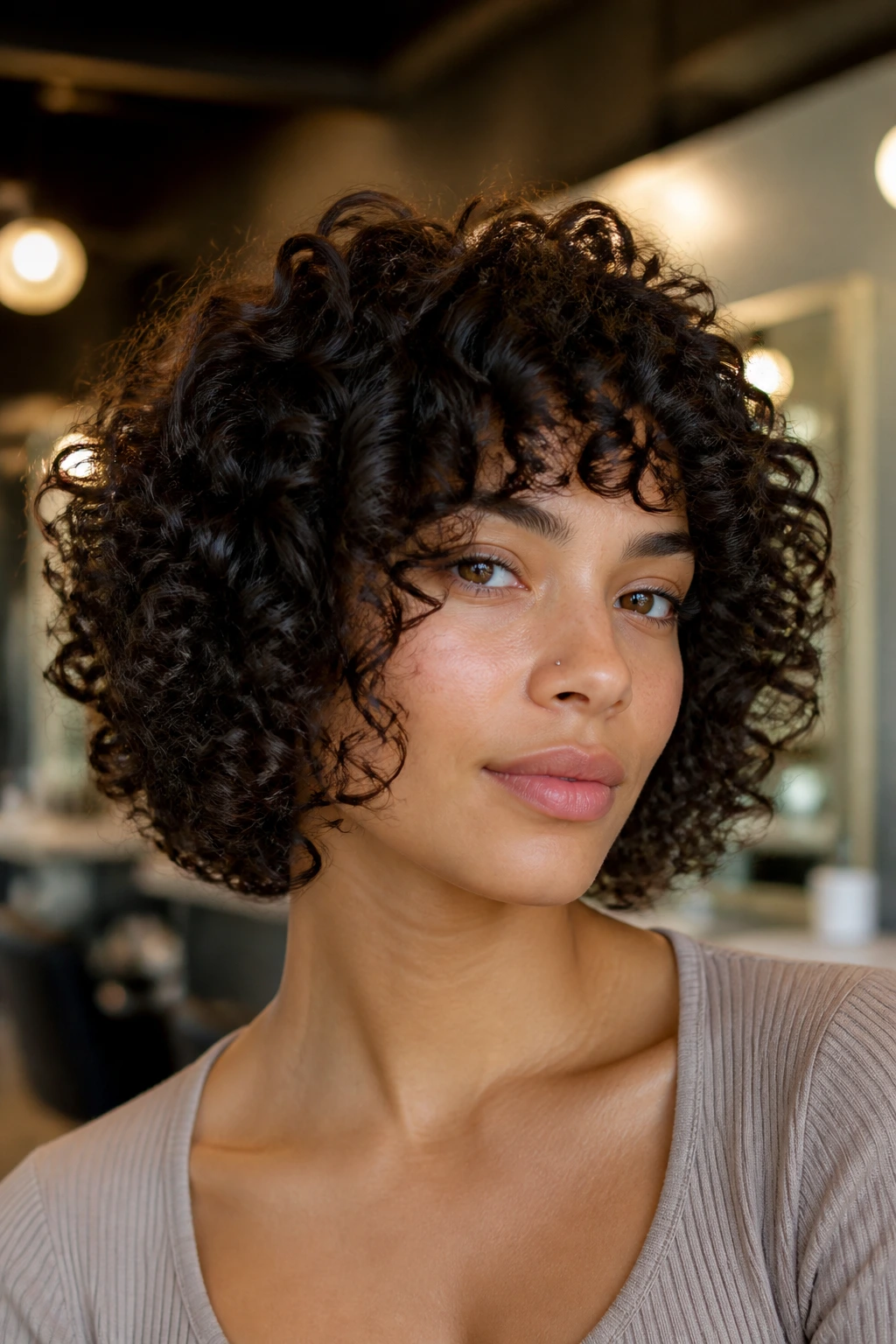
Not all haircuts work for curly hair. You need a stylist who understands the “curl-by-curl” cutting method, where they cut your hair while it is dry and in its natural state.
The Logic
Cutting curly hair wet is dangerous because when it dries, it springs up significantly. A stylist who understands this will shape your hair so that your curls sit exactly where they are meant to, framing your face and enhancing your natural volume.
35. Take Photos of Your Journey
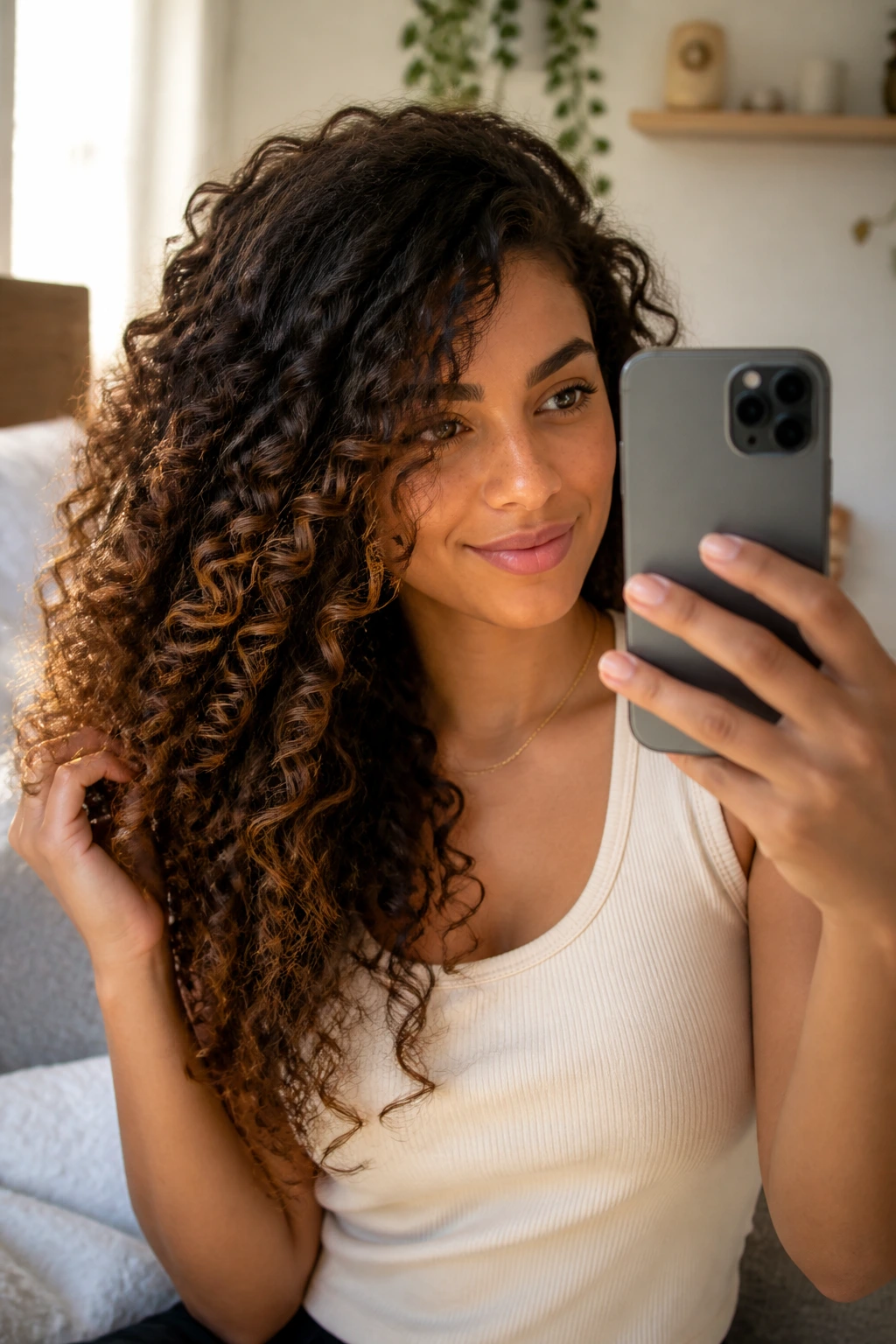
It sounds strange, but tracking your progress through photos is the best way to learn what works. When you have a “good hair day,” look back at the photos and remember exactly what products and techniques you used.
Why This Works
You will begin to see patterns. You might notice that your curls are always tighter when you use a specific gel, or that your hair is flatter when you use a particular conditioner. Over time, you build your own custom “hair manual” that guarantees success, no matter what your curls decide to do on any given day.
The Bottom Line
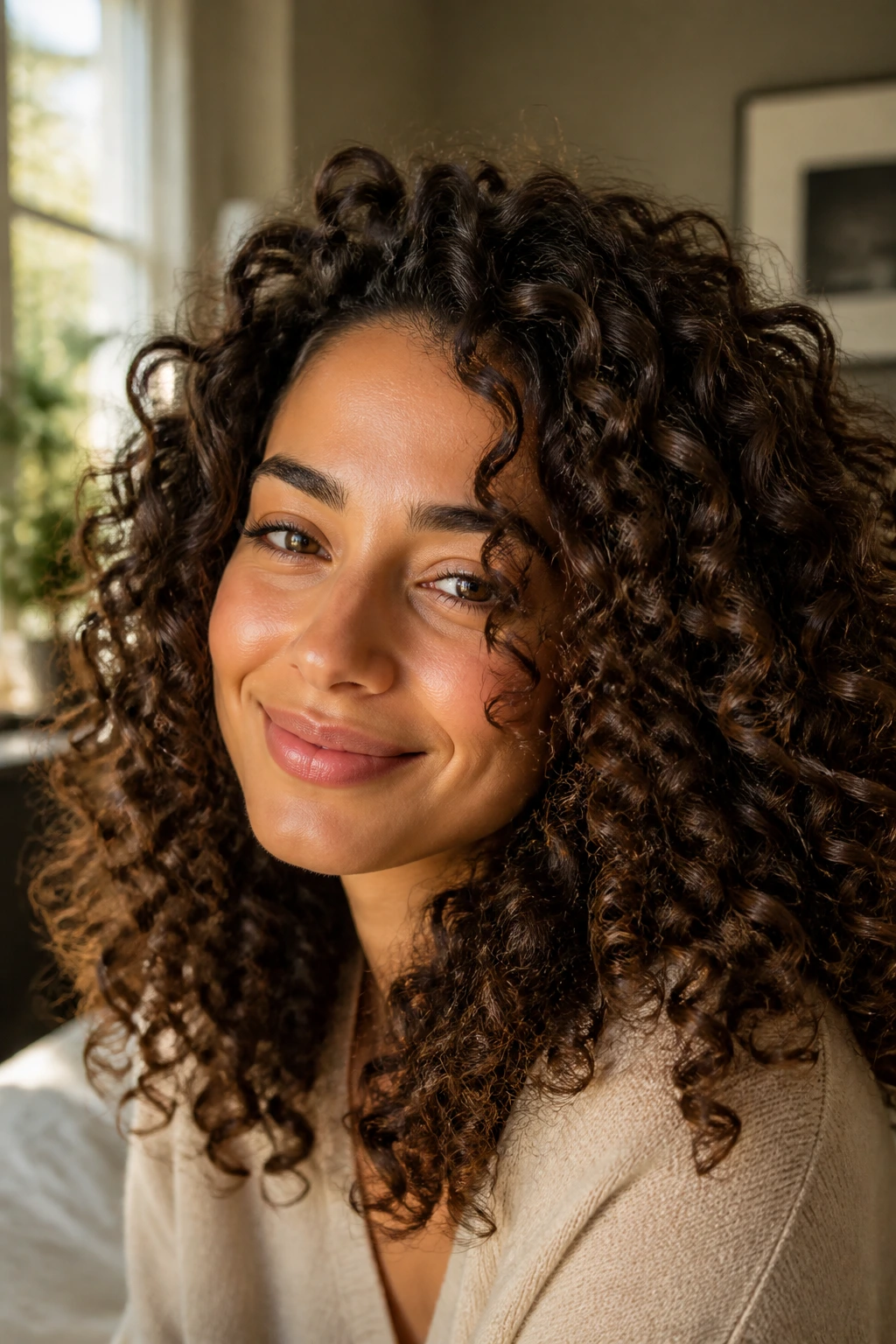
Mastering your curls is a marathon, not a sprint. Do not feel pressured to incorporate every single one of these tips at once. Start by switching your towel to a microfiber one or committing to detangling only in the shower. As you build confidence, add in new techniques like plopping or squish-to-condish. Your hair is an expression of who you are, and once you stop fighting its natural shape, you will find that it is actually your greatest feature. Keep it hydrated, handle it gently, and most importantly, let your natural texture shine.