

Fine hair is often misunderstood as a limitation. You have likely heard that your strands are too limp, too slippery, or simply too thin to hold a style. But when you look at the archives of beauty—the golden age of cinema or the playful energy of the mid-century—you see something different. You see volume, bounce, and a distinct architecture that defies gravity. The secret isn’t in adding more hair; it is in manipulating the texture you have to create the illusion of density.
Vintage styling is, by its very nature, a masterclass in structure. Unlike modern beach waves, which rely on a messy, relaxed finish, vintage curls are about setting the hair into specific shapes. For someone with fine hair, these techniques are a godsend. They prioritize root lift and shape retention, ensuring that your hair doesn’t just look curled, but looks intentionally styled. It is time to move past the idea that fine hair cannot take a wave and instead embrace the precision of the past.
1. The Classic 1940s Victory Roll
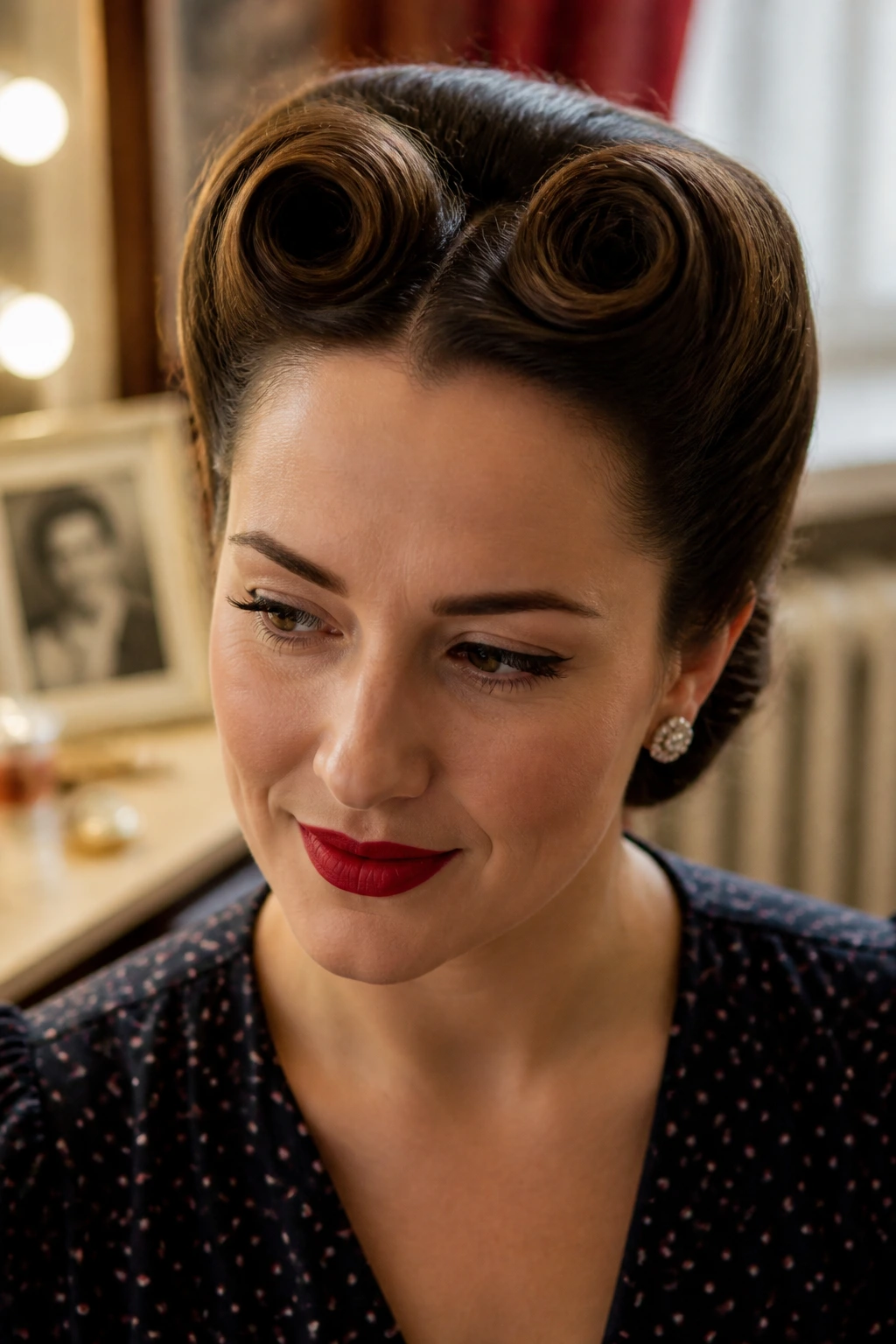
The victory roll is perhaps the most iconic silhouette from the wartime era. For fine hair, this style works because it focuses on creating a “shell” of volume that lifts the hair away from the scalp. You are not trying to curl every single strand; you are curling the front sections to frame the face while keeping the back manageable.
How to Achieve the Roll
You will need a set of small foam rollers or a curling iron with a 1-inch barrel. Focus on the front section, from temple to temple. By wrapping the hair around your fingers and pinning it securely into a hollow roll, you create a structure that stays put. Use a light-hold setting spray rather than a heavy wax, as heavy products will cause fine hair to clump and lose that airy, voluminous look you want.
2. Brushed-Out Hollywood Waves
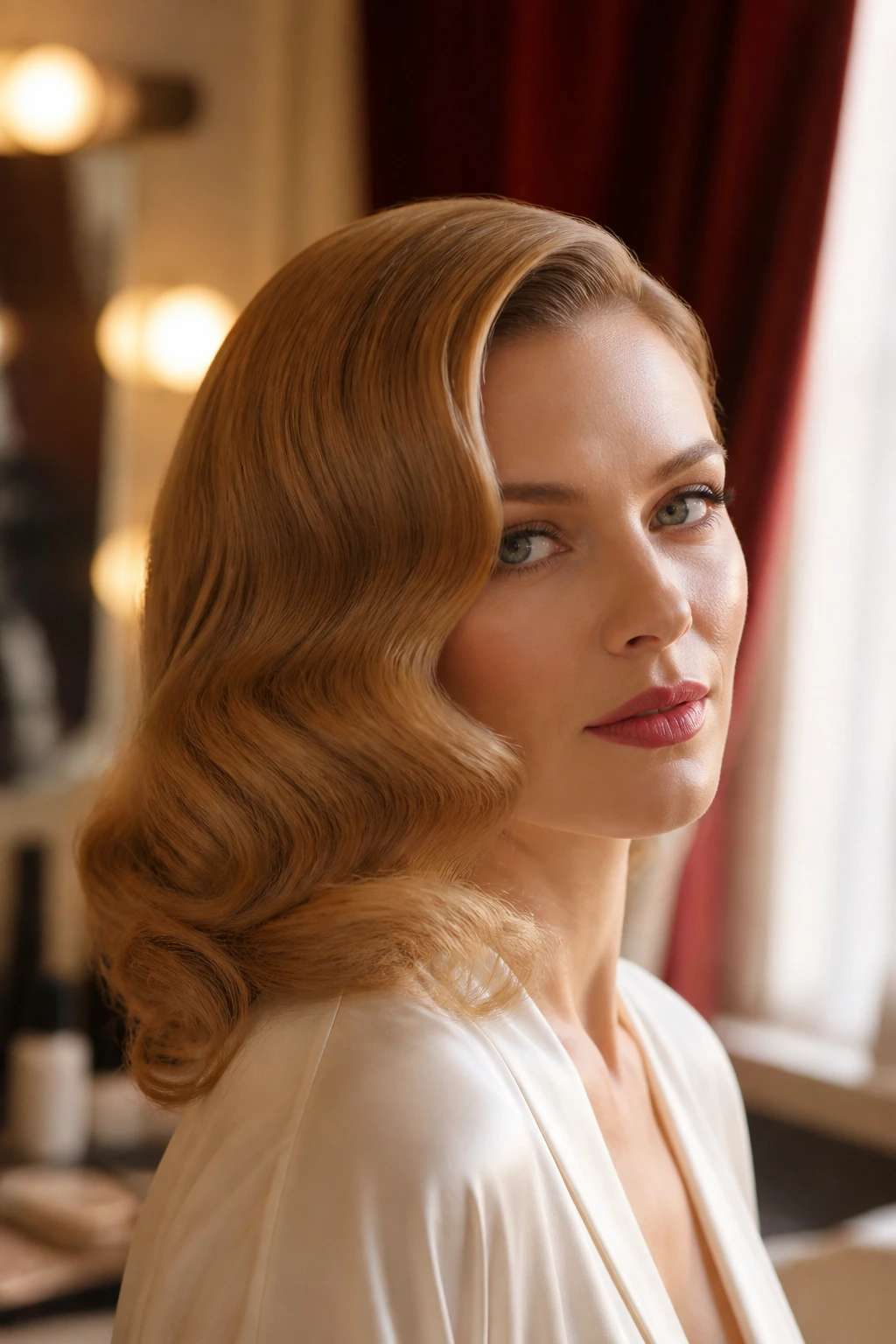
While many associate Hollywood waves with long, thick tresses, the look is entirely attainable with fine, shorter hair. The key here is in the “brush-out” phase. If you leave your curls tight, they look like stiff ringlets. When you brush them out, they marry together to create a singular, undulating wave that looks much fuller than individual curls ever could.
The Technique
- Curl all your hair in the same direction—this is vital.
- Let the curls cool completely before touching them; this is the most important step for fine hair retention.
- Use a boar-bristle brush to gently smooth the curls into a wave pattern.
- Pro tip: Place your hand behind the wave and spray from the front to create a “C” shape that holds its form.
3. The Soft Finger Wave
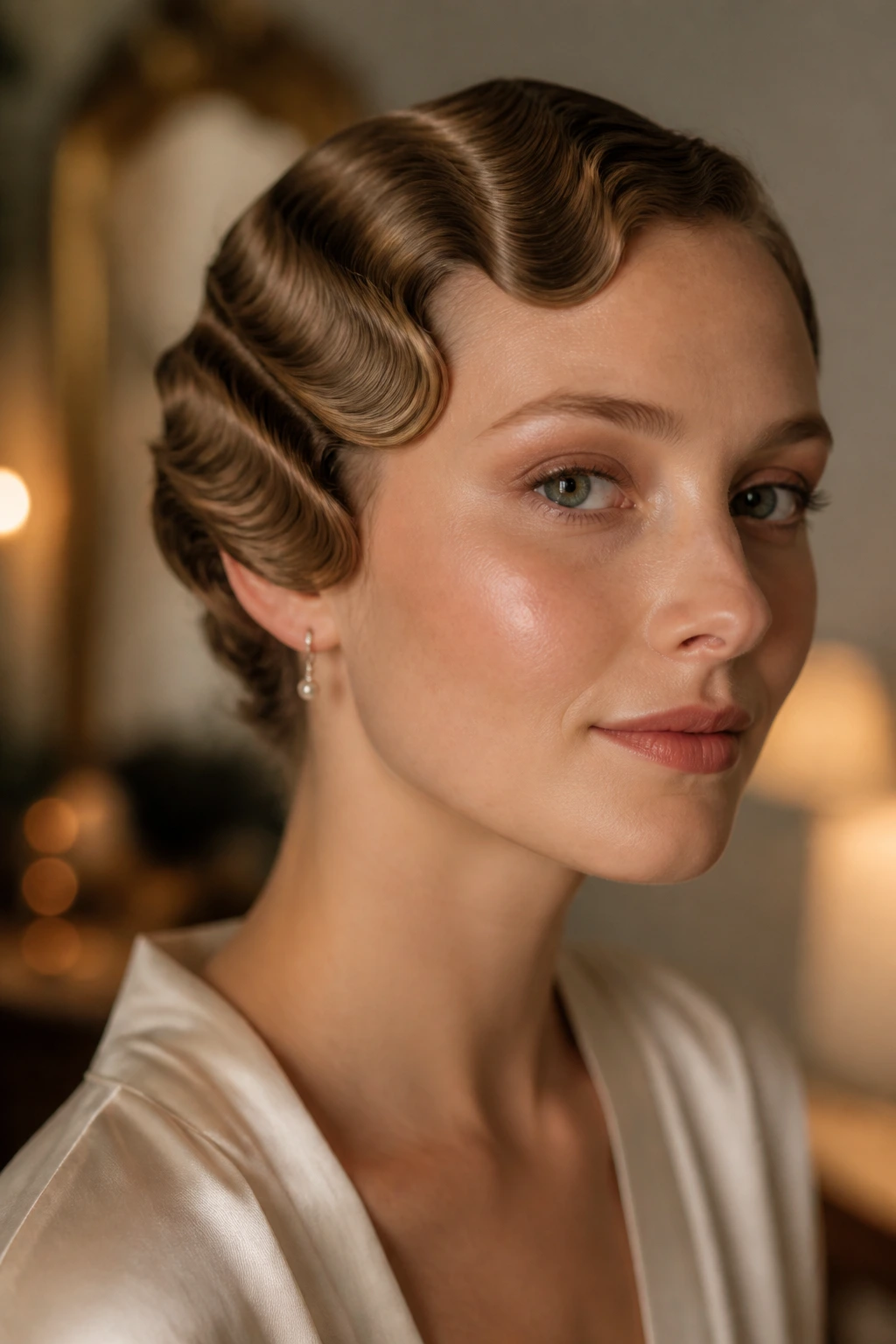
Finger waves are a deceptive style. They look like intricate, wet-set art, but they are actually a brilliant way to disguise low density. Because the hair is molded flat against the scalp in a rhythmic pattern, you don’t need a lot of volume to make the style look purposeful and intentional. It turns the “lack” of hair into a clean, graphic aesthetic.
4. Pin-Up Polka Dot Bandana Roll
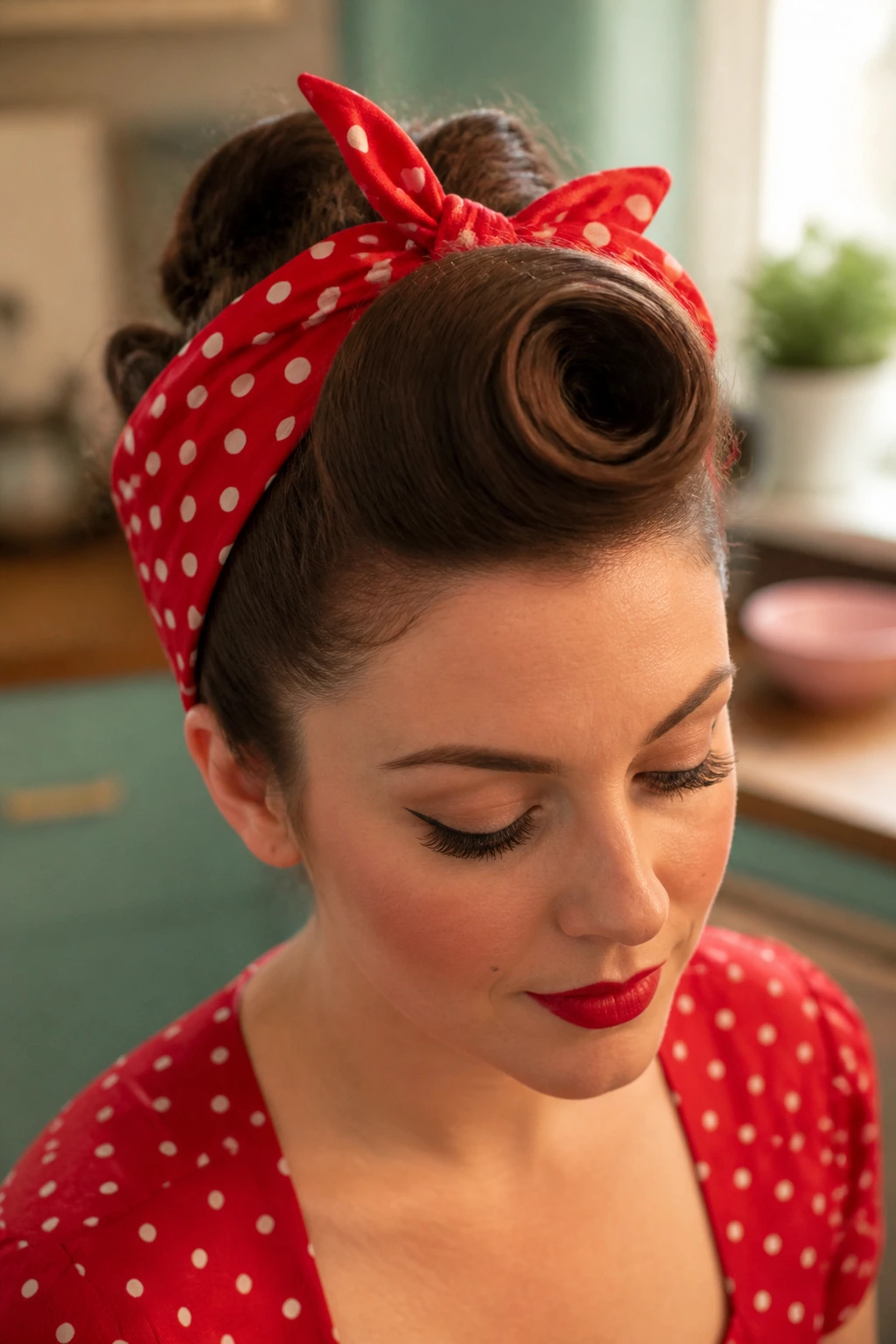
Sometimes, the best way to deal with fine hair is to use an accessory to do the heavy lifting for you. A stiff, vintage-style scarf provides the perfect anchor for a front victory roll. The fabric adds mass, while the roll itself provides the height. This is a day-to-day style that works perfectly when your hair hasn’t been washed in a day or two and has that extra “grip” that fine hair lacks when freshly shampooed.
5. The Gibson Girl Pompadour
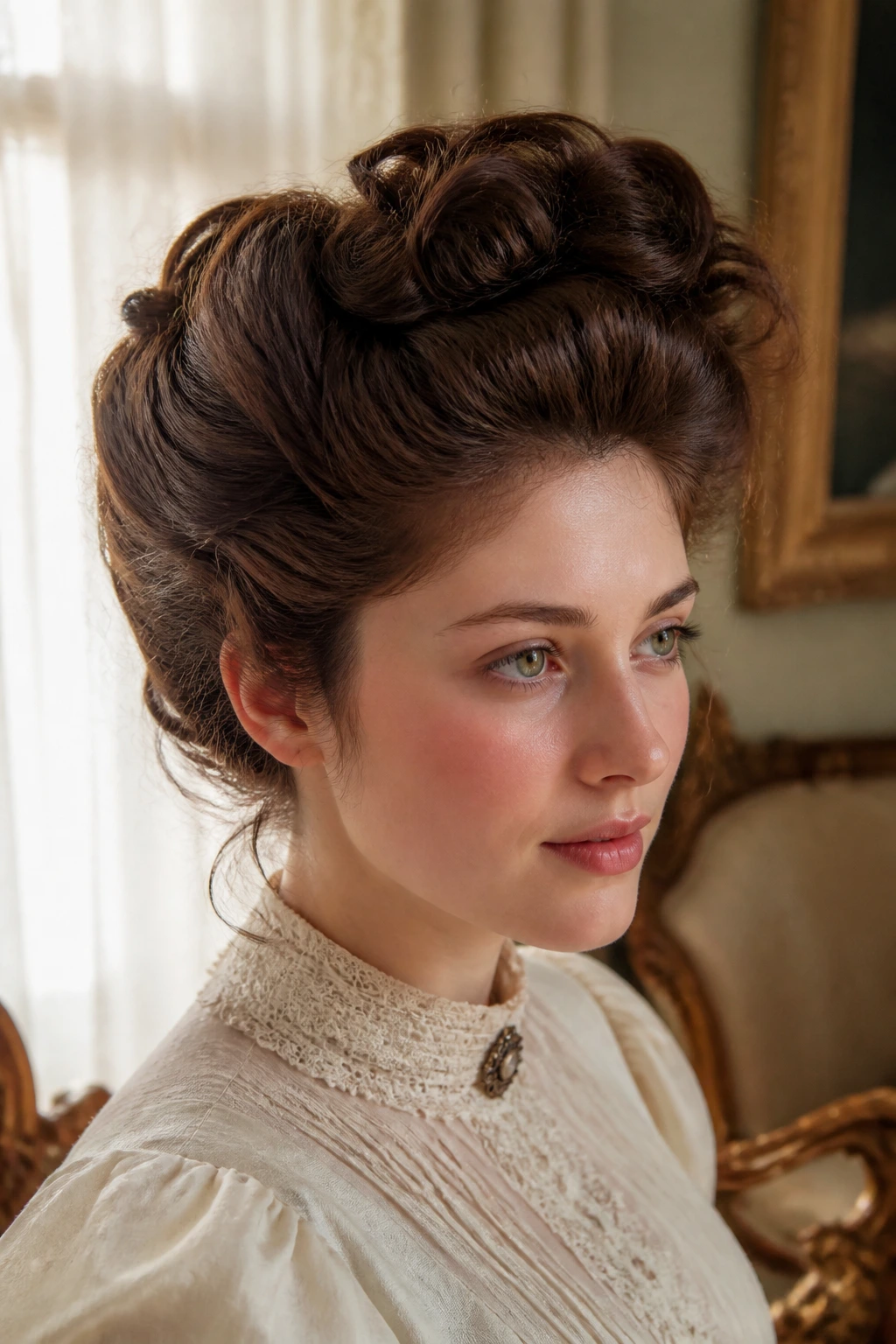
This is a turn-of-the-century look that relies on a hair rat or a “bump-it” to create the necessary volume. For fine hair, a small foam insert is essential. You pin your hair over the insert, effectively doubling the apparent volume of your crown. It is a romantic, ethereal style that feels incredibly sophisticated and works wonders for lifting the face.
6. 1950s Brushed-Out Pageboy
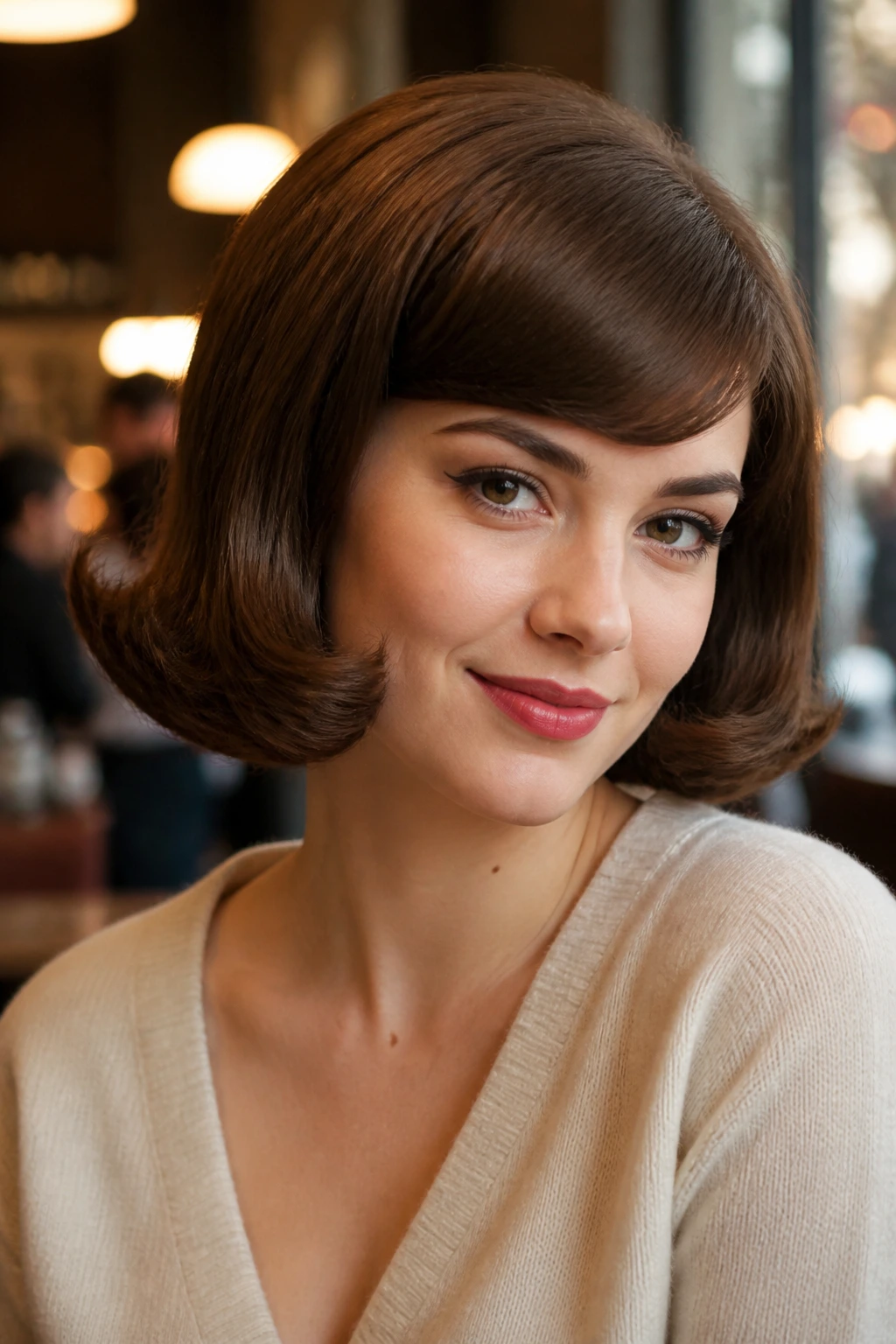
The pageboy is the ultimate style for fine hair because it encourages the ends to flip under, creating a sense of weight and thickness at the bottom. By rolling your hair under on large rollers, you encourage the hair to sit in a rounded, rounded shape that avoids the stringy, straight appearance that can plague fine hair in humid weather.
7. The Bulletproof Beehive
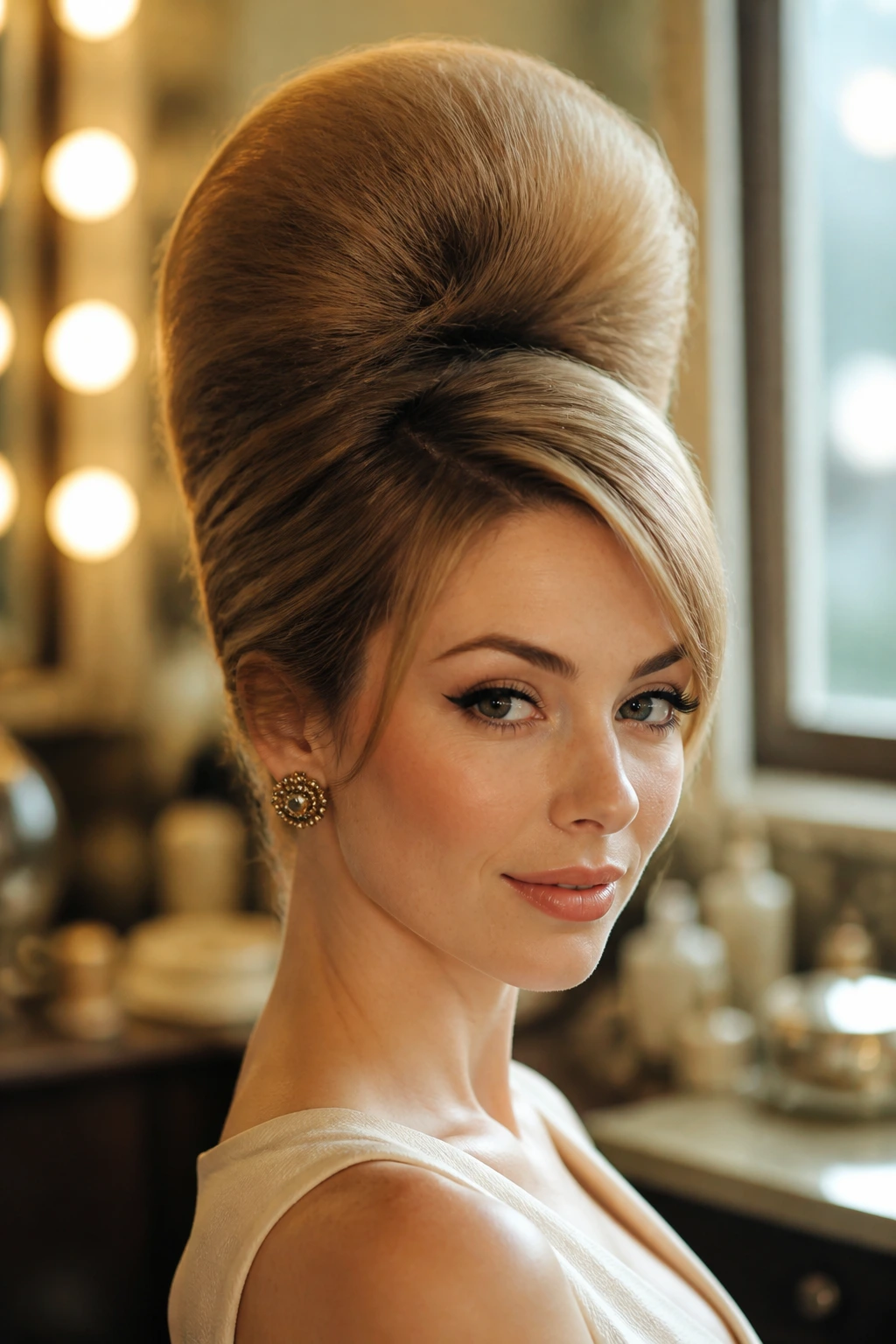
A beehive doesn’t require a mountain of hair; it requires a mountain of backcombing. Use a fine-tooth comb to gently tease the underside of your crown hair, then smooth the top layer over. Since fine hair tangles easily, use a very light spray of texture powder before you start teasing. This gives the hair a “grit” that makes it hold the backcombing without sliding out ten minutes later.
8. Retro Braided Crown
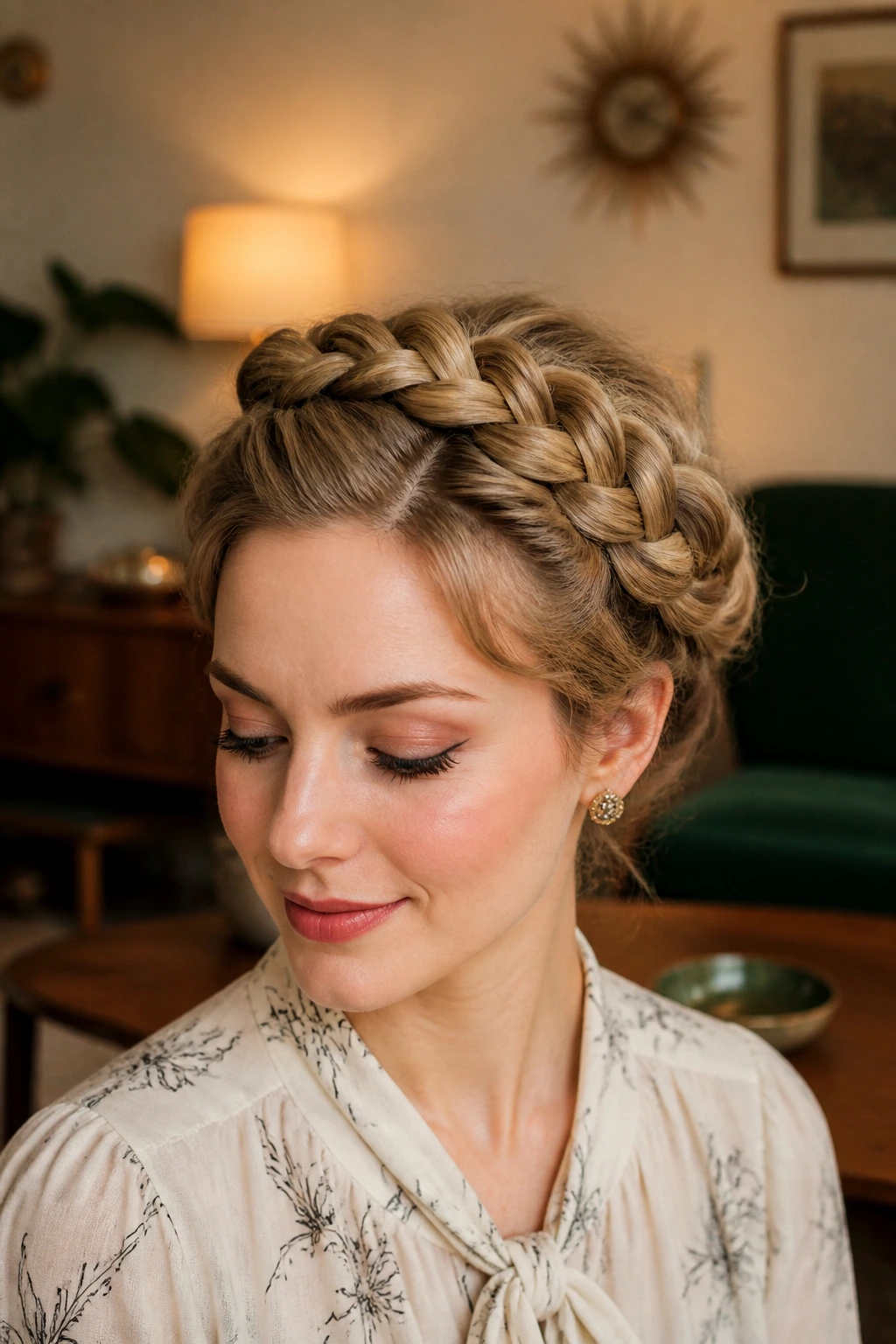
Braiding is a classic way to manage fine hair, but when you incorporate vintage elements—like a small, flat-coiled braid at the front—you get the benefit of a style that looks complex. Because you aren’t trying to make your hair look big, you are making it look deliberate. A tight, pinned crown feels secure and lasts all day without the need for constant adjustment.
9. The Barrel Roll Chignon
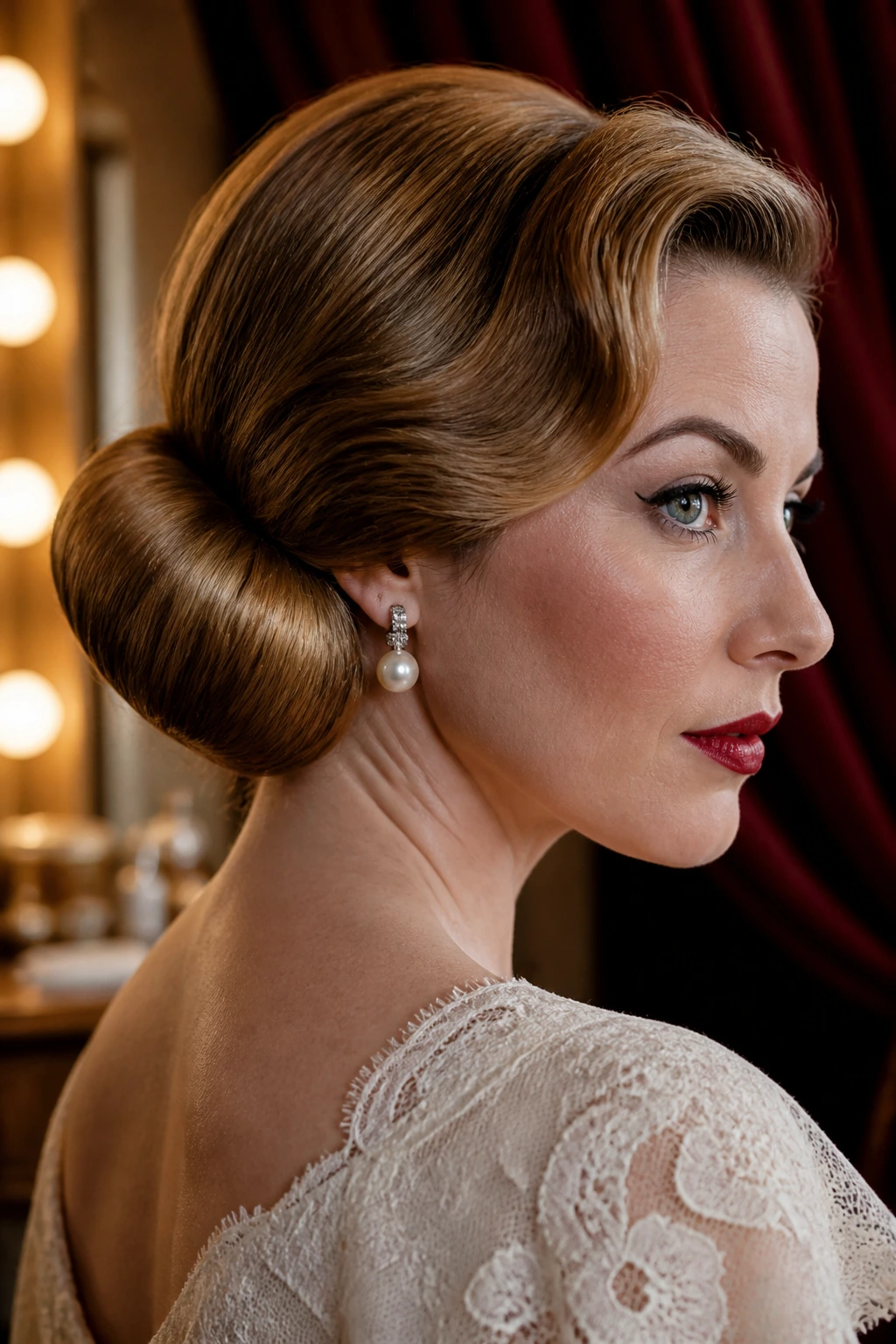
Instead of a loose, messy bun, try a structured barrel roll chignon at the nape of the neck. By taking your hair and rolling it over a tubular base, you create a shape that looks substantial. This is a perfect style for formal occasions where you want to look polished, and it requires nothing more than a few bobby pins and a bit of patience.
10. The Side-Parted Veronica Lake Swoop
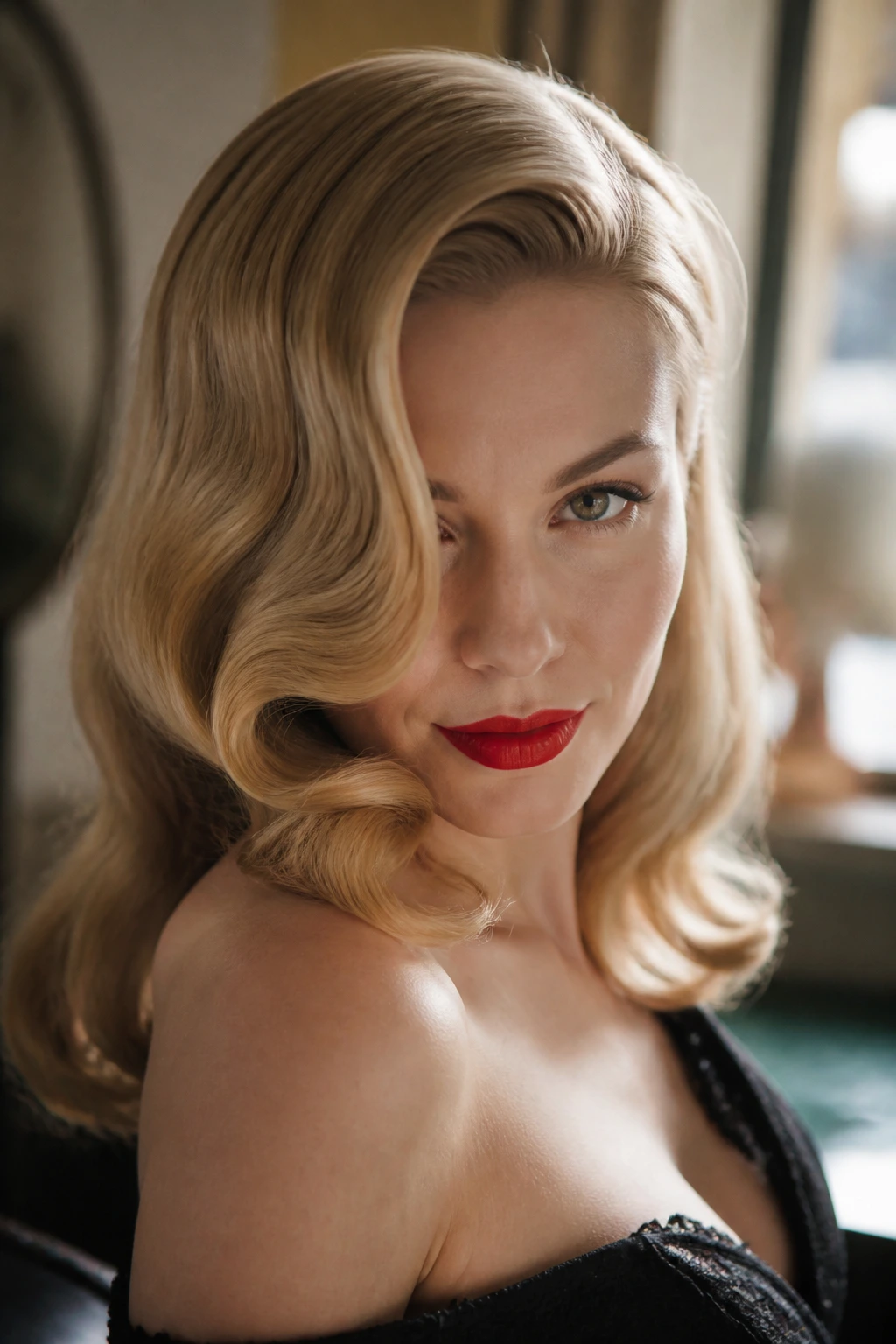
This style is all about the drama of the bang. With a deep side part, you can sweep your front hair across your forehead, creating a heavy, thick-looking section that cascades down one side. For fine hair, the secret is to use a root-lifting mousse before blow-drying. This gives the hair the initial “oomph” needed to hold that dramatic, side-swept curve.
11. The Sculpted Pin Curl Set
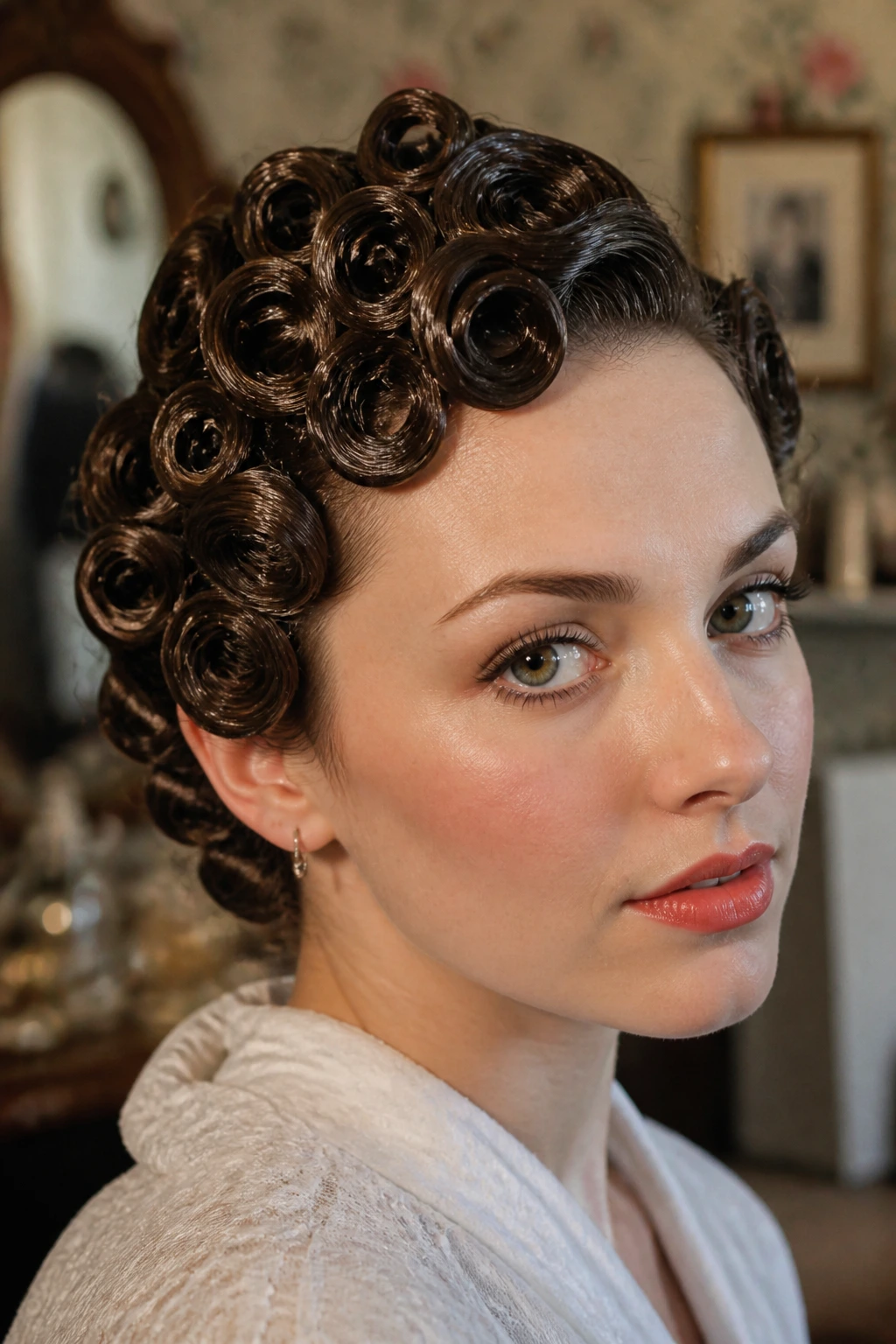
If you want the most authentic vintage look, you must use pin curls. Unlike heat styling, which can fry fine hair, a wet set with pin curls sets the hair in a way that creates a very durable, bouncy shape. Use small, plastic clips rather than metal ones to avoid creating unsightly crimps in your delicate strands.
12. 1930s Shingle Bob
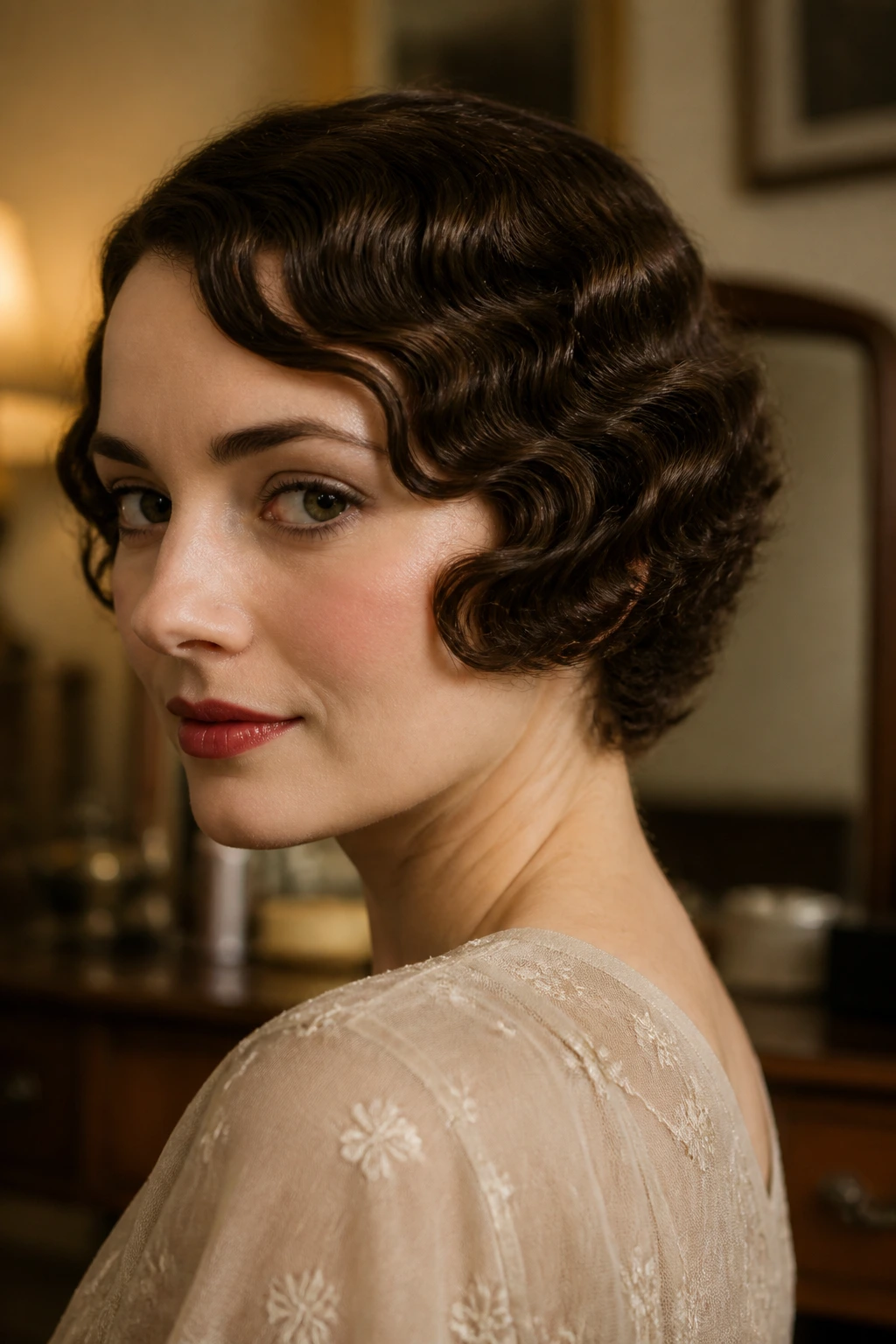
The shingle bob is a short, layered look that takes advantage of the natural texture of fine hair. By cutting the back shorter and tapering it toward the neck, you create a sense of layering that adds body. It is a bold, modern-feeling vintage style that looks sophisticated and requires minimal styling products to keep in place.
13. The Half-Up Bouffant
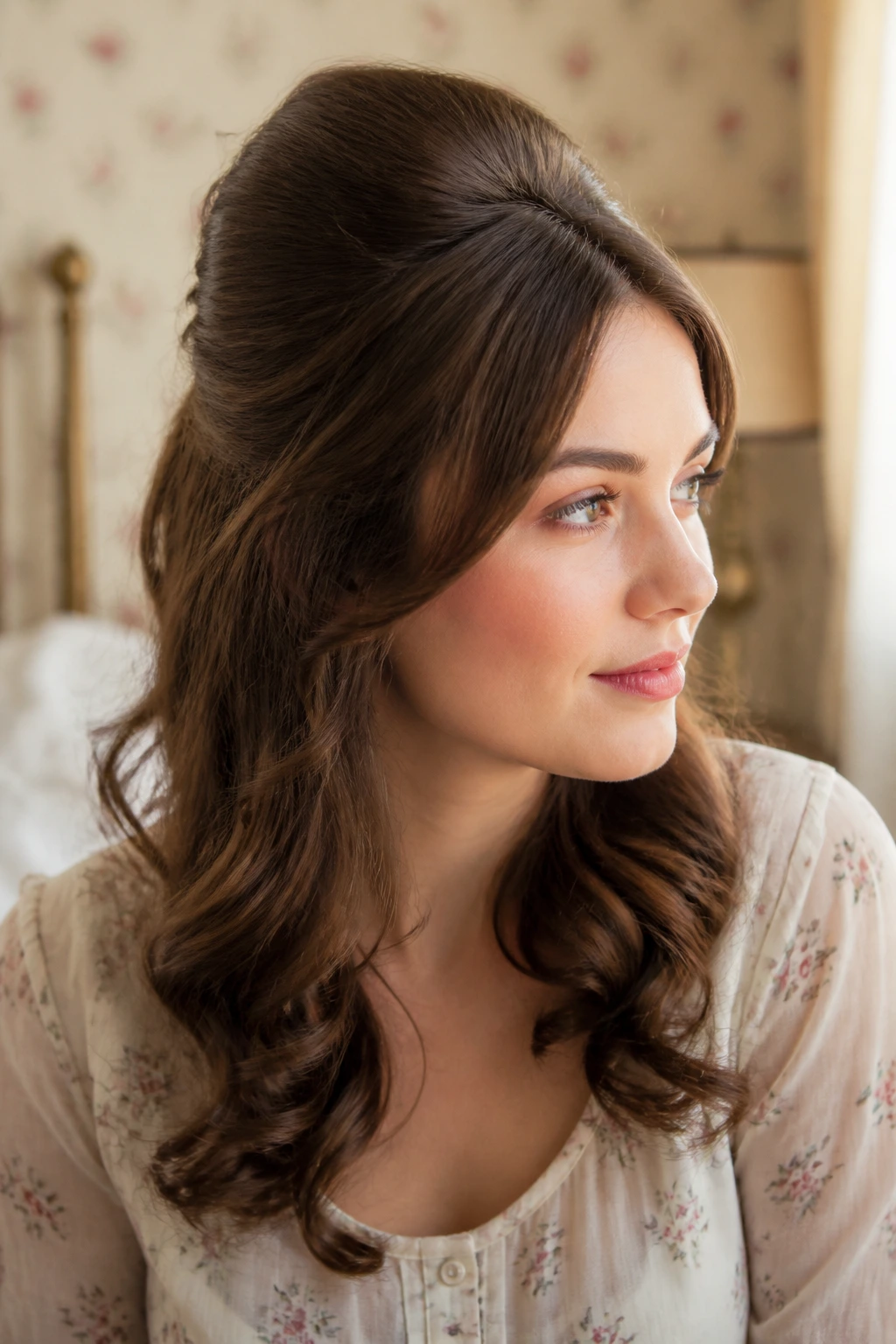
A half-up style is perfect for those days when you can’t decide between an updo and letting your hair down. By pinning the top section into a small bouffant, you create lift where it matters most. It keeps the hair out of your eyes while ensuring that the back of your head doesn’t look flat or sparse.
14. Retro Ribbons and Bows
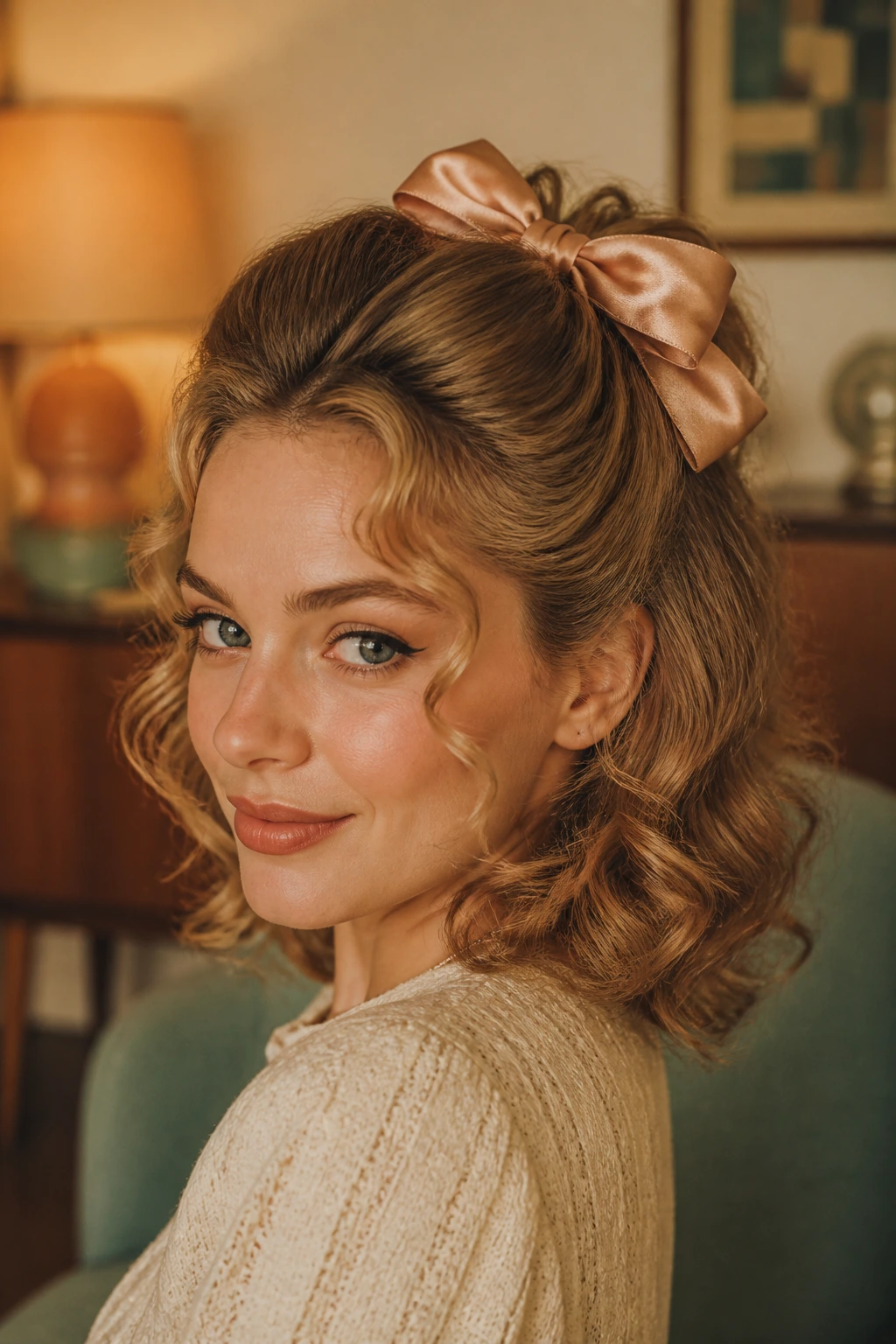
Sometimes the style isn’t about the hair, but how you frame it. Adding a vintage silk bow to a half-up style draws the eye to the accessory rather than the density of the hair. It’s a trick used for decades to add a touch of whimsy and “fullness” to an otherwise simple hairstyle, and it works just as well today.
15. The Structured French Twist
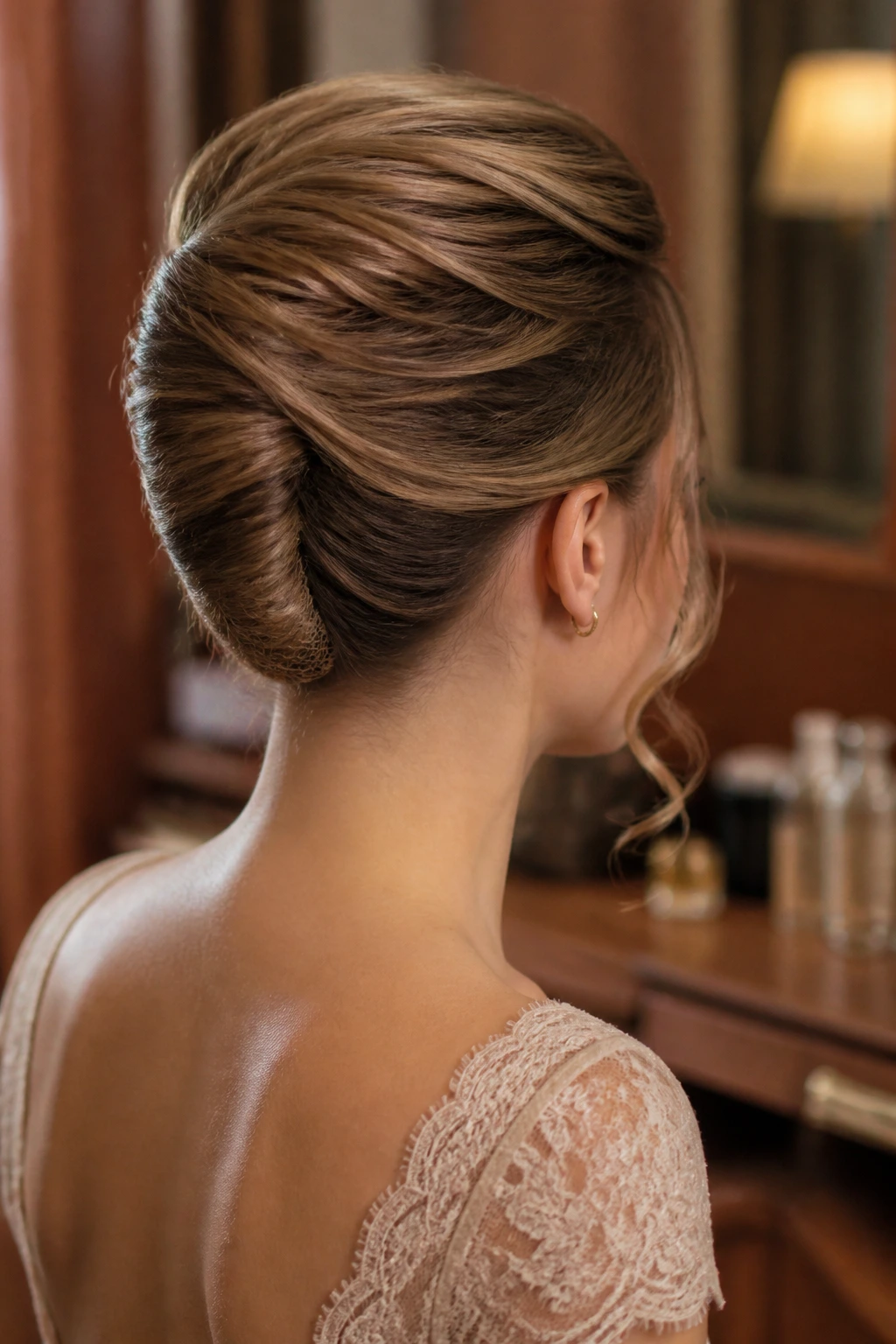
A French twist is the gold standard of updos, and it is entirely doable with fine hair. The trick is to use a hair net in a matching color to help tuck the ends in and keep the twist contained. Because fine hair is prone to slipping out of a twist, this simple hack ensures the style stays tight and structured from morning until night.
16. The Curly Faux-Bob
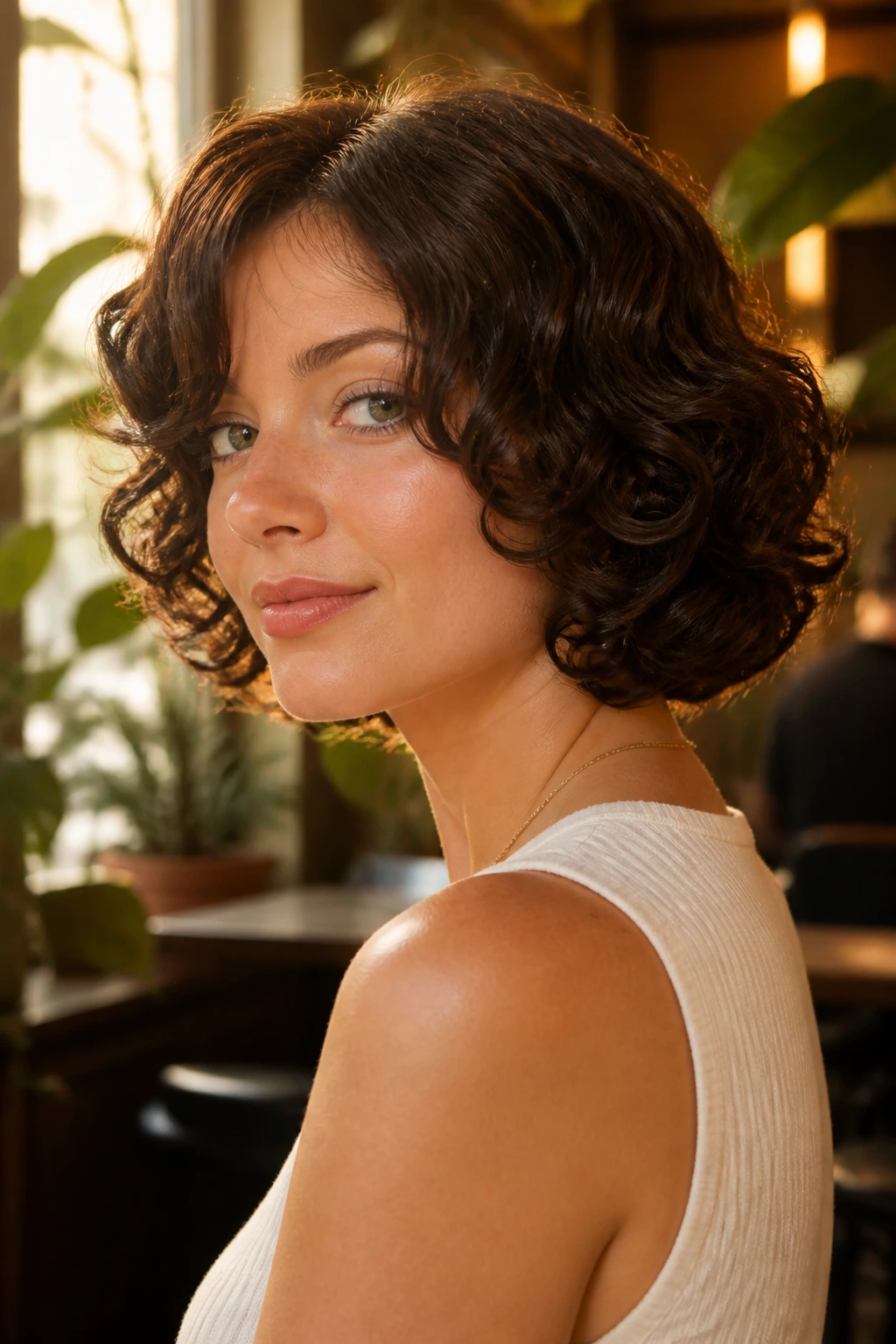
Do you have medium-length hair that you wish was shorter? The faux-bob is a classic vintage technique. By curling your hair and pinning the ends under at the nape, you create a full, rounded bob shape. It is a great way to “fake” volume, as the curved ends create an appearance of thickness that straight, long hair simply cannot match.
17. The 1920s Turban Headband
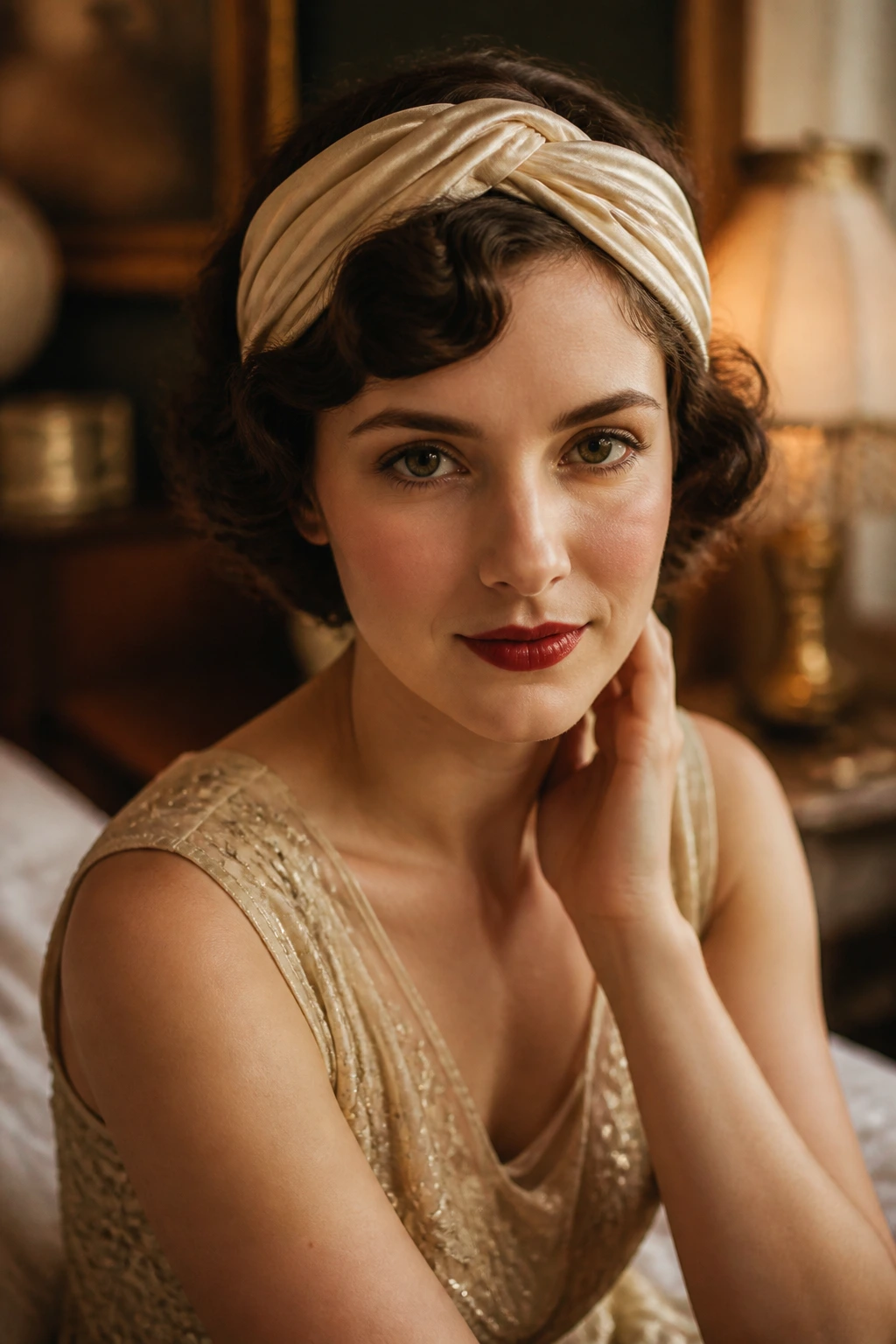
A silk turban or headband is not just a fashion statement; it is a structural tool. Use one to cover the hairline and push your hair forward, creating volume at the crown. It hides any thinning areas near the forehead and allows you to style the visible lengths of your hair into tight, vintage-inspired curls that stand out against the backdrop of the fabric.
18. Tight Victory Roll Bangs
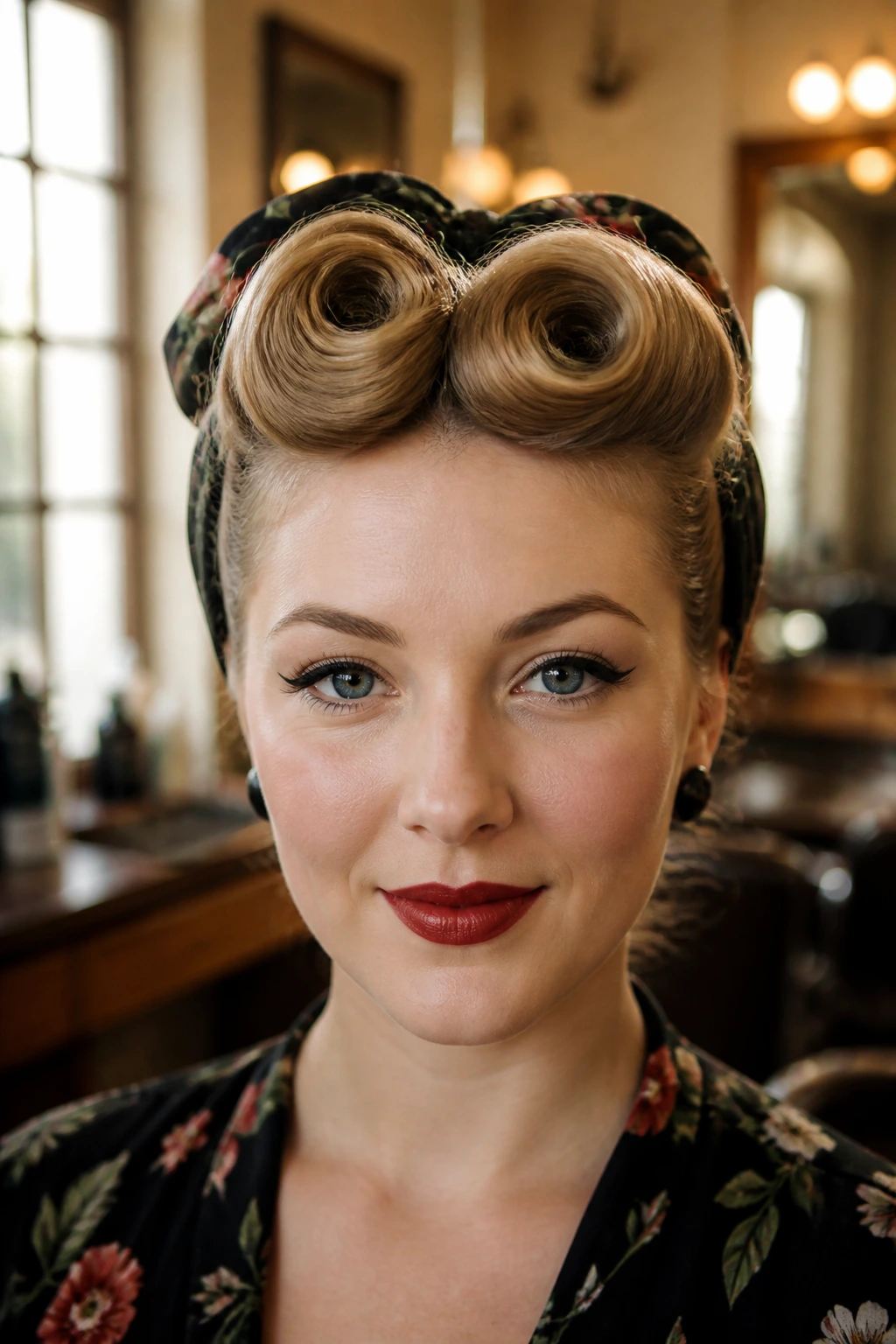
If you are worried about your bangs looking thin, turn them into rolls. A pair of small, tight victory rolls at the front of your head transforms a thin bang into a structural focal point. It removes the stress of trying to keep bangs looking thick and replaces it with a deliberate, high-fashion retro look that is surprisingly easy to maintain.
19. The Wet-Set “S” Wave
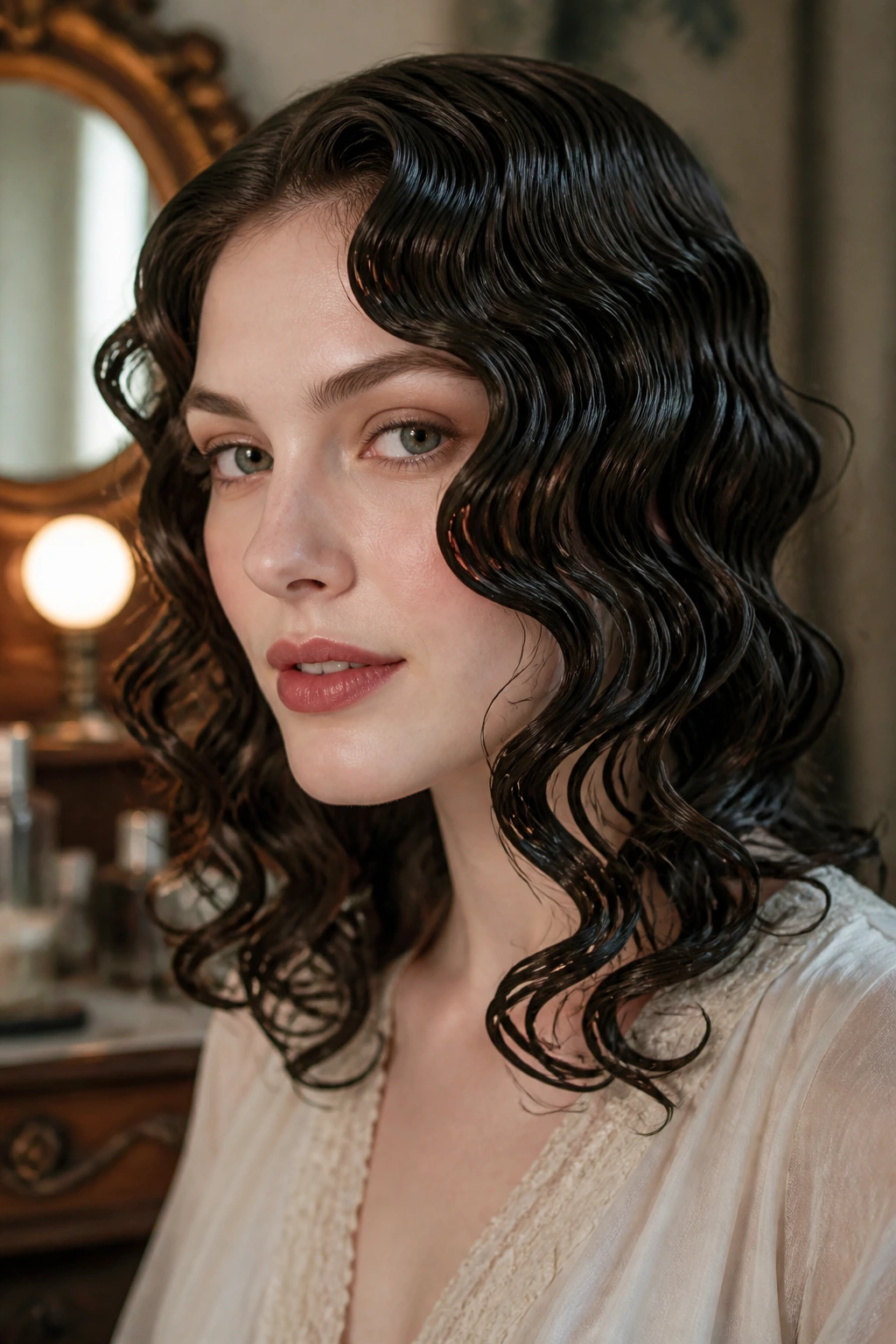
This is a more intensive style, but it provides the best results for hair that refuses to hold a curl. By setting damp hair into deep “S” curves using clips and allowing it to air dry, you are training the hair to hold its shape naturally. This process is much kinder to fine hair than a high-heat curling iron and results in a more “lived-in,” authentic vintage texture.
20. The High Chignon with Headband
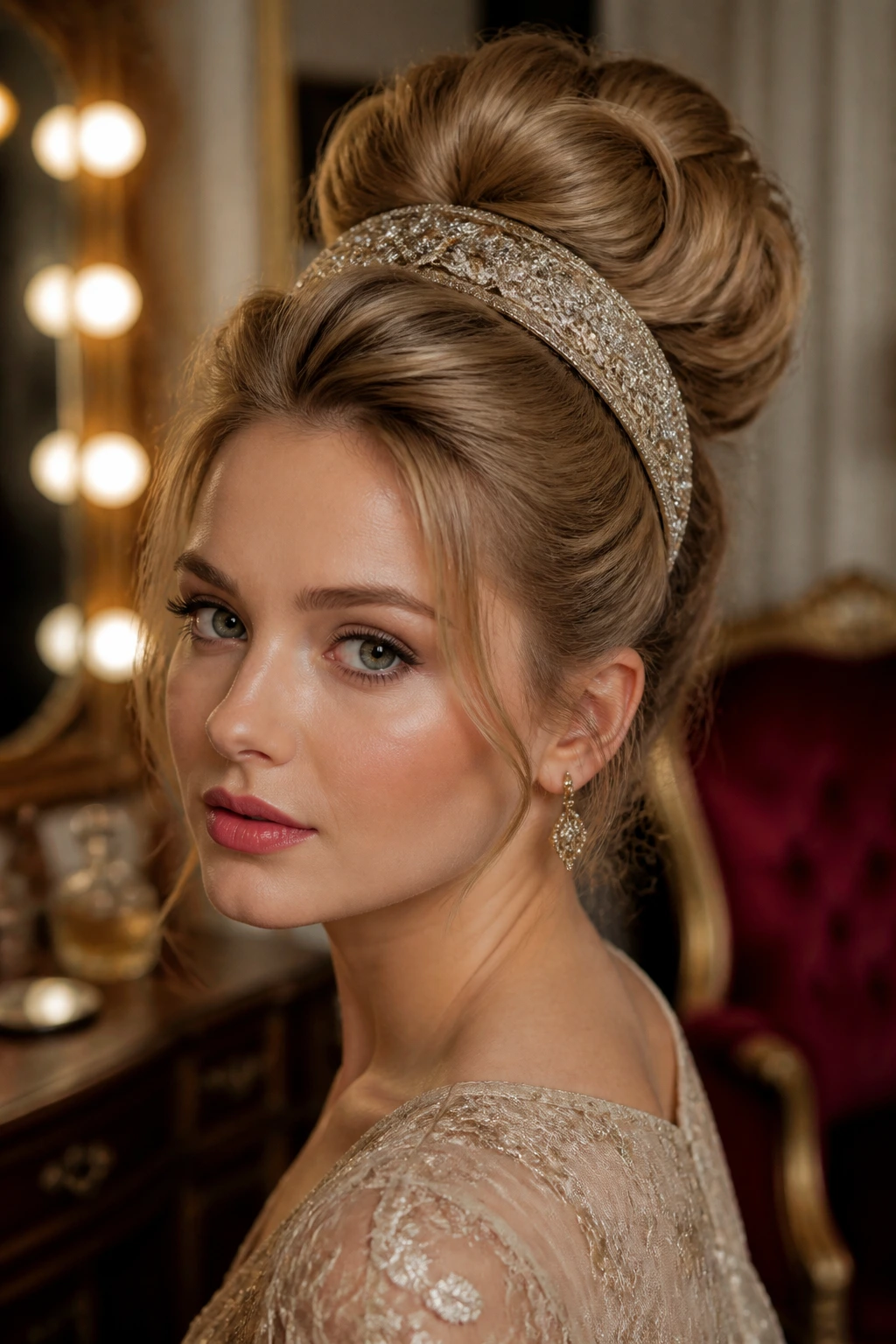
A high chignon pulls all the hair away from the face, which can be risky for fine hair. However, by adding a wide, decorative headband, you create a base that supports the hair and adds visual weight at the crown. The contrast between the sleek pulled-back hair and the wide headband creates a beautiful, balanced silhouette.
21. Soft Brushed Curls with Face Framing
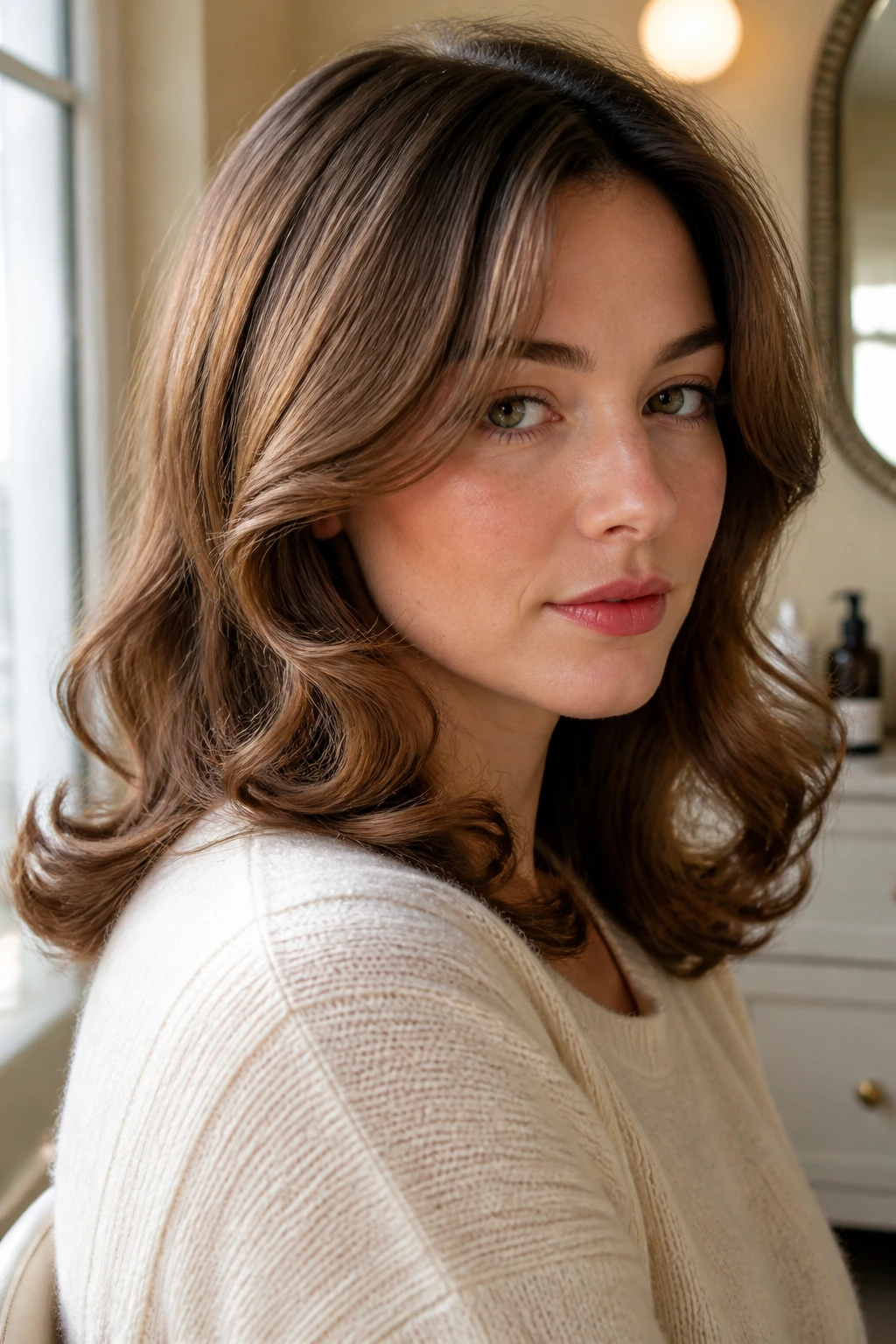
Sometimes the most “vintage” style is the simplest. Focus on curling only the ends of your hair, then brushing them out into soft, wide waves. Use a tiny bit of pomade on your fingertips to define the front face-framing pieces. This keeps the ends looking healthy and thick, while the soft waves add movement that prevents the hair from looking flat against your cheeks.
Final Thoughts
When you work with fine hair, the goal is always to treat your texture as a deliberate design choice rather than an obstacle. Vintage styles offer a framework—literally—for your hair to live in. Whether you choose the structural support of a pin curl set or the visual interest of a well-placed silk bow, remember that the most important element is the set.
Fine hair needs time to “cool” and “set” into its new shape. If you rush the process by brushing too soon or skipping the cooling phase, you will lose the very structure you worked to create. Take your time, focus on the foundation, and let your hair enjoy the history of these timeless, elegant looks. You might find that the extra effort transforms how you view your hair entirely.