

Trying to manage textured hair during an intense workout is a balancing act. If your curls are too loose, they end up in your face, creating a distracting curtain of damp, frizzy strands by the time you reach your second set. If you pull them back too tightly, you risk the dreaded “ponytail dent”—a structural failure that can take hours of refreshing to fix post-shower. I have spent years experimenting with every pin, band, and tuck imaginable to find styles that actually hold through burpees, downward dogs, and heavy lifting without compromising the integrity of the hair pattern.
The secret isn’t just about containment; it’s about mechanical advantage. You need styles that distribute tension across the scalp rather than pulling on a single point of failure. Whether you have tight, coily 4C ringlets or loose, voluminous 3A spirals, the goal remains the same: secure the hair enough to keep it off your neck, but gentle enough that the curls bounce back the moment you let them down. Here are twenty-two styles designed to keep you focused on your heart rate, not your hairline.
1. The High Pineapple Bun
The pineapple is the gold standard for preserving curl pattern, but for a high-intensity workout, it needs extra security. Gather all your hair toward the crown of your head, but instead of pulling it through a band, use a silk-lined scrunchie to secure the base loosely. Use a second band to loop the ends into a messy, voluminous knot on top. This style keeps your neck clear and prevents sweat from matting the hair at the nape.
2. Dutch-Braided Pigtails
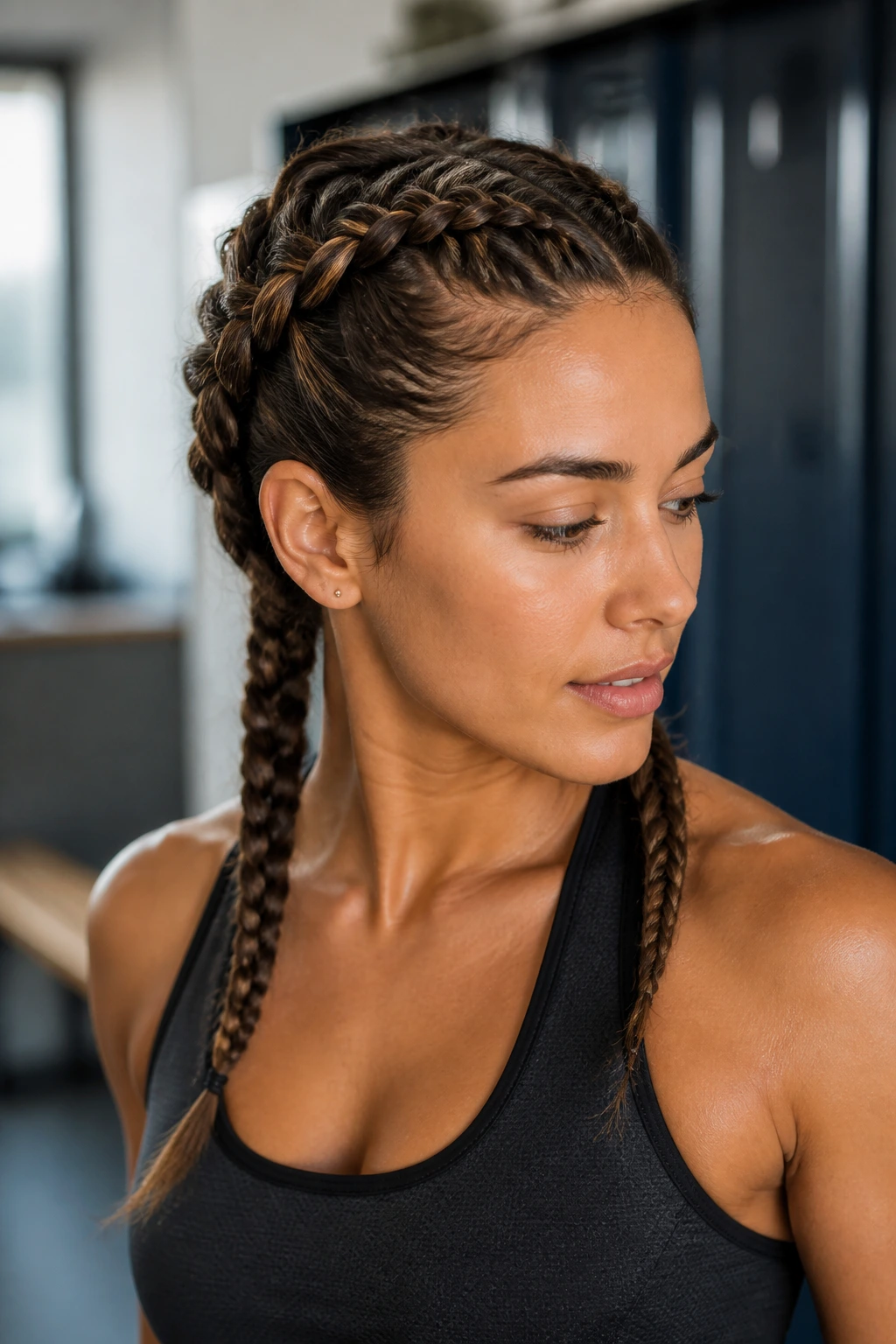
Dutch braids are arguably the most reliable way to lock hair in place for an hour of movement. By braiding underneath the strand rather than over, you create a raised structure that stays tight against the scalp. Start at your hairline and work back toward the nape, splitting your hair down the center. Because the tension is distributed along the entire length of the braid, you won’t experience the thinning pull that comes with a high-tension ponytail.
3. The Half-Up Mini Top-Knot
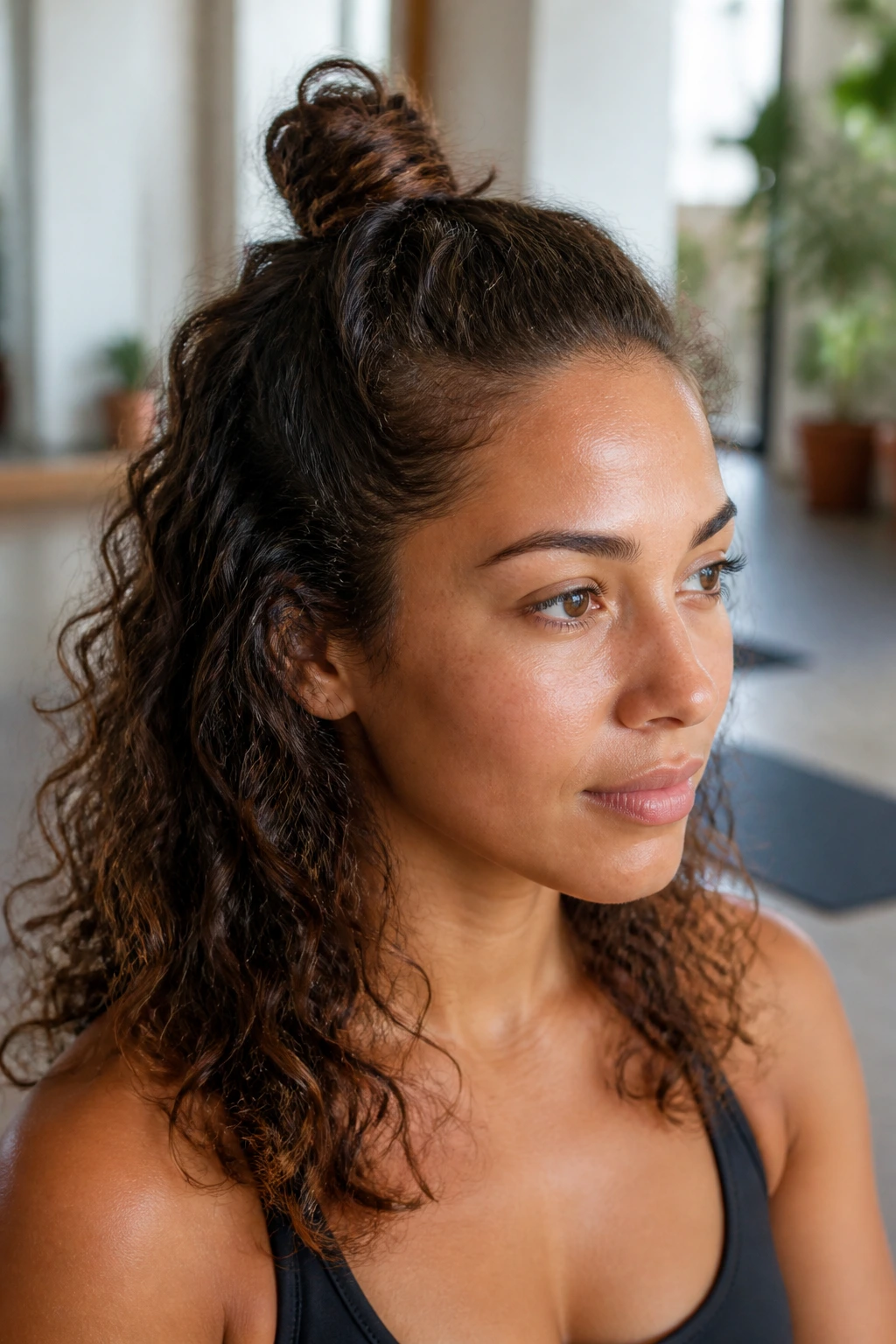
If you want to keep your curls off your face but prefer the look of wearing your hair down, the half-up top-knot is the perfect middle ground. Section off the top third of your hair, leaving the back section free to breathe. Twist that top section into a small, tight bun and secure it with a soft fabric hair tie. This style is surprisingly effective for yoga or Pilates where you are moving between vertical and horizontal positions.
4. Double-Twist Space Buns
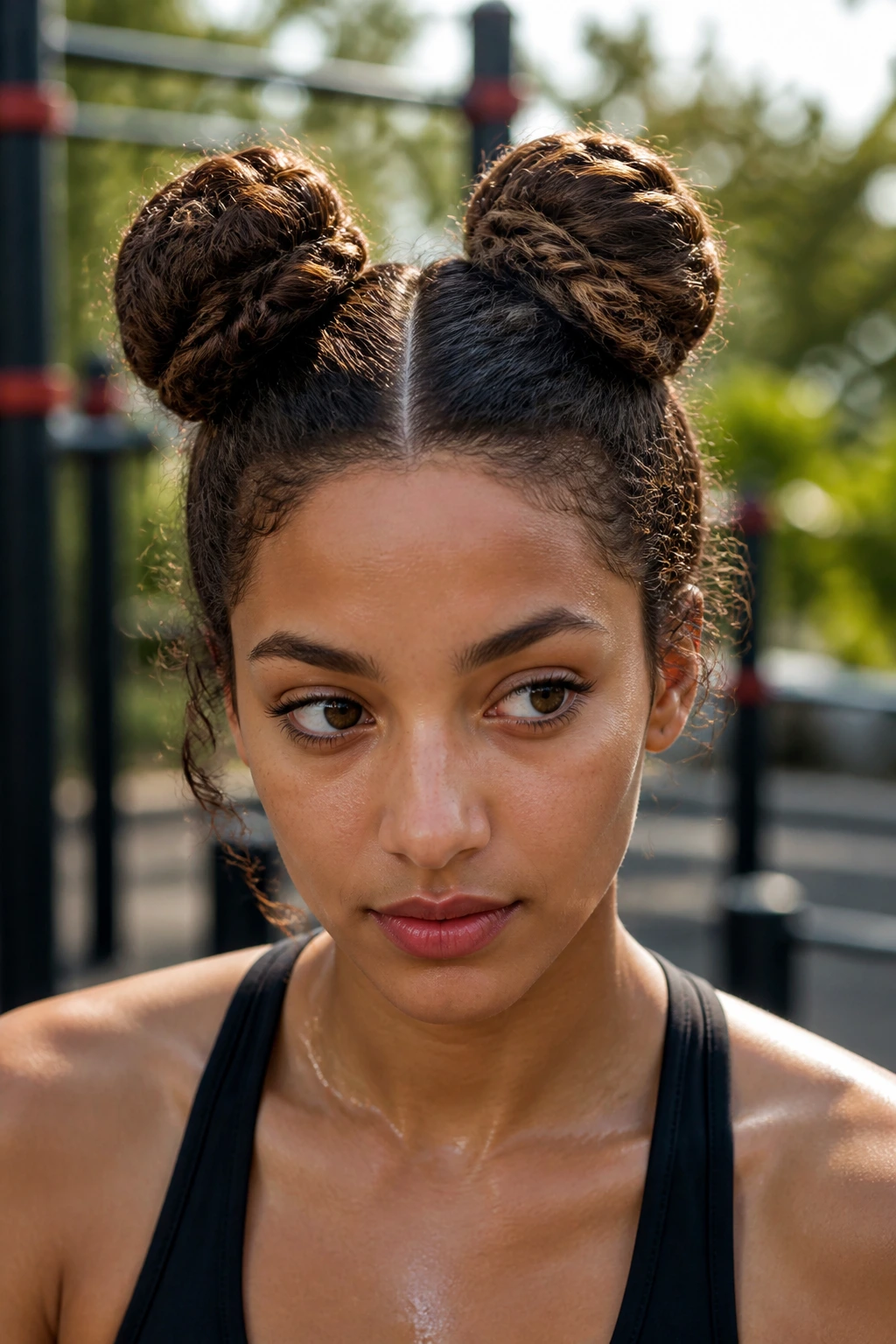
Space buns aren’t just for music festivals; they are incredibly functional for high-impact activities. Split your hair into two equal sections and gather them into high pigtails. Instead of a standard bun, twist each pigtail until it coils into a rope, then wrap it around itself to form a mini-bun. Secure the ends with a snag-free elastic. The distribution of weight between two points means neither bun feels heavy, and the twist helps keep curls contained.
5. The Low-Slung Side Braid
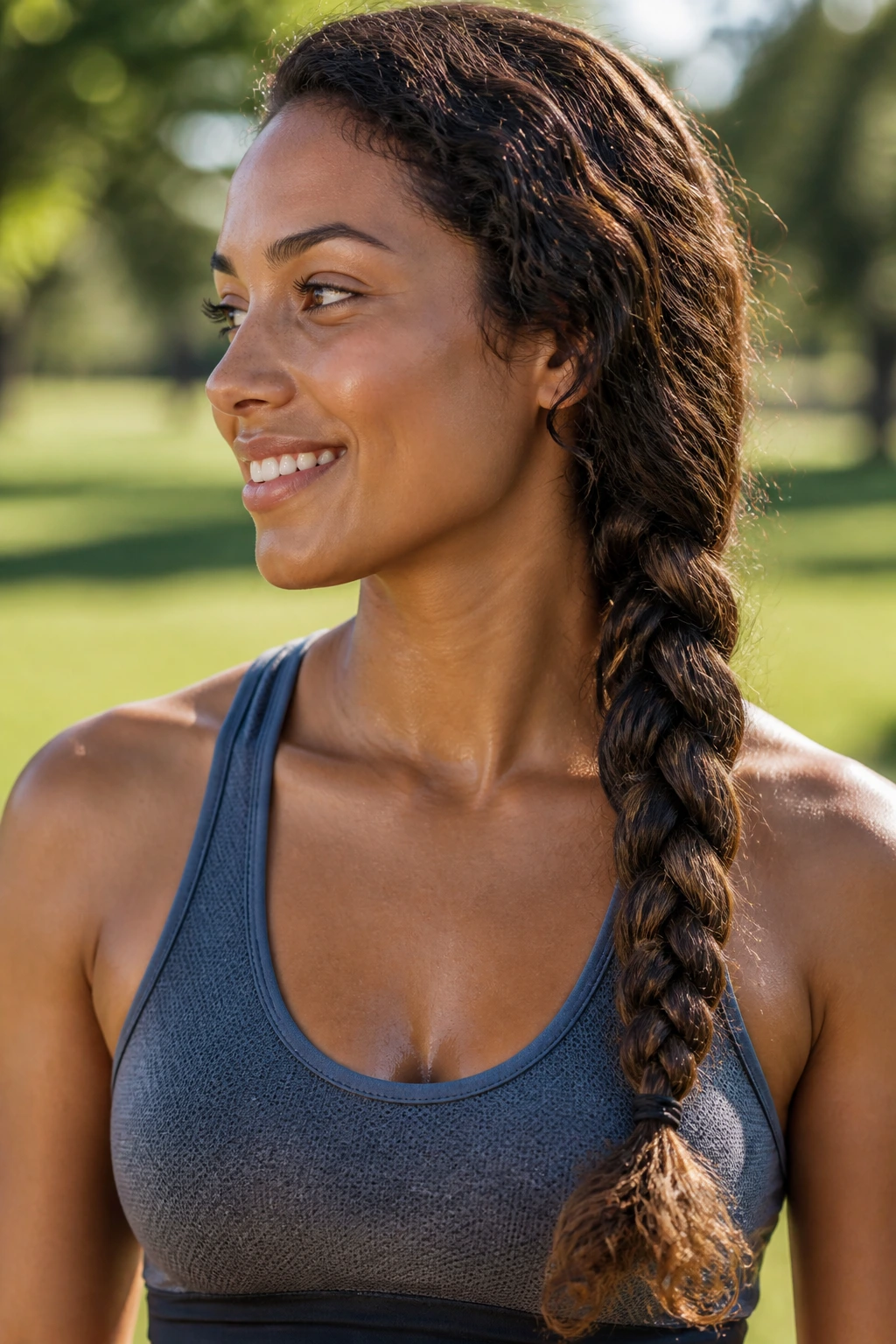
For those who find overhead styles uncomfortable during weightlifting, a side braid is a refined alternative. Sweep all your hair to one shoulder and create a standard three-strand braid, ensuring you don’t pull it too tight at the base. Leave the ends slightly loose. This style is particularly good for outdoor activities where you might want to wear a hat or visor, as it won’t interfere with the fit of your headwear.
6. The Secured Crown Twist
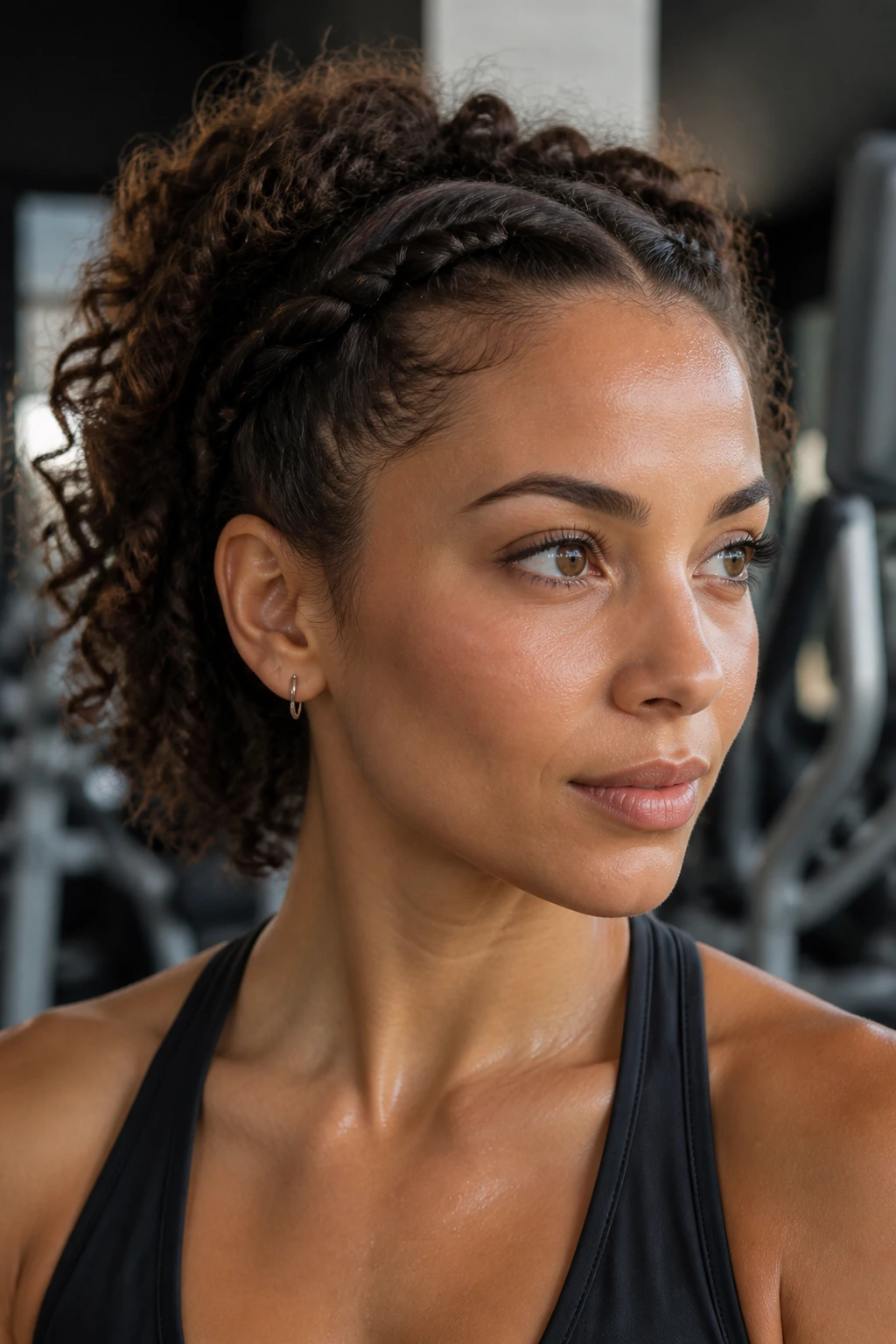
Take a small section of hair near your temples and twist it backward toward the center of your head. Repeat this on both sides, meeting in the middle to create a halo effect. Pin these twists together with a few bobby pins or a small claw clip. This is an elegant way to keep your bangs or front layers out of your eyes during a session on the elliptical without sacrificing your overall curl volume.
7. The Knotted Low Pony
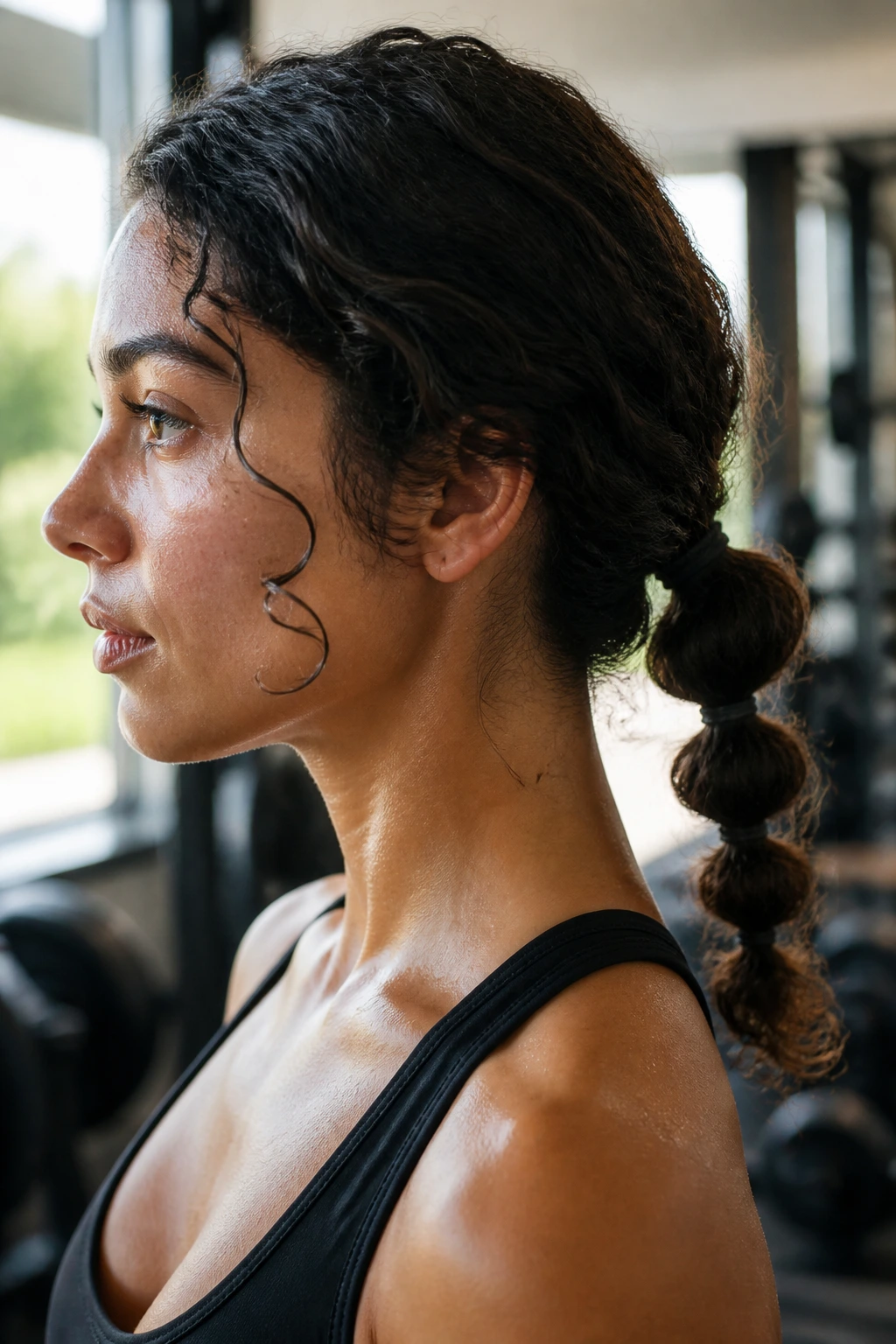
If you have longer hair, a standard ponytail is a recipe for tangles. Try a “bubble” or knotted ponytail instead. Gather your hair into a low ponytail at the nape. Every two inches down the length of the ponytail, add another thin, snag-free elastic. This keeps the hair compressed in a long tube, preventing it from whipping around during jump rope or dynamic movements while minimizing the pressure on your roots.
8. The Headband Tuck
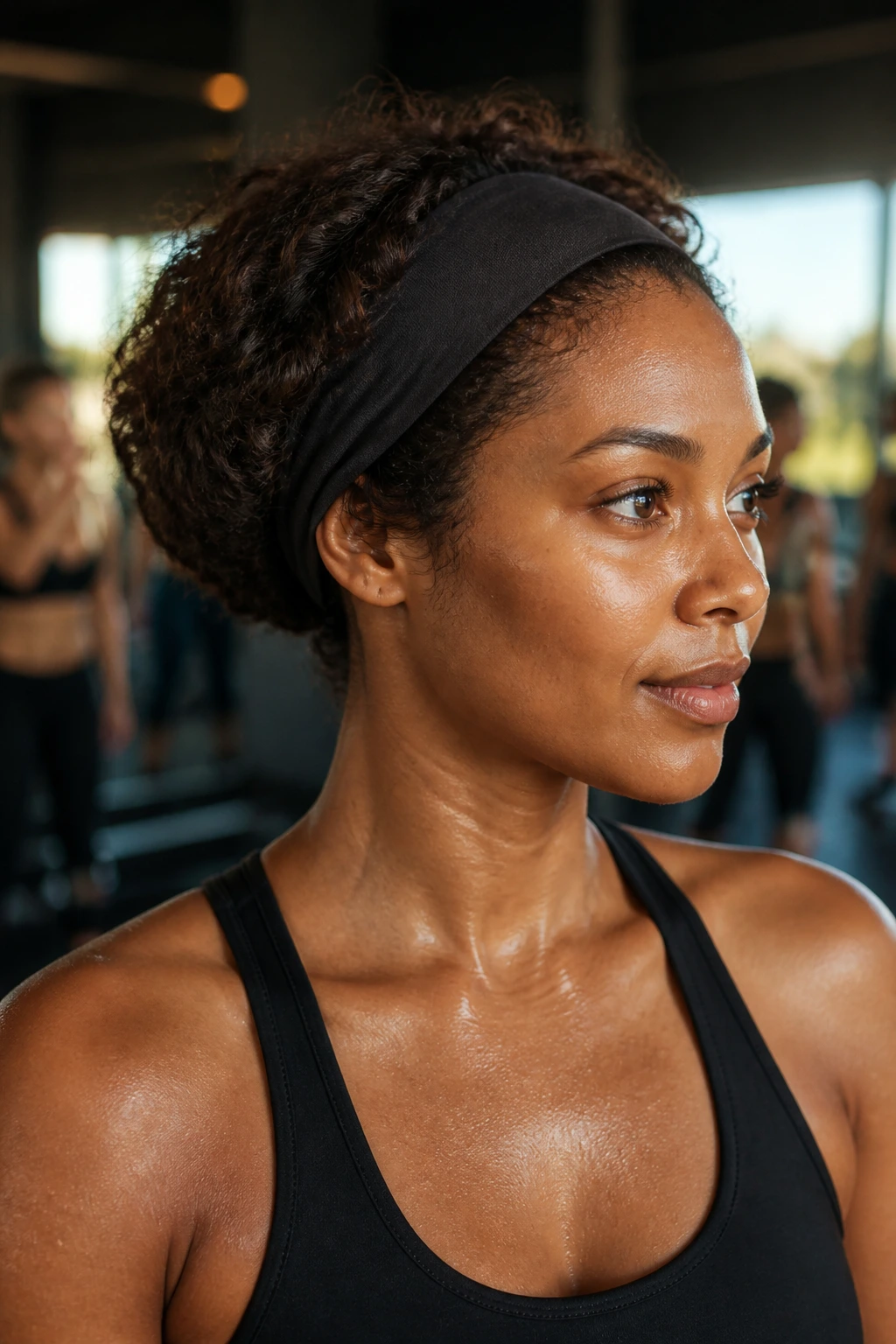
When you’re in a hurry, a wide, moisture-wicking fabric headband is your best friend. Slide it on so it sits across your forehead and hairline. Take the loose hair at the back and tuck it up and under the band, rolling it into a faux-bob shape. This creates a secure, sweat-absorbing barrier that keeps your curls tucked away entirely. It’s perfect for intense cardio days where sweat management is just as important as hair security.
9. The Wrapped Scarf Updo
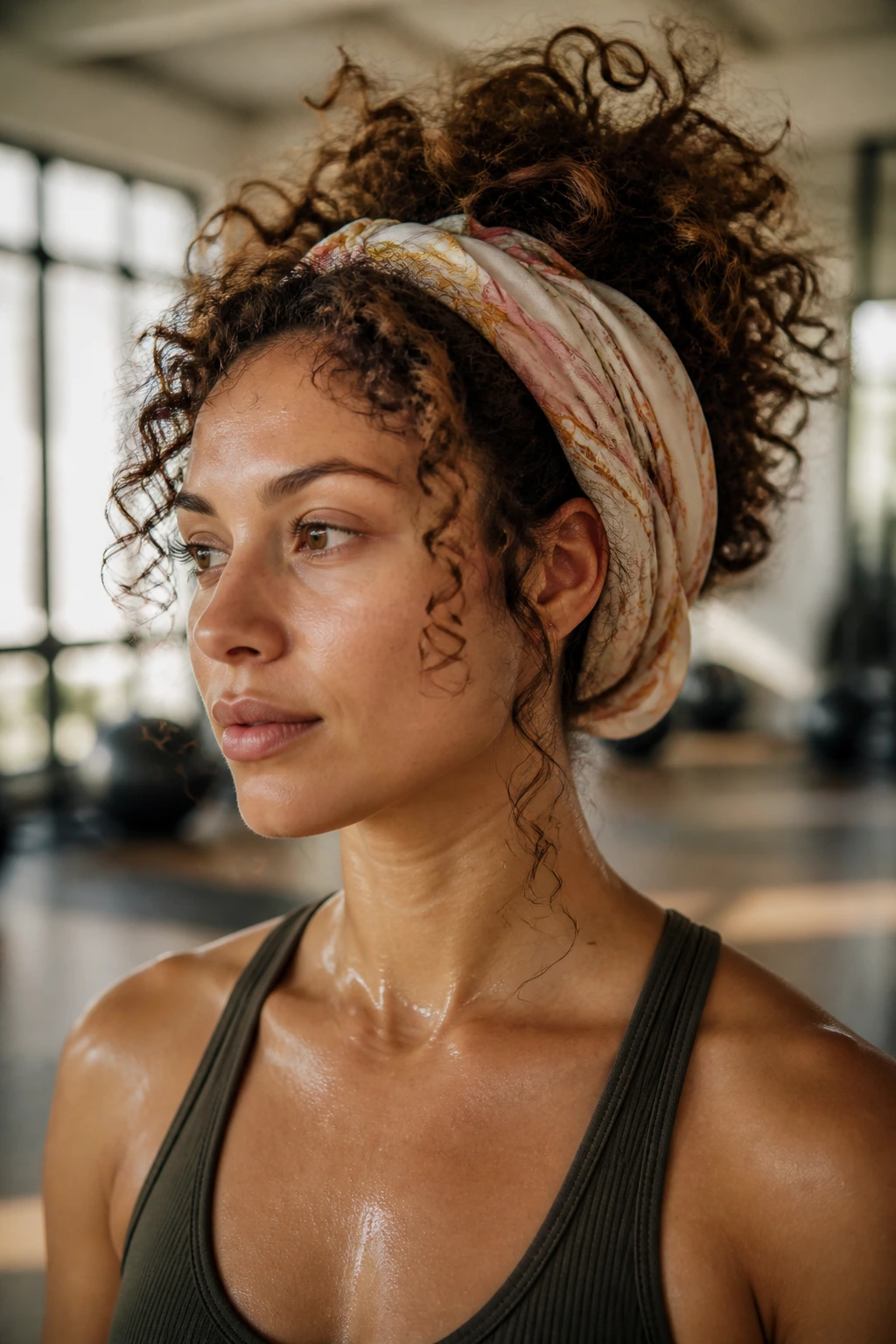
Using a silk or satin scarf provides a frictionless way to secure your hair. Fold the scarf into a long, thin strip. Gather your hair into a loose pile at the crown and wrap the scarf around the base, knotting it securely but not tightly. Leave the ends of the scarf loose or tuck them into the knot. Silk is vital here because it won’t absorb your hair’s natural oils, keeping your curls hydrated even as you sweat.
10. The French-Braided Mohawk
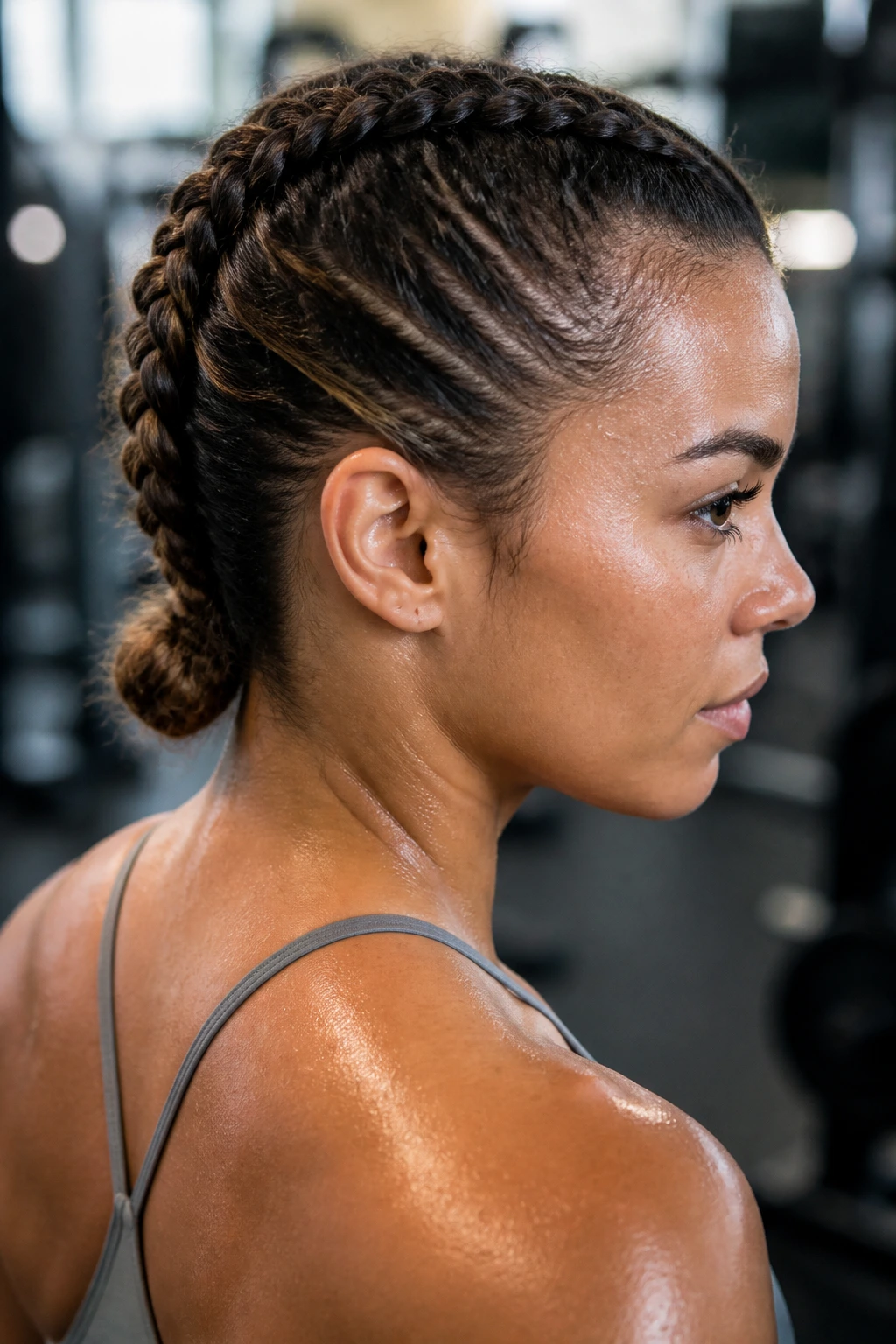
This is a high-intensity style that keeps every single strand locked down. Create a single, tight French braid starting from your forehead and running straight down the center of your head to the nape. Once you reach the nape, secure the remaining tail into a small, tight bun. This style provides excellent control, ensuring no loose ringlets flop into your eyes during movements like burpees or mountain climbers.
11. The Side-Swept Pinned Fringe
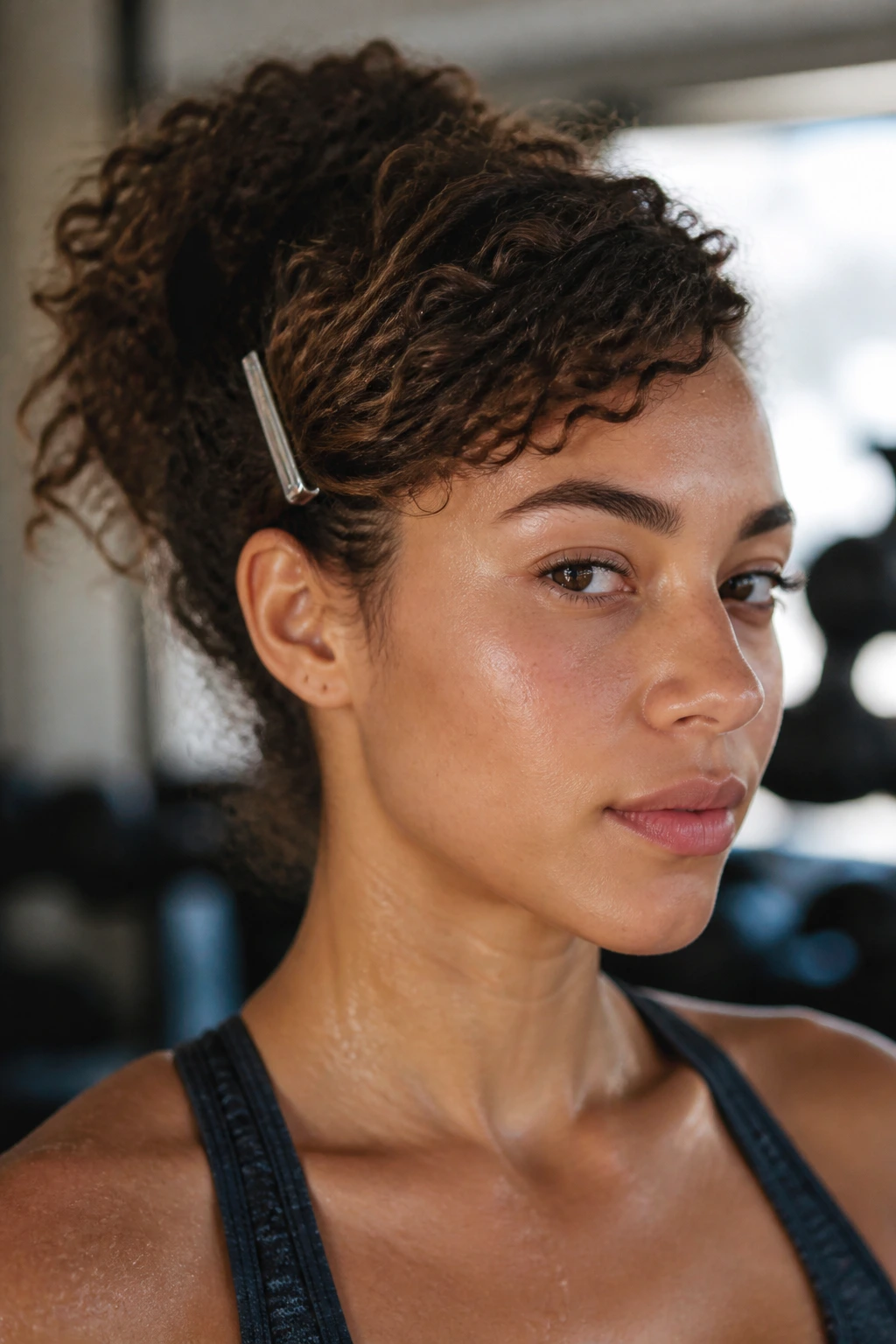
Sometimes you just need your front pieces pinned back. Part your hair to the side and take the front fringe section, twisting it back and pinning it behind your ear with a flat metal clip. This is a subtle approach that works well if you have a defined curl pattern you want to showcase while keeping your vision clear. It’s quick, easy, and works regardless of hair length.
12. The Multi-Band Ponytail
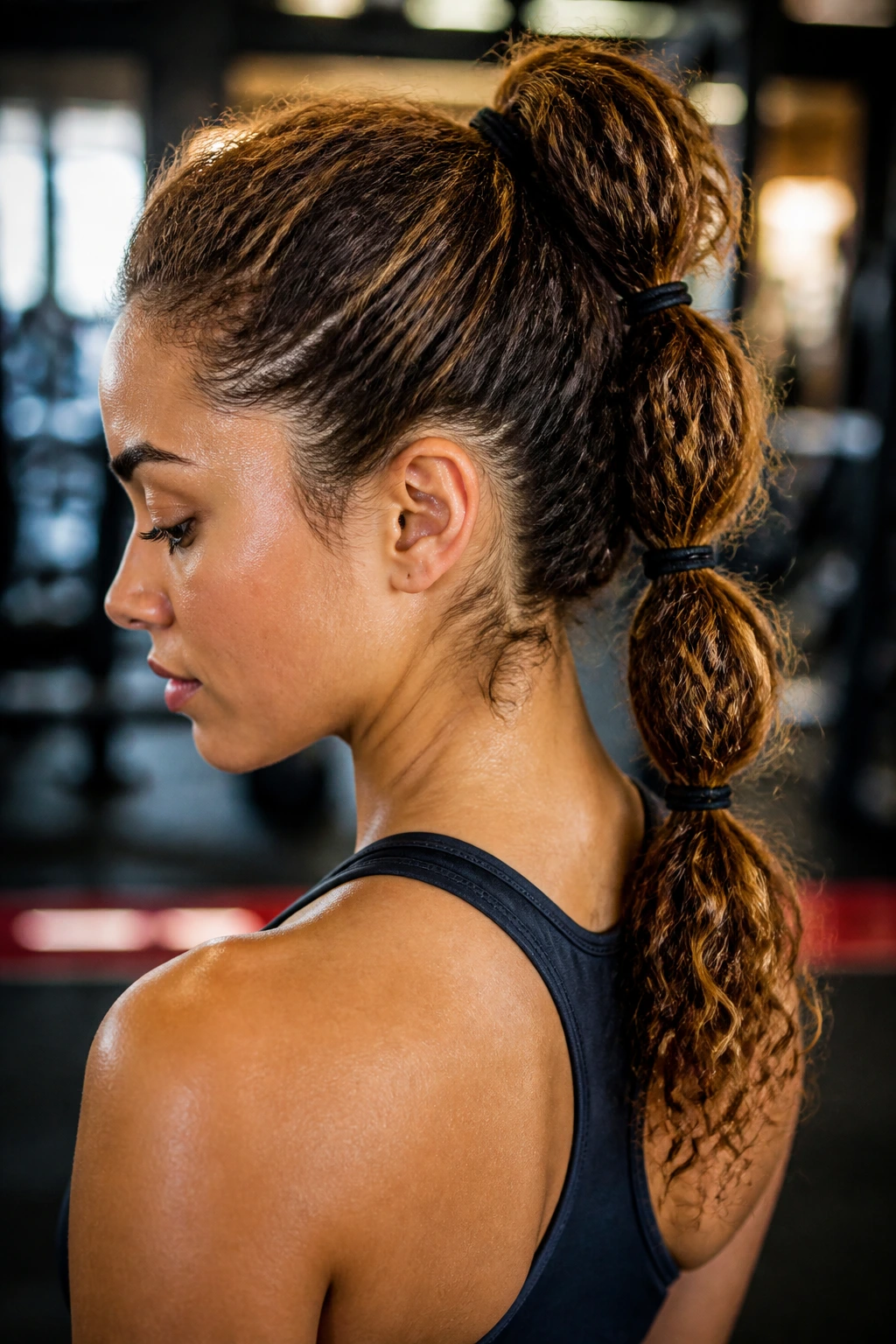
If you find your hair sliding out of a single band, try using three smaller bands in a row. Create a “sectioned” ponytail by tying the first band near your crown, the second in the middle, and the third at the bottom. This approach prevents that single, heavy tension point at the base of your skull. It’s particularly effective for those with thick, heavy curls that tend to sag or pull when tied into one single point.
13. The Claw Clip Tuck
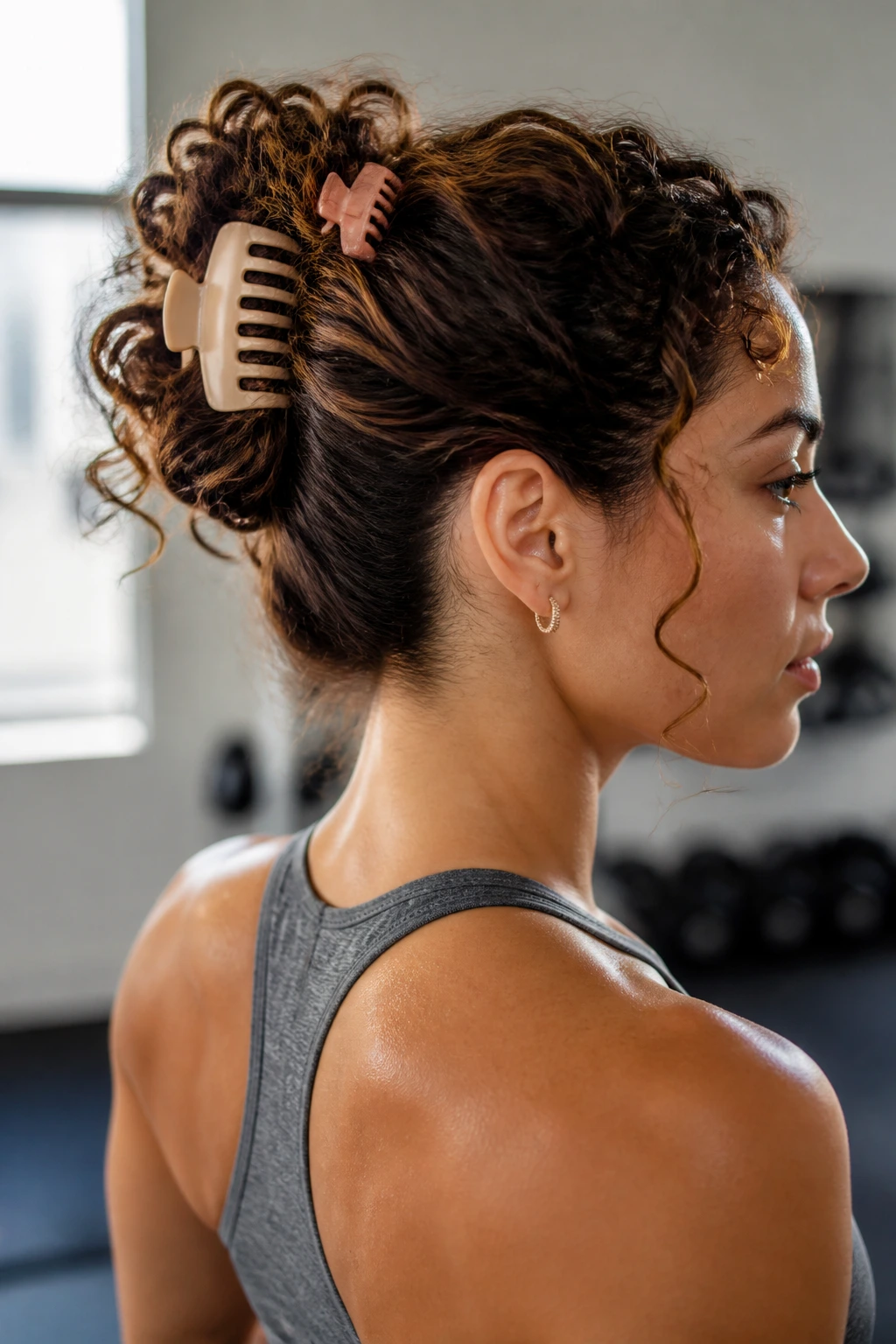
Claw clips are making a comeback, and they are superior to elastics for curly hair because they don’t leave permanent indentations. Gather your hair as if you’re making a ponytail, then twist the length of the hair upward against the back of your head. Secure the entire mass with a large, sturdy claw clip. If the clip feels loose, use two smaller ones to anchor the hair more firmly.
14. The Braided Headband
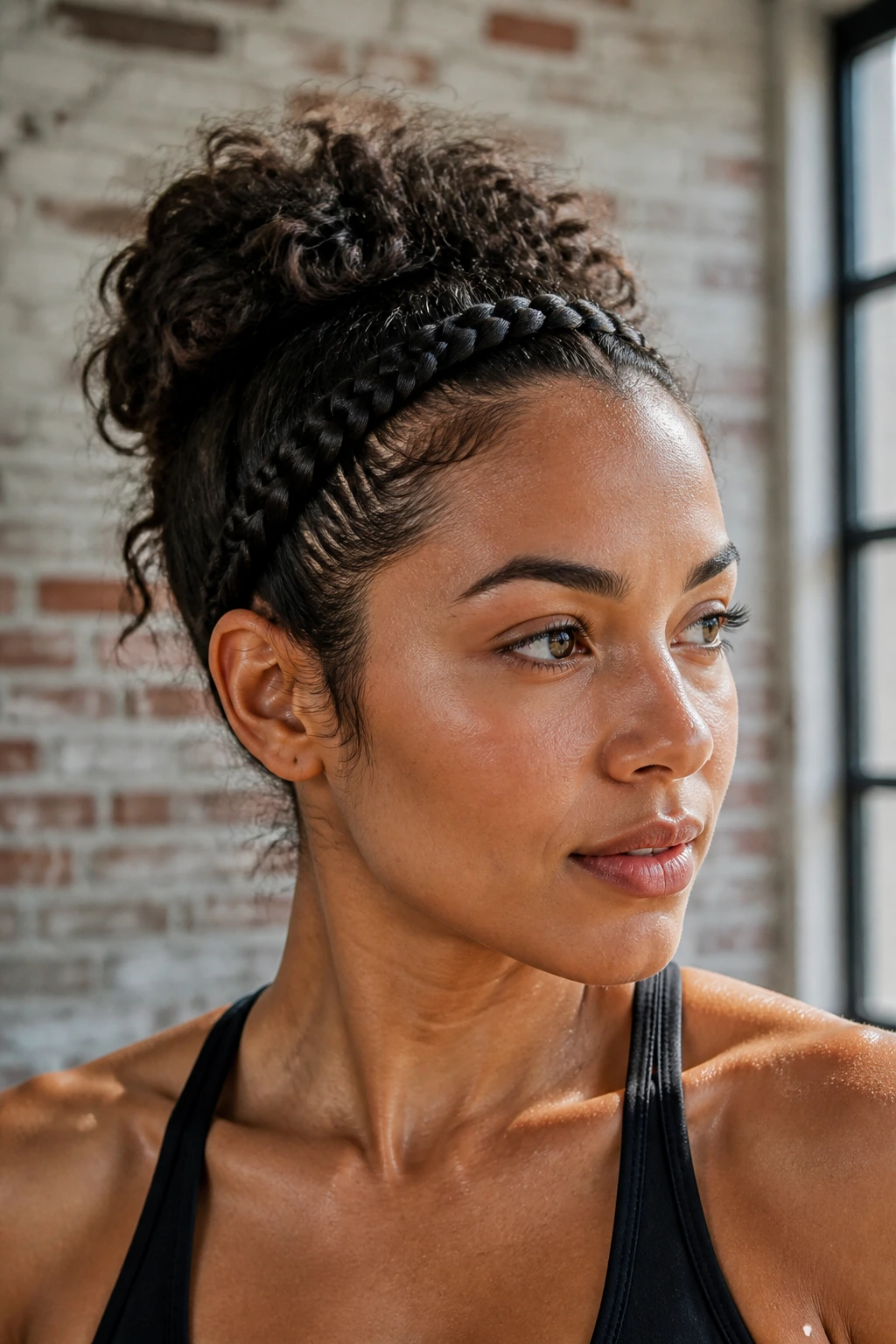
Create a small cornrow or French braid along your front hairline, starting from one ear and moving to the other. Use the remaining length of the braid to blend into the rest of your hair, which you can leave down or tie back. This creates a natural “barrier” that prevents front curls from drooping. It’s a bit more time-consuming to set up, but it stays remarkably well even during high-intensity training.
15. The Sock Bun Alternative
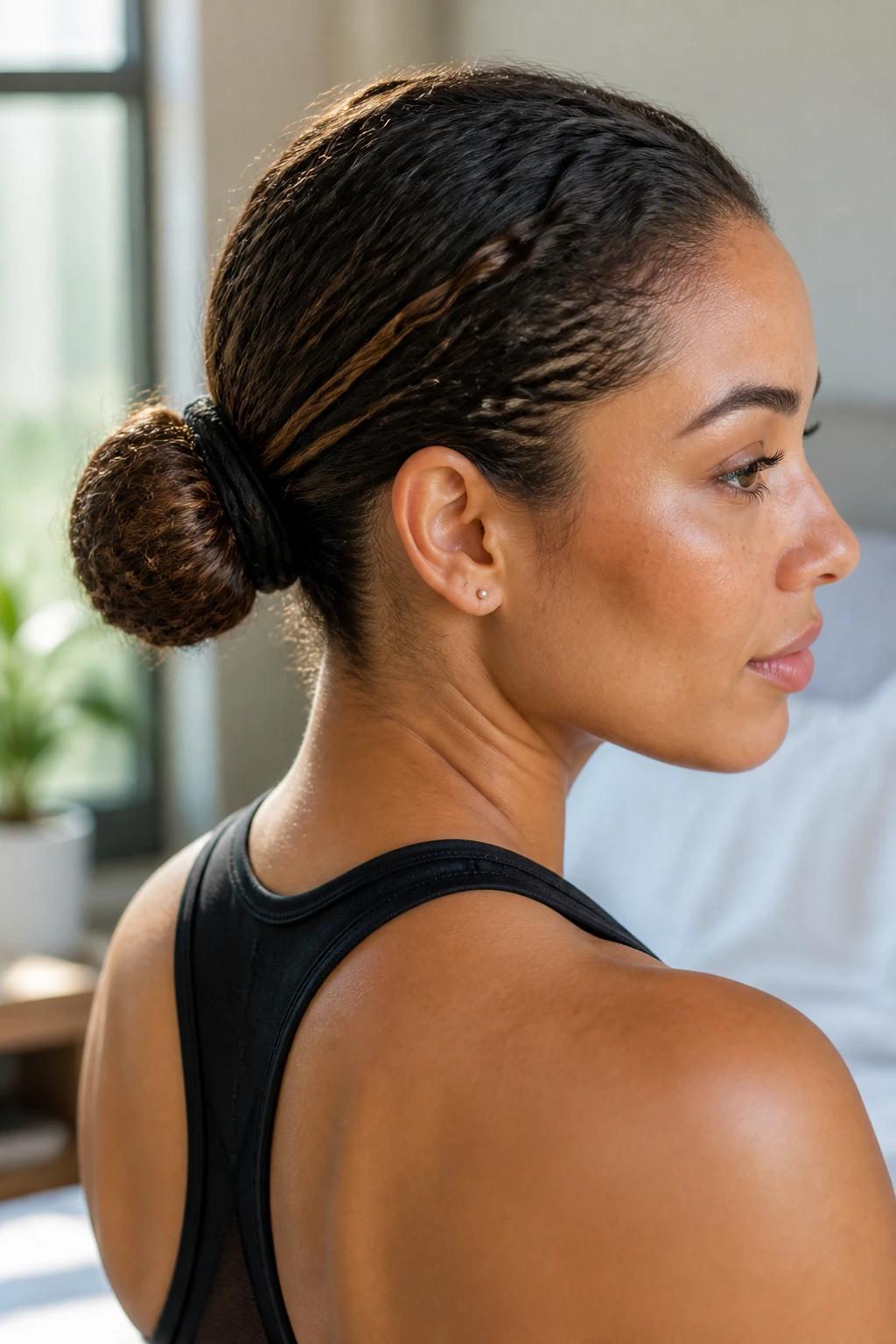
You don’t need a foam donut to get a secure bun. Take your ponytail and roll it through a cut-off sock or a fabric tube. Roll the hair down over the tube until you reach the base, then secure it with a soft band. This creates a balanced, voluminous bun that doesn’t put undue pressure on the hair follicles. It keeps the hair compact and off your neck, which is ideal for hot yoga or high-heat environments.
16. The Loose Side Braid with Scrunchie
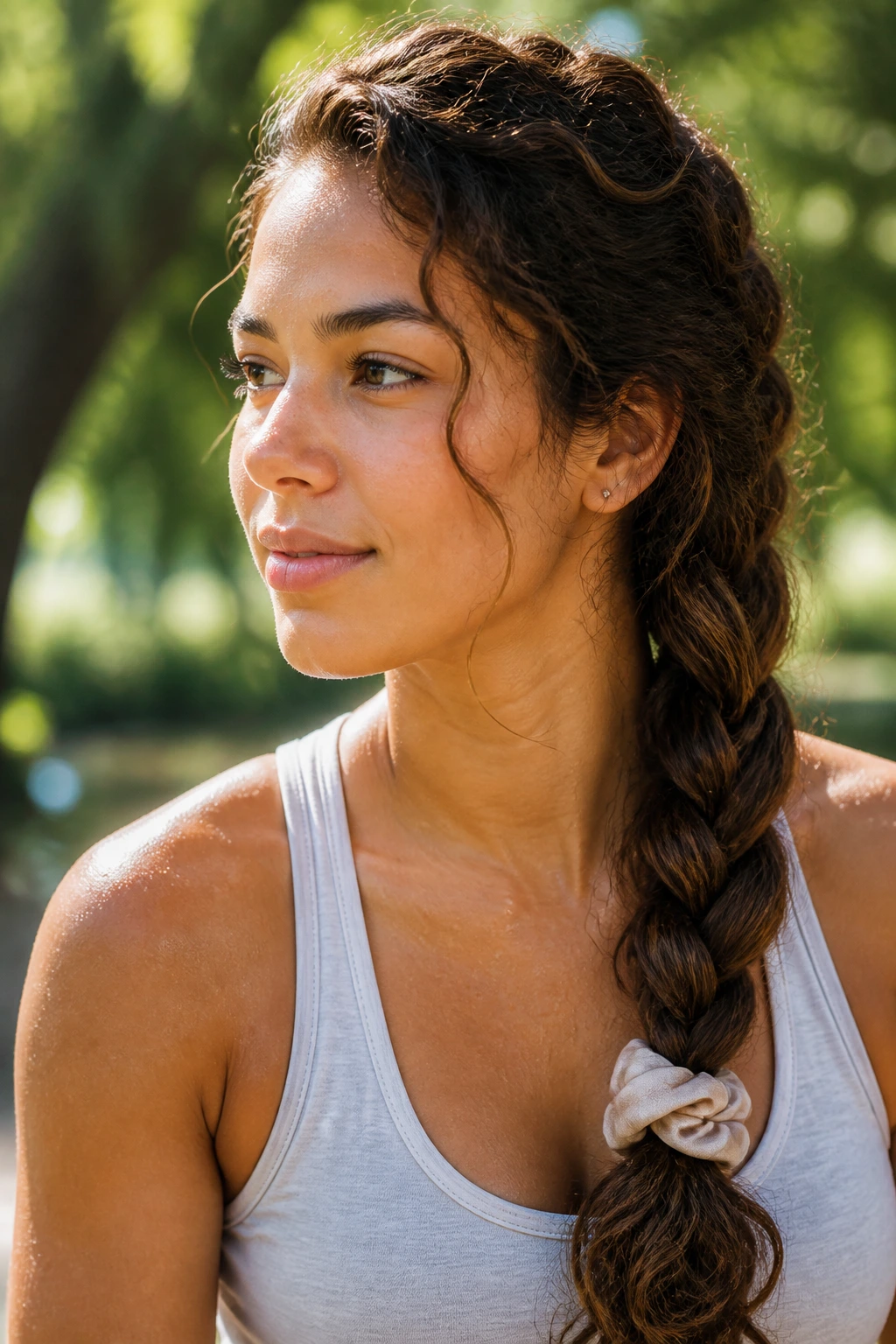
If you find tight braids pull too much on your scalp, opt for a loose, “pancake” style braid. Braid your hair loosely to the side, then gently tug at the edges of each loop in the braid to make it look voluminous. Secure the end with a silk scrunchie. This provides just enough control to keep your hair from tangling, while the loose structure ensures your curls don’t get flattened or stretched out of shape.
17. The Pineapple Half-Up
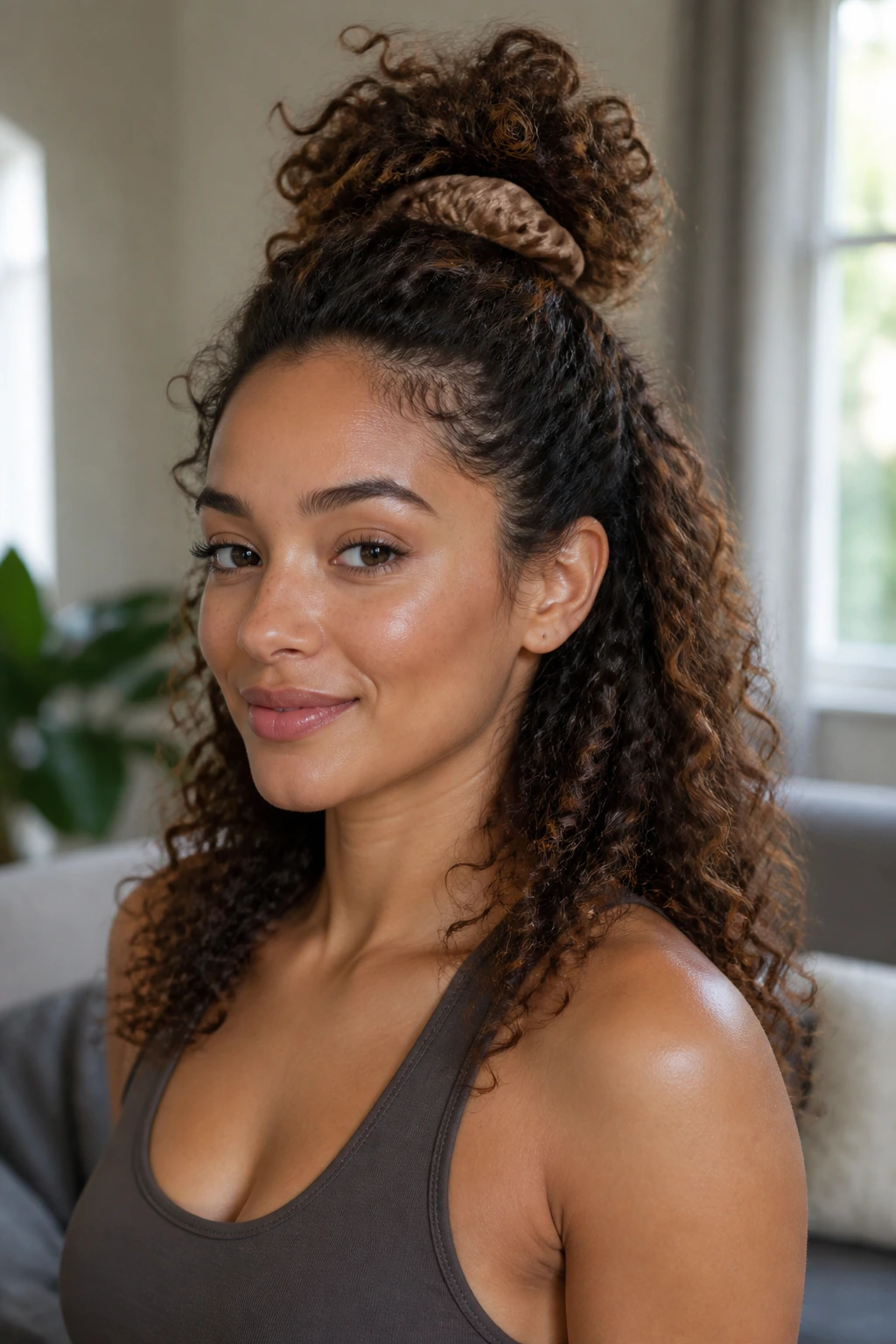
Combine the best of both worlds by pining the top half of your curls into a pineapple bun and leaving the rest loose. This removes the volume from your face while allowing the length of your hair to hang free. Use a silk scrunchie to secure the top section. This style is great for low-impact workouts like weight machines or walking, where your hair is less likely to fly into your face.
18. The Pinned-Up Twist
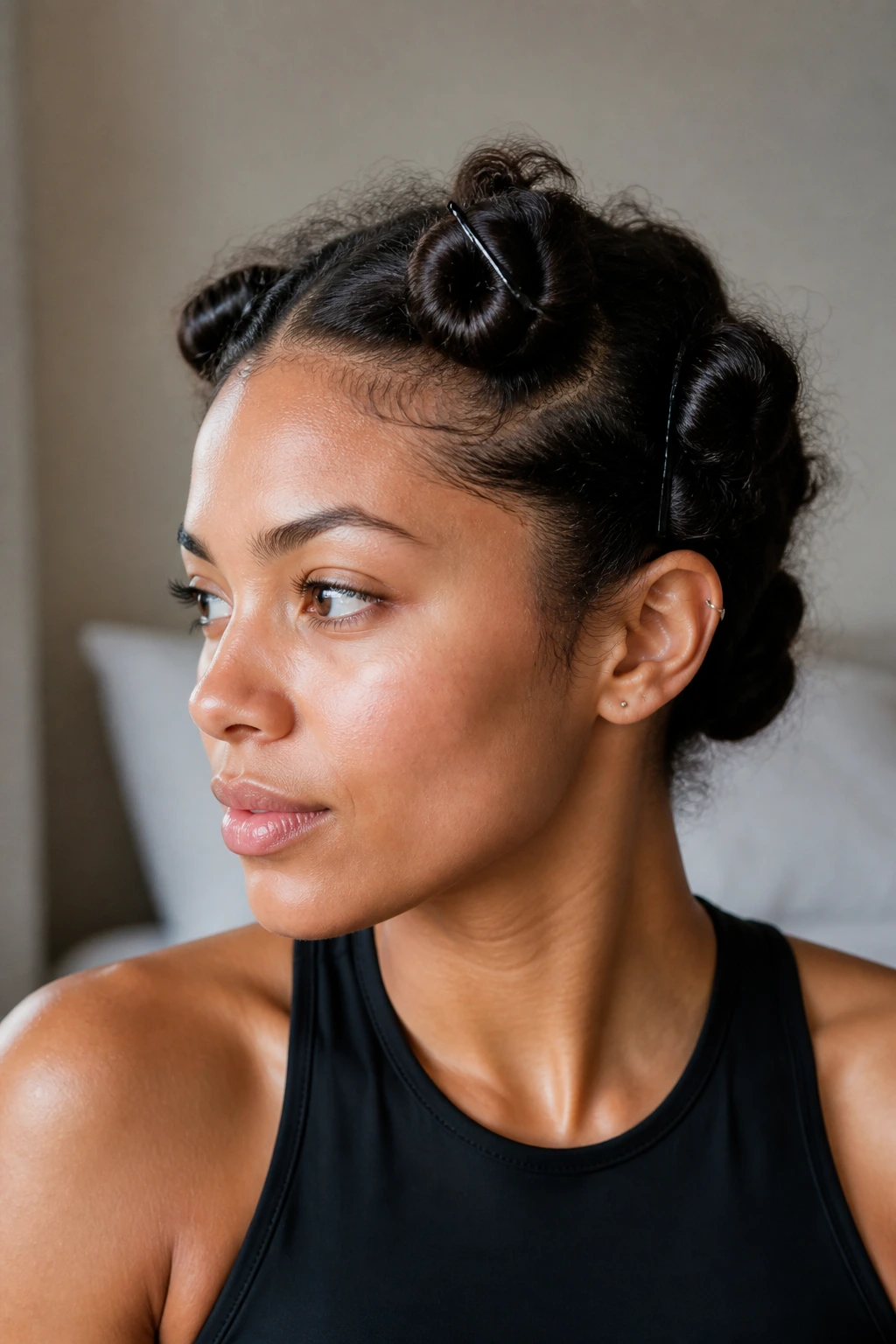
Divide your hair into four quadrants. Twist each quadrant into a small coil and pin it against the scalp with large bobby pins. This looks a bit like a complex, structured updo, but it functions as a highly secure way to keep curls from moving during heavy, multi-directional movement. Because the hair is divided into four smaller sections, there is almost no tension on your roots.
19. The Knotted Bandana
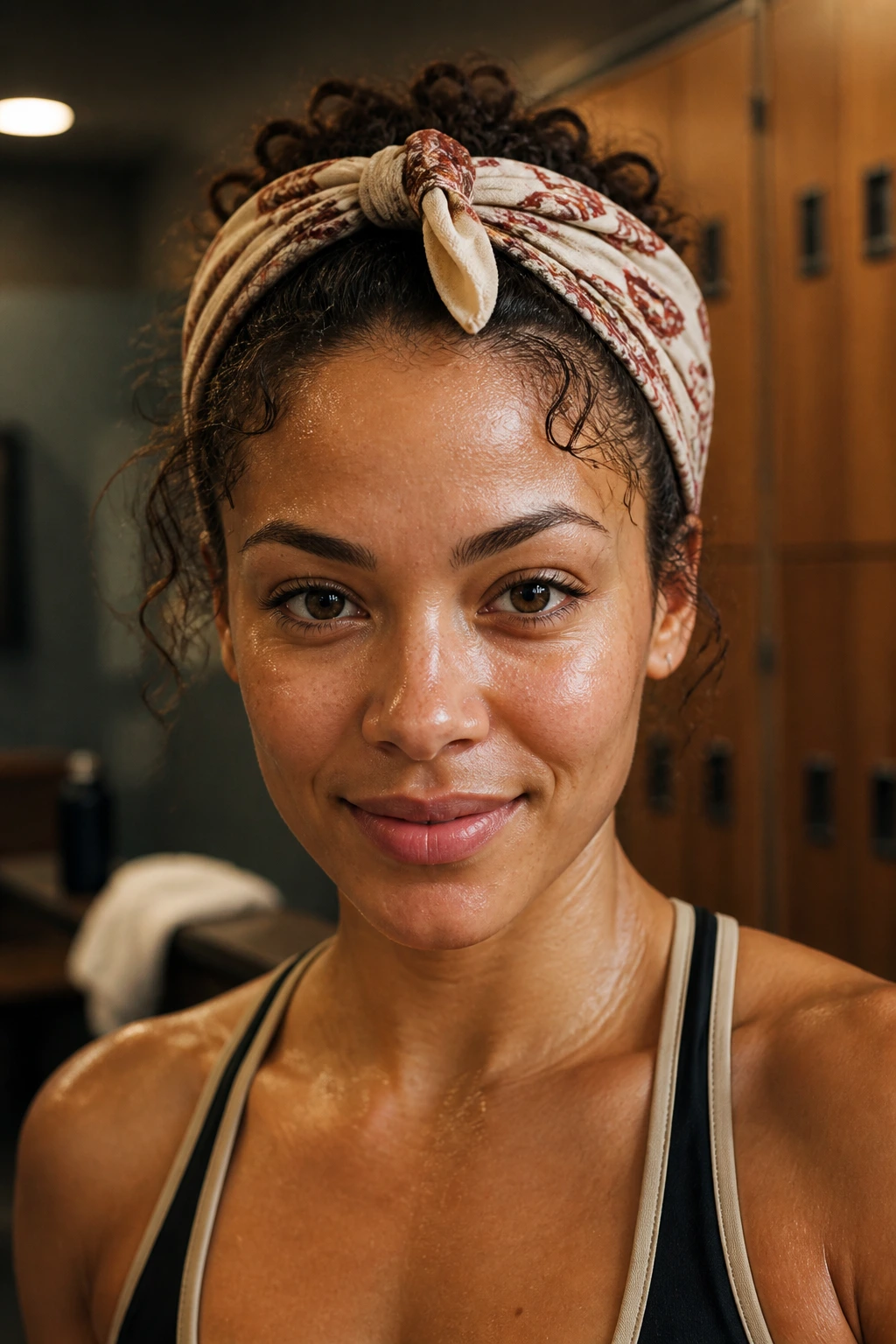
Similar to the headband tuck, a bandana provides a wider surface area to cover your hair. Fold a bandana into a triangle and tie it over your hair, with the loose end facing toward your forehead. This is the ultimate “protection” style for curly hair, as it covers the crown completely, protecting your curls from sweat and frizz-inducing humidity during a tough workout.
20. The Braided Pony
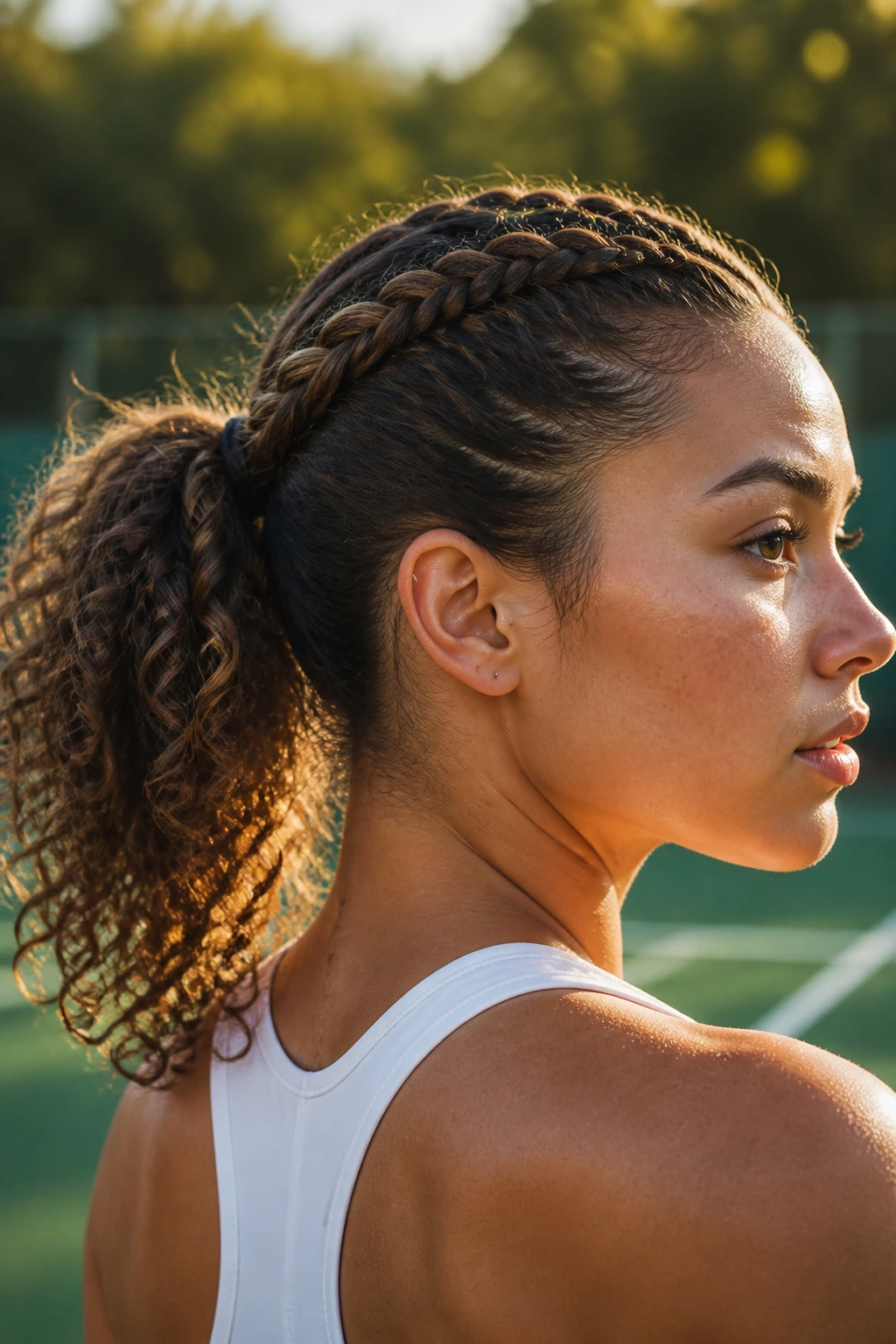
Take the section of hair you would use for a ponytail and braid it from the base of your head to the ends before tying it off. This combines the security of a braid with the convenience of a ponytail. It prevents your hair from tangling and keeps it consolidated in one rope that won’t lash around during cardio. It’s a very practical choice for sports like tennis or volleyball.
21. The Silk-Scarf Wrap
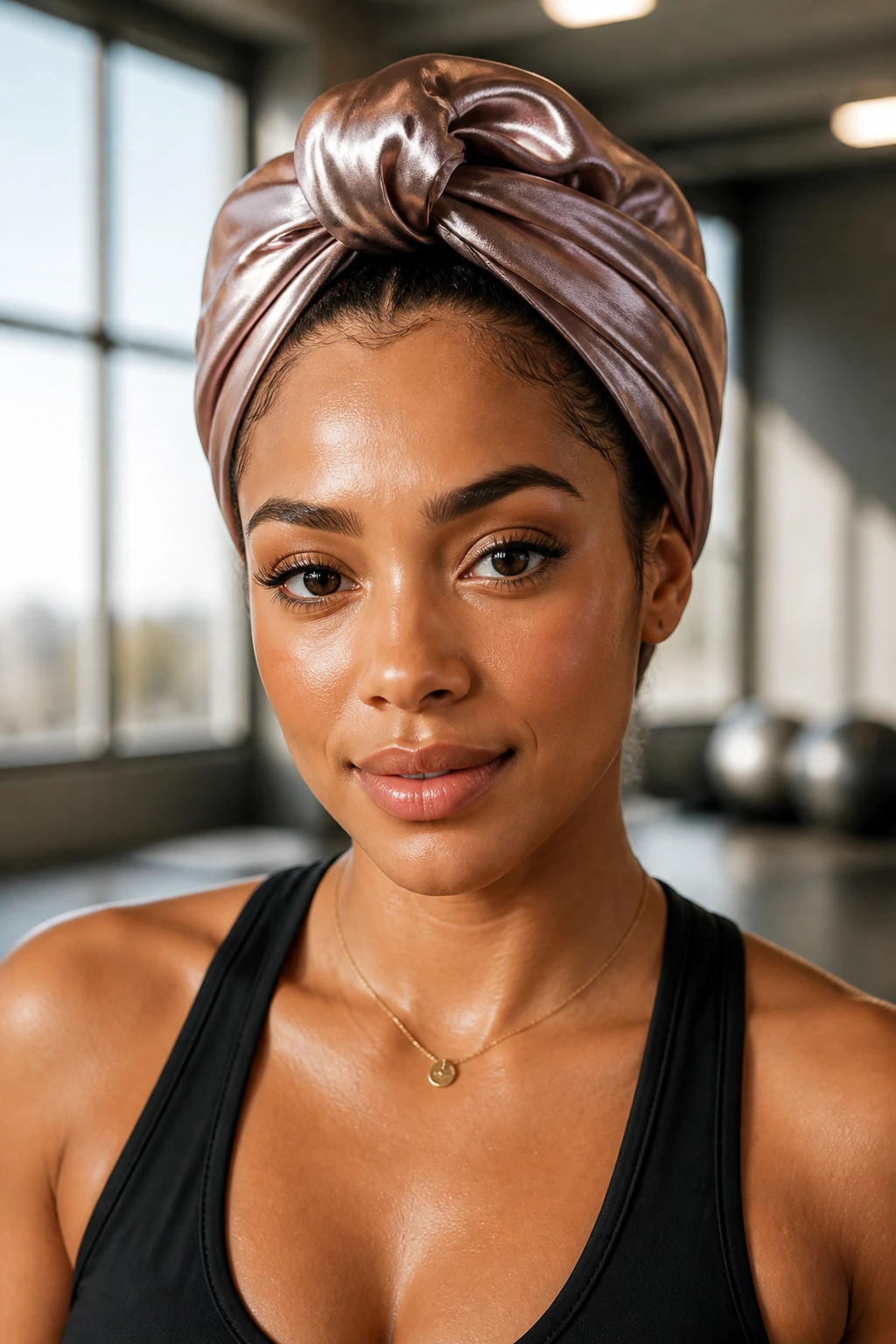
If you are doing a very sweaty workout, protecting your hair from the moisture is key. After applying a light leave-in conditioner, wrap your curls in a silk scarf in a turban style. This locks in the moisture and prevents your hair from absorbing all the salt from your sweat. It’s not just a hairstyle; it’s a hair treatment you can do while you train.
22. The Low Bun with Soft Ties
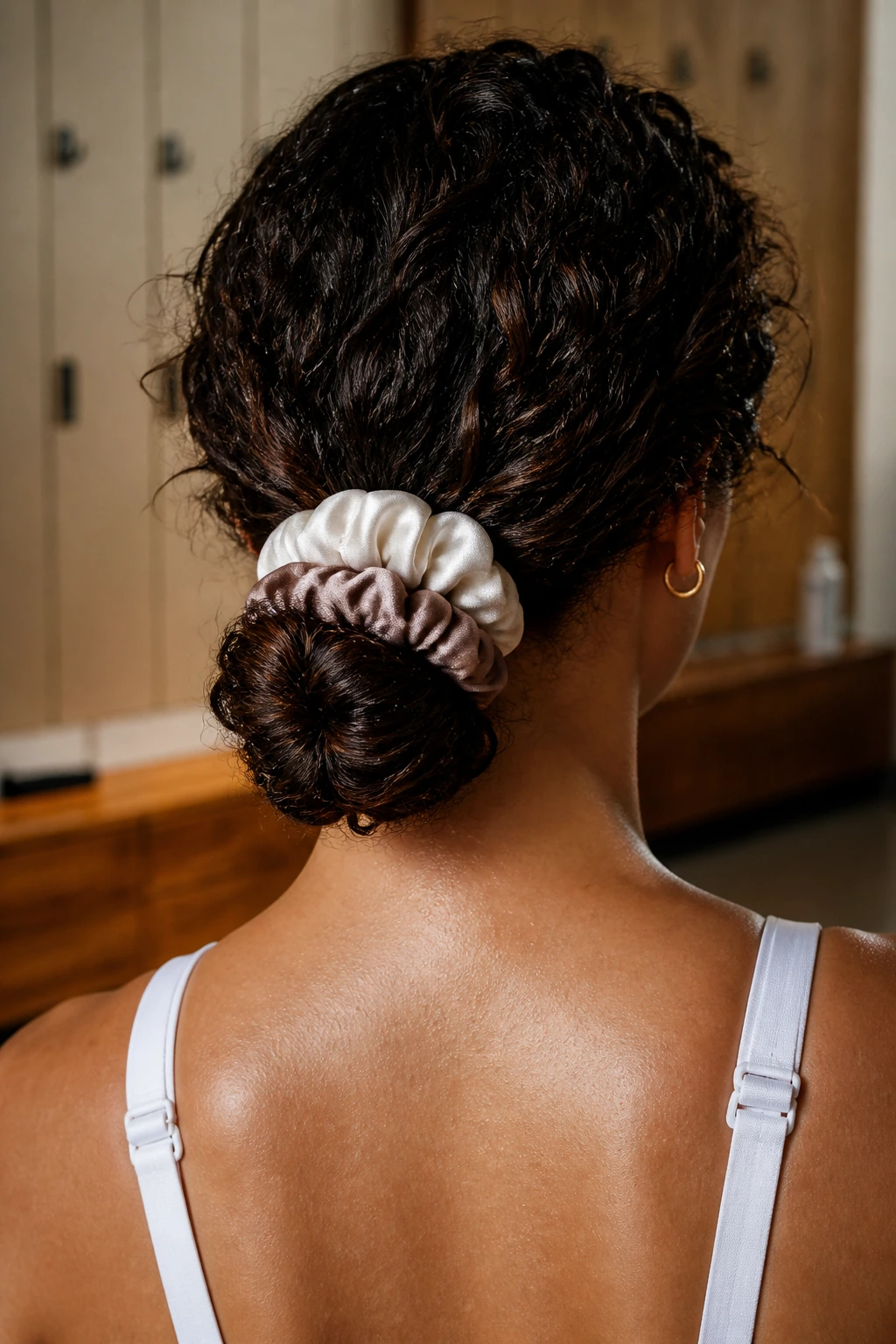
Sometimes simple is best. Gather your hair at the very base of your neck into a low, loose bun and secure it with two or three silk scrunchies. By keeping it low, you minimize the risk of a “bump” in your hair after your workout. If you need to make it tighter, add extra pins rather than using a tighter band, as pins are much gentler on the delicate structure of curly hair.
Choosing the Right Accessories
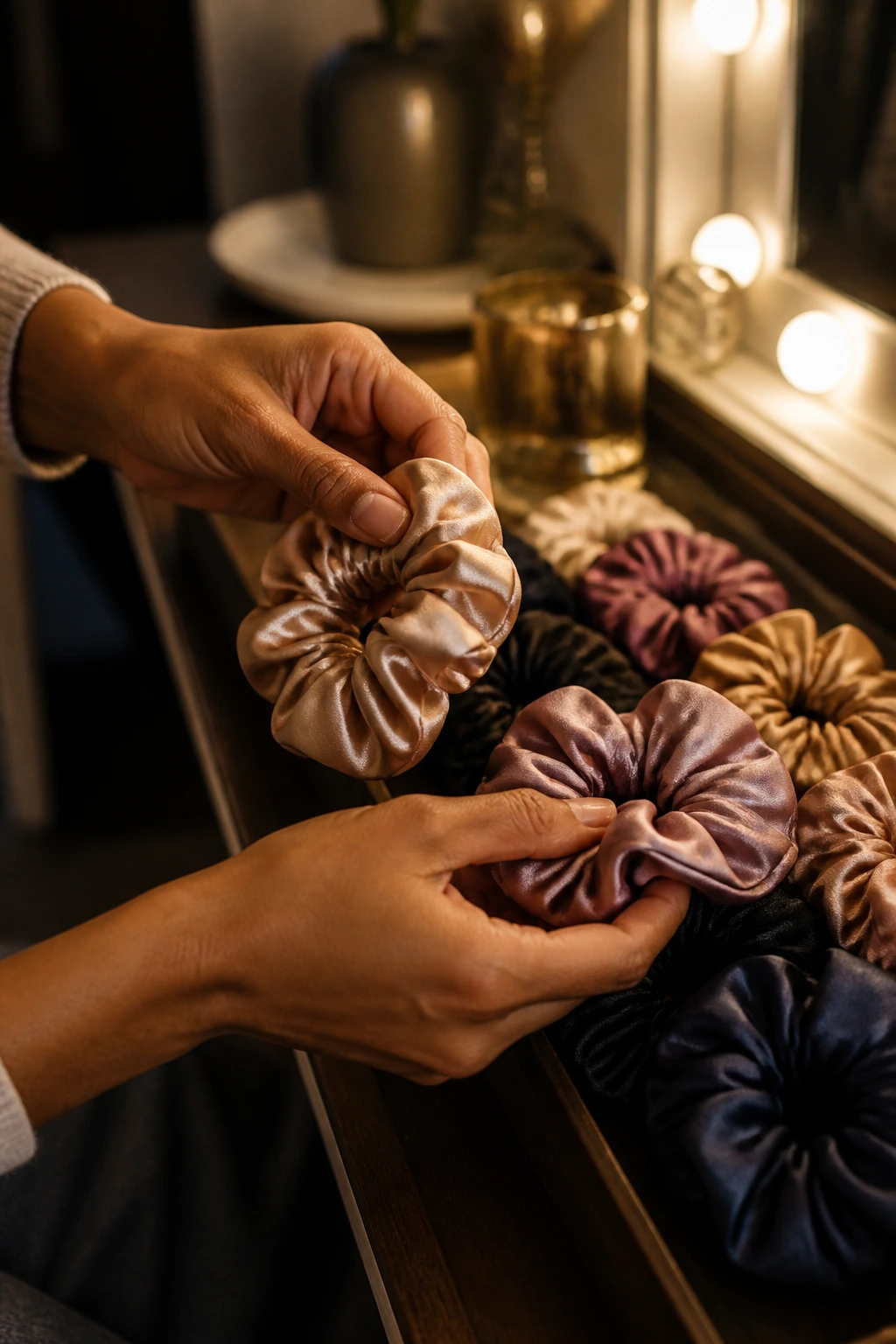
The success of these styles relies heavily on the quality of your hair accessories. Avoid any elastics that have metal seams, as these are the primary culprits for hair breakage and snags. Silk or satin-covered scrunchies are the best investment you can make for your hair; they provide grip without the friction that leads to frizz. When using pins, look for those with rubber-coated tips to prevent scratching your scalp during movement.
Understanding Tension and Hair Health
Curly hair is physically more fragile than straight hair due to the twists and turns in the fiber. When you put your hair into a style for a workout, the goal is to distribute the force of the pull across as many hair fibers as possible. High, tight ponytails are the enemy because they place all the weight of your hair on a small patch of scalp at the crown. Whenever possible, choose styles that involve braiding or multiple anchoring points, as these spread the weight evenly and prevent traction alopecia over time.
Managing Sweat and Frizz
Sweat contains salt, which can dry out your hair and cause the curl pattern to lose its definition. If you are doing a workout that you know will be extremely sweaty, consider applying a tiny amount of a lightweight, silicone-free curl cream or leave-in conditioner before styling. This acts as a barrier, preventing the salt from penetrating the hair shaft. After your workout, do not just leave your hair in the style; take it down immediately and allow your scalp to air out. If your hair feels damp, a quick spritz with a curl refresher can help restore the bounce.
Post-Workout Refresh Strategies
Once your workout is done, the way you release your hair is just as important as how you styled it. Never rip out your hair ties. Carefully unloop the bands or remove the pins one by one. If your hair is damp from sweat, resist the urge to rake your fingers through it while it is drying, as this will lead to frizz. Instead, let it sit for a few minutes while you cool down. If the curls look a bit flat, gently shake your head to add volume back into the roots. If you need a more thorough refresh, misting your hair with water and adding a dollop of curl mousse can redefine those ringlets without needing a full re-wash.
Final Thoughts
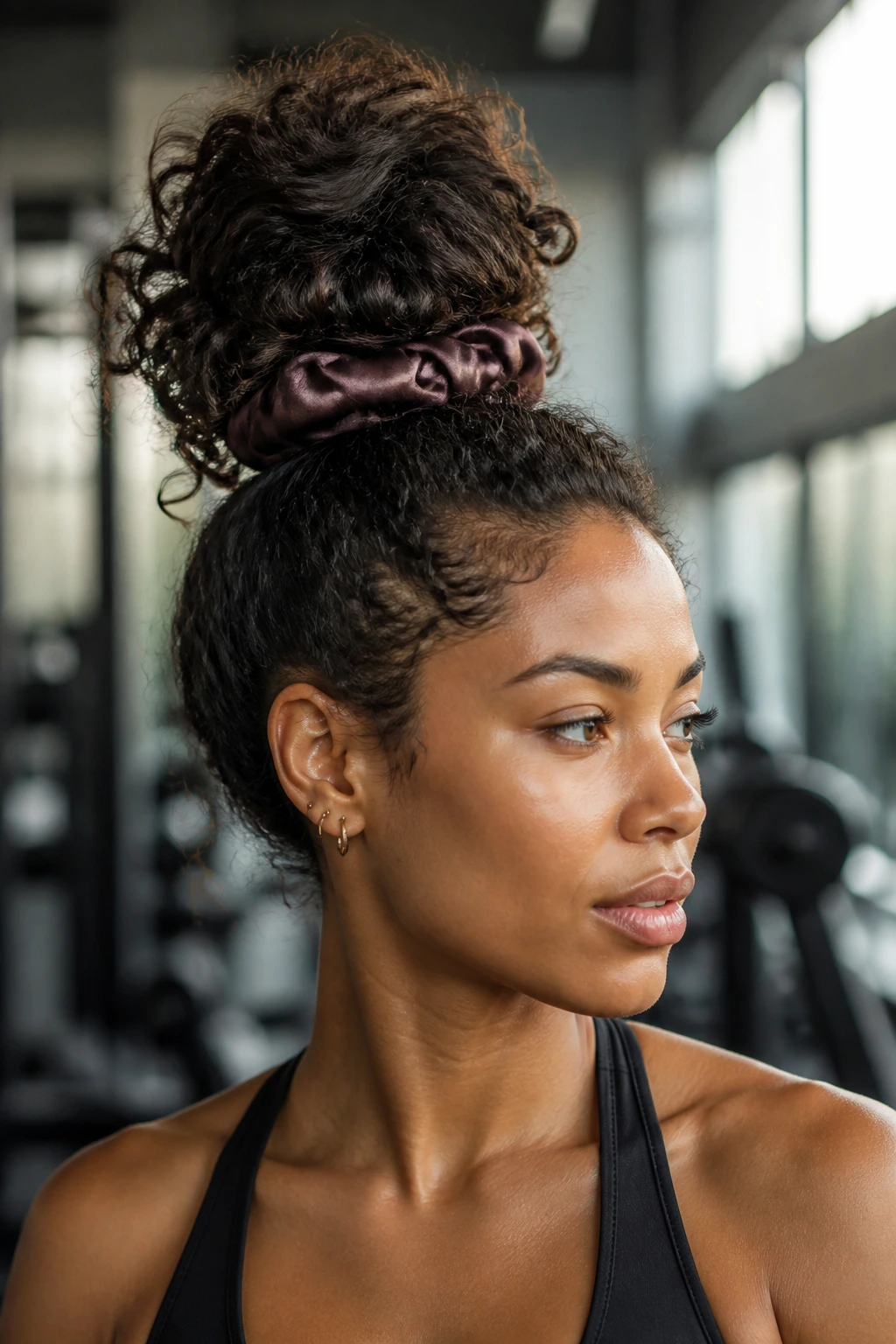
Finding the right workout style for curly hair is a process of trial and error. What works for a high-impact cardio session might be overkill for a restorative Pilates class, so keep a small kit in your gym bag with a few silk scrunchies, some rubber-tipped bobby pins, and a small spray bottle of curl refresher. Remember that your hair doesn’t need to look perfect while you exercise; it just needs to be safe from damage. The goal is to finish your workout feeling stronger without having to spend an extra hour undoing the damage done to your texture. With the right technique, you can push your body to the limit and keep your curls looking healthy and defined every single time.