

Finding the right haircut during your teenage years feels like a high-stakes balancing act. You want something that reflects your evolving sense of self, but you also need something that won’t require a masterclass in styling every morning before the bus arrives. Whether you are dealing with stubborn cowlicks, a newfound obsession with volume, or just a desire to shake off the remnants of a middle-school look, the right cut makes all the difference.
Gone are the days when specific styles were strictly tied to rigid labels. Today, the most successful haircuts are those that lean into your natural texture—whether that is pin-straight, tightly coiled, or somewhere comfortably in between—rather than fighting against it. The best style is the one that gives you a little extra confidence when you catch your reflection in a locker mirror. Let’s look at twenty-eight distinct options that hold up under pressure and keep your routine simple.
1. The Classic Textured Crop
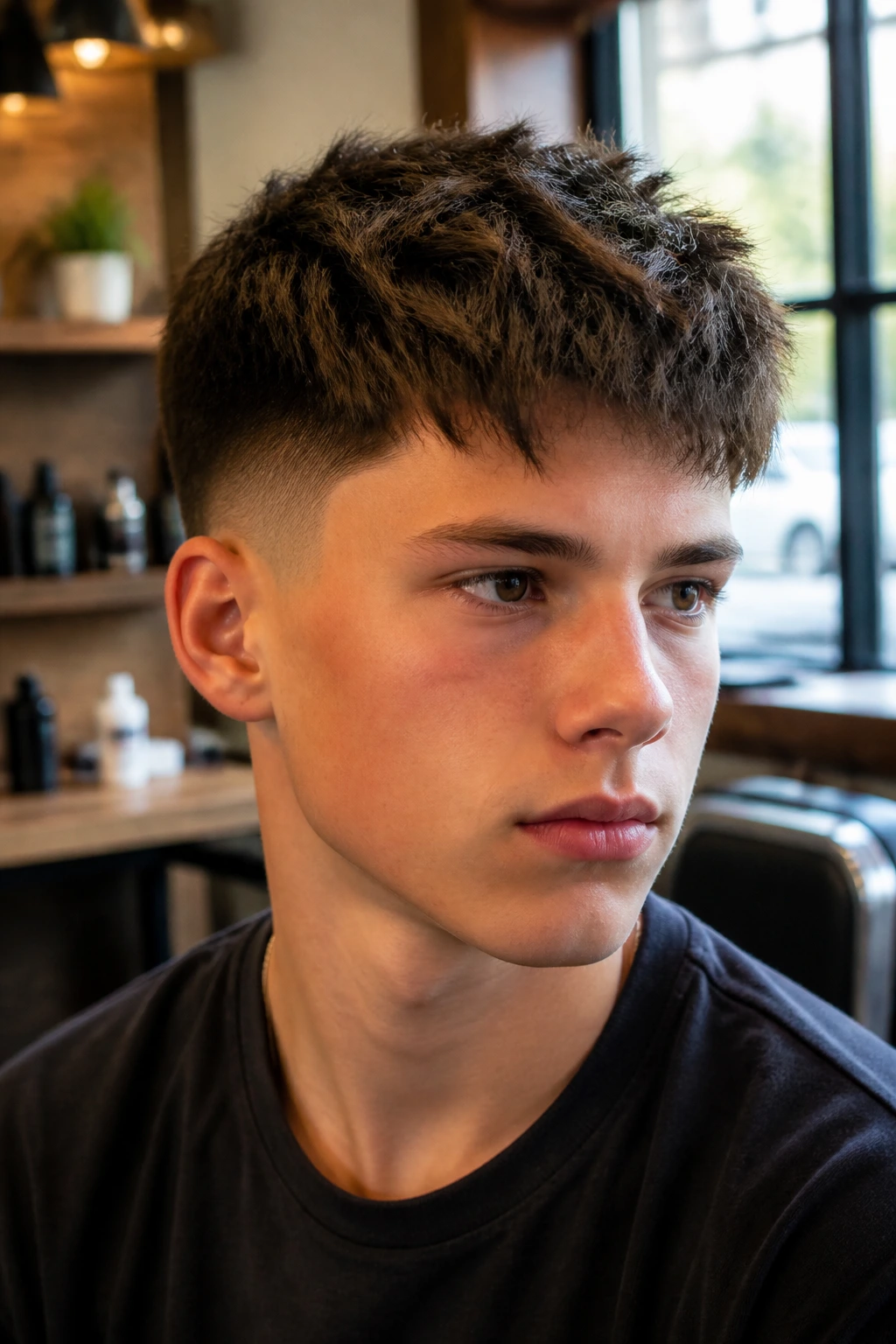
This is the workhorse of short haircuts. It works because it relies on layers rather than length to create shape, meaning it grows out gracefully even if you skip a salon visit for a few weeks. The focus here is on the top, where shorter, choppier layers are cut to provide natural height without needing half a can of hairspray.
Making It Work for You
- Keep the sides significantly shorter than the top to avoid a mushroom effect.
- Use a matte clay or texturizing paste to define the ends rather than a gel, which can look greasy.
- Ask your stylist for “point cutting” on the ends of the top layers to prevent them from looking blunt or heavy.
Pro tip: If you have finer hair, request a slightly shorter overall length to maximize the appearance of thickness.
2. The Modern Mullet
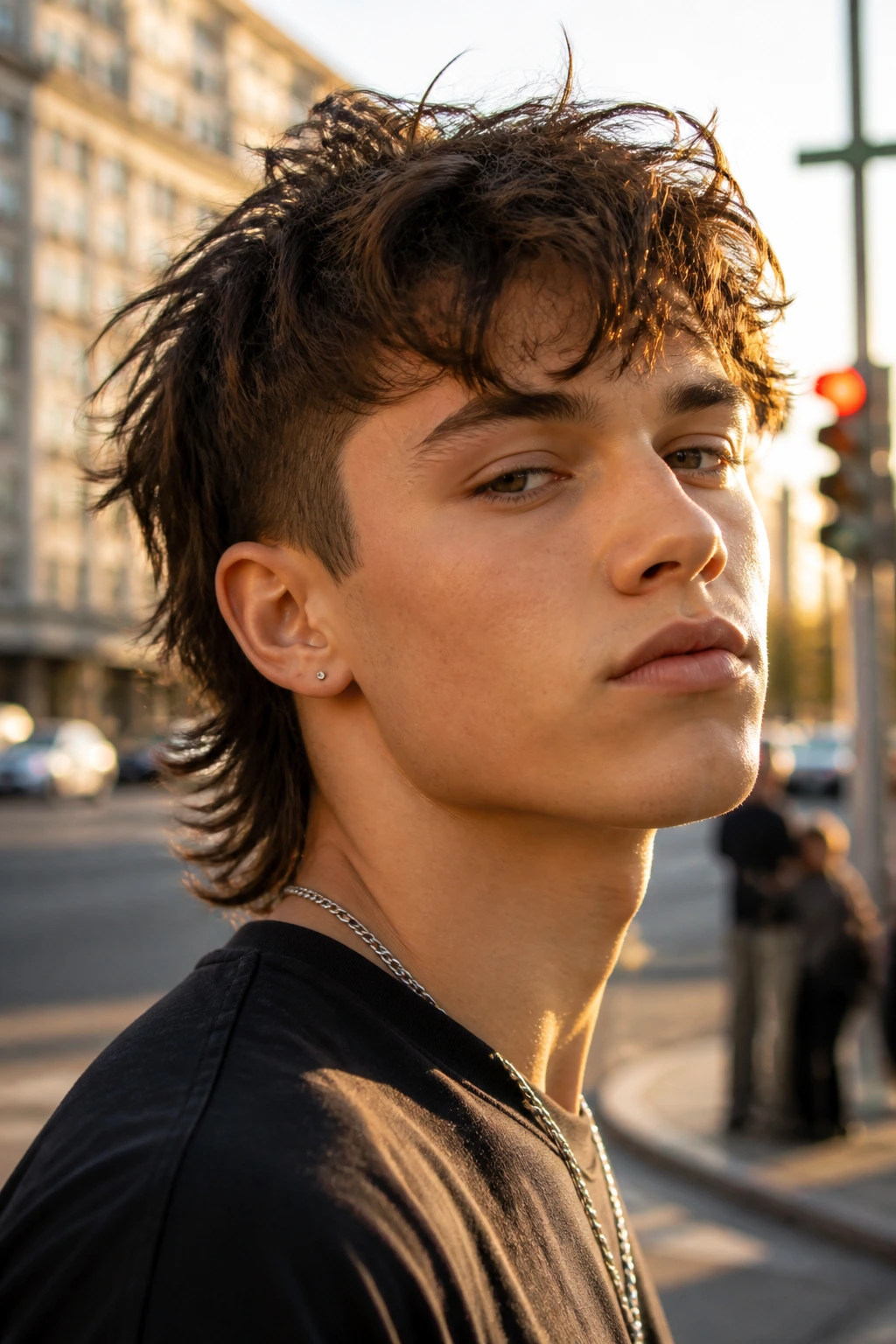
Yes, it has returned, but it is much more intentional now. The modern version is less about the dramatic “business in the front, party in the back” contrast and more about a seamless transition from short, textured sides to a longer, shaggy nape. It offers a rebellious, edgy silhouette that looks best when kept slightly messy.
Why It Stays Popular
The beauty of this cut lies in its versatility. You can tuck the sides behind your ears for a cleaner, more understated look, or let them hang loose for that quintessential rocker aesthetic. It is a fantastic choice if you have a bit of natural wave, as the texture helps the layers blend together rather than sticking out at awkward angles.
3. The Soft Shag
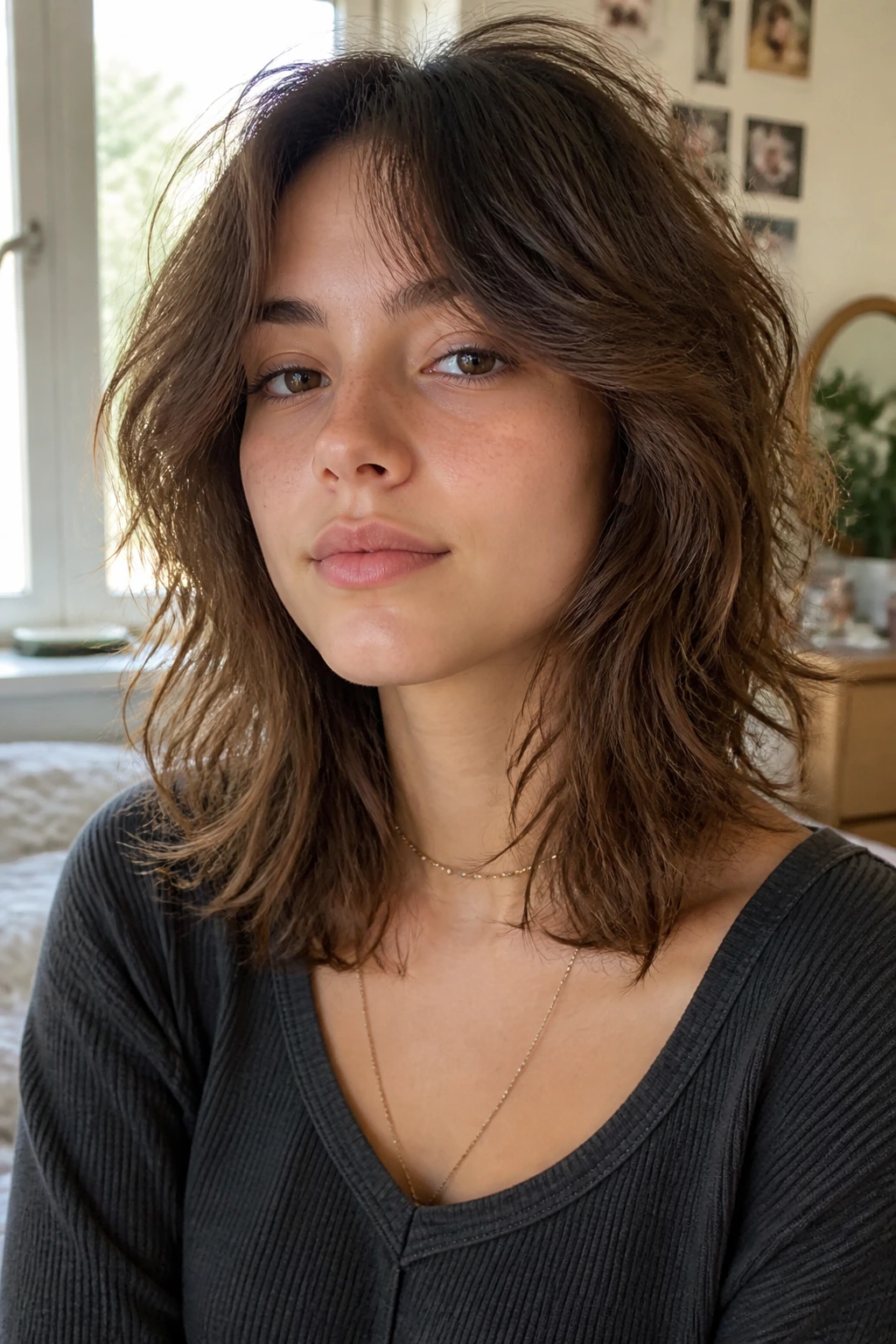
For those who prefer a bit of length, the shag is the ultimate low-maintenance champion. It is all about internal layers—removing weight from the middle of the hair while keeping the perimeter relatively long. This creates an airy, weightless feel that practically styles itself after a simple air-dry.
How to Style a Shag
Start by applying a small amount of sea salt spray to damp hair, then scrunch the ends with your fingers. Avoid brushes entirely; you want to encourage your natural wave pattern, and a brush will only disrupt the clumps, leading to unwanted frizz. If your hair is straight, a light texture cream can add the “lived-in” grit that makes this style look authentic.
4. The Taper Fade
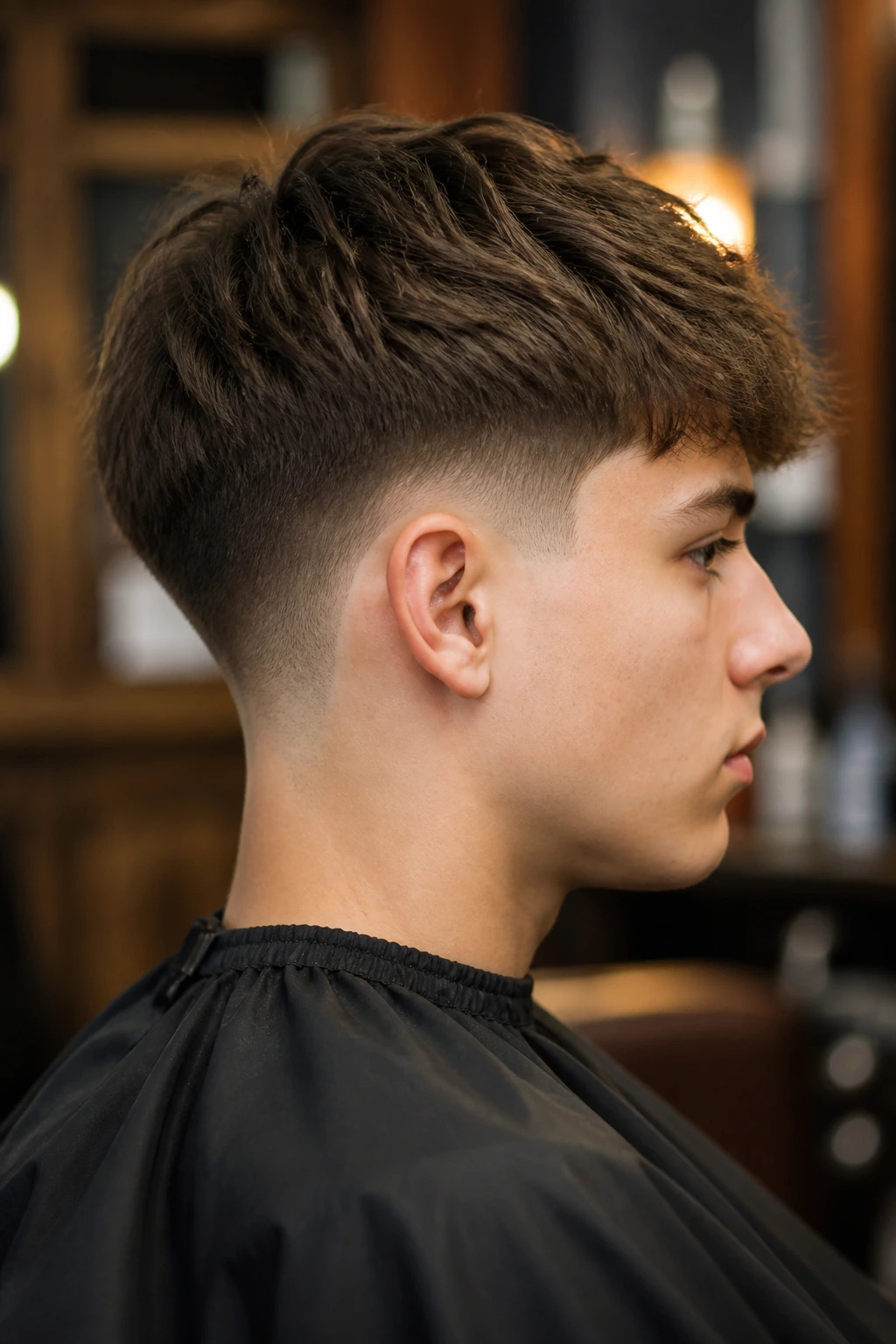
The taper fade is less of a style and more of a foundation for a hundred other looks. It keeps the hair at the neckline and around the ears very close to the skin, gradually transitioning into longer hair as you move up toward the crown. It is clean, sharp, and provides an immediate sense of polish to any outfit.
Maintaining the Look
Because the fade is so precise, the “fuzz” becomes noticeable faster than with other cuts. You will likely need to visit a barber every two to three weeks to keep the lines crisp. It is a commitment, but the payoff is a haircut that looks expensive and high-maintenance, even if the top is just a messy mop.
5. The Curtain Bangs
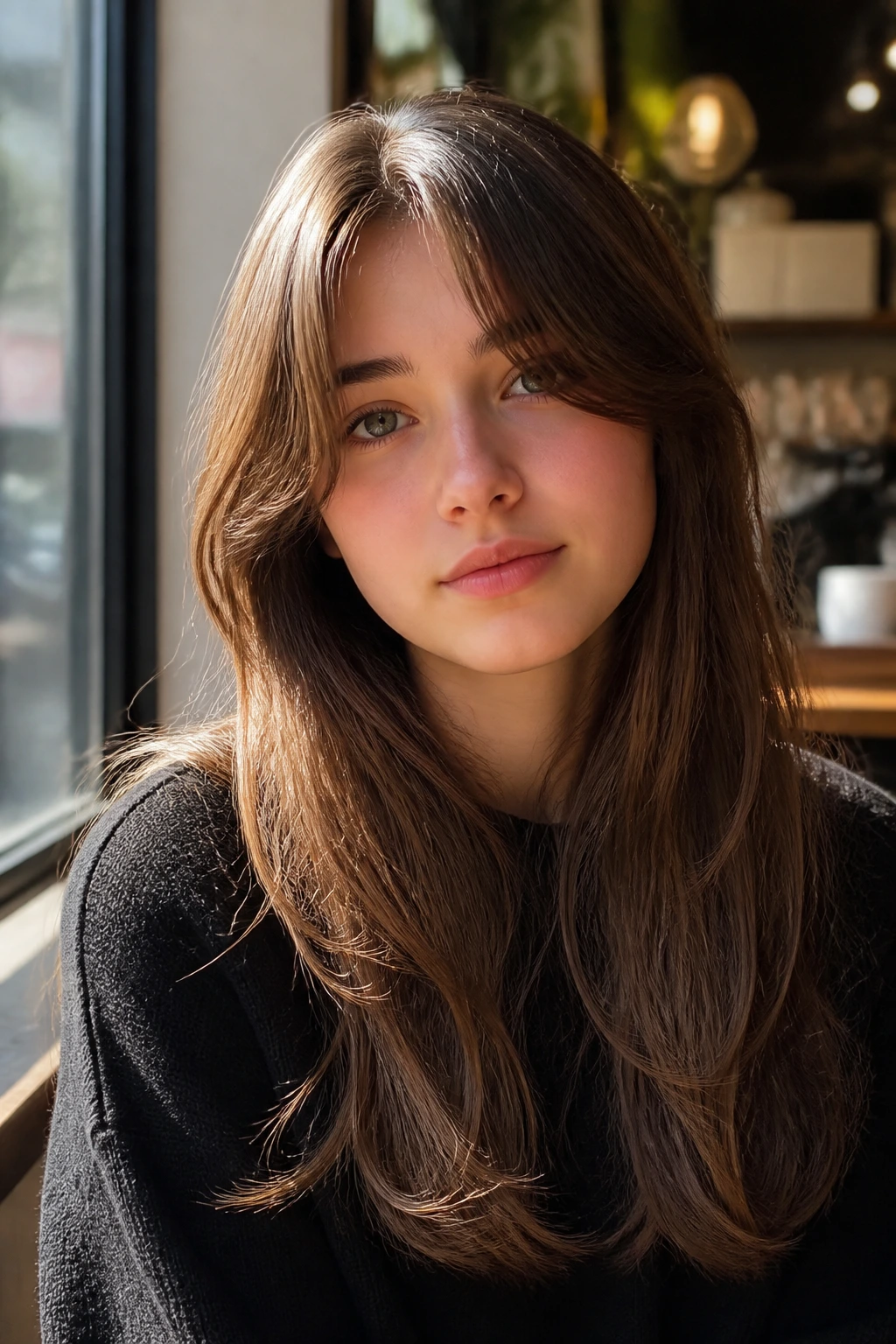
If you have been hovering over a photo of seventies-era icons, you already know the draw of these bangs. They are long, face-framing, and split down the center, which makes them incredibly forgiving if you are trying to grow out shorter fringe. They soften the jawline and give an instant sense of proportion to almost any face shape.
Avoiding the “Heavy” Trap
Ensure your stylist doesn’t cut the bangs too thick. You want them to be wispy enough to let light hit your face, not a heavy curtain that hides your eyes. If they feel too long, you can easily pin them back or tuck them behind your ears, making them one of the most flexible choices for a teenager who changes their mind often.
6. The Undercut Pixie
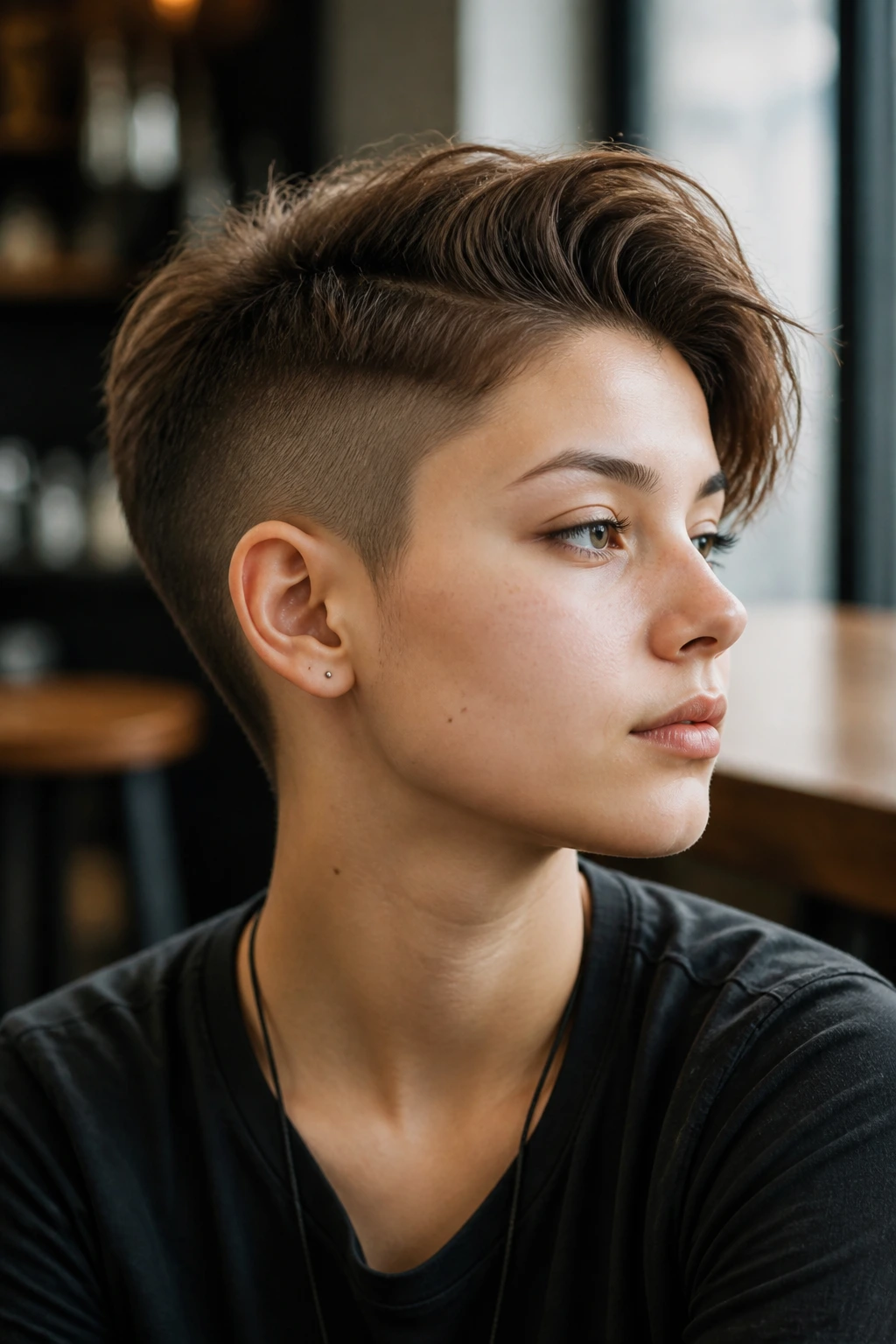
This is for the person who wants to make a statement without spending twenty minutes on hair styling every morning. By shaving or cropping the lower half of the head, you eliminate bulk, allowing the hair on top to lay flat or stand up with minimal effort. It is bold, undeniably cool, and works wonders for thick or coarse hair types.
Customizing the Length
You don’t have to go buzz-cut short on the sides. A “number 4” guard will give you a soft, shadowed look that is less extreme but still provides that sleek, undercut silhouette. Pair it with a longer top that can be swept over to one side for a bit of sophisticated contrast.
7. The Blunt Bob
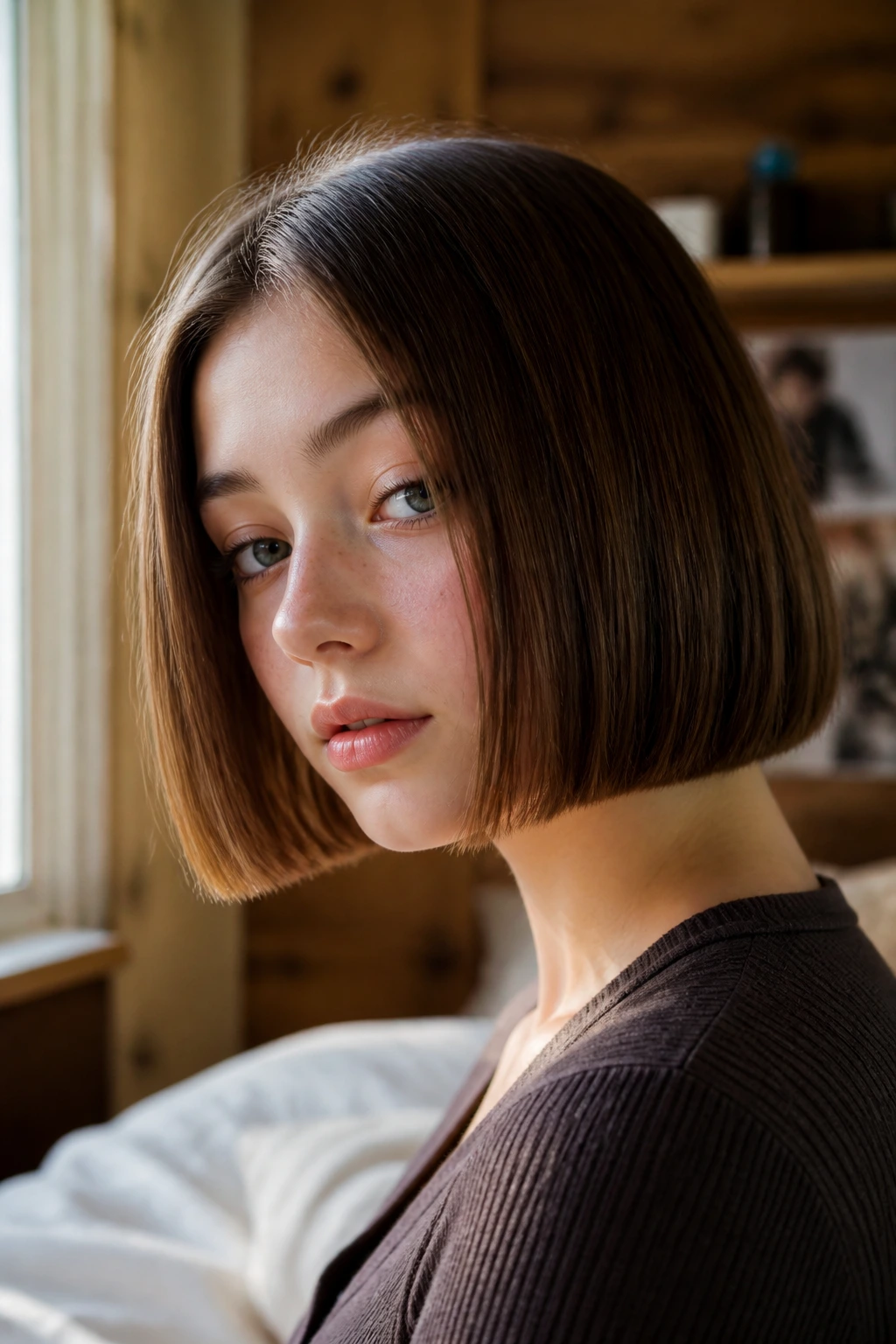
Sometimes, the simplest path is the best. A chin-length, blunt-cut bob is timeless. It removes dead ends instantly, making hair look healthier and thicker. While it might look intimidatingly sharp, it is actually incredibly easy to maintain—just run a flat iron over the ends if you want a glassy finish, or leave it natural for a softer, more casual vibe.
Is It Right for You?
If your hair is very curly, be cautious; a blunt cut on curls can sometimes create a triangular shape. Ask for some invisible, internal layers to help the weight distribute evenly. For straight or slightly wavy hair, this is the gold standard for a chic, clean look that pairs well with everything from hoodies to formal attire.
8. The Curly High-Top
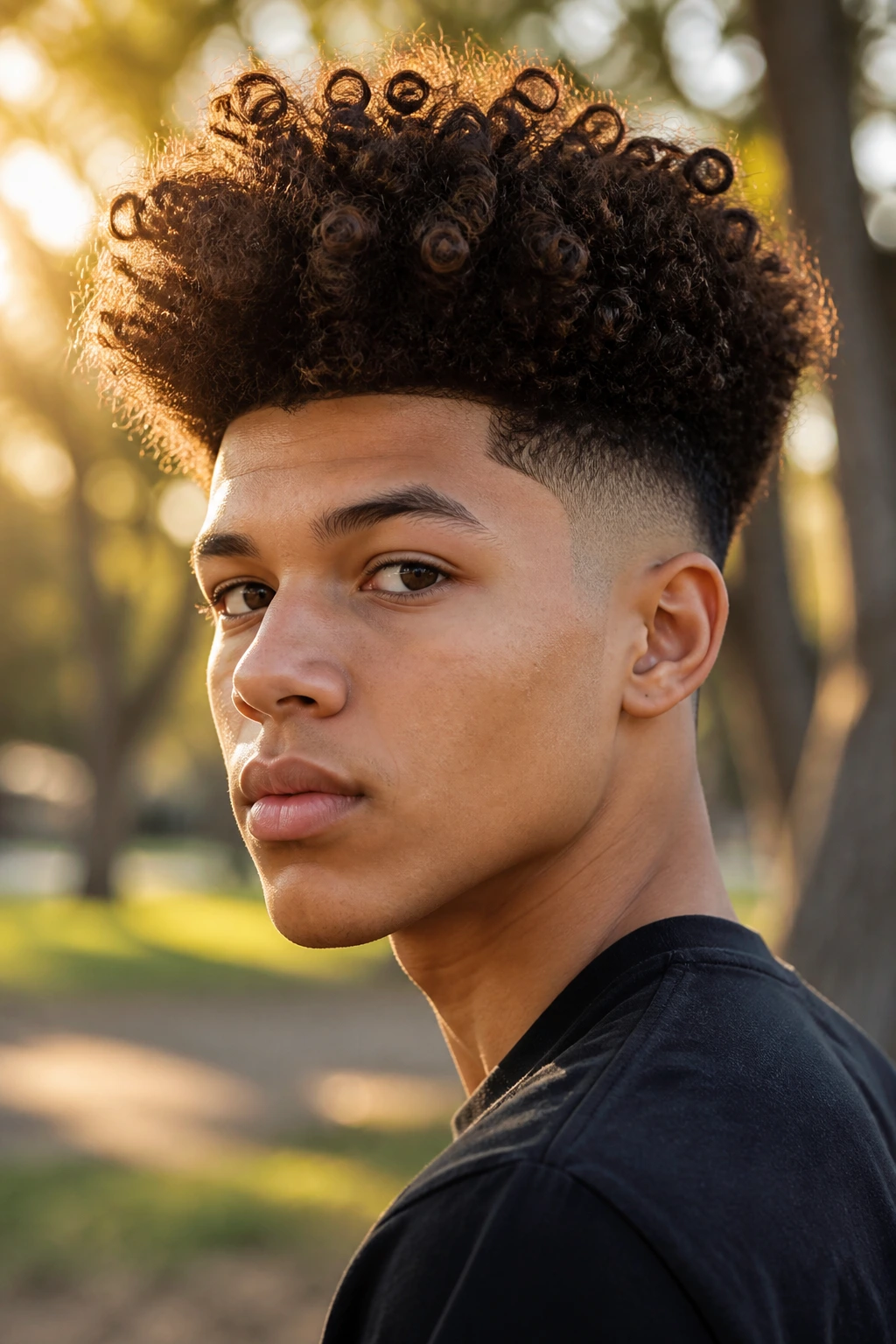
This style celebrates volume and natural texture in a big way. By keeping the sides faded or tapered tightly and allowing the curls on top to grow out, you create a striking, vertical profile. It is a fantastic way to show off a healthy curl pattern and provides endless opportunities to accessorize with hats or headbands.
Managing the Volume
Use a sulfate-free shampoo to avoid stripping the hair of natural oils, which can lead to frizz. Apply a leave-in conditioner while the hair is soaking wet to lock in moisture, then use a wide-tooth comb to gently detangle before letting it air dry. If your curls are tight, a simple oil-based pomade can add sheen and definition without weighing them down.
9. The Textured Faux Hawk
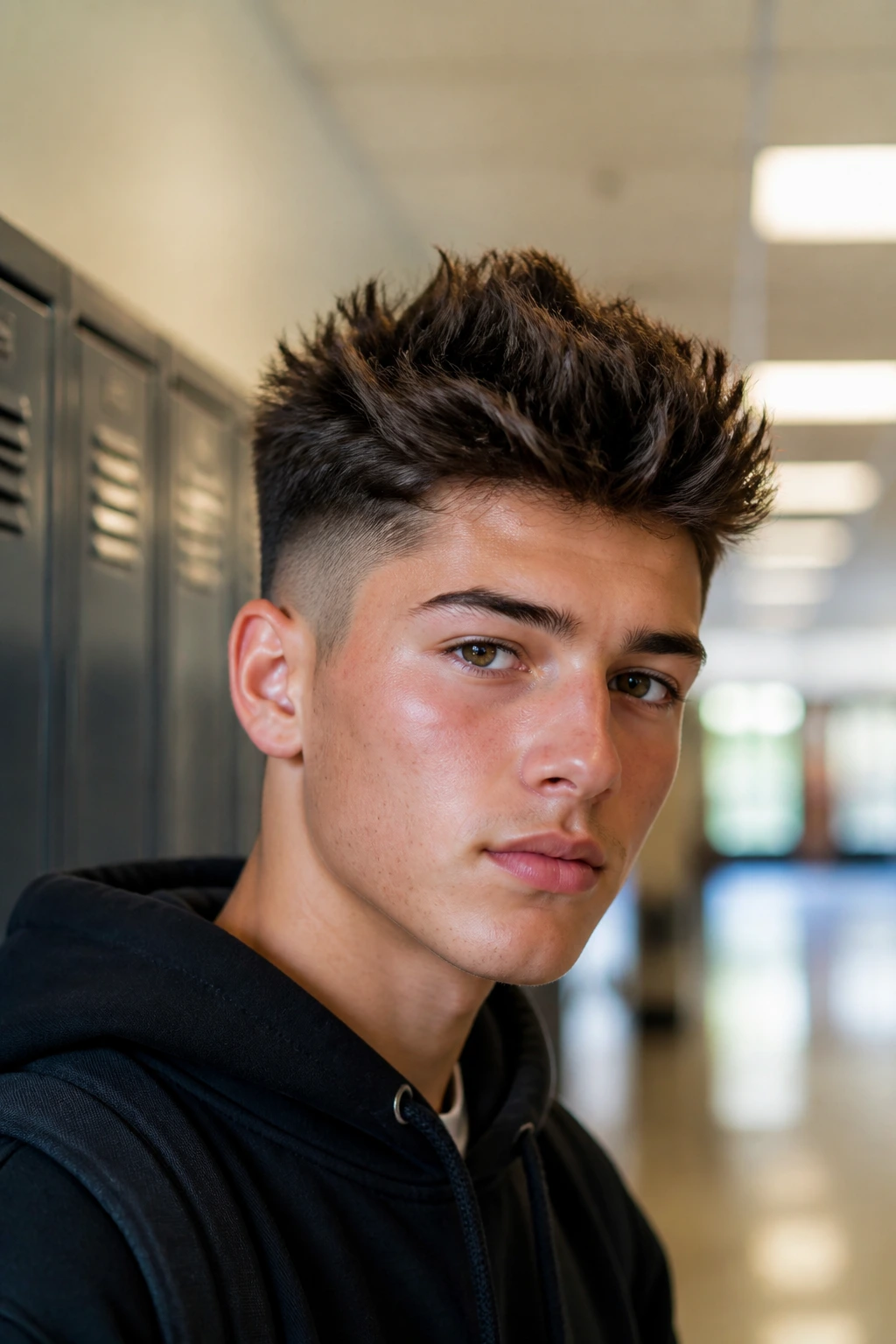
You don’t need a spiked, rigid mohawk to get an edgy look. The faux hawk keeps the sides tapered while pushing the top layers toward the center. It gives you the drama of a mohawk but stays grounded enough to wear in a classroom or at a job without feeling like you are wearing a costume.
How to Achieve the Shape
- Use a high-hold, low-shine styling paste.
- Work the product through your hands first to warm it up, then rake it upward from the sides toward the middle.
- Avoid using a comb, which makes the style look too rigid; your fingers will provide the messy, textured appearance that makes the faux hawk look modern.
10. The Deep Side Part
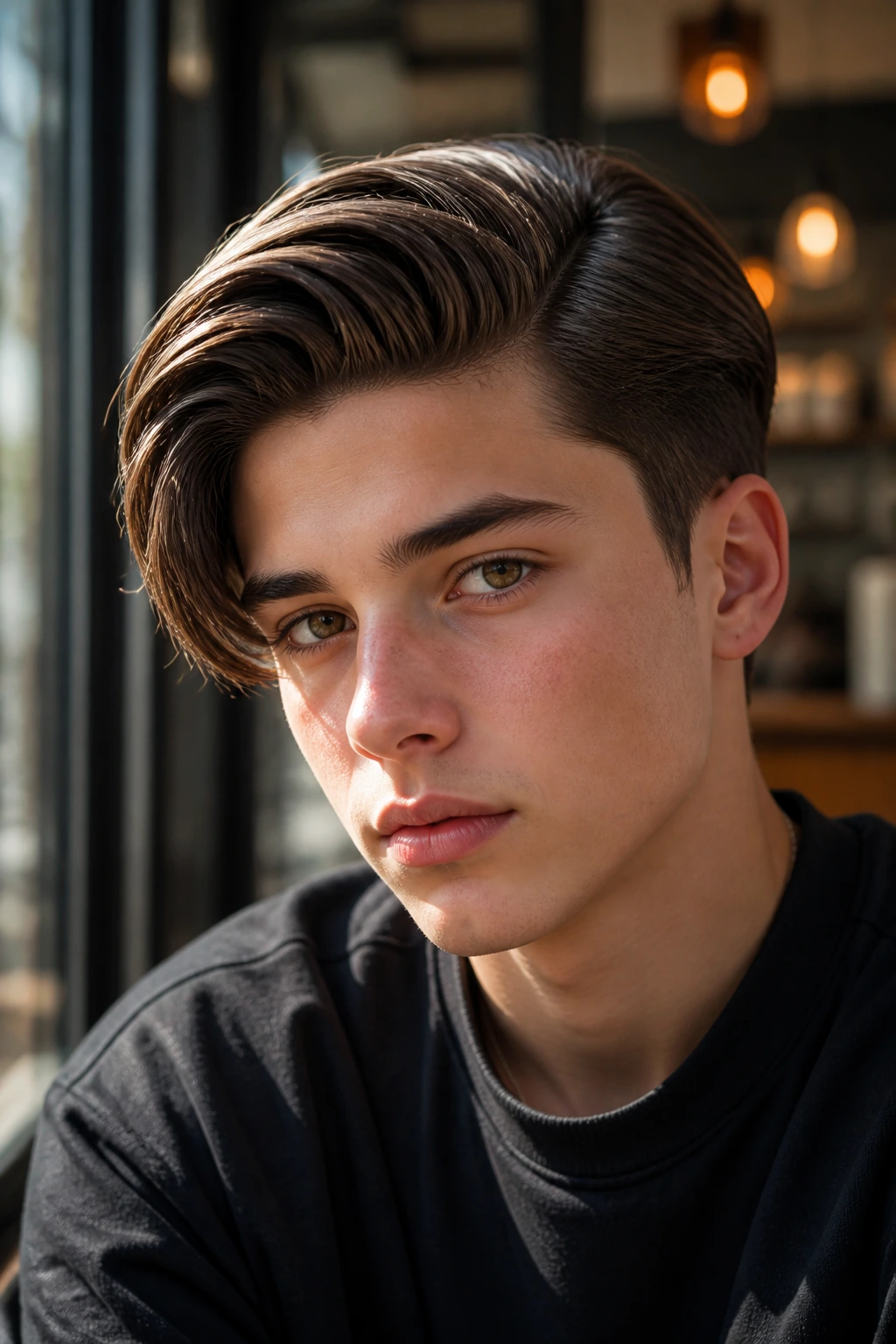
Sometimes the cut itself is secondary to how you style it. A deep, dramatic side part instantly adds volume and an element of mystery. Whether you have long, straight hair or a shoulder-length lob, shifting your part from the center to a few inches toward the side of your choice can completely change your aesthetic.
Why This Works
The deep part forces the hair at the roots to stand up, creating natural volume that lasts all day. It is particularly effective if you feel like your hair has been looking a bit flat or lifeless lately. Pair it with a slicked-back look on one side for a high-fashion, polished finish that is perfect for events or photos.
11. The Layered Lob
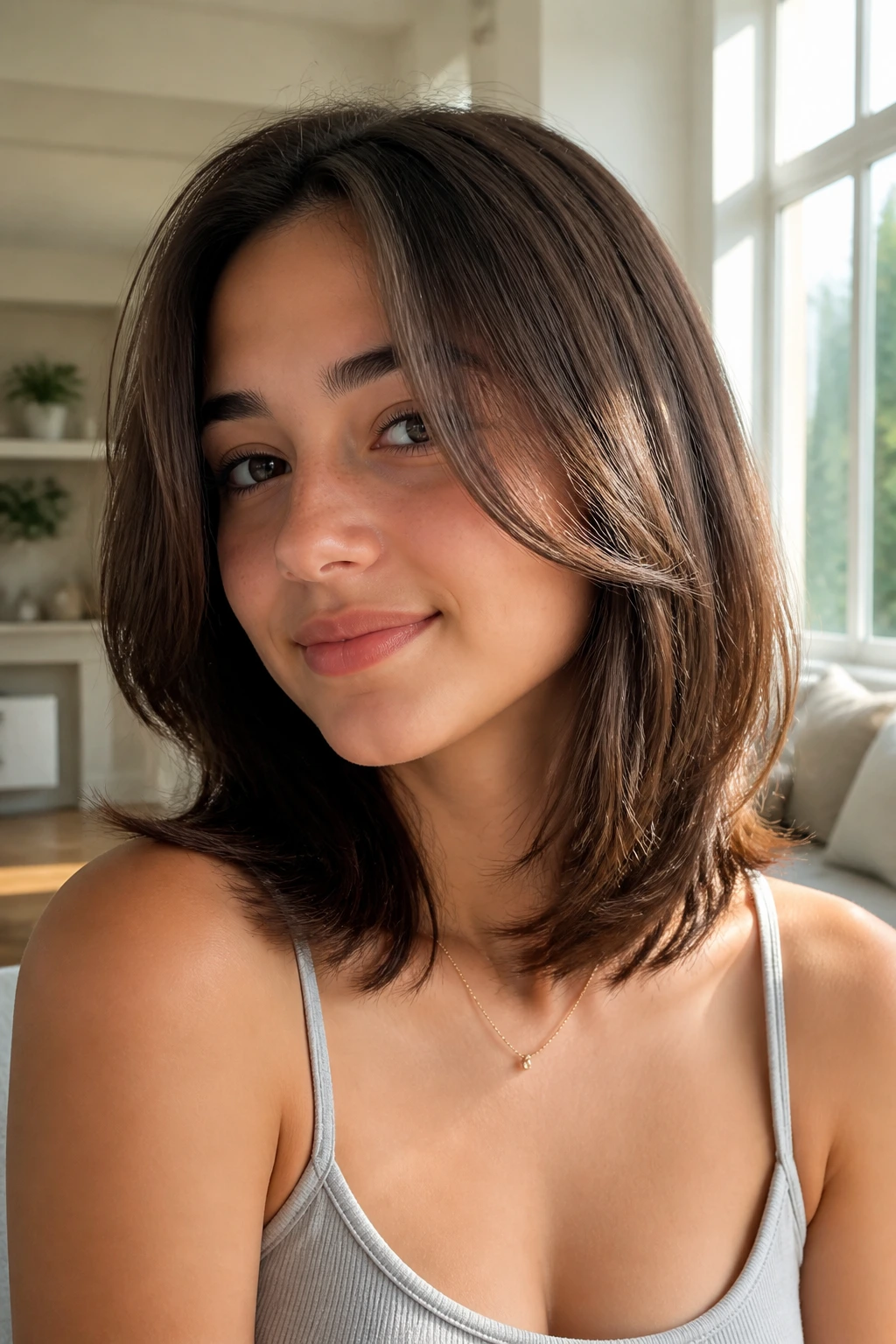
A “long bob” (lob) is the middle ground between short and long. It hits right around the collarbone, offering enough length to pull into a ponytail when you’re playing sports or studying, but short enough to keep it manageable. Adding soft, face-framing layers makes it look intentional and bouncy.
Benefits of the Lob
- It is universally flattering across most face shapes.
- It is long enough to experiment with braids or half-up styles.
- It makes thin hair appear much denser by removing the weight of excessive length.
12. The Buzz Cut with Designs
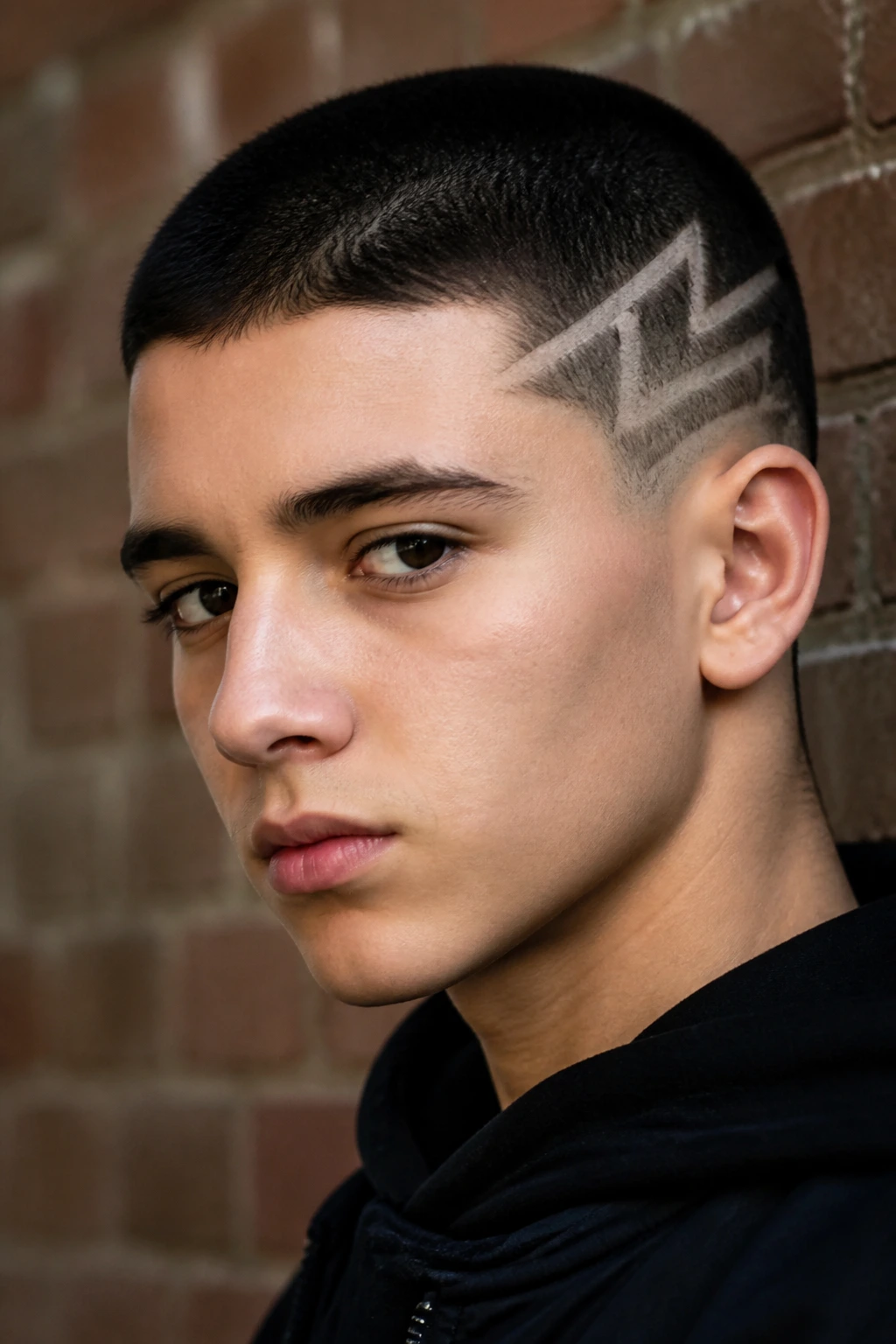
If you are confident and want to show off your personality, a simple buzz cut becomes a canvas. You can ask your barber to carve in simple lines, geometric patterns, or initials near the temple or the back of the neck. It is a temporary, high-impact style that grows out in a few weeks if you decide you want to try something else.
Important Maintenance Note
If you choose to add designs, realize that the hair will grow back very quickly. To keep the lines sharp, you will need to head back to the shop every ten days or so. If you aren’t prepared for the upkeep, stick to a standard buzz cut until you have the time to dedicate to the extra detail.
13. The Wispy Fringe
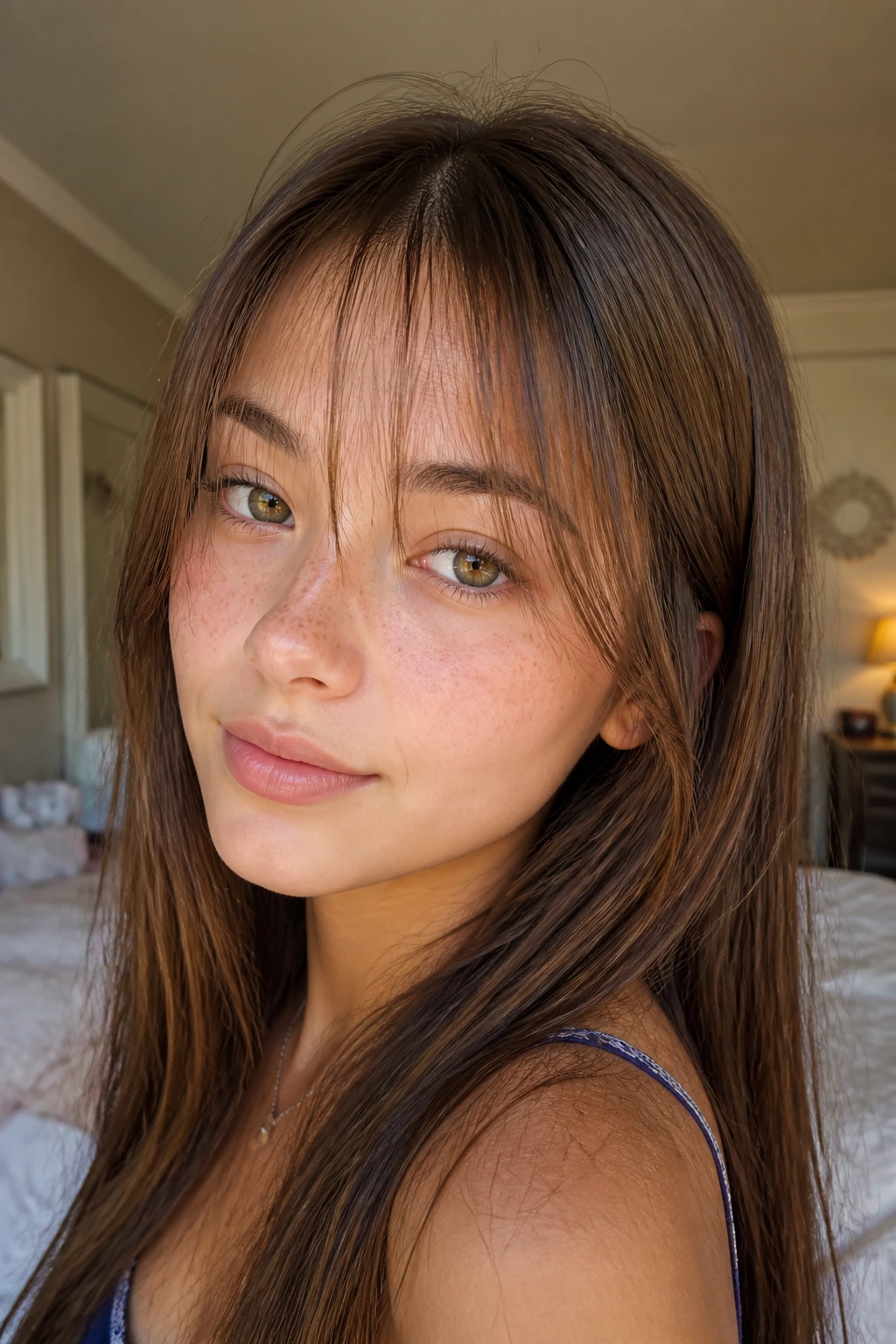
If you are hesitant about getting full-on bangs, the wispy fringe is your best friend. These are cut very thinly so that you can see your forehead through the hair. They are light, airy, and very easy to sweep aside if you decide you don’t want them in your face for the day.
Getting the Look
Ask your stylist for “shattered” or “piecey” bangs rather than a straight-across cut. This technique keeps the ends soft rather than blunt, which prevents that “perfectly straight line” look that can sometimes feel dated or too formal. It pairs beautifully with shoulder-length layers for a casual, bohemian aesthetic.
14. The Slicked-Back Pompadour
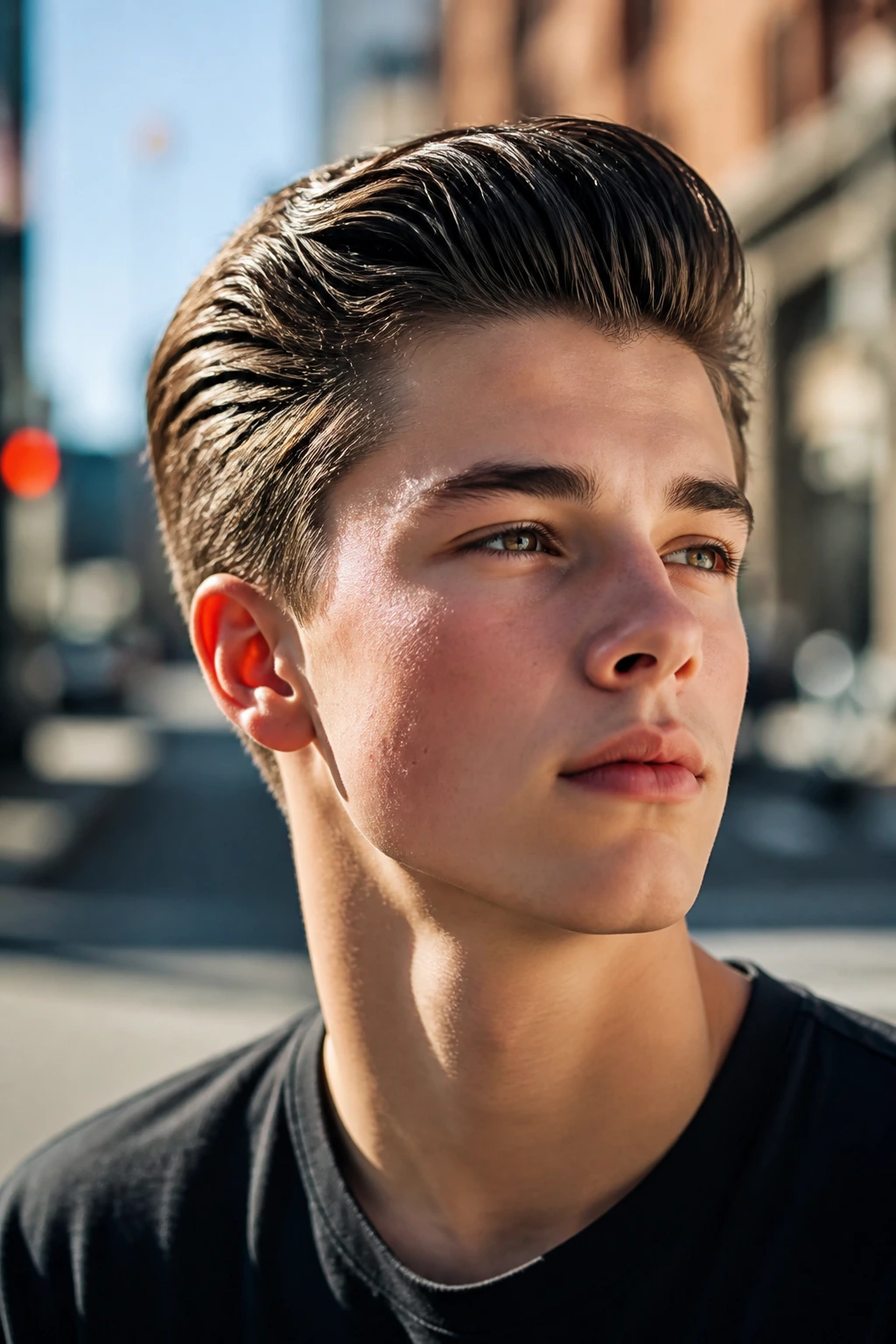
Drawing from classic styles, the pompadour is all about height at the front of the head. By using a light pomade and a blow dryer to lift the roots, you can create a style that stays put from morning until night. It is a fantastic option if you have a bit of length on top and want to look put-together without much fuss.
The Secret to Longevity
Don’t use too much product. A dime-sized amount of water-based pomade is plenty. If you use too much, your hair will look stiff and shiny, which can feel heavy. Blow-dry the front section of your hair straight up and back while it is still damp; once it is dry, the shape will naturally hold, requiring only a tiny bit of product to finish the texture.
15. The Long and Layered
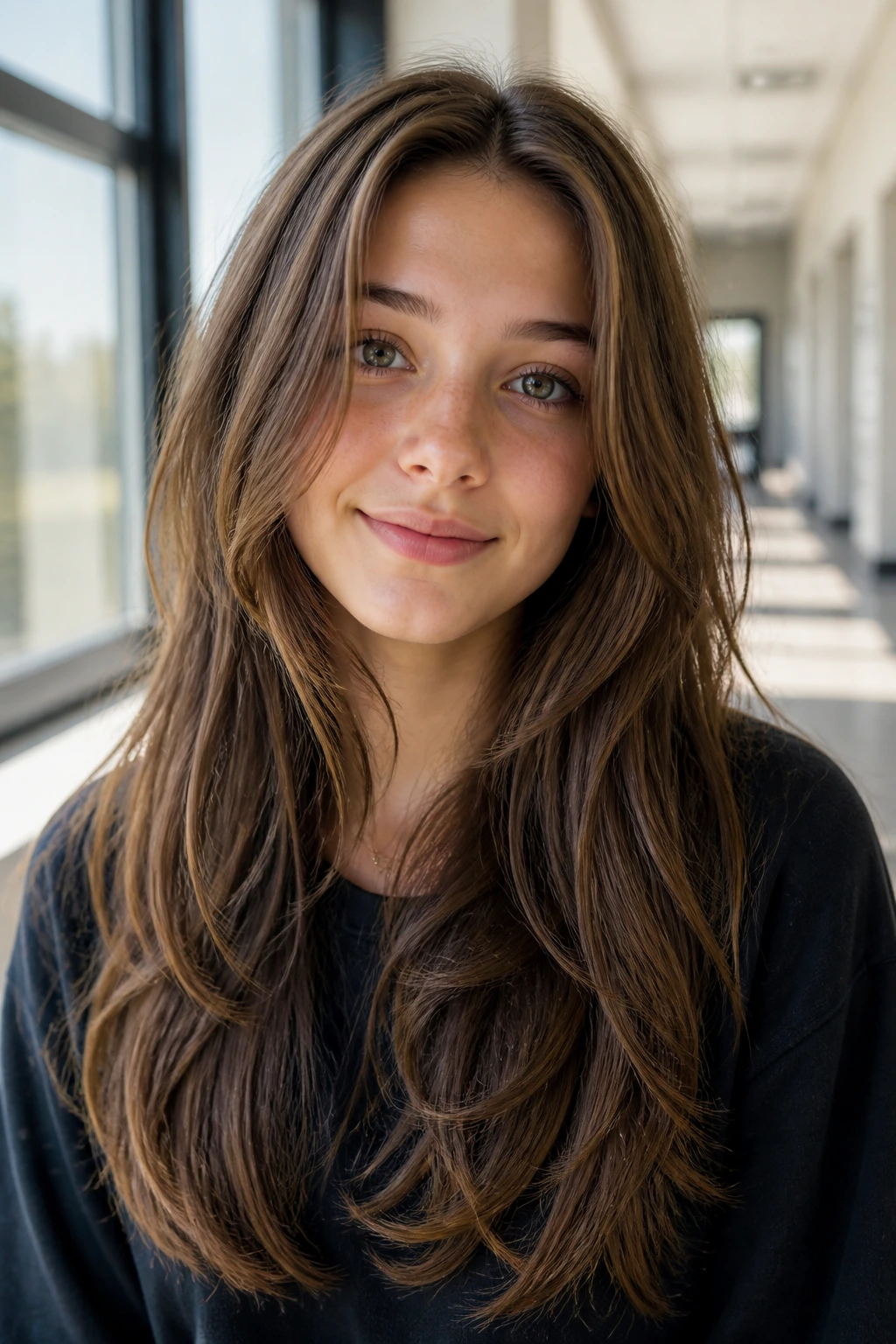
If you love your length, there is no reason to chop it off. However, long hair can easily become heavy or drag your face down if it is all one length. Long, internal layers will give your hair movement and bounce without sacrificing the inches you have spent so long growing out.
Avoiding “Stringy” Ends
Ask your stylist to check for split ends every time you go in. When you have long hair, the ends are the oldest part of the strand, and they will naturally fray over time. Regular “dusting” trims—where only an eighth of an inch is removed—will keep the ends looking sharp and prevent damage from climbing up the hair shaft.
16. The Natural Afro
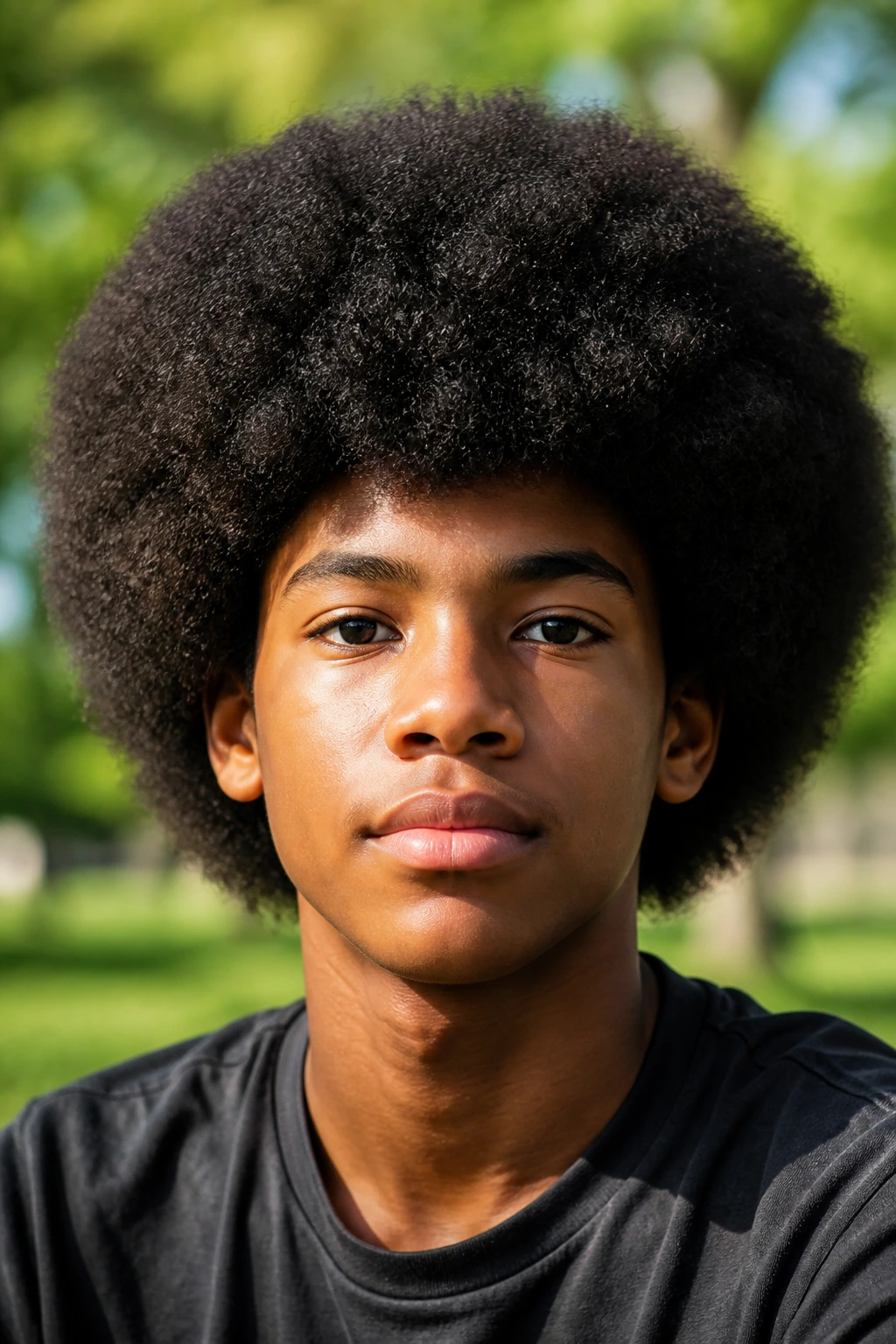
The natural afro is a powerful, beautiful, and expressive choice. Whether you keep it tightly cropped or let it grow into a larger, rounded silhouette, it is a fantastic way to honor your hair’s natural growth pattern. The key is in hydration; moisture is the lifeblood of a healthy afro.
Daily Care Essentials
Invest in a wide-tooth comb and a silk or satin pillowcase. The pillowcase is non-negotiable—it prevents friction, which leads to breakage and frizz while you sleep. Apply a leave-in moisturizer every morning to keep your hair soft and manageable, and don’t be afraid to use your fingers to shape the afro throughout the day.
17. The Textured Crop with Fade
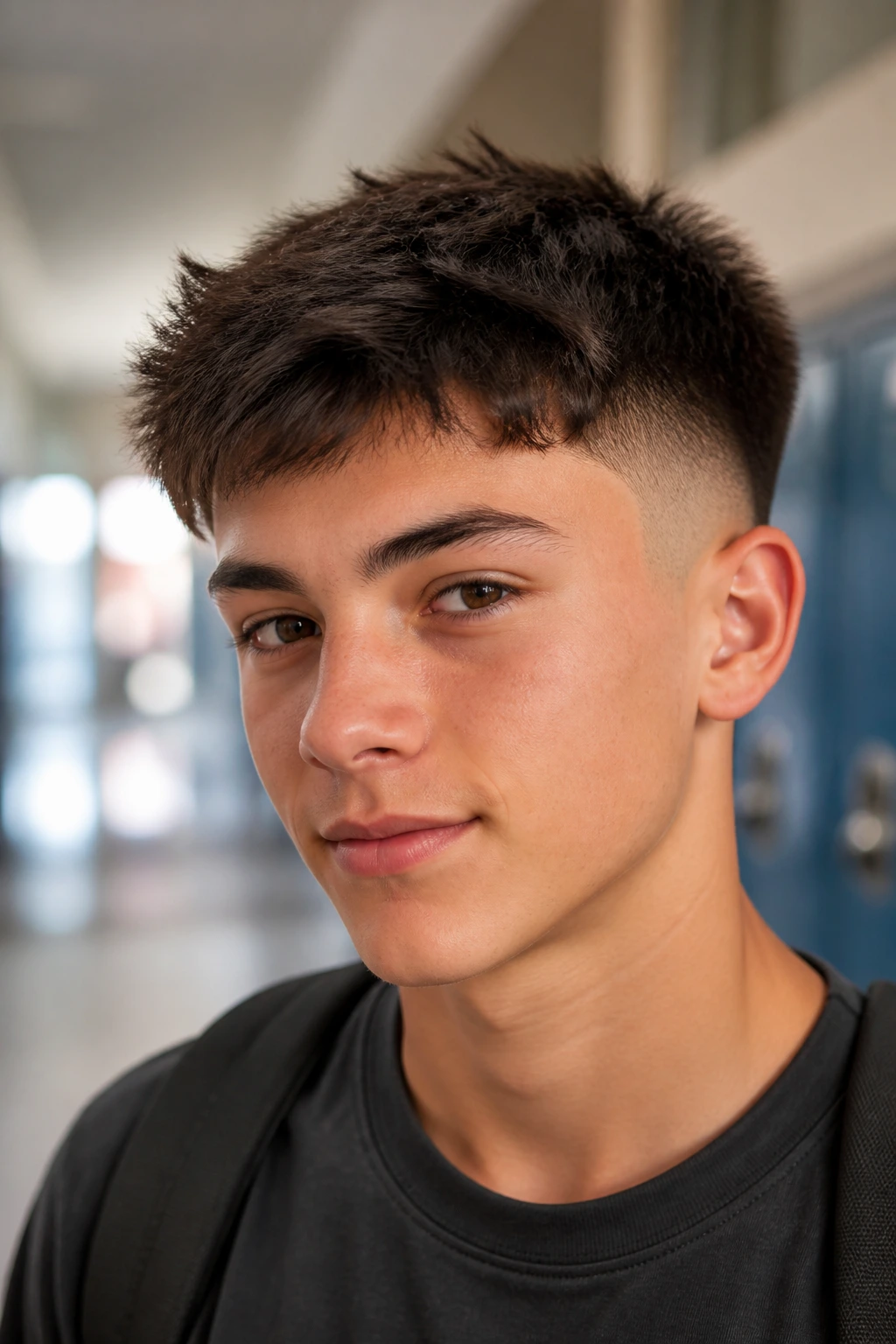
Merging the utility of the textured crop with the sharpness of a fade, this style offers the best of both worlds. The top has plenty of movement and grit, while the sides are impeccably groomed. It is one of the most common styles for a reason: it works perfectly for an active lifestyle, fitting in at school, the gym, or a casual weekend hang.
Why It Works for Busy Mornings
Because the top is textured with layers, you don’t need a perfectly symmetrical style. Just run a little bit of salt spray or matte clay through the top, mess it up, and you are done. The contrast with the tight sides keeps it looking deliberate even when you are having a “messy hair” day.
18. The Asymmetrical Bob
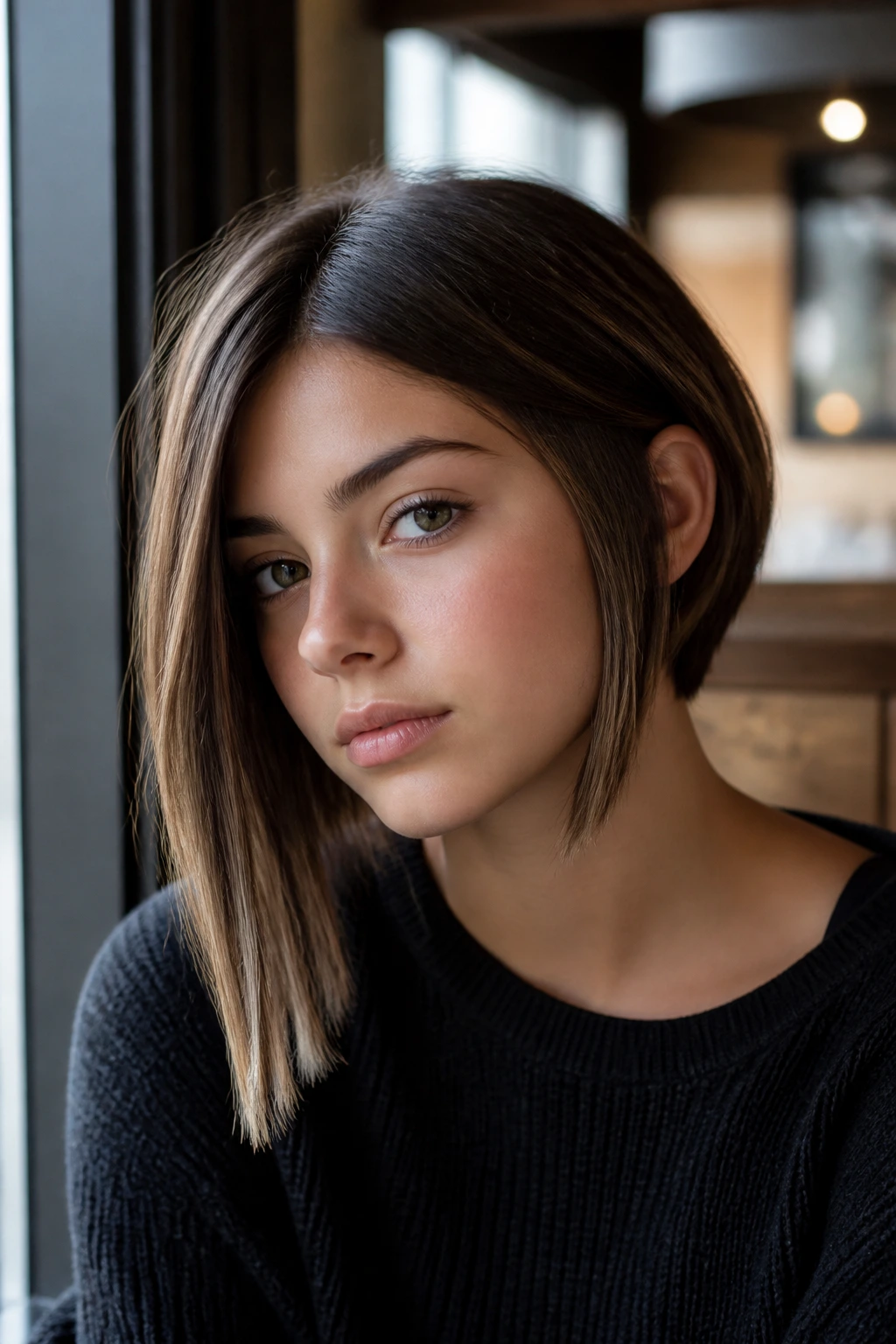
If you want to move away from the traditional, symmetrical bob, an asymmetrical cut is a great way to introduce some edge. By leaving one side slightly longer than the other, you create a dynamic, modern silhouette that looks great whether you wear it straight or wavy. It is a subtle change that makes a huge impact on your overall look.
Face Shape Considerations
An asymmetrical bob is especially flattering if you have a round or square face, as the diagonal line created by the different lengths helps to elongate the appearance of your jawline. It is a fun, creative cut that allows you to show off a little bit of personality without having to commit to a super-short or radical style.
19. The Emo-Inspired Side Sweep
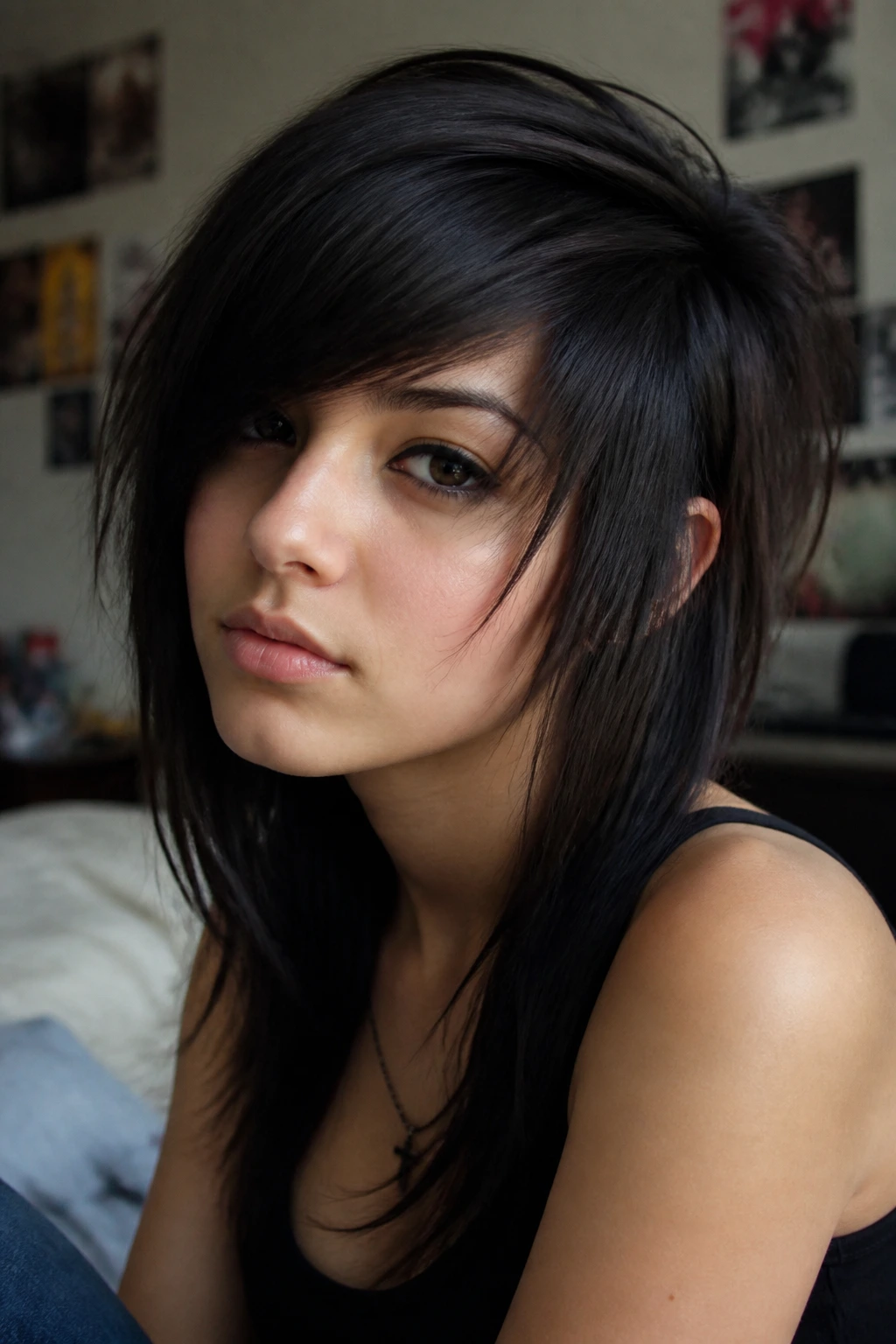
While the era of the hyper-theatrical side-swept bang has passed, the comfortable, relaxed side sweep remains a staple. By keeping the bangs long enough to graze the top of your cheekbone and sweeping them over your brow, you create a soft, approachable frame for your face. It is easy to style—just a quick blow-dry to the side will usually suffice.
Customizing the Texture
Instead of going for the super-flat, ironed-out look, try to keep some natural bend in the bangs. A slightly textured sweep looks much more modern and prevents the style from looking like a relic of a decade long gone. If your hair is naturally curly, you can even sweep your curls to the side for a softer, more romantic variation of the look.
20. The Top Knot
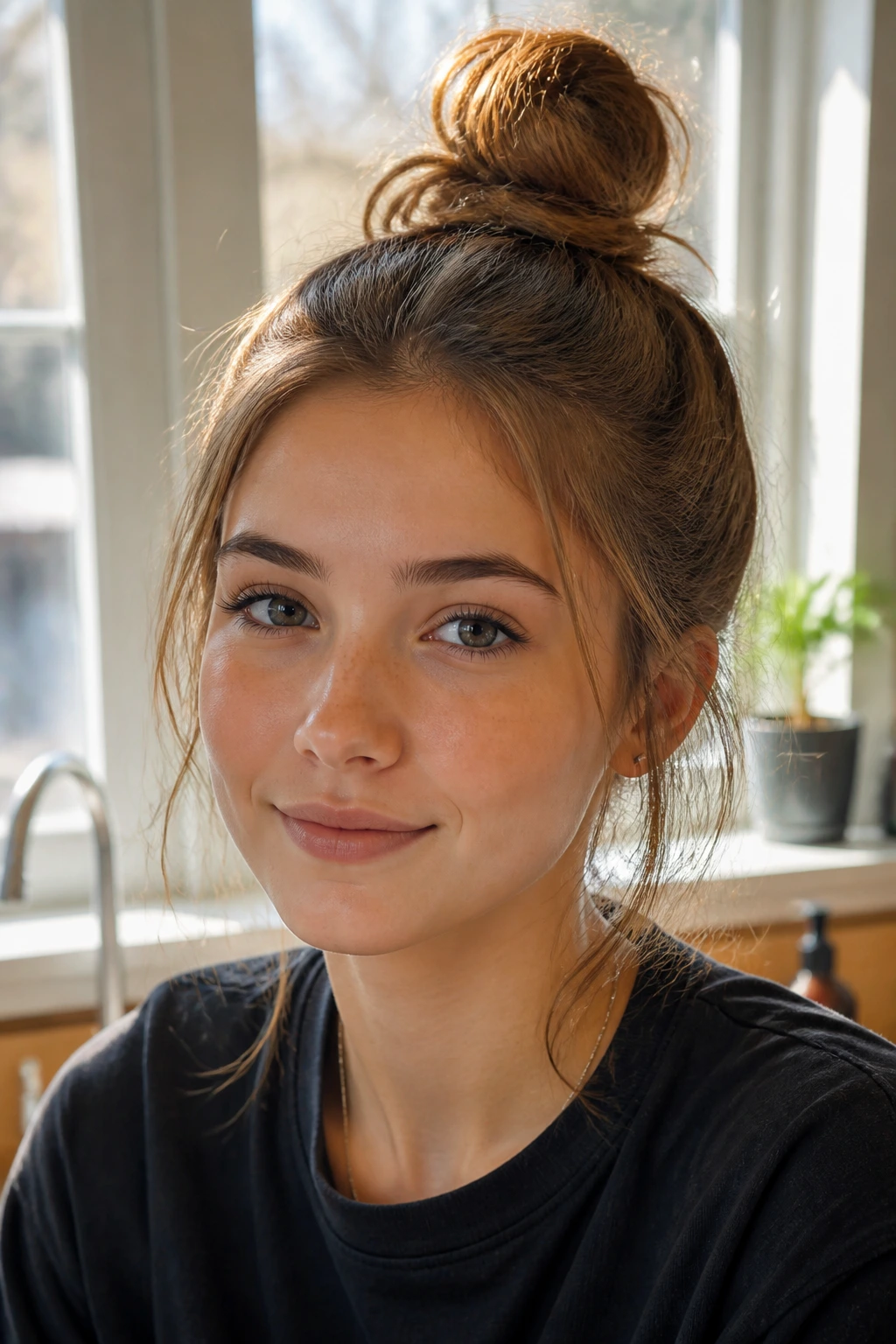
When you have medium-to-long hair, the top knot is a functional essential. Whether you are at home studying or heading to practice, being able to pull your hair up and out of your face is invaluable. To make it a “style” rather than just a quick fix, leave a few loose pieces around your temples and the nape of your neck.
Avoiding Breakage
Do not use tight rubber bands, which can cause snapping and thinning at the hairline. Opt for soft scrunchies or silk-covered hair ties. When you tie it up, keep the tension loose—if it feels like it is pulling your scalp, it is too tight. A relaxed, slightly undone knot is not only more stylish, but it is also much healthier for your hair.
21. The Mid-Length Shaggy Bob
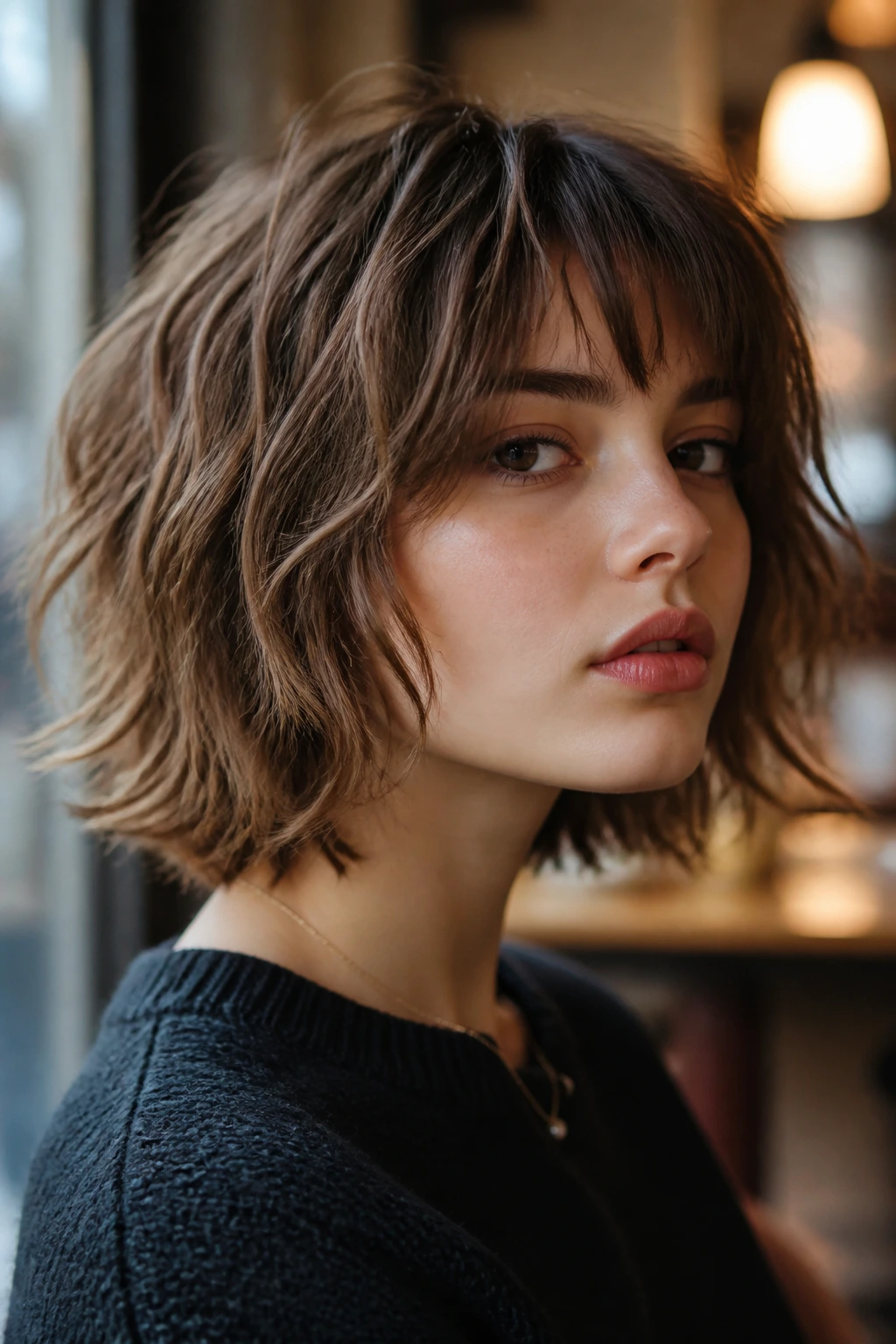
This cut lives exactly between the chin and the shoulders. It is slightly longer than a standard bob but features the heavy, messy layers of a shag. It is arguably the most “effortless” style on this list because it is designed to look best when it is slightly unkempt.
Styling for “Texture”
Use a texturizing powder at the roots to give it that “just rolled out of bed” volume. Sprinkling a little bit on your fingers and massaging it into the scalp provides immediate lift that lasts all day. Because the cut is mid-length, you can easily pull the front pieces into a small clip or barrette if you need to keep them out of your eyes.
22. The Tapered Afro
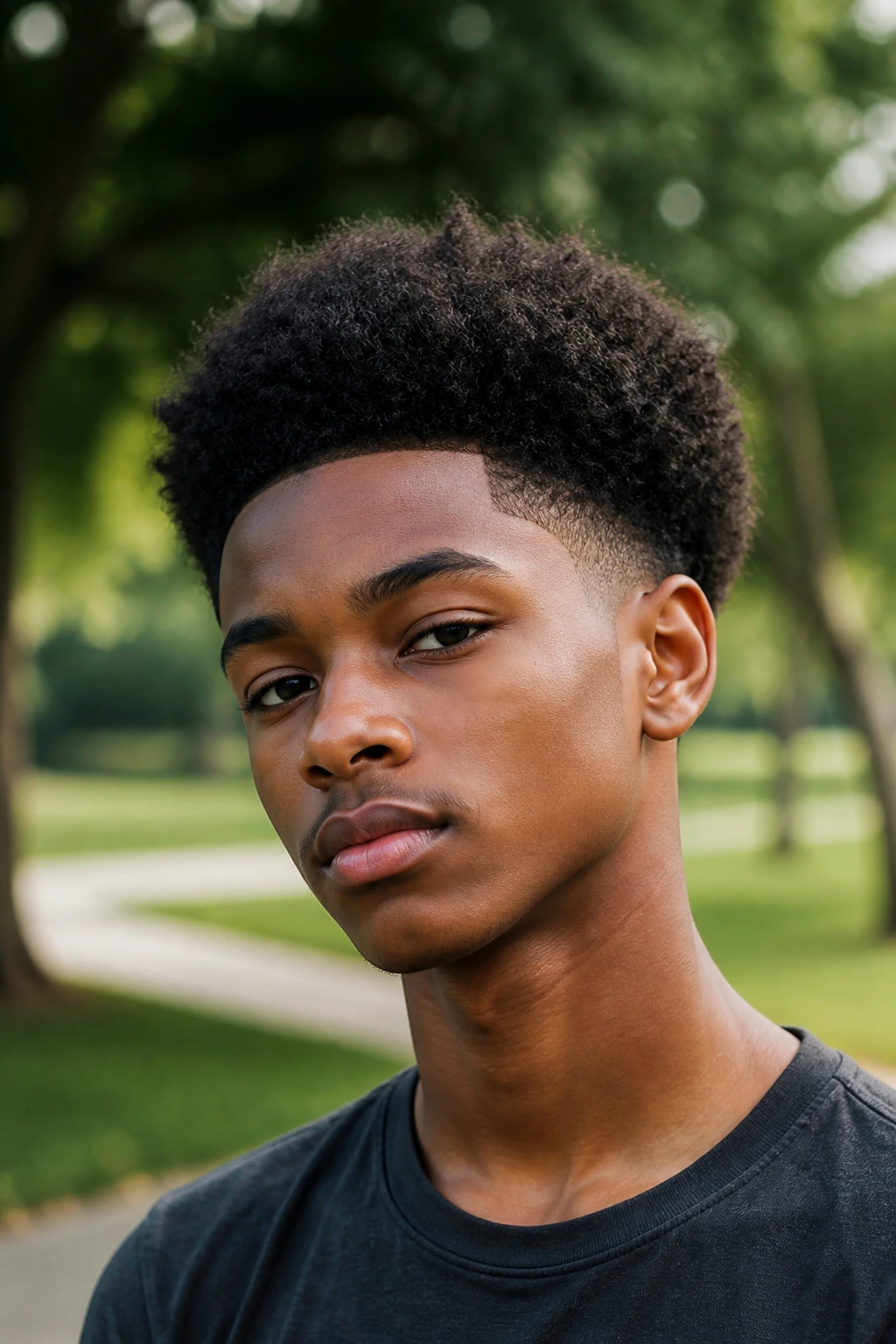
If you love the volume of an afro but want a slightly more structured look, the tapered afro is perfect. The sides and back are kept shorter, while the top and crown have more length and height. It draws the eye upward, giving the face a clean, elongated appearance while still showing off your beautiful texture.
Why This Style Wins
It is extremely easy to grow out if you decide you want more length later. The taper helps you avoid that “awkward phase” that often happens when you are growing out an all-over buzz. It remains professional and well-kept throughout the entire process, making it one of the most reliable styles for a student on the go.
23. The Curly Mullet
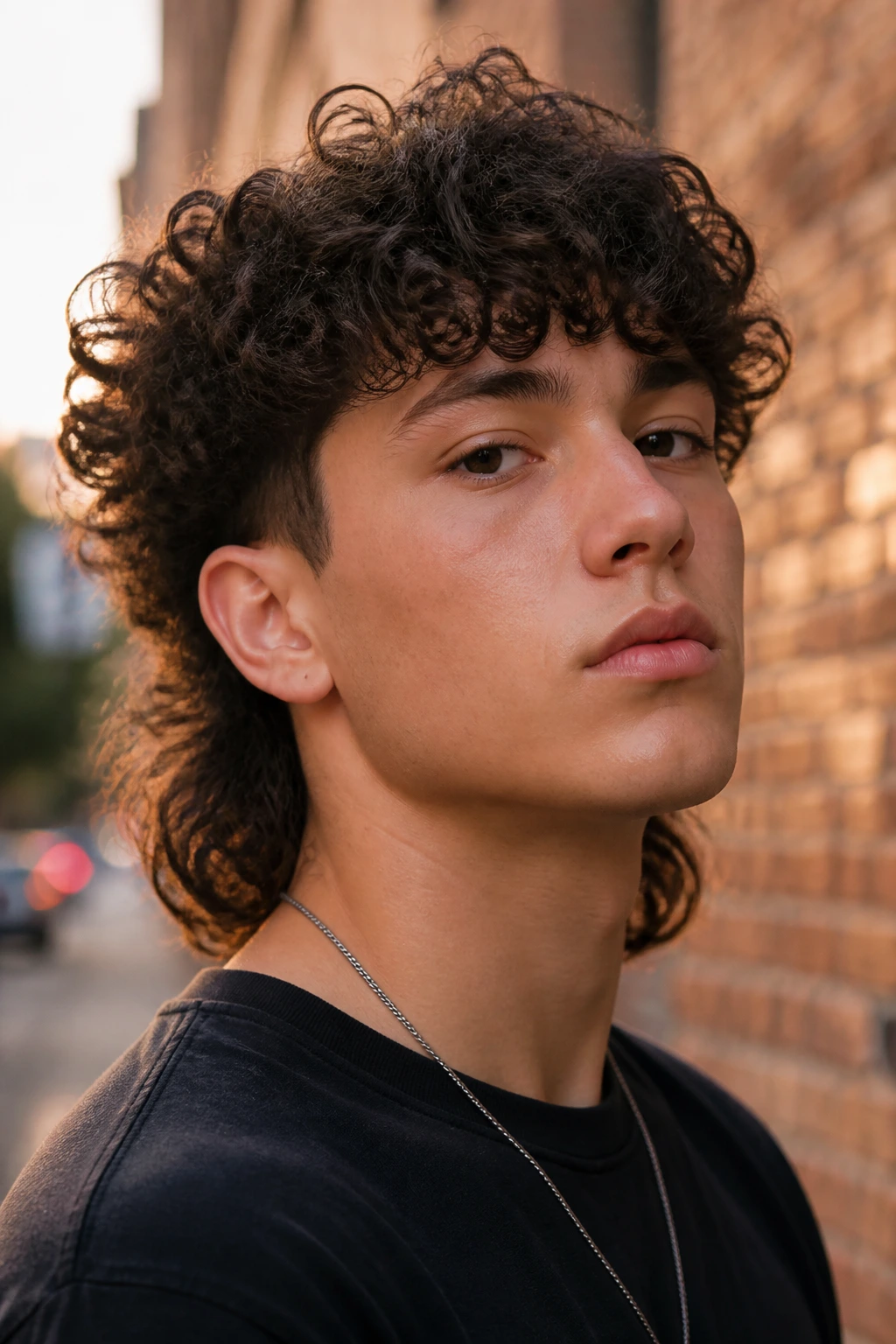
Combining the natural volume of curls with the trendy shape of a mullet is a brilliant move. The curls add softness to the transition between the short sides and the longer back, making the cut look much more natural and cohesive than it would on straight hair. It is a fun, vibrant style that is impossible to ignore.
Defining Your Curls
Because this cut has a bit of length in the back, you need to ensure those curls don’t get dry. Use a curl-defining cream on damp hair, and try to avoid touching your hair once it begins to dry. If you mess with it while it is drying, you will inevitably end up with frizz. Let it do its own thing, and the result will be perfect.
24. The Hard Part Buzz
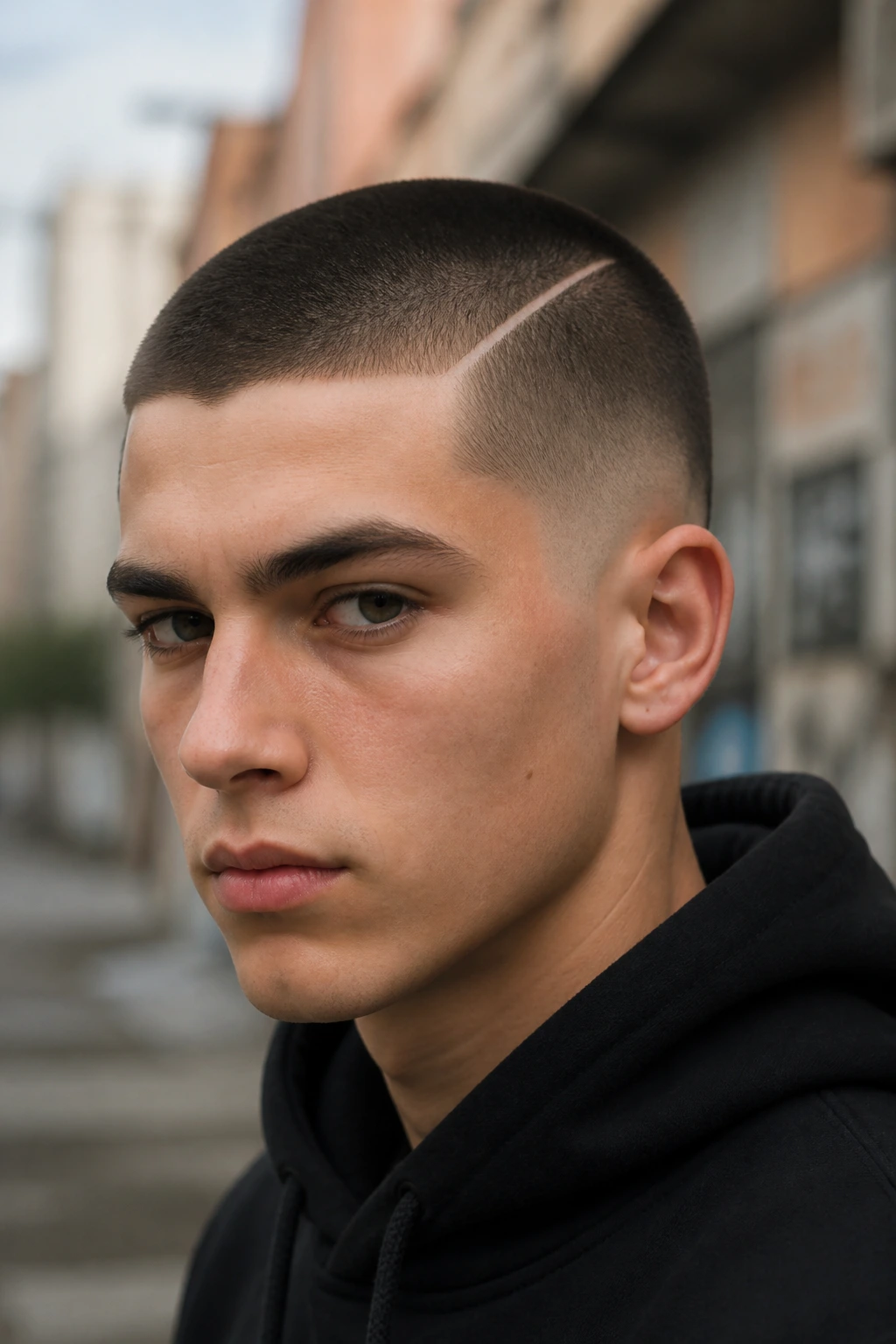
Take a standard buzz cut and ask your barber to shave a clean, sharp line—a “hard part”—on one side. This is a subtle detail that transforms a basic cut into something tailored. It is easy to maintain with a quick touch-up and gives off a very sharp, polished vibe that works for any social or formal occasion.
Should You Add the Line?
If you have a very round face, an off-center hard part can actually help balance your features by creating a vertical focal point. If you have an oval face, it will just enhance your natural shape. It is a low-risk experiment that lasts only as long as your hair takes to grow back, making it perfect if you are usually nervous about trying new things.
25. The Face-Framing Layers
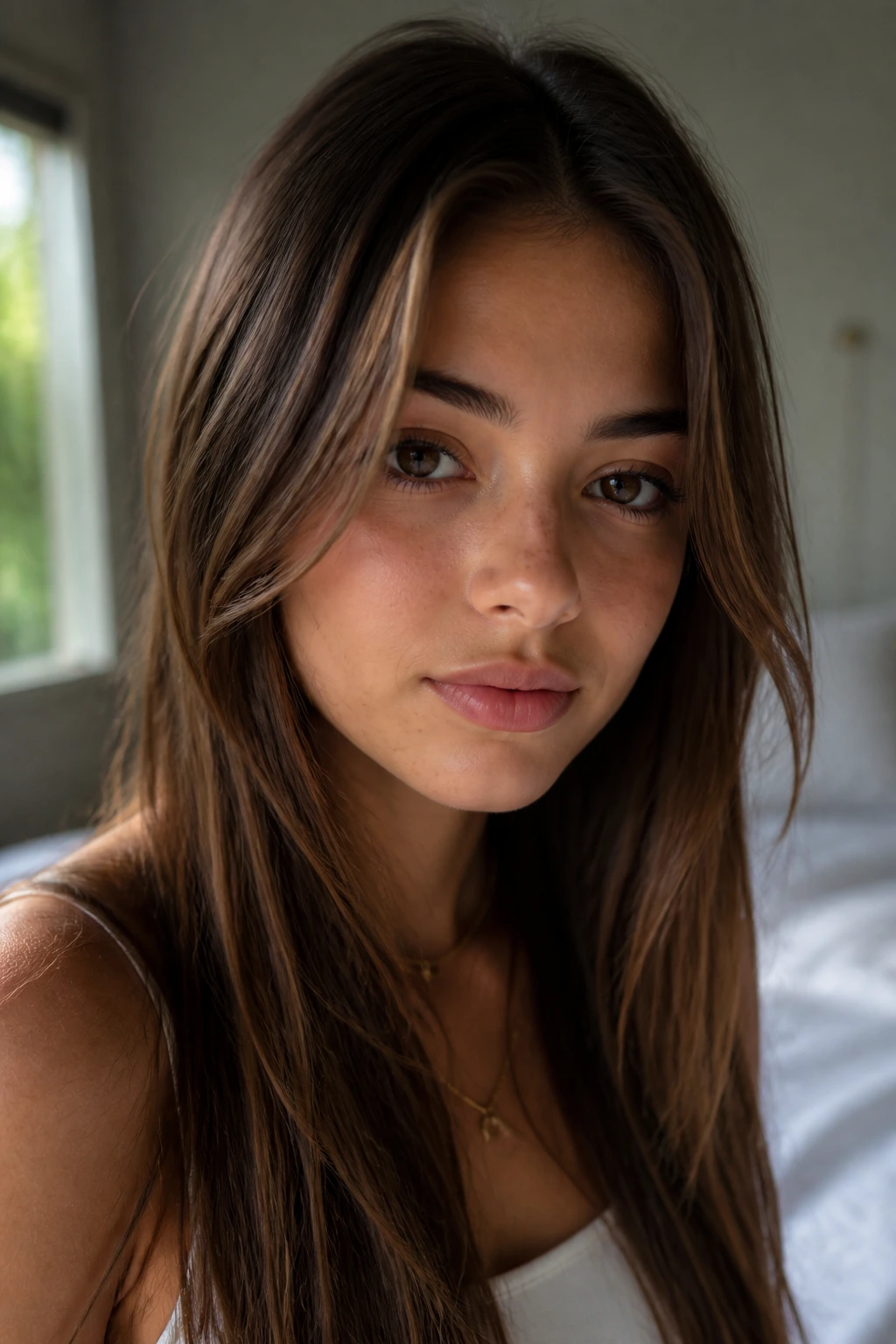
If you have long, straight hair, it can sometimes feel a bit like a curtain that hides your face. Adding face-framing layers—starting around your chin and cascading down—opens up your features and highlights your eyes. It is a very soft, feminine, and classic look that never goes out of style.
The “How-To” for Stylists
Ask for “internal layering” so you don’t lose the length of the main hair. You want the pieces around your face to be shorter, but the back should remain long and lush. This is a great cut to pair with highlights or balayage if you want to add some dimension and brightness to your overall look.
26. The Textured Slick
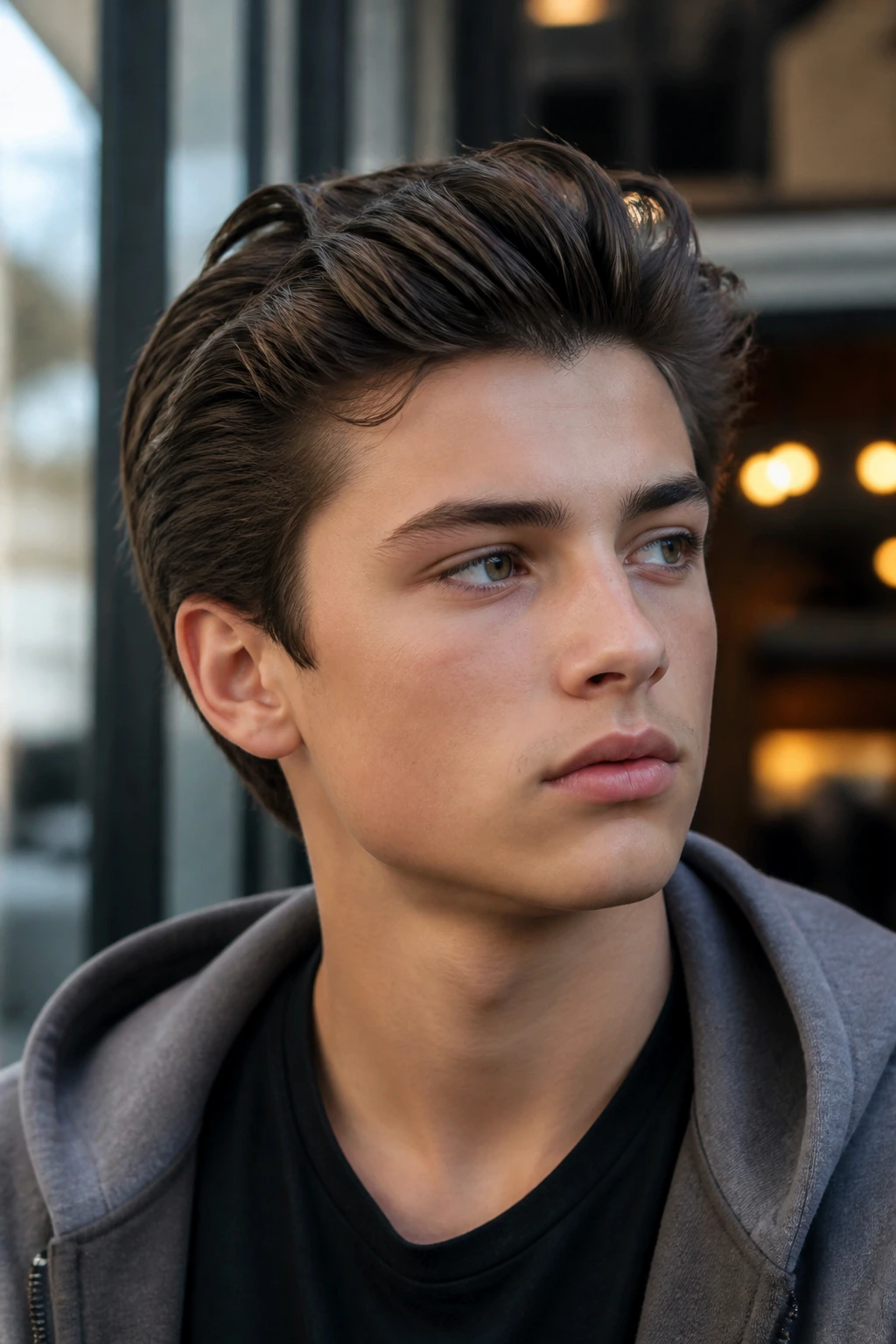
For a look that sits between messy and polished, go for a textured slick. Use a small amount of low-shine clay or cream to brush your hair back, but use your fingers rather than a brush to keep some movement and texture in the hair. It looks like you put effort into your appearance, but it still feels relaxed and approachable.
Why This is Better Than Gel
Gel dries hard and makes the hair look brittle. Clay or cream, however, remains flexible. If you run your hand through your hair during the day, the style will still hold, but you won’t have the crunchiness associated with old-school hair products. It is the perfect professional-yet-casual compromise for a teenager.
27. The Blunt Bangs
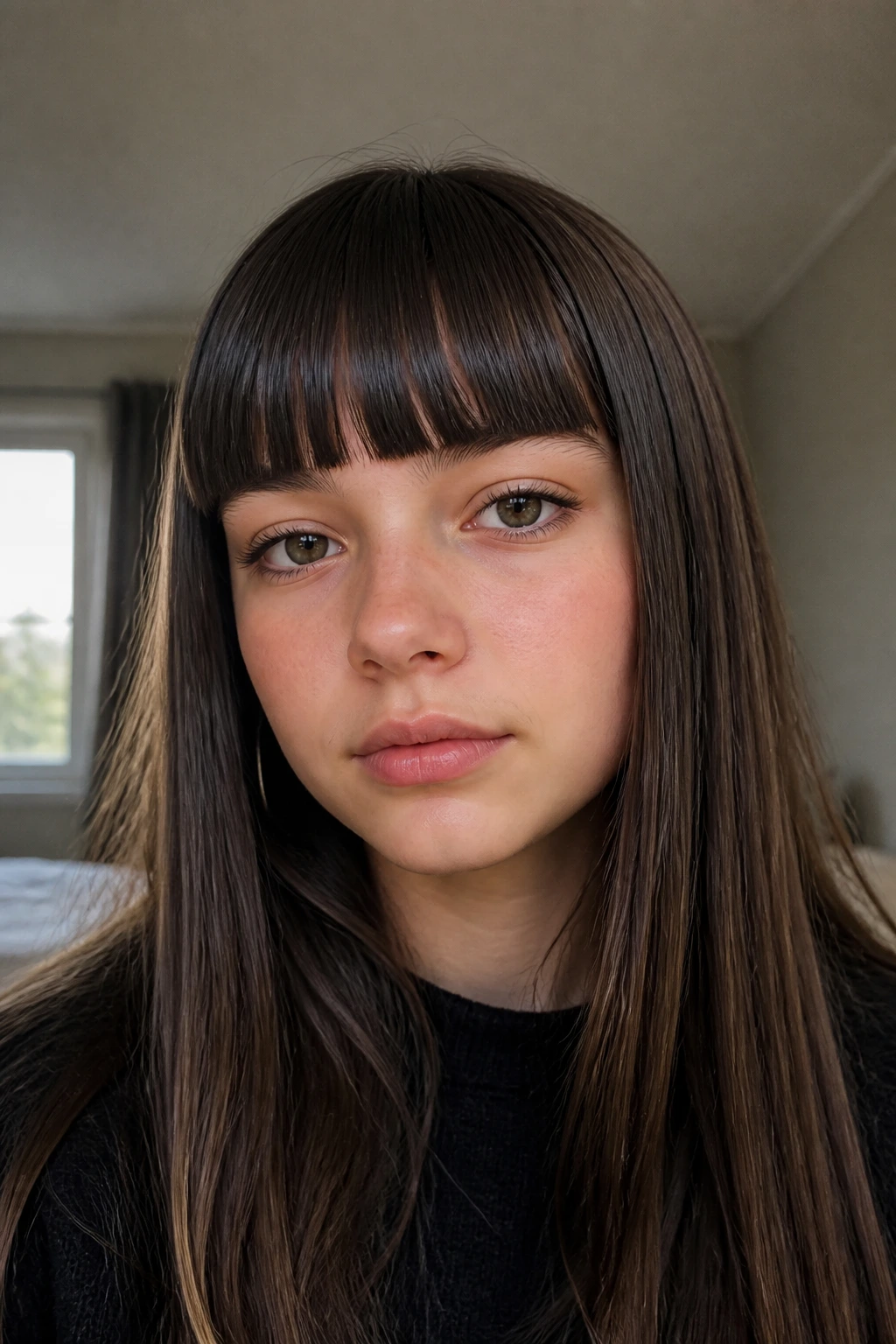
For the bold at heart, blunt-cut bangs are an iconic choice. They create a strong line across the forehead that draws all the attention to the eyes. They require a bit more maintenance than wispy bangs—you have to trim them regularly to keep them from hitting your lashes—but the aesthetic payoff is massive.
Styling the Bangs
Use a round brush to blow-dry your bangs from side to side while damp. This motion helps to neutralize cowlicks and ensures that your bangs lie perfectly flat against your forehead. Once they are dry, brush them straight down. If you have a natural cowlick in your bangs, use a tiny bit of lightweight hairspray on the ends to keep them from separating during the day.
28. The Natural Texture Wolf Cut
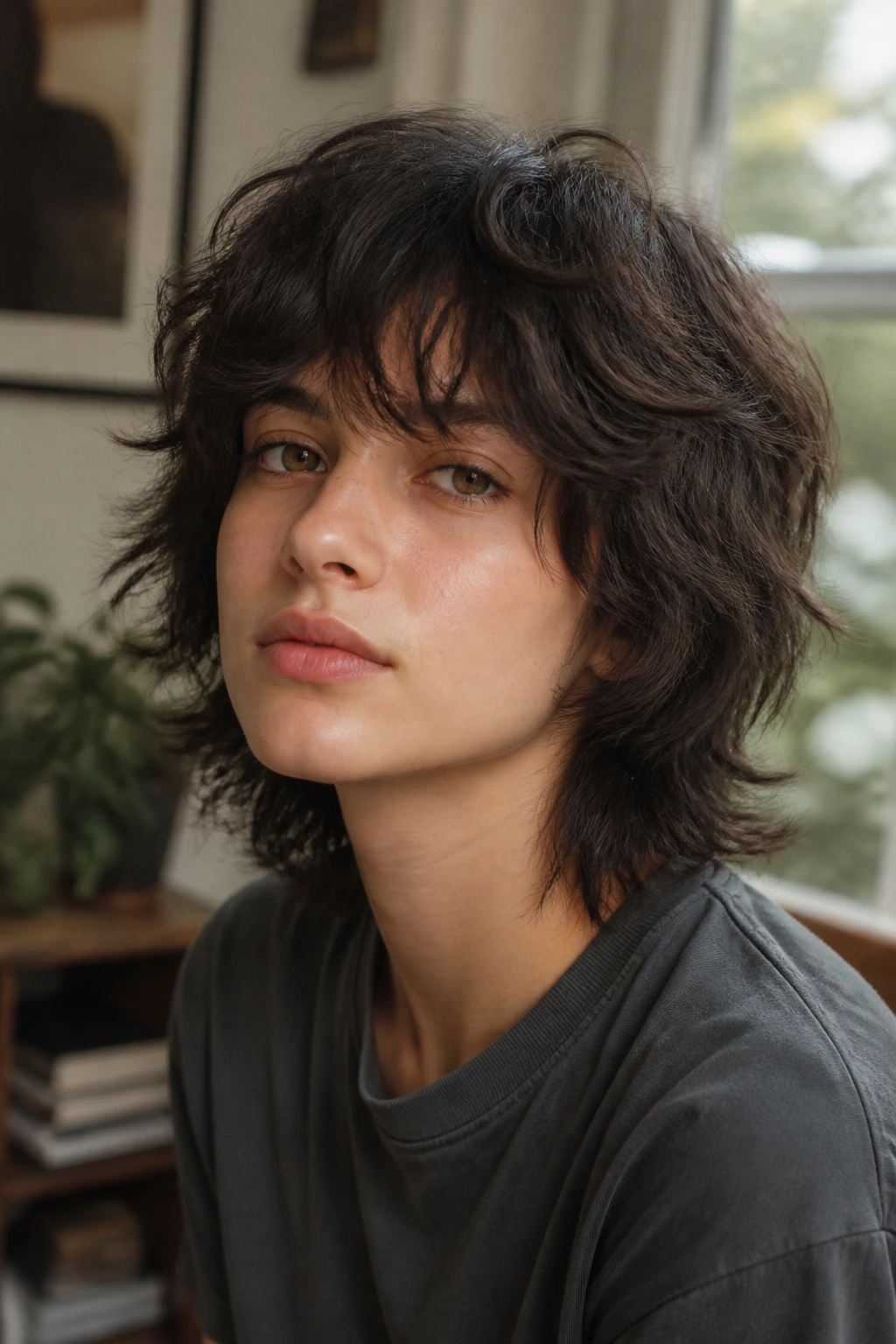
The wolf cut is a mash-up of the shag and the mullet. It is wildly popular because it relies entirely on choppy, messy layers to create volume and shape. It looks incredible on wavy and curly hair, as the layers help the hair “spring” into action. It is meant to look slightly wild, so you don’t have to worry about perfection.
Embracing the Mess
The more you mess up this cut, the better it looks. You want the layers to stick out in different directions, creating that high-volume, rock-and-roll vibe. If you have straight hair, you might need a curling wand to add a few bends, but for those with natural wave, just a bit of mousse and a diffuser will turn this into your new favorite look.
Final Thoughts
The right haircut isn’t just about what looks good on a screen; it is about what fits your daily life and your personal rhythm. You don’t have to choose a style based on what is popular this week, but rather on what makes you feel like the most confident version of yourself.
Most of these cuts rely on simple techniques—like layers, fades, or simple styling products—rather than complicated routines that take an hour to master. When in doubt, start with a trim. It is always easier to go shorter later than it is to deal with a length that feels too drastic. Trust your instincts, be clear with your barber or stylist about your morning routine, and enjoy the process of finding your look.