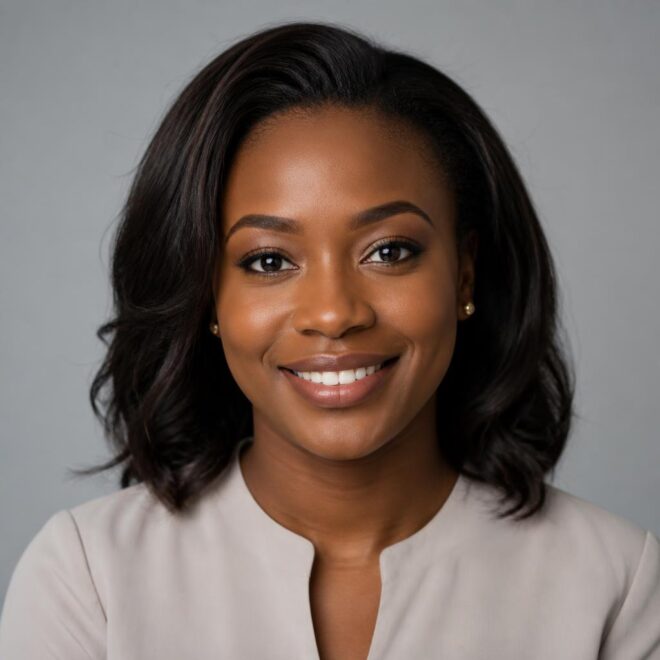


Fine hair often gets a bad rap for being “limp” or “unmanageable,” but that’s usually just a misunderstanding of how the hair shaft actually behaves. When you have a smaller diameter strand, your hair tends to lack the structural integrity to hold onto heavy products or gravity-defying styles for very long. Most of the frustration people feel isn’t because their hair is incapable of looking great; it’s because they’re trying to force it into styles designed for dense, thick locks that simply don’t work on a finer texture.
When you learn to work with the natural properties of fine hair—specifically its tendency to slip and its lightness—you start to realize that it actually holds heat-styled curls better than coarse hair, provided you know the right techniques. You do not need to rely on buckets of hairspray or backcombing until your scalp aches. It is all about choosing cuts and styles that add movement and the illusion of volume.
1. The Blunt Bob
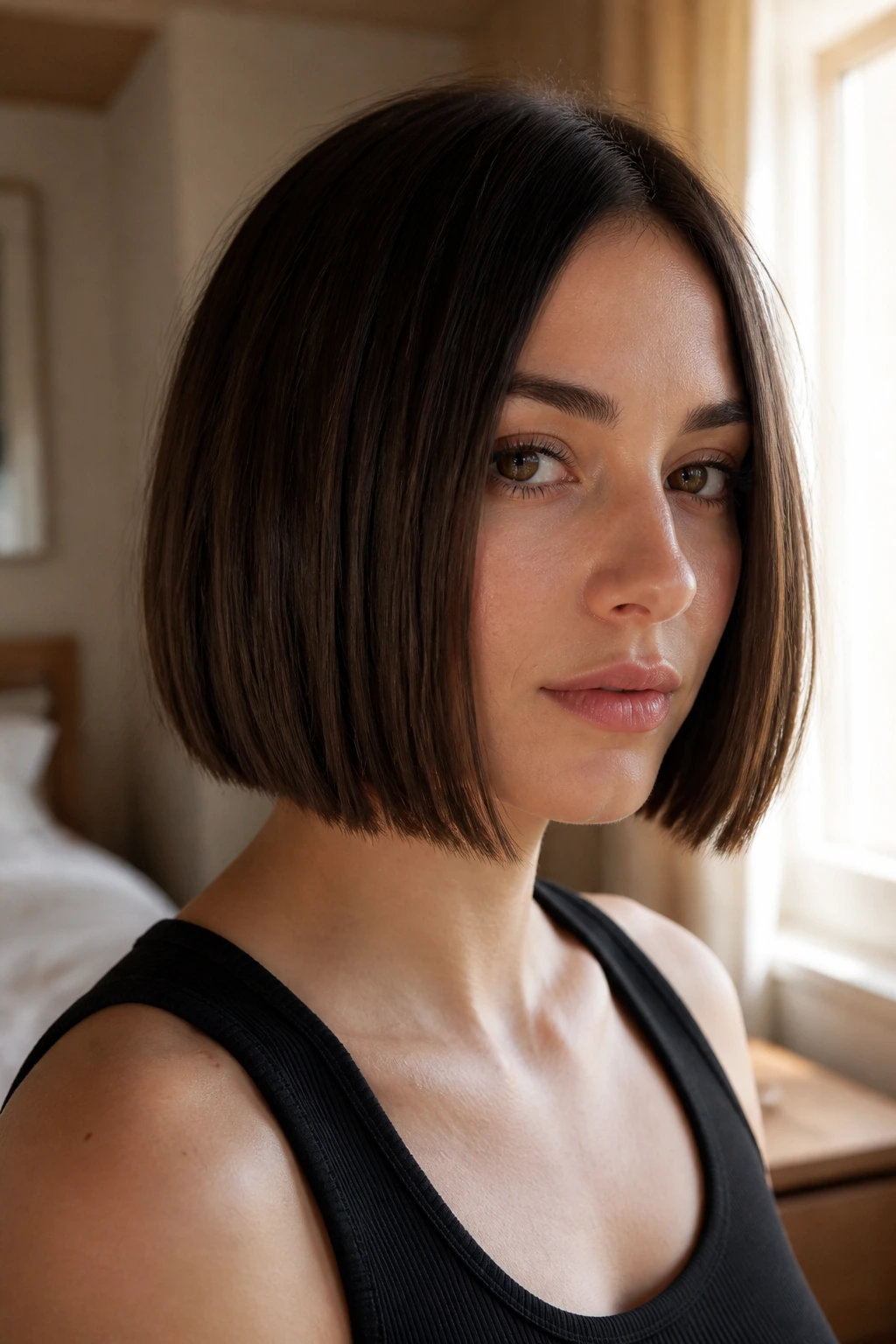
This is the single most effective way to make fine hair appear twice as thick as it actually is. By cutting a straight, blunt line at the perimeter, you remove any wispy, see-through ends that often make fine hair look stringy. This creates a solid weight at the bottom of the hair that makes the entire head of hair look uniform.
How to Style It for Maximum Volume
Use a round boar-bristle brush while blow-drying, focusing on lifting the roots straight up before wrapping the ends under. The tension from the bristles is essential to create a smooth, polished finish. For an extra boost, apply a lightweight volumizing mousse to damp hair before you even think about picking up the dryer.
Why It Works
A blunt bob mimics the density of thicker hair by gathering all available strands into one crisp line. Because there are no layers to break up the weight, the hair maintains its shape throughout the day without falling flat.
2. Texturized Pixie Cut
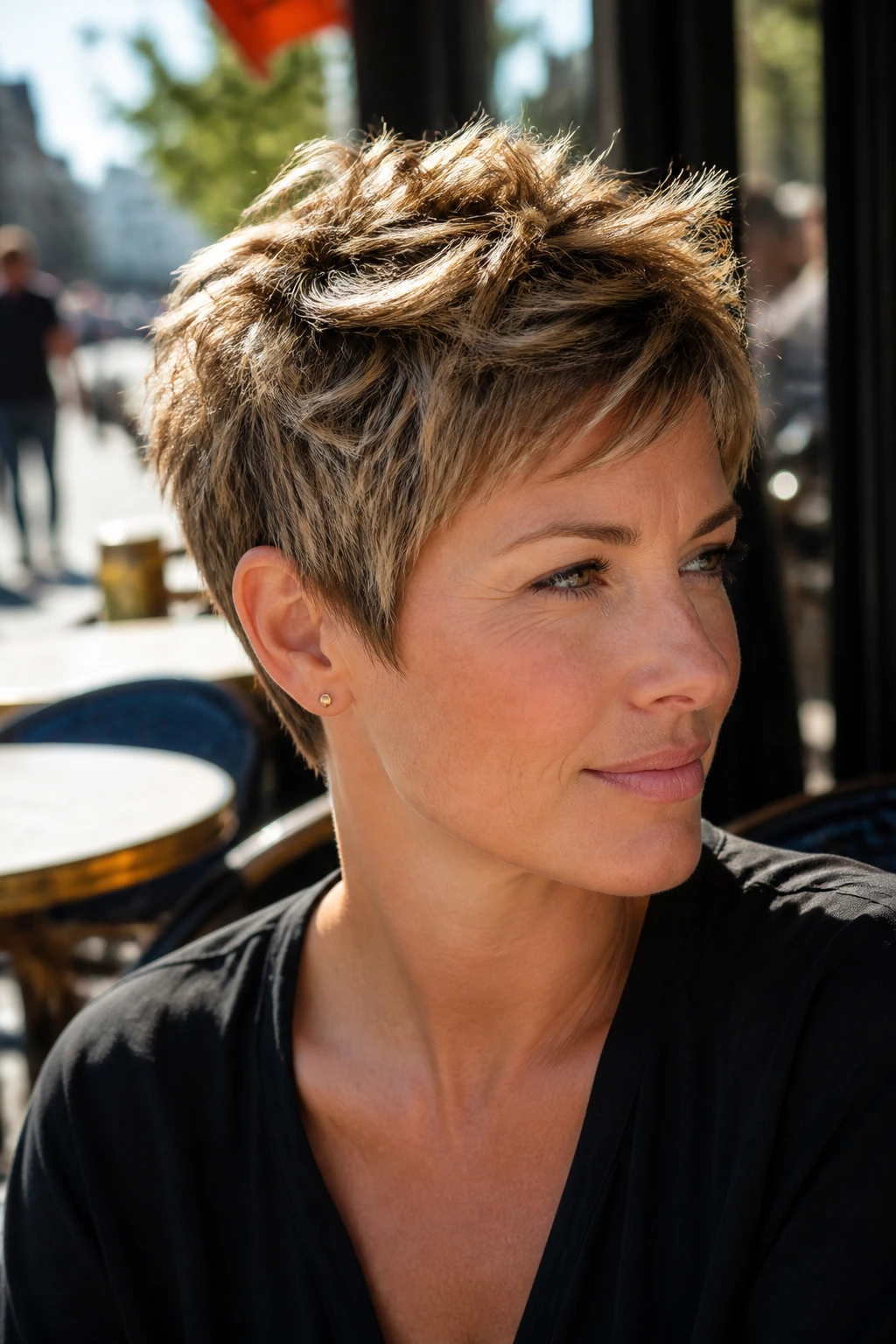
If you are willing to go short, a texturized pixie is an absolute game-changer. The key here is the use of texturizing shears or a razor to create small, deliberate gaps in the hair. This prevents the hair from laying flat against the scalp and encourages natural lift.
Styling Tips for the Pixie
- Work a small amount of dry texturizing spray into the roots while the hair is dry.
- Use your fingers to piece out the ends rather than a comb, which can strip away the volume you just created.
- A light-hold pomade is great for defining the layers without weighing them down.
Pro tip: Focus on keeping the sides shorter than the top. This contrast creates a visual illusion of height, drawing the eye upward and making the hair look intentionally styled rather than just short.
3. The Modern Shag
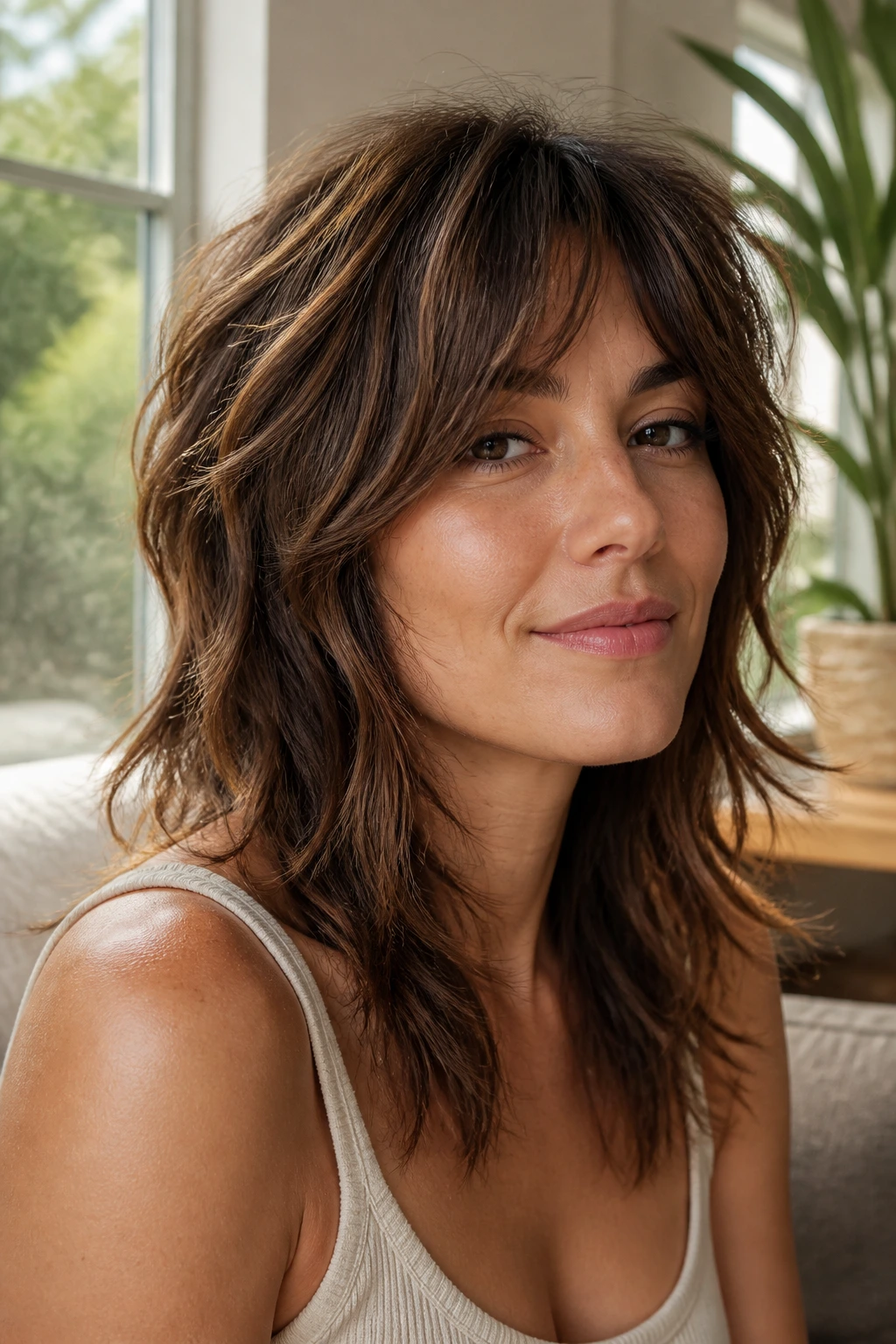
Forget the retro, heavy shag of the seventies; the modern version is all about strategic, soft layers that frame the face. When you have fine hair, heavy layers can actually make your hair look thinner, so ask your stylist for “invisible” layers that provide movement without sacrificing too much density.
Why This Style Beats Traditional Cuts
The beauty of the shag is that it thrives on imperfection. You do not need to aim for a sleek, salon-perfect blowout every morning. Using a salt spray on damp hair and letting it air dry often gives the hair enough grip to hold a messy, voluminous shape that looks entirely effortless.
4. Soft Face-Framing Layers
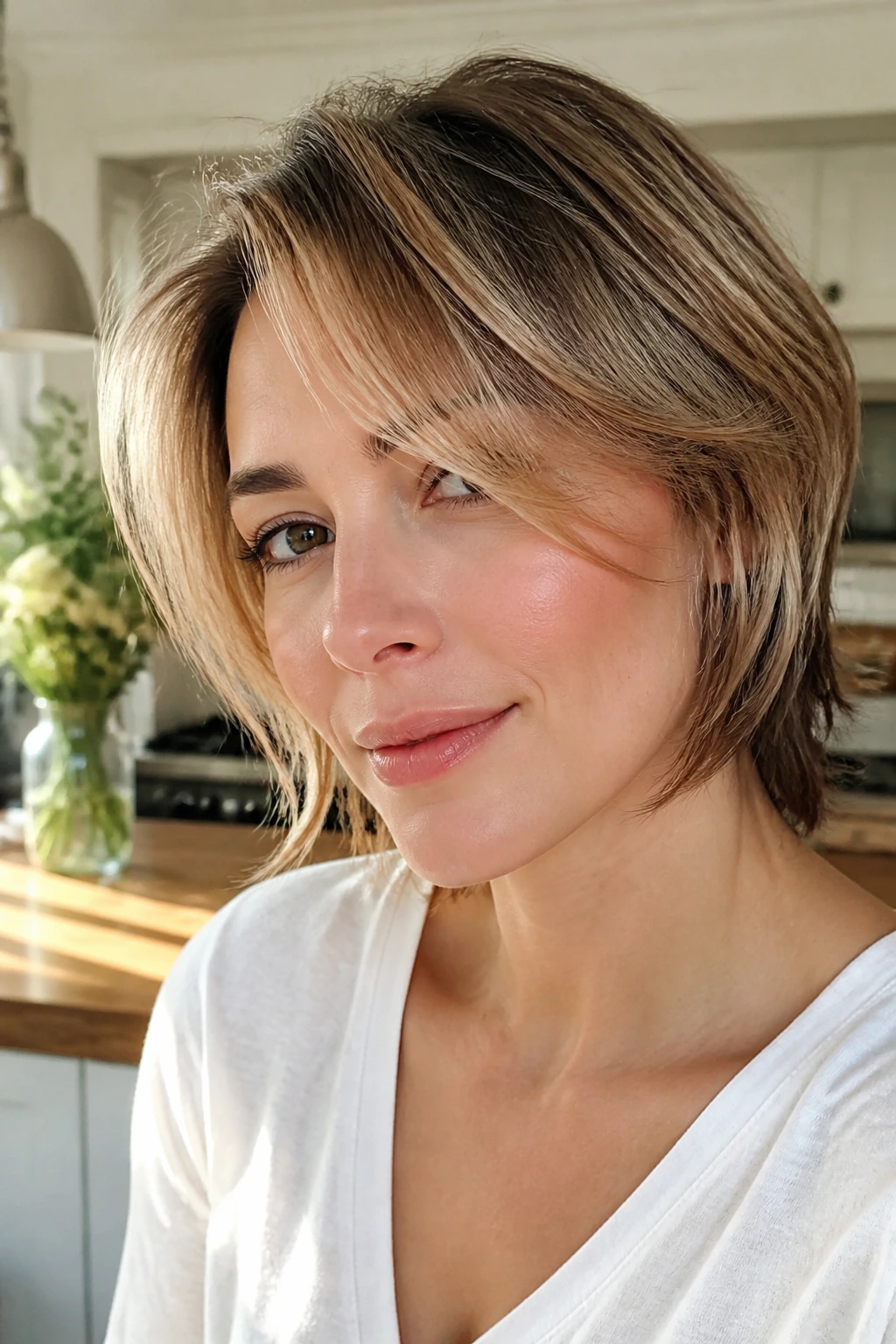
If you are not ready to commit to a major chop, face-framing layers are your best friend. These layers should start around the chin or jawline. They add dimension around your face, which draws attention away from the length where the hair might look a bit thinner.
Managing the Transition
When you have layers, you must be careful about your heat usage. Because the ends of these layers are finer than the rest of your hair, they are prone to heat damage. Always use a heat protectant spray—ideally one that is lightweight and non-greasy—before using a curling iron. If the ends get fried, the hair will lose its bounce and lay limp, which is exactly the opposite of what you want.
5. The Deep Side Part
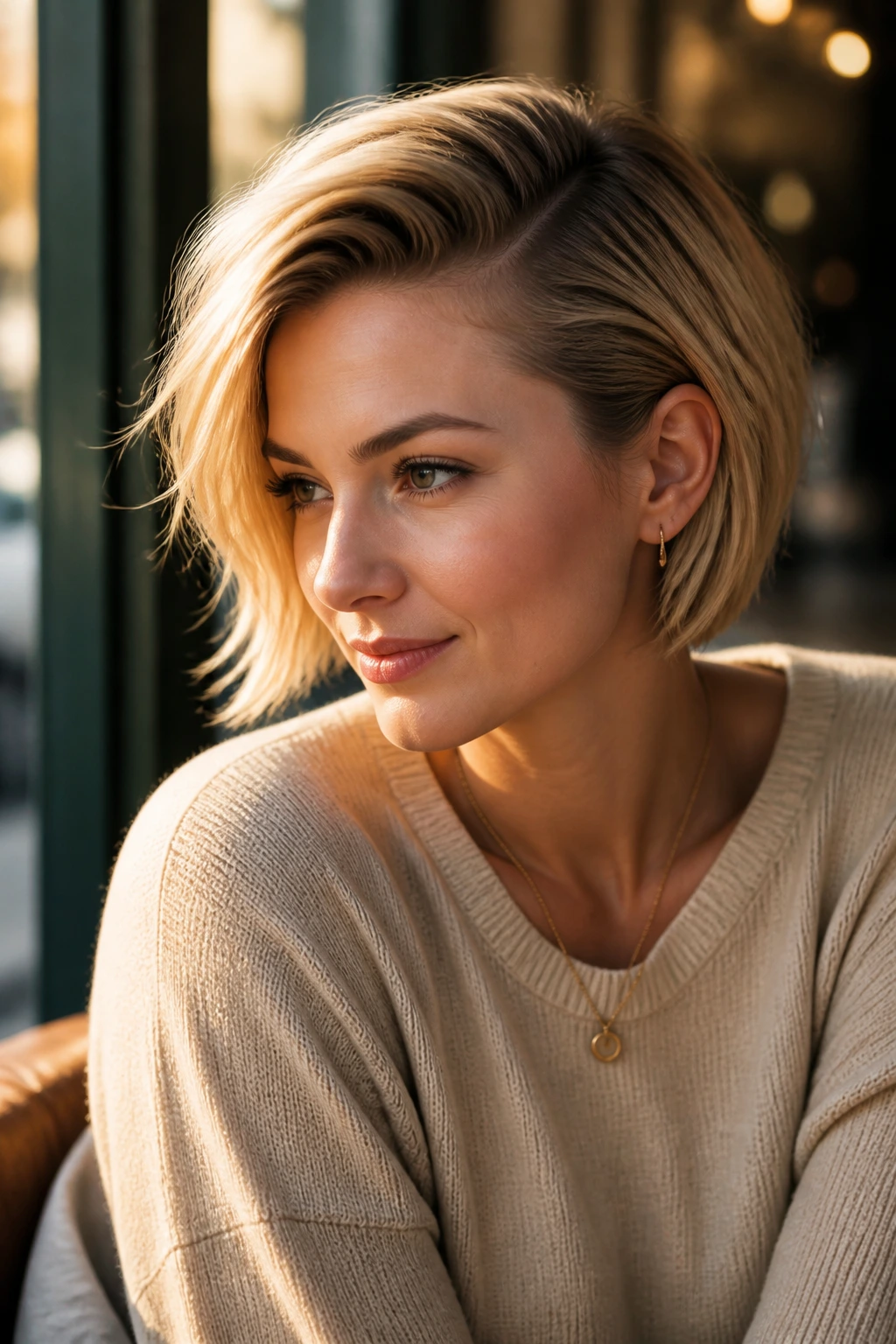
Sometimes the smallest change delivers the biggest impact. If you have been rocking a center part for years, switching to a deep side part forces the hair to stand up at the root, providing an instant volume boost.
Creating the Lift
When you blow-dry, over-direct the hair to the opposite side of where you want the part to sit. Once the hair is cool, flip it back over. This simple trick creates a “bump” of volume that stays put much longer than backcombing ever could.
Why It Is Essential
A side part breaks up the symmetry of the face and adds volume to the crown. It is a zero-cost, zero-damage way to change your look while giving your hair a much-needed lift.
6. The Textured Lob (Long Bob)
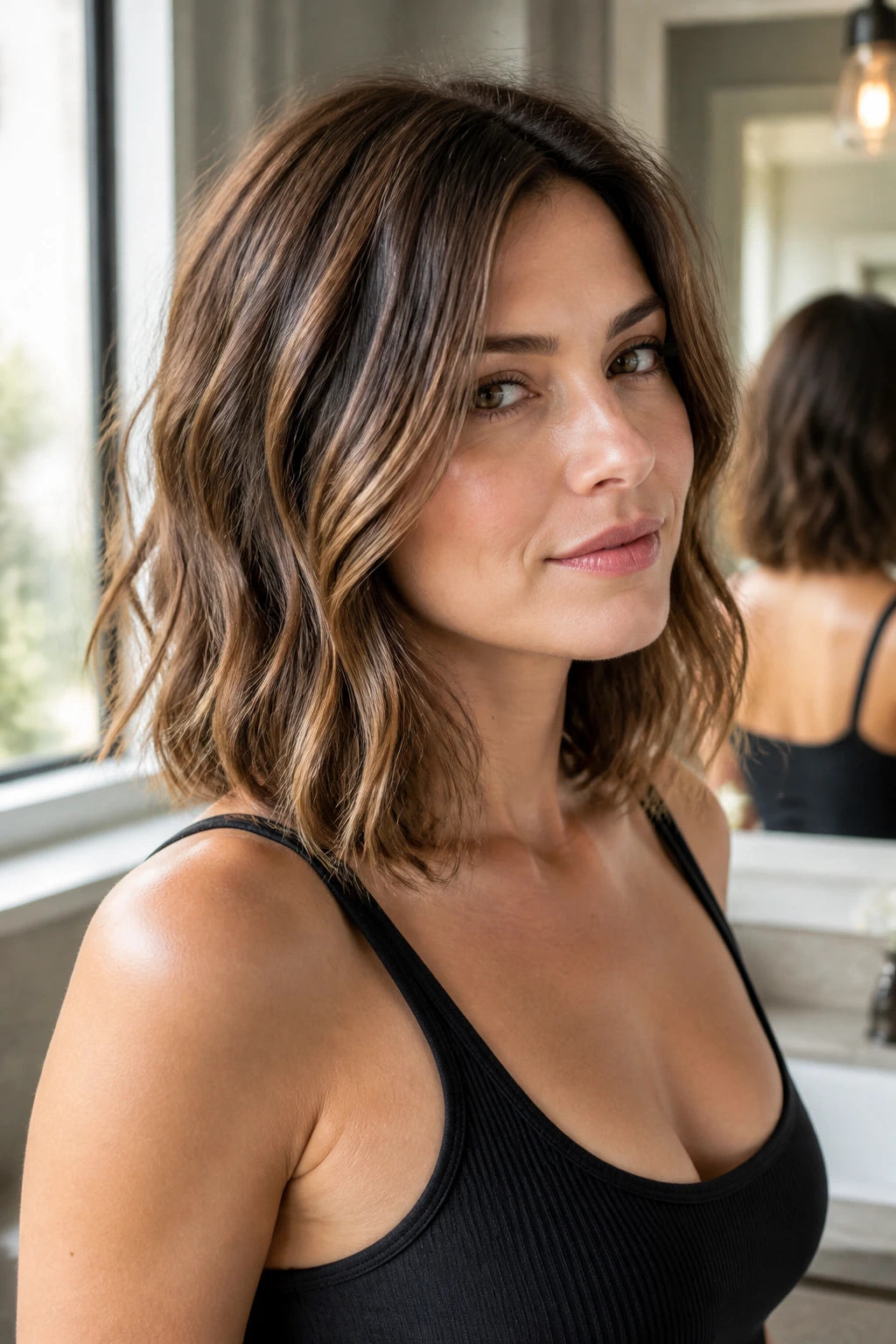
A lob is essentially the big sister to the blunt bob. It offers enough length to pull back into a ponytail if you are in a rush, but it is short enough to maintain that thick, healthy look at the ends. By adding a few soft, loose waves with a large-barrel curling iron, you can turn a basic cut into a voluminous style.
Achieving the Perfect Wave
- Leave the last inch of your hair out of the iron to keep the ends straight and modern.
- Alternate the direction of your curls—one toward your face, one away—to build internal structure and volume.
- Let the curls cool completely before you run your fingers through them. If you brush them while they are still warm, they will simply fall out and leave you with flat, stringy hair.
7. The Sleek Low Chignon
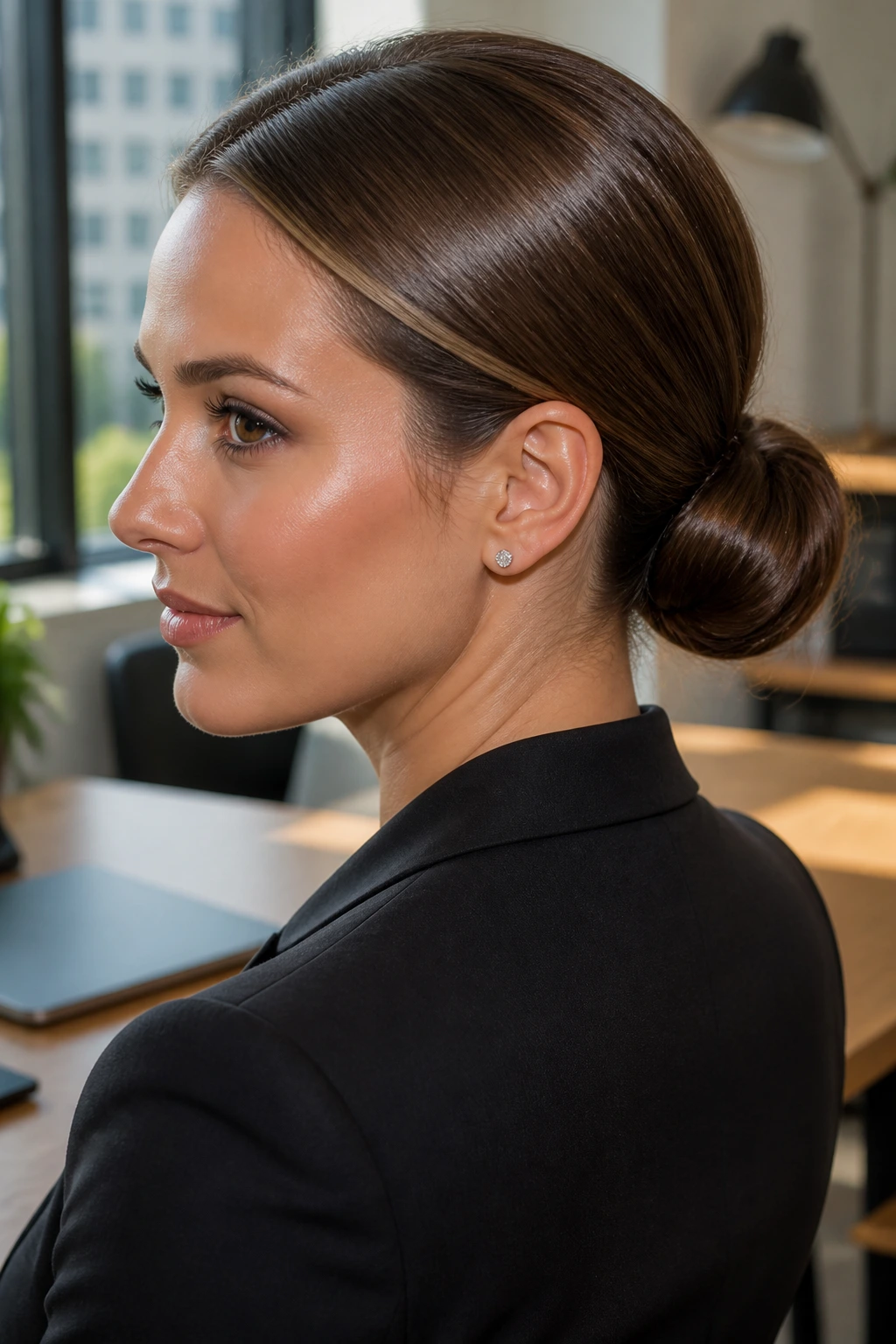
Fine hair can sometimes look messy when left down, especially if it gets oily or tangled. A sleek, low chignon is the perfect solution for formal events or just a busy day at the office.
How to Build a Chignon That Stays
Use a texturizing powder at the base of your ponytail before you start twisting. This powder creates “grit,” which gives your bobby pins something to grab onto. Without it, fine hair tends to slip out of styles within an hour or two. A chignon might seem simple, but it is a classic for a reason—it creates an elegant, clean look that highlights your face rather than emphasizing the texture of your hair.
8. High-Volume Top Knot
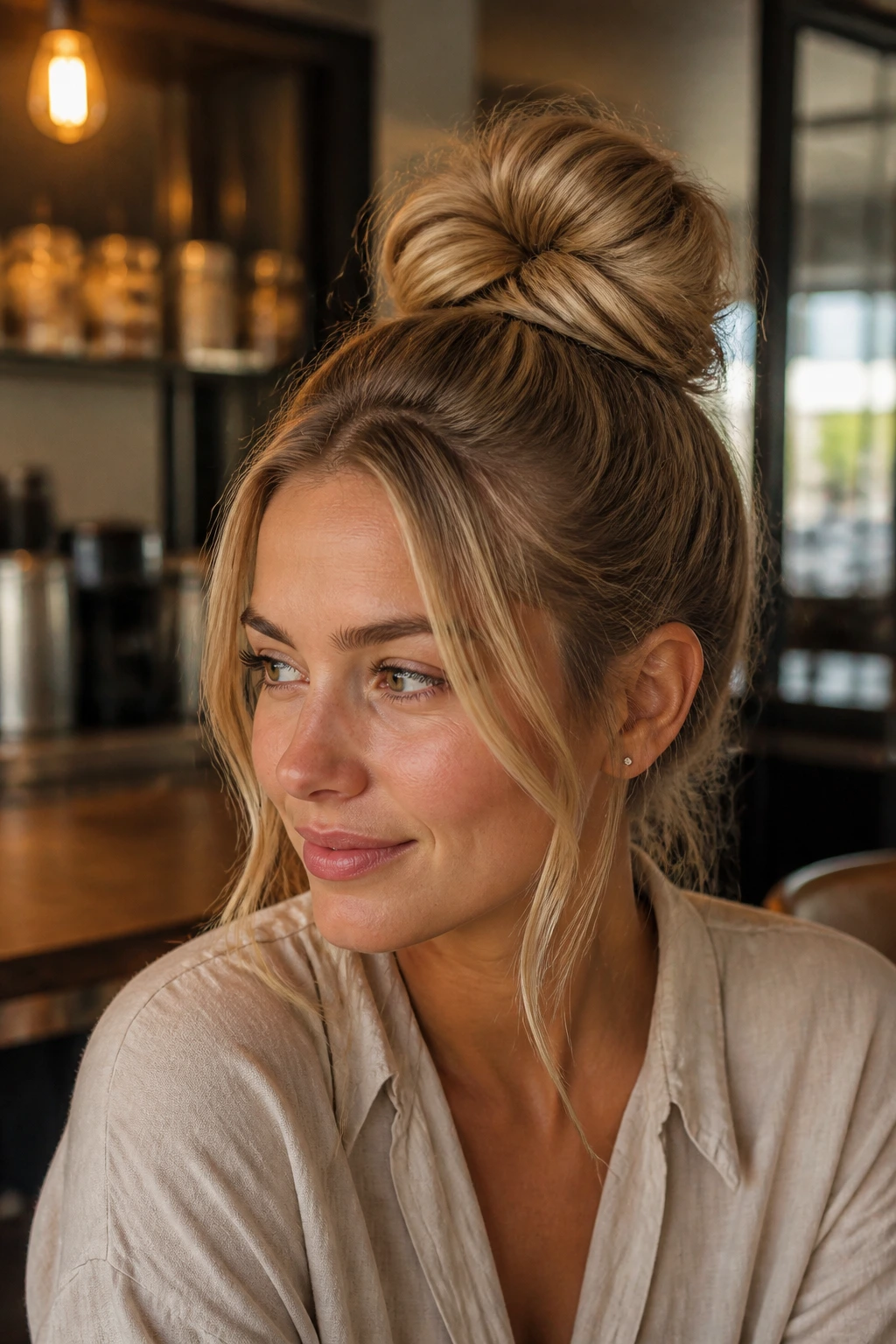
This style is all about height. When you have fine hair, a flat bun can look very small. To fix this, create a “donut” base using a hair sponge or even a spare sock that matches your hair color. Wrap your hair around the base, and use a light-hold hairspray to keep flyaways at bay.
The Secret to the Look
Do not pull your hair back too tightly. If you create a severe, slicked-back look, you emphasize the thinness of your hair. Instead, keep the front pieces soft and slightly loose around your ears and forehead. This adds a sense of “fullness” to the style.
9. The Dutch Braid Headband
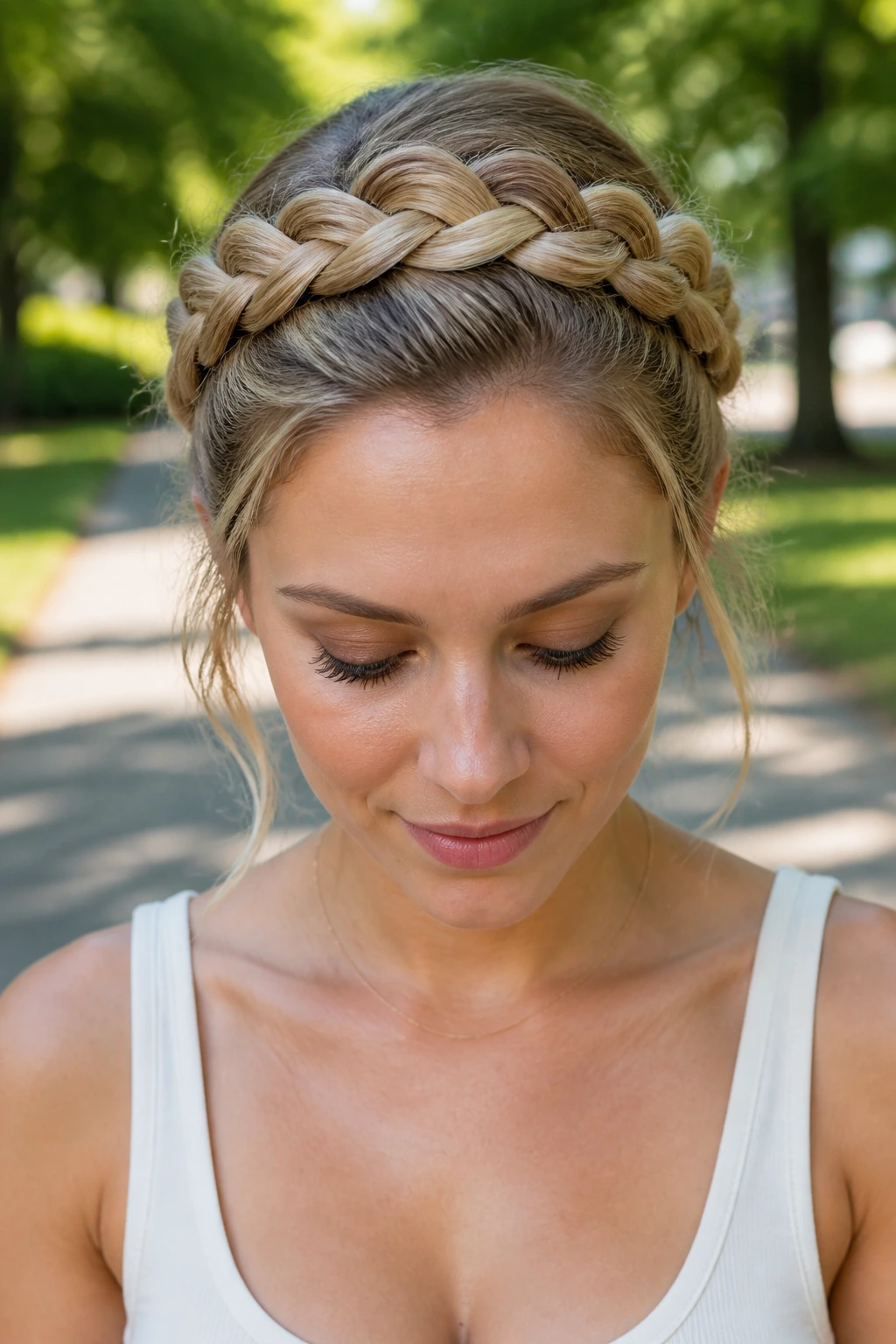
Braids are wonderful for fine hair because they create texture and depth. By braiding a section of hair from one temple to the other, you create a “headband” effect that keeps hair off your face and adds a decorative element that makes your hair look more styled and intentional.
Why It Works for Fine Hair
- The braid acts as a structural anchor.
- It prevents the hair from falling flat across the forehead.
- You can “pancake” the braid—gently pulling on the loops after the braid is secured—to make the hair look significantly thicker.
10. Half-Up, Half-Down With Volume
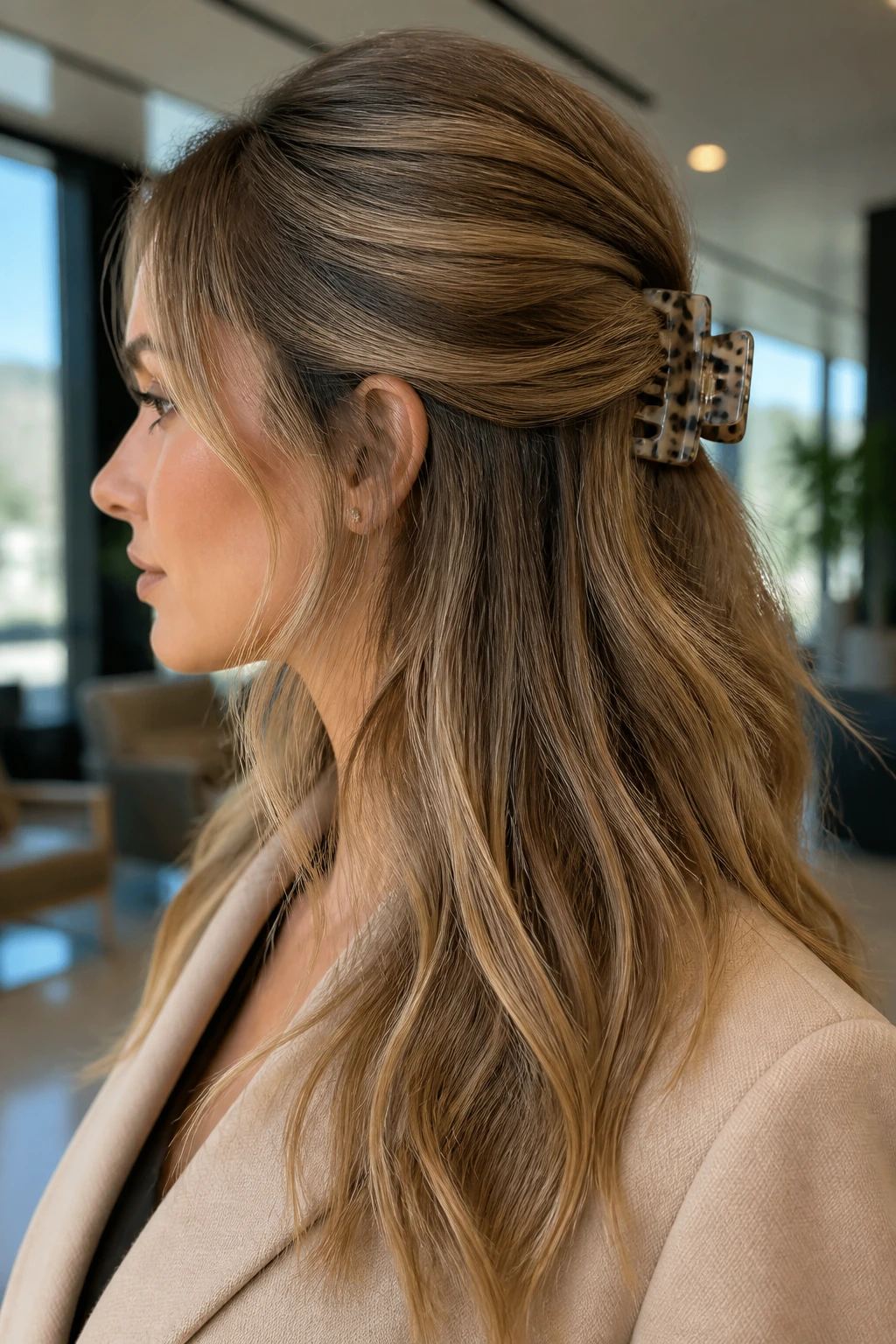
The half-up, half-down style is the ultimate compromise. You get the comfort of having your hair off your face, but you also maintain the length. To make it work for fine hair, tease the crown section slightly before pulling it back.
The Importance of the Clip
Use a claw clip instead of a tight elastic band. Tight bands pull the hair downward, flattening the crown. A claw clip provides a softer, more voluminous hold that looks much more sophisticated.
11. The Beachy Wave
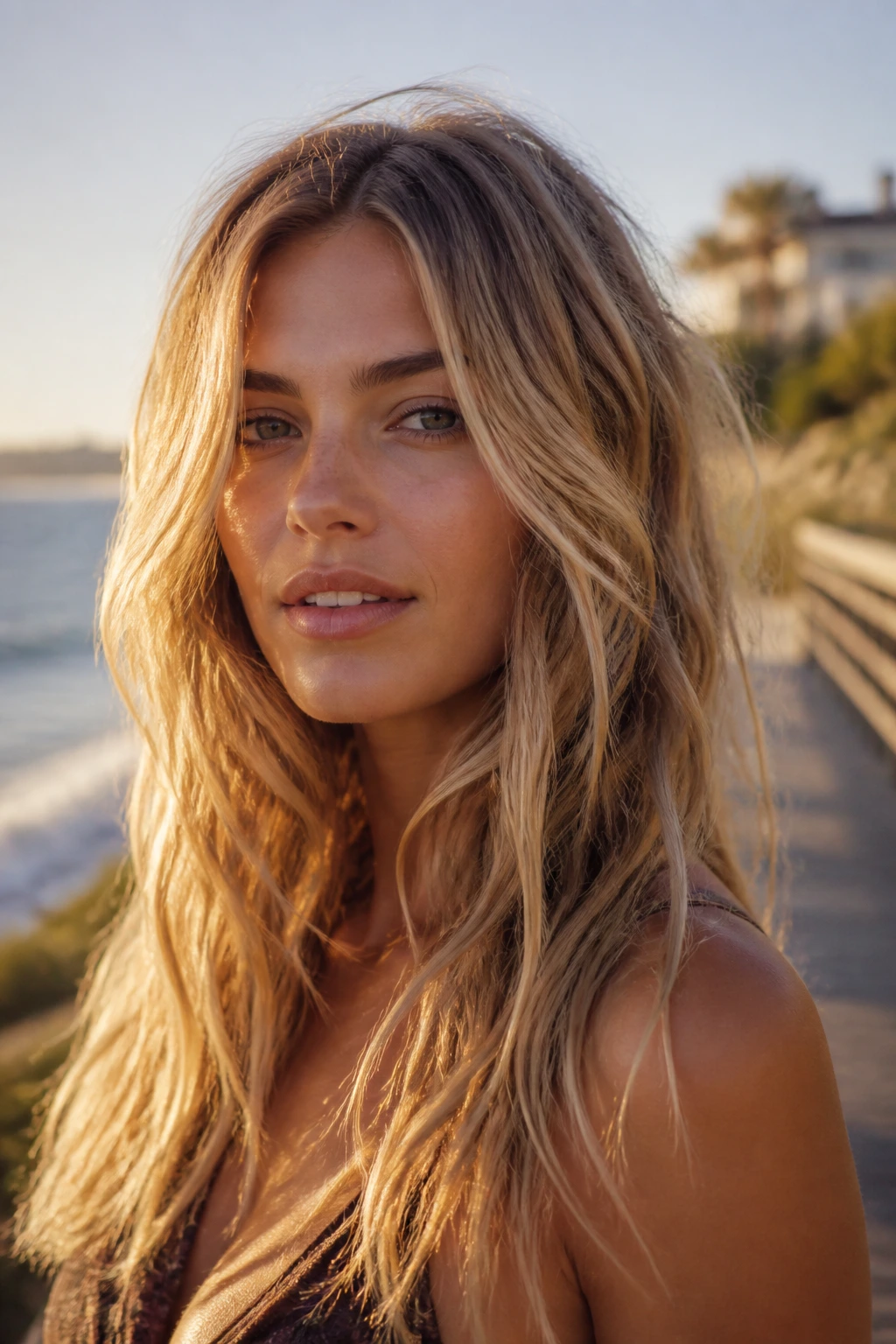
Beachy waves are not just for surfers; they are an excellent way to fake density. The key is to keep the hair looking slightly undone. If the waves are too perfect, they look stiff. If they are too loose, they fall flat.
Finding the Balance
- Use a sea salt spray on damp hair, then braid your hair in two sections and let it air dry.
- Once dry, undo the braids and shake out the hair with your fingers.
- If you need to use a heat tool, choose a wand rather than a clamp iron to avoid those harsh, unnatural-looking crimps at the ends of your hair.
12. Wispy Curtain Bangs
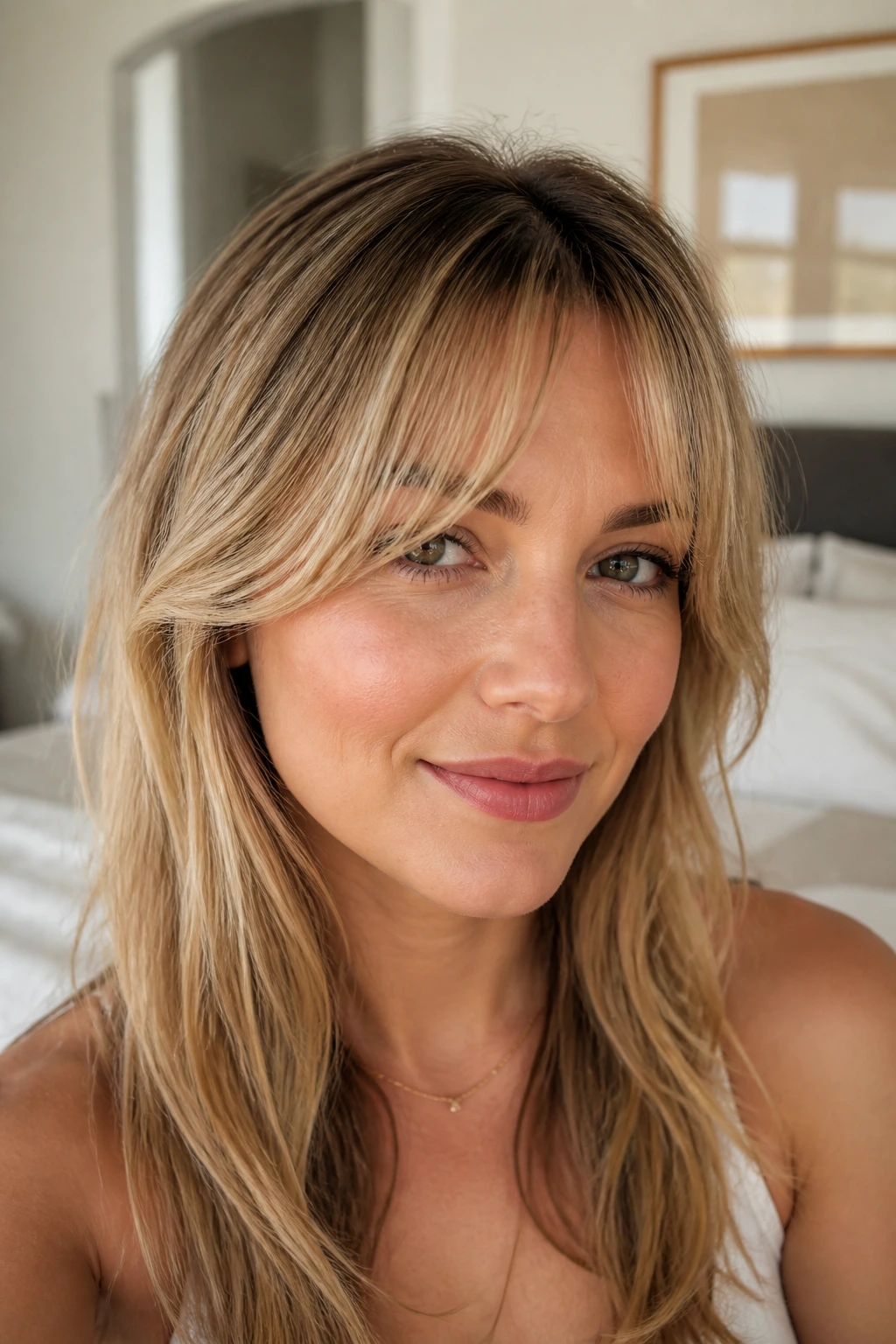
Curtain bangs are universally flattering, but they are particularly great for fine hair because they create a soft frame around the eyes. They require minimal styling, which is great for protecting your delicate hair from daily heat damage.
Maintaining the Look
You only need a round brush and a hair dryer to get these to sit right. Focus on rolling them away from your face to create that classic flick. If they start to look oily, a quick spritz of dry shampoo at the roots will bring them right back to life.
13. The Messy French Twist
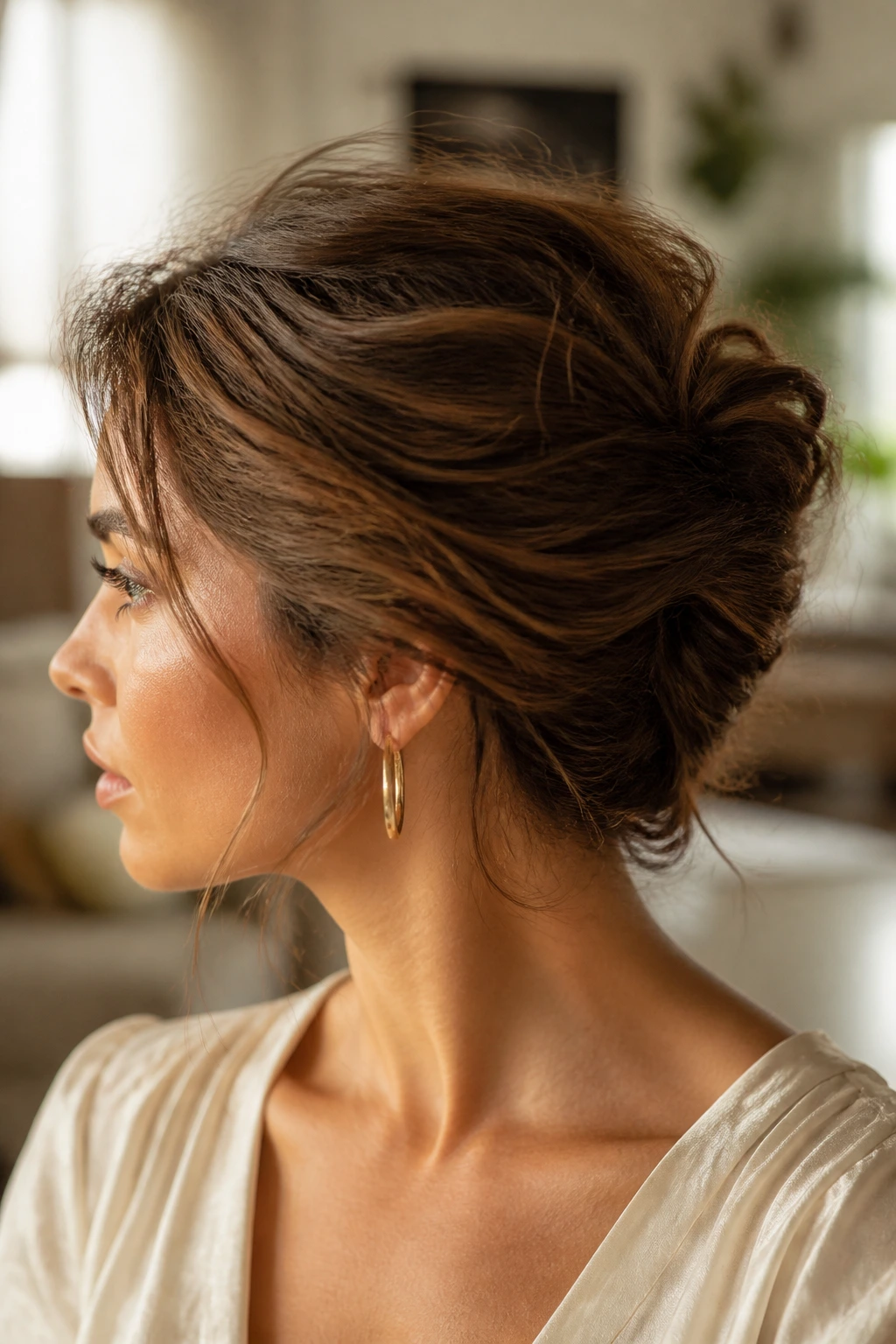
The French twist is usually associated with formal wear, but a “messy” version is a great casual style for fine hair. Because fine hair has a silky texture, it naturally lends itself to this elegant, slightly tousled look.
How to Style It
- Start with dirty hair—freshly washed fine hair is usually too slippery to hold a twist.
- Use a generous amount of texture spray throughout the lengths.
- Gather your hair at the nape and twist it upward, tucking the ends in and securing them with a series of long, U-shaped pins rather than a giant plastic clip.
14. Retro Volume at the Crown
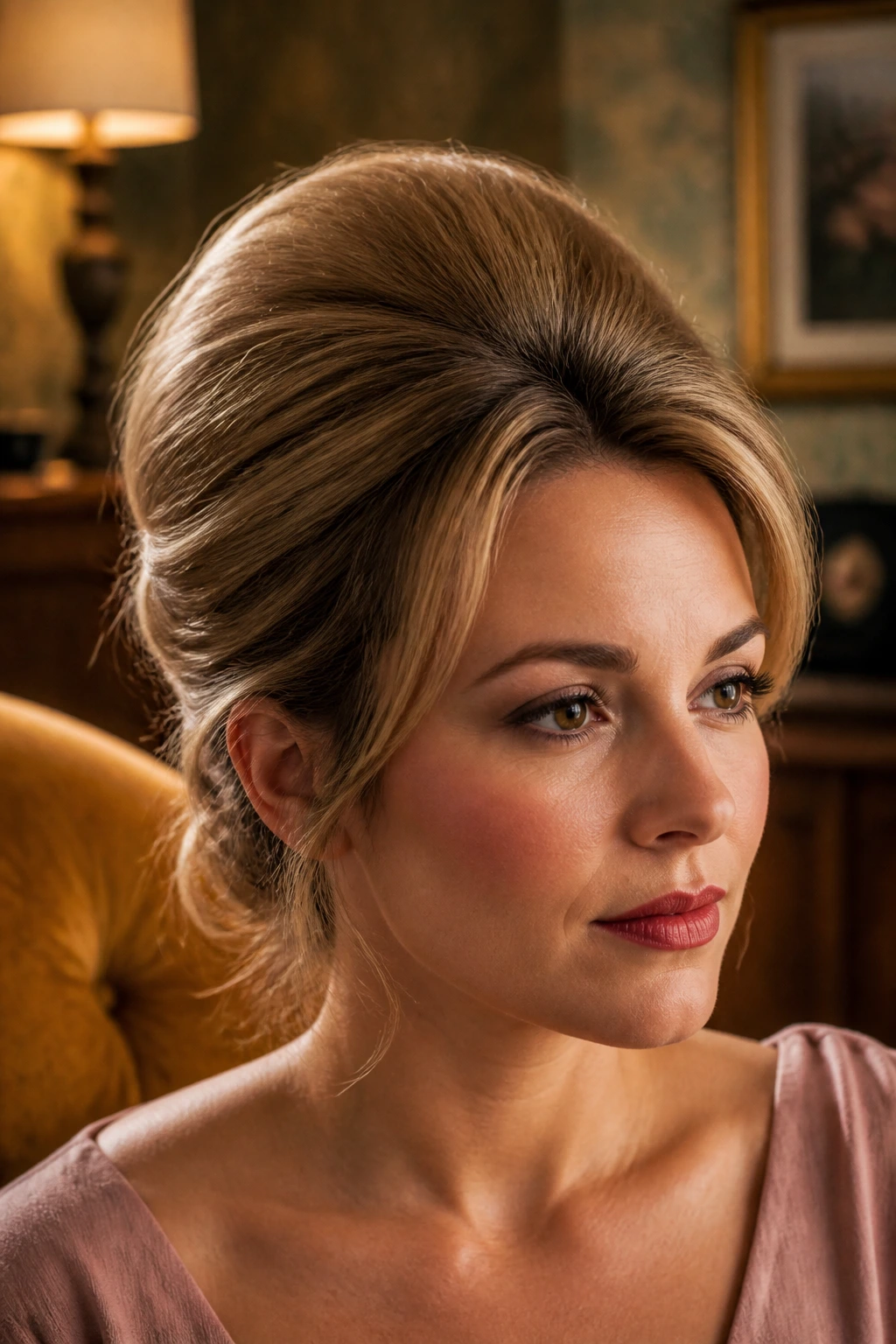
Taking inspiration from the sixties, adding a bit of volume at the crown is a classic technique. By using a fine-tooth comb to gently tease the hair at the roots of your crown, you create a foundation of volume that lasts all day.
Avoiding the “Bird’s Nest”
- Only tease the underside of the hair so the top remains smooth.
- Use a light-hold hairspray on the teased section immediately to lock the structure in place.
- Do not overdo it; three or four strokes at the root are enough. If you tease too aggressively, you will cause breakage that leads to even finer hair in the long run.
15. The “Swooping” Side Fringe
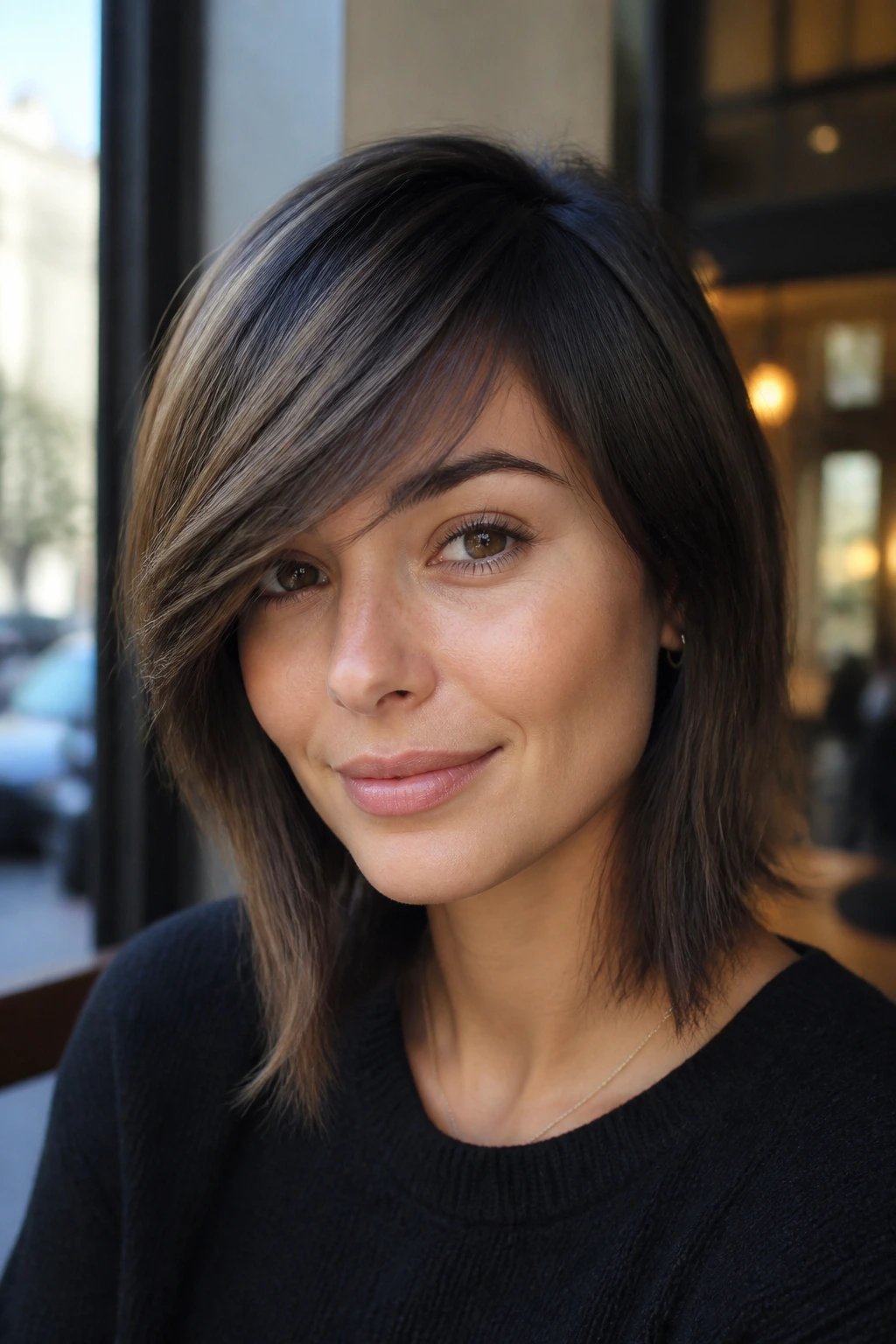
If you have a cowlick or just want to change your appearance without getting a full haircut, a swooping side fringe is a great option. It’s lightweight and won’t overwhelm your face, but it adds a nice sweep of hair that looks intentional and stylish.
The Styling Technique
When blow-drying, use a medium-sized round brush and direct the air down the hair shaft to maintain shine and prevent frizz. Fine hair is incredibly prone to flyaways; keeping the cuticle smooth is the difference between a chic look and a messy one.
16. Low Ponytail With a Twist
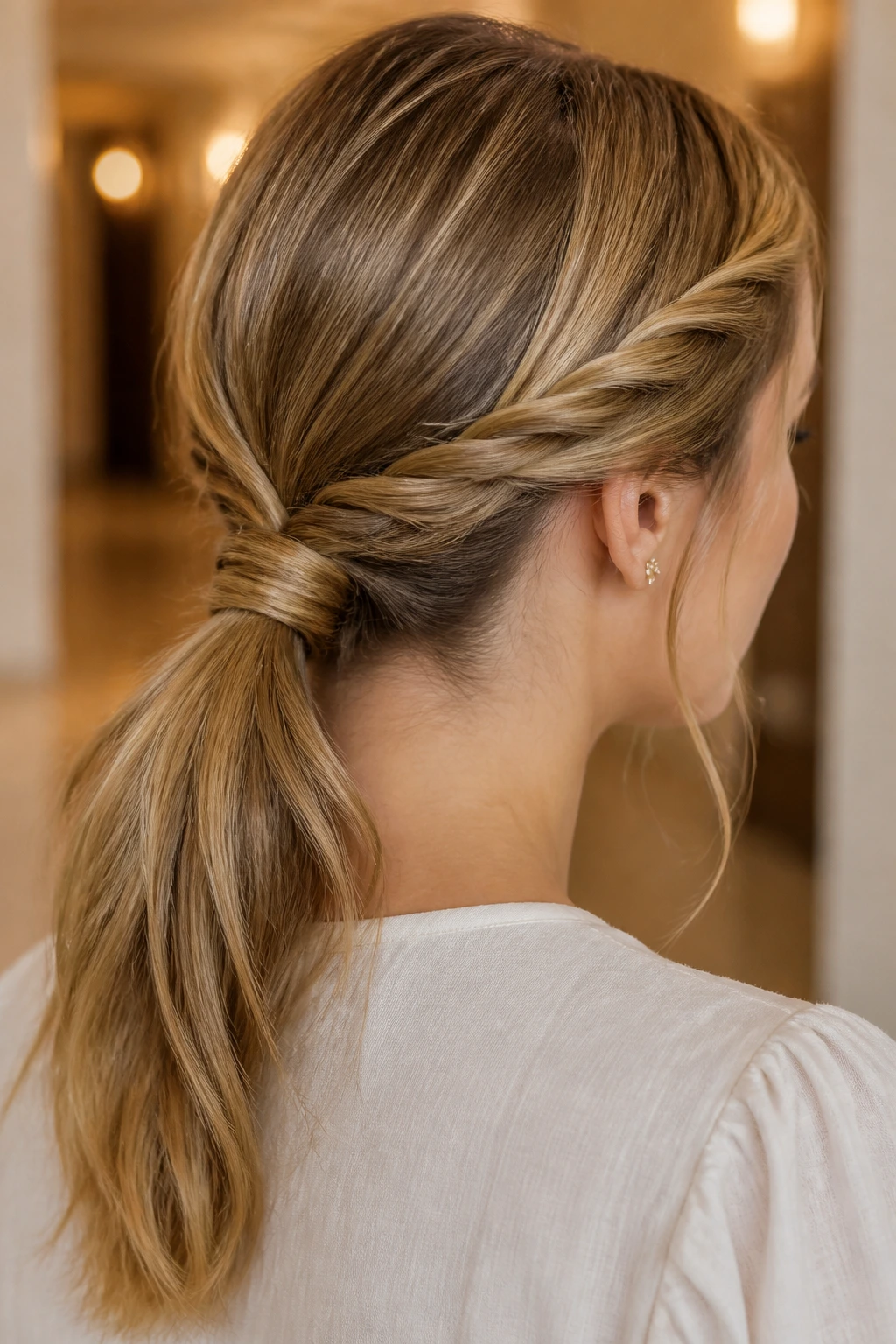
A standard ponytail can often look a bit boring on fine hair. Elevate it by twisting two small sections from the front of your face and wrapping them around the base of your ponytail.
Why This Style Works
It hides the hair elastic, which makes the style look much more professional and “finished.” Plus, the twist adds a small amount of extra texture around your face, which makes the hair appear slightly denser than it actually is.
17. The Sleek Low Bun
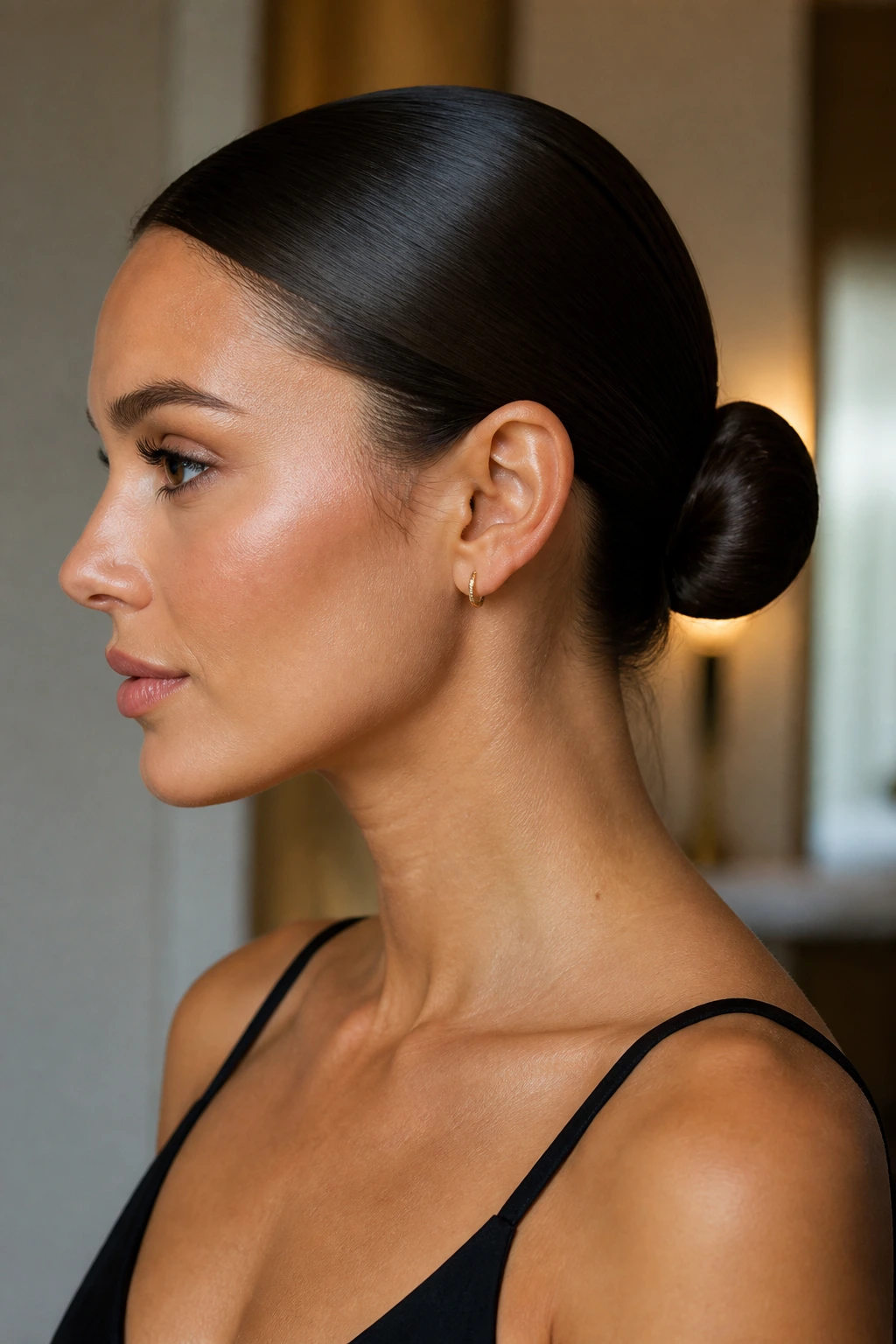
There is something inherently chic about a perfectly sleek, low bun. For fine hair, this is often the most polished option available. It hides the fact that you might not have the volume of someone with thick hair, and it stays secure for hours.
The Secret Ingredient
Use a tiny dab of hair oil or smoothing cream to tame any baby hairs around the hairline. This keeps the look crisp and intentional. It’s the perfect style for when you want to look put-together without much fuss.
18. Braided Crown
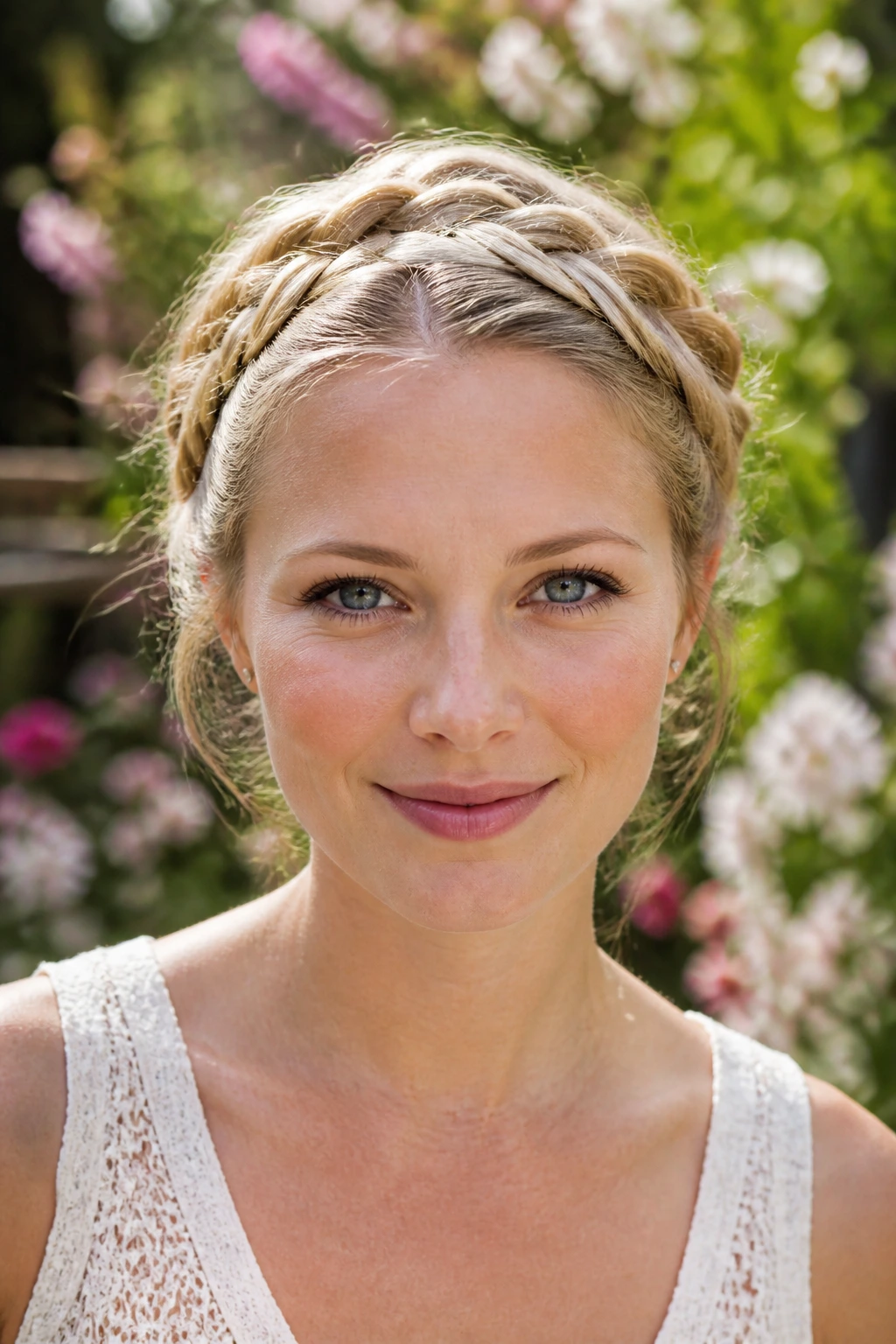
If you are skilled with a braid, a crown braid is a fantastic way to handle fine hair. It keeps the hair secure, adds plenty of texture, and creates a visual “halo” that makes the hair seem much fuller than it is.
Pro Tips for Success
- Use a clear elastic to secure the ends of the braid, then tuck them neatly underneath.
- If your hair is particularly slippery, use a touch of dry shampoo or texturizing paste before you start braiding to add grip to the strands.
19. The Side Braid
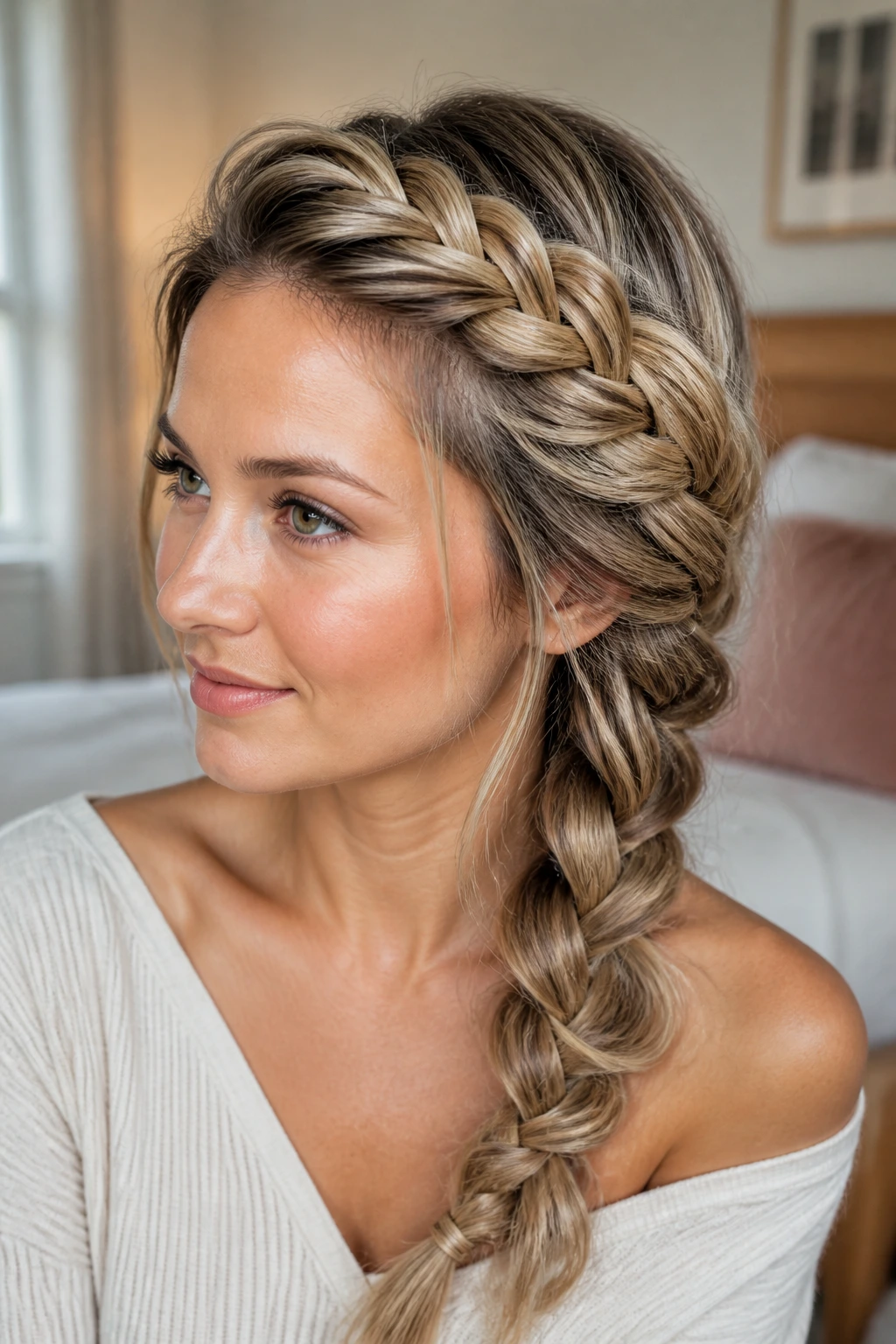
A side braid is much more interesting than a ponytail, and it works wonderfully on fine hair. As with other braided styles, the key is to “pancake” the braid afterward to add volume.
Why It’s Perfect for Fine Hair
It doesn’t require as much hair as a back-braid, so it doesn’t look sad or thin. By pulling it to the side, you make it the focal point of your look, drawing attention to your styling effort rather than the hair density itself.
20. Pinned Back With Accessories
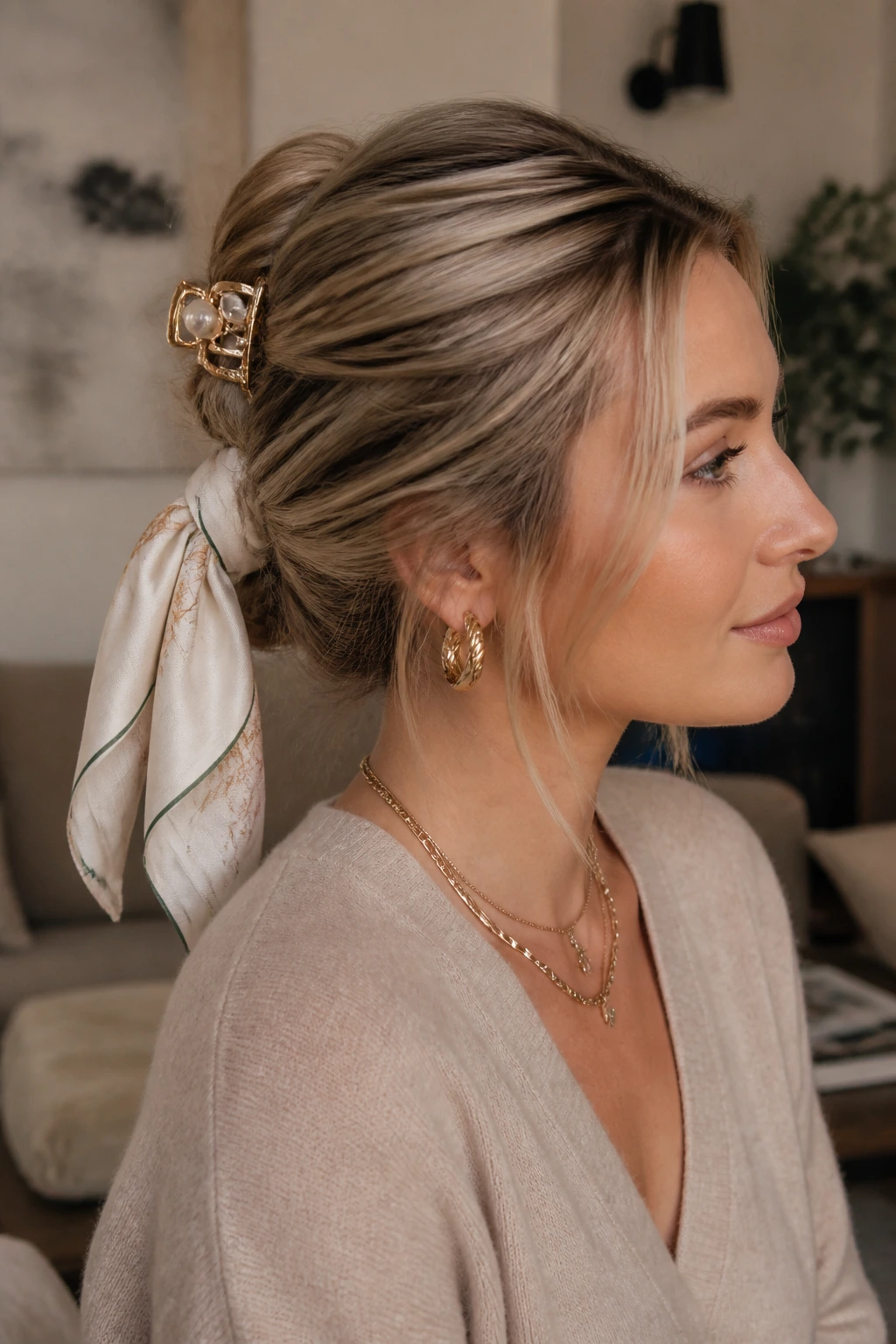
When in doubt, use an accessory. Large clips, silk scarves, or decorative barrettes can turn a simple hairstyle into a statement. For fine hair, these accessories are a godsend because they add visual weight and interest where the hair itself might be lacking.
Choosing the Right Accessory
Avoid heavy metal clips that might slip out. Instead, look for lightweight, textured clips or pins that grip the hair firmly. If you are using a silk scarf, tie it around a ponytail base to make the ponytail look significantly thicker.
21. The Half-Bun (Hun)
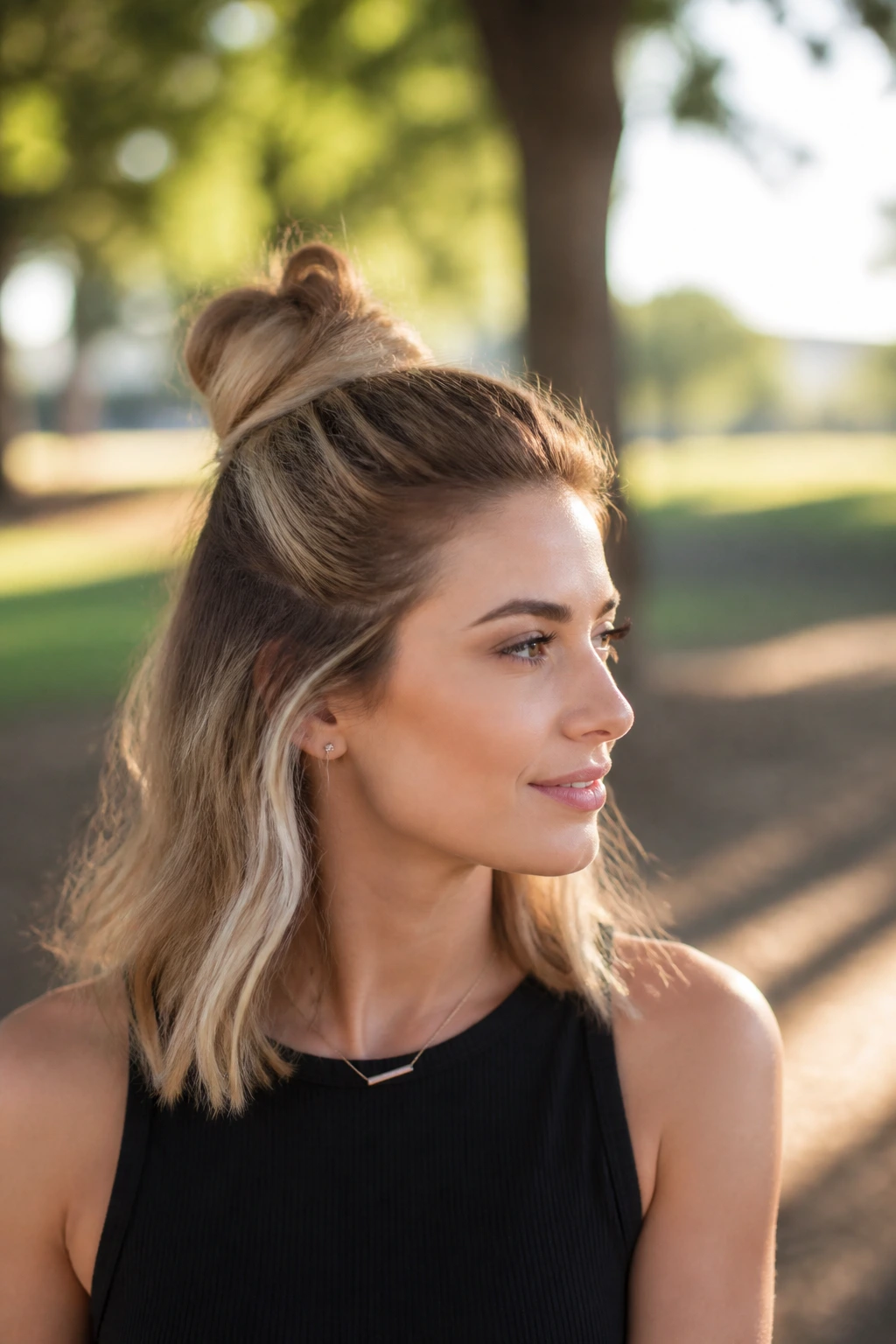
The half-bun is the ultimate casual style. It keeps the hair out of your eyes and provides a bit of height on top, which is always flattering. It is easy to style—just pull the top section of your hair up and secure it in a messy bun.
The “Volume” Hack
Tease the hair that is going into the bun before you secure it. This makes the bun look larger and more substantial, which prevents that “tiny little knot” look that fine hair sometimes suffers from.
22. Layered Bob With Balayage
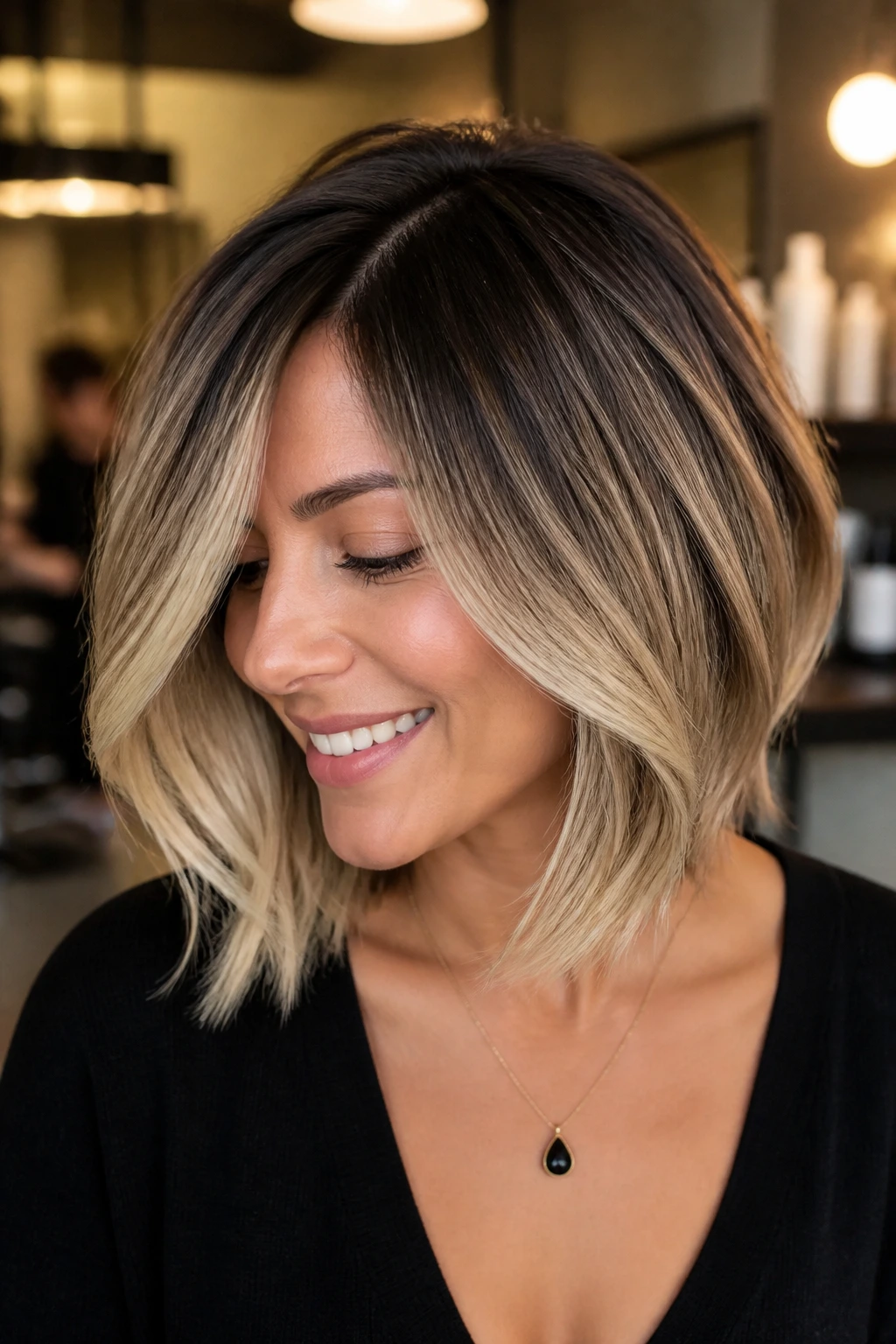
Color can be just as important as the cut. A balayage treatment—where lighter colors are painted onto the mid-lengths and ends—creates a visual sense of depth. This contrast between the darker roots and lighter ends gives the hair a 3D effect that makes it look thicker.
Color Considerations
Make sure your stylist avoids putting too many highlights near the scalp, as this can make the hair look even thinner. Keep the lighter colors focused on the lengths and ends to maximize the appearance of volume.
23. The Rolled Updo
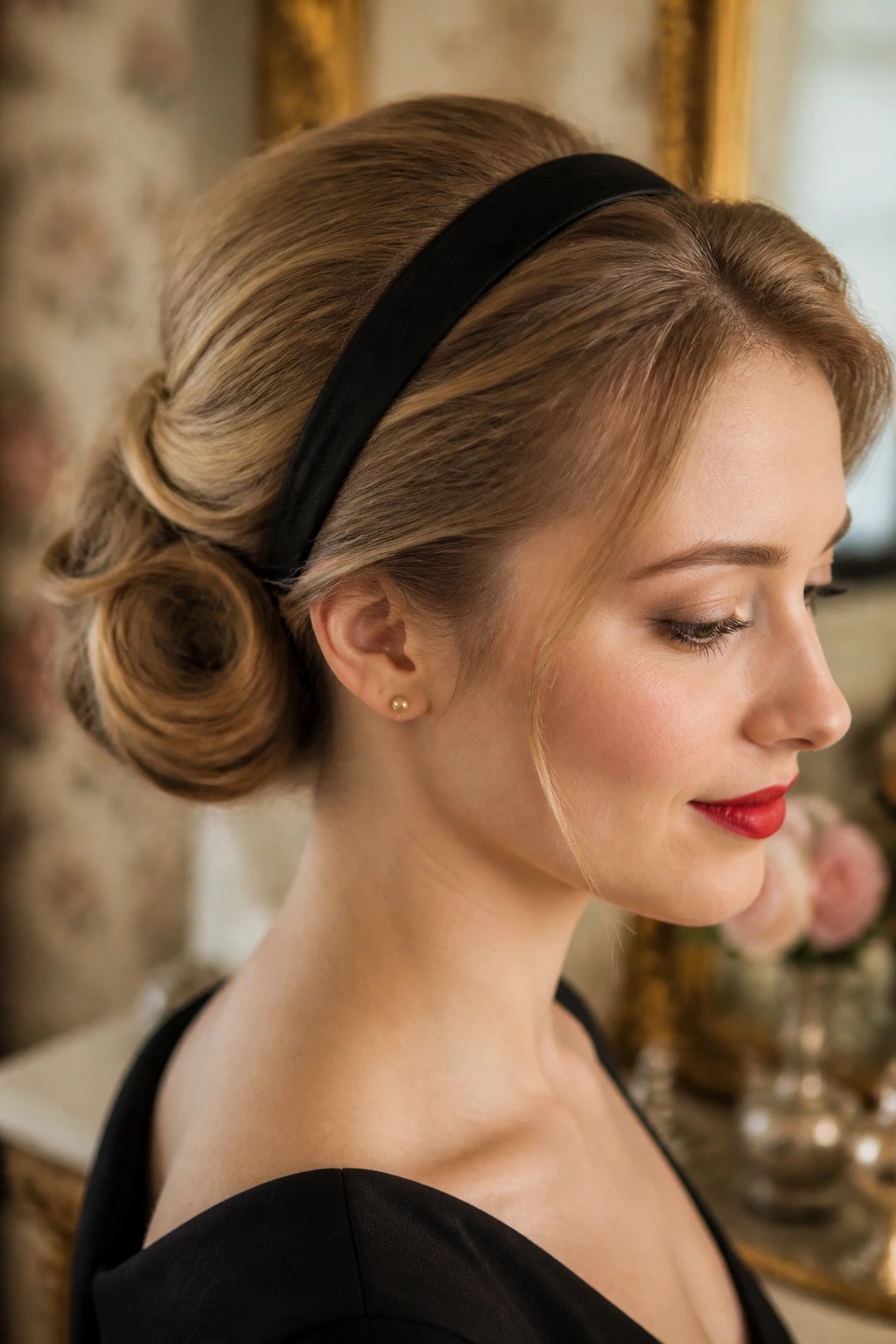
A rolled updo, where you roll the hair toward the nape of the neck and pin it, is a vintage style that works incredibly well for fine hair. It creates a structured, soft shape that doesn’t need a lot of volume to look great.
How to Style It
- Start with a headband placed over your hair.
- Tuck small sections of hair into the band, rolling them upward.
- Continue until all hair is tucked in. It creates a romantic, soft look that is perfect for any occasion.
24. Low Side Chignon
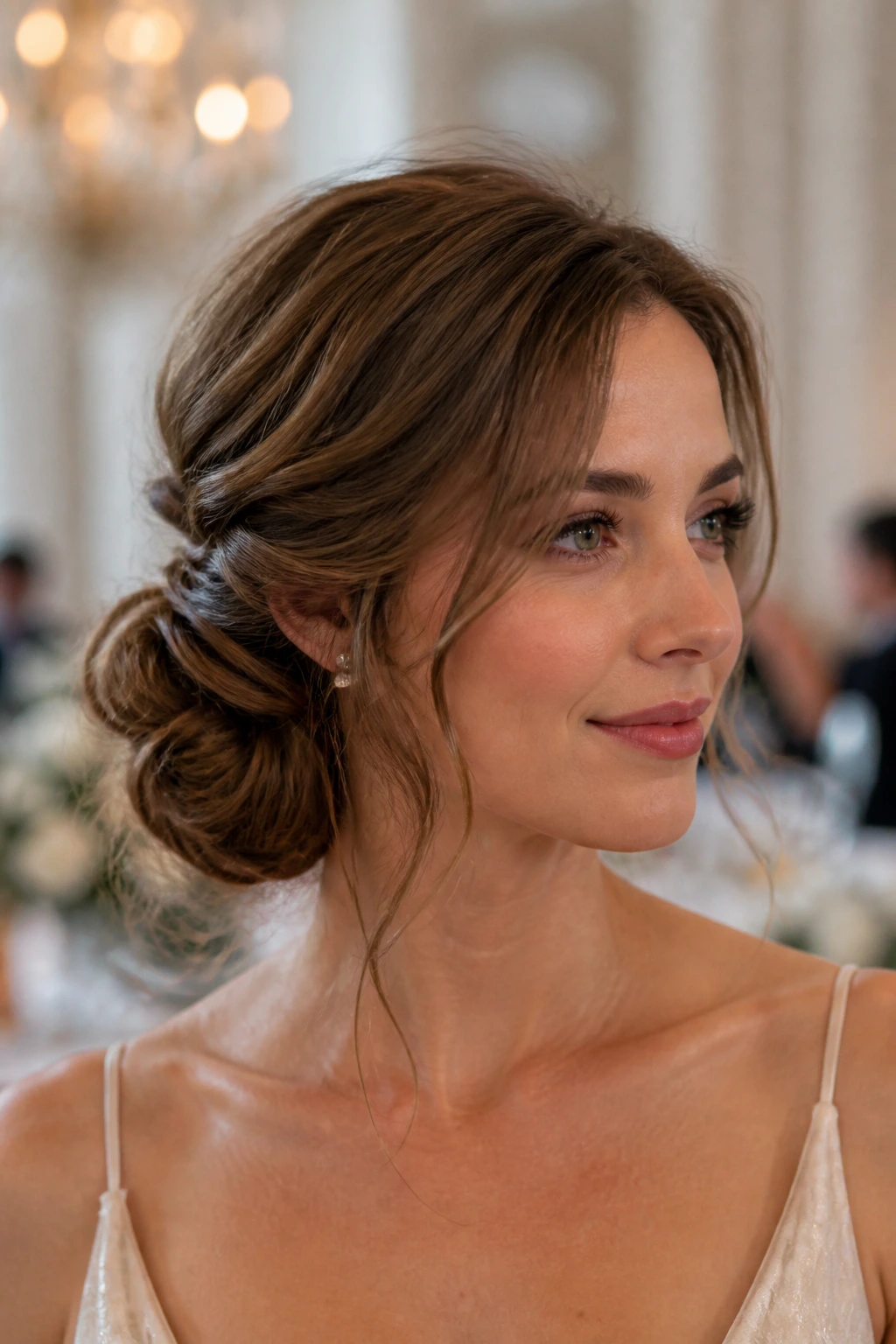
Similar to the regular chignon, the low side version is slightly more playful and very feminine. It’s a great option for a wedding guest or a formal event.
The Finishing Touch
Pull out a few soft, wispy pieces around your face to keep the look from becoming too rigid. This adds a sense of lightness and elegance that is very flattering for fine hair.
25. The Textured Pony
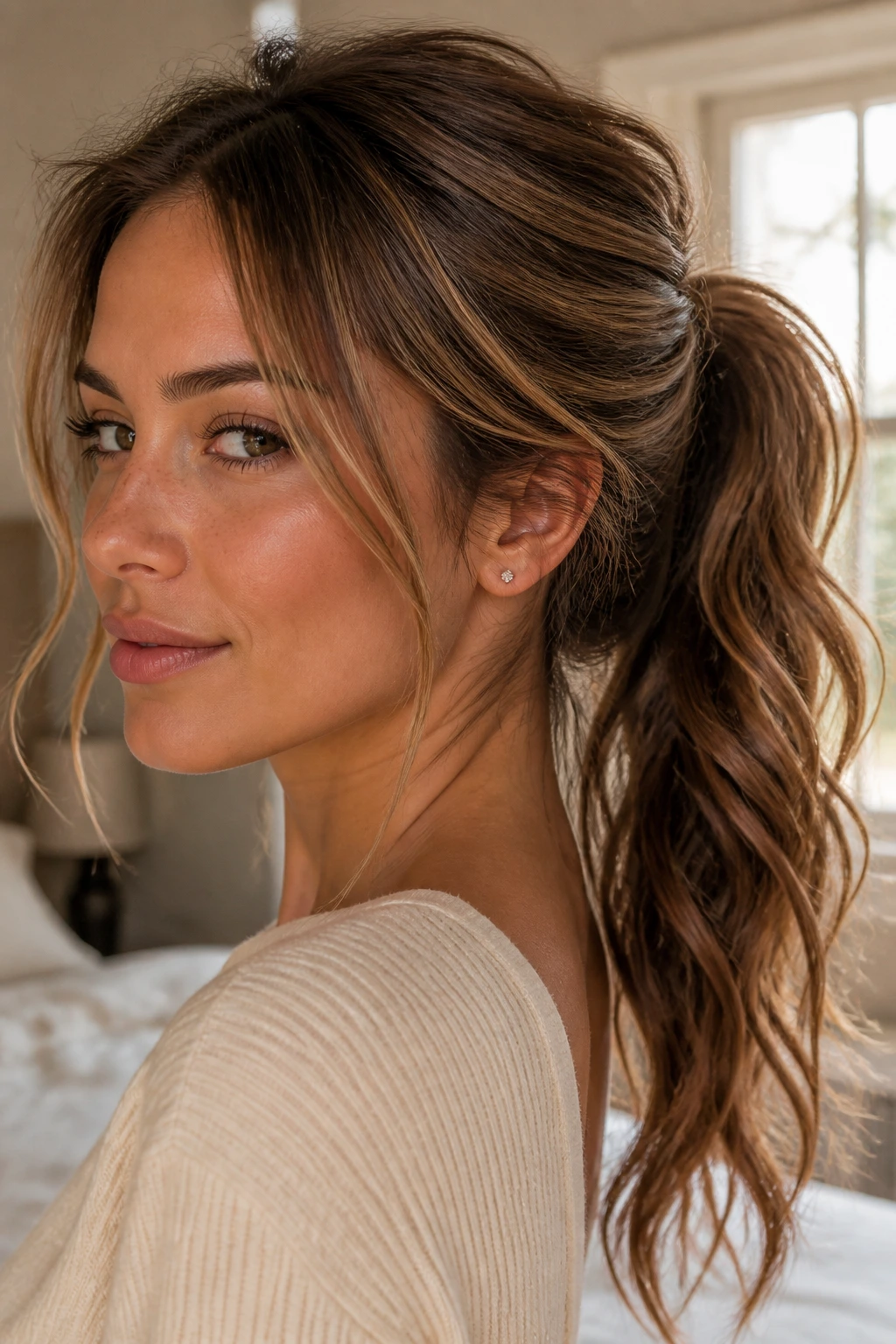
If you love a ponytail, add texture first. Use a curling wand to create loose waves throughout your hair before pulling it into a ponytail. The waves create physical space between the hairs, which translates to a thicker-looking pony.
Important Maintenance
Spray your hair with a light-hold texture spray after you have tied it up. This will help the volume hold its shape and prevent the waves from going flat as the day progresses.
26. The Wrapped Ponytail
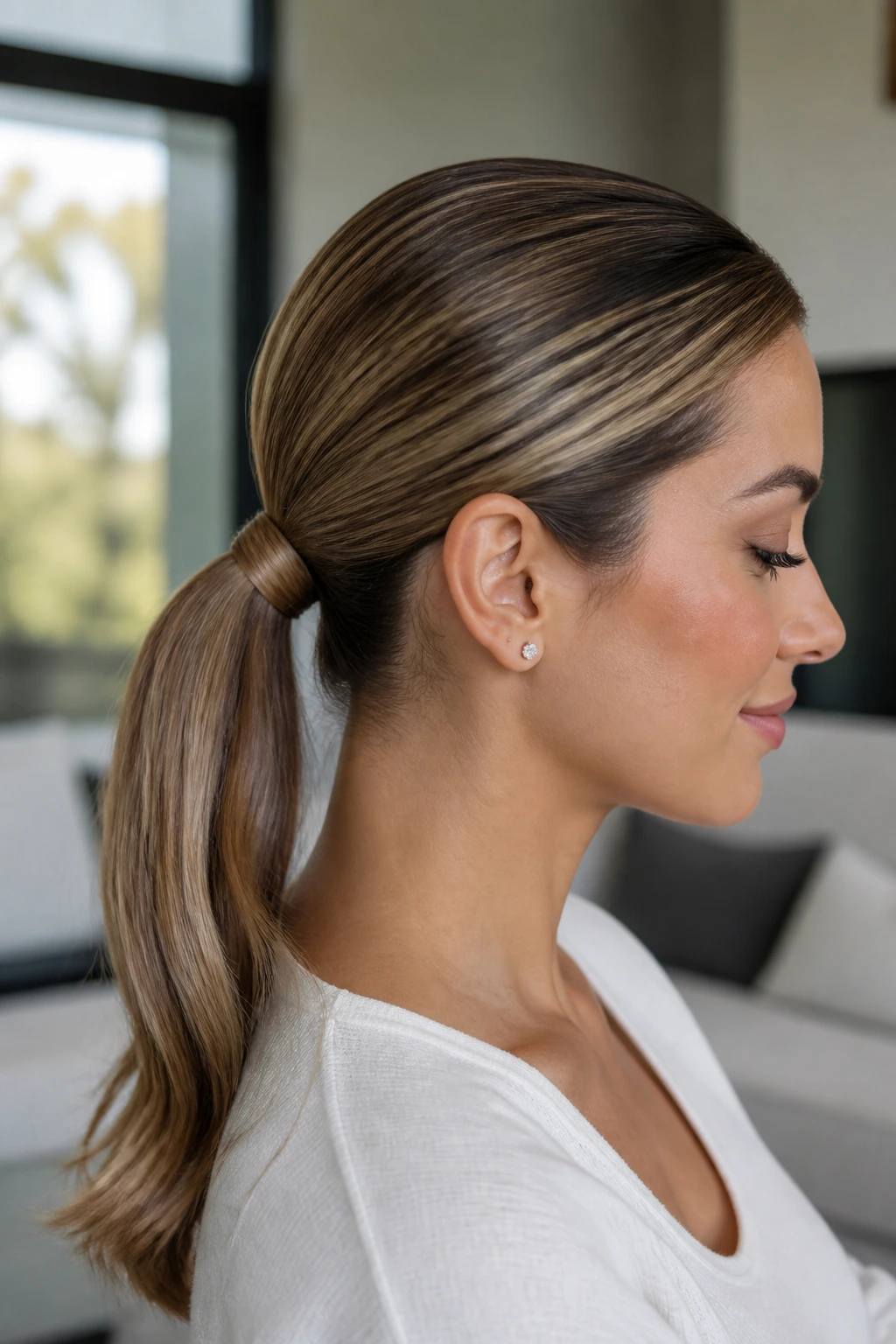
Take a small section of hair from the bottom of your ponytail and wrap it around the elastic band, pinning it in place underneath. This small step hides the elastic and makes the ponytail look much more luxurious.
Why This Matters
People often think that fine hair needs complex styles to look good, but often, the most effective techniques are simply about grooming. Hiding an elastic band takes seconds, but it makes the entire style look like a professional, expensive finish.
27. The Messy Bun With a Headband
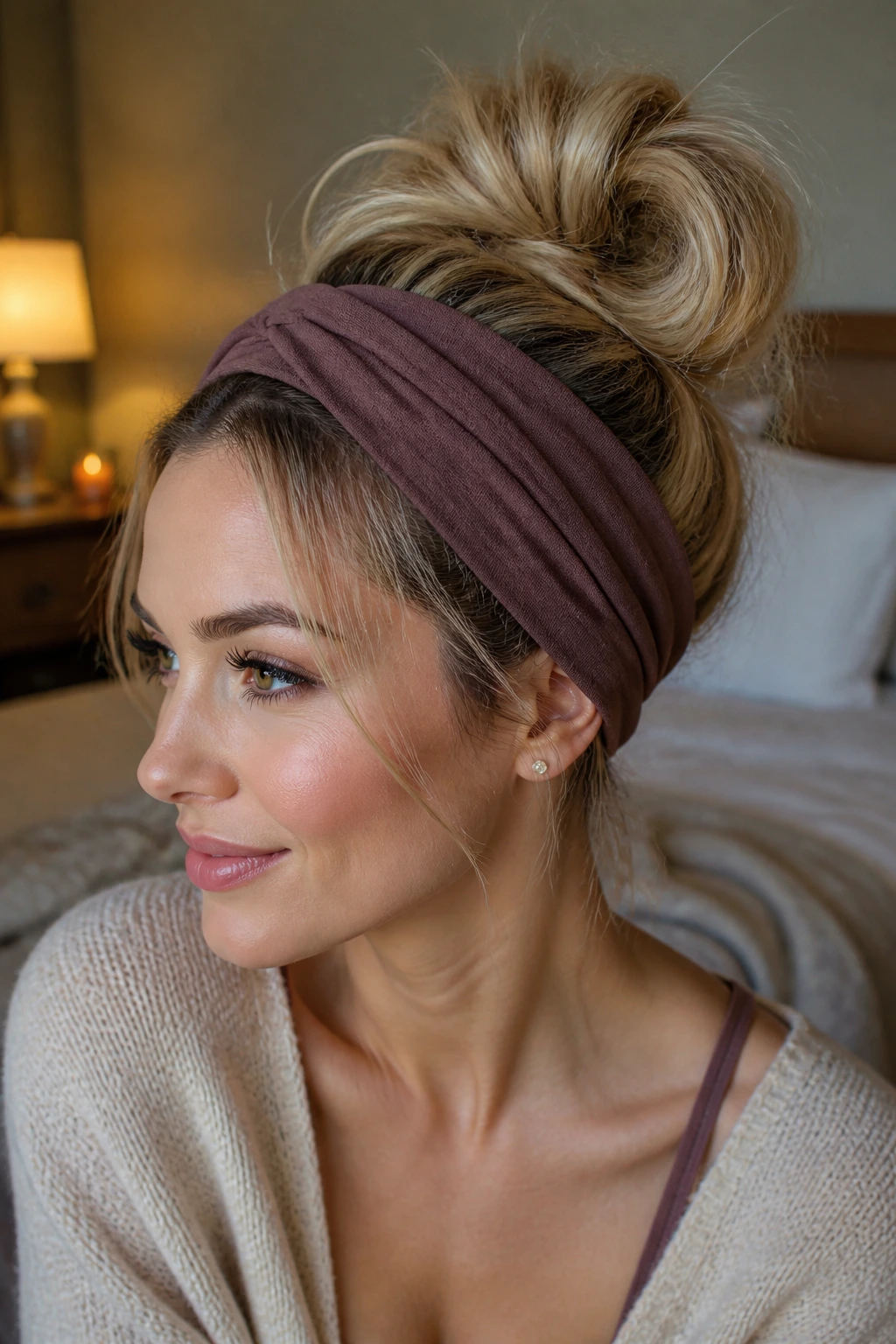
A headband is a fantastic way to add volume to the front of your hair, especially if you have a bit of a cowlick. Pair it with a messy bun at the back for a balanced, cute, and functional look.
Choosing Your Headband
Choose a wide, fabric headband. Narrow headbands can sometimes emphasize the thinness of the hair, whereas a wider band acts as a frame that makes the hair above it appear more voluminous by contrast.
28. The Wavy Lob with Middle Part
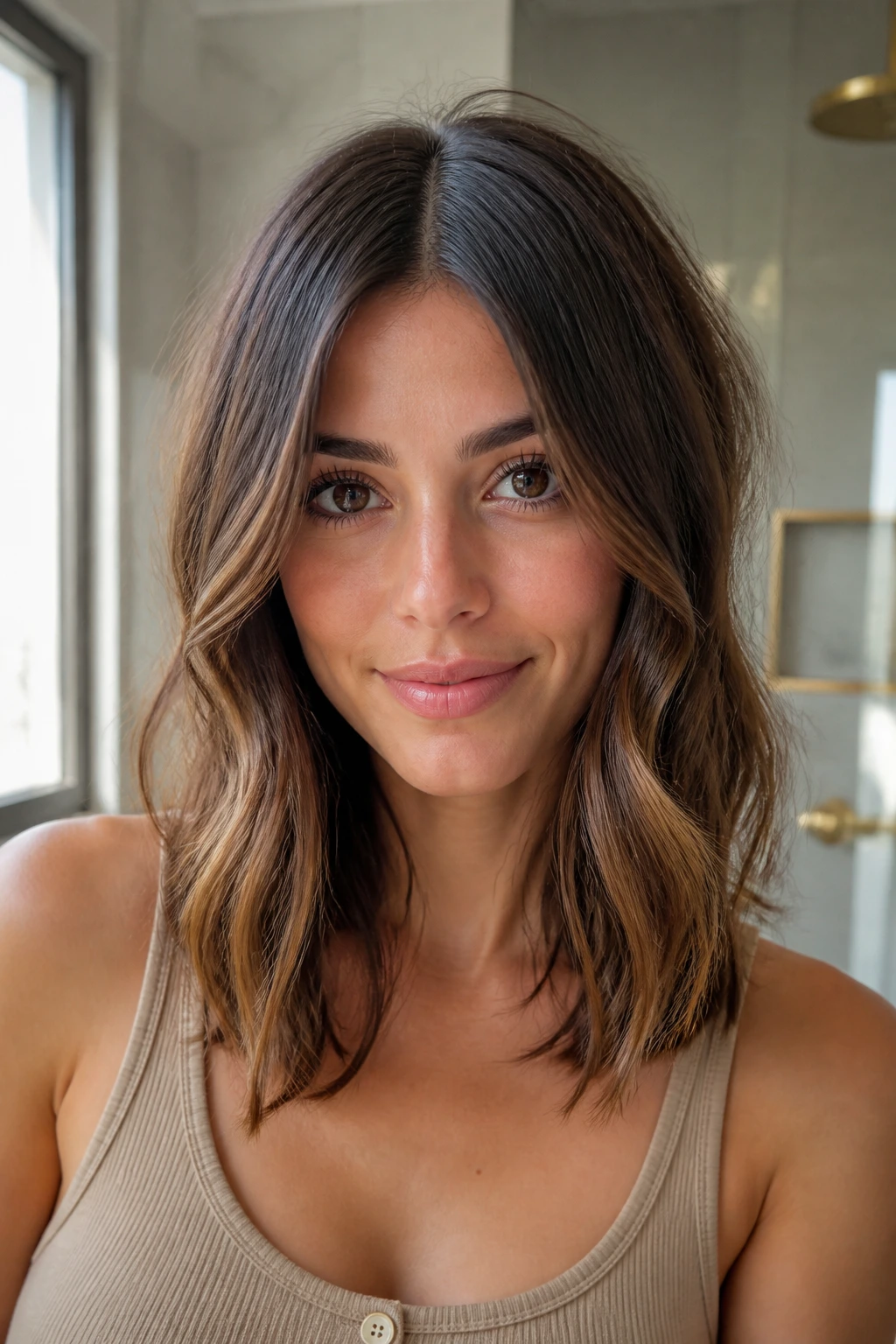
For a modern, chic look, a wavy lob with a center part is the go-to style for many. It frames the face and creates a lovely, symmetrical look that works well with fine hair’s natural tendency to be sleek.
Styling for Success
Use a smoothing serum on the ends after you have curled the hair. This prevents the ends from getting dry and frizzy, which is the quickest way to make fine hair look unhealthy and thin. When the ends are smooth and healthy, the entire head of hair looks fuller and more vibrant.
Final Thoughts
Working with fine hair is not about fighting its nature, but rather choosing styles that play to its strengths. You want styles that offer structure, texture, and strategic volume. Always remember that the products you use—and how you use them—matter just as much as the haircut itself.
The biggest mistake is over-processing or over-heating. Fine hair is delicate, so treat it with the same care you would a fine silk garment. Stick to lightweight products like texturizing powders and salt sprays rather than heavy waxes or gels. By keeping your ends blunt and your styles intentional, you will find that your hair has much more potential than you ever realized. Experiment with these looks, see what makes you feel the most confident, and remember that sometimes, less really is more.