


Rose wine hair color occupies a fascinating space in the spectrum of modern hair trends. It is neither a standard pink nor a basic blonde; instead, it blends the soft, muted tones of dusty rose with the shimmering, cool-toned transparency of champagne. When applied to Asian hair, which is historically characterized by its darker, thicker, and often more resilient structure, this color presents a unique set of challenges and aesthetic rewards. Achieving that perfect, light-reflective shade of rose wine on hair that naturally possesses high levels of eumelanin requires a strategic approach to lifting, toning, and maintenance.
Many people are initially drawn to this look because it mimics the translucent quality of a glass of rosé against the sun. However, translating that sheer, delicate color onto hair that is naturally pitch black or dark brown involves more than just a quick trip to the salon. You have to consider the undertones. Asian hair frequently pulls warm—leaning toward orange or brassy tones—during the bleaching process. Consequently, a great rose wine result isn’t just about applying a dye; it is about building a foundation of pale enough blonde that the pastel rose pigments can actually show up without turning muddy or brown.
This guide moves beyond the surface-level appreciation of the shade and dives into the actual mechanics of achieving it, maintaining it, and styling it in ways that honor the natural texture and density of Asian hair. Whether you are aiming for a full-head balayage, subtle peek-a-boo highlights, or a bold root-melt, understanding how the color sits on your specific hair type is the difference between a high-maintenance disaster and a glowing, ethereal look that feels tailor-made for your features.
1. The Importance of Pre-Lightening to a Pale Yellow Base
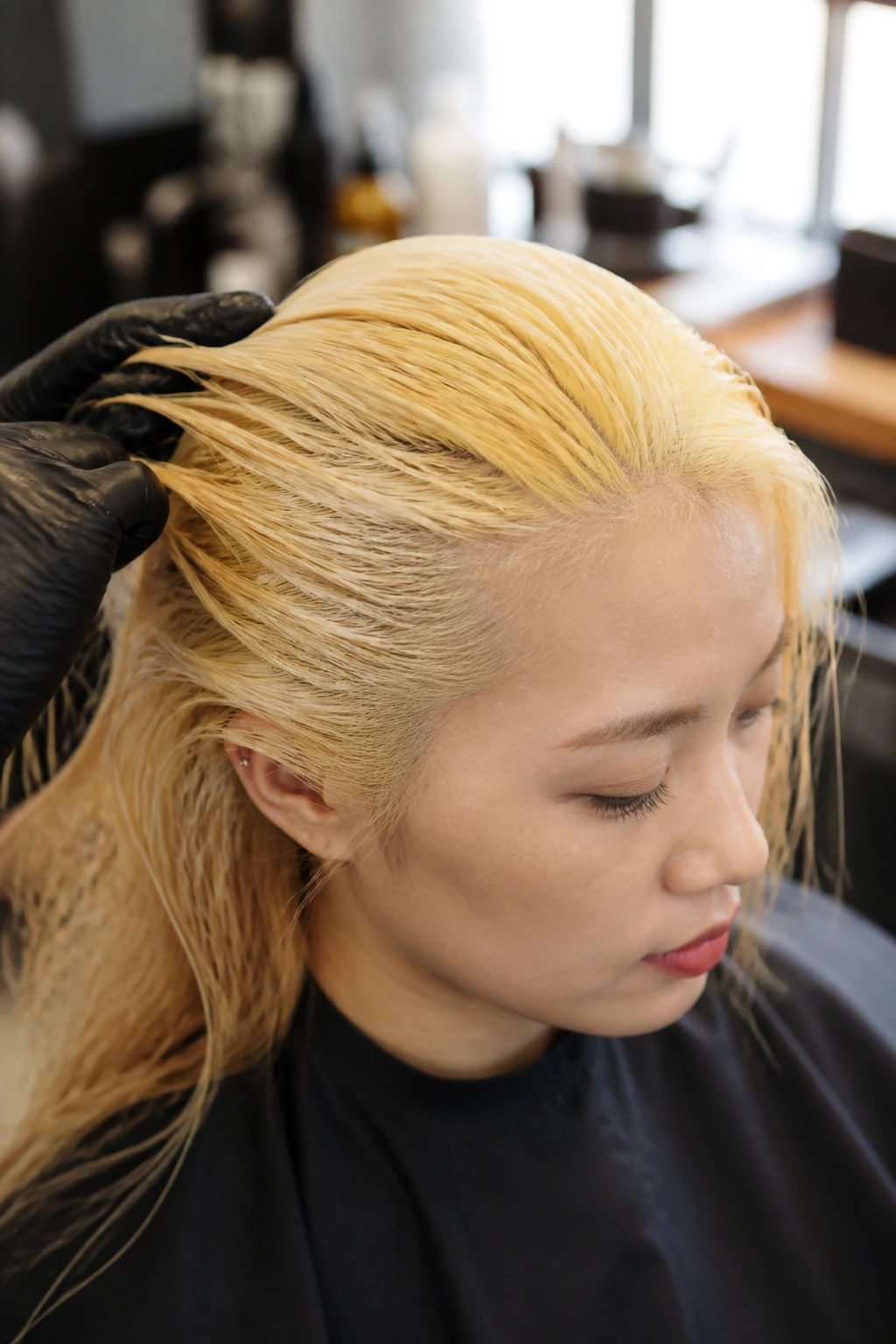
You cannot achieve a true rose wine shade on dark hair without reaching a level nine or ten blonde. This is the bedrock of the entire process. If you stop at a level seven or eight—where the hair still retains significant orange and yellow-orange pigments—the rose dye will inevitably clash with the underlying warm tones. This results in a muddy, salmon-colored, or brownish hue rather than the sophisticated, delicate rose you intended. Achieving this level of lift safely is a lesson in patience. It requires a slow, steady approach, often involving multiple sessions to keep the integrity of your hair fiber intact.
Recognizing Your Starting Level
Asian hair often has a thick cuticle layer, which can resist chemical penetration longer than finer hair types. When testing your hair for lightness, look for the color of the inside of a banana peel. If it still looks like an orange or a dark yellow, you are not ready for the rose wine application. Rushing this stage is a common mistake that leads to structural damage. Hair that is over-processed feels gummy when wet and brittle when dry; you want to avoid this at all costs.
Managing the Damage
During the lightening phase, the structural integrity of your hair is at stake. Using a bond-building additive in your lightener is non-negotiable for those with dark hair. These additives work by cross-linking the disulfide bonds, which are often broken during the aggressive oxidation process of bleaching. Think of it as a reinforcement system that keeps your hair from snapping under the pressure of the chemicals.
2. Incorporating Root-Melts for Low Maintenance
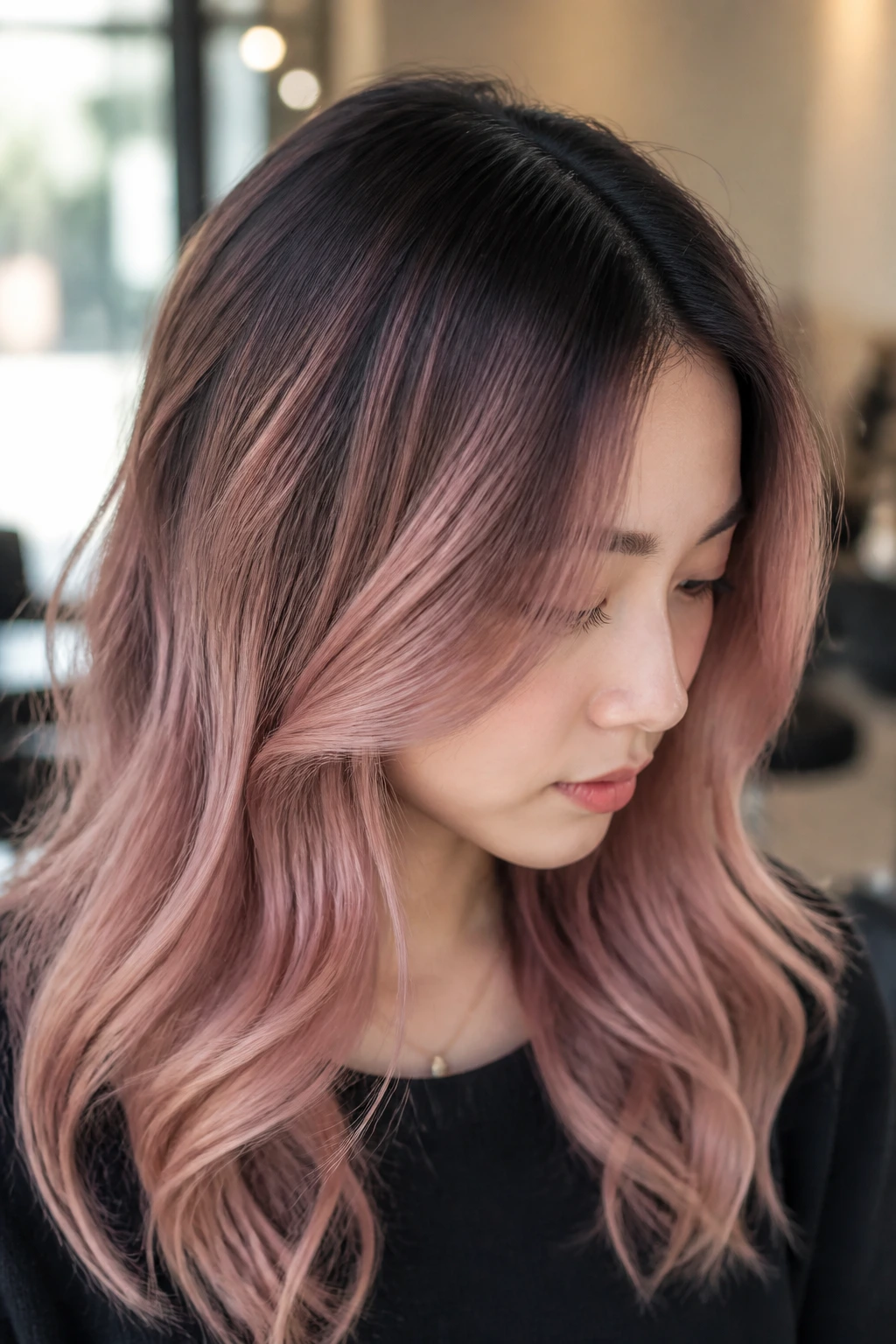
The most popular way to wear rose wine hair for those who do not want to visit the salon every three weeks is the root-melt. By keeping your natural dark roots and gently blending them into the rose-tinted lengths, you create a seamless transition. This technique is particularly flattering for Asian hair, as it prevents the harsh “line of demarcation” that appears as your natural dark hair grows out against a lighter, artificial color. It gives the style a lived-in, effortless quality that is much more forgiving than a solid, single-process bleach job.
Why Blending Matters
A harsh line between dark roots and pastel rose highlights can look like a mistake. The key to a professional-looking root-melt is the “smudging” technique, where the stylist uses a color that is slightly darker than the rose but lighter than your natural base to blur the line between the two. This creates a gradient effect that draws the eye downward and makes the hair appear thicker and more intentional.
Choosing the Right Root Depth
You have to decide how much contrast you want. Some prefer a soft, dusty shadow root that is only two shades lighter than their natural black, while others prefer a more dramatic fade. Generally, a root shadow that matches your natural hair level and transitions gradually is the most low-maintenance choice. It allows you to wait several months between touch-ups without your hair looking unkempt or neglected.
3. Balayage Techniques for Natural Depth
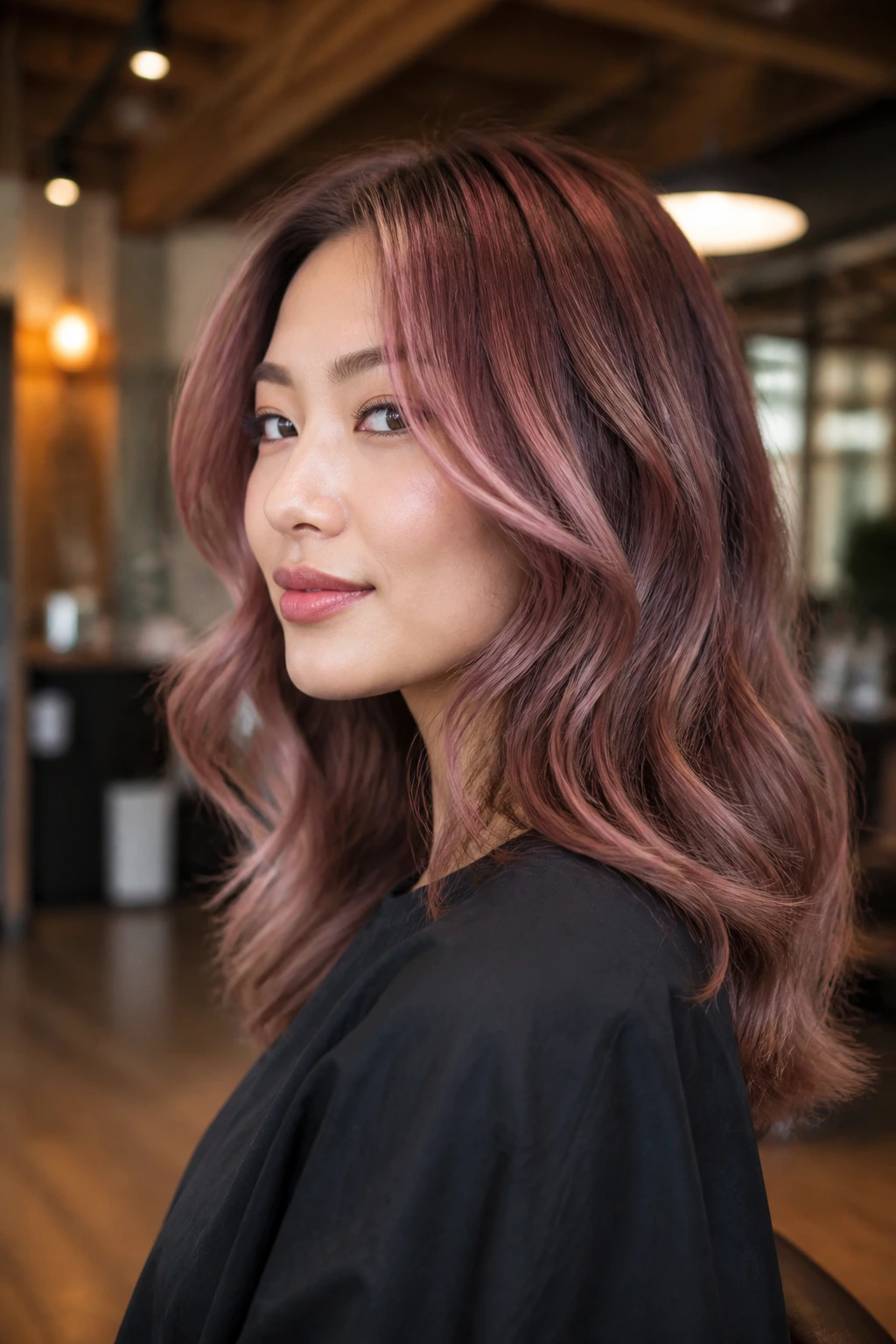
Balayage is the art of painting highlights onto the surface of the hair, allowing for a multidimensional look that catches the light differently as you move. When applied to rose wine hair, balayage allows for a blend of different tones, such as champagne, dusty rose, and even subtle hints of violet or copper. This is ideal for Asian hair, which can sometimes appear “flat” if dyed a single, solid color. The added depth prevents the rose wine from looking like a wig or a costume, giving it a natural, sophisticated finish that feels expensive.
Hand-Painting vs. Foiling
While traditional foiling can give you a very bright, uniform lift, balayage is superior for a natural aesthetic. By painting the lightener on the hair, you leave small sections of the natural hair untouched. This provides a “frame” for the rose color, allowing it to pop against the darker background. This contrast is key to ensuring that the style complements your complexion rather than washing it out.
Placing the Color
The placement should focus on the areas that naturally catch the sun: the strands around the face and the ends of the hair. This technique, known as face-framing or “money pieces,” brightens your features instantly. It brings the rose tones closer to your skin, which is important because rose wine often has cool undertones that need to be balanced by the warmth in your skin.
4. Understanding Undertones and Color Correction
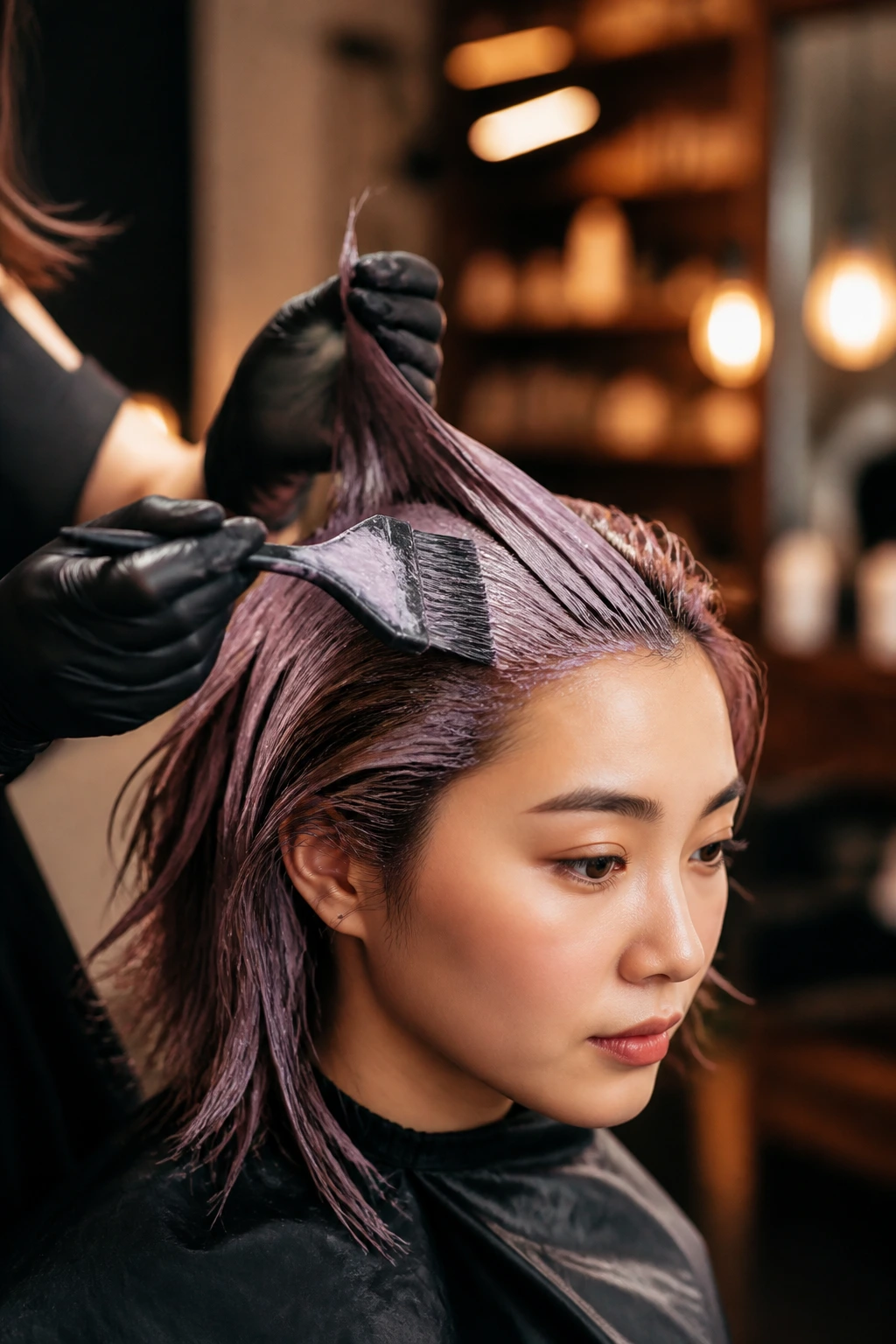
Rose wine is not a universal color; it exists on a spectrum. Some versions lean more toward a warm, peachy copper, while others are decidedly cool, leaning toward a mauve or lavender base. If your skin has a cool undertone, you might find that a more violet-based rose wine looks significantly better than a warm, coral-toned one. Asian hair often has warm undertones, so color-correcting the hair with a specific toner before applying the final rose wine deposit is a critical step in the process.
The Role of Purple Shampoos
Post-lightening, your hair will inevitably have yellow or brassy tones. Applying a purple or blue-based toner is essential to neutralize these yellow pigments. Without this step, the rose wine will look like a muddy orange-pink rather than a clean, wine-inspired pastel. Think of the toner as your blank canvas: the cleaner your base, the more accurate your final color will appear.
Testing for Color Accuracy
Always perform a strand test before committing to the entire head. Clip a small section of hair from the back of your neck and apply the dye to see how it reacts. Hair can behave unpredictably depending on its porosity and how much previous color is held within the shaft. A strand test saves you from the potential heartbreak of a color that is either too bright, too dull, or completely the wrong shade of pink.
5. The Benefits of Semi-Permanent Deposits
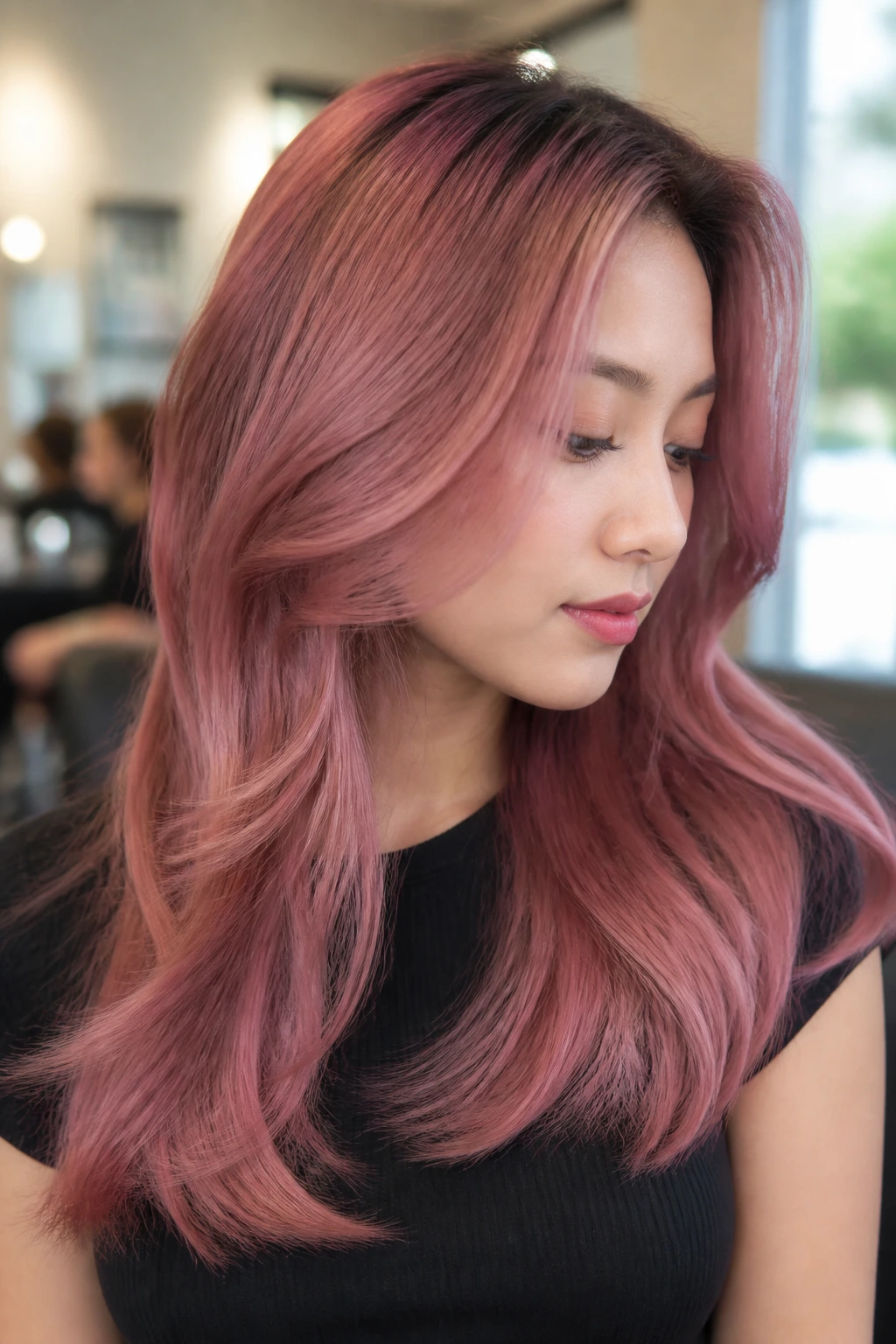
Because rose wine is essentially a fashion shade, it will fade much faster than natural tones like brown or black. The secret to keeping it vibrant without damaging your hair with more ammonia-based permanent dyes is the frequent use of semi-permanent color conditioners. These products act as a “color refresh,” depositing just enough pigment to keep the rose hue from turning into a washed-out, silvery-yellow. You can even mix a small amount of your chosen rose dye into your regular conditioner to maintain the color during every wash.
How to Apply Color Conditioners
You don’t need to be a professional to use these. Simply wash your hair, apply the color-depositing conditioner from root to tip, let it sit for five to ten minutes, and rinse with cool water. This simple step replaces the lost pigment, keeping the shade as vibrant as it was on day one. It is the most effective way to ensure that your hair color remains consistent and healthy over time.
Frequency of Use
There is no set schedule, but most people find that refreshing their color every two to three weeks is sufficient. If you wash your hair daily, you may need to do it more frequently. Listen to your hair; if it starts looking slightly brassy or “dusty” in a way you don’t like, that is your cue to reach for the color-depositing conditioner.
6. Selecting the Perfect Shade for Your Complexion
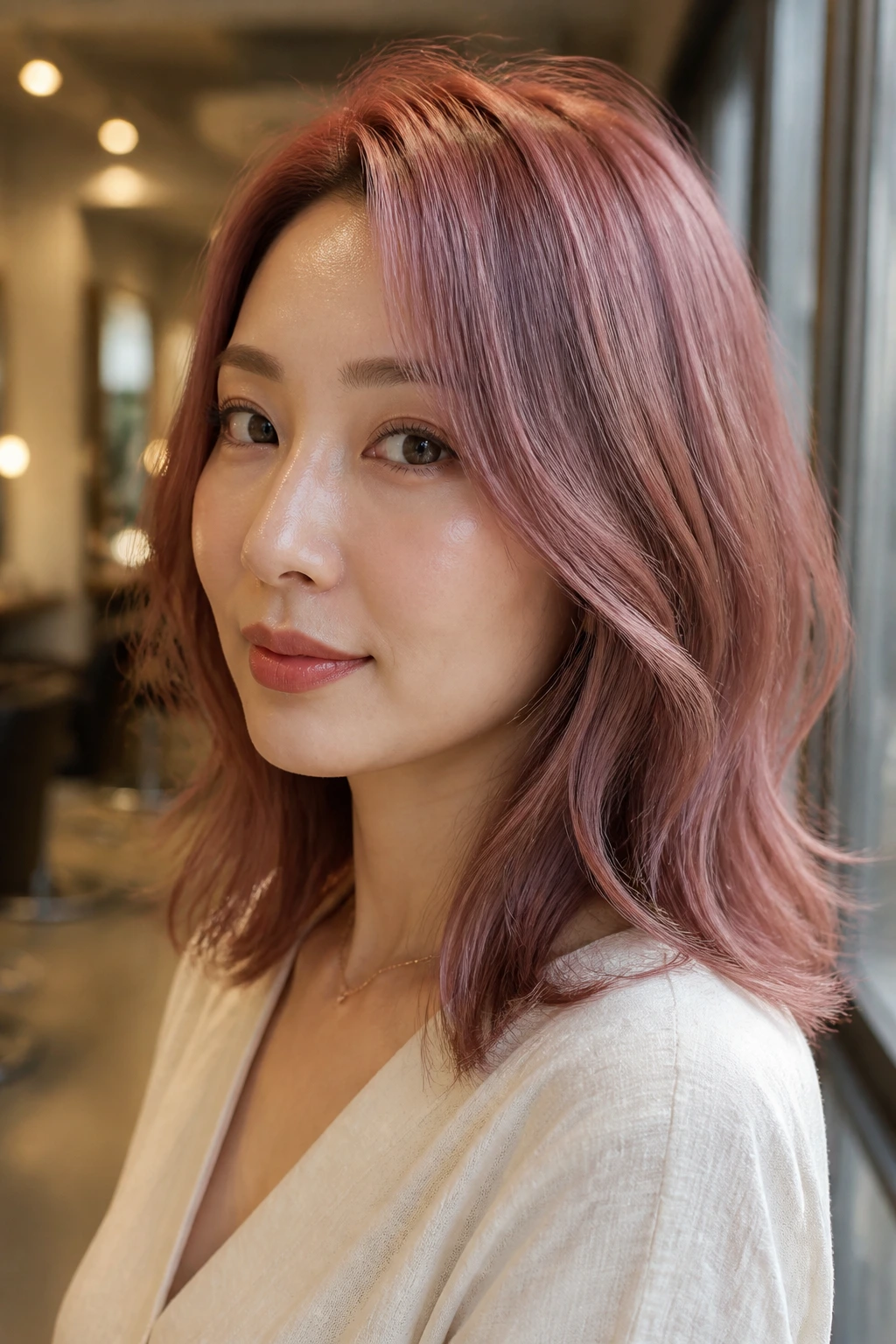
Not every version of rose wine will suit every person, and this is especially true for the vast range of skin tones found within the Asian community. If you have fair skin with cool, pinkish undertones, a cooler, mauve-tinted rose wine will look absolutely stunning. Conversely, those with warm, golden, or olive complexions often thrive with a more “sunset rose” version—one that has hints of copper, peach, and gold mixed in. The goal is to choose a shade that provides enough contrast to your skin without clashing with your natural undertones.
The Contrast Factor
If you have very pale skin, a super-saturated, dark rose wine might overwhelm your features. In this case, a softer, pastel version—often called “dusty rose”—is a much more harmonious choice. If your skin is darker or has richer tones, you can pull off a deeper, more saturated “wine” shade that looks vibrant and intentional.
Makeup Considerations
Changing your hair color often necessitates a small shift in your makeup routine. Rose wine hair pairs beautifully with warm, neutral makeup palettes. Earthy tones, gold highlighters, and soft peachy blushes tend to complement the rose pigments, whereas harsh, cool-toned blues or bright neon eyeshadows might look a bit disconnected. Experiment with your existing makeup to see which shades make your skin look the most radiant against your new hair color.
7. Protective Styling for Colored Hair
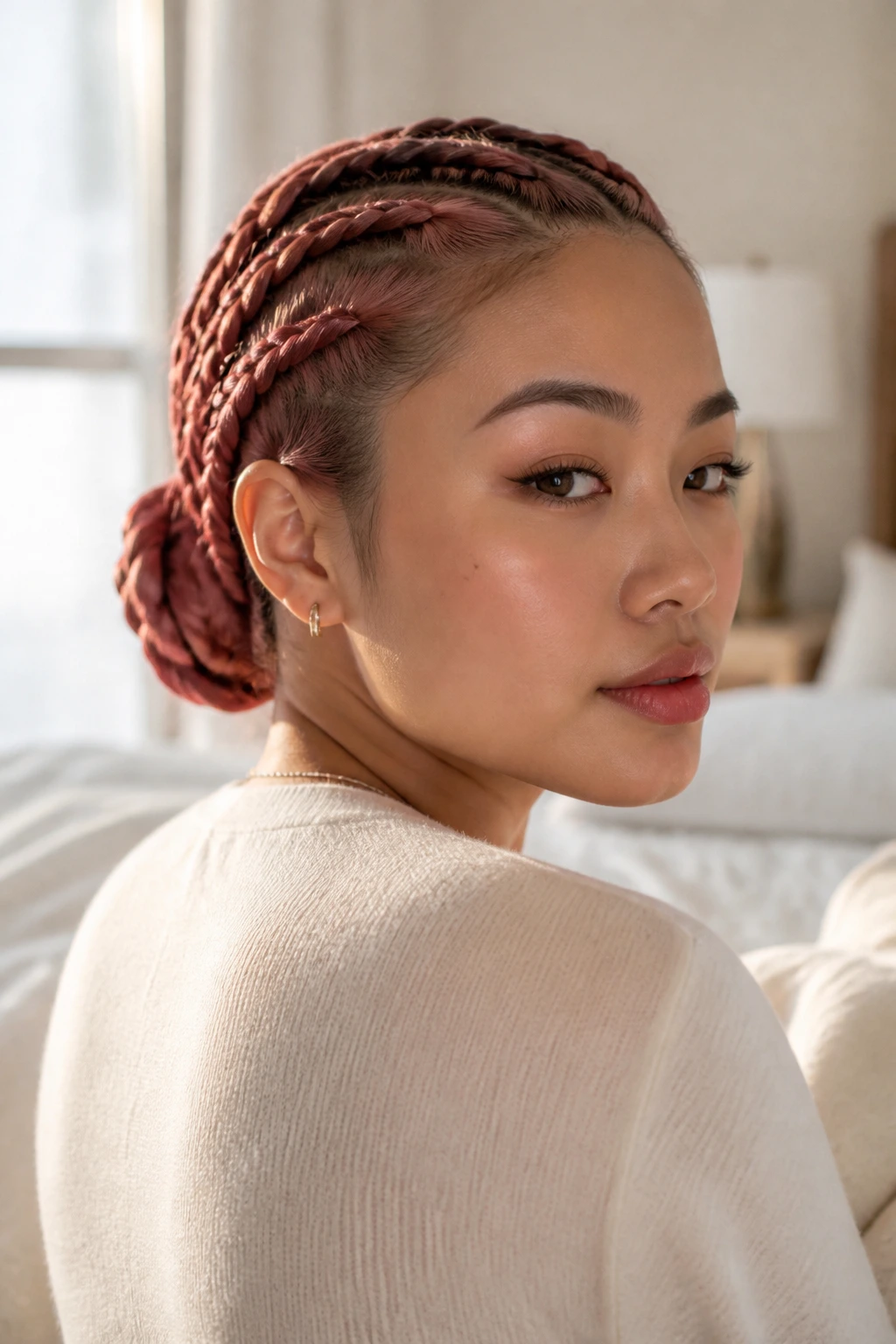
When you lighten your hair to the level required for rose wine, you have essentially stripped away much of its natural strength and moisture. Protective styling becomes essential. This doesn’t necessarily mean you have to wear braids or updos every day, but it does mean being mindful of heat exposure and friction. Using a heat protectant spray is non-negotiable before using any blow-dryers, flat irons, or curling wands. Heat can strip the color right out of the hair and lead to further breakage on already sensitized strands.
The Dangers of Heat
High-heat styling is the enemy of pastel hair. If your flat iron is set to 400°F, you are likely burning the delicate dye molecules and further drying out your hair. Keep your tools on the lowest effective heat setting—usually around 300°F to 325°F is sufficient for most styles. Never linger on one section of hair; keep the iron moving to distribute heat evenly.
Friction and Breakage
Cotton pillowcases can cause friction that leads to frizz and breakage, especially on sensitized hair. Switching to a silk or satin pillowcase reduces this friction significantly. It is a small investment that preserves both your color and the texture of your hair over the long term.
8. Cold Water Rinses and Color Retention
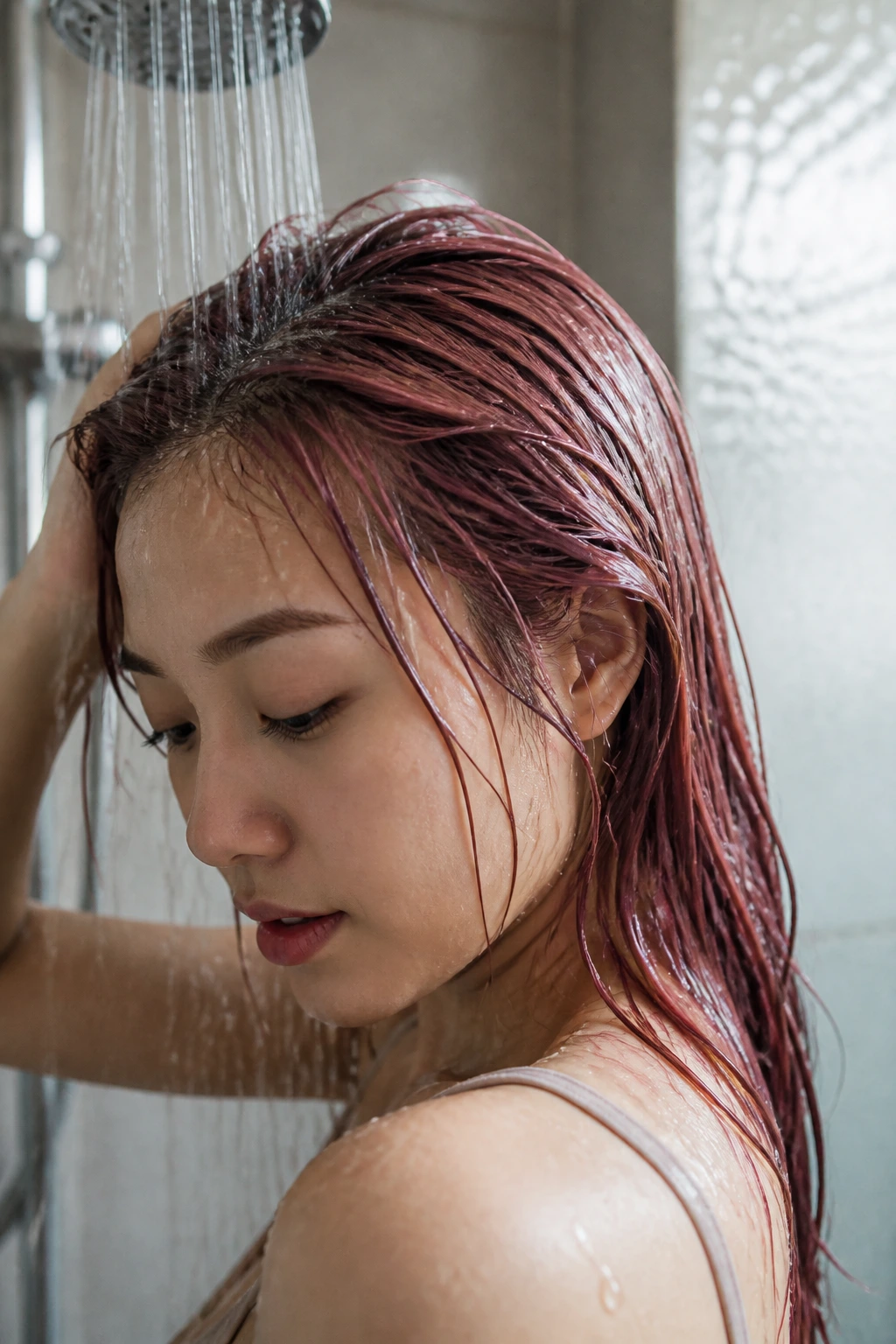
It sounds like a cliché, but washing your hair with cold water is one of the most effective ways to make your color last. Hot water opens the hair cuticle, which allows the pigment to escape every time you shower. Cold water, by contrast, helps seal the cuticle, trapping the color inside and keeping your hair looking shiny and smooth. This is particularly important for rose wine, which relies on a sleek, light-reflective surface to show off its multi-dimensional quality.
Building the Habit
You don’t need to take an ice-cold shower to see the benefits. Simply rinse the shampoo and conditioner out with the coldest water you can comfortably handle. It takes an extra minute, but the reduction in fading over the course of a month is measurable. Your hair will also thank you, as cold water helps smooth down the hair shaft, resulting in significantly less frizz.
The “Dry Shampoo” Strategy
Every time you wash your hair, you are washing away a little bit of color. Extending the time between washes is the simplest way to keep your hair vibrant. Use a quality dry shampoo on your roots to absorb oil and keep your hair looking fresh. This allows you to go three or four days between real washes, which can double the lifespan of your professional color service.
9. Dealing with Porosity Issues
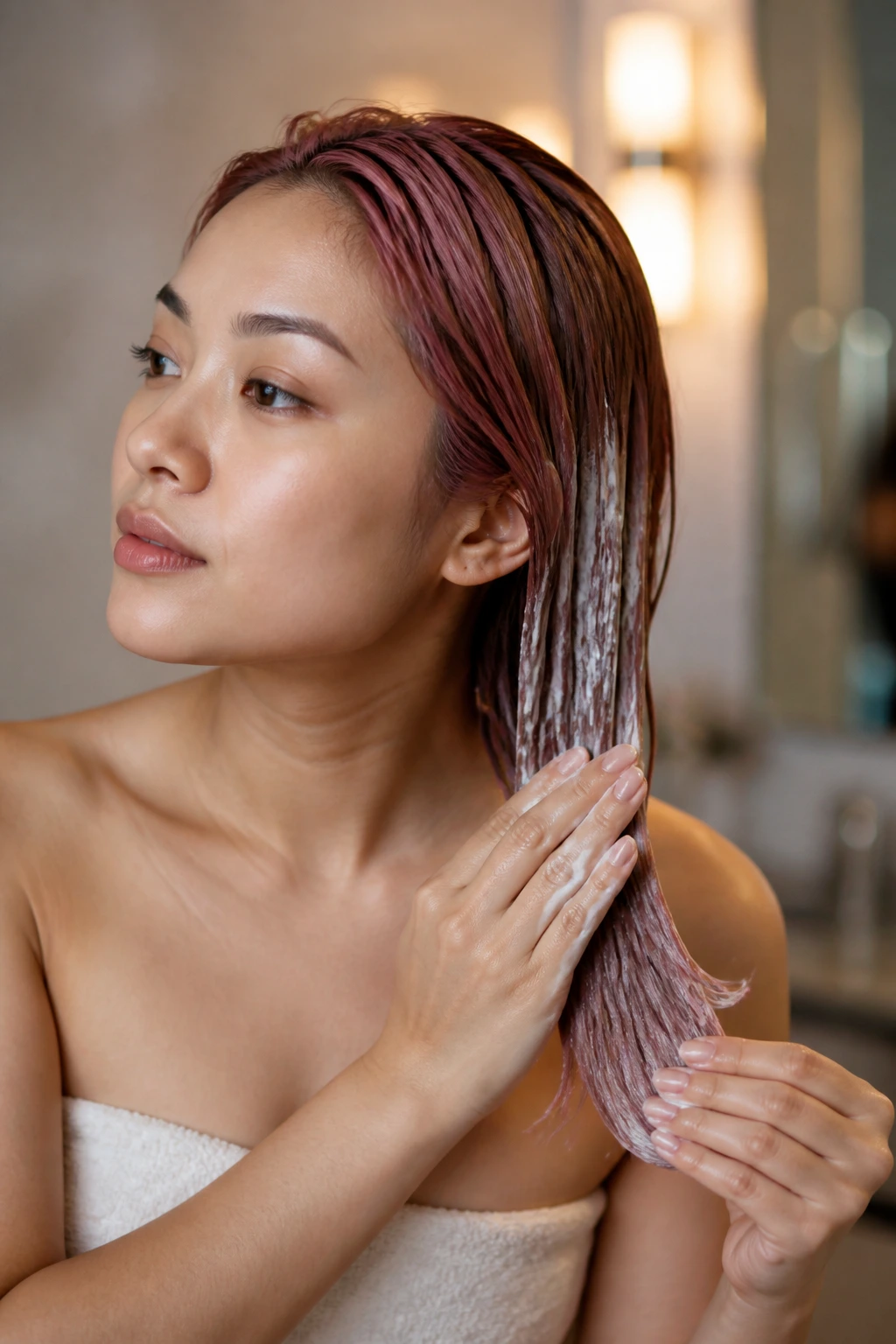
Bleached hair is, by definition, porous. This means it absorbs moisture and color quickly, but it also releases them just as fast. If your hair feels like it dries out immediately after getting wet, it is highly porous. You need to treat this porosity to keep your rose wine hair from looking dull or “frizzy.” Protein treatments and deep conditioning masks are your best friends. They fill in the gaps in the cuticle, making the hair feel smoother, stronger, and more capable of holding onto those beautiful rose pigments.
Protein vs. Moisture
Too much protein can make hair brittle, and too much moisture can make it limp. The key is to find the right balance. Start with a deep conditioning mask once a week and an occasional protein treatment once every month. Pay attention to how your hair reacts—if it feels straw-like, it needs moisture; if it feels gummy or overly elastic, it needs a protein boost.
Leave-in Conditioners
A leave-in conditioner is an essential step in your daily routine. Apply it to damp hair after washing, focusing on the mid-lengths and ends where the hair is most prone to dryness. This creates a barrier of moisture that lasts throughout the day, preventing your hair from becoming a tangled mess and ensuring that your color looks consistent from root to tip.
10. Seasonal Adjustments to the Tone
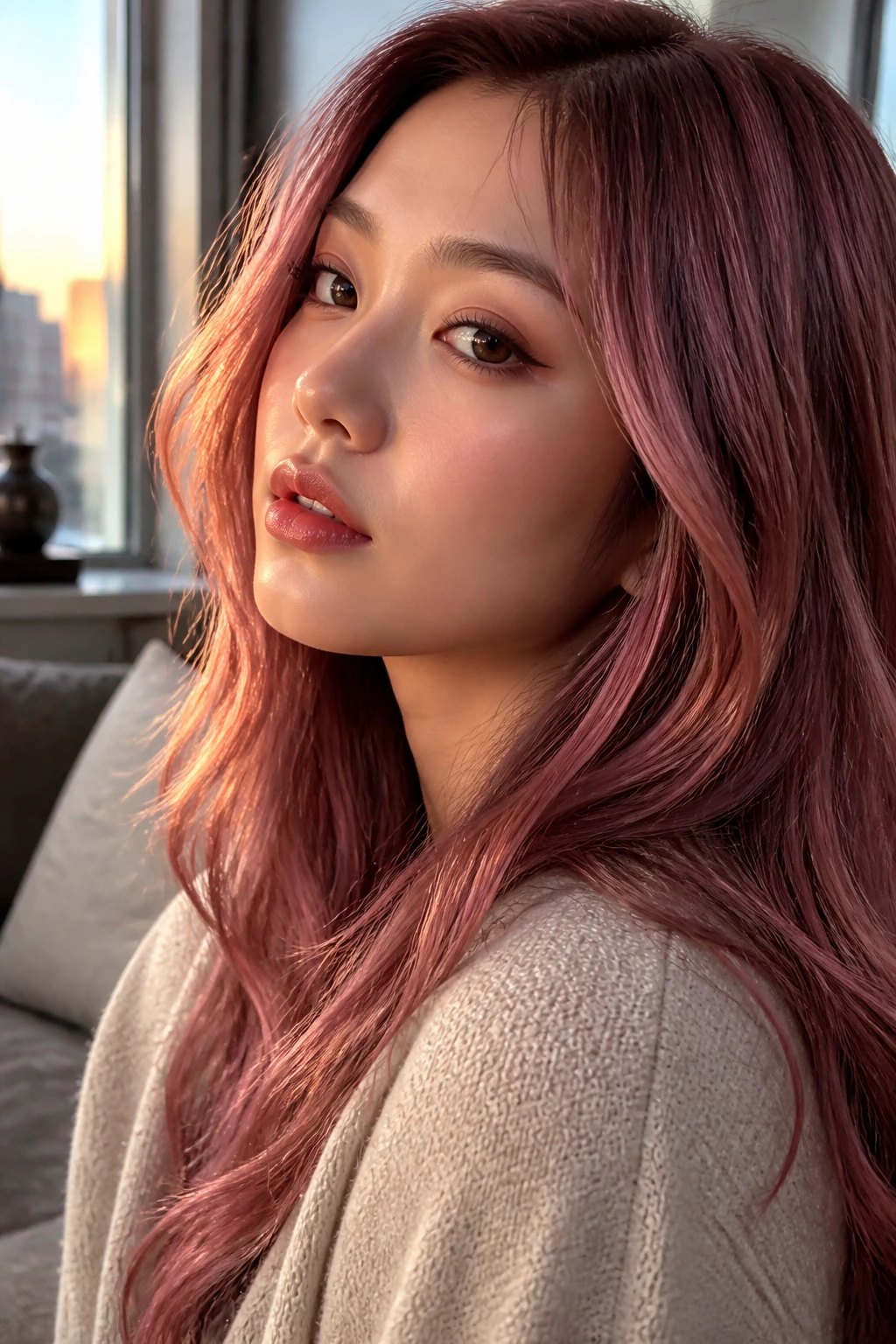
While rose wine is a beautiful year-round color, you might find that your preferences change with the seasons. During the warmer months, you might prefer a brighter, more “peachy-rose” tone that reflects the abundance of light. As the year cools down, a deeper, more “mauve-wine” shade can feel warmer and more seasonally appropriate. The beauty of the semi-permanent color refresh system is that you can switch these tones slightly without having to go back to the salon for a major overhaul.
Customizing Your Color
You can easily mix two different color-depositing conditioners together to create a custom shade. If your hair is currently a dusty rose and you want to lean into a deeper berry-wine for the colder months, simply mix a small amount of violet-toned pigment into your regular rose conditioner. It is a low-risk way to play with your look and keep things fresh without the commitment of a permanent dye.
Adapting to Skin Tone Shifts
Keep in mind that your skin tone might shift slightly depending on your sun exposure throughout the year. If you find that your rose wine hair suddenly looks a bit “off” when you haven’t been in the sun for a while, it might be that your skin has lost its summer glow. You don’t need a new hair color; you might just need to adjust your blush or bronze to compensate.
11. Avoiding Common Mistakes During the First Week
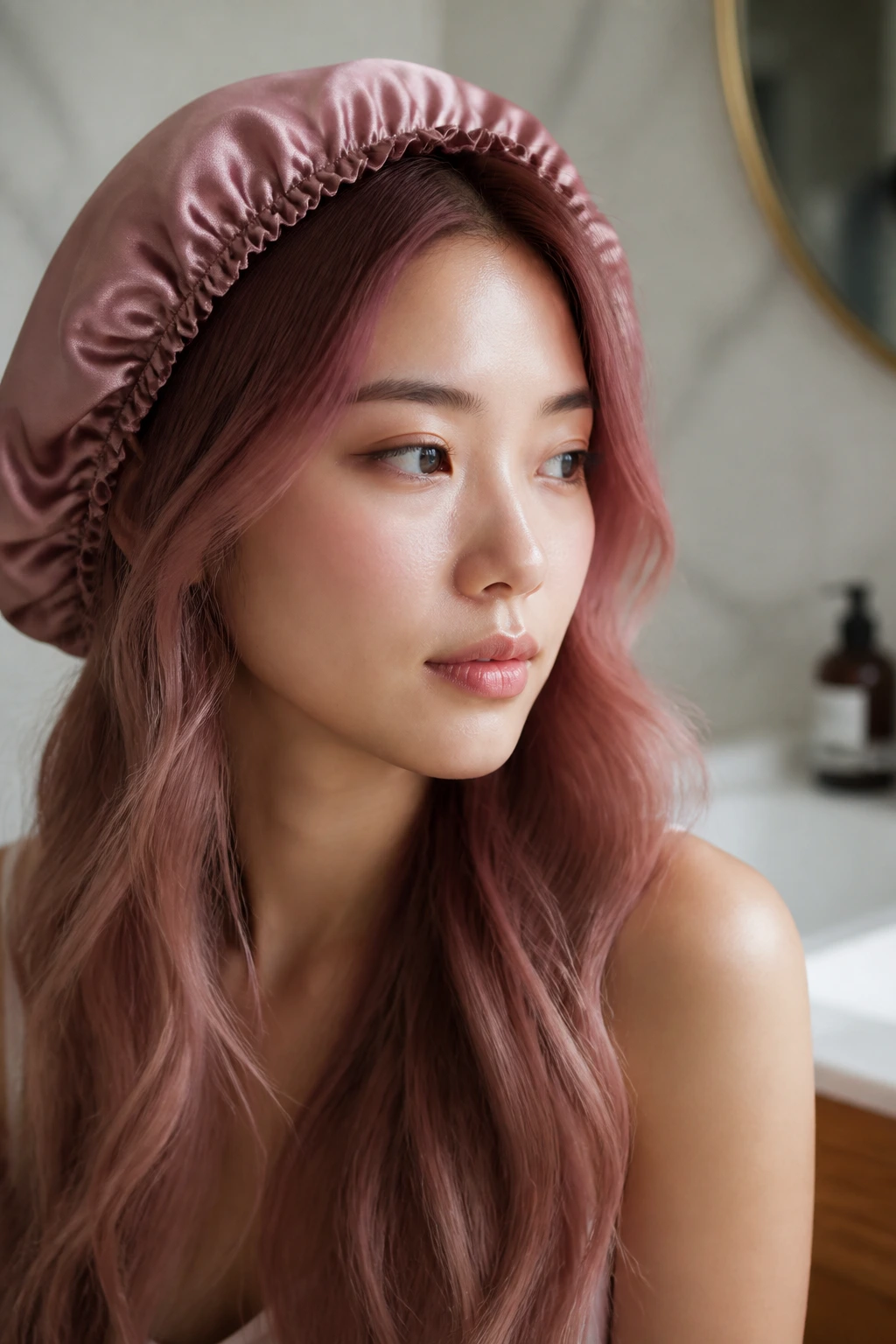
The first seven days after you get your hair done are the most critical. This is when the color is most susceptible to washing out or becoming uneven. Do not wash your hair for at least 48 hours after your appointment. This gives the pigment time to fully “set” within the hair shaft. Avoid heavy products, swimming pools, and intense sun exposure during this window. Treating your hair with a little bit of extra care during this first week sets the stage for months of vibrant, beautiful color.
The Chlorine Trap
If you go swimming, especially in chlorinated water, the chlorine will aggressively strip your color and turn your beautiful rose hair into a brassy, faded mess. If you must swim, saturate your hair with clean water before entering the pool and apply a generous layer of leave-in conditioner or hair oil. This creates a physical barrier that prevents the chlorinated water from soaking into your strands.
Product Build-up
Avoid products that contain heavy silicones or sulfates in the first week. Sulfates are surfactants that are designed to strip oil, and they are equally effective at stripping hair color. Look for labels that explicitly state “sulfate-free” and “color-safe.” While this is good advice for the long term, it is especially important in those first few days when the cuticle is still adjusting.
12. Final Thoughts
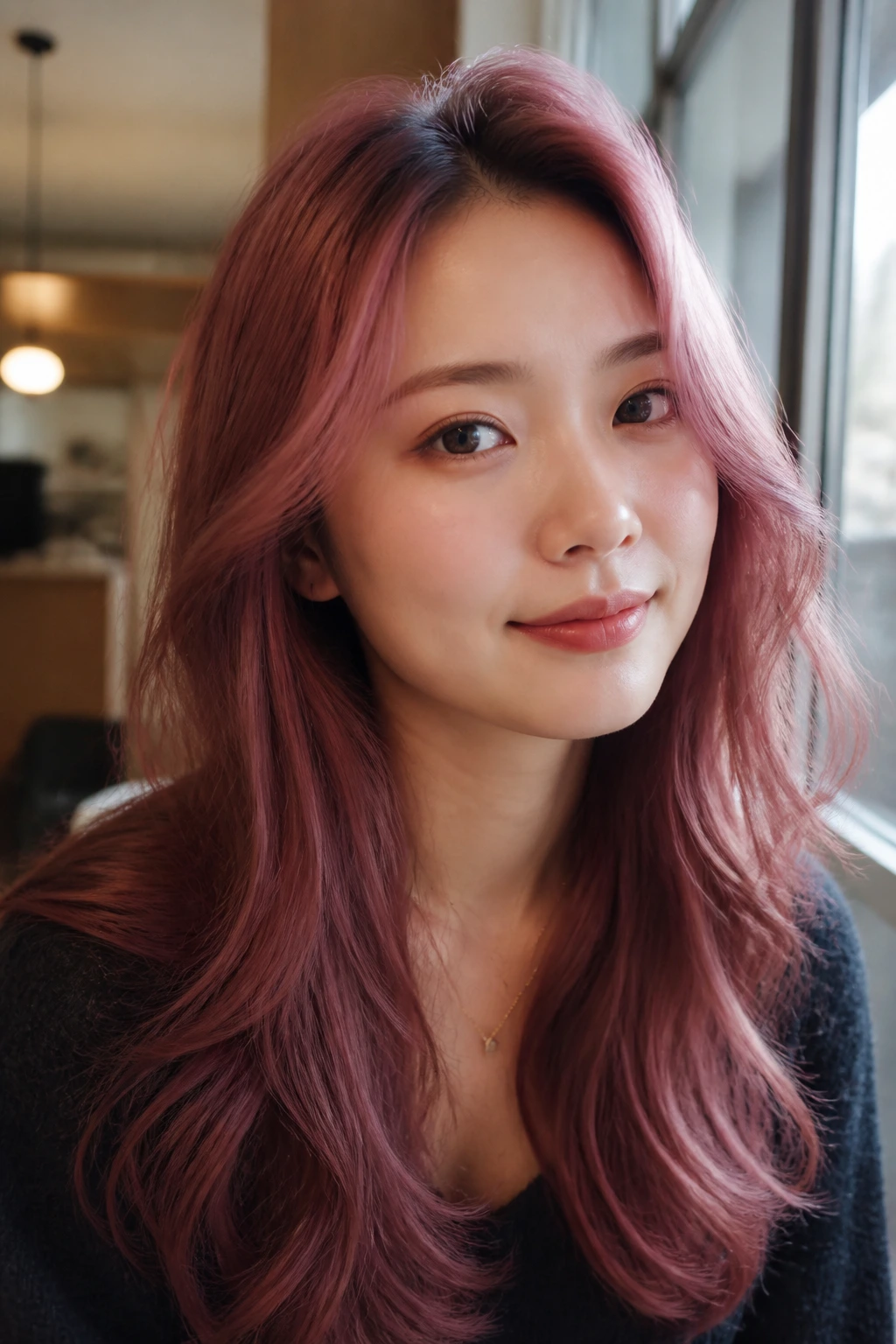
Achieving and maintaining the perfect rose wine hair on Asian hair is a journey of patience, precision, and proactive care. It is not a “set it and forget it” look; it is a style that requires your active participation. By prioritizing the health of your hair through the lightening process, choosing the right shades for your specific complexion, and keeping a color-depositing system in your shower, you can enjoy a vibrant, head-turning look that feels entirely your own.
Remember that your hair is a reflection of how you treat it. While the color itself is temporary, the health of your hair is a long-term investment. Don’t be afraid to ask your stylist for advice during your consultation, and don’t hesitate to experiment with the tone using at-home refreshers. The most beautiful hair color isn’t necessarily the one that is currently trending; it is the one that makes you feel the most confident when you look in the mirror. Enjoy the process of finding your perfect shade, and embrace the versatility that this stunning color offers.