


Asian hair is defined by its round cross-section, which results in a straight, thick, and typically coarse texture that holds onto moisture differently than other hair types. If your hair is poker-straight and resists holding a curl, or if you feel like your ends are constantly dry despite using a mountain of products, you aren’t doing anything wrong. You are simply dealing with a structural reality. Growing healthy, vibrant hair that retains both its natural shine and its shape requires a shift in how you wash, dry, and protect your strands. We often treat hair as an inanimate object to be styled, but looking at it as a living, fragile material—like fine silk—changes everything. Let’s look at how to refine your approach.
Choosing the Right Shampoo for High-Density Strands
Many people with Asian hair assume that because their hair feels thick, they need to scrub vigorously to get it clean. This is a mistake. The cuticle of your hair is very dense, which is great for durability but bad for product penetration. When you use harsh detergents that strip away every bit of oil, your hair responds by becoming brittle. Instead of buying whatever is on the end-cap at the grocery store, look for formulas that emphasize hydration over volume.
If you struggle with hair that feels heavy or greasy at the roots but dry at the tips, your scalp is likely overcompensating for the dryness you are creating at the ends. Try to find a shampoo that is sulfate-free. While sulfates provide that satisfying, thick lather, they act like a harsh dish soap on your scalp. A gentler cleanser will allow your natural sebum to travel down the shaft more effectively, naturally conditioning the hair from root to tip. Focus your scrubbing effort exclusively on your scalp, letting the suds merely rinse over your ends.
Why Cold Water Rinsing Is Non-Negotiable
Have you ever wondered why your hair looks dull even after using expensive conditioners? Heat is likely the culprit. When you wash your hair with hot water, the high temperature forces the hair cuticle—the protective outer layer—to lift. A raised cuticle loses moisture instantly and looks matte rather than glossy. It also makes your hair prone to snagging on your pillowcase or brush.
The Science of the Cool Rinse
- Hot water opens the cuticle, which is necessary for shampoo to clean but detrimental during the conditioning phase.
- Cold water causes the cuticle to lay flat, sealing in moisture and creating a smooth, reflective surface that light can bounce off of.
- This simple temperature switch provides the “glass hair” effect that many salon treatments charge a premium for.
You do not need to take an ice-cold shower. Simply turn the dial to the coldest setting for the final thirty seconds of your rinse. You will notice the difference immediately as you comb through your wet hair. It will feel less tangled and significantly more slippery, which means less breakage when you finally reach for your detangling tool.
The Proper Technique for Towel Drying
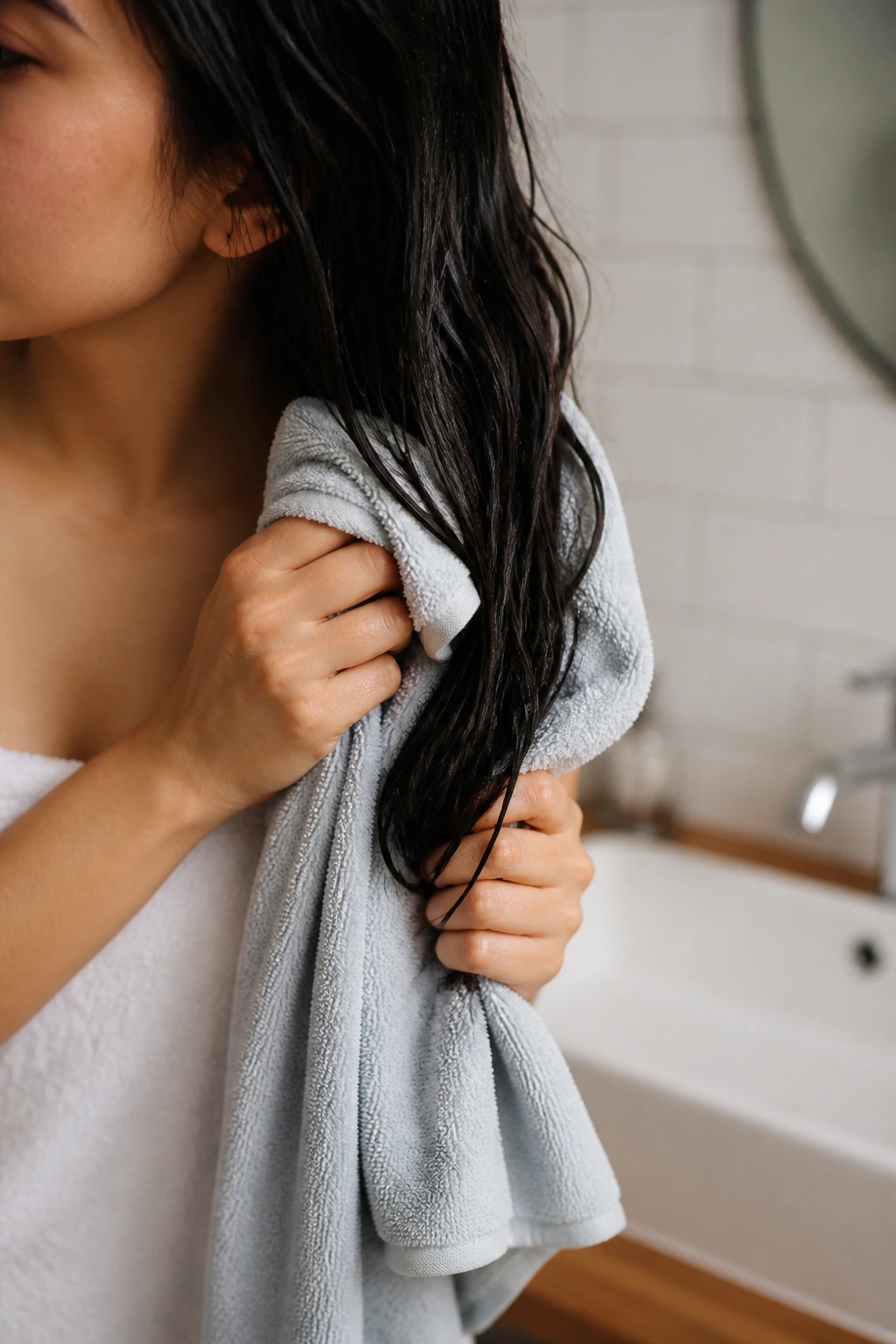
Rubbing your hair aggressively with a standard bath towel is the fastest way to cause mechanical damage. Asian hair, despite its strength, is incredibly fragile when it is soaked with water. The friction caused by a terrycloth towel creates micro-tears in the outer layer, leading to frizz that no amount of serum can truly tame. It is time to ditch the terrycloth entirely.
Use a microfiber towel or an old, soft cotton T-shirt to gently squeeze the moisture out of your strands. Think of your hair like a delicate fabric. You want to blot and press, never twist or saw back and forth. By removing the excess water through careful compression, you leave the cuticle undisturbed. This step alone can reduce your post-wash frizz by nearly half. If you are prone to morning knots, this technique is your best defense.
Investing in a High-Quality Detangling Comb
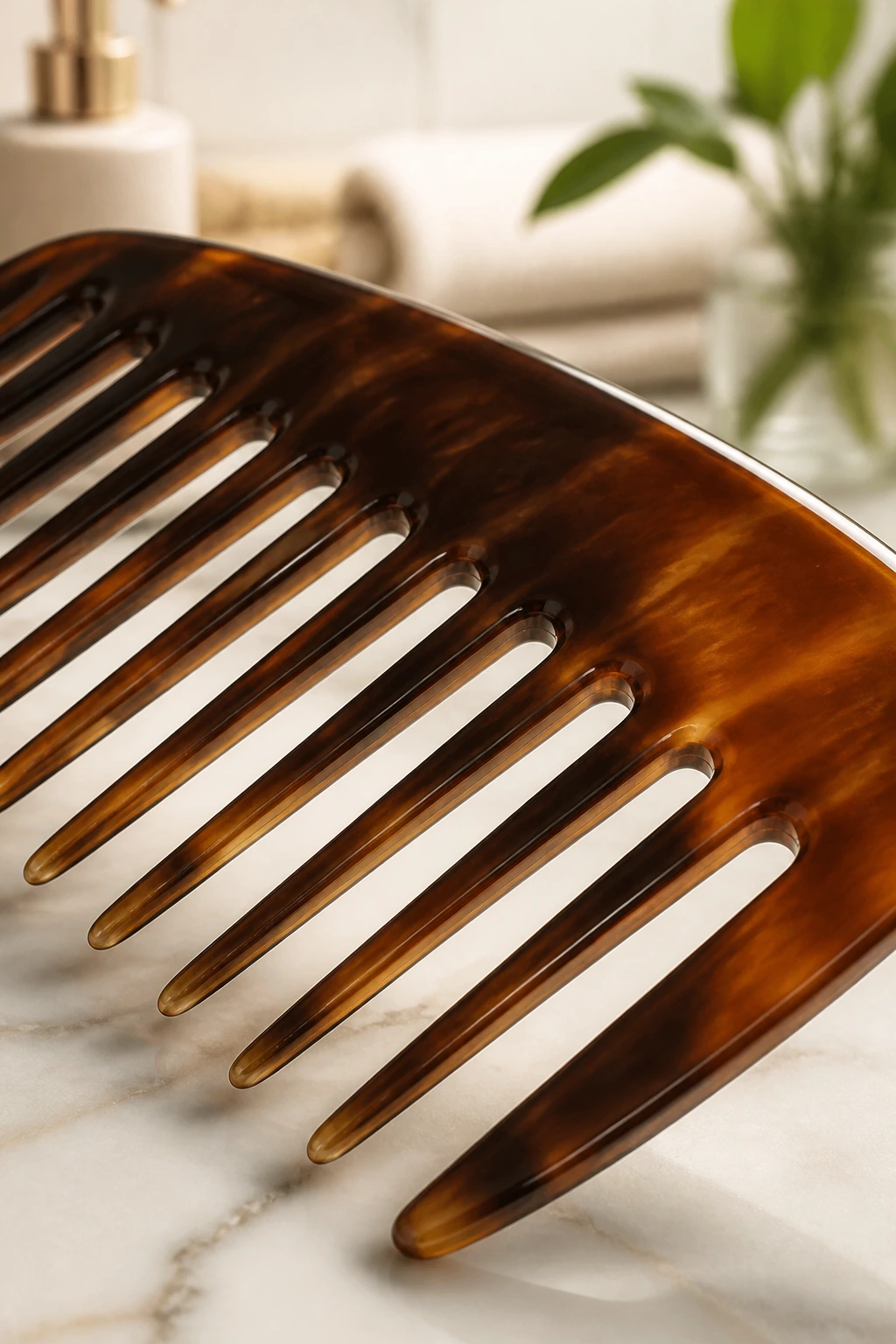
Brushes are great for styling, but for wet hair, you need a wide-tooth comb. When your hair is wet, it is at its most elastic state, meaning it stretches before it snaps. A brush with dense bristles will catch on every tiny knot and pull your hair until it breaks or stretches out of shape. A wide-tooth comb allows you to work through tangles without applying excessive tension.
Always start at the very bottom and work your way up to the roots. By detangling the ends first, you clear the path for the rest of the hair. If you start at the root and pull down, you are essentially packing multiple small tangles into one giant, impossible knot. Take your time. This process should be slow and meditative. If you are rushing through your detangling session, you are likely snapping strands without even realizing it.
The Importance of Regular Trims for Asian Hair
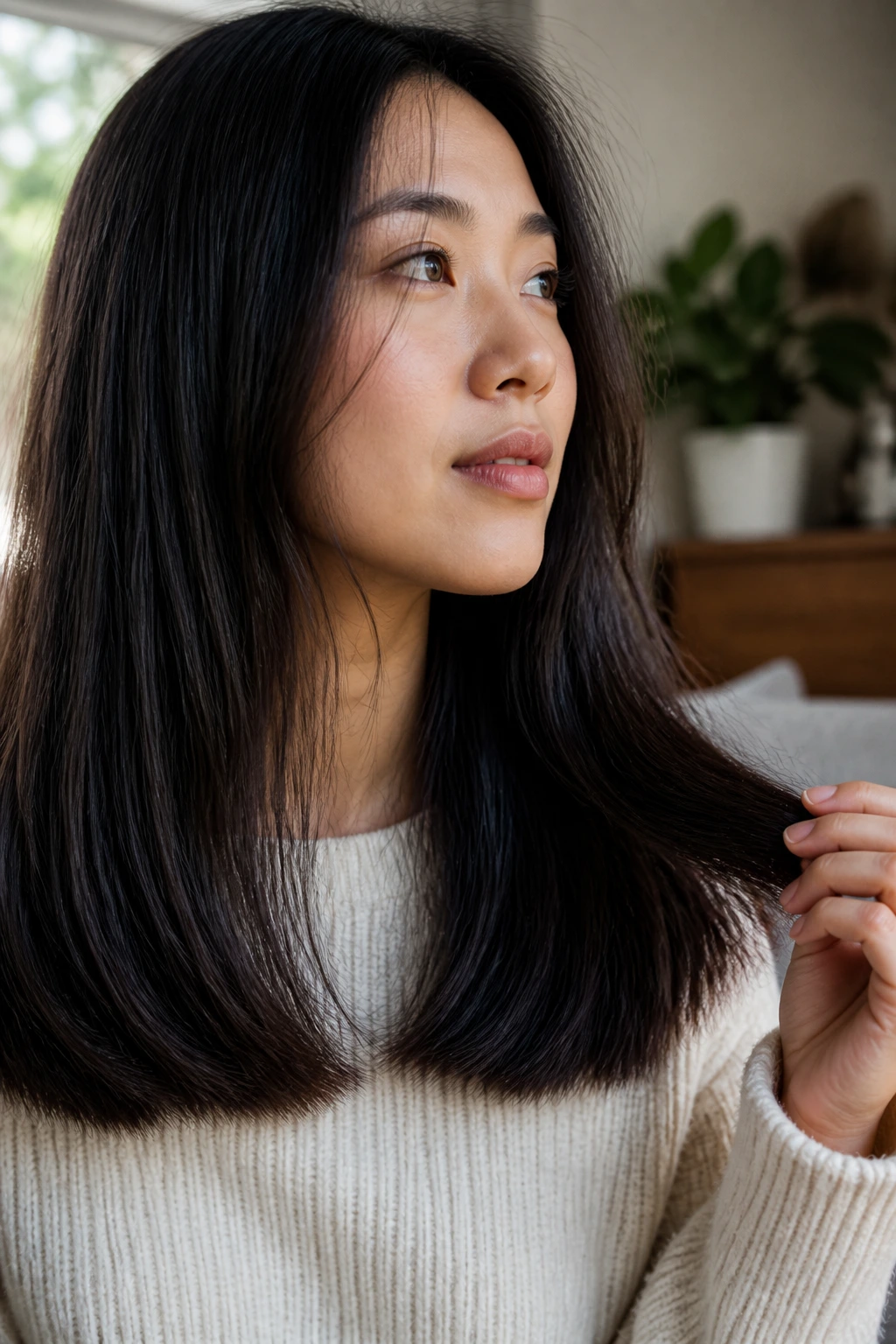
Because Asian hair is often quite strong, we tend to let it grow for months or even years without a cut. We figure that because it doesn’t look damaged, it doesn’t need attention. This is a classic trap. Even if you don’t use heat tools, daily wear and tear—like sleeping, brushing, and environmental pollution—will eventually cause the ends to weaken. Once the ends are split, that split will travel upward like a run in a pair of stockings.
Aim for a minor dusting of your ends every ten to twelve weeks. You don’t need to take off inches; a quarter-inch is usually enough to keep the structural integrity of your hair intact. When your ends are healthy, the weight of the hair hangs more uniformly, which actually makes it appear longer and fuller. A crisp, healthy baseline is the foundation of every great hairstyle.
Managing Scalp Health as the Foundation
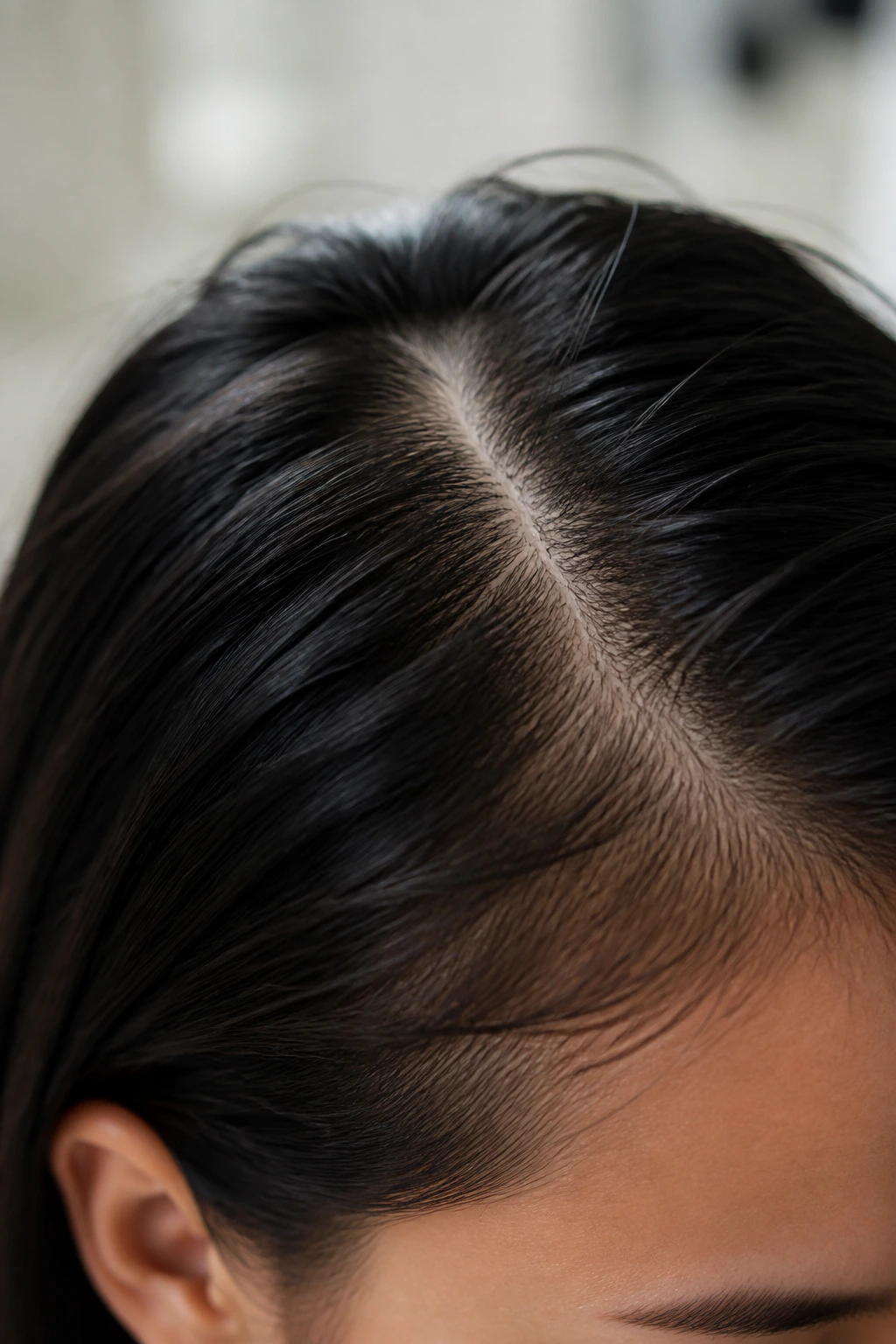
We spend so much time focusing on the mid-lengths and ends that we often ignore the skin the hair grows from. Asian hair is prone to scalp buildup, especially if you use dry shampoo or styling products regularly. A clogged follicle cannot produce strong, healthy hair. If your hair feels limp or falls flat at the roots, it isn’t just a styling issue—it’s a scalp issue.
Consider using a scalp scrub once or twice a month. You can find gentle exfoliators with fruit enzymes or finely ground salts that help buff away dead skin cells and product residue. If you prefer a DIY route, a light mixture of brown sugar and a drop of jojoba oil works wonders. Massage it into your scalp before you shampoo, then rinse thoroughly. A healthy, oxygenated scalp is the prerequisite for hair that feels thick and vibrant.
Why Silk Pillowcases Are a Beauty Investment
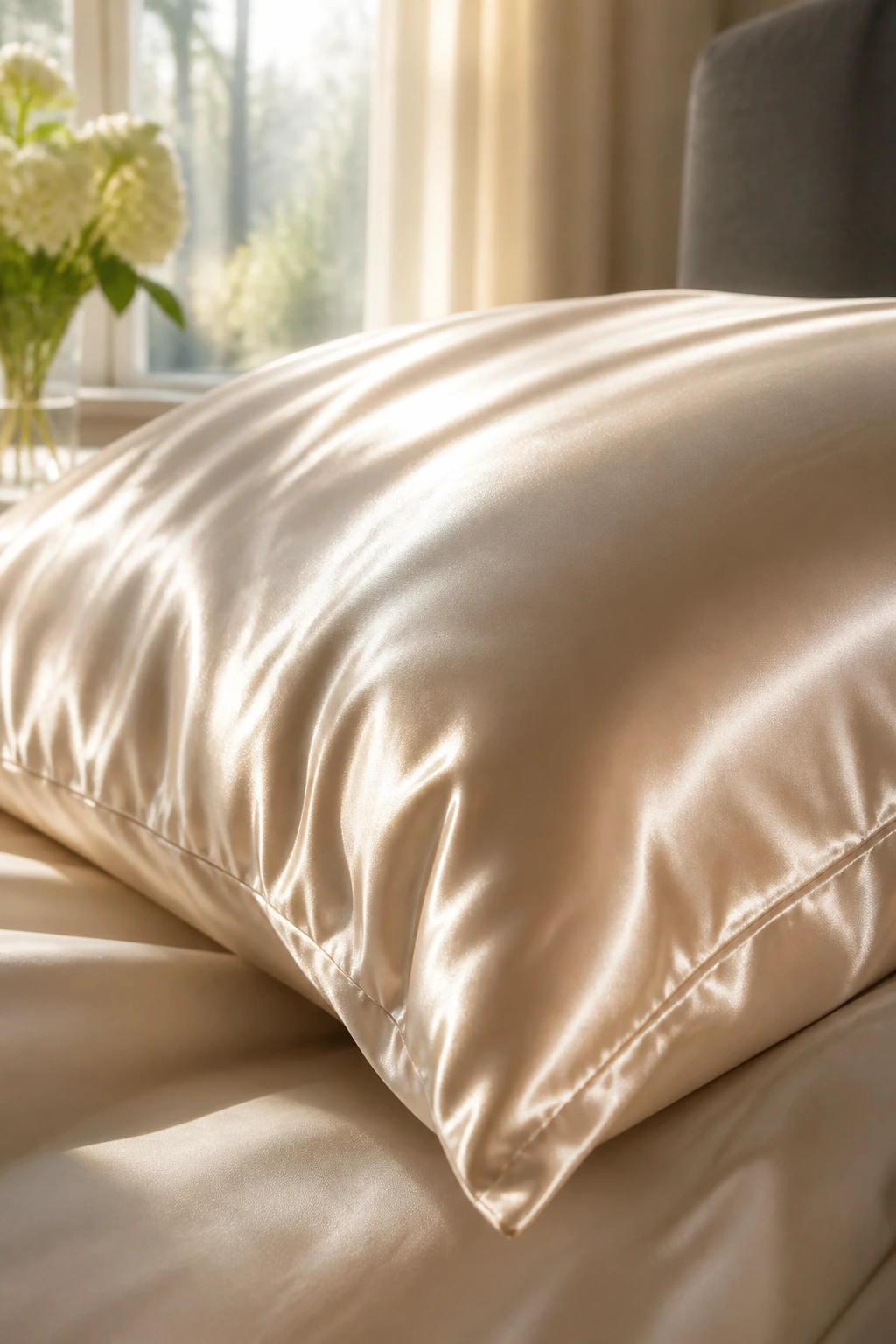
Cotton pillowcases are abrasive. Every time you turn your head during the night, the fibers of your hair rub against the coarse weave of a standard cotton case. This causes friction, which results in bedhead, morning frizz, and long-term thinning along the areas where your head rests the most. Silk or high-grade satin pillowcases provide a frictionless surface.
Your hair will glide across the fabric instead of catching on it. This simple change allows you to wake up with hair that is still smooth and organized, often requiring very little styling to head out the door. It also helps preserve your natural oils, as silk is much less absorbent than cotton. It is one of those rare “set it and forget it” tips that actually pays off every single day of the year.
The Truth About Heat Protection
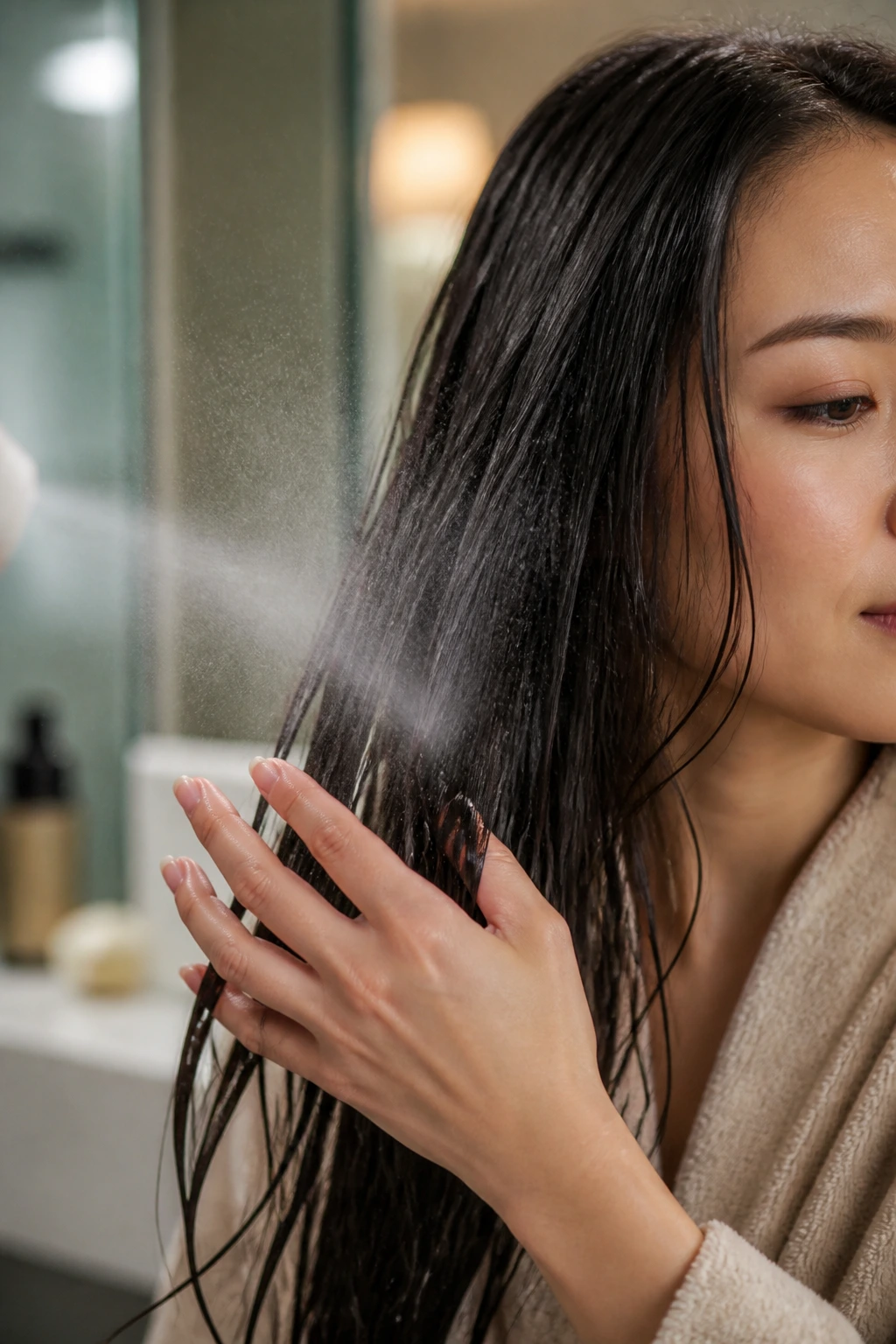
If you use a flat iron or a curling wand, you are essentially applying direct, searing heat to your hair. Asian hair can look shiny, but that shine can turn into a scorched, brittle texture if you aren’t careful. Never, ever apply high heat to your hair without a dedicated thermal protectant spray. These products create a microscopic barrier that distributes heat more evenly and prevents the moisture inside the shaft from vaporizing.
Look for a product that is lightweight and non-sticky. If your spray feels like hairspray, it’s too heavy. You want a fine mist that dries quickly. Apply it to damp hair before you blow-dry, and if you use hot tools on dry hair, let the protectant dry completely before the iron touches your strands. If you hear a sizzling sound, that is a warning signal—your hair is burning. Stop immediately and let your hair dry further.
Drying Hair Naturally vs. Blow-Drying
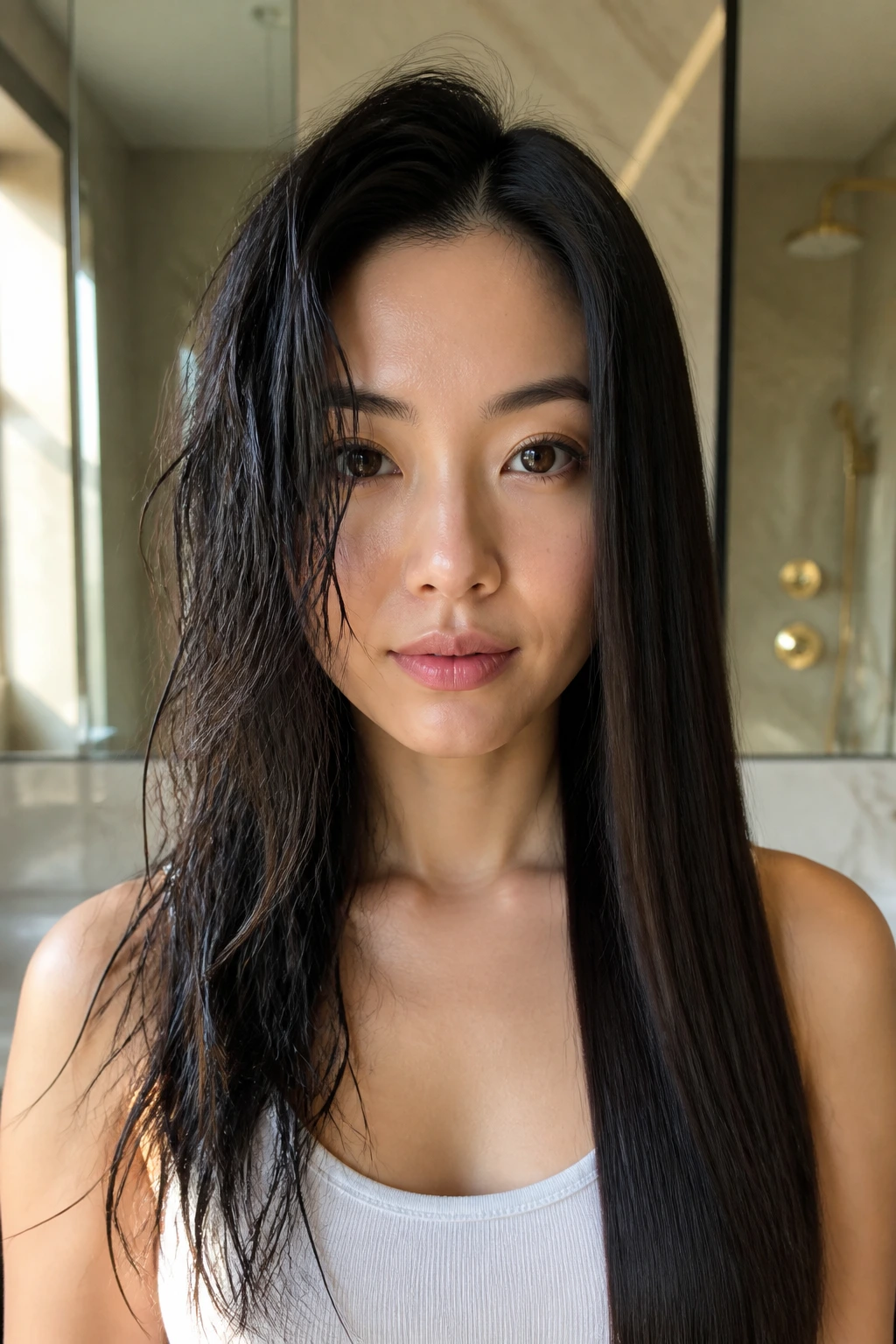
Air drying is often held up as the healthiest option, but for thick, dense hair, it can actually be problematic. When your scalp stays damp for hours, it creates an environment where fungus can grow, and the weight of the water can actually stretch your hair follicles. A blow-dryer, used correctly, is a precision tool that helps you seal the cuticle before your hair has a chance to fray.
Use a low-heat setting and keep the dryer at least six inches away from your head. Always point the nozzle downward toward the ends. This helps smooth the cuticle layer in the direction it grows, which is the secret to that professional-looking shine. If you have the patience, let your hair air-dry until it is about 80 percent dry, then use the blow-dryer to polish the look. It’s the best of both worlds.
Identifying Your Hair’s Porosity
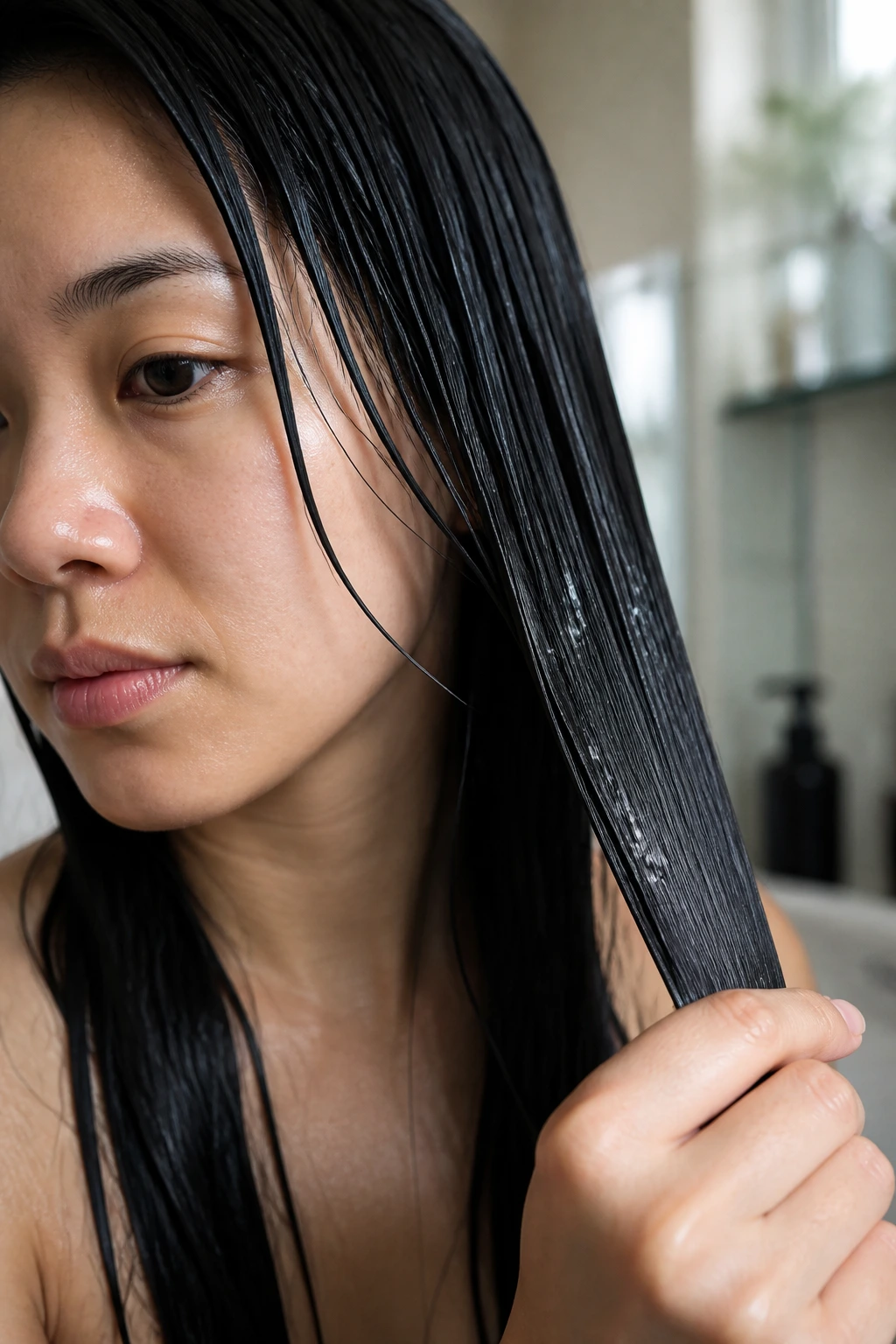
Porosity refers to how well your hair absorbs and retains moisture. High porosity hair has gaps in the cuticle and drinks up water quickly, but it also lets that water evaporate just as fast. Low porosity hair—which is very common in Asian hair—has a tightly closed cuticle that is difficult for water to penetrate. If you notice that water beads up on your hair and takes forever to dry, you likely have low porosity.
Because your cuticle is so tight, heavy conditioners and masks often just sit on the surface, making your hair look greasy. You need heat to help those products sink in. The next time you apply a deep conditioner, wear a shower cap and wrap a warm towel around your head, or use a steamer for five minutes. The warmth will lift the cuticle just enough for the product to actually work its way inside the shaft, giving you true hydration.
The Role of Diet in Hair Strength

No topical product can fix a nutritional deficiency. Asian hair is heavily dependent on protein, as the hair shaft itself is primarily made of keratin. If you are not getting enough protein in your daily diet, your hair will eventually show it by becoming thin, weak, or prone to breakage. You don’t need to change your entire life, but keep an eye on your intake of iron, zinc, and healthy fats.
Omega-3 fatty acids, found in things like salmon, walnuts, and flaxseeds, are incredible for scalp health. They keep the scalp lubricated, which prevents the dryness that leads to itching and flaking. Incorporate a variety of colorful vegetables and high-quality protein sources into your meals. When your body has the raw materials it needs, your hair will grow out stronger and more resistant to the damage it faces in the outside world.
Avoiding Over-Processing with Chemicals
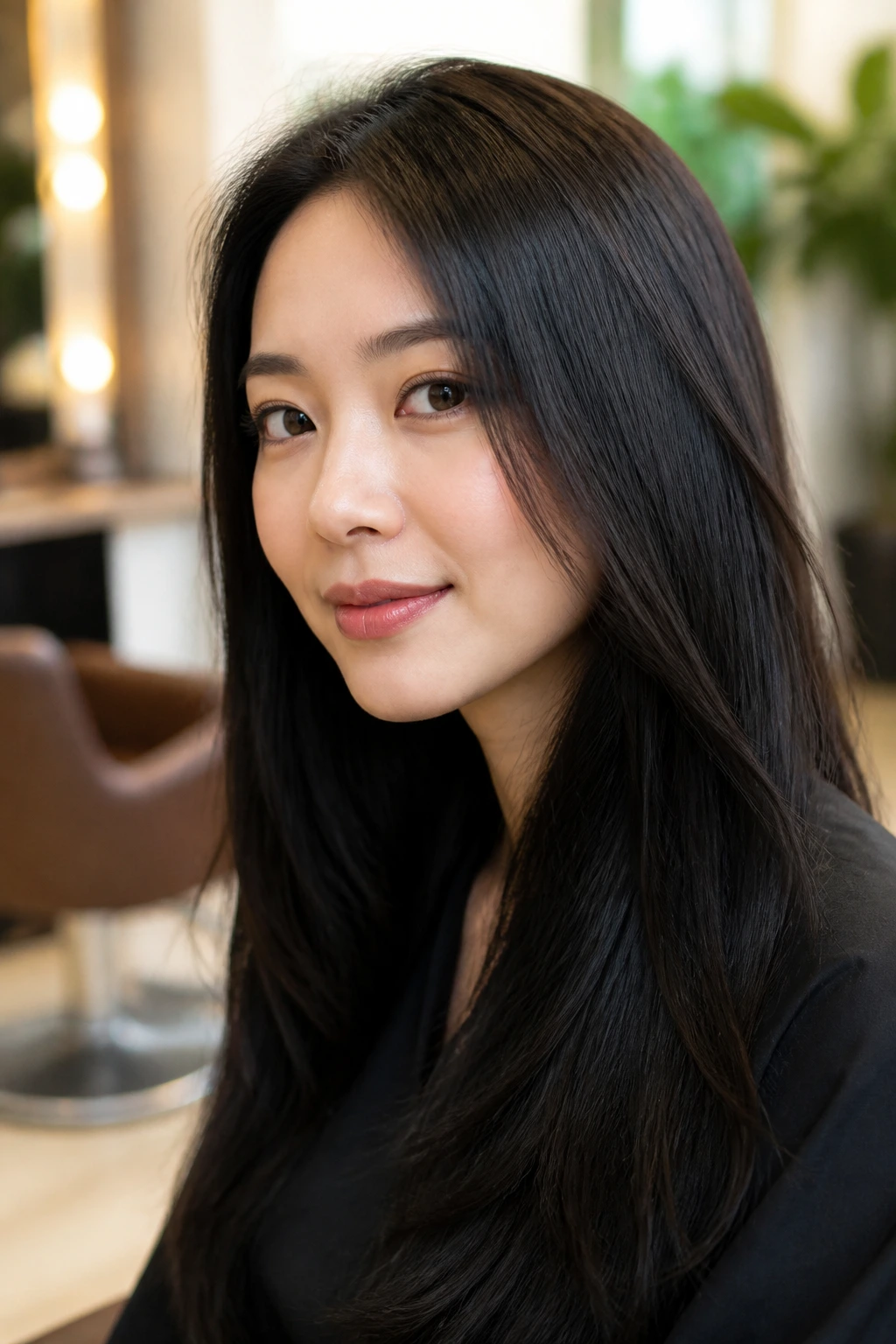
Perms, Japanese straightening treatments, and bleach are the biggest enemies of hair integrity. While they can provide amazing, temporary style changes, they permanently alter the molecular structure of your hair. If you are someone who loves to change their look, prioritize quality over frequency. Do not try to rush a color process. If you want to go from dark to light, do it over several months, not in a single afternoon.
If you choose to use chemical treatments, you must compensate with a higher level of maintenance. This means increasing your deep conditioning frequency and being even more careful with heat. There is no shame in having processed hair, but there is a reality to the maintenance required. If you aren’t prepared to put in the extra care, it is usually better to skip the chemical change altogether.
Managing Static Electricity
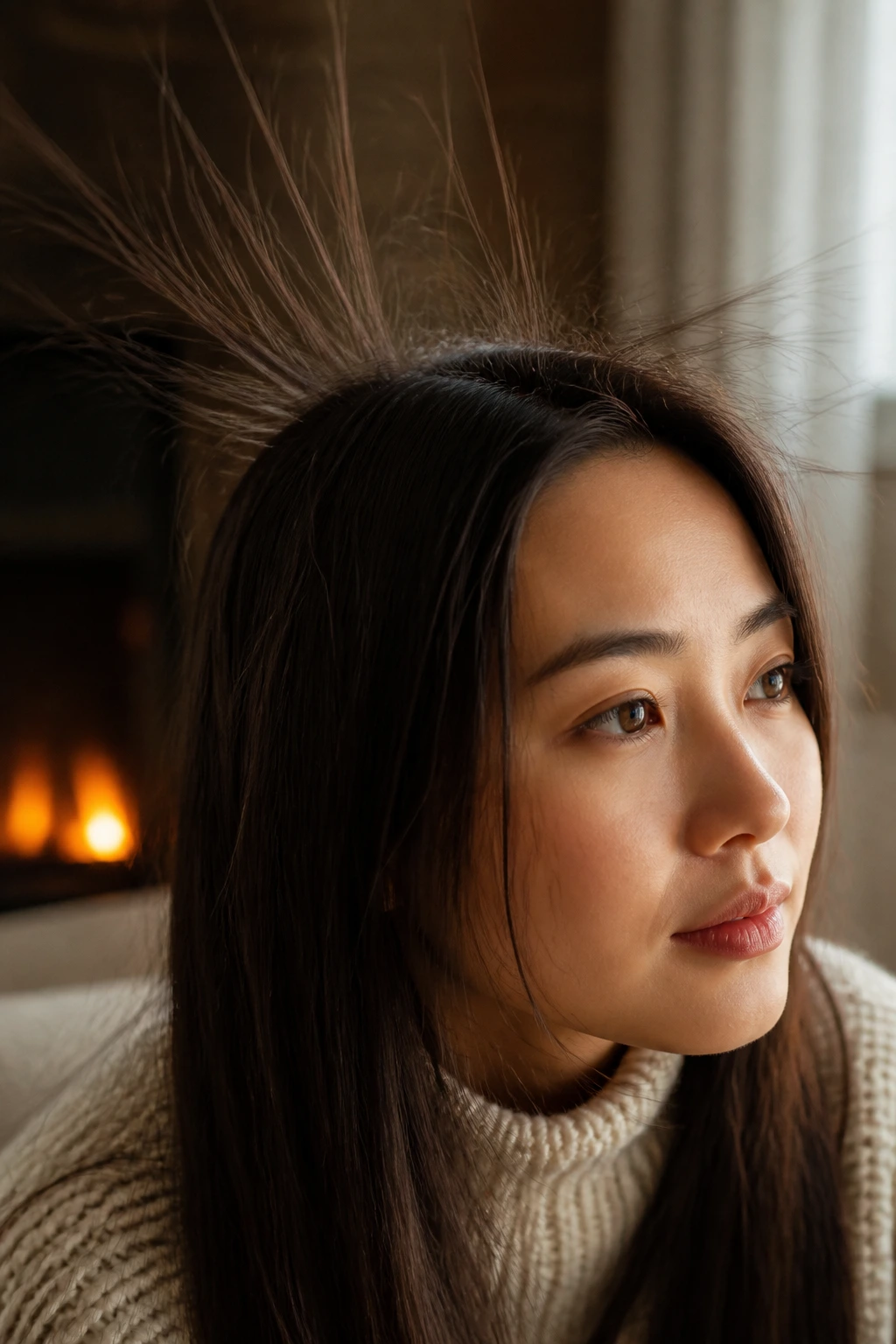
In colder months or dry environments, static electricity can make your hair stand up and fly away. This happens because your hair is lacking the moisture it needs to conduct electricity properly. Dry air steals moisture from your strands, and nylon brushes or wool hats only add to the problem. The fix is a combination of hydration and surface management.
Keep a travel-sized bottle of lightweight leave-in conditioner in your bag. If you notice your hair starting to fly away, rub a tiny amount—no more than a pea-sized drop—into your palms and gently smooth it over the surface of your hair. Do not saturate the hair; you just want to add a light coating to neutralize the charge. Using a wooden or boar-bristle brush can also help, as these materials do not create the same static charge that plastic bristles do.
The Art of Protective Hairstyling
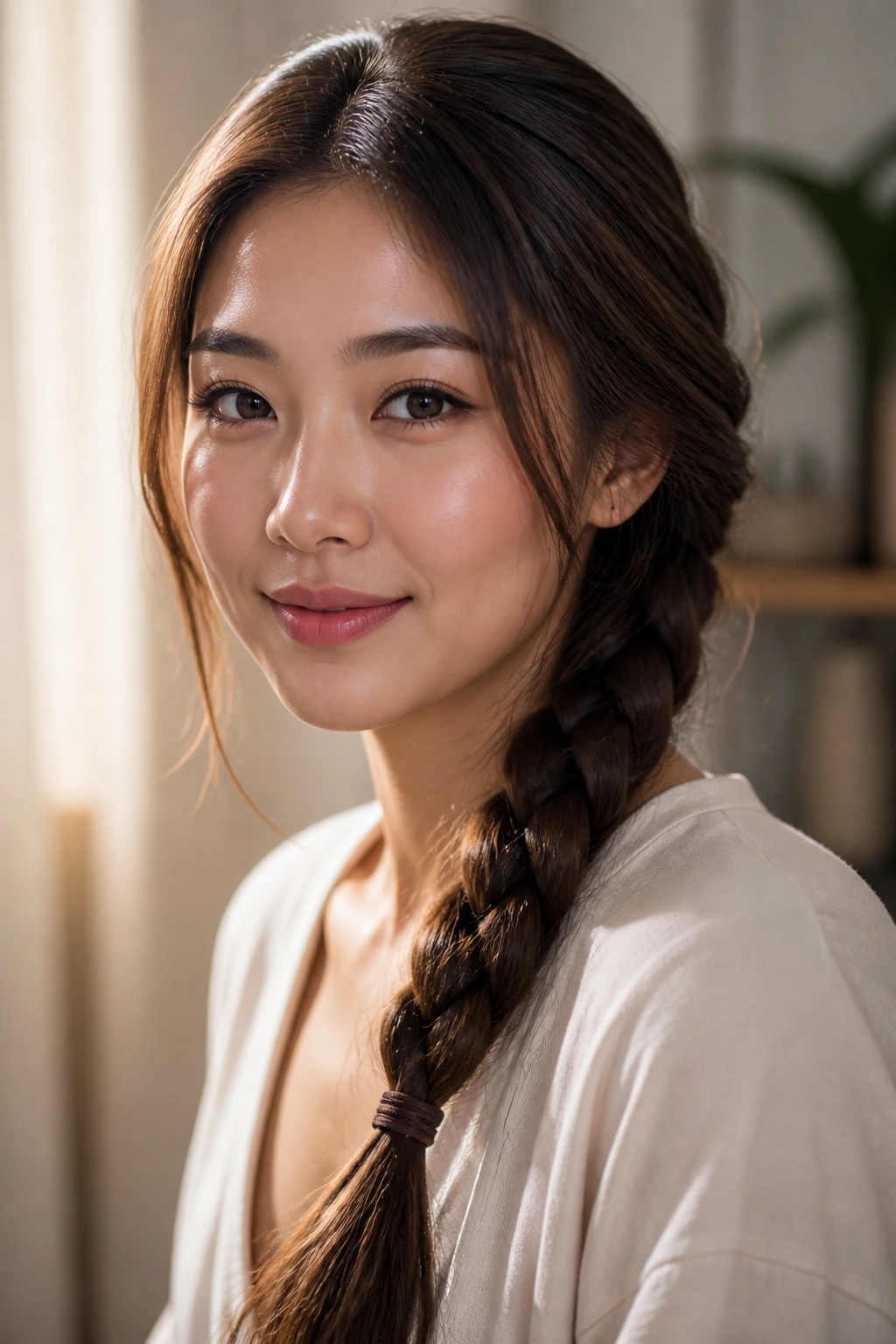
When you are doing chores, sleeping, or running errands, your hair is exposed to environmental stress. A simple, loose braid or a silk scrunchie bun can protect your ends from rubbing against your clothes or getting tangled in the wind. The key word here is loose. Never pull your hair into a tight, high ponytail, as this causes tension alopecia—a condition where the hair is pulled so tight that it eventually stops growing from the follicle.
Use fabric-covered hair ties rather than rubber bands. Rubber bands grab individual hairs and snap them, creating a line of breakage right where you tie the knot. If you wear your hair up often, change the position of your bun or braid every day so you aren’t putting stress on the same part of your scalp or the same section of your hair shaft every single time.
Why Less Is More with Styling Products
Asian hair can be easily weighed down by heavy oils, waxes, or thick creams. If your hair feels “gummy” or doesn’t move naturally when you walk, you are likely using too much product. Start with the smallest amount you can imagine—truly, a drop the size of a lentil. You can always add more, but it is nearly impossible to take product out without washing your hair again.
Focus your product application on the ends, where your hair is driest and most prone to damage. Never start at the roots, as this will lead to oiliness and a flat, lifeless silhouette. If you are using a texturizing spray or mousse to get some volume, focus that strictly at the root area and keep it off the mid-lengths. Treat your hair like a canvas, not a shelf for your product collection.
Recognizing the Signs of Breakage
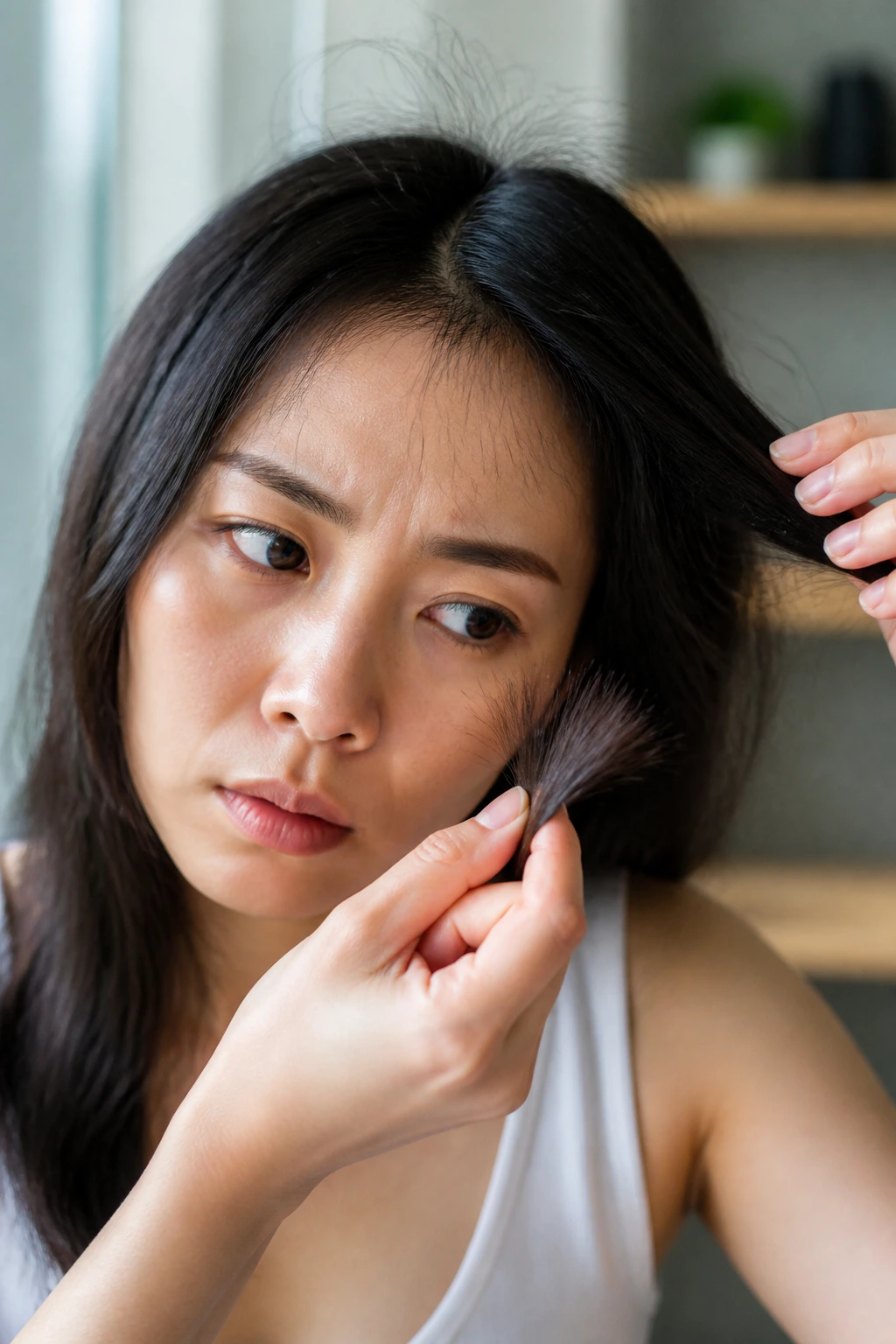
We often mistake frizz for new growth. If you see short, jagged hairs sticking up all over your head, look closely. Are they soft and tapering at the end? Those are likely new growth hairs. Are they blunt, brittle, or split at the end? Those are broken hairs. If you see a lot of blunt-ended short hairs, you are likely brushing too hard or using too much heat.
Take note of the breakage pattern. If it is only happening around your face, you are likely pulling too tight with your hair ties. If it is happening at the back of your head, your pillowcase is likely to blame. Once you identify the source of the breakage, you can adjust your habits to stop the cycle. Ignoring these signs is how people end up with thinning hair later in life.
The Importance of Professional Consultations
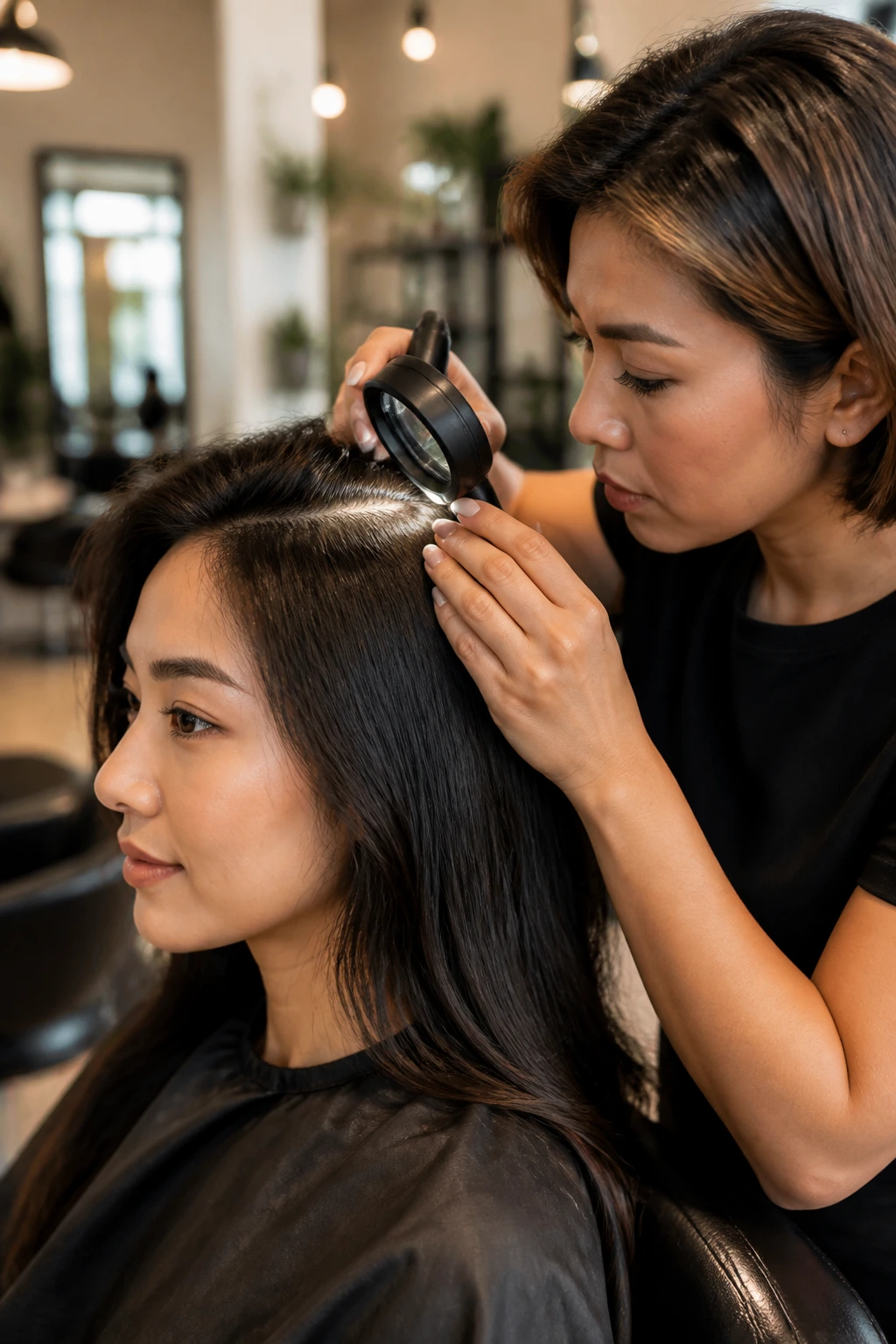
Even with all the tips in the world, your hair is unique to your lifestyle, your genetics, and your environment. A professional stylist can help you identify if you are over-washing or using the wrong type of conditioning. If you’ve been struggling with the same issue for years, don’t just buy another bottle of shampoo—book a consultation.
Ask your stylist specifically about your hair’s texture and density. They can look at your scalp under magnification and tell you exactly what is happening at the root level. They might recommend a specific salon-grade treatment that you can’t get at the drugstore, or they might confirm that your current routine is perfect and you just need more time. A good stylist is an partner in your hair health journey, not just someone who cuts it once in a while.
Final Thoughts
Achieving the hair you want is less about buying expensive products and more about respecting the biology of your strands. Asian hair is a beautiful, resilient material that thrives when it is treated with consistency and care. Whether it’s swapping your towel for a softer version or finally switching to a silk pillowcase, the small, boring habits are what make the biggest difference over the long run. Focus on the basics, be gentle with your texture, and let your hair stay healthy on its own terms. You might be surprised at how much better your natural hair looks when you stop working against it and start working with it.