

Thin hair often gets a bad rap in the beauty world, but it is actually a fantastic canvas for color—especially for ethereal, light pink hues. When your hair is fine or lacks density, it tends to absorb and reflect color differently than thick, coarse strands. Pastel pinks, rose golds, and dusty rose shades can create an optical illusion of volume by catching the light at different angles, making your hair look fuller than it actually is.
Finding the right shade of pink is less about what is popular and more about what your specific skin undertones will support. If you are naturally cool-toned, a blue-based candy pink will brighten your complexion significantly. Those with warmer, golden skin should lean toward salmon or coral-toned pinks to avoid looking washed out. Beyond the color, the way you style these shades matters; layering is your best friend when you want to minimize the appearance of “gaps” in your hair.
Let’s look at how you can transform fine hair with the right approach to color and styling.
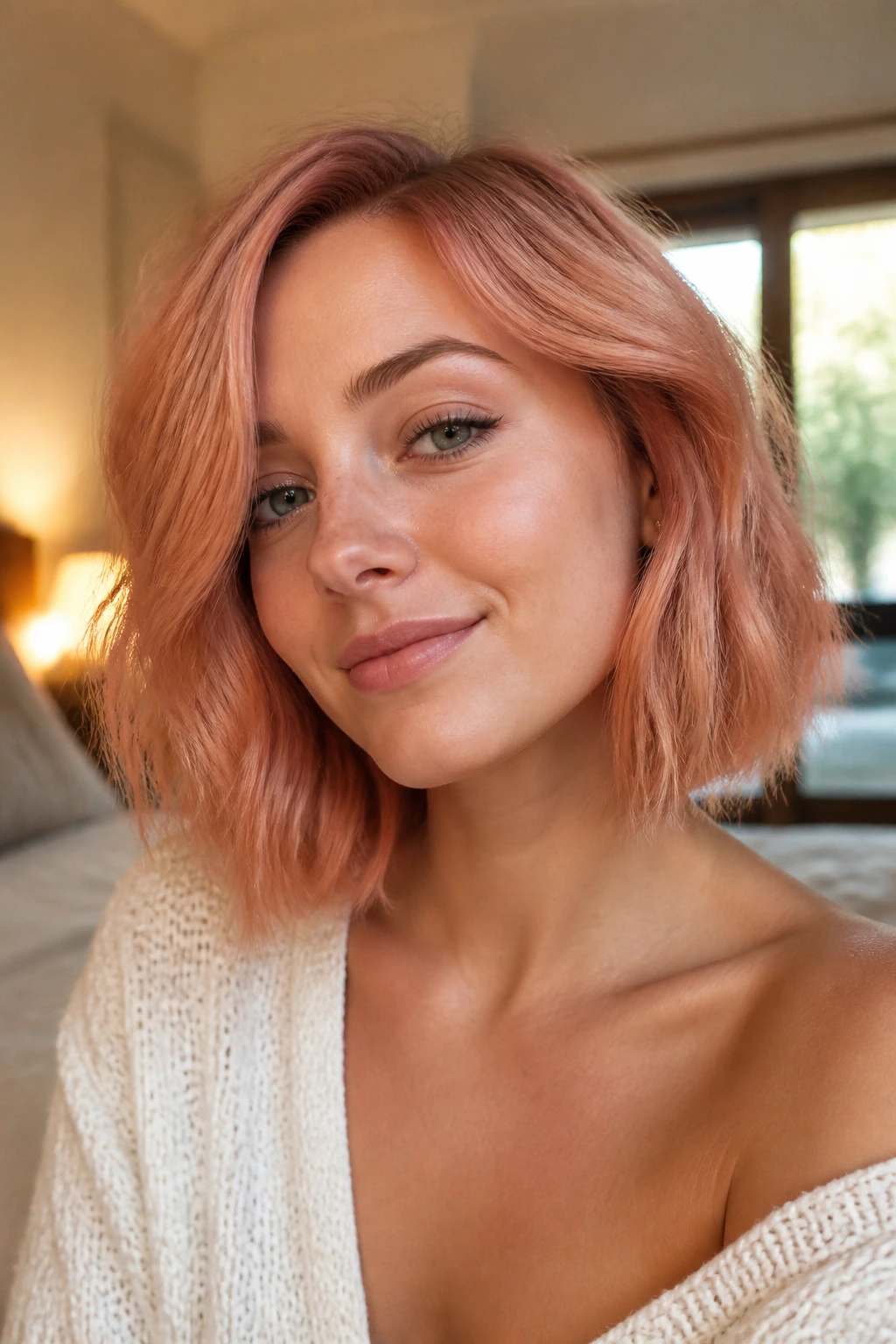
1. Soft Rose Gold Bob
A shoulder-length bob is a classic for a reason, especially when your hair lacks natural thickness. By cropping the hair, you eliminate the weight that drags fine strands down, instantly giving the illusion of a thicker base. A soft, warm rose gold hue adds a metallic sheen that bounces light around, making the individual strands look more substantial. This color is particularly forgiving because the golden undertones soften any harsh lines near the face.
Why This Style Works for Fine Strands
- The blunt ends of a bob make the ends of your hair look much denser.
- Rose gold hues contain gold and copper pigments that add depth, which helps create a three-dimensional effect.
- Styling this look with a slight, messy wave adds texture and lift to otherwise flat hair.
Pro tip: Use a lightweight texturizing spray rather than a heavy wax or pomade; fine hair loses its bounce if weighed down by sticky products.
2. Pale Bubblegum Pink Pixie
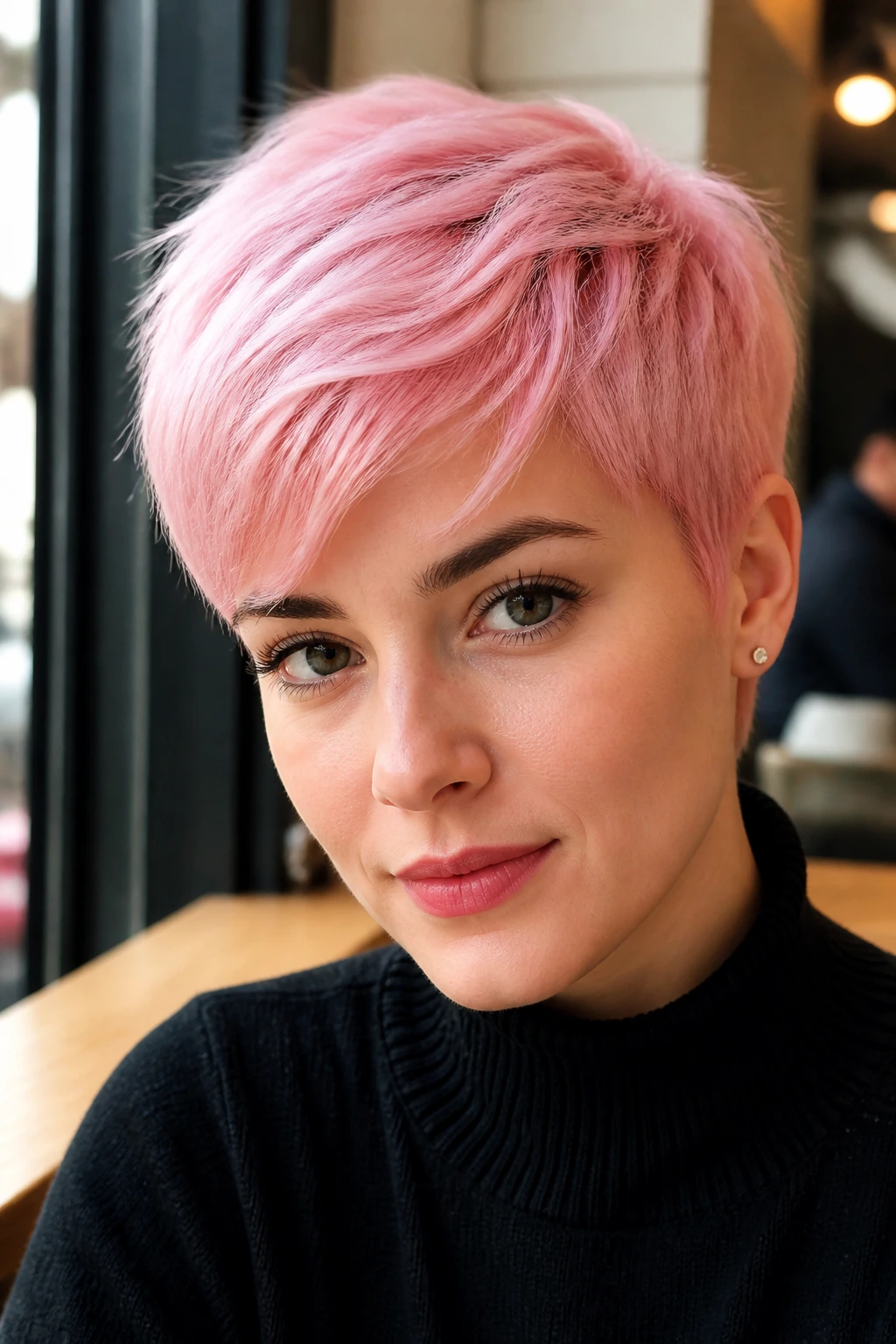
There is something inherently chic about a short, cropped cut in a bold pastel shade. A pixie cut removes all the dead weight from fine hair, allowing what you have to sit up and move with freedom. A bright, pale bubblegum pink makes a statement without requiring you to have high-density follicles. Because the hair is cut close to the scalp, you can focus on maintaining healthy ends and a vibrant, punchy color that draws the eye upward.
Managing the Maintenance
When your hair is this short, it requires frequent trims to keep the shape, typically every four to six weeks. Since fine hair absorbs color quite rapidly, you will notice the bubblegum tone fading into a softer candy-floss shade after a few washes. Using a color-depositing conditioner once a week ensures your pink stays vivid rather than washing out into a dull beige.
3. Dusty Rose Balayage
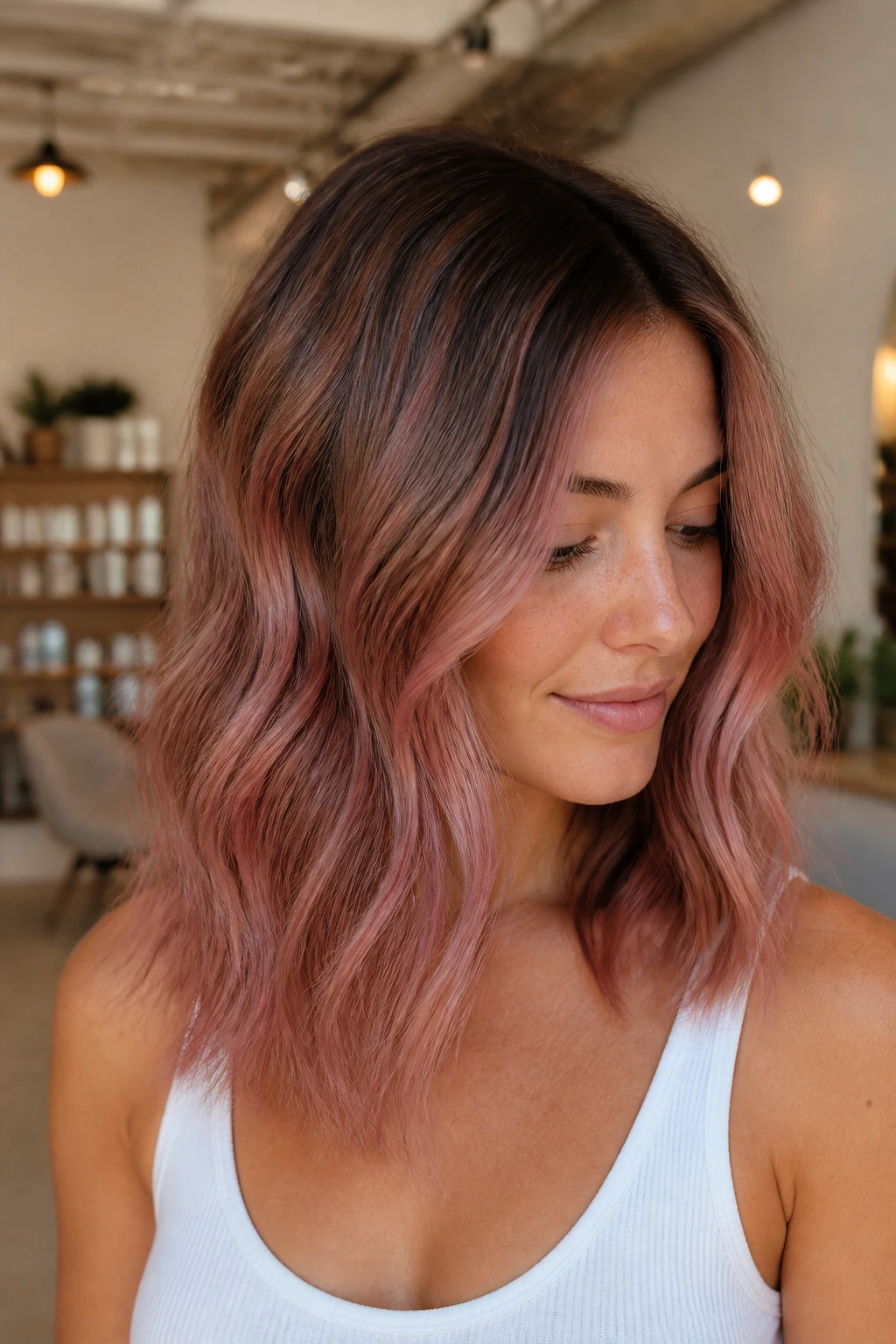
If you are hesitant to commit to an all-over color, a dusty rose balayage is the perfect entry point. By keeping your natural root color—or a slightly darker shadow root—you create the appearance of depth at the scalp. As the color transitions into a muted, sophisticated dusty rose toward the ends, the contrast creates a visual density that makes your hair look far thicker than it is.
The Technique That Adds Volume
Ask your stylist for a “teased” balayage, where they backcomb the hair slightly before applying the lightener. This technique ensures that the transition between your natural color and the pink is soft and seamless. Because the bleach is not applied in a solid block, you preserve the structural integrity of your fine strands, preventing the breakage that can occur with full-head lightened services.
4. Platinum Pink Pastel Highlights
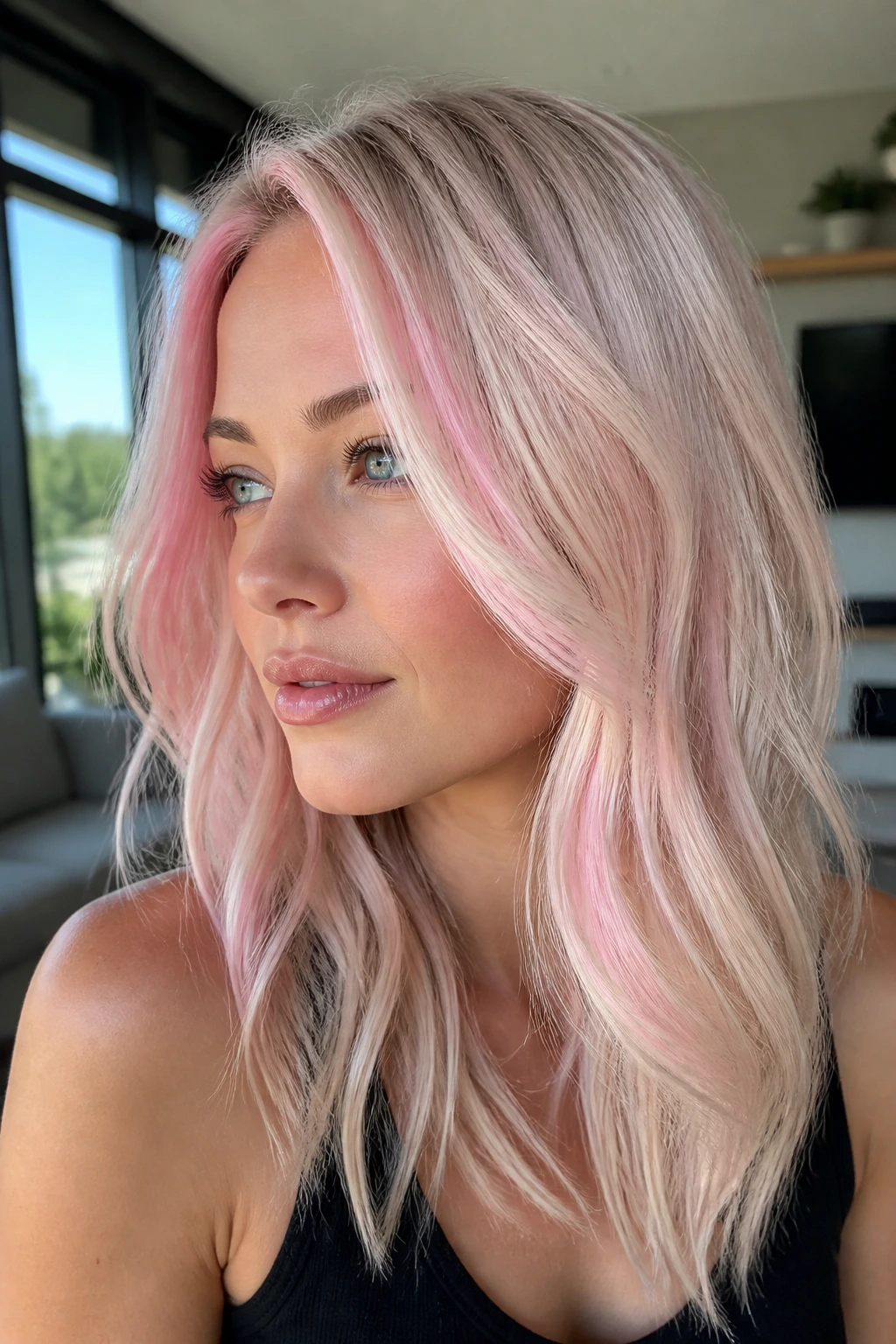
Fine hair can often look monochromatic and flat. Adding highlights—even if they are a very pale, ethereal pink—introduces multiple tones that mimic a fuller head of hair. Platinum-based pinks are icy, cool, and incredibly modern. When these are woven through a base of white-blonde or light beige, the lack of color uniformity tricks the eye into seeing more volume.
Why Contrast is Crucial
- Using two different shades of pink, such as a pale lilac-pink and a warm candy-pink, creates shadows.
- These shadows add dimension, which is the secret weapon for anyone with fine hair who wants to avoid the “limp” look.
- Focus the highlights around your face and the crown, as these are the areas that most visibly frame your features.
5. Peek-a-Boo Neon Pink Underlayer
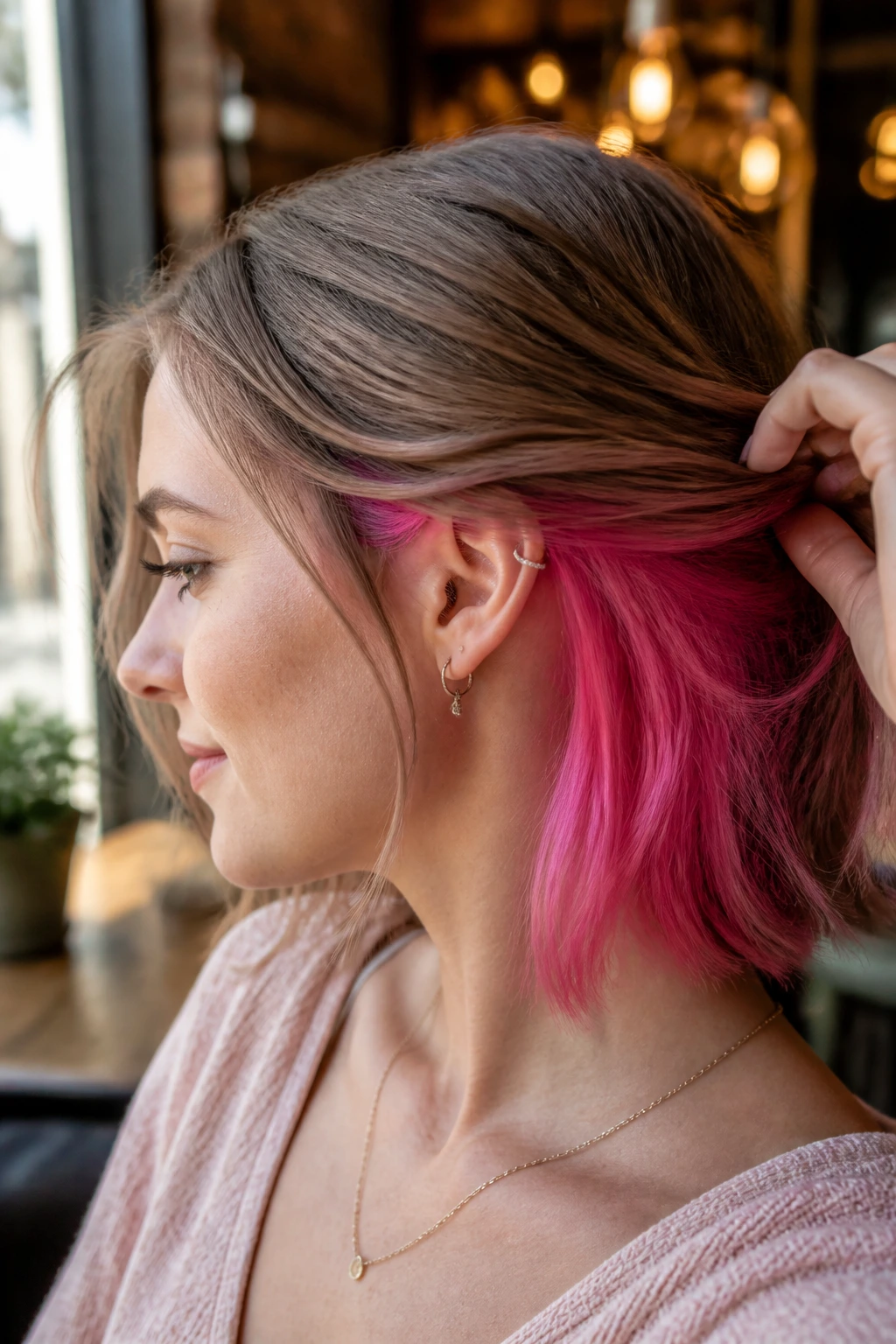
Sometimes, the best way to deal with thin hair is to keep the top layer natural and hide the color underneath. A peek-a-boo technique involves sectioning off the lower portion of your hair and coloring it a vibrant, saturated pink. The darker, natural hair on top provides a sense of fullness and weight, while the neon pink underneath provides a fun, unexpected pop of color whenever you move or tuck your hair behind your ear.
6. Shaggy Millennial Pink Layering
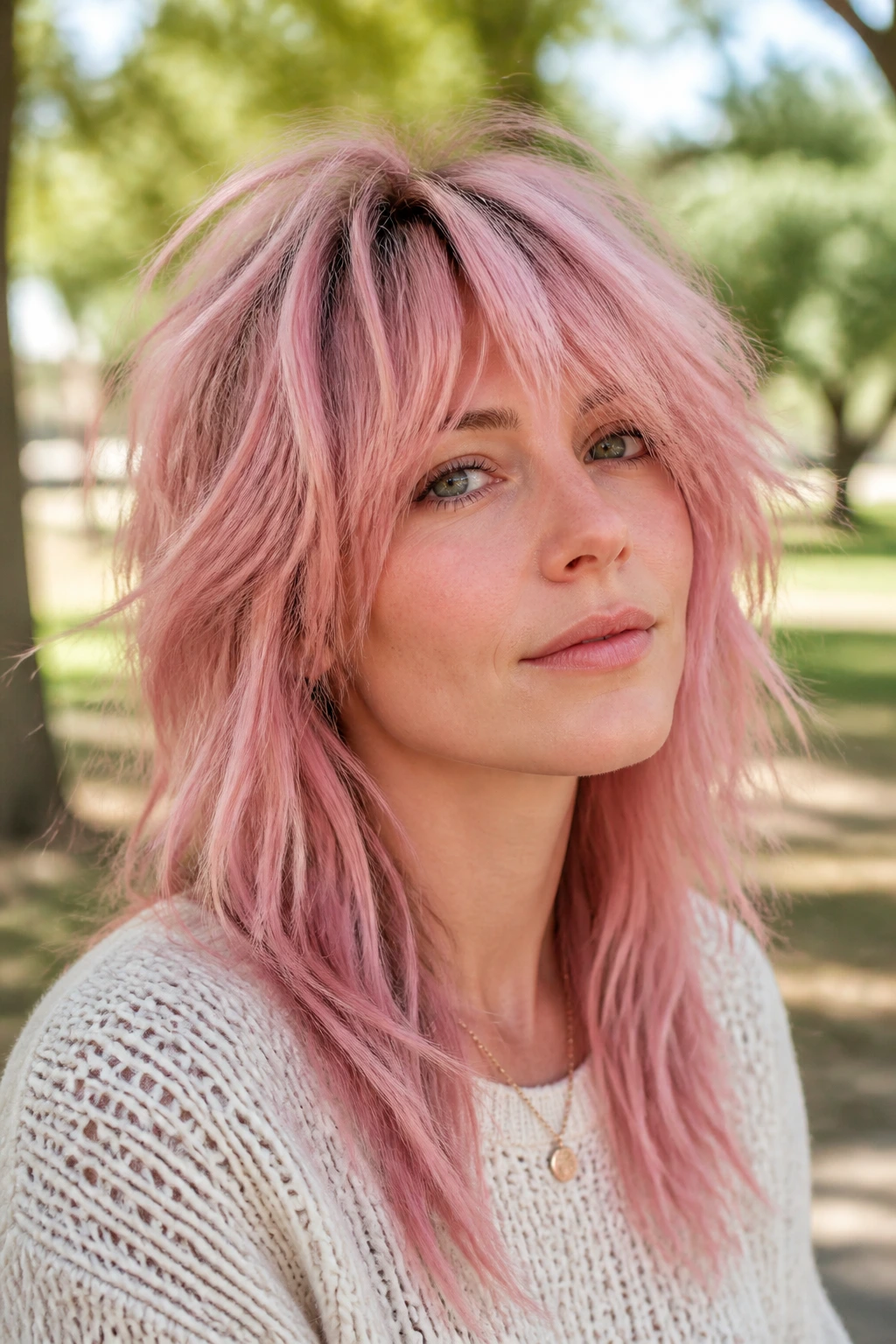
Layers are controversial for thin hair, but a shag cut is different. A modern, textured shag uses strategic razoring to create volume at the crown while keeping the ends wispy and light. When you pair this cut with a “millennial pink”—a muted, slightly desaturated shade—it leans into a cool, effortless aesthetic. The key here is to keep the layers long enough that they don’t look choppy or disconnected.
7. Champagne Pink Money Pieces
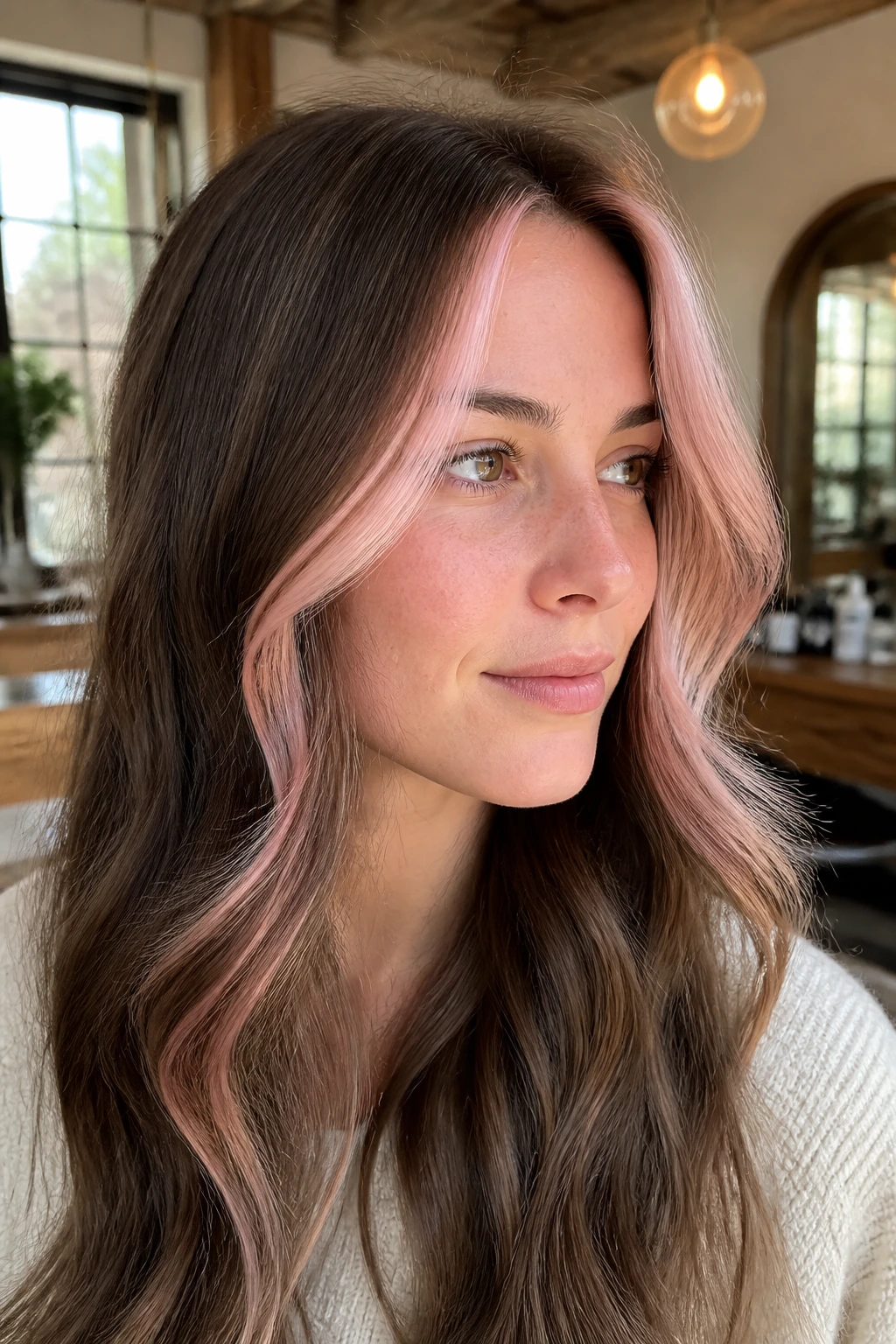
Focusing the color on just the front strands—the “money pieces”—is a brilliant way to experiment with pink without damaging your entire head of hair. A champagne pink is a sophisticated mix of pale blonde and soft, muted rose. It feels expensive and subtle, and because you are only coloring two small sections of hair, you can keep the rest of your hair in prime, healthy condition.
8. Rooted Strawberry Pink Long Bob
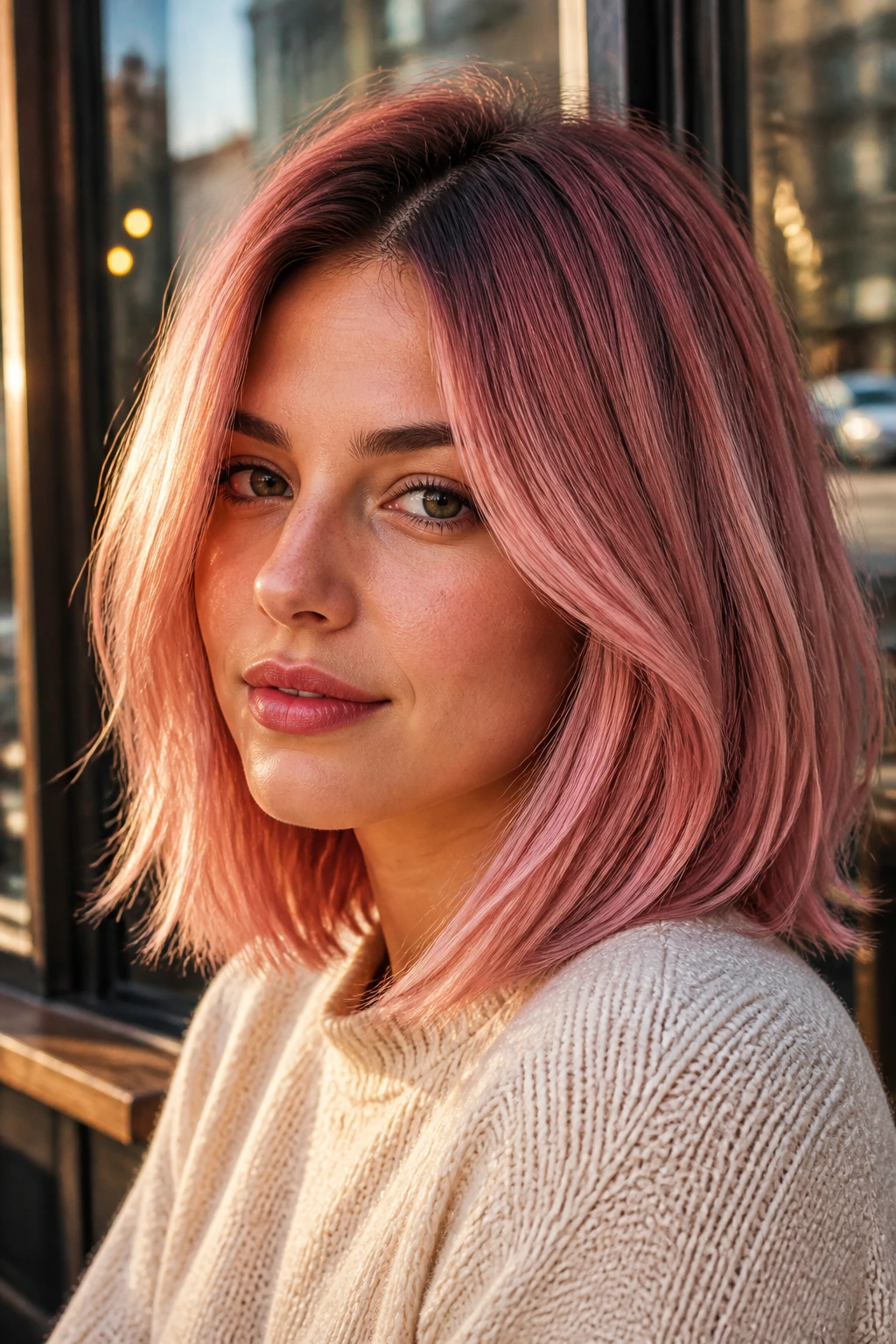
If you love having length, you must be careful with fine hair. A long bob (or “lob”) that hits just above the collarbone is the limit for fine-haired individuals. A rooted strawberry pink—which features a slightly darker, peachier pink near the scalp—gives the appearance of a thicker root. The gradual transition to a lighter, more vibrant strawberry shade towards the ends creates a natural, sun-kissed look that feels voluminous.
9. Icy Cotton Candy Waves
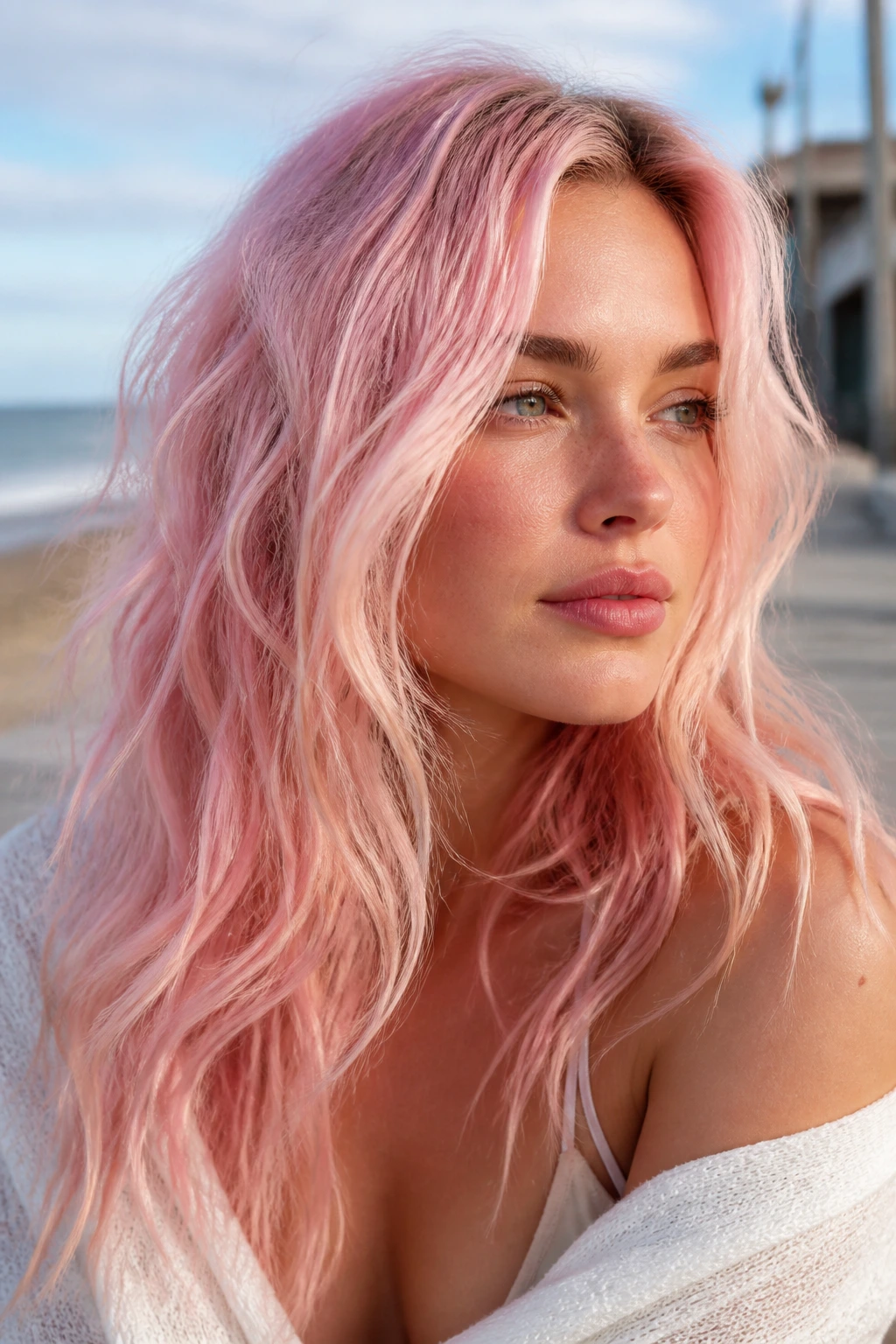
Color alone can change the way light hits your hair, but texture is the second half of the battle. An icy, cotton candy pink looks best when styled with loose, beachy waves. The key is to use a curling wand with a large barrel, wrapping the hair in different directions to create a sense of chaos. Order and straightness often highlight the lack of density in fine hair, while intentional messiness hides it.
10. Dip-Dyed Electric Pink Ends
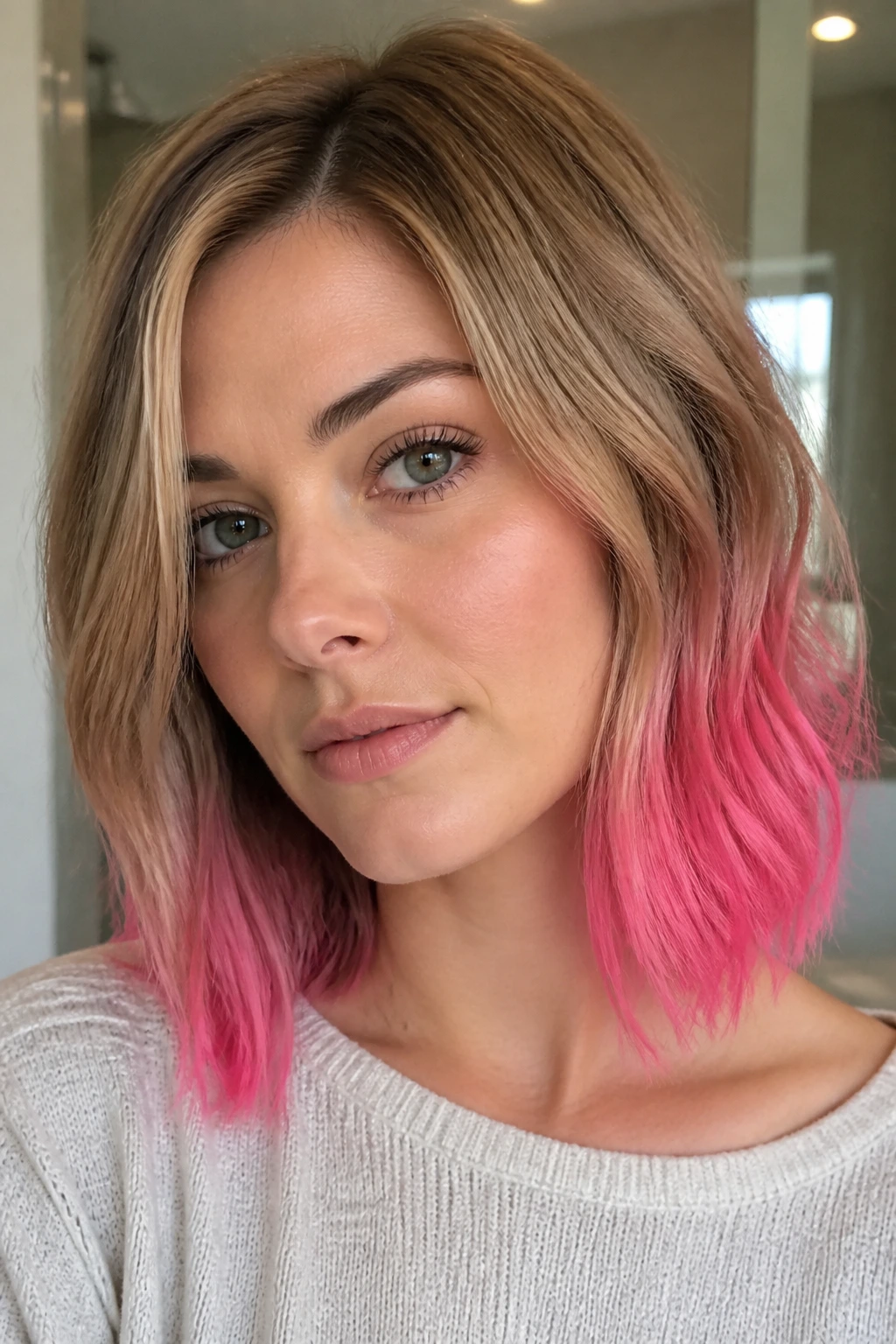
If you have thin hair, you might worry that bleaching the hair near your scalp will cause breakage and thinning. A dip-dye approach is the solution. You leave your natural color completely alone at the roots and mid-lengths, focusing the electric pink only on the last three inches of your hair. This makes the ends look blunt and substantial, giving the hair a finished, deliberate weight that thin hair often lacks.
11. Mauve Pink Pixie Cut with Side-Swept Bangs
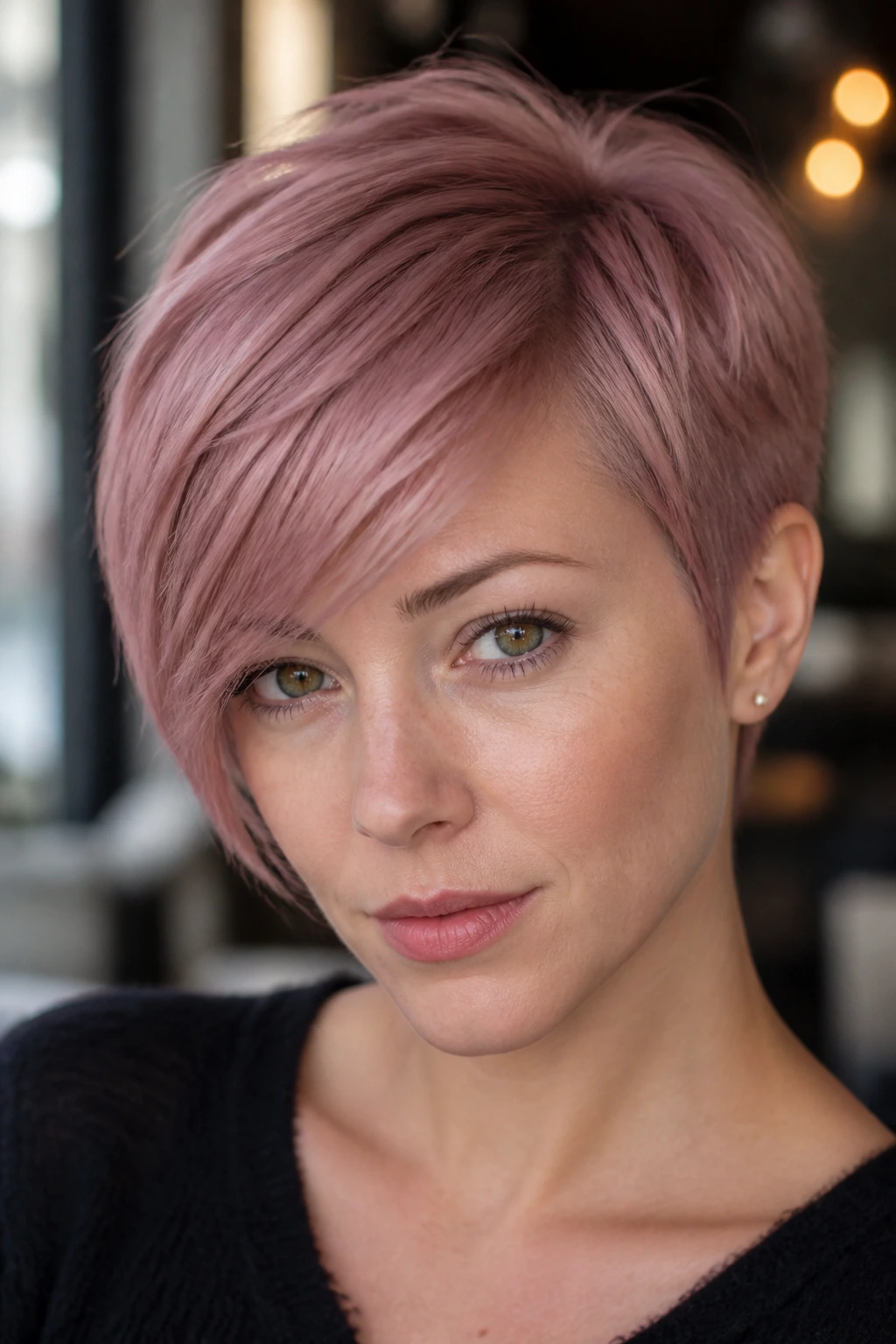
Mauve is a deep, slightly purple-leaning pink that looks incredible on most skin tones. Pairing a deep mauve with a pixie cut that features long, side-swept bangs allows you to sweep hair across the forehead. This fills in the face and creates a sense of density that a flat, center-parted style simply cannot achieve. It feels sophisticated, slightly edgy, and very low-maintenance.
12. Soft Coral-Pink Face Framing
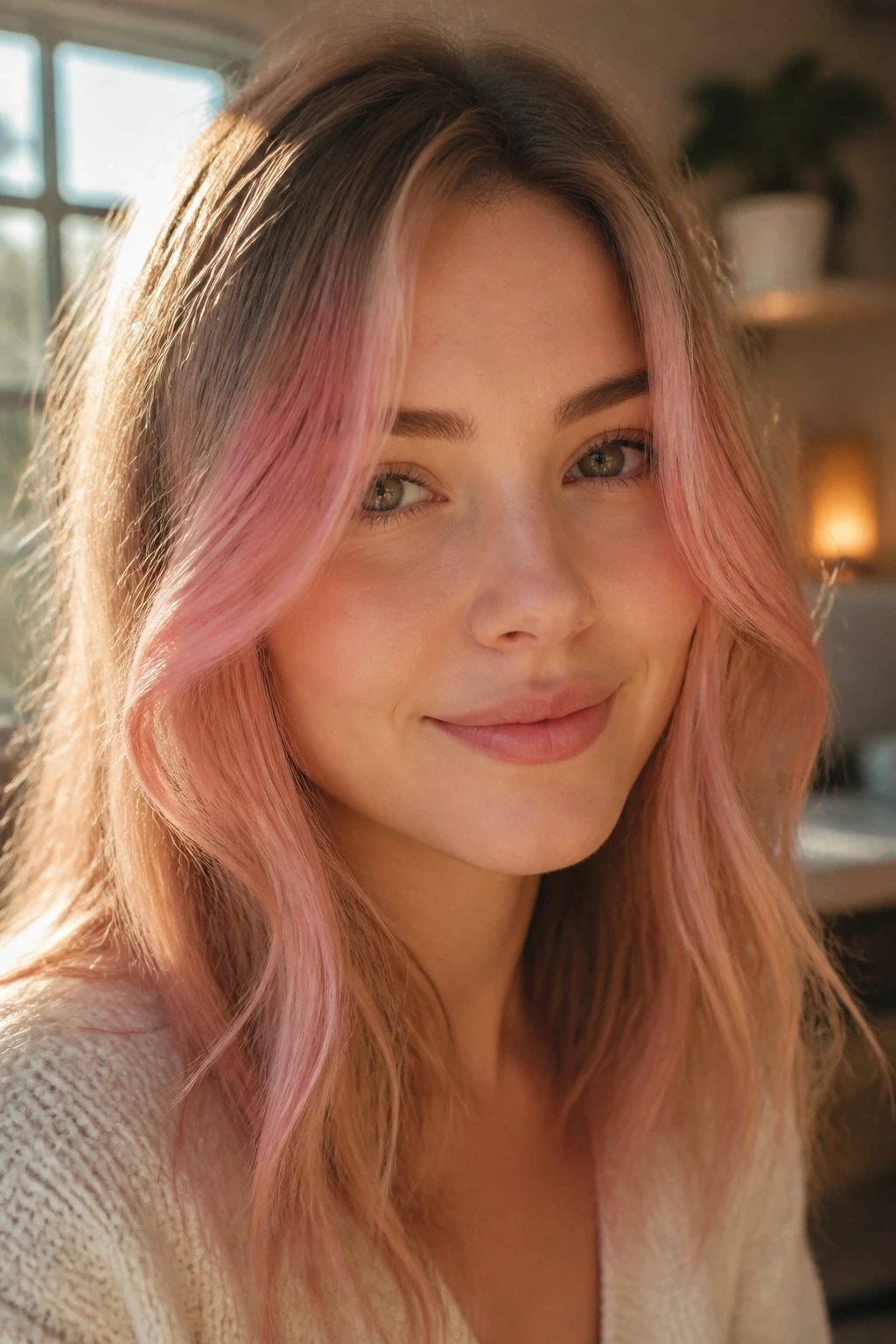
Coral-pink is warm, inviting, and vibrant. For those with fine hair, coral is an excellent choice because it tends to look more “solid” and opaque than the sheer, icy pastels. By placing this color specifically in face-framing layers, you draw attention to your eyes and cheekbones, effectively shifting the focus away from the overall volume of your hair and toward your features.
13. Bubblegum Pink Blunt Cut
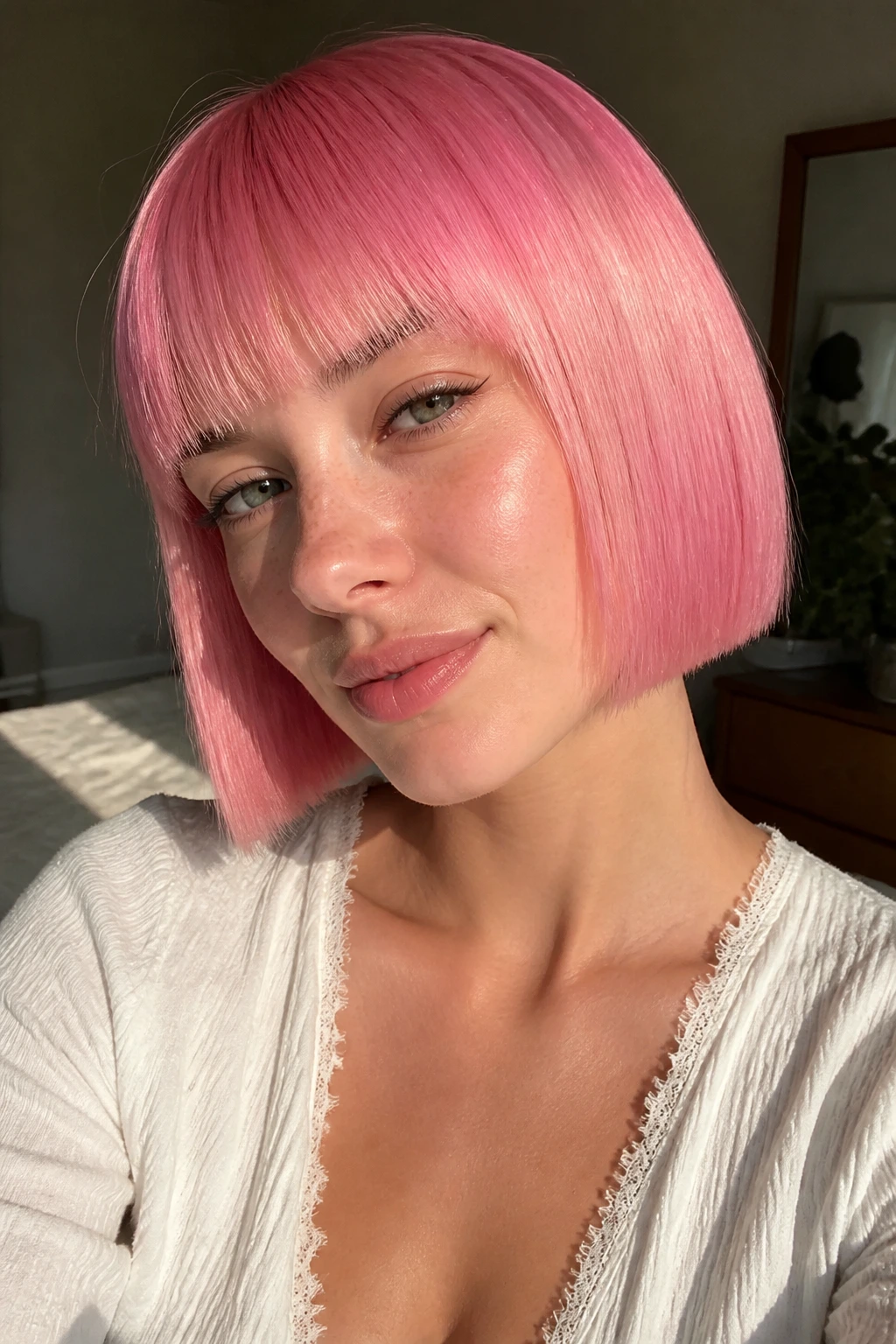
Sometimes, simple is best. A razor-sharp, chin-length blunt cut is one of the most effective ways to make fine hair look thick. Because all the hair falls to the exact same length, it creates a thick, solid line at the bottom. When you color this style a bright, uniform bubblegum pink, the color appears opaque and vibrant, which further contributes to the illusion of density and body.
14. Lavender-Pink Ombre
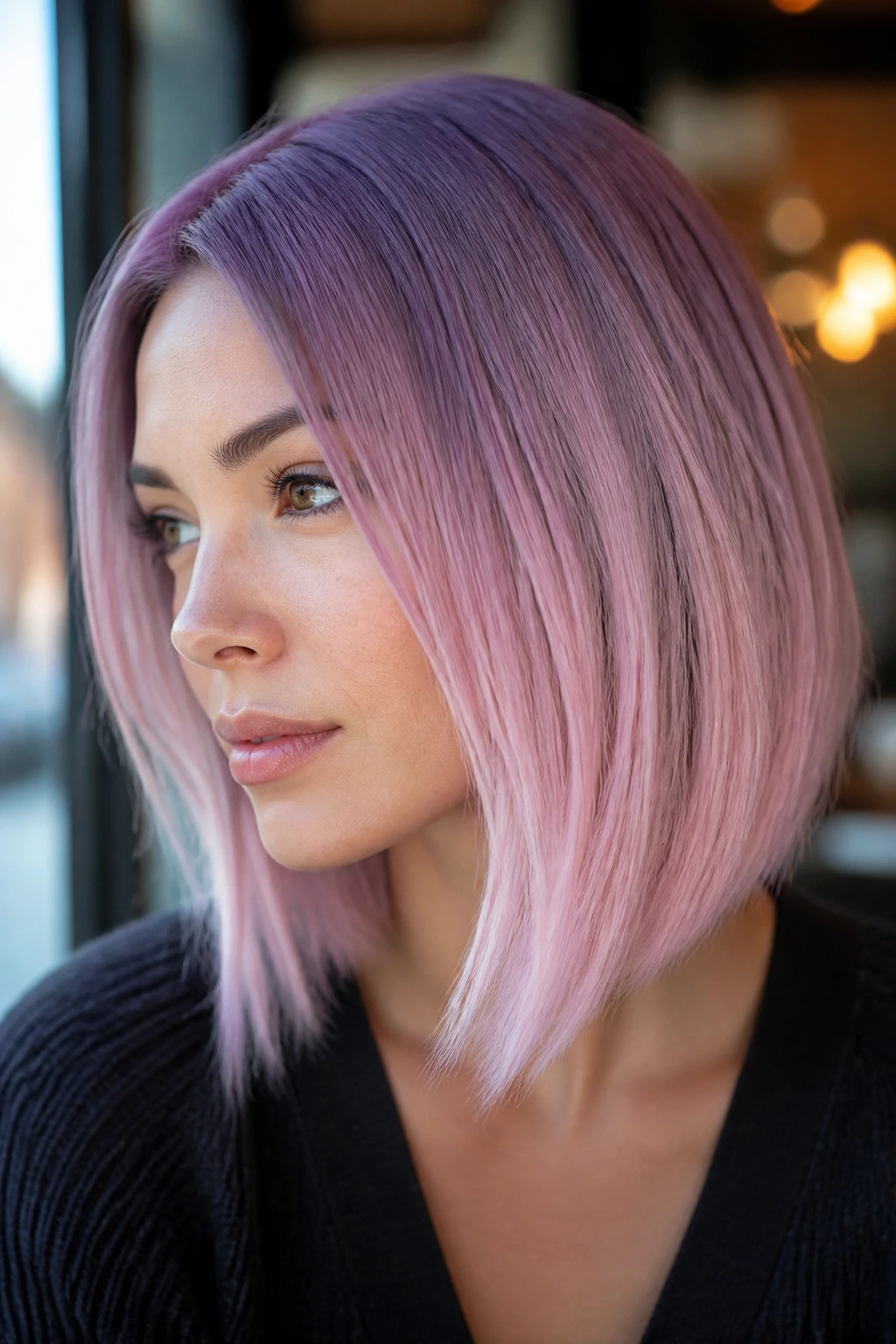
If you cannot decide between pink and purple, lavender-pink is your perfect compromise. An ombre effect, where the color is darker at the roots and fades into a very light, airy lavender-pink at the ends, is great for thin hair. The darkness at the root provides the “weight” that your scalp needs to look full, while the lighter ends prevent the hair from looking too heavy or weighed down.
15. Pale Pink Shag with Micro-Bangs
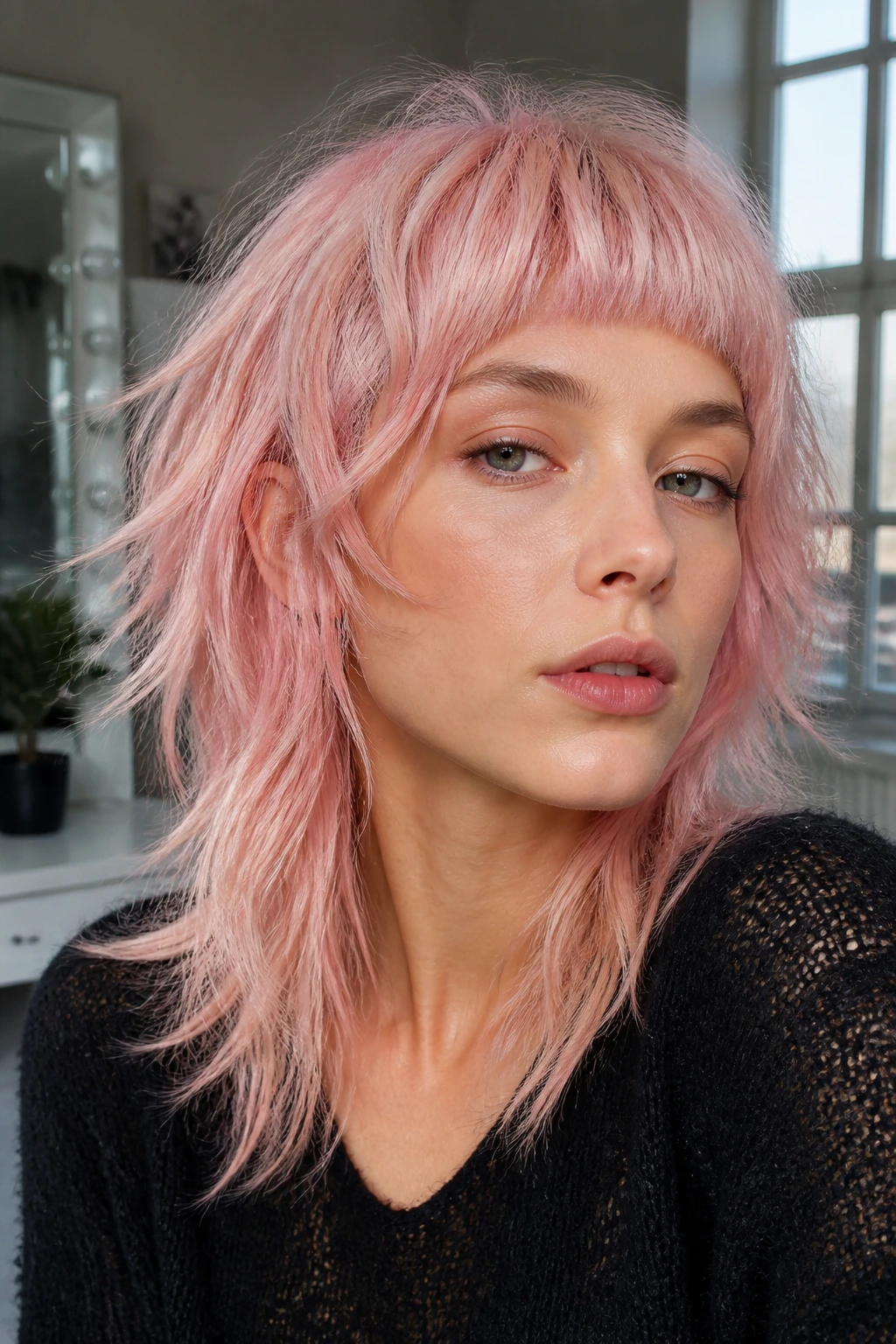
Micro-bangs are surprisingly flattering for fine hair, provided they are cut with enough hair to cover the forehead. A pale, ethereal pink shade makes this look feel like it belongs in a high-fashion editorial. The texture of the shag provides the volume, and the bangs provide the focal point, making the hairstyle feel intentional and bold rather than thin or sparse.
16. Peach-Pink Highlights on Blonde Base
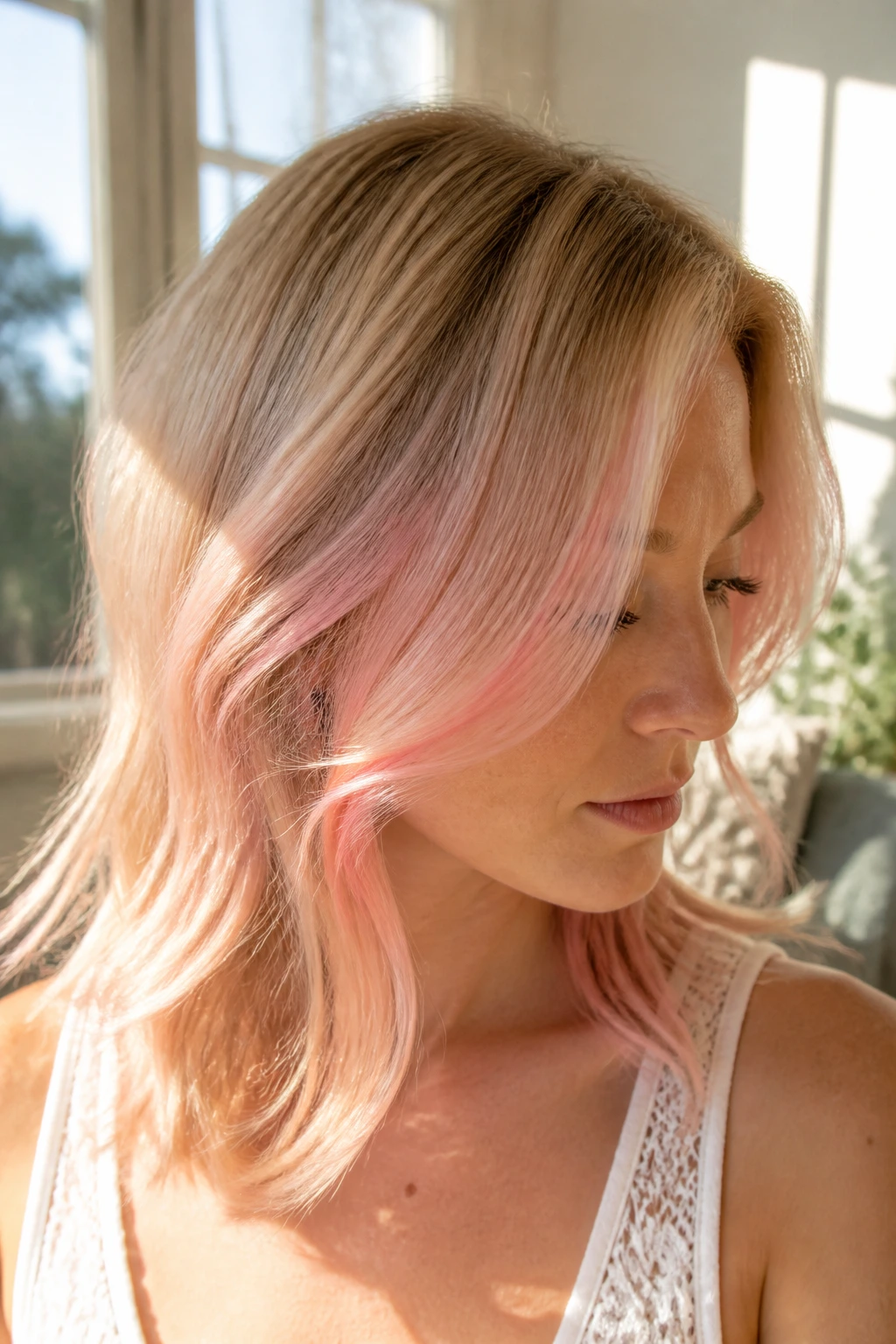
If you are already blonde, you are halfway there. Adding peach-pink highlights into a base of light blonde hair is an easy, low-commitment way to add volume. The multiple shades of pink and blonde trick the eye into seeing more hair than is actually present. Peach, in particular, is a warm, optimistic color that looks especially great during the warmer months of the year.
17. Deep Berry-Pink Roots to Tips
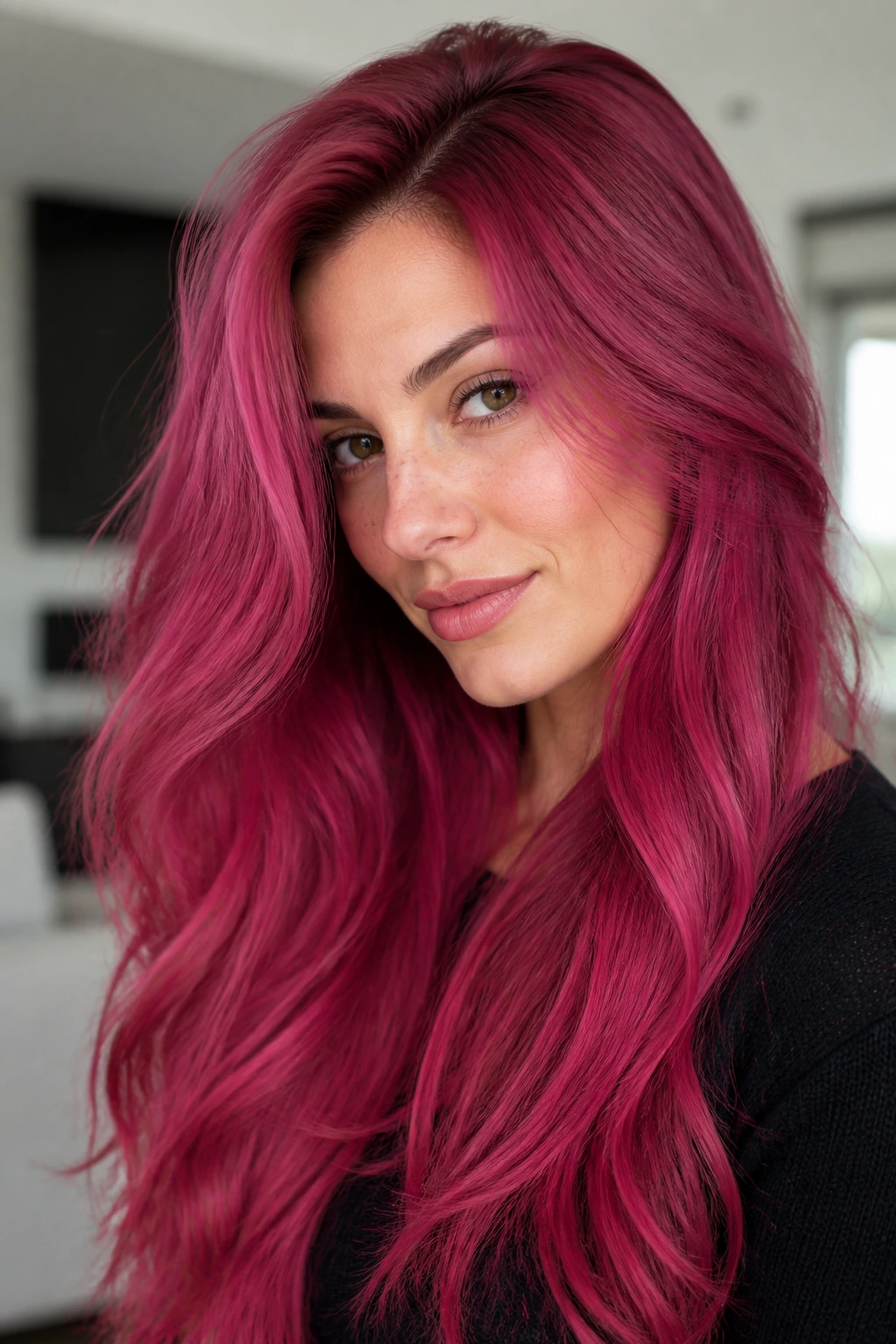
While we often talk about pastels for fine hair, a deep berry-pink can actually be more flattering. Why? Because the color is more saturated, it appears to take up more space on the strand. A deep, rich berry-pink is less transparent than a pale baby pink, meaning it covers the scalp area more effectively and makes the hair look thicker overall.
18. Peony-Pink Messy Bun
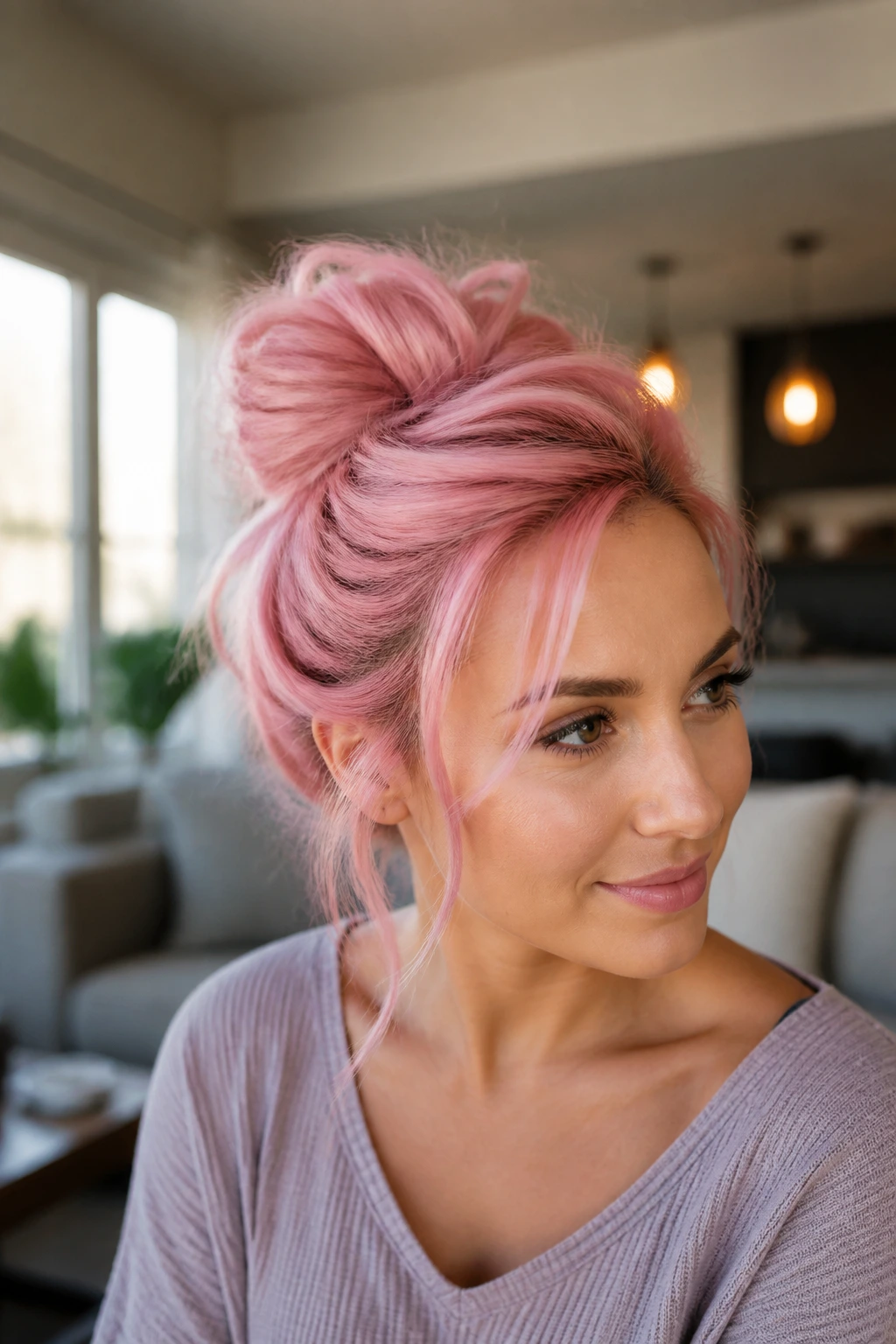
When your hair is thin, the way you tie it up matters. A messy bun is the classic, but the secret is in the prep. Use a dry texture spray to add “grit” to your hair before gathering it. A peony-pink shade—which is a bright, clear floral pink—makes even a simple messy bun look like a styled, professional look. Pull a few strands loose around your face to soften the look and add movement.
19. Two-Tone Pink Curtain Bangs
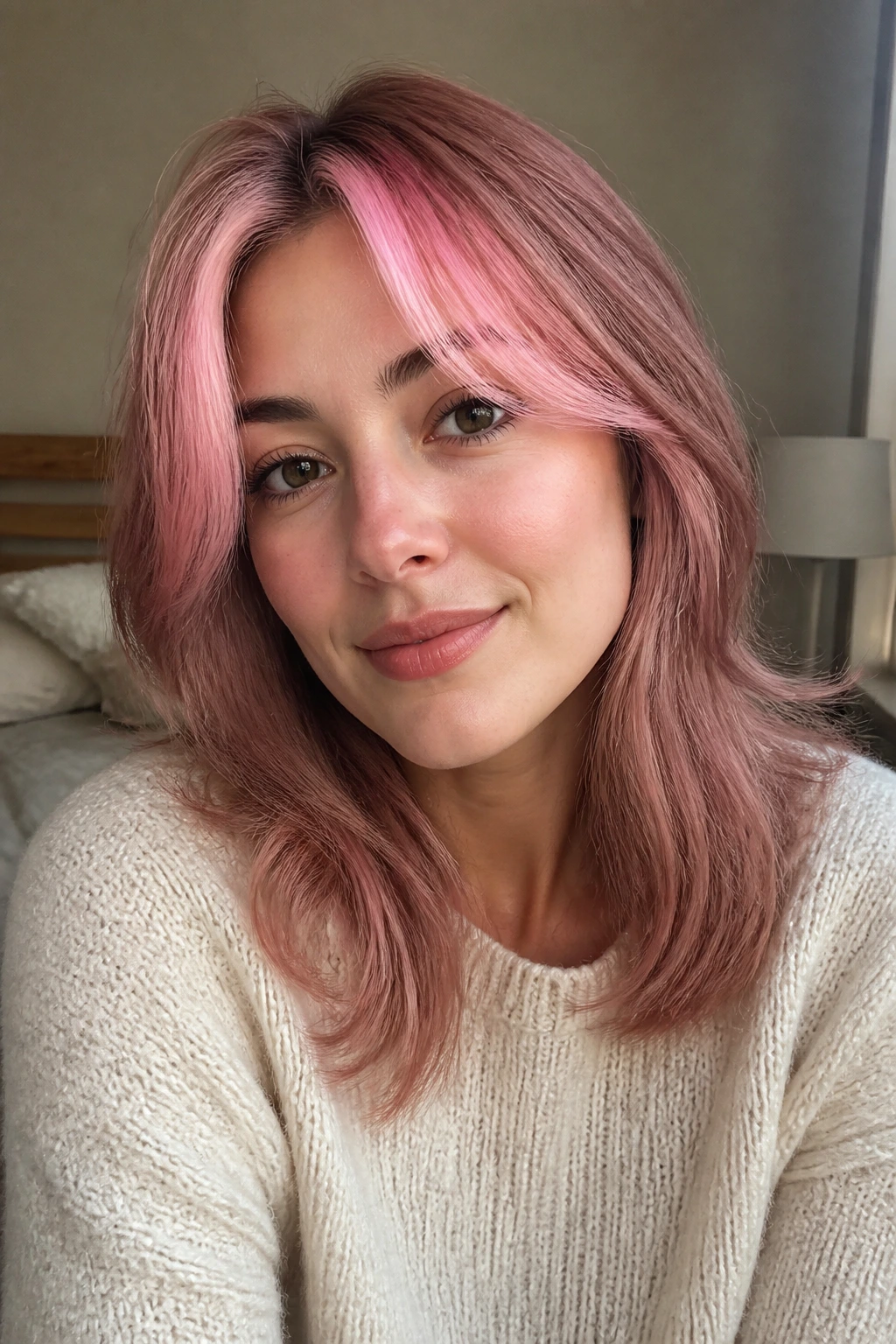
Curtain bangs are a staple for a reason: they frame the face and provide a layer of volume that hides a thin hairline. By dyeing your curtain bangs a slightly brighter shade of pink than the rest of your hair, you create an immediate focal point. This draws attention to your face and away from the length or density of your hair, making it a very effective styling trick for fine-haired individuals.
20. Glazed Donut Pink Gloss
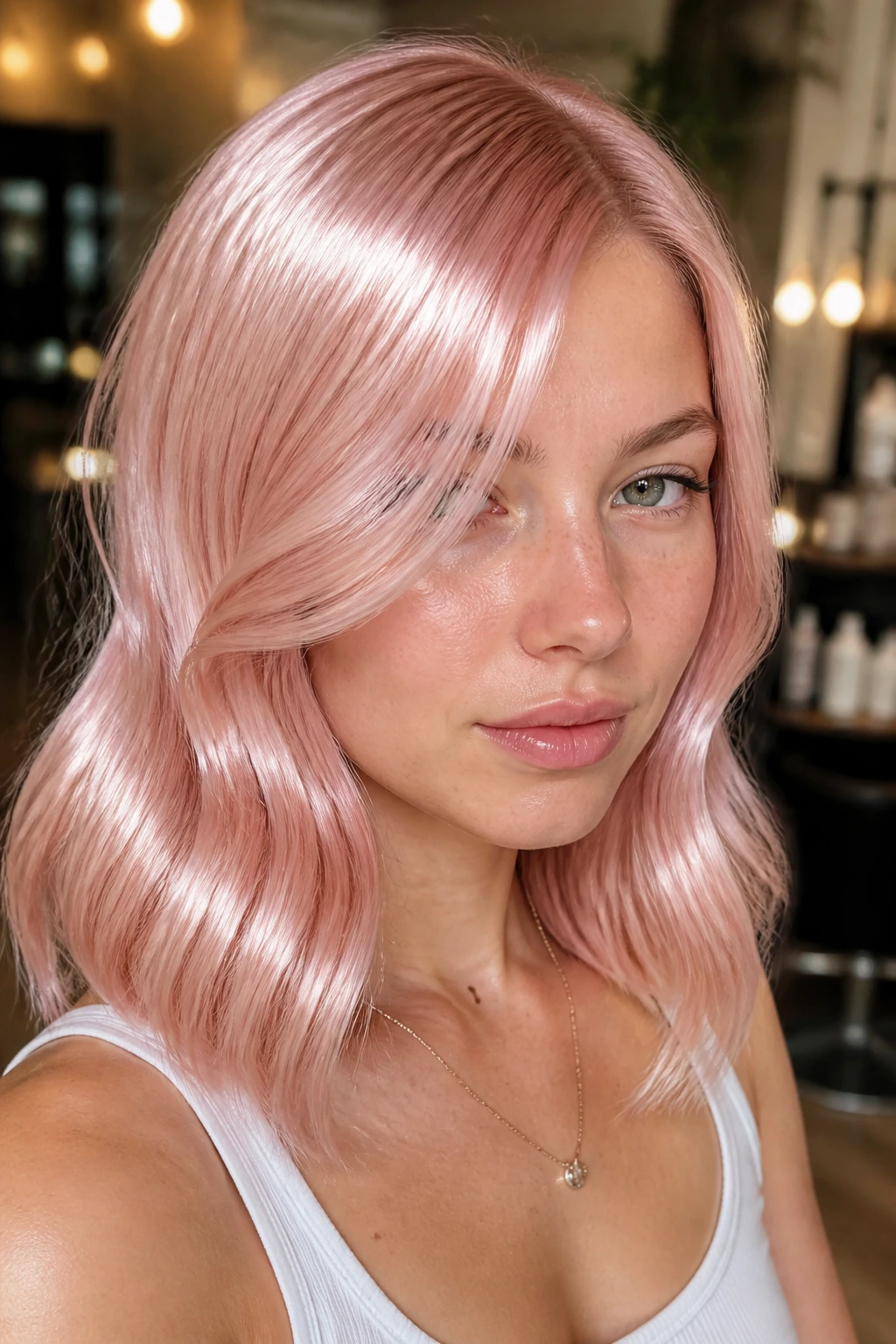
Sometimes, the issue with thin hair is not just the volume—it is the texture. Fine hair can sometimes look dull. A high-shine, “glazed donut” pink gloss—a semi-permanent service that provides intense shine—can transform your hair. The glossy finish reflects light beautifully, and when that shine is combined with a soft, pale pink tint, your hair looks polished, healthy, and significantly more substantial than it did before the gloss.
Final Thoughts
When working with thin hair, the most important rule is to stop trying to force your hair to be something it isn’t. You do not need massive, voluminous layers to have a stylish, beautiful look. Instead, lean into cuts that embrace your hair’s natural texture, such as blunt bobs, textured shags, and intentional crops.
The color is your secret weapon. By choosing shades that play with light—like rose gold, champagne, or rich berry—you can change how your hair occupies space visually. Remember that maintenance is the price of admission for pastel hair. Fine hair lets go of color quickly, so invest in quality, sulfate-free shampoos and color-depositing masks to keep your pink looking fresh between salon visits. Ultimately, the best hairstyle for thin hair is one that makes you feel confident the moment you walk out the door.