

The school hallway is one of the few places in your life where you can fully explore your personal aesthetic while you are still figuring out exactly who you want to be. When it comes to self-expression, hair color remains the most immediate, visual, and frankly fun way to signal your personality. Pink, in all its chaotic and calm manifestations, has moved from a bold, subversive statement into a staple of the modern student’s style palette. It’s vibrant, it’s playful, and yes, it requires a bit of maintenance, but the payoff—that jolt of confidence when you catch your reflection in a locker mirror—is worth every extra minute spent in the bathroom.
Whether you are looking for a subtle, professional-adjacent tint that won’t catch the attention of a strict dress code or a full-blown neon transformation that makes you impossible to miss, there is a shade of pink for every vibe. You do not need a professional stylist on speed dial to pull this off, either. The secret to a great pink hair day usually boils down to understanding your starting hair level, the underlying tones you are working with, and the simple chemistry of conditioning masks.
Let’s be honest: the commitment level for pink ranges from a weekend-long fling to a multi-month lifestyle. Before you reach for the bleach, it is vital to know that lighter, pastel shades require a near-white canvas, while deeper, berry-toned magentas can often be achieved with much less damage on darker, pre-lightened strands. Let’s break down the spectrum of pink, from the softest whispers of rose to the loudest shouts of neon, so you can find the perfect look to carry you through the semester.
1. Pale Pastel Candyfloss Pink
This is the ultimate “cool girl” shade. It is soft, ethereal, and has just enough white pigment to make it look like you dipped your hair in a cloud. Achieving this shade requires your hair to be bleached to the inside of a banana peel—a level 10 blonde—otherwise, the yellow in your hair will turn this lovely pastel into a muddy peach.
The Maintenance Reality
Pastel pinks fade incredibly fast because the pigment concentration is quite low. To keep this color vibrant throughout the week, you should mix a tiny drop of semi-permanent dye into your regular conditioner every time you wash. This acts as a “color depositing” treatment that keeps the tint from washing out during your morning shower.
Best Style Pairings
- Beachy waves created with a 1-inch curling wand
- Sleek, high ponytails with a wrapped hair tie
- Messy, undone buns with face-framing strands left out
2. Vibrant Bubblegum Pink
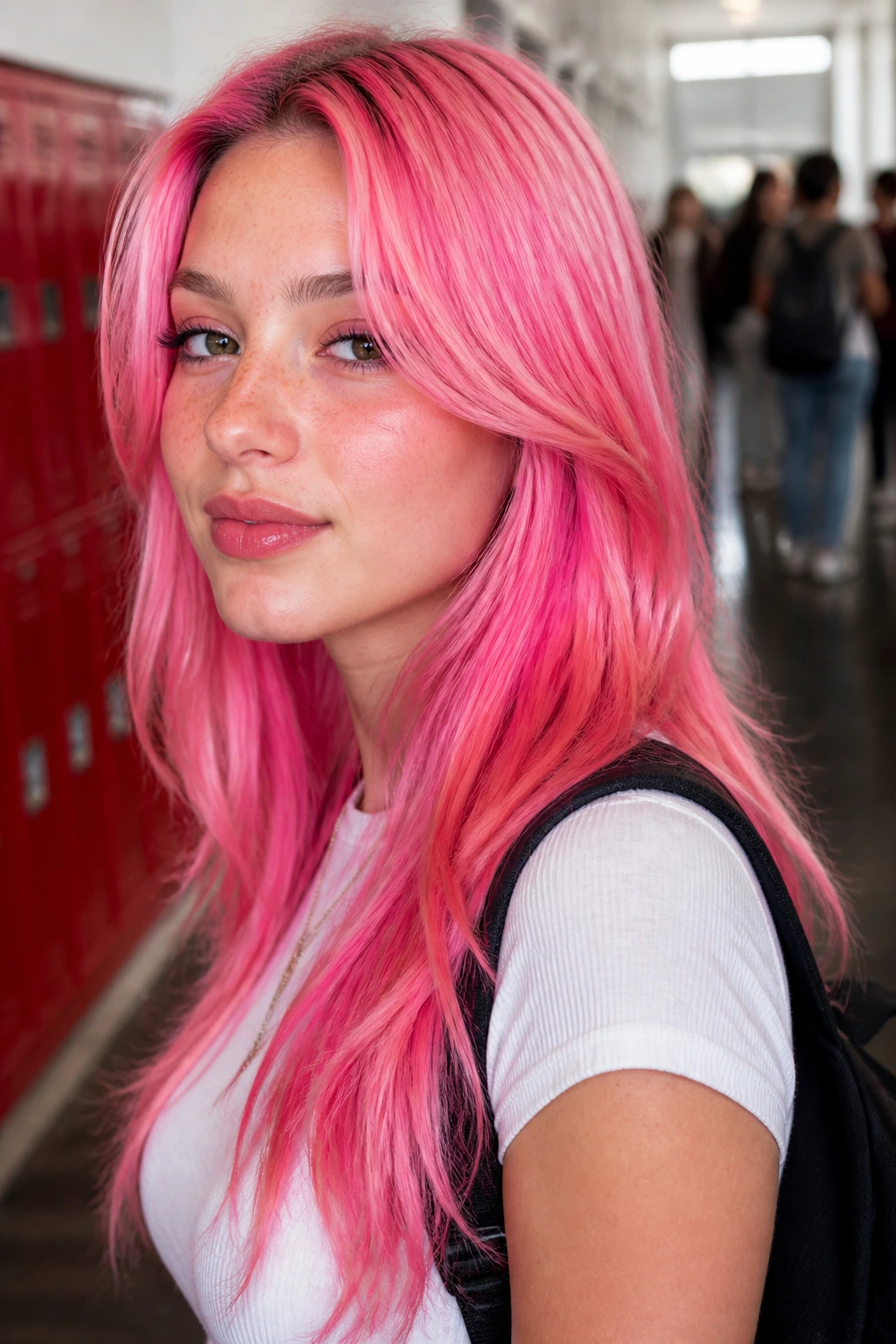
If you want a color that screams confidence, bubblegum is the way to go. It sits firmly between a pastel and a neon, offering a saturated, opaque finish that looks incredible in photographs. Unlike the softer pastels, bubblegum pink has enough pigment density to hold its own against slightly darker, honey-blonde bases.
Why It Works for School
It is playful without being childish, and it pairs perfectly with the standard student wardrobe of oversized hoodies, denim, or even the crispest uniform skirts. It feels intentional and bold. If you are worried about the intensity, start with a “money piece”—the two front-most strands of your hair—to see how you feel about the color before committing to your entire head.
3. Deep Magenta Berry
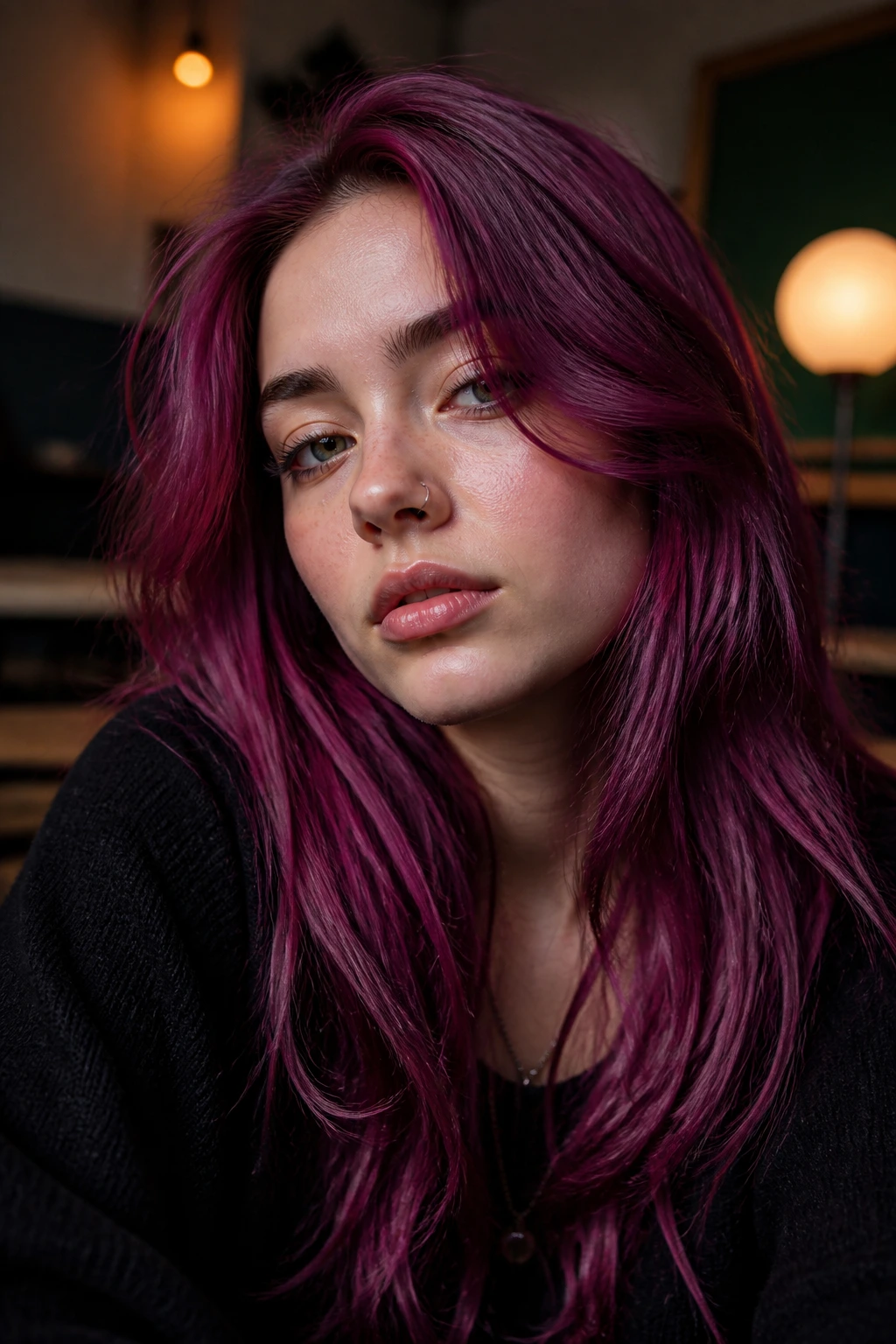
This is the “grown-up” version of pink. It leans heavily into purple undertones, making it a sophisticated, moody choice that looks stunning on nearly every skin tone. Because it is darker and more pigmented, it doesn’t require the aggressive bleaching that pastel pinks demand.
The Damage-Free Advantage
Since you don’t need to reach a level 10 bleach to get a good result, your hair will maintain more of its natural texture and strength. Berry tones also fade gracefully; as they wash out over several weeks, they turn into a softer, dusty mauve rather than an unflattering, washed-out orange.
Tips for Success
- Always use a cold-water rinse after shampooing to lock in the magenta pigment.
- Focus your conditioning treatments on the mid-lengths and ends where the hair is typically more porous.
4. Dust Rose Gold
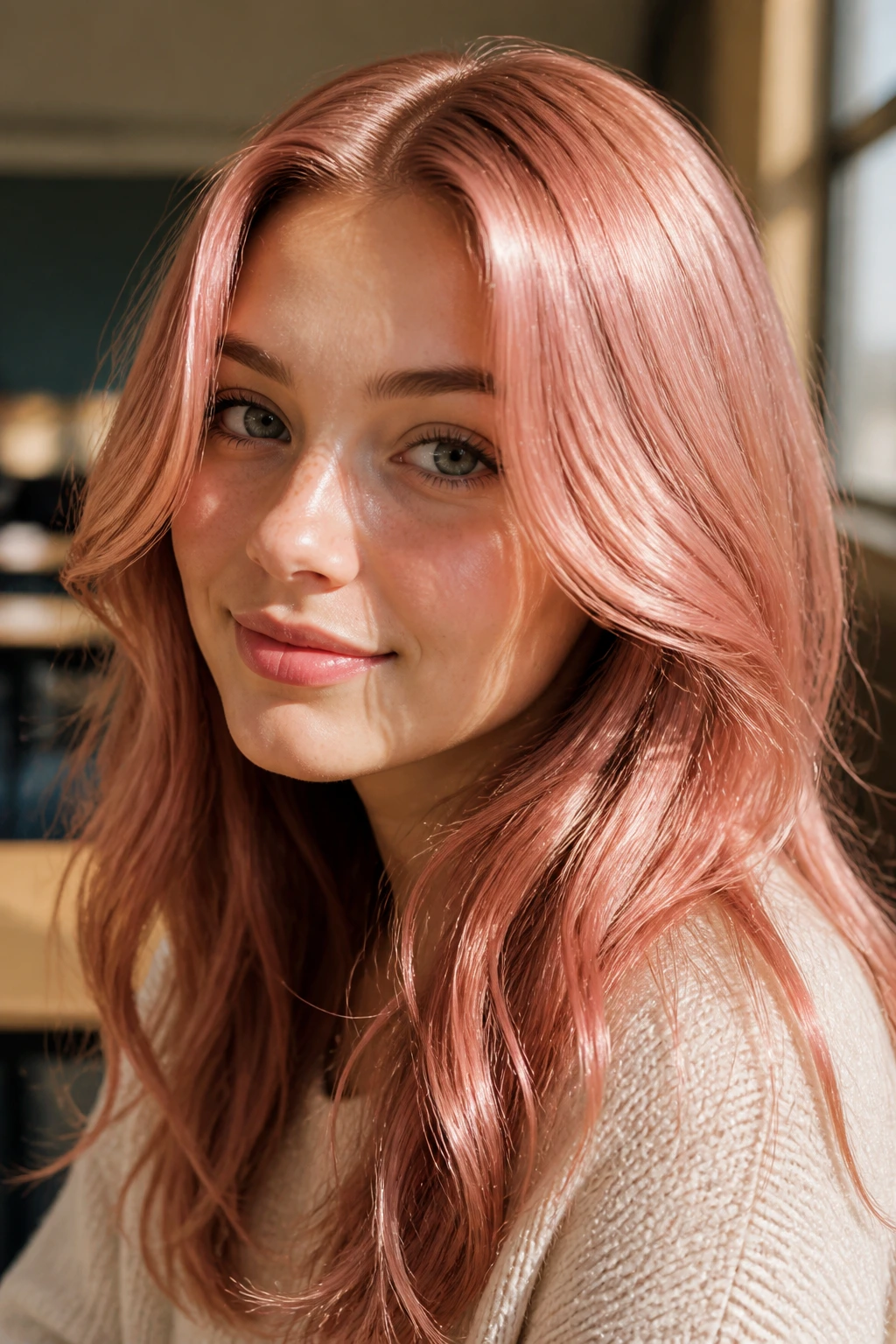
Rose gold is the perfect middle ground for someone who wants pink but doesn’t want to look like they’ve joined a pop punk band. It has strong metallic, copper, and champagne undertones that mimic the warmth of real gold. It catches the sun beautifully and transitions seamlessly from a fall school term into spring.
How to Achieve the Metallic Finish
The secret to the “gold” in rose gold is the inclusion of a warm, slightly reddish base. If you mix your pink with a tiny bit of orange or gold-tinted hair gloss, you get that expensive, salon-finished look.
5. Electric Neon Hot Pink
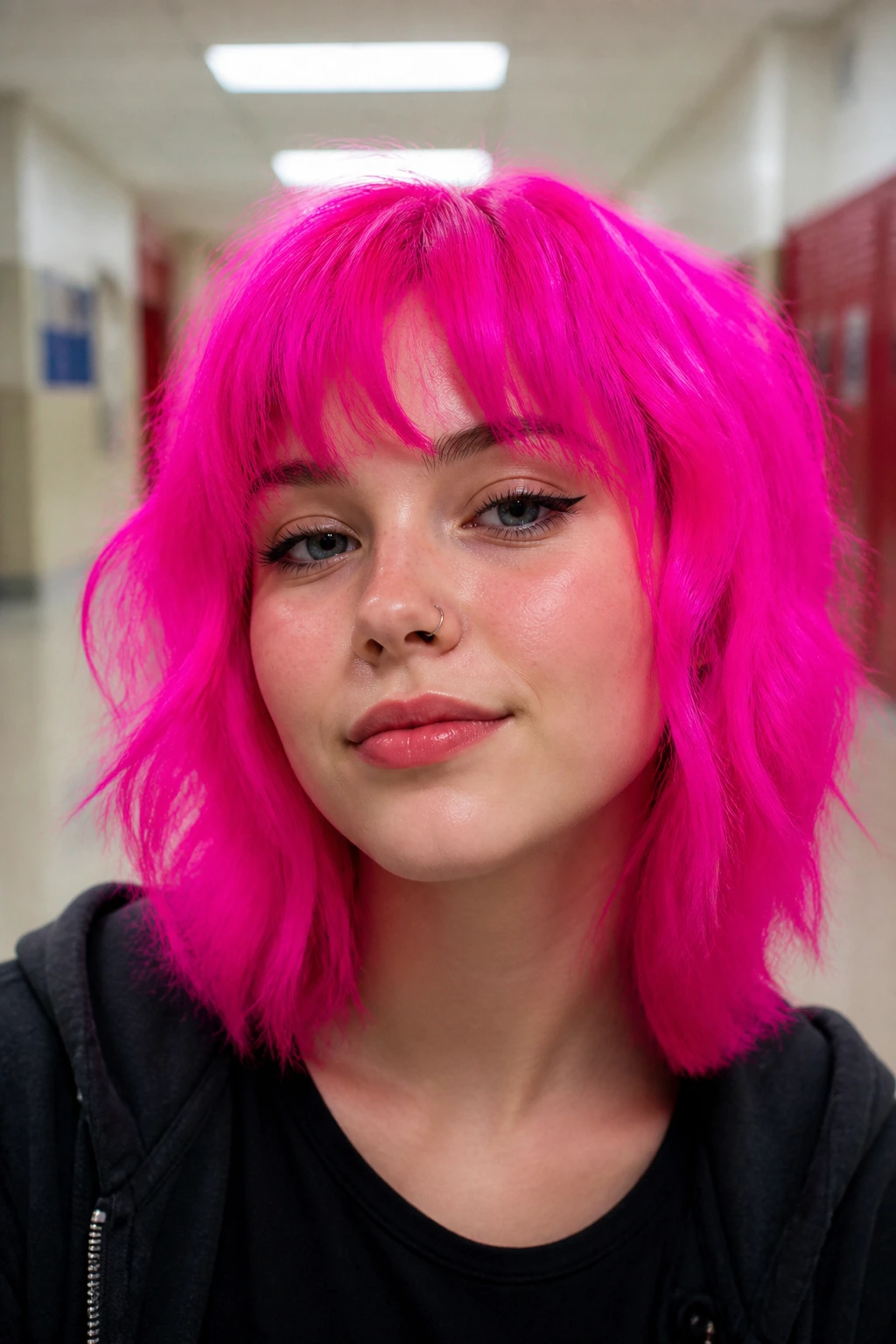
Neon is not for the faint of heart. It glows, it stands out, and it’s arguably the most fun shade to wear in a classroom setting where everyone else is sporting natural brunettes and blondes. Neon dyes are highly concentrated and usually have a fluorescent quality that reacts interestingly under artificial fluorescent lights.
Preparing for the Intensity
Neon pigments are notorious for staining everything they touch—your pillowcases, your towels, even your forehead if you aren’t careful. Apply a thick layer of petroleum jelly around your hairline before you start the dyeing process to ensure the color stays on your hair and not on your skin.
6. Soft Peachy Pink
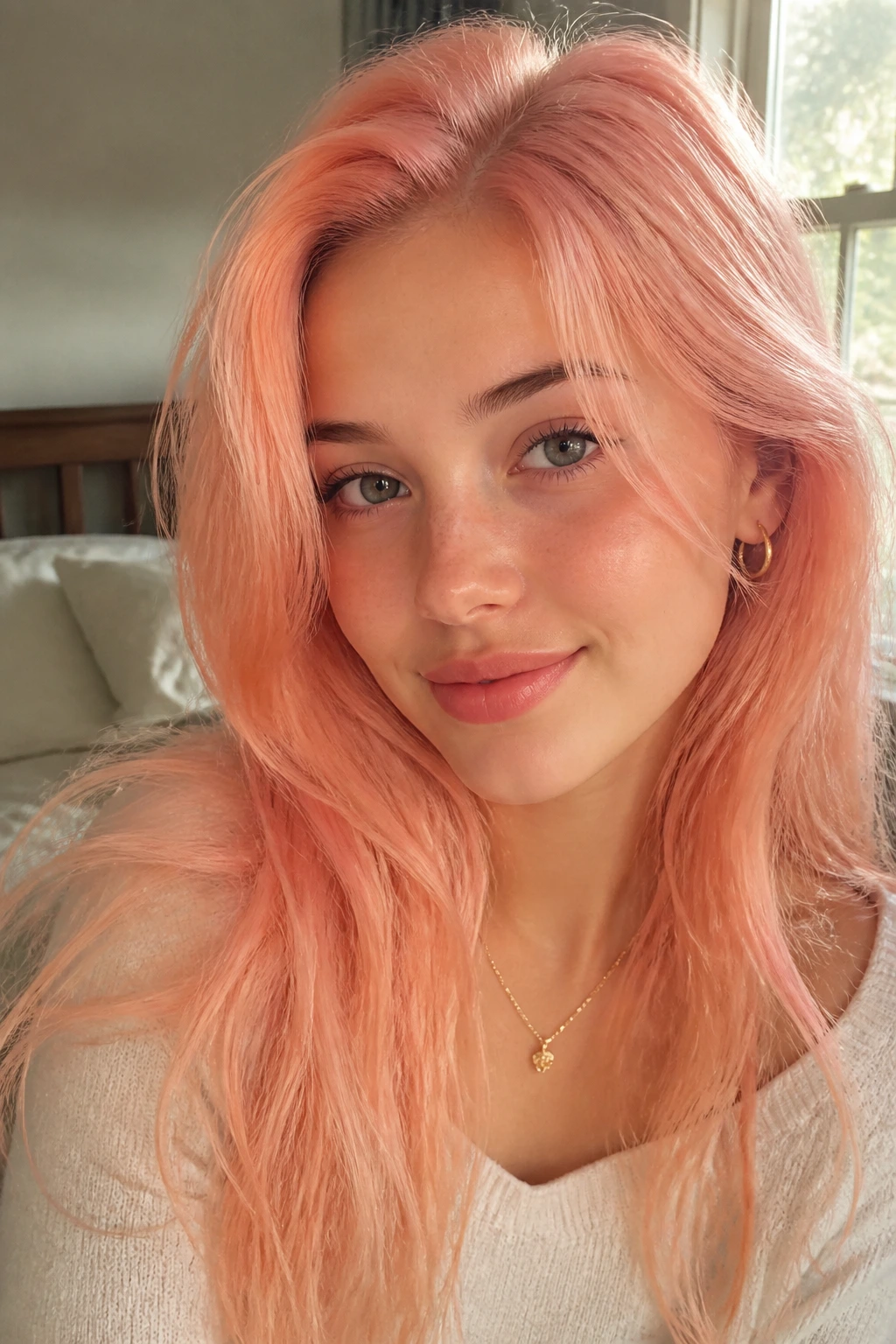
Think of a sunset in mid-July. That is the exact energy of a peachy-pink shade. It is incredibly warm, inviting, and feels less like a “colored” hair look and more like a soft, romantic tint. It is a fantastic option if you have a warmer complexion or if you generally prefer gold-toned jewelry over silver.
Best Skin Tone Matches
- Peachy pinks bring out the warmth in olive skin tones.
- They also look beautiful against cooler skin, creating a nice contrast between the hair color and your natural undertone.
7. Cotton Candy Ombré
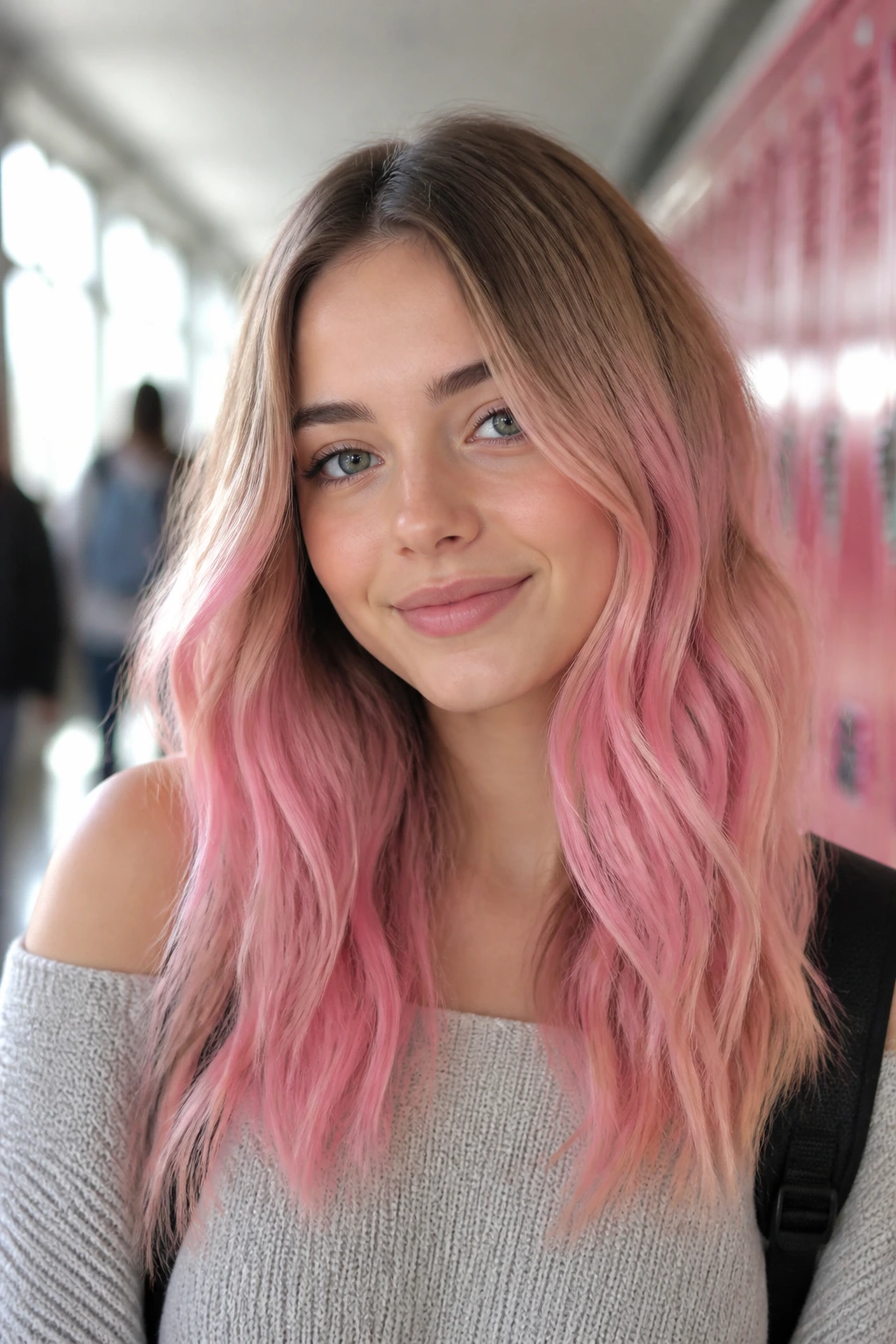
Ombré is still the easiest way to manage a bold color. By keeping your roots natural, you avoid the monthly “root touch-up” dance. The fade from your natural color into a vibrant cotton candy pink provides a built-in “grow-out” strategy that is both fashionable and practical.
Why This is Ideal for Students
You can go six to eight weeks between appointments because the transition is designed to look soft and diffused. It is low-stress, requires less bleaching, and still gives you the massive color payoff you want for those school morning selfies.
8. Dusty Mauve Pink
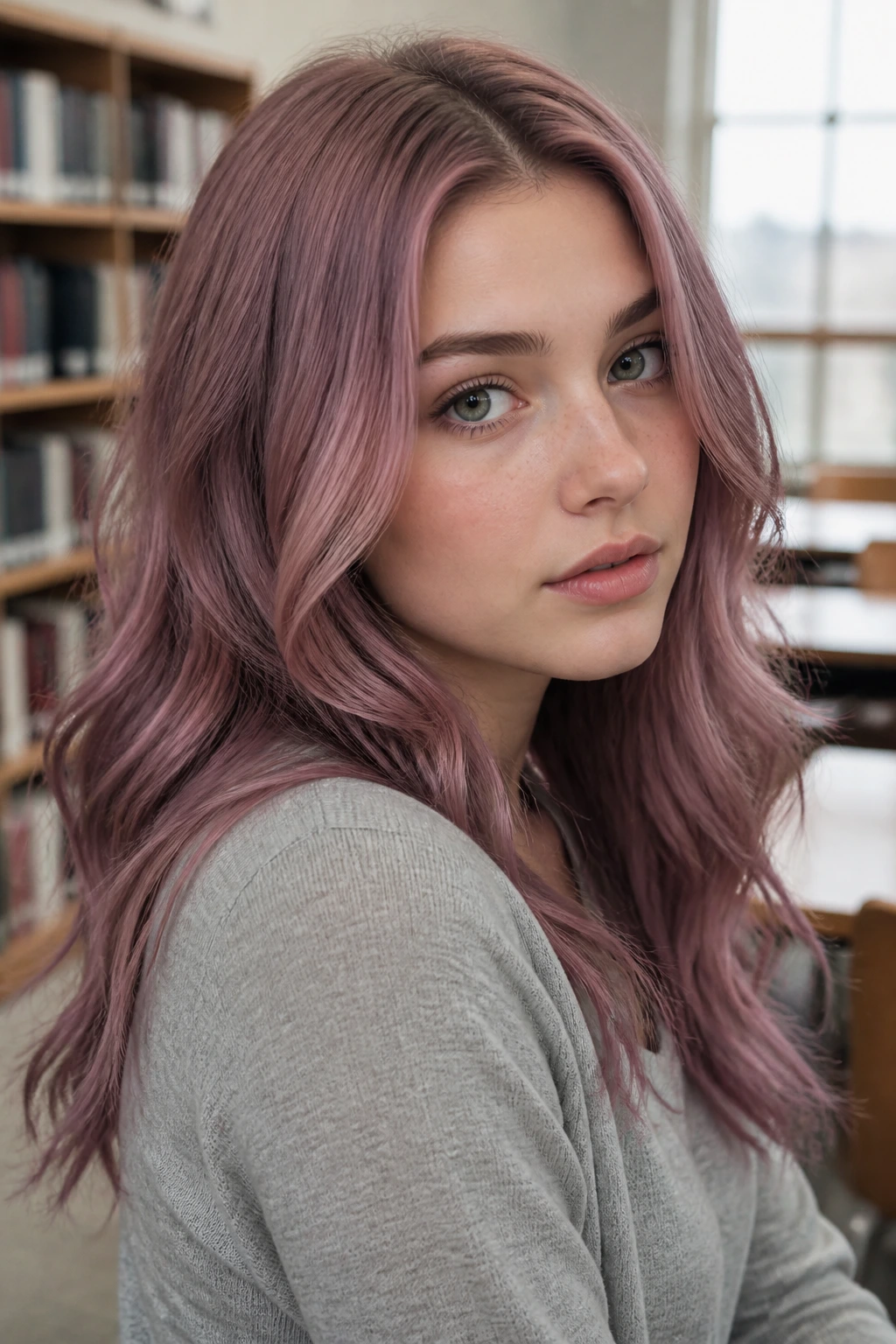
If you want something subtle, muted, and perhaps a bit “academic,” look toward dusty mauve. It is basically a purple-grey base mixed with just enough pink to take the edge off. It is the most “professional” shade on this list—perfect if you have internships or presentations where you need to feel polished but still want to keep your personal style.
Texture and Tone
Mauve looks particularly great on textured hair or hair with a natural wave. Because it’s a cooler tone, it tends to make your skin look bright and clear. Use a purple-toning shampoo once a week to keep the grey from turning brassy.
9. Fire Engine Pink-Red
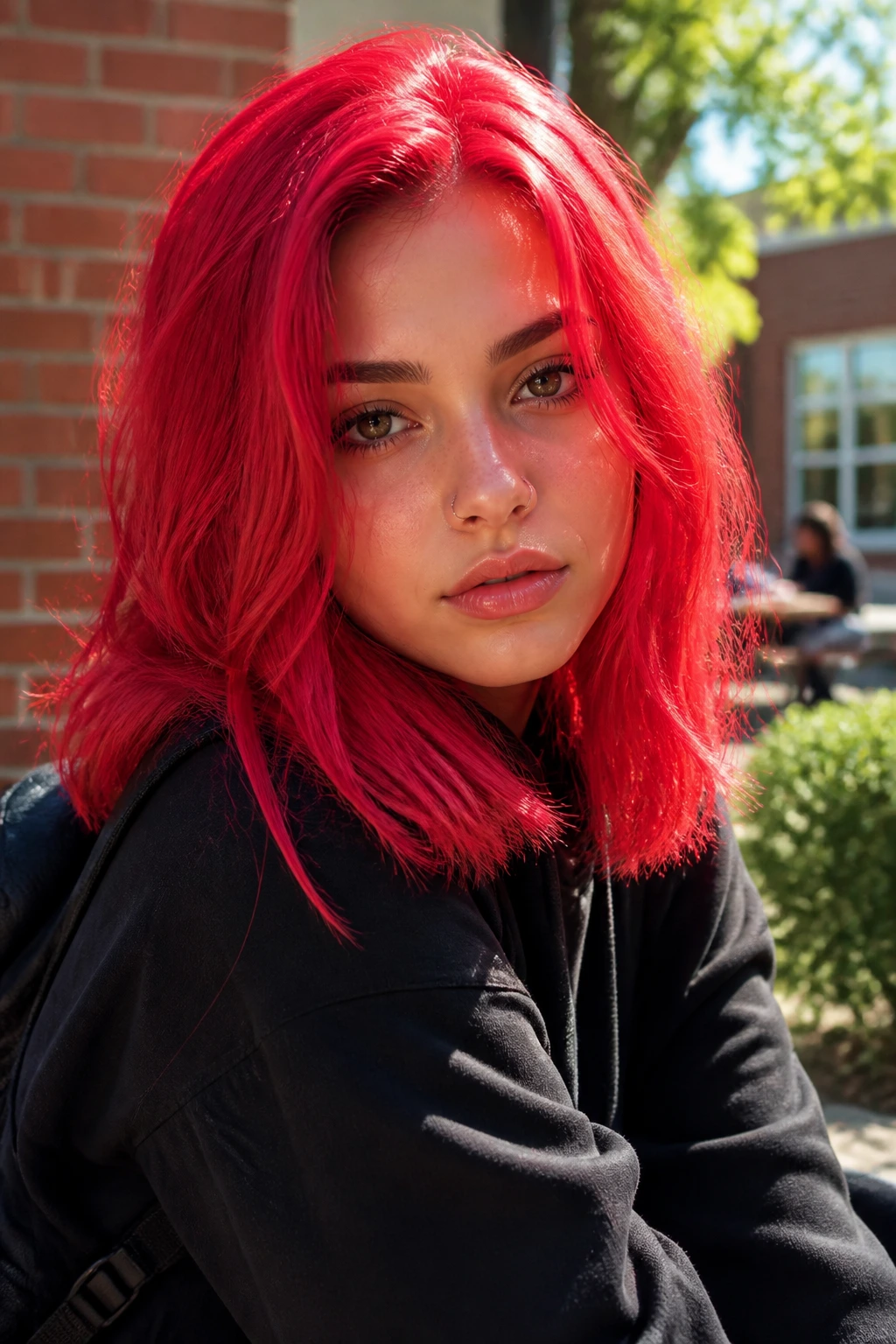
This sits right on the edge of red and pink. It is intense, sharp, and has a high-energy, aggressive brightness that makes a strong statement. It is a fantastic choice if you want to look edgy and sophisticated at the same time.
How to Maintain the Edge
- Red-toned pinks are the most prone to “bleeding” when wet.
- Avoid white shirts on the first few days after dyeing your hair this shade.
- Invest in a high-quality color-safe shampoo to prevent the red pigment from turning into a muddy, pale pink.
10. Highlights of Strawberry Pink
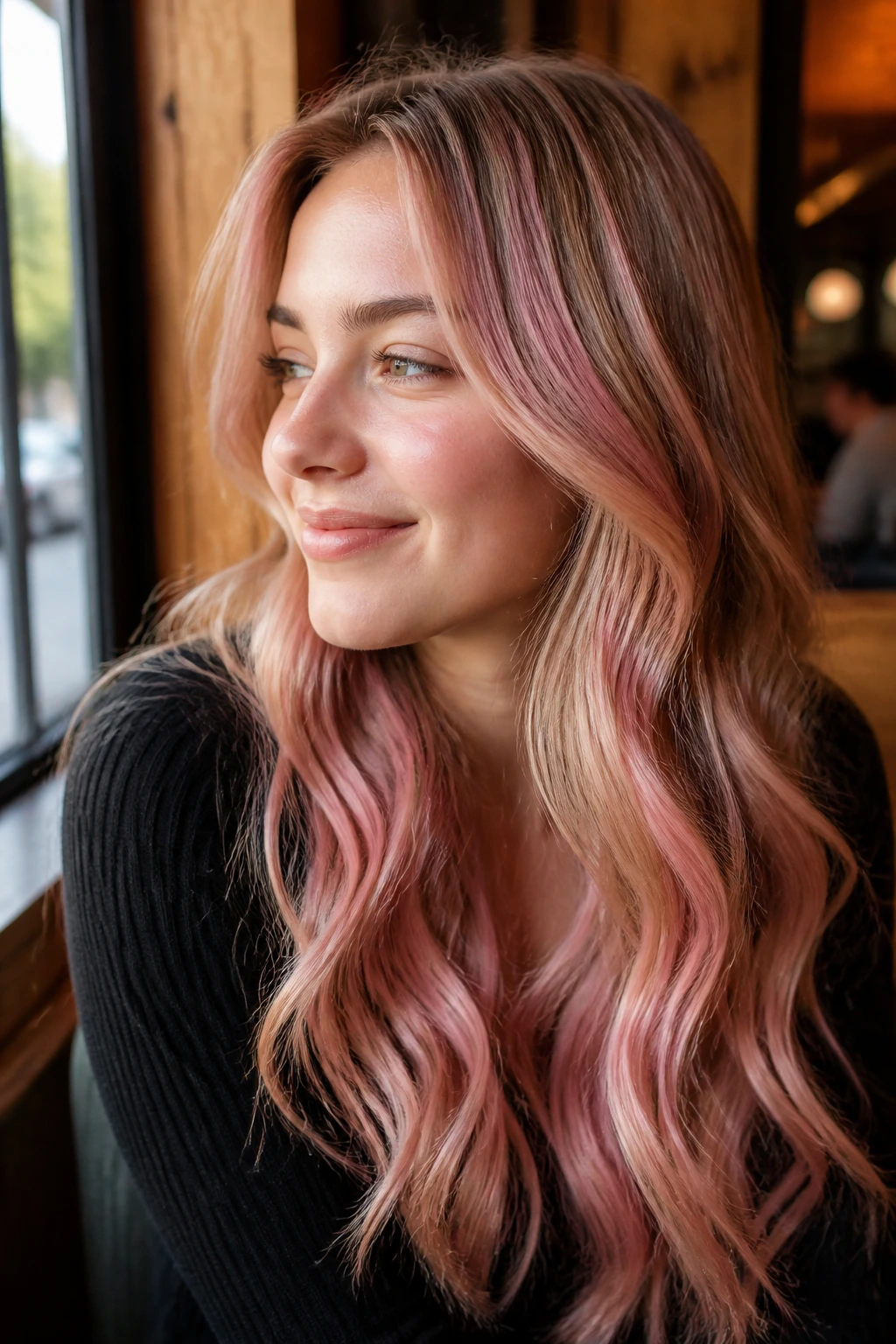
You do not have to color your entire head. Strategic highlights—thin, painted-on streaks of strawberry pink through a light blonde or caramel base—add texture and depth to your hair. They act like a prism, catching the light as you move.
Precision Matters
Use a plastic highlighting cap or foil to ensure you only color the strands you want pink. If you are doing this at home, work in thin sections to avoid “chunky” highlights, which can end up looking a bit dated.
11. Icy Lavender-Pink
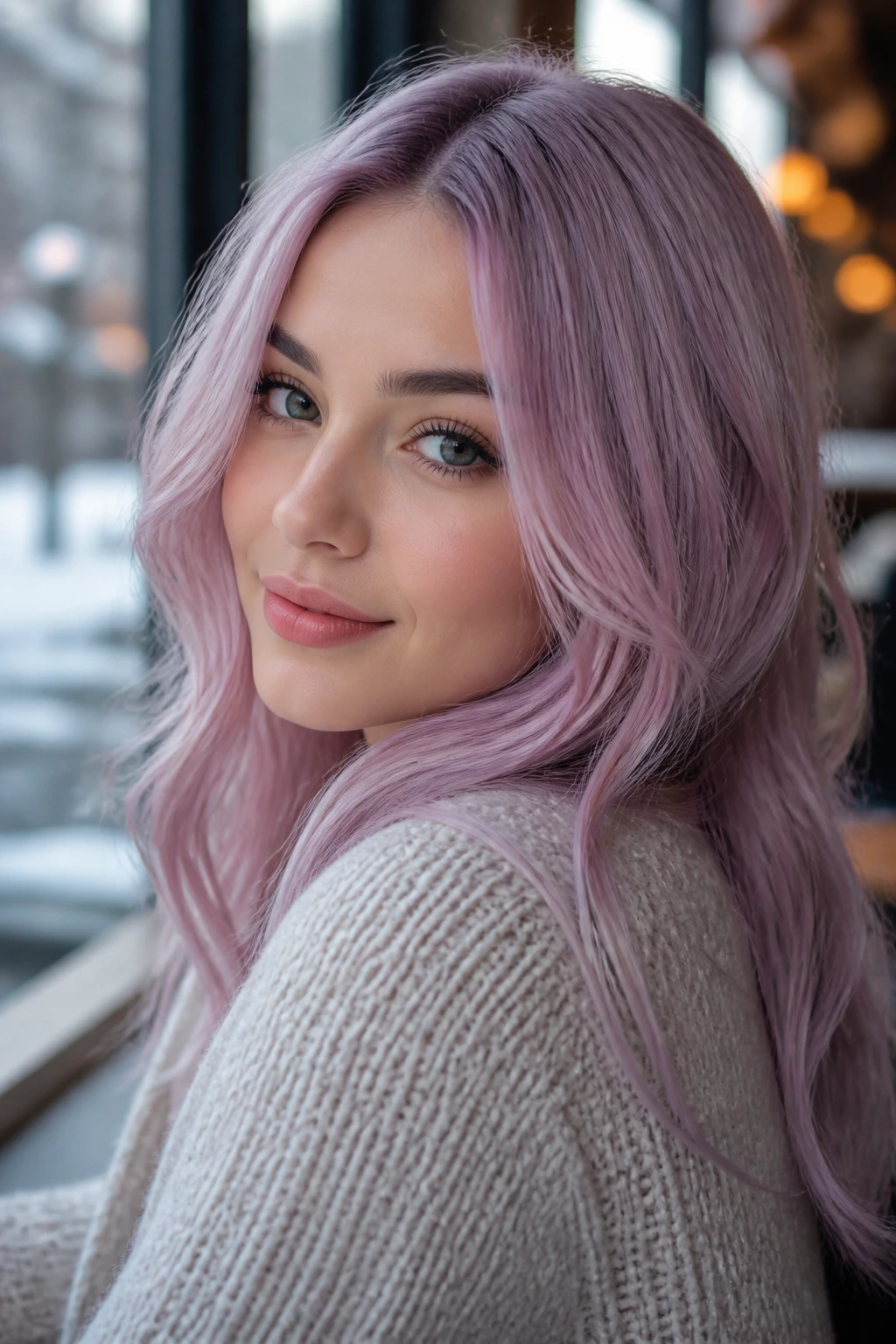
This is a cool-toned, almost metallic-looking shade. It is a fusion of lilac and pink, perfect for people who like a cooler aesthetic. It looks especially stunning in the winter months, paired with oversized sweaters and grey or navy tones.
The Balancing Act
Because it has lavender tones, you must start with a very clean, neutral base. If there is too much yellow left in your hair, the lavender will mix with the yellow to create an unwanted green tint. Always perform a strand test on a hidden section of hair before you commit to the whole head.
12. Sunset Coral Pink
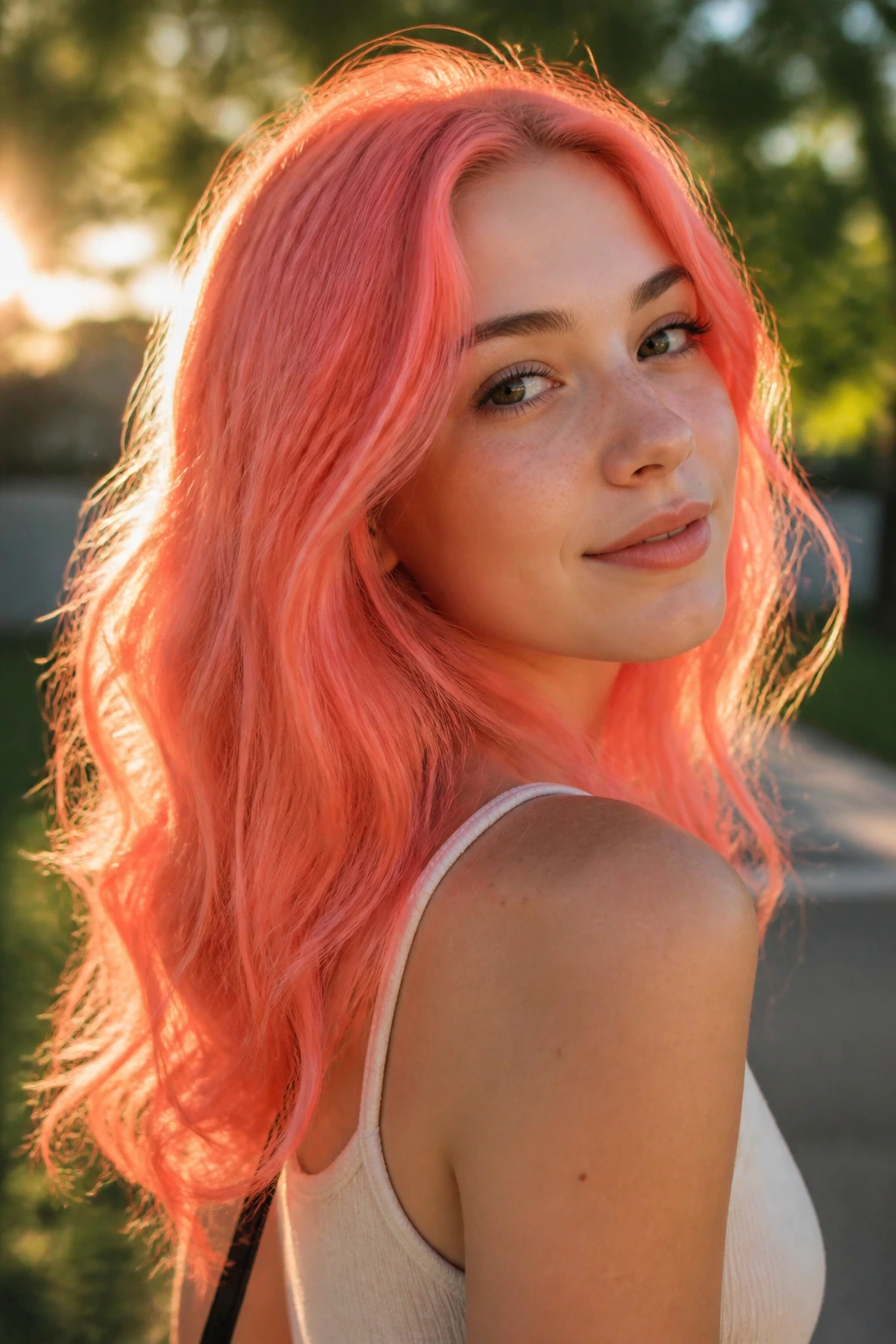
Coral is distinct because it packs a punch of orange. It is loud, unapologetic, and feels very summery. It is a great choice if you want a color that isn’t just “another shade of pink” but rather something slightly more unique and tropical.
Styling the Coral Vibe
Coral looks best when paired with effortless, messy styles. Think braids, loose knots, and minimal makeup. Let the hair color do the heavy lifting for your look.
13. Pastel Pink Tips (The “Dip-Dye”)
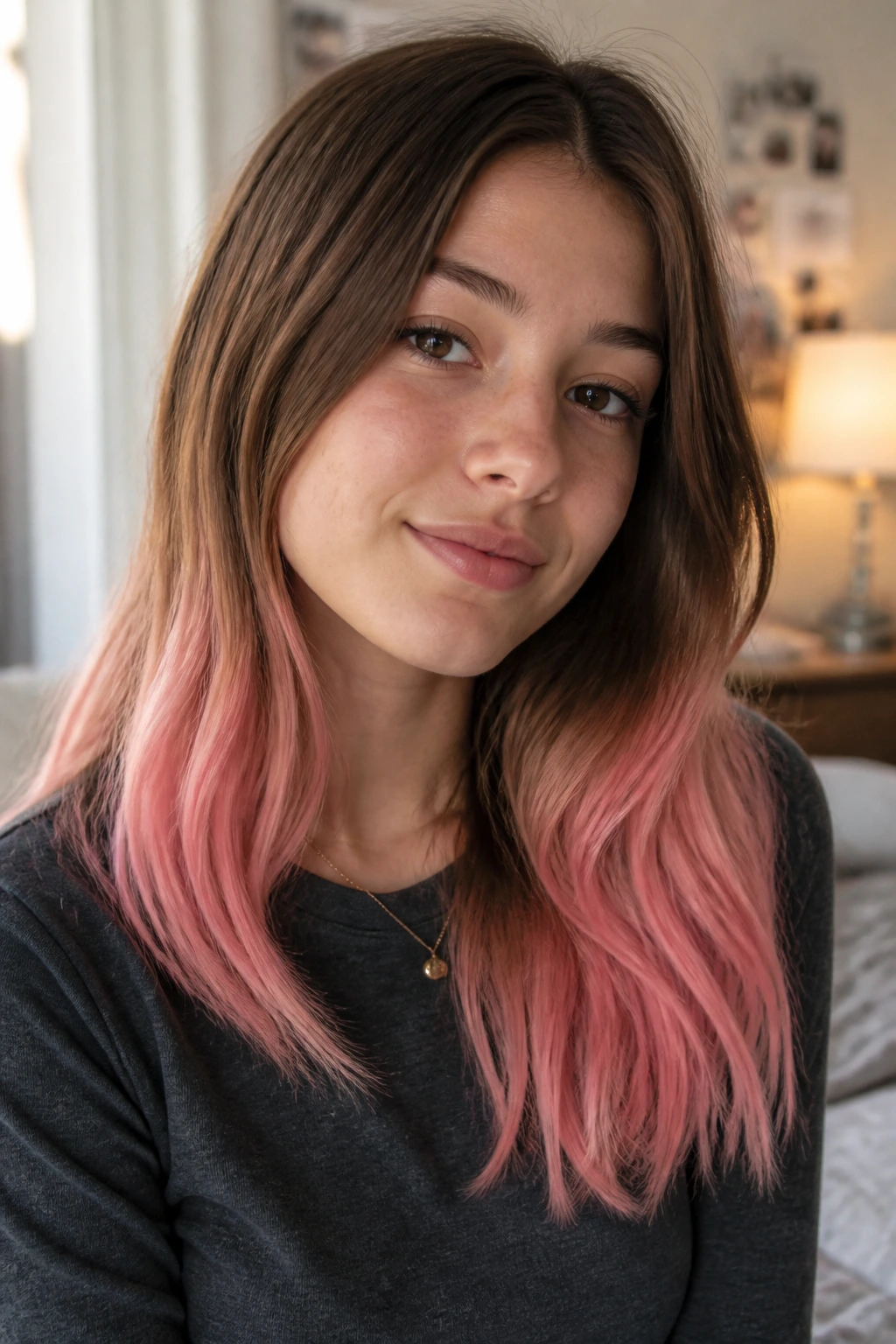
Do you remember the dip-dye trend? It has aged remarkably well. By only coloring the bottom 3 to 4 inches of your hair, you create a sharp, intentional block of color. It is the perfect way to play with pink without damaging your roots or having to worry about regrowth.
A Note on Split Ends
Because the ends of your hair are the most porous, they will soak up the pink dye faster and hold it longer than any other part of your hair. This makes dip-dyeing a very efficient, low-damage way to wear pink.
14. Deep Rosewood
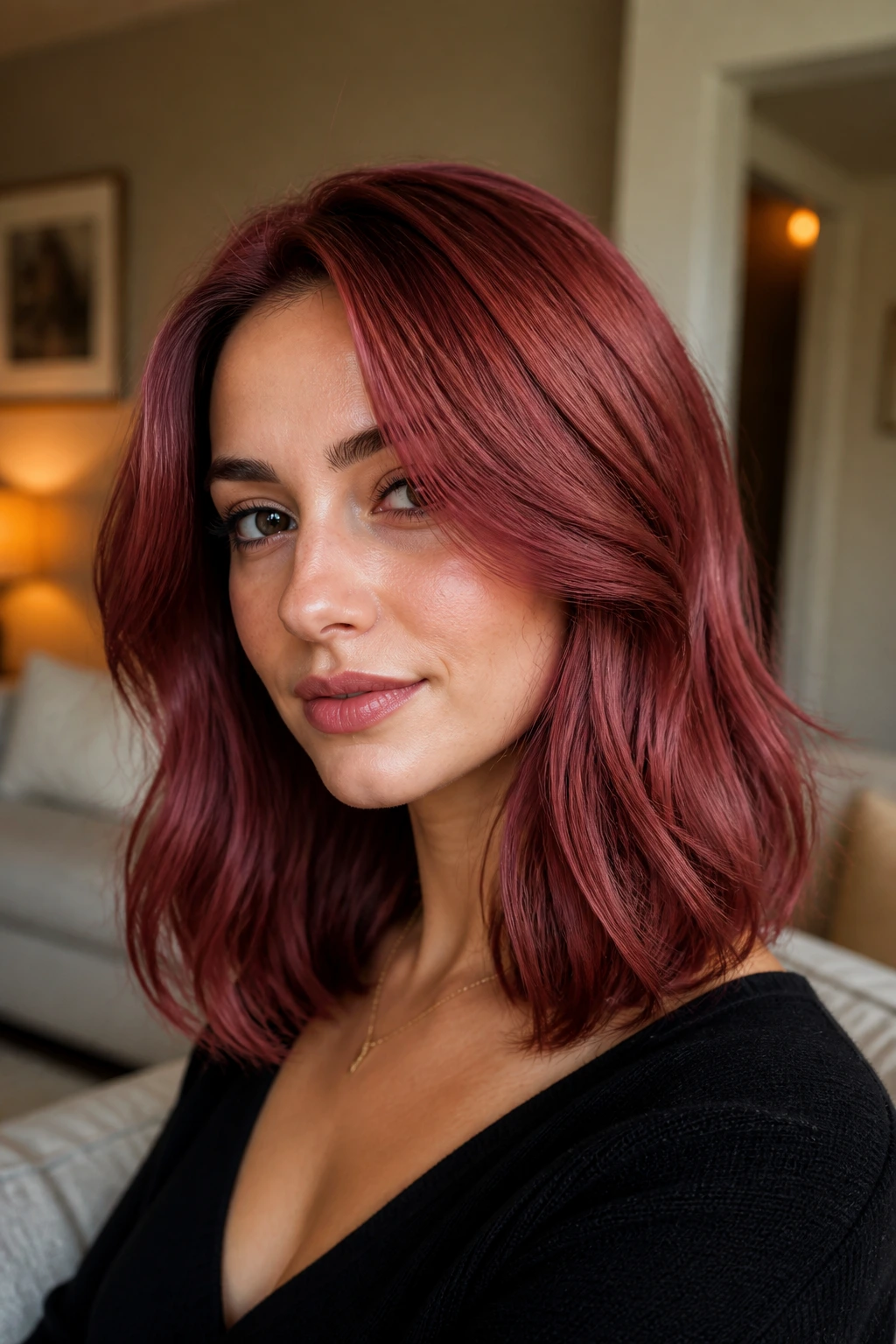
This is a rich, darker pink that feels almost like a wood stain. It is very elegant and understated. It is a great choice for those who are transitioning away from natural colors and want something that feels sturdy and serious.
Caring for Rich Tones
Rich pinks like rosewood require moisture. Because you need to use a stronger dye to get this deep color, the hair can feel a bit dry initially. Incorporate a deep conditioning hair mask once a week to bring back the shine and keep the color looking glossy.
15. The “Peek-a-Boo” Pink
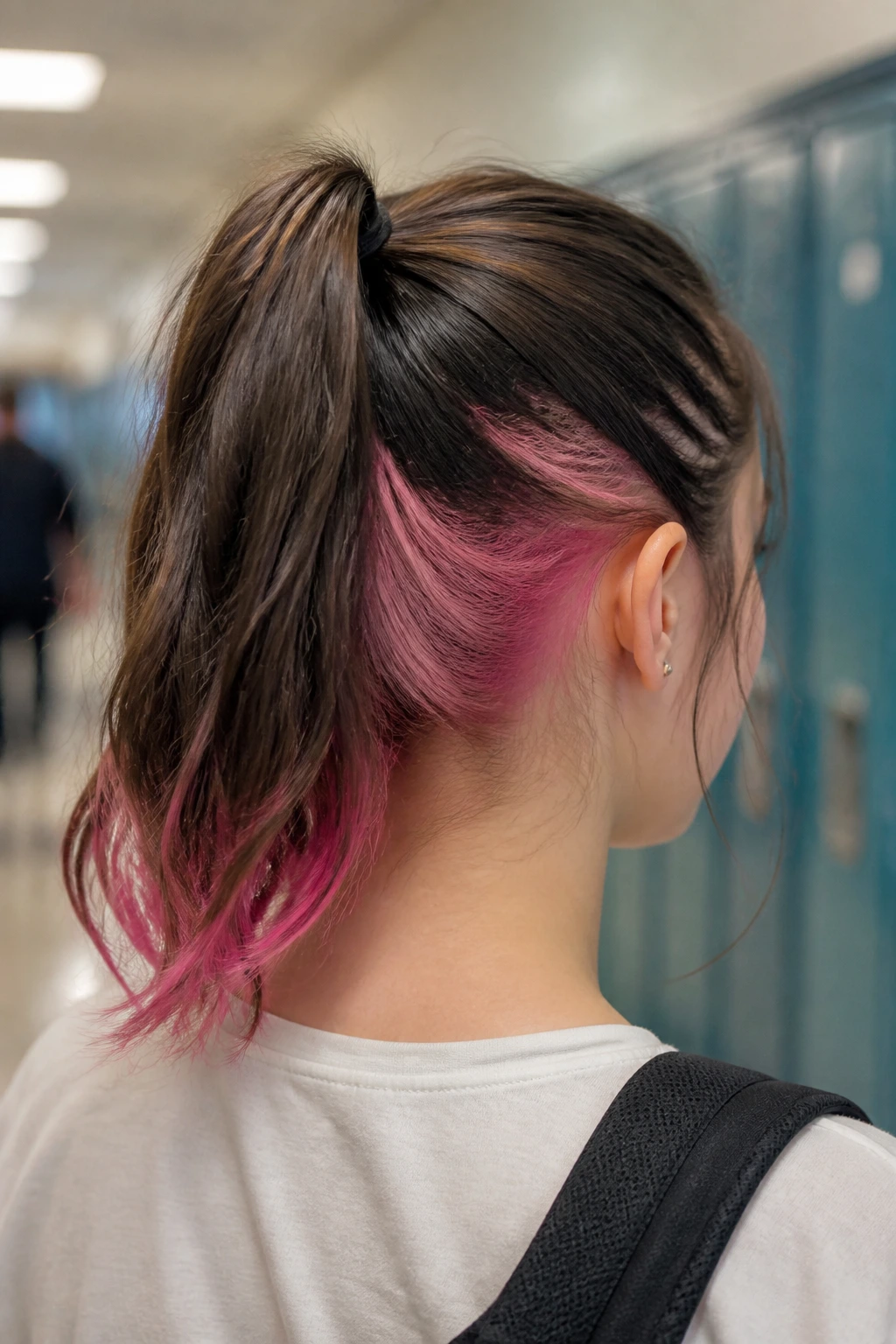
This style involves dyeing the bottom layer of your hair—the part that sits against your neck—pink, while leaving the top layer your natural color. When you wear your hair down, it’s invisible; when you put it up in a pony or a bun, the pink is revealed.
Why It’s the Best for School Rules
If you have a dress code that limits “unnatural” hair colors, this is your loophole. You can keep your hair looking conventional for class, then flip it up when you leave the building to reveal your style.
16. Watermelon Pink
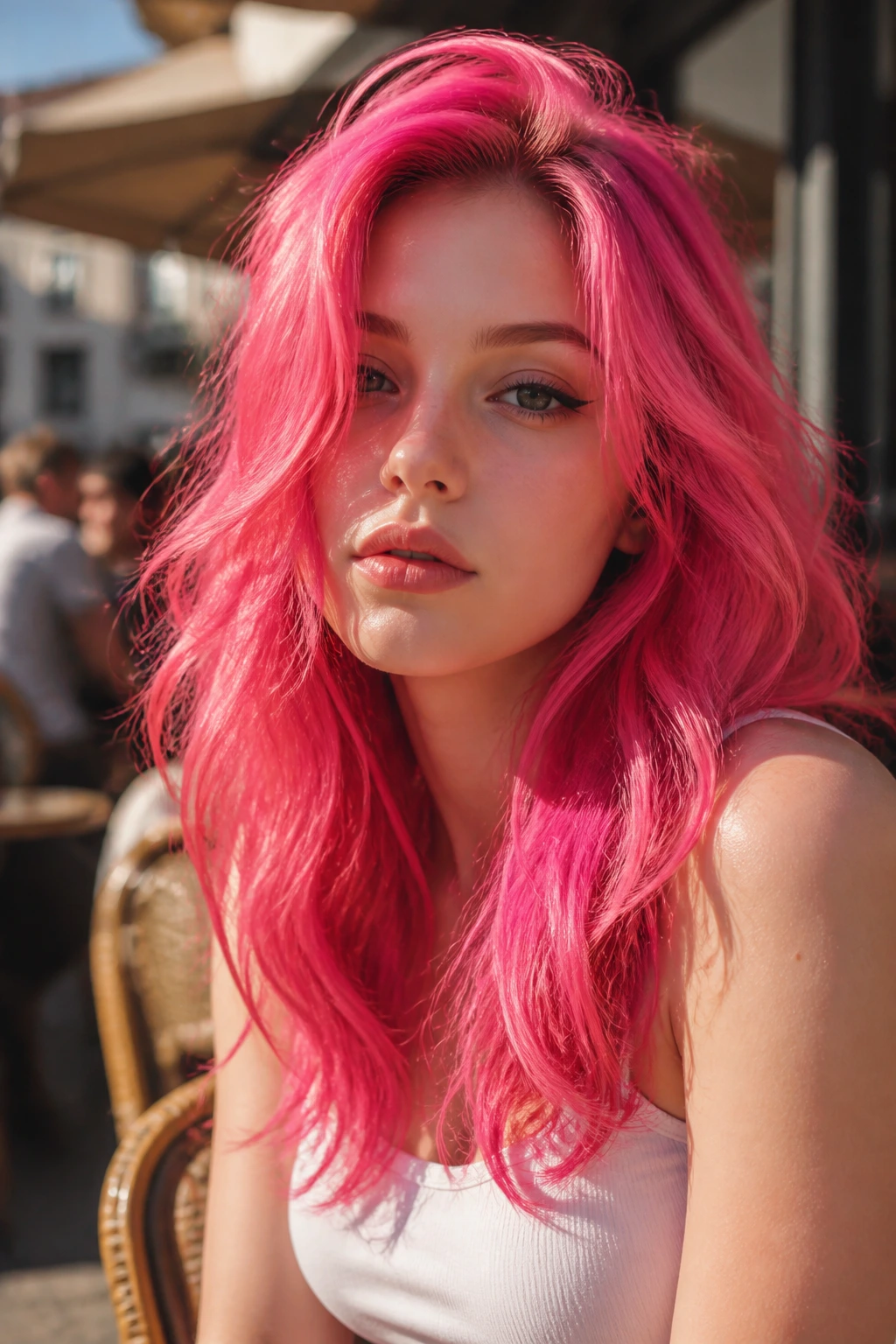
Watermelon pink is bright, slightly cooler than bubblegum, and has a crispness to it. It’s a very clean, vibrant color that feels very “clean girl aesthetic.” It is a refreshing departure from the usual warmer pinks, making it a favorite for those with cool-toned skin.
Maintaining the Brightness
To keep this shade from fading into a dull rose, stay away from heat styling tools as much as possible. High temperatures from flat irons and curling wands strip the vibrant pigments out of the hair shaft, turning neon colors into pale, lackluster versions of their original selves.
17. Blush Pink
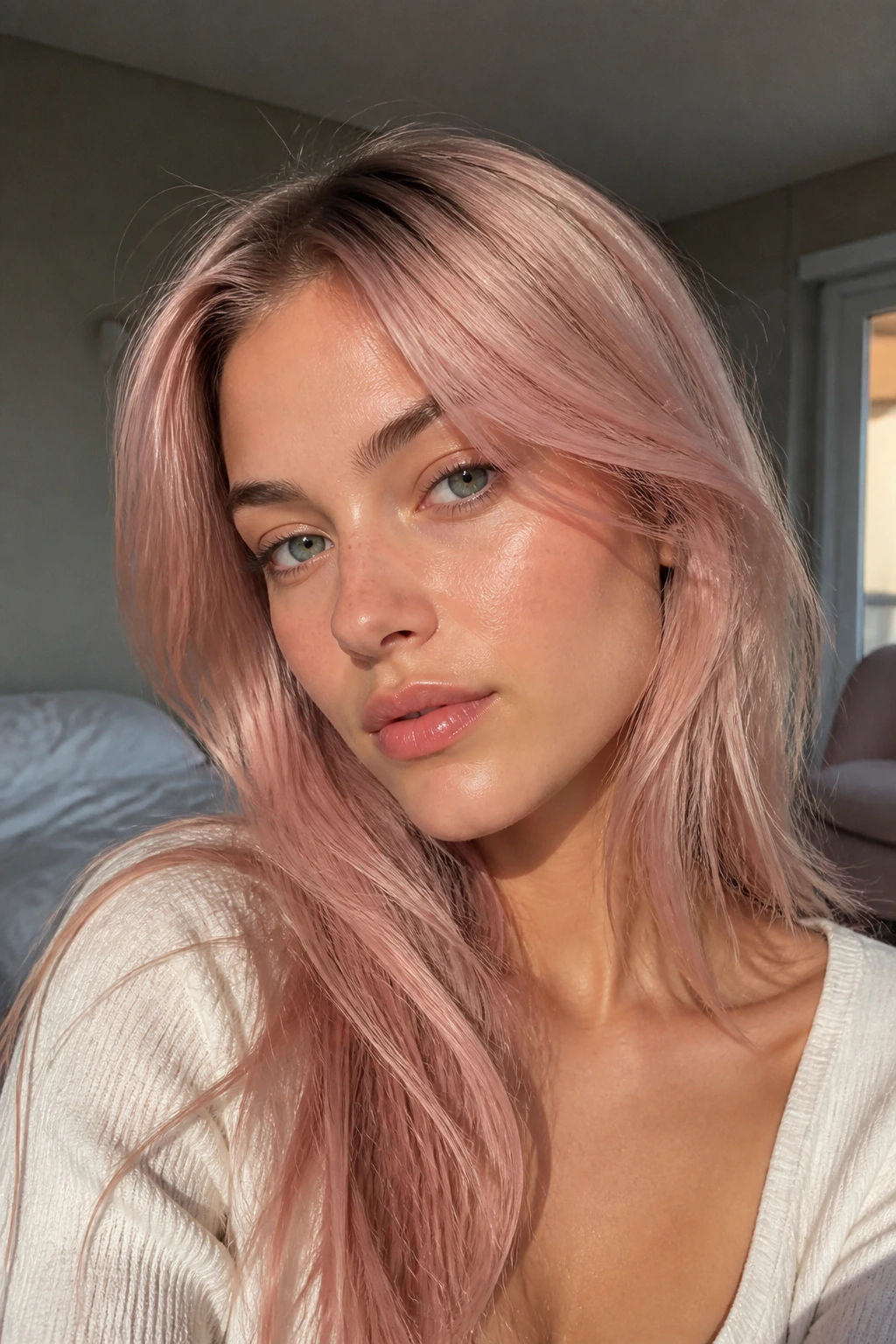
Blush is so subtle that it barely looks like color at all; it’s more like a “filter” for your hair. It’s perfect for those who want to experiment with a tone change without dealing with high-maintenance upkeep. It’s basically the “lip gloss” of hair colors.
When to Choose Blush
If you have naturally very light blonde hair, you can achieve this with a simple, sheer pink toner. It takes about five minutes at the shampoo bowl and will wash out completely within a week, making it a risk-free choice for a school dance or a break between terms.
18. Vivid Fuchsia
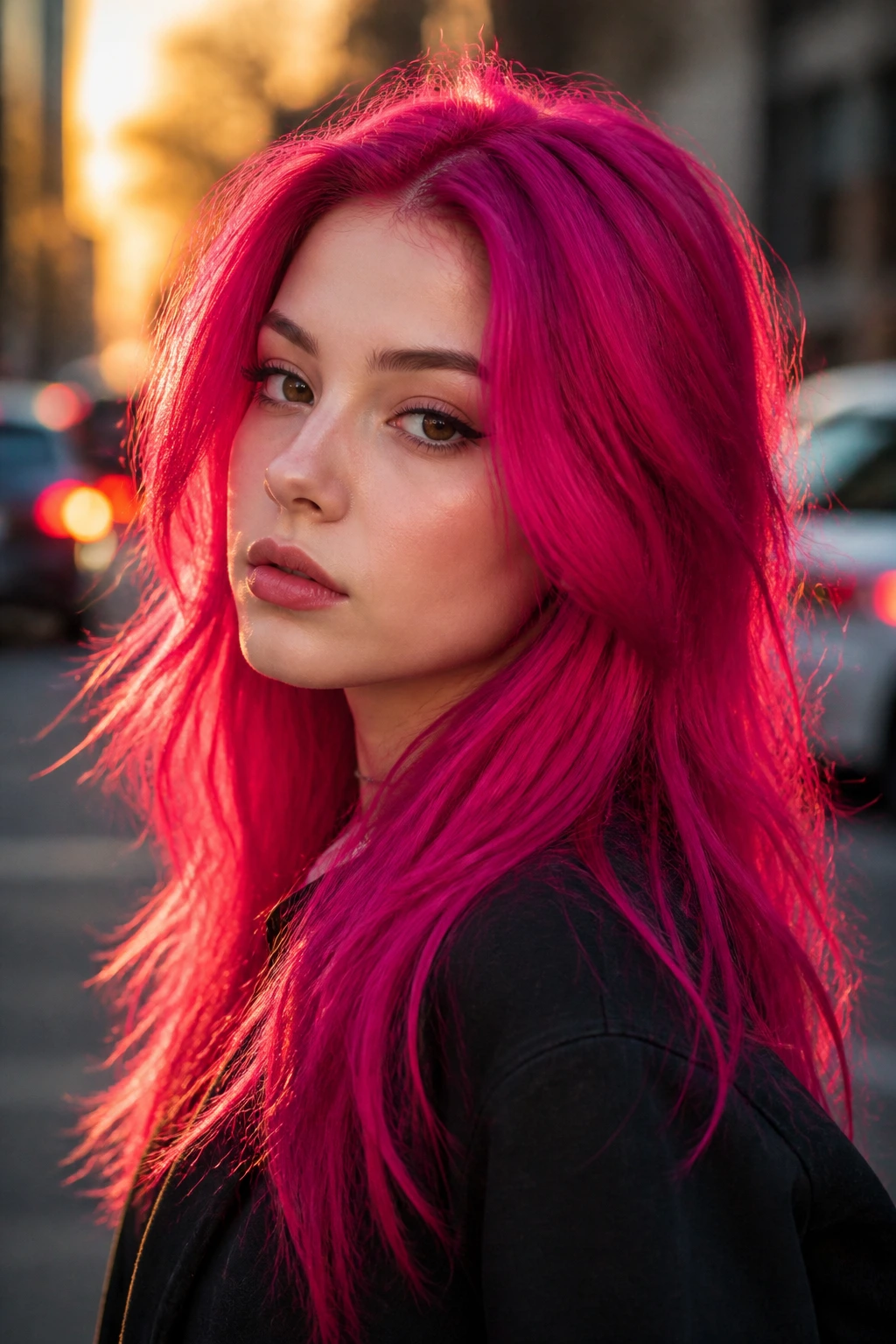
Fuchsia is aggressive and unapologetic. It has a high-octane purple-red base that makes it feel almost like an ink. It’s one of the longest-lasting pinks you can choose, as the dye molecules are so saturated.
The Longevity Benefit
If you are tired of refreshing your color every two weeks, fuchsia is your best friend. It will stay bright for quite a while, though you should expect it to fade into a very nice, vibrant magenta over the course of a month.
19. Two-Tone Pink Split
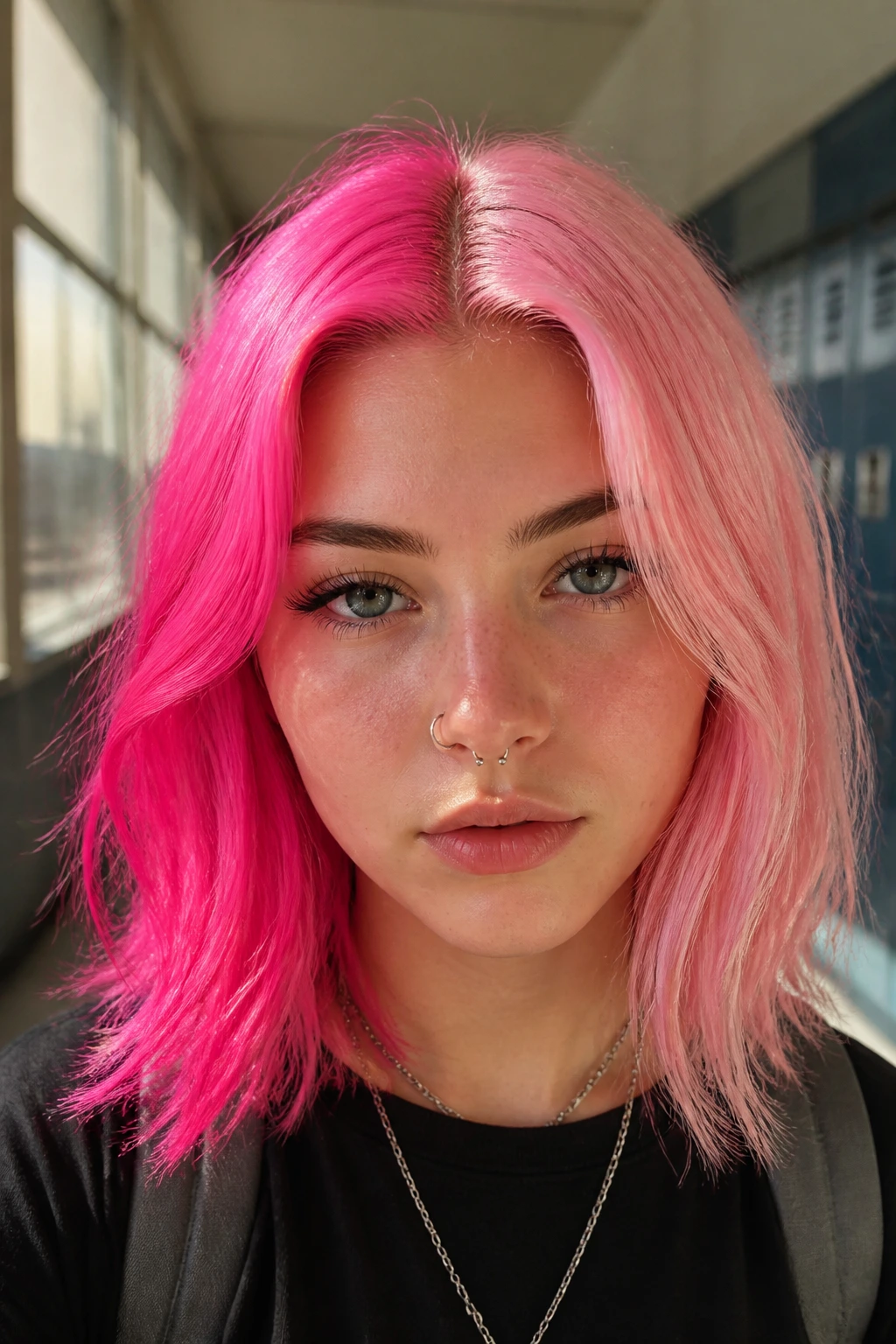
This style involves dyeing half your head one shade of pink and the other half a different shade—or perhaps leaving one side your natural color. It is a bold, artistic choice that shows off a creative personality.
Executing the Split
The key is to create a clean part down the center of your head before you begin applying the color. Use a tail comb to ensure the part is perfectly straight, then secure one side away with a clip while you work on the other. This prevents the colors from bleeding into each other during the processing time.
20. Soft Flamingo Pink
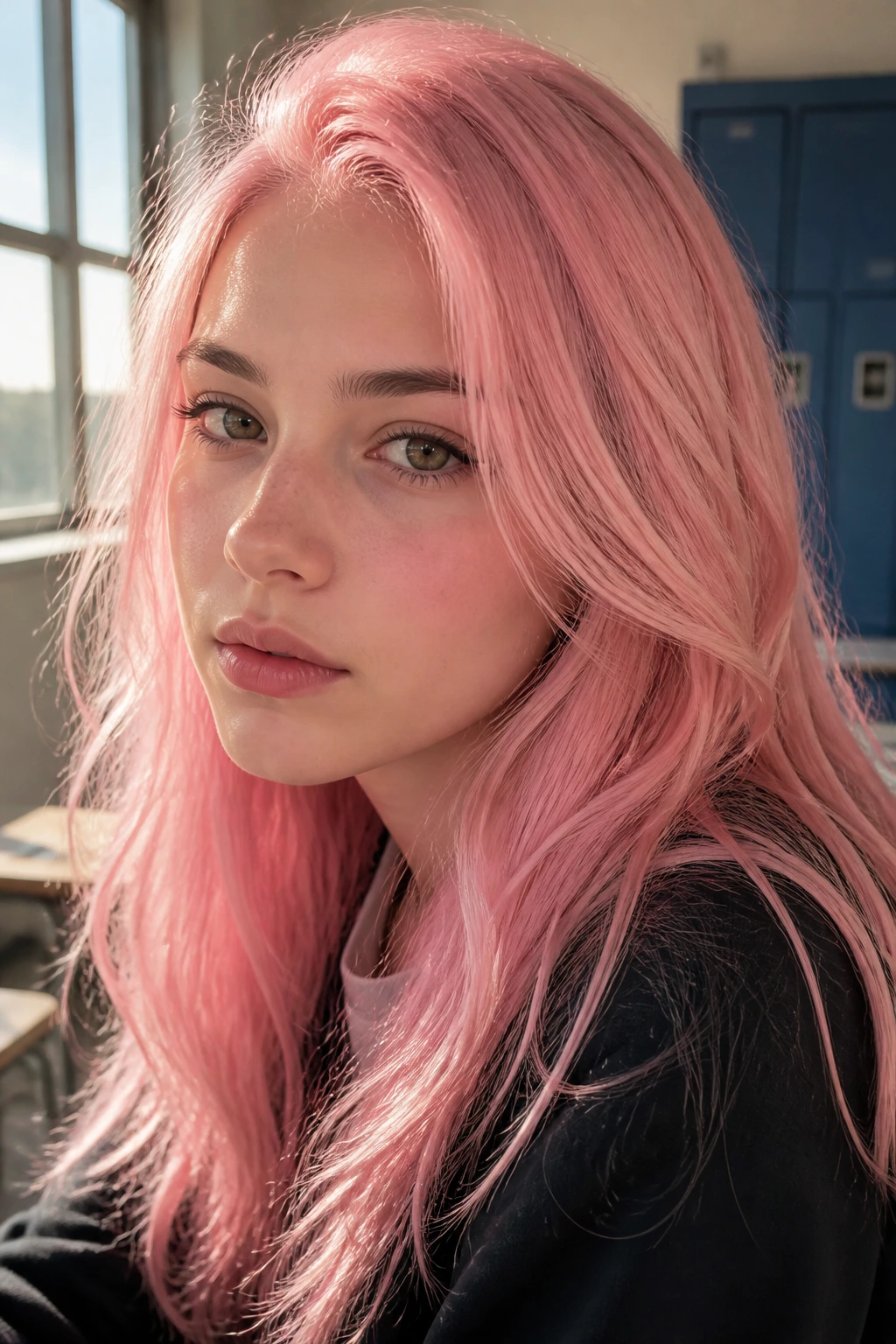
Flamingo is a bit more muted than bubblegum but warmer than rose. It has a classic, retro appeal. It feels like something out of a 1950s postcard—charming, slightly kitschy, and undeniably fun.
Pairing with Accessories
Flamingo pink looks incredible with white hair clips, silver barrettes, or navy blue ribbons. The contrast between the soft pink and the crisp, dark accessories is a classic school-day look that always feels polished.
Storage, Reheating, and Make-Ahead Guidance
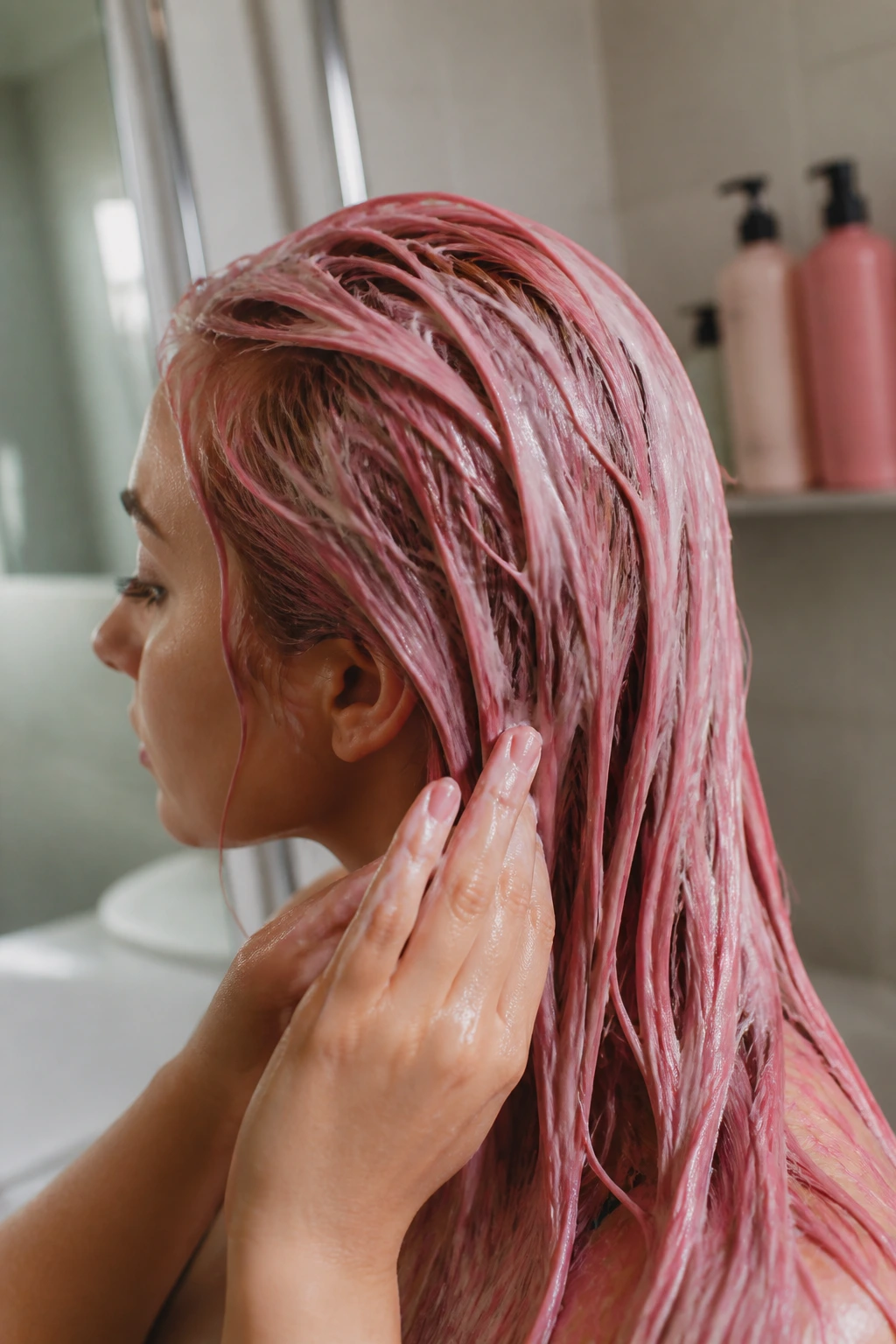
Hair color maintenance is all about preparation. You cannot “reheat” your hair color, but you can definitely “pre-load” your routine. If you are doing a semi-permanent color, mix a little bit of your leftover dye into your favorite deep conditioner. This is your insurance policy; use this mixture once a week to refresh the color during your normal shower routine.
For the initial application, make sure your hair is clean and free of product buildup. Any silicones or oils on your hair strands will act as a barrier, preventing the pigment from penetrating the hair shaft evenly. Wash your hair with a clarifying shampoo the night before, and do not use conditioner until after the color has fully processed and been rinsed out.
Serving Suggestions and Pairings
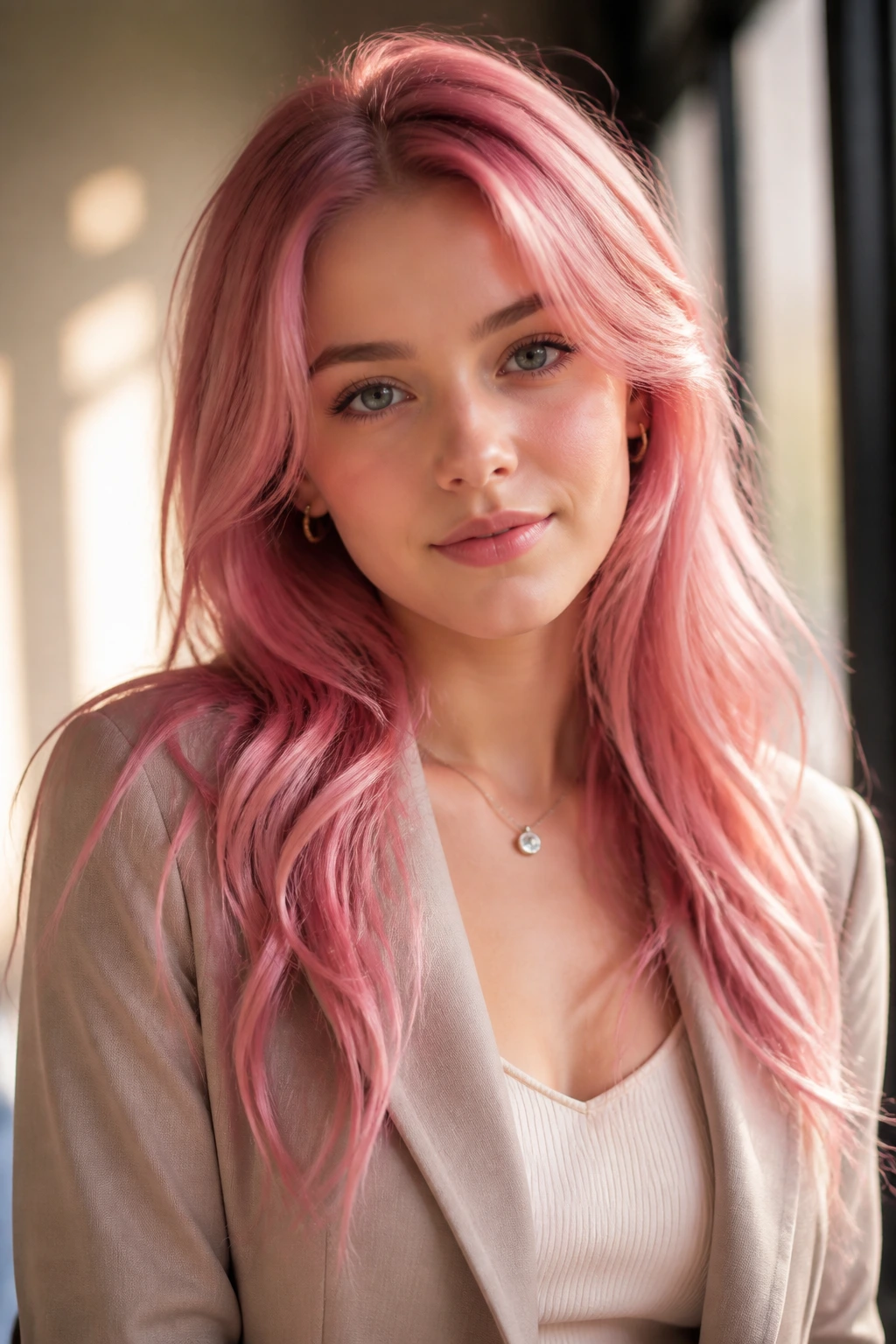
When you decide to go with a bold pink, your makeup and clothing choices naturally shift to accommodate your new accessory. Think of your pink hair as a primary color—it is now part of your daily outfit palette.
If you have a vibrant, neon-pink hairstyle, steer toward neutral-toned makeup or monochromatic colors for your clothes—black, white, grey, and navy always allow the hair to be the star. If you are opting for a softer rose gold, you can be much more playful with jewelry, favoring golds, rose metals, or even warm-toned gemstones like garnet and citrine. As for occasions, pink hair is universally appropriate for anything from a regular Tuesday in history class to a weekend formal; it is the ultimate expression of personal confidence, and there is never a wrong time to show off who you are.
Final Thoughts
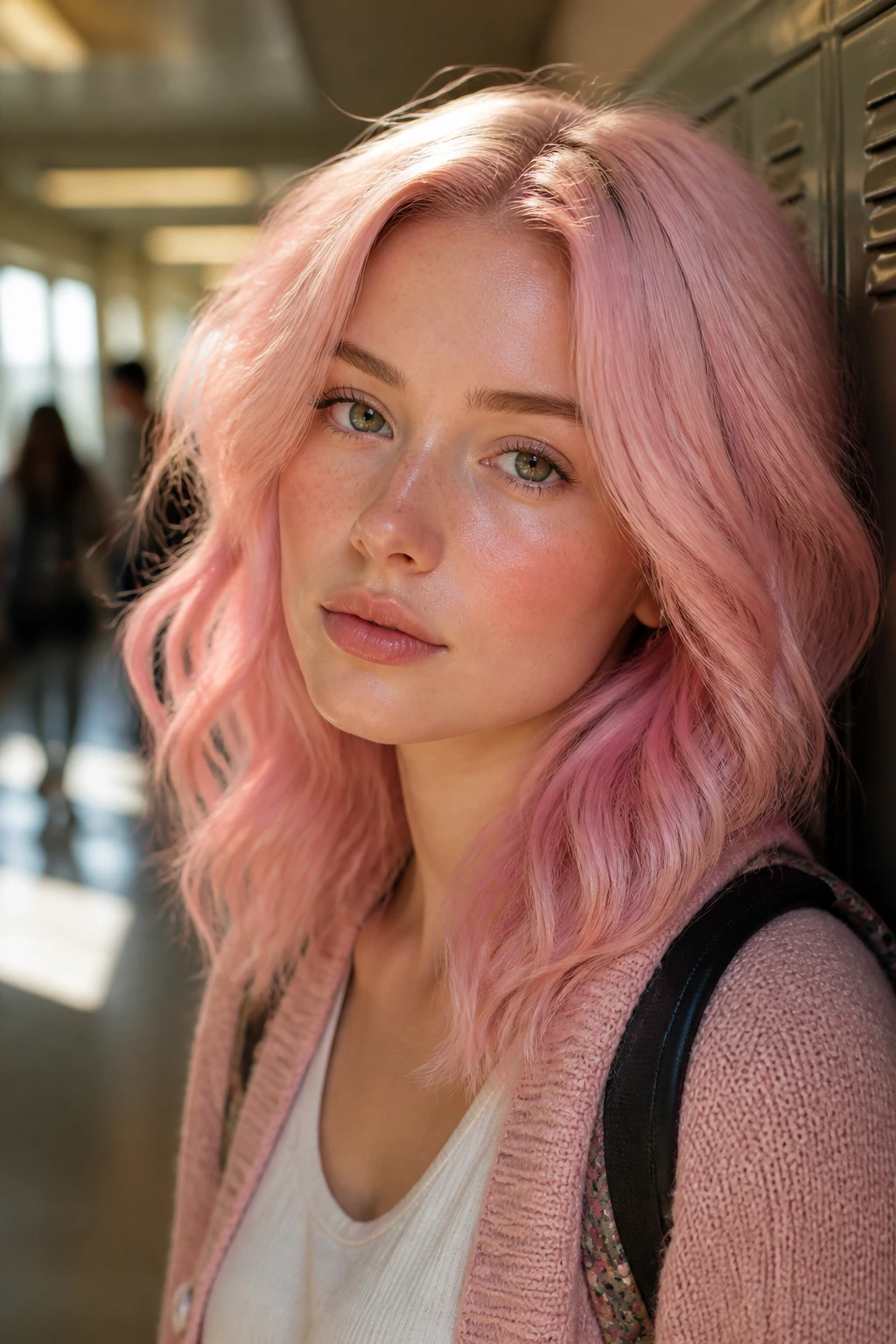
At the end of the day, hair color is meant to be a transient joy. It is not permanent, it is not life-defining, and it is entirely reversible. Whether you choose the soft, whisper-like quality of a pale pastel or the intense, magnetic pull of a fuchsia, the best way to wear pink is with a sense of humor and a lot of confidence.
Don’t be afraid to experiment with your shade. You might find that the dusty mauve you thought was “too boring” actually becomes your signature look, or that the neon pink you were terrified of is exactly the spark you needed to brighten your morning routine. The journey of finding your shade is part of the fun. So, pick a color, grab a pair of gloves, and don’t worry too much if the bathroom sink ends up looking like a strawberry milkshake—it’s all part of the process.