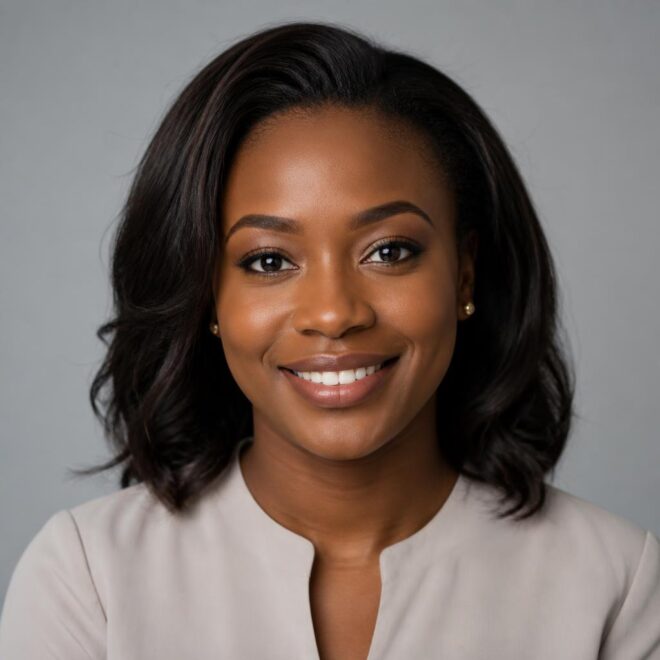


Achieving the perfect quiff on Latina hair is a unique exercise in physics and texture management. Our hair tends to be naturally thick, structurally resilient, and often carries a beautiful, coarse density that refuses to sit flat. While many guides suggest the quiff is a simple matter of a little hairspray and a quick blow-dry, anyone who has spent time working with a heavy, dark mane knows the truth: it requires a deliberate strategy to balance that natural weight with the gravity-defying height the style demands.
We are talking about a silhouette that has defined decades of cool, from mid-century rebels to the polished red-carpet looks seen on stars with Latin heritage today. The quiff lives in the tension between controlled precision and an effortless, swept-back rebellion. When you harness that weight rather than fighting it, you unlock a style that isn’t just striking—it is foundational. It creates a frame for the face that feels open, confident, and balanced. Let’s look at how to structure this look, what products genuinely hold, and exactly how to execute twenty-five variations that lean into the natural beauty of thick, dark, and textured hair.
1. The Classic Polished Quiff
This is the gold standard for a reason. It relies on a clean, sharp contrast between the sides and the crown, allowing the hair’s natural shine to do the heavy lifting. To achieve this, you need a high-quality pomade with a medium-to-high hold. Focus on creating a smooth, uninterrupted sweep from the front hairline back toward the crown, ensuring that the transition from the fade on the sides is seamless.
Styling for Maximum Gloss
- Use a vented brush to lift the roots while blow-drying, which provides the initial height.
- Apply a water-based pomade, as it provides that essential sheen without becoming too heavy for your hair type.
- Smooth the sides tightly against the head to ensure the volume stays concentrated on top.
2. The Textured Modern Quiff
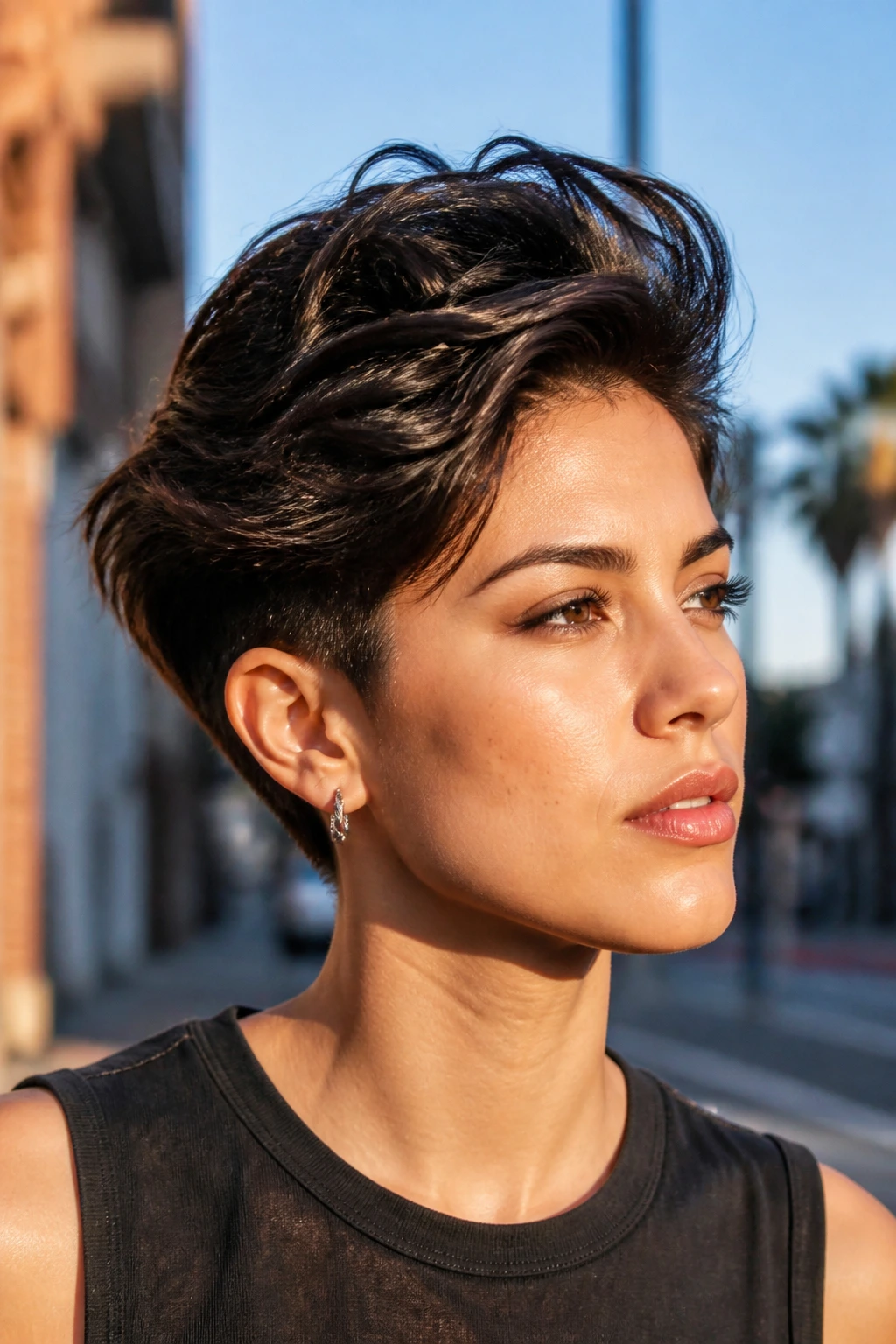
If you prefer a look that feels lived-in rather than stiff, this approach trades shine for volume and grit. Latina hair often has a natural wave or a slight kink that is perfect for this style. Instead of smoothing every strand, you use a sea salt spray or a matte clay to separate the hair into distinct, messy sections.
Why This Works for Thick Hair
The natural density of your hair gives this style a level of fullness that finer hair simply cannot replicate. By adding texture, you stop the hair from looking like a solid block and start showing off the individual layers. It is a fantastic option for daily wear because it doesn’t require a perfect, salon-grade finish every morning.
3. The Side-Swept Pomp Quiff
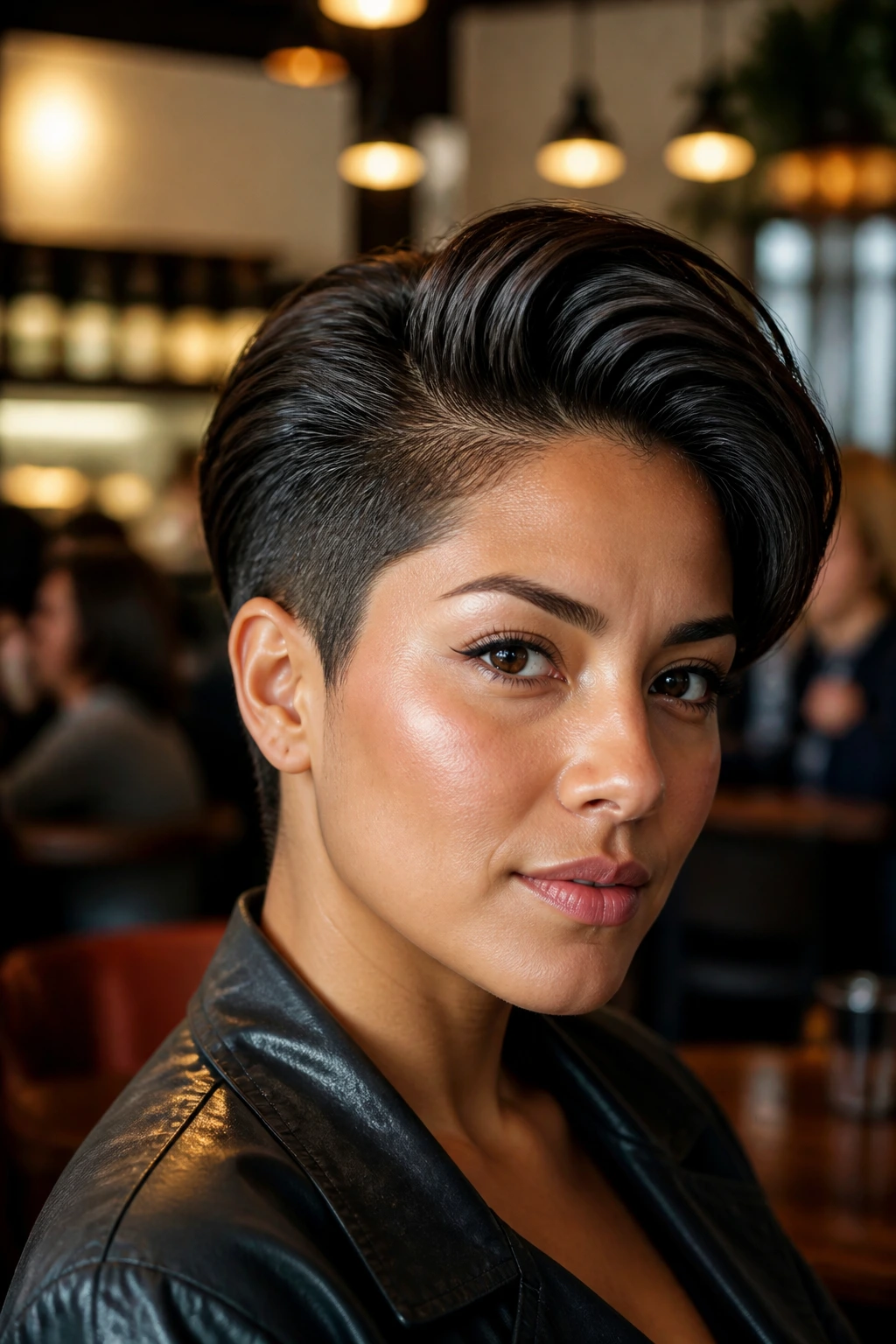
Adding a slight directional tilt to your quiff changes the entire geometry of your face. By sweeping the hair toward the side rather than straight back, you soften your features and add a layer of complexity. This version looks particularly sharp when paired with a low fade or a soft taper, ensuring the focus remains on the dramatic swoop at the front.
Essential Tooling
- Use a tail comb to draw a precise part if you want a clean aesthetic, or your fingers if you prefer a more natural flow.
- A strong-hold wax is necessary here to keep that diagonal sweep from collapsing halfway through the day.
4. The Short and Sharp Crop
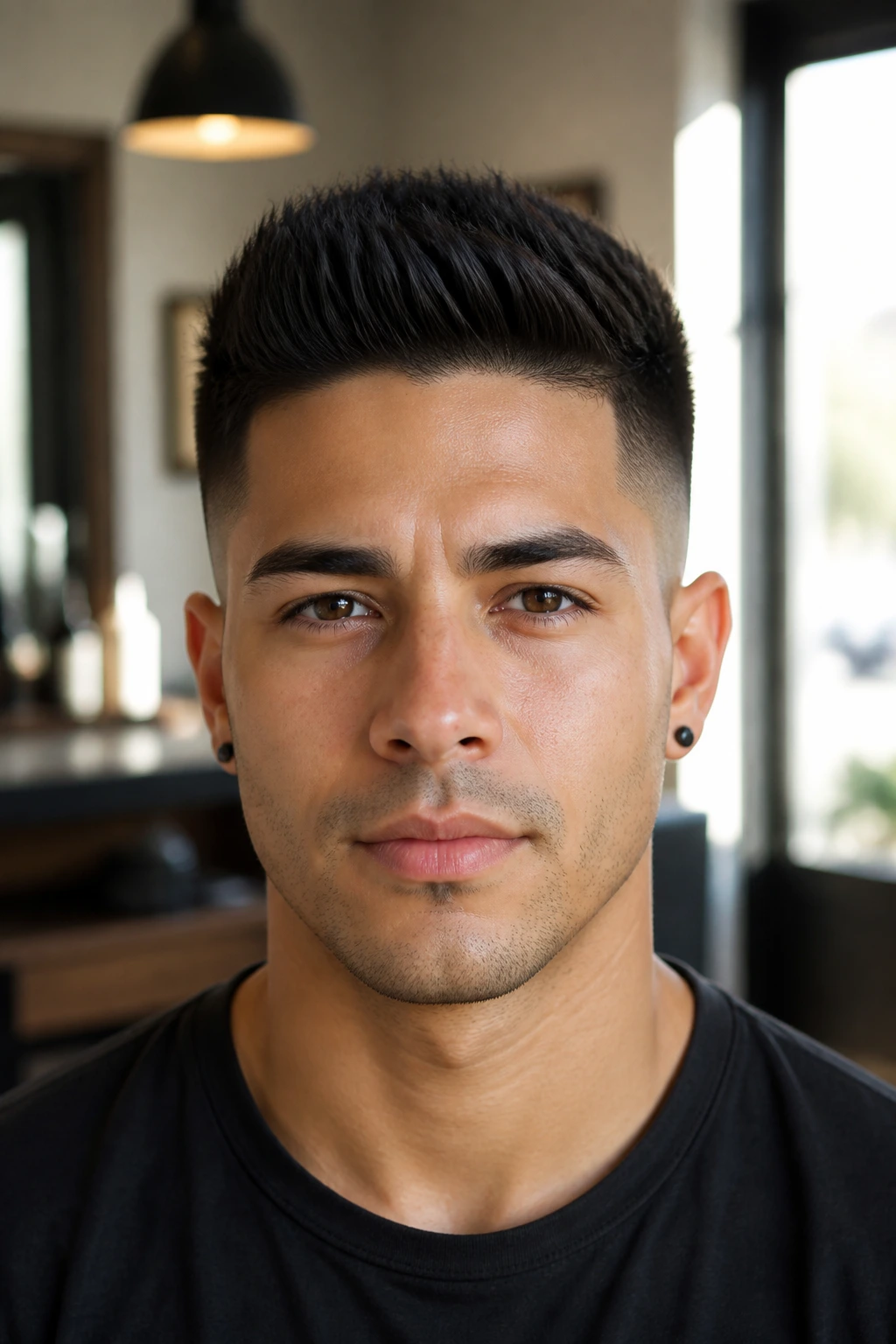
Not every quiff needs to be a giant wave. For shorter cuts, the quiff becomes more of an upward, vertical lift at the front hairline. This is an excellent choice if you have a rounder face shape, as it adds height and elongates your silhouette. It requires a lot less maintenance and stays in place with a smaller amount of product.
The Maintenance Factor
Because this style relies on shorter hair, the biggest enemy is growth. You will find yourself heading back to the barber every two to three weeks to keep the fade tight. However, the styling portion takes less than two minutes, making it a highly efficient choice for mornings when you are in a rush.
5. The Messy Bedhead Quiff
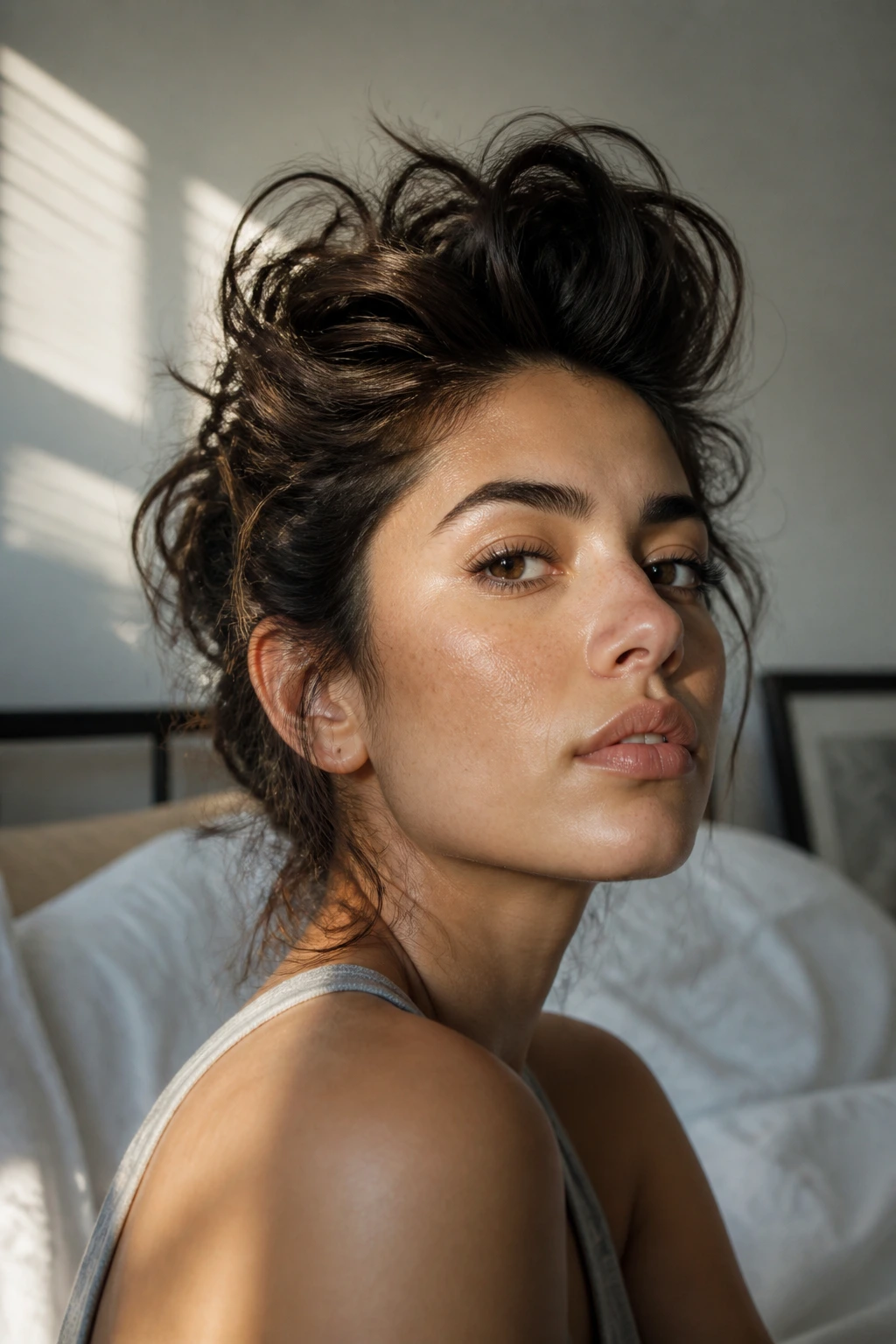
This is the “I just woke up looking this good” style, though it is usually the result of careful product application. You want to aim for height in the front and chaos everywhere else. The key is to apply a texturizing powder at the roots while the hair is slightly damp, then shake it out as it dries.
Preventing the “Flat” Look
Thick hair can often become heavy, causing the front to droop. Using a volumizing mousse before the blow-dry is a secret step that helps create a structural base. Once the base is set, the messy look on top will hold its shape much longer throughout the day.
6. The High-Volume Pompadour
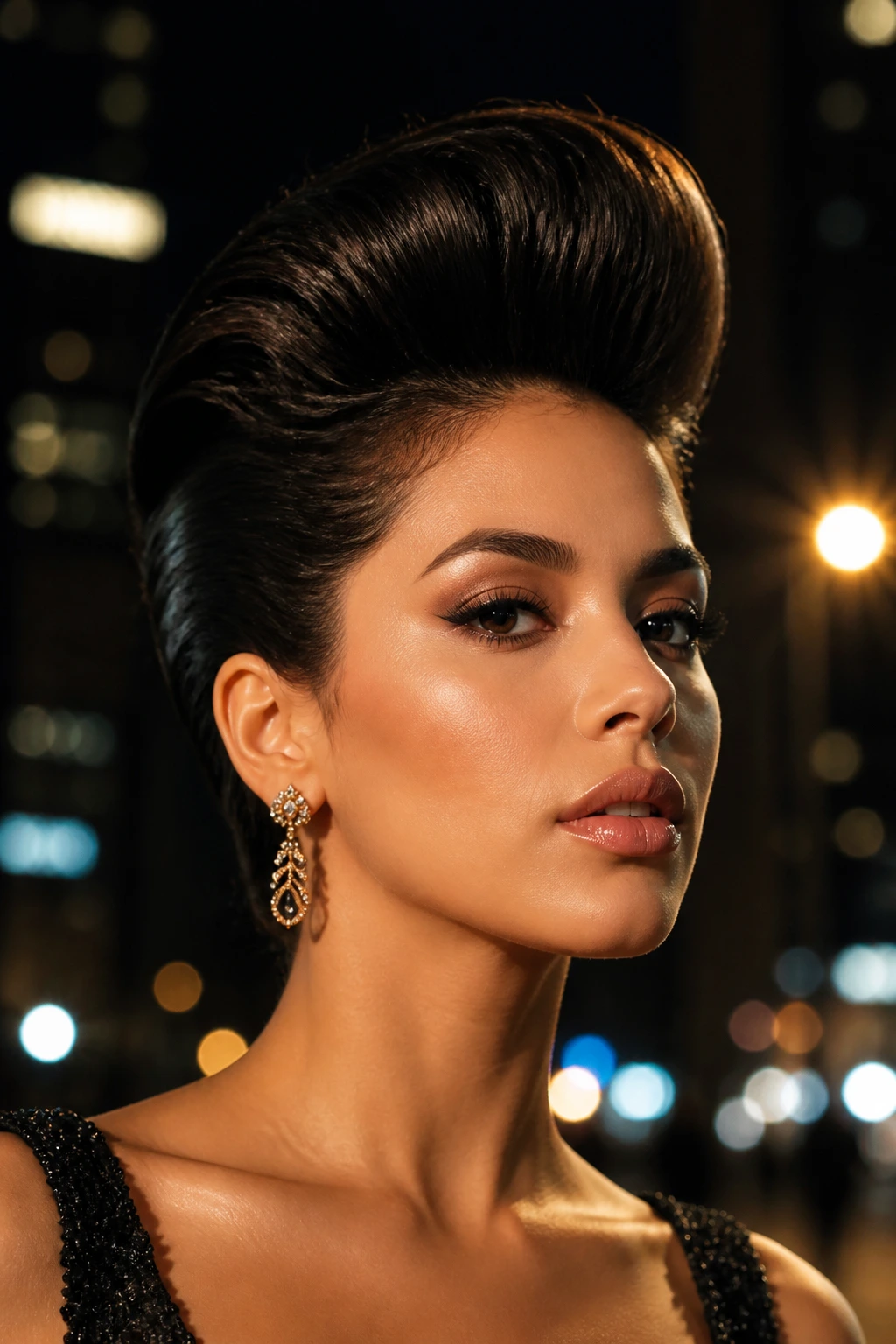
If you want to make a statement, this is the version you choose. It is a more formal, exaggerated take on the standard quiff, pushing the hair significantly higher and back. This style is pure drama and requires a bit of courage to pull off, but it is undeniably effective for evening events or professional settings where you want to be noticed.
Balancing the Weight
- You will need a blow-dryer with a concentrator nozzle to direct the airflow.
- Using a round brush is essential to get the curve at the front.
- Finish with a strong-hold hairspray—look for labels that specify “humidity resistance,” as this is a game-changer for thick hair.
7. The Tapered Fade Quiff
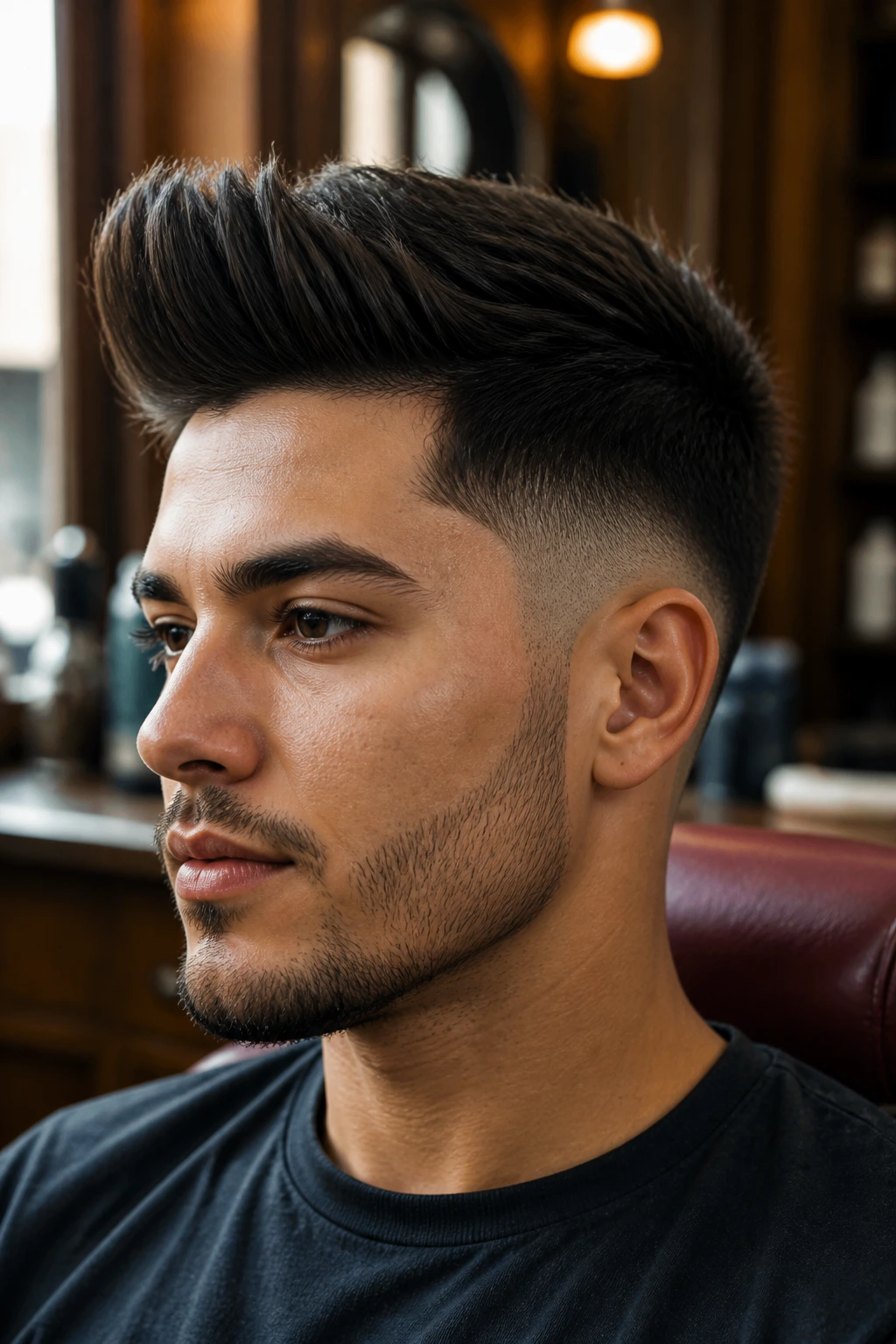
The quiff doesn’t end at the hairline; the transition down the side of your head is just as important. A taper fade allows the hair to get progressively shorter toward the neck without exposing too much scalp. This creates a clean frame that highlights the transition from the thick, textured hair on top to the refined skin near the ears.
Who This Suits
This style is for anyone who values clean lines and a professional aesthetic. It works exceptionally well with thick hair because the graduation of length prevents the hair from “bunching up” around the ears, keeping your overall look sharp and tidy.
8. The Curly-Textured Quiff
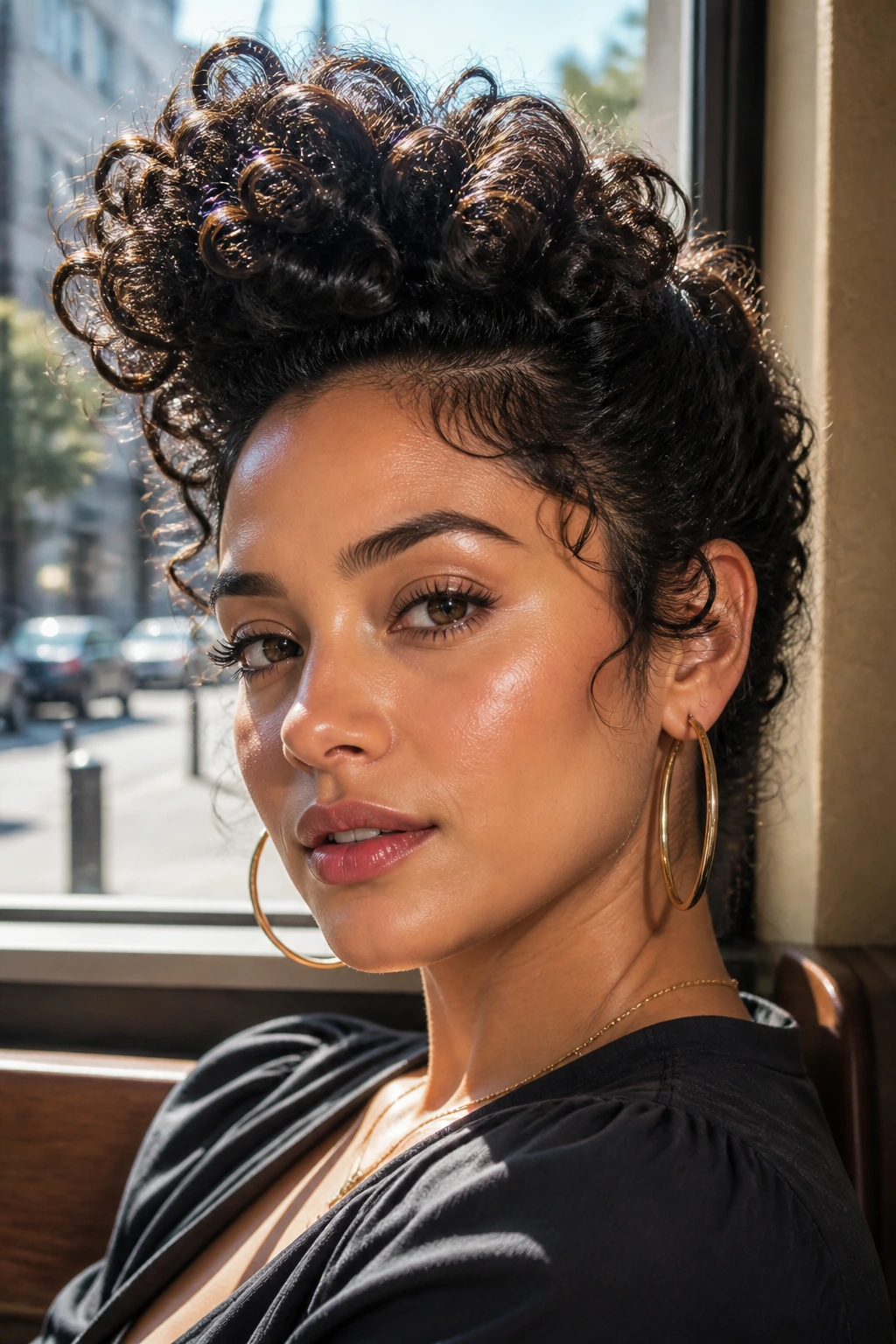
For those blessed with natural curls, you don’t have to straighten your hair to get a great quiff. You can use your natural texture to create volume that stays up naturally. Instead of using a brush to smooth, use a wide-tooth comb or your fingers to push the curls upward and back, securing them with a curl-enhancing cream that has a firm hold.
The Benefit of Curls
Curls naturally provide more friction and structure than straight hair, meaning you have to do less work to keep the hair in place. The result is a soft, voluminous quiff that looks incredibly touchable and full of life. It’s a very organic way to wear the style without fighting your own genetics.
9. The Disconnected Undercut Quiff
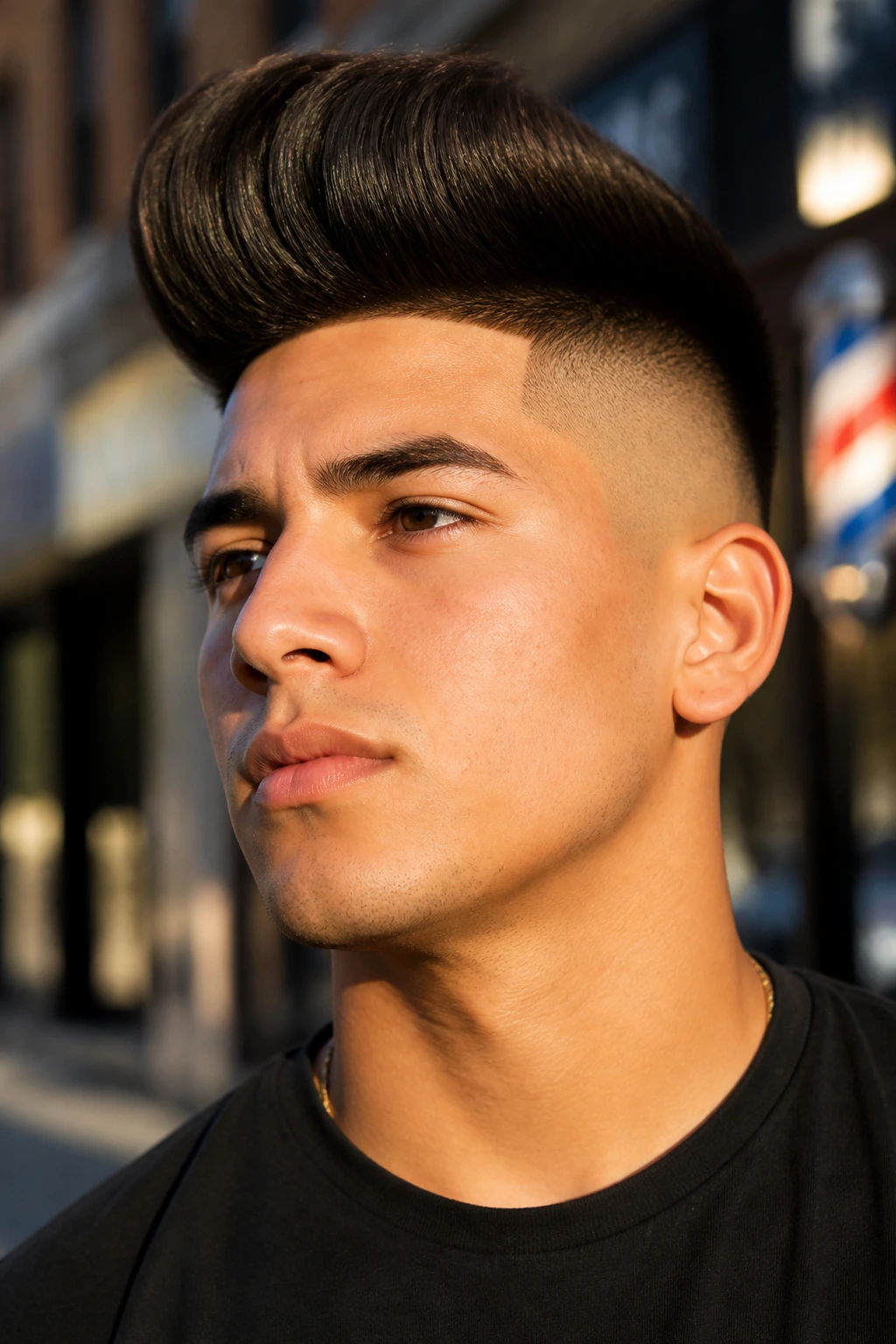
This style features a sharp, zero-length shave on the sides that does not fade into the top—it just stops. The contrast between the shaved skin and the heavy, thick hair on top is dramatic and bold. It is a very common approach in current style circles and keeps the maintenance of the sides incredibly easy.
Managing the Sharp Edge
Because the line is so stark, the hair on top needs to be cut with precision to ensure it doesn’t look like it’s just sitting on top of a base. A good barber will point-cut the ends to add texture, which makes the hair easier to style into that high, sweeping wave.
10. The Soft-Layered Quiff
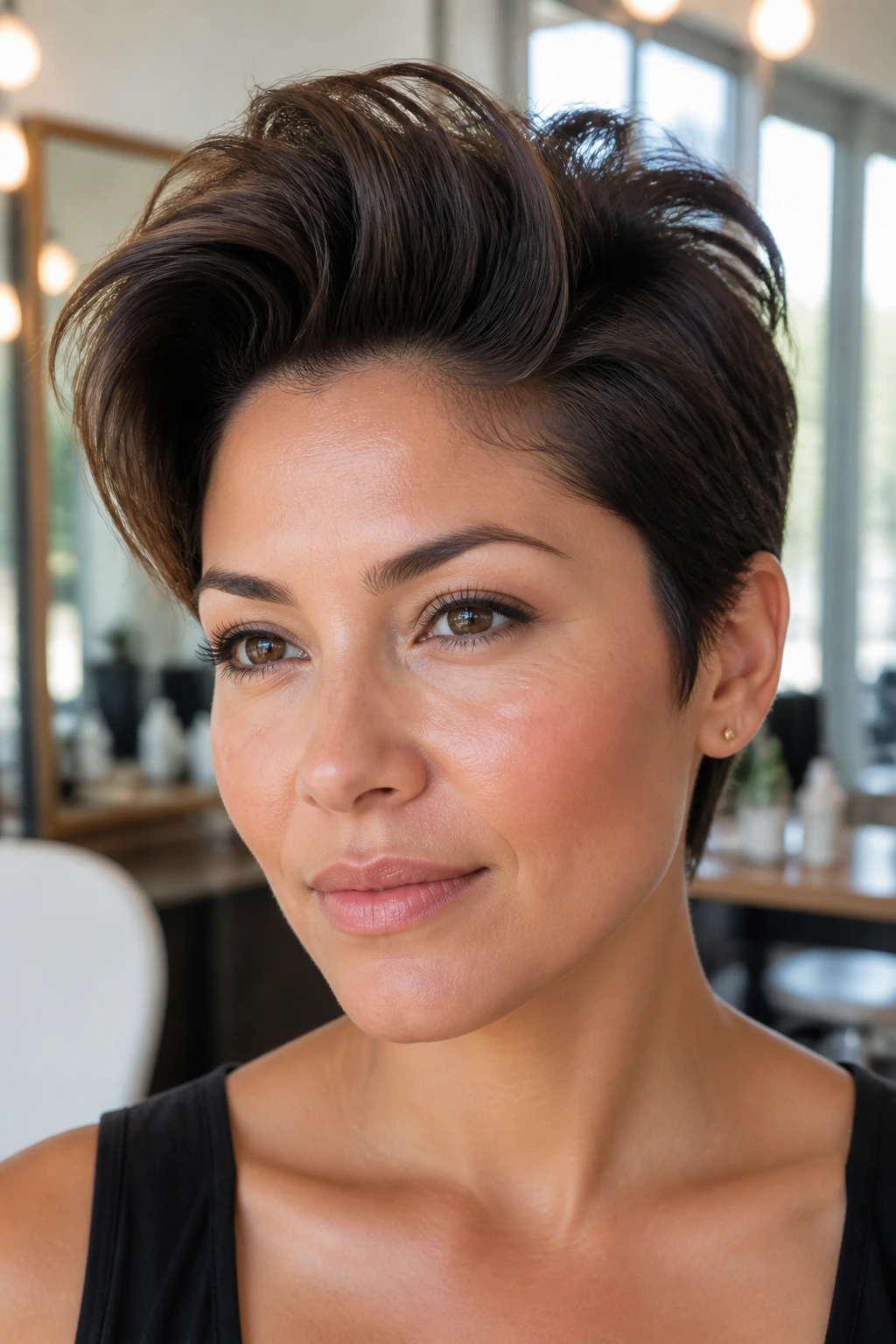
If you dislike the feeling of tons of product in your hair, the soft-layered quiff is the right choice. It uses a series of invisible layers cut into the hair to encourage it to lift naturally without needing a mountain of wax or gel. It’s a lightweight, breezy version of the style.
How to Request This Cut
Ask your barber to “texturize” the top section. You aren’t looking for a shaggy look, but rather a cut that removes some of the bulk from the middle sections of your hair strands. This creates a weight-to-volume ratio that allows you to style your quiff with just a light spray or a tiny dab of cream.
11. The Vintage Rockabilly Quiff
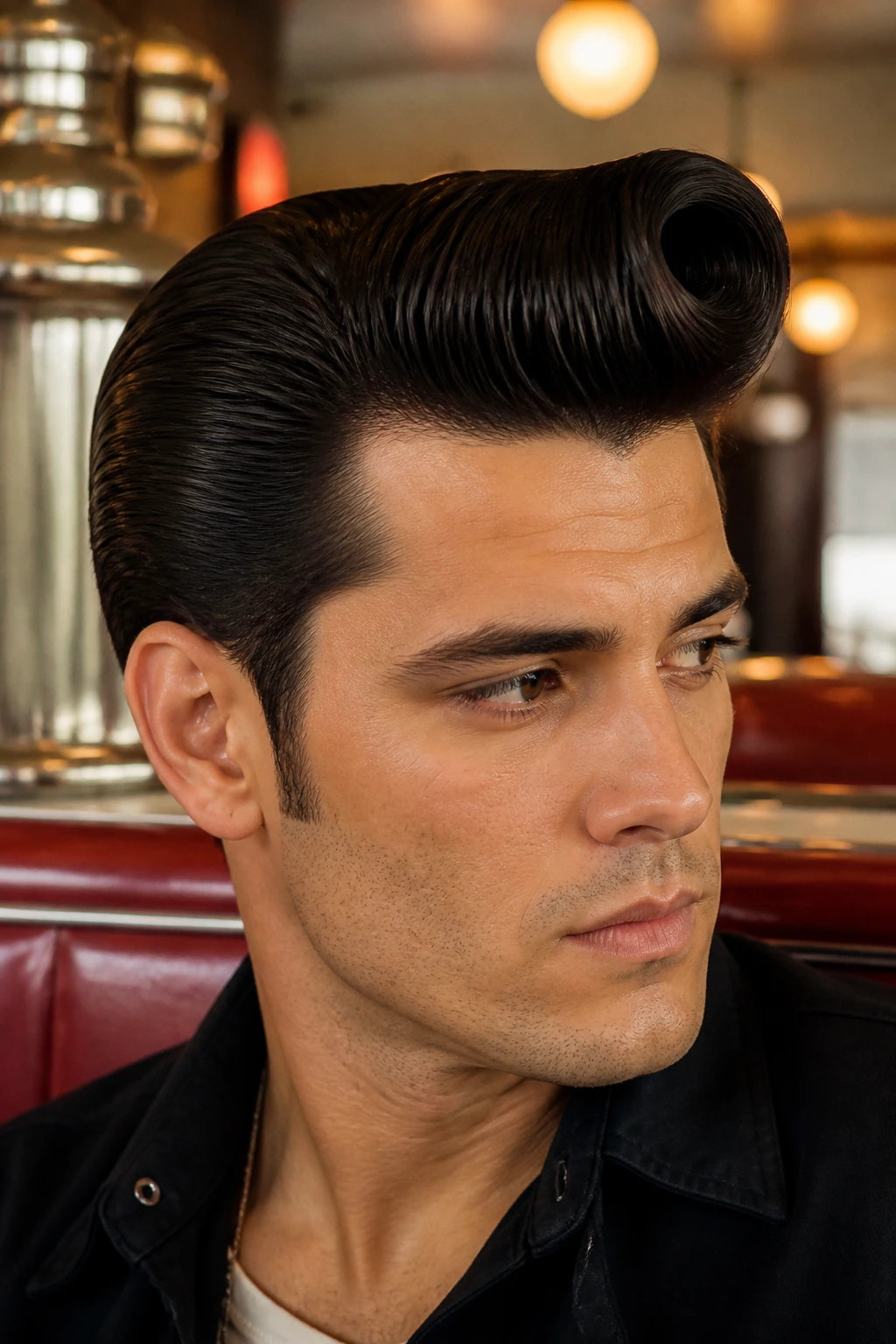
This is the most iconic version of the style—the one that started it all. It involves a very tight side profile and a dramatic, front-heavy wave that often curls over itself. It requires a heavy-duty pomade and a lot of practice with a comb.
The Art of the Roll
The “roll” at the front is what defines this look. You achieve it by combing the front section straight up, then folding it backward and pushing it into place with your palm. It takes time, but there is no style that provides more character or a more classic aesthetic than this one.
12. The Brushed-Back Quiff
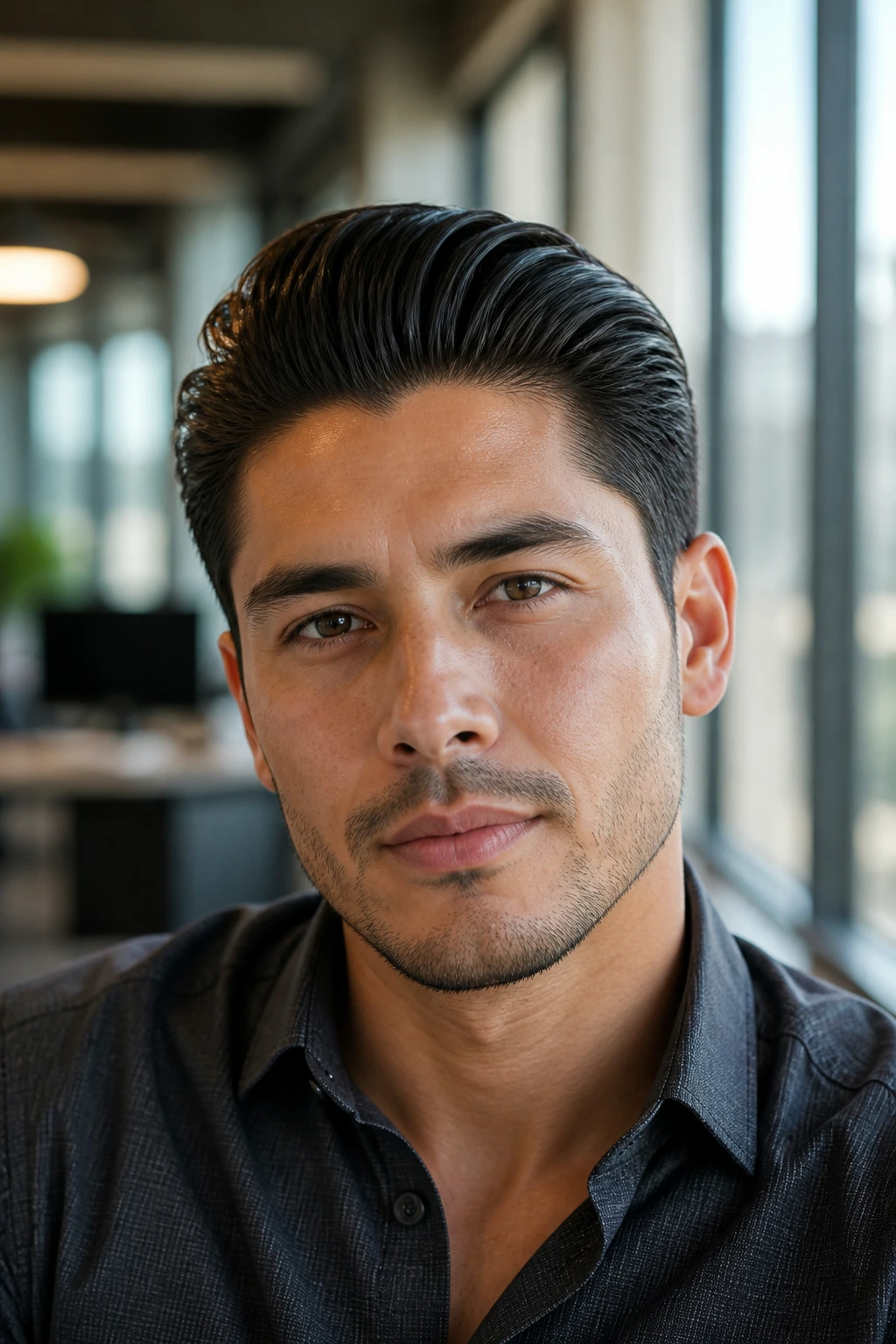
This is the “office-appropriate” version. It’s a bit more subdued, with less extreme vertical height and more emphasis on a smooth, backward flow. It’s perfect for someone with a very thick mane who wants to look groomed without looking like they are heading to a costume party.
Daily Styling Tip
Apply a small amount of leave-in conditioner before you even think about styling. Thicker, darker hair can sometimes look dull if it’s too dry, and a little hydration goes a long way in making the style look rich and healthy throughout the day.
13. The Spiky Texture Quiff
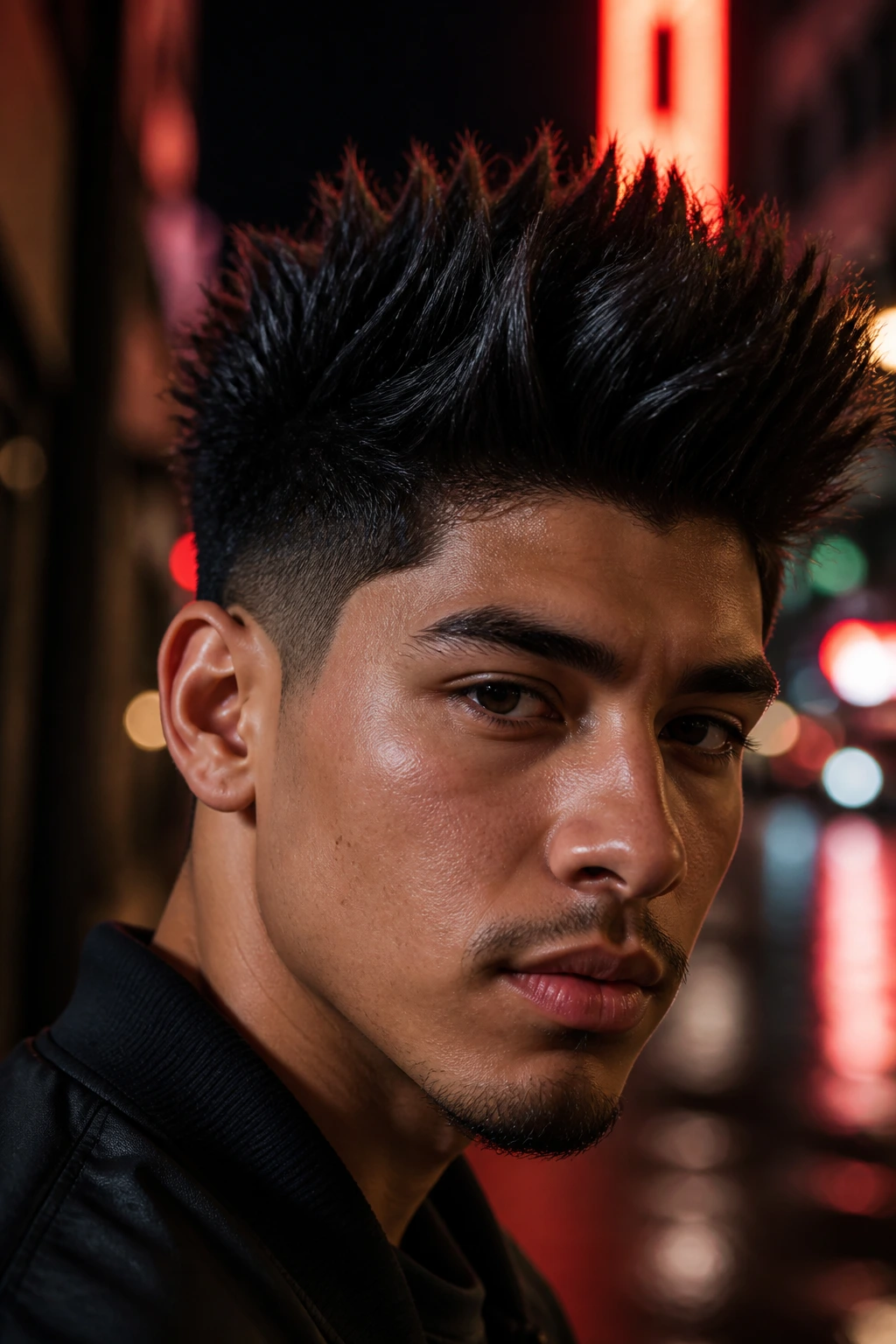
By taking a matte clay and pinching small sections of the hair upward, you transform the quiff from a smooth wave into a series of jagged peaks. This style is energetic, youthful, and very fun. It is also excellent for covering any cowlicks or uneven growth patterns, as the spikes distract the eye.
Why It Works for Latina Hair
Thick, dark hair holds spikes beautifully. Because the hair has natural weight, it won’t flop over as easily as thin hair, meaning your spikes will stay upright for hours. This look is fantastic for weekends or nights out when you want a more aggressive, high-energy aesthetic.
14. The Faded Beard Combo
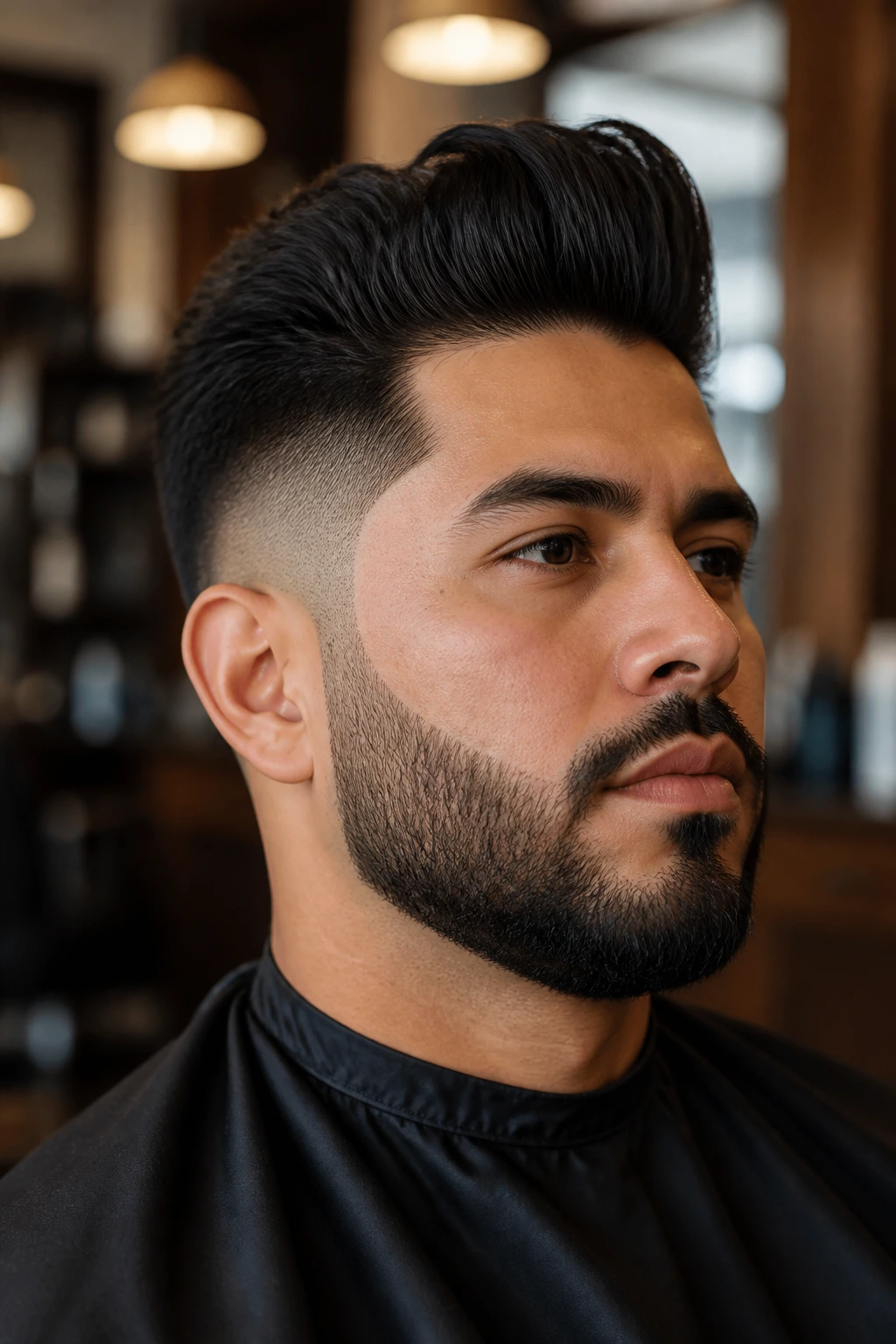
A quiff never exists in a vacuum. If you have facial hair, your style needs to acknowledge it. A crisp, tapered quiff that leads directly into a sharp, well-groomed beard creates a cohesive look that frames the entire head. Ensure your barber keeps the beard hair density consistent with the fade on the sides.
Maintenance Notes
- Keep the neck area clean to emphasize the jawline.
- Use beard oil to keep the facial hair from becoming too coarse.
- When trimming the beard, use a guard that is slightly longer than your fade to create a nice, natural progression of length.
15. The Minimalist Quiff
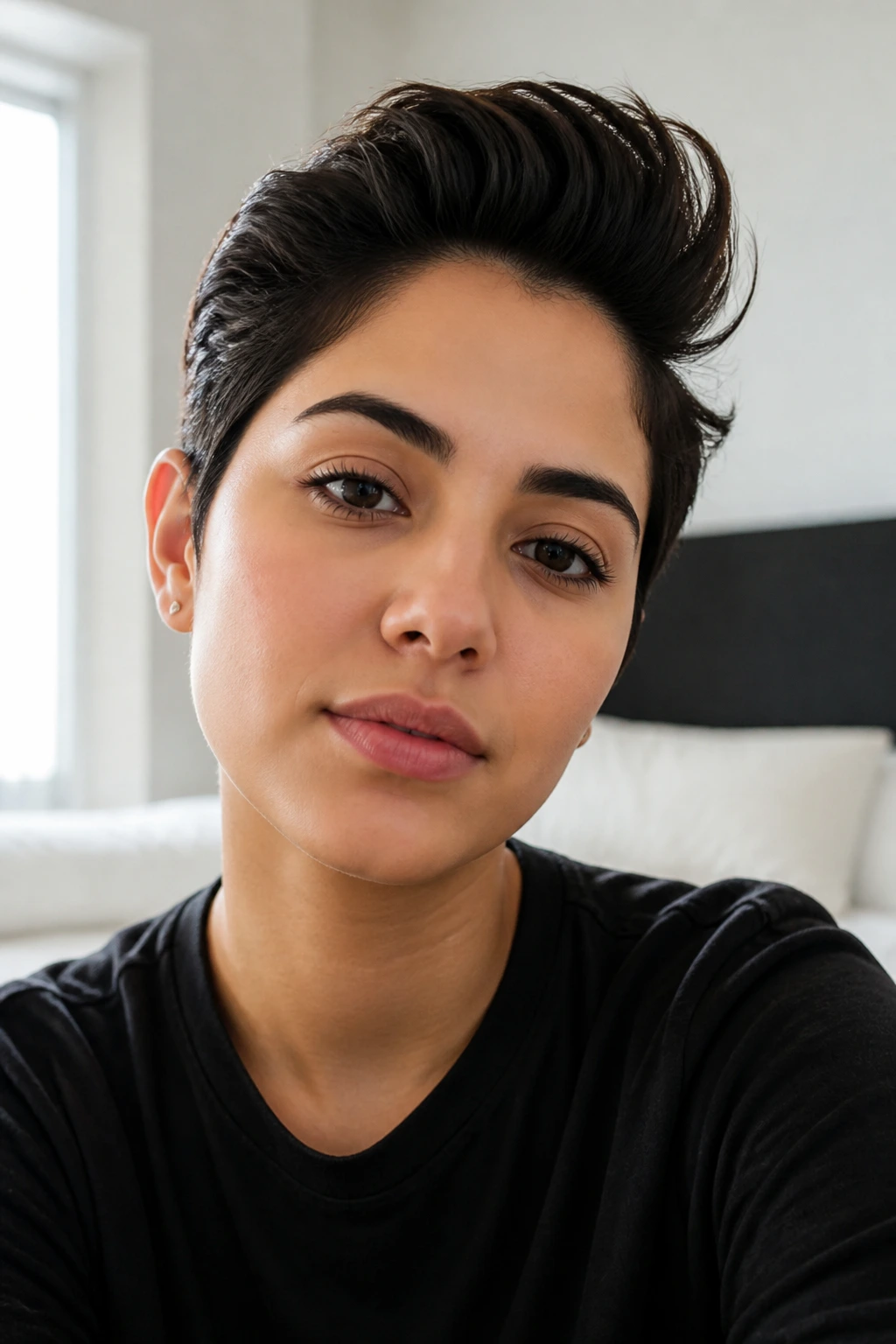
Sometimes, less is more. The minimalist quiff is all about a subtle lift at the front of the forehead while the rest of the hair is kept low and natural. It is an ideal look for someone who wants to try a quiff but is afraid of looking too theatrical or overdone.
The “Less-Product” Approach
Use a small amount of sea salt spray on towel-dried hair and let it air-dry for a few minutes. Then, use a blow-dryer on a low heat setting to gently lift the front. You don’t need a heavy gel or wax for this look, making it the perfect “everyday” style that won’t make your hair feel greasy.
16. The Deep-Part Quiff
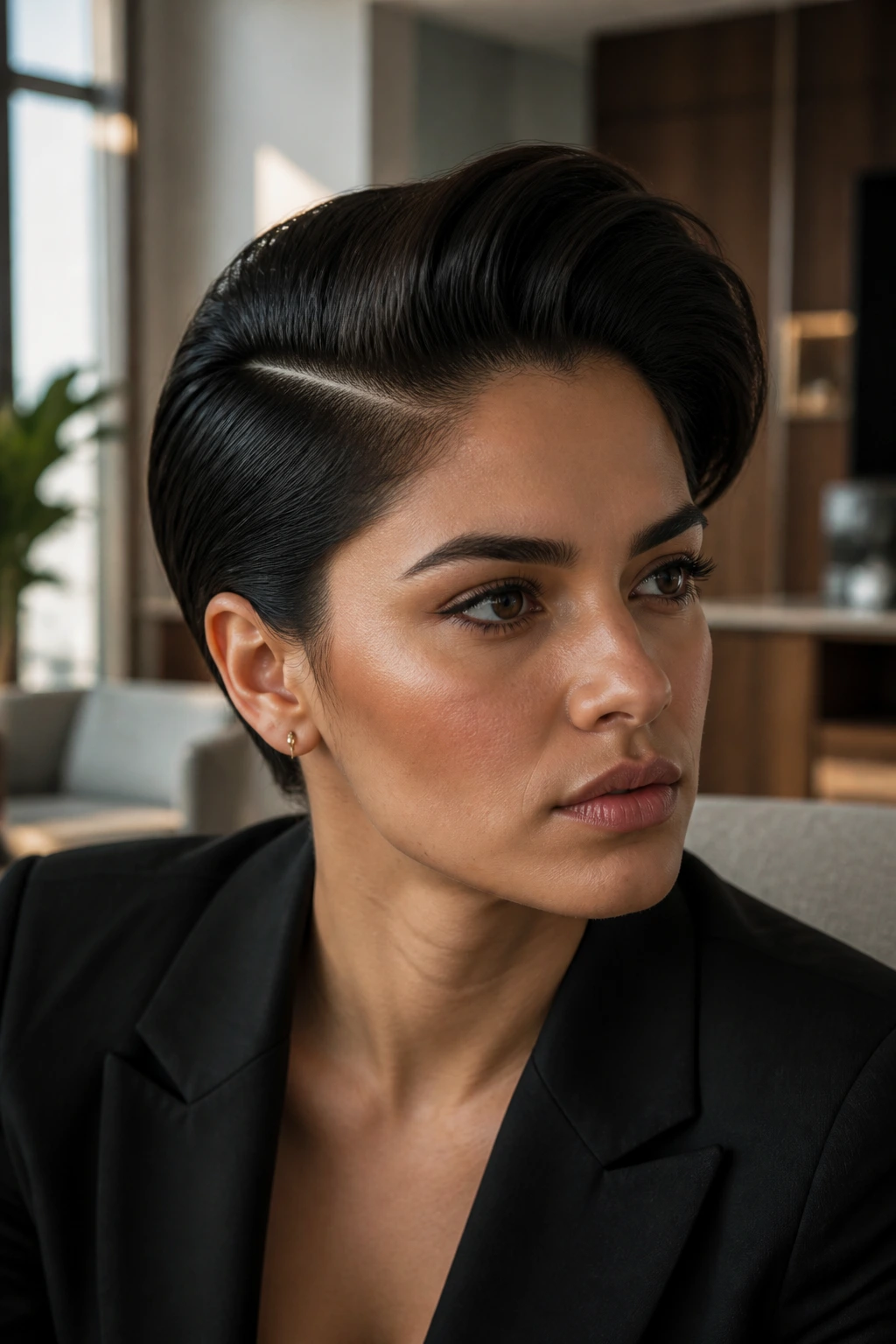
By incorporating a hard part into your quiff, you add a layer of sophistication that is hard to beat. The part acts as an anchor, forcing the hair to move in two distinct directions. One side is kept short and flat, while the other is styled into the signature quiff wave.
The Precision Technique
- You must use a high-quality comb to make the part completely straight.
- Apply a bit of styling paste before you comb to ensure the hair stays on the correct side of the line.
- This style requires a bit more maintenance, but the polished, symmetrical look is excellent for formal attire.
17. The Wet-Look Quiff
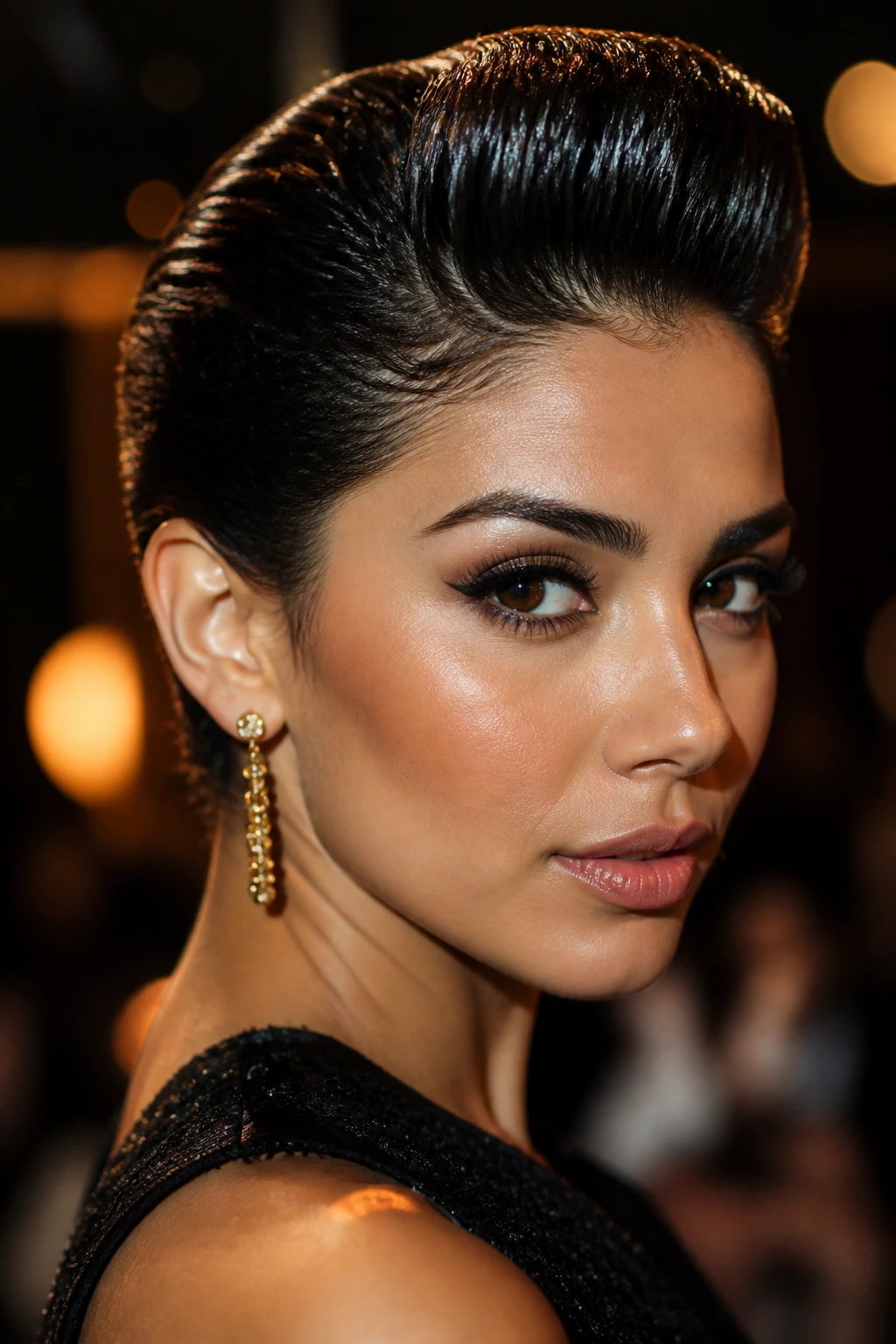
Channel the vibe of mid-century cinema with a high-shine, gelled quiff. This look is bold, sharp, and intentional. It requires a strong gel, not a wax, as you want the hair to remain in place until you wash it out. It is a fantastic choice for evening events where the lighting will hit your hair and emphasize that sleek, dark shine.
Important Warning
The gel must be applied while the hair is damp. If you wait until it is dry, you will end up with clumps. Also, avoid brushing through your hair once the gel sets, or you will create white flakes and ruin the aesthetic.
18. The Asymmetrical Wave
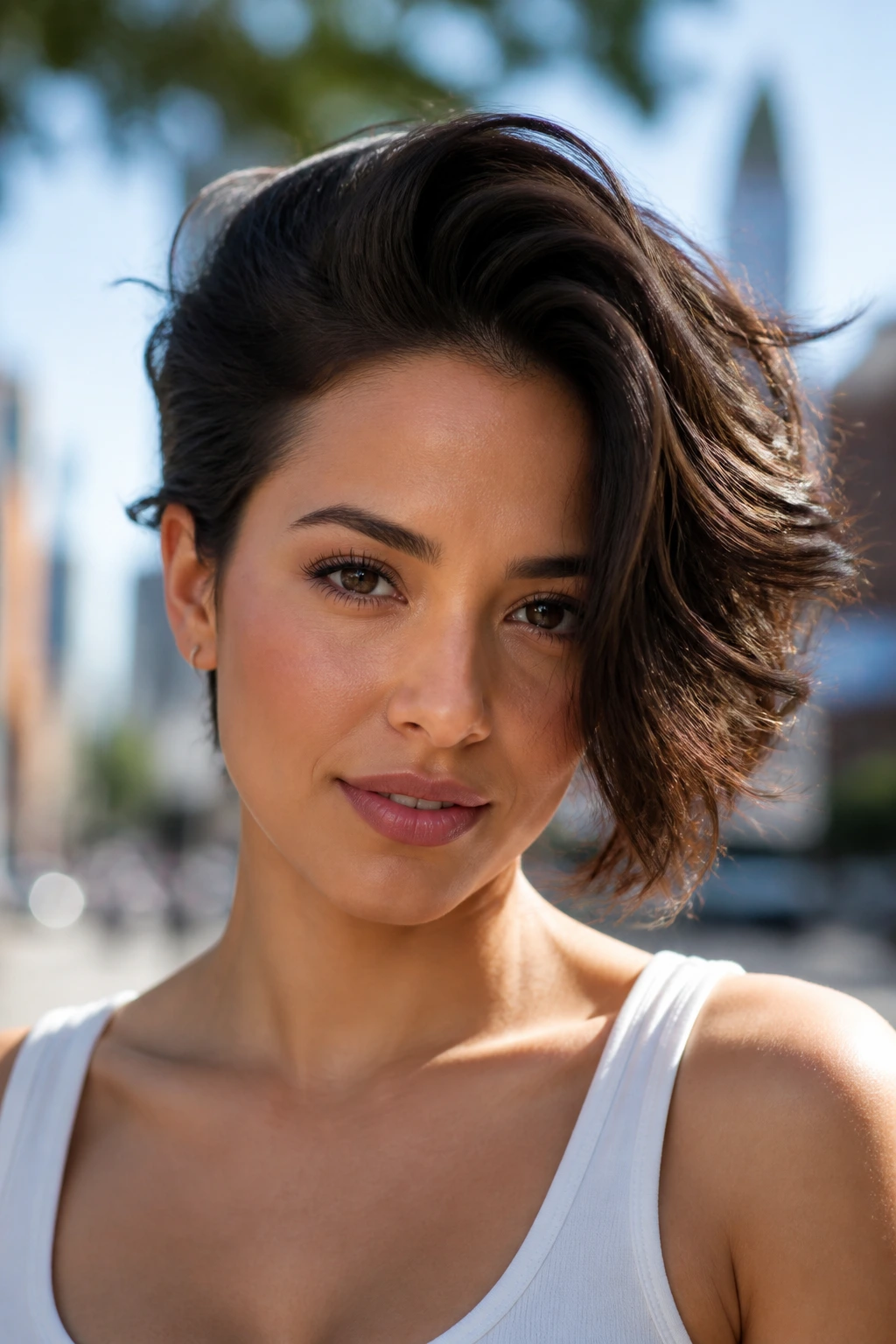
Instead of centering your quiff, push it toward one temple. This creates an asymmetrical balance that is visually intriguing and very modern. It is particularly effective if you have strong facial features, as the wave can draw attention to your eyes or cheekbones.
How to Balance the Look
- Keep the sides very tight to ensure the asymmetry of the top isn’t competing with the width of the sides.
- Use a light-hold cream to define the wave, allowing it to move slightly as you walk.
- This is a style that looks better when it is not perfectly locked down, so don’t be afraid of a little movement.
19. The Mohawk-Inspired Quiff
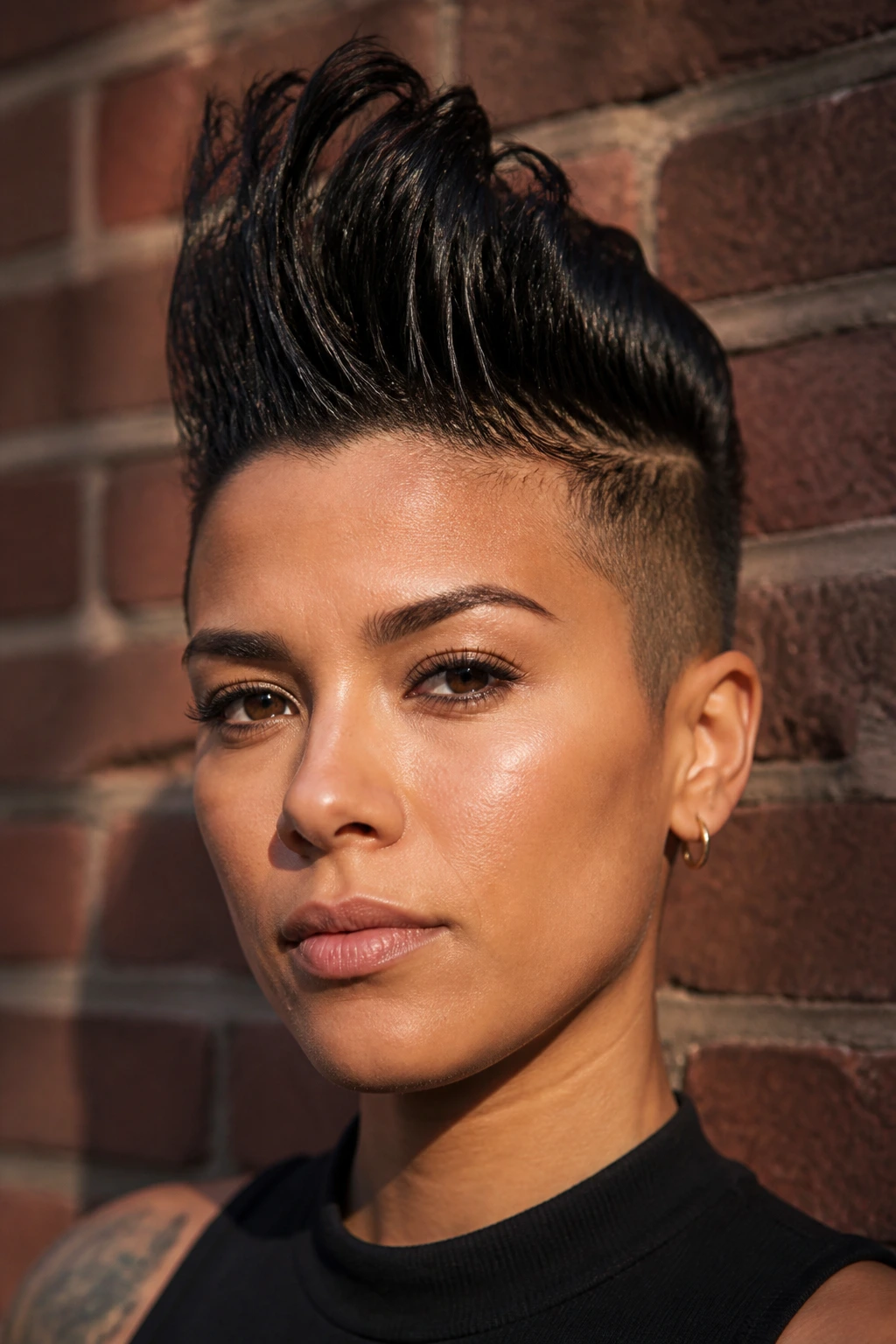
While not a full mohawk, this style focuses all of the hair toward the center of the head, creating a tall, narrow crest. It is a high-fashion, edgy version of the quiff that works very well for those with naturally thick hair who want to show off that density.
Styling the Crest
- Gather the hair toward the center while it’s still damp.
- Use a medium-hold clay to pinch the edges of the crest so it doesn’t flatten out.
- The key is to keep the height consistent from the front all the way back to the crown.
20. The Brushed-Up Pompadour
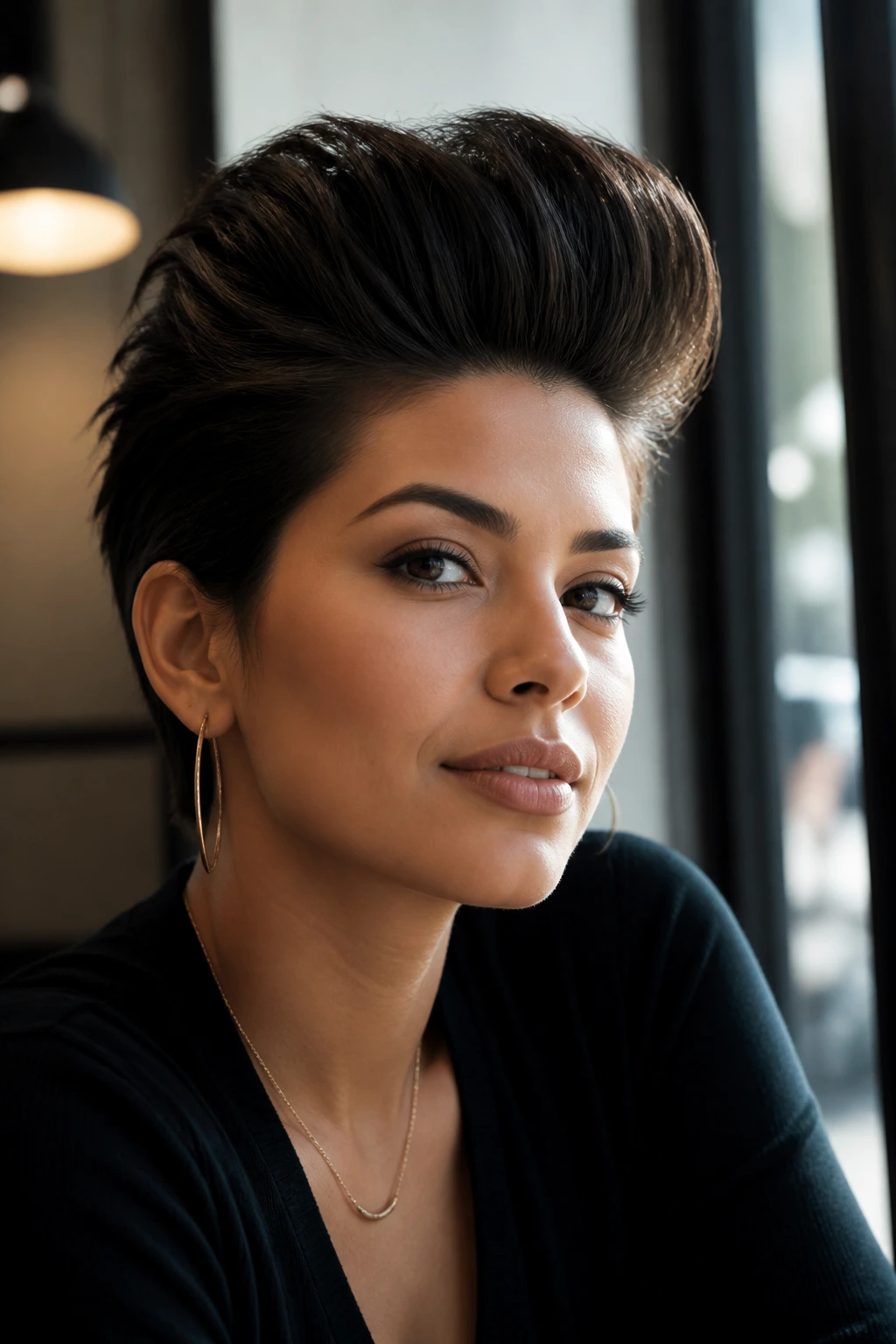
Unlike the classic pompadour, this style doesn’t worry about the roll. It simply brushes every hair straight up and back. It is a clean, tall, and very masculine look that emphasizes the hair’s volume and length.
Achieving the Lift
- Start with a volumizing spray at the roots.
- Use a round brush to pull the hair vertically as you blow-dry.
- Finish with a strong-hold spray. This look needs the structural support to keep the hair from leaning to one side.
21. The Side-Taper with Disconnected Top
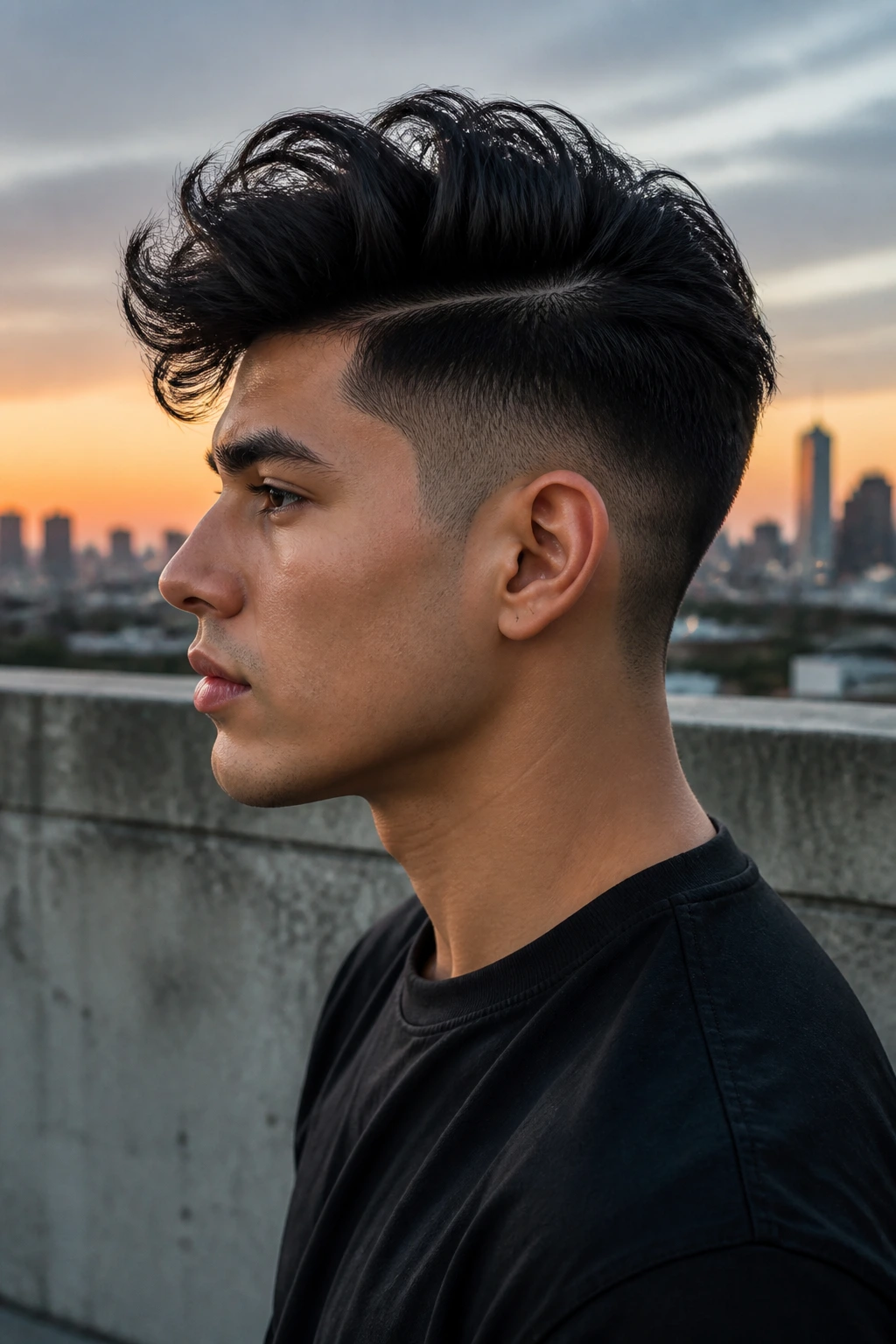
This is the ultimate modern style for those with thick hair. The sides are tapered, but the top is disconnected, meaning the hair on top is significantly longer than the sides, but it isn’t a hard shaved line. It allows for a very voluminous, flowing quiff that looks incredibly stylish.
The Advantage of Length
Because the hair on top is long, you have more options. You can wear it in a high, dramatic quiff for a night out, or brush it down for a more relaxed daytime look. It is perhaps the most versatile cut on this list.
22. The Matte-Finished Quiff
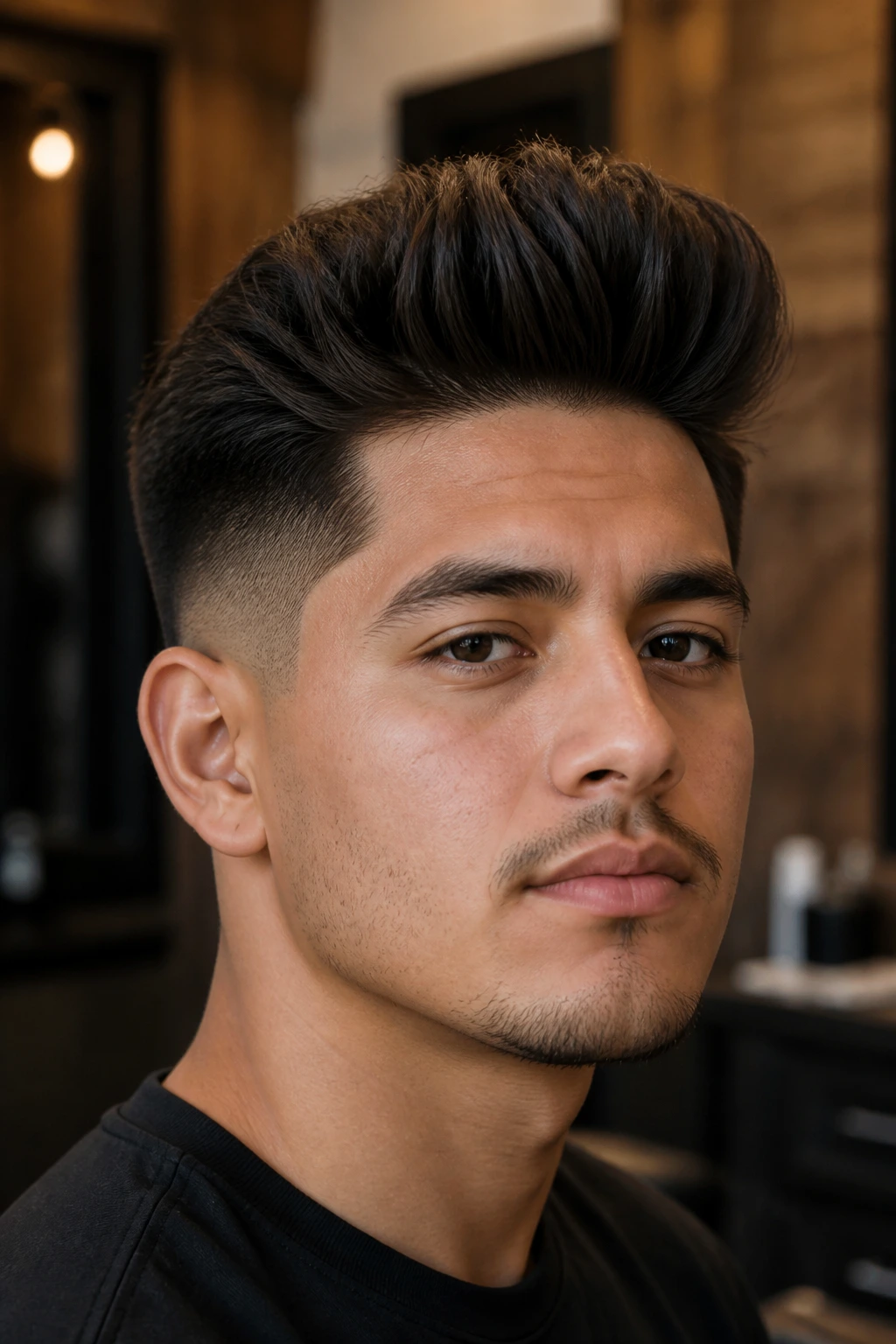
Shiny hair is classic, but matte hair is modern. Using a matte paste or clay, you can achieve a style that looks dry, textured, and full of volume. It eliminates the “greaser” vibe of traditional pomades and replaces it with a clean, understated aesthetic.
Why Choose Matte
If you have oily skin, a matte hair product can help balance your look. It won’t pick up the natural oils from your scalp as easily as a high-shine product, keeping your hair looking fresh and clean throughout the day without requiring a touch-up.
23. The Short-Sides, Long-Top Quiff
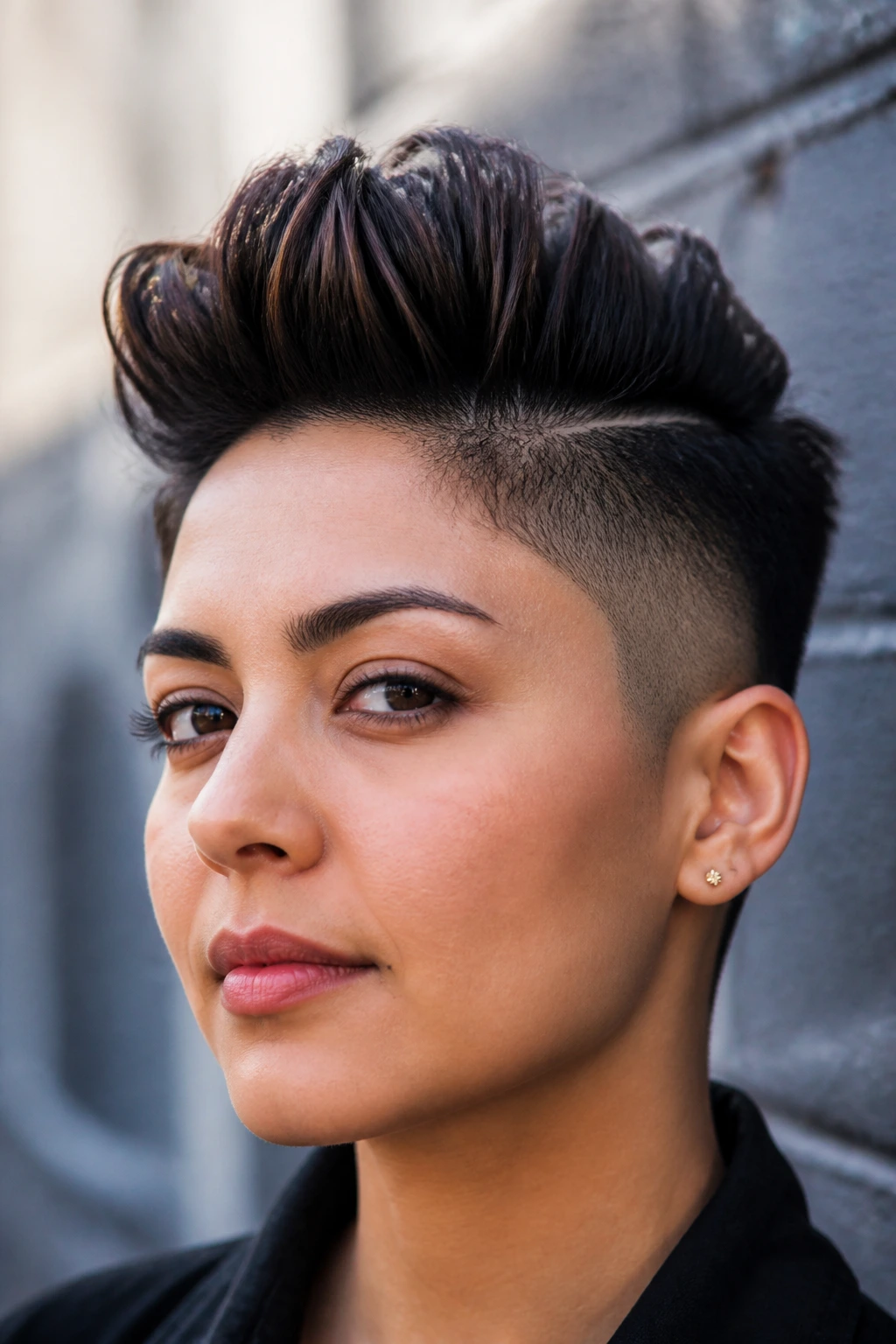
This is a standard for a reason. By keeping the sides short, you eliminate the bulk that often makes Latina hair feel unmanageable, while keeping the top long allows you to showcase the natural thickness and dark pigment of your hair.
The Styling Strategy
You really only need to focus on the front 3 inches of your hair. If you can get that front section to stand up and sweep back, the rest of the hair will naturally follow. It’s an efficient way to style your hair in under three minutes in the morning.
24. The Forward-Swept Quiff
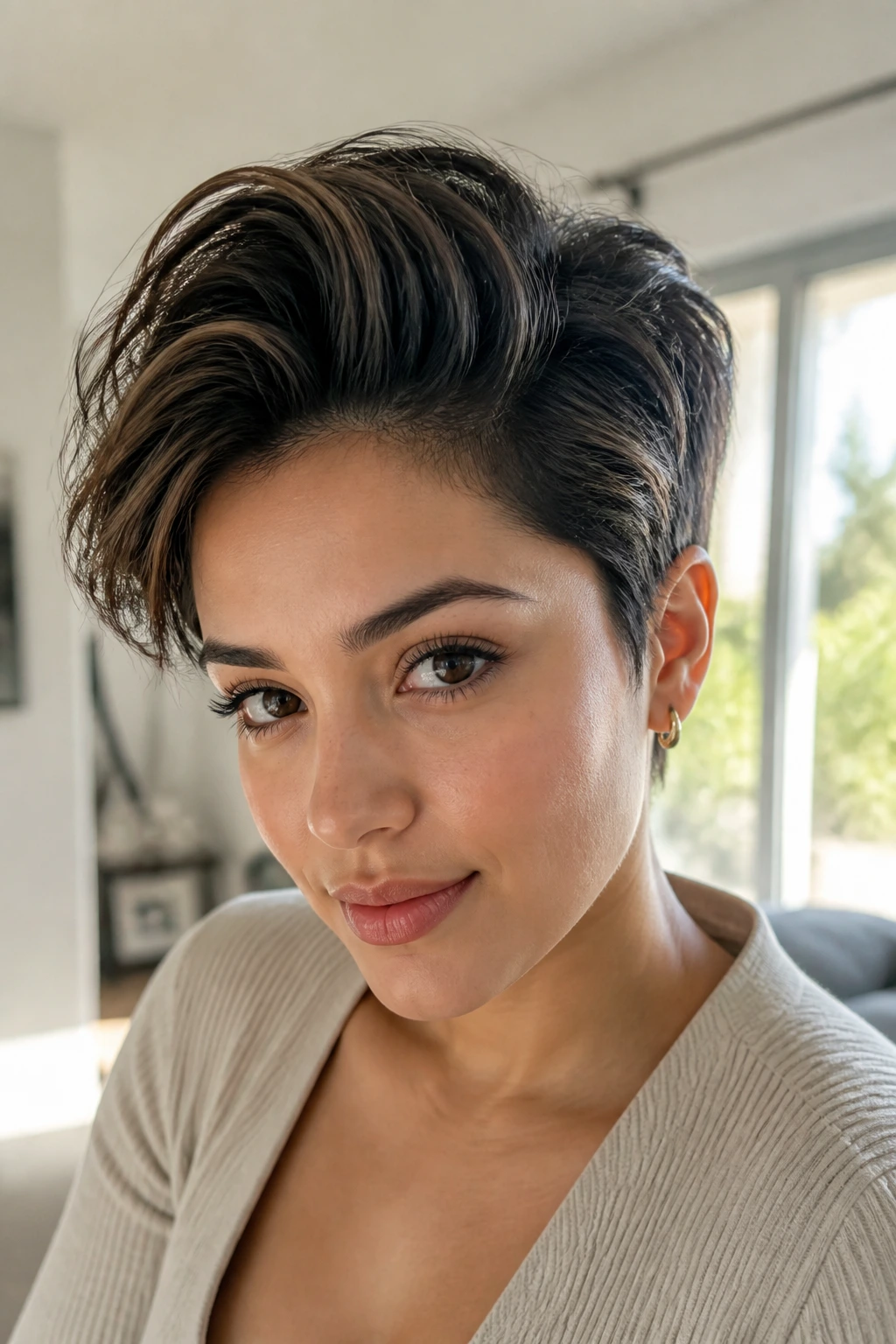
Most quiffs sweep backward, but a forward-swept quiff is a refreshing change of pace. You style the front section up and then tilt it slightly toward your face before letting it curve. It adds a bit of mystery and frames the eyes beautifully.
Who Should Try This
If you have a larger forehead, this style is your best friend. The forward tilt brings the hair lower, effectively shortening the forehead and creating a more balanced, proportionate appearance to your face.
25. The Undercut Fade Hybrid
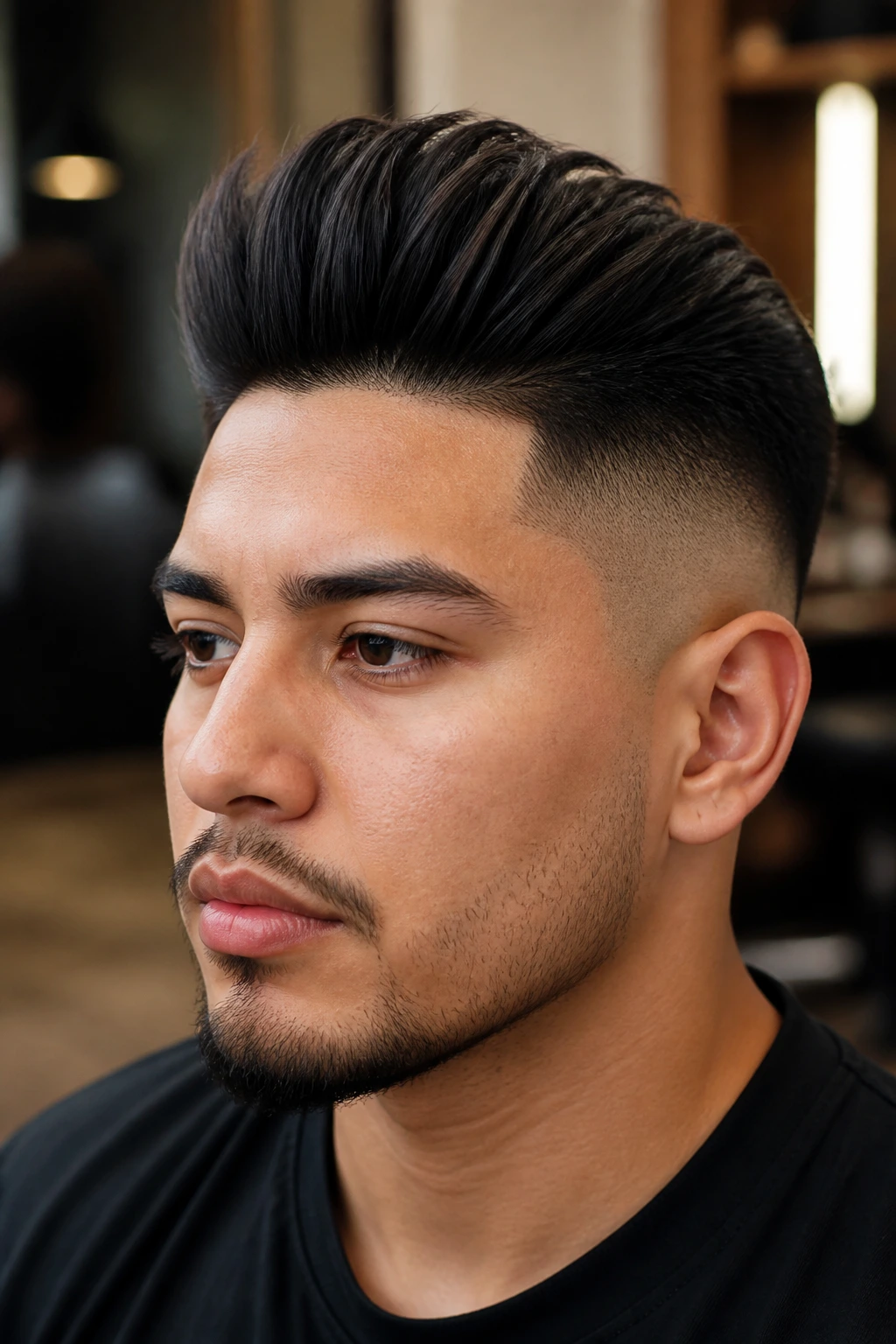
This is the final word in modern barbering. It combines the clean lines of a fade with the height and drama of an undercut. The hair gradually fades from skin to short to long on top, creating a perfect canvas for any kind of quiff.
Final Styling Advice
Once you have this cut, your options are endless. You can switch between a messy, textured quiff on Monday and a slick, polished pomp on Friday. It is the perfect foundation for anyone who loves the versatility of the quiff but wants a look that remains sharp and clean for weeks on end.
Final Thoughts
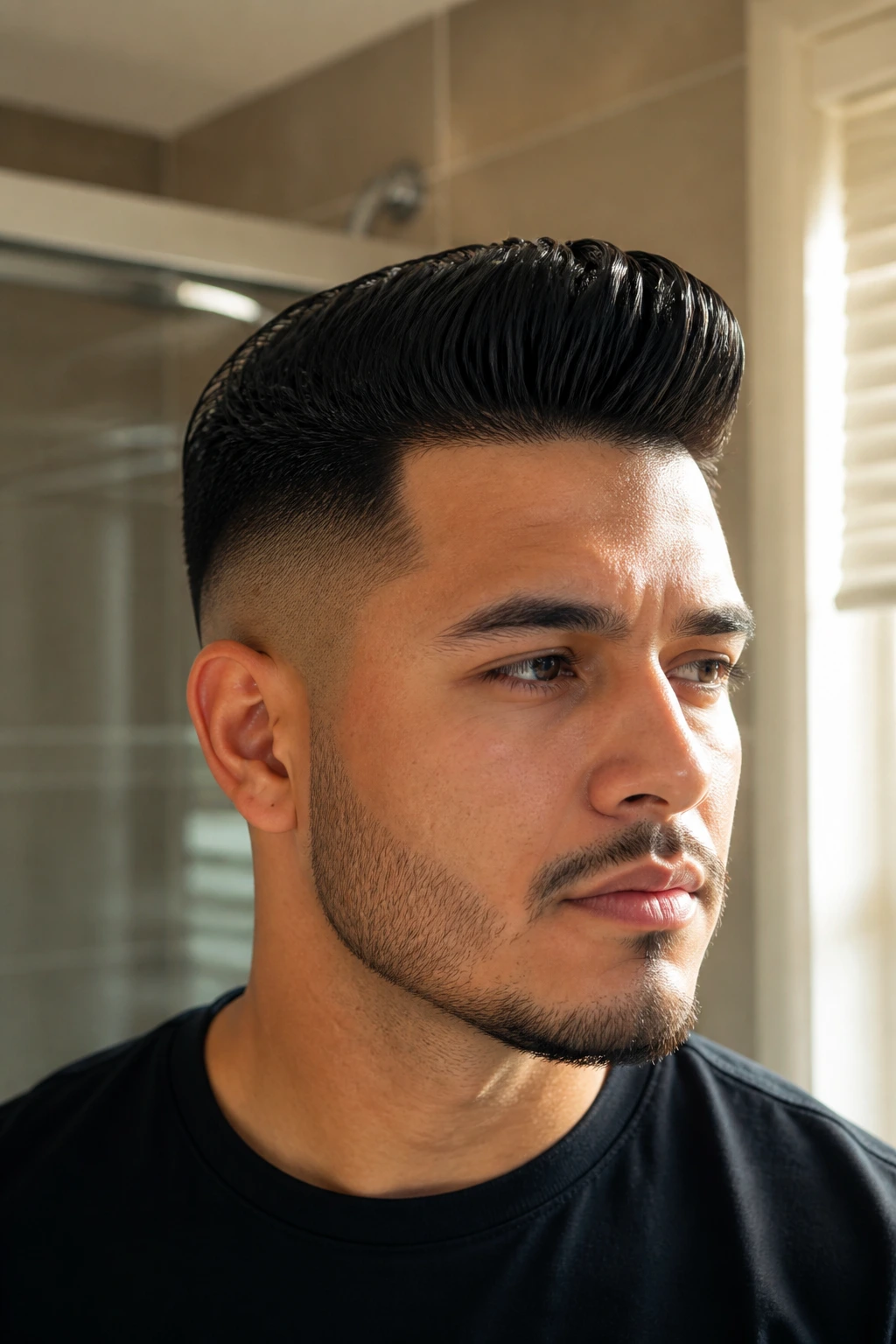
The beauty of the quiff is that it is not a singular destination, but a spectrum. Whether you prefer the high-gloss drama of a vintage-inspired roll or the gritty, matte-finish texture of a modern crop, the core principles remain the same. You are managing weight, creating structural volume, and finding the balance between control and freedom.
Do not be intimidated by the density or the natural dark tone of your hair. Instead, treat those characteristics as your primary assets. They provide a structural integrity that finer hair simply cannot match. With the right blow-dry technique and a product that matches your desired finish, you will find that a quiff is not just a style, but a reliable, powerful way to present yourself to the world. Start with the basics—focus on the root lift—and iterate until you find the silhouette that feels exactly like you. The best style is the one you can replicate in your own bathroom with confidence.