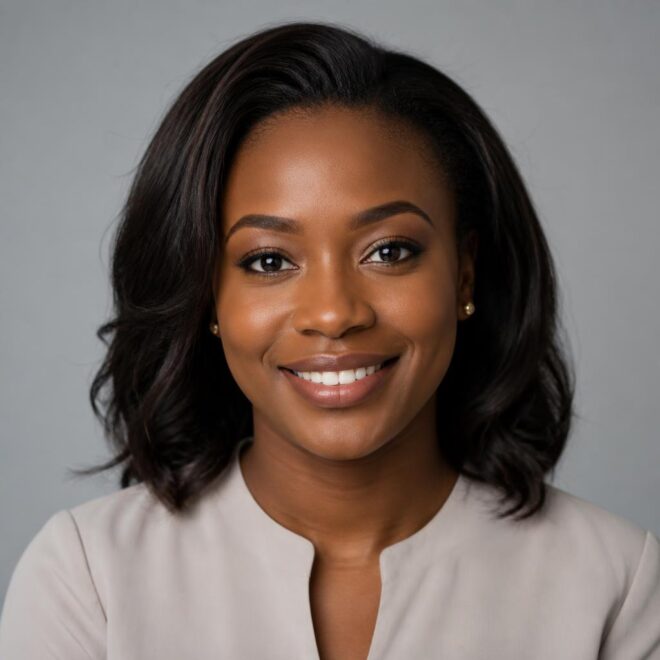


Waking up with hair that resembles a dry dandelion clock is a frustrating experience. You have likely tried every heavy silicone serum, deep conditioning mask, and smoothing oil on the shelf, only to find your hair puffy, weighed down, and still haloed in frizz by lunchtime. The problem usually is not your hair care routine. The real culprit is often an outdated, blunt-cut shape that forces your hair texture to fight against gravity.
Traditional blunt haircutting methods often create a heavy, bell-shaped tent on thick, textured hair, which only makes frizz look more obvious. This is where the world of East Asian styling offers a fresh perspective. Finding the right Korean haircuts for frizzy hair is about working with the natural density and texture of your hair, using specialized cutting techniques that control volume where you do not want it while creating soft movement where you do.
Korean salons have spent decades perfecting techniques designed specifically for coarse, thick, and highly textured hair. Instead of trying to flatten the hair into submission, these cuts use clever internal layering, slide-cutting, and weight-balancing to make natural volume look deliberate and contained.
Whether your hair is prone to frizz because of high porosity, natural waves, or humid weather, changing how your hair is cut can make a massive difference. By removing bulk from the inside out and leaving the top canopy smooth, you can finally stop fighting your hair and start enjoying a shape that behaves itself.
How Korean Stylists Master Volume and Cuticle Control
To understand why these haircuts work so well, we have to look at the mechanical differences in how hair is cut. Standard western cutting often relies heavily on thinning shears to de-bulk thick hair. For frizzy hair, thinning shears are an absolute nightmare because they cut random strands at different lengths throughout the hair shaft. These short, cut strands lose their weight, spring upward, and poke through the longer layers, creating a constant halo of frizz.
Korean stylists generally avoid thinning shears on frizzy hair. Instead, they use a technique called slide cutting, where the shears are slid down the interior of the hair shaft while partially open. This removes weight from the mid-lengths and ends in a smooth, continuous diagonal line. The cut strands slide together, nesting into one another instead of pushing apart.
Another essential technique is the strategic placement of weight. By leaving the outer layer of the hair—the canopy—relatively long and uncut, the weight of this top layer naturally presses down on the more textured under-layers. This traps the frizz underneath, exposing only a smooth, cohesive exterior. When layers are added, they are usually cut at very specific angles (like the classic C-curl or S-curl shape) to encourage the hair to curve inward or outward together, rather than frizzing out in every direction.
1. The Classic Hush Cut with Wispy Bangs
This is arguably one of the most famous shapes to come out of Seoul, and it is a lifesaver for medium-to-thick hair that tends to puff up. The cut features dramatic, feathery layers that start around the cheekbones and cascade down to the collarbone. It is designed to hug the face, meaning the weight is pulled forward rather than allowed to sit at the sides of your head.
Why This Shape Works for Frizz
By distributing the layers throughout the length of the hair, the stylist removes the bulky “weight block” that typically forms at the bottom of thick haircuts. The top layers remain long enough to weigh down the roots, preventing that dreaded triangular shape. The wispy bangs, often called “air bangs,” are cut so thinly that even if they do get a bit frizzy in the humidity, they look soft and romantic rather than blocky.
Quick Hair Facts
- Best Hair Length: Medium to long
- Styling Effort: Low to medium; requires a quick pass with a round brush
- Recommended Hair Type: Wavy, thick, and coarse textures
- Key Cut Detail: Slide-cut face-framing layers that curve inward
Pro tip: When blow-drying this cut, always direct the nozzle of your dryer downward along the hair shaft to keep the cuticle flat and smooth.
2. The Soft Layered C-Curl Perm Cut
If you prefer a polished, classic look but struggle with ends that look dry and frayed, the C-curl shape is your best option. This haircut involves long, subtle layers where the very bottom of each layer is cut to bend inward in a distinct “C” shape. In Korean salons, this is almost always paired with a digital perm, but the haircut itself can be styled manually.
The Power of the Inward Curve
Frizz is most noticeable when hair ends point in random directions, catching the light and looking split. By cutting the hair so that every layer rolls inward toward the neck or shoulders, the ends tuck away out of sight. This creates a solid, reflective surface that makes the hair look significantly healthier and shinier than it actually is.
How to Style It
- Apply a nickel-sized amount of lightweight smoothing cream to damp hair.
- Section your hair into four main quadrants: two in the front, two in the back.
- Using a large, ceramic round brush, blow-dry each section while rolling the brush inward at the ends.
- Let the hair cool on the brush for five seconds before releasing to lock in the shape.
3. The S-Curl Lob
For those who want a shorter style but fear the puffiness of a standard bob, the S-curl lob (long bob) is a fantastic middle ground. This cut sits just above the shoulders, featuring soft, snake-like waves that move in an “S” pattern. The key here is that the wave is structured to start below the temple, keeping the crown flat and controlled.
Managing Mid-Length Volume
A common mistake with shoulder-length haircuts on frizzy hair is cutting the layers too short, which makes the sides balloon out. The S-curl lob avoids this by keeping the layers long and graduated. The weight of the cut pulls the wave down, turning what would be frizzy puff into soft, organized waves.
Who It Is Best For
This cut is ideal for anyone with a natural wave pattern who wants to embrace their texture without letting it get wild. It works beautifully on square and round face shapes, as the vertical movement of the waves helps to elongate the face.
4. The Korean Wolf Cut with Tapered Ends
This is a modern, slightly rebellious variation of the shag that has taken over the hair scene. It features a heavy, voluminous top section that transitions into thin, heavily textured, and tapered ends. While it sounds intimidating, it is incredibly effective at managing unruly hair volume.
Taming the Nape and Crown
The wolf cut works by splitting your hair into two distinct zones. The top zone is cut to create a round, helmet-like shape that utilizes your hair’s natural volume to create height at the crown. The bottom zone is heavily thinned out using slide-cutting, removing almost 60% of the bulk from the nape of your neck.
Because the bottom is so thin, there simply is not enough hair left there to puff out, effectively eliminating the bulky triangle look.
Quick Styling Steps
- Apply a texturizing mousse to damp roots at the crown.
- Rough-dry the hair using your fingers, lifting the roots for volume.
- Use a small amount of hair wax or pomade on the tapered ends to piece them out and prevent fluffiness.
5. The Sleek Tasel Cut with Down Permed Sides
Named after the decorative tassels found on traditional Korean garments, the Tasel Cut is a sharp, blunt bob that hits right at the jawline. Unlike Western blunt bobs which can look very heavy, the Tasel Cut features subtly thinned-out tips that lay completely flat against the neck.
The Down Perm Secret
To make this work on frizzy, thick hair, Korean salons use a “down perm” on the under-layers. This is a mild chemical relaxing treatment applied only to the roots of the hair near the neck and sides of the head. It forces the hair to grow flat against the scalp.
Combined with the blunt exterior cut, it gives you an ultra-sleek, minimalist bob that will not expand into a triangle, even in high humidity.
Key Cut Specifications
- Length: Exactly jawline or slightly above
- Edge Finish: Blunt but point-cut at the very tips for softness
- Internal Weight: Removed via under-cutting near the nape
- Best For: Straight to slightly wavy, stubborn hair
6. The Layered Wendy Cut
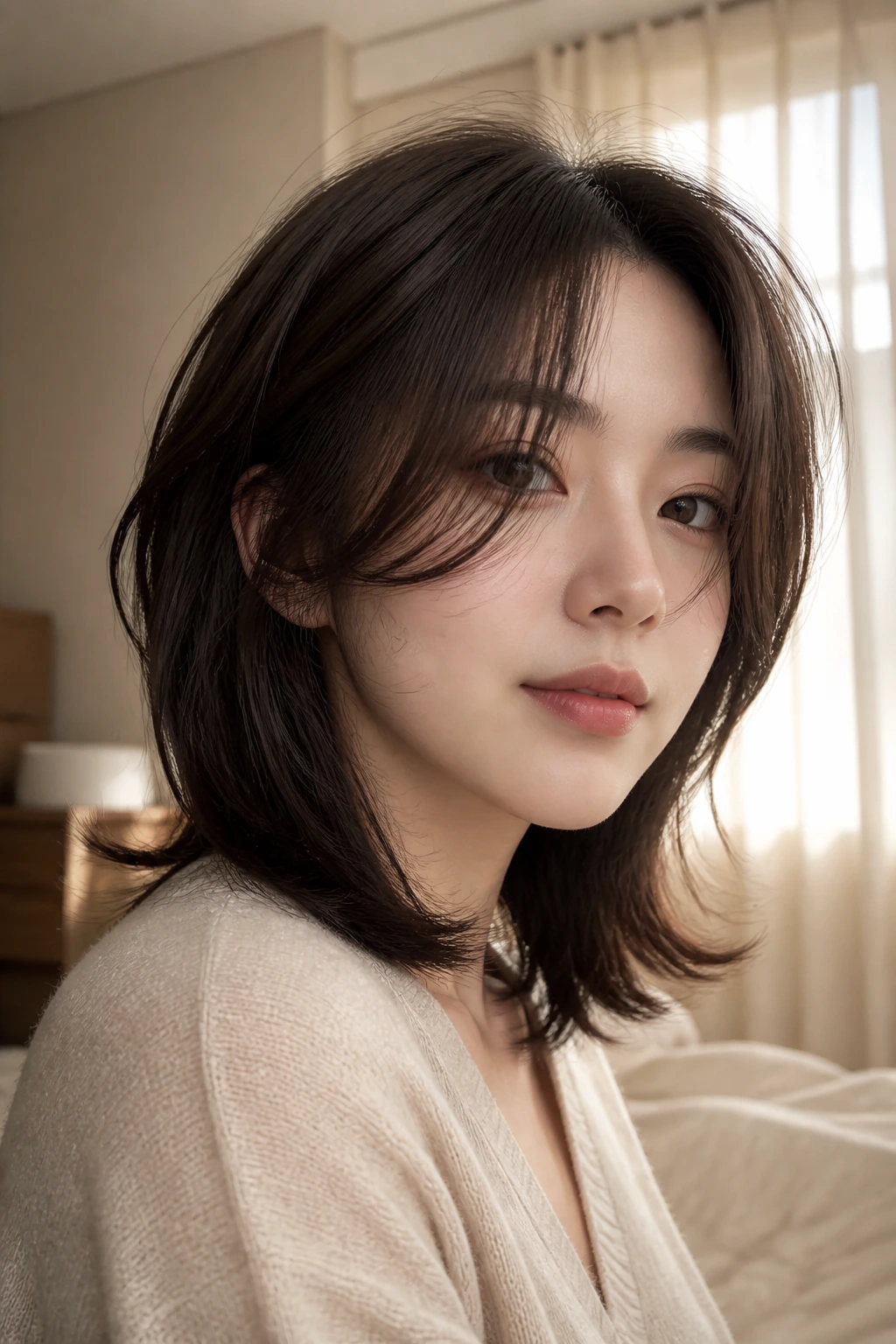
Inspired by popular musicians, this cut is a soft, airy shag that sits somewhere between a bob and a shoulder-length cut. It features short, face-framing layers that curve inward toward the cheekbones, while the back remains slightly longer and light.
Why It tames Frizzy Halos
Unlike a traditional shag which can look messy and dry, the Wendy Cut uses very clean, deliberate layering lines. The layers are cut to nestle into each other, which prevents the flyaway look that often plagues highly layered styles. It is a highly structured cut disguised as a messy, low-effort style.
How to Style and Maintain It
This cut is incredibly low-maintenance. A small dab of hair oil worked through the ends while damp is often all you need. If your hair is naturally wavy, let it air-dry; the layers will organize themselves into a soft, piecey frame around your face.
7. The Blunt Pageboy with Under-beveled Ends
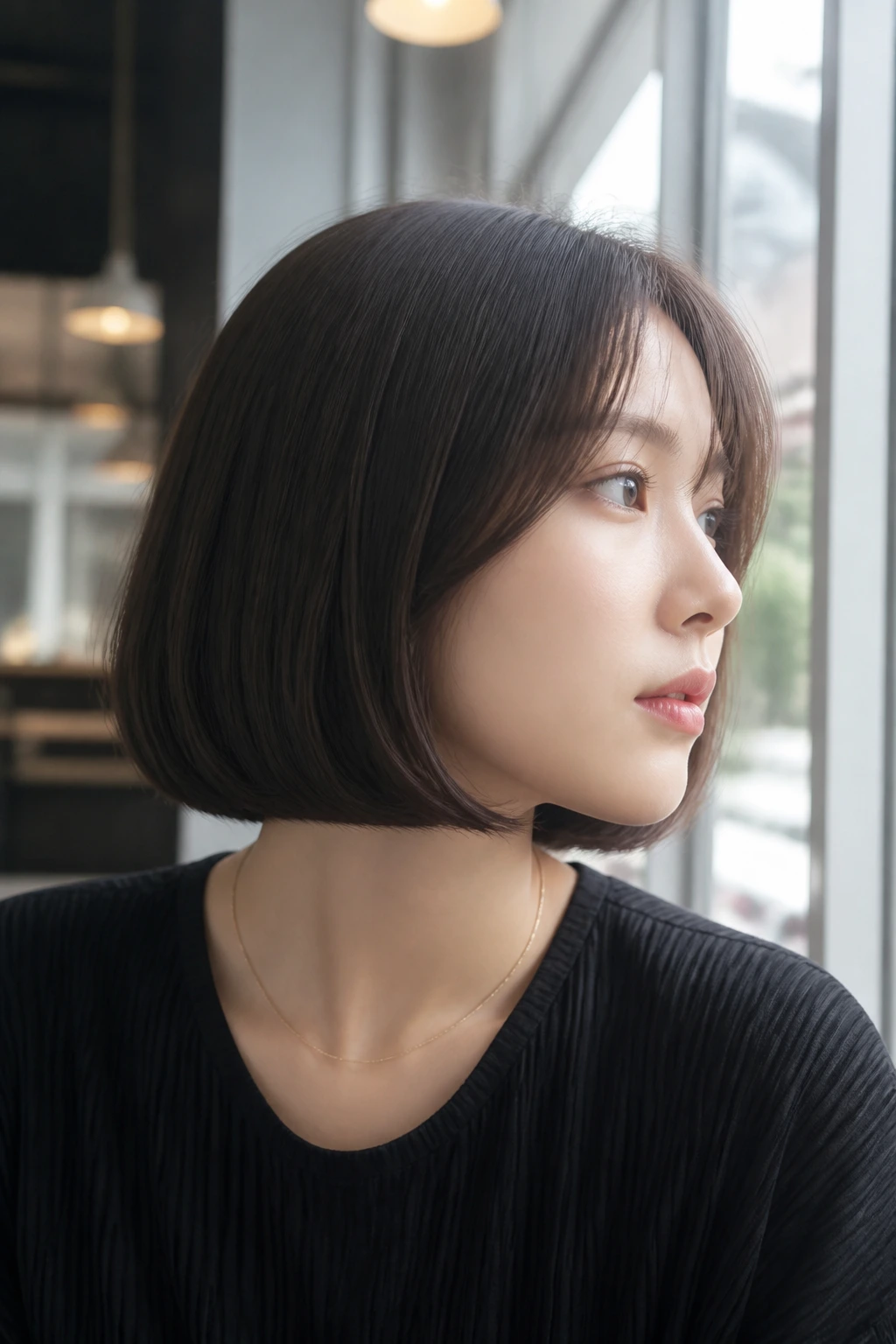
The pageboy cut is often avoided by those with frizzy hair for fear of looking like a mushroom. However, the Korean variation uses a technique called under-beveling to solve this problem completely. The stylist cuts the inner layers slightly shorter than the outer canopy, forcing the hair to naturally roll inward toward the neck.
The Physics of Under-Beveling
When the outer layer of hair is longer than the inner layer, it creates tension that curls the ends inward. This means you do not have to rely on high-heat styling tools to get that clean, rounded look. The weight of the longer outer layer acts as a natural straightener, keeping the frizzy under-layers locked in place.
Maintenance Schedule
To keep this cut looking sharp and prevent the ends from flipping outward as they grow, you will want to get a trim every six to eight weeks.
8. The Goddess Waves
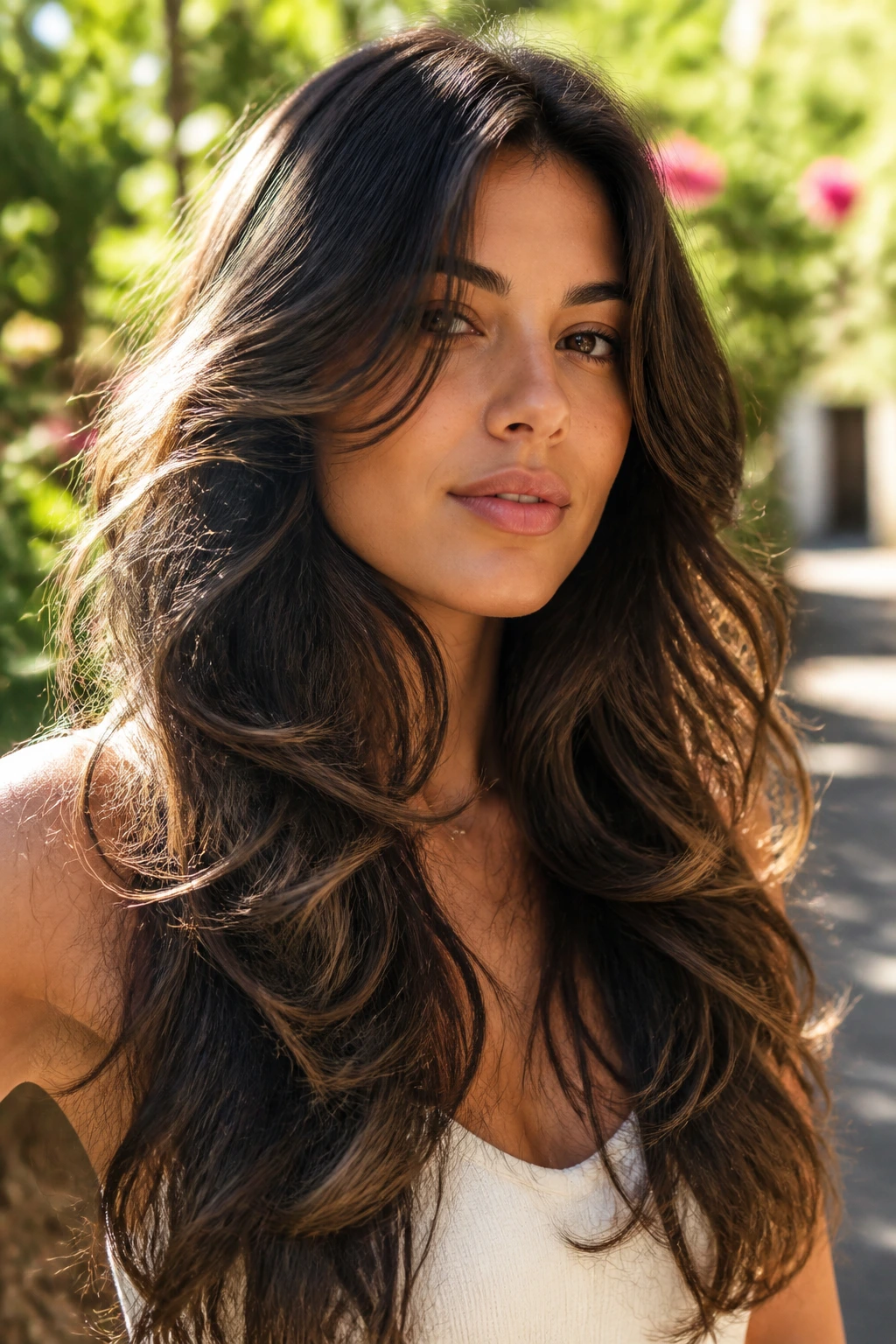
This is the ultimate long hair look in Korea. It features long, flowing, elegant waves that look like they have been styled with a massive curling iron, but are actually the result of a highly structured long haircut with graduated face-framing layers.
Preventing Long Hair Frizz Drag
Long hair that is all one length can become incredibly heavy, pulling the hair flat at the roots while the dry, frizzy ends flare out at the bottom. The Goddess Waves cut solves this by incorporating very long, gradual layers that start below the chin.
This removes the dead weight from the ends, allowing your natural wave pattern to lift and form beautiful, organized spirals rather than flat roots and frizzy tips.
Ideal Products for This Cut
- Leave-in Conditioner: Apply to soaking wet hair to seal the cuticle.
- Lightweight Hair Oil: Use three to four drops on dry ends to add shine and seal out humidity.
- Wide-Tooth Comb: Use only this to detangle; brushes will break up the waves and cause frizz.
9. The Hershey Cut
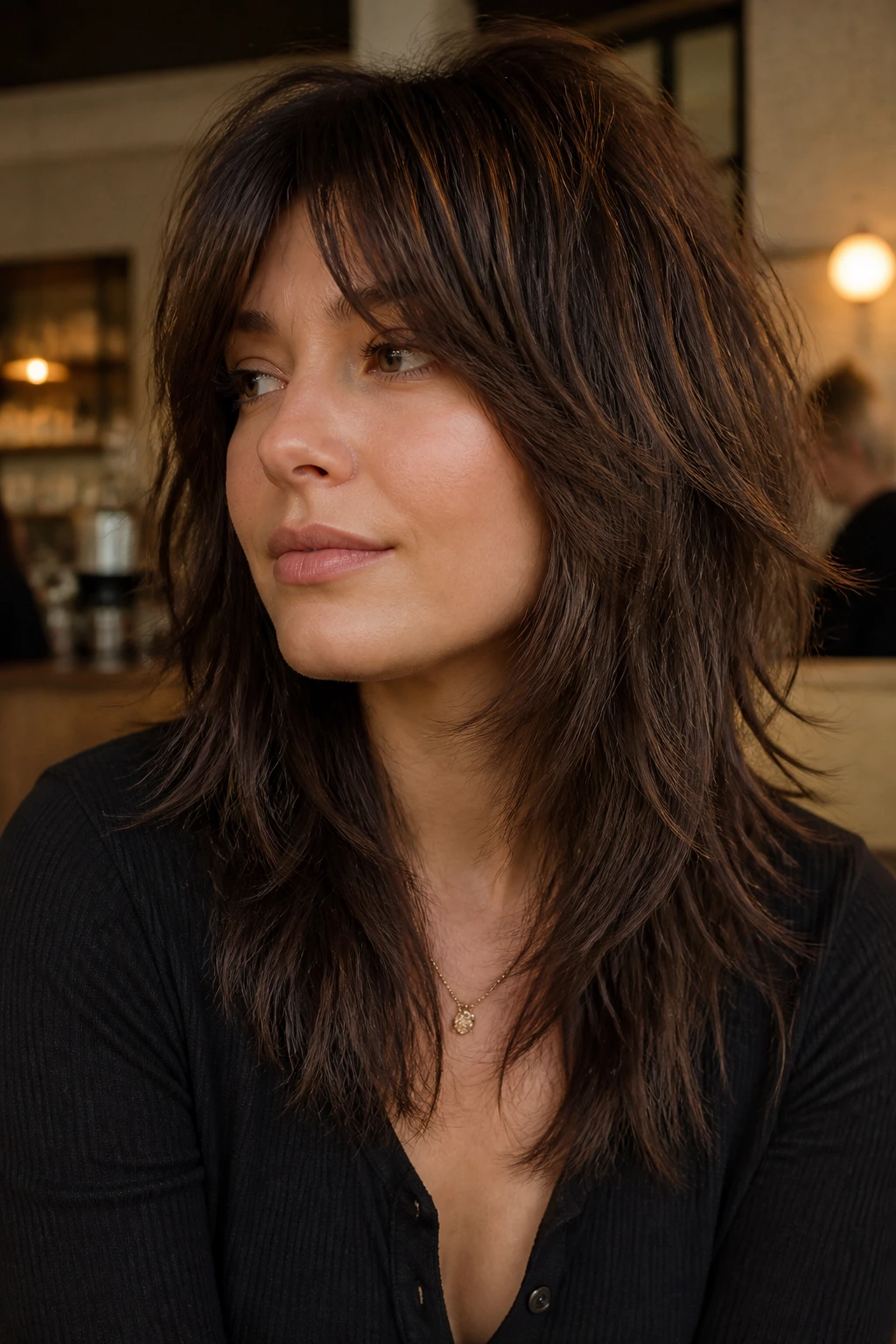
If you love texture but hate bulk, the Hershey Cut is a brilliant option. It is a highly layered, choppy cut that uses a lot of slide-cutting to create a disconnected, piecey look. It is bolder and more textured than the Hush Cut, making it perfect for those with natural wave and volume.
Emphasizing Texture over Frizz
The genius of the Hershey Cut is that it embraces the dry, textured nature of frizzy hair and turns it into a style choice. By separating the hair into distinct, piecey layers, any frizz is disguised as intentional, messy texture. It looks lived-in, cool, and highly stylized.
How to Style
- Mist damp hair with a salt spray or light texturizing spray.
- Blow-dry using a diffuser attachment, scrunching the hair upward to encourage texture.
- Once dry, rub a small amount of matte clay between your palms and piece out the ends of the layers.
10. The Pixie Shag with Side-Swept Fringe
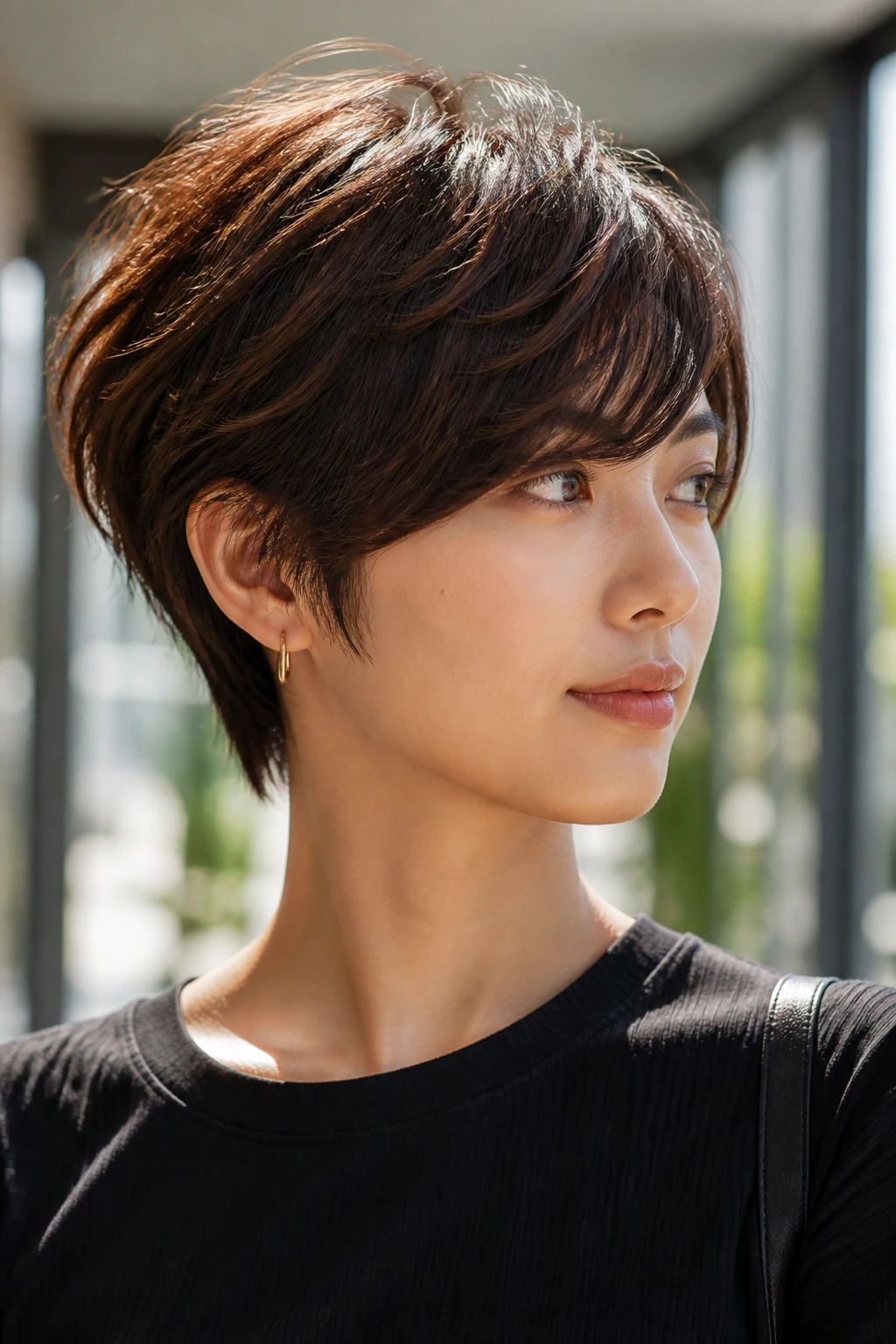
Do not let the fear of frizz keep you from going short. A pixie shag is actually one of the easiest ways to manage frizzy hair because there is very little length for the frizz to travel down. This cut features a short, tapered back with longer, textured layers on top and a soft, side-swept fringe.
Controlling Short-Hair Puff
The key to making a pixie work on frizzy hair is maintaining weight on top. If the top layers are cut too short, they will stand straight up. By keeping the top and front layers longer, the weight of the hair pulls it down into a sleek, face-hugging shape, while the cropped back keeps you cool and free of neck-frizz.
Quick Styling Tips
- Use a tiny amount of pomade or hair wax on dry hair.
- Focus the product on the tips of the hair to keep them pointing downward.
- Avoid applying product to the roots, which can make the style look greasy rather than textured.
11. The Air Cut with Face-Framing Tendrils
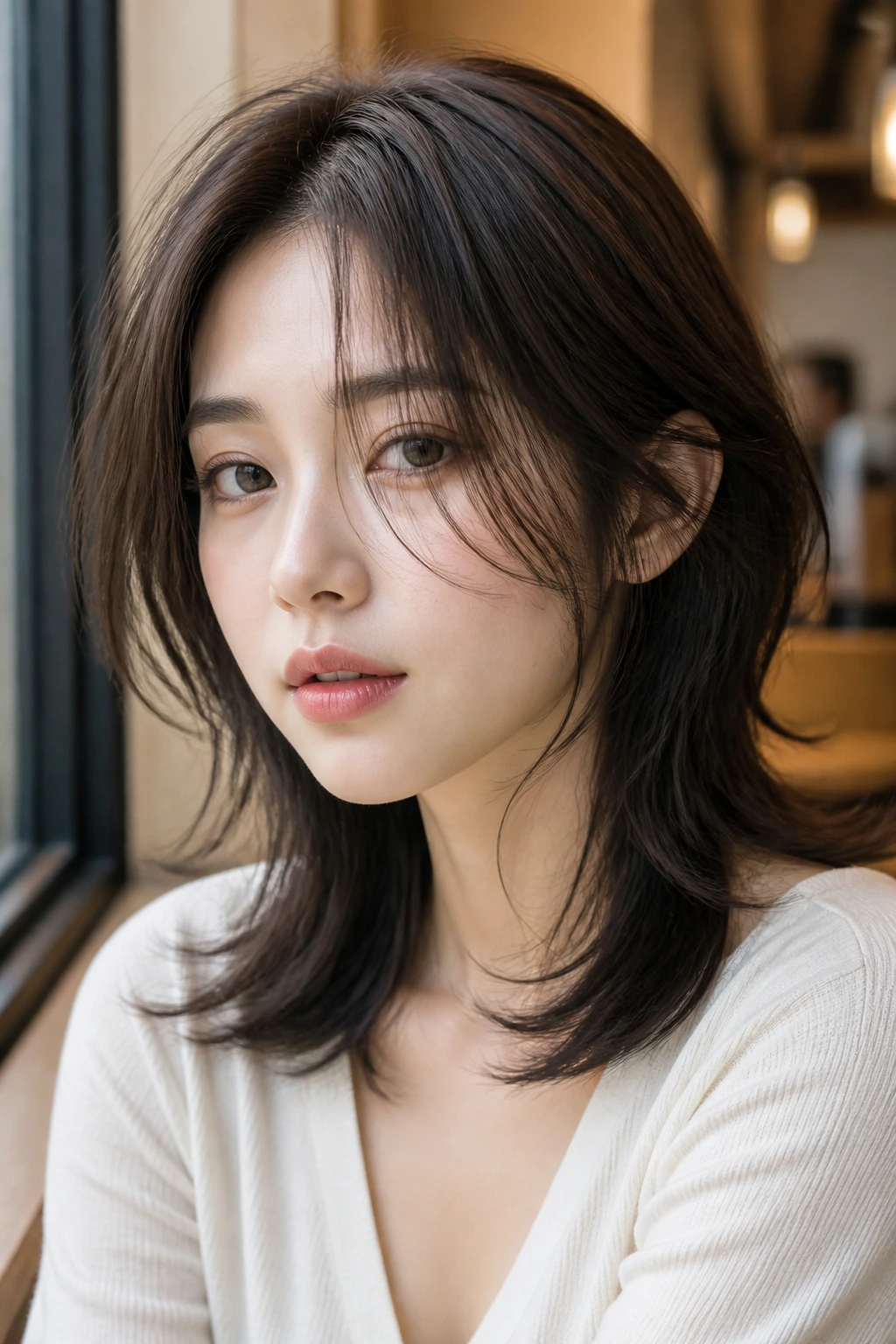
The Air Cut is all about creating a weightless, breezy look around the face while maintaining thickness and structure in the back. It is characterized by ultra-fine, feathered pieces of hair that are cut around the hairline, designed to be pulled out when you wear your hair up.
Disguising the Hairline Frizz
Many people with frizzy hair struggle with baby hairs and fuzzy texture right along the hairline. Instead of trying to gel these down, the Air Cut intentionally cuts these baby hairs into soft, deliberate face-framing tendrils.
When you pull your hair back into a ponytail or bun, these pieces fall out naturally, framing your face and making the hairline frizz look like an elegant, soft frame.
Key Visual Details
- Fine, graduated pieces starting at the temple and ending at the jaw
- Slide-cut edges that blend seamlessly into the rest of the hair
- Designed to look best when styled with a slight curve toward the face
12. The Volume-Focused Build Perm Cut
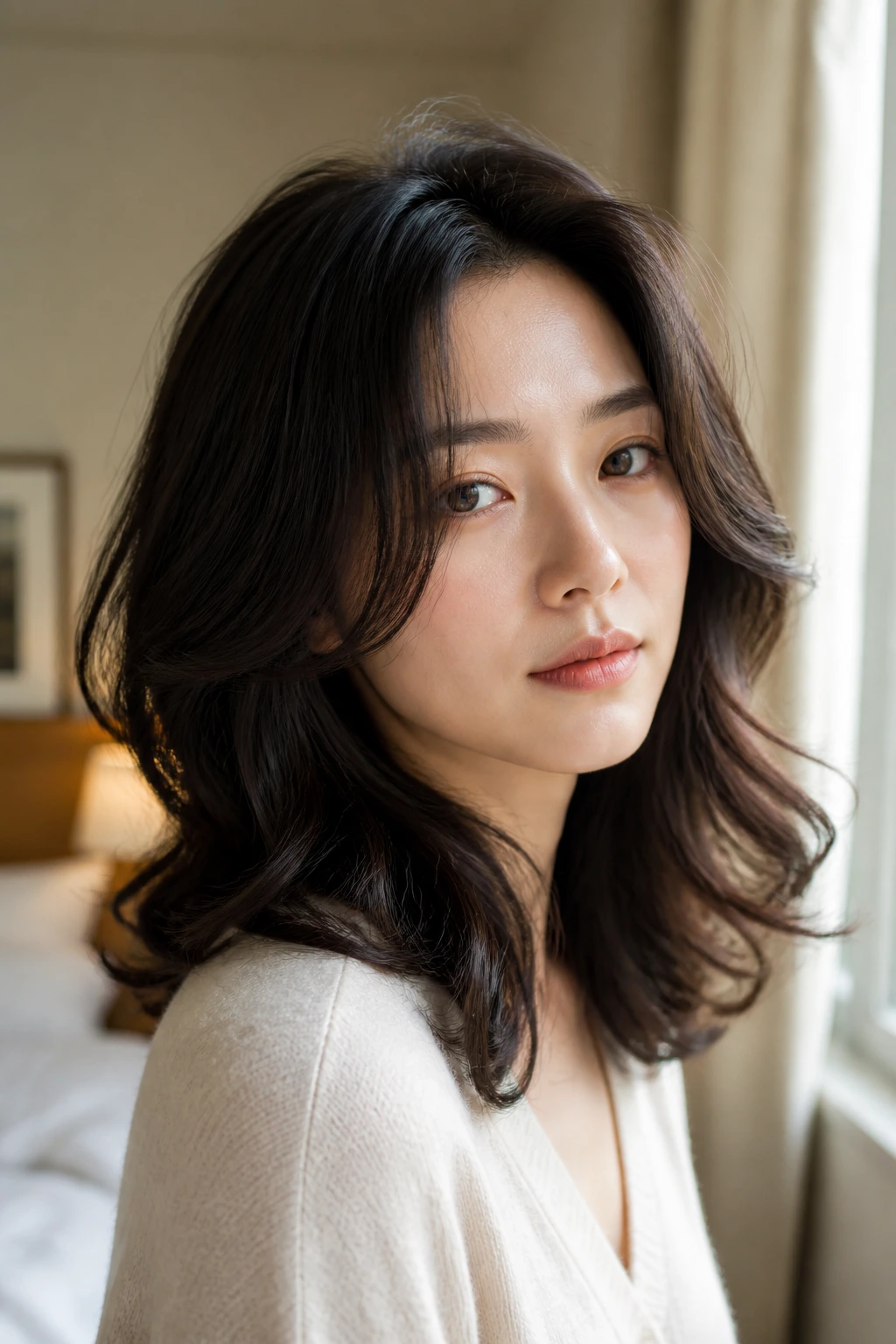
For those with fine but highly frizzy hair, the challenge is different. You need volume at the roots, but you want to control the fuzzy texture of the strands. The Build Perm Cut uses a combination of root-lifting layers and large, soft curls at the bottom to build a structured silhouette.
Lifting the Roots to Balance Frizz
When fine hair lies flat against the scalp, any frizz on the lengths looks twice as obvious. By using short, invisible layers right at the crown, the stylist lifts the hair away from the scalp. This root volume balances the texture of the rest of your hair, making it look full and bouncy rather than flat and fuzzy.
Styling Routine
- Apply a root-lifting spray to damp roots.
- Blow-dry your hair upside down until it is about 80% dry to maximize lift.
- Finish by wrapping large sections of hair around a ceramic barrel brush to smooth the cuticles and create bouncy ends.
13. The Two-Block Cut with Soft Textured Top
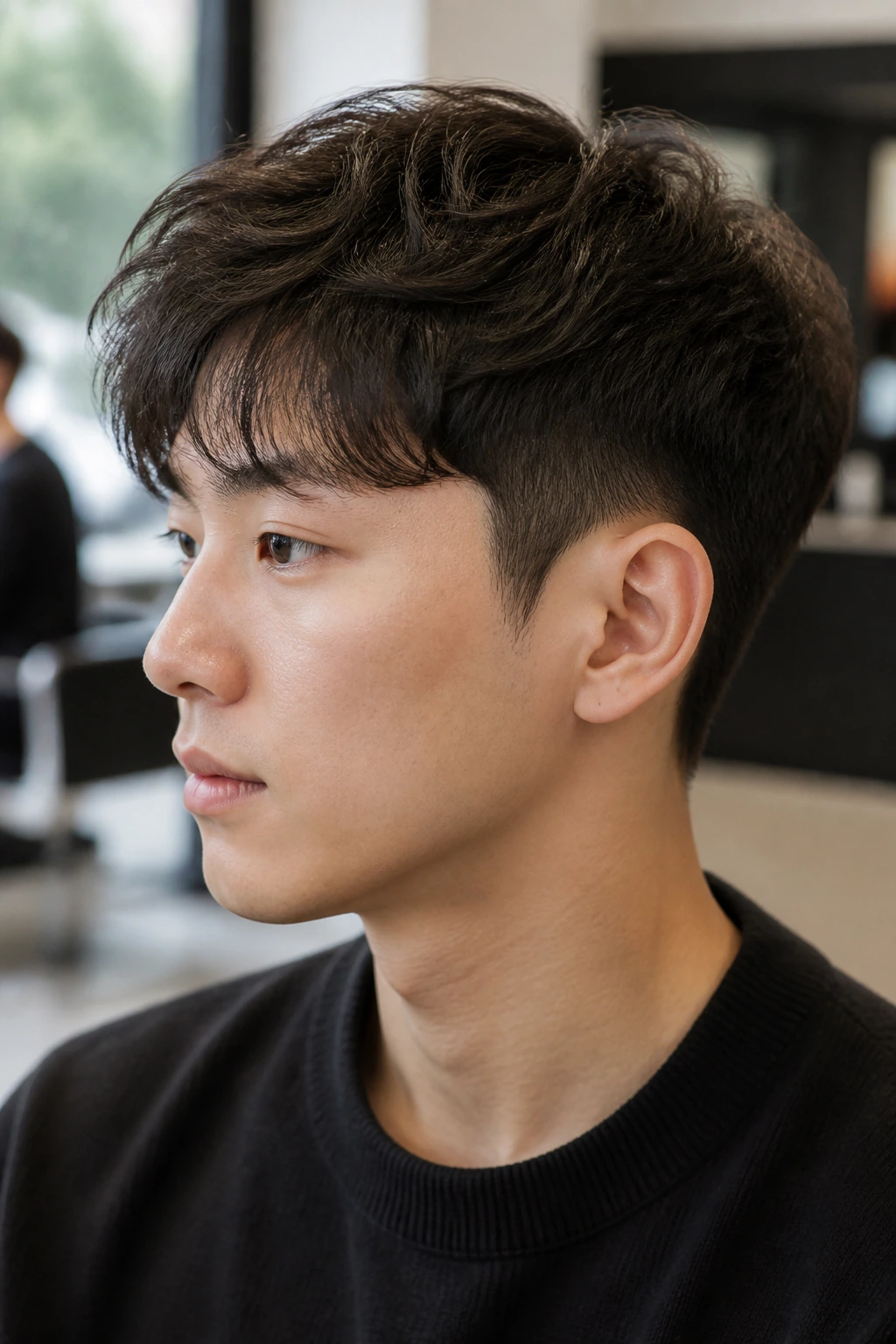
Originally a popular men’s style in Korea, the Two-Block Cut has become a go-to unisex option for anyone looking to eliminate massive hair density. The cut features a very short, buzzed, or closely cropped lower section (the back and sides) with a much longer, layered top section that falls over the shaved parts.
The Ultimate Bulk Eraser
If you feel like you have simply too much hair for your head, this cut is the answer. By shaving away the lower half of your hair, you remove 50% of the bulk instantly. The top section lays flat over the cropped sides, giving the appearance of a full, thick head of hair but with none of the weight, heat, or puffiness underneath.
Maintenance and Styling
- The lower section will need a trim every three to four weeks to keep it clean.
- The top section can be styled messy, straight, or wavy depending on your mood.
- It is incredibly quick to wash, dry, and style.
14. The Eggy Bob with Curved Ends
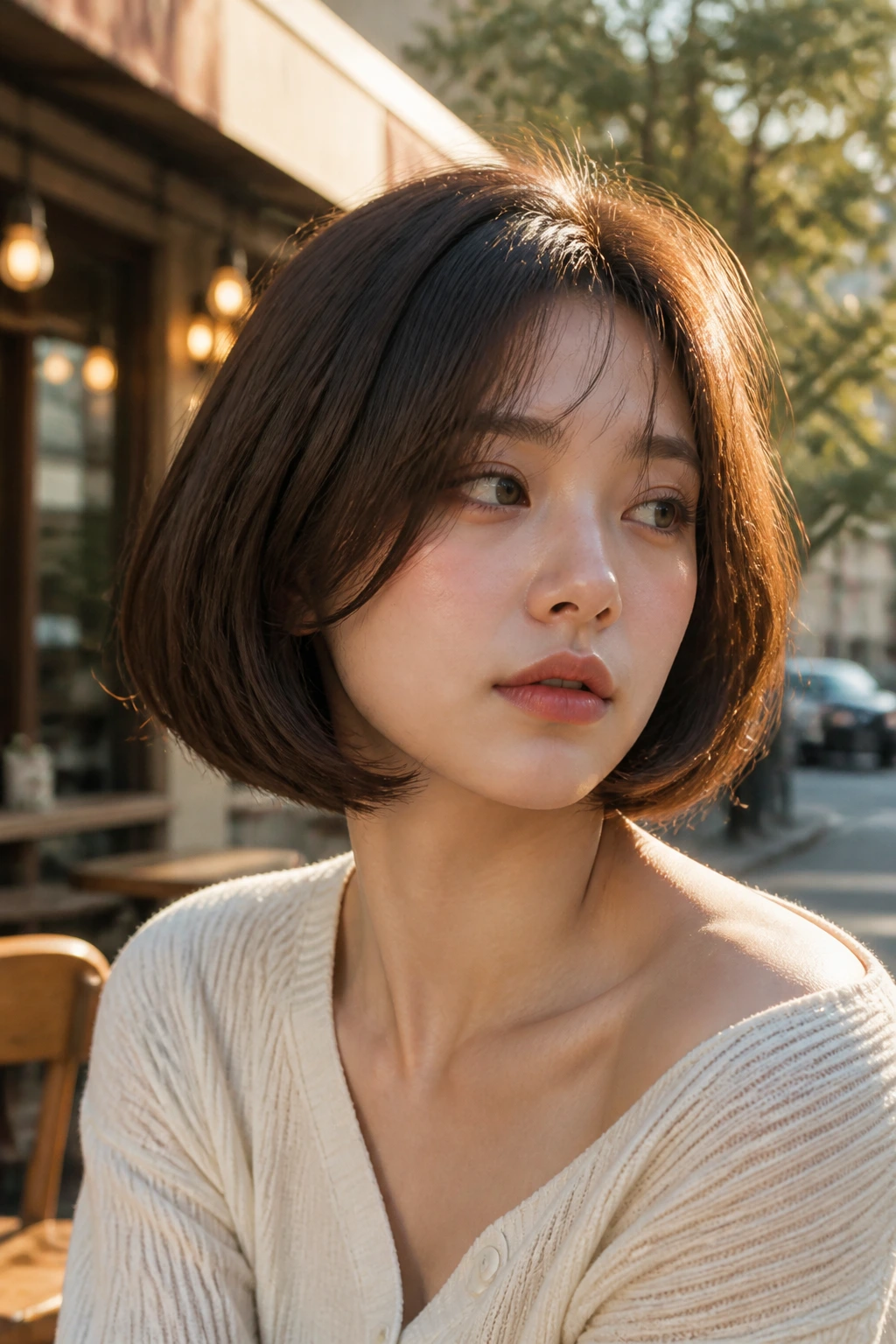
The Eggy Bob gets its name from its smooth, oval, egg-like silhouette. It is a short-to-medium bob that is cut slightly shorter in the back and curves gently forward around the jawline. The entire perimeter is softened to prevent any harsh, blocky edges.
Smoothing the Outer Silhouette
Because the Eggy Bob uses graduated layering in the back, it prevents the hair from expanding outward. The hair is guided forward, wrapping around the neck and jaw. This constant forward curve keeps the hair ends under control and prevents the wind from blowing the hair into an unruly, frizzy mess.
Who It Suits
This cut is incredibly flattering on oval and heart-shaped faces. The forward curve helps to soften a pointed chin and highlights the cheekbones beautifully.
15. The Bonnie Cut with Outward Flips
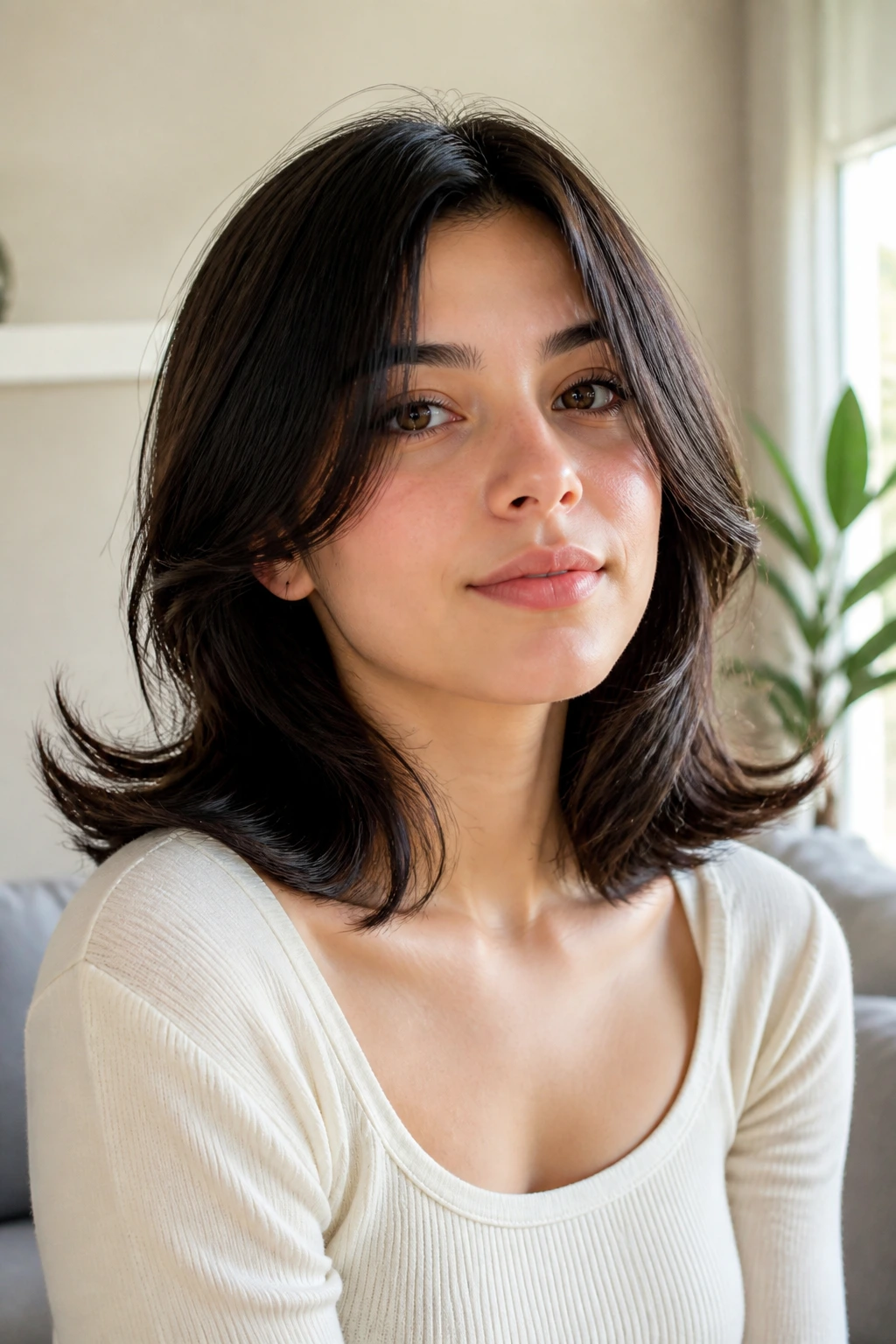
If you are tired of tucking your hair inward, the Bonnie Cut offers a playful alternative. This mid-length cut features layers that are designed to flip outward at the shoulders, creating a youthful, bouncy silhouette.
Turning Frizz into Playful Bounce
For many people, frizzy hair naturally wants to flip out when it hits the shoulders anyway. Instead of fighting this natural tendency with a straightener, the Bonnie Cut embraces it. By cutting layers that encourage this outward flip, your hair’s natural stubbornness is channeled into a crisp, clean style.
Quick Styling Steps
- Apply a heat protectant spray to damp hair.
- Blow-dry the hair straight down until you reach the last two inches.
- Use a round brush or a flat iron to flick the ends of the hair upward and outward.
16. The Ruffle Cut with Choppy Layers
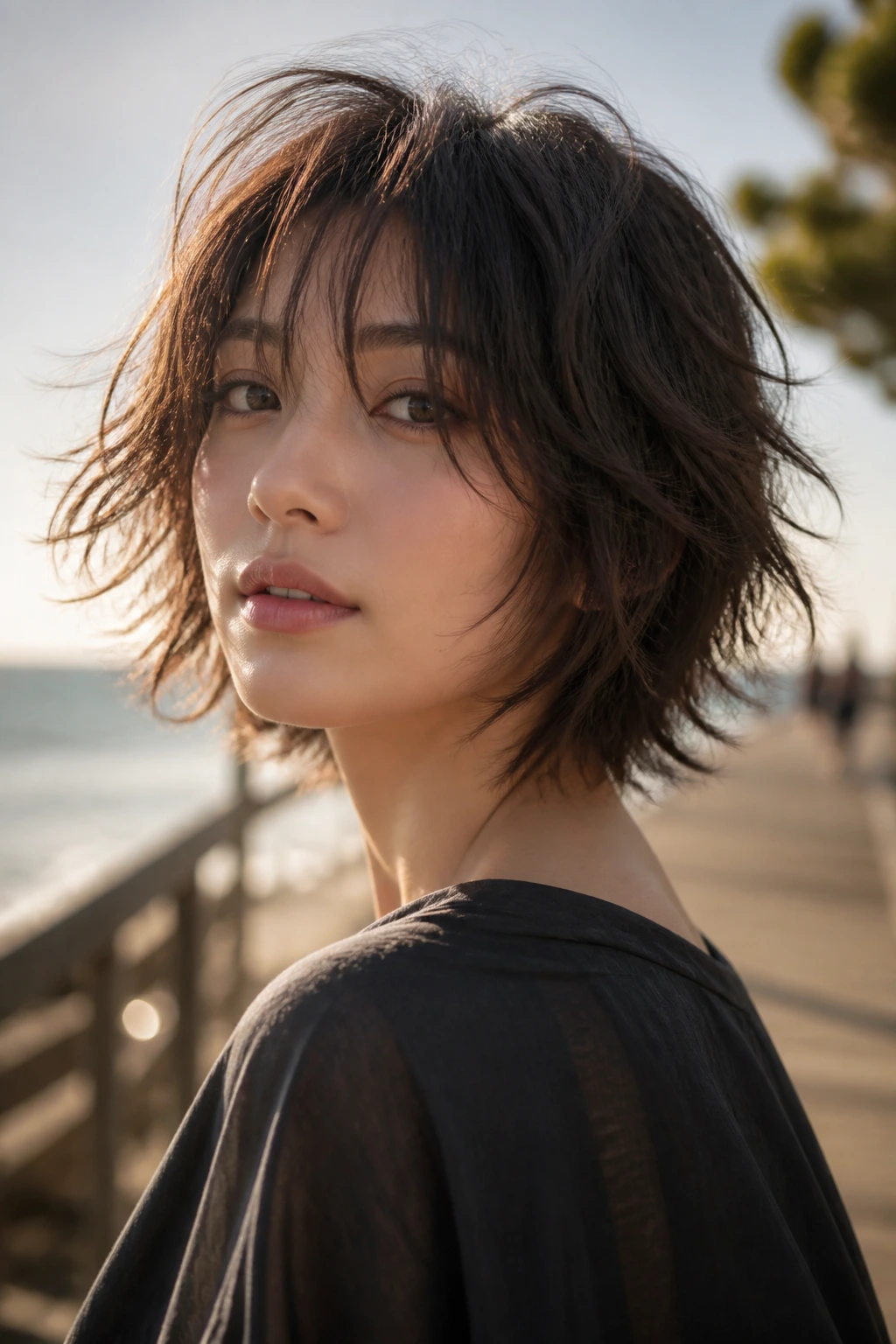
The Ruffle Cut is a short, textured bob that features choppy, disconnected layers throughout. It is designed to look slightly messy, like you have just run your fingers through your hair after a walk on the beach.
The Art of Disorganized Texture
The beauty of the Ruffle Cut is that it thrives on imperfection. Because the layers are cut at slightly different lengths and angles, any natural frizz or wave simply adds to the “ruffled” look of the style. It is an excellent choice for anyone who wants a wash-and-go style that does not require heat tools.
Recommended Products
- Texturizing Cream: Work a pea-sized amount through dry hair to separate the choppy layers.
- Dry Shampoo: Spray at the roots to add volume and absorb oil without drying out your ends.
17. The Leaf Cut with Tapered Nape
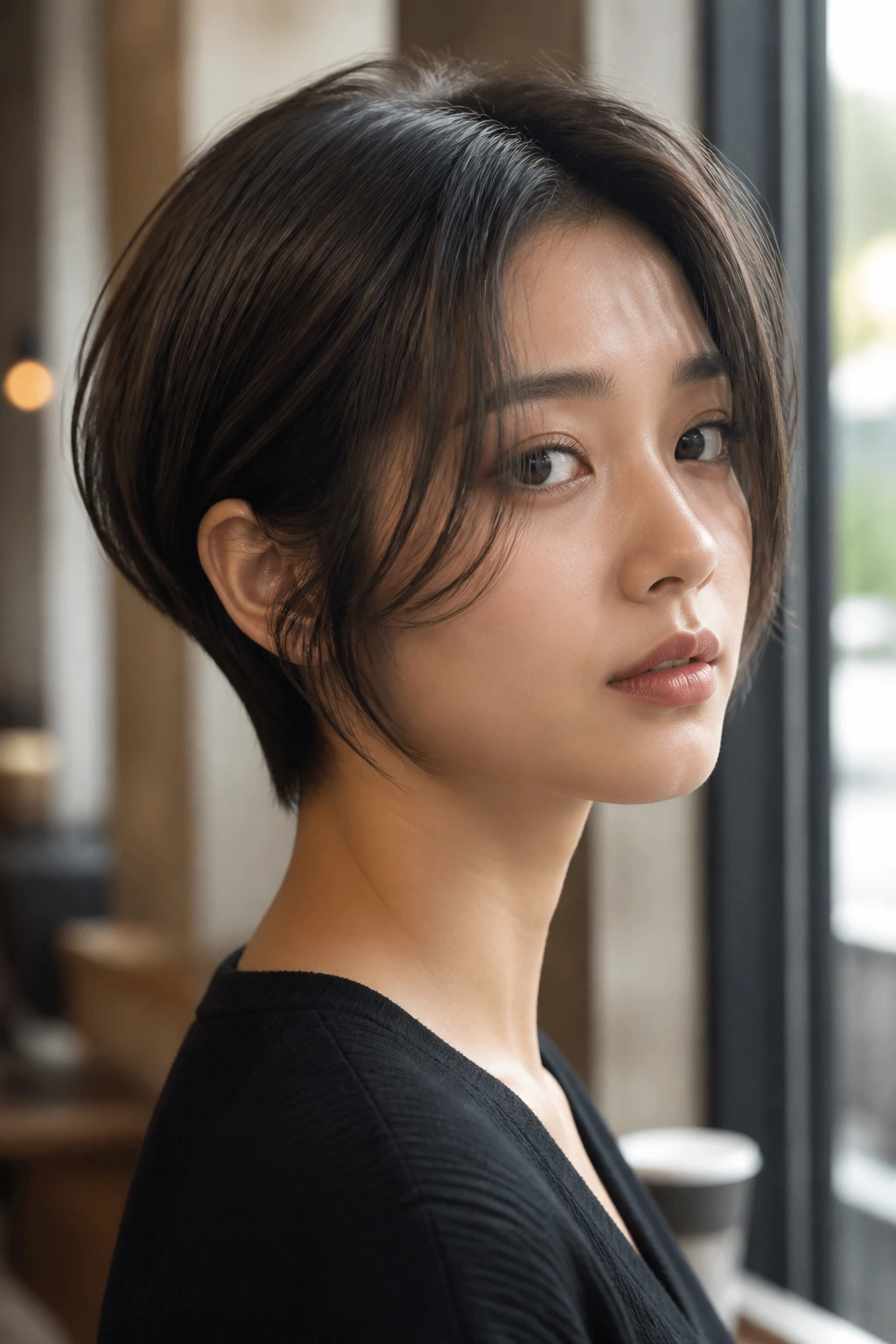
Named after the shape of a delicate leaf, this cut is longer on the top and sides, with the layers tapering down to a very clean, tight point at the nape of the neck. The front sections are cut to resemble the soft curve of a leaf framing the eyes and cheekbones.
Controlling Nape Puff
The nape of the neck is a notorious trouble zone for frizzy hair, often tangling and puffing up throughout the day due to friction from collars and scarves. By tapering this area very short, the Leaf Cut eliminates this issue entirely.
The longer top sections drape over the tapered neck, keeping the overall look feminine, soft, and completely smooth.
Styling and Care
This cut looks best when styled flat to the head. A simple blow-dry with a paddle brush, directing the hair forward and down, is all it takes to keep the leaf shape looking sleek and polished.
18. The Jelly Perm Shag
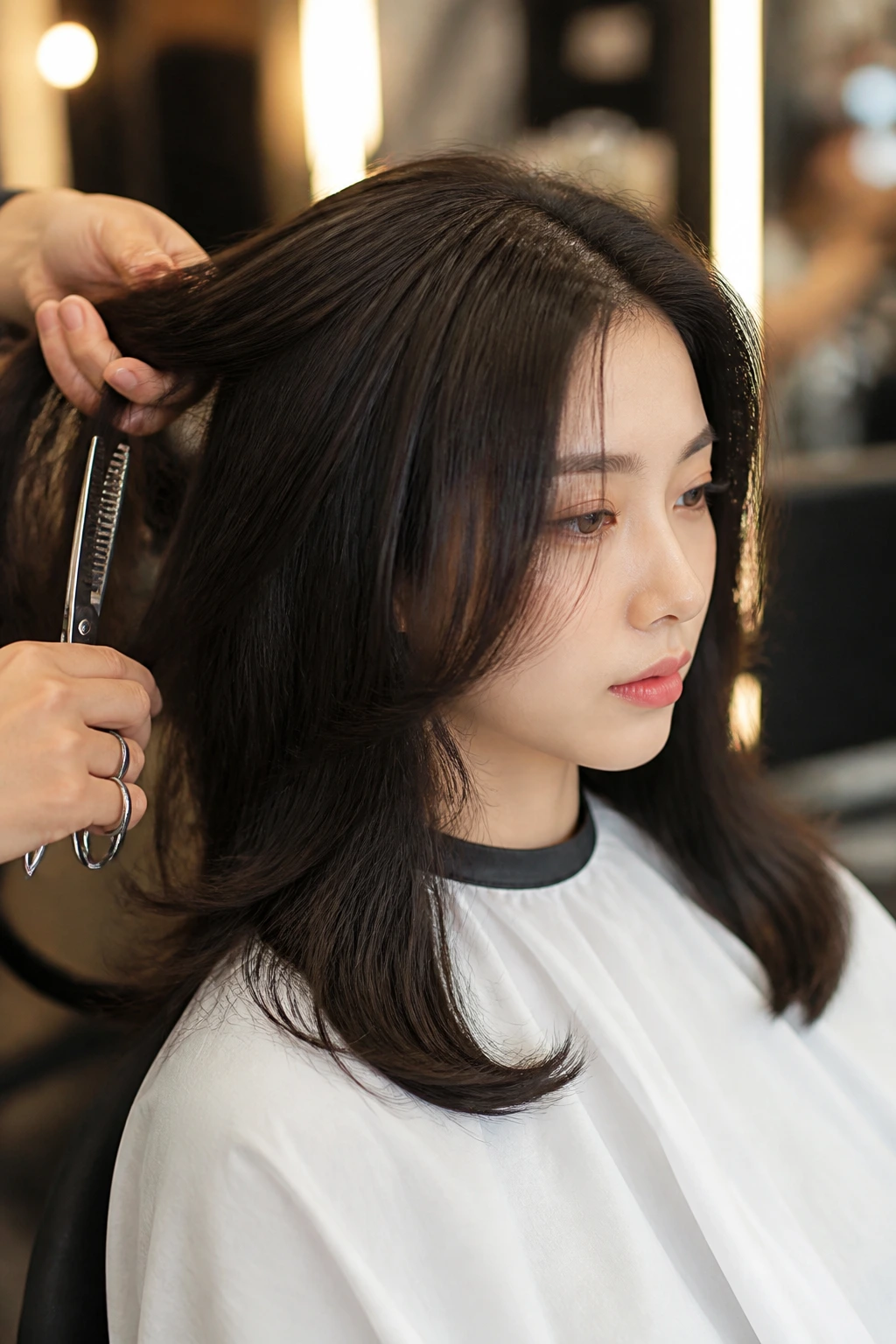
The Jelly Perm is a popular Korean perm style characterized by tight, springy, ramen-like curls from root to tip. When paired with a shag cut, it creates a massive, gorgeous cloud of textured curls that is incredibly stylish.
Embracing the Cloud
If you have wavy or curly hair that constantly frizzes, trying to make it look straight is a losing battle. The Jelly Perm Shag goes in the exact opposite direction by maximizing your texture.
The shag haircut provides the necessary layers so the curls do not pile up at the bottom, while the jelly perm texture makes any natural frizz blend in as part of the curl pattern.
How to Style This Wild Texture
- Apply a generous amount of curl-defining cream or gel to soaking wet hair.
- Scrunch the hair thoroughly from the ends up to the roots.
- Air-dry or use a hair diffuser on a low heat setting without touching the curls with your hands while drying.
- Once completely dry, scrunch the hair again to break the gel cast and reveal soft, frizz-free curls.
19. The Border Cut with Soft Graduated Weight
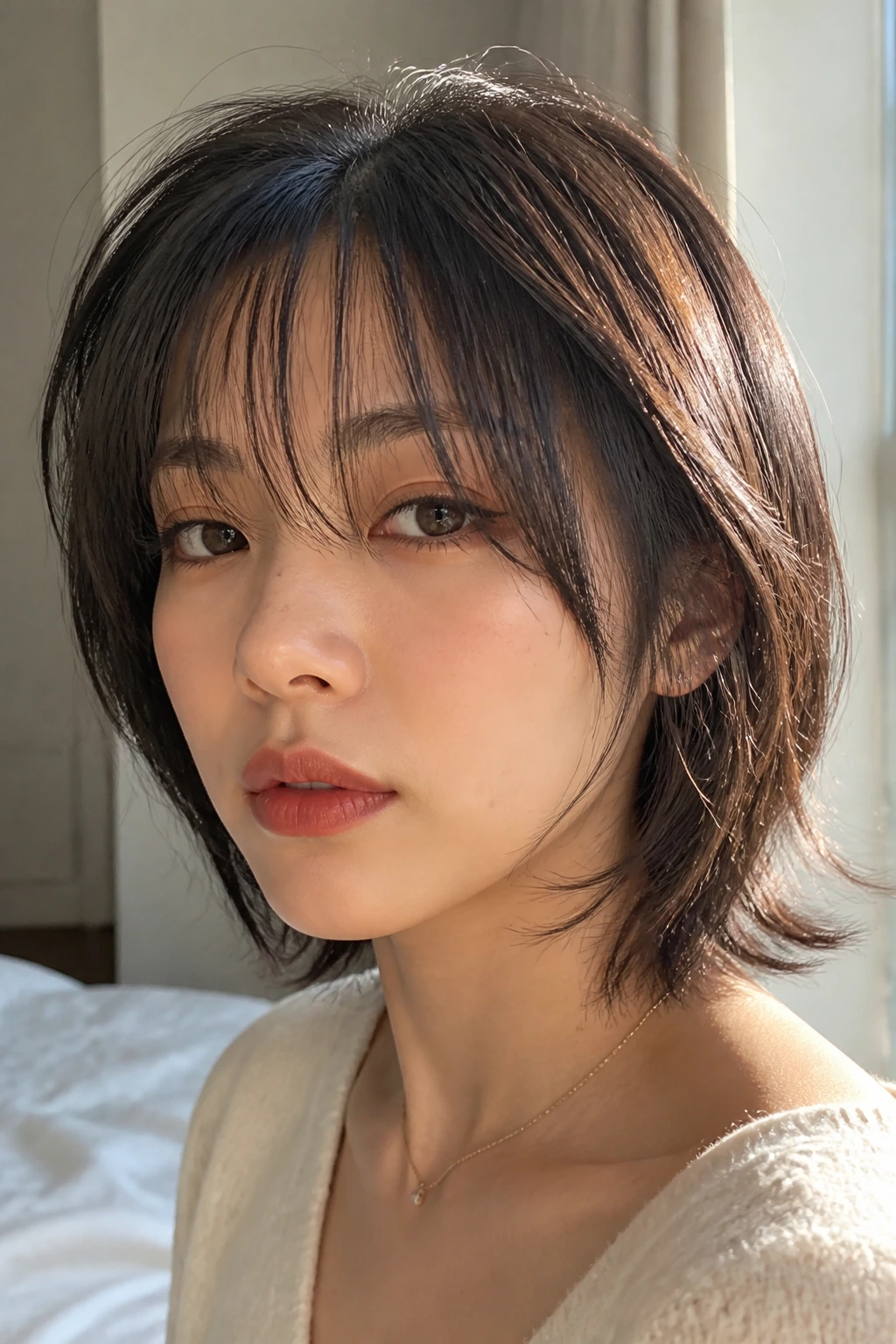
The Border Cut is a long, layered style where the layers are cut at a very steep, diagonal angle along the front of the hair. This creates a clear “border” of layers that wrap around the chest and shoulders.
Gradual Weight Distribution
Unlike horizontal layers which can sometimes look choppy on frizzy hair, the diagonal layers of the Border Cut distribute the weight of your hair very gradually. This prevents any sudden jumps in length, which can cause frizzy hair to flare out.
It is a very safe, elegant cut for anyone who wants to keep their length but wants more movement and control.
Best Styling Practice
Use a large hot roller set on the front sections of your hair for 10 minutes to create soft, cascading waves that roll away from your face.
20. The Pleats Cut with Flat-Ironed Texture
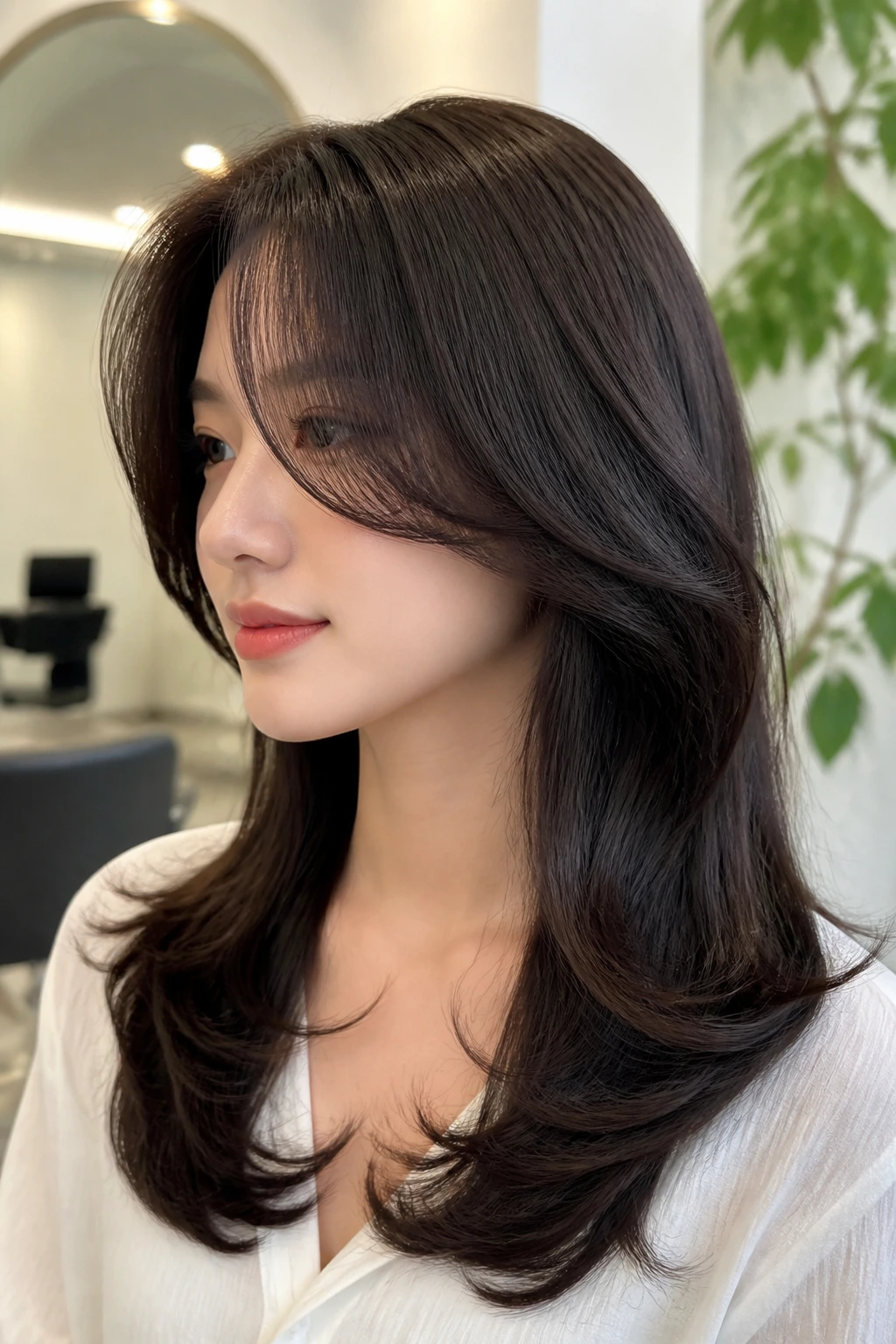
Inspired by the clean lines of pleated skirts, this cut is a long, straight style with sharp, textured vertical layers cut into the outer canopy. It is designed to be styled pin-straight, with the layers creating distinct vertical lines.
Minimizing Horizontal Expansion
Frizzy hair tends to expand horizontally, creating a wide, puffy silhouette. The Pleats Cut uses vertical texturizing to encourage the hair to hang straight down.
By removing weight along vertical channels within the hair, the stylist creates space for the strands to sit close to each other, minimizing the width of your hairstyle.
Styling Requirements
This cut does require a flat iron to look its best. Always use a high-quality heat protectant and slide the iron slowly down each section to seal the hair cuticle completely.
21. The Wind Cut with Feathery Internal Layers
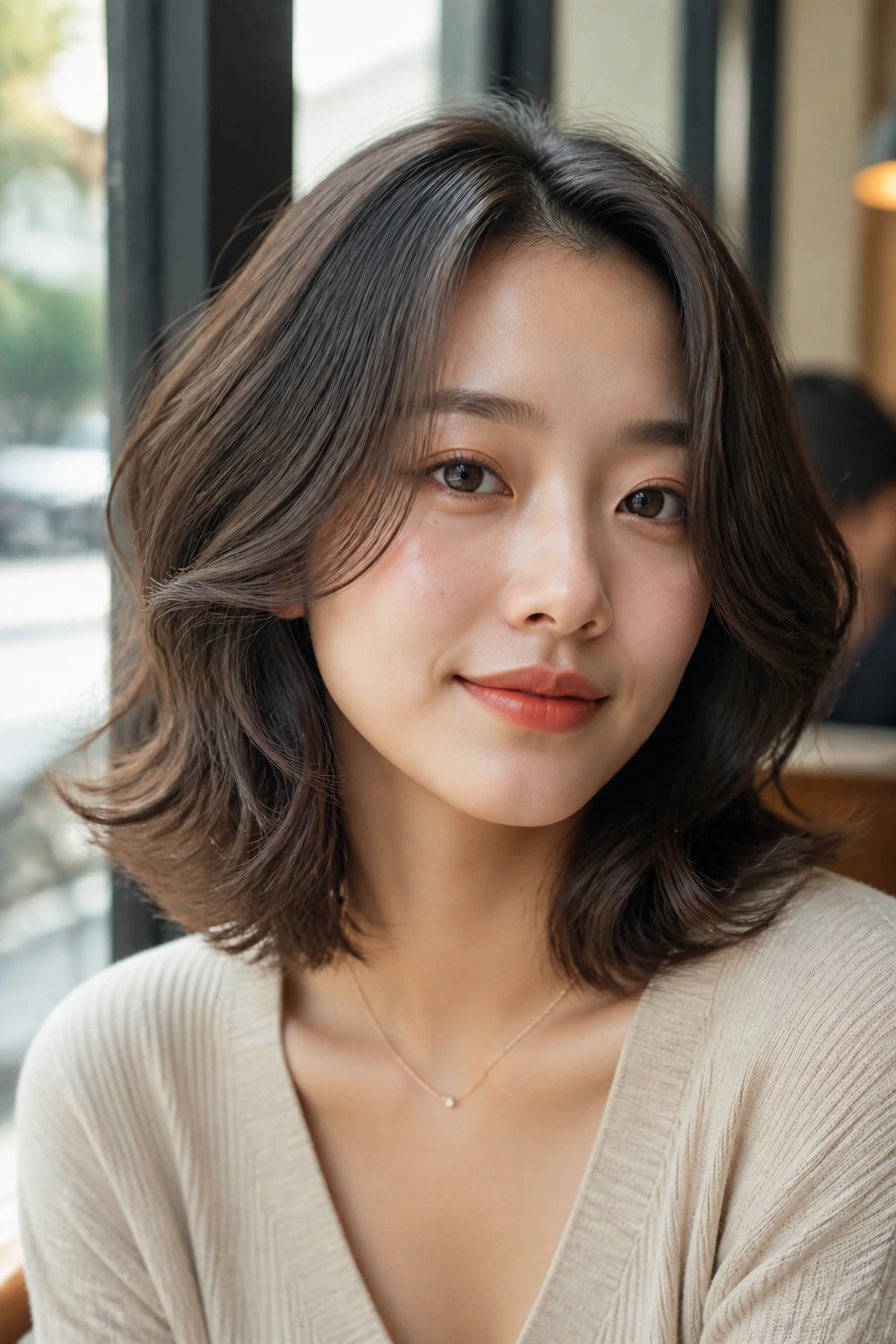
The Wind Cut is designed to look like a gentle breeze is constantly blowing through your hair. It features very soft, feathery layers cut into the interior of the hair, while the perimeter remains relatively solid.
Hidden Internal Control
By hiding the feathery layers on the inside of the haircut, the stylist can remove a massive amount of weight without changing the appearance of your hair from the outside.
The smooth, uncut outer canopy lays over these internal layers, keeping the surface of your hair looking sleek and frizz-free while making the hair feel incredibly light and airy to wear.
Quick Maintenance Facts
- Ideal For: Medium to long, thick hair
- Styling Effort: Very low; looks great air-dried
- Recommended Trimming: Every 10 to 12 weeks
Styling and Managing Your Korean Cut at Home
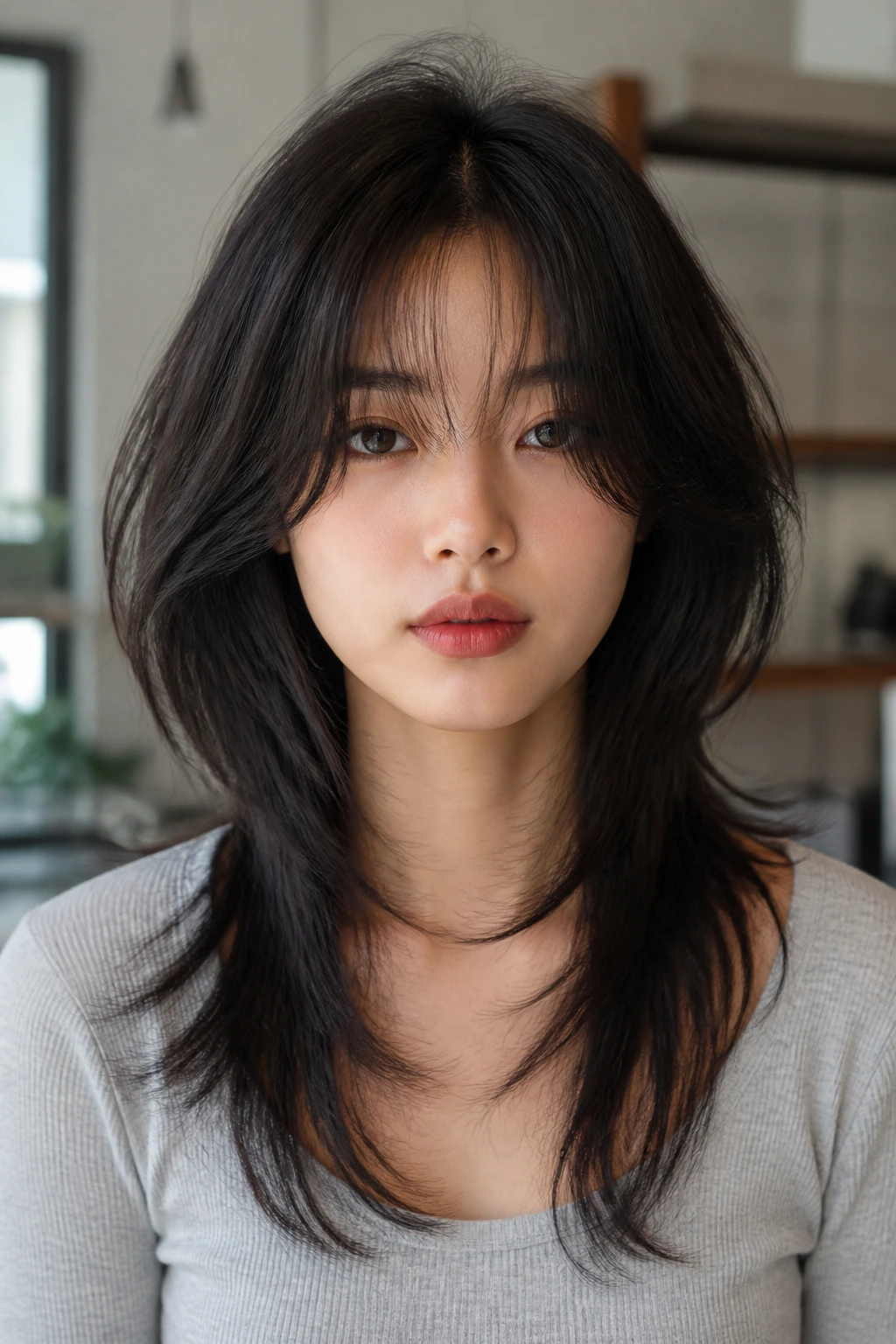
Getting the right cut is only half the battle. To keep your new Korean shape looking fresh and free of unruly puff, you need to adjust your home care routine to support the cut. Korean hair care is famous for focusing on hydration and scalp health, which are both crucial for keeping frizz under control.
The Water-Oil Balance
Frizz is essentially your hair reaching out into the air to grab moisture because it is dry on the inside. To prevent this, you must seal moisture into the hair shaft while it is still wet.
After washing your hair, do not rub it dry with a traditional cotton towel, which roughens up the cuticle and creates instant frizz. Instead, gently squeeze the water out with a microfiber towel or an old cotton t-shirt.
While your hair is still damp, apply a water-based leave-in conditioner to hydrate the cortex of the hair, followed immediately by a few drops of hair oil (like argan, camellia, or jojoba oil) to lock that moisture in. This creates a protective barrier that prevents humid air from entering the hair shaft and causing it to swell.
Heat Styling Safely
Many of these cuts look best when styled with a round brush or a hot tool, but heat damage is a one-way ticket to permanent frizz. When using a blow dryer, always use the concentrator nozzle attachment and point it downward along the hair strand.
This flat-irons the shingles of your hair cuticle down, making the surface of your hair reflective and smooth. Never use your hair tools on their highest heat setting; medium heat is more than enough to style the hair without baking the life out of it.
The Bottom Line
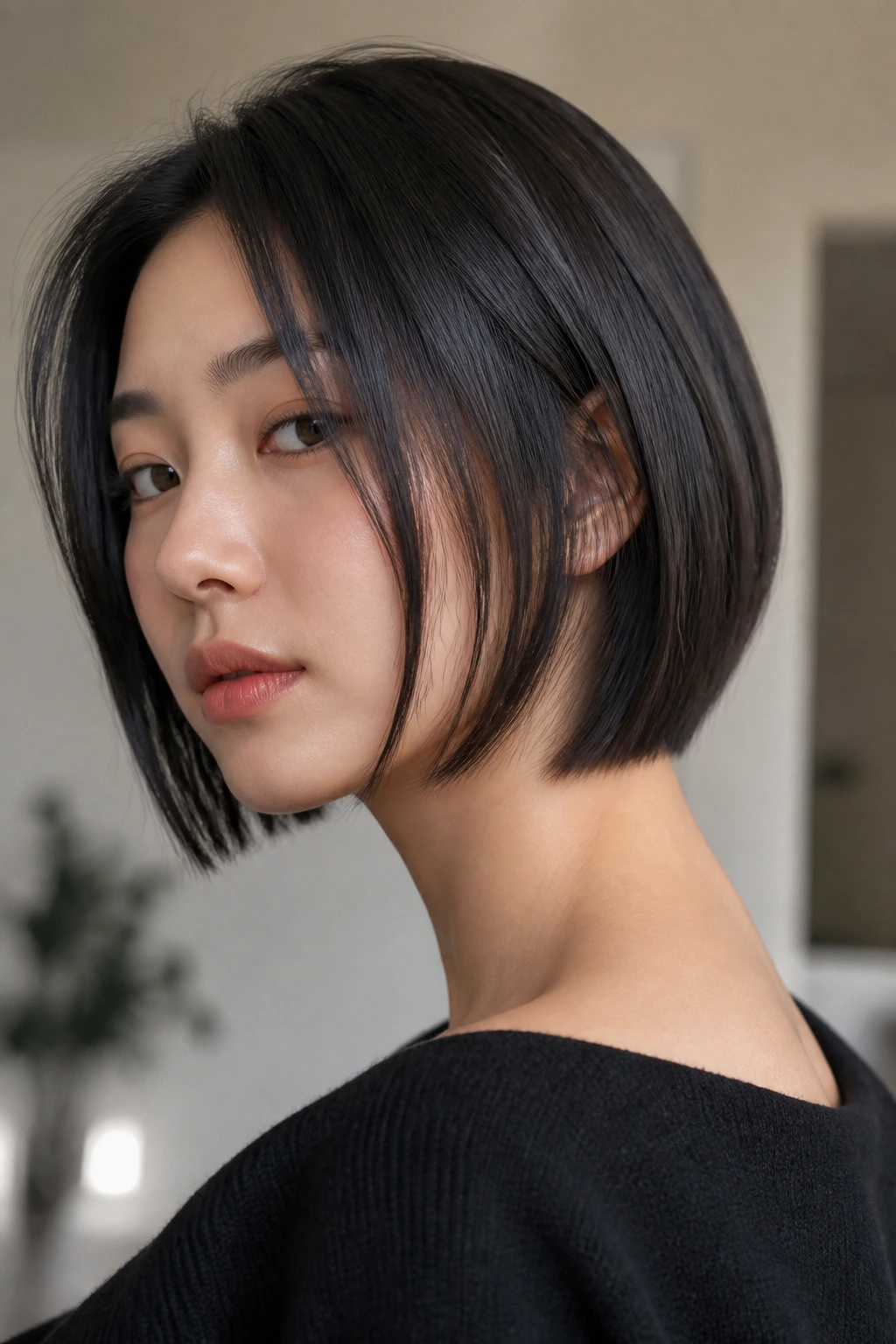
Living with frizzy hair does not mean you are destined to wear your hair in a tight bun forever. By moving away from heavy, blunt haircuts and embracing the smart, weight-balancing, and texture-friendly world of Korean haircutting, you can find a style that actually works with your natural hair density.
From the dramatic, face-hugging layers of the Hush Cut to the clever weight removal of the Two-Block Cut, these styles offer practical, low-effort solutions to keep your hair looking polished and intentional.
Talk to a stylist who understands slide-cutting and internal weight distribution, and step out into the world with a haircut that behaves itself, no matter the weather.