

Cutting curly hair is rarely as straightforward as snipping through a straight mane. When you deal with coils, kinks, and waves, you are essentially sculpting a living, breathing fabric that changes shape depending on the humidity, the product you use, and the way you slept the night before. Many people fear the salon chair because they have left it looking like a mushroom or a triangle, but the right haircut can breathe life into your texture rather than fighting against it.
Texture is not just a style choice; it is a weight and a volume management system. A cut that looks incredible on a loose wave might completely disappear into a mess of tangles on a tighter coil. Understanding the geometry of your curls is the first step toward finding a shape that feels like an extension of your personality. Whether you are aiming for something low-maintenance or a high-fashion statement, the following list outlines the most effective approaches for embracing your natural hair.
1. The DevaCut
This technique changed the way the industry approaches texture by cutting hair while it is dry. Because curls shrink significantly when they dry, a traditional wet cut can result in a length that is much shorter than you anticipated. A specialist uses a custom-sculpting method, trimming individual curls to ensure the shape stays consistent even as your hair moves and dries.
Why This Works for Tight Coils
When hair is dry, the stylist can see exactly how each curl pattern behaves. This allows for a much more precise framing of the face and avoids the dreaded “shrinkage surprise.” It is an investment, but it creates a customized shape that accounts for your specific curl density and bounce.
What to Expect During the Appointment
- You will likely arrive with your hair clean, dry, and styled in your usual way.
- The stylist avoids using combs or brushes that could disrupt the curl pattern.
- Each section is handled individually to ensure balance.
Pro tip: If you are a first-timer, bring photos of curls that match your exact pattern, not just your hair color or length.
2. The Rounded Layered Cut
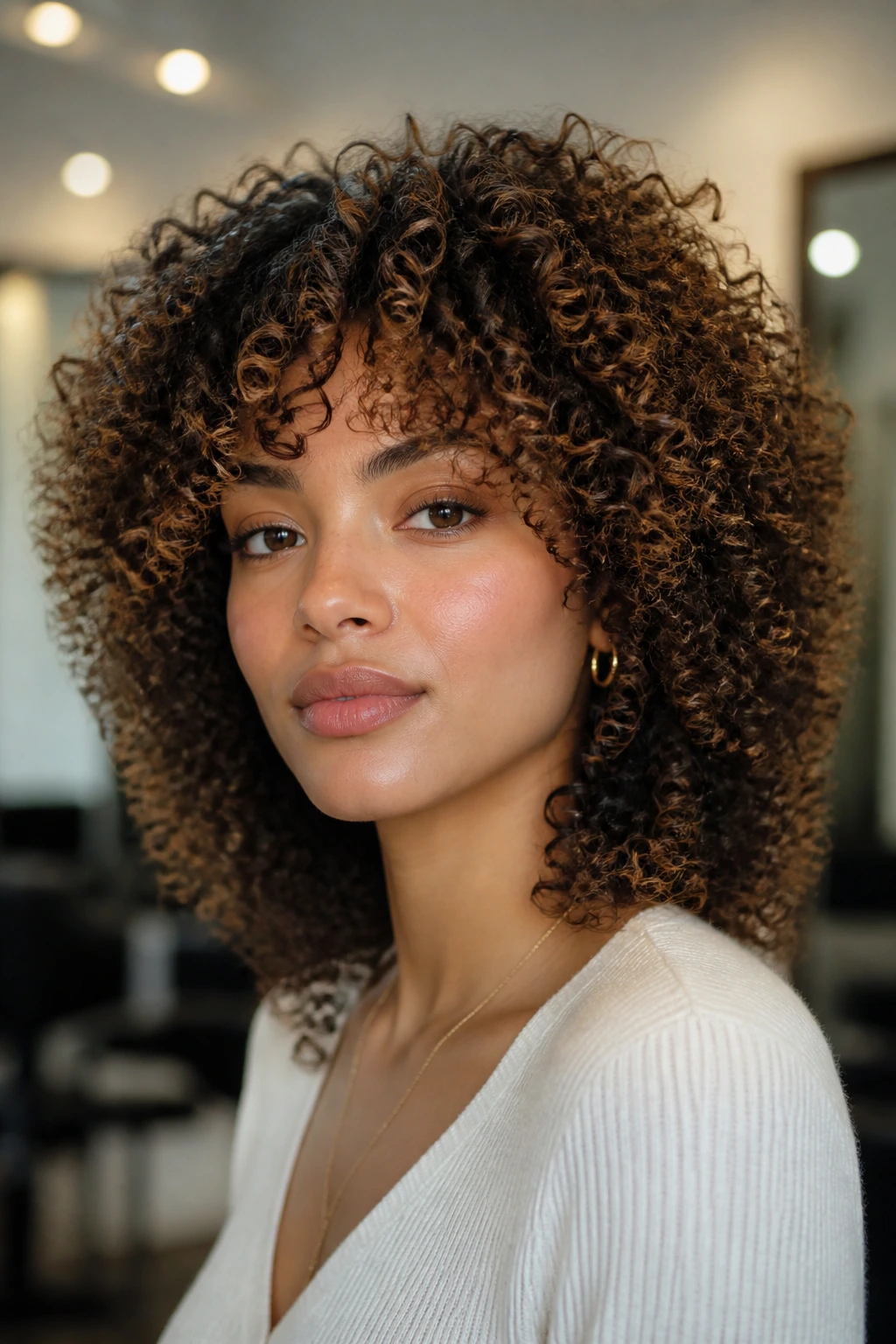
If you want that iconic halo effect, a rounded shape is your best friend. This cut features layers that are shorter toward the front and gradually get longer toward the nape, creating a soft, spherical silhouette. It removes bulk from the bottom, which is essential if you are tired of the dreaded pyramid shape that often plagues thick, wavy hair.
Managing Volume and Weight
The goal here is to distribute volume evenly around your head. By keeping the layers shorter near the roots, you encourage lift where you need it most. It also helps in highlighting individual curl clumps, making the hair look defined rather than frizzy.
Essential Maintenance Notes
- Keep your ends trimmed every 8–12 weeks to prevent breakage.
- Use a lightweight mousse to prevent the layers from becoming too heavy or weighed down.
3. The Long Layered Cut
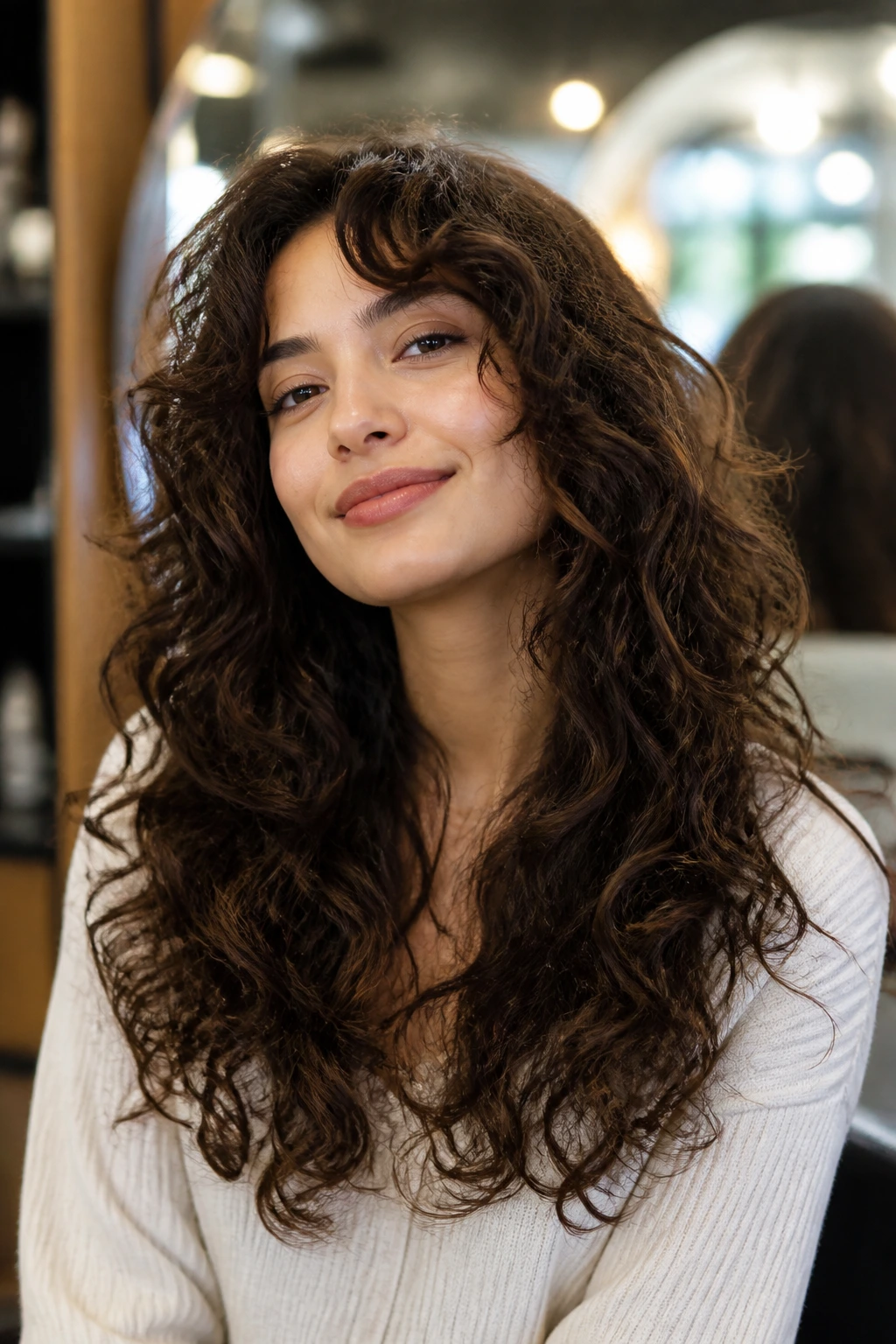
Not every curly cut needs to be a dramatic transformation. A long, layered style is excellent for those who want to keep their length but find that their hair has become a flat, heavy curtain. The internal layers reduce the weight of the hair, allowing your natural curl pattern to spring back into life without losing that overall length you love.
Why It’s Great for Beginners
This is a low-risk option. Because the length remains, it is easy to pull your hair into a ponytail or a bun if you are having a bad day. It provides just enough structure to give the hair movement while keeping the daily care routine manageable.
Styling Tip
Focus your product application on the mid-lengths and ends. Since the hair is long, the ends are naturally drier and need more moisture to stay healthy and bouncy.
4. The Curly Shag
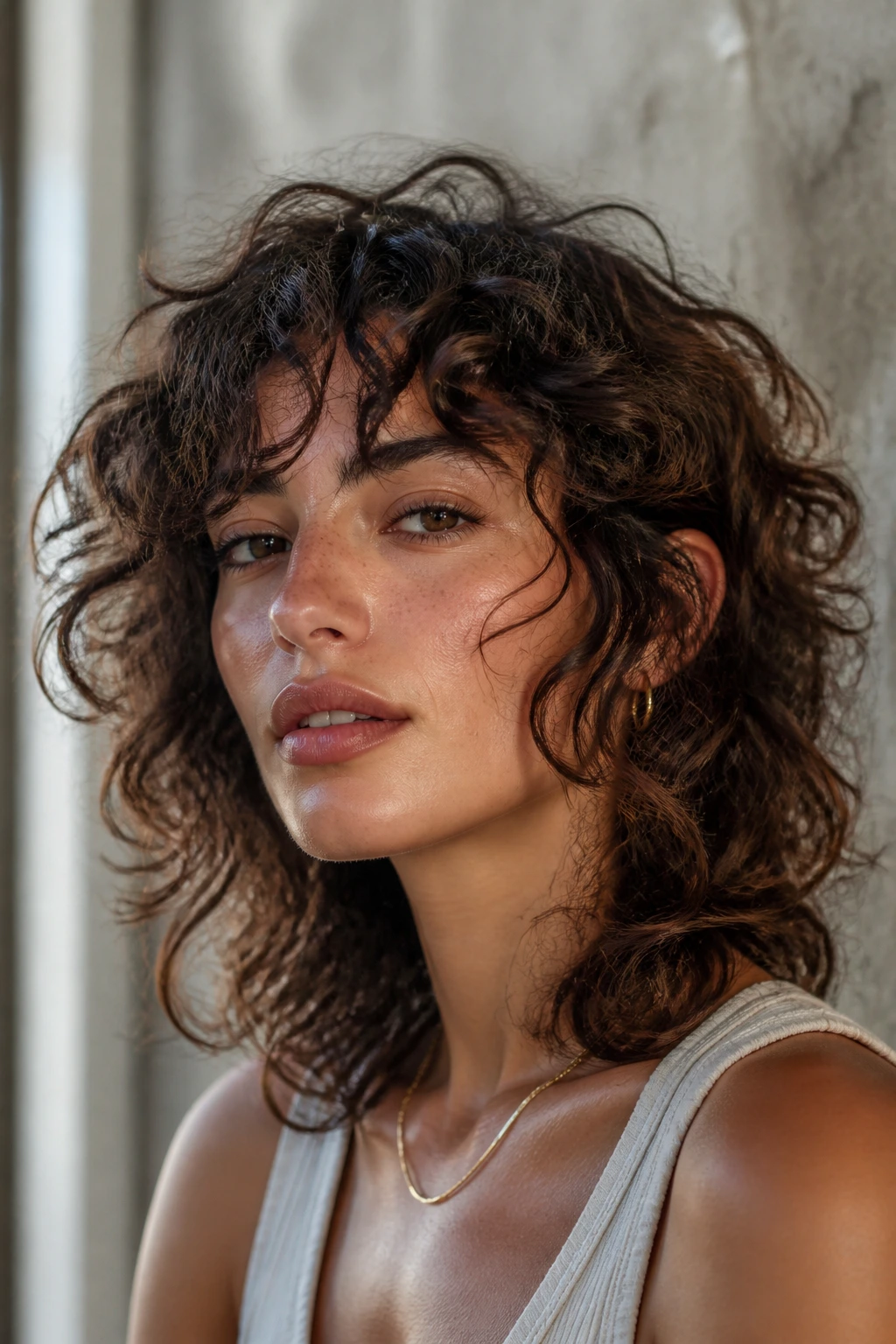
The shag has made a major comeback, and it is arguably the best haircut for those who want a bit of an edge. It is defined by choppy, disconnected layers and face-framing fringe. For curls, this means a look that is intentionally messy, airy, and full of character.
What Makes It Distinct
Unlike a traditional layered cut, the shag embraces the idea that your hair should look a bit chaotic. It is fantastic for adding volume to the crown and creating a very modern, rocker-chic aesthetic. You get a lot of texture without having to spend hours styling every single curl.
How to Style Your Shag
- Apply a sea salt spray or a curl-enhancing cream to damp hair.
- Scrunch the ends gently and let it air dry to maintain that piecey, lived-in look.
5. The Curly Bob
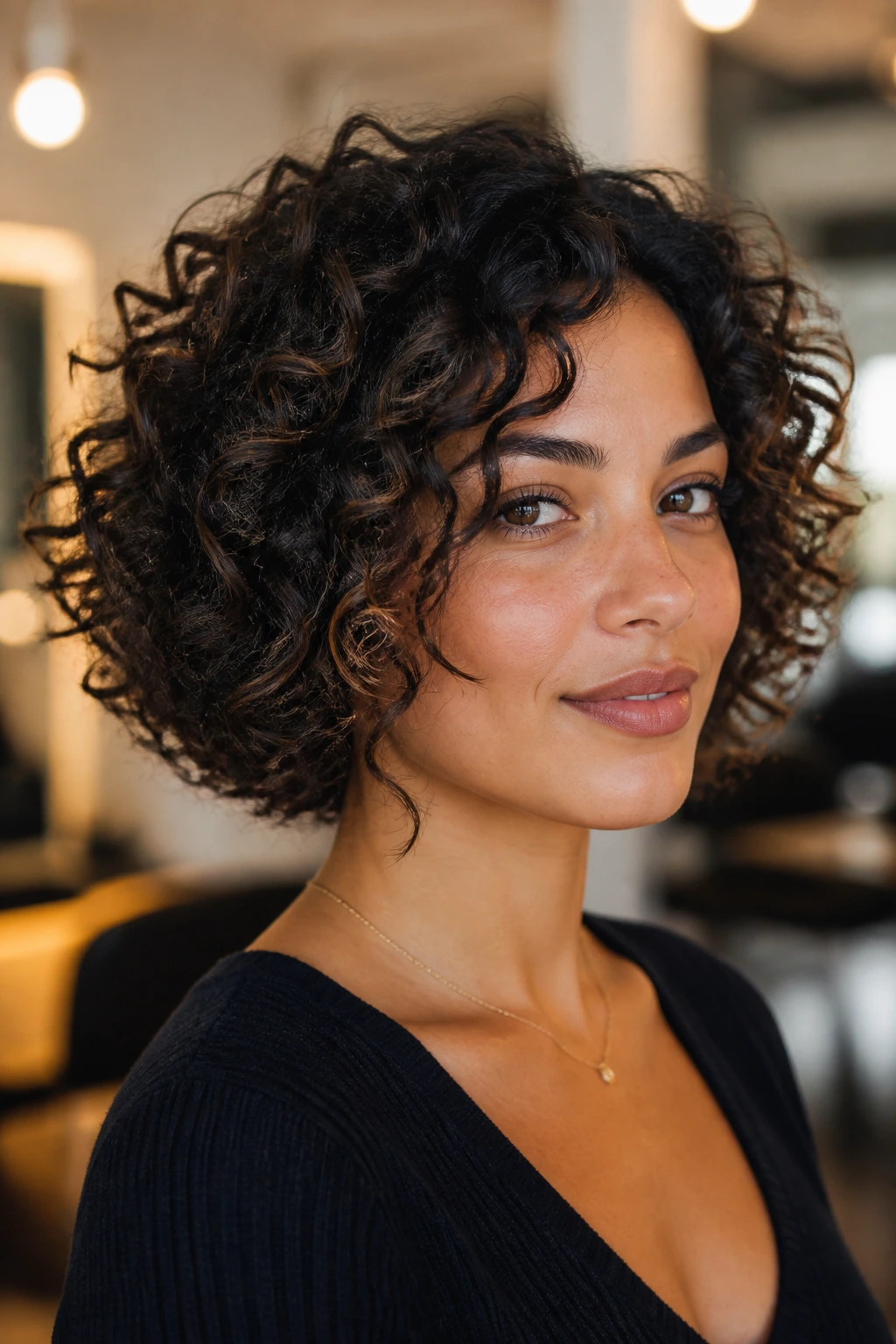
A classic bob can be daunting when you have curls, but when done right, it is sophisticated and chic. The trick is to keep the cut slightly longer than a chin-length bob to accommodate for shrinkage. Many stylists prefer an inverted bob for curls, where the back is slightly shorter than the front, which helps keep the hair off the neck while framing the face beautifully.
Precision is Key
A blunt bob on curly hair can look very 1980s if the layers aren’t balanced correctly. Ensure your stylist knows how to “soften” the bottom line so it doesn’t look like a solid wall of hair.
The Best Face Shapes
This look is especially flattering on oval and heart-shaped faces, as it draws attention to your cheekbones and jawline.
6. The Pixie Cut for Curls
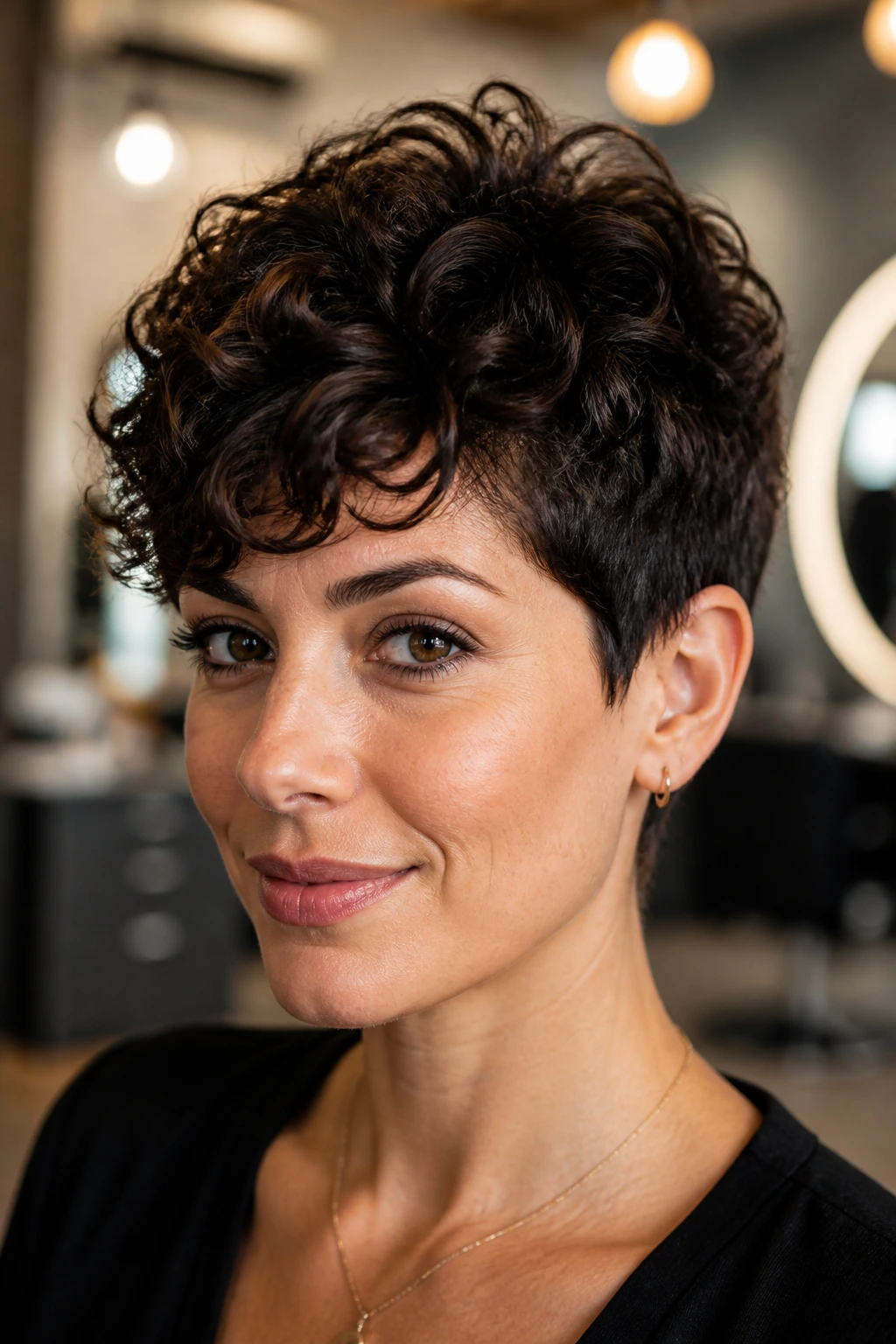
Going short is a liberating experience for many people with curly hair. A curly pixie is incredibly low-maintenance and allows your facial features to take center stage. You can keep the sides shorter and let the top grow out, giving you a bit of height and drama.
Why It’s Efficient
Your morning routine becomes almost nonexistent. A quick wash, a little bit of leave-in conditioner, and you are ready to walk out the door. It is the ultimate “wash and go” style.
Customization Options
- Tapered sides: Creates a sharper, cleaner look.
- Longer top: Allows you to play with different styles, like a side-swept fringe.
7. The Mid-Length Shag
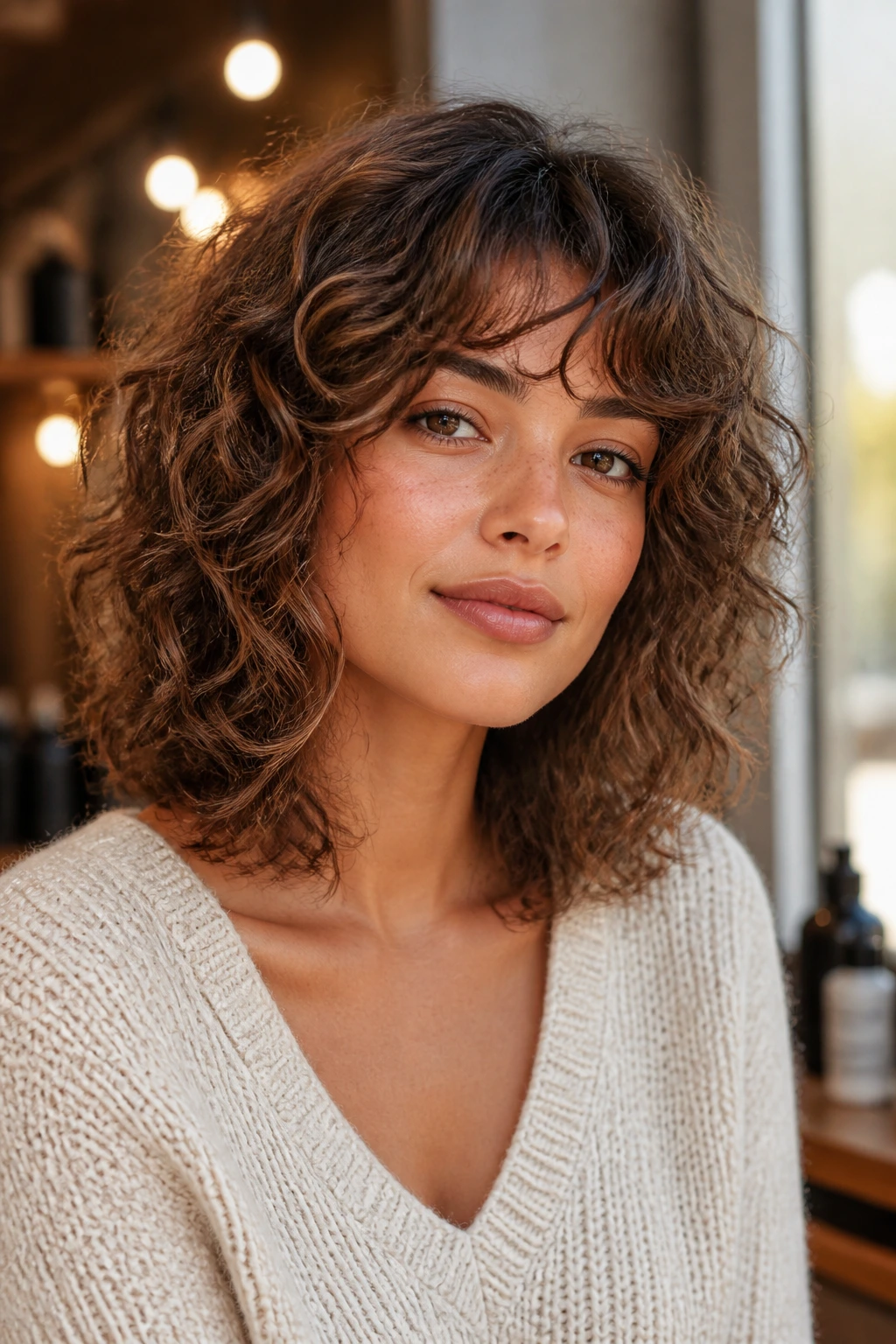
If you want the benefits of a shag but aren’t ready to go short, the mid-length version is the perfect middle ground. It sits around the collarbone and features face-framing layers that can be worn as bangs. This cut adds so much movement that your hair will naturally feel lighter and more energetic.
The Power of Bangs
Curly bangs are a statement. If you have tight curls, ask your stylist to cut the bangs slightly longer, as they will jump up once dry. They add a whimsical, youthful quality to the overall look.
Maintaining the Shape
- Use a microfiber towel to gently squeeze out excess water.
- Avoid heavy butters that might cause the fringe to clump together too tightly.
8. The Deep Side Part Cut
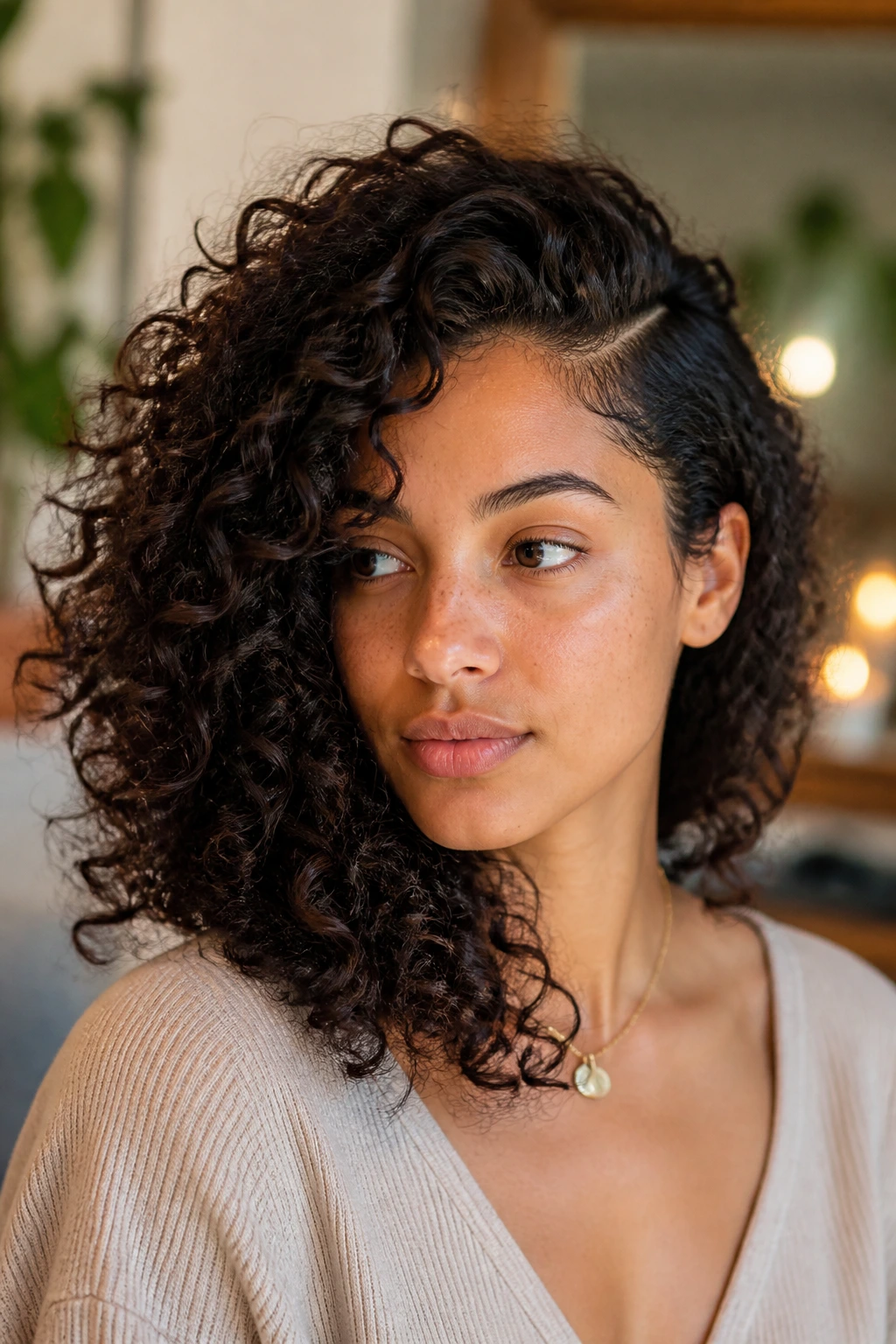
Sometimes, the haircut is all about how you style the foundation. A cut designed for a deep side part creates an instant illusion of volume on one side. This is excellent for fine, curly hair that tends to fall flat at the roots.
How it Works
The weight of the hair is pushed to one side, which forces the roots to stand up and creates a dramatic, glamorous look. It is a simple shift that can change the entire personality of your current haircut.
Styling for Maximum Effect
- Flip your hair to the opposite side while it is damp.
- Use a root-lifting spray to ensure it stays in place as it dries.
9. The Butterfly Cut
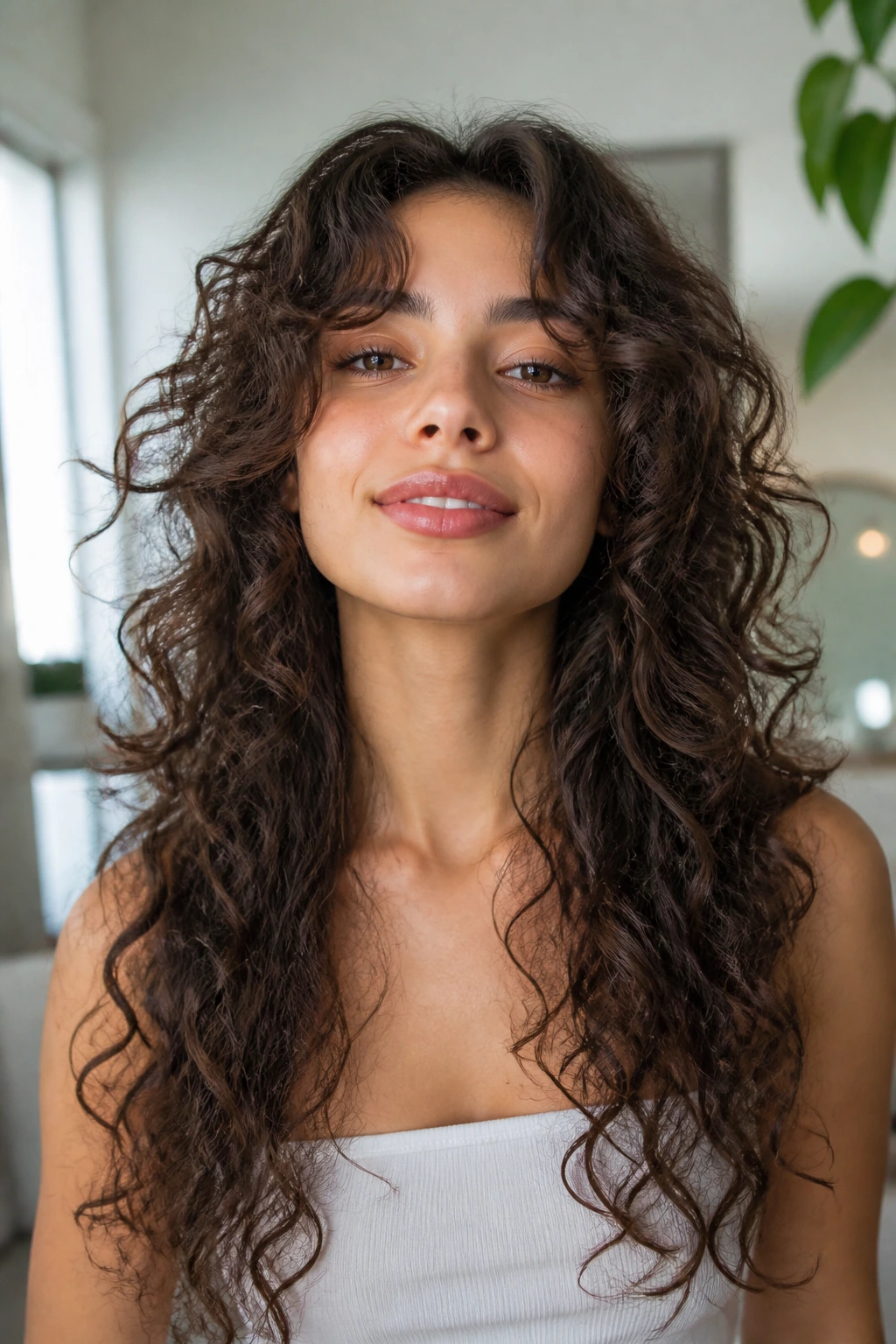
This trendy cut is characterized by short, wispy layers around the face and longer layers in the back. On curly hair, the “butterfly” effect creates an incredible sense of flow. It mimics the look of a short cut from the front while keeping the length in the back.
Why it feels airy
The shorter layers around your crown provide volume, while the back remains long and luscious. It is a very romantic, soft look that works well with loose to medium curl patterns.
Recommended Products
Use a lightweight volumizing foam to ensure those face-framing layers don’t fall flat during the day.
10. The Asymmetrical Cut
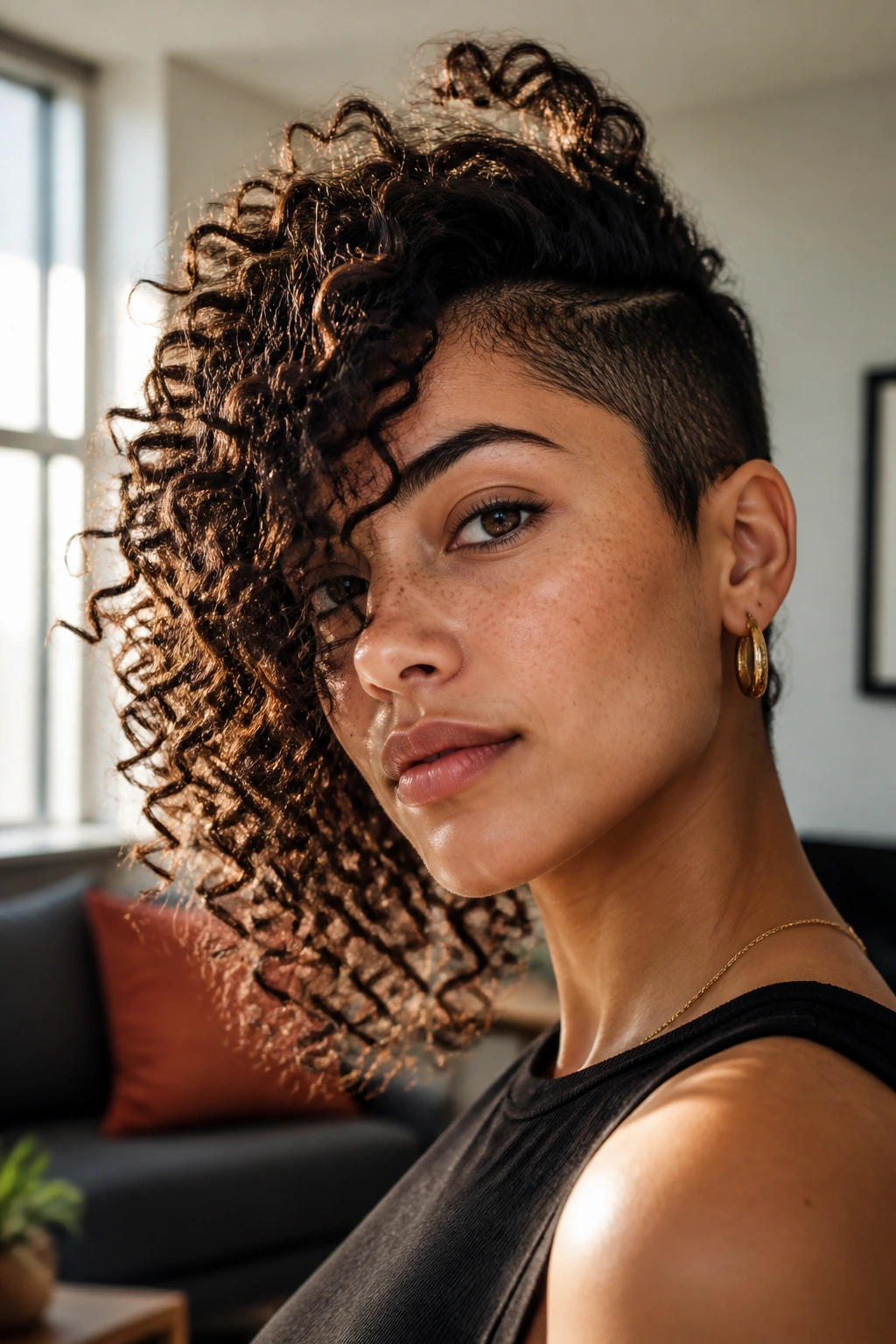
If you want to express a bit of personality, an asymmetrical cut is a fantastic option. You could have one side slightly longer, or perhaps an undercut on one side while the rest of the hair is left long and curly. It is all about balance and contrast.
Who Should Choose This
This cut is for the bold. It works exceptionally well with tight coils because the structure of the cut is so clear. It turns your hair into an architectural feature.
Care and Maintenance
Because you have a clear shape, you will need to go to the salon a bit more frequently than someone with a long, layered cut to keep the asymmetry crisp.
11. The Blunt Cut with Face Framing
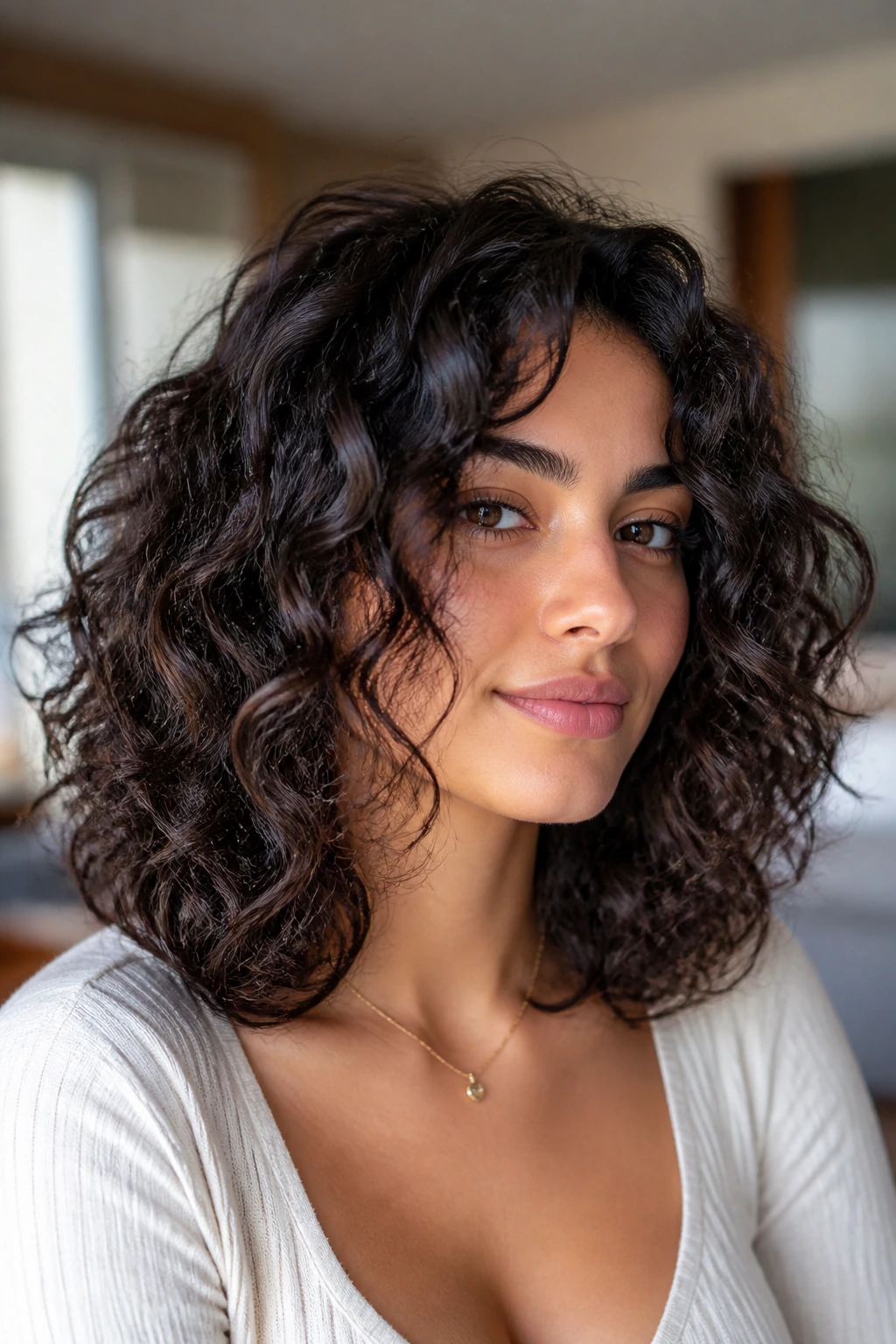
A blunt cut is often avoided by curly-haired individuals for fear of creating a “triangle” shape. However, if you add subtle face-framing layers, it balances the weight beautifully. The blunt ends provide a sense of health and thickness, while the layers ensure the face isn’t completely hidden.
The Modern Take
Ask for “internal layers” rather than perimeter layers. This allows the hair to keep its blunt appearance on the outside while the inside of the hair is thinned out, reducing that bottom-heavy look.
Why this looks healthy
Blunt ends remove split ends and damaged bits, making your hair look much thicker and more vibrant.
12. The Graduated Bob
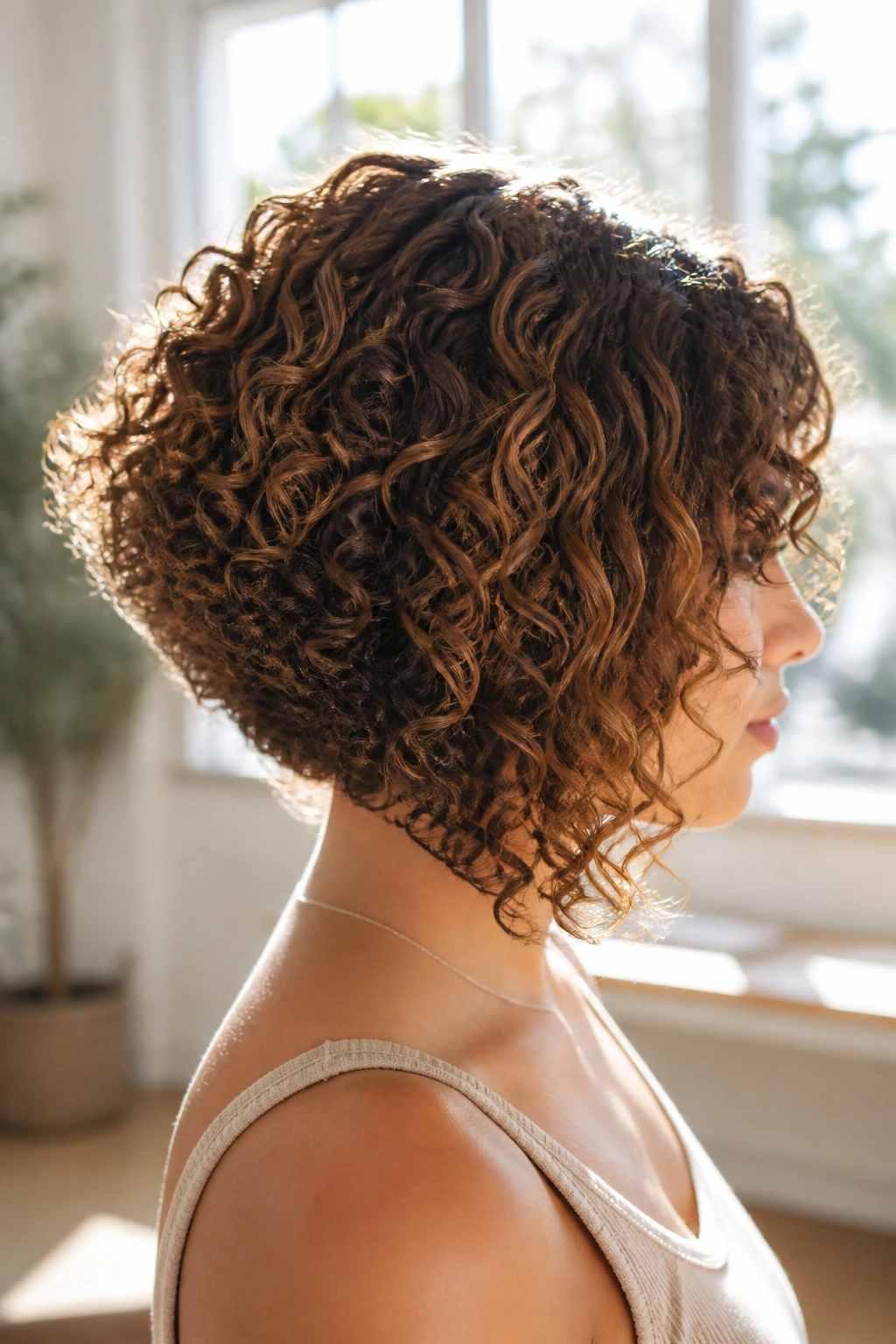
Also known as a stacked bob, this cut is shorter in the back and gets progressively longer toward the front. It is perfect for those who want to control their hair from the neck up. The stack at the back creates natural volume, which is a massive help for anyone with curls that tend to flatten out.
Why the back stack matters
The stacking technique involves cutting the hair at an angle so that it lays on itself, providing a structured, full back view that looks great from every angle.
Everyday Style
This style looks fantastic even if you let it air dry. It is inherently structured, so you don’t need much effort to make it look “done.”
13. The Undercut
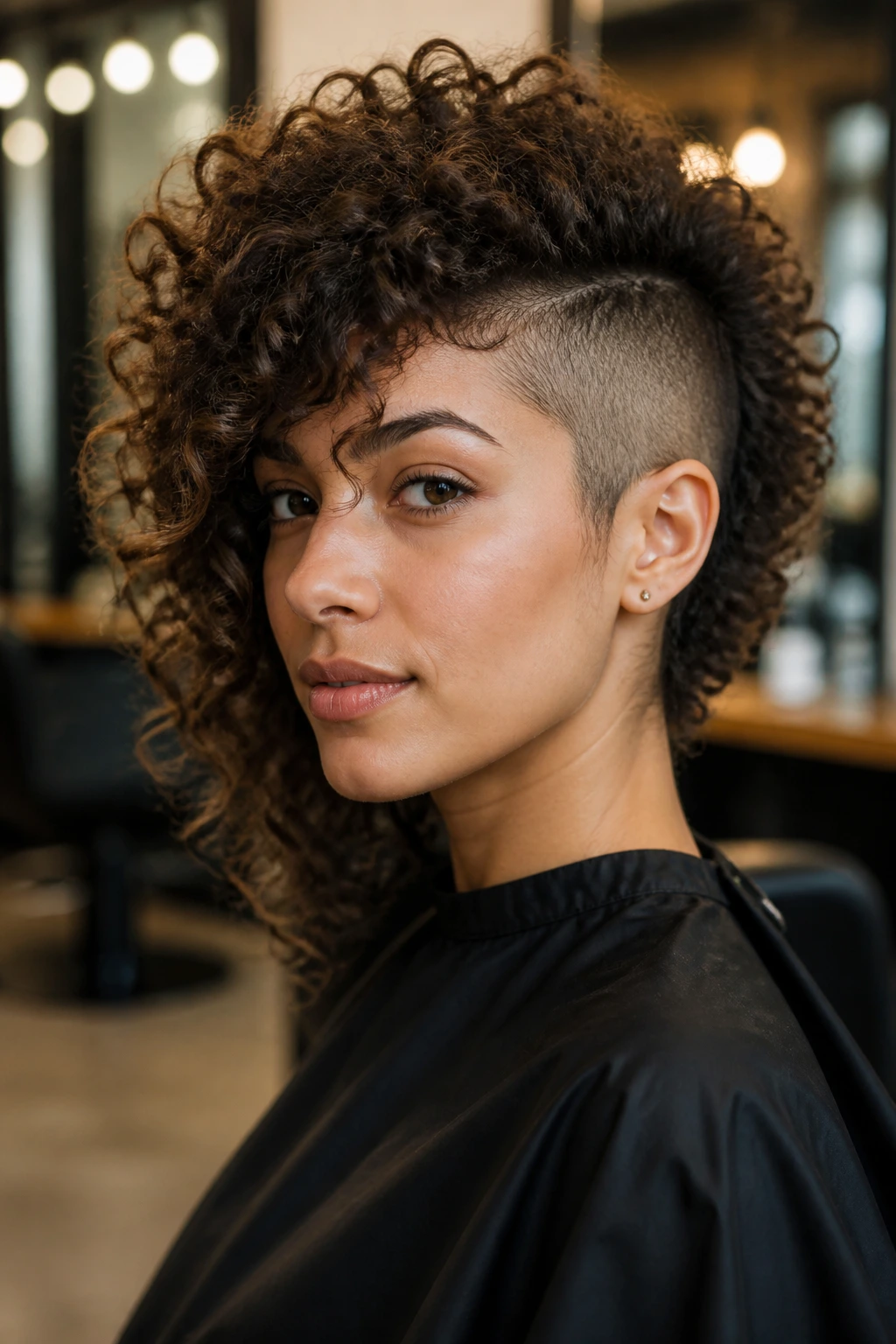
An undercut involves shaving or trimming the hair very short on the sides or the nape of the neck while leaving the top long and curly. It is a fantastic way to manage thick, heavy hair without having to actually chop off the length of your curls.
Benefits of the Undercut
- Dramatic heat relief during warmer months.
- A clean, modern aesthetic.
- You can hide the undercut by letting the top hair fall over it when you need a more formal look.
Who is this for?
Anyone with very dense hair who feels like their head is constantly “heavy.” It is a game-changer for daily comfort.
14. The Curly Mullet
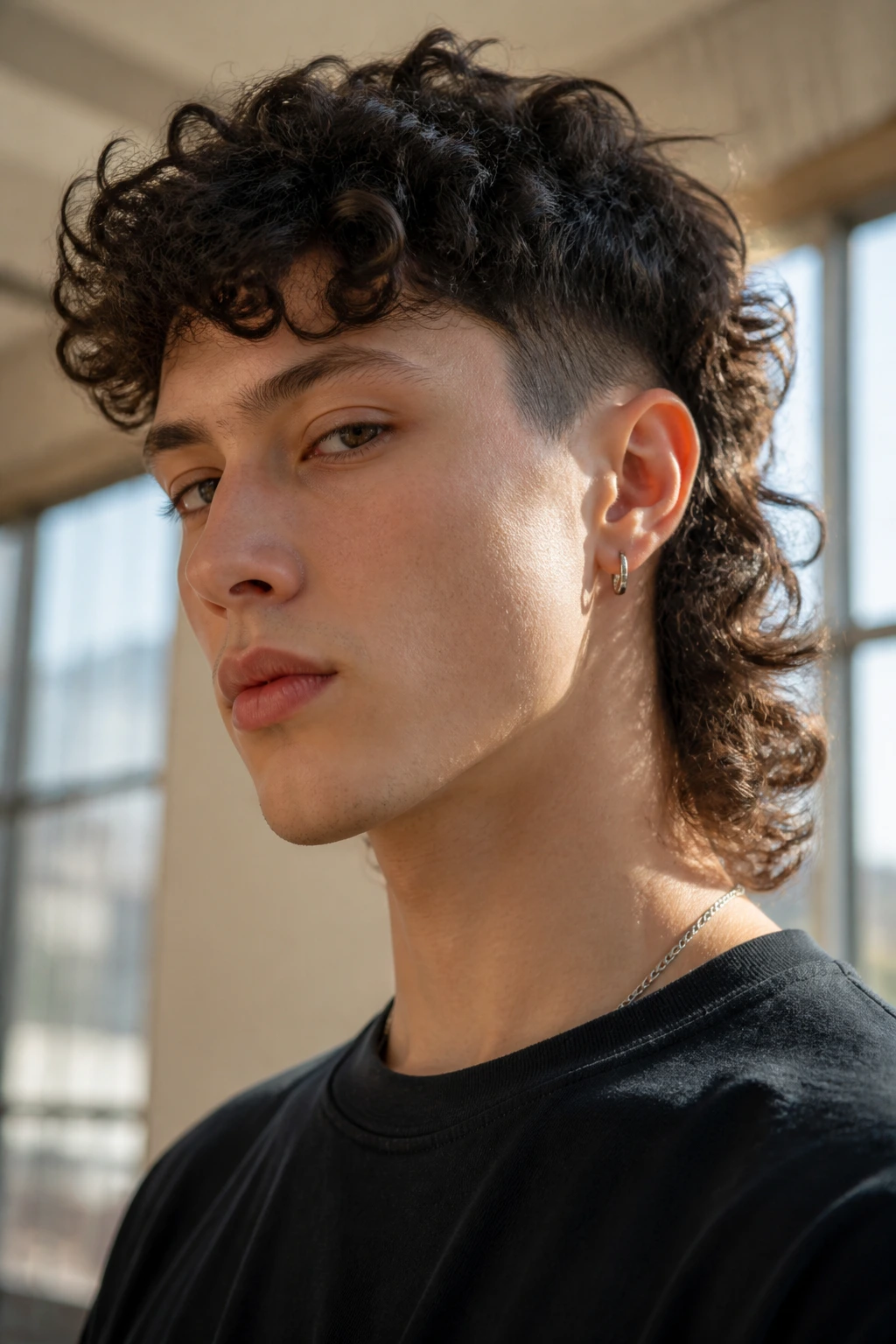
Yes, the mullet. But hear me out: on curly hair, it is much softer than the 80s version you might be imagining. It is effectively a short, choppy shag that keeps length in the back. It is incredibly fashionable, artistic, and works beautifully with natural coils.
Styling the Mullet
Use a bit of pomade on the sides to keep them tucked back, and let the curls on the top and back run wild. It is a look that demands confidence.
The Vibe
It is retro, it is rebellious, and it is remarkably easy to style.
15. The Layered Pixie-Bob
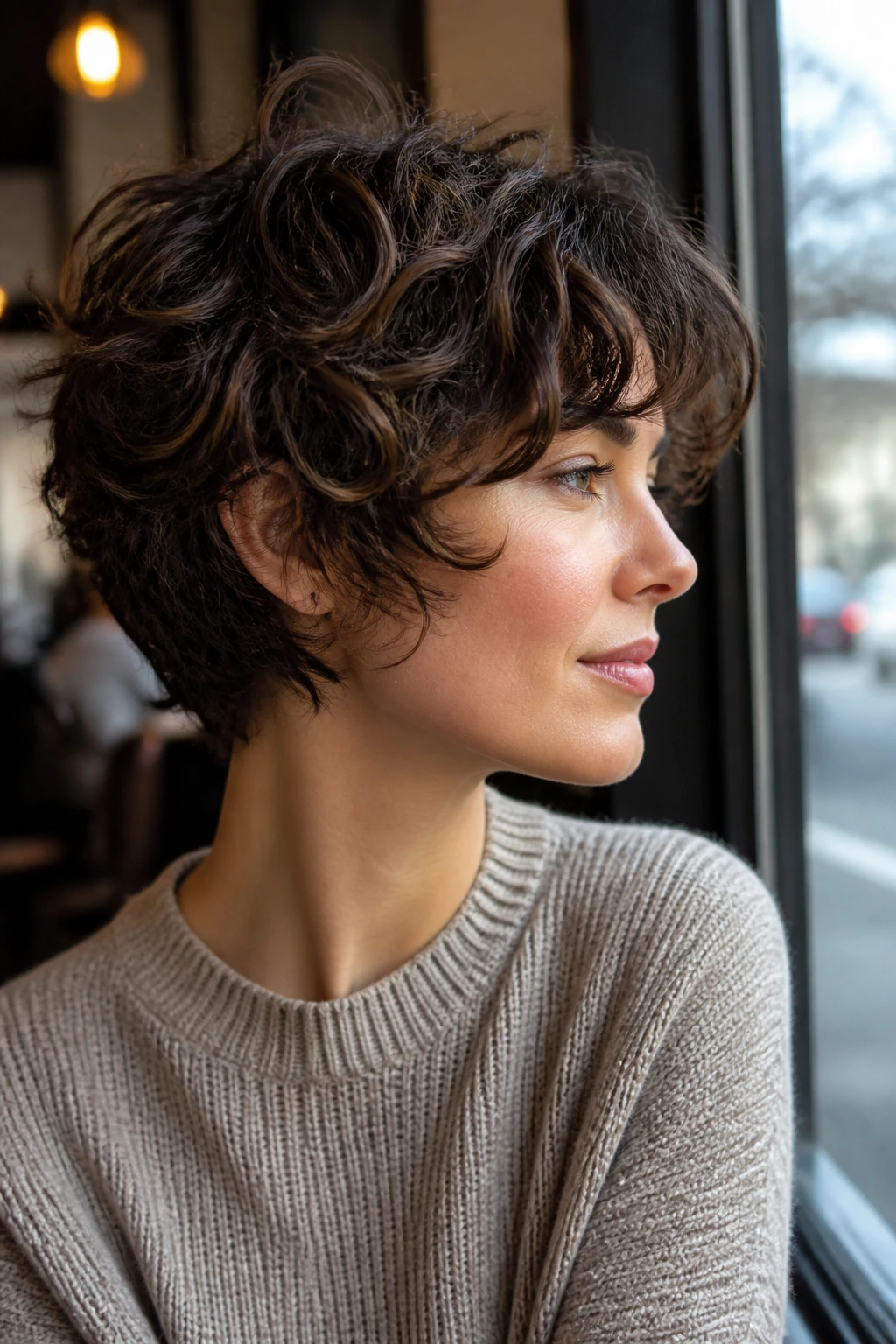
This is a hybrid cut that sits somewhere between a bob and a pixie. It is longer than a pixie but much shorter than a traditional bob, usually hovering around the ears. It is full of texture and movement, making it a great choice for those who are transitioning from long to short hair.
Volume control
The layers are key here. They allow your curls to cluster and spring up, which gives the cut a lovely, rounded shape.
Product recommendation
A curl cream or a light gel is essential here to keep the shape defined and prevent it from becoming a frizzy mess.
16. The Triangle-Control Cut
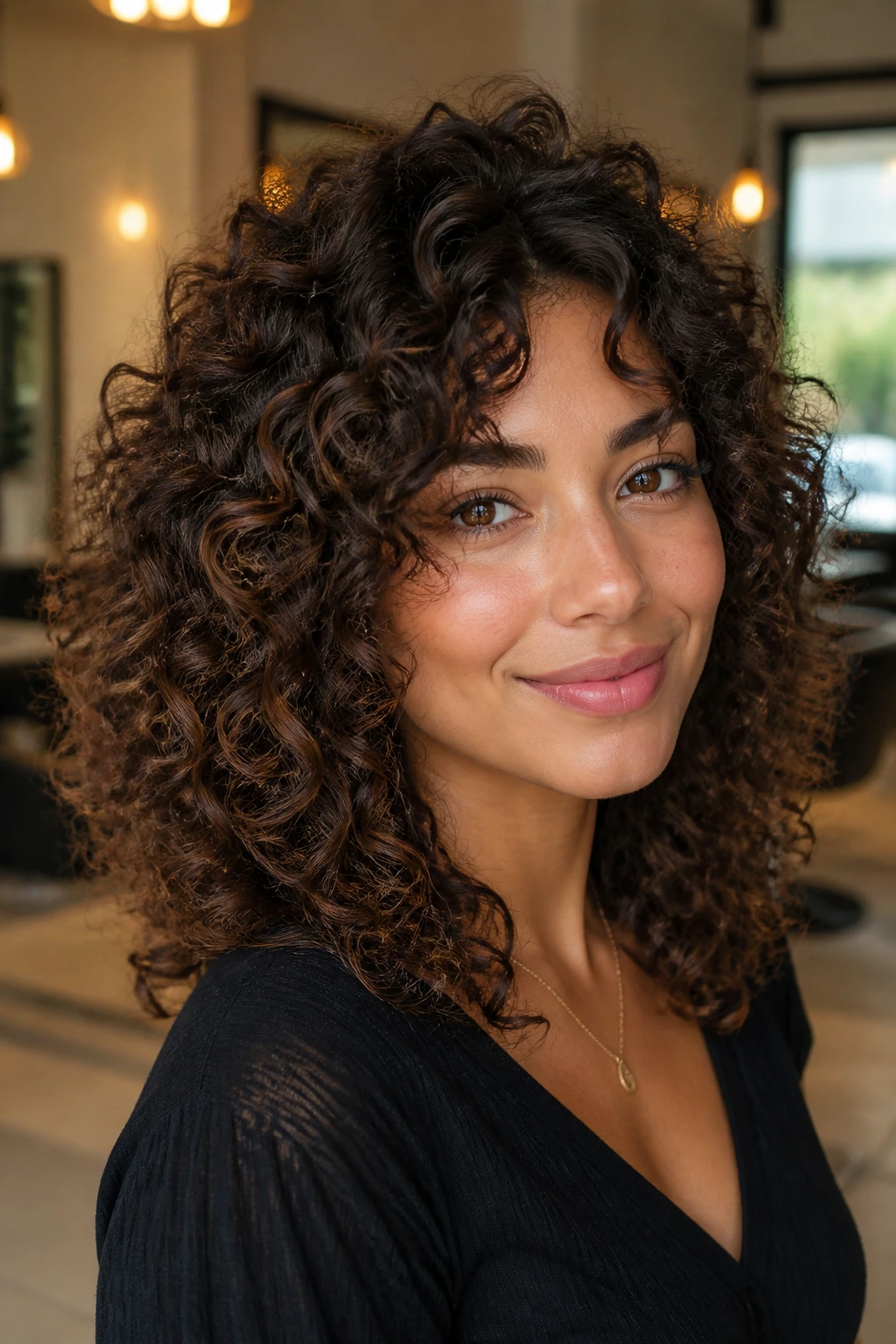
Many curly-haired people are terrified of the triangle shape—where the hair is flat on top and wide at the bottom. This specific cut aims to fix that by strategically placing layers higher up toward the crown. By adding more volume at the top, the shape of the hair becomes much more balanced.
How the Stylist Does It
They will often use “point cutting” on the upper layers to create soft movement rather than a blunt shelf. It is a subtle technique that makes a world of difference.
The Outcome
You get a much more modern, flattering shape that doesn’t just sit on your shoulders.
17. The Curly Lob (Long Bob)
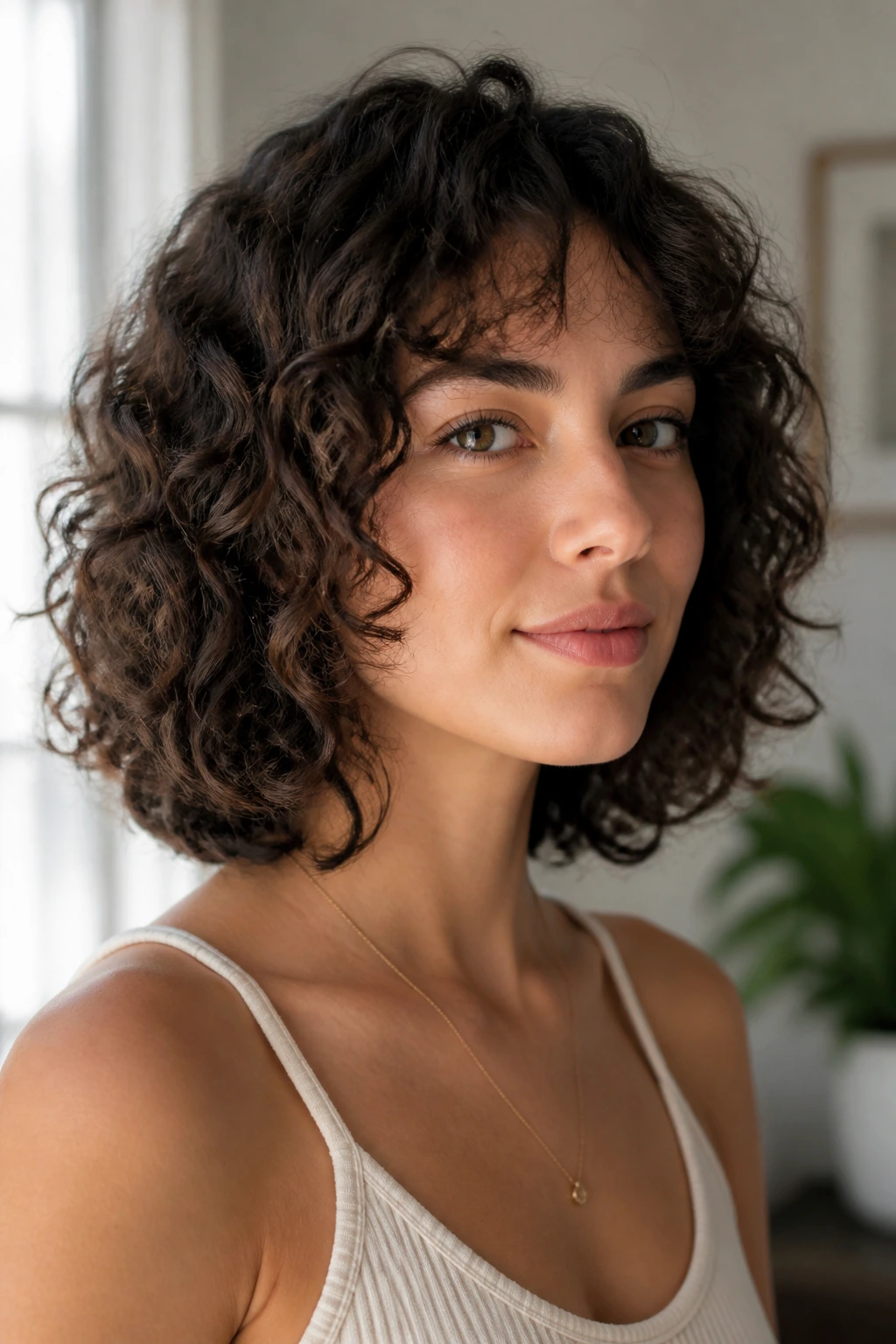
A lob is a long bob, usually hitting somewhere between the collarbone and the chin. It is the gold standard for versatility. It is long enough to pull back but short enough to be manageable, and it looks just as good curly as it does straight.
Styling Tips
Because this cut has a clean line at the bottom, it works great if you occasionally diffuse your hair for extra volume.
Why this is a classic
It is arguably the most popular haircut for a reason. It is universally flattering and requires relatively little maintenance compared to shorter styles.
18. The Graduated Curly Cut
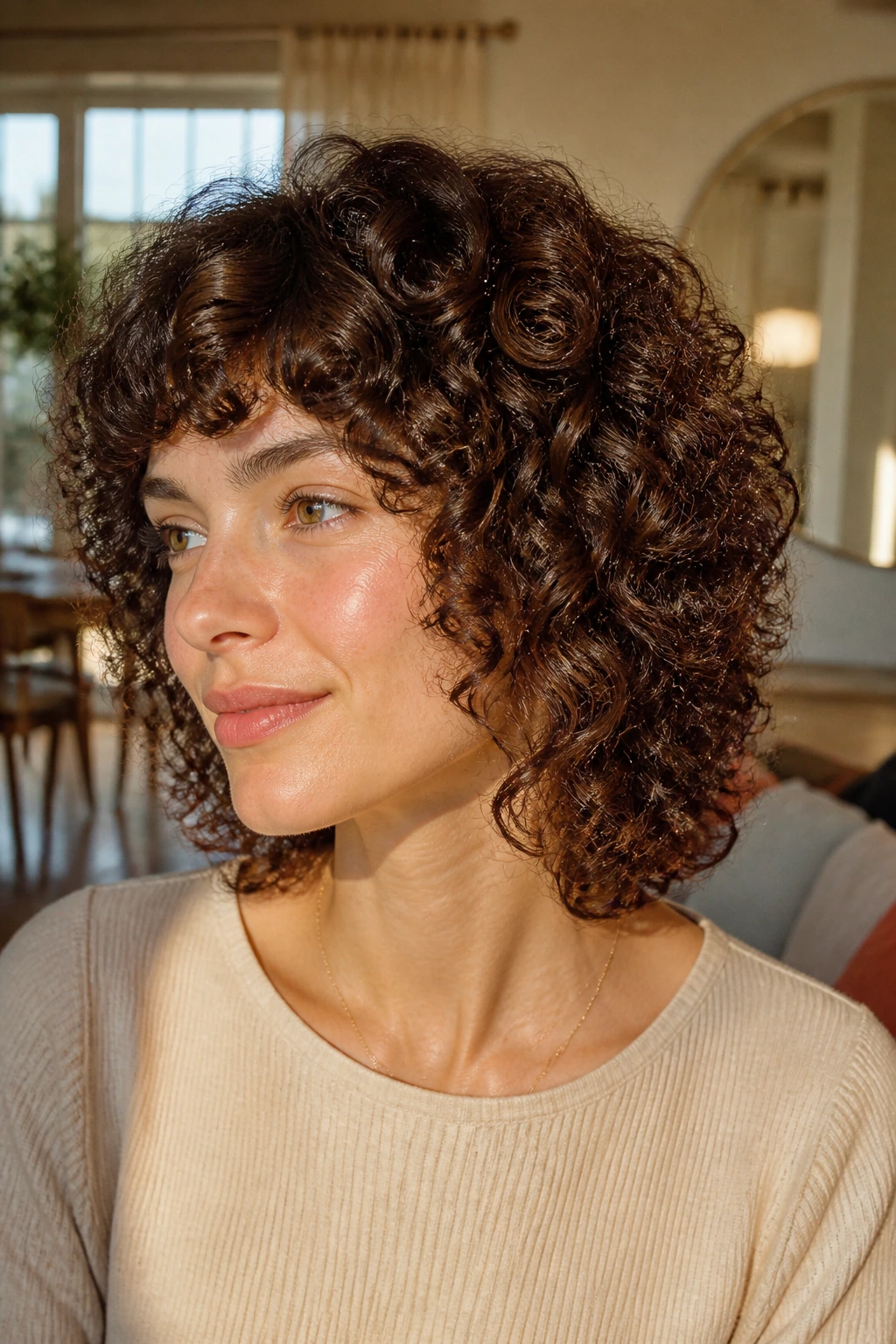
This is a more technical version of a layered cut. The stylist uses different lengths to create a stepped appearance that follows the natural curve of your head. It is brilliant for people with very fine, curly hair because it makes the hair look much more dense and voluminous.
Why it adds visual interest
The variation in lengths creates a natural highlight effect, as different curls reflect light from different angles.
Daily Care
- Avoid heavy oils which will weigh down the “steps” of the cut.
- Focus on lightweight mousses.
19. The One-Length Curly Cut
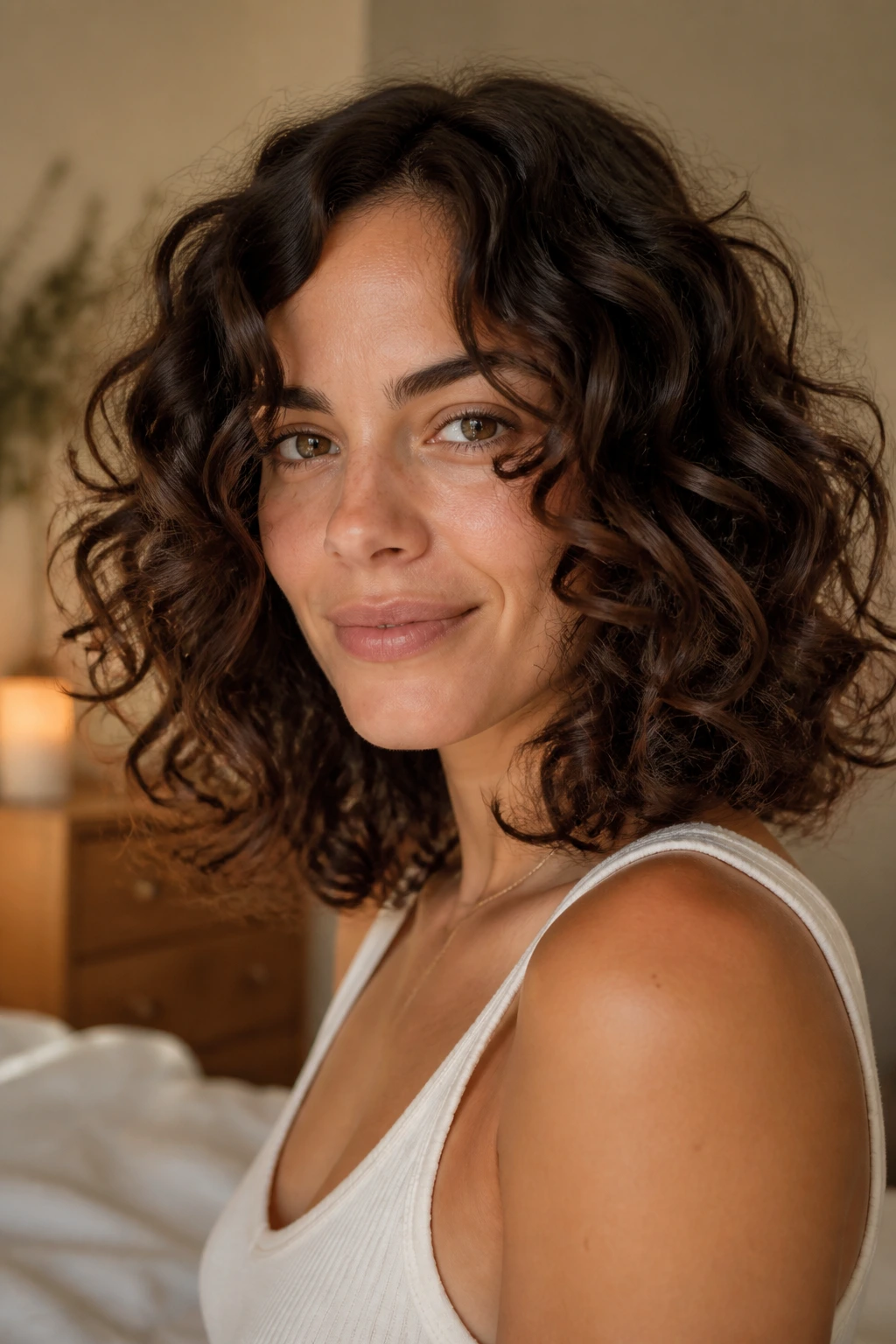
While layering is often recommended, a one-length cut can be incredibly chic if your curls are on the looser side (wavy). It provides a heavy, luxurious look that feels very healthy. It is also excellent for people who want to minimize the appearance of “fuzz.”
Manageability
If your curls are tight, you might find this style makes your hair look like a pyramid. This is really best for those with large, loose waves.
When to go for it
If you have very healthy, non-damaged ends, a blunt, one-length cut showcases the natural shine of your hair beautifully.
20. The Faux-Hawk
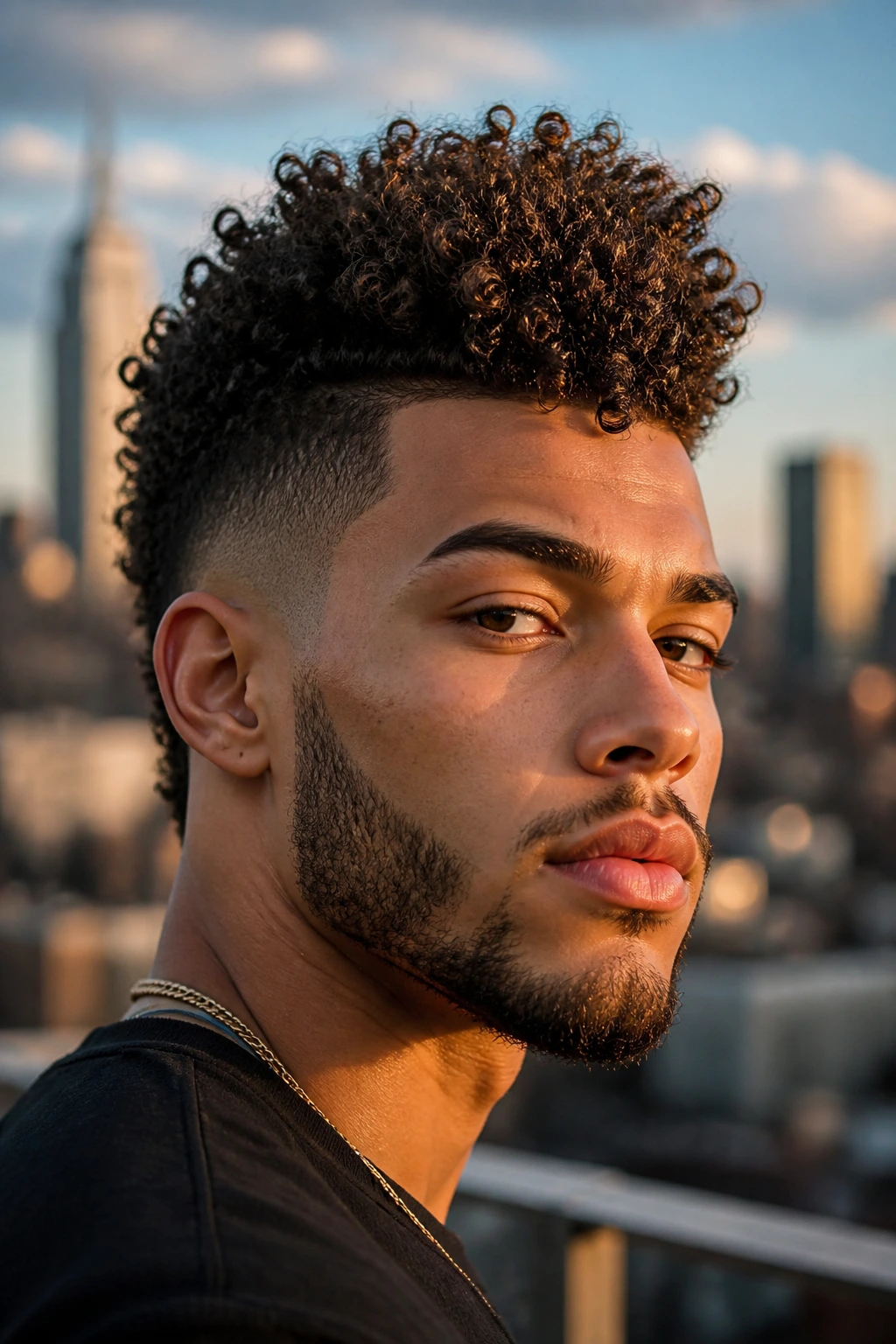
This involves cutting the sides relatively short and leaving a concentrated amount of curls right down the middle of the head. It is a bold, artistic style that is great for photo shoots or anyone who wants a high-fashion look.
How to achieve the look without the commitment
You can achieve a temporary faux-hawk by pinning the sides of your hair back with bobby pins. If you like the way it looks, take that as your visual reference to the stylist for a permanent cut.
Who should wear it
It is perfect for those with tight curl patterns, as the curls naturally build volume in the center of the head.
21. The Soft Fringe Cut
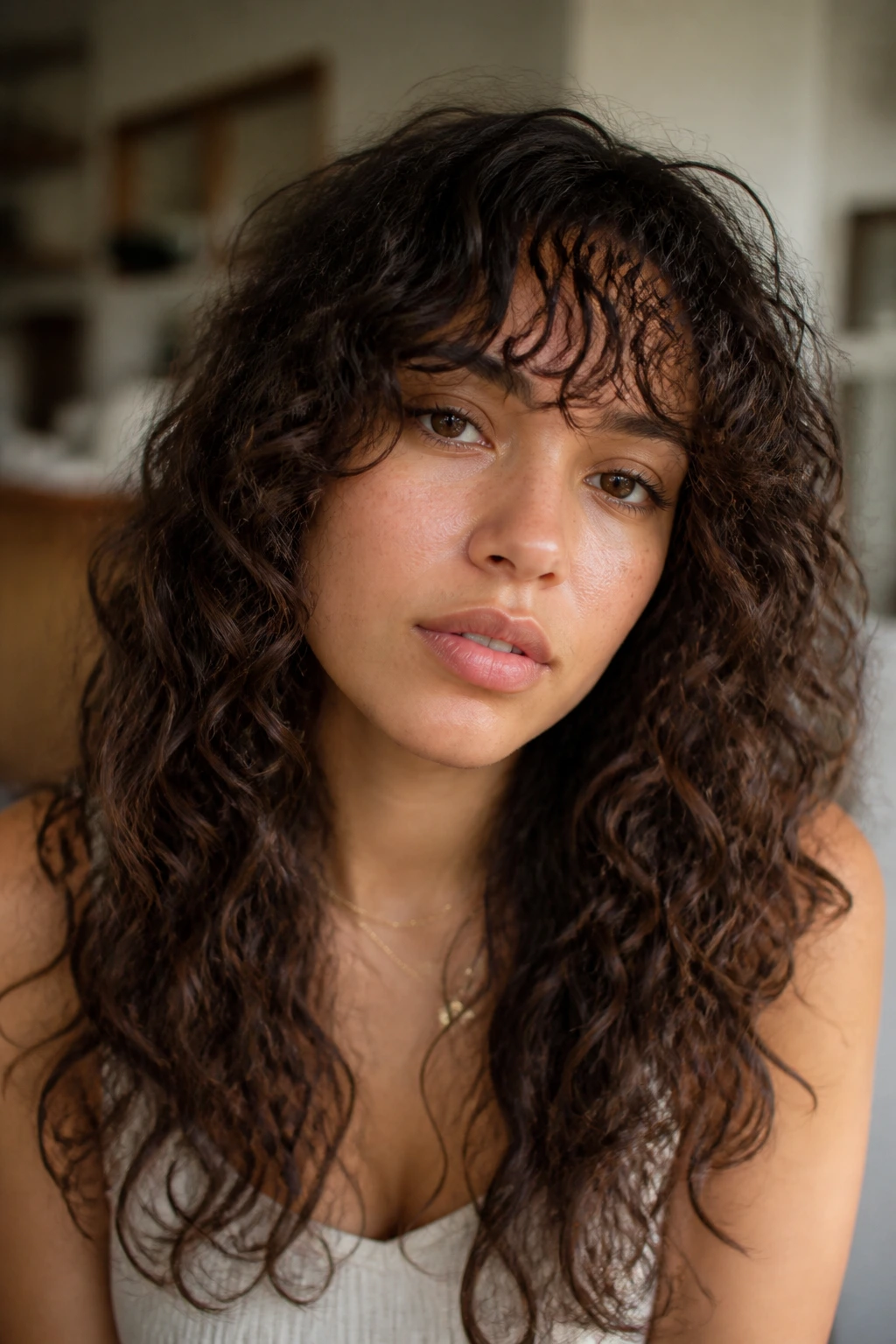
Sometimes you don’t want to change the length, but you want a change in the vibe. Adding a soft, wispy fringe to any existing curly cut can totally shift your face frame. Just ensure the fringe is cut while the hair is dry so it doesn’t end up too short.
Why it helps
It fills in the forehead and brings the focus toward the eyes, making your haircut feel intentional and styled even when you haven’t done much to the back.
The Golden Rule
Always, always cut bangs longer than you think you need. Curls are unpredictable, and they will almost always spring up more than you expect once they are free from the weight of the rest of the hair.
Final Thoughts
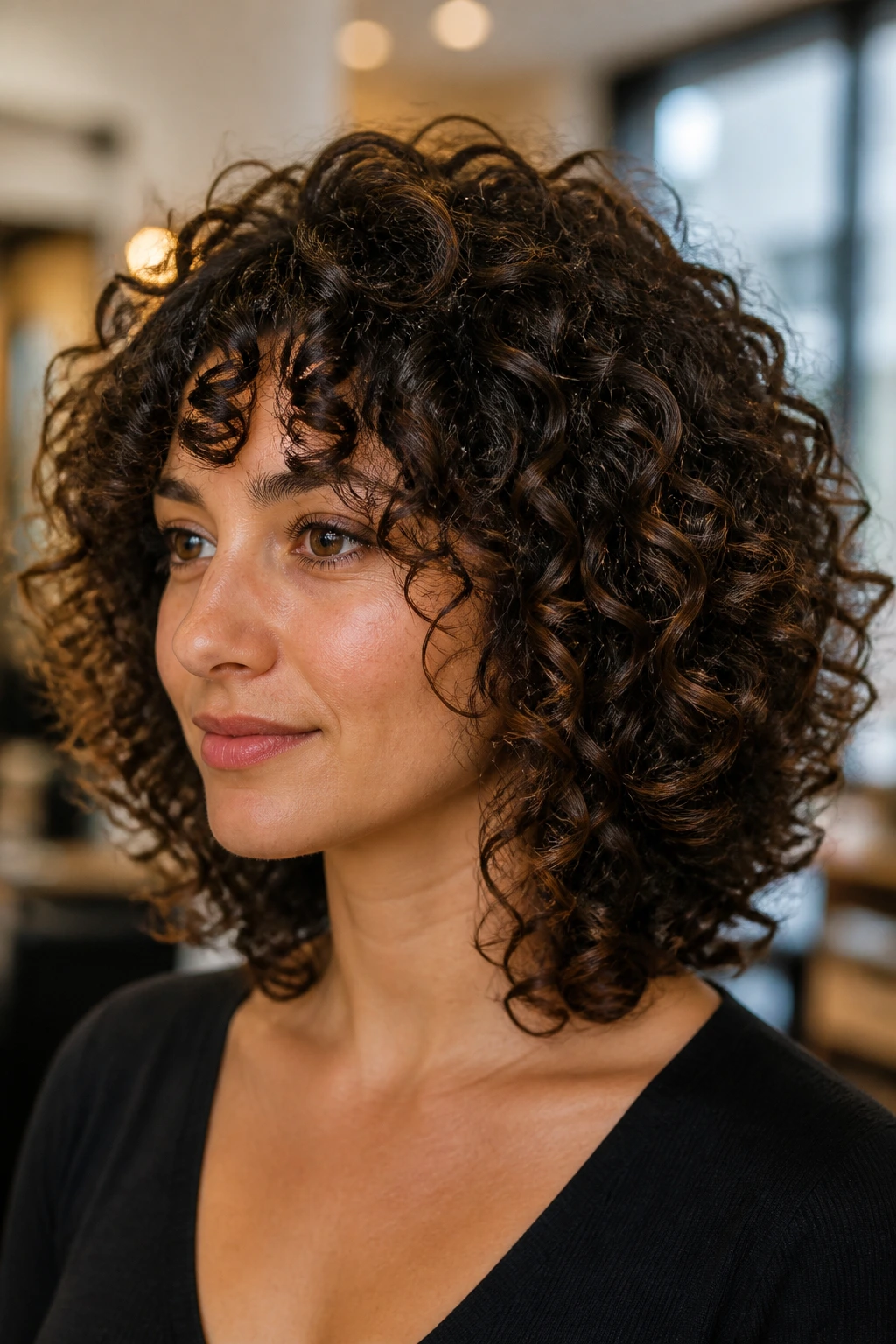
Choosing the right haircut is not about finding the “perfect” style that will work for everyone, but rather finding the one that suits your lifestyle, your face shape, and your specific curl pattern. Do not be afraid to advocate for yourself in the salon. If a stylist suggests a technique that you know hasn’t worked for you in the past, trust your gut. You are the expert on your own hair.
The best haircuts are the ones that make your daily routine easier. If you find yourself spending more than thirty minutes trying to force your hair into submission every morning, it is likely that your cut and your texture are at odds. Try keeping a photo diary of your good hair days and bad hair days—you will soon see a pattern of what shapes and lengths make you feel the most confident. Ultimately, the best look is the one you feel most like yourself in.