


Managing frizzy hair while trying to coax it into soft, loose curls can feel like a war of attrition against moisture and gravity. You might be staring at your reflection, wondering why your hair seems to have a personality of its own, constantly seeking out humidity the moment you step outside. The secret isn’t in buying the most expensive smoothing serum on the shelf; it is about understanding how to hydrate the hair cuticle and lock it down so it stays supple instead of turning into a cloud of static.
When you have naturally frizzy texture, your hair cuticle is often raised. This roughness is exactly what lets moisture escape and lets humidity rush in to ruin your day. By shifting your focus toward deep conditioning and mechanical styling that doesn’t rely on extreme heat, you can encourage those stubborn strands to soften into the kind of loose, effortless waves that look intentional rather than chaotic.
1. The Low-Tension Twist-Out
Most people with frizz-prone hair treat their locks like they are made of steel, pulling and tugging until the hair rebels. A twist-out is the ultimate remedy for this because it uses the hair’s natural elasticity to create a soft, elongated curl pattern without requiring a high-heat curling iron.
How to Get the Look
Start with damp, leave-in conditioner-saturated hair. Divide your hair into four large sections. Take a small segment of hair, split it into two, and twist them around each other, working from the root to the tip. Keep the tension firm but gentle—if your scalp feels tight, you are pulling too hard. Leave these in until the hair is completely dry, which might take several hours or even an overnight session. When you unravel them, do not comb through; just use your fingers to gently separate the twists into your desired volume.
Why This Reduces Frizz
Because you are using the twist to shape the hair while it dries, you aren’t disrupting the cuticle with friction or hot tools. The hair settles into the shape of the twist, which naturally encourages a smoother, longer curl that resists the urge to frizz up. Pro tip: Rub a tiny dab of lightweight hair oil between your fingertips before you start unraveling to seal the ends and add a bit of shine.
2. The Pineapple Method for Curl Longevity
If you have ever woken up to find your carefully crafted curls flattened or turned into a frizzy birds’ nest, you know the struggle of overnight hair care. The pineapple method is essentially a loose, high ponytail that keeps your curls from being crushed by your pillow.
The Technique
Gather all your hair at the very crown of your head. Secure it with a silk or satin scrunchie, but keep the loop incredibly loose—you aren’t trying to hold a ponytail, just keep the hair away from your neck. When you wake up, simply shake your head forward and let the curls fall back into place.
Why It Matters
Cotton pillowcases are the enemy of frizzy hair; they soak up essential oils and create friction that causes the cuticle to lift throughout the night. By moving your hair to the top of your head and using a silk scrunchie, you protect the curl pattern from flattening and keep the friction to a bare minimum.
3. Diffuser-Dried Waves
Using a hair dryer is often a recipe for a frizzy disaster, but that is only because most people aim the concentrated nozzle directly at the hair. A diffuser attachment is a game-changer because it spreads the airflow out, mimicking the effect of air-drying but with a bit more structural control.
Setting the Dryer
Use the lowest heat setting and the lowest speed. If you blast your hair with high heat, you are essentially dehydrating the strand, and dry hair is frizzy hair. Gently cup a section of your hair in the diffuser bowl and lift it toward your scalp. Hold it there for 30 seconds before moving to the next section.
The Benefit of Controlled Airflow
The key here is patience. By lifting the hair into the diffuser rather than blowing air at it from above, you keep the curls intact and prevent the wind from tangling them. You are encouraging the curl to set in its natural shape without creating a mess of split ends and flyaways.
4. Silk Headwrap Protection
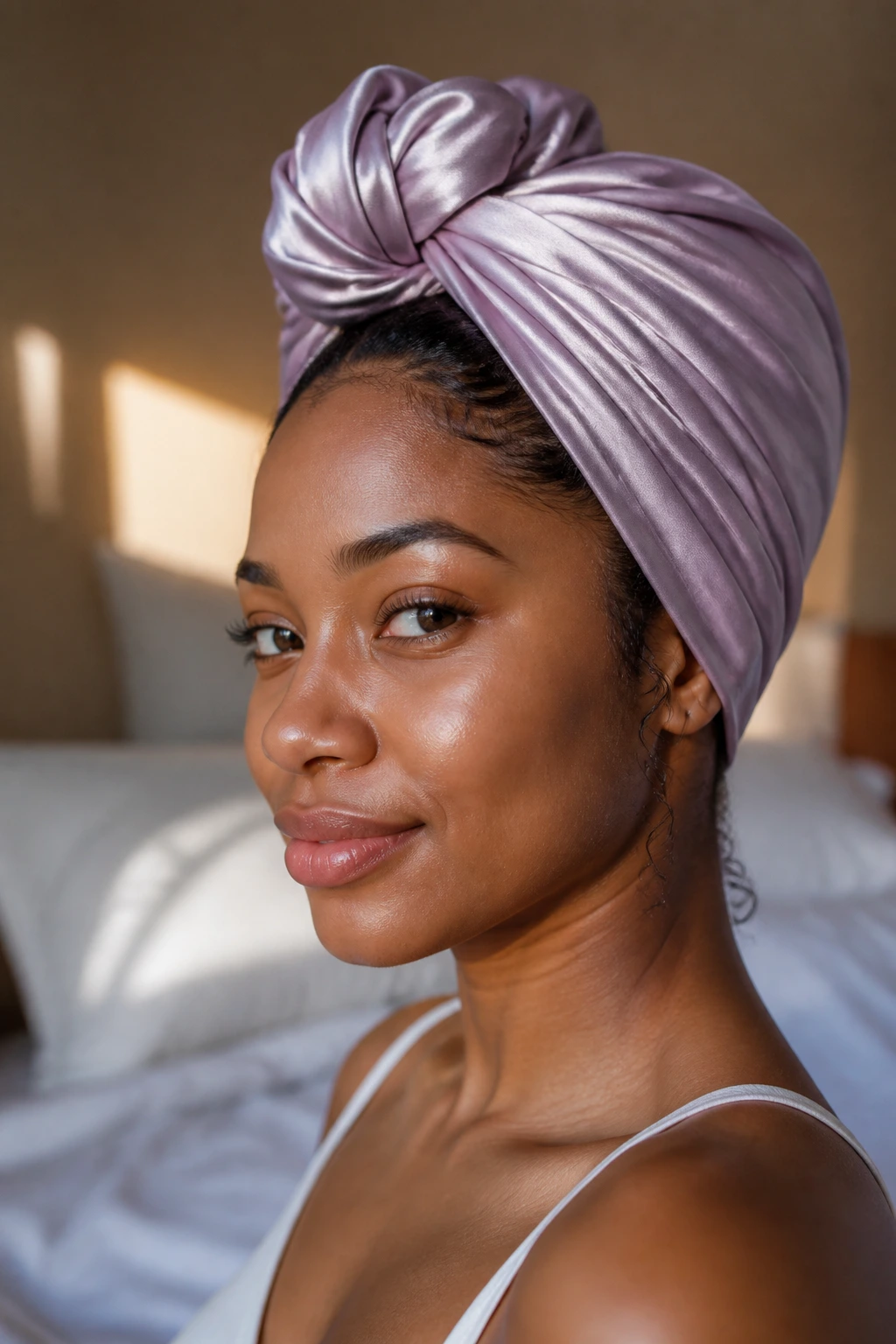
If your hair is particularly prone to waking up with a halo of frizz, a full silk bonnet is a better investment than just a pillowcase. It creates a micro-climate around your head that holds in moisture and keeps your hair from getting tangled during the night.
Why It Works
Silk fibers are much smoother than cotton or polyester, meaning your hair glides across the material instead of snagging on it. This simple barrier keeps the hair cuticle flat. If you find bonnets slip off, look for one with a wide, elasticated band or a tie-closure that can be adjusted to your specific head size.
5. The Plopping Technique
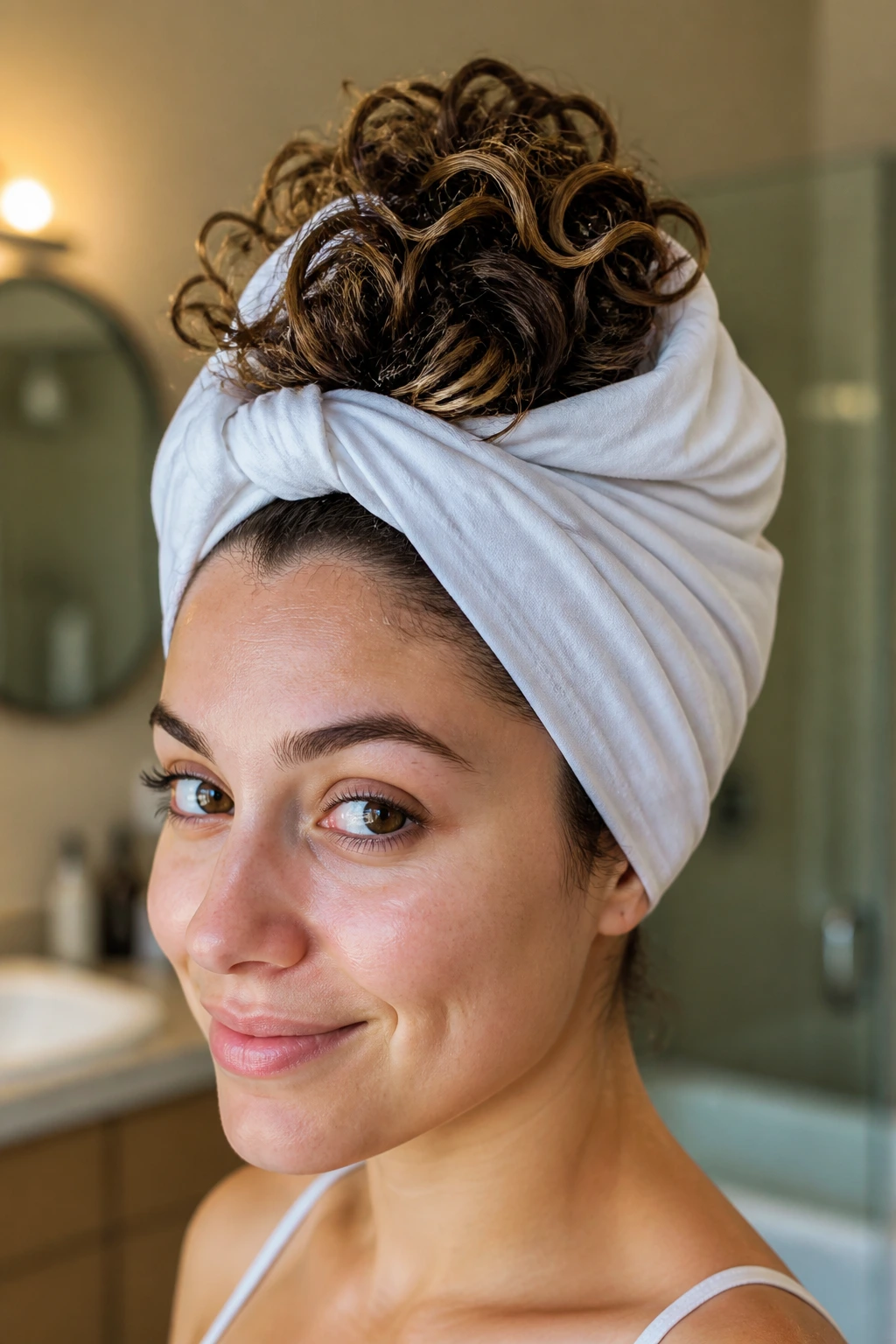
“Plopping” sounds strange, but it is one of the most effective ways to encourage tight, defined curls in hair that tends to frizz. Instead of rubbing your hair with a towel, you use an old, clean cotton T-shirt to “plop” the hair on top of your head while it’s wet.
Step-by-Step
Lay the T-shirt flat on a surface with the sleeves facing you. Flip your wet, product-drenched hair into the center of the shirt. Fold the bottom of the shirt up over your head, take the sleeves, and tie them securely behind your neck. Leave this on for 20 minutes while you get ready.
Why This Is Different
A regular bath towel is too rough for hair; its tiny loops create friction and absorb too much water, leaving the hair parched. A T-shirt has a flat, smooth surface that absorbs just enough water while encouraging the curls to compress toward the scalp, setting them in a defined, non-frizzy spiral.
6. Cold-Water Rinsing
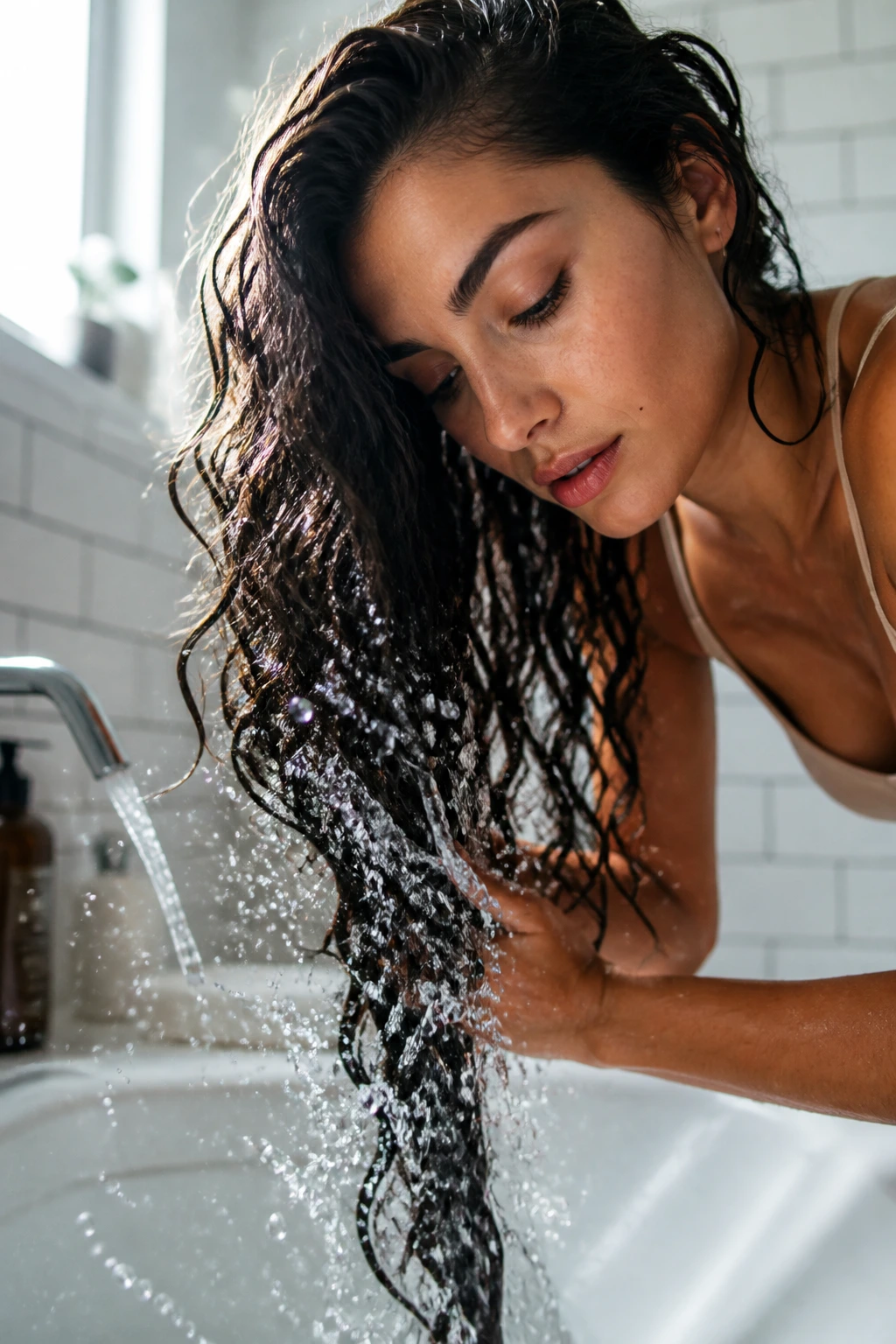
It feels counterintuitive, especially in the winter, but rinsing your hair with cold water at the end of your shower is a classic trick for a reason. Hot water expands the hair cuticle, making it look dull and frizzy. Cold water does the exact opposite.
How to Do It
After you have finished conditioning your hair, flip your head over and give your scalp and lengths a quick splash of the coldest water you can tolerate. You don’t need to do it for long—just 10 seconds is enough to help the cuticle layer lay flat, locking in the conditioner and providing a natural, glossy finish.
7. Leave-In Conditioner Layers
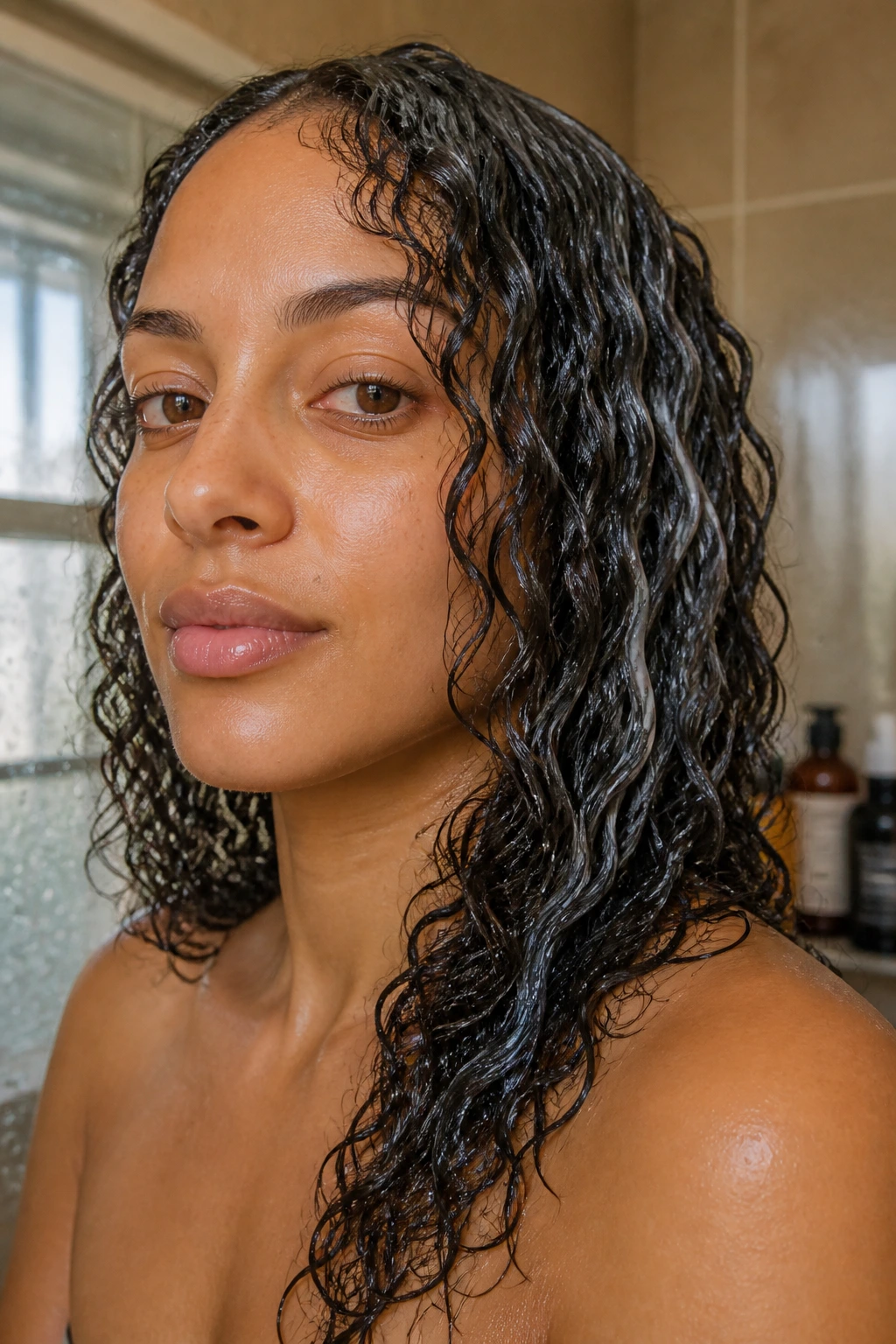
Frizzy hair is almost always thirsty hair. Instead of relying on a single rinse-out conditioner, start using a lightweight, water-based leave-in product on your hair while it is still soaking wet in the shower.
Choosing Your Product
Look for ingredients like glycerin, aloe vera, or marshmallow root. These are humectants, meaning they draw moisture from the air and pull it into the hair shaft. Avoid products that are packed with heavy silicones; they might make your hair feel soft at first, but they can build up over time and actually block moisture from entering, which ultimately makes frizz worse.
8. Avoiding the “Brush-Out”
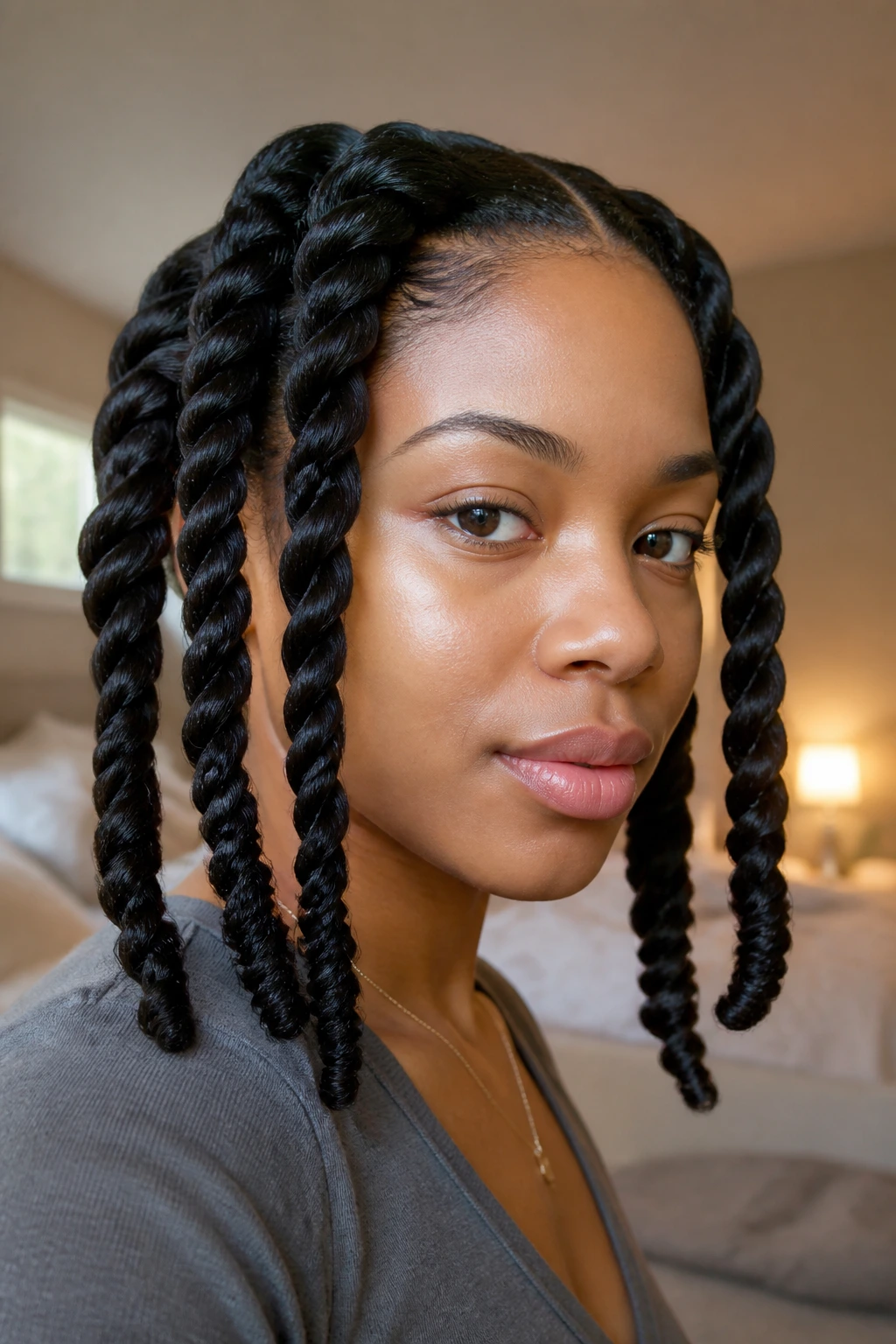
If you have curly or wavy hair, put the brush away. Seriously—hiding your brush is the most effective way to prevent frizz. When you brush curly hair, you are pulling the individual curl clumps apart and creating static electricity, which turns a defined curl into a frizzy cloud instantly.
The Better Alternative
Always detangle in the shower while your hair is covered in conditioner, using a wide-tooth comb or your own fingers. Once you are out of the shower and your hair is styled, leave it alone. The less you touch your hair while it dries, the more defined and frizz-free it will be.
9. The “Praying Hands” Method

Application matters. If you apply your styling cream or gel by raking your fingers through your hair, you are likely disrupting the natural wave pattern and creating more flyaways. The “praying hands” method is much gentler.
How to Apply
Rub your product between your palms. Press your palms together with your hair sandwiched in between, sliding them down the length of the hair from mid-shaft to end. This ensures the product coats every strand evenly without pulling the curls apart. It’s like pressing the hair into a smooth, defined shape.
10. Pineapple Buns for Mid-Day Refresh
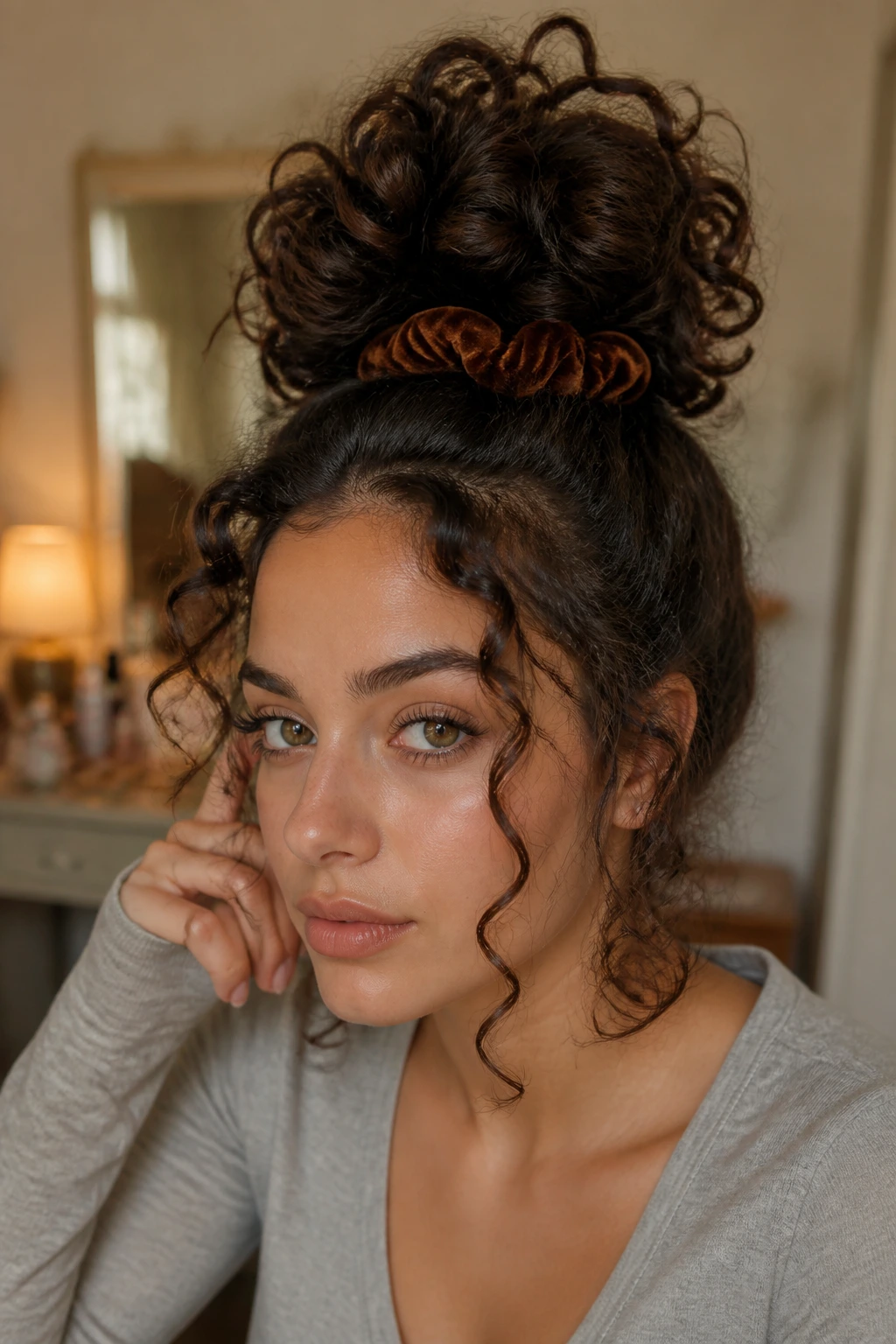
Sometimes your hair just needs a quick reset, especially if you have spent the day in a high-humidity environment. A quick “pineapple” bun using a velvet scrunchie can help reshape curls that have started to drop or frizz out.
The Quick Fix
Flip your head upside down and gather your hair into a very loose, high bun. You don’t want to pull it tight—just enough to let the curls collapse toward the scalp. Spritz the bun with a little water-based refresher spray and let it sit for ten minutes. When you take it down, the curls will have regained some of their bounce.
11. Avoiding Alcohol-Based Sprays
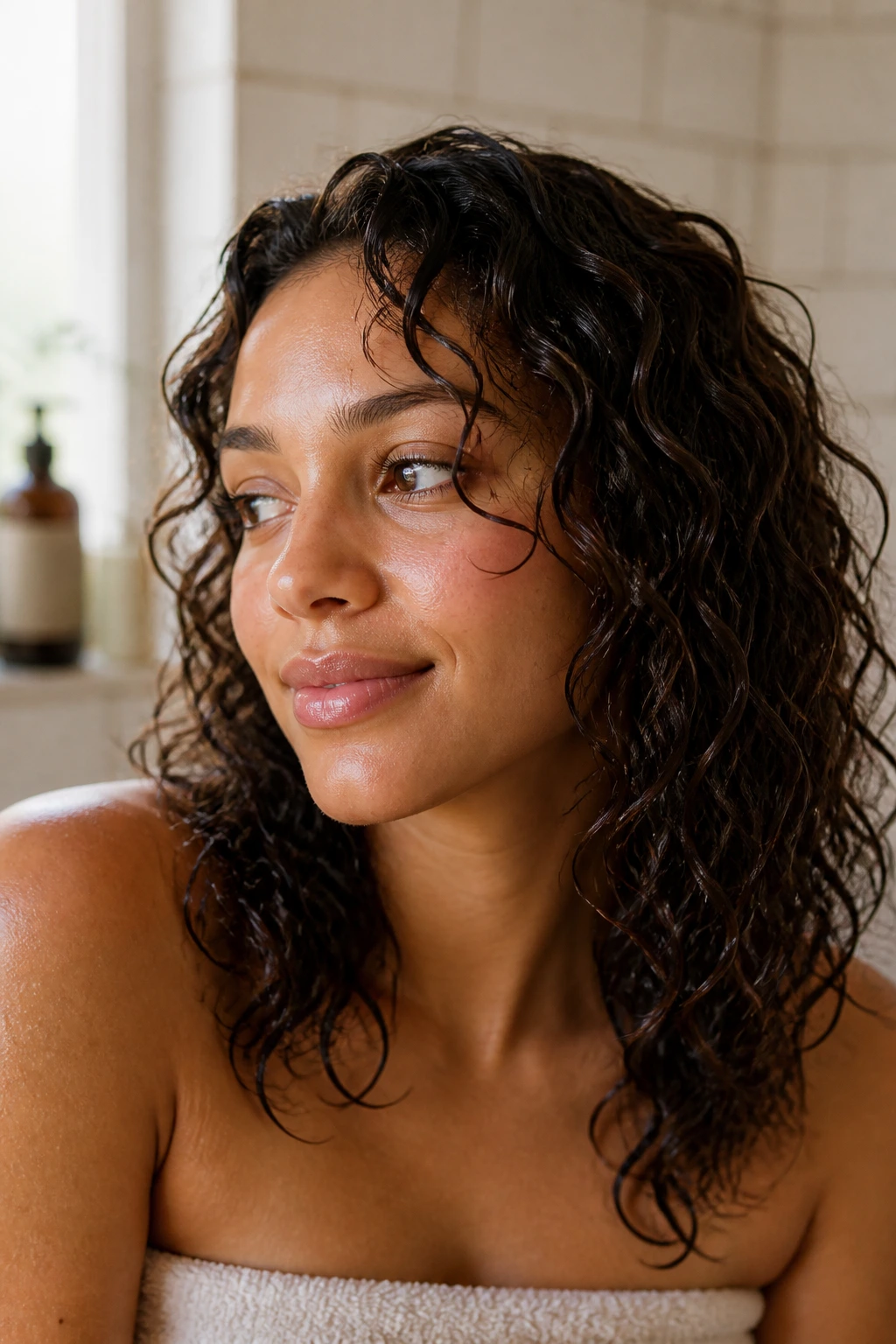
Check the labels on your finishing sprays. If the first few ingredients are drying alcohols, your hair is going to pay the price. While these ingredients help sprays dry quickly, they also suck every ounce of moisture out of your hair, leading to inevitable frizz.
What to Look For
Look for “alcohol-free” on the bottle or search for ingredients like panthenol or silk proteins instead. You want a spray that holds the hair in place without creating a dry, brittle texture. If you must use a spray, try a sugar-based or plant-based alternative that keeps hair supple.
12. Periodic Clarifying Washes
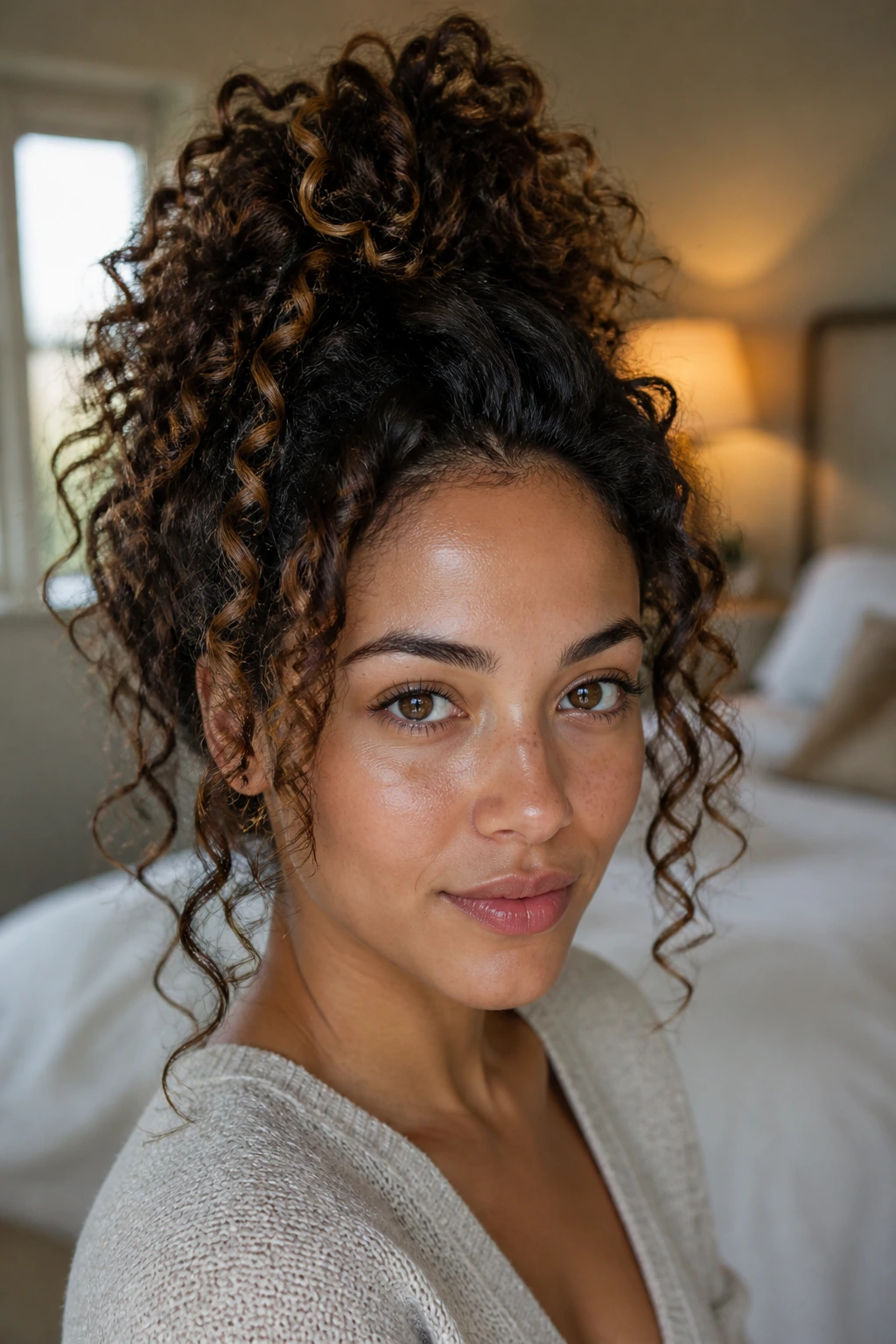
If you use products every day, they will eventually build up on the hair shaft. This buildup creates a film that prevents moisture from getting into the strand, which leaves your hair looking dry and frizzy no matter how much conditioning you do.
The Deep Clean
Use a clarifying shampoo once or twice a month to strip away the residue. It can feel like your hair is a bit “squeaky” afterward, but that is actually a good thing—it means you have a clean slate. Always follow up with a deep hydrating mask to replace the moisture you stripped away during the process.
13. Avoiding Heat-Style Overload
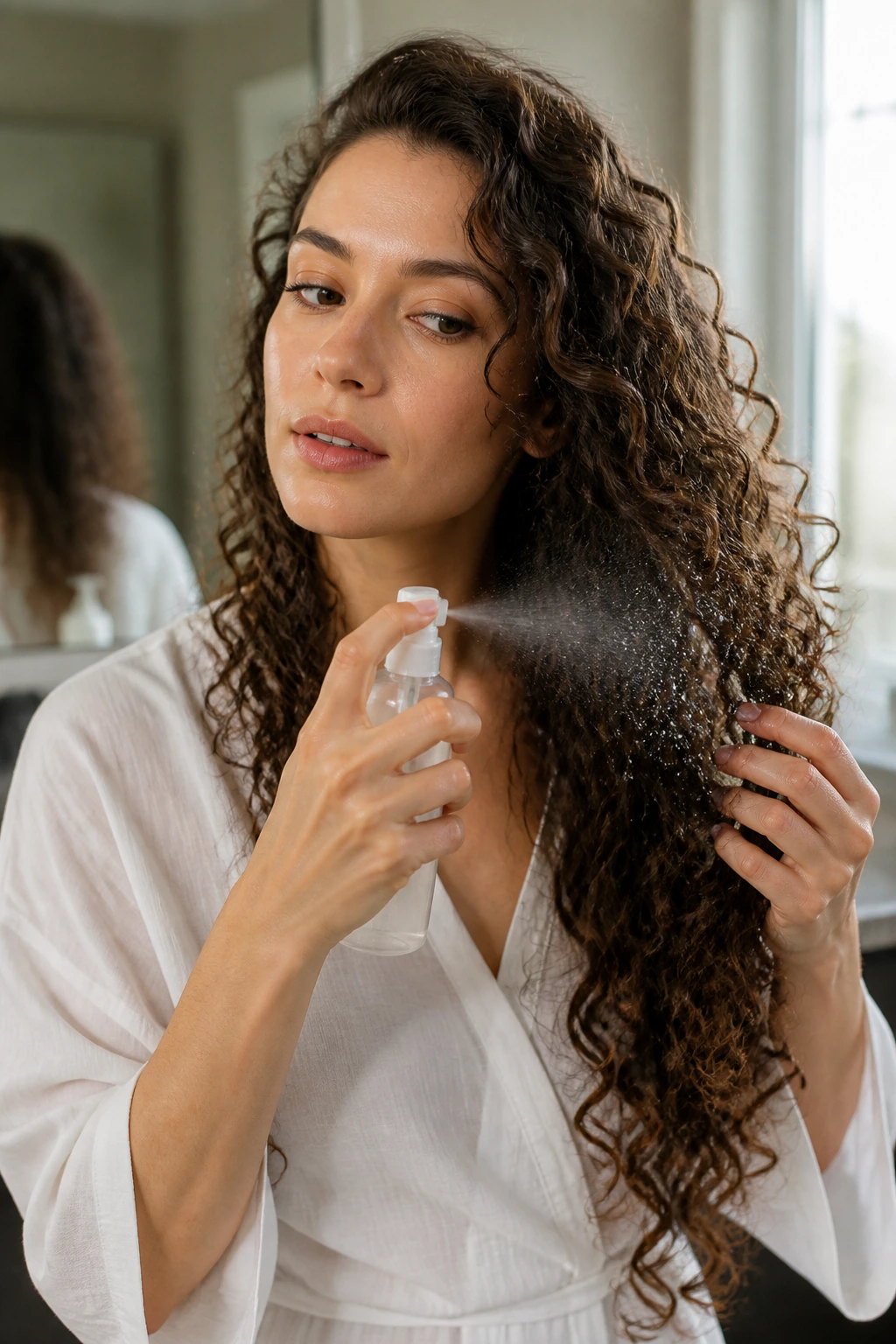
If you use a curling wand every single day, you are going to burn the cuticle. Once the cuticle is burnt, it will never be truly smooth again. Save the hot tools for special occasions and rely on overnight methods for your daily look.
If You Must Use Heat
Always use a heat-protectant spray. Even if you think you are “fast,” that heat is damaging the protein bonds in your hair. Using a spray with thermal-shielding properties will buy your hair some extra protection and help keep the frizz at bay.
14. Deep Conditioning Treatments
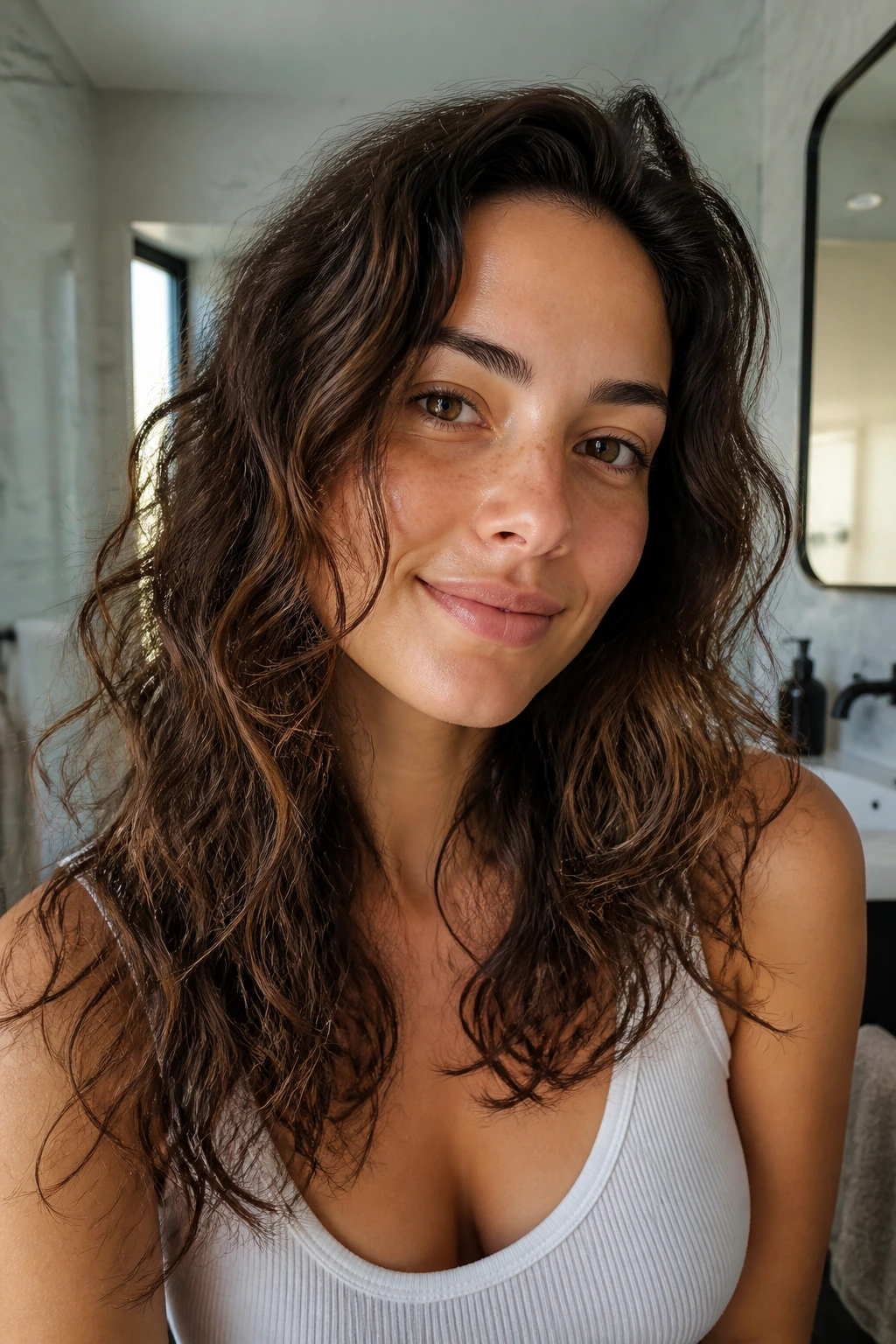
Frizzy hair is desperate for deep moisture. Instead of just using a standard conditioner, work a deep conditioning mask into your routine once a week.
Maximize the Effect
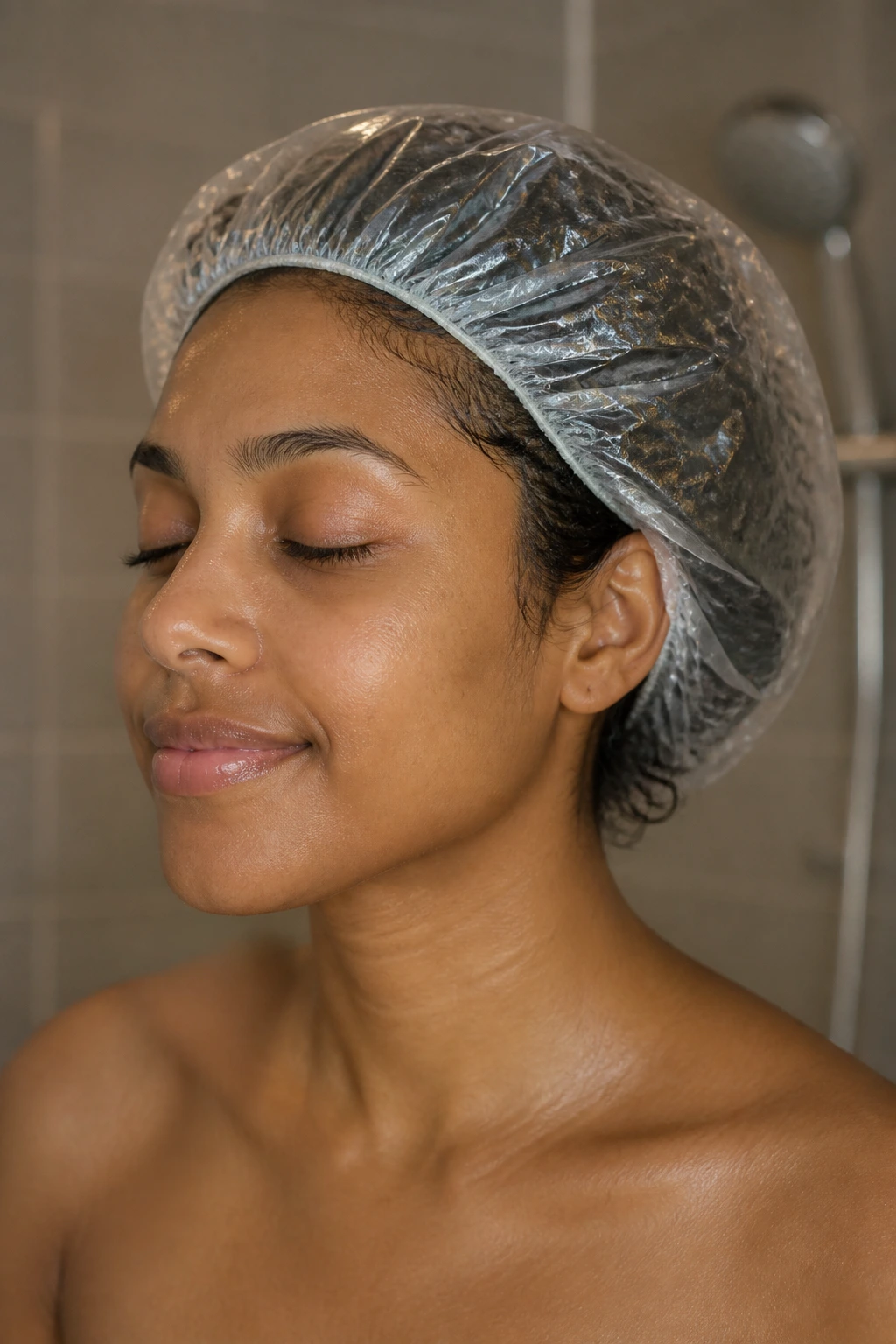
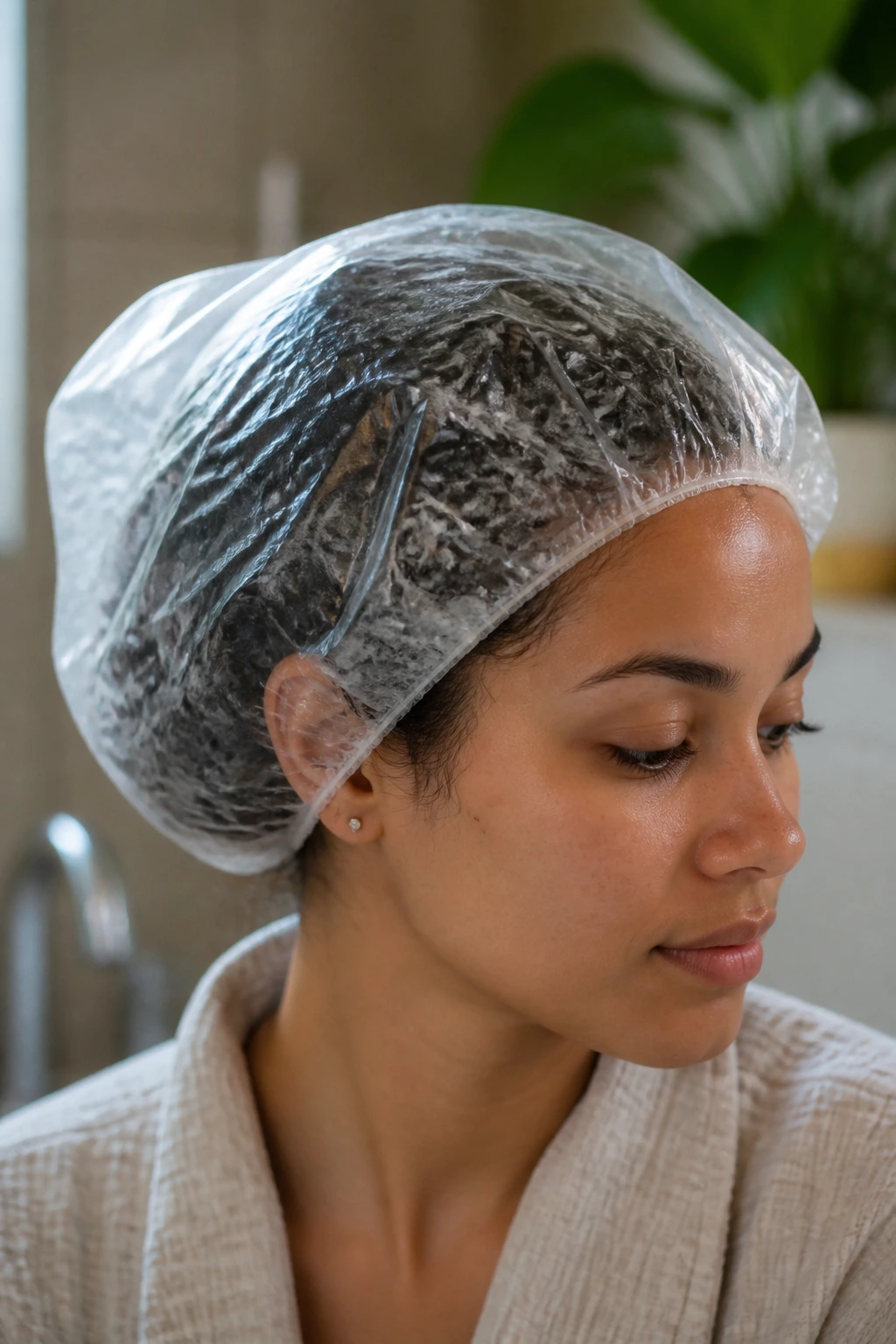
To get the best out of your mask, apply it to damp hair and cover it with a plastic shower cap. The heat from your scalp will get trapped inside, creating a warm, humid environment that helps the hair shaft open up just enough to absorb the nutrients from the mask. Leave it on for at least 20 minutes before rinsing.
15. Silk Pillowcase Upgrade

If you only take one piece of advice from this entire list, let it be this. Cotton is rough, absorbent, and abrasive. Silk is soft, non-absorbent, and smooth.
Why Silk Wins
A silk pillowcase will not pull at your hair as you toss and turn. You will notice a significant difference in the amount of morning-time frizz after just a few nights. Plus, it is much gentler on your skin, which is a nice bonus if you are prone to breakouts.
16. Protein vs. Moisture Balance
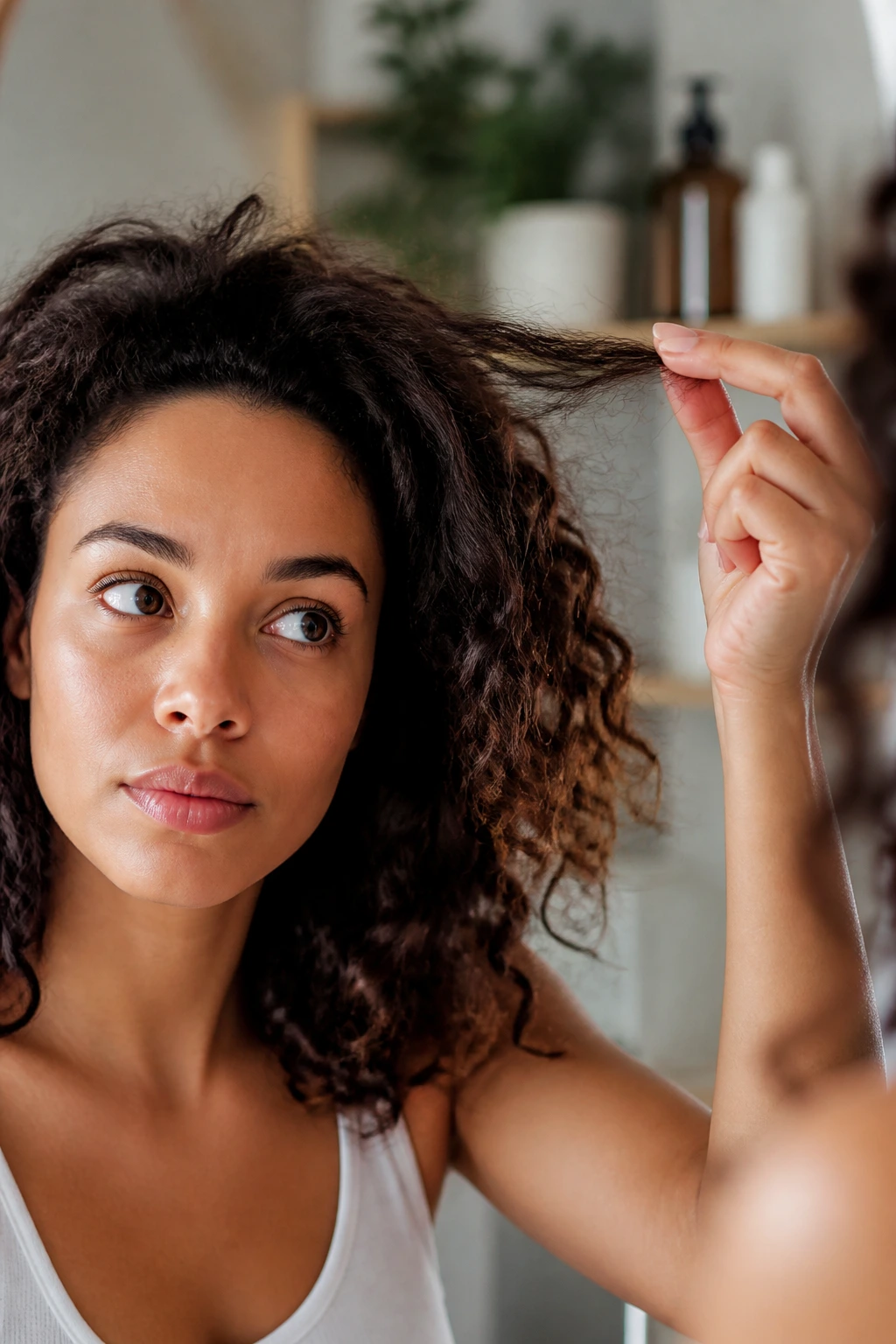
Sometimes hair is frizzy because it has too much moisture and lacks structure, while other times it is frizzy because it lacks moisture entirely. This is the protein-moisture balance.
Finding Your Balance
If your hair feels mushy or stretchy when wet, it likely needs a protein treatment. If it feels brittle and straw-like, it needs a deep moisturizing mask. Figuring out which one your hair is craving will help you stop the frizz before it starts.
17. The Right Cut for Frizzy Hair
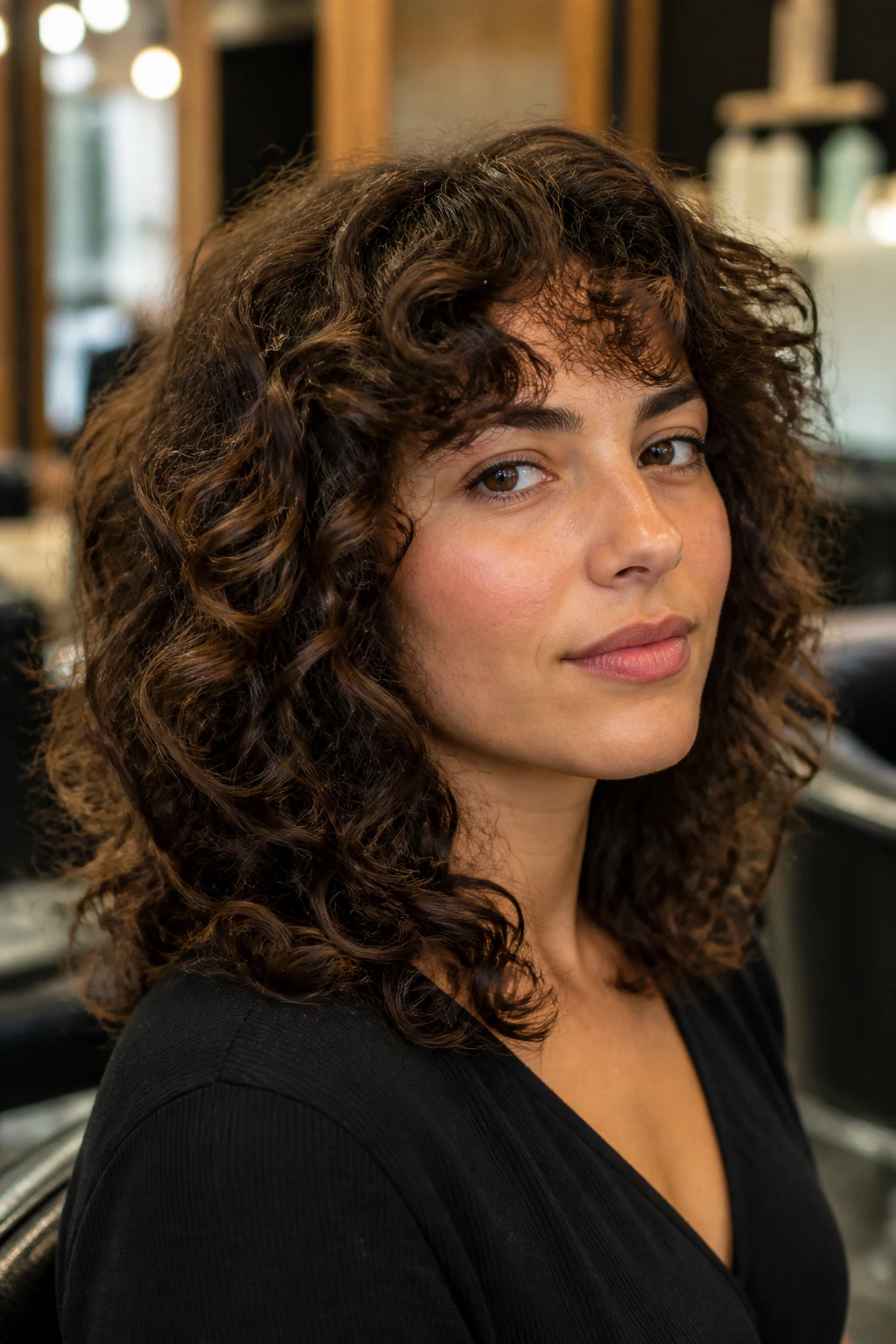
Sometimes, the frizz is actually just a result of a bad haircut. If you have fine, frizzy hair, heavy layers can sometimes make the ends look thin and ragged, which amplifies the appearance of frizz.
Consult a Professional
Talk to a stylist who specializes in textured or curly hair. Ask for a cut that encourages your natural movement without thinning out the ends too much. A well-placed “dry cut” can often help you see exactly where your curls fall, leading to much better results than a traditional wet cut.
18. Essential Oils for Sealant
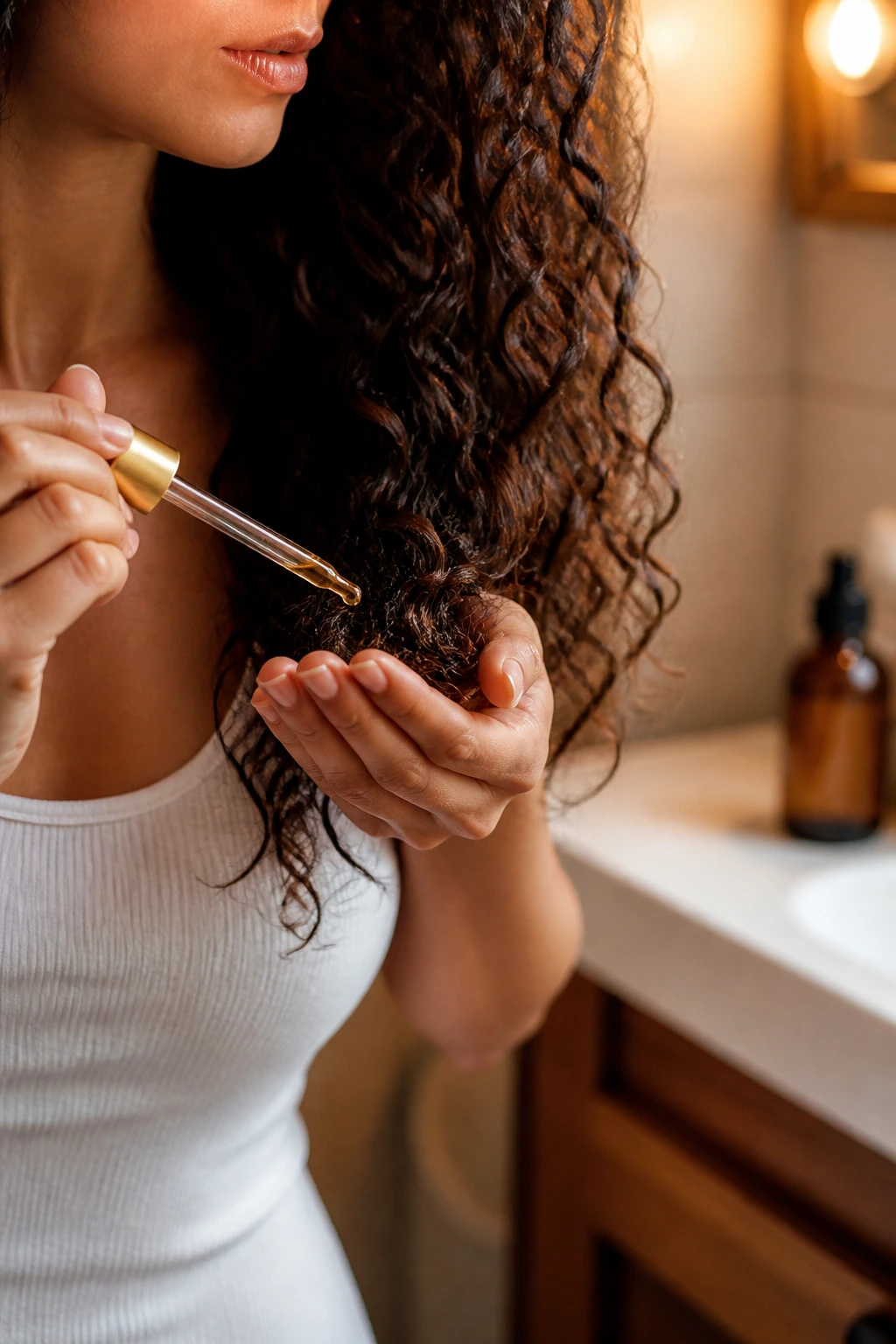
Sometimes, the air is just too dry or too wet, and you need an extra layer of protection. A high-quality oil like argan or jojoba can act as a final barrier to keep the moisture you put in your hair from escaping.
How to Use It
Only use a drop or two. Warm it up in your palms and glaze it over the top layer of your hair. Don’t work it into the roots, as this can make your hair look greasy. Focus on the ends and the flyaway areas around your hairline.
19. The Importance of Hydration from Within

Your hair is a reflection of your overall health. If you are dehydrated, your hair will show it. Drinking plenty of water and eating foods rich in healthy fats—like avocados, nuts, and salmon—will help your hair produce the natural oils it needs to stay soft and manageable.
It Is a Process
You will not see the results overnight. But if you make it a habit to prioritize your hydration, you will notice that your hair feels stronger and looks naturally glossier over the months.
20. Gentle Drying with Microfiber
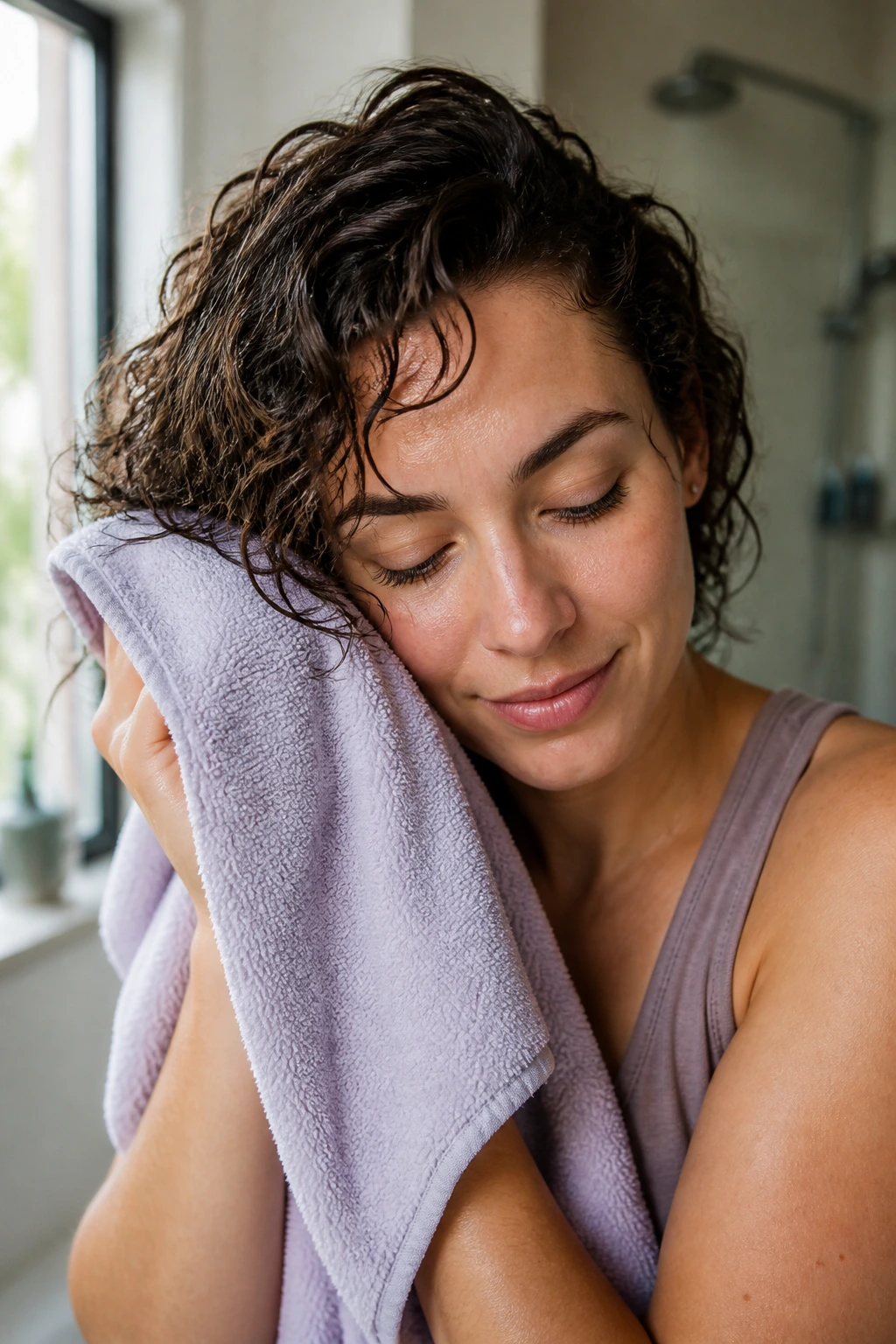
Stop using your bath towel to dry your hair. Standard towels have a woven texture that snags delicate hair strands, causing them to break and frizz.
The Microfiber Difference
A microfiber towel has a much tighter weave and is significantly softer. It absorbs water much faster than a cotton towel, which means you spend less time rubbing your hair. Simply wrap it around your head and let it do the work for you.
21. Use a Refresher Spray
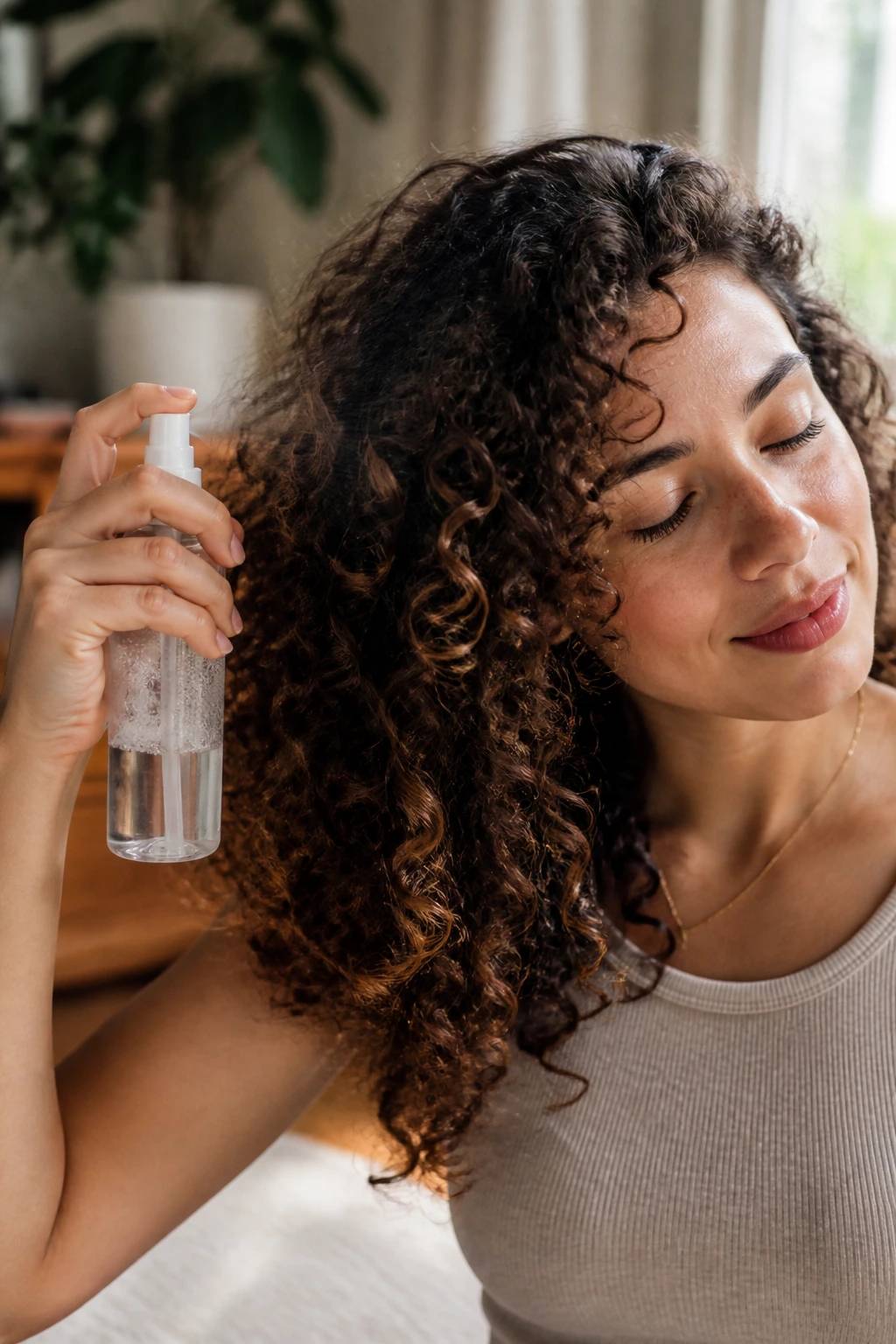
By the third day, your curls might be looking a bit tired. A quick spritz of a DIY refresher spray can bring them back to life without requiring a full wash.
DIY Refresh
Mix a small amount of leave-in conditioner with water in a spray bottle. Shake it well and mist your hair lightly. Use your hands to “scrunch” the hair back into its natural shape. It adds just enough moisture to settle the frizz and wake up the curl pattern.
22. Patience with the Process

Frizzy hair is not something you “cure” overnight. It is a texture that needs consistent care and hydration. Some days, it will look better than others, and that is completely normal.
Stay Consistent
The more you move away from harsh heat and rough handling, the more your hair will thank you. Over time, your hair will settle into its own healthy rhythm, and you will find that those loose, beautiful curls become your natural state rather than a daily struggle.
Final Thoughts
At the end of the day, managing frizz is really about moving toward a kinder relationship with your hair. We are often trained to fight against our natural texture, reaching for high-heat irons or harsh chemicals in a desperate attempt to force the hair into a different shape. Instead, when you start working with the hair you have—replacing the harsh brushes with gentle detangling, the cotton towels with soft T-shirts, and the drying heat with air-dry methods—you allow the cuticle to remain smooth and the curls to remain defined.
The best results almost always come from a routine that prioritizes hydration and minimal interference. It is not about perfect salon-style hair every single morning; it is about healthy, happy strands that don’t need to be fought with. Once you lean into that, you might find that you actually enjoy the process of letting your hair just be what it wants to be.