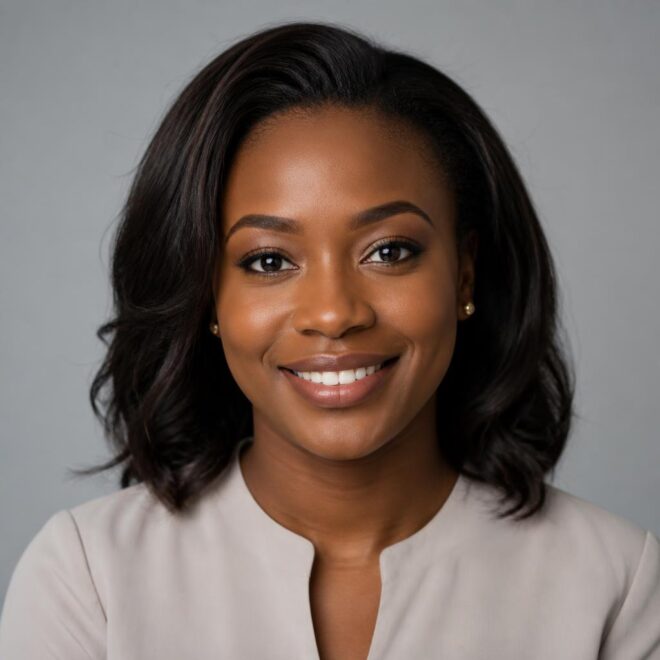


Fine hair is often misunderstood. Many people assume it lacks the density to support a sharp, structured style, but that is simply not the case. A well-executed bob acts as an architectural frame for your face, adding weight to the ends and creating the illusion of fullness that longer, wispy layers often lack. When your hair is thin, gravity is your enemy; the longer your hair grows, the more it stretches out and loses its bounce. Cutting it into a bob removes that dead weight, giving your strands the freedom to sit exactly where they belong.
There is a specific satisfaction in hearing the snip of the scissors and watching inches of limp hair fall to the floor, leaving behind a crisp, clean perimeter. If you have fine hair, the key is choosing a cut that plays with blunt lines rather than excessive thinning or heavy layering, which can inadvertently make your hair look even sparser. This is about working with the texture you have, not fighting against it. Let’s look at the cuts that actually work.
1. The Classic One-Length Blunt Bob
The most effective way to make fine hair appear thicker is to stop tapering the ends. When you have a blunt, one-length cut, the hair hits your shoulders or chin with a solid, dense line. This gives the appearance of a thicker “hemline” at the bottom of the cut, which is exactly where fine hair tends to look the most fragile.
Why It Works for Fine Strands
By keeping the cut perimeter perfectly flat, you eliminate the wispy, see-through ends that often plague fine-haired individuals. Every single strand is cut to the same length, meaning the hair stacks up rather than thinning out as it travels downward.
Styling Tips for Maximum Impact
- Use a high-quality boar bristle brush to smooth the hair while blow-drying, which adds a natural shine.
- Apply a pea-sized amount of thickening mousse to damp roots before styling.
- Keep the iron on a medium heat setting to prevent unnecessary damage to delicate strands.
2. The Textured Parisian Chin-Length Bob
If you crave movement, the Parisian bob is your answer. It is slightly shorter than the standard bob, usually hitting right at the jawline. This length is intentional; it draws attention to your facial features and avoids the “dragging” effect that mid-length hair can have on fine, straight textures.
The Secret to the Look
This cut relies on internal texture—not thinning shears. Your stylist should use point-cutting techniques to create subtle soft edges that allow the hair to piece together rather than just lying flat against your cheeks. It feels effortless, almost like you just woke up with great hair.
How to Maintain the Shape
- Schedule trims every six weeks to keep that sharp jaw-level hit point.
- Avoid heavy silicones or thick styling creams that weigh the hair down.
- A light texture spray is all you need to define the ends without adding grit.
3. The Subtle A-Line Bob
The A-line is the perfect compromise for those who are nervous about going too short in the back. By leaving the hair slightly longer in the front and gradually angling it up toward the nape of the neck, you create a sense of direction and purpose. This style creates a “v” shape that mimics a fuller silhouette.
Engineering Volume at the Nape
The stacked effect in the back provides a natural cushion of hair that sits higher on the head. This build-up of volume prevents the hair from clinging to the neck, which is a common complaint for those with fine hair who feel like their style goes flat by midday.
When to Choose This Cut
- If you have an oval or heart-shaped face, this cut accentuates your jawline beautifully.
- If you find that your hair tends to look “triangular” or puffy at the ends when it grows out.
- For those who want a professional look that doesn’t require five different hot tools to style in the morning.
4. The Deep Side-Parted Sleek Bob
Sometimes, the cut isn’t just about the length; it is about where the hair falls. A deep side part is a cheat code for fine hair. By shifting the bulk of your hair to one side, you instantly create a high-volume side-sweep that covers more of your scalp and makes the overall density feel doubled.
The Power of the Sweep
When you pull hair across the forehead or the crown, you are creating a “bump” of height. This is incredibly flattering for fine textures because it forces the hair to stand up and away from the scalp rather than laying flat against the skull.
Daily Maintenance
- Use a rat-tail comb to create a razor-sharp part line; a messy part can ruin the sleek aesthetic.
- A dab of lightweight shine serum on the ends helps the hair stay together in a singular, polished unit.
- If the hair starts to split, add a tiny bit of hairspray to the roots on the heavy side to keep the volume locked in place.
5. The Nape-Grazing Inverted Bob
The inverted bob is all about drama. By keeping the nape extremely short—sometimes even clipped or tapered—you create a stark contrast with the longer front pieces. This design is inherently “sharp,” which is a word that should be at the top of your vocabulary if you have fine hair.
Why This Style Dominates
When the hair at the nape is removed or kept very short, the weight distribution shifts entirely to the crown. This forces the hair to layer over itself, creating a natural volume lift that feels like it’s defying gravity. It is one of the most effective ways to make fine hair look robust without needing perms or heavy backcombing.
Pro-Tip for the Nape
- Ask your stylist for a “soft taper” rather than a harsh clipper shave unless you want a very aggressive, edgy look.
- A soft taper looks more natural as it grows out, meaning you don’t have to visit the salon every three weeks to keep it looking clean.
6. The Minimalist Blunt Lob
If you aren’t ready for the jawline commitment, the “lob” or long bob is a fantastic middle ground. Aim for a length that hits just an inch or two below the collarbone. At this length, fine hair still maintains its integrity without becoming stringy.
Maintaining the Bluntness
The “blunt” aspect here is crucial. Do not let your stylist “feather” or “layer” the ends. The solid weight at the bottom is what makes this look work. It creates a crisp horizontal line that is visually very heavy—in a good way.
How to Style the Lob
- Use a large-barrel round brush to just smooth the hair under.
- Avoid “beach waves” or heavy curling, as these styles can make fine hair look tangly and thin.
- Keep the finish as straight and reflective as possible to showcase the health and thickness of your strands.
7. The Soft-Layered Face-Frame Bob
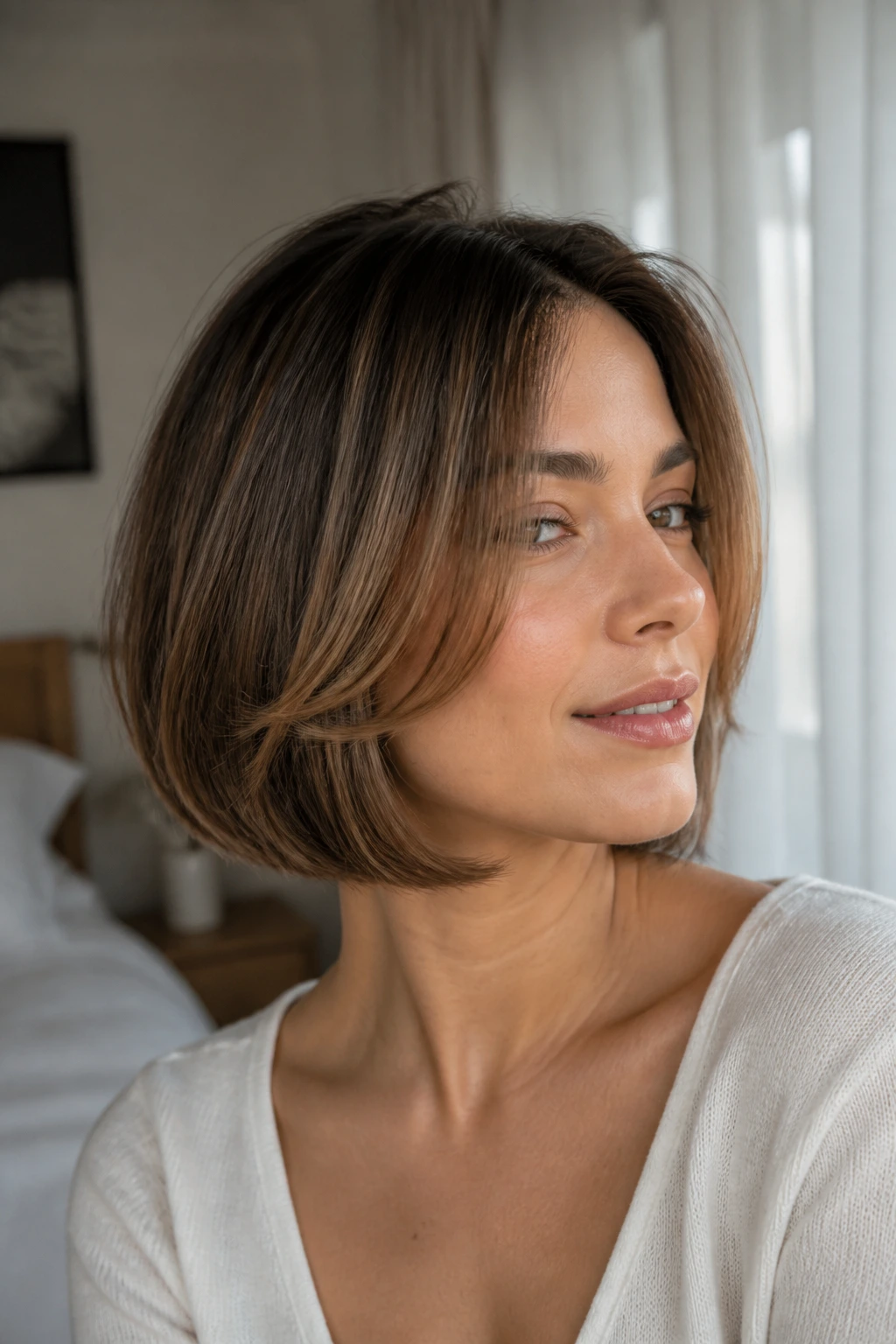
Wait, didn’t I say to avoid layers? In this specific case, the layers are restricted to the very front pieces around the face. By cutting soft, long layers that start below the chin, you frame your features without sacrificing the weight of your perimeter.
Balancing Act
The key is to ensure the back remains blunt and heavy. The front layers should only be there to add interest, not to reduce the overall bulk of the haircut. It’s a delicate balance, but when done right, it gives the hair a beautiful, breezy feel that moves when you turn your head.
The “No-Layer” Rule for the Rest
- If you find your hair looking thin at the ends, stop the layers immediately.
- Only allow the layers to be as long as the shortest part of the front frame.
- Avoid internal thinning shears entirely; they are the enemy of fine, healthy ends.
8. The Ear-Tucked Parisian Bob
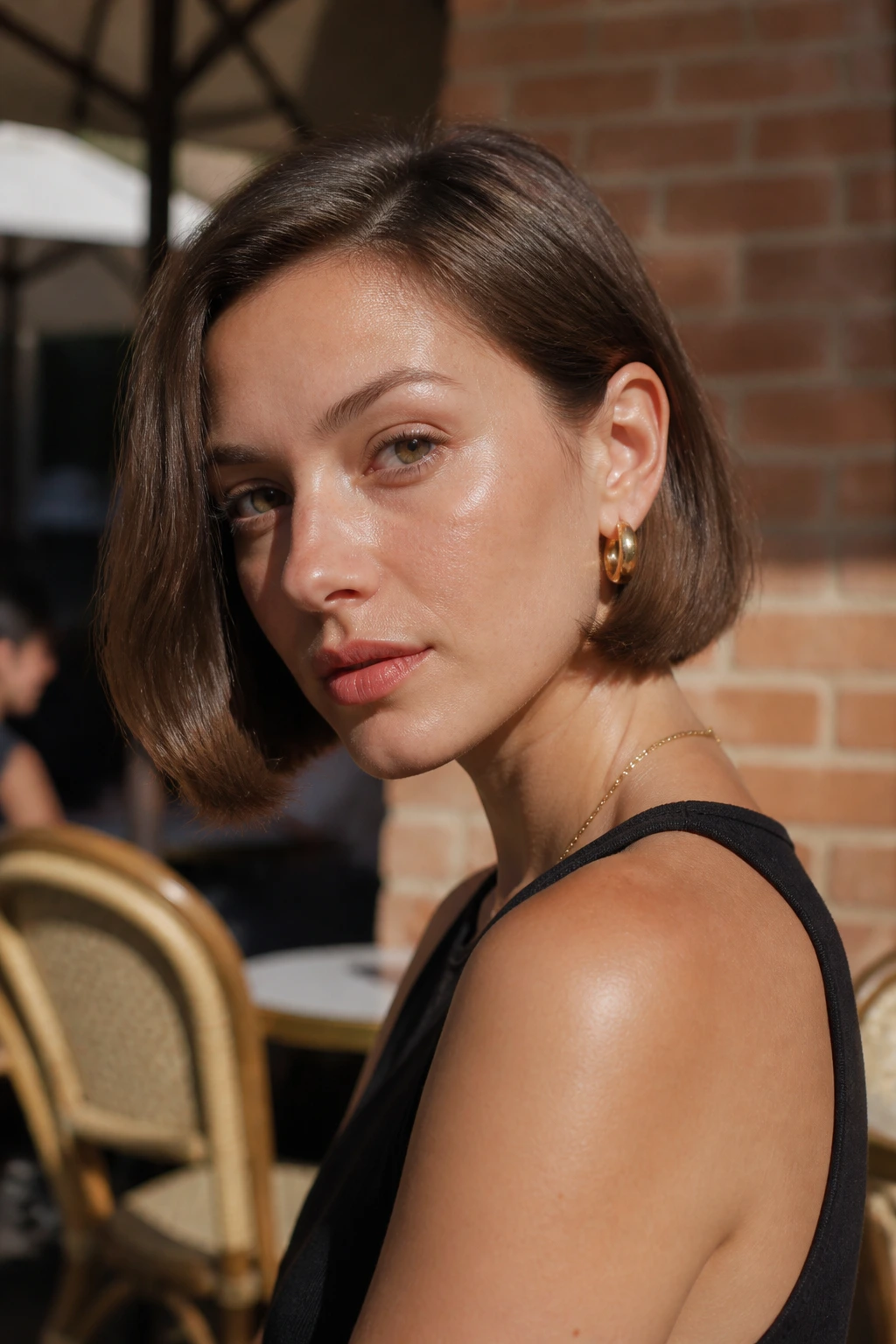
This is less a cut and more an attitude. The ear-tucked bob works best with a blunt cut that hits mid-ear or slightly below the jaw. By tucking one or both sides behind your ears, you force the remaining hair to create a little “shelf” of volume.
Making It Look Intentional
Fine hair often has a tendency to get in your face. Tucking it behind your ear is practical, but it also creates a shape that looks intentional and chic. It exposes the jawline and the neck, making the hair look purposeful rather than just “hanging there.”
Styling Strategy
- Use a small amount of pomade on your fingertips to ensure the tucked hair stays put.
- Do not use bobby pins; they often slide out of fine, silky hair.
- Focus on keeping the hair tucked behind the ear sleek and tight, while the hair in the front should have a slight, soft bend.
9. The Rounded “Mushroom” Bob
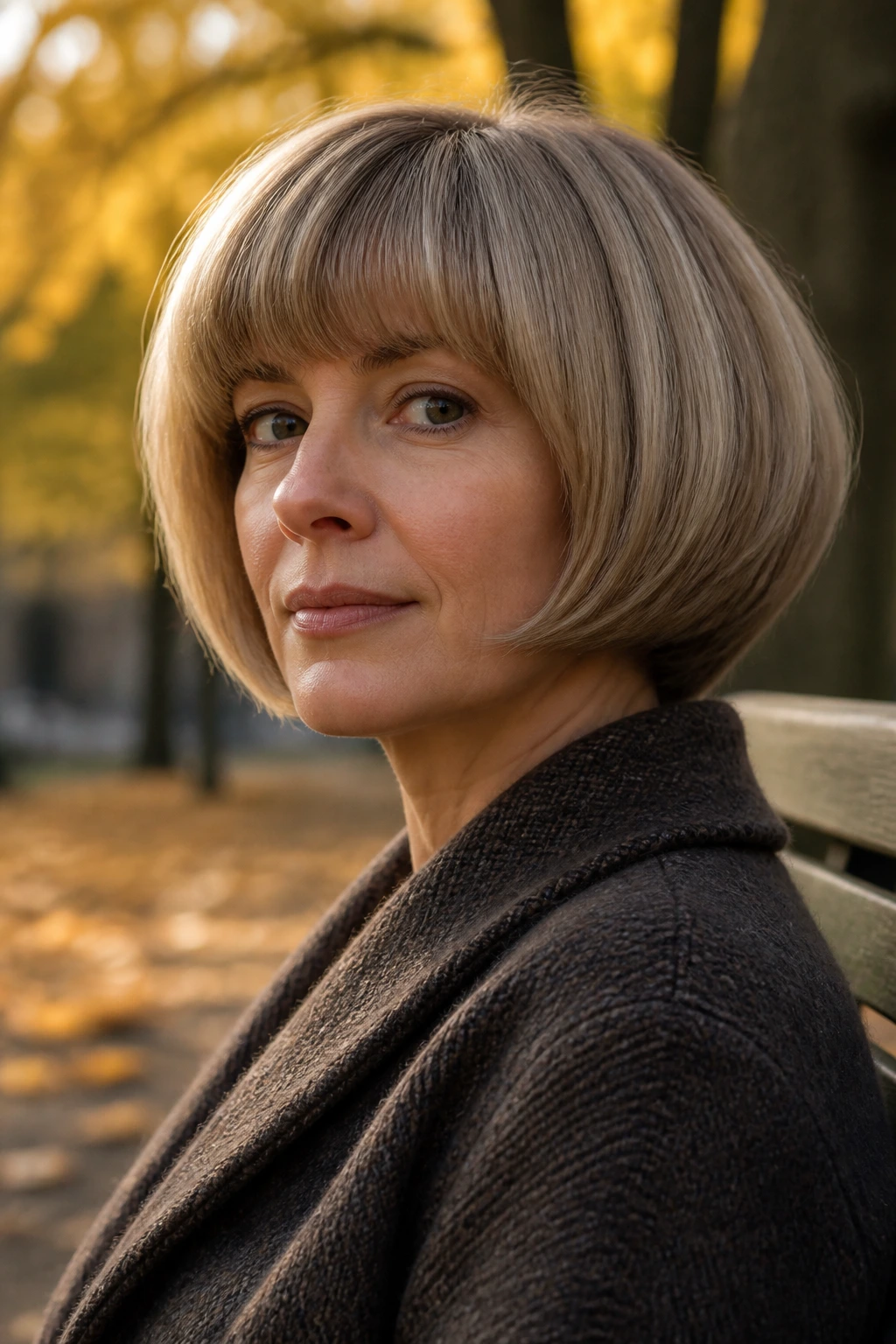
Before you dismiss this as a retro hair disaster, remember that a rounded bob is the absolute best way to manage hair that is both fine and flat. By cutting the hair with a slight inward graduation, you create a rounded, spherical shape that mimics the look of a much fuller head of hair.
The Geometry of Volume
Rounded bobs rely on the “stacking” of hair layers to build a bubble of volume around the back and sides. Because the hair is fine, it won’t be bulky; it will just look perfectly manicured and full. It’s a very sophisticated look that screams “old money” and polished elegance.
Care Instructions
- This cut requires a round brush and a bit of effort during the drying process.
- Use a volumizing spray at the roots, not the ends.
- The goal is a soft, curved finish, so a paddle brush will likely be your best friend to keep the ends from flipping out in the wrong direction.
10. The Sharp Asymmetrical Bob
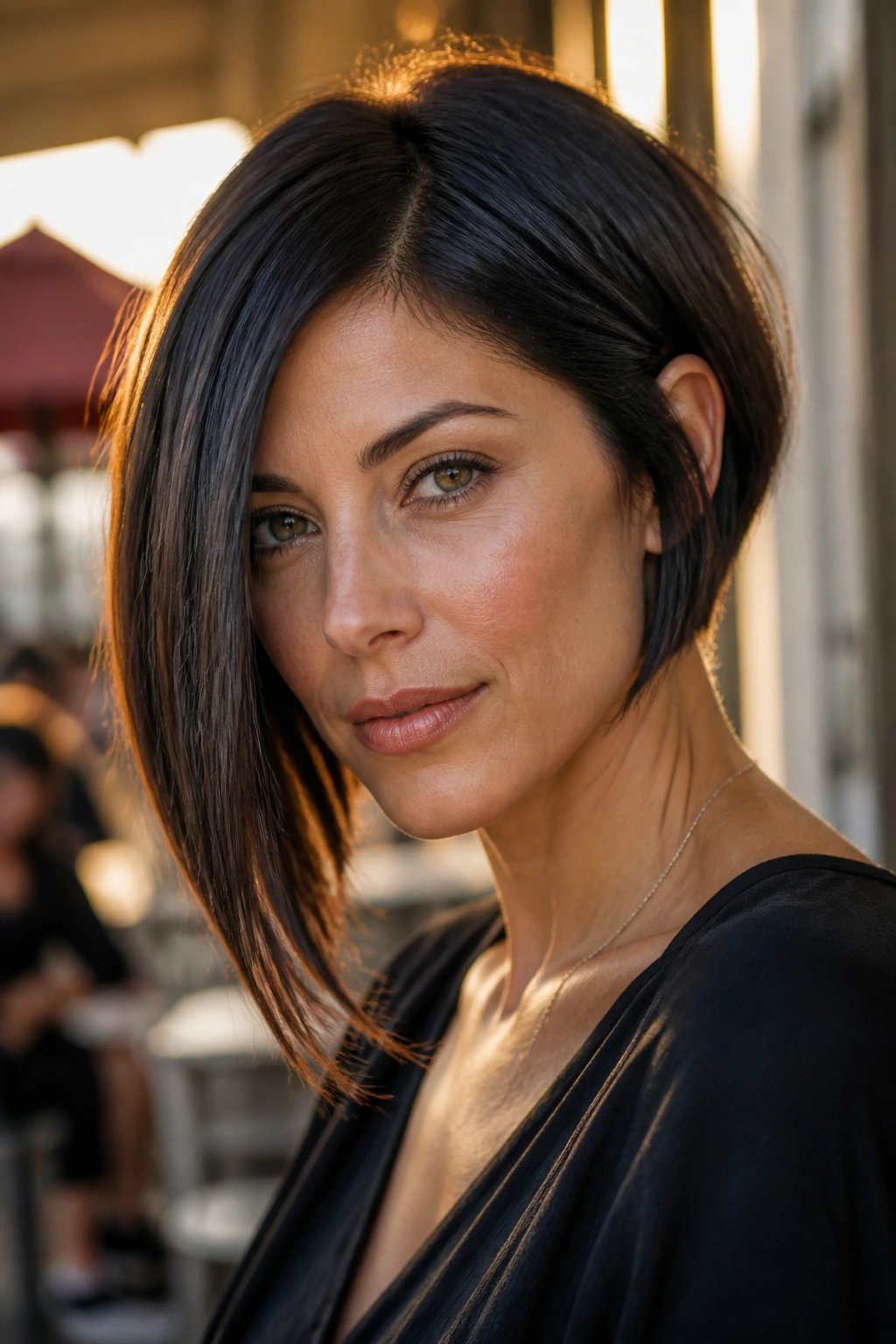
If you want to distract from the thinness of your hair, give the eye something else to focus on. An asymmetrical bob, where one side is significantly longer than the other, is visually striking. It creates a dramatic angle that makes the hair look like it has more character and density.
Styling the Asymmetry
- The long side should reach toward the collarbone while the short side stays above the jaw.
- Use a flat iron to keep the longer side perfectly straight to show off the dramatic length difference.
- Do not attempt to curl this look; the geometry of the cut is the “accessory,” and it looks best when kept clean.
11. The Soft-Textured Wavy Bob
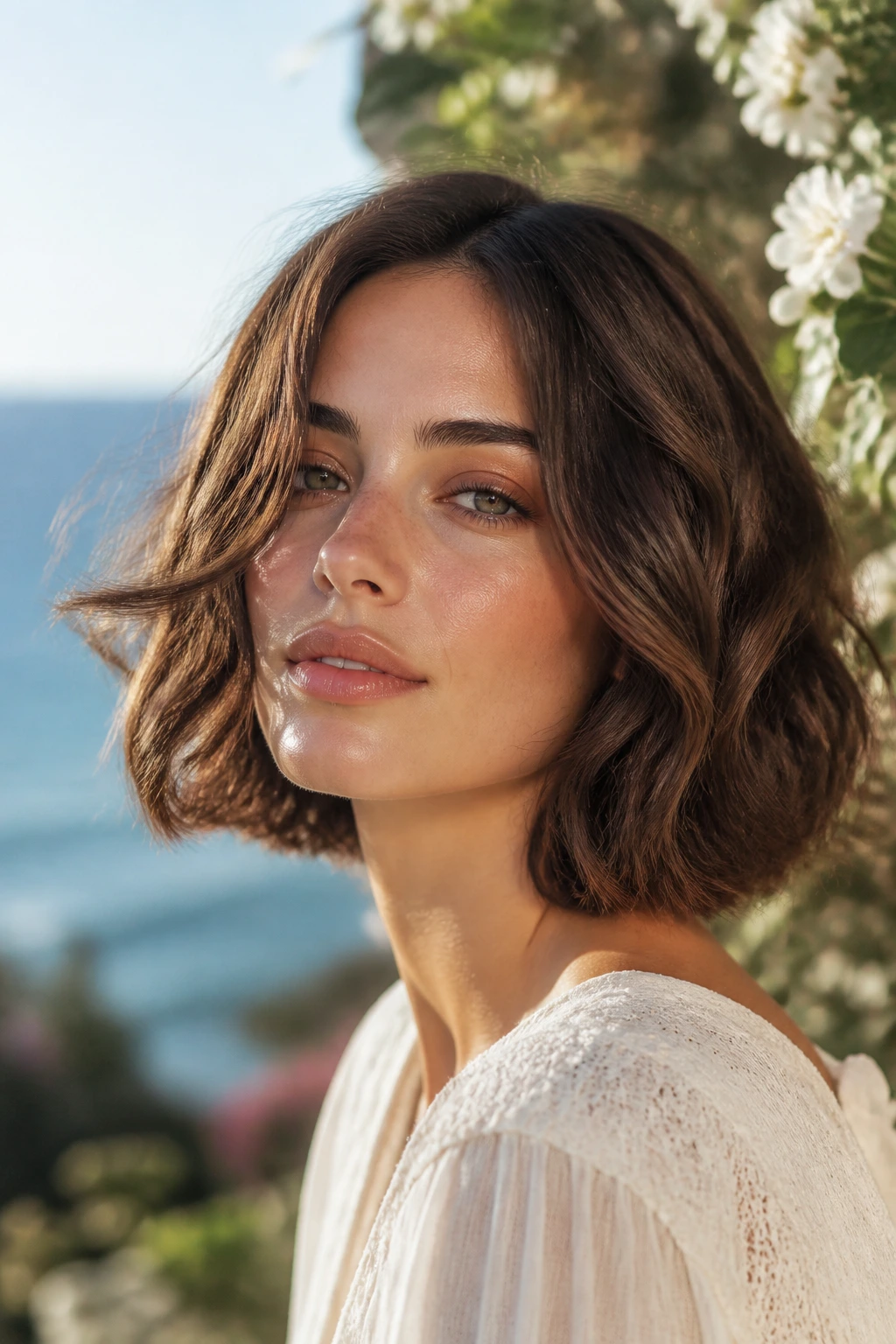
Fine hair doesn’t mean you have to be stuck with pin-straight styles. If you have a natural wave, embrace it. A bob that allows for a slight, messy wave can actually make hair look thicker because the waves occupy more physical space than straight, flat strands.
The “Undone” Look
Ask for a blunt perimeter, but allow the texture to live on the interior. This is not about cutting layers, but about letting the hair’s natural, slight bend create volume. A sea-salt spray or a lightweight texturizer can give your fine strands the “grip” they need to hold that shape throughout the day.
Avoiding the Frizz
- Fine hair + salt spray can sometimes equal frizz. Look for “texturizing lotions” that are free from harsh alcohol.
- Scrunch the hair only while it is damp; never brush it once it starts to dry.
- If it starts to look tangled, just use your fingers to gently separate the pieces.
12. The Wispy-Banged Blunt Bob
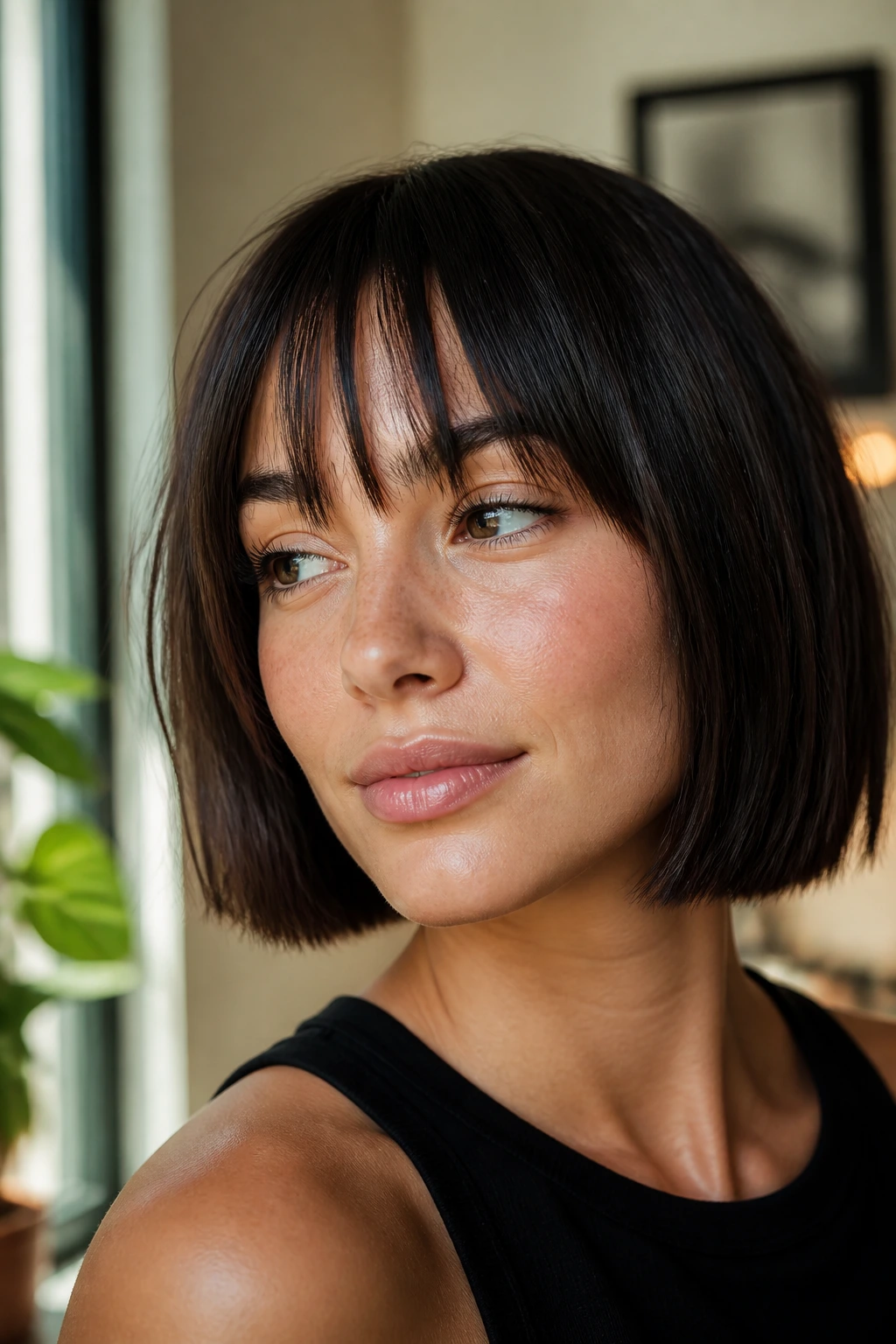
Bangs can be a great addition to a bob, but you have to be careful. For fine hair, a heavy, blunt-cut bang can take away too much hair from the main length, making the rest of the style look thin. Instead, go for a “see-through” or “curtain” bang that is light and airy.
The Bang Balance
By using only a small amount of hair for the bangs, you keep the bulk of the hair for the perimeter. This keeps your bob looking full. The bangs add movement and framing, and because they are wispy, they won’t feel like they’re stealing density from your main style.
Tips for Success
- Keep the bangs long enough to push to the side if you get tired of them.
- A light misting of dry shampoo at the roots of the bangs will keep them from sticking to your forehead.
- Only trim the bangs yourself if you have professional-grade shears, or better yet, just pop into your salon for a quick, low-cost maintenance trim.
13. The Sleek “Glass” Bob
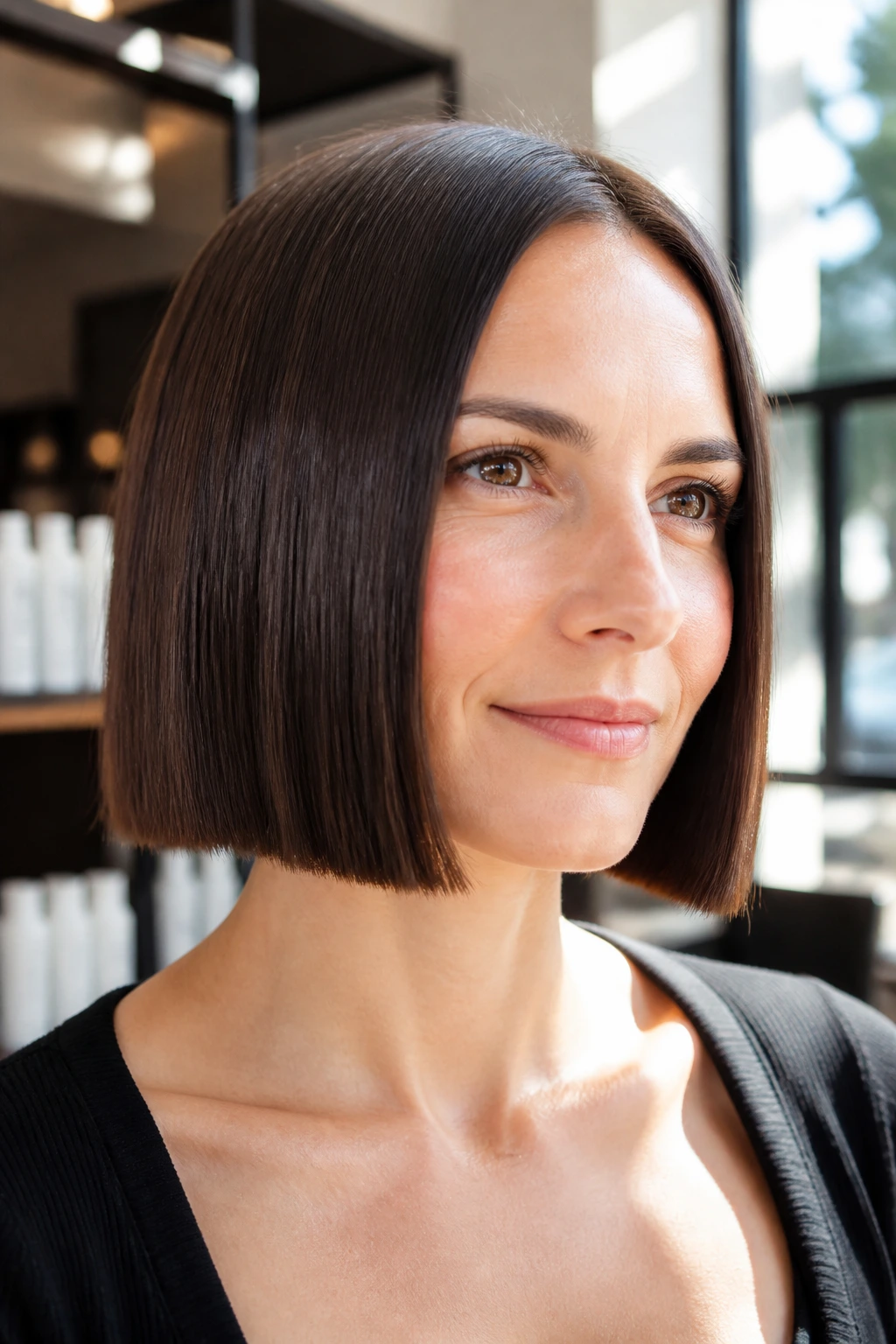
The “glass hair” look is currently one of the most popular ways to style a bob. It involves getting the hair so straight and shiny that it looks like a sheet of glass. For fine hair, this is a winning strategy because it emphasizes the quality and health of the strands rather than the total count of them.
Reflective Shine as a Distraction
When hair is incredibly shiny, people aren’t counting your strands; they’re admiring the finish. A high-gloss finish makes fine hair look healthy, robust, and intentional. It’s all about the hydration and the product you use at the end.
The Product Arsenal
- You will need a high-quality ionic flat iron that doesn’t drag on the hair.
- A final pass with a glossing spray will give you that mirror-like finish.
- Avoid heavy hair oils, which will make fine hair look oily rather than “glassy.”
14. The Pixie-Bob Hybrid

If you are hovering between a bob and a pixie, go for the hybrid. It is essentially a bob that is heavily tapered at the neck and sides but leaves enough length on the top to tuck behind the ears or pull across the forehead.
The Volume King
This cut is the champion of volume. Because the sides are so short, the hair on the crown has nowhere to go but up. It is the ultimate low-maintenance style for fine-haired people who want to look like they spent an hour styling their hair when they only spent five minutes.
Who Should Skip This?
- If you have a very round face, be careful; this cut can emphasize the roundness.
- If you feel like your hair grows too fast to maintain a short nape, be prepared for frequent salon visits.
15. The Mid-Neck Cut with Internal Weight
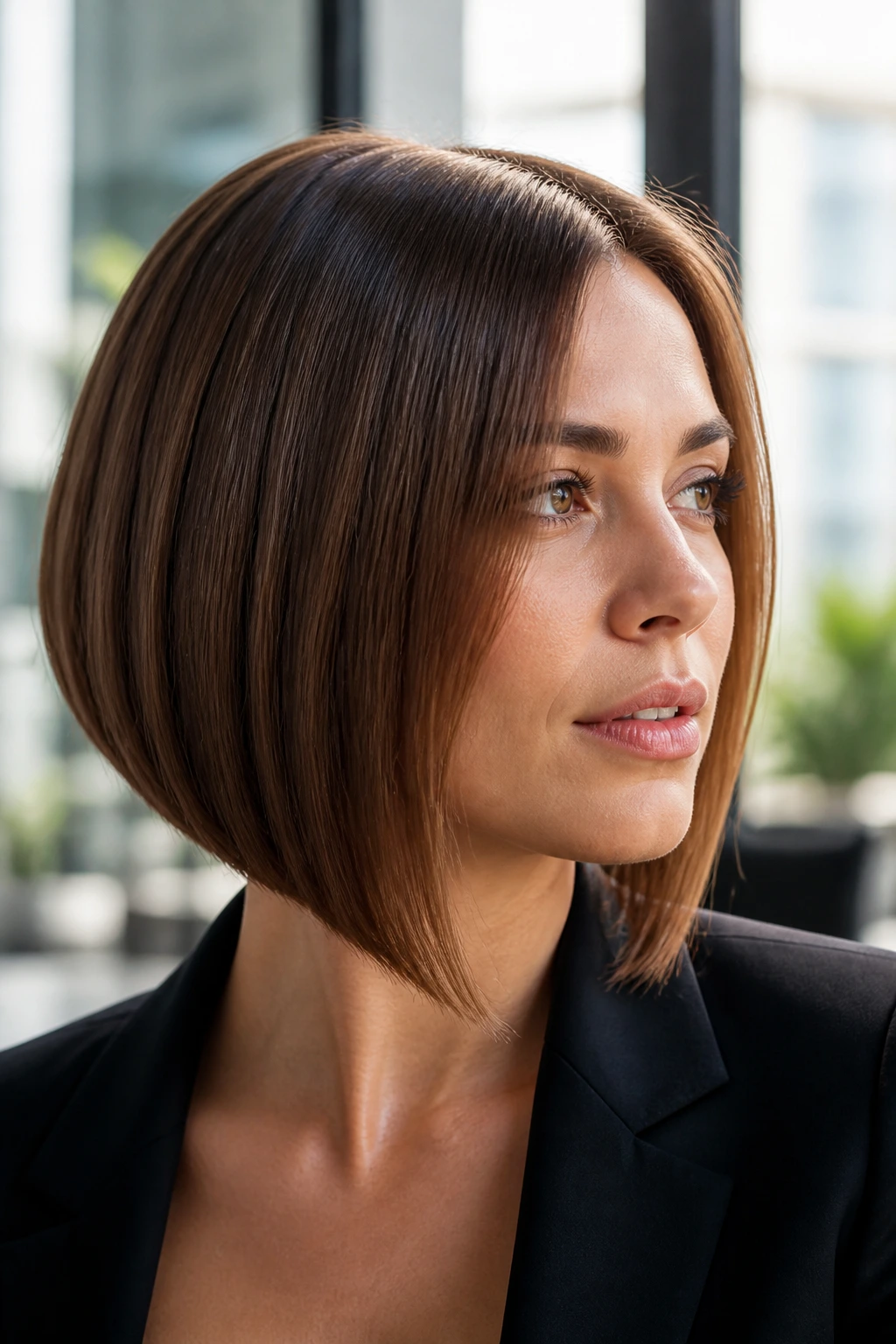
This is a technical trick. Your stylist can create “invisible layers” or “hidden volume” by taking tiny sections of hair underneath the top layers and cutting them just slightly shorter. This creates a hidden structure that props up the longer hair above it, preventing it from collapsing against the scalp.
The Magic of Internal Support
You won’t see these layers, but you will feel them. They act as a scaffold for your hair. This is perfect for the fine-haired person who wants a blunt look but doesn’t want the “flat-as-a-pancake” side effect that sometimes accompanies it.
Communication Is Key
- Tell your stylist you want “internal weight support” to build volume at the roots.
- Avoid using the word “layers” unless you specify they are hidden, otherwise, you might end up with visible, thinning layers that ruin the blunt aesthetic.
- Ask them to leave the top layer long and clean so the bob looks perfectly smooth from the outside.
16. The Blunt Cut with a Center Part
A center part, when paired with a perfectly blunt bob, creates a very modern, symmetrical look. This style is not for everyone, but for someone with an oval or symmetrical face shape, it is incredibly chic. It forces the hair to fall evenly on both sides, which can help distribute volume more effectively.
The Symmetry Advantage
When your hair falls evenly on both sides, it creates a balanced silhouette. Fine hair often looks “thin” when it’s pushed to one side because all the volume is clumped in one spot. A center part keeps everything balanced and, by extension, looking thicker.
Styling for Balance
- Use a comb to make sure the part is perfectly straight, as a crooked part will make the hair look unevenly thick.
- If you have cowlicks near the front, use a small flat iron to direct them down and away from the part line.
- Avoid too much product; you want the hair to move freely.
17. The Vintage Flapper-Inspired Bob
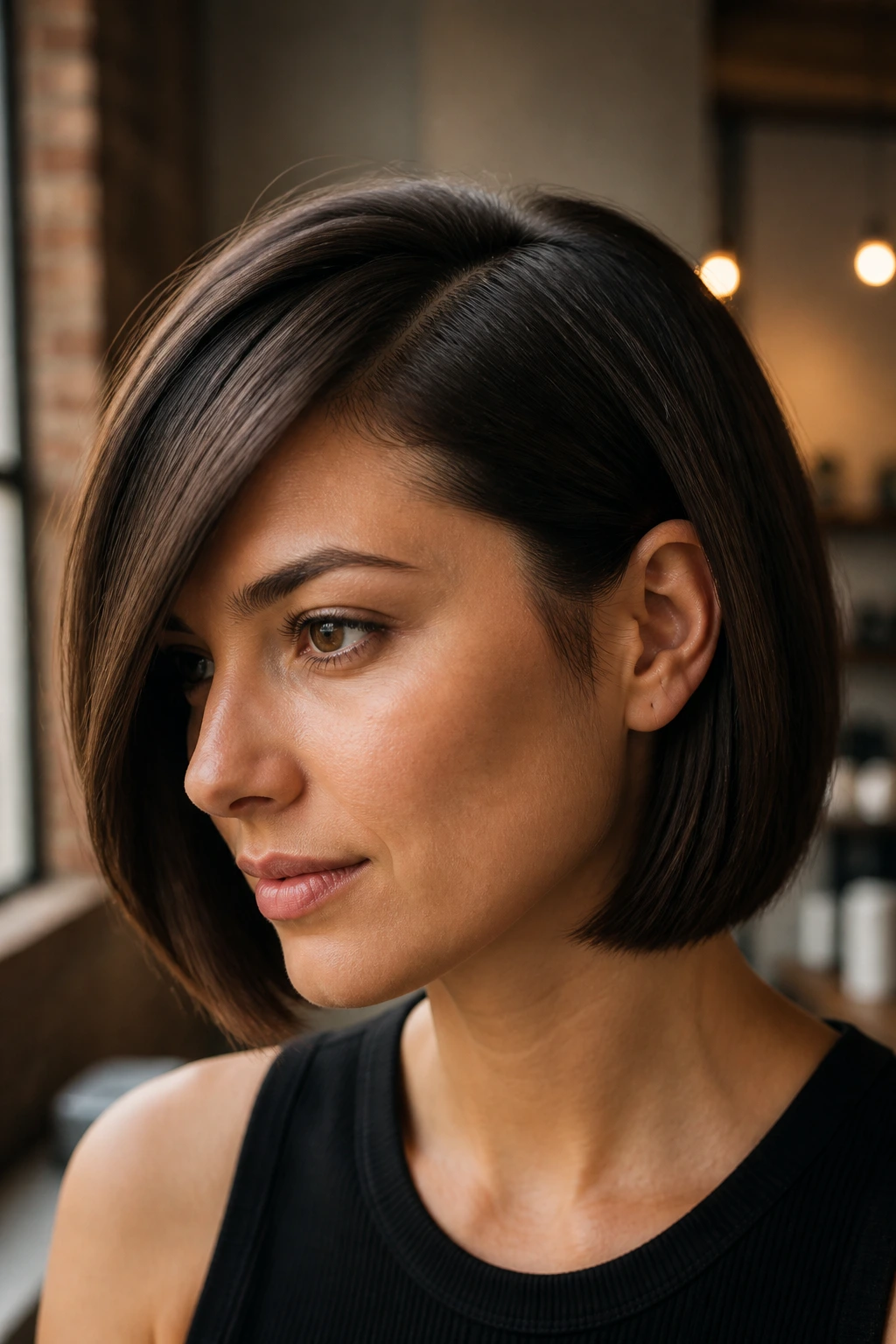
If you want to lean into the style, a 1920s-inspired bob is a fantastic option. It is typically cut very short, with a blunt, straight-across fringe. It’s bold, it’s dramatic, and it makes fine hair look like a deliberate style choice rather than a struggle.
Lean Into the Aesthetic
The shortness of the cut is the primary advantage here. By keeping it short, you are fighting the urge for the hair to get weighed down. It is the most “low-weight” bob you can have, meaning it will stay bouncy and lively for much longer than a shoulder-length bob.
Is it Too Bold?
- It’s definitely a statement look, so be prepared for it.
- It looks best on people with strong facial features, like sharp cheekbones or a defined jaw.
- Because it’s so short, you have to keep the neck and ears clean, so factor in regular trims.
18. The Graduated “Bowl” Bob
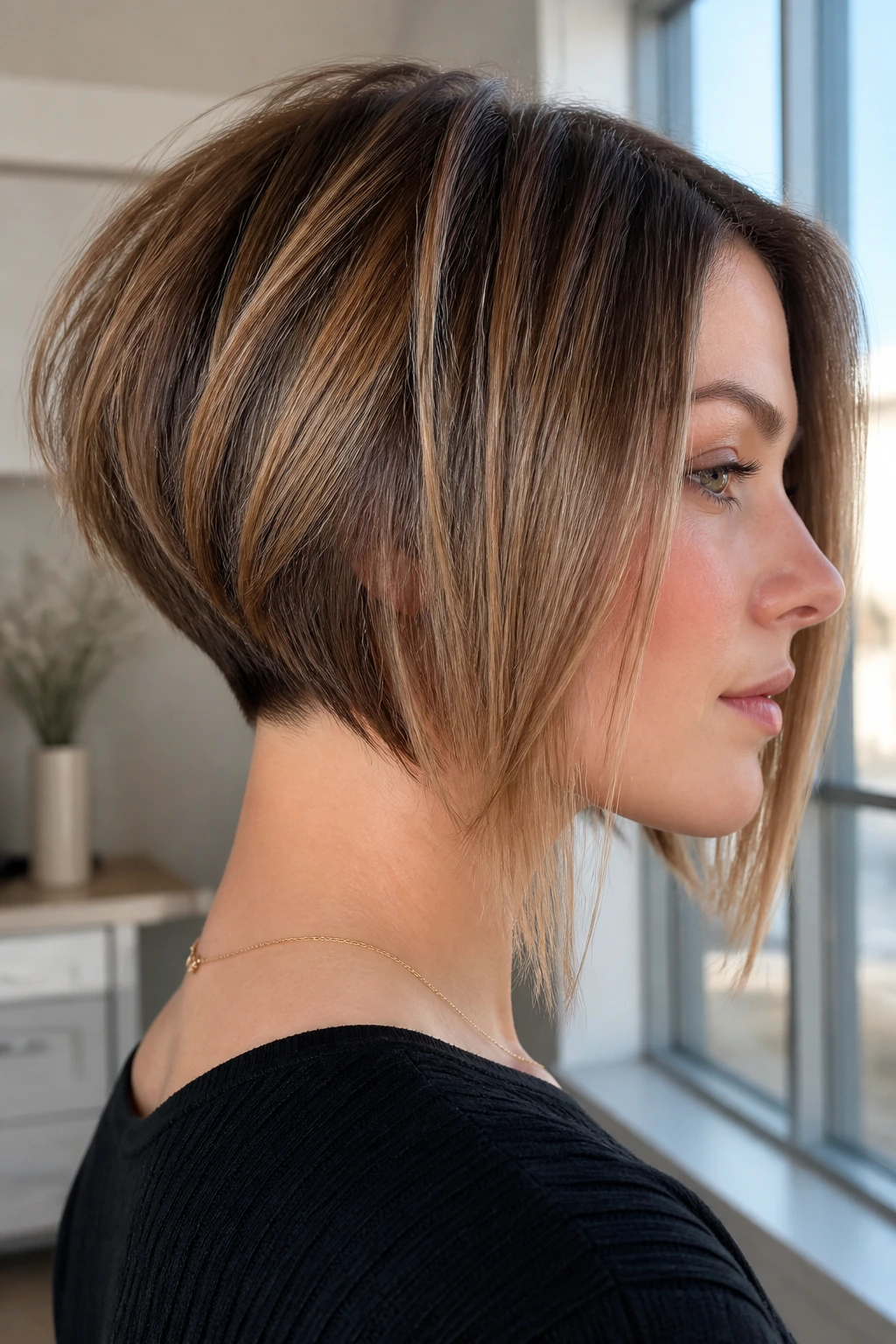
Hear me out—the modern bowl bob is not the one your mother gave you in the kitchen. It is a sophisticated, circular cut that works well for fine hair because it keeps the hair rounded and tight. It creates a very clear shape that doesn’t rely on length for interest.
Why It Works for Fine Texture
The rounded shape is inherently voluminous. By forcing the hair to adopt a curved path around your head, you create the illusion of thickness. It is like the rounded mushroom bob, but with a more graphic, modern edge.
How to Style It
- You need to keep the finish very smooth.
- A slight lift at the roots is essential to keep the “bowl” shape from looking too heavy.
- Use a round brush to blow-dry the hair inward toward the face, not outward.
19. The “Shag” Bob
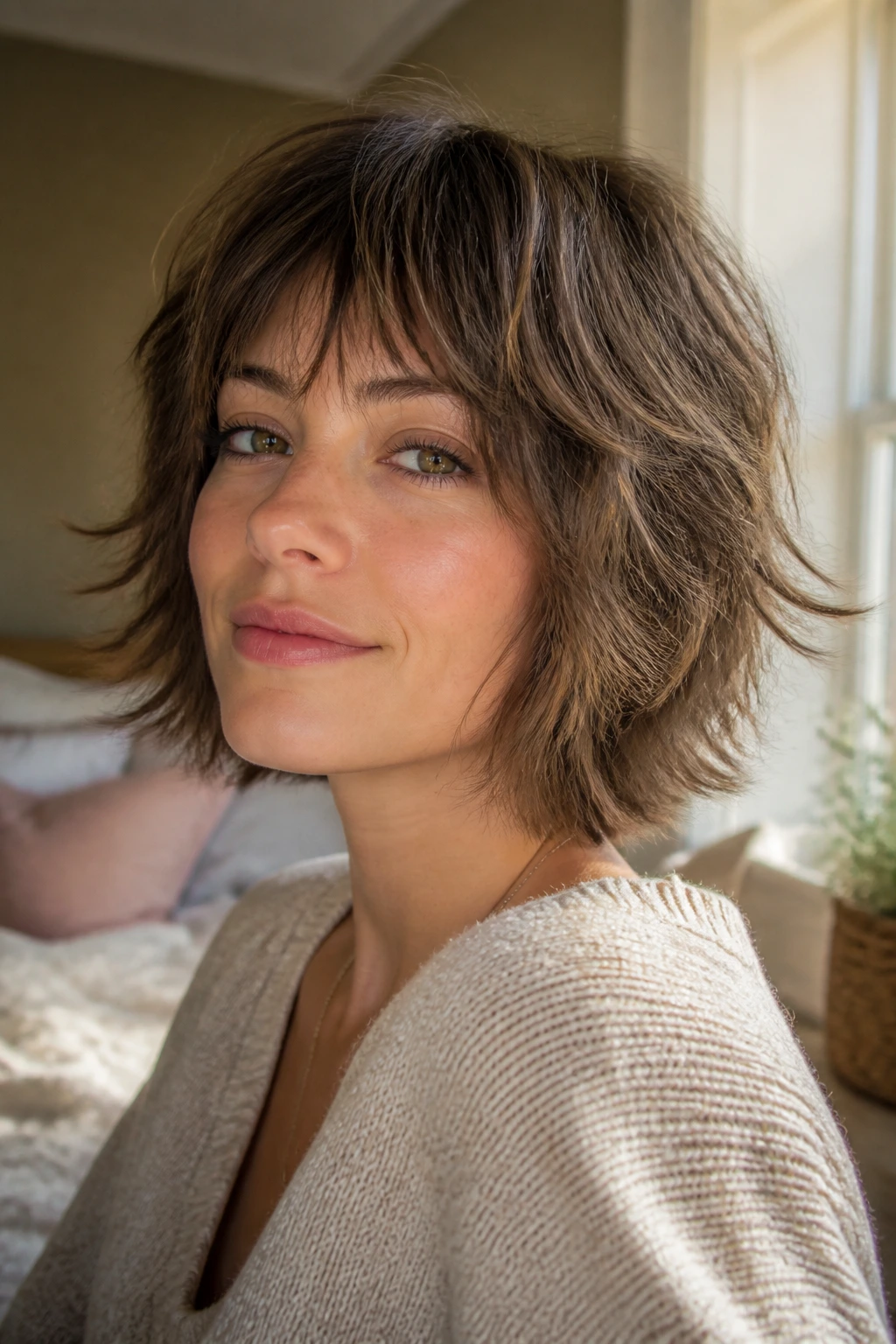
Yes, the shag is back, but for fine hair, keep it a “soft shag.” This means asking for light, airy layers that are designed to create texture and volume without removing too much bulk. The goal is to look like you have more hair than you actually do, and the messy, carefree nature of the shag does exactly that.
Texture Without the Thinning
The shag works by creating “height” through different lengths of hair on the crown. Because you have more layers hitting at different points, you create a “cloud” of hair rather than a flat sheet. It’s perfect for someone who hates the “sleek and shiny” look and prefers something a bit more lived-in.
Managing the Mess
- Don’t over-wash; fine hair needs a bit of natural oil to have enough grip to hold the shag shape.
- A light dusting of texturizing powder at the crown will help keep the layers from falling flat.
- Avoid heavy styling creams; they will make the layers clump together and look stringy.
20. The Collarbone-Length Lob with Waves
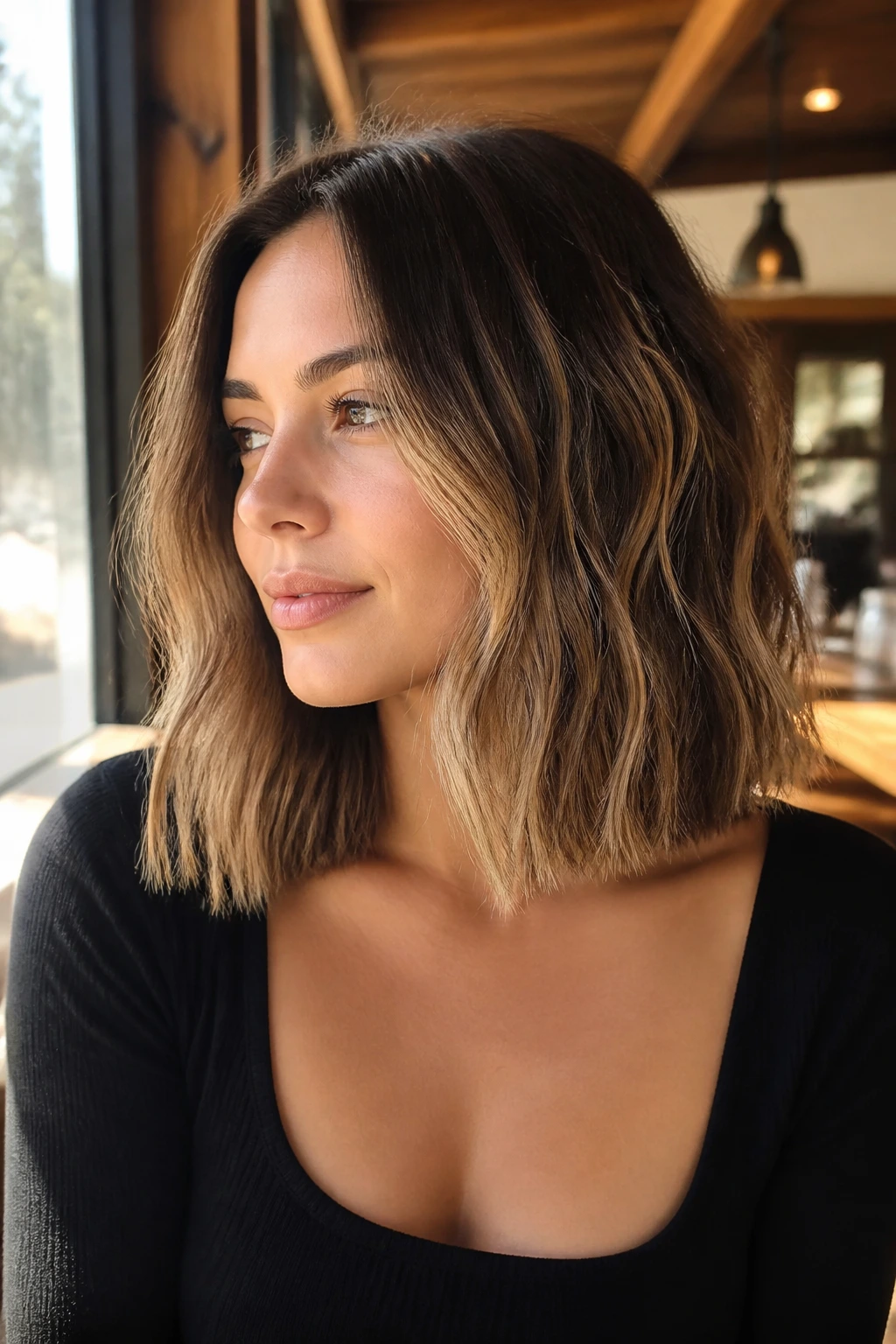
If you really love having a little more length, you can go to the collarbone. But you must ensure your stylist leaves the ends blunt. To keep it from looking stringy, you can introduce subtle waves using a straightener.
Why Waves Save the Day
Straight, fine hair at the collarbone can look like it’s lacking density. By adding waves, you increase the “width” of the hair, making it look much fuller. Just ensure your waves are loose and beachy rather than tight and ringlet-y.
The Wave Technique
- Don’t curl the ends; leave them straight to maintain that modern, blunt look.
- Use a flat iron to create an “S” bend in the middle of the hair strands.
- Finger-comb the waves once they cool to break them up and create a soft, voluminous look.
21. The Blunt Bob with Micro-Fringe
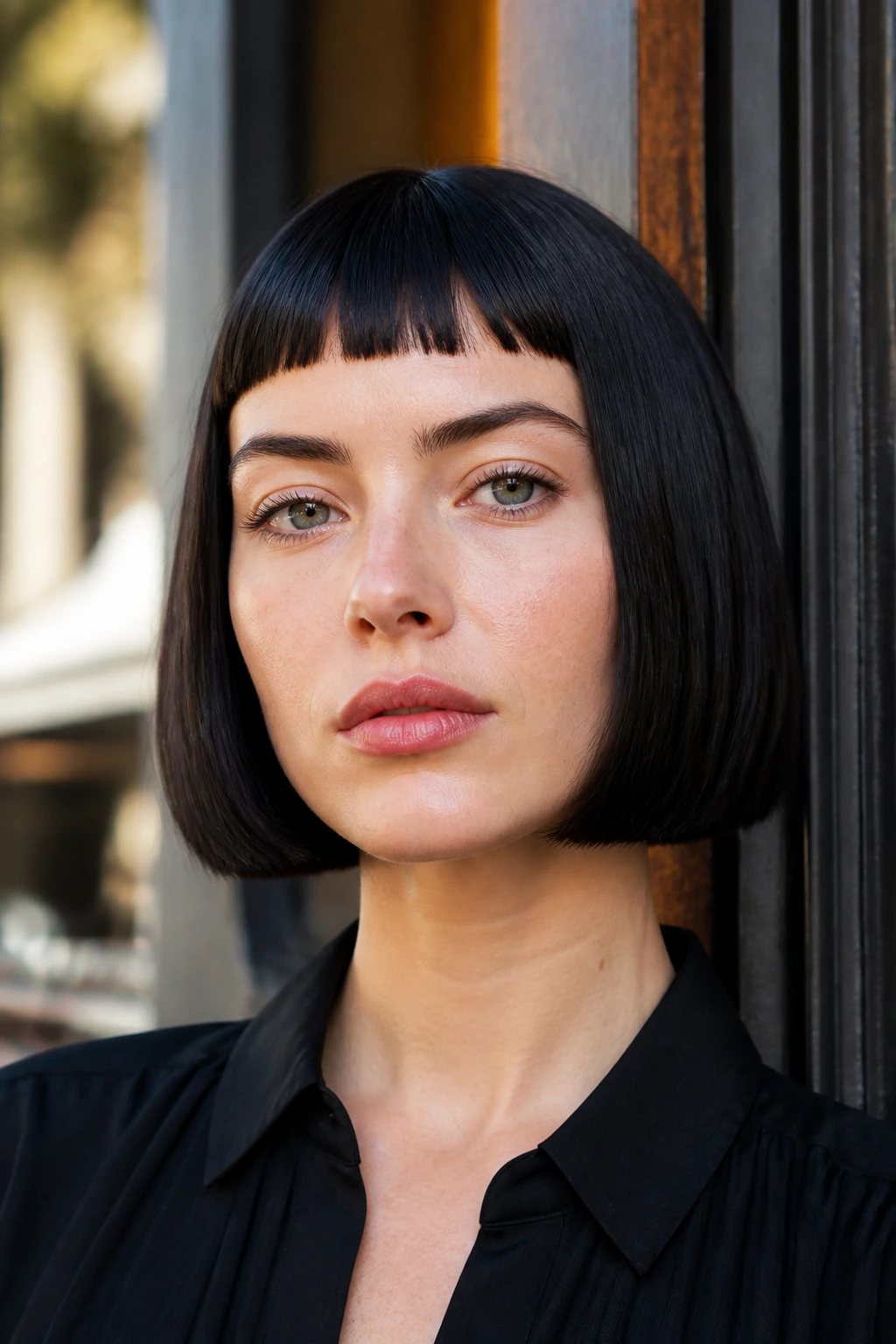
If you want to look fashion-forward and ensure your hair looks as thick as possible, micro-bangs are a secret weapon. Because micro-bangs are short, they don’t draw much hair from the perimeter, which means you keep the bulk of your bob intact.
Drawing Focus Upwards
Micro-bangs draw the eye to your eyes and your brows. They make the hair look like a bold accessory. When the hair is kept blunt and short with these bangs, the entire look becomes a graphic shape that is very visually heavy and satisfying to look at.
The Maintenance Commitment
- You have to be ready to trim these bangs every 2–3 weeks.
- They look best when kept extremely straight, so have a mini flat iron handy.
- If you have a round face, check with your stylist to see if they can shape the bangs to be slightly longer at the edges to soften the look.
22. The “Box” Bob
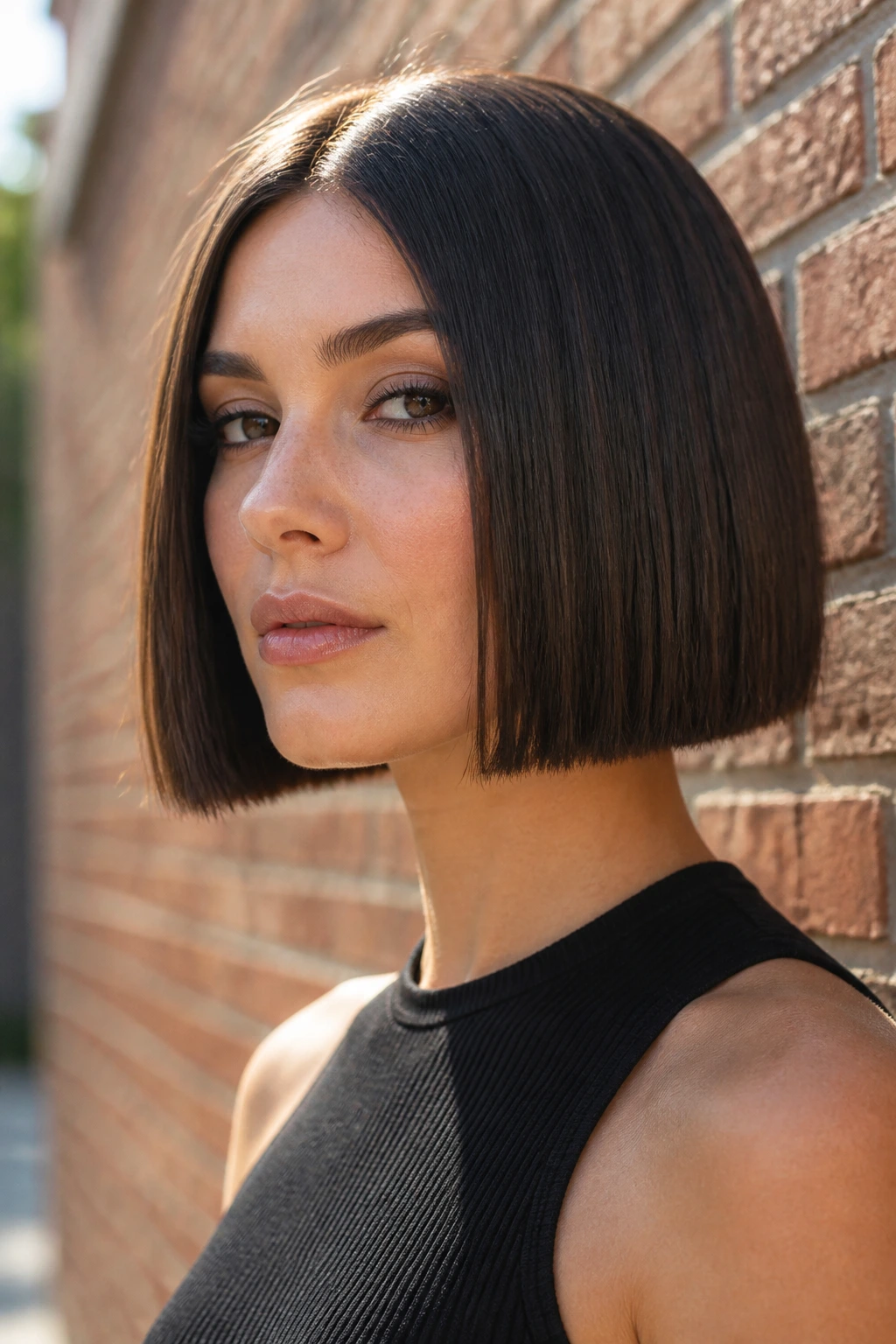
The box bob is the ultimate sharp, geometric cut. It’s usually cut to a single length with very sharp, defined edges. It is, quite simply, the most “solid” haircut you can get. For fine hair, this is the gold standard of making the hair appear thicker because it refuses to taper.
The Power of Geometry
There is no softening here. Every line is sharp, square, and intentional. This look works because the lack of layers and thinning creates a heavy bottom-line that mimics density. It’s a clean, high-fashion look that says you have full control over your hair.
Final Styling Advice
- Use a smoothing balm to keep the hair looking neat and tidy.
- A paddle brush is your best friend here to ensure the ends stay perfectly aligned.
- When you walk into the salon, ask for “zero texturizing”—you want the ends to be as heavy and blunt as possible.
Final Thoughts
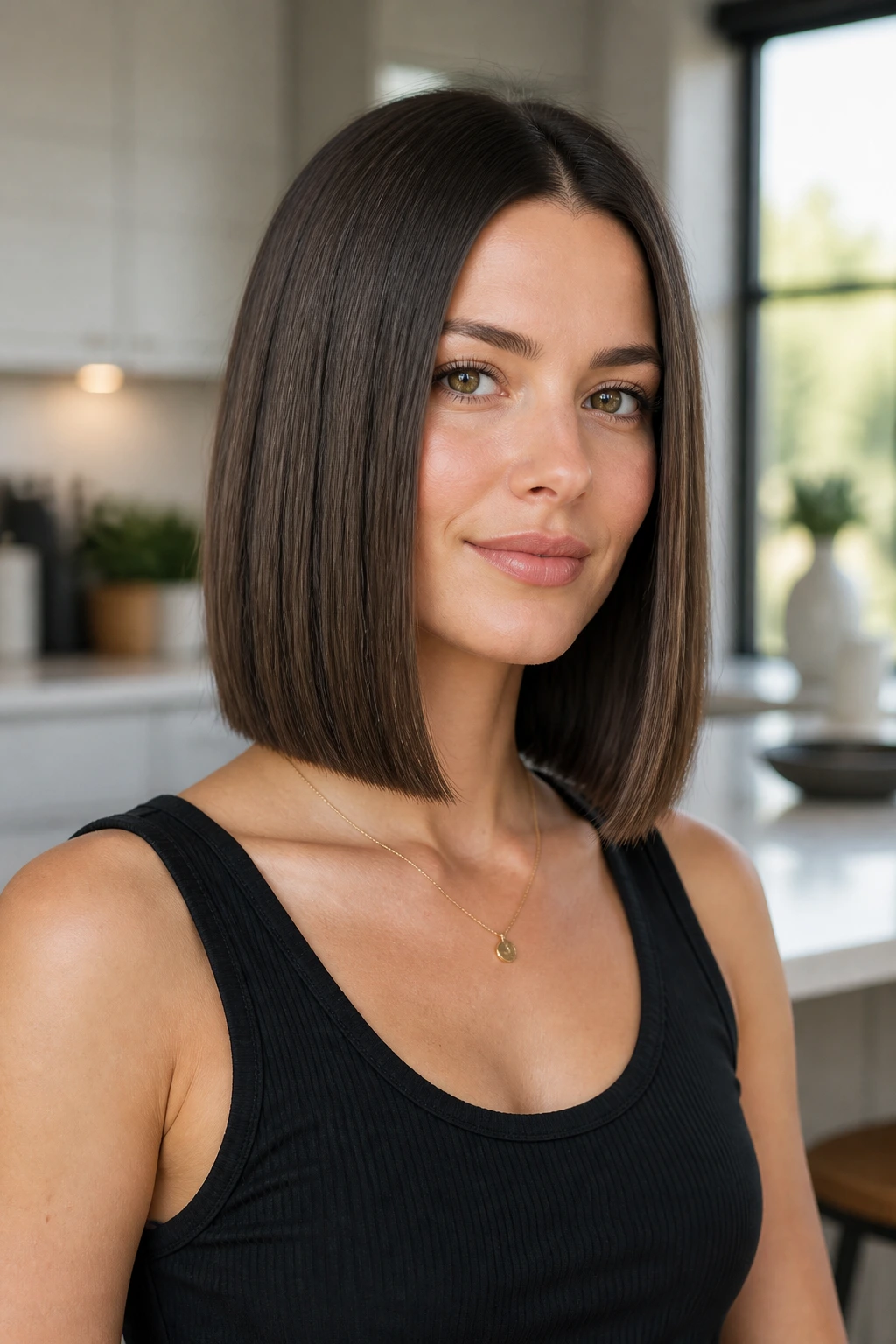
Finding the right bob for fine hair is not about finding the “perfect” trend; it’s about finding the right physics for your specific strands. You are looking for cuts that prioritize blunt lines, intelligent weight distribution, and shapes that naturally build volume. Whether you choose the sharp geometry of a box bob or the effortless cool of a Parisian cut, the goal remains the same: a style that makes you feel confident and looks intentional.
Stop trying to force fine hair to behave like thick hair through products alone. Instead, use your haircut as a tool to engineer the volume you want. Remember, the shorter and blunter the cut, the more “weight” you are adding back into your hair. Be brave with the scissors, keep your perimeter clean, and embrace the polish that a great bob provides.