


The bob is perhaps the most resilient hairstyle in history. It survives every cycle of fashion because it manages to be both a blank slate and a statement piece. When you introduce texture—specifically a natural or styled wave—the rigidity of the traditional, sharp bob vanishes, replaced by movement, volume, and an inherent sense of ease. A wavy bob isn’t just a haircut; it is a way to lean into your hair’s natural personality rather than fighting against it with constant heat styling or heavy product use.
If you have been contemplating a chop, you are likely looking for something that offers the brevity of a short style without the maintenance of a perfectly straight, blunt-cut look. Wavy hair naturally craves a bit of structure, and the right bob provides exactly that, framing the face while allowing your strands to breathe. Whether your hair is fine and tends to fall flat or coarse and prone to puffing up, there is a version of this cut that will work in your favor.
The key to a successful transition to a shorter length is understanding how your specific wave pattern reacts to the removal of weight. Longer hair often weighs itself down, stretching out natural bends into a frizzy, undefined mess. By cutting to the chin or the collarbone, you are liberating those curls and waves. Let’s look at the specific ways you can tailor a wavy bob to your hair type, your face shape, and the amount of styling time you actually have in your morning routine.
1. The Classic French Girl Wavy Bob
This style is synonymous with effortless, undone chic. It usually sits right at the chin or just below, featuring a blunt perimeter that gives the hair enough weight to prevent it from looking like a frizz-bomb. The defining characteristic here is the texture, which should look like you just woke up and shook your head.
Why This Style Works
Because the cut is relatively blunt, it provides a solid foundation for the waves to sit on. If the hair were overly layered, the shorter pieces might puff outward, creating a triangular silhouette. By keeping the length concentrated at the bottom, the waves have somewhere to land, resulting in a soft, rounded shape that looks intentional and polished.
How to Achieve the Look
- Use a salt spray on damp hair to encourage natural clumping of your waves.
- Air dry or use a diffuser attachment on low heat to preserve the natural bend.
- Finish with a tiny amount of texture paste worked into the ends to add definition without making the hair crunchy.
Pro tip: Do not brush your hair once it is dry. If you need to fix a piece, use your fingers to twist it back into its natural curl pattern.
2. The Textured Lob with Soft Layers
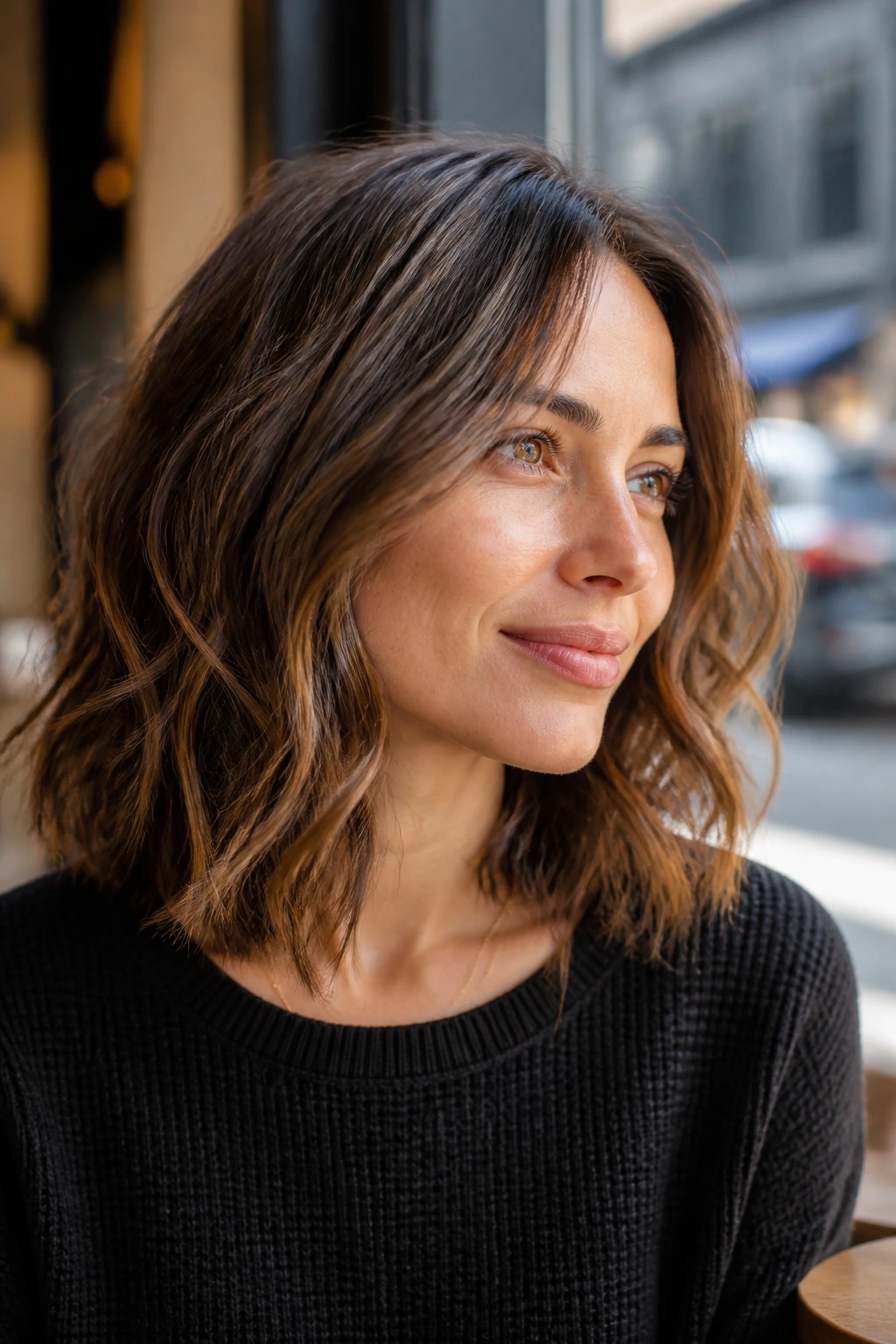
If you are hesitant to go too short, the “long bob” or lob is your entry point. This style typically grazes the collarbone, providing enough length to tie back in a ponytail when you need to, but enough structure to look intentional when worn down. The addition of soft, internal layers prevents the weight of longer hair from pulling your waves straight.
The Science of Internal Weight Removal
Internal layers are different from surface layers. A stylist cuts these into the mid-lengths of your hair to take out bulk without sacrificing the length or the overall shape of the haircut. This allows the waves to layer on top of each other, creating a cascade of texture that looks much fuller than it actually is. It is a fantastic option for someone with fine but dense hair who struggles with a “heavy” feeling at the base of their neck.
Recommended Daily Maintenance
- Invest in a lightweight mousse that doesn’t leave a residue.
- Apply the product while your hair is still very wet to seal in the moisture.
- Use a wide-tooth comb only in the shower while you have conditioner in your hair; avoid brushes afterward.
3. The A-Line Wavy Bob
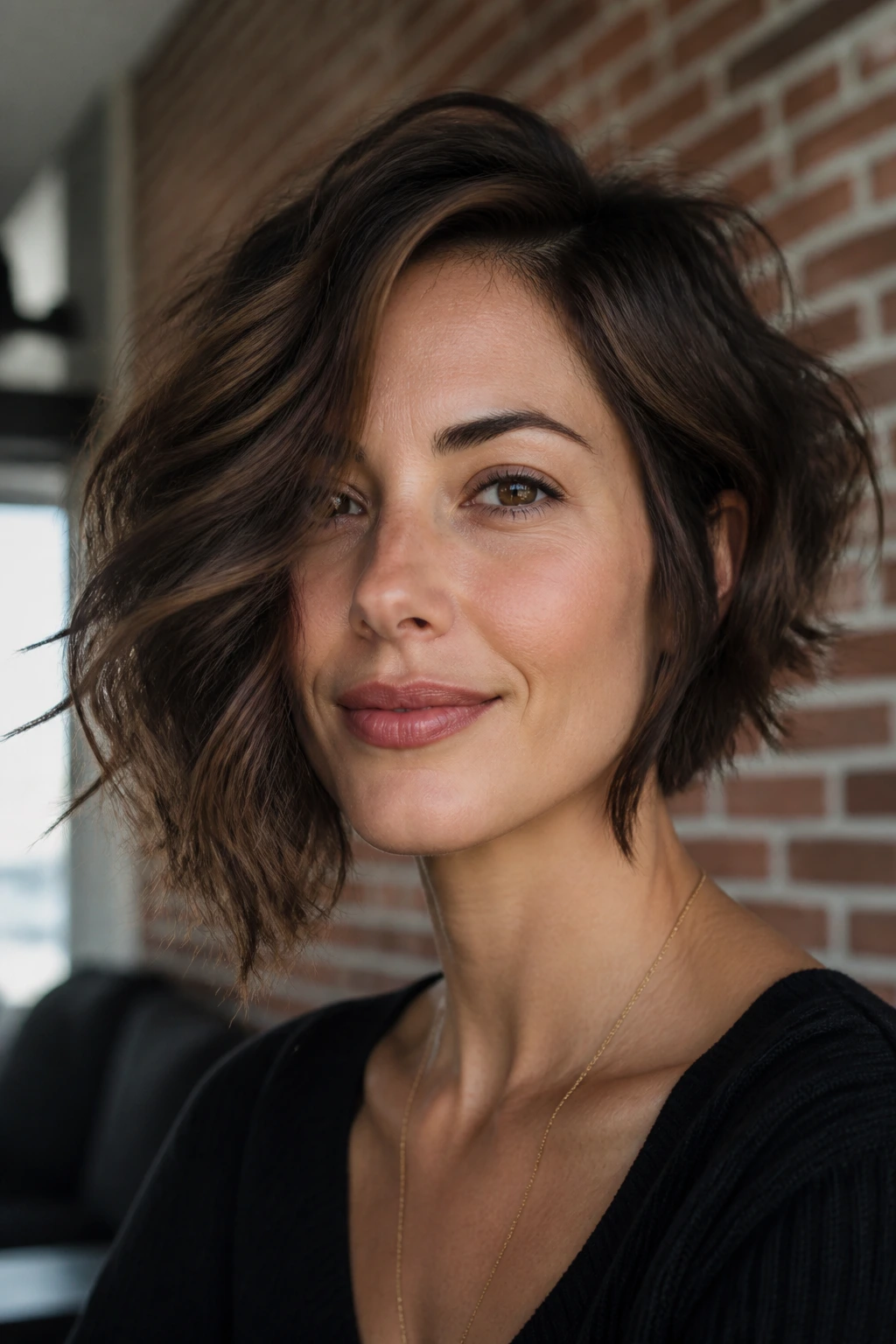
The A-line is a masterclass in geometry. The hair is shorter in the back and gradually gets longer toward the front, framing the jawline. For someone with a rounder face, this can be incredibly flattering because the longer front pieces draw the eye downward, creating the illusion of a more elongated face shape.
Why It Flatters Most Faces
The sharp angle of the A-line acts as a frame. When you add waves to this cut, the sharp geometry softens, making it look much more modern and less “stiff.” The graduation in the back also forces the hair to stack, providing built-in volume at the crown, which is often exactly what people with thin hair are searching for.
Styling for the Best Effect
- Use a round brush only at the very top of the crown to create volume.
- Let the front sections dry naturally to allow the waves to frame your face correctly.
- Apply a light-hold styling cream to the tips of the front pieces to keep them from flipping out awkwardly throughout the day.
4. The Blunt Cut Bob with Curtain Bangs
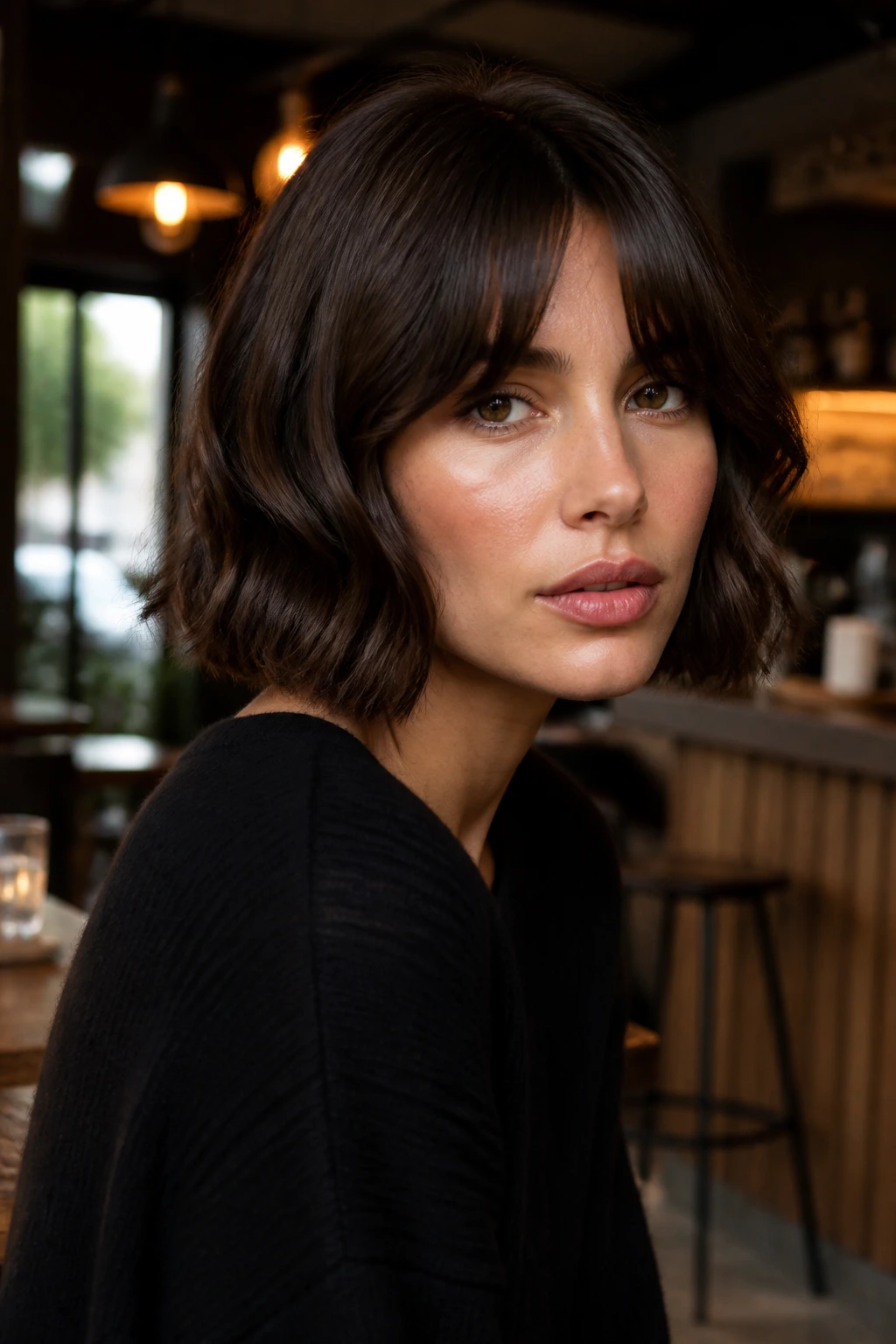
Pairing a blunt, wavy bob with curtain bangs is a trend that shows no signs of slowing down, and for good reason. It is incredibly wearable. The bangs bridge the gap between the face and the bob, creating a cohesive look that feels styled even if you did nothing but let it air dry.
The Bang Factor
Curtain bangs are inherently soft. Because they are meant to be parted in the middle or off-center and swept to the sides, they don’t require the daily commitment of a full, straight-across fringe. When they are wavy, they blend seamlessly into the rest of the bob, adding movement exactly where most people lack it—right around the temples.
How to Prep the Bangs
- Use a small amount of root-lifting spray at the base of the bangs.
- Blow-dry the bangs away from your face for a few seconds to set the volume.
- Let them finish air-drying in place.
Observation: Many people avoid bangs because they fear the “triangle” shape. With a wavy texture, that concern is largely negated because the waves themselves break up the solid line of the hair.
5. The Shaggy Wavy Bob

The shag has moved from a long, rock-and-roll hairstyle to a short, manageable, and incredibly cool version for the bob enthusiast. This cut is all about maximum texture. It involves razor-cutting or point-cutting to create uneven, choppy ends that look perfectly imperfect.
The Difference Between Shag and Layering
While a layered bob aims for a polished, graduated look, the shaggy bob embraces chaos. It features shorter layers around the crown, which creates a messy, voluminous silhouette. This is the ultimate “low-maintenance” cut because it is designed to look better the messier it gets.
Who Should Avoid This Cut
If your hair is extremely fine and prone to breaking, the aggressive cutting techniques used to create a shag might leave your ends looking thin. Talk to your stylist about using shears rather than a razor if you are worried about the health of your ends.
6. The Deep Side-Part Wavy Bob
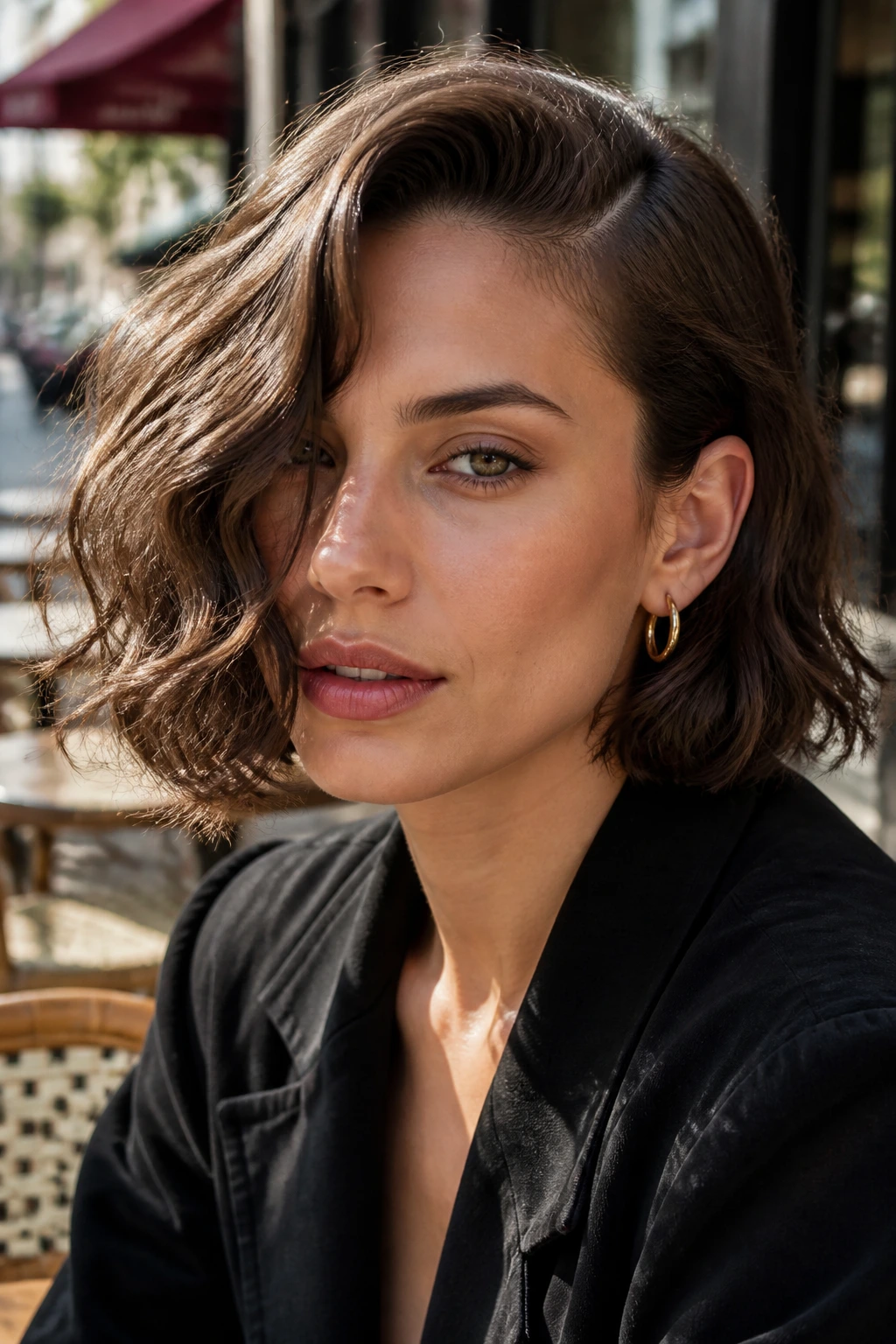
Sometimes, the cut isn’t the only thing that changes the look; it is the partition. Moving your part from the center to a deep side-part immediately transforms a standard wavy bob into something glamorous and red-carpet ready. It creates a sweeping effect that adds an instant lift to one side of the face.
Why It Works for Volume
A deep side-part forces hair from one side of the head to the other, creating a high, sweeping arc of volume at the roots. If your hair is on the finer side, this is a secret weapon for achieving that “big hair” look without backcombing until you damage your cuticle.
Maintaining the Side Part
- Flip your hair to the opposite side while it is damp, then let it dry naturally.
- When you flip it back to your preferred side once it’s dry, you will have significantly more height at the root.
7. The Stacked Wavy Bob
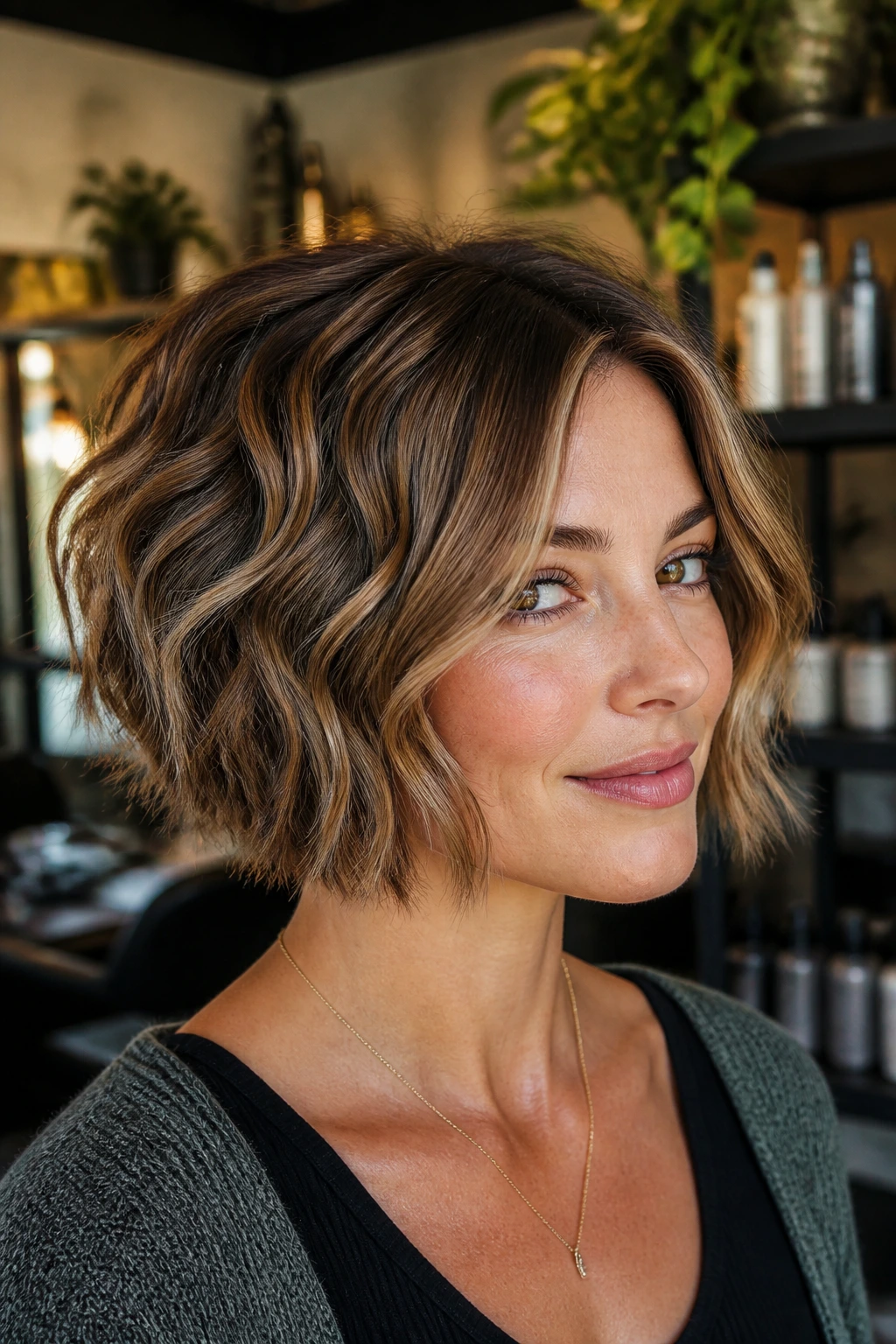
This is the cousin to the A-line, but with more emphasis on the back. Short, graduated layers are “stacked” at the nape of the neck to create a rounded, voluminous shape. When you add waves to a stacked bob, it looks incredibly sophisticated and mature.
The Role of Texture in Stacking
Without waves, a stacked bob can sometimes look a bit dated—very 2005. Adding texture, however, brings it into the present. The waves soften the stacked lines in the back, making the transition from the nape to the crown look organic rather than mechanical.
Daily Care for the Nape
- Use a tiny amount of smoothing cream at the nape of the neck to keep those short hairs from frizzing out in humidity.
- A flat iron can be used on the very bottom layer if it tends to stick out in the wrong direction, but keep the rest of your hair in its natural wavy state.
8. The Curly-Wavy Bob with Graduated Layers
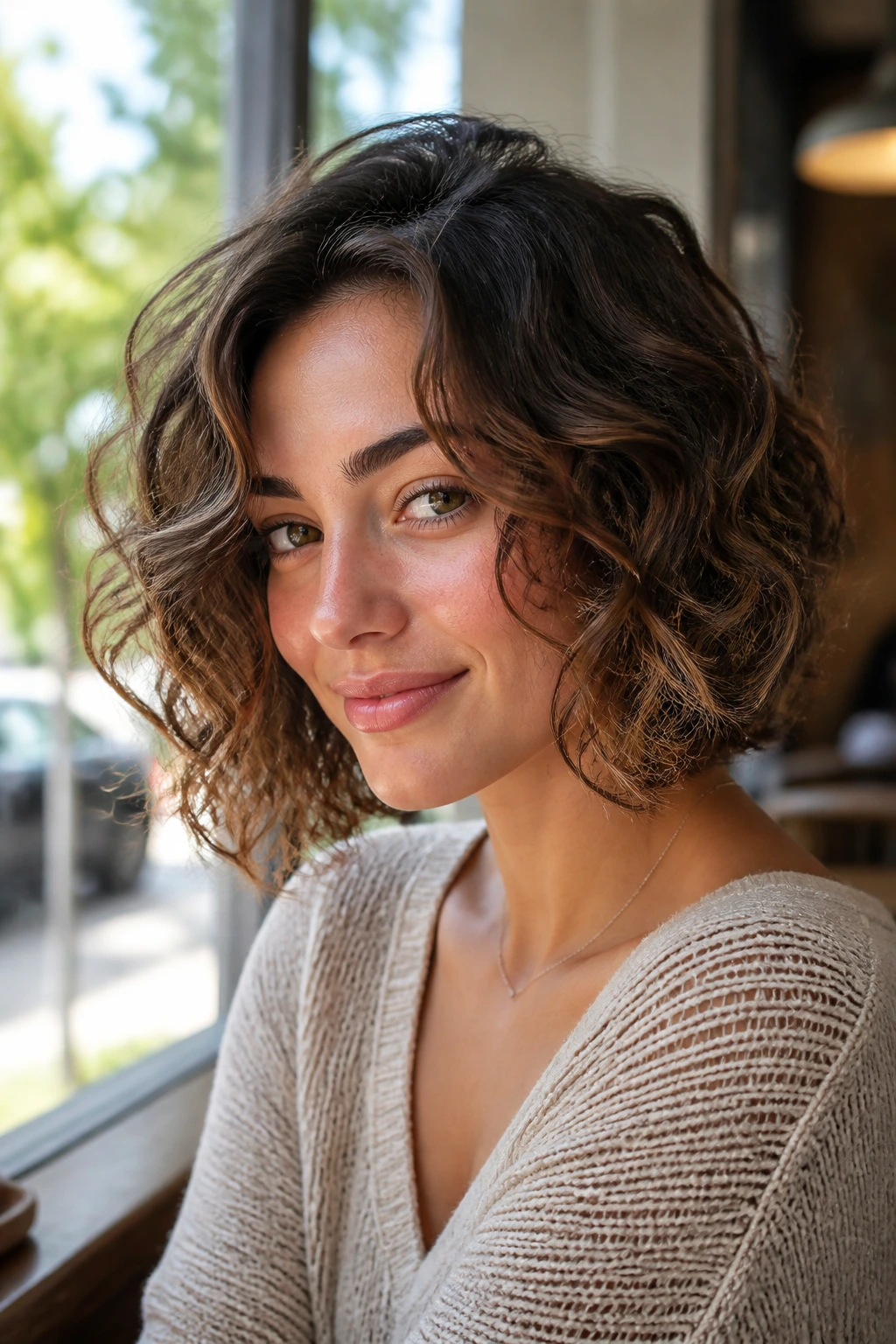
If your hair sits between a wave and a curl, graduated layers are essential. These layers increase in length as they move toward the face. This prevents the hair from poofing outward at the chin and instead allows it to fall in a soft, downward arc.
Identifying Your Pattern
- Determine if your hair is a 2A (loose wave) or a 3A (defined curl).
- 2A patterns need more lightweight products; 3A patterns need heavier, moisturizing creams.
- Choose your layer length based on this: shorter layers help tighter patterns; longer layers help looser ones.
The Importance of Moisture
Wavy hair is naturally drier than straight hair because the oils from the scalp have a harder time traveling down the twists and turns of the hair shaft. Use a leave-in conditioner as a primer before applying any styling mousse or gel.
9. The Messy Beach-Wave Bob
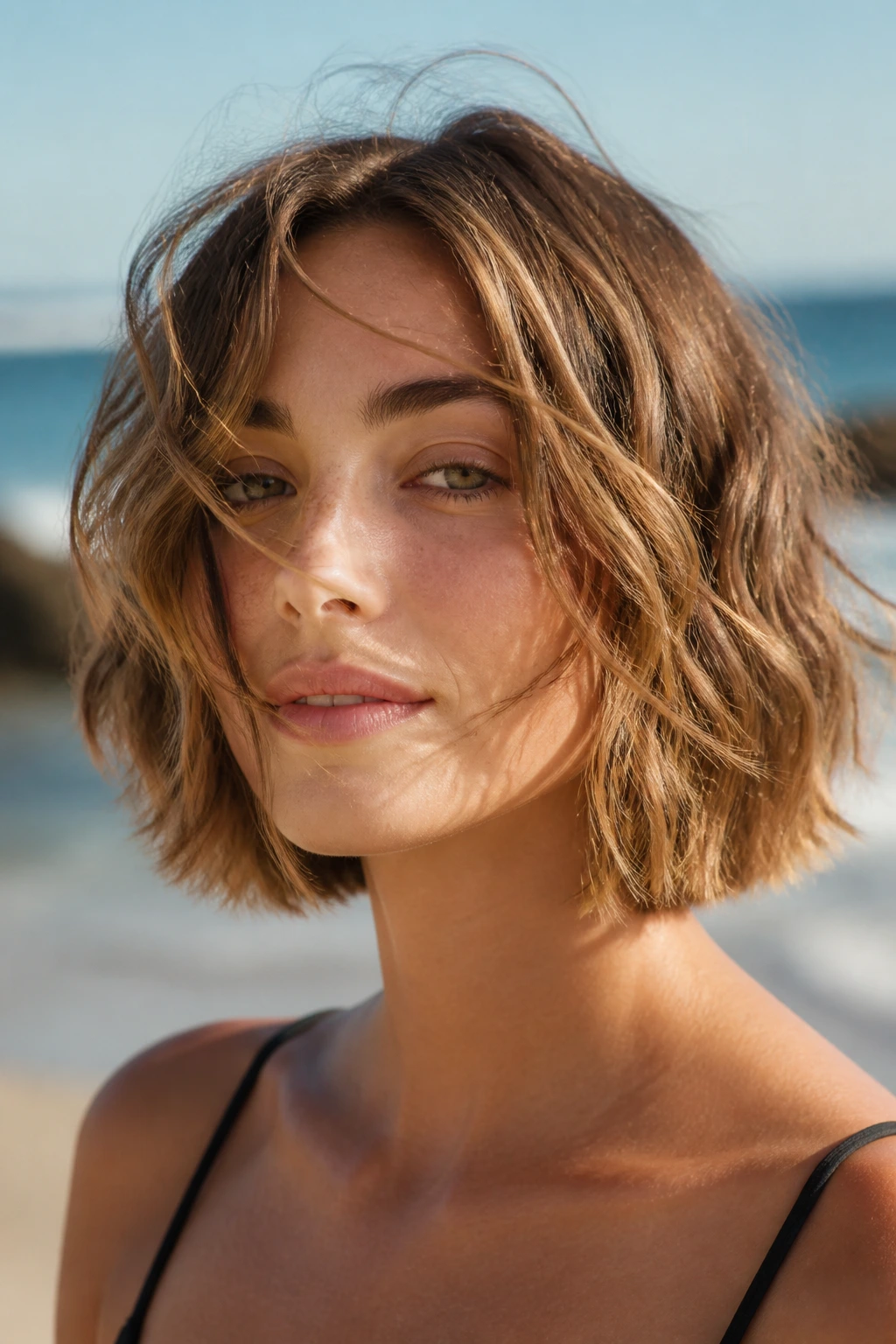
This is the quintessential summer look, but it works throughout the year. It is characterized by loose, irregular waves that look like you have spent the day by the ocean. The cut is usually blunt and sits around the jawline, allowing for maximum movement.
Why This Style Persists
The beach-wave look is popular because it doesn’t require a salon visit for upkeep—well, almost. You still need the cut, but the styling is entirely hands-off. It’s an attitude as much as it is a haircut.
Achieving the Beachy Look
- Skip the hot tools.
- Braid your damp hair into two loose plaits and let them dry completely before taking them out.
- Gently shake the hair out with your fingers—do not run a comb through it.
10. The Pastel-Colored Wavy Bob
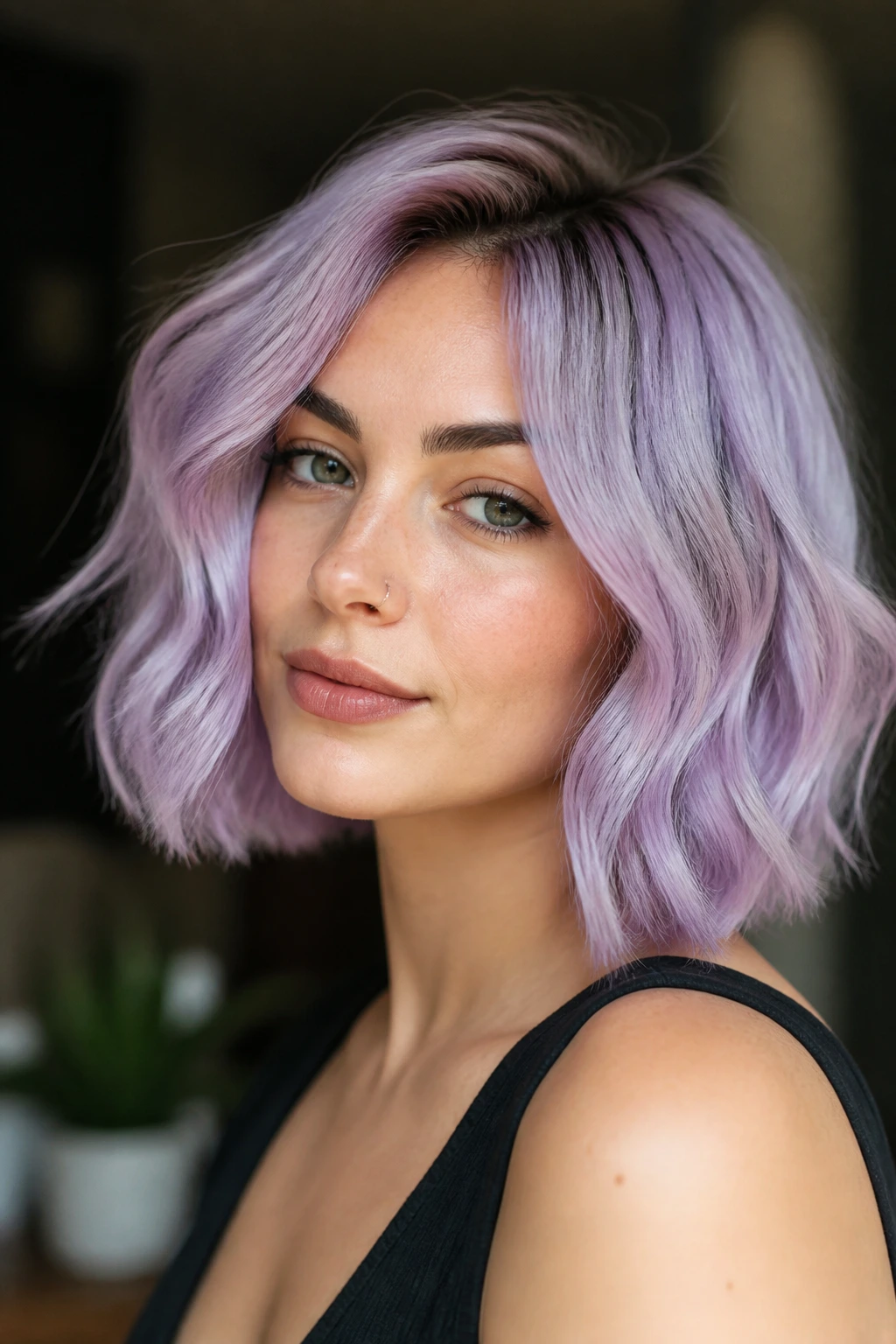
When you cut your hair shorter, you have more freedom to experiment with color. A bob is the perfect canvas for temporary or semi-permanent pastel shades like lavender, peach, or mint green. Because short hair is healthier (you are trimming it more often), it can handle the bleaching process that lighter colors require.
Assessing Hair Health
- Before committing to a bright or pastel color, ensure your hair is in good condition.
- Consider a conditioning treatment one week prior to any chemical service.
- Use a color-safe, sulfate-free shampoo to preserve the vibrancy of the pigment.
Color and Texture
Pastel colors often make hair look slightly coarser, which can actually be a benefit for people with very fine, limp waves. The texture added by the color helps the waves hold their shape longer.
11. The Wet-Look Wavy Bob
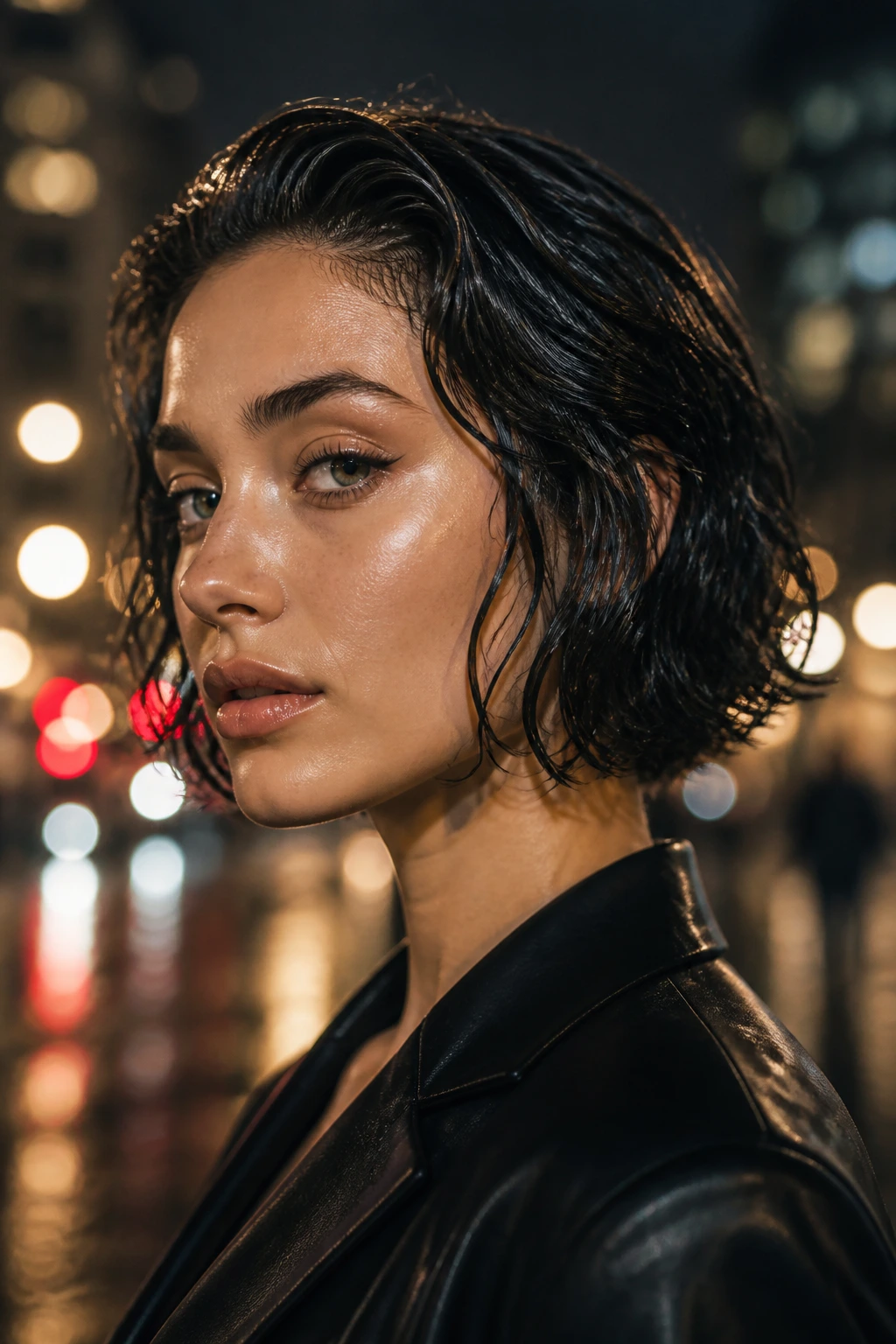
Seen frequently on runways and in high-fashion editorials, the wet-look bob is a bold choice. It involves using generous amounts of high-shine gel or pomade to give the hair a slicked-back, damp appearance while keeping the waves defined.
How to Pull Off the “Wet” Look
- Start with damp hair.
- Work a firm-hold gel from roots to ends.
- Use a wide-tooth comb to distribute the product evenly.
- Let it air dry for a polished finish that doesn’t feel sticky.
Caution: This style can look greasy if you use too much product. Start with a dime-sized amount and add more only if necessary.
12. The Asymmetrical Wavy Bob
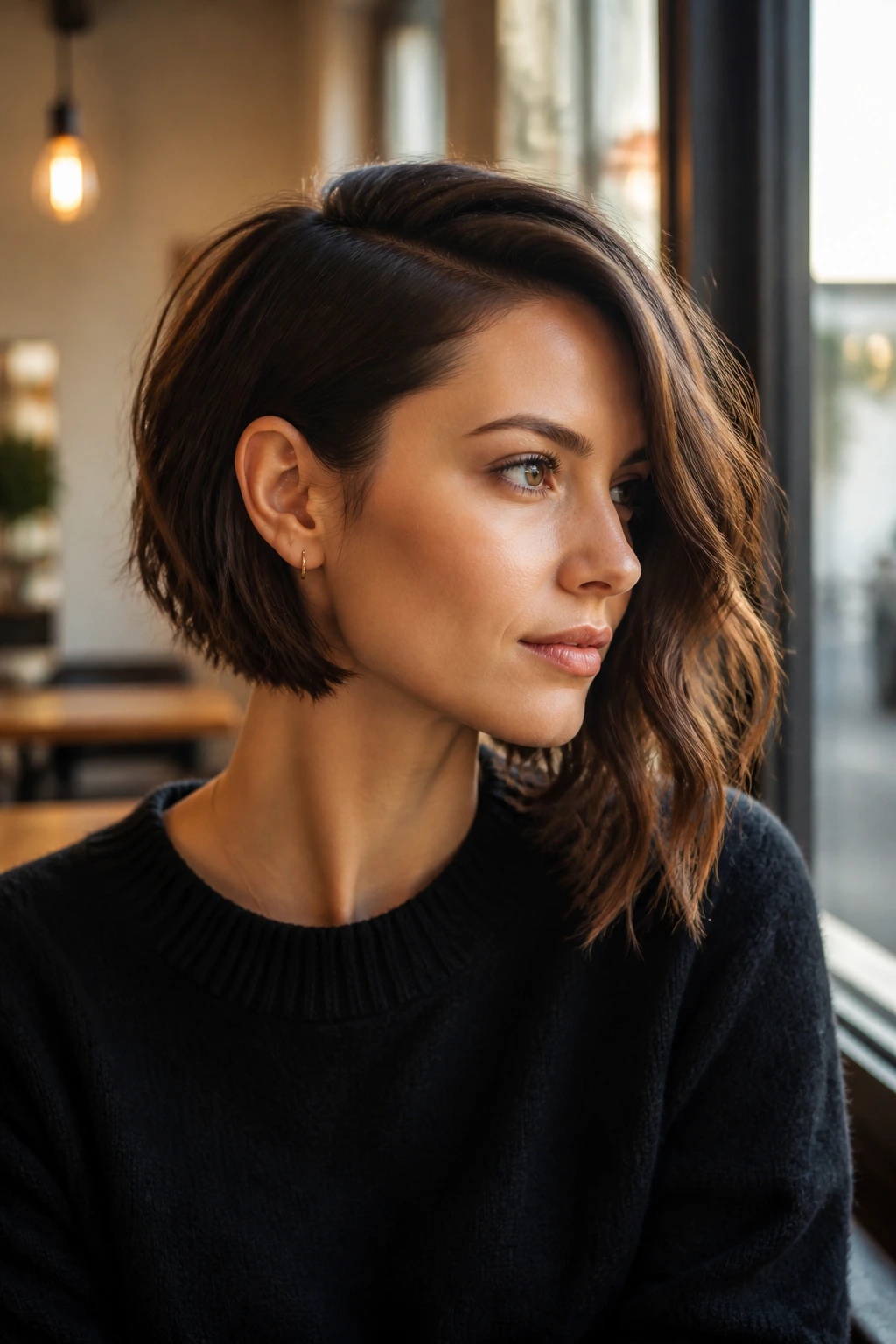
For those who want a bit of an edge, an asymmetrical bob is a fantastic option. One side is cut significantly shorter than the other—sometimes even tucked behind the ear—while the other side grazes the collarbone. It is a striking, modern look that commands attention.
Balancing the Asymmetry
- Keep the longer side wavy and the shorter side slightly more defined.
- Use a bobby pin on the shorter side to secure the hair behind your ear if you want to emphasize the asymmetry.
- This cut works well with a center part or an extreme side part.
Versatility
This style is surprisingly versatile. It can be worn sleek and straight for a business setting, or wavy and tousled for an evening out. The haircut provides the structural interest; the styling provides the vibe.
13. The Wavy Bob with Micro-Bangs
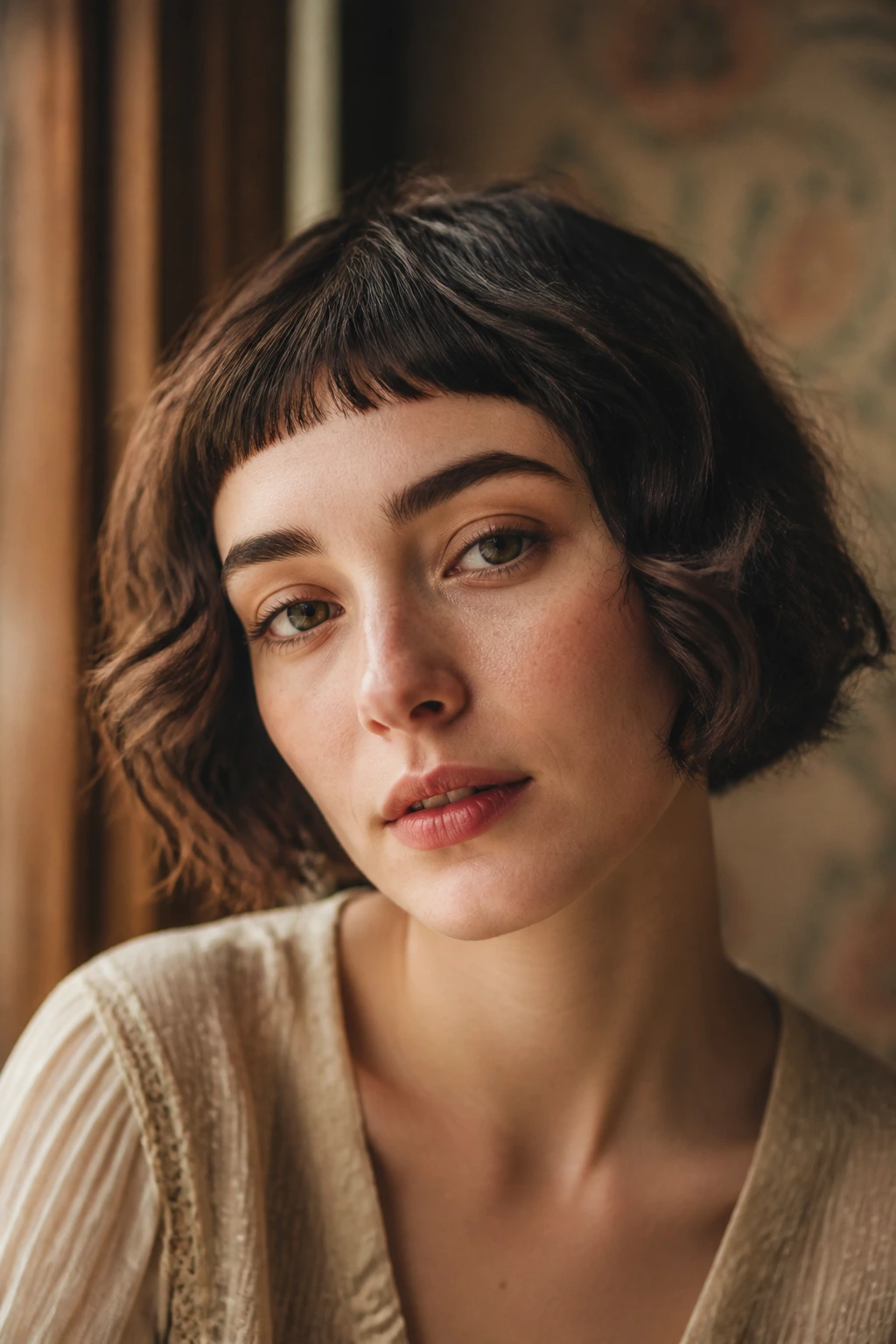
Micro-bangs are a polarizing trend, but when paired with a wavy bob, they create a vintage, 1920s-inspired look that feels incredibly artistic. The juxtaposition of the short, straight-cut bangs and the soft, organic waves of the bob is visually compelling.
Why Micro-Bangs Work Here
Micro-bangs draw attention directly to the eyebrows and eyes. If you have a strong brow game, this is a brilliant way to showcase it. Because the bob is wavy and soft, it balances the sharpness of the short bangs, preventing the overall look from feeling too severe.
Styling the Fringe
- Use a tiny flat iron on the bangs only if you want them to be poker-straight.
- Let the rest of the hair remain naturally wavy.
- Apply a tiny drop of lightweight oil to the bangs to keep them from splitting.
14. The “Long-on-Top” Wavy Bob
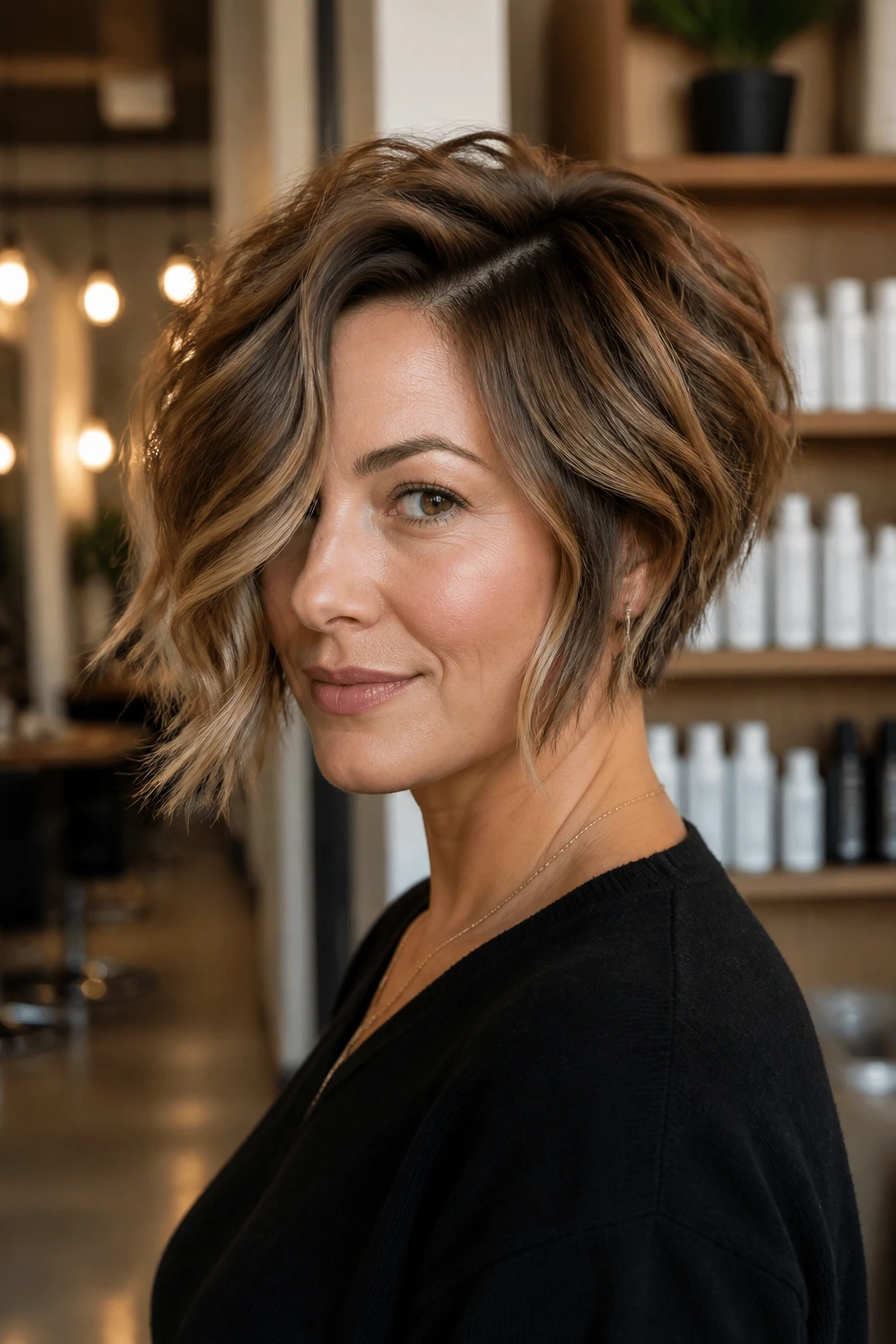
This style features shorter layers at the back and crown, but keeps the hair around the face quite long. It is almost a hybrid between a pixie cut and a bob. It creates incredible volume at the top, making it a dream for those who feel their hair is always lying flat against their skull.
The Technical Edge
The secret is the graduation at the back. By keeping the hair at the nape short and tight, you force the hair at the crown to stand up and create a rounded shape. It is a technical cut that requires a skilled stylist, but the payoff in volume is worth the hunt for the right professional.
When to Book a Trim
- This cut loses its shape faster than a standard blunt bob.
- Expect to see your stylist every 6 to 8 weeks to keep the back tight and the front length intentional.
15. The Minimalist Blunt Bob
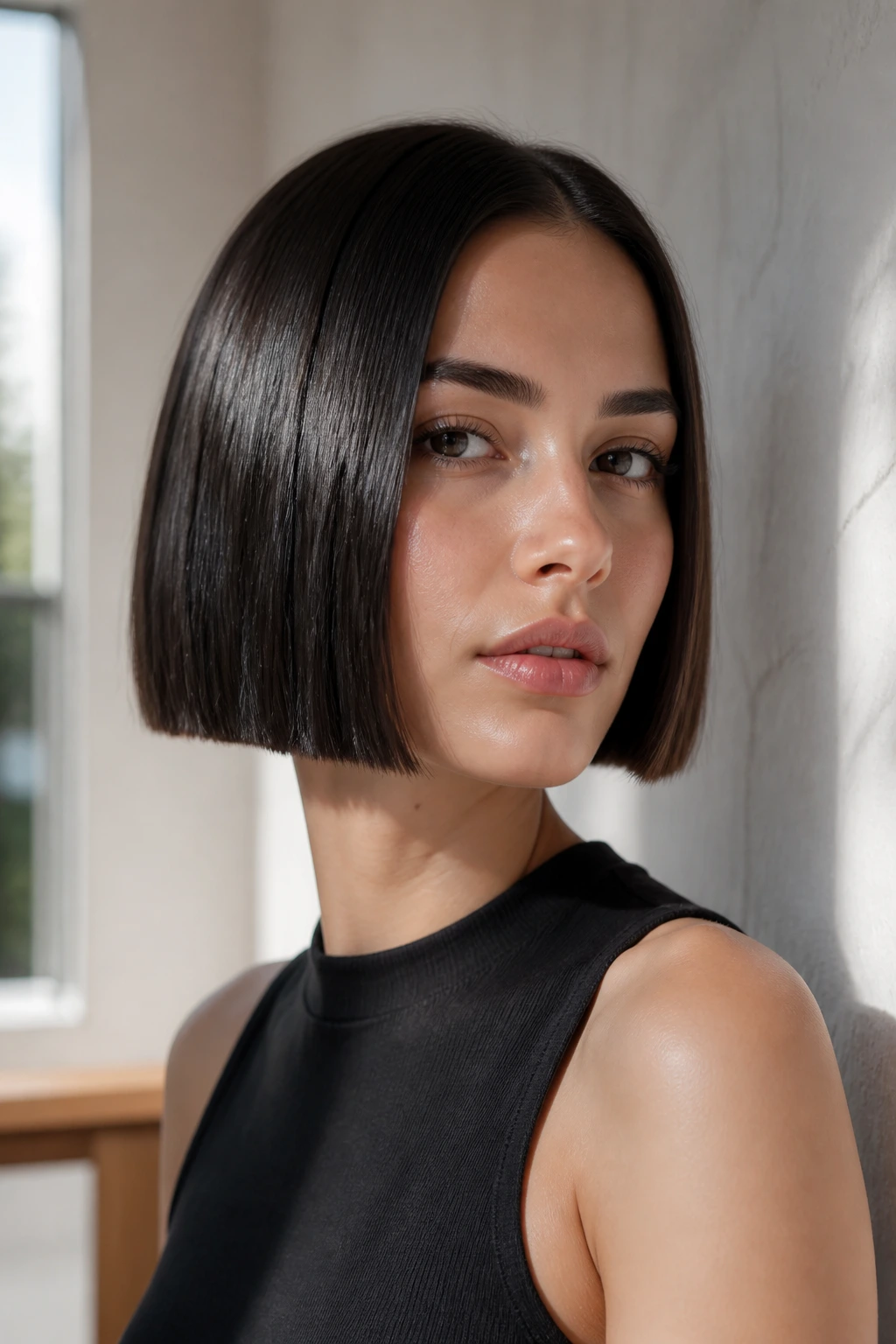
If you prefer clean lines, the minimalist blunt bob is the gold standard. It is a single-length cut with no layers, hitting exactly at the jawline. When you have wavy hair, this style looks effortless and chic, especially if you have a center part.
Why Less Is More
Minimalism is about focusing on the health and shine of the hair rather than the complexity of the cut. Because there are no layers to hide behind, your hair needs to be in good condition. Use a deep-conditioning mask once a week to ensure your waves are hydrated and glossy.
The “Swoop” Technique
- If one side of your bob tends to flip out, blow-dry it under with a round brush for just 30 seconds.
- Let the rest of the hair air dry to maintain that natural wave.
16. The Wavy Bob with Highlights
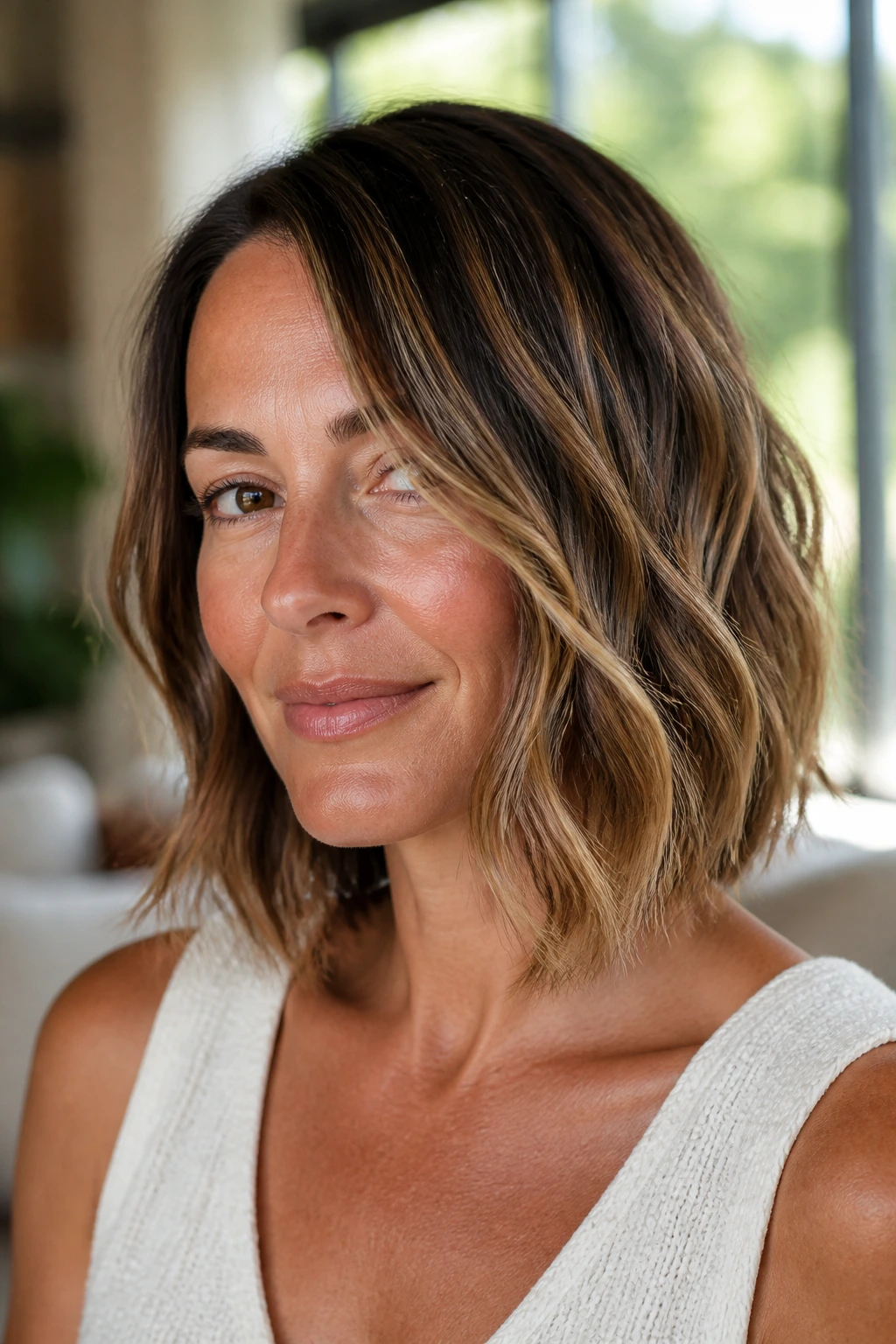
Texture and color go hand in hand. Highlights (specifically balayage or hand-painted highlights) mimic the way the sun lightens hair, which is exactly how you want your waves to look. The dimension of the light and dark tones makes the waves appear deeper and more defined.
Why Highlights Improve Texture
A solid color can sometimes make wavy hair look like a single, flat sheet. By adding highlights, you break up that block of color, which creates a visual “depth” that makes each wave stand out. Even subtle, “bronde” highlights can transform a boring bob into a masterpiece of texture.
Maintaining the Dimension
- Use a violet shampoo once every two weeks if you have blonde or light-brown highlights to prevent brassiness.
- Consult your colorist about “root smudge” techniques, which allow for a more natural grow-out process.
17. The Undercut Wavy Bob
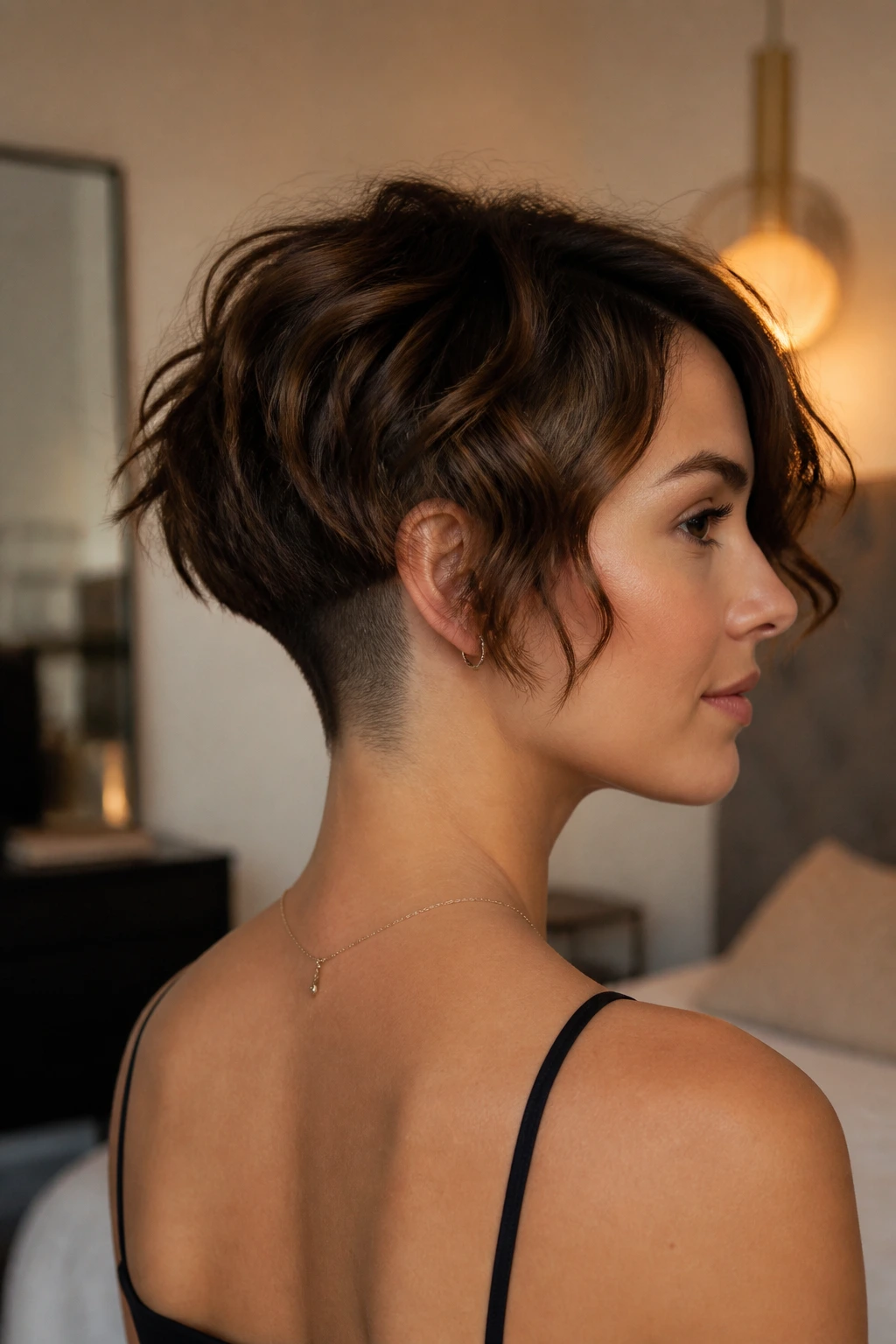
For those who want to lose weight and gain some cool points, an undercut in the back is a secret weapon. The nape area is shaved or buzzed very short, while the hair on top is left longer, typically in a bob shape. When the hair is down, you’d never know it’s there.
The Benefits for Thick Hair
If you have very thick, coarse hair that constantly causes your neck to sweat, an undercut is the ultimate solution. It removes a massive amount of weight, which allows the rest of your wavy hair to sit closer to your head and look less like a mushroom.
The Reveal
- This is a fun, hidden detail. You can pull your hair up into a small top-knot to reveal the undercut if you’re feeling daring.
- It adds a personal, rebellious touch to an otherwise classic hairstyle.
18. The “C-Shape” Layered Bob
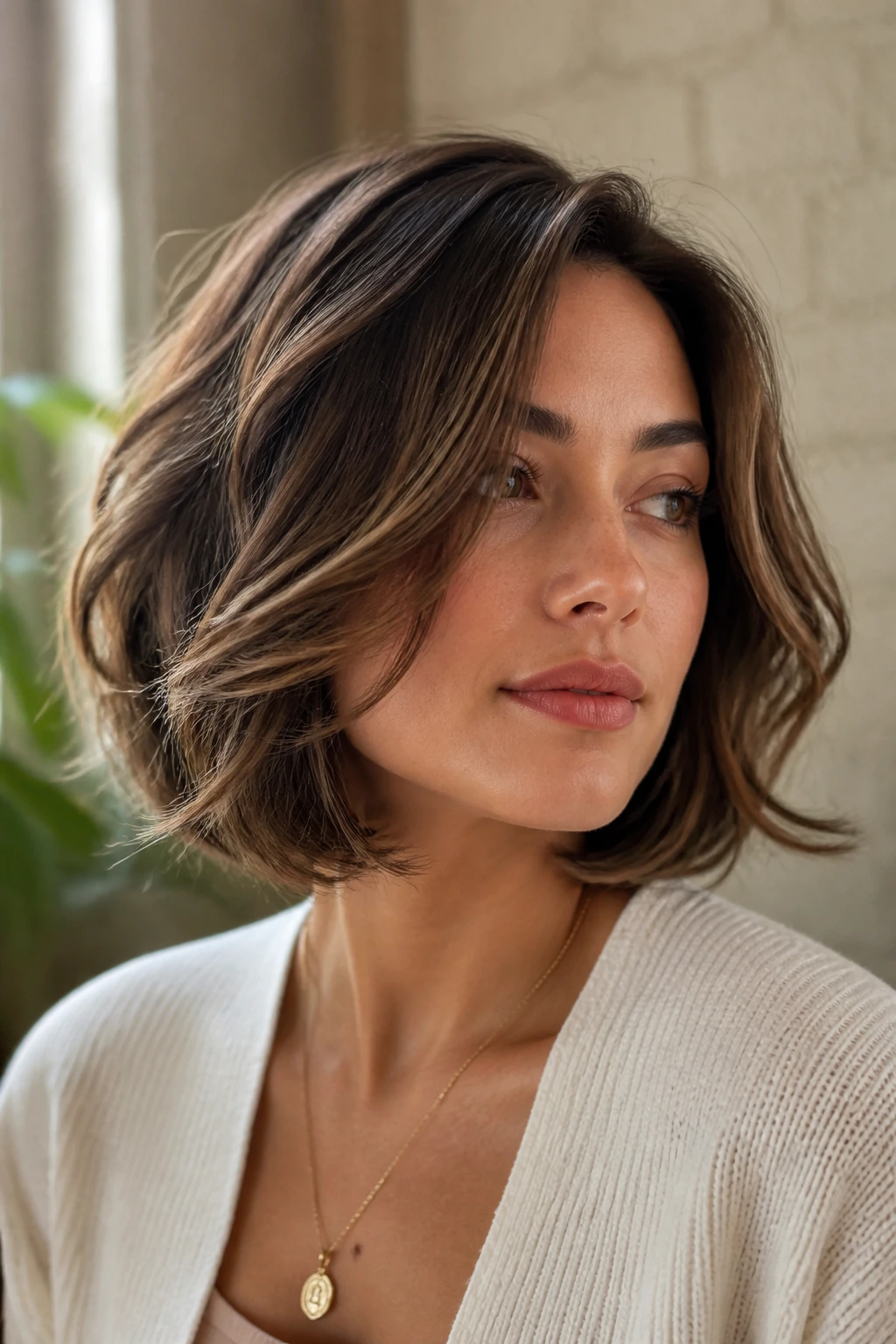
The C-shape refers to the way the layers are cut to curve inward toward the face, like the letter C. This is a brilliant way to control wavy hair that tends to grow “outward” rather than “downward.” It creates a silhouette that is polished and frames the face beautifully.
How It Shapes the Face
- By cutting the layers to curve toward the jawline, you create a natural frame for the face.
- It’s particularly effective for heart-shaped or square faces that benefit from the softening of the jawline.
Why It Works for Waves
Wavy hair often wants to go its own way. The C-shape cut gives it a “roadmap” to follow, encouraging the waves to turn inward, which makes the hair look much more intentional and controlled without requiring heat tools.
19. The Soft-Textured Bob with Side Bangs
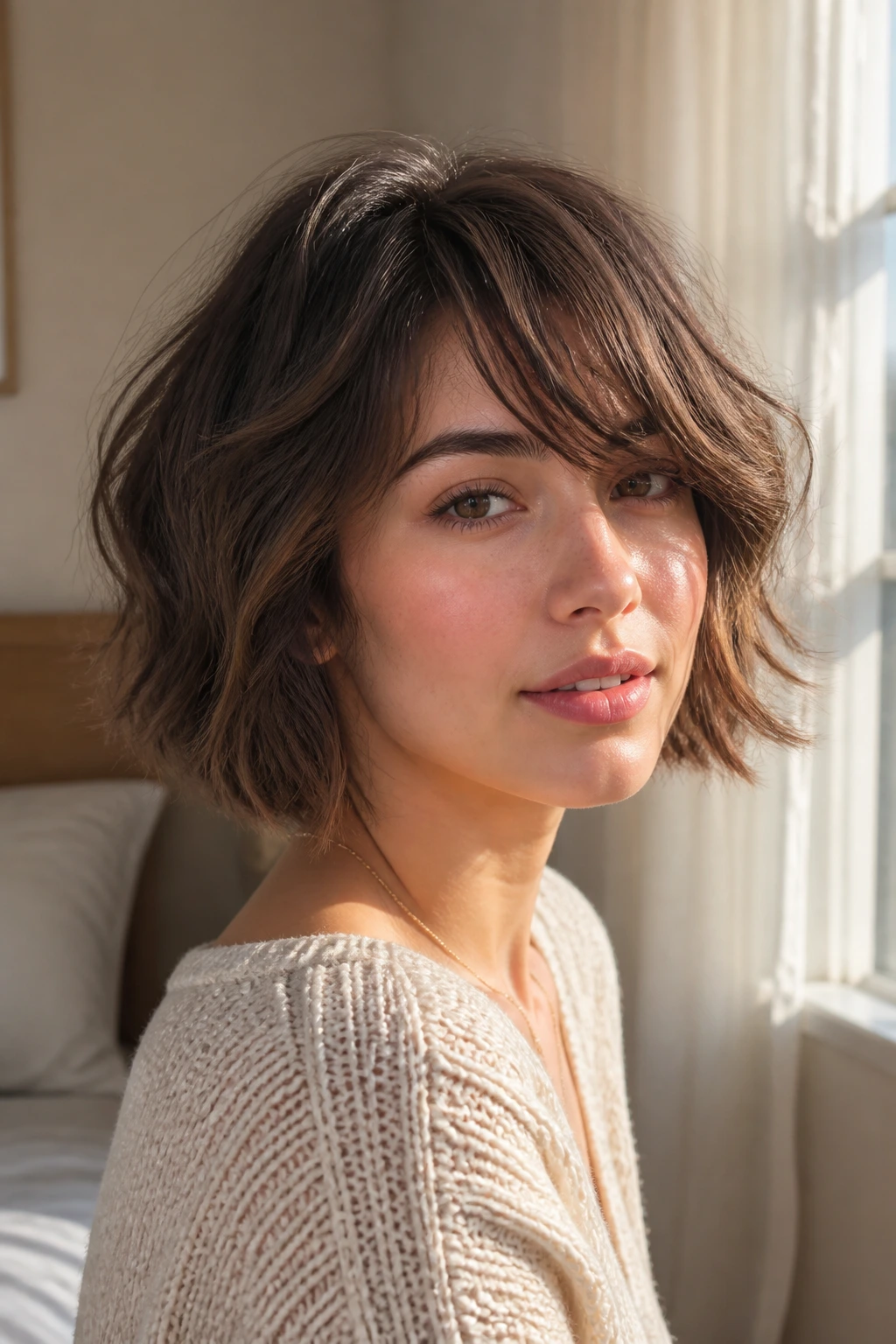
Long, side-swept bangs are a classic for a reason: they are almost universally flattering. When paired with a textured, wavy bob, they create a soft, romantic look. The side bang provides a diagonal line across the face, which breaks up the roundness of the bob.
Choosing the Right Bang Length
- The bang should start near the arch of the eyebrow and sweep toward the cheekbone.
- This creates a soft transition that integrates with the longer, wavy pieces of the bob.
Daily Styling
- Side bangs are the easiest to manage. A quick blast with a dryer while you brush them to the side is all it takes to keep them in place.
20. The Wavy Bob with Blunt Ends

Sometimes the coolest look is the one that says “I just cut my hair with kitchen scissors.” A perfectly blunt cut with a slightly wavy, messy texture is the definition of “cool girl” hair. It lacks pretension and works perfectly for an everyday, low-effort lifestyle.
Why the Bluntness Matters
- Blunt ends look fuller than thinned-out ends.
- If your hair is on the finer side, a blunt cut creates the illusion of thickness at the perimeter.
Styling Tip
- Work a tiny bit of sea salt spray into the hair and then twist large sections as it dries. This creates a few large, defined waves that look purposeful even if they aren’t perfectly symmetrical.
21. The Volume-Packed Wavy Bob
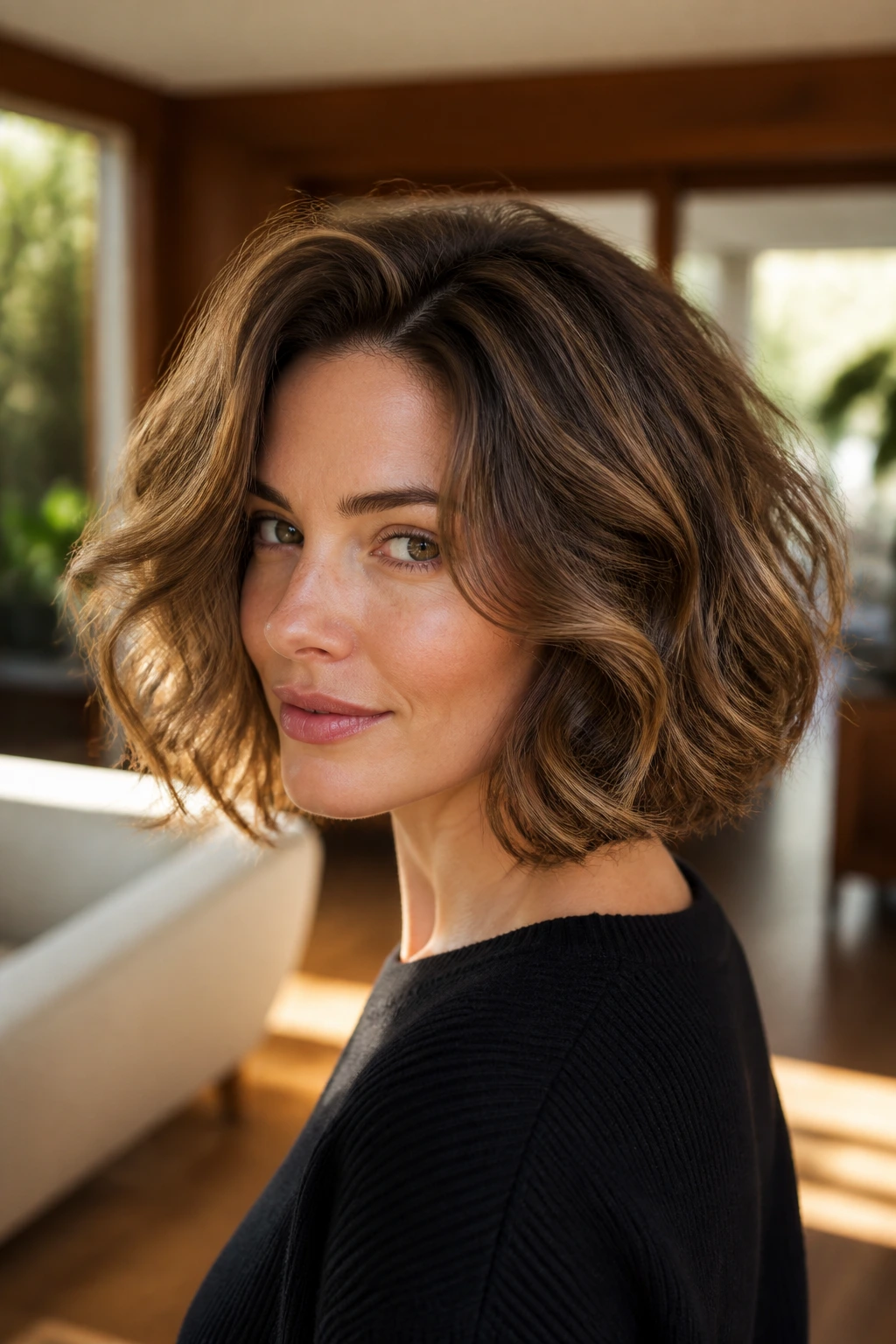
If your hair is fine, flat, and desperate for some life, the volume-packed bob is your best friend. This cut features a mixture of short, choppy layers and a blunt perimeter, which sounds contradictory but creates a beautiful balance. You get the weight at the bottom and the lift at the top.
The Volume Trifecta
- Root lift spray at the scalp.
- Mousse throughout the mid-lengths.
- Texture spray at the very end to seal the look.
The Result
- Your hair will feel airy and light.
- It will hold its shape even in humid weather because the layers prevent the hair from becoming too heavy.
22. The “Bedhead” Wavy Bob
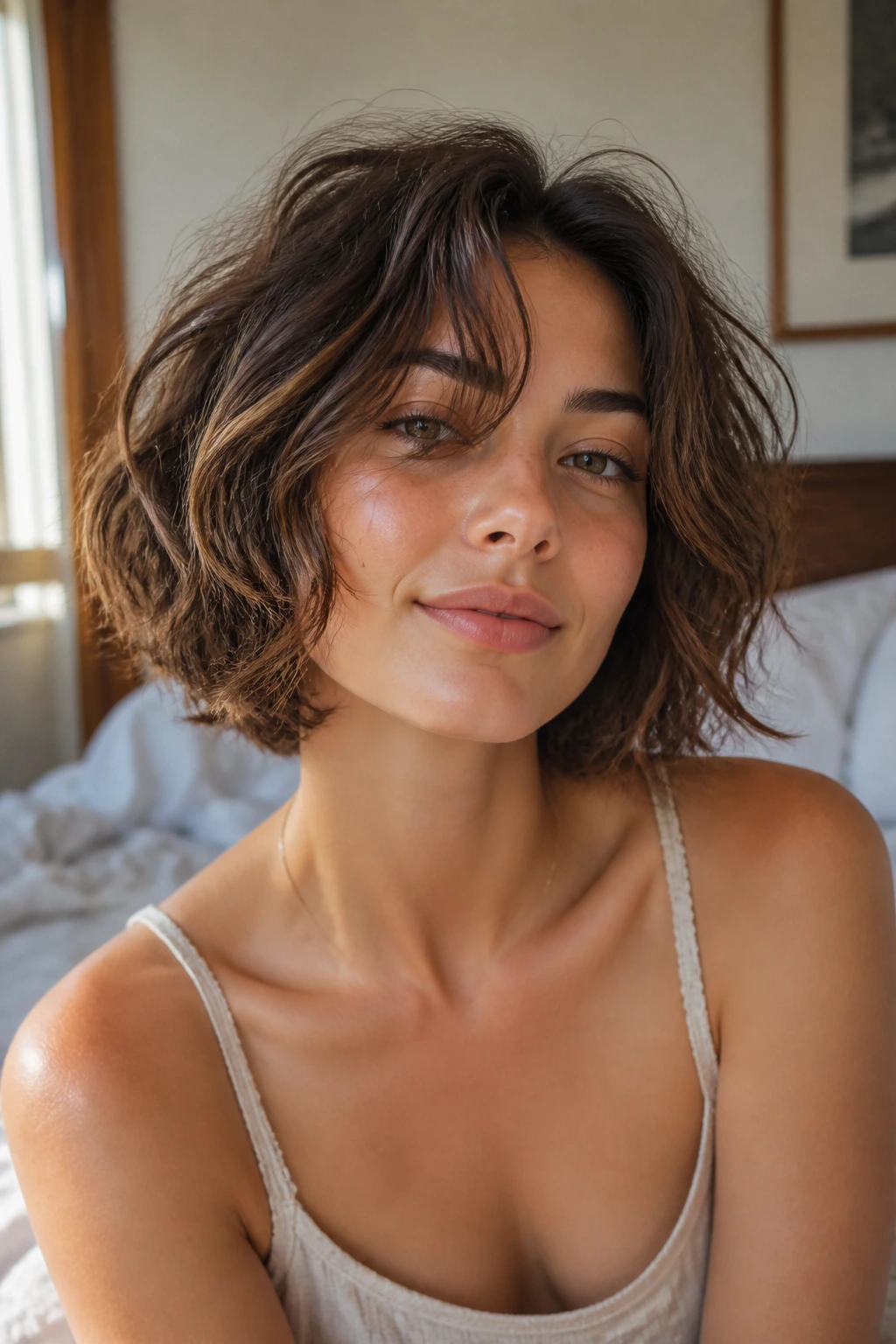
Finally, we come to the bedhead bob—the ultimate goal for many. This cut is all about celebrating the natural texture of your hair. It usually involves a mix of light, invisible layers and a length that sits around the chin. It is the kind of hair that looks best when you’ve been running your fingers through it all day.
Why This Style Succeeds
It takes the pressure off the “perfect” look. Instead of worrying about whether a wave is perfectly placed, you embrace the messy, chaotic energy of it. It’s authentic, fun, and easy.
Final Advice on Styling
- Stop trying to make every hair perfect.
- The beauty of a wavy bob lies in its inconsistencies.
- Allow your hair to have its “bad” days, because those are often the days when it looks the most natural and human.
Final Thoughts

Choosing a wavy bob is about more than just a change in length; it is about reclaiming your hair’s natural texture. When you cut off the dead weight and stop fighting your waves, you allow your hair to perform as it was intended. Don’t get too caught up in the idea of a “perfect” haircut. A great bob is one that fits your lifestyle, not the other way around. Whether you lean toward the clean lines of a blunt cut or the chaotic volume of a shag, remember that the best accessory for any wavy bob is the confidence to wear it exactly as it dries. Take care of your ends, invest in a good sea salt spray, and enjoy the freedom that comes with a shorter, lighter, and more vibrant look.