

Finding the right haircut when your strands feel a bit on the finer side is often a game of smoke and mirrors. You want volume, you want texture, and above all, you want a style that doesn’t look like it’s struggling to stay upright. A tousled bob has become the gold standard for thin hair because it intentionally leans into that slightly undone, messy-on-purpose look. Instead of trying to force thin hair into a sleek, heavy structure that inevitably falls flat by noon, this style uses layers and texture to build an illusion of density. It’s about movement. When hair is cut in a way that encourages a bit of natural wave or bend, it stops clinging to the scalp, which is exactly how you bypass that limp, weighted-down appearance.
The magic of the bob lies in its geometry. By removing the length that drags hair down, you immediately give the roots a chance to breathe and lift. But the “tousled” aspect is where the real work happens. This isn’t just a basic chin-length chop; it’s a strategic arrangement of weight, length, and texturizing techniques designed to make even the finest hair look like it has some serious personality. Whether you are dealing with straight, limp strands or hair that has a mind of its own but lacks thickness, these variations are designed to trick the eye into seeing more volume than there actually is.
Let’s look at how we can manipulate length, layers, and styling products to transform a flat, one-dimensional look into something full of bounce. These styles aren’t about masking your hair type, but rather celebrating the unique way thinner hair holds a shape when it’s given the right nudge.
1. The Blunt-Cut Choppy Bob
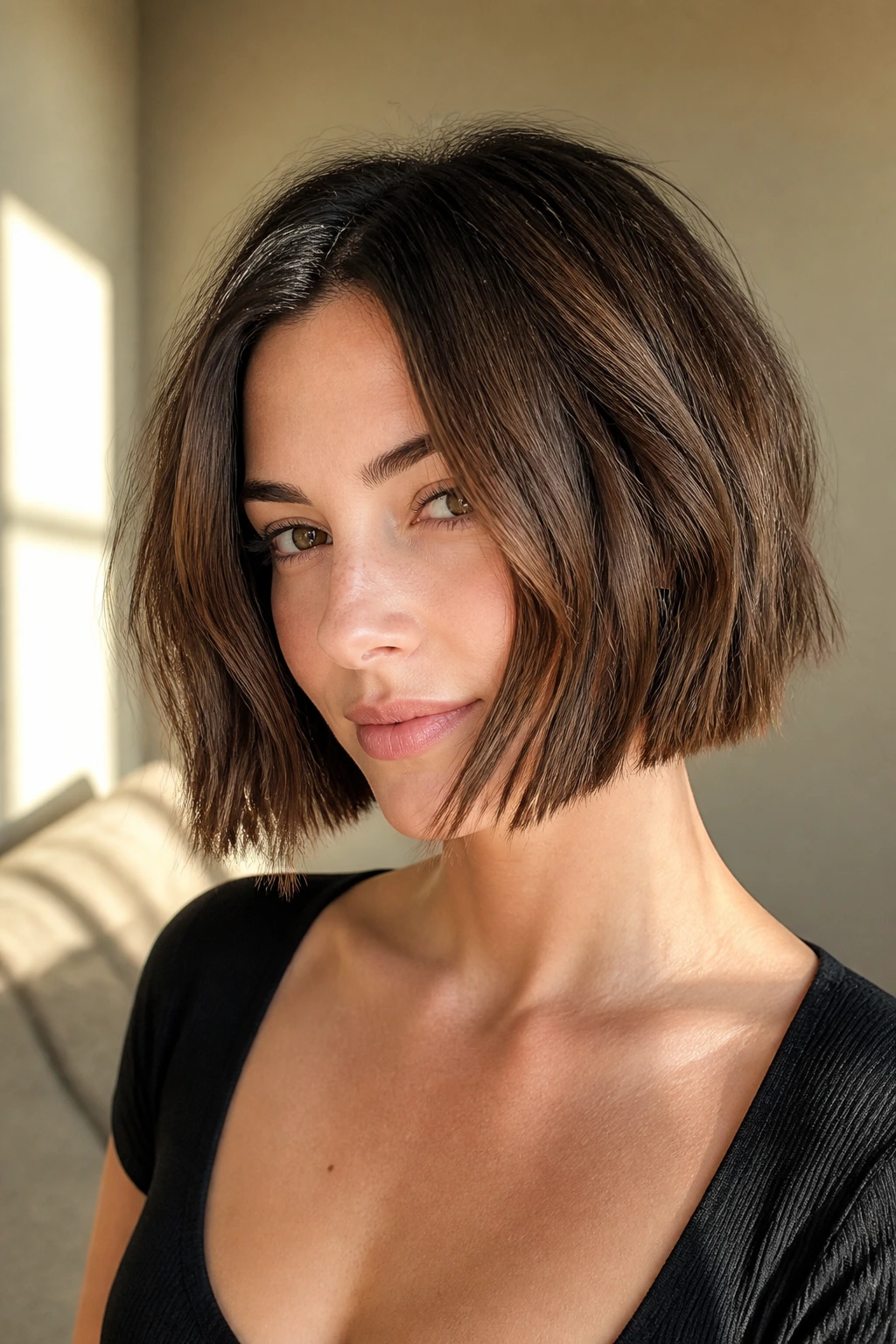
Sometimes the most effective way to add thickness is to embrace a clean, hard line at the bottom. A blunt cut makes the ends look dense because there are no wispy layers taking away from the overall mass of the hair. When you take that blunt foundation and pair it with choppy, invisible layers through the mid-lengths, you get the best of both worlds: a solid, thick-looking base and enough movement to keep it from looking like a helmet.
Why It Works for Thin Hair
The blunt perimeter creates a visual weight that instantly makes thin ends look fuller. By cutting the hair straight across at the jawline, you ensure that every strand is visible, which creates a denser appearance than a heavily layered or razored tip would. The “choppy” part comes in with internal texturizing shears, which remove just enough weight from the middle of the hair shaft to allow for some tousling without thinning out the ends.
Styling for Maximum Impact
- Use a sea salt spray on damp hair to encourage a bit of grit and natural wave.
- Blow-dry using a diffuser, keeping your head upside down to force the roots to lift.
- Finish with a lightweight dry texture spray instead of a heavy wax, which will only drag your hair down and make it look greasy.
2. The Textured A-Line Bob
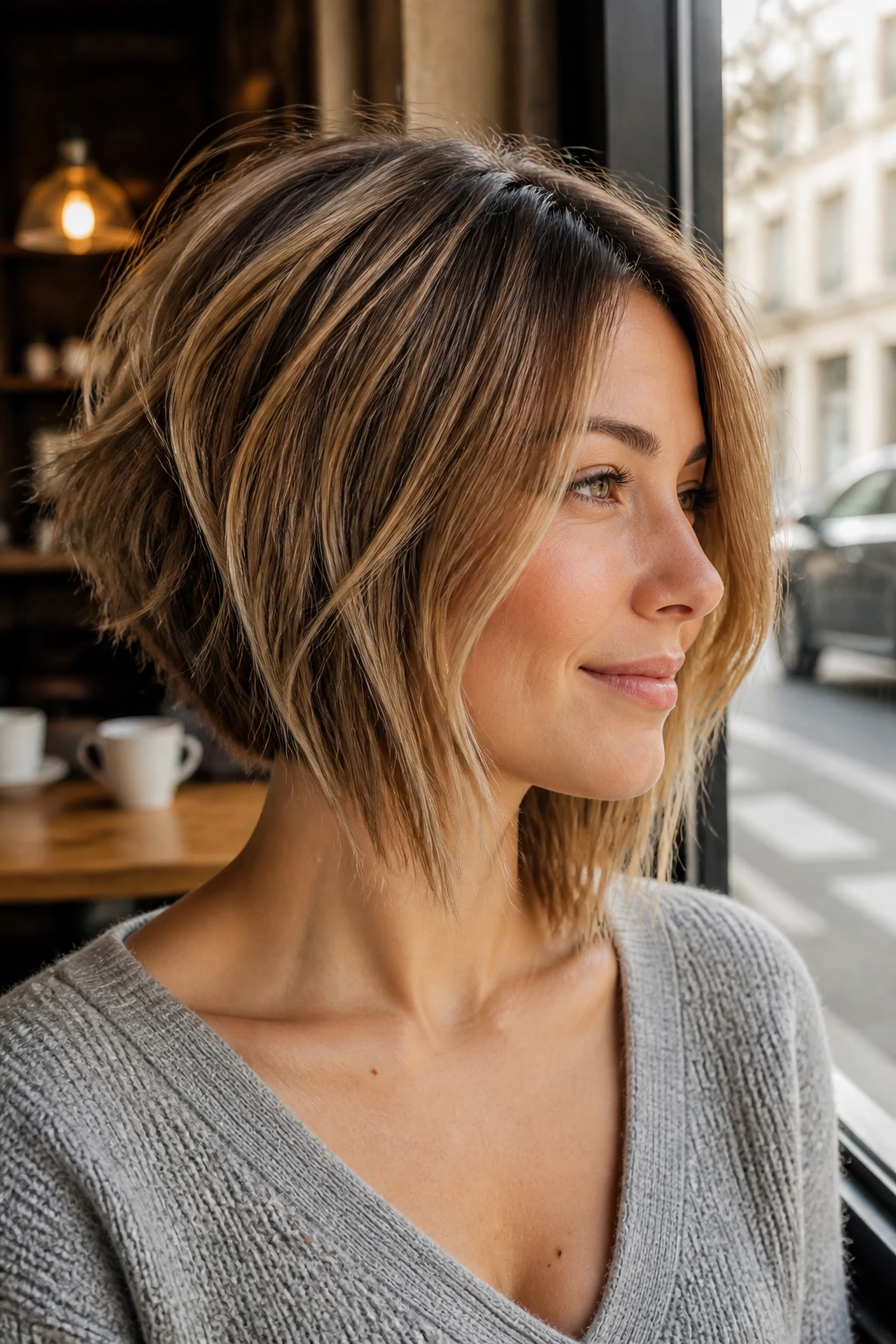
The A-line is a classic for a reason, but when you introduce a heavy dose of texture, it becomes an entirely different beast. By keeping the back slightly shorter and allowing the front to graze the collarbone, you create a beautiful, flattering angle that draws the eye downward while the back stays full and bouncy. It’s an incredibly sophisticated shape that looks like you put a lot of effort into styling it, even if you just rolled out of bed.
Building Volume in the Back
The stacked layers at the nape of the neck are the secret weapon here. By cutting shorter, overlapping layers in the back, you create a natural cushion of hair that sits higher up than the rest of the cut. This prevents that flat, plastered-to-the-head look that so often plagues thin hair in the back.
Recommended Daily Routine
- Apply a root-lifting mousse while your hair is still quite wet.
- Use a round brush while blow-drying, but focus specifically on lifting the hair at the crown and the nape.
- Avoid flat irons at all costs; they will compress your hair and ruin the intentional volume you’ve built with the round brush.
3. The Beachy Waves Lob

If you aren’t ready to go fully short, a “lob” (long bob) is a gentle transition. When kept around the collarbone, you maintain enough length to pull it back if you need to, but the weight is removed enough to prevent that “stringy” look that often happens with long, thin hair. Giving this length a deep, beachy wave is the ultimate way to create volume.
Creating the Illusion of Density
Waves are essentially the enemy of flat hair. When you curl thin hair, you increase its surface area, making it occupy more space around your face. The key is to keep the ends straight for about an inch; this creates a more modern, lived-in feel that doesn’t look like a pageant curl.
Pro Tips for Wave Longevity
- Use a curling wand with a wider barrel, around 1.25 inches.
- Don’t curl the very ends of your hair; leaving them out creates a more “tousled” and less “done” effect.
- Once the hair has cooled, use your fingers to rake through the waves rather than a brush, which would just break up the structure and cause frizz.
4. The Softly Layered Shag
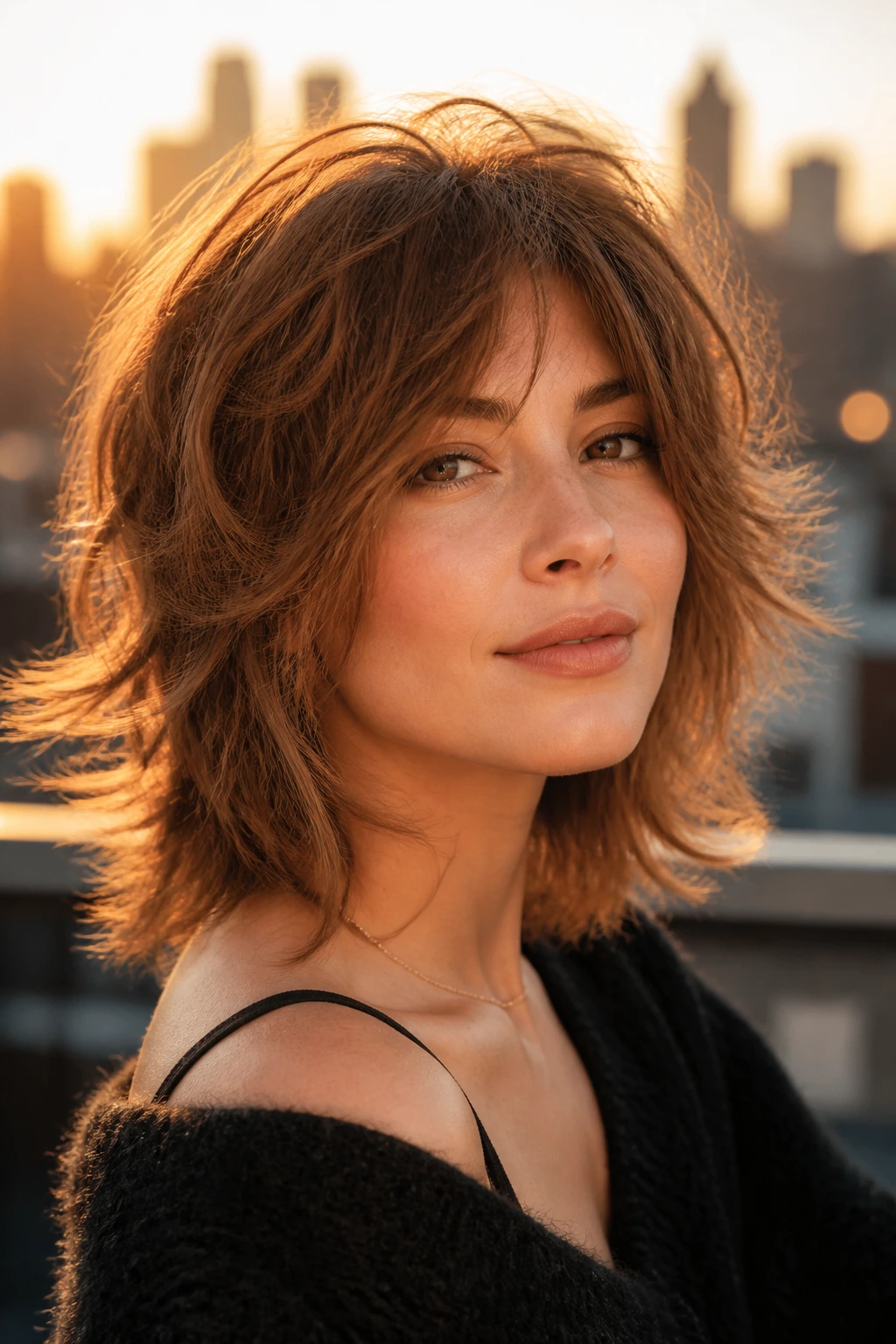
The shag has made a massive comeback, and for thin hair, it’s a brilliant choice because it relies on layers to create shape. Unlike a traditional bob, the shag introduces shorter, face-framing pieces that can be styled to look messy and voluminous. It’s an edgy, rock-and-roll take on the classic bob that takes the focus off the density of your hair and puts it squarely on the shape of the cut.
The Power of Face-Framing
Short layers around the cheekbones and chin create a frame that makes the hair around the perimeter appear more abundant. Because the layers are concentrated near the front, you’re essentially creating a “halo” of hair that surrounds your face, which is a classic stylist trick for making hair look thicker.
How to Style It
- Use a texturizing paste specifically designed for shorter styles to define the ends of the layers.
- Avoid oils or serums near the roots, as they will instantly make your hair look limp.
- Embrace the flyaways—in a shag cut, they are actually part of the aesthetic.
5. The Messy French Bob

French girls have been rocking this for decades, and there’s a reason it works so well for fine hair: it doesn’t try to be perfect. The French bob typically lands right at the cheekbones or the lips, which is shorter than a standard bob. That extra length removal takes all the weight off, allowing the hair to naturally puff out a bit.
Embracing the Natural Texture
If your hair has even a slight natural wave, the French bob will amplify it. The key to this look is the “air-dry” factor. You want to work a little bit of styling cream into damp hair, scrunch it, and let it do its thing. The goal is to look like you just walked off a bike ride through a Parisian park.
Maintenance Notes
- This style requires frequent trims, usually every six weeks, to keep the shape from growing out into something awkward.
- Keep the bangs (if you go for them) wispy rather than heavy, so they don’t look blocky against your thin strands.
- If your hair is stick-straight, use a small crimper tool just at the roots to give it a little hidden support.
6. The Deep Side-Part Bob
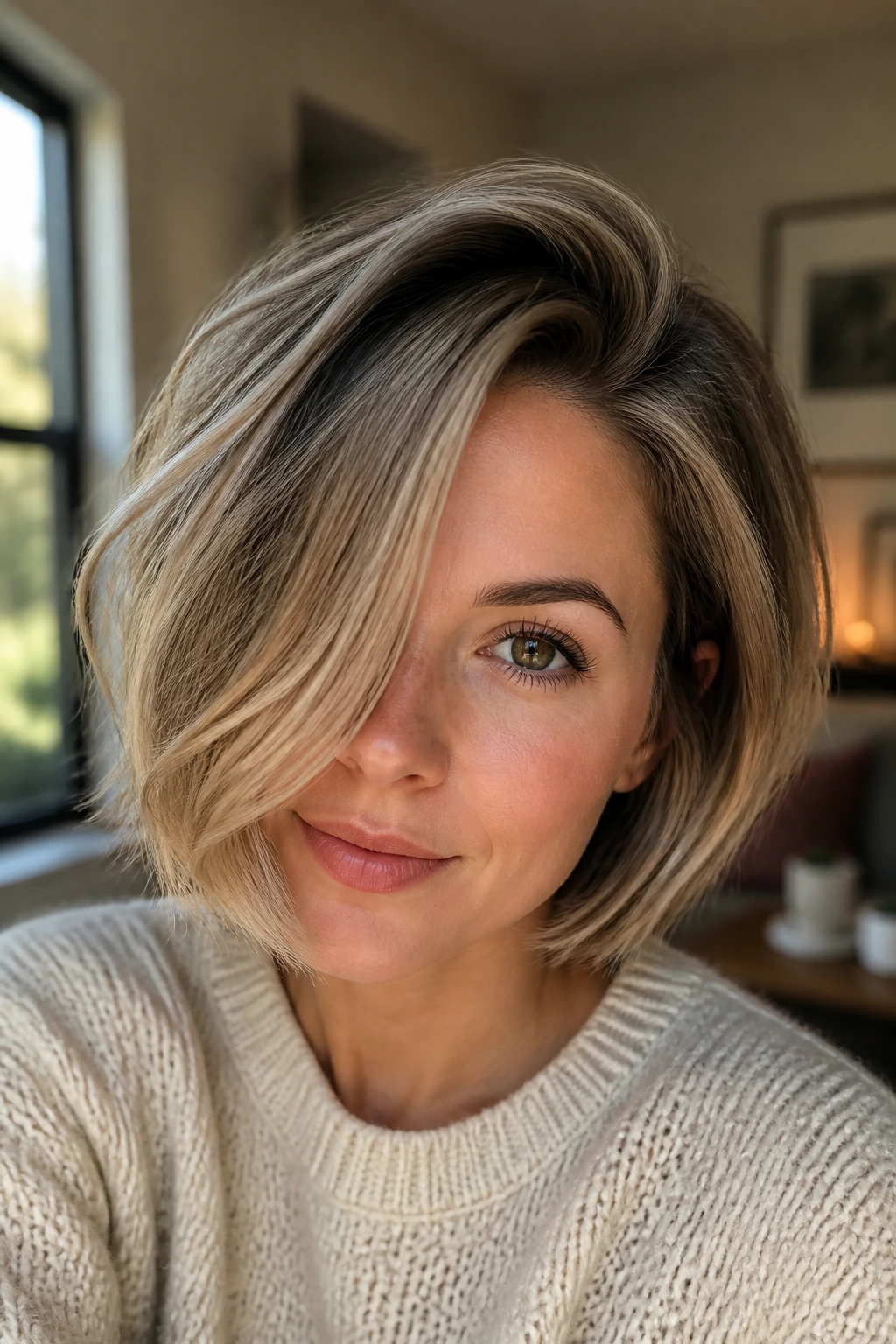
If you feel like your hair lacks volume, stop parting it in the middle. A deep, dramatic side part instantly shifts the weight of your hair to one side, creating a massive amount of volume at the roots that wasn’t there before. It’s one of the easiest, zero-cost ways to make your hair look twice as thick as it did five minutes ago.
The Physics of the Flip
When you part your hair on the side, you are essentially “flopping” the hair over itself, which creates an automatic lift at the scalp. This works best with a bob that has a little bit of length to it, so the hair has enough weight to stay put on the heavy side.
Enhancing the Effect
- Switch your part back and forth occasionally to prevent the hair from training itself to lay flat in one direction.
- Use a root-lifting powder to “lock” the hair in its new, side-swept position.
- Pair this with a slightly longer front section for a sophisticated, asymmetrical look.
7. The Inverted Tousled Bob
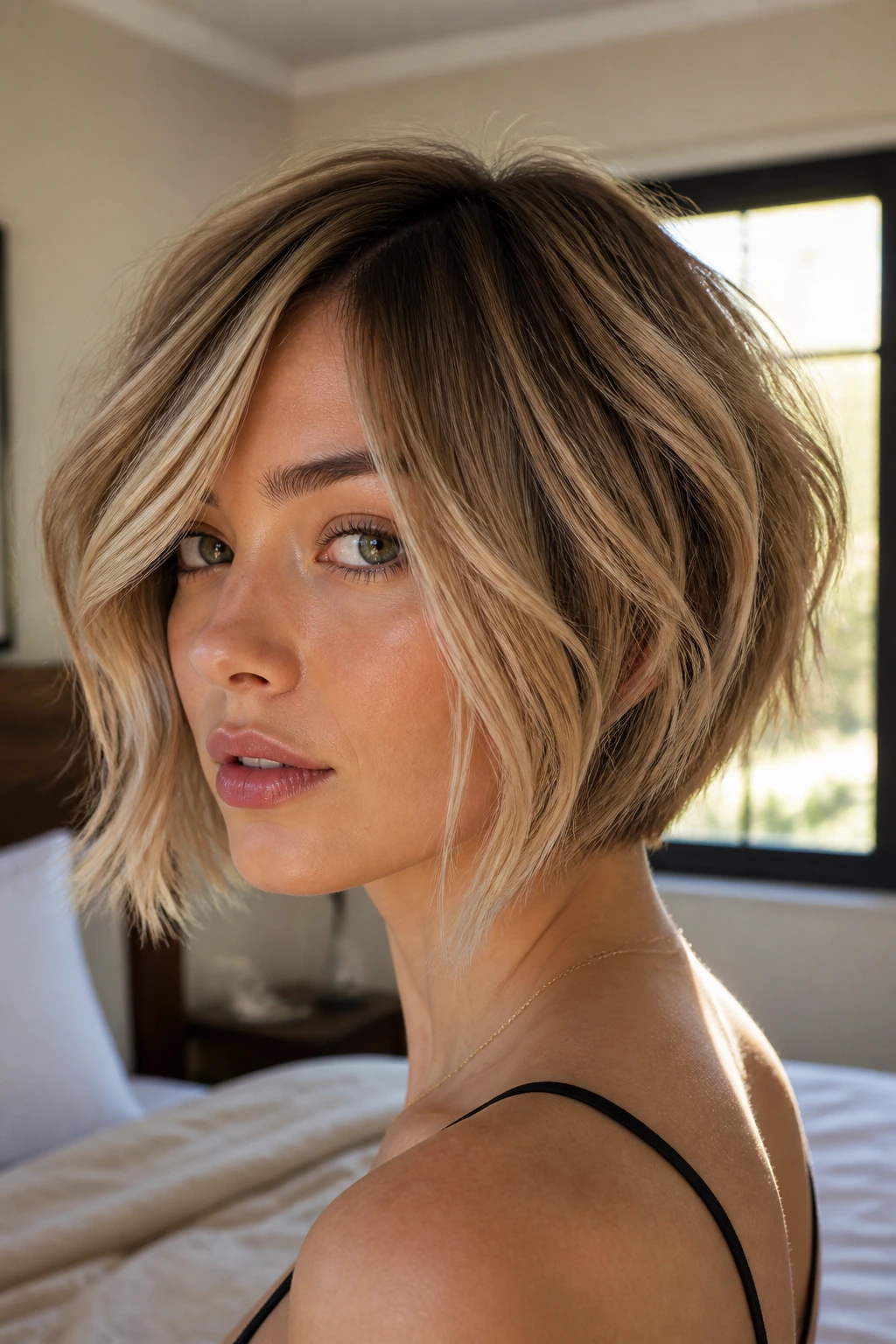
The inverted bob is cut shorter in the back and longer in the front, and when you add a tousled finish, it gains a really dynamic energy. The graduation in the back acts as a built-in volume generator, while the longer front pieces provide that classic “cool girl” vibe.
Why This Shape Wins
Thin hair often looks best when it’s given a strong architectural shape. Because the inverted bob forces the hair to fall in a specific direction, it doesn’t have the chance to just lay flat and listless. The transition from short to long is a visual distraction that makes people look at the cut itself rather than the density of the individual strands.
Key Styling Details
- Focus your blow-dry efforts on the nape of the neck, brushing the hair downward at first, then flipping it up at the very end.
- Use a lightweight mousse that provides hold without crunch.
- Avoid heavy, alcohol-based hairsprays; they will make thin hair brittle and prone to breakage.
8. The Piecey Razored Bob
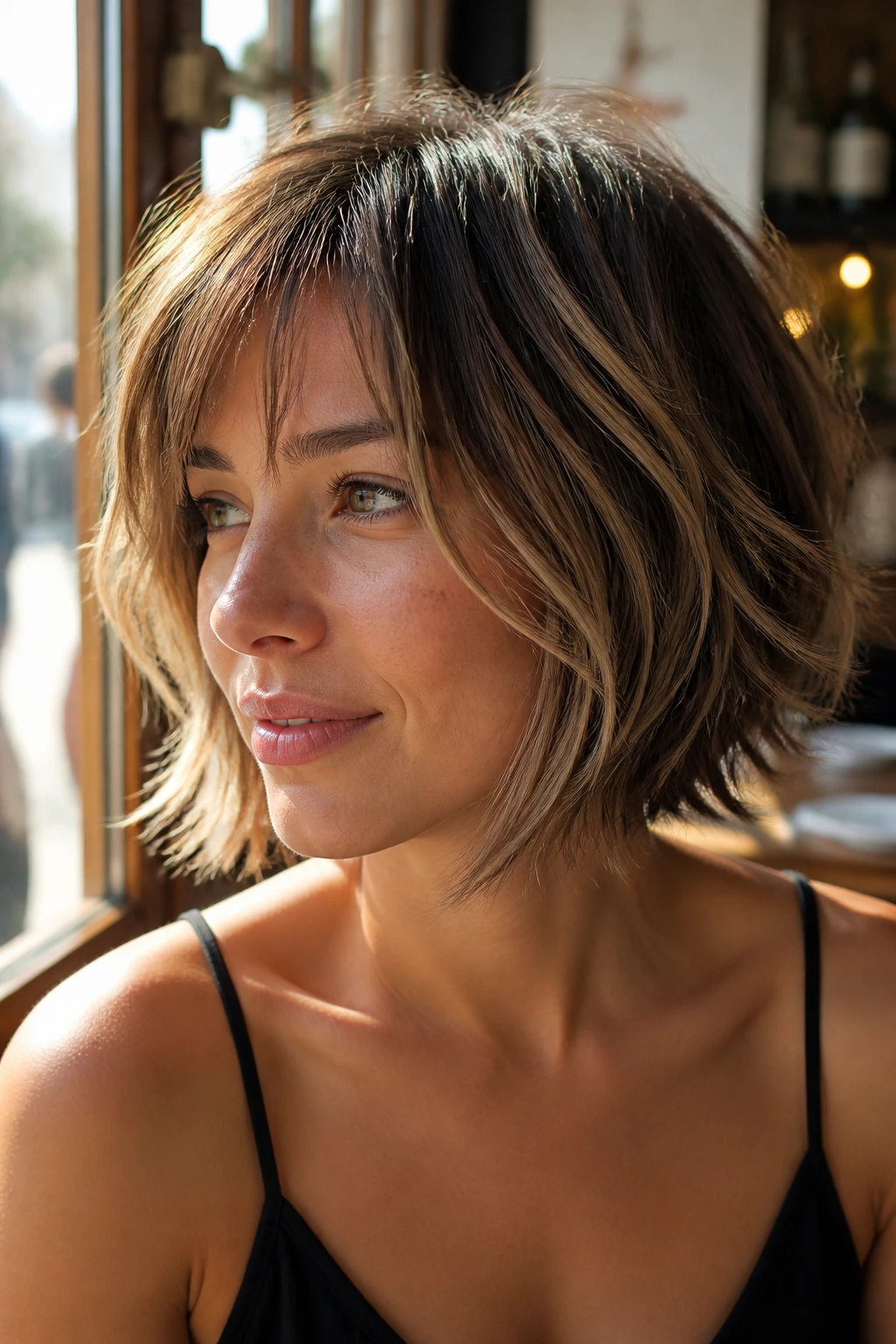
Some stylists prefer to use a razor instead of scissors to cut thin hair. When used correctly, a razor can create soft, feathered ends that look incredibly light and airy. A piecey, razored bob looks intentional in its messiness, making it the perfect choice for someone who wants a wash-and-go style.
The Benefit of Feathering
Scissors create a blunt, heavy edge. Razors create a soft, tapered edge. For someone with thin hair, that tapering can be great because it helps the ends of the hair blend into each other, creating a soft, cloud-like texture rather than a harsh, thin line.
Who Should Avoid This
- If you have very frizzy or dry hair, a razor might make the ends look frayed.
- This style is best for hair that is generally healthy and holds a style well on its own.
9. The Curly Bob with Wispy Bangs

If you have natural curl or wave, don’t fight it—encourage it. A curly bob is fantastic for thin hair because curls are naturally voluminous. Adding wispy bangs helps break up the face and adds another layer of texture that distracts from a potentially sparse hairline.
Making Curls Look Fuller
- Use a diffuser attachment on your hairdryer to minimize airflow, which prevents frizz and allows curls to clump together.
- Never use a fine-tooth comb; stick to a wide-tooth comb or just your fingers to preserve the curl structure.
- Apply a leave-in conditioner while the hair is soaking wet to keep the curls hydrated, as dehydrated curls will look thin and brittle.
10. The Soft Pastel or Dimensional Bob
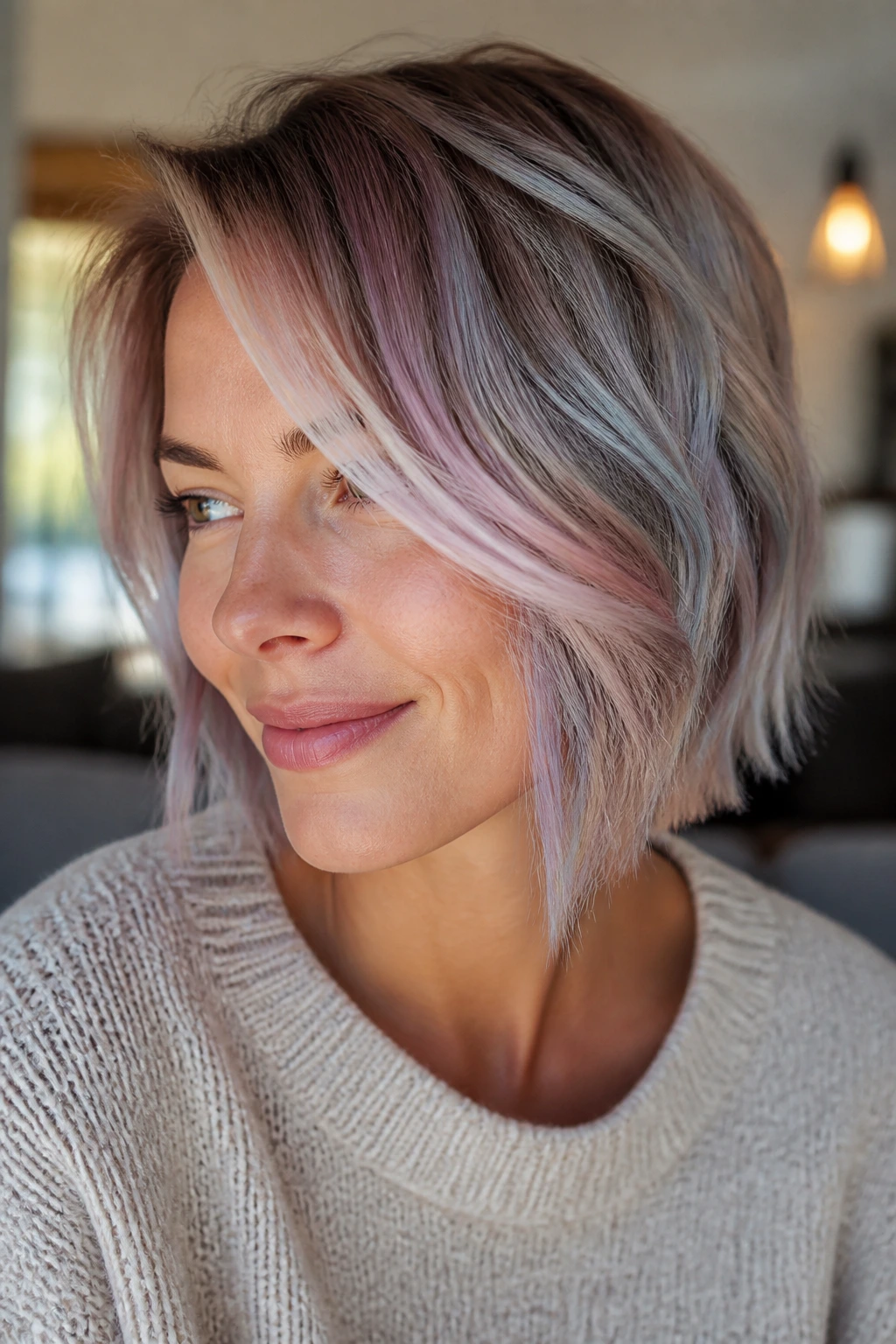
Sometimes the problem isn’t the cut, but the color. If your hair is all one solid, dark color, it can sometimes look like a flat sheet. Introducing highlights or lowlights, or even a subtle balayage, adds depth. When you have multiple shades of color in your hair, the eye perceives more movement and thickness.
Visual Depth Strategies
- Ask for “face-framing” highlights that are a shade or two lighter than your natural color.
- Avoid monochromatic, jet-black, or very flat blonde shades if possible.
- Use a color-depositing shampoo occasionally to keep the dimensions vibrant and prevent the hair from looking washed out.
11. The Undercut Texture Bob
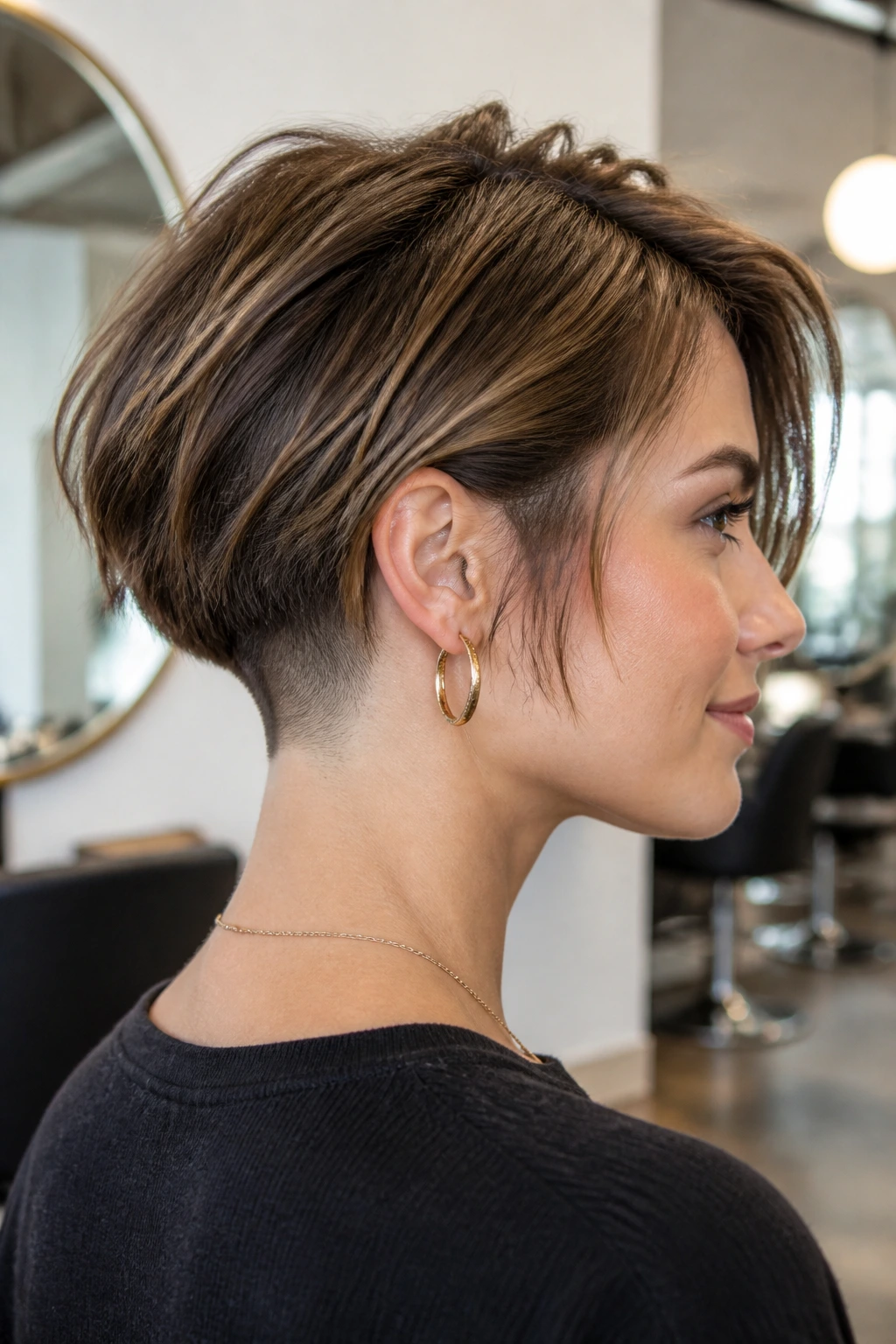
For those who want something a bit edgier, an undercut at the nape can actually help the top layer sit differently. By shaving just the very bottom inch of hair at the neck, you remove all that “fuzz” that doesn’t really add to your look. This makes the rest of the hair appear to have a cleaner, more deliberate line.
How it Benefits Thin Hair
It removes the “weightless” hair at the very bottom that tends to look stringy. By getting rid of those few wispy hairs, the hair that is left looks healthier and more substantial. It’s a bold choice, but it can be incredibly effective for making a bob look polished and intentional.
12. The Softly Permed Bob
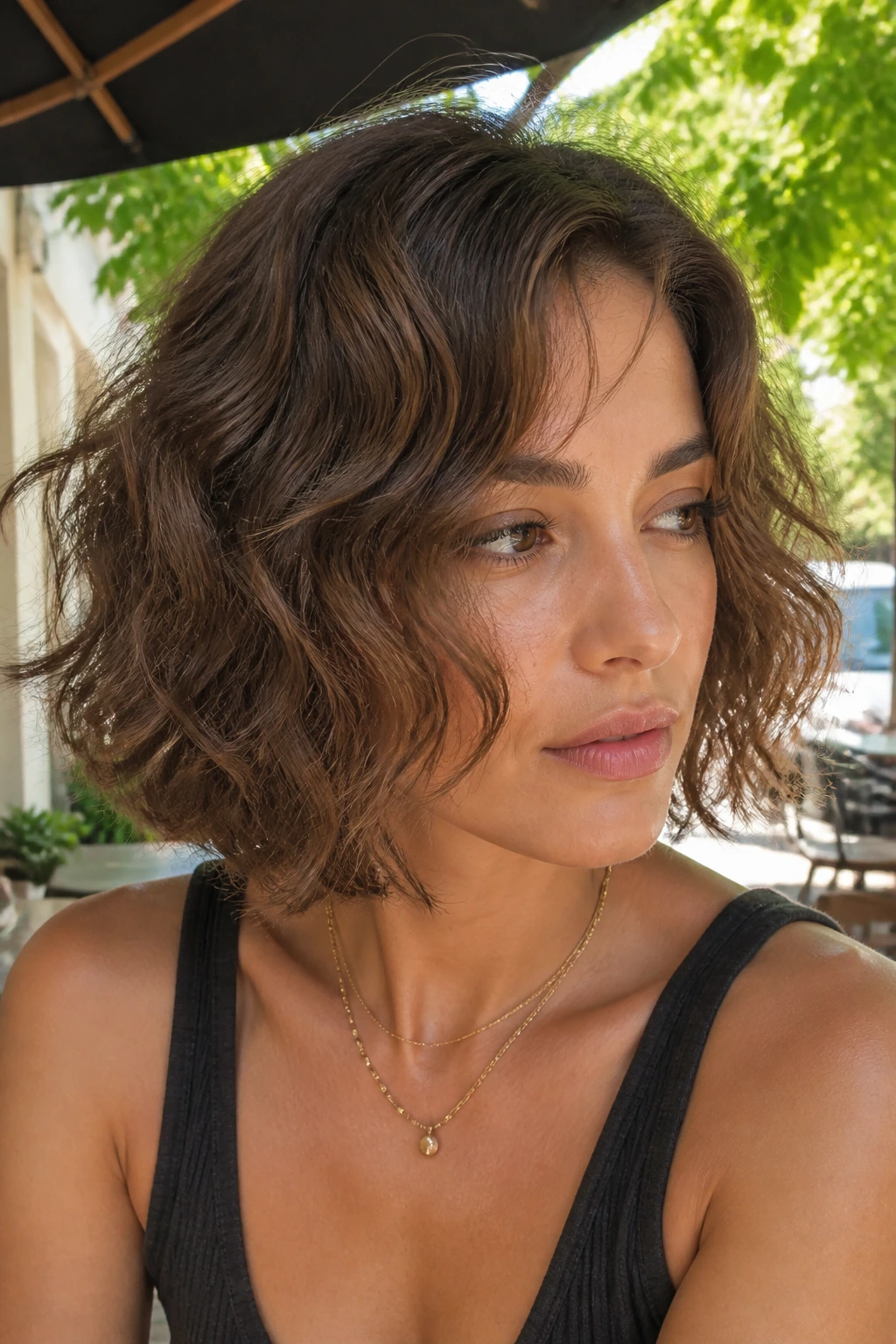
Perms have come a long way since the 1980s. A “digital perm” or a “body wave” can give you that permanent tousled look so you don’t have to use a curling iron every single day. This is a game-changer for someone who has thin hair that refuses to hold a style.
Permanent Volume
- A body wave provides texture and hold rather than a tight, spirally curl.
- It essentially gives your hair “grip,” making it much easier to style and keep volume throughout the day.
- Always consult a stylist who specializes in these treatments, as thin hair needs a gentler formulation to avoid chemical damage.
13. The Asymmetrical Bob
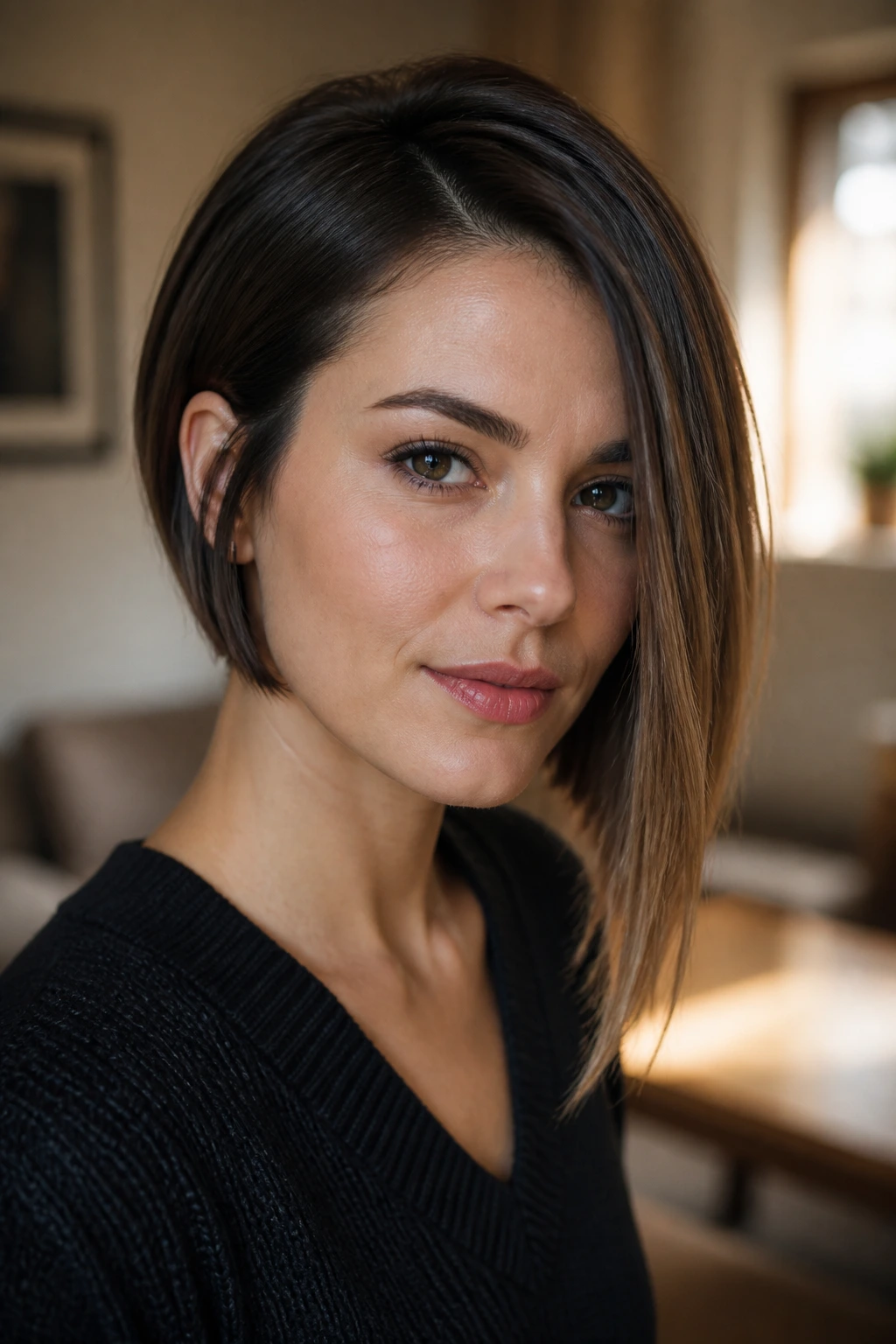
One side longer than the other. It sounds simple, but it creates an instant visual interest that takes the focus off the hair’s texture. When you have a distinct angle, the style becomes the feature, not the thickness of the hair.
The Asymmetry Advantage
- You can part your hair on the side where it’s shorter to create a faux-volume effect.
- It’s very easy to style; you just need to keep the longer side looking sleek or wavy, and the shorter side will naturally maintain its shape.
- It’s a great style for someone who wants a “fashion” look without needing to spend 45 minutes in front of the mirror.
14. The Blunt Bob with Invisible Layers
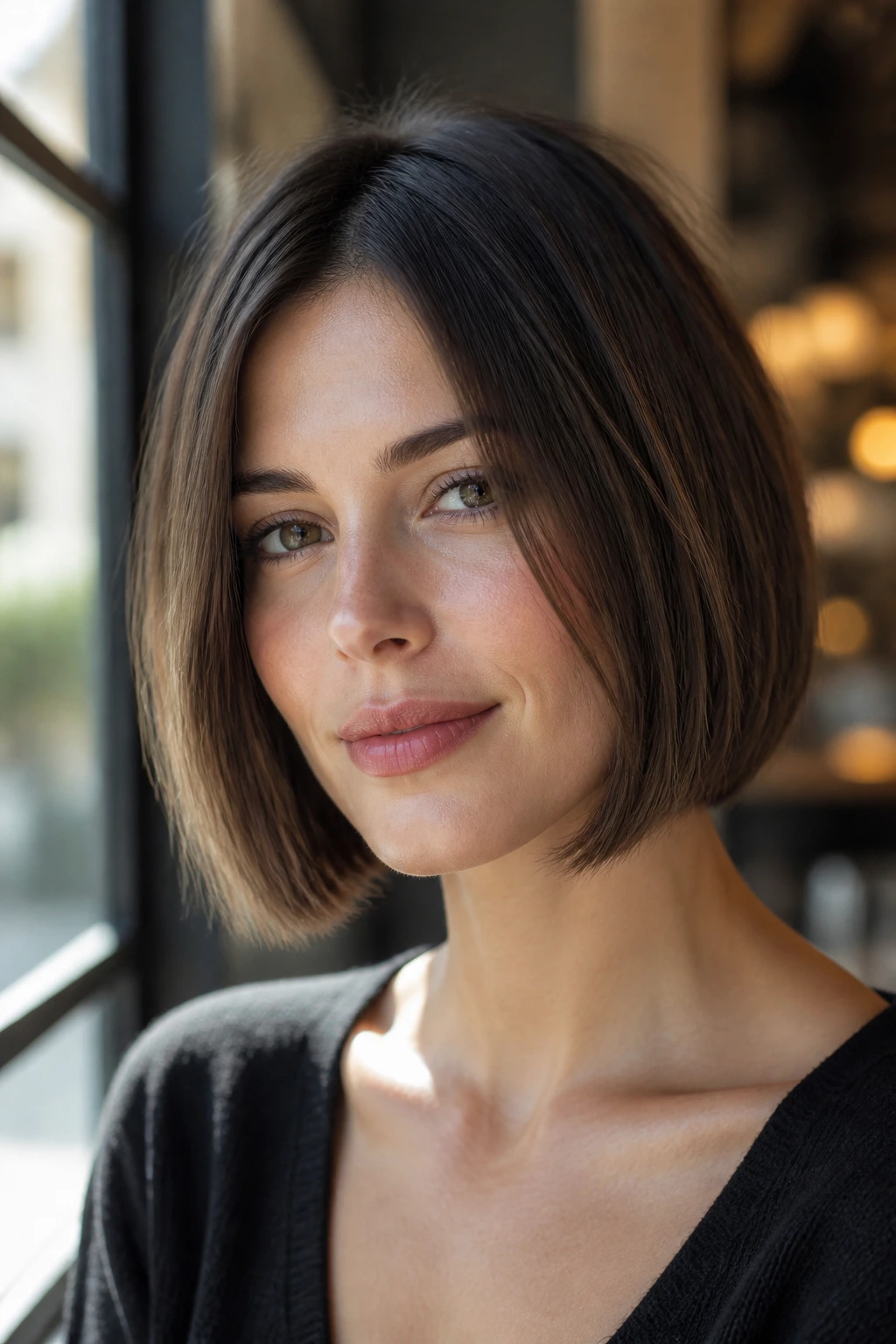
If you love the look of a blunt bob but find it sits too flat, ask your stylist for “invisible layers.” These are tiny, short layers cut into the very inside of the hair section, hidden by the top layer. They act like little springs, pushing the hair up from underneath.
Why They’re Hidden
- They don’t compromise the look of the blunt ends.
- They don’t look like layers when you look in the mirror.
- They provide the internal structure that thin hair desperately needs to avoid that “triangle” shape or the dreaded “flat-to-the-scalp” look.
15. The Mid-Length Shag with Curtain Bangs
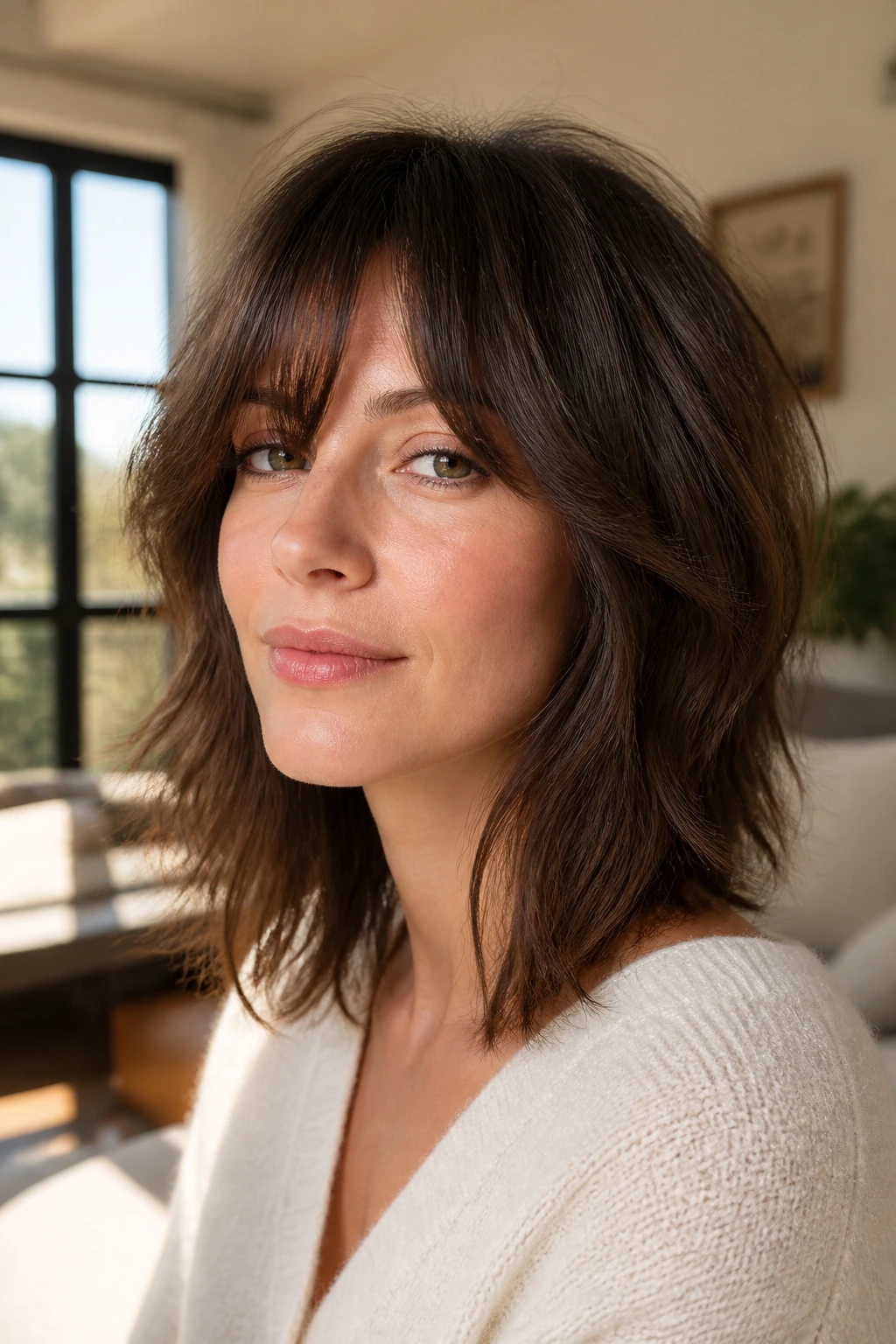
Curtain bangs are a perfect addition to a bob. They sweep across the forehead and blend into the side of the hair, which helps create a bridge between the front and the rest of the cut. This makes the overall shape feel more cohesive and full.
Why Curtain Bangs Work
- They can be styled with a round brush to give extra lift at the forehead.
- They add a lot of volume to the front of the face.
- They are very low maintenance, as they grow out beautifully and don’t need a trim every two weeks.
16. The Sleek-to-Tousled Transition Bob
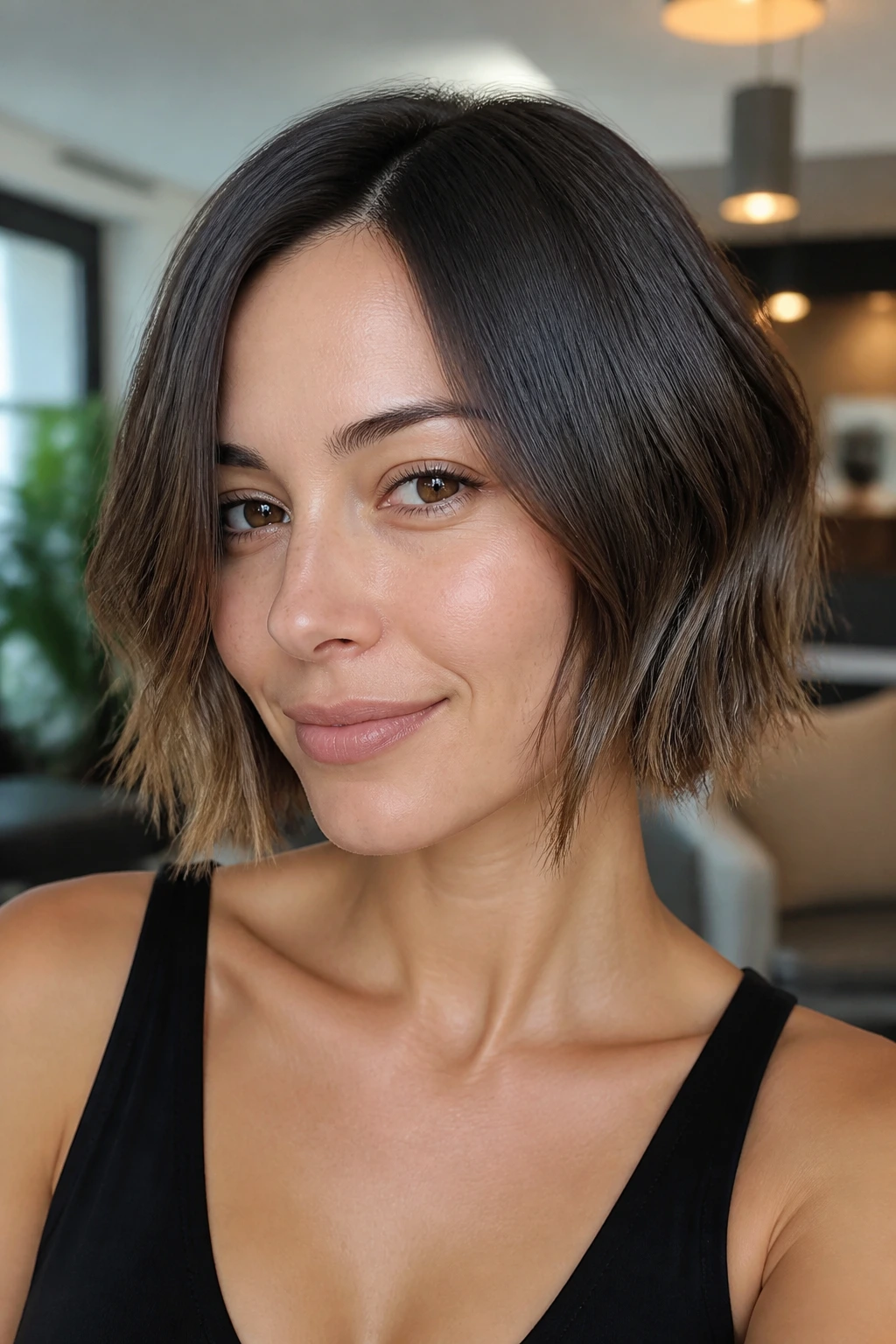
Start with a sleek bob that has been blown out perfectly, then use a texture spray to rough it up. The contrast between a very clean top and a slightly messy end is a very popular look. It shows you care about your style but aren’t obsessed with perfection.
Maintaining the Look
- Use a shine spray on the top half only.
- Use a texture or salt spray on the bottom half only.
- Don’t mix them, or you’ll end up with a sticky mess that just looks like unwashed hair.
17. The Side-Swept Bob with Braid Detail
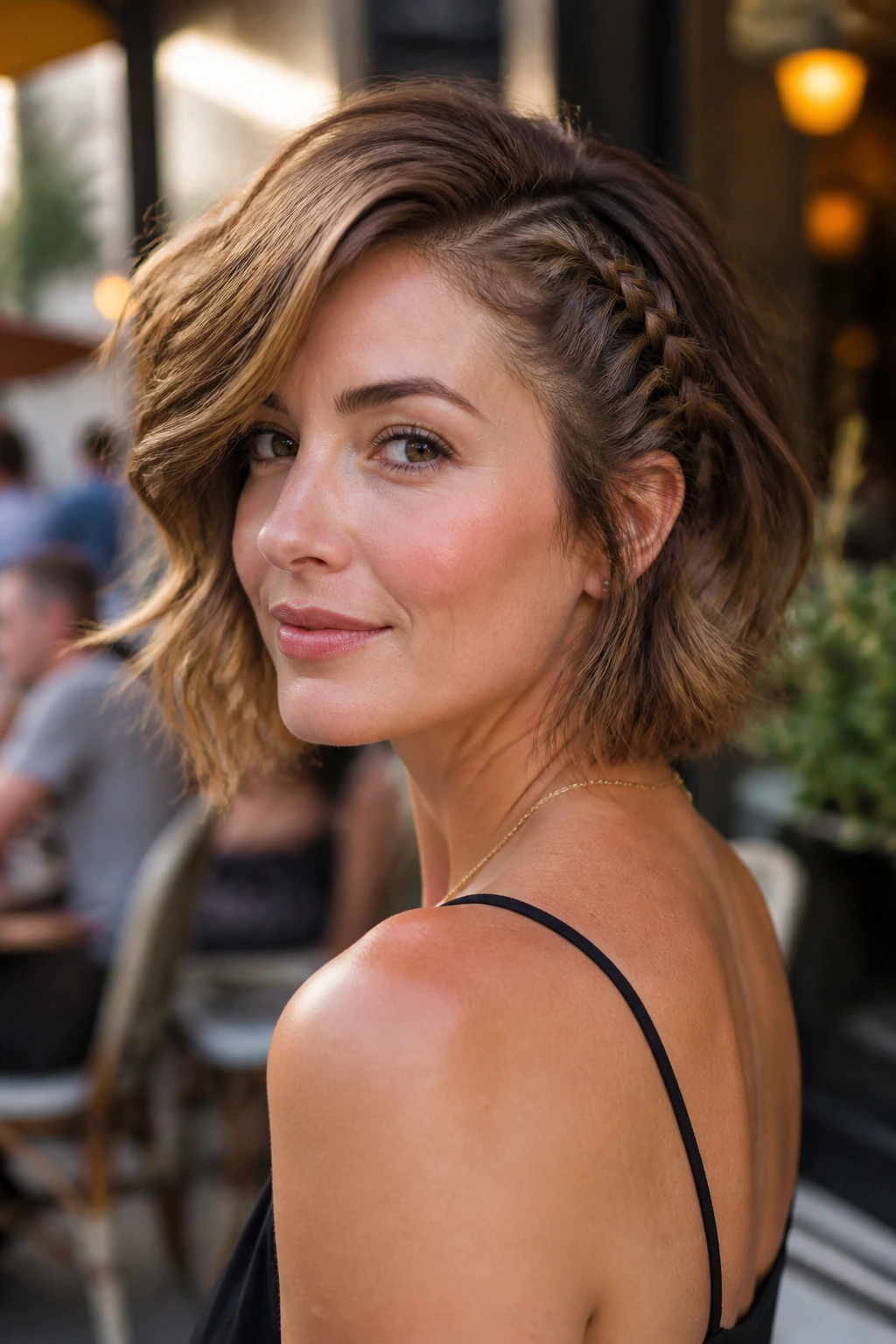
Sometimes, adding a physical accessory or a braid can create the illusion of thickness. A small, loose French braid along the side of the head can pull hair back and create a tight, defined line that contrasts with the fullness of the rest of the bob.
The Braid Effect
- The act of braiding gathers hair together, which makes that section look more substantial.
- It’s a great way to deal with “second-day” hair that’s starting to lose its shape.
- You don’t need thick hair to braid; you just need to keep the braid slightly loose so it doesn’t look like a tiny, tight cord.
18. The “Messed Up” Blunt Bob
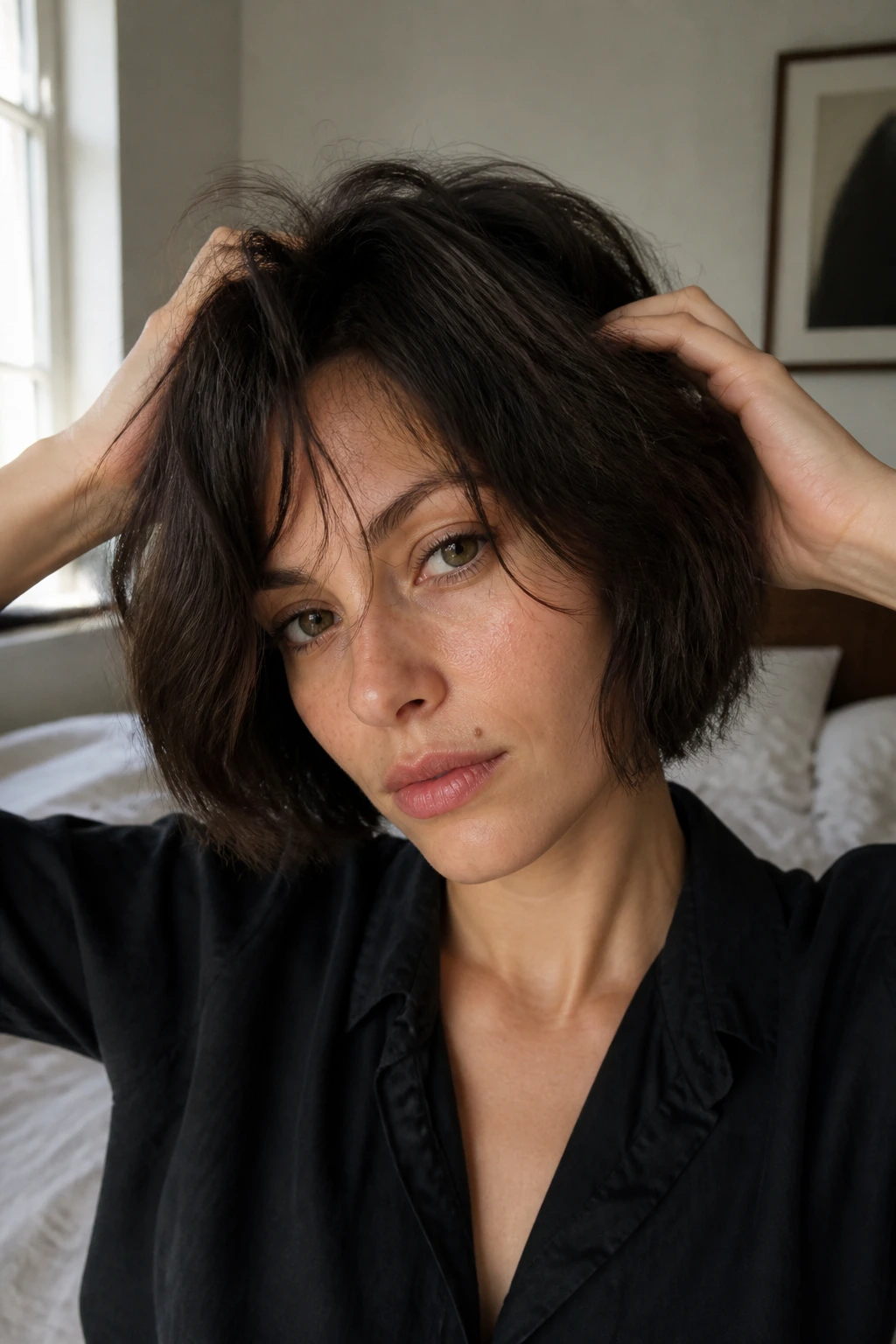
Instead of using a brush to blow-dry, use your hands. That’s it. By drying your hair using only your fingers, you’re encouraging it to take on its own natural, slightly chaotic shape. This is the ultimate “tousled” look.
Why Hands are Best
- Brushes have a way of flattening hair if you aren’t careful.
- Your fingers help you “ruffle” the roots as you dry, which is the best way to get natural lift.
- This results in a bob that looks soft, organic, and entirely comfortable in its own texture.
19. The Short Bob with Volumizing Powder
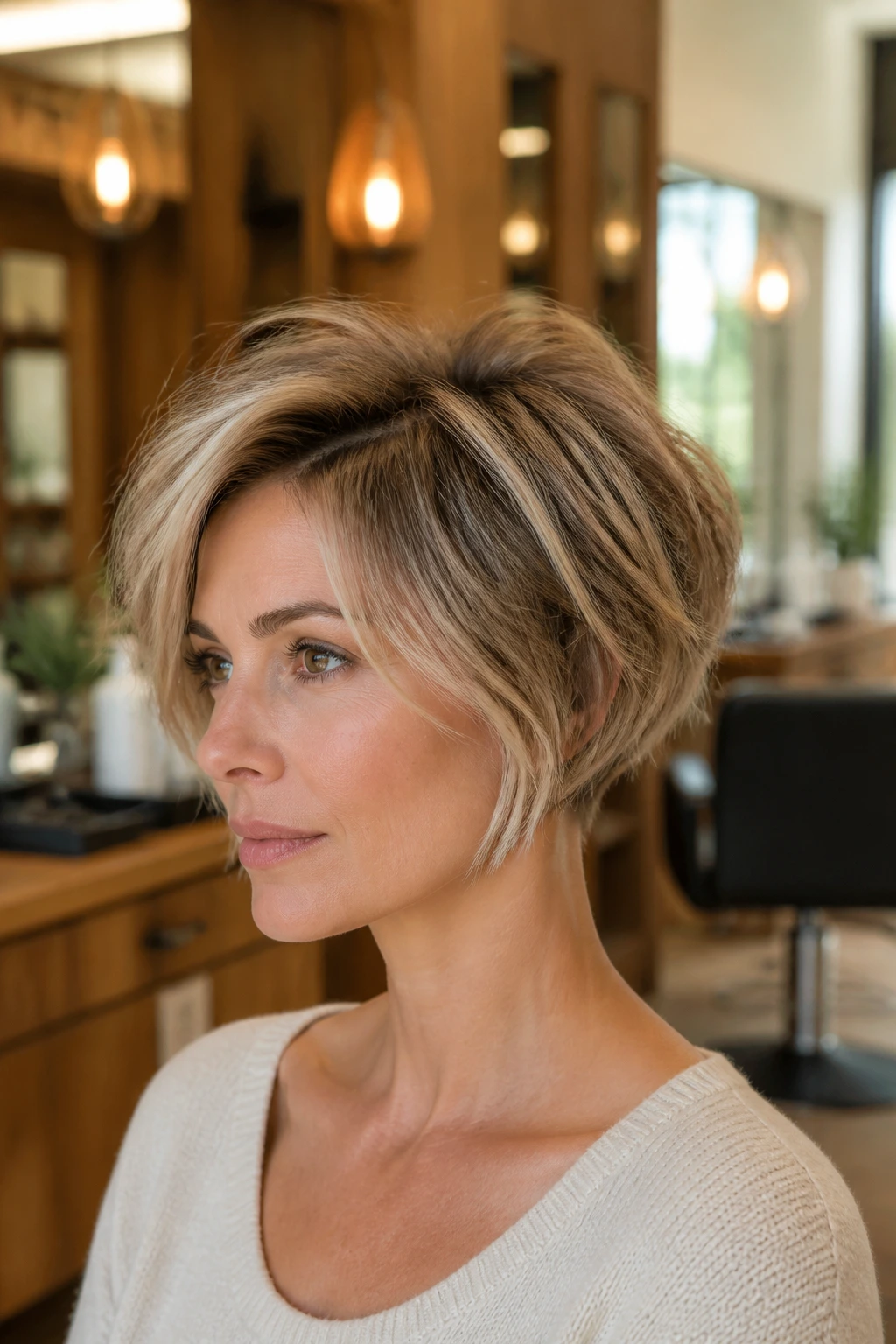
If you have a very short bob, you might think you don’t have enough length to do much, but the right product can change that. Volumizing powder, which is essentially a dry, tacky dust you sprinkle on your roots, can make even the shortest bob look like it has three inches of lift.
Using the Powder
- Sprinkle it directly onto the roots.
- Massage it in with your fingertips.
- Don’t brush it out; the powder needs to stay there to keep the hair standing up.
- A little goes a very long way, so start with just a few tiny shakes.
20. The Bob with High-Contrast Color
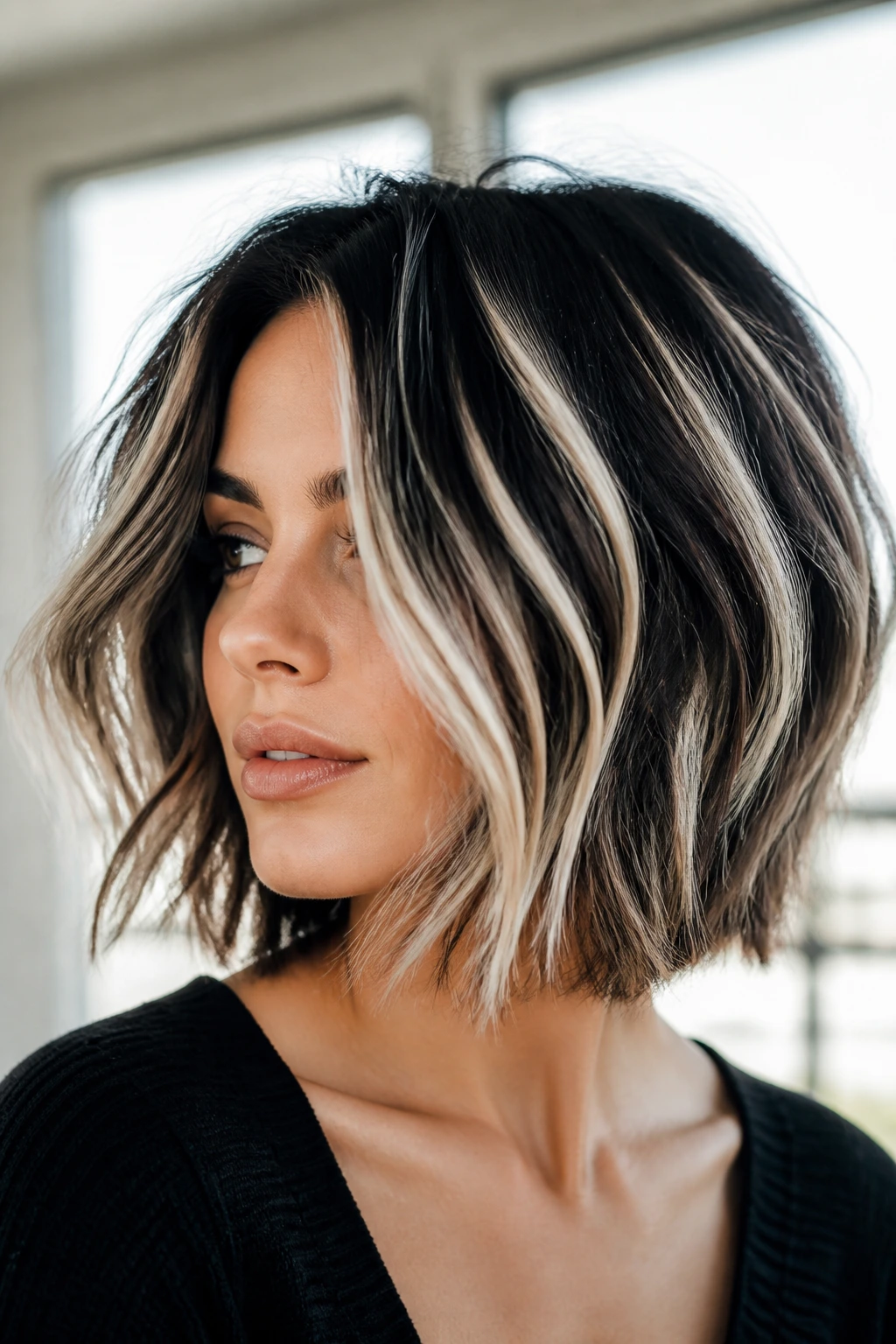
If your hair is naturally dark, adding platinum blonde highlights throughout the bob creates a very strong visual contrast. The lighter pieces look like they occupy more space, and the darker pieces provide the “shadow” that creates depth.
Achieving the Contrast
- Stick to highlights that are really bright; subtle honey tones won’t give you the same volume-boosting effect.
- Make sure to use purple shampoo to keep those bright pieces from turning yellow, which can quickly make thin hair look dull.
21. The Layered Bob with a Soft Wave
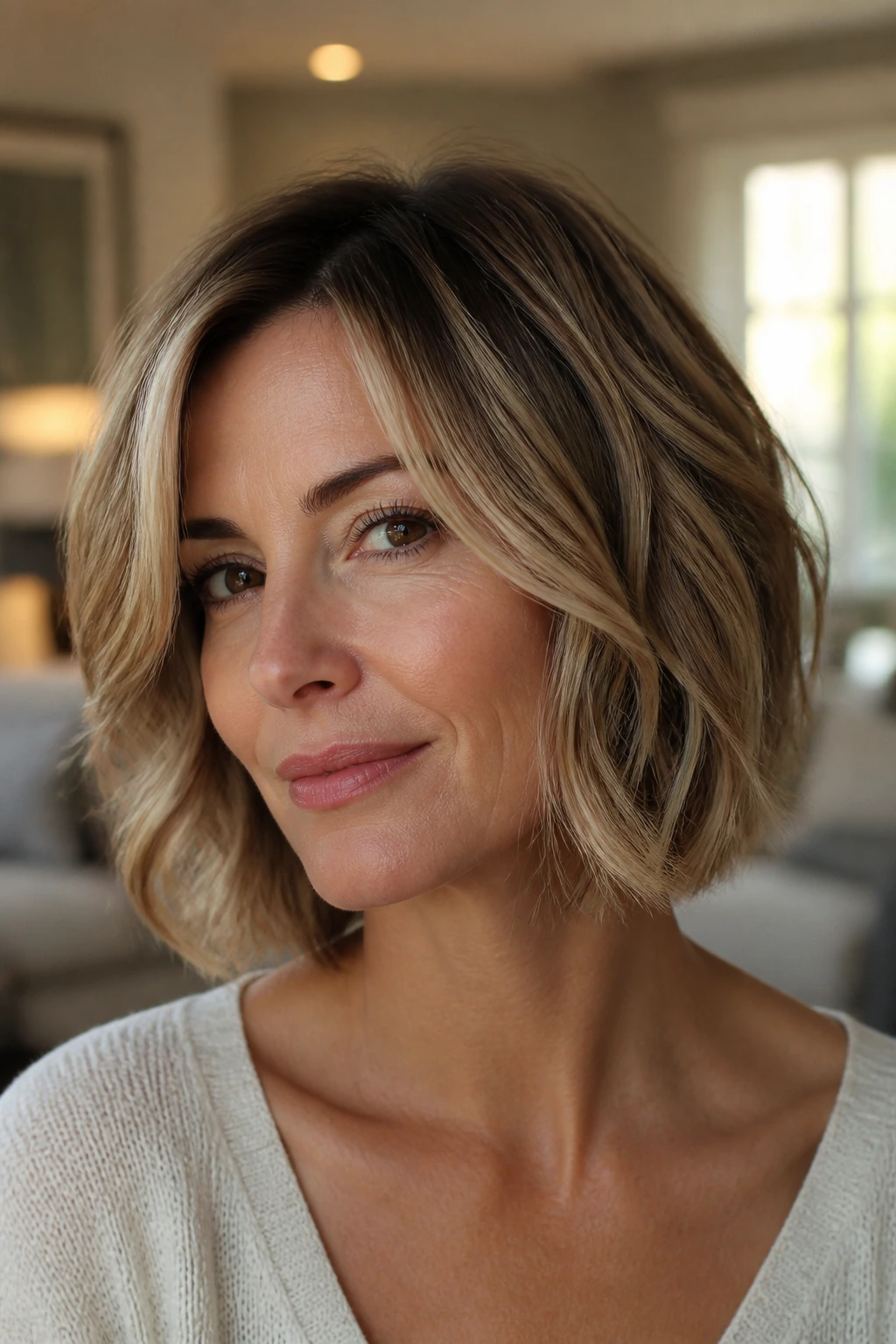
This is a more traditional take on the bob. It has standard layers cut throughout, and you style them with a soft, loose wave. It’s elegant, classic, and always looks polished, making it a great option for a professional environment.
Staying Classic
- Use a soft-hold hairspray rather than a strong-hold one.
- Keep the ends slightly curled inward to create a soft, rounded shape.
- This style is the most “forgiving” of the bunch and works well on almost all face shapes.
22. The Bedhead Bob
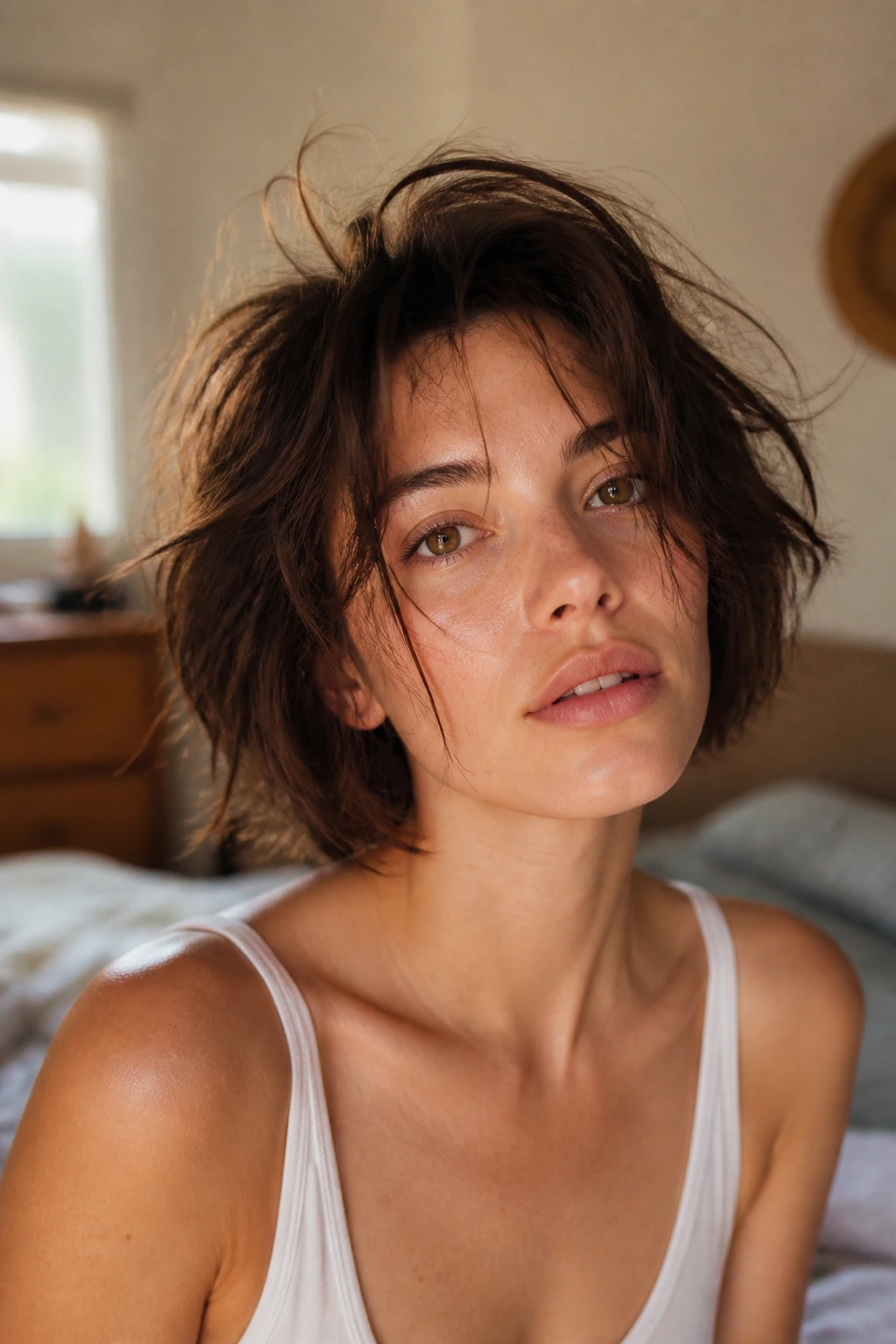
The name says it all. This style is about intentionally embracing the mess. You might use a bit of dry shampoo at the roots for lift, and a bit of pomade at the ends for definition. It’s a look that says you’re busy, you’re cool, and you don’t have time to be perfect—which is a very powerful vibe.
The Key to Bedhead
- Don’t over-style. The more you touch it, the worse it gets.
- Keep the hair slightly damp when you start so it holds the “mess” shape better.
- If it looks too perfect, you’ve done it wrong; just shake your head and let it fall where it wants.
Final Thoughts
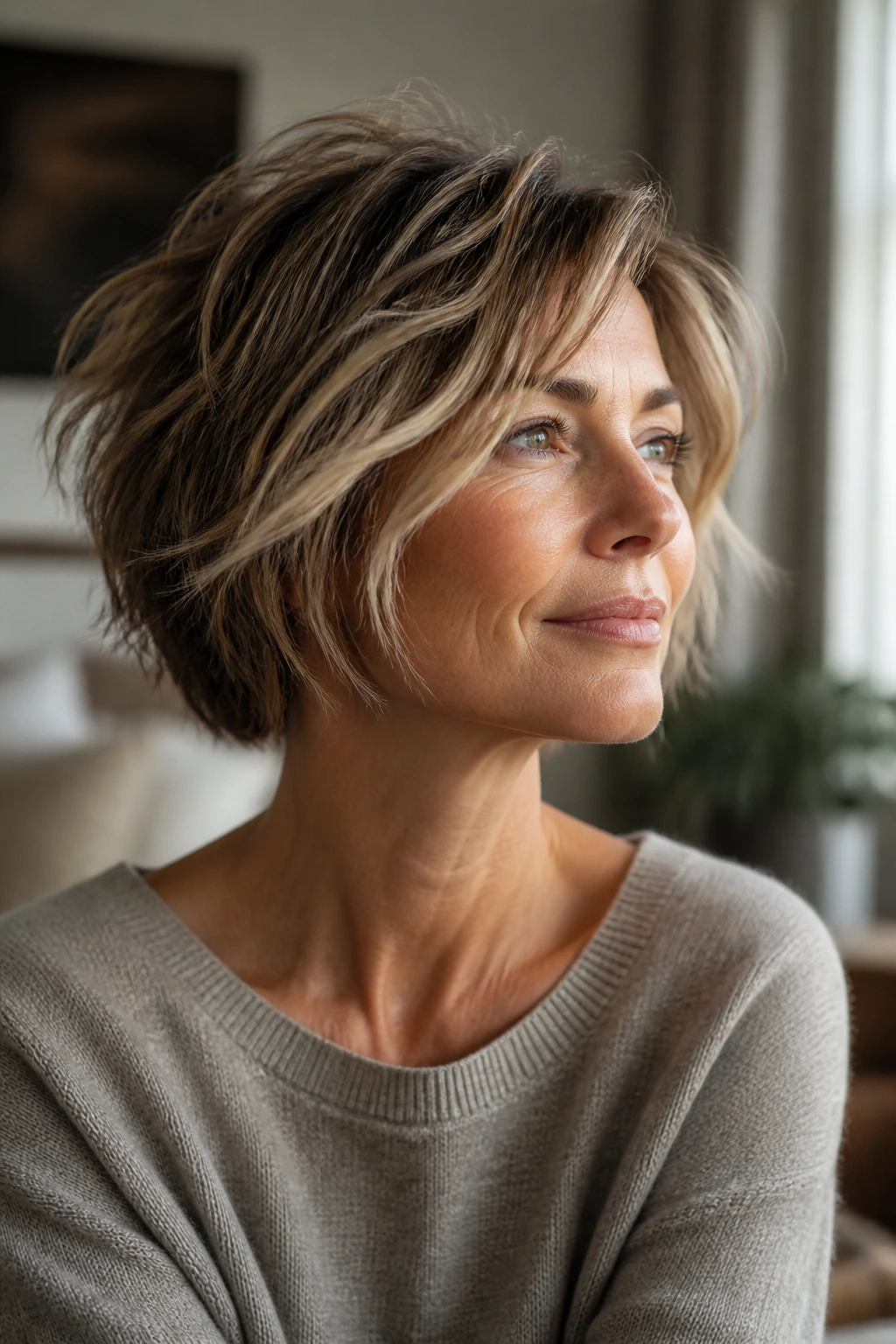
When you are working with thin hair, the most important thing you can bring to the table is a sense of humor and a bit of courage. Your hair is not your identity, but it is a fun tool to play with. A tousled bob isn’t just a hairstyle; it’s a structural strategy to make the most of what you have. Whether you choose a blunt cut to create the appearance of weight or a shag to create the appearance of volume, the secret is always in the movement.
Stop trying to force your hair to be something it isn’t. If it’s fine, let it be airy. If it’s straight, let it be piecey. Once you stop fighting the natural tendencies of your hair and start choosing cuts that lean into those traits, the styling process becomes less of a chore and more of an experiment. Find a stylist who understands texture, invest in a quality texture spray, and don’t be afraid to keep the scissors moving. After all, the best part about a bob is that if you go a little too short or a little too choppy, it will grow back before you know it.