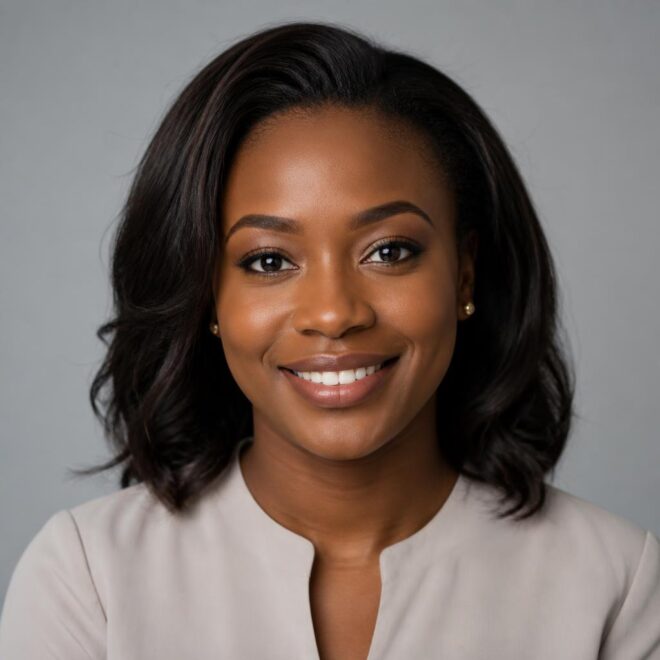


The oval face shape is often called the “gold standard” in hairstyling because of its balanced proportions. If you have an oval face, you aren’t fighting to soften a square jaw or lengthen a rounder silhouette; you are essentially working with a blank canvas. This is exactly why the textured bob has become such a permanent fixture in salons everywhere. It offers a way to inject personality, movement, and a bit of “lived-in” edge into a look that might otherwise feel too static or polished.
A textured bob isn’t just one haircut—it’s a philosophy of intentional imperfection. When you strip away the heavy, blunt ends of a traditional bob and replace them with strategic layers and shattered lengths, the hair gains a life of its own. On an oval face, this works particularly well because you can keep the length hitting anywhere from the chin to the collarbone without worrying about distorting your facial balance. It is about creating volume where you want it and keeping things sleek where you don’t.
If you are currently sitting in front of a mirror wondering if you should finally take the plunge, know this: a textured bob is one of the most forgiving cuts you can choose. It thrives on air-drying, works with almost every hair texture from stick-straight to tightly coiled, and demands far less time with a blow dryer than a standard, precision-cut bob. Let’s walk through the many ways you can interpret this style to best suit your personal aesthetic and hair type.
1. The Undone French Bob
This cut is all about that nonchalant, “I just woke up looking this good” vibe that Parisian style icons have mastered for decades. Unlike a sharp, chin-length bob that can feel a bit restrictive, the French bob features interior layering that helps the hair curve naturally inward toward the jawline. It is designed to be worn with a bit of a messy finish, so you don’t need a perfectly round-brushed blowout to make it look expensive.
Why It Works for Oval Faces
Because your face already has balanced features, you do not need the hair to provide extra framing or correction. This bob highlights your cheekbones without hiding them behind heavy layers or curtain bangs. The length usually hits right at the earlobe or just below the chin, exposing the neck and jaw, which accentuates your natural bone structure.
Styling for the “Undone” Look
- Apply a sea salt spray or a light texturizing cream to damp hair.
- Scrunch the ends gently with your hands instead of using a brush.
- Let the hair air-dry completely to maintain that natural, piecey texture.
- Use a tiny drop of hair oil on the very tips if the ends start to look too frizzy.
Pro tip: Do not fight your natural wave. If your hair is straight, use a large-barrel curling iron to add just two or three random bends—not tight curls—to give the style a bit of grit.
2. The Shattered Lob with Internal Layers
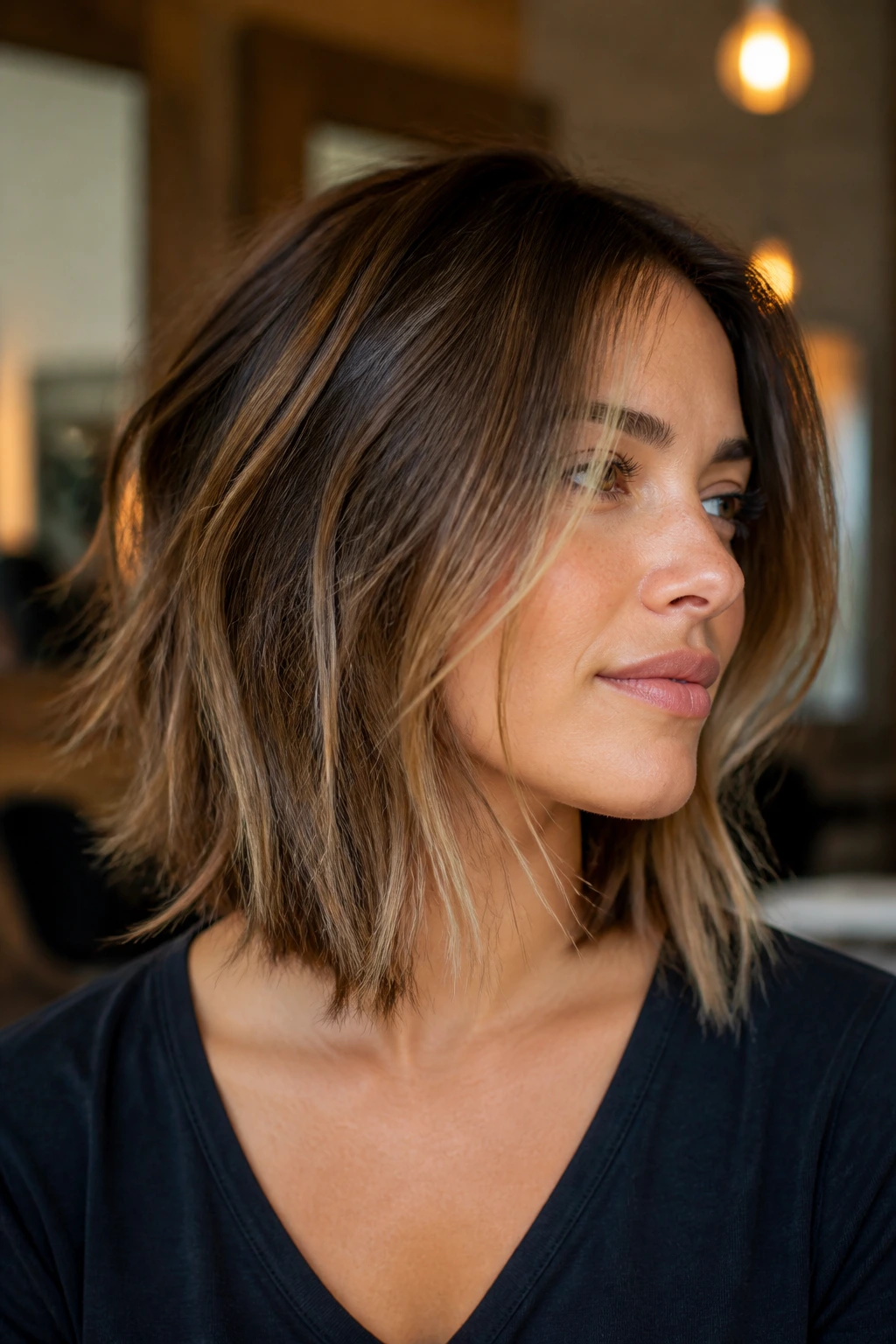
If you aren’t quite ready to lose all your length, the long bob, or “lob,” is your best friend. A shattered lob uses internal thinning shears or razor cutting to remove weight from the middle of the hair shaft. This creates a “shattered” effect where the ends look wispy and light, preventing that heavy “triangle” shape that often plagues thicker hair types.
The Mechanics of the Cut
The secret here is the point-cutting technique your stylist should be using. Instead of cutting straight across, they cut into the ends at an angle, creating varied lengths. This prevents the ends from clumping together. It creates a soft, airy movement that makes the hair look thicker at the roots but lighter and more playful through the lengths.
Maintaining the Shape
- Visit your stylist every 8 to 10 weeks to refresh the internal layering.
- As the hair grows out, the internal layers tend to blend, so keeping them sharp is key.
- Avoid heavy silicones or thick styling waxes, as these will weigh down the shattered ends.
- Stick to lightweight mousses or sprays that provide volume without the stickiness.
3. The Soft Shaggy Bob
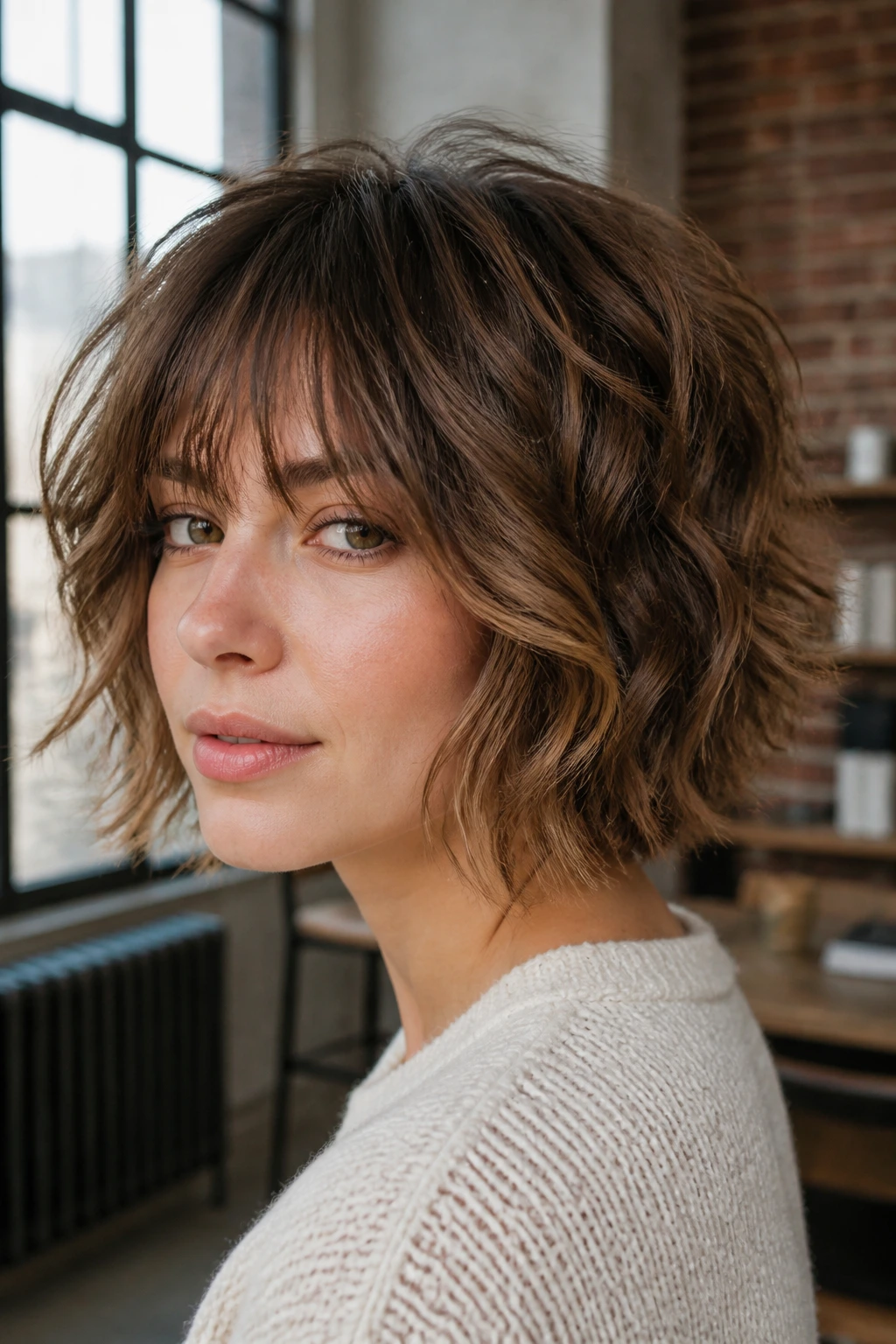
The shag is a direct descendant of the rock-and-roll eras, but when you modernize it into a bob length, it becomes incredibly wearable. This style focuses on creating heavy, choppy layers throughout the crown and the back of the head. It is meant to be loud, bouncy, and full of character.
Creating the Shag Aesthetic
The defining feature of this cut is the combination of short, layered pieces near the top of the head and longer, wispy layers around the face. For an oval face, this is brilliant because the top layers provide instant volume, while the face-framing pieces ensure your features remain the focal point. It is essentially a haircut that creates its own styling effect just by existing.
Key Considerations
- This cut works best for those with at least a slight natural wave or curl pattern.
- If you have pin-straight hair, you will need a bit of root-lifting powder to keep the layers from falling flat.
- You can pair this with a thin, wispy fringe that hits right at the brow line.
- The maintenance is low, but you must be comfortable with shorter, choppy layers that might look a bit wild in the morning.
4. The Blunt Bob with Surface Texture
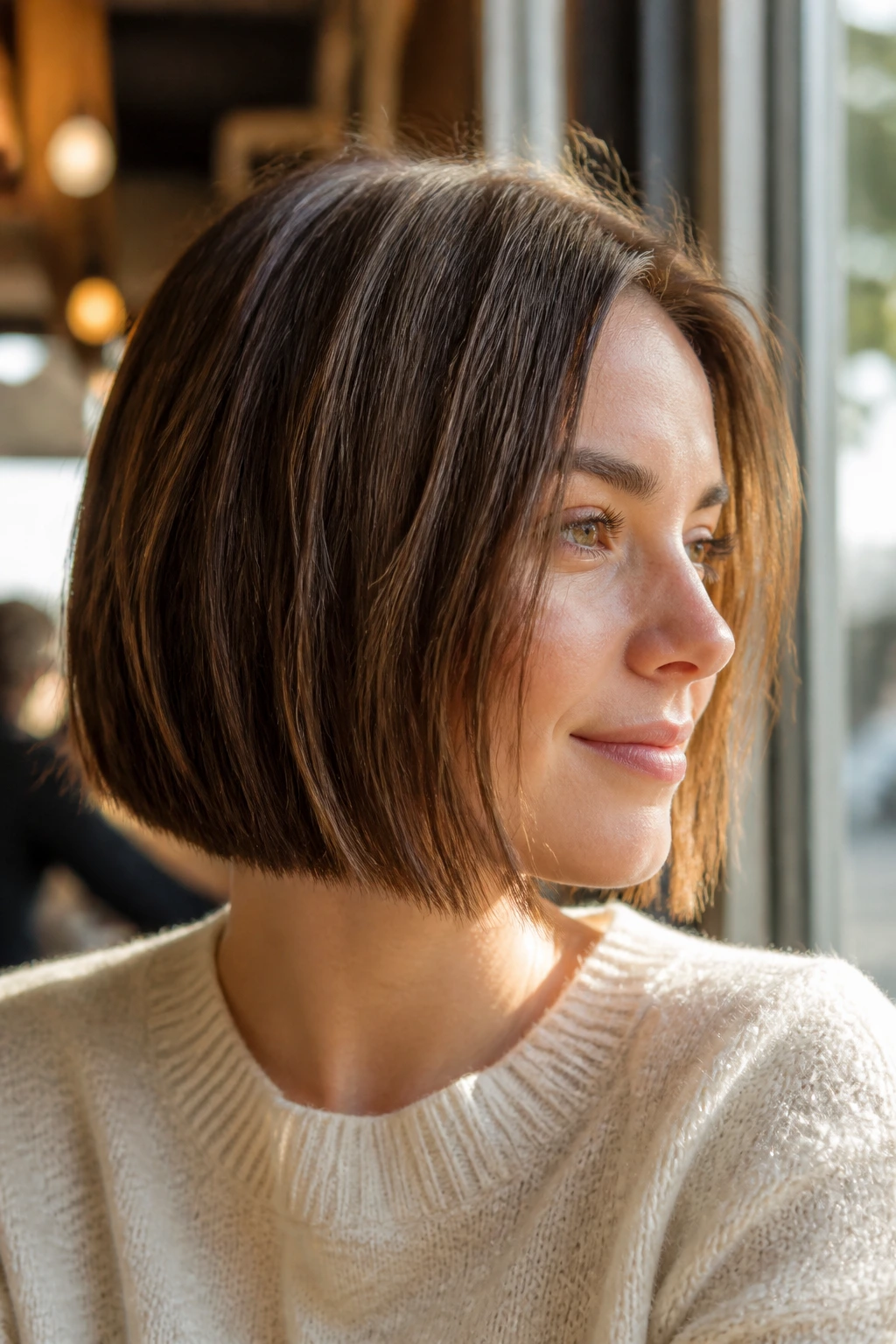
Sometimes you want the sharp, clean lines of a classic bob, but you don’t want the “helmet hair” effect that can come with it. This style keeps the perimeter blunt and precise, hitting just above the collarbone, but adds thin, invisible layers on the surface to keep it from feeling too heavy.
Who Should Choose This Style
This is the perfect bridge for people who are nervous about going too short or too layered. It gives you the sophistication of a blunt cut but the manageability of a textured one. If you have fine hair, this is a great way to make your ends look blunt and full without needing constant styling to prevent it from looking thin.
Making It Look Modern
- Use a flat iron to create a slight “bend” or “S-wave” midway down the shaft.
- Keep the roots sleek and the mid-lengths textured.
- Finish with a matte texturizing spray rather than a high-shine hairspray.
- This contrast between the blunt perimeter and the textured interior is what makes the cut feel contemporary rather than dated.
5. The Curly Bob with Rounded Layers
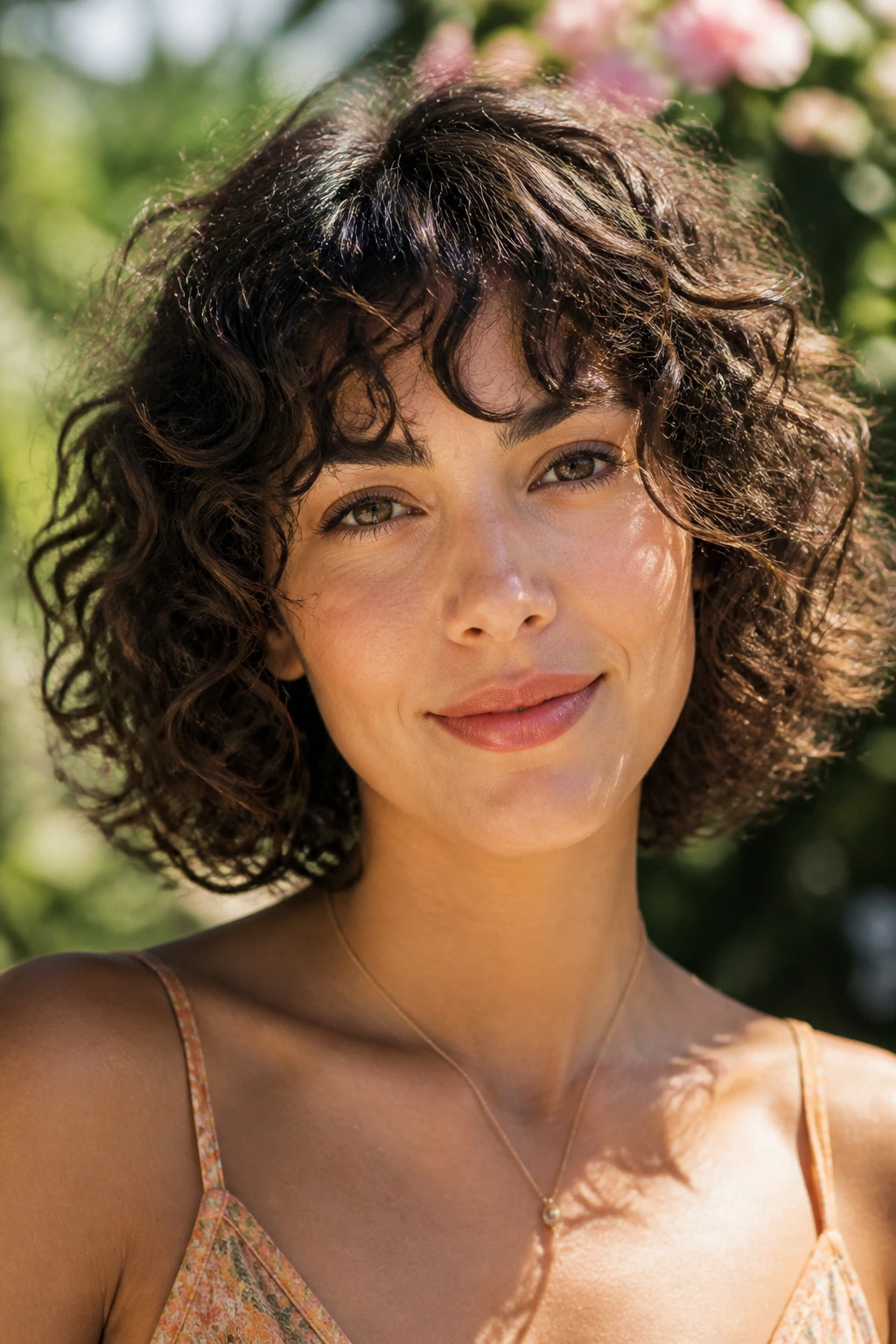
Oval faces often handle volume better than any other face shape, which makes the curly bob an incredible option. When you cut curly hair into a bob, you need to rely on “rounded” layers—layers that follow the curve of the head—to ensure the hair doesn’t expand outward into a triangle.
Why This Works for Curls
For someone with curly or coily hair, a textured bob removes the weight that usually pulls the curl pattern flat. By cutting the hair to chin length and adding layers, the curls gain a natural spring. You are effectively liberating the hair to curl into its natural shape.
Tips for Curly Texture
- Always request a “dry cut” if possible, as curly hair behaves differently when wet.
- Ensure your stylist cuts “into” the curls to maintain the shape of each individual ringlet.
- Use a curl-defining cream while the hair is soaking wet to lock in the pattern.
- If you encounter a rogue flat spot, use a small-diameter curling wand to touch up the shape.
6. The Textured A-Line Bob
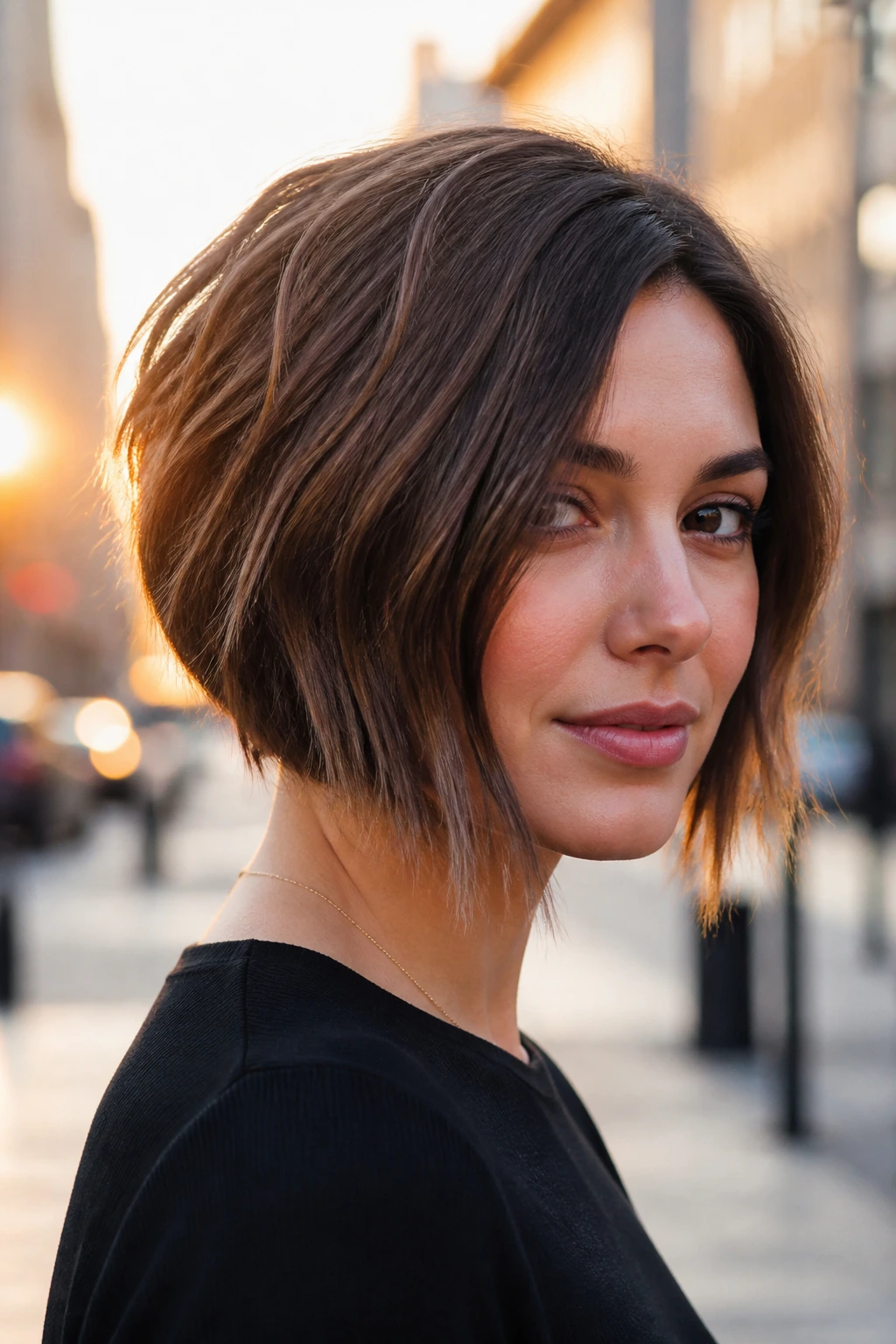
The A-line bob, which is shorter in the back and longer in the front, is a classic for a reason. By adding texture to this shape, you move it from the rigid, office-appropriate styles of the past into something much more relaxed. The key is in the “stack”—the layers in the back of the head that build height and volume.
The Power of the Stack
The stack at the back creates a beautiful profile view, while the longer pieces in the front frame your jawline perfectly. Because you have an oval face, you don’t need to worry about the front pieces making your face look too long; they will simply emphasize the line of your jaw, which is a flattering effect for almost everyone.
Maintenance and Growth
- This cut requires more regular trims than others, usually every 6 to 8 weeks.
- As the back grows out, the “stack” can start to look like a mullet if you aren’t careful.
- Keep the back tight and clean while letting the front grow slightly more organic.
- A dab of pomade on the back layers can help maintain that distinct, lifted look.
7. The Layered Pixie-Bob
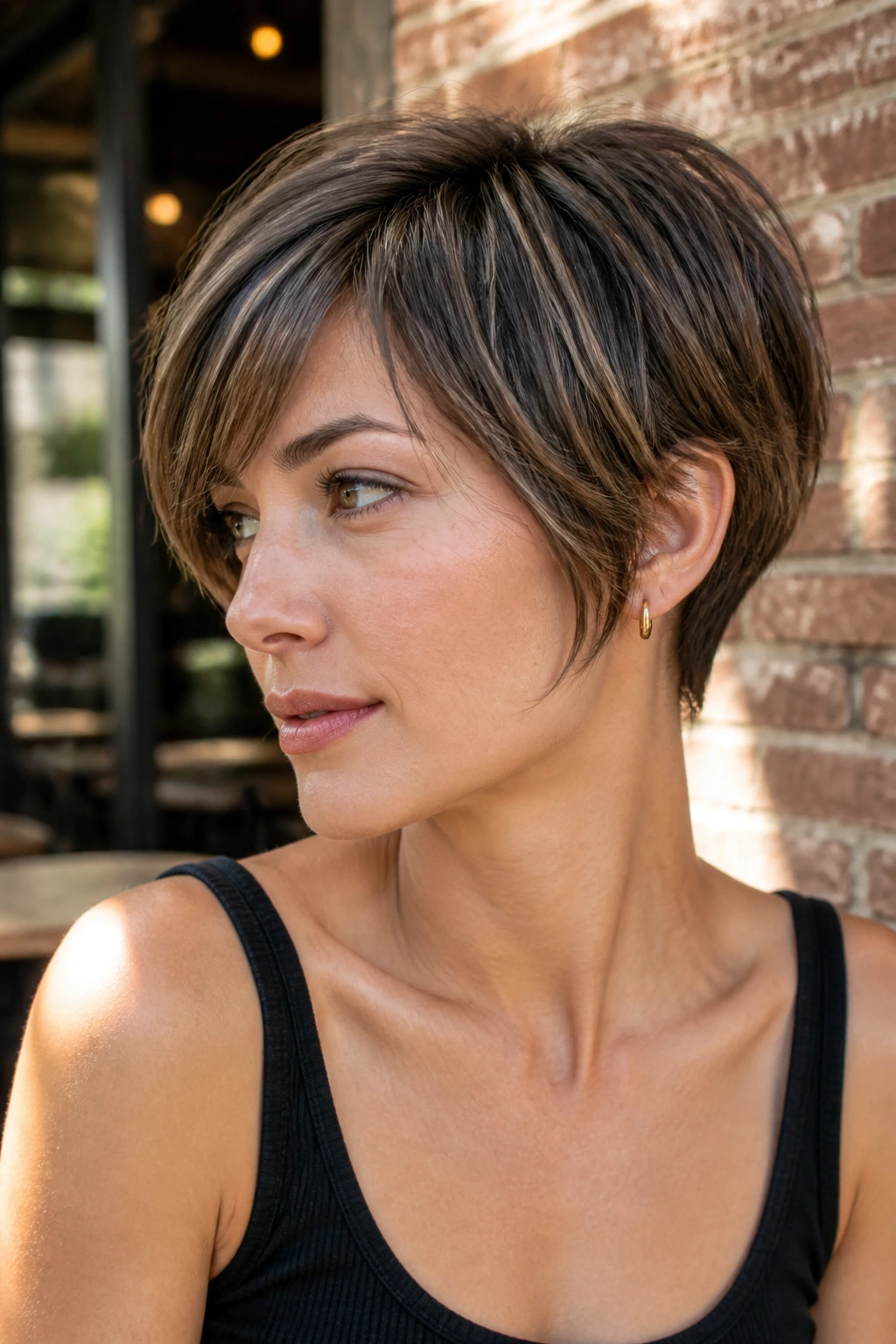
Sometimes called a “bixie,” this cut sits right between a pixie and a bob. It is extremely short in the back but retains a good amount of length and texture around the temples and the ears. It is bold, it is refreshing, and it highlights the neck and chin area more than any other style on this list.
Why the Bixie Wins
If you have been thinking about a pixie cut but are too intimidated by the maintenance, the bixie is your middle ground. It keeps enough hair to tuck behind your ears or sweep into a side part. It is incredibly easy to style—often, a bit of sea salt spray and a quick finger-comb is all it takes to head out the door.
Who Should Avoid This
- If you have an extremely long neck or are worried about exposing your ears, you might prefer a longer bob.
- The bixie requires a lot of confidence and a willingness to trim it often.
- It’s best suited for those who don’t mind their hair being “out of their face” for the majority of the day.
8. The Choppy Bob with Curtain Bangs
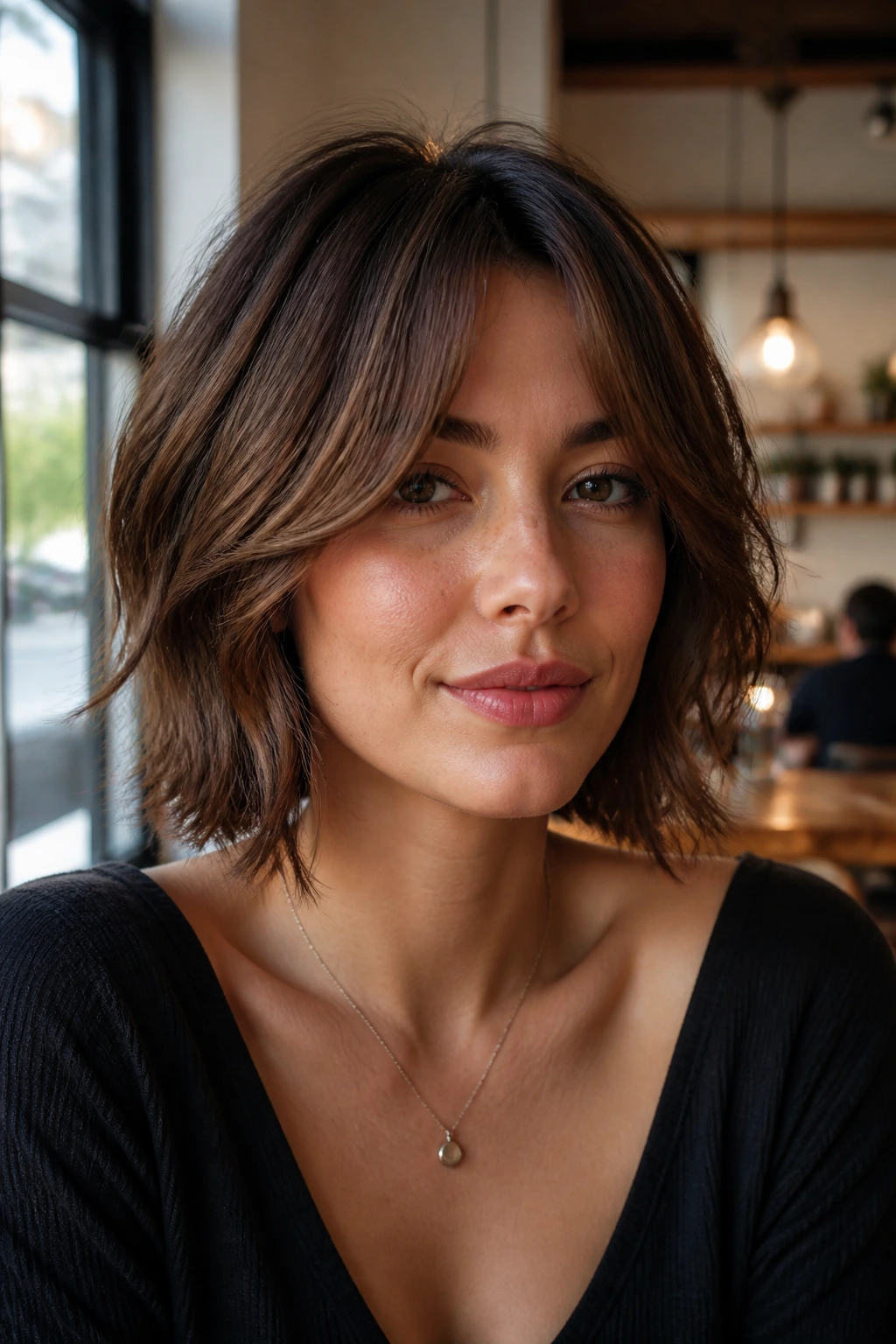
Curtain bangs have taken over the hair world, and they pair perfectly with a textured, mid-length bob. The bangs start at the center and angle outward, blending into the rest of the layers. This style is incredibly “soft” and feminine, providing a romantic look that doesn’t feel overly stiff.
The Face-Framing Effect
Curtain bangs act like a frame for your eyes and cheekbones. For an oval face, they are a nice way to add interest to the forehead without hiding it completely. By keeping the bob itself choppy and textured, you keep the whole look from feeling like a retro 1970s throwback.
Styling the Bangs
- Use a small round brush and a blow dryer to flip the bangs away from the face.
- Let them cool in the brush for a few seconds to set the “flick.”
- If your bangs fall flat, a quick spritz of dry shampoo at the root of the fringe can add the lift they need.
- Keep the rest of the hair textured and loose for a balanced, airy look.
9. The Razor-Cut Blunt Bob
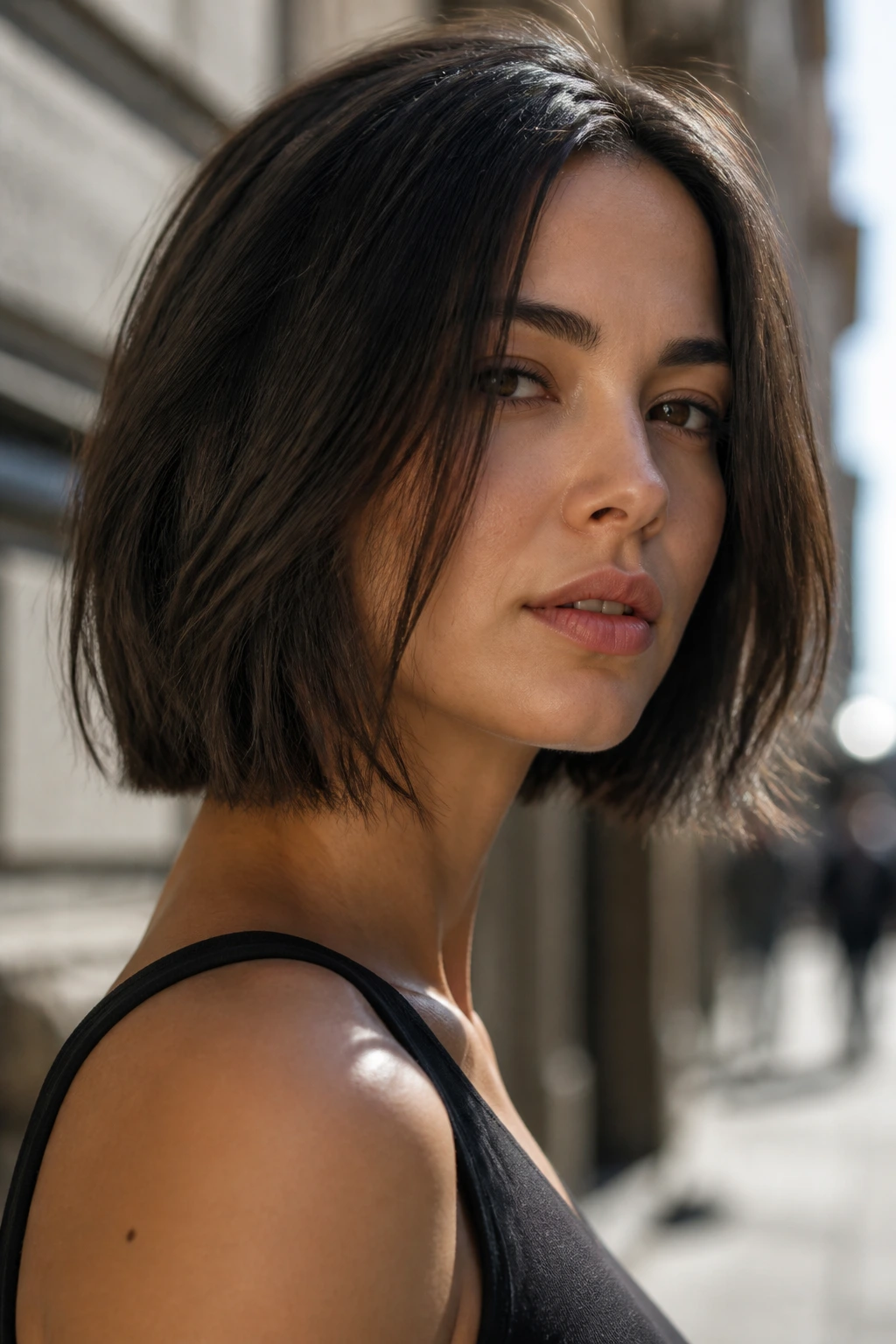
A razor-cut bob is the ultimate way to achieve a “shattered” effect. Instead of using scissors, your stylist uses a straight razor to glide through the hair, which creates ends that are naturally tapered and textured rather than blunt. It gives the hair a soft, almost “feathered” edge that feels very modern.
Understanding the Razor Cut
A razor cut removes more weight than scissors can. It creates a smooth, tapered end that isn’t prone to bunching up at the bottom. It is a dream for people with thick, heavy hair who want a bob that doesn’t feel like a heavy blanket hanging off their head.
Potential Downsides
- If your hair is prone to split ends, a razor cut can sometimes exacerbate the issue if the razor is dull.
- Always ensure your stylist uses a fresh, sharp blade for the best results.
- This style isn’t for people who prefer thick, heavy, blunt ends.
- It requires a stylist who is well-versed in razor techniques, as it takes a different set of skills than standard scissor cutting.
10. The Deep Side-Parted Textured Bob
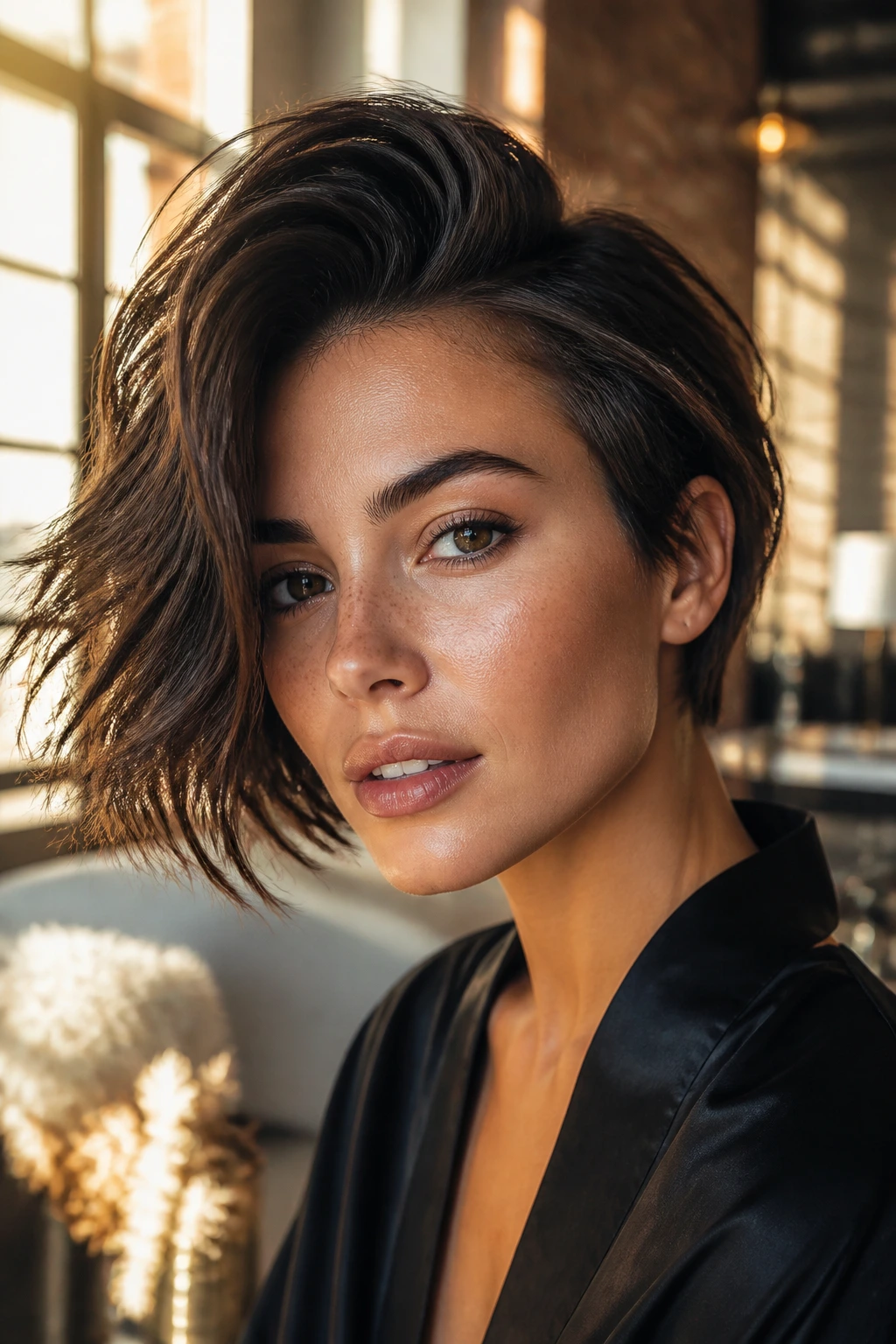
Sometimes, the cut isn’t the only thing that creates the texture—the way you style it makes all the difference. By shifting your hair into a deep side part, you instantly create a cascade of volume on one side. When combined with a bob cut, this creates an asymmetrical, dramatic silhouette.
Why This Works for Oval Faces
Side parts are generally very flattering on oval faces because they break up the symmetry just enough to make the features look even more striking. The volume created by a deep side part also adds a touch of “glamour” to an otherwise casual textured bob. It is the easiest way to elevate a messy, lived-in style for a night out.
The Parting Trick
- When the hair is wet, use a fine-toothed comb to find your new part line.
- Blow dry the roots of that heavy side in the opposite direction of where they naturally want to fall to create maximum lift.
- Once dry, flip the hair back over, and you will notice an instant boost in volume at the crown.
- You can even pin the thinner side behind your ear to emphasize the asymmetry.
11. The Wet-Look Textured Bob
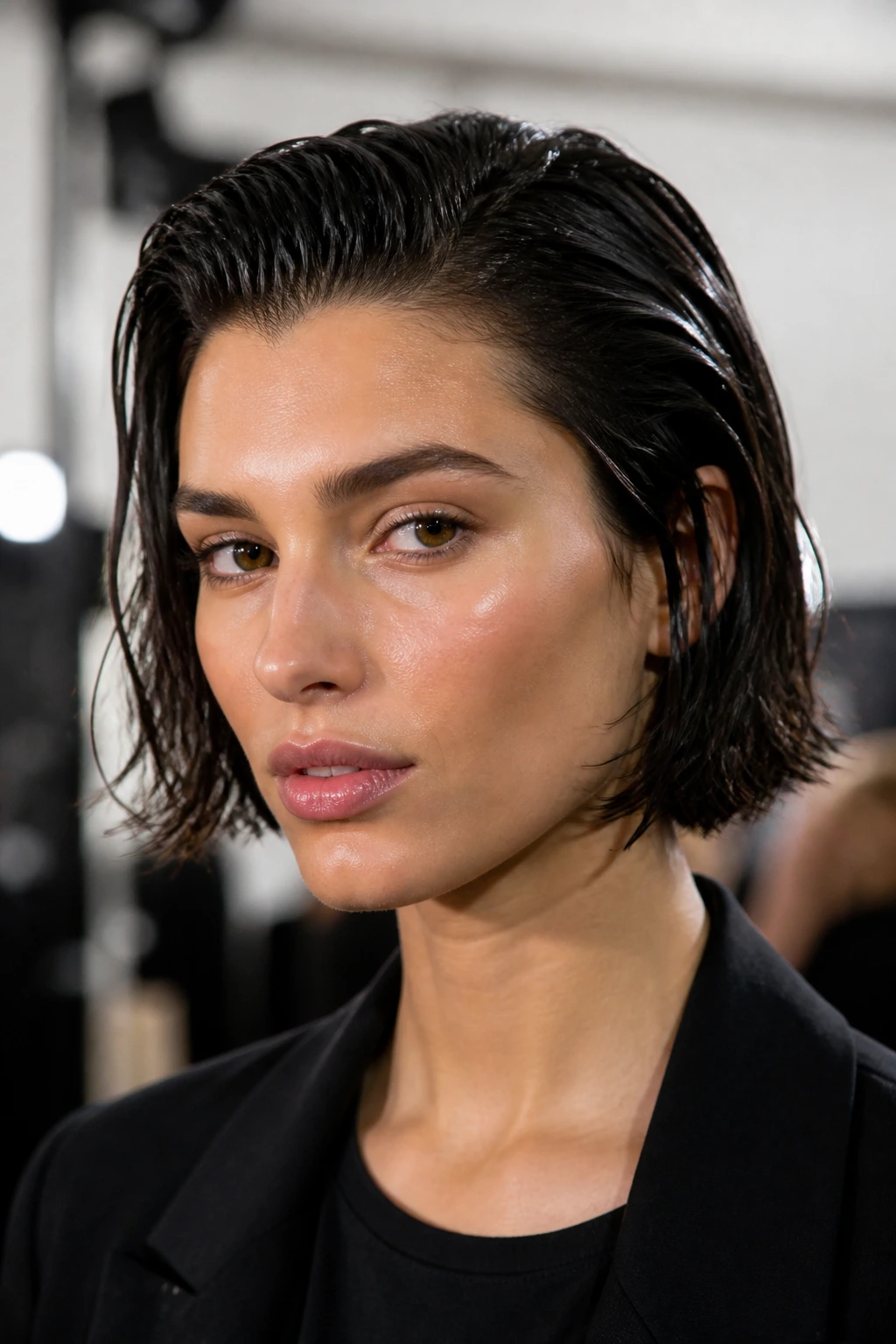
The “wet look” has become a runway staple, and it is surprisingly wearable for a textured bob. By using a light-hold gel or a high-shine pomade, you can define the layers of your bob, giving it a sharp, piecey, editorial look that stays in place all day.
How to Achieve the Look
- Work a palm-sized amount of shine-enhancing styling gel through damp hair.
- Use a wide-toothed comb to distribute it, but leave some of the “raked” texture from your fingers.
- Let it set as it dries. You don’t want it to look “crunchy,” so look for flexible-hold products.
- This works exceptionally well for second-day hair that might be losing its volume.
When to Use This Style
- It is ideal for formal occasions, dinners, or events where you want your hair to look polished and intentional.
- It is a fantastic way to disguise hair that is slightly greasy, as the product hides it seamlessly.
- It pairs beautifully with minimalist outfits, letting the hair structure speak for itself.
12. The Wispy Layered Bob
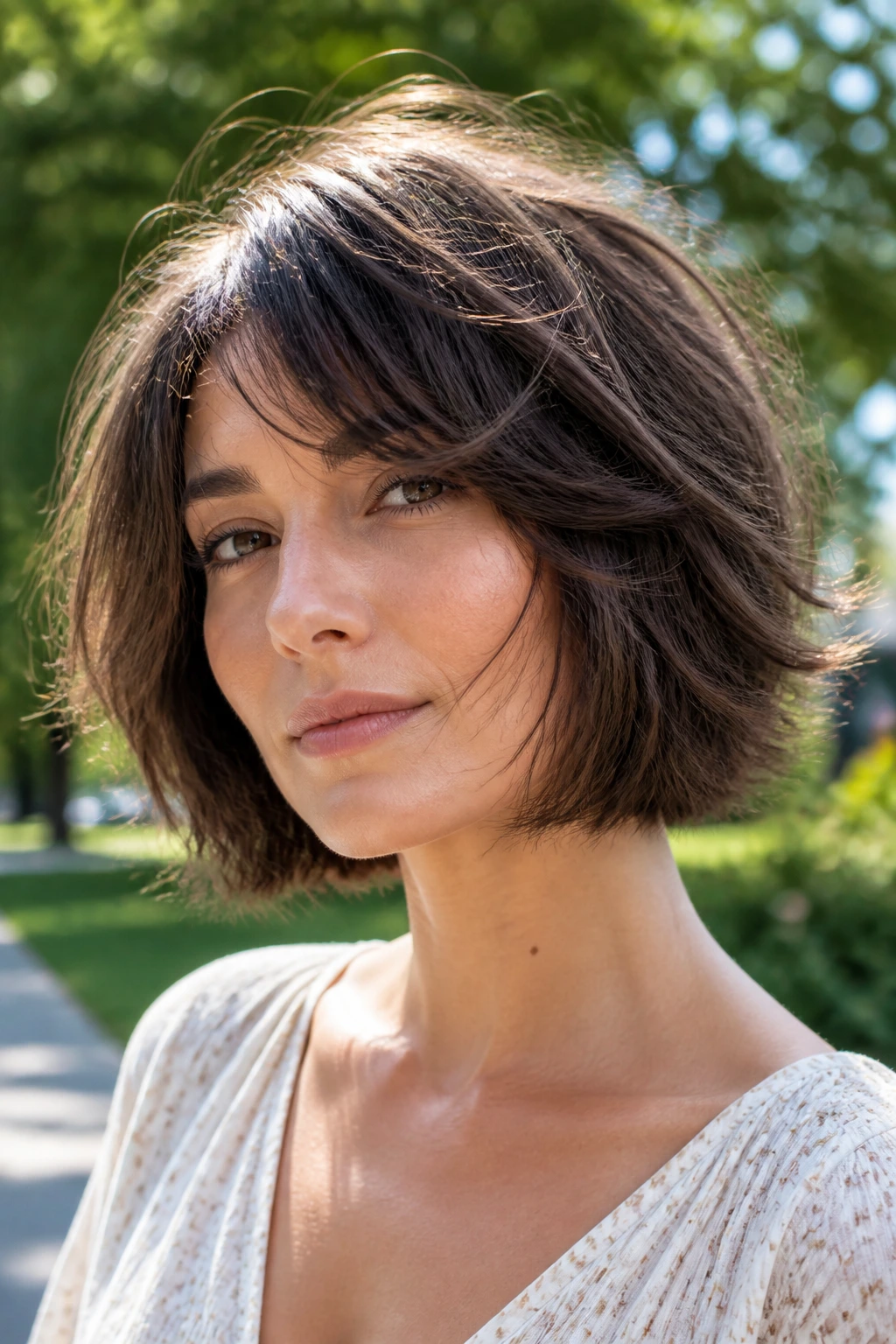
If you want something that feels incredibly light and ethereal, the wispy layered bob is the way to go. This involves very subtle, feathered layers throughout the entire head. It is meant to look like your hair is constantly catching the breeze, even when you are standing still.
The Technique
The stylist will use thin layers that start quite high up but remain very delicate. The goal is to avoid any “bulk” at the perimeter. This is a very youthful, airy style that requires almost no effort to maintain. It is the ultimate “low-maintenance” choice for someone who values movement above all else.
Managing the Texture
- Since the layers are wispy, the hair is more prone to tangling.
- Use a leave-in detangler spray to keep the layers moving freely.
- Avoid heavy hairsprays that might cause the wispy bits to stick together.
- This style grows out very gracefully, so you can often go longer between salon visits.
13. The Two-Tone Textured Bob
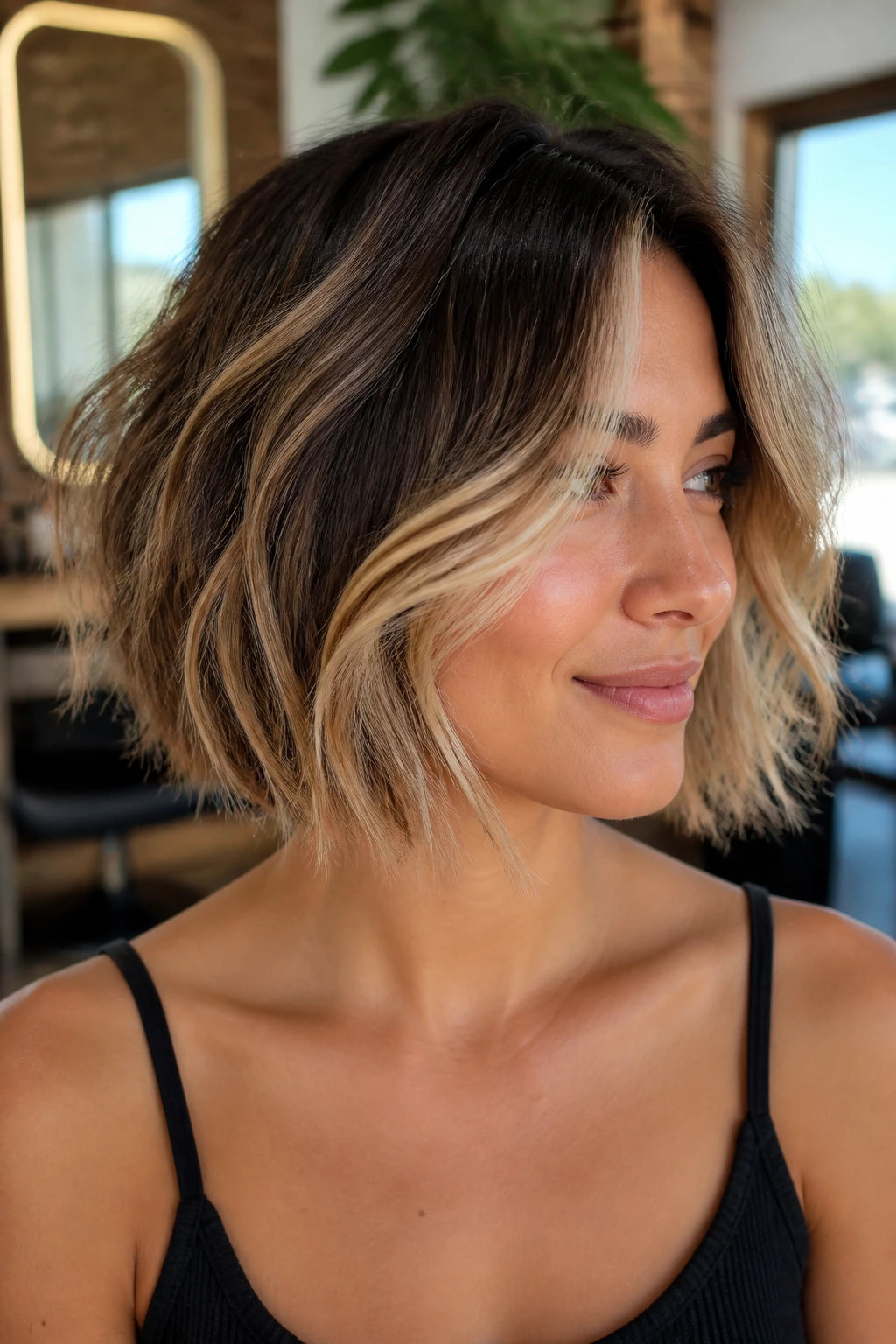
Texture is often enhanced by color, and the two-tone bob is a testament to this. By adding subtle highlights (or “babylights”) that catch the edges of your layers, you make the texture more visible. The contrast between light and dark creates the illusion of more volume, even if your hair is naturally thin.
Why Color Matters
When hair is a single, solid color, it can be hard to see the layers. By introducing dimension, you literally “map” the layers for the observer. For an oval face, you can place lighter pieces around the face to act as a natural highlight, brightening your eyes and complexion.
Color Maintenance
- Use a sulfate-free shampoo to keep the highlights from turning brassy.
- A gloss treatment every few months will help the layers catch the light better.
- Avoid overly bleached ends, as they can become dry and brittle, losing the “bounce” necessary for a textured look.
14. The “Bottleneck” Bob
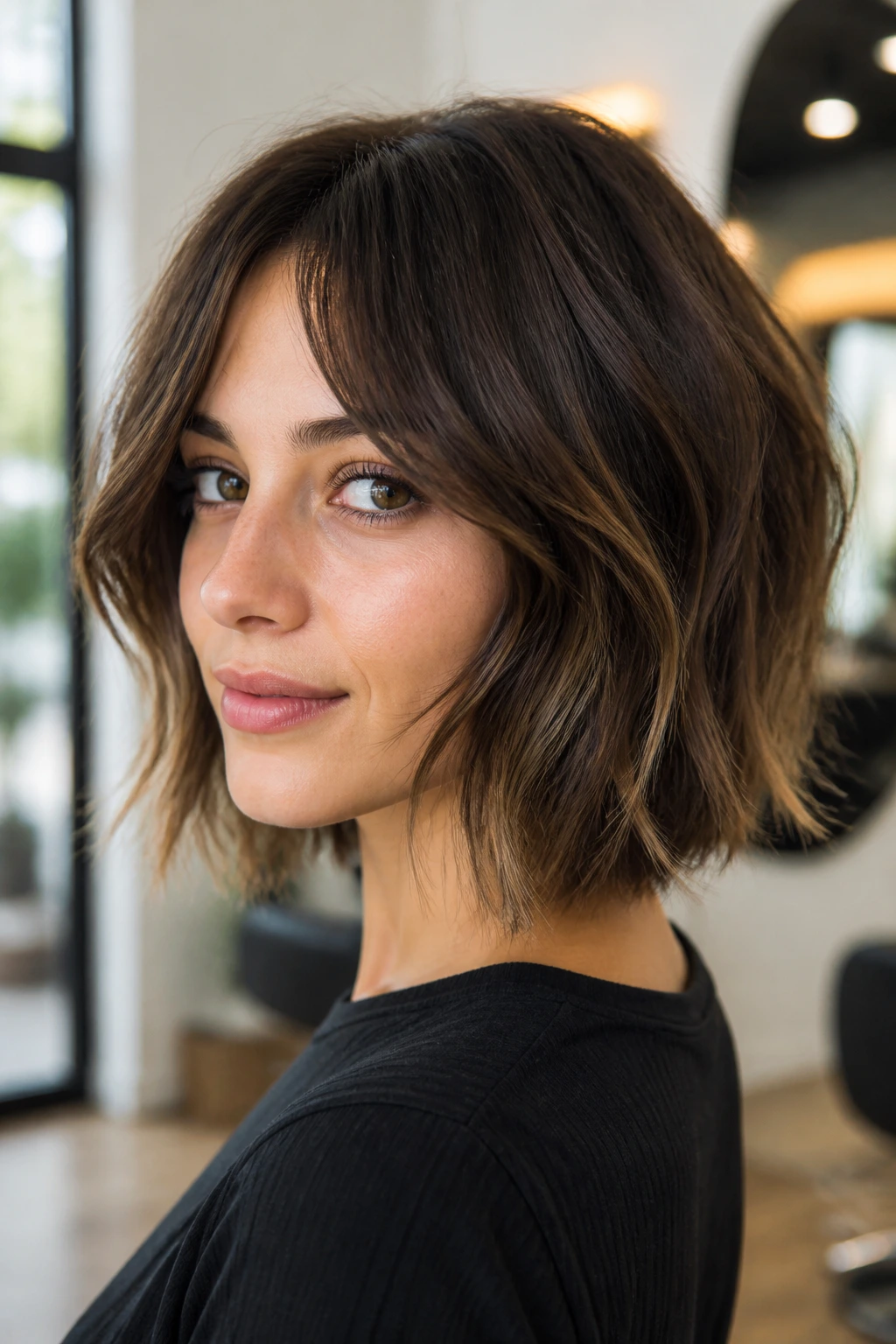
This is a modern variation of the curtain-bang trend, where the bangs narrow at the middle (like the neck of a bottle) and flare out at the cheekbones. When paired with a textured bob, it frames the face so perfectly that it almost feels custom-made for oval features.
The Shape of the Cut
The bottleneck shape draws attention to the eyes and cheekbones while letting the rest of the hair fall in soft, textured waves. It is arguably one of the most flattering styles for an oval face because it highlights the best features of your face while providing a soft, natural frame.
Daily Styling
- Keep the bangs bouncy with a quick round-brush style.
- Use a texturizing spray on the ends of the bob to keep them piecey.
- This style looks best when the bob is kept at a chin-to-shoulder length.
- It is a very versatile cut that can be worn up or down with equal ease.
15. The Deep-Layered “Wolf” Bob
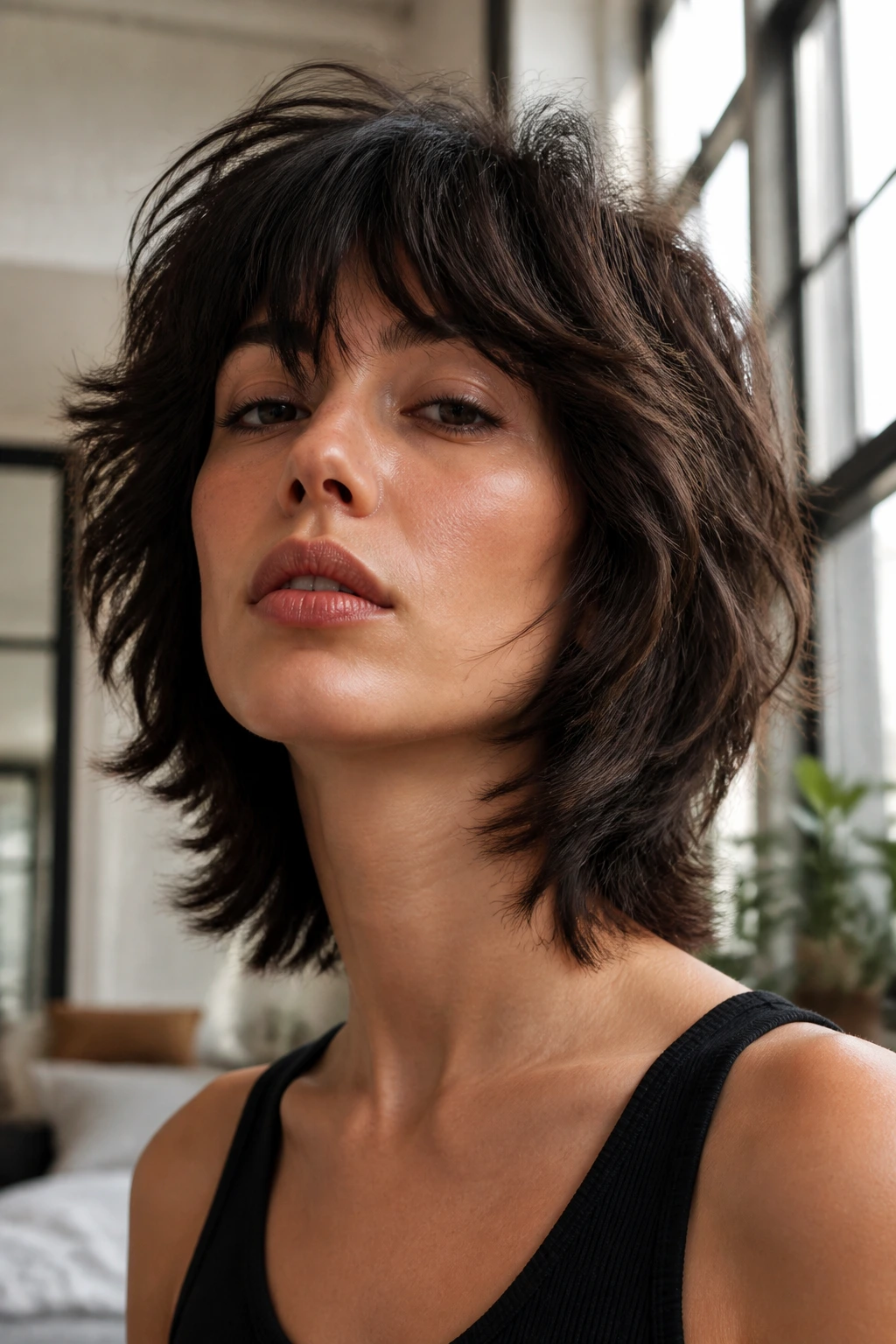
The “wolf cut” has become popular for its heavy, voluminous layers. Scaling this down to a bob length results in a haircut that is all about volume, energy, and layers upon layers. It is an adventurous cut for someone who wants to embrace a bold, fashion-forward look.
Why It’s Unique
This isn’t a “neat” haircut. It’s supposed to look big, messy, and slightly chaotic. It’s perfect for people with thick hair who usually have to fight to keep their volume in check. Here, you aren’t fighting the volume—you are feeding it.
Balancing the Look
- Because this cut is so voluminous, keep your outfit simple.
- Use a volumizing foam at the roots to ensure the layers don’t lose their height by the end of the day.
- A bit of grit or texturizing dust at the base of the hair can provide the hold this style needs to stay standing.
16. The Invisible Layered Bob
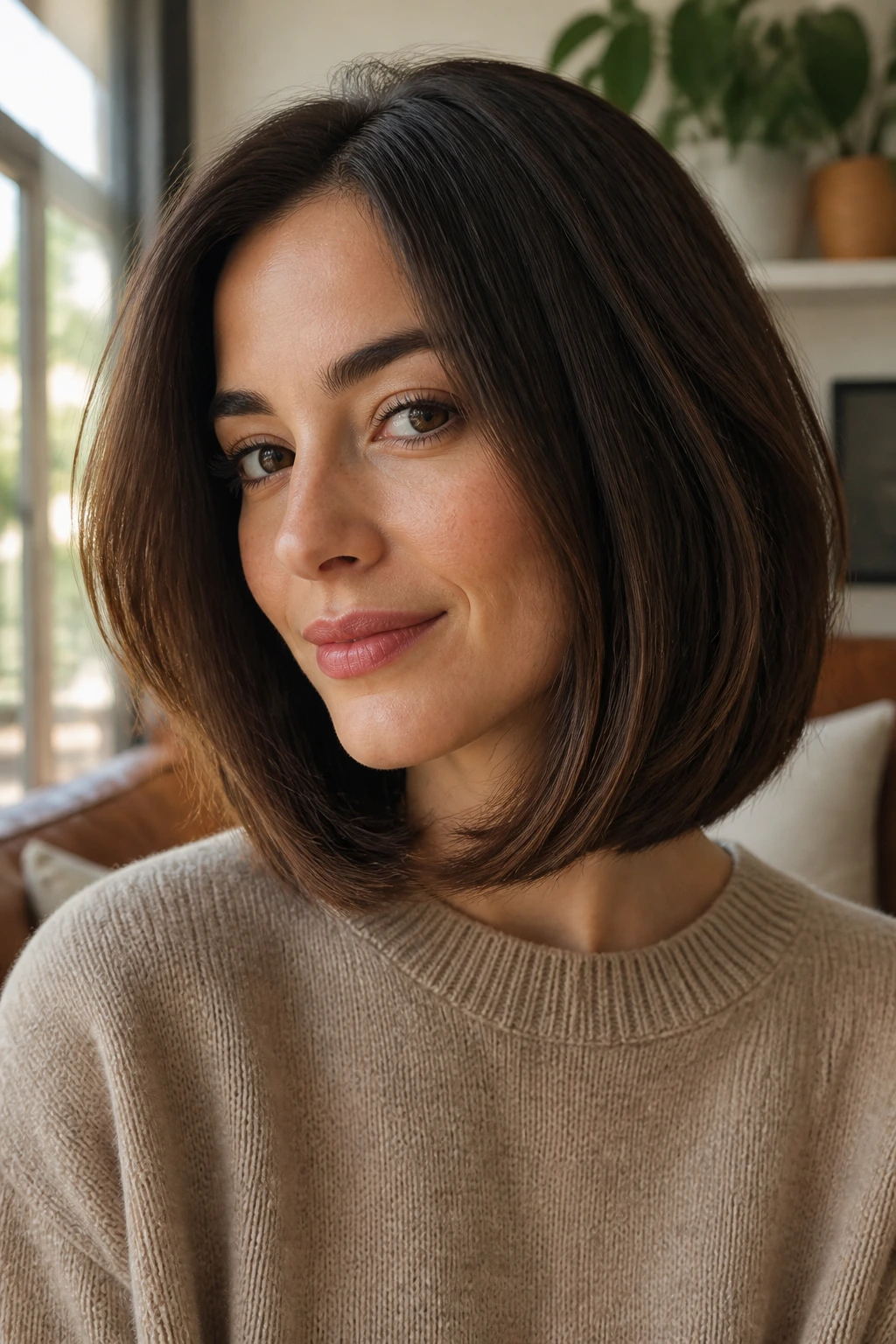
If you want to keep your hair looking thick and healthy while still enjoying the benefits of a textured cut, the “invisible layer” technique is your solution. These are long, blended layers that are hidden underneath the top layer of hair, giving you a rounded, healthy shape without the “choppy” look.
The Benefit of Hidden Layers
These layers provide the internal support your hair needs to hold a style. They prevent the hair from lying flat against your head. For an oval face, this is a very sophisticated, “expensive” looking haircut that emphasizes the natural health and luster of your hair.
Who Should Request This
- People with fine-to-medium hair who want more body.
- Those who want to maintain the appearance of one long, healthy length but find it hard to style.
- It’s the perfect “subtle” shift for someone who loves their hair but just needs it to be a bit easier to manage.
17. The Asymmetrical Textured Bob
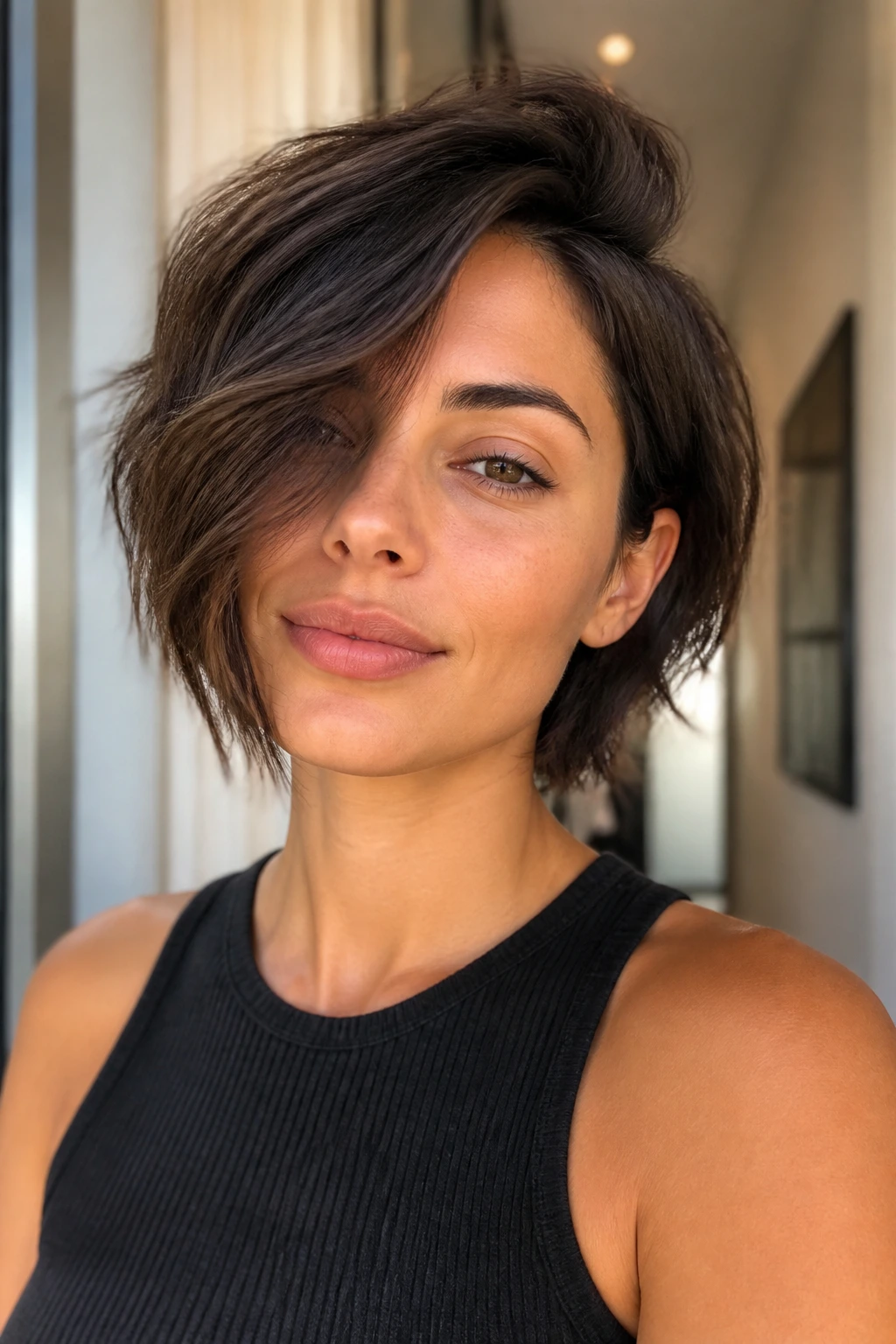
If you want to make a statement, the asymmetrical bob—longer on one side than the other—is the classic choice. When you add texture to this geometry, you create a style that feels edgy and modern without being too “high maintenance.”
The Asymmetry Factor
The contrast in length is naturally eye-catching. By adding layers and texture, you soften the hard lines of the asymmetry, making it easier to transition from day to night. It’s a great style for someone who wants to break up the monotony of a classic, symmetrical bob.
Styling Tips
- Avoid perfectly straight styling, as it can make the asymmetrical line look too severe.
- Use a curling iron to add messy waves, which helps the different lengths blend better.
- A side part works best with this style to emphasize the longer side.
- Keep the neck of the shorter side clean and trimmed for a sharp finish.
18. The Modern Grunge Bob
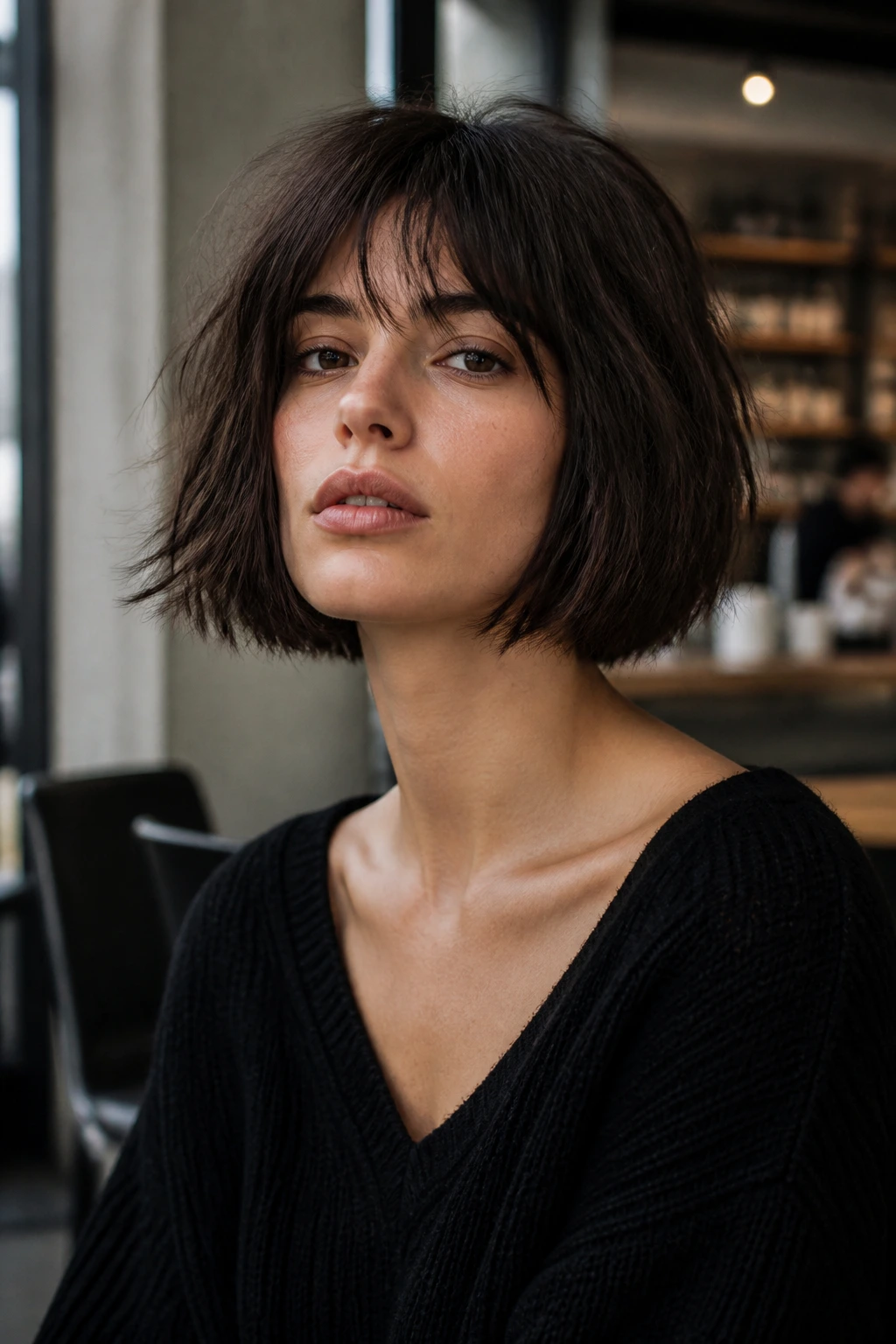
Think 90s-era, undone, flat-ironed but not too straight. The modern grunge bob is all about the “lived-in” aesthetic. It is usually kept right at the chin, with choppy, razor-cut ends and a matte finish.
Embracing the Grunge
This style relies heavily on product. You want a matte texture that says you didn’t spend three hours on your hair. It’s an effortless look that pairs perfectly with casual, everyday wear.
Essential Products
- A matte styling paste or texturizing clay.
- Dry shampoo, even on clean hair, to add that “dirty” texture that looks so cool in this style.
- Avoid oils and shine sprays at all costs—this look is about texture, not brilliance.
19. The “Beach-Wave” Textured Bob
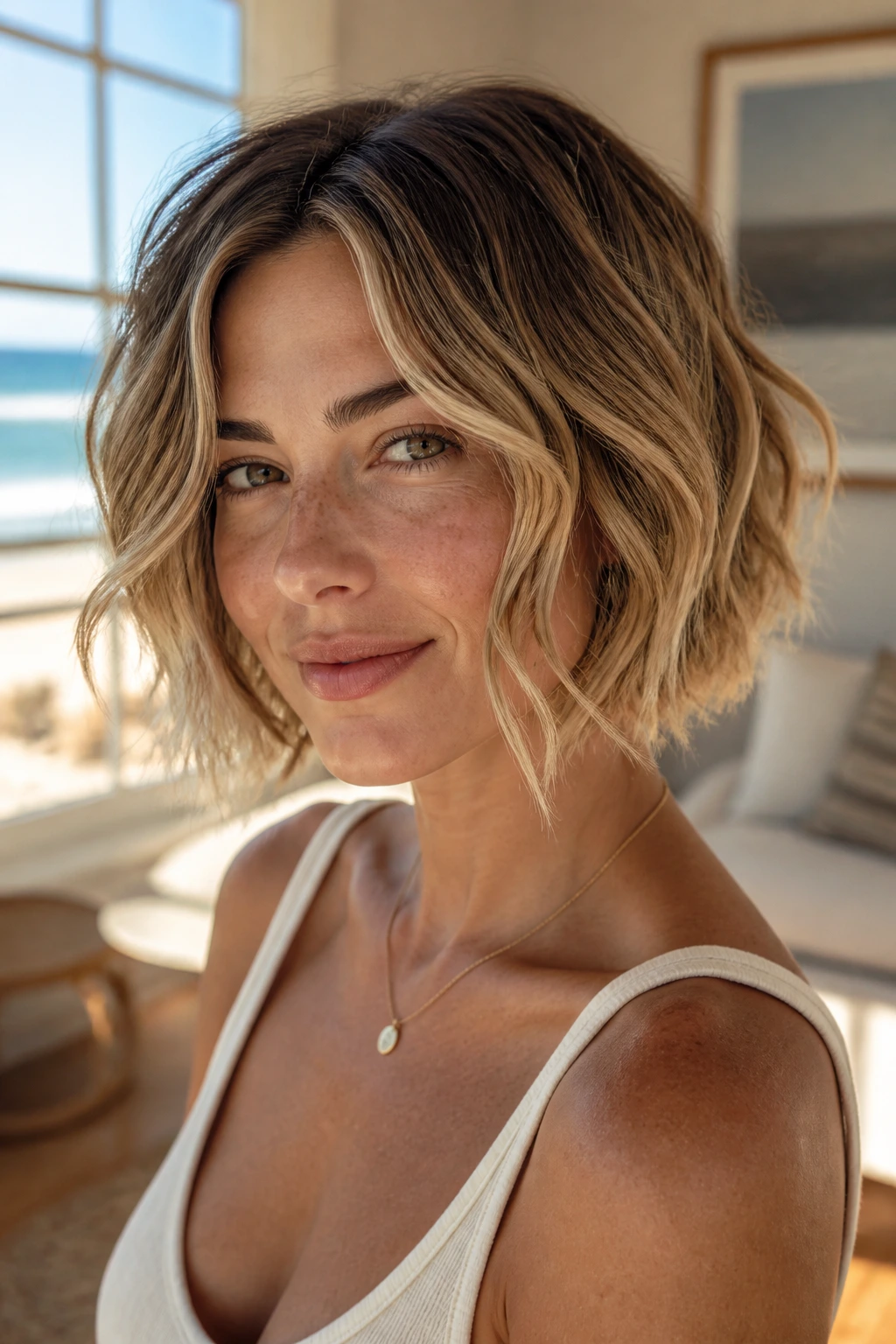
Beach waves never really go out of style, but they look best when cut into a bob. The shorter the hair, the more the waves have room to bounce, creating a look that is light, youthful, and incredibly flattering.
Why This Works for Oval Faces
The waves soften everything around the face, making your features appear even more balanced. This is a very “soft” style that doesn’t feel like a drastic or aggressive haircut. It is the perfect choice for the spring and summer months when you want something light.
Achieving the Waves
- Use a 1-inch curling wand to create waves in alternate directions.
- Leave the ends out of the iron for a straighter, more modern finish.
- Shake the hair out once it’s cool to break up the curls into soft waves.
- Finish with a lightweight spray to maintain the volume without weight.
20. The Tapered Nape Textured Bob
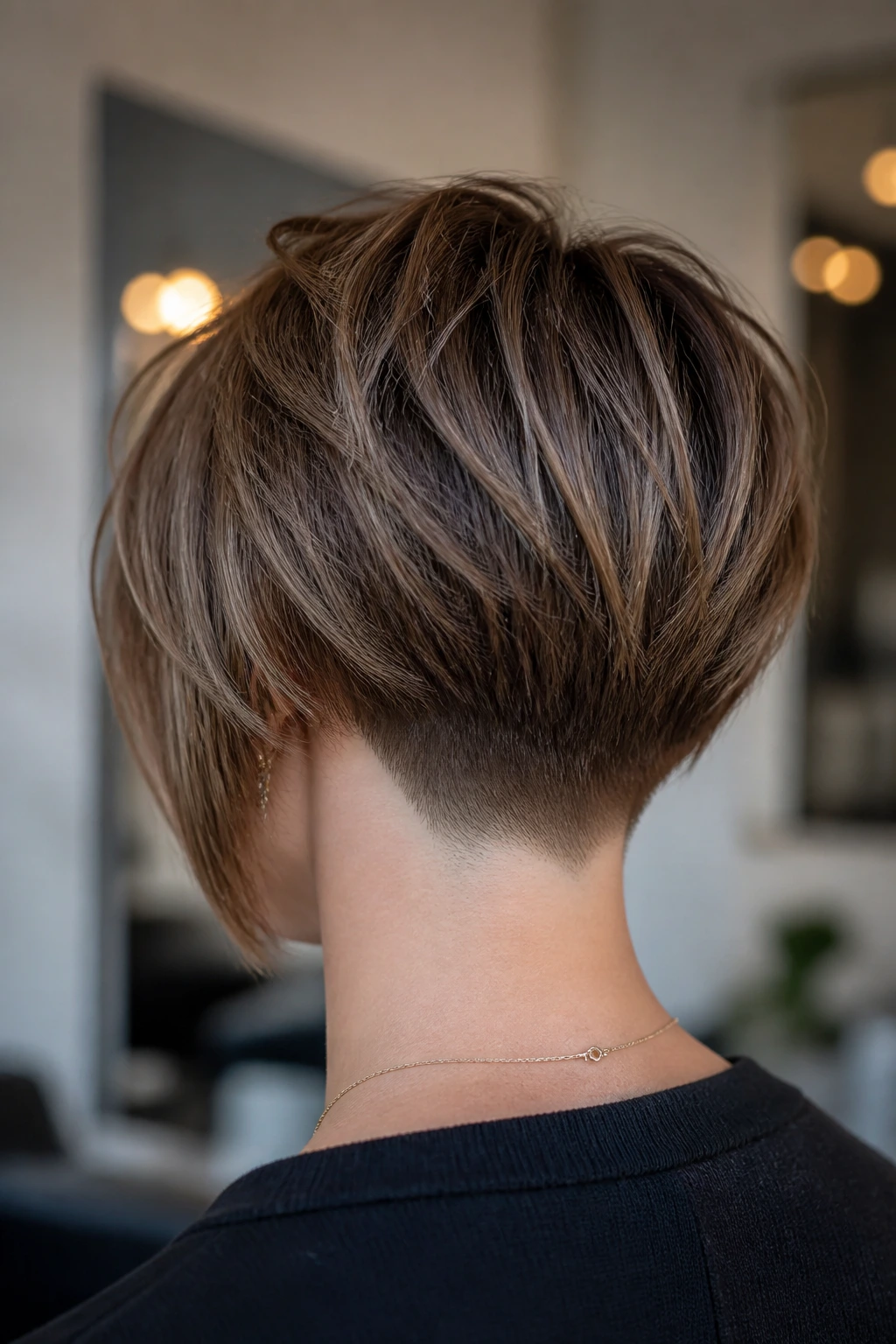
This cut focuses on the back of the head. By tapering the hair very closely at the nape of the neck and building up into textured layers at the crown, you get a beautiful, clean shape that allows the front to be longer and more playful.
The Tapered Detail
This is a very technical haircut. It requires precision in the back, which keeps the style looking neat even as it grows out. It is a fantastic option for people with thick hair, as removing the bulk at the nape makes the whole style feel lighter and more breathable.
Daily Maintenance
- Keep the nape hair clean with a quick trim every month.
- The front can grow out longer without needing frequent cuts, which makes this style cost-effective.
- It looks great tucked behind the ears, which reveals the tapered detail at the back.
21. The Textured Bob with Micro-Bangs

Micro-bangs are a bold, high-fashion statement. When you pair them with a textured, messy bob, you get a juxtaposition of high-fashion and street-style that is undeniably cool. It is not for the faint of heart, but for an oval face, it is a risk that almost always pays off.
Why It Works
Because your face is balanced, you don’t need bangs to hide anything. You can afford to go short and show off your eyebrows. The contrast between the short, blunt fringe and the textured, piecey bob creates a visual interest that is hard to ignore.
Styling the Bangs
- You must commit to styling these every morning, as they will not lay flat on their own.
- A quick run-through with a flat iron is usually sufficient.
- Use a lightweight pomade to keep the fringe piecey rather than flat and uniform.
- Keep the bob itself messy to ensure the bangs don’t look too “preppy” or stiff.
22. The “Bedhead” Long Bob
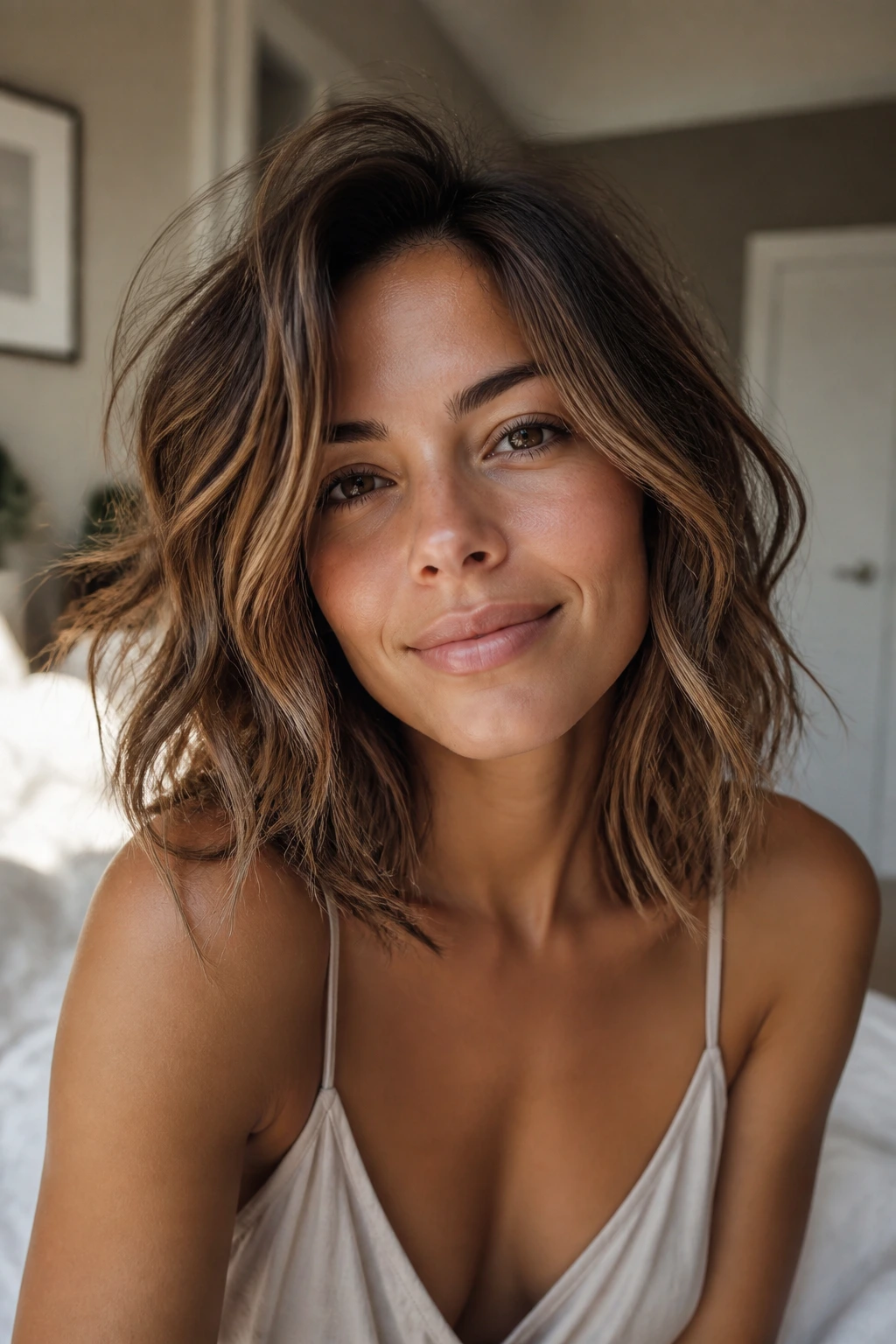
This is the ultimate evolution of the textured bob. It is long enough to pull back, but short enough to have serious body. It is the “bedhead” look perfected, with messy, tangled-looking layers that are actually the result of careful styling and cutting.
The Appeal of the Bedhead
It is the style for the person who hates feeling “overdone.” It is chic, effortless, and feels entirely authentic to the wearer. It is the kind of hair that looks even better on day two than it did on day one.
Keeping It Looking Good
- Do not wash your hair too often.
- Use a dry shampoo as a styling product from day one to keep the texture alive.
- Let it air dry whenever possible.
- Embrace the tangles—they are part of the aesthetic.
Final Thoughts
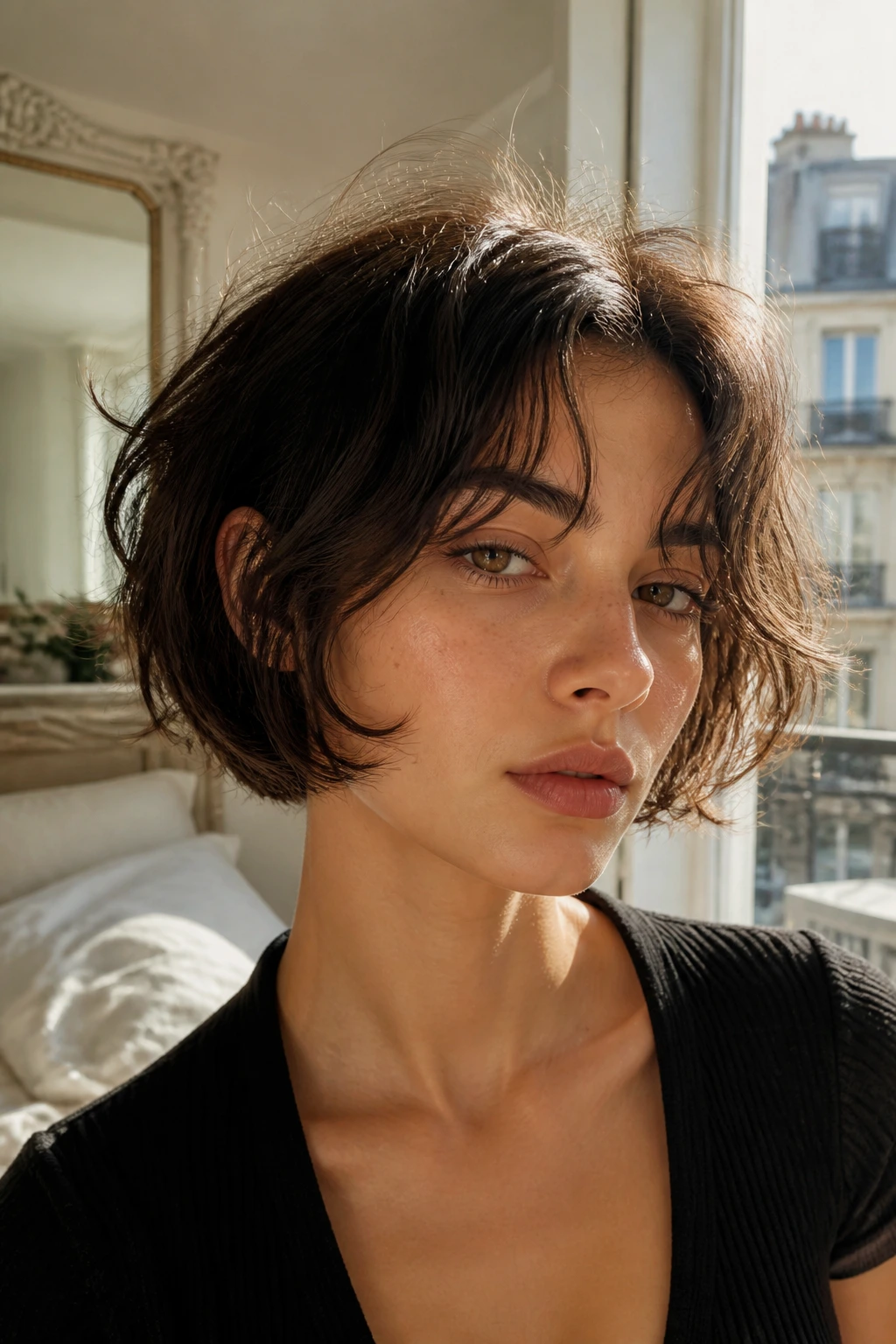
The beauty of the textured bob is that it isn’t just a haircut; it’s a tool for expression. With an oval face shape, you have the rare luxury of choosing any of these twenty-two variations without fear that the cut will overwhelm your features. Whether you prefer the sharp lines of a blunt cut softened by internal layering, or the chaotic, beautiful mess of a shaggy wolf bob, there is an option that will make your hair feel more “like you” than ever before.
Remember, the most important part of any textured look is the finish. Stop aiming for perfection. The next time you find yourself obsessing over a stray strand or a curl that didn’t quite sit right, let it go. That slight bit of rebellion is exactly what makes these cuts work so well. Your oval face provides the structure, but the texture provides the soul—enjoy the process of finding the specific shape that feels like home.