

Fine, thin hair on children can be a source of frustration for parents who struggle with tangles, lack of volume, or styles that seem to slip out the moment a barrette is placed. The truth is, children with fine hair often have a beautiful, silky texture that simply needs the right structure. When you match the cut to the hair’s natural behavior rather than fighting against it, you stop battling with styling products and start enjoying how effortless their hair can look.
This is not about forcing thin hair to look like thick, coarse hair through harsh chemicals or aggressive teasing. Instead, it is about selecting shapes that create the illusion of density or embrace the lightness of the strands. Whether you are dealing with a toddler’s first wispy layers or a school-aged child who wants a style that stays put during recess, the right approach changes everything.
1. The Classic Precision Bob
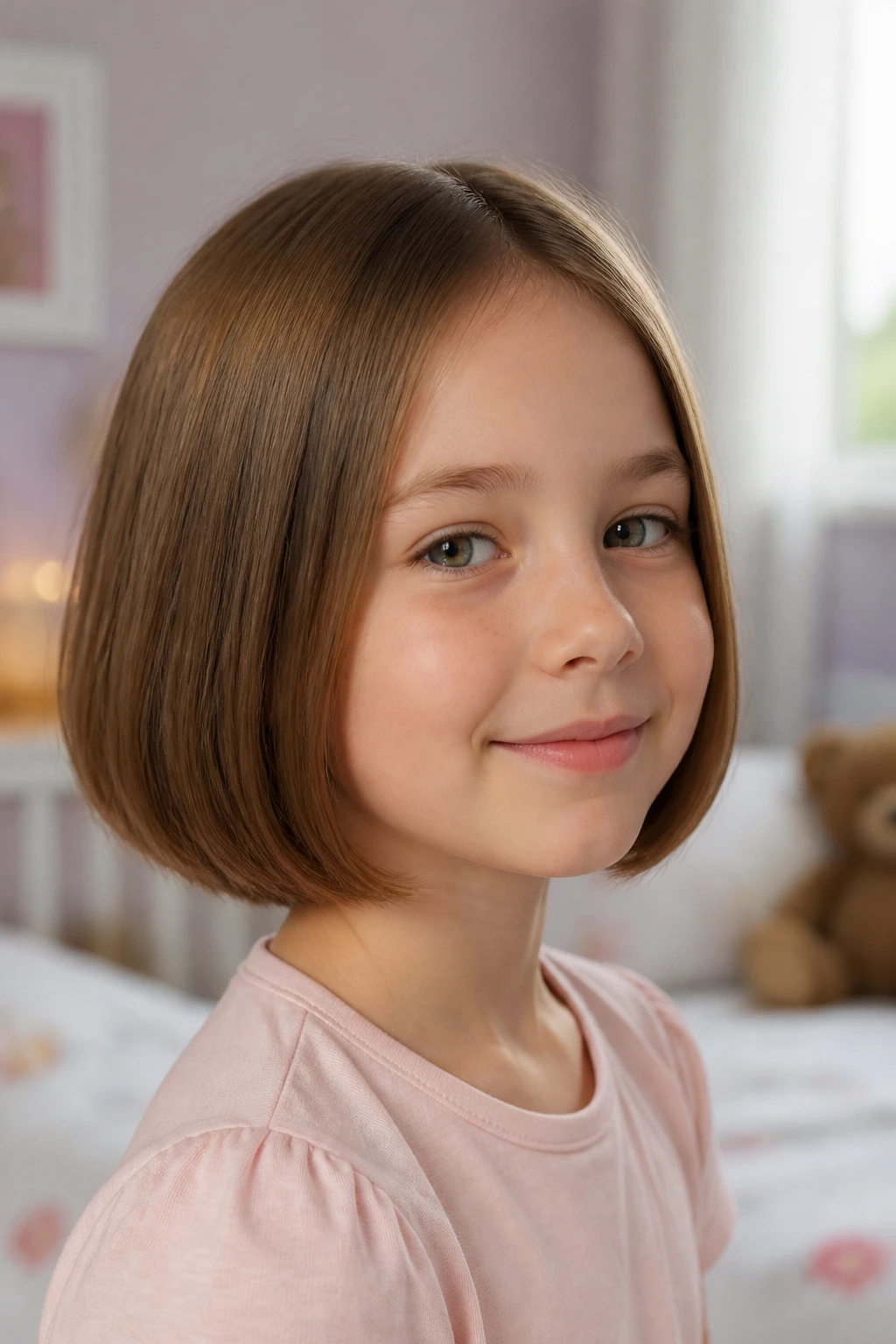
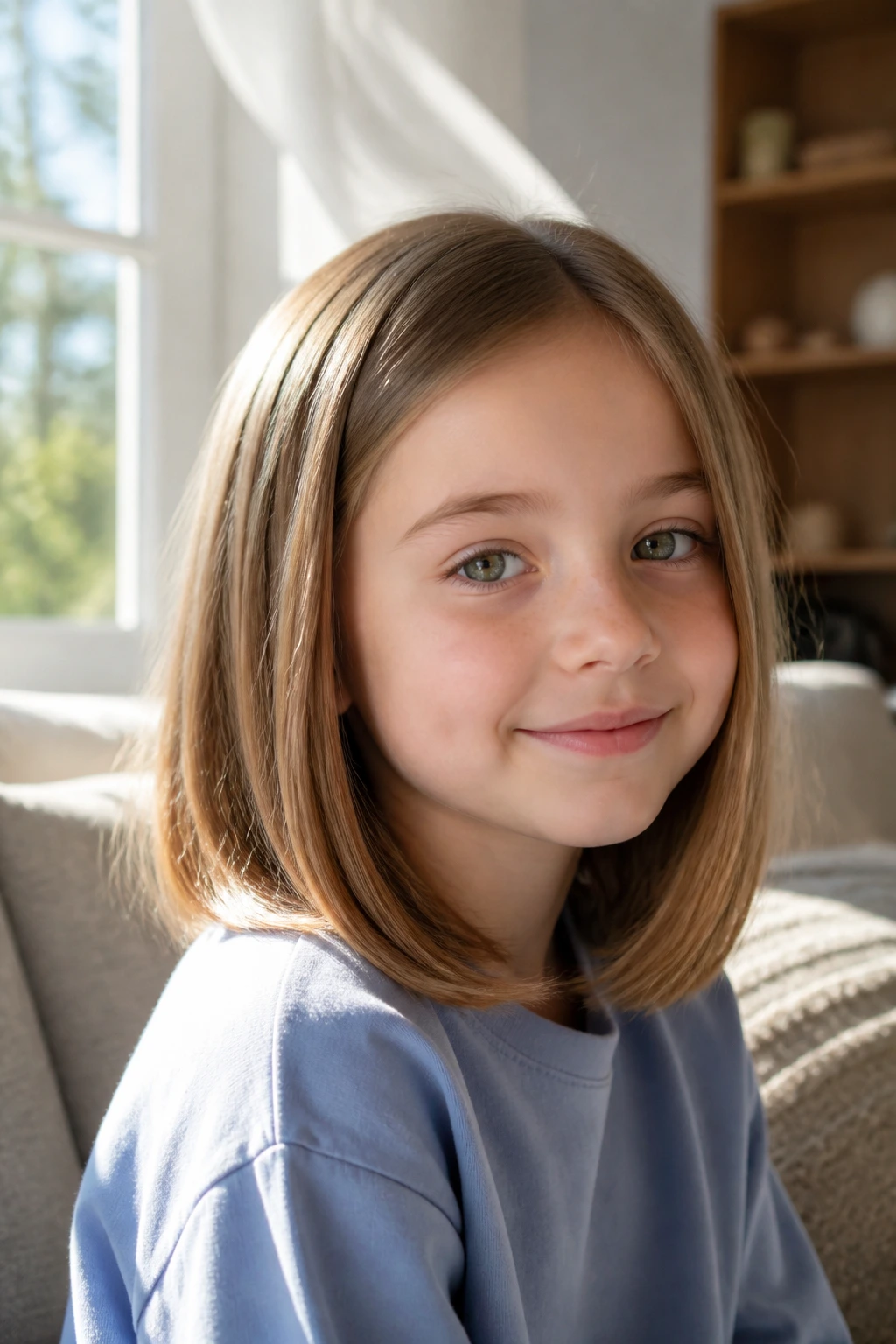
A blunt-cut bob is arguably the most effective tool for making fine hair appear thicker. By cutting the ends in a perfectly straight, horizontal line, you remove the wispy bits that often make thin hair look straggly. This weight at the bottom gives the hair a sense of purpose and structure. It is a timeless look that requires minimal styling; a quick brush in the morning is often enough to keep it looking sharp and intentional.
Why This Style Works
When hair is layered, the ends naturally become thinner. A blunt bob does the opposite by stacking the thickness at the perimeter. This creates a solid line that catches the light and emphasizes the hair’s natural shine, which is often a hidden benefit of fine, straight textures.
Styling Tips for the Precision Bob
- Keep the length resting right at the jawline or slightly above it for maximum visual volume.
- Use a light detangling spray instead of heavy creams or oils, which can weigh fine hair down.
- A center or side part works equally well, but switching the part can add a bit of natural lift at the crown.
2. Layered Pixie Cut
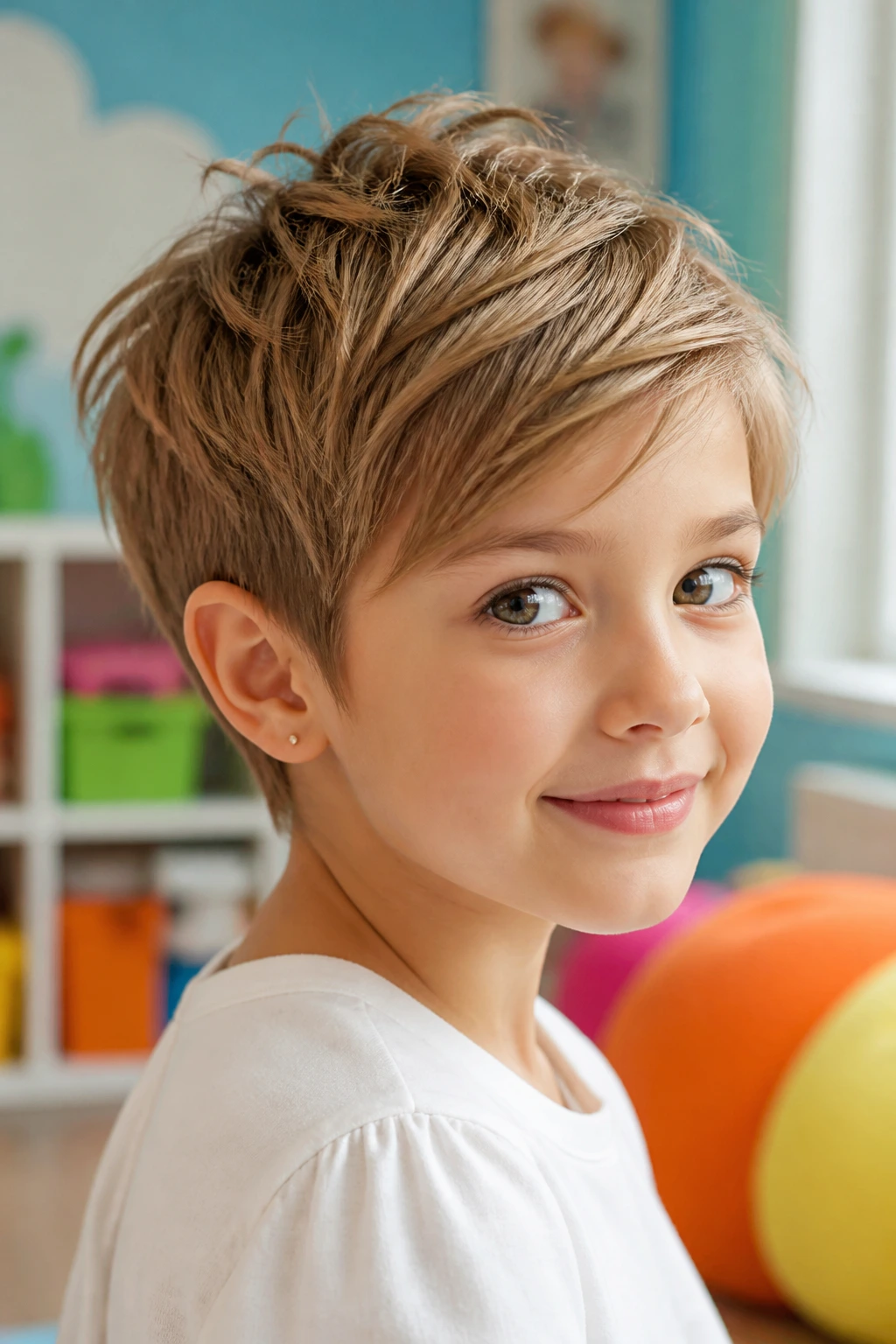
For children who are active and dislike hair falling into their eyes, the pixie is a godsend. While it might seem counterintuitive to cut fine hair short, the shorter the hair, the less weight it has to pull it down against the scalp. A pixie cut with soft, textured layers adds a sense of movement and volume that long, thin hair simply cannot achieve on its own.
3. Shoulder-Length Blunt Lob
If your child is not ready to go short but wants something more manageable, the lob—or long bob—is the perfect middle ground. It provides enough length to pull back into a small ponytail or bun while keeping the ends thick and healthy. The key here is to avoid over-layering; stick to a very slight graduation toward the front if they want a bit of shape.
Avoiding the “Triangle” Effect
Many parents fear that cutting fine hair blunt will result in a triangle shape. This usually only happens if the hair is cut too short or if the stylist uses thinning shears. Ensure you ask for a “blunt cut” without internal thinning.
4. Soft Face-Framing Bangs
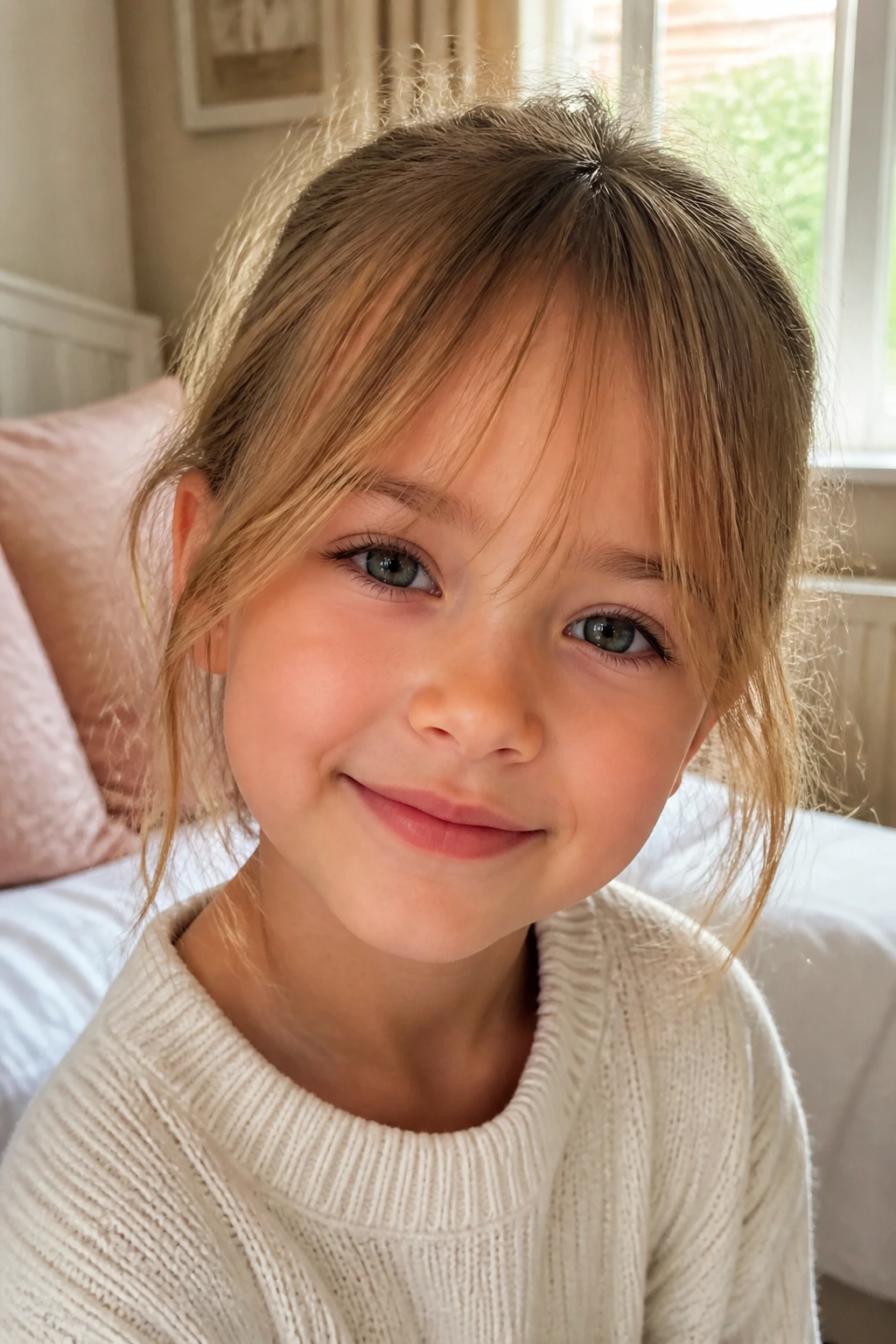
Bangs are excellent for fine hair because they utilize the hair near the forehead that might otherwise look sparse. By bringing more hair forward from further back on the crown, you can create a full, soft fringe that frames the face beautifully. Avoid heavy, straight-across bangs that can look like a curtain; instead, opt for wispy, light bangs that feel airy and modern.
5. Angled Inverted Bob
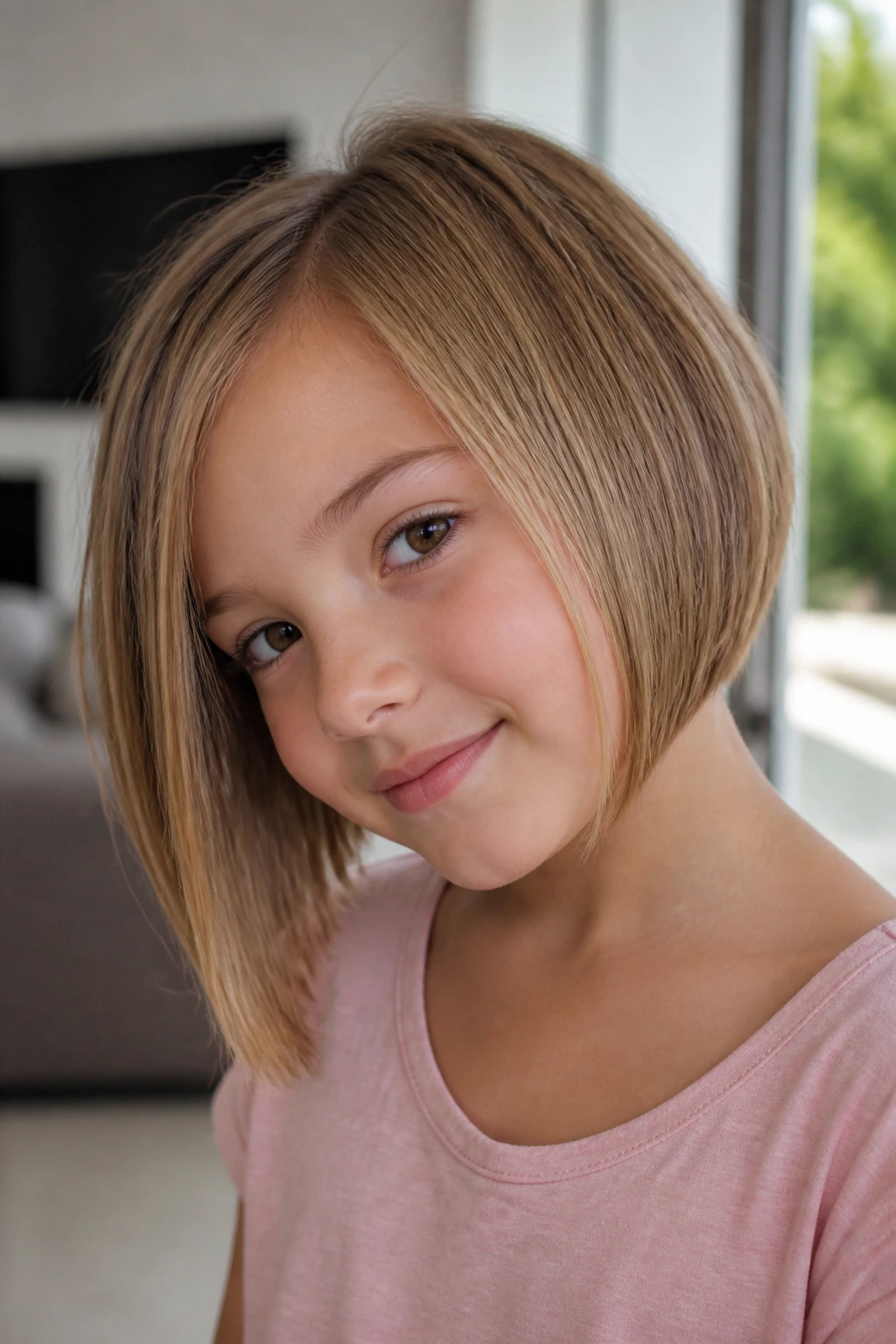
An inverted bob, where the back is slightly shorter than the front, adds a sophisticated flair while maintaining the thickness of a blunt cut. This cut draws the eye forward toward the face. It feels more “grown-up” for older children and looks fantastic on hair that has a tendency to stick straight down. The slight angle gives the hair a bit of natural bounce.
6. Choppy Textured Ends
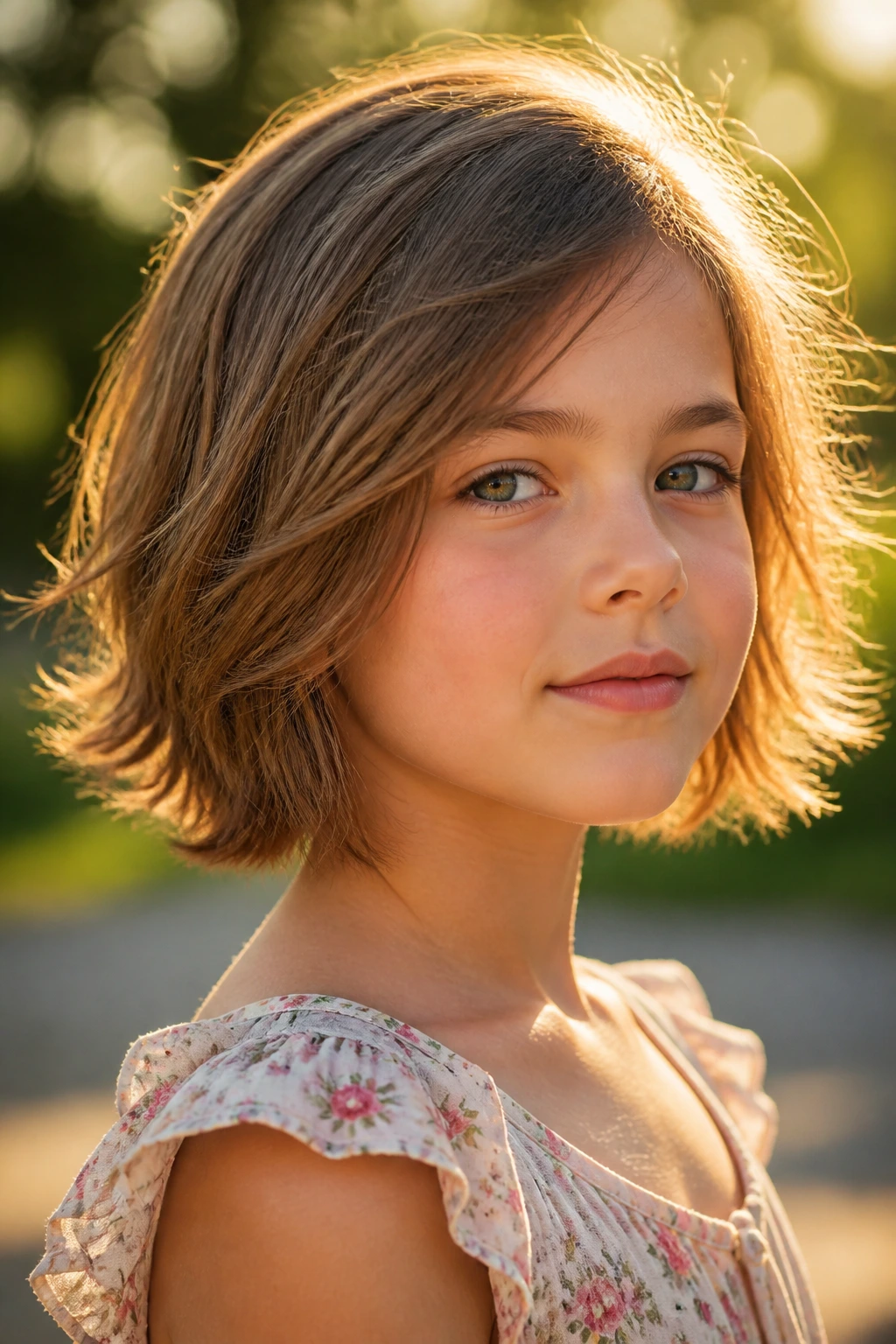
Sometimes, fine hair needs a bit of texture to hide the fact that it is thin. Asking for a “choppy” cut on the ends—rather than a blunt one—can make the hair look more deliberate and edgy. This is a great transition style for pre-teens who want a look that feels less like a toddler cut and more like a style found in magazines.
7. The Uneven Shag
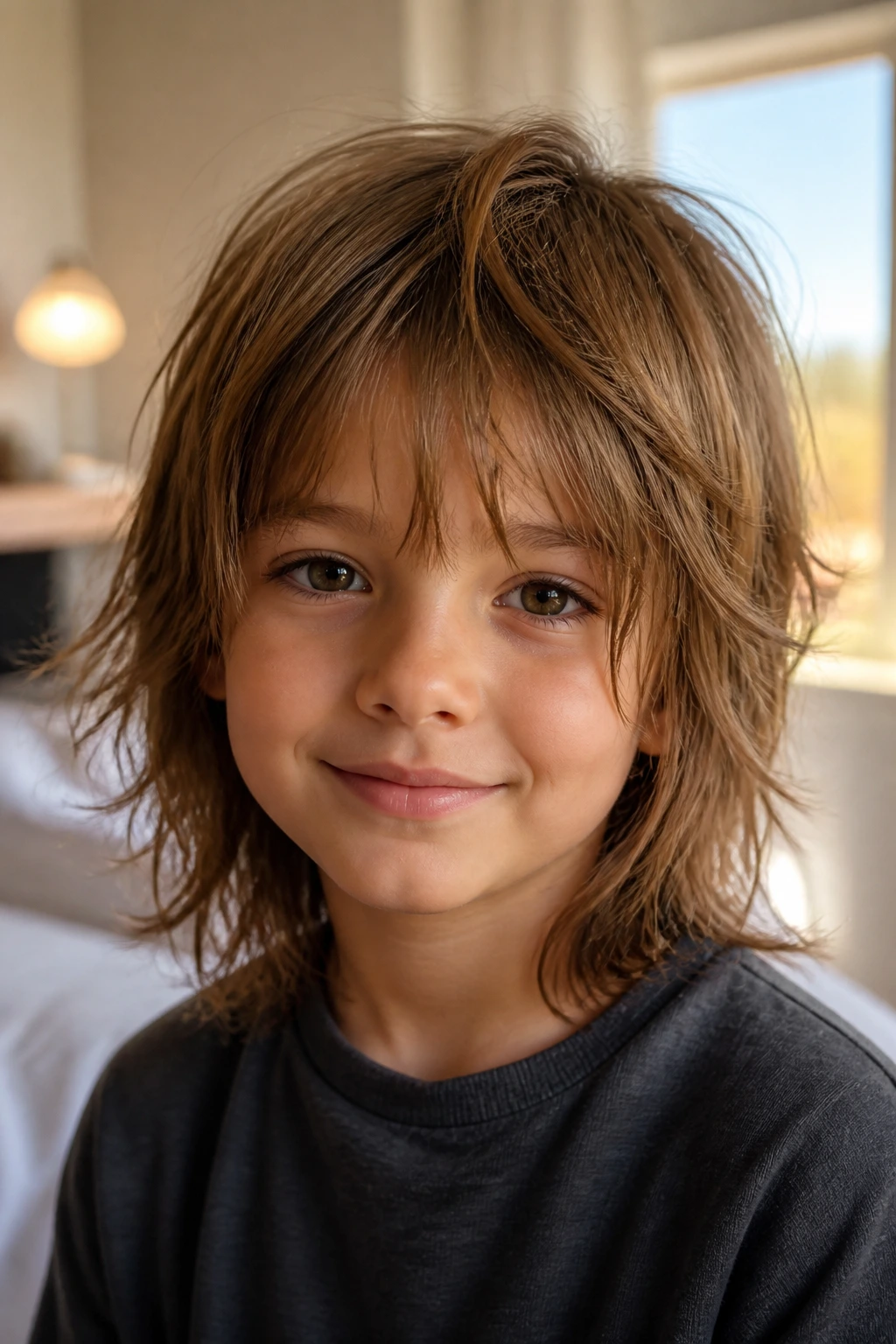
The shag is having a moment, and it works surprisingly well for fine hair because it leans into the wispy nature of the strands. By incorporating light, razored layers throughout the length, you create messy, beachy volume. This style thrives on a bit of “imperfection,” meaning you don’t have to worry about achieving a perfectly smooth finish every morning.
How to Maintain the Shag
- Focus on using a texturizing salt spray to encourage natural waves.
- Let the hair air dry whenever possible to keep the volume natural.
- Avoid heavy conditioners on the mid-lengths, as these will kill the texture you’re trying to build.
8. Asymmetrical Side-Part Bob
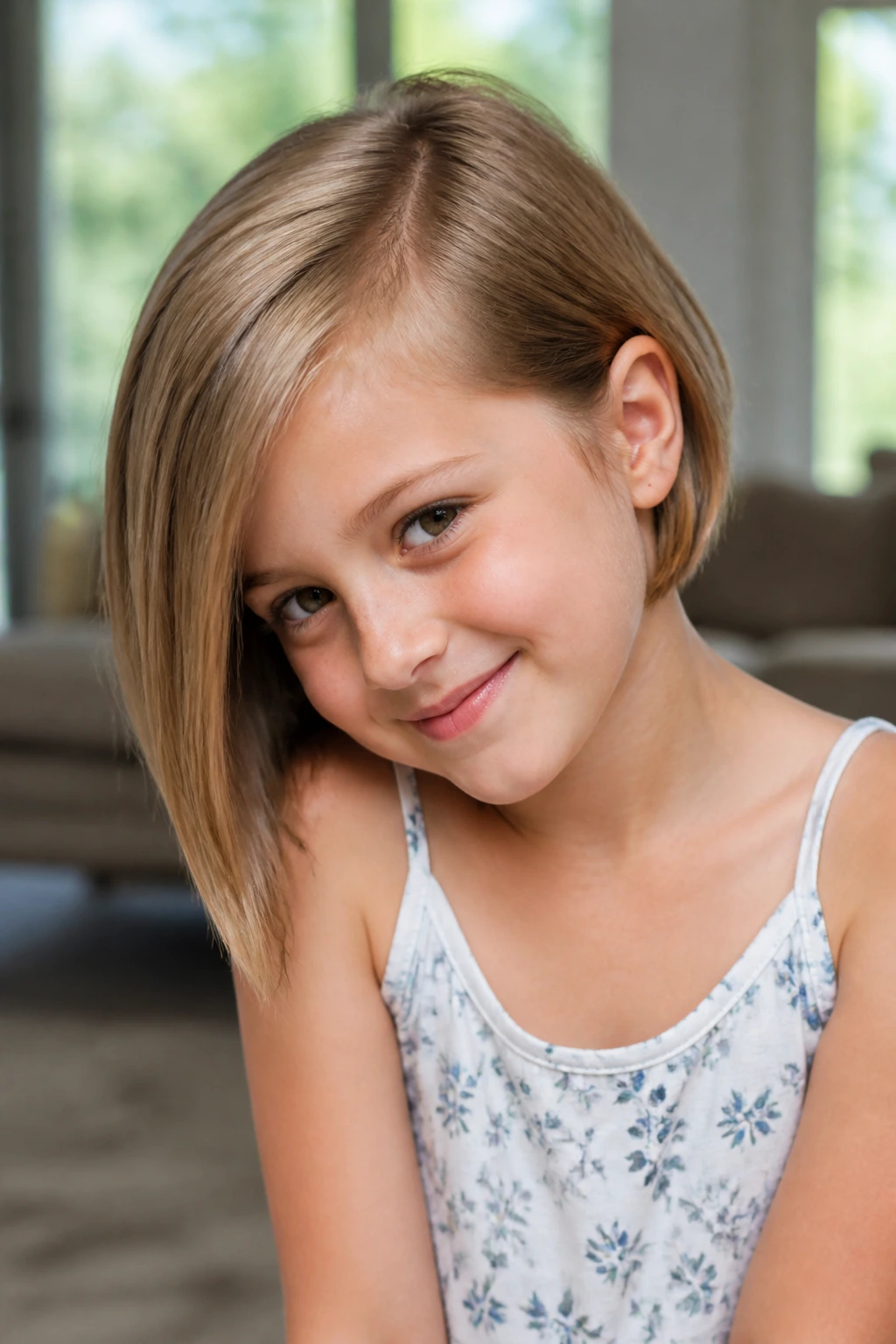
If you want to create the illusion of more hair, try an asymmetrical cut. Keeping one side slightly longer than the other creates a dramatic line that distracts from the thinness of the hair. It is a fun, personality-driven cut that works well for children who like to express themselves through their style.
9. Mid-Back Soft Layers
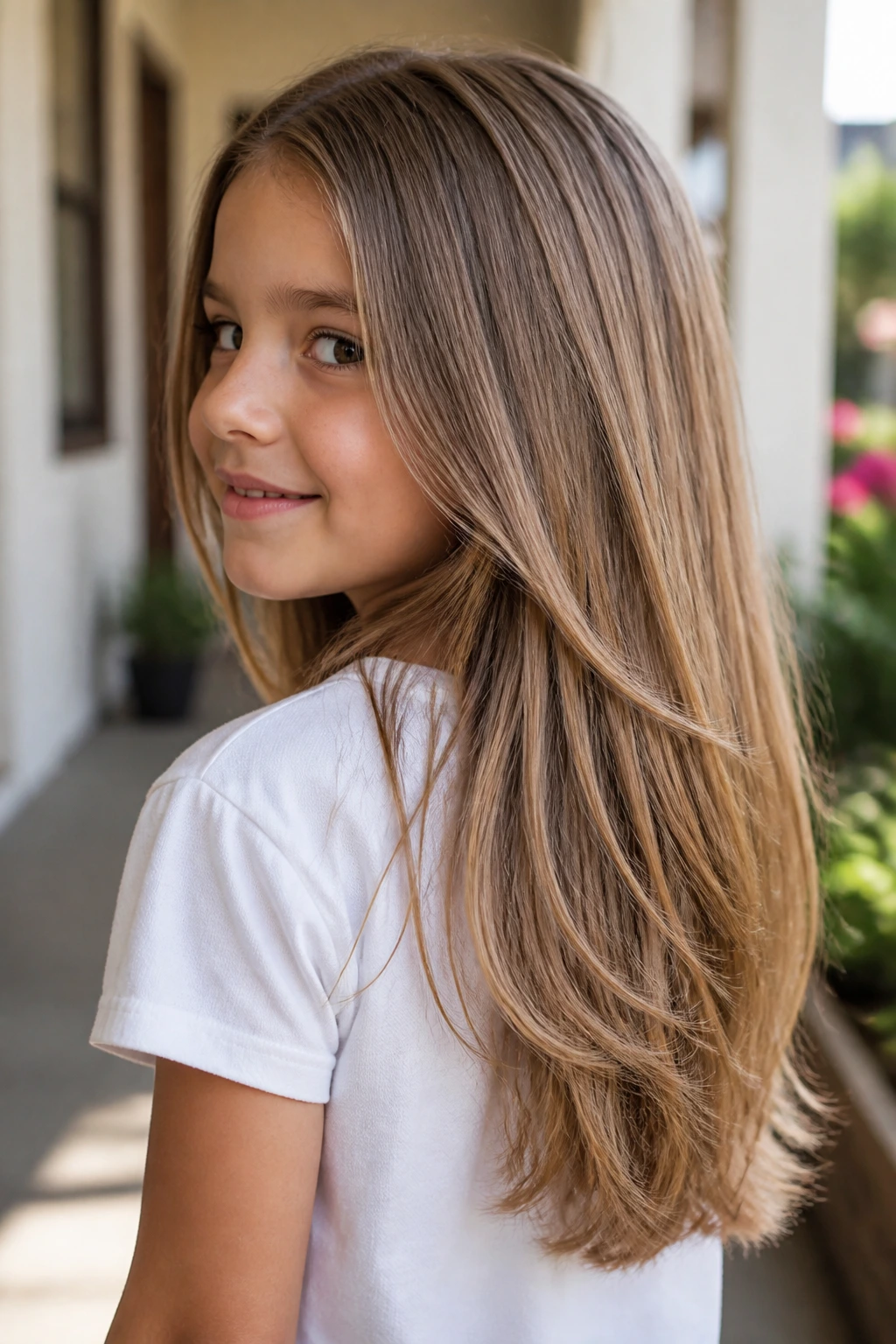
For children who insist on keeping their hair long, you must be strategic. Long, fine hair is prone to tangling and breakage. Limit the layers to just the bottom few inches to maintain weight at the top. This keeps the hair from looking like a “mullet” and ensures that the overall appearance stays lush rather than stringy.
10. The Buzz-Cut Fade
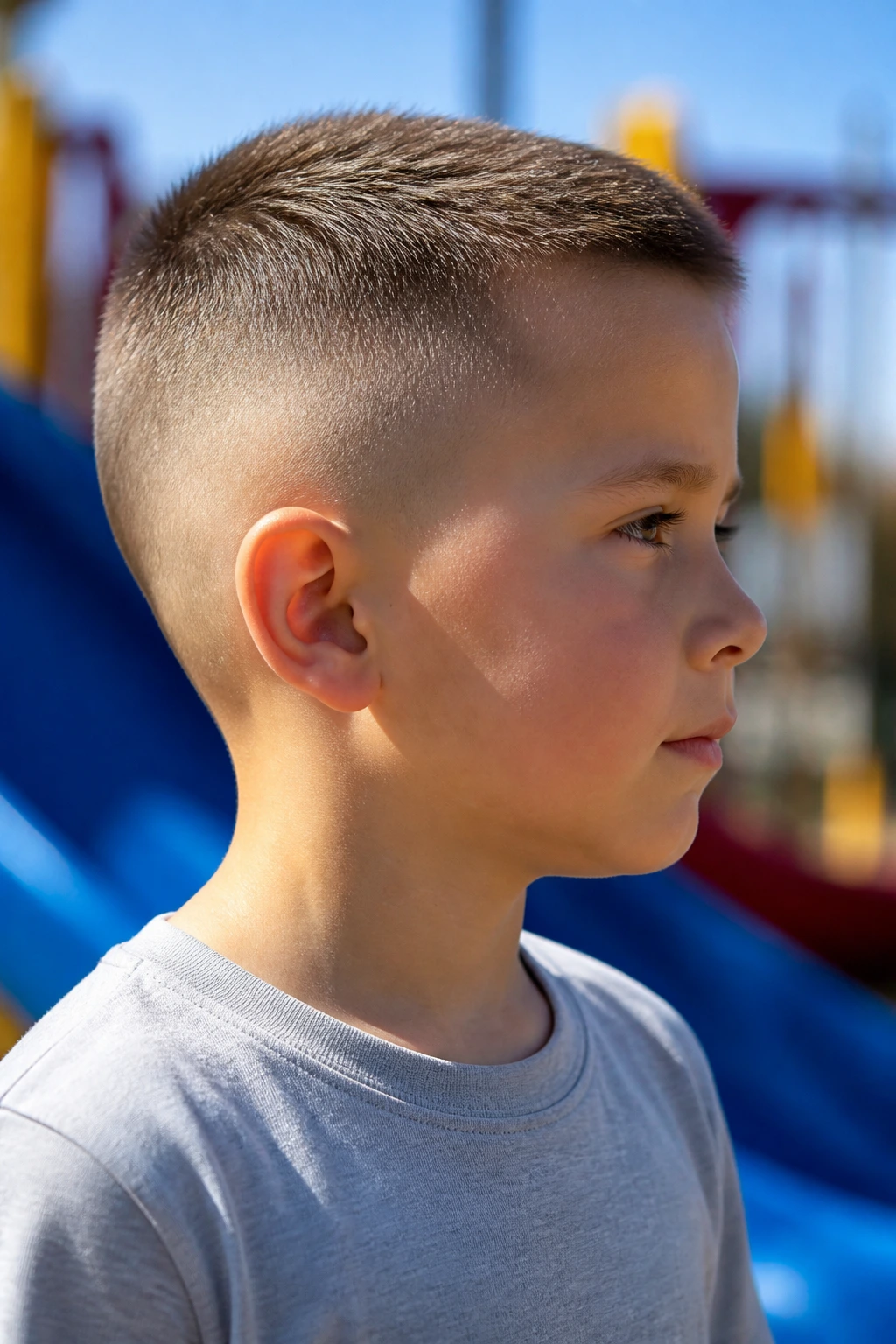
This is the ultimate low-maintenance style for fine-haired children who spend every waking moment running, climbing, or swimming. By fading the sides and keeping just a touch of length on top, you eliminate the “flat” look that long, fine hair often develops. It is clean, sharp, and requires zero styling effort.
11. Short Crop with Side-Swept Bangs
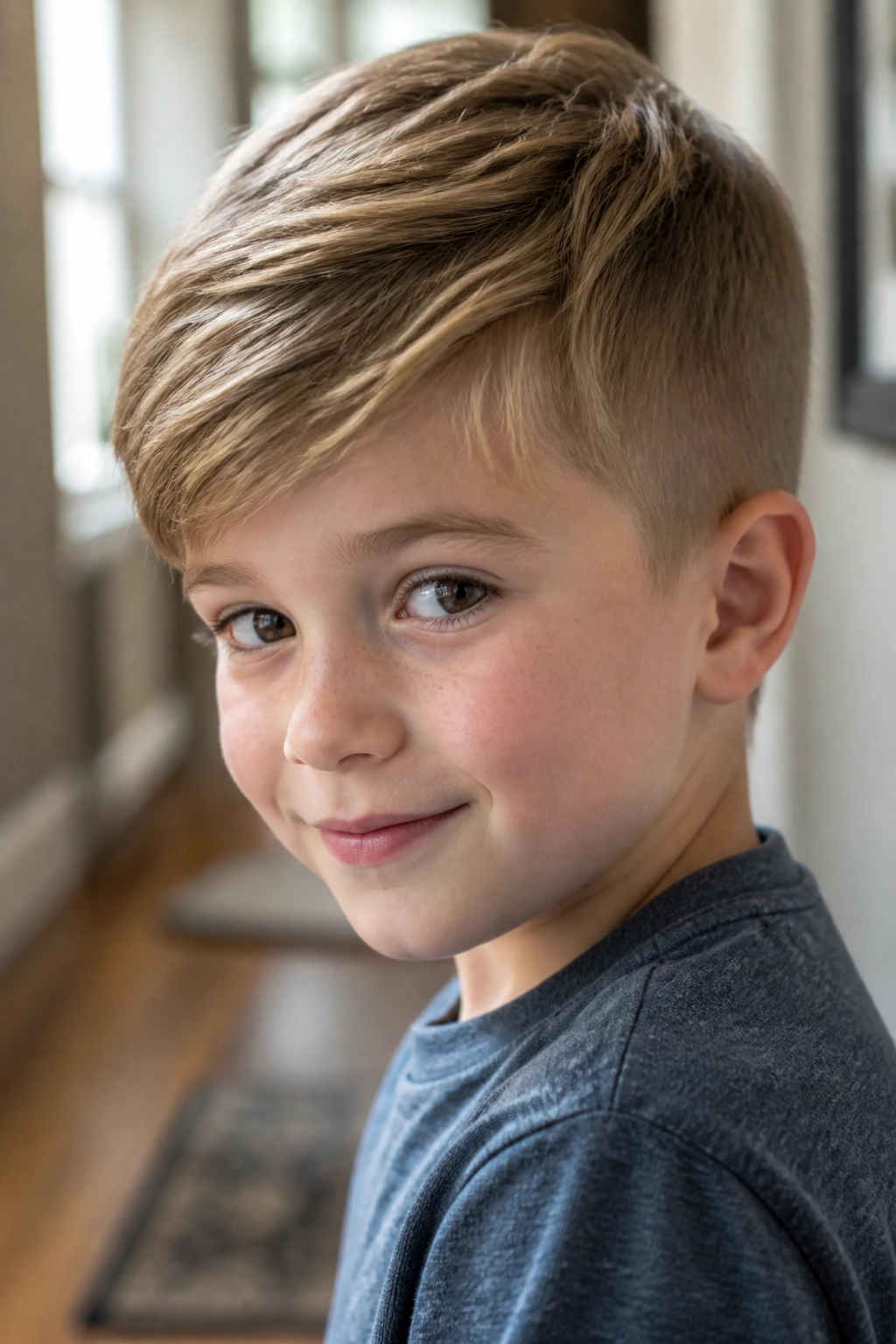
Combining a short cut with side-swept bangs allows you to incorporate more of the crown area into the front, creating a fuller look. This style is incredibly versatile. It can be worn messy for playtime or smoothed down for formal events. It is a sophisticated, practical choice that respects the delicate nature of fine hair.
12. Rounded Pageboy
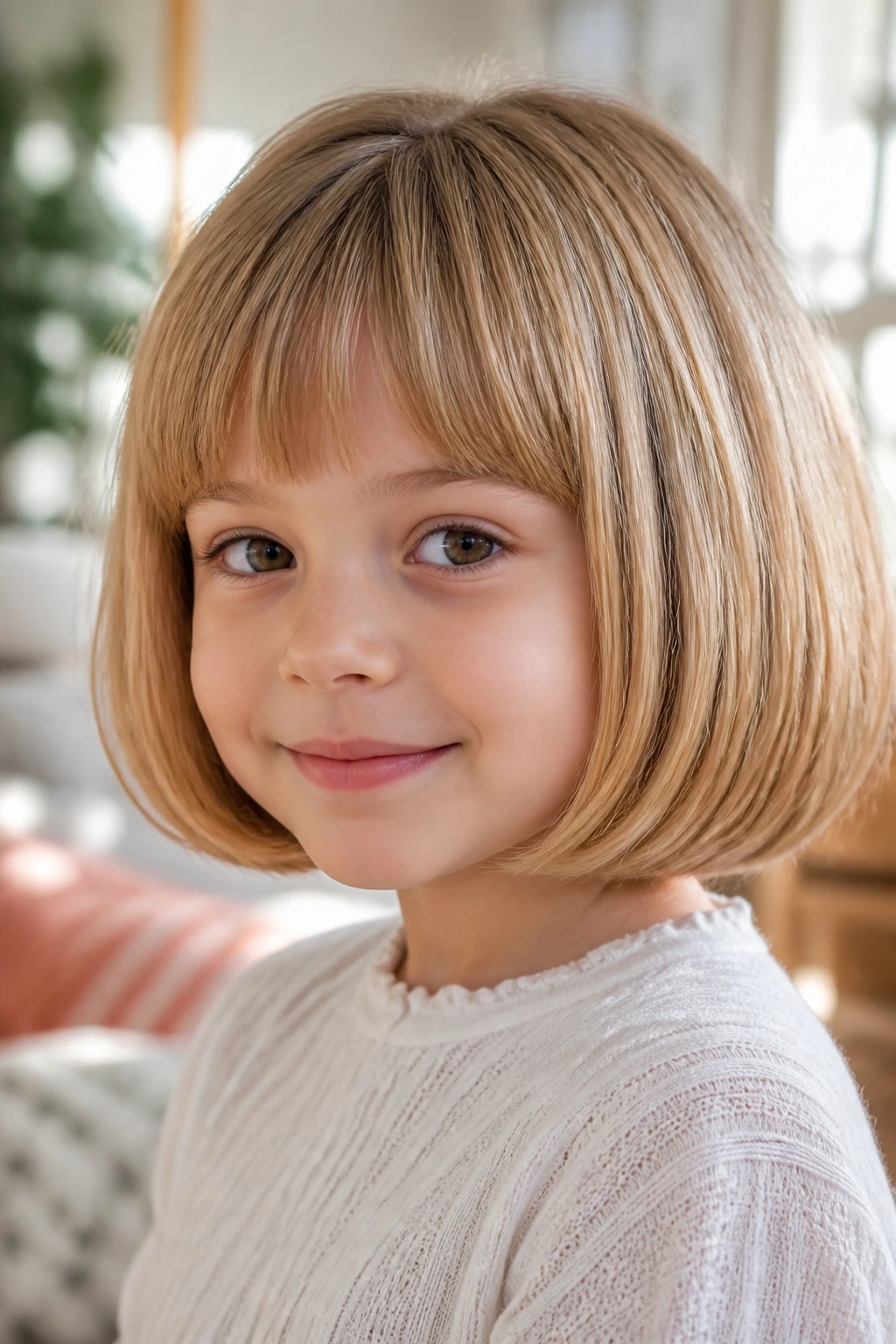
The classic pageboy creates a rounded silhouette that makes the hair look dense and healthy. By keeping the length consistent all the way around and angling the ends under slightly, you create a bubble of volume. This is particularly cute for younger children and works wonderfully on naturally straight hair.
13. Pixie with Longer Crown Layers
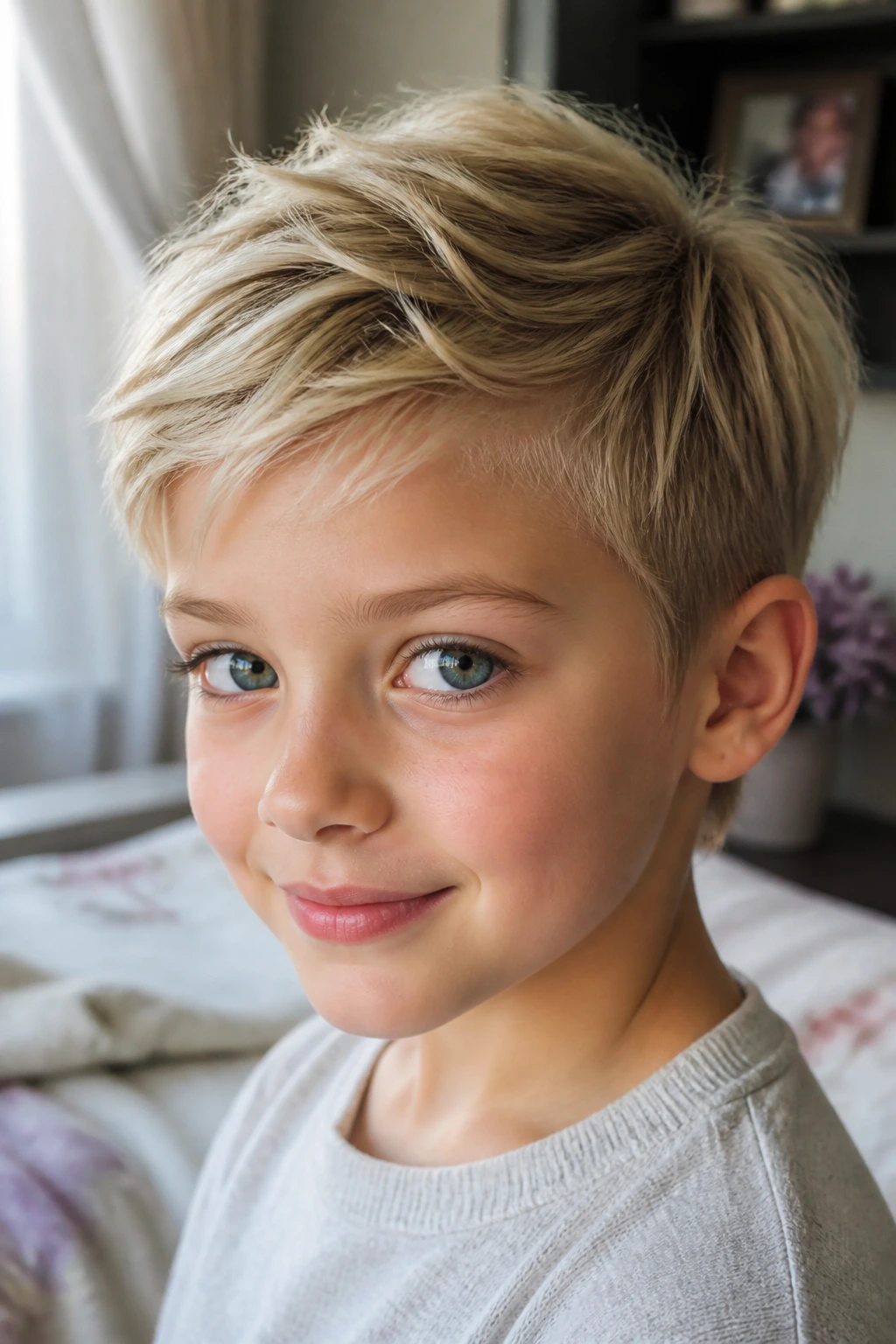
If you want the benefits of a short cut but want to retain some length for styling, a pixie with longer layers on top is the answer. You can sweep the hair to one side, spike it up with a tiny bit of product, or wear it flat. This flexibility makes it a great choice for kids who like to switch up their look.
14. Graduated Taper
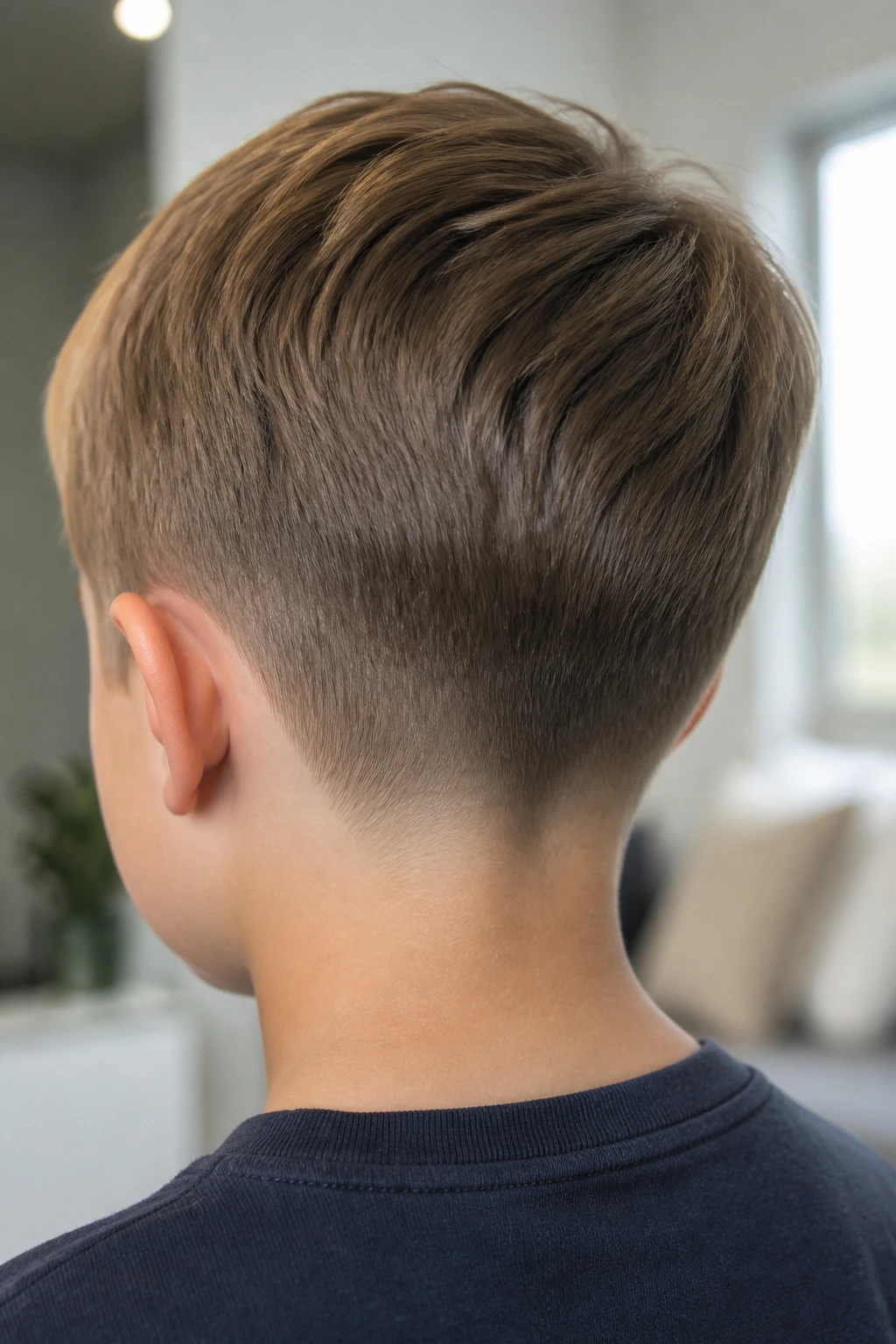
A tapered cut at the nape of the neck is a hidden trick for fine hair. By removing the bulk at the very bottom, the hair on the rest of the head appears to have more contrast and volume. It looks tidy and professional, making it a common favorite for parents who do not want to deal with knots at the base of the skull.
15. The “Bowl” Cut Update
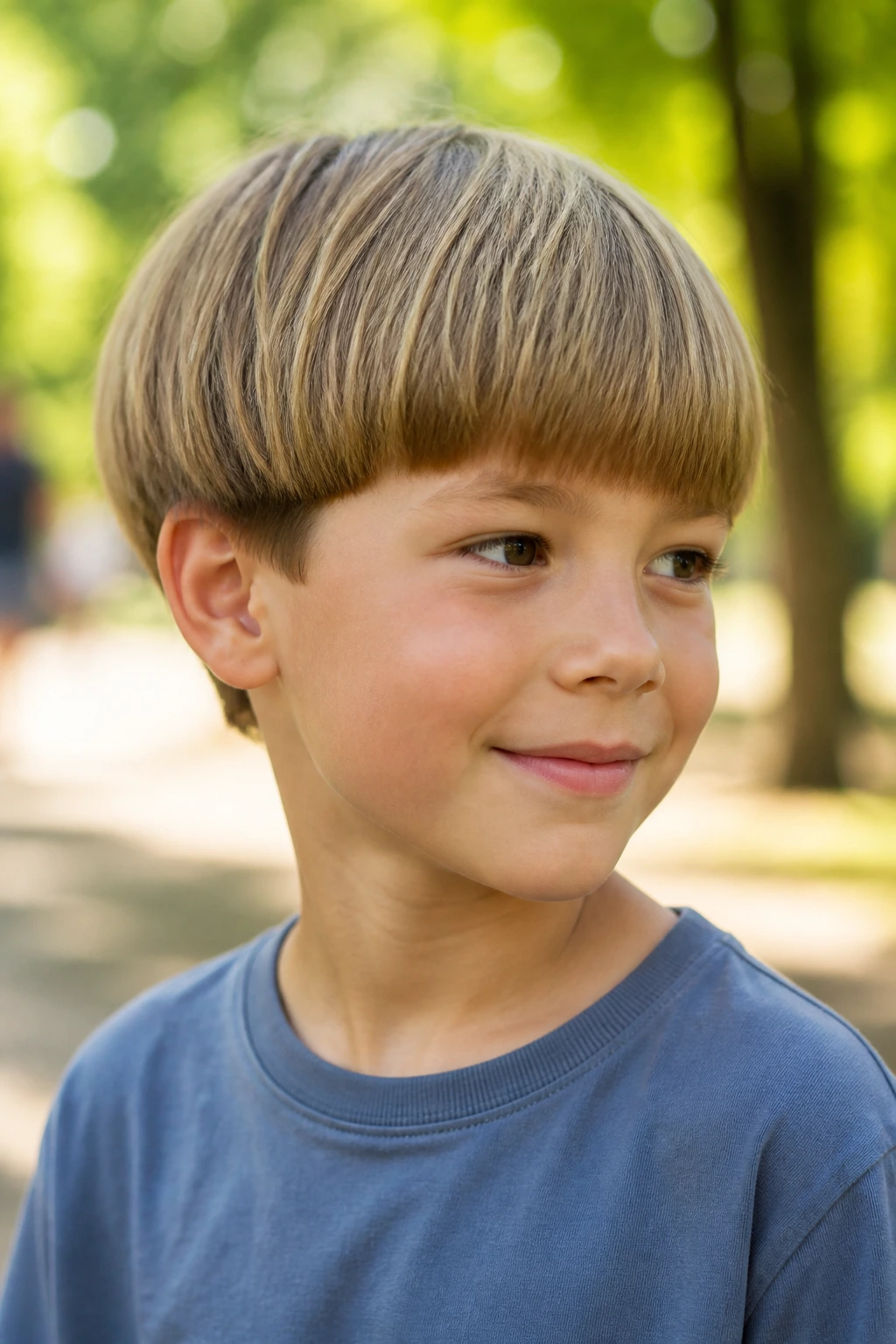
Modern bowl cuts are much softer than the ones from decades past. By texturizing the edges rather than keeping them rigid, you create a soft, rounded shape that is very forgiving for fine, limp hair. It is essentially a short, layered bob that is uniform in length, providing a full-looking silhouette.
16. Undercut Details
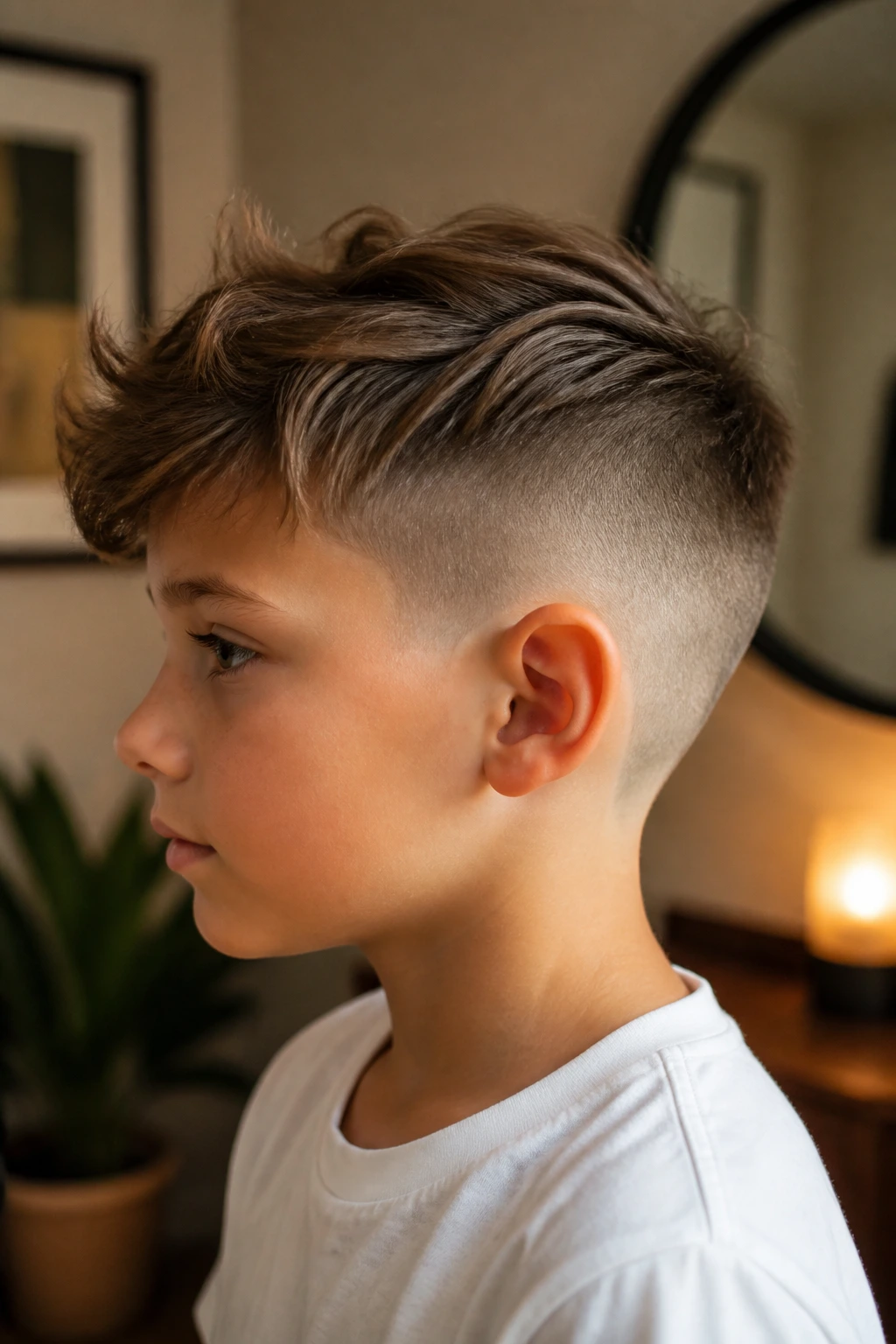
For an older child wanting to show off some personality, an undercut on the sides or the nape of the neck can be quite fun. By removing hair from the areas that tend to look thin, you make the remaining hair on top look denser by comparison. It’s a bold move, but highly effective for those struggling with the “flat” look.
17. Feathered Ends
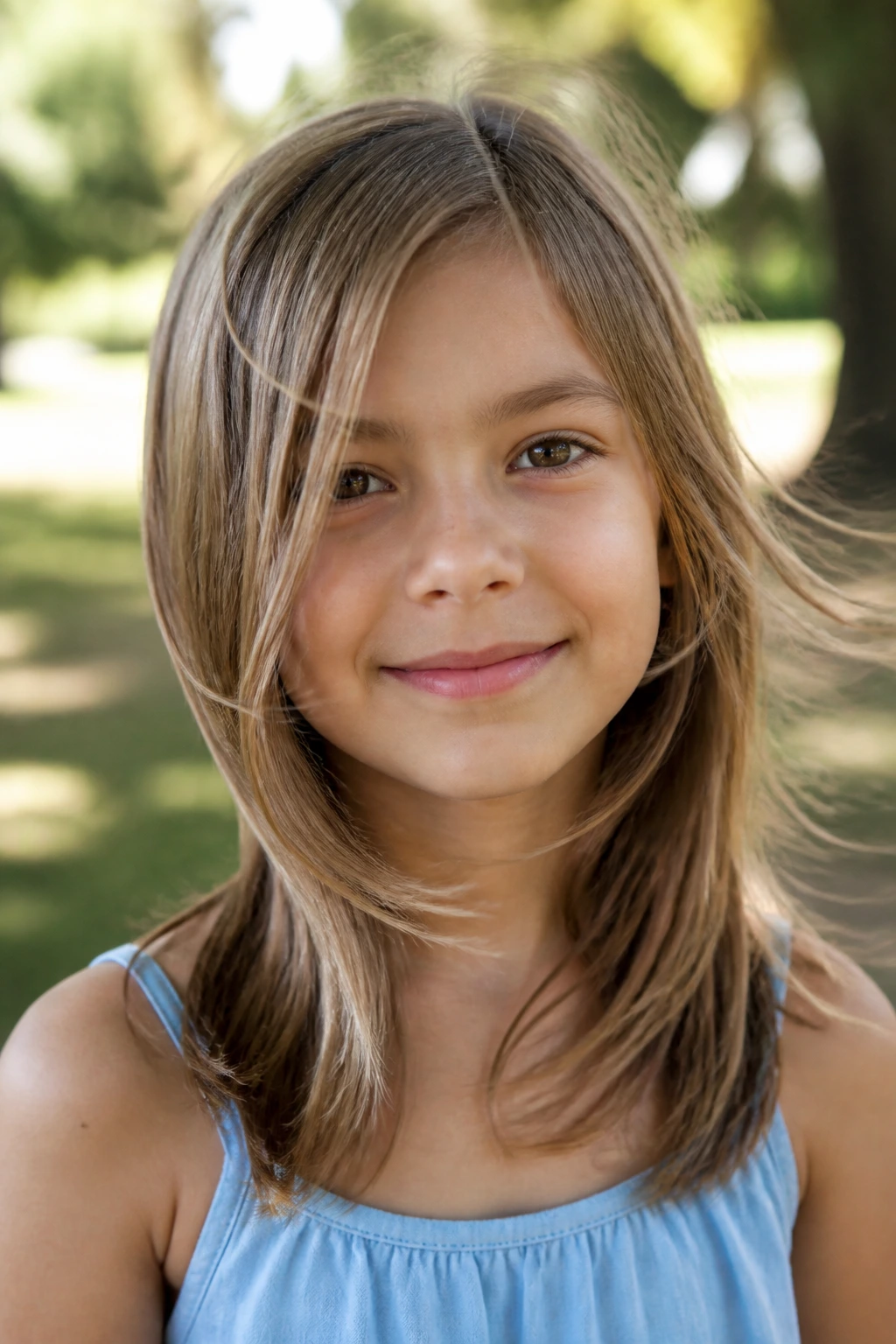
Feathering the ends involves cutting into the hair at an angle, which softens the overall look. If your child’s hair tends to look dry or frayed at the ends, feathering can hide that while giving the hair a sense of lightness. This style is best for children who have a bit of natural wave in their hair.
18. Fringed Long Bob
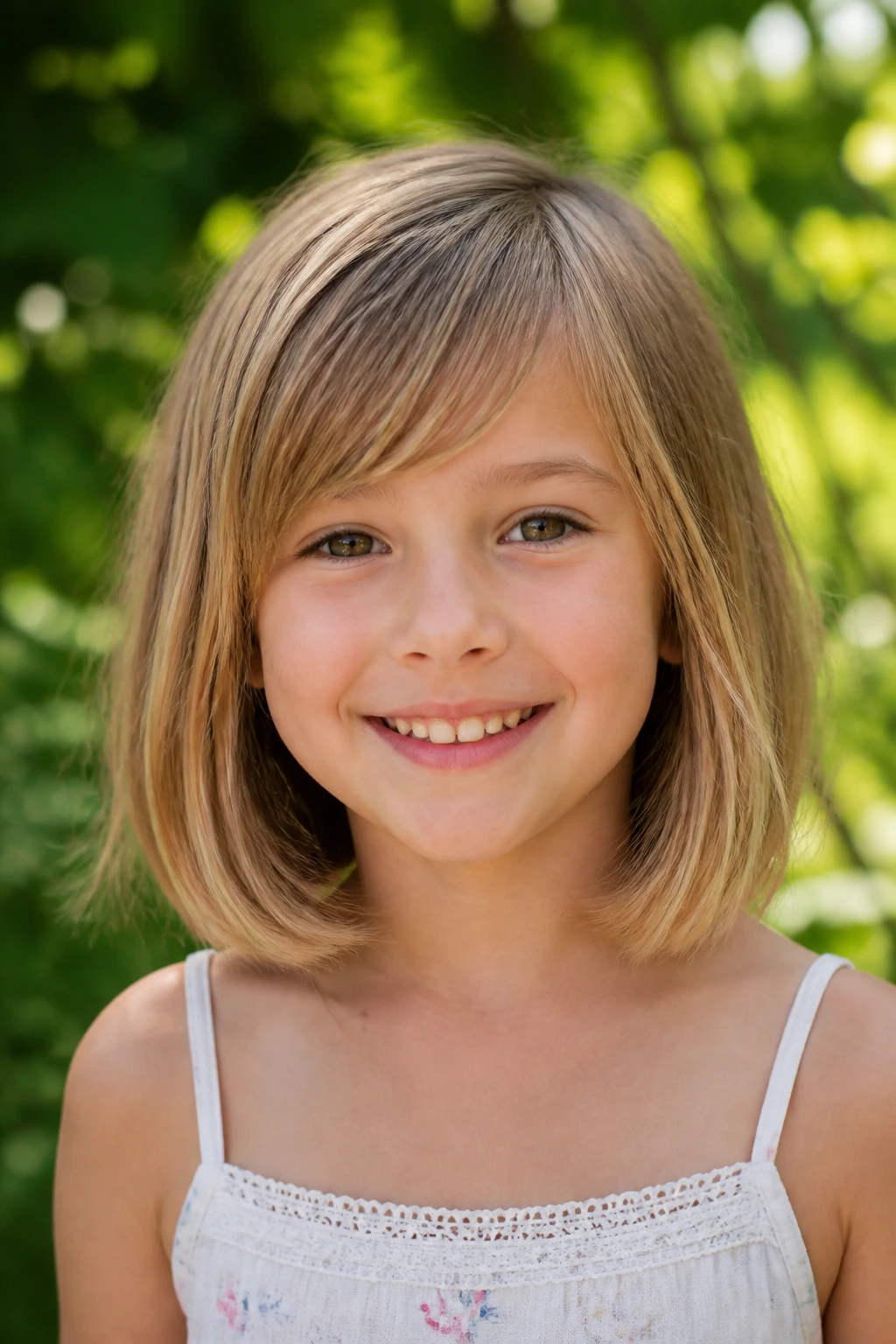
By adding a soft, side-swept fringe to a shoulder-length bob, you draw attention to the face and away from the density of the hair. This is a very “breezy” style that feels light and effortless. It’s perfect for summer months or for children involved in sports, as it can easily be clipped back.
19. Curly Shag
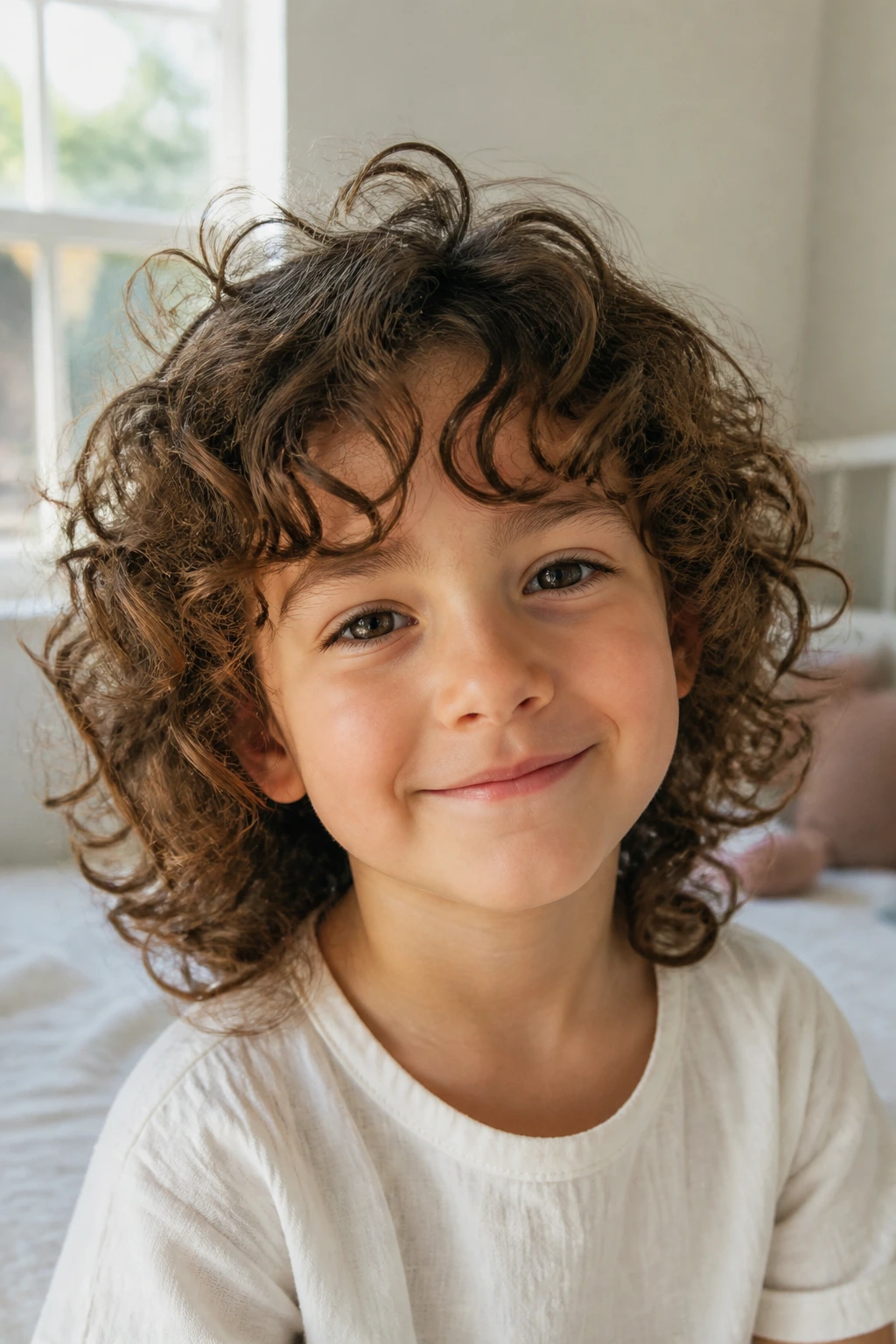
If your child has fine hair that also happens to be slightly wavy or curly, a shag cut is almost mandatory. The layers encourage the natural curl pattern to tighten up, which instantly creates more volume. Fine curls can easily become flat if kept too long; the shag keeps them lifted and bouncy.
20. The “Flipped” Bob
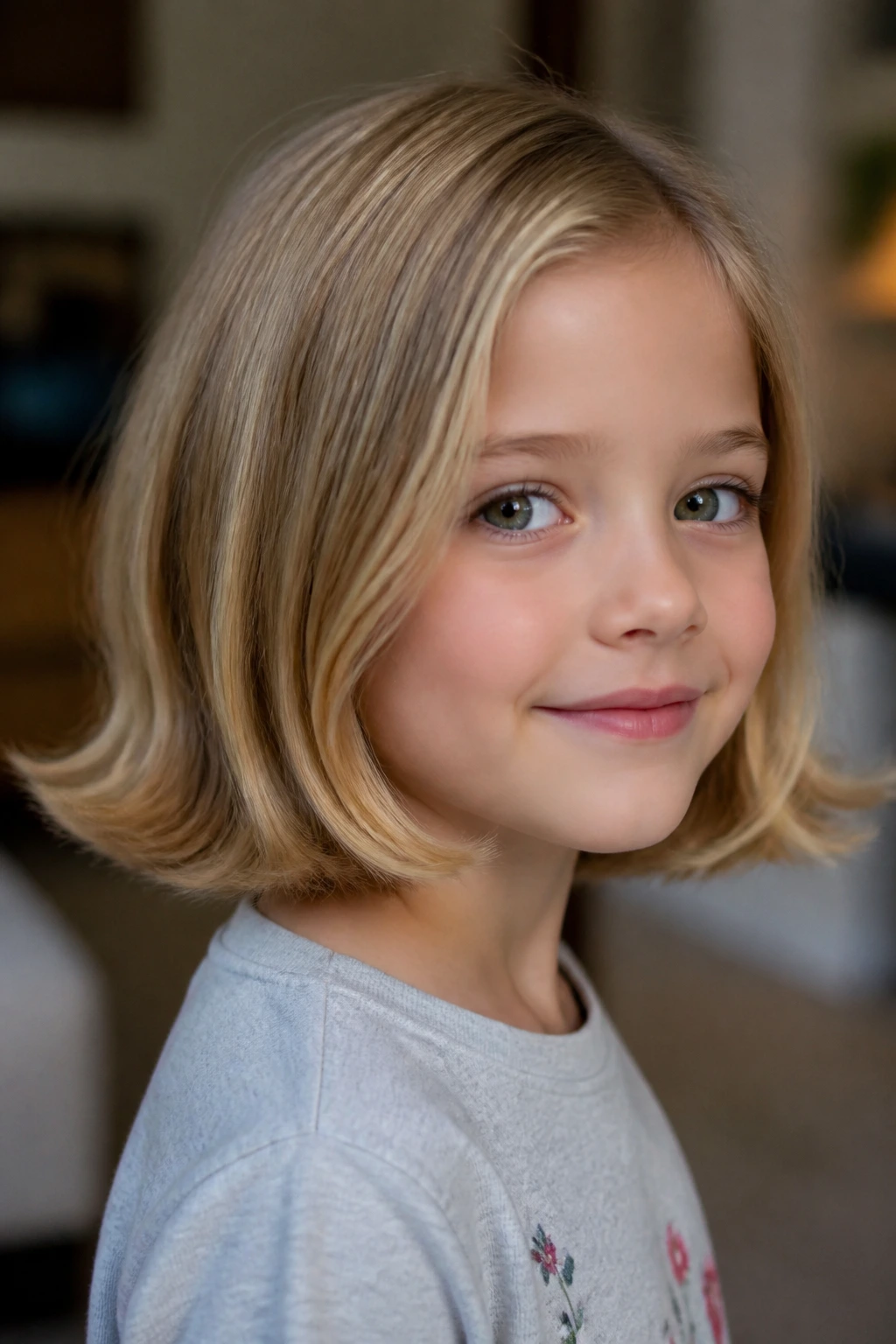
A bob cut specifically to be styled with the ends flipping outward can look very chic. Using a round brush to create a slight curl at the end gives the hair a bit of “personality” and volume. It is a playful, 60s-inspired look that remains a staple for fine hair because it keeps the ends away from the neck.
21. Layered Fringe with Longer Sides
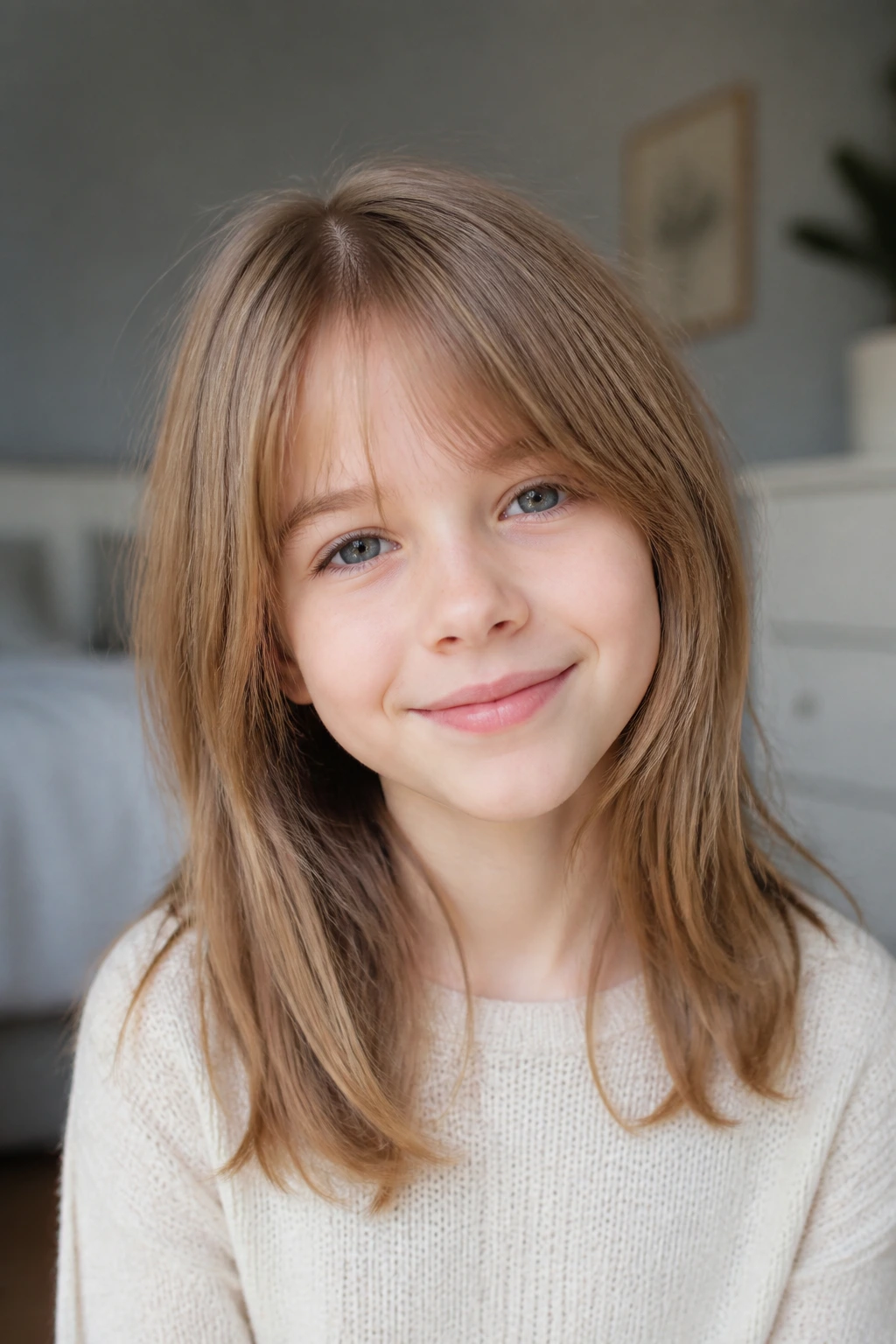
For children who have very fine hair at the temples, keeping the sides longer while layering the fringe creates a nice balance. It makes the hair look intentional and styled rather than just growing out in an uneven fashion. This look works particularly well for children with round or heart-shaped faces.
22. Tapered Pixie with Texture
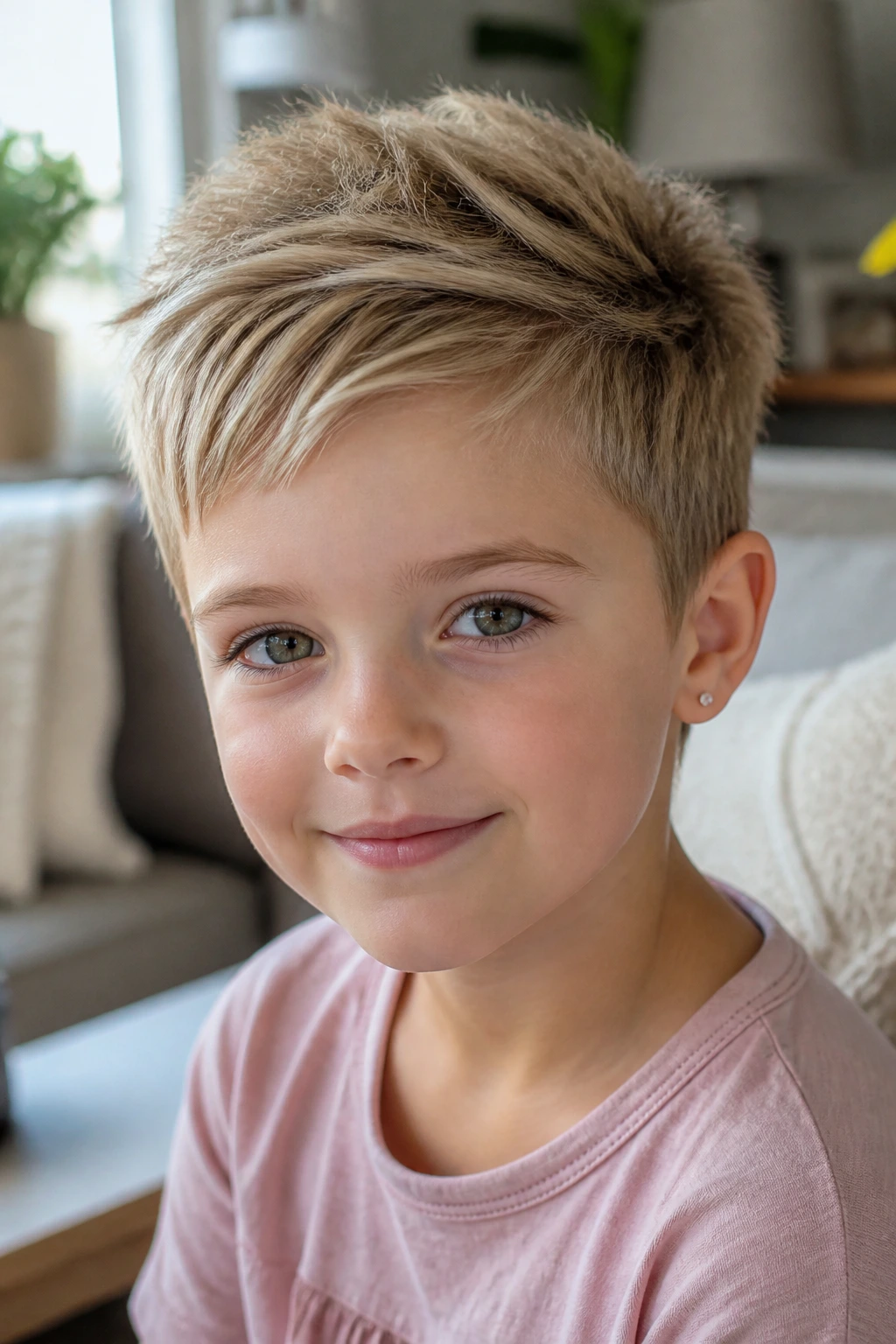
Similar to a standard pixie, adding more texture through the use of point-cutting helps break up the monotony of fine hair. Point-cutting involves snip-snip-snipping into the ends of the hair vertically rather than cutting straight across. This leaves the edges looking soft and feathery rather than blunt.
23. The French Bob
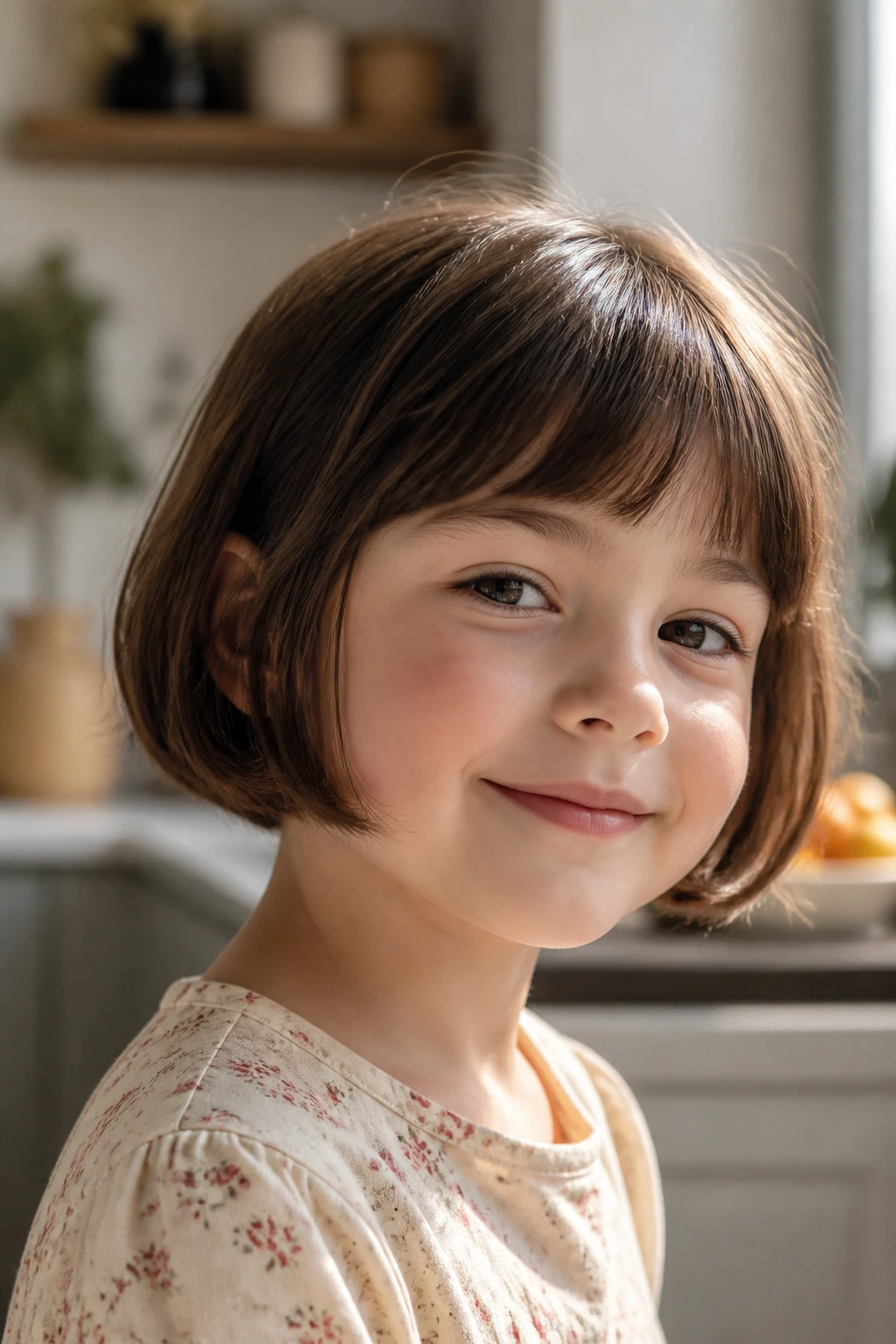
A French bob is shorter, usually stopping at the cheekbones, and often includes a fringe. Because it is so short, it is inherently easier to add volume to. The gravity-defying nature of a very short bob is the best way to handle hair that refuses to hold a style.
24. Side-Parted Sleek Cut
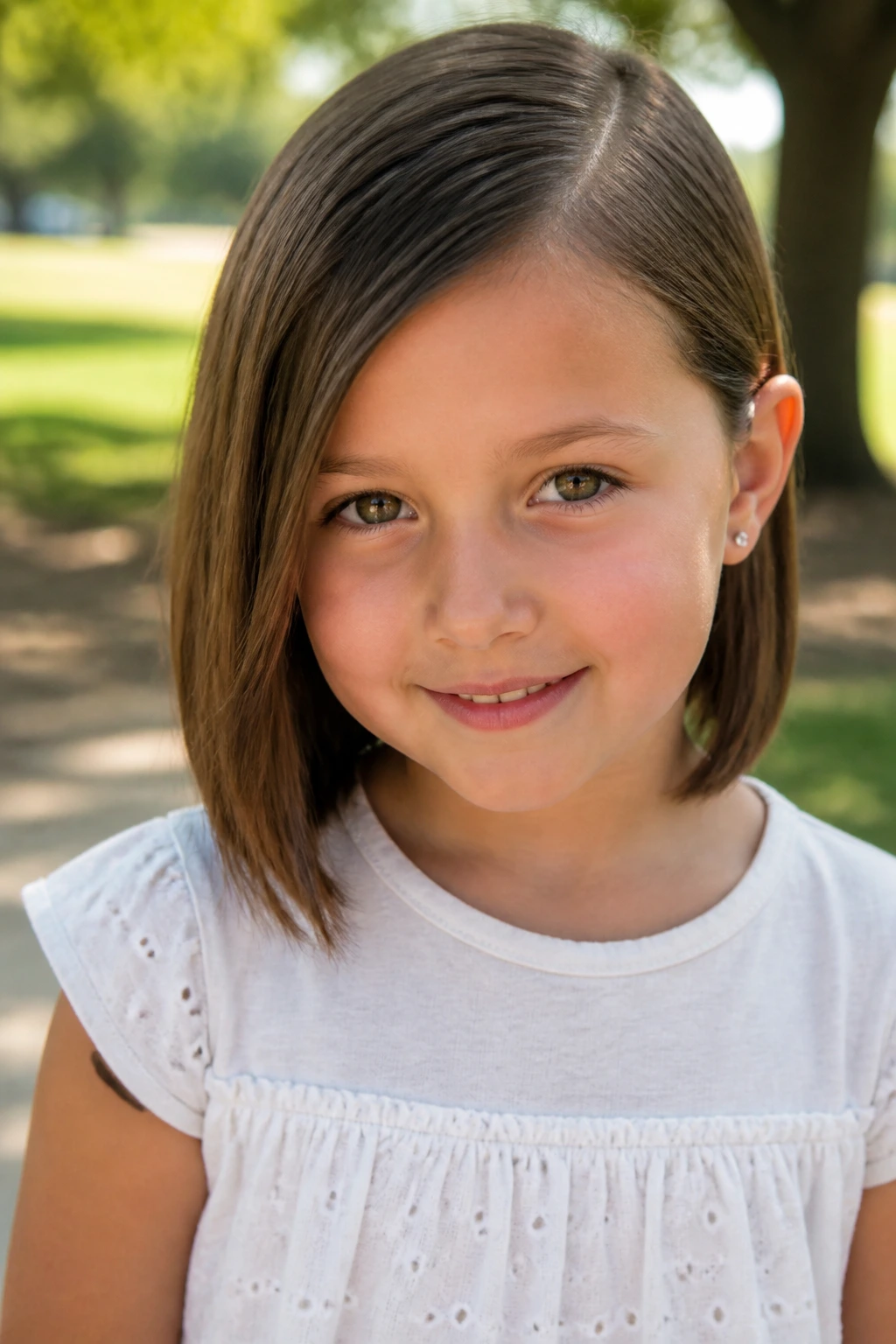
Sometimes the best approach is to stop trying to force volume and lean into the sleekness. A side-parted cut that sits perfectly straight looks intentional and polished. By keeping the hair healthy through regular trims, you ensure that the “thinness” looks more like “silky fineness.”
25. Shaved Sides, Long Top
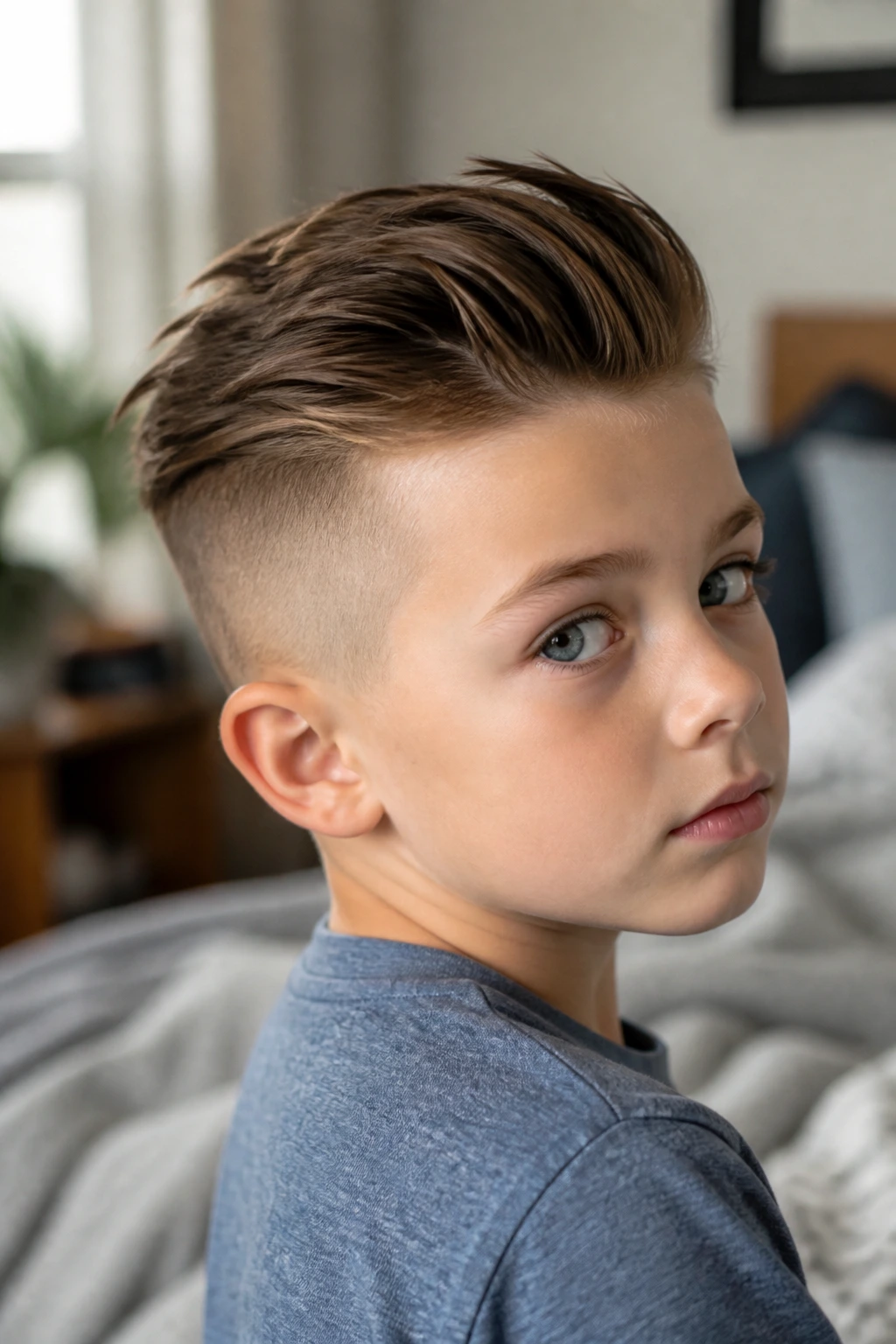
This style is common for kids who want to mimic trends they see in sports or media. Having a significant portion of the head shaved or buzzed makes the remaining hair on top appear significantly thicker. It also makes the daily grooming routine incredibly fast.
26. The “Surfer” Cut
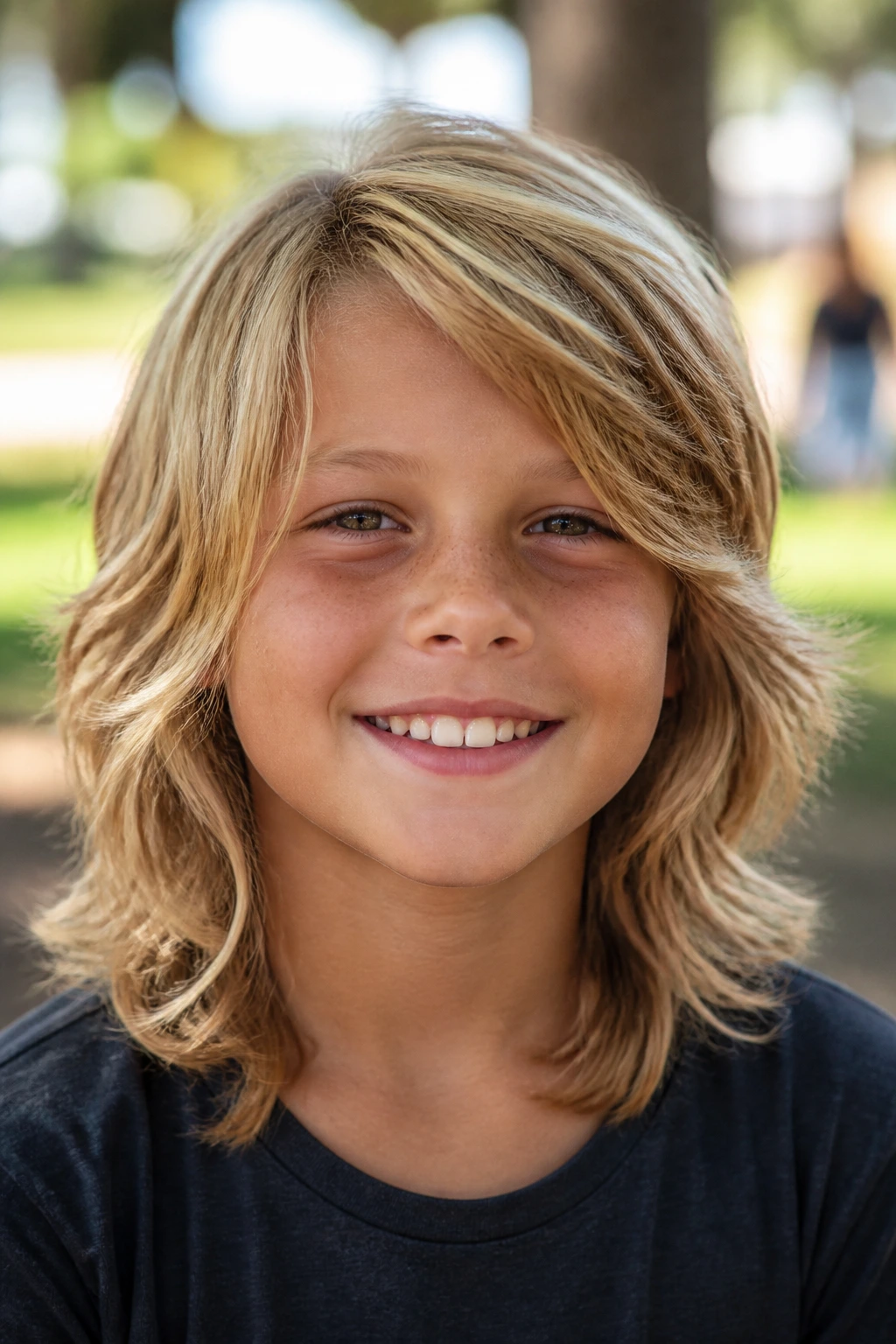
If you have a child with fine, slightly wavy hair, a surfer cut is ideal. It’s a longer, messy style that doesn’t require precise brushing. The key is to keep it layered enough that it doesn’t just hang in a limp curtain. It’s the definition of a low-maintenance, cool-kid hairstyle.
27. Modern Mullet
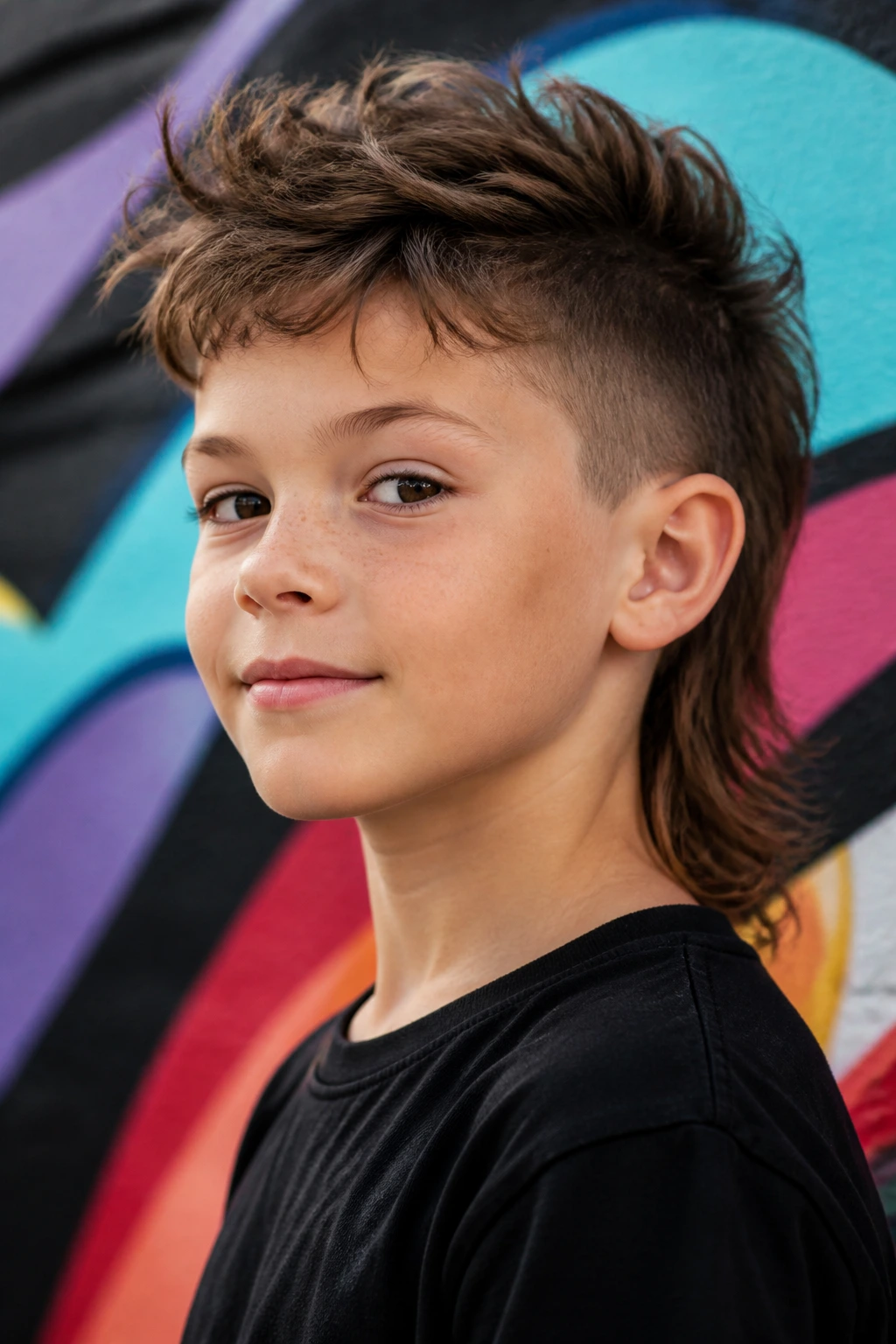
Yes, the mullet is back, and it works for fine hair because it provides length at the back and volume on top. It’s a high-fashion, confident choice for kids who want to break away from the traditional, conservative cuts. The contrast in lengths naturally creates the appearance of more volume throughout the head.
28. Graduated Layers at the Face
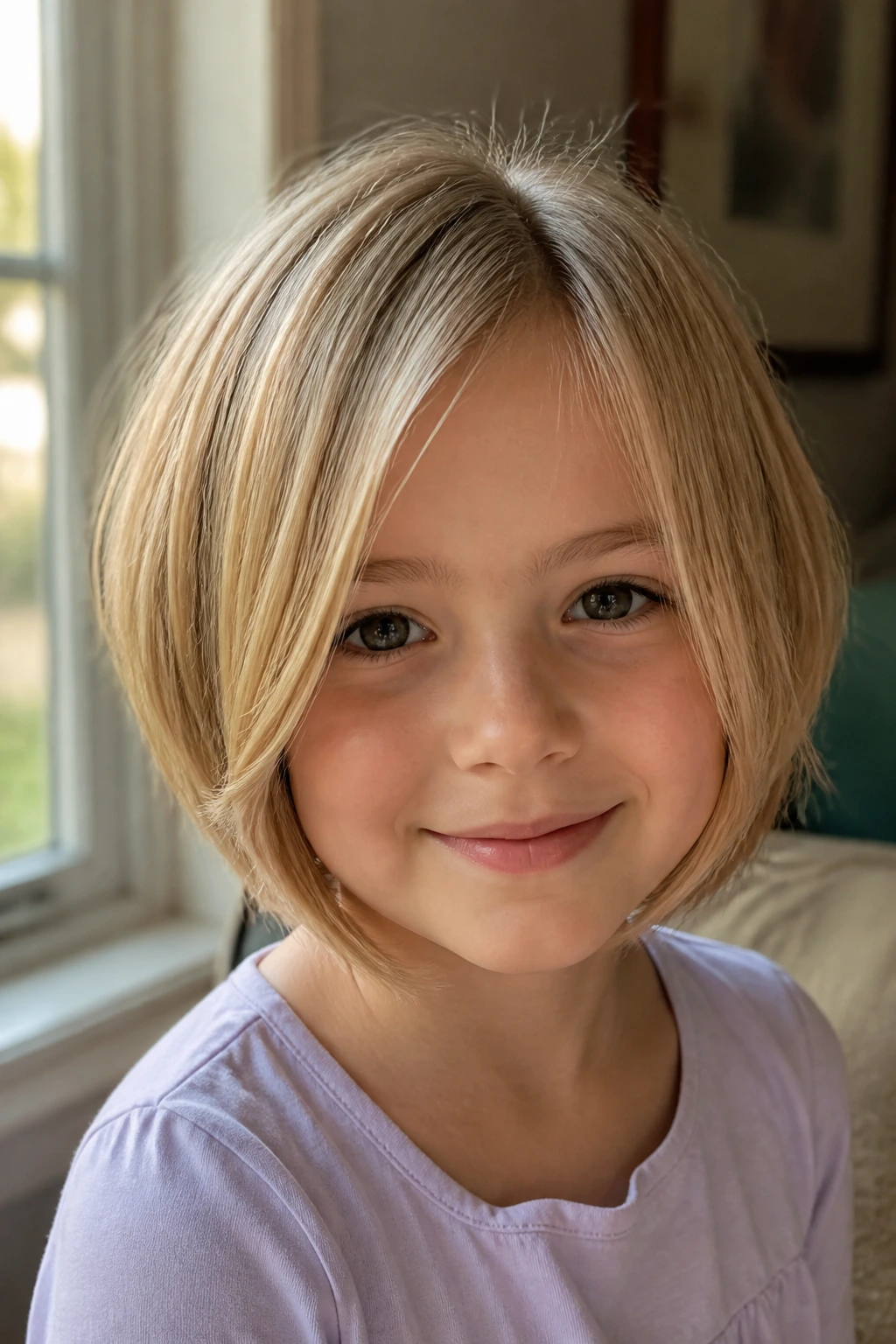
If your child doesn’t want bangs but feels like their face looks a bit lost, try graduated layers that start around the chin. This creates a “frame” for the face and adds movement to the hair without sacrificing the overall length. It is a subtle way to make fine hair feel more dynamic and less like a static veil.
Essential Care Tips for Fine Hair
Caring for fine hair starts with the products you choose and how you apply them. The most important rule is to avoid “heavy” ingredients. Look for lightweight conditioners that don’t leave a film on the hair shaft. Even on a child, using a clarifying shampoo once a week can prevent buildup that makes hair look flat.
Mastering the Wash
- Use only a pea-sized amount of conditioner, and only on the ends.
- Pat the hair dry with a microfiber towel instead of rubbing it, which can cause breakage and frizz.
- Detangle with a wide-tooth comb starting from the bottom and working your way up to the roots to prevent yanking.
Dealing with Tangles
Fine hair is notoriously prone to “bird’s nests.” If you find your child waking up with a knotted mane, consider investing in a silk or satin pillowcase. The reduced friction compared to cotton can make a world of difference in the morning. Additionally, a leave-in detangling spray is a non-negotiable tool for those who keep their hair long.
Choosing the Right Tools
Not all brushes are created equal. For fine hair, avoid brushes with stiff, dense bristles, which can tear delicate strands. Instead, look for a brush with flexible, soft bristles or a “wet brush” design that allows the bristles to move with the hair rather than against it. These tools are designed to glide through knots without creating the tension that leads to hair loss.
Final Thoughts
When you are managing fine hair, the goal should be to find a balance between the child’s personality and the hair’s physical limitations. You do not need to spend hours styling. Often, the best cut is the one that requires the least amount of work. By choosing a style that adds structure—like a blunt bob—or embraces the movement of the strands—like a textured shag—you empower your child to feel confident without the daily struggle of “doing” their hair.
Remember that hair health is a long-term game. Keep the ends trimmed, keep the scalp clean, and let their natural texture lead the way. Fine hair is a beautiful, manageable canvas if you simply stop trying to make it behave like something it is not. Focus on the shape of the cut, invest in the right gentle tools, and you will find that the “fine hair struggle” becomes a non-issue.