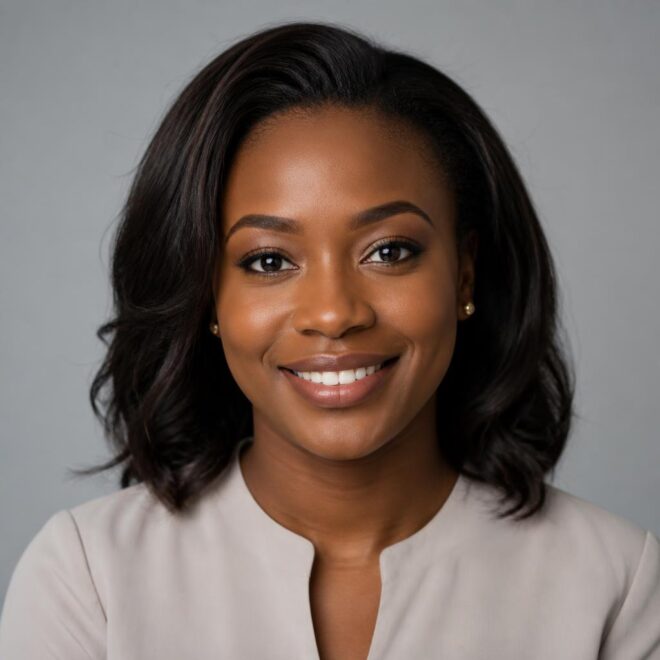


Finding a haircut that makes thin hair look intentional, voluminous, and healthy is often less about the length and more about the geometry of the cut. When your hair strands are fine or the density is lacking, the goal isn’t just to “cut it short.” Instead, you want to build structure. The secret to transforming thin, limp hair into something that feels substantial lies in the angle. Angular cuts, precision lines, and intentional layering work with physics to create the illusion of thickness. By manipulating how the hair falls against your shoulders and jawline, you can essentially trick the eye into seeing more volume than you actually have.
1. The Blunt A-Line Bob
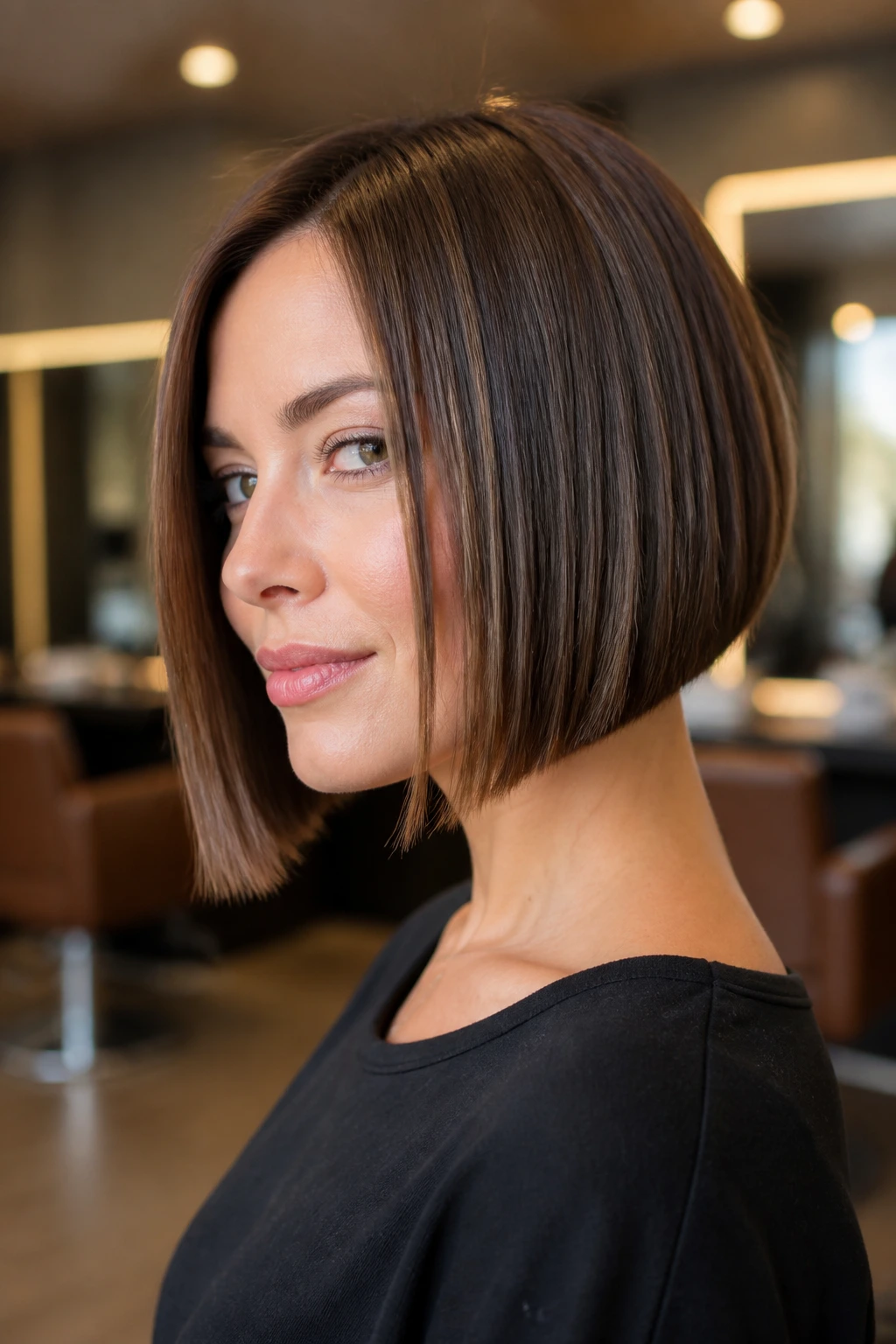
This is the gold standard for anyone struggling with wispy ends. By keeping the perimeter razor-sharp and blunt, you remove all the “see-through” weight at the bottom. An A-line cut is shorter in the back and gradually gets longer toward the front, creating a directional focus that makes the hair look denser.
Why This Works for Fine Strands
When you cut the ends blunt, you create a heavy “line” that gives the appearance of a thicker base. Most thin hair looks sparse because the ends are uneven or tapered. By chopping those ends off into a uniform, heavy line, the hair appears to have more structural integrity.
Styling Tip for Maximum Density
Blow-dry the hair using a round brush, pulling the front pieces slightly inward. This forces the hair to stack, creating an illusion of depth that a flat, straight style just cannot achieve.
2. The Steeply Angled Lob
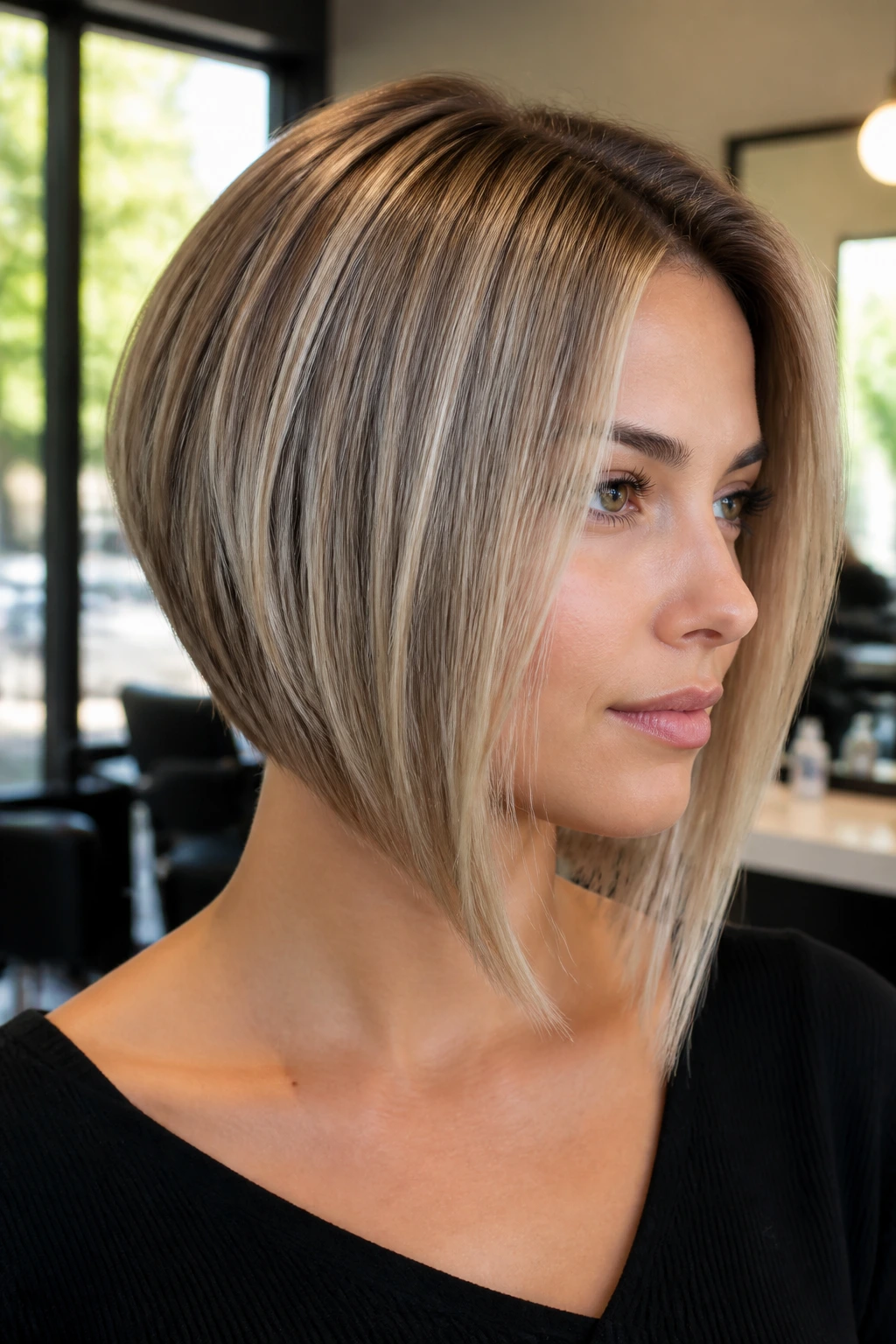
If you aren’t ready to go super short, a long bob—or “lob”—with a steep angle is your best friend. Imagine the back of the neck being clipped quite high, while the front pieces graze your collarbones. The dramatic difference in length creates a visual “lift” that pulls attention to the face rather than the lack of volume at the crown.
Achieving the Precision Look
The key here is having a stylist use point-cutting techniques on the interior layers while keeping the perimeter dead straight. If the edges are too soft, the thinness becomes apparent again. You want that sharp, almost geometric edge that makes the hair look like it was styled with a ruler.
Maintenance Considerations
Because this cut relies on the precision of the angle, you will need to trim it more often than a layered style. Every six weeks is usually the “sweet spot” for keeping the angle crisp and preventing the back from growing out into an awkward, rounded shape.
3. The Stacked Graduated Bob
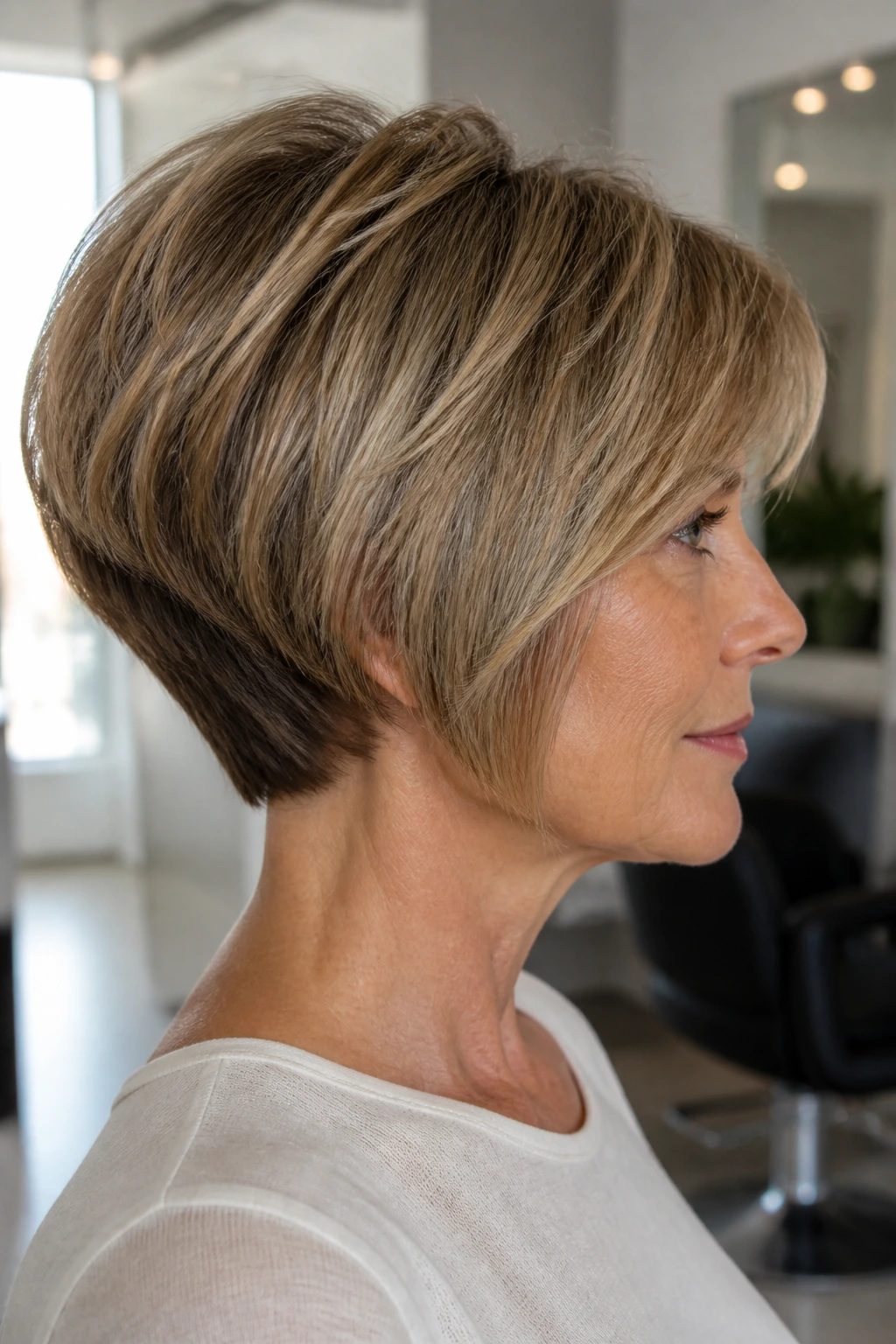
This cut involves multiple short, layered sections in the back of the head that literally “stack” on top of each other. It’s a genius way to add volume where you have none—at the occipital bone. By building height in the back, you create a rounded, voluminous shape that requires very little effort to style.
The Science of the Stack
Thin hair often lies flat against the scalp, especially at the back of the head. By cutting short, graduated layers underneath, you are creating a scaffold for the longer hair on top to rest against. It provides a natural lift that stays put throughout the day, even if your hair is prone to falling flat by noon.
Who Should Avoid This Look
If your hair is extremely curly, a stacked bob might turn into a triangle shape if not balanced correctly. Keep it reserved for those with straight or slightly wavy textures who need that extra boost at the crown to avoid looking like their hair is thinning.
4. The Face-Framing V-Cut
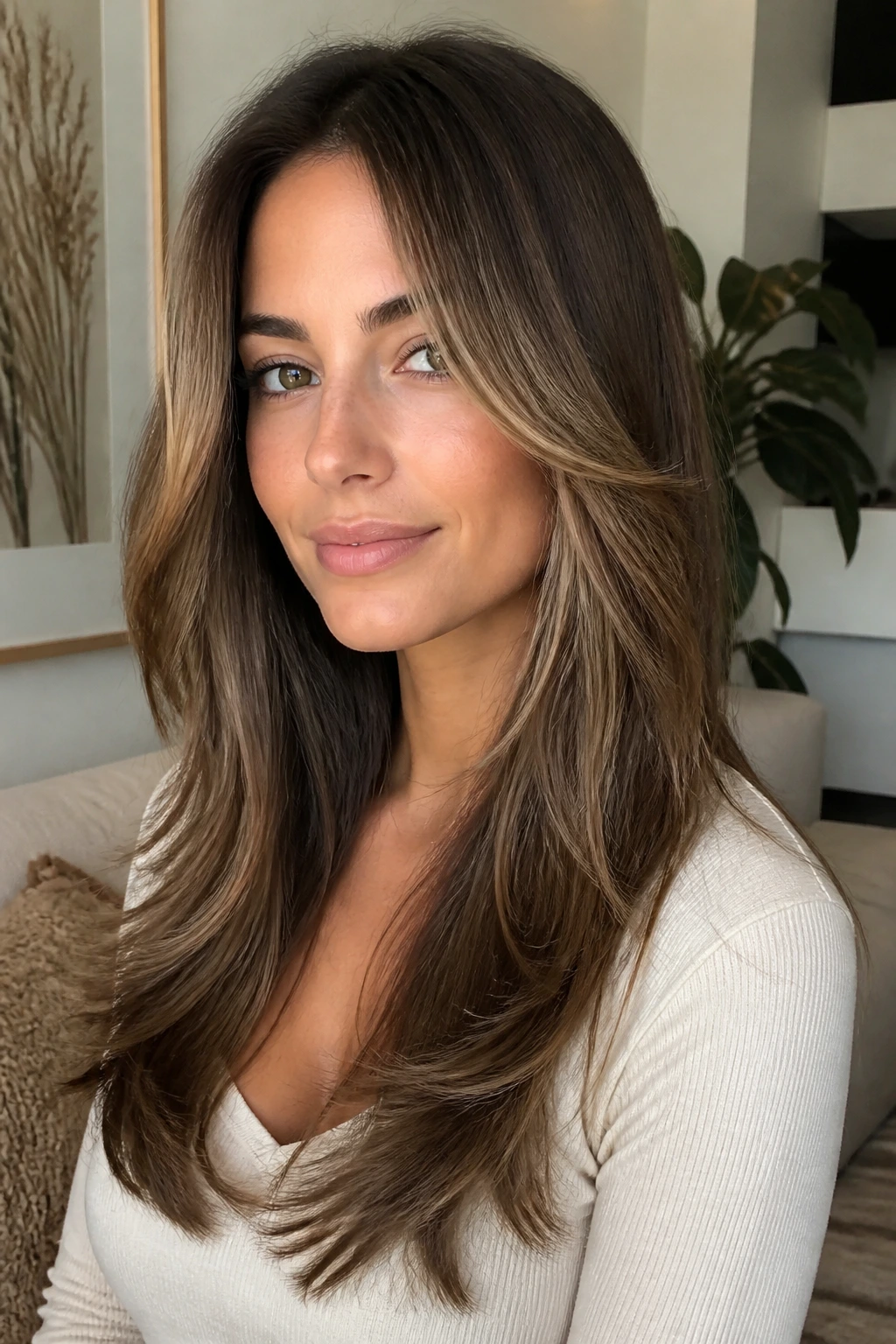
If you prefer to keep your length, the V-cut is a way to introduce angles into long, thin hair without sacrificing the inches you love. By cutting the hair so the back reaches a point, you reduce the amount of bulk at the bottom, which prevents the “stringy” look that often happens when thin hair grows past the shoulders.
How to Style the V
This cut relies on movement. Because the layers are angled toward the center point, the hair will naturally want to flip inward. Use a light volumizing mousse while the hair is damp, and let it air dry with a few braids in it for that effortless, beachy volume that hides a lack of density.
Important Note on Layers
Don’t go too crazy with thinning shears. When your hair is already thin, thinning shears will only make the situation worse. Instead, ask for “long, slide-cut layers” that start below the chin to maintain weight while adding shape.
5. The Asymmetrical Pixie
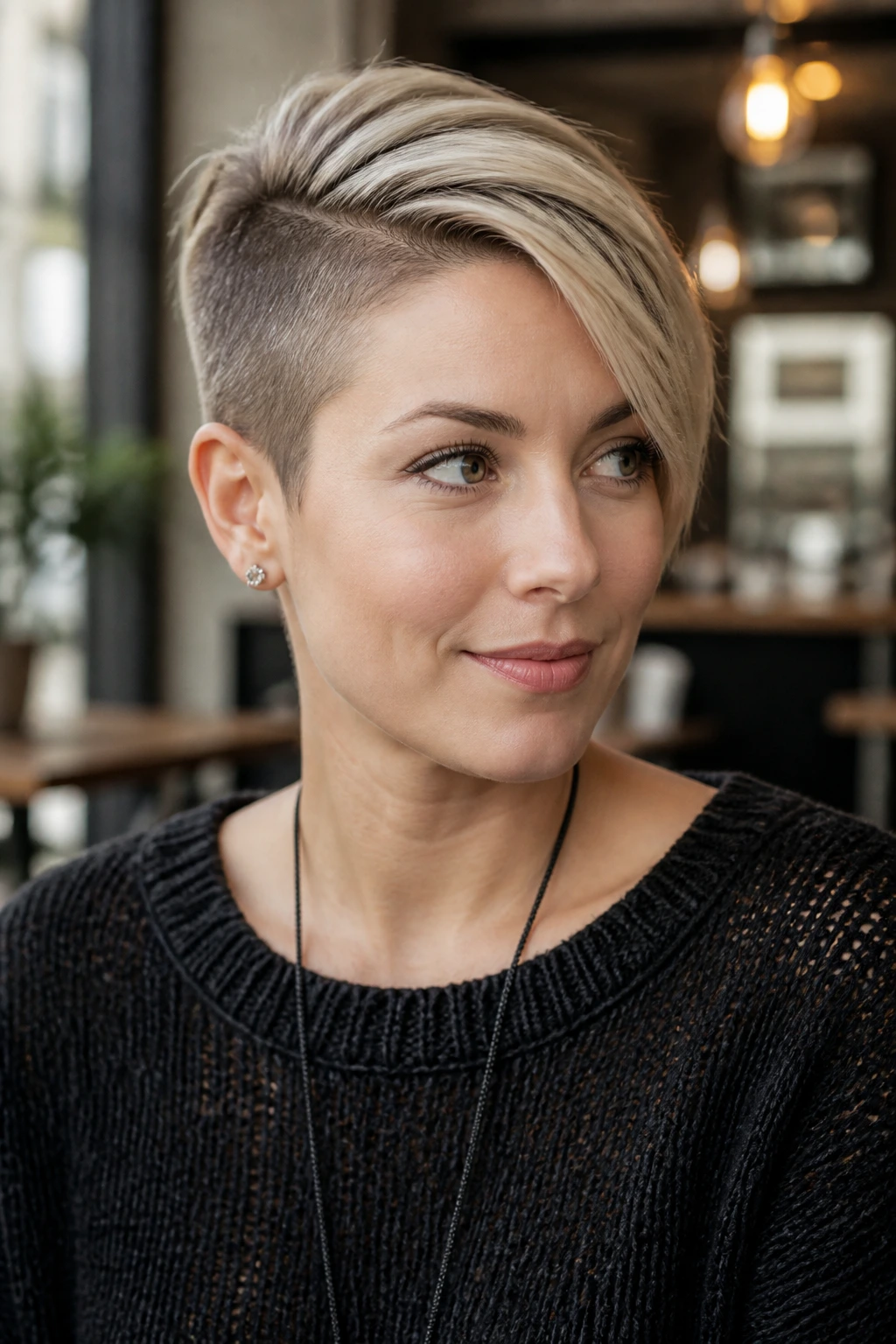
Sometimes the best way to deal with thin hair is to embrace the asymmetry. An asymmetrical pixie features one side cut very tight or shaved, while the other side is left longer and swept across the forehead. The length on one side gives you something to play with, while the shortness on the other makes the hair look thicker by comparison.
Creating the Illusion of Volume
By sweeping the longer section across your crown, you are using the full surface area of your hair to cover the scalp. This works wonders for those who have thinning patches, as the “sweep” can be strategically placed to provide maximum coverage.
Color and Dimension
To make this cut pop, add a few highlights or lowlights. Even just two shades of color can create a “shadow” effect that makes the hair appear three-dimensional rather than flat.
6. The Textured Shag
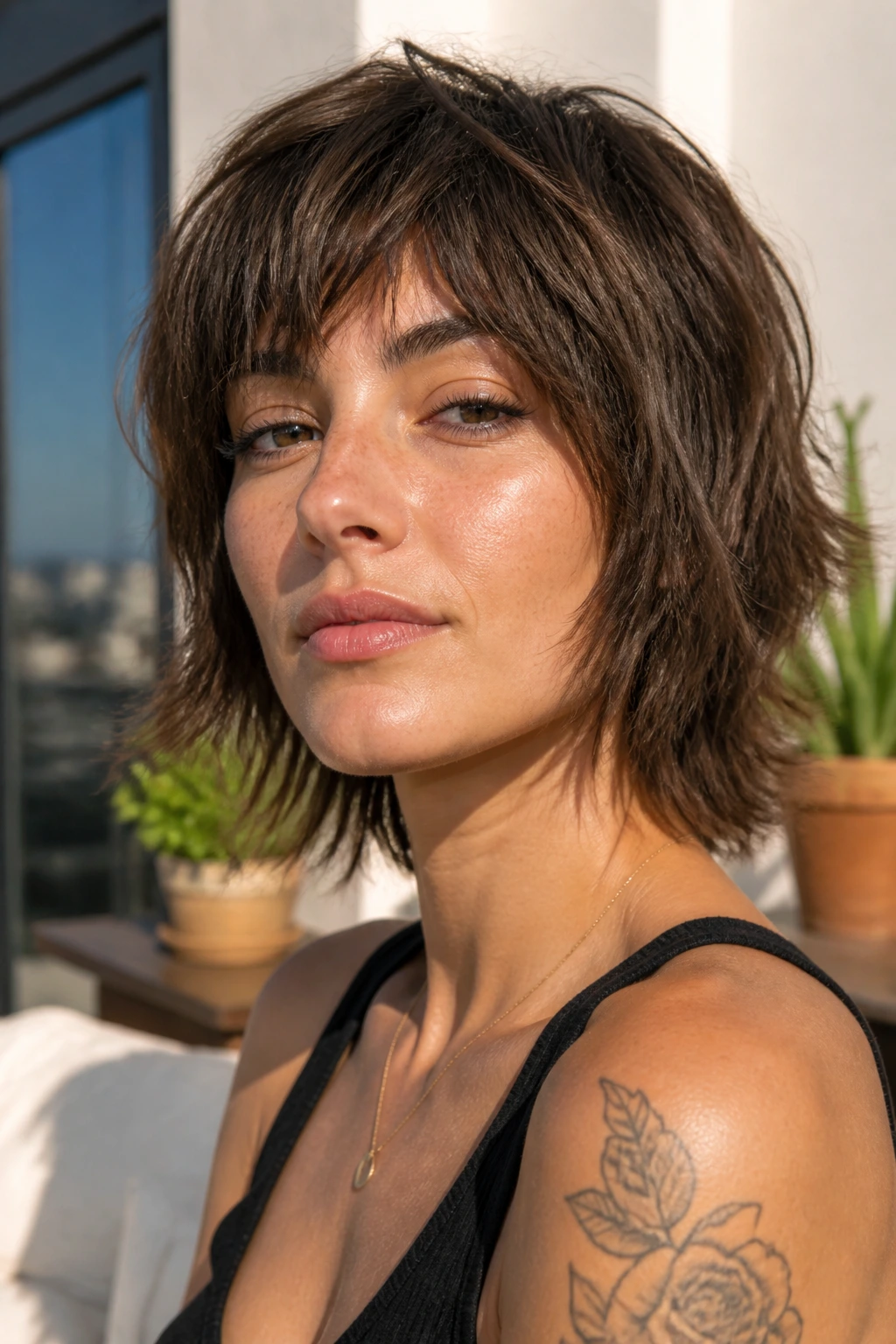
The shag has made a massive comeback, and it is actually a gift for thin-haired individuals. By incorporating tons of choppy, angular layers, you create a messy, “undone” look that relies on texture rather than sheer volume.
Why Texture Is Your Best Friend
When your hair is perfectly sleek, any thinness is immediately obvious. But when your hair is textured, frizzed intentionally, or waved, the eyes have nowhere to focus, and the hair simply looks voluminous. Think of it as a camouflage technique.
Styling Tools to Use
Invest in a high-quality sea salt spray or a dry texturizing powder. These products “grip” the hair strands, making them feel thicker and causing them to stand away from the scalp rather than clinging to it.
7. The Deep Side-Parted Bob
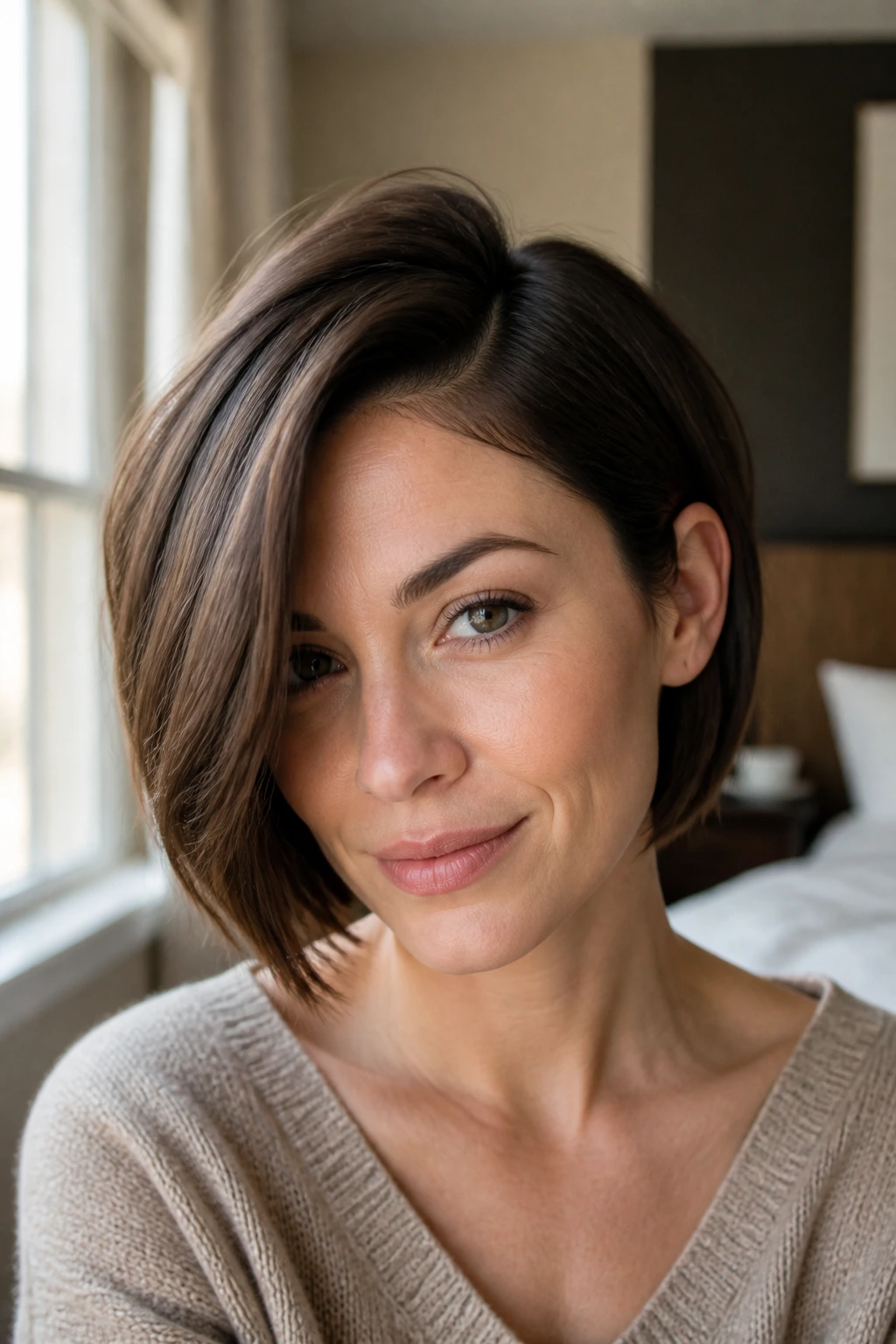
This is less of a “cut” and more of a styling angle, but it’s crucial for thin hair. A deep side part creates a massive volume boost at the root on one side of the head. When combined with a chin-length bob, it shifts the weight distribution of your hair entirely.
The “Flip” Technique
For the best results, flip your hair to the opposite side every few days. This forces the roots to stand up because they aren’t trained to lie flat in one direction. It is the easiest, zero-cost way to make your hair look twice as thick as it did five minutes ago.
The Precision Cut
Make sure your ends are cut with a straight razor rather than scissors. A razor edge is naturally slightly feathered and softer, which blends better with the added volume you get from a deep side part.
8. The Modern Mullet
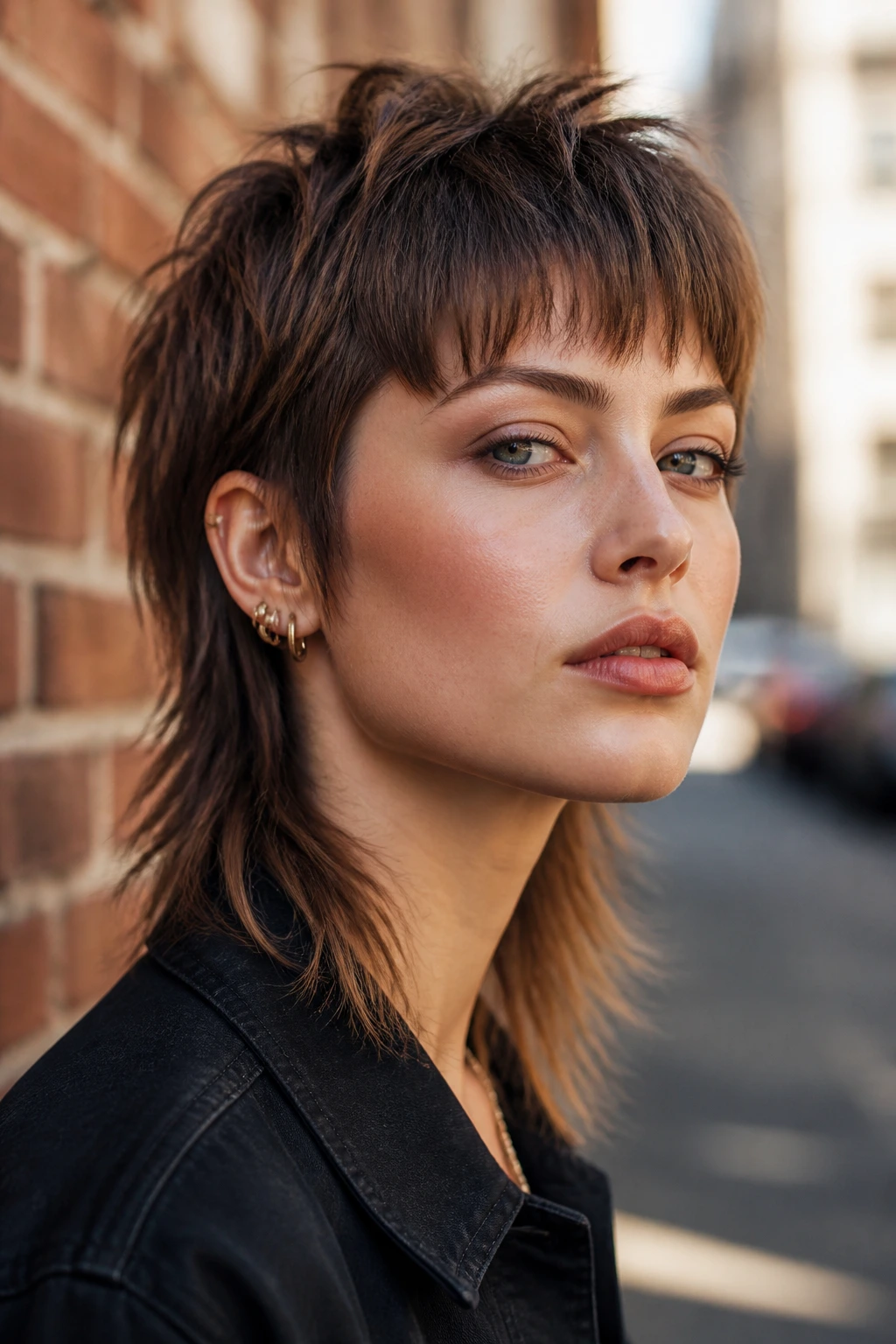
Don’t let the name scare you. The modern version of this cut features short, choppy layers on top and sides, with longer, angled pieces in the back. It’s an incredibly edgy, fashion-forward look that works because the layers on top are kept short enough to stay upright and bouncy.
Managing the Thinness
Because the hair on top is cut shorter, it doesn’t have the weight to pull it down against your skull. That vertical lift is exactly what thin hair needs. It’s a bold look, but it is undoubtedly one of the most effective ways to manufacture volume where there isn’t any.
Who Is This For
This style is perfect for those with a bit of natural wave. If your hair is poker-straight, you might need to use a curling wand to add a bit of bend to the shorter layers, otherwise, they may look a bit stiff.
9. The Angular Curly Bob
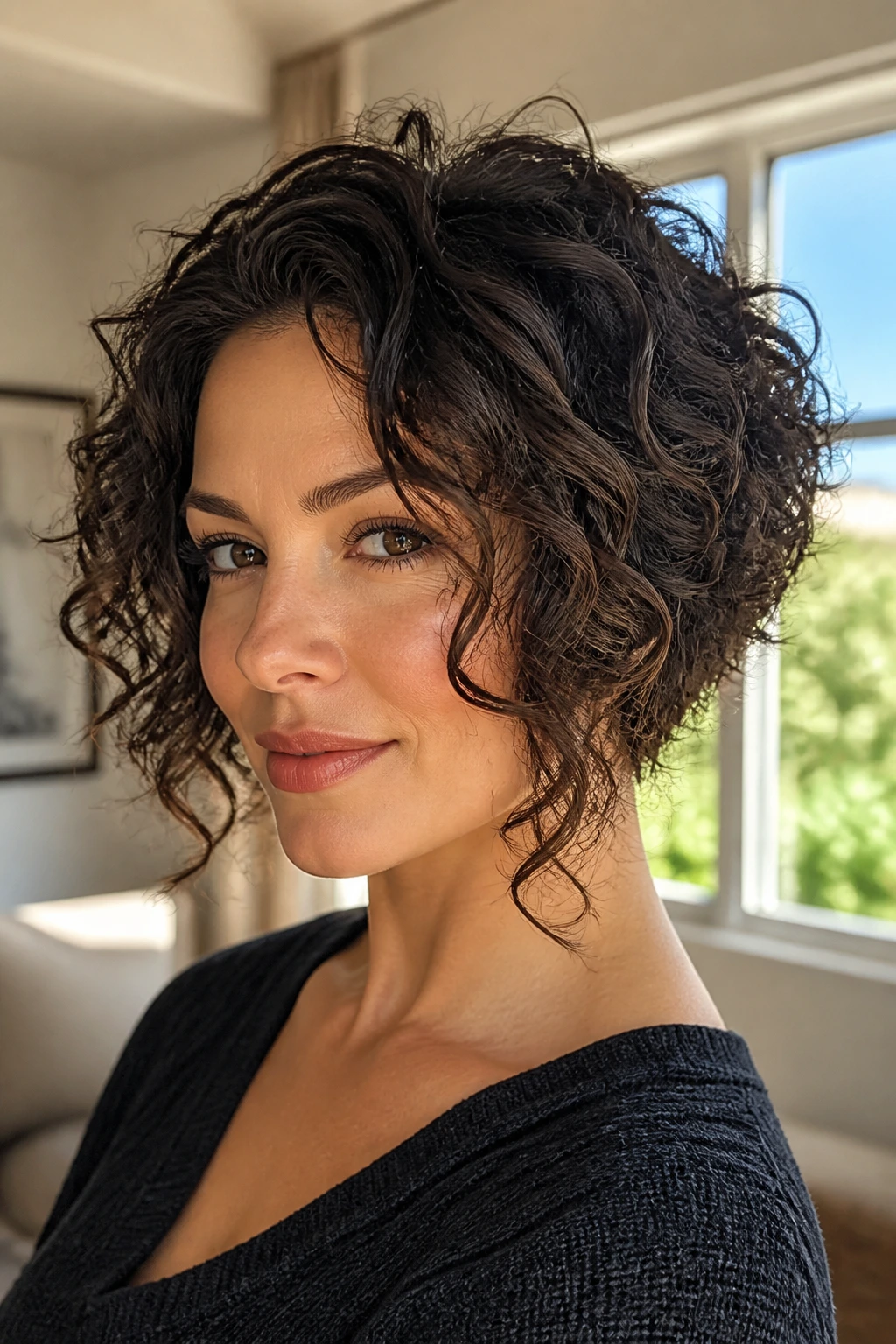
If you have thin, curly hair, you have a unique set of challenges. An angular bob that is cut slightly longer in the front and shorter in the back helps to manage the curls so they don’t grow into a “mushroom” shape. By angling the cut, you direct the curls downward, creating a slimming effect on the face.
The Benefit of Controlled Curls
Curly hair usually needs to be cut dry to see where the curls sit naturally. When you ask for an angular cut, make sure the stylist accounts for “shrinkage.” The back will bounce up more than the front, so the angle needs to be exaggerated to look balanced once the hair is dry.
Moisture is Key
Thin, curly hair can break easily. Use a lightweight curl cream rather than a heavy oil or butter. You want the curls to be bouncy and light, not weighed down and greasy, which will only highlight the thinness of the hair.
10. The Collarbone Grazing Lob with Internal Layers

If you want to keep some length but fear the “triangle” shape, go for a lob that hits exactly at the collarbone. By adding invisible, internal layers—short pieces cut inside the hair rather than on the surface—you create a bit of internal lift that keeps the bottom from looking thin.
Avoiding Surface Layers
Surface layers are the enemy of thin hair because they remove the hair that covers the scalp. Internal layers, however, act like hidden cushions. They push the hair out, making your overall head of hair look significantly thicker without creating those awkward, choppy lines on the outside.
Choosing the Right Scissors
Ask your stylist if they use “freehand cutting” or “point cutting.” These techniques ensure the ends look soft and lived-in rather than like a wig or a blocky, dated cut from a different era.
11. The French Bob with Blunt Bangs

There is something incredibly sophisticated about a bob that hits the cheekbones, paired with a full, blunt bang. The bangs take away some of the density from the top and move it to the front, creating a framing effect that feels very thick and intentional.
Why Bangs Are a Secret Weapon
Bangs are excellent for thin-haired people because they utilize the hair from the crown of the head. By pulling that hair forward, you are essentially covering up the scalp, which often feels more visible when your hair is fine.
Styling the Bangs
Use a small round brush to blow-dry the bangs while they are still very damp. If you wait until they air-dry, they will likely split or lose their shape. A quick blast of heat will keep them looking thick and polished all day long.
12. The Micro-Bob
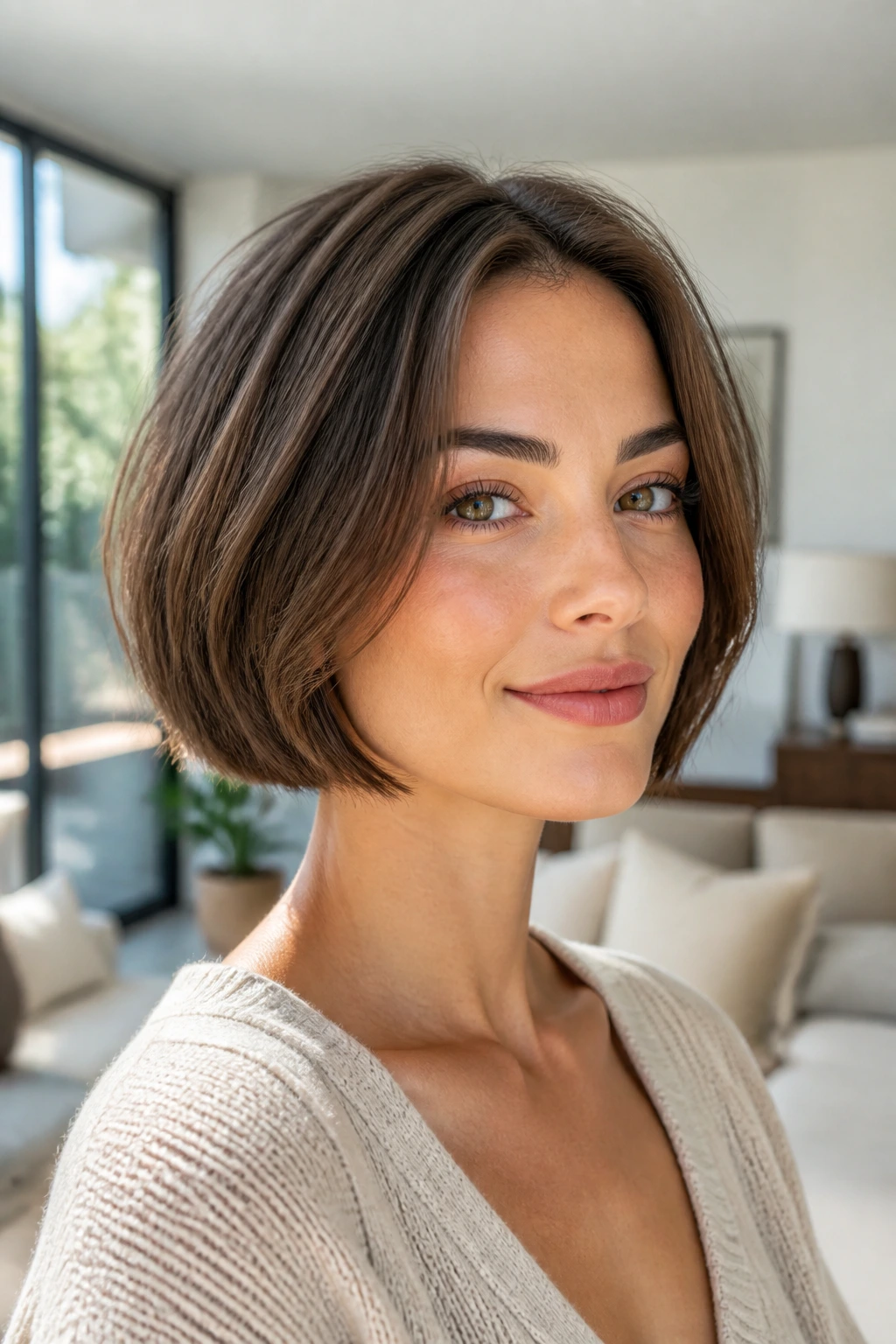
The micro-bob hits right at the jawline or even just above it. This is the shortest you can go while still having a “bob” look. Because the hair is so short, it is inherently lighter and more prone to holding volume.
Why Length Matters
The longer thin hair gets, the more gravity pulls it toward the floor. Gravity is the enemy of thin hair. By going very short, you defeat gravity. You will find that your hair naturally has more bounce simply because it doesn’t have the weight of several inches of extra hair pulling it down.
Keeping it Soft
The micro-bob can look harsh if it is too geometric. Ask for a “soft edge” or a “shattered bob” style, where the tips are cut slightly unevenly to give it a modern, casual feel.
13. The Angled Pixie with Long Layers
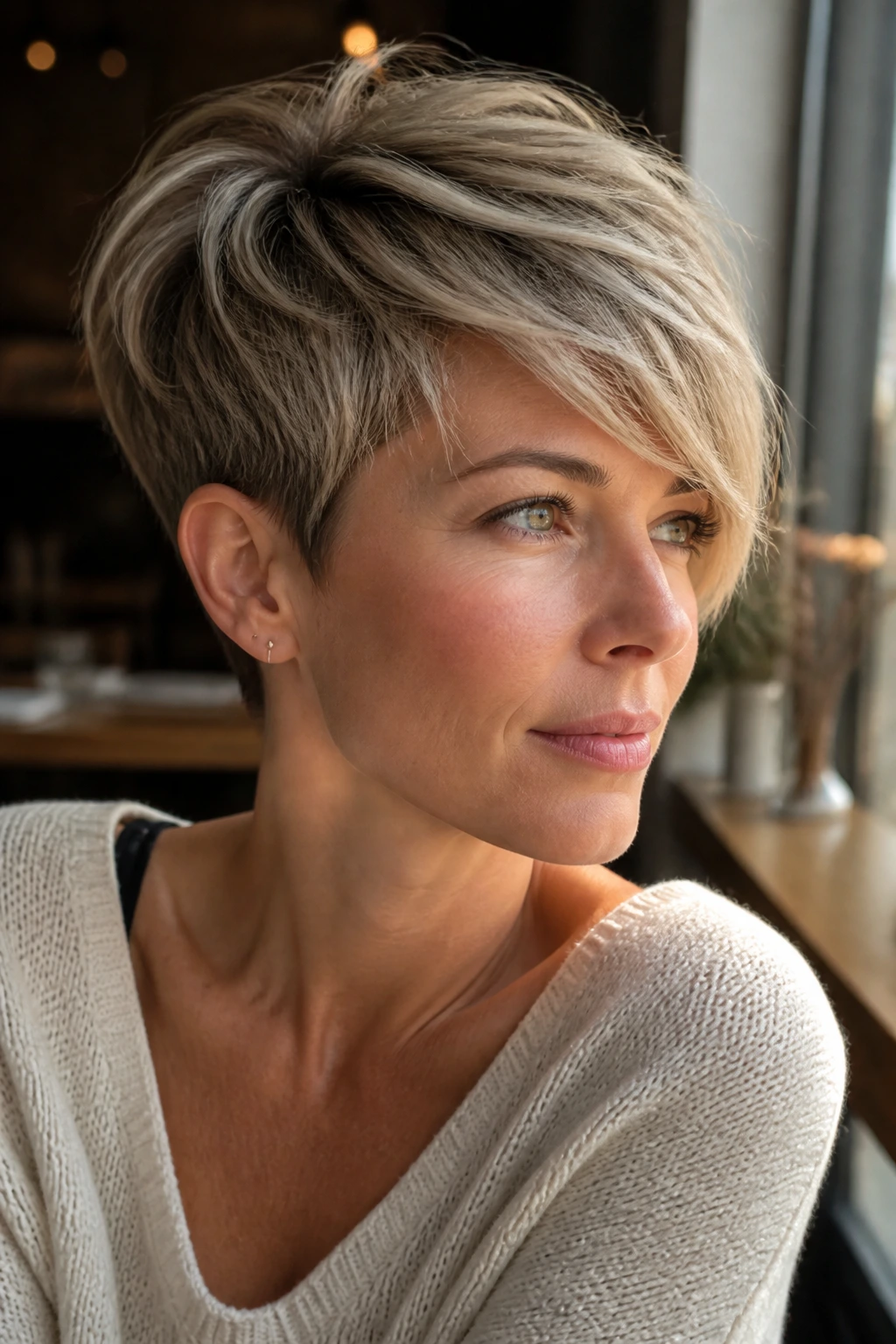
This is a softer version of a standard pixie. The sides are tapered, but the top is kept long enough to be swept to one side. The angle comes from the way the top is cut to flow into the shorter back.
The “Swoop” Effect
When you keep the top long and angled, you create a sweeping silhouette that makes the hair look like it has a lot of movement. Movement is the antidote to the “flat” look that thin hair often suffers from.
Versatility
This cut is extremely versatile. You can slick it back for a formal look, or use texturizing paste to make it look messy and cool for a weekend brunch. It’s a low-maintenance, high-impact style.
14. The Razor-Cut Shag

A razor-cut shag is all about edge and movement. Because a razor thins the hair naturally as it cuts, it creates a “frazzled” look that is actually perfect for making hair look more voluminous. The layers are angled in such a way that they create a halo effect around the head.
Embracing the Edgy Vibe
This style looks best when it’s not too perfect. Lean into the messiness. Using a matte paste or a clay will help the layers hold their shape without making the hair look oily.
Maintenance and Growth
As the razor-cut layers grow out, they tend to stay soft, which is a major benefit. You won’t get that “heavy-heavy-thin” look that you get when scissor-cut layers grow out.
15. The Hidden Undercut Bob
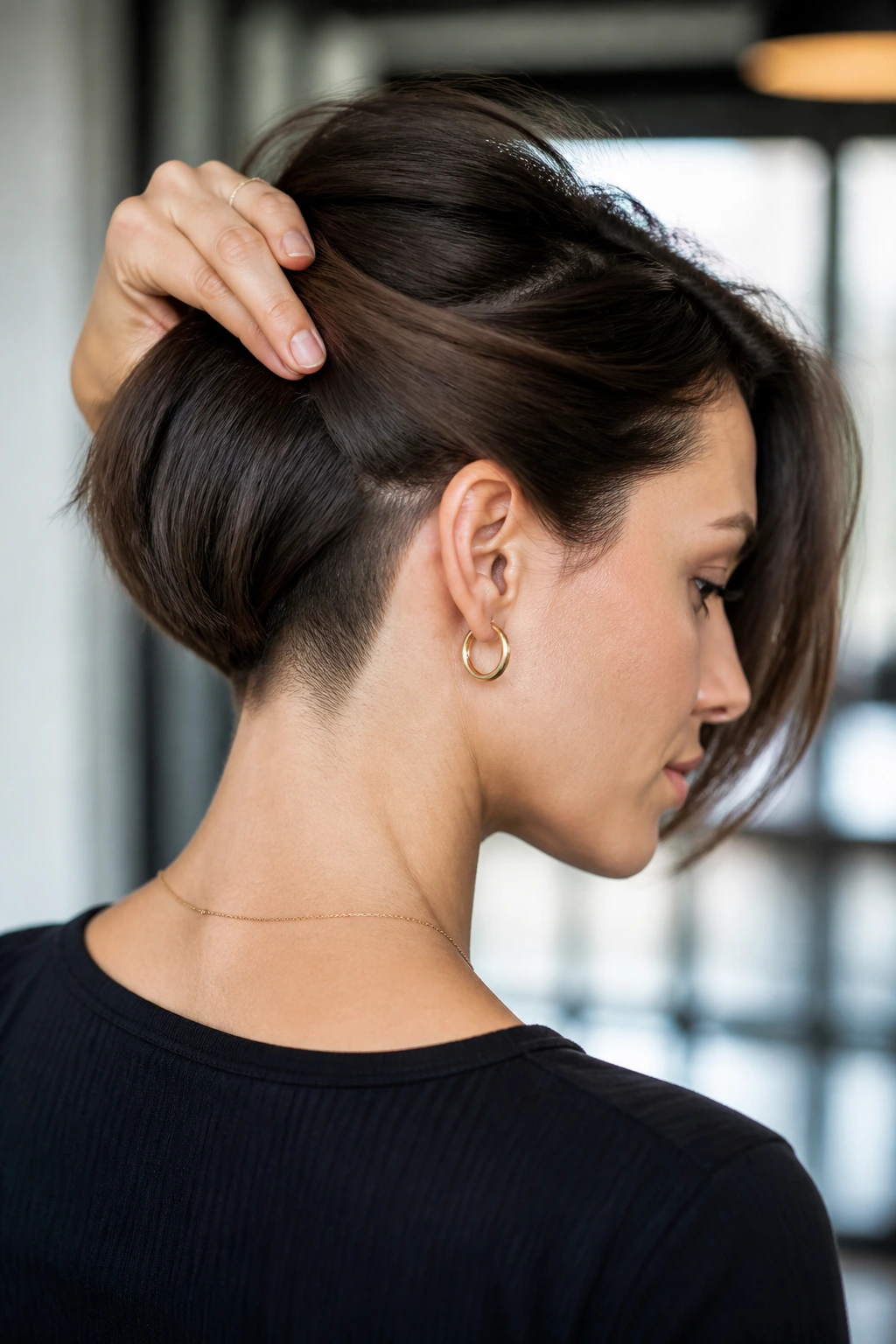
If your hair is very thin but you want to look like you have a thick, heavy bob, an undercut might be your secret. By shaving or cutting the hair at the very nape of the neck significantly shorter than the rest, you create a ledge that forces the hair above it to puff out.
The Physics of the Undercut
This is literally building volume from the bottom up. The short hairs at the nape act as a permanent, invisible backcombed section. It’s an engineering trick that most people won’t even notice when you have your hair down.
When to Use This
This is best for straight or slightly wavy hair. If you have tight curls, an undercut can sometimes result in a weird shape as the curls grow out, so chat with your stylist about the specific angle of your hairline before committing.
16. The Rounded Graduated Bob
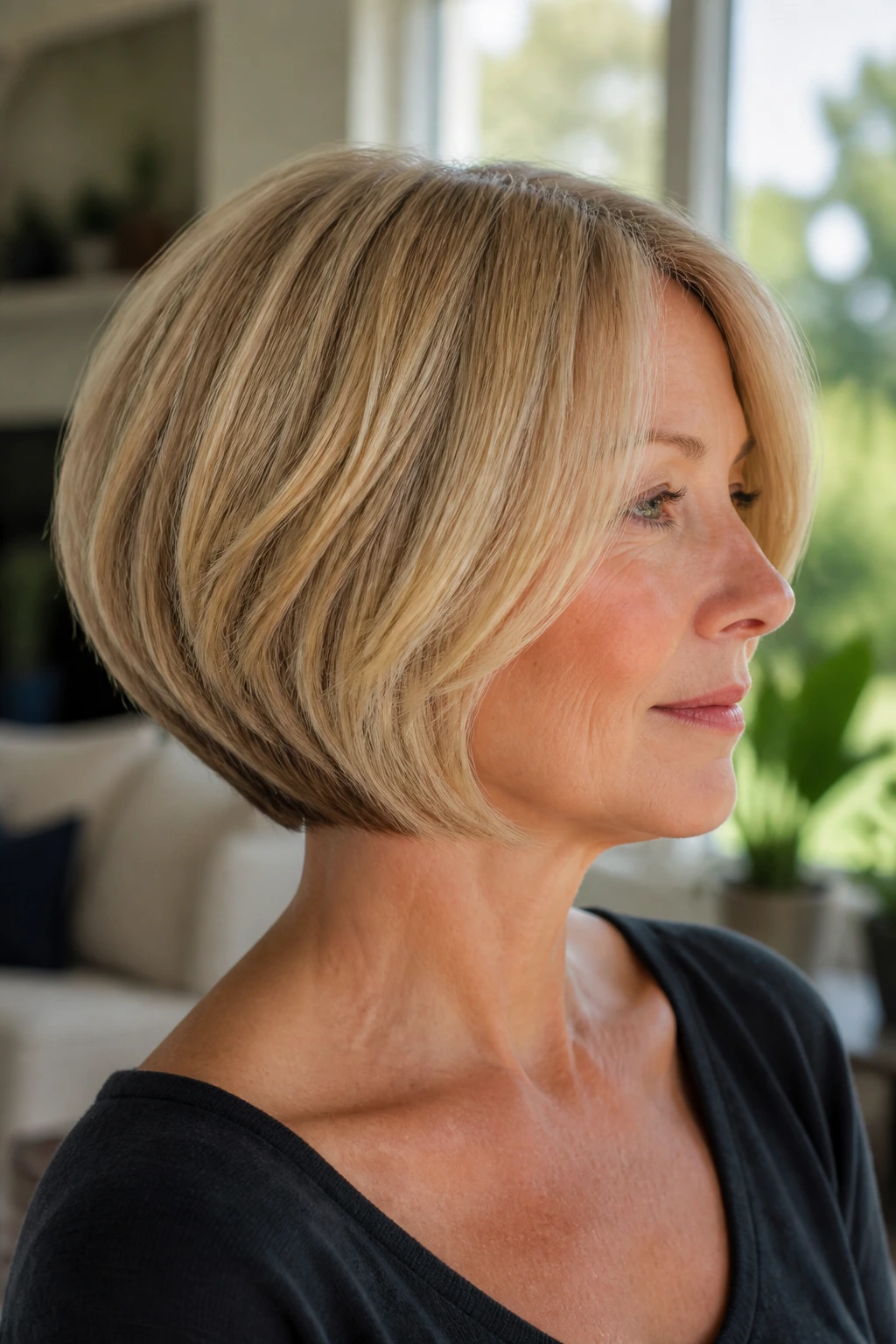
Unlike the stacked bob which is quite edgy, the rounded graduated bob is softer. The angle is less severe, and the goal is to create a soft, circular shape that frames the head. This is fantastic for people with thinner faces who need a bit of volume on the sides.
Creating the Shape
This cut requires a good eye for rounding off the corners. You want the front to blend seamlessly into the back, creating one continuous line that mimics the curve of a healthy head of hair.
The Finishing Touch
Use a shine spray to finish the look. Thin hair can sometimes look dull, and a bit of shine will make the individual strands look healthier and, therefore, thicker.
17. The Blunt Long Bob with Wispy Bangs

If you are worried about the “heavy” look of a full blunt bang, go for wispy bangs instead. They are still angled to frame your face, but they allow a bit of forehead to show through, which can make the hair look less “overwhelmed” by the weight of the bangs.
Balancing the Face
The key to this style is the angle at which the bangs transition into the rest of the hair. You want a gradual, soft taper so that the bangs don’t just “sit” on your head, but rather flow into your hair.
Why This Style Lasts
This is one of the few cuts that looks just as good at week eight as it does at week two. It’s an investment in a style that is meant to grow out gracefully.
18. The Asymmetrical Lob
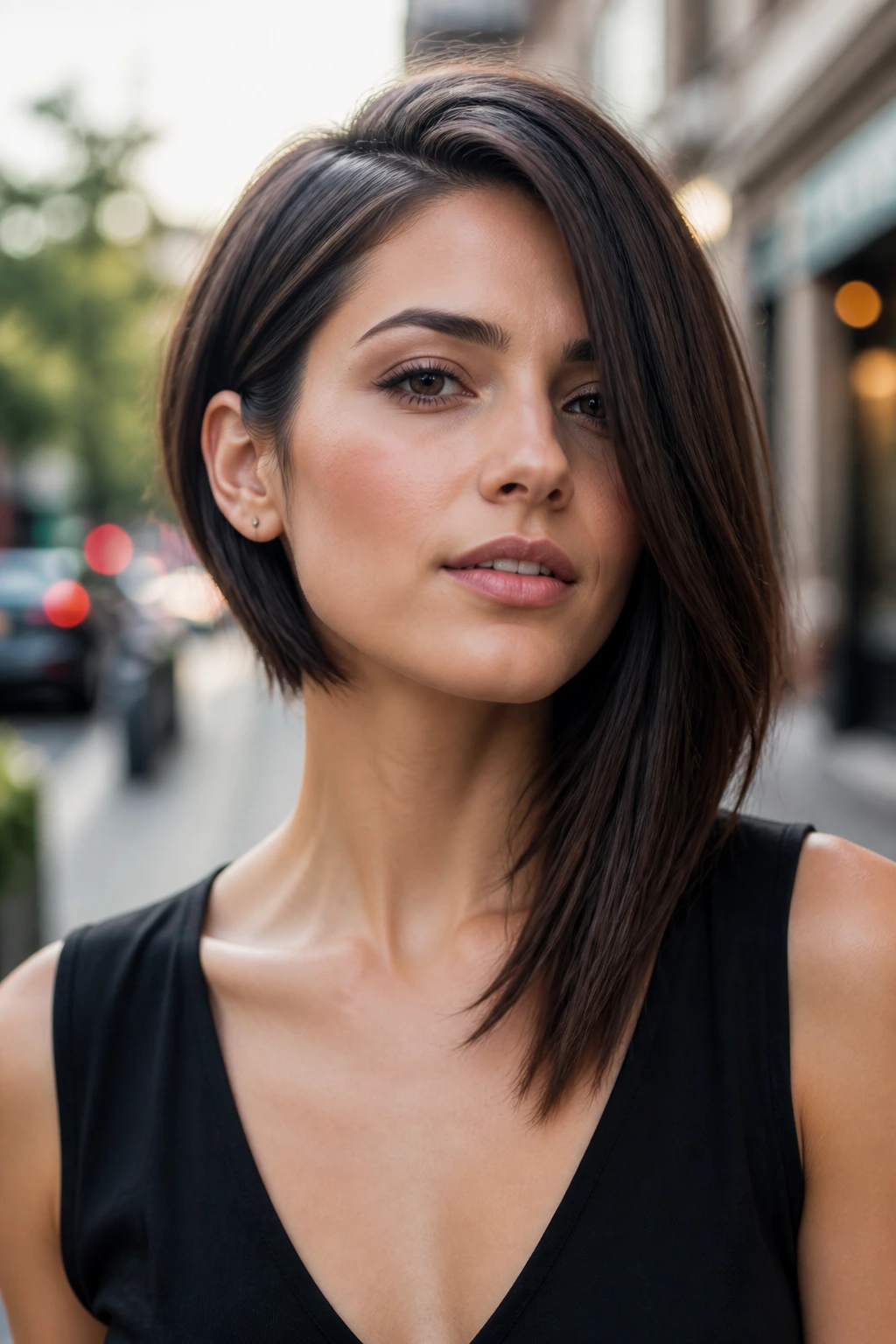
The asymmetrical lob is the “it” girl haircut for a reason. One side is noticeably longer than the other, which creates an immediate visual interest. The eye is drawn to the drama of the length difference, completely distracting from the fact that the hair might be on the finer side.
Managing the Shift
Because the sides are different lengths, it naturally creates a side-parted effect. This shift is enough to give you a natural lift at the roots on the side with more hair.
Daily Styling
Don’t overthink this. A little bit of volume mousse and a quick rough-dry with a diffuser is enough to give this look that “cool girl” texture that makes thin hair look intentional.
19. The Angled Lob with Face-Framing Layers
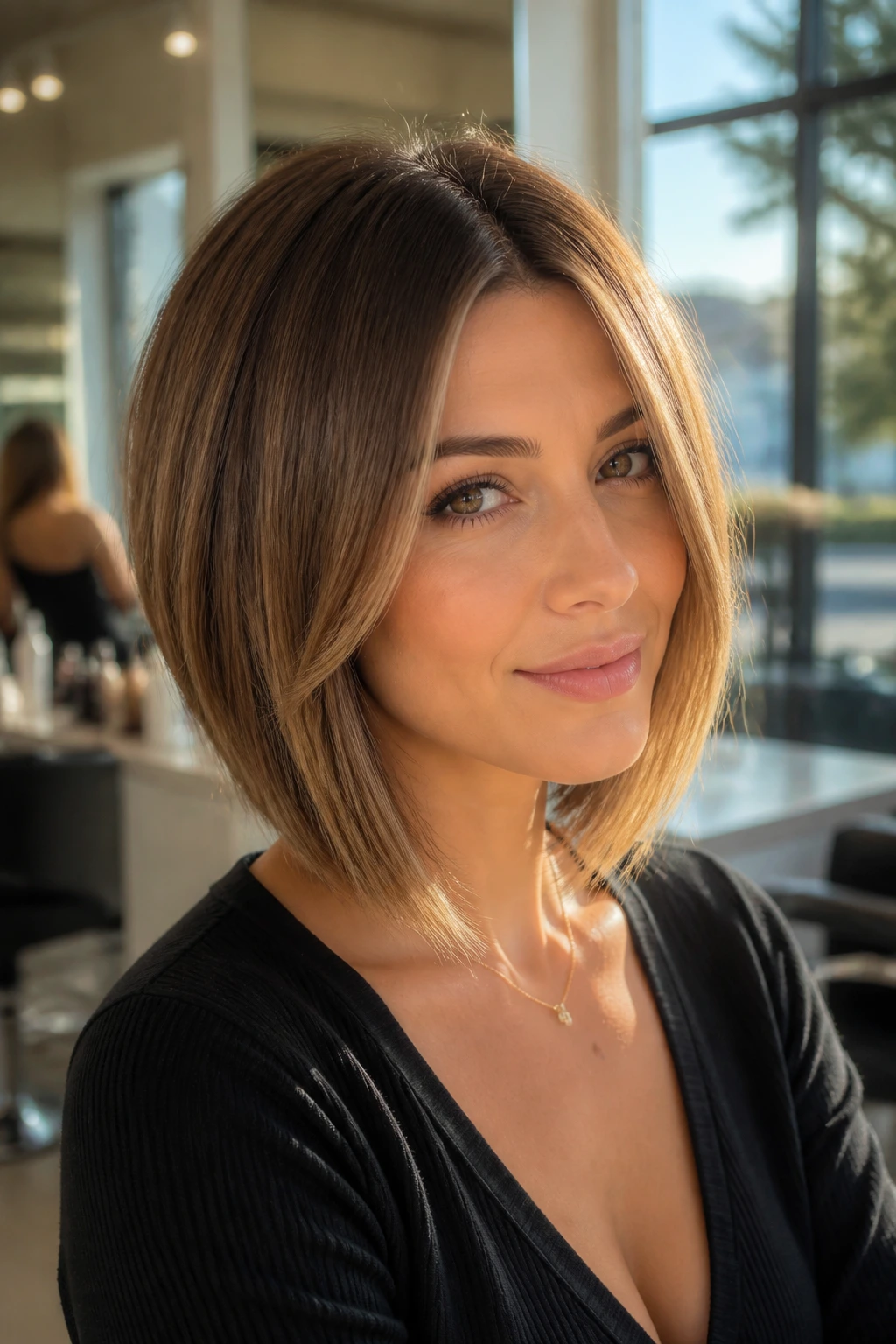
This is a classic for a reason. By keeping the length at the collarbone and angling the layers specifically around the jawline, you create a “frame” for your face. This draws attention to your eyes and lips rather than the volume of your hair.
Why It Works
Face-framing layers are great for thin hair because they allow you to have movement around the face without having to sacrifice the density at the crown. It’s the ultimate “safe” cut that looks professional and polished.
Pro-Tip for Styling
Use a flat iron to just barely flick the ends of those face-framing pieces inward. It creates a soft, rounded shape that makes the hair look like it has a mind of its own (in a good way).
20. The Choppy Pixie with Undercut Sides
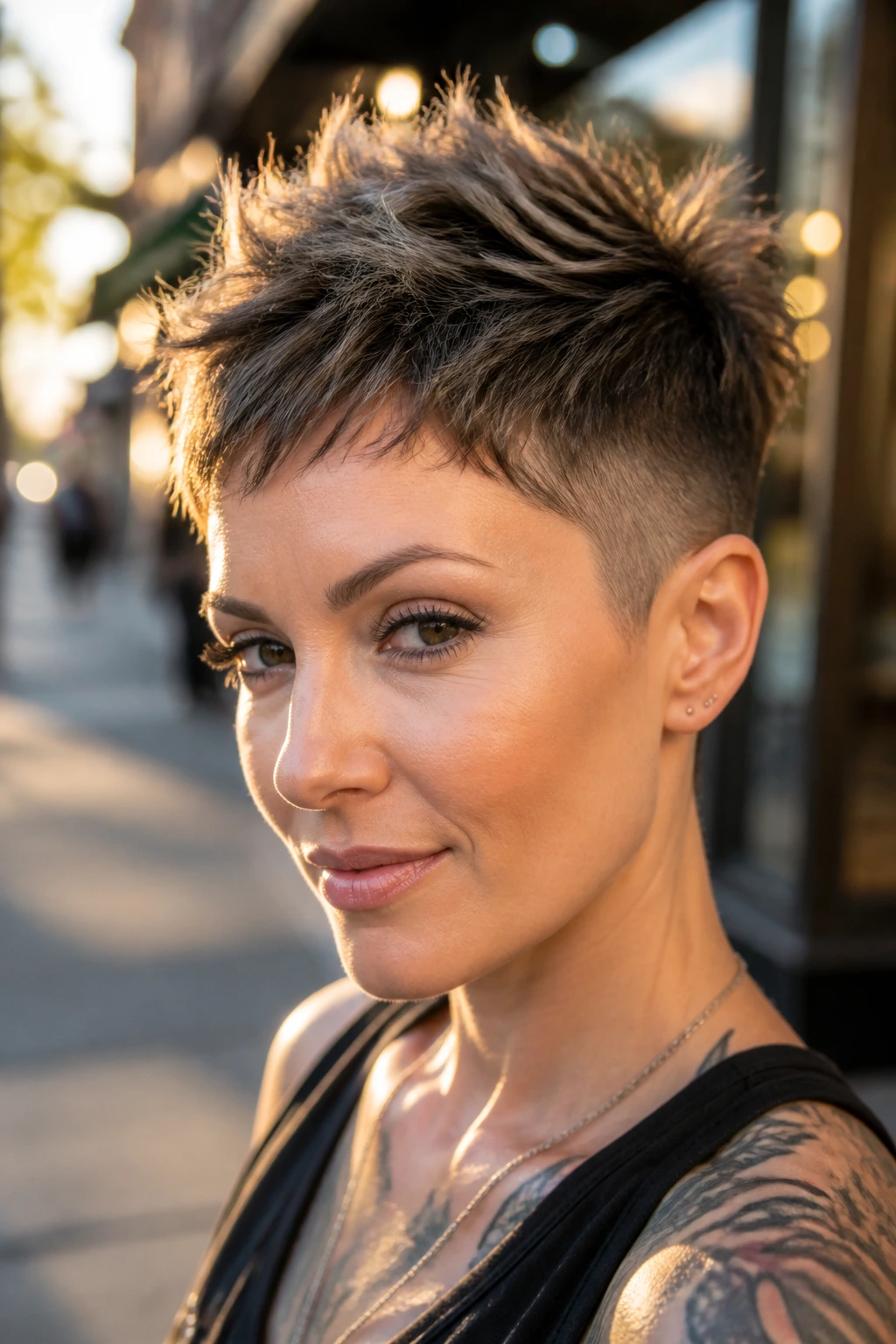
For the ultimate in volume, nothing beats a choppy pixie with undercut sides. By keeping the sides extremely short, the hair on top looks massive by comparison. The choppy layers add a “spiky” quality that creates a look of density.
The Power of Contrast
The contrast between the skin showing at the sides and the volume on top is the best trick in the book. It makes your head look like it’s full of hair.
Personalizing the Look
This cut is all about the details. You can leave the front slightly longer to play with different styles, or go for a full-on “short all over” look. The choice is yours, but the structural advantage remains the same.
Final Thoughts
When you are dealing with thin hair, the most important thing you can carry with you into the salon chair is confidence. Too often, people with fine hair feel like they have to hide or grow it long to look “feminine,” but the reality is that shorter, more angular cuts often offer the most dramatic improvements. By embracing sharp lines, clever stacking, and intentional texture, you aren’t just getting a haircut; you are building a structure that supports your hair rather than letting gravity destroy it.
Never be afraid to ask for a second opinion from a stylist who specializes in fine hair. They will often have a better understanding of how the hair will behave once you leave the chair. The transition to an angular, voluminous style isn’t just about changing your look—it is about reclaiming the styling process so you feel powerful, refreshed, and entirely yourself every time you look in the mirror.