

Managing curls is a unique journey that starts early, often long before a child has the vocabulary to ask for a specific look. If you have spent even a few minutes trying to detangle a head of tight coils or loose ringlets, you know the stakes are high. It is not just about aesthetics; it is about protecting the integrity of the hair and keeping the scalp healthy while creating something that lasts through recess, naps, and everything in between.
The secret to success with children’s hair is understanding the specific texture of their curls. Whether the hair is fine and prone to tangles or dense and thirsty for moisture, the routine remains the same: gentle handling and hydration. When you approach styling with a focus on preservation rather than just fashion, you find that styles stay neater, last longer, and—most importantly—are much easier to take down at the end of the day.
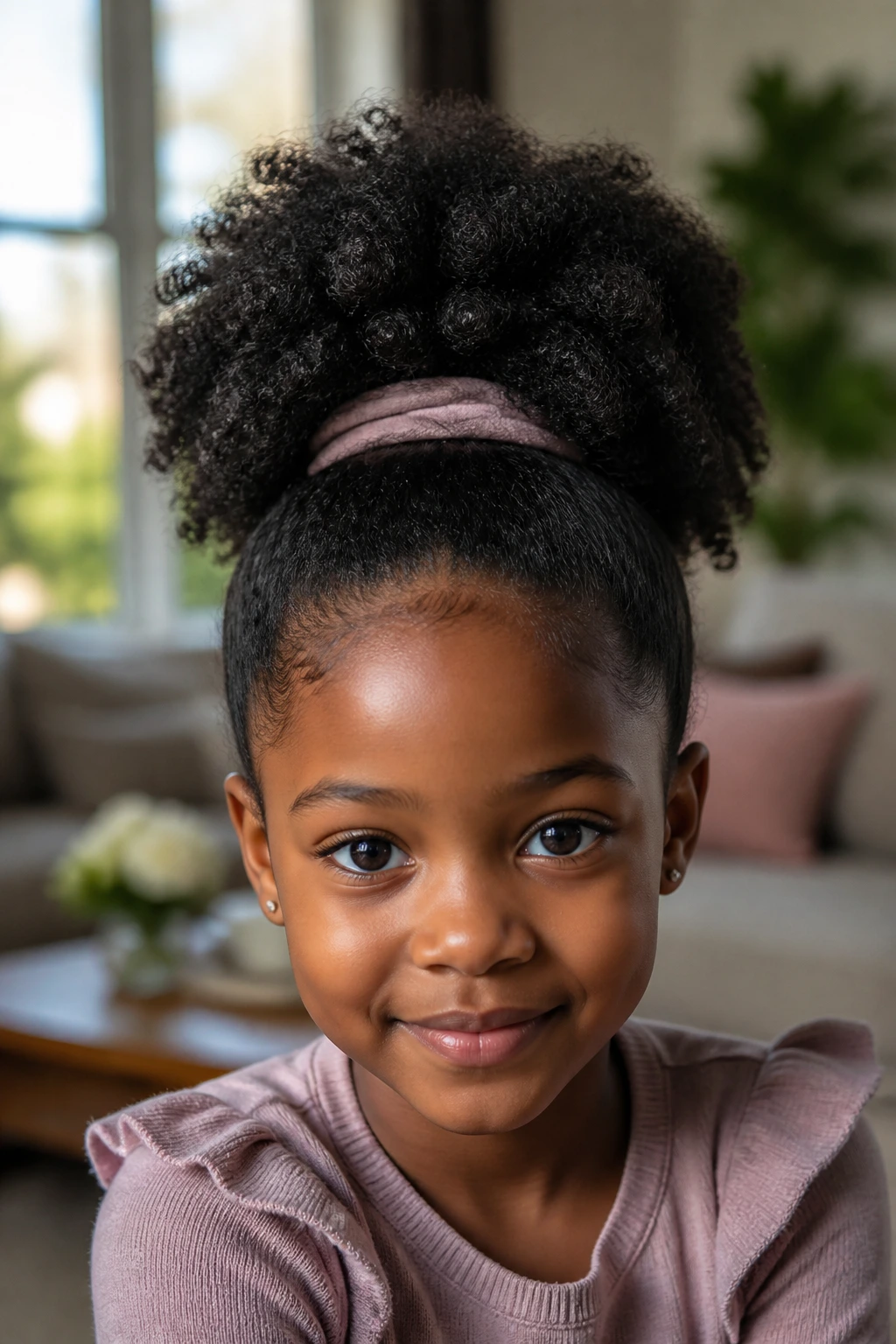
1. The Classic High Puff
The high puff is the gold standard for curly hair because it keeps the hair off the neck while celebrating the natural volume of the curls. It works best on hair that has been detangled and slightly stretched. To achieve this, gather the hair at the crown of the head using a soft, fabric-covered band that will not snap or snag the delicate strands.
Creating the Perfect Shape
- Use a wide-tooth comb or your fingers to bring the hair upward, ensuring you do not pull too tight at the hairline.
- Once the base is secured, use a small amount of leave-in conditioner to define the curls at the ends.
- Fluff the ends gently with a hair pick to give the puff a rounded, uniform appearance.
Pro tip: If the hairline needs extra smoothing, avoid harsh brushes. Instead, use a soft-bristle toothbrush dipped in a bit of edge control or water to gently lay down stray hairs without pulling on the roots.
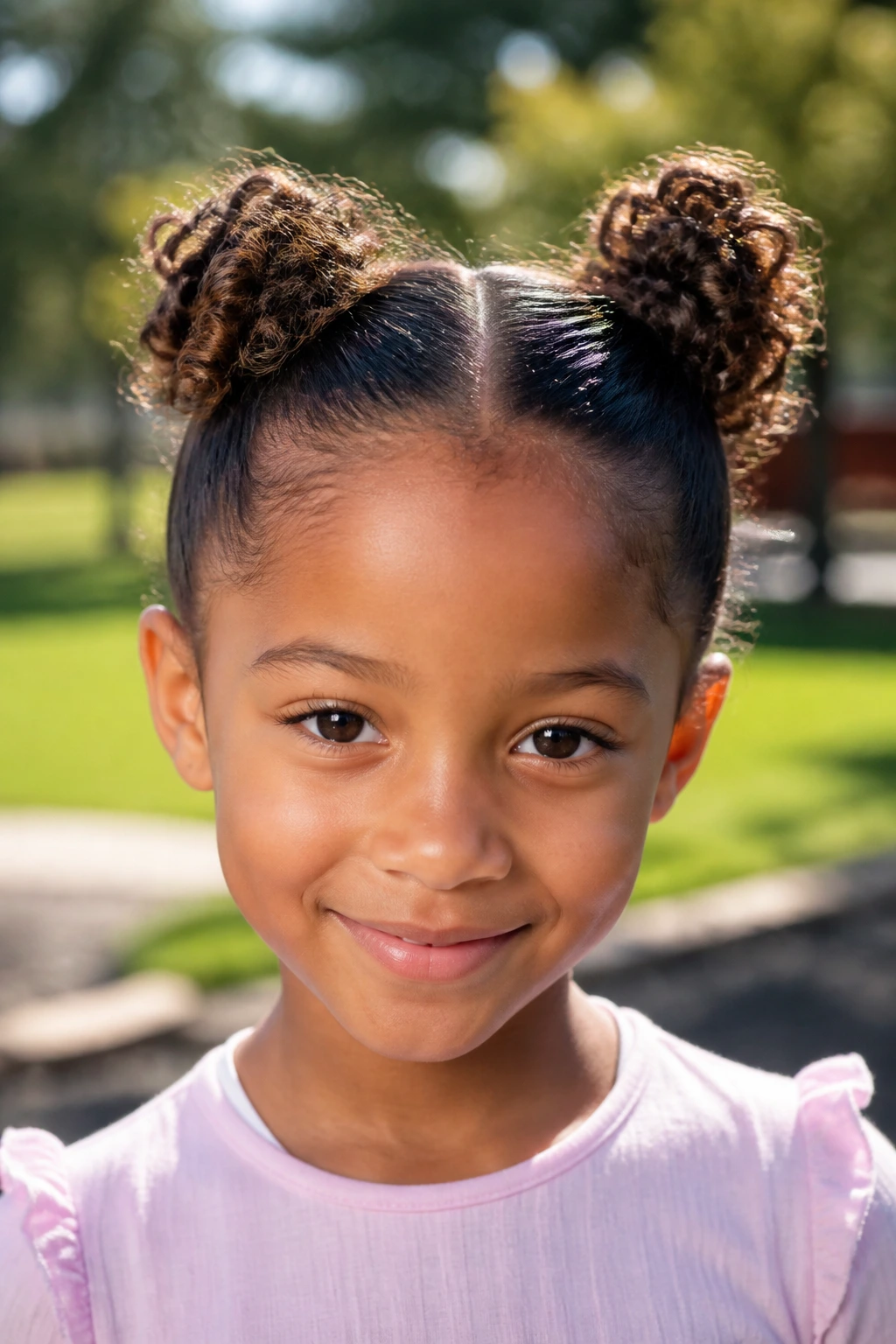
2. Double Space Buns
Space buns are playful, functional, and surprisingly sturdy, making them an excellent choice for active children. By dividing the hair into two sections, you reduce the weight on any single part of the scalp, which often leads to less fussing during the styling process.
Why It Works for Active Days
This style keeps hair completely secured away from the face, which is vital for busy afternoons spent playing. You can customize the look by adjusting the height of the buns—high buns provide a fun, whimsical look, while lower buns are often more comfortable for lying down or wearing hats.
Maintenance Tips
- Ensure the part is clean and straight; a zig-zag part can add a touch of personality.
- Apply a lightweight detangling spray before you start to make the sectioning process smooth and tear-free.
- Use scrunchies instead of traditional rubber bands to protect the hair from breakage during active play.
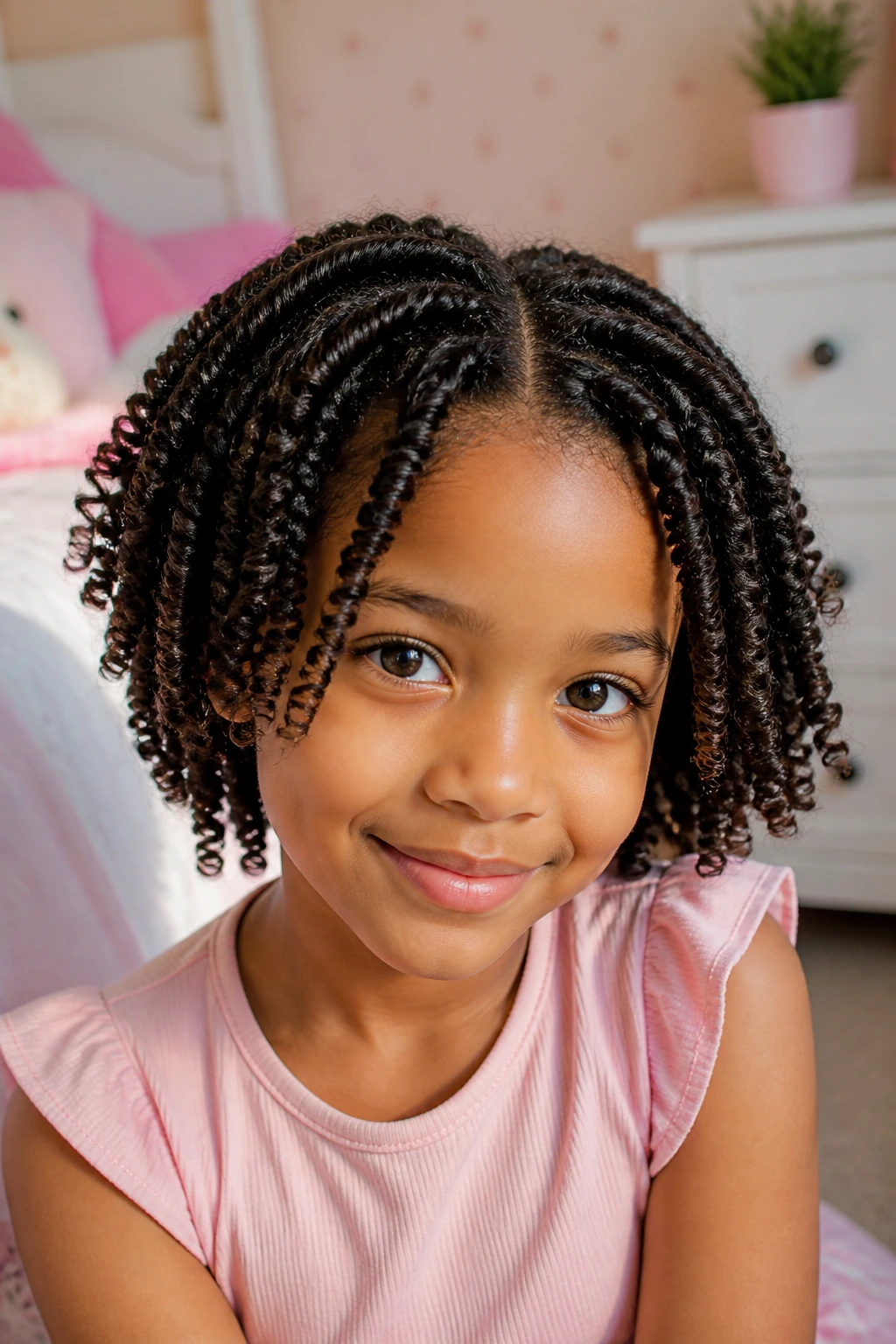
3. Two-Strand Twist Out
Twists are arguably the most versatile protective style for curly hair. Not only do they look polished while they are in, but they also create a beautiful, defined wave pattern when you finally take them down. This method stretches the hair without heat, keeping it healthy and bouncy.
The Technique for Longevity
- Divide damp, conditioned hair into sections of equal size.
- Apply a small amount of twisting butter or cream to each section.
- Twist the hair tightly from root to tip, ensuring you smooth the hair as you go.
- Allow the hair to air dry completely before untwisting.
Note: Never take the twists down while the hair is even slightly damp. If you do, the curls will frizz immediately, losing all the definition you worked so hard to create.
4. Half-Up, Half-Down with Mini Twists
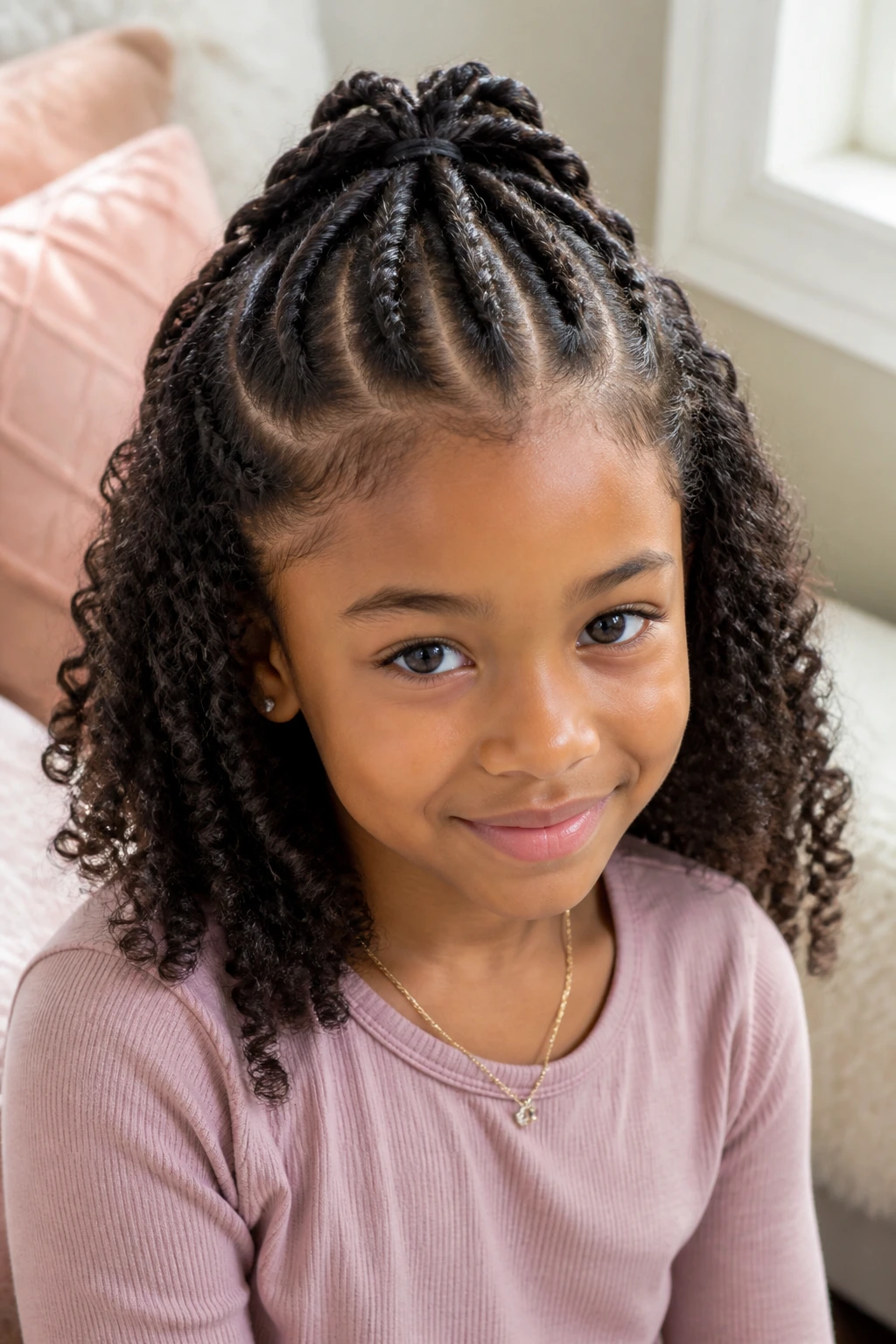
This style offers the best of both worlds: the freedom of hair around the shoulders with the practicality of a secure top section. By creating mini twists in the top section before gathering them, you add an element of design that makes a simple half-up style look much more intricate.
Achieving the Look
- Section off the top quarter of the hair horizontally.
- Create 4 to 6 small, individual two-strand twists in this top section.
- Gather the ends of these twists into a small ponytail or bun at the center of the head.
- Leave the bottom half of the hair free and defined with a curl-enhancing cream.
5. Crown Braids with Beads
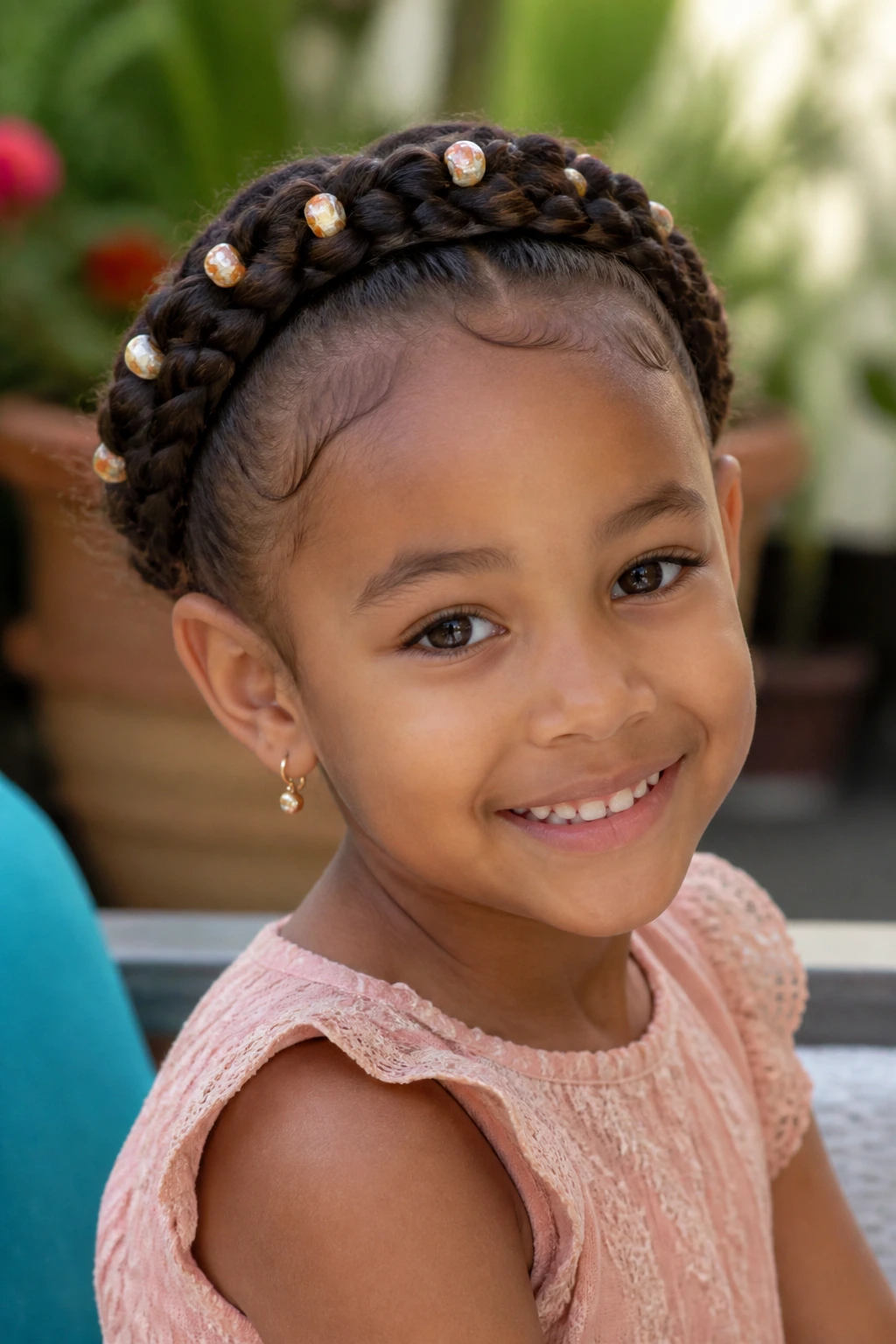
Adding beads to braids is a classic tradition that serves a functional purpose: the weight of the beads helps to stretch the braid and keep it from unraveling. A crown braid—where the hair is braided around the perimeter of the head—is particularly great for keeping hair out of the eyes for several days.
Why Beads Matter
Beads are not just for decoration. They provide a satisfying weight that keeps the hair pulled taut, preventing the “fuzz” that often happens when curls escape a braid too quickly. Look for wooden or lightweight plastic beads to avoid putting too much strain on the roots.
6. High Ponytail with Braided Base
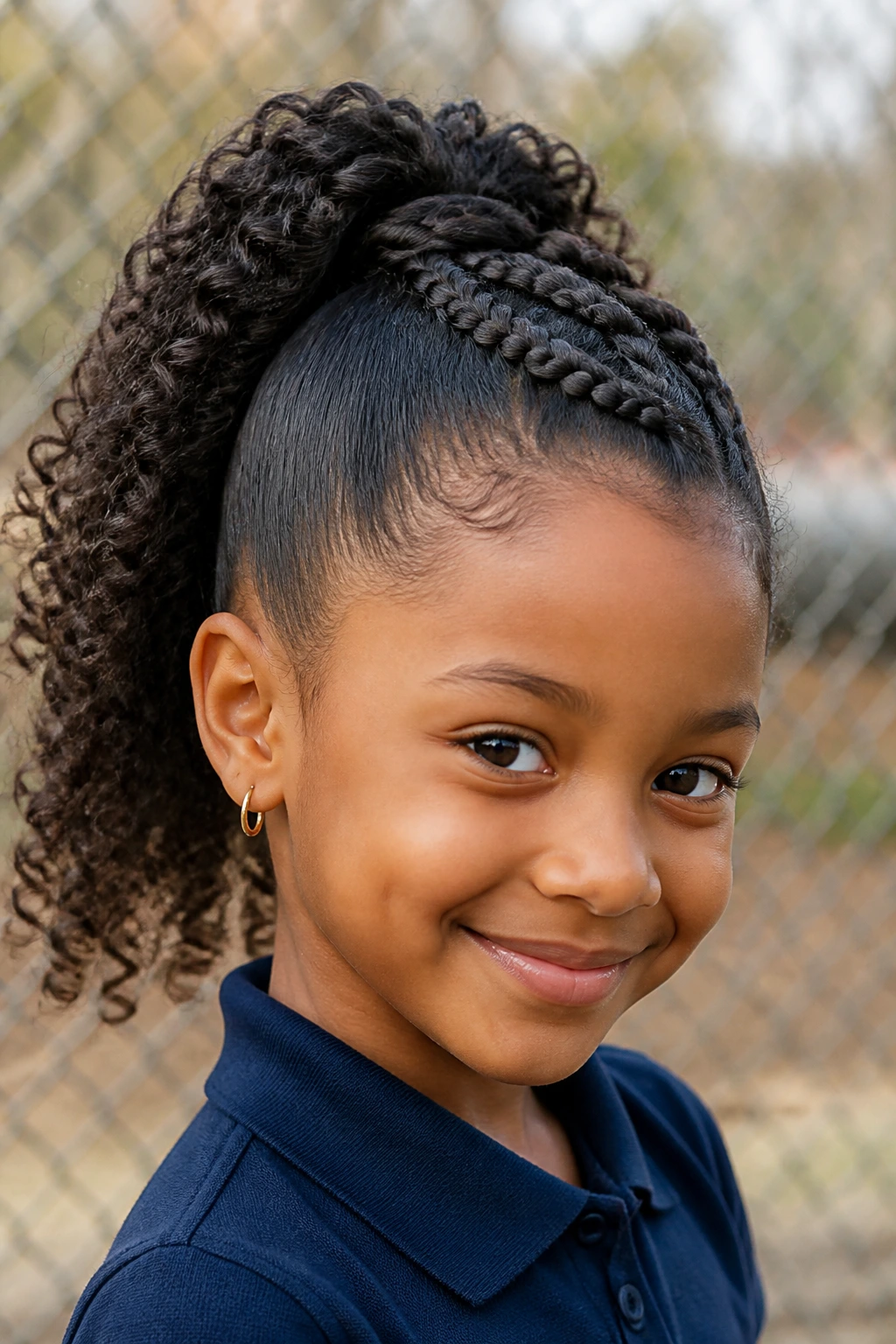
Sometimes, a standard ponytail feels a bit too plain. Elevating it with a braided base adds structure that keeps the ponytail from sagging throughout the day. This style is perfect for school days because it stays put for hours without needing touch-ups.
The Construction Process
- Section off a small crescent of hair near the hairline.
- Cornrow this section toward the crown of the head.
- Gather the rest of the hair and the end of the cornrow into a high, secure ponytail.
- Wrap a small piece of hair around the elastic band to hide it and complete the look.
7. The Faux-Hawk Updo
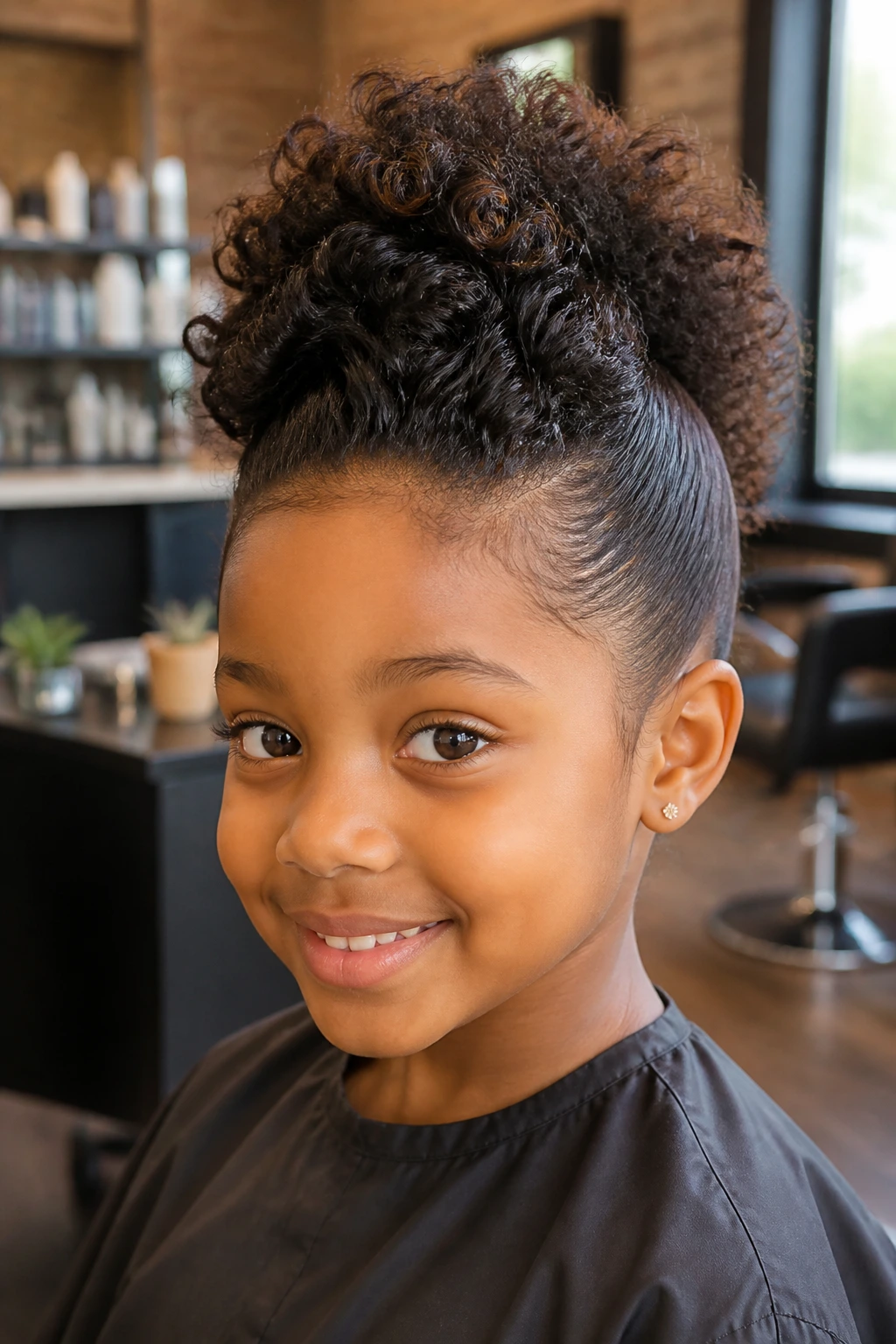
A faux-hawk is a bold, exciting style that uses volume to create a dramatic silhouette. It works especially well for thicker textures that can support the height of the curls. You don’t need to shave the sides; you simply use pins or small elastics to pull the hair toward the center.
Essential Tools
- Small, clear elastic bands that match the hair color.
- Bobby pins for securing loose ends.
- A firm-hold, alcohol-free styling gel to keep the sides smooth and sleek.
8. Bantu Knots
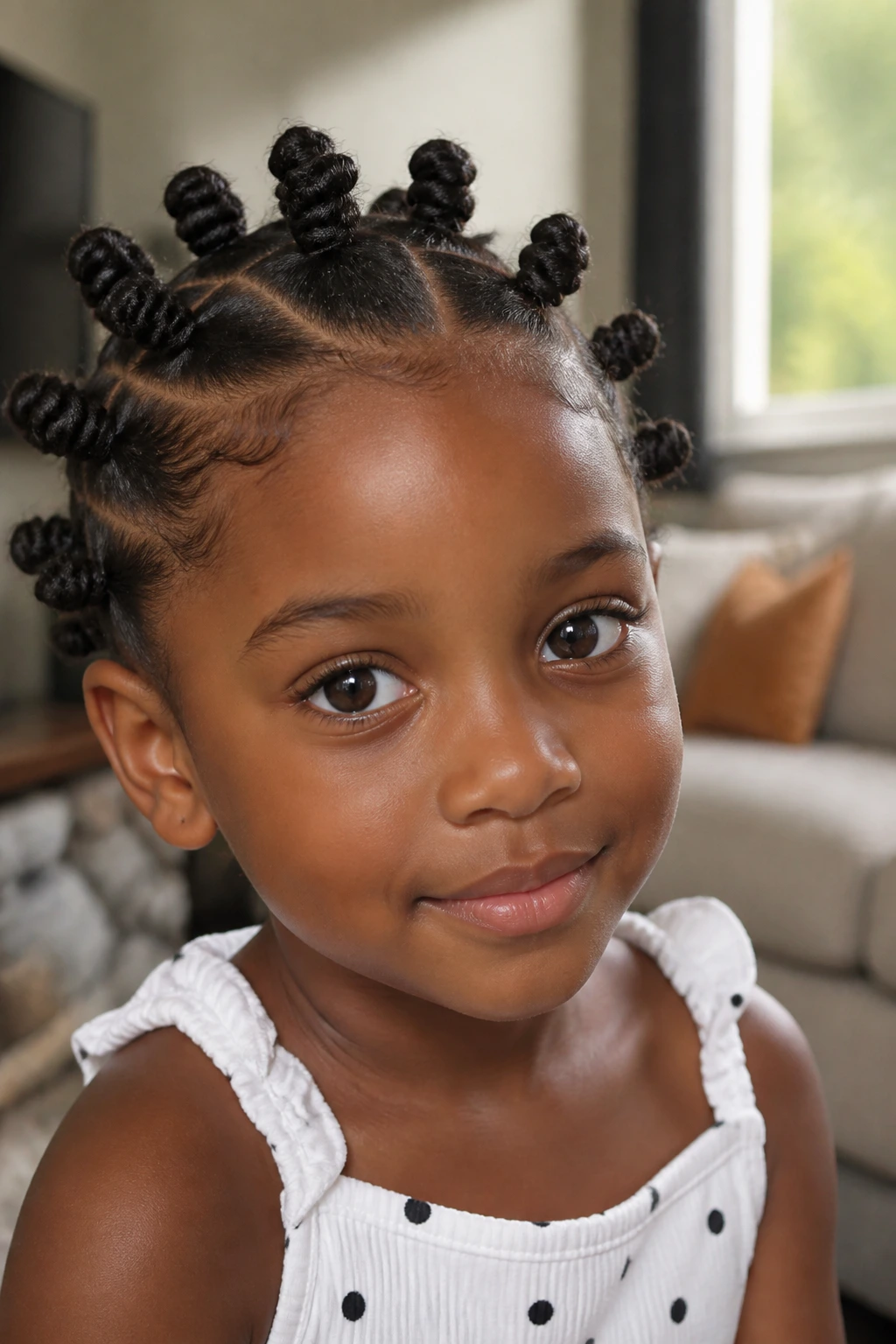
Bantu knots are a stunning, sculptural style that doubles as a heat-free curling method. Each knot is a small, tight bun that protects the ends of the hair, making it one of the most effective protective styles for long-term wear.
Styling for Comfort
- Ensure each section is parted cleanly; messy parts can make the overall look appear unkempt.
- Keep the knots relatively small to ensure they dry quickly and evenly.
- Avoid making the knots so tight that they pull at the scalp; the goal is protection, not tension.
9. Waterfall Braids
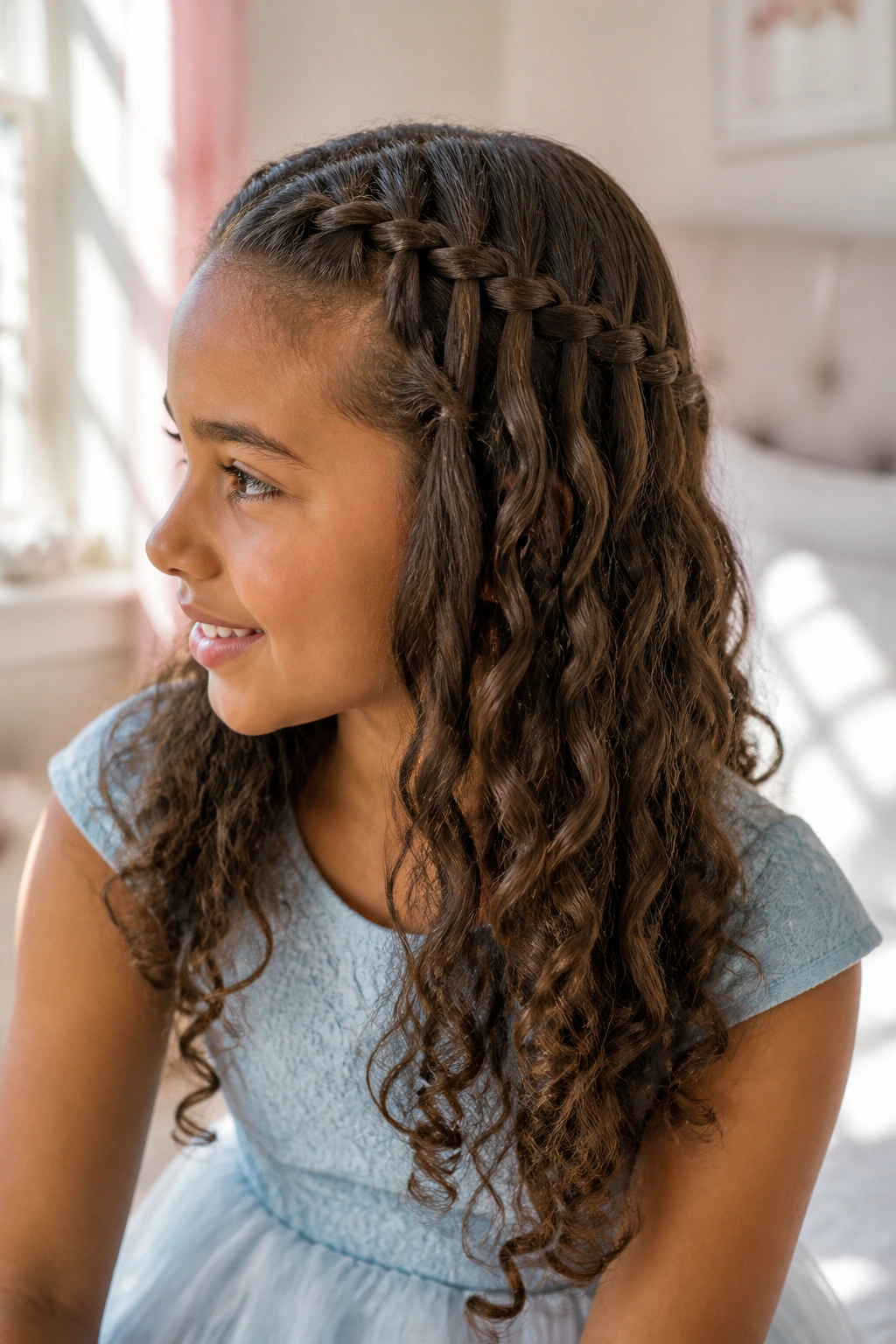
A waterfall braid involves letting sections of hair fall through the braid, creating a cascading effect. It is a slightly more advanced style, but once you master the technique, it is perfect for special occasions or school photos.
When to Use This Look
This style is best suited for hair that has been slightly detangled. Because it doesn’t hold all the hair tight against the head, it is less of a “protective” style and more of a decorative one. Pair it with a silk bow or ribbon to make the colors pop against the natural curl pattern.
10. The Side-Swept Braided Style
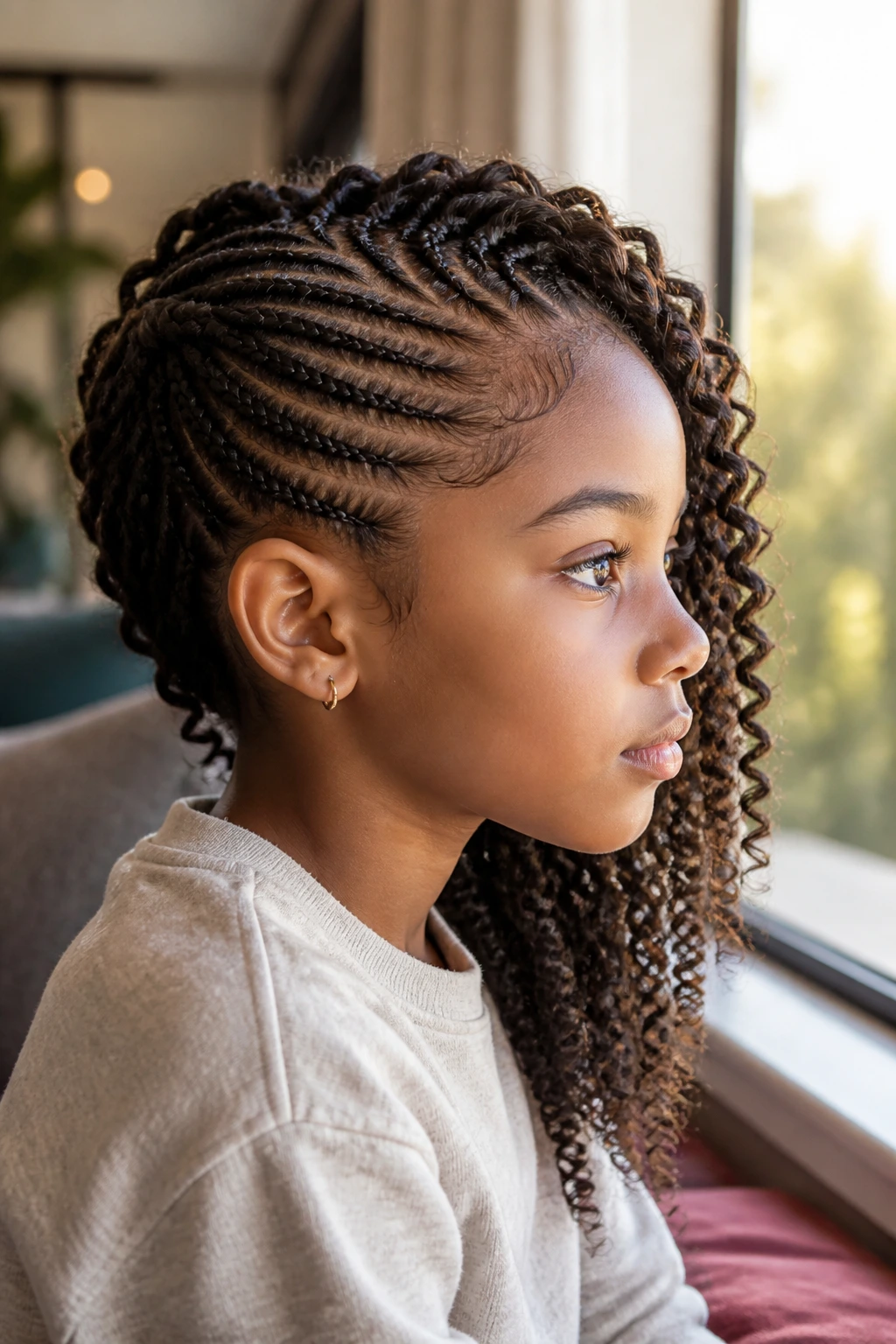
Sweeping all the hair to one side and securing it with a series of small, tight braids is a fantastic way to manage hair that is thick or heavy. It creates a sleek profile on one side and a cascade of curls on the other, balancing the weight and visual appeal.
Maintaining the Shape
Use bobby pins strategically underneath the braids to anchor them against the scalp. This keeps the hair from shifting too much while the child plays. If you find the braids are getting fuzzy, a light mist of water and a dab of oil can smooth the surface instantly.
11. Individual Box Braids
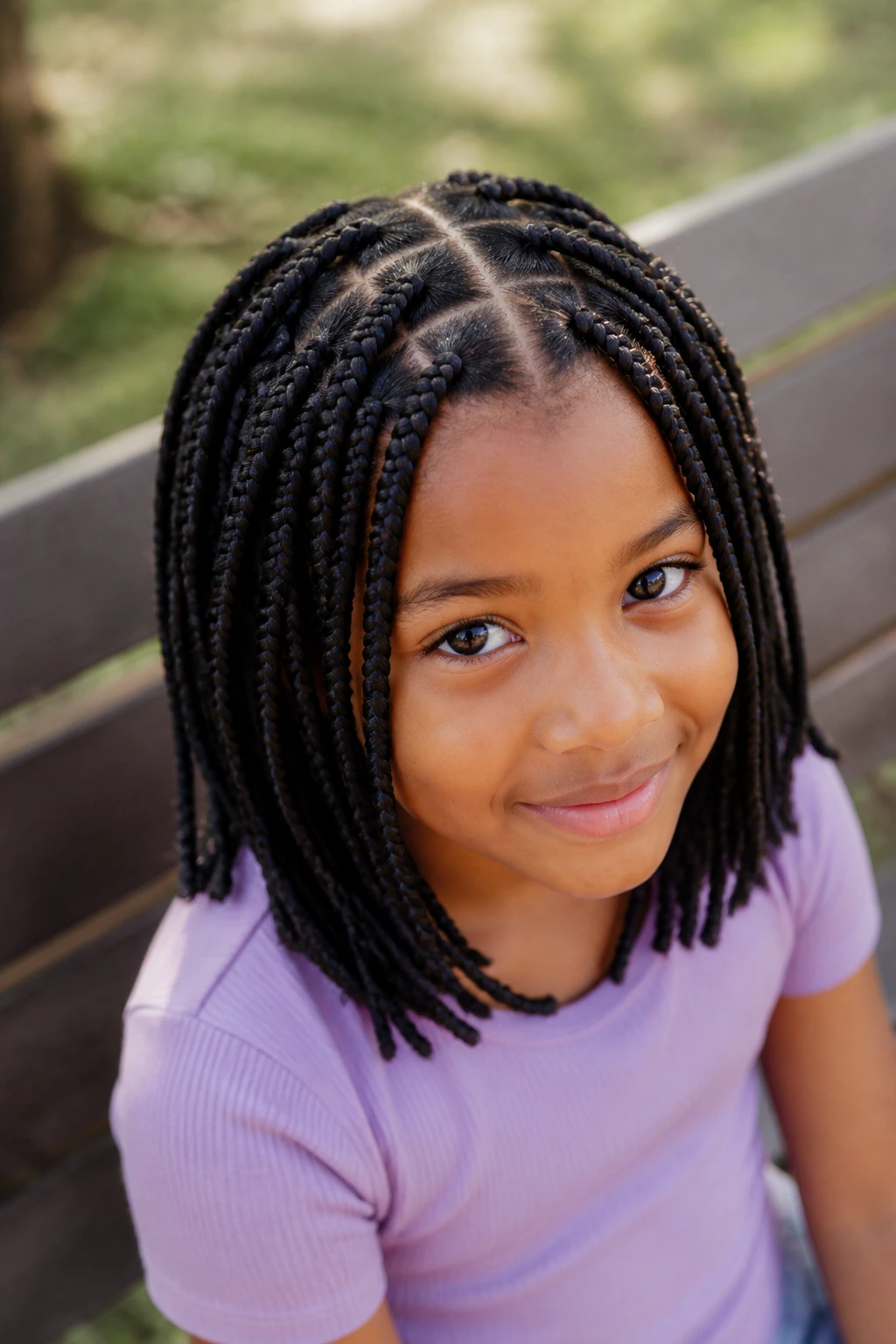
Box braids are the ultimate low-maintenance solution for families on the go. They take a significant amount of time to install, but they can last for weeks, offering a total break from the daily detangling routine.
Choosing the Right Length
For children, keep the braids relatively short—shoulder length or slightly longer. Excessively long braids can be heavy and may pull on the neck, causing discomfort during long school days. Always prioritize the comfort of the child over the length of the style.
12. Pigtails with Ribbon Accents
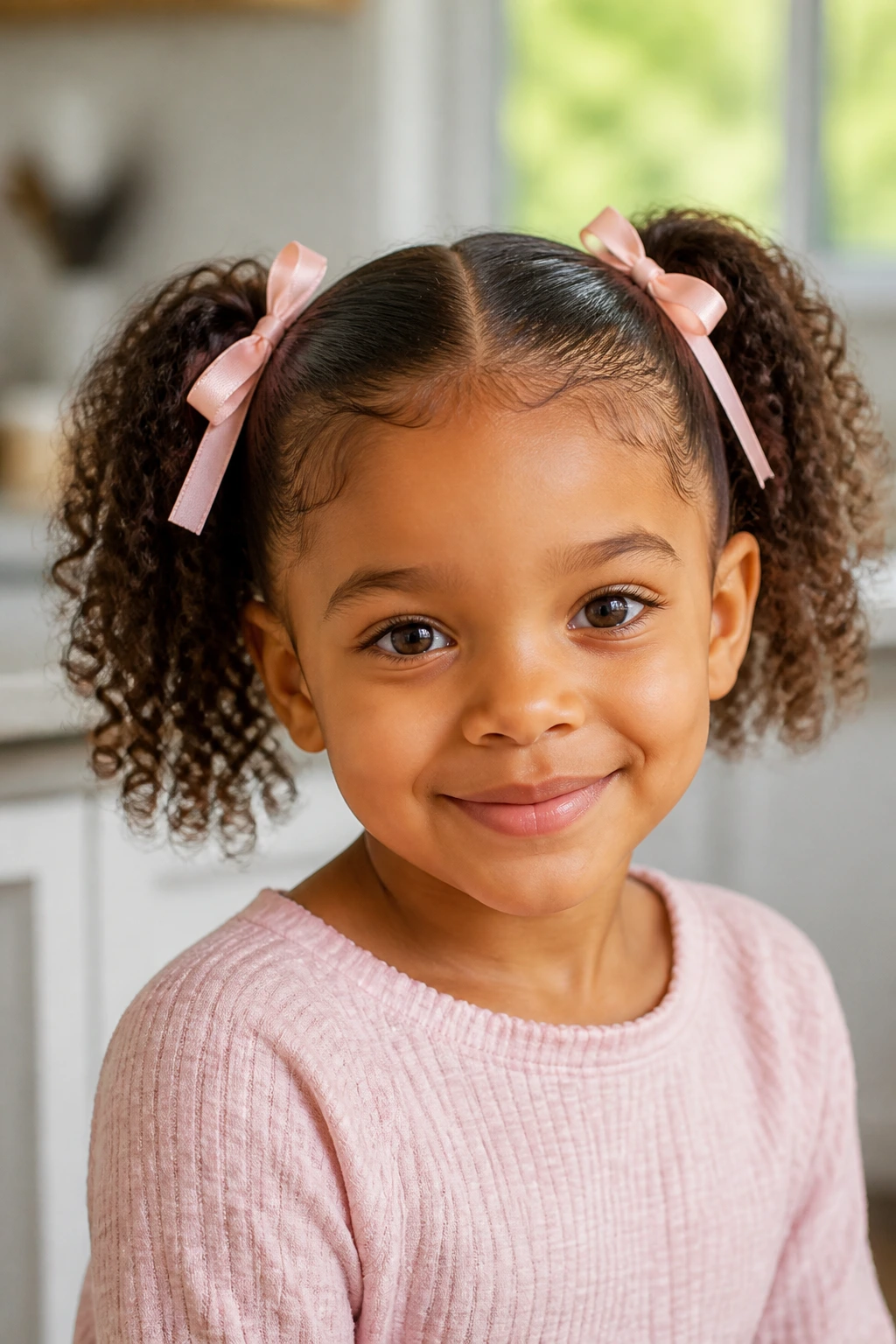
There is something timeless about pigtails, but you can modernize the look by weaving ribbons into the base. The ribbon adds a layer of protection by cushioning the hair against the elastic band, which helps prevent breakage at the point of contact.
Styling Ideas
- Use satin or grosgrain ribbons for a smooth finish.
- Double-knot the ribbon so it doesn’t come loose during the day.
- Coordinate the ribbon color with the child’s clothing for a cohesive, put-together appearance.
13. The “Pin-Up” Curls
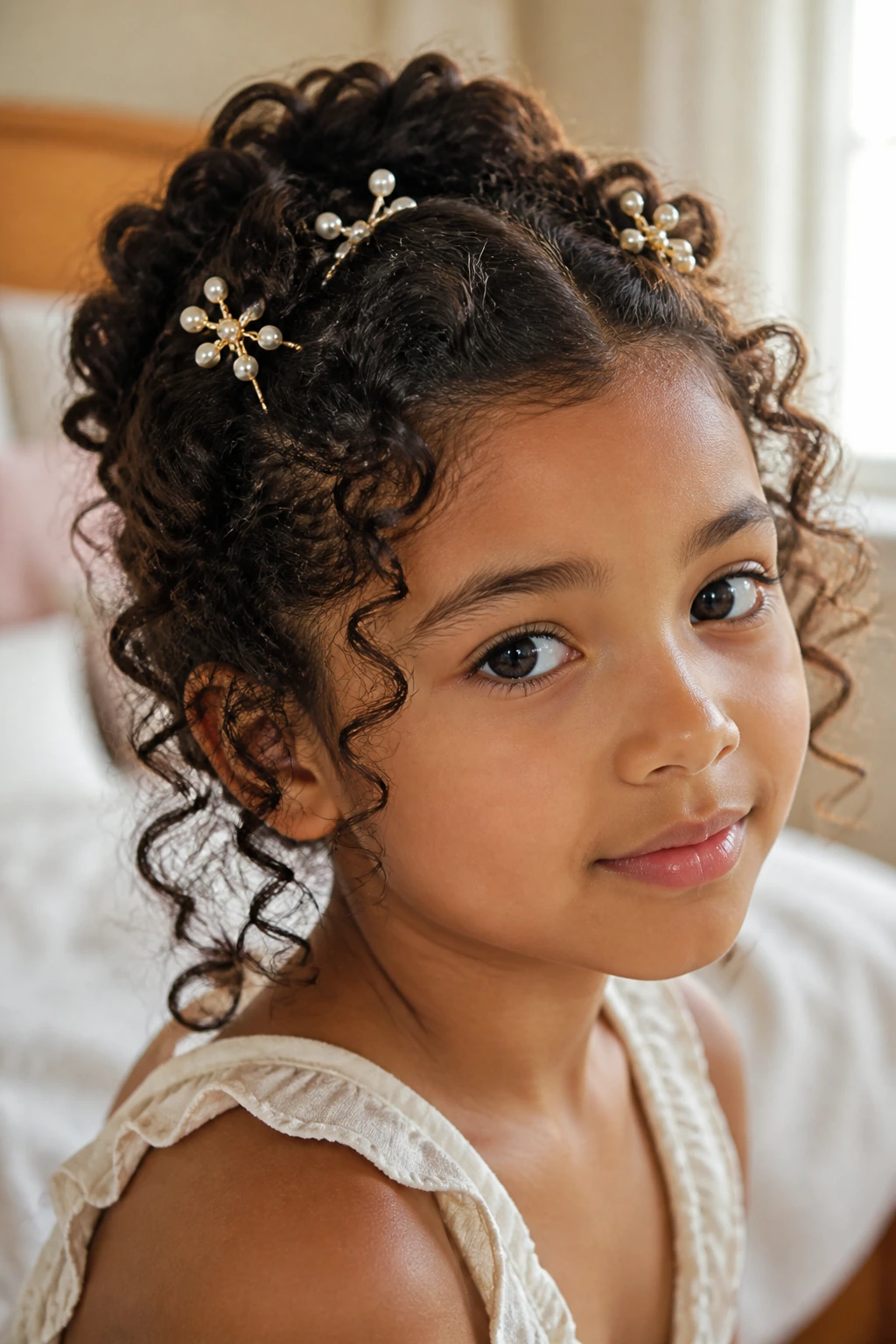
If you want to style the hair without using elastics that might cause tension, try using decorative pins to lift the curls and pin them back away from the face. This creates a soft, ethereal look that feels much less structured than a traditional braid or ponytail.
Why It Is Great for Fine Hair
Fine curly hair can be fragile. By using pins instead of bands, you minimize the mechanical stress on the strands. Just make sure to use pins with rounded tips to avoid scratching the scalp or damaging the delicate hair cuticle.
14. Twisted Ponytail
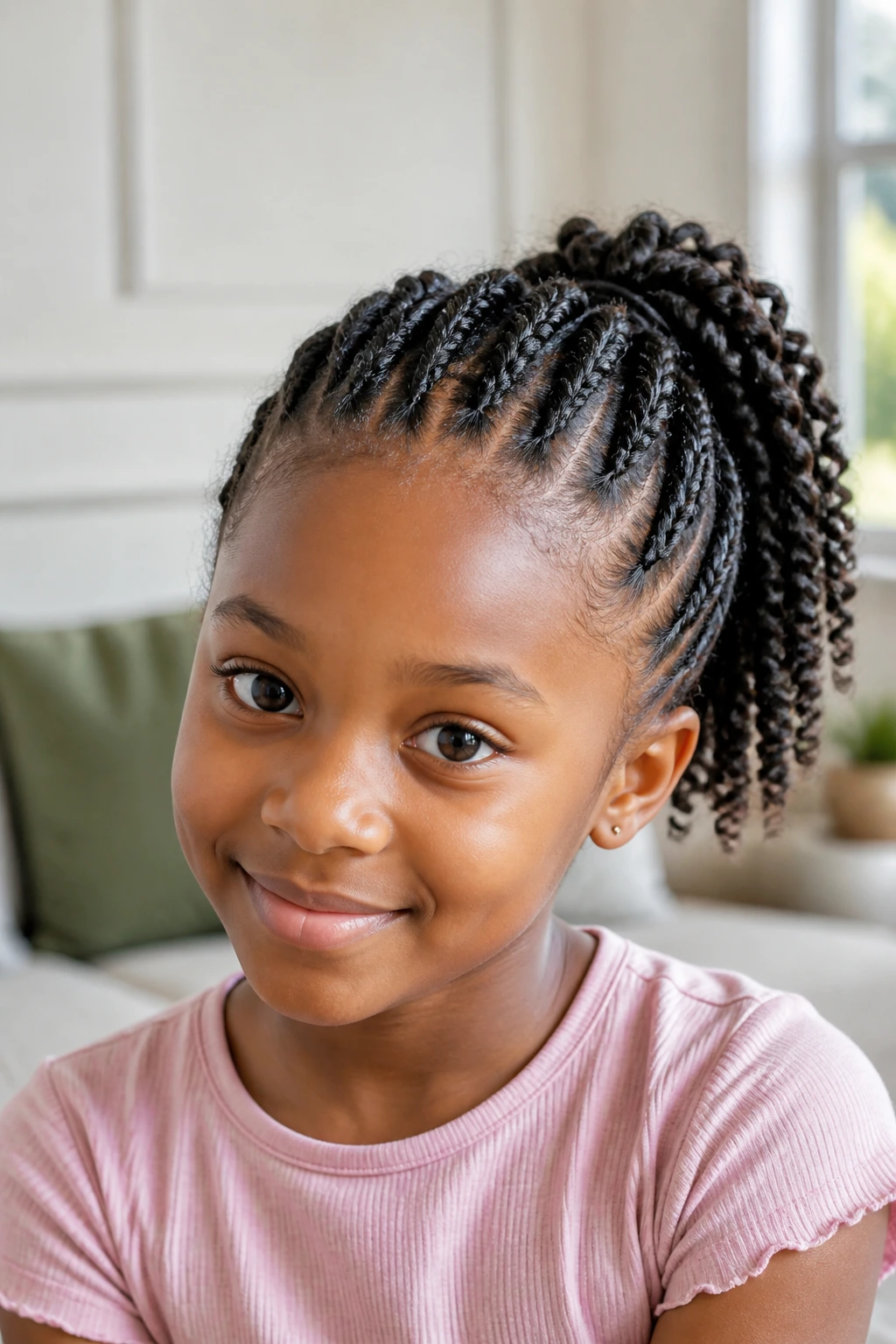
This is a sophisticated twist on the standard ponytail. Instead of just pulling the hair back, you create a series of two-strand twists along the top of the head that lead back into the ponytail. It looks incredibly complex but is quite simple once you get the hang of the twisting motion.
Why It Lasts
Because the top section is twisted, the hair has less “slack” to move around. This keeps the ponytail looking crisp and intentional, rather than messy. Use a light pomade to twist the sections, which will also help tame flyaways along the hairline.
15. The “Top Knot” Bun with Loose Curls
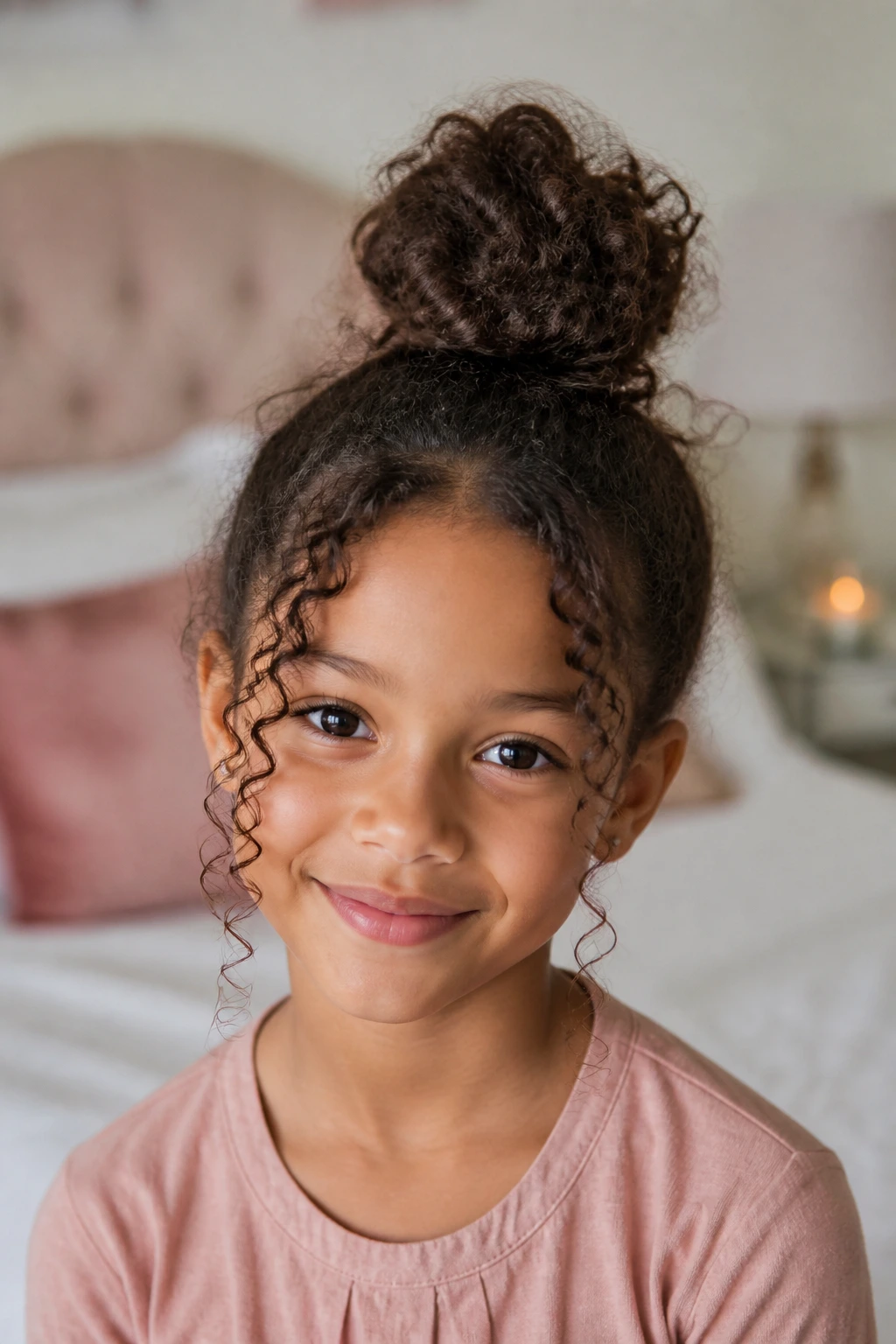
A single, high top knot is the height of elegance for a young curly-haired child. It keeps the hair secure and neat while showing off the texture. By leaving a few face-framing ringlets out, you soften the look and give it a whimsical, natural feel.
Handling the Ringlets
- Use a finger-twirling technique with a bit of curl cream to define the loose ringlets.
- Make sure these loose strands are not so long that they get caught in zippers or clothing.
- If the child has a habit of touching their hair, pin these loose ringlets back slightly to prevent them from becoming tangled.
16. Cornrows into a Low Bun
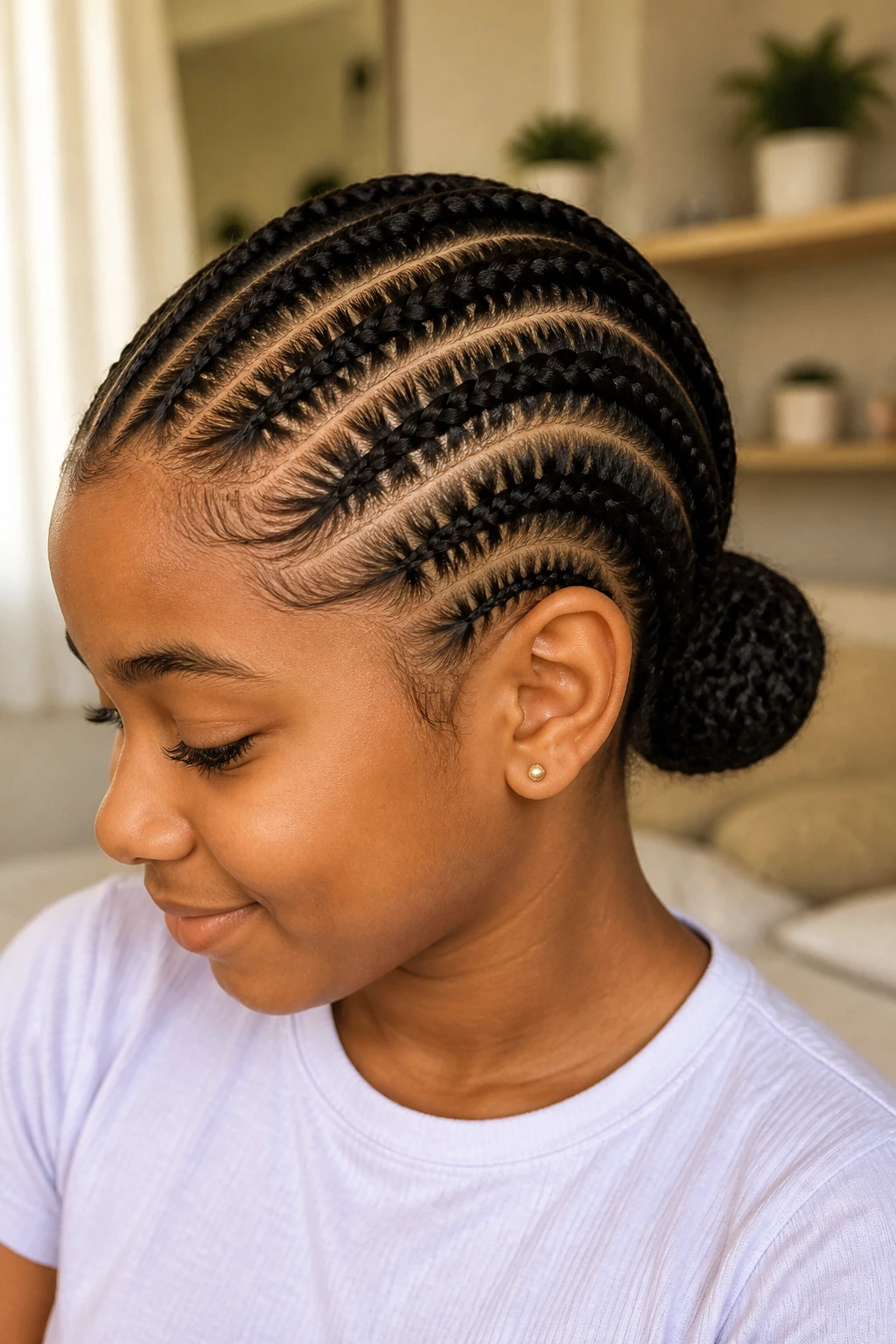
Cornrows are the foundation of many long-lasting styles. By braiding the hair in clean rows from the forehead to the nape of the neck, you create a secure, orderly base. Gathering the ends into a low bun completes the look, making it suitable for both casual and formal settings.
The Benefit of Low Buns
Low buns are significantly more comfortable than high ones when it comes to wearing winter hats or resting the head against a chair. They are practical for everyday wear and protect the delicate ends of the hair, which are often the first part to experience dryness or breakage.
17. The High Braided Pony
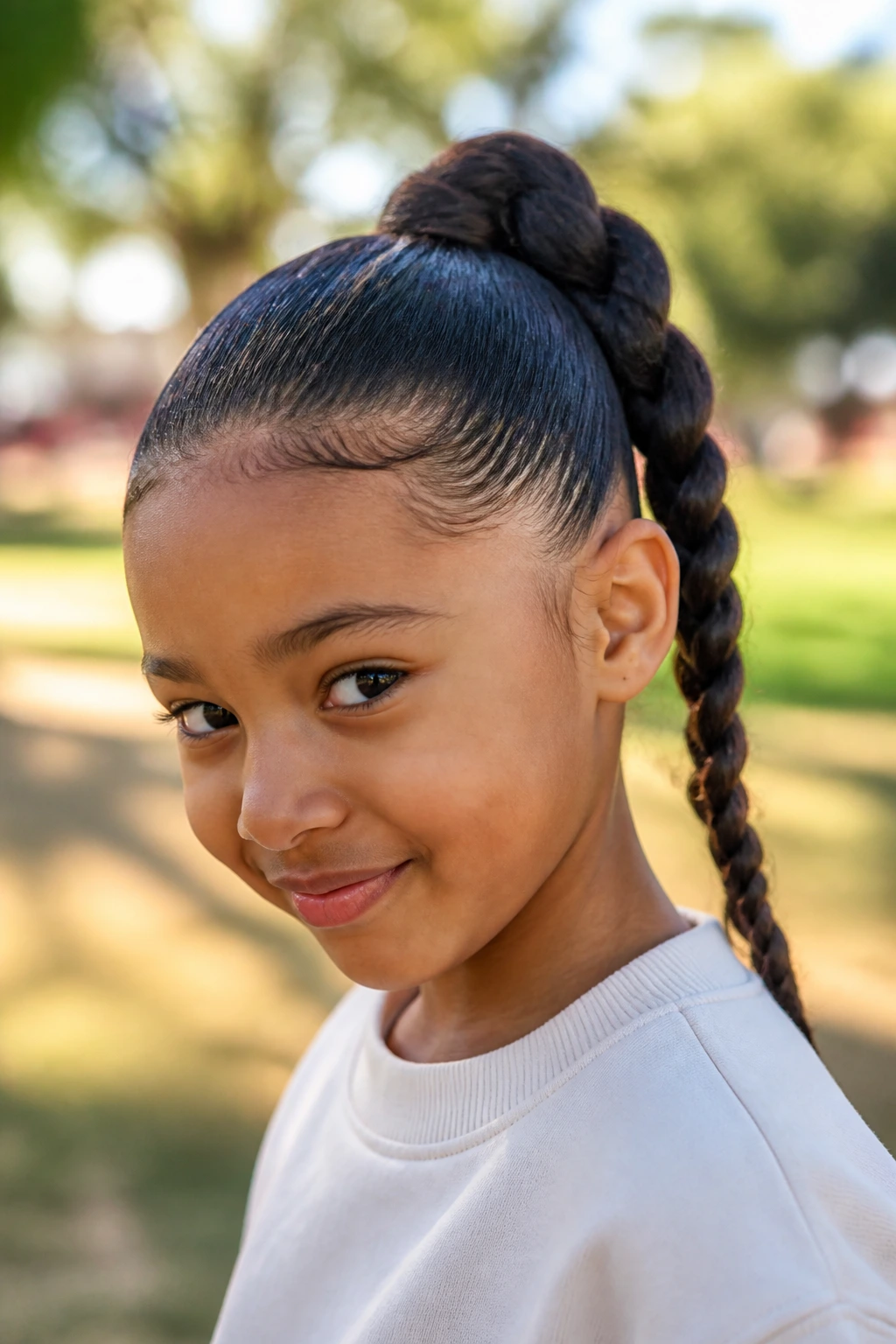
A high braided pony combines two styles—a sleek, high base and a long, braided tail. The braid protects the hair from the friction of rubbing against the back of shirts or jackets, which is a major cause of frizz in curly hair.
When to Use This Style
This is an excellent option for windy days or outdoor activities. The braid ensures the hair stays together as a single unit, preventing it from matting or knotting while the child is moving. It is a functional style that looks purposefully designed and well-maintained.
18. Decorative Headband Styles
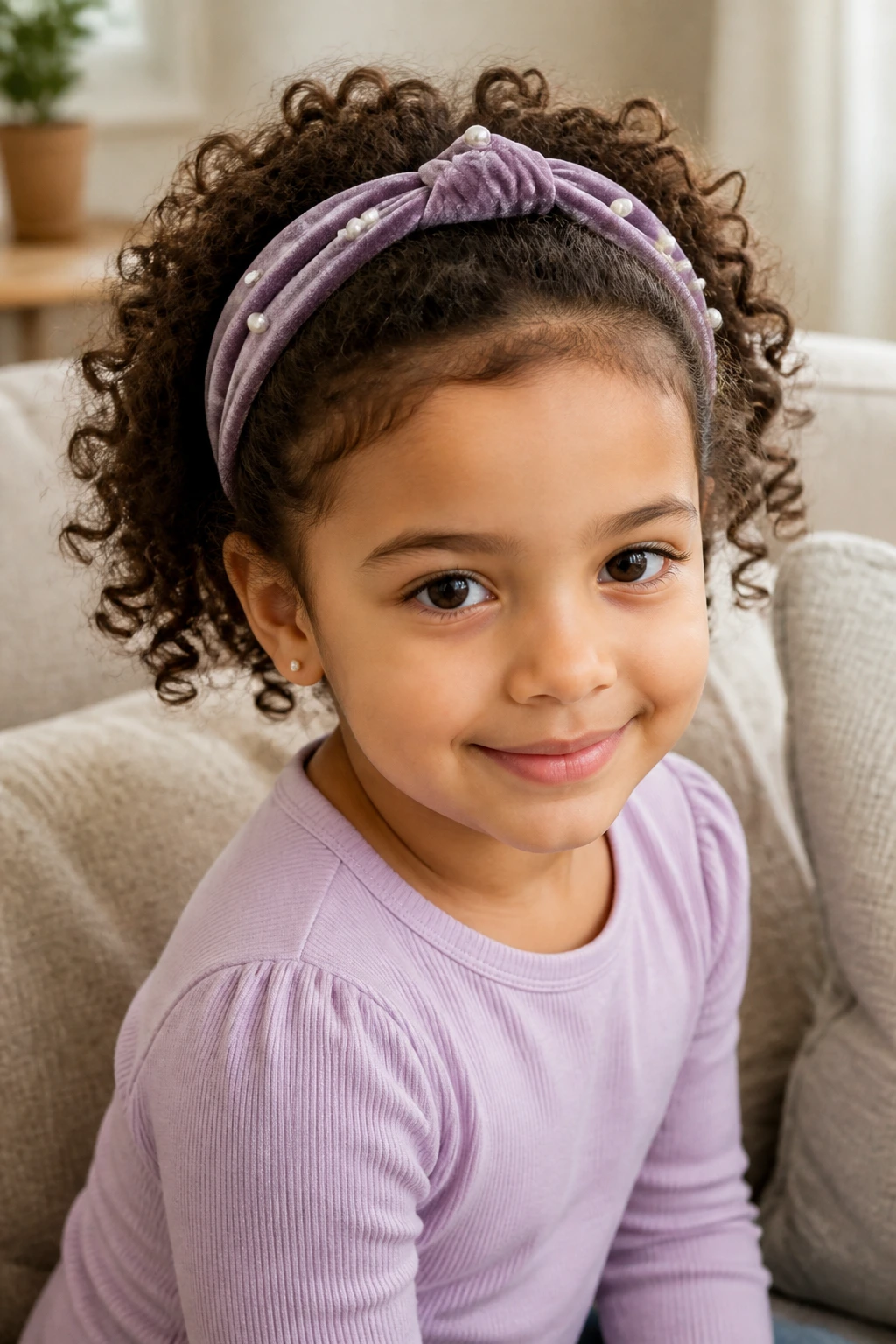
Never underestimate the power of a good headband. If you are pressed for time, a high-quality, velvet-lined headband can keep the hair back while letting the curls shine at the back of the head. It is the perfect low-effort way to manage unruly edges.
Choosing the Right Headband
Avoid plastic headbands with teeth, as these are notorious for snagging and breaking curly hair. Instead, look for fabric-wrapped bands or flexible, velvet-lined options that grip the hair without applying too much pressure. These are much more comfortable for all-day wear.
Practical Tips for Daily Maintenance
Curly hair is, by nature, drier than straight hair because the natural oils from the scalp have a harder time traveling down the coiled shaft. Because of this, moisture is your absolute best friend. Never try to style curly hair while it is bone-dry. Always use a water-based leave-in conditioner or a detangling spray to provide slip.
When detangling, start from the ends and work your way up to the roots. Many people make the mistake of starting at the scalp and pulling down, which only creates tighter knots at the ends. By starting at the bottom, you gently clear the path for the comb or your fingers, resulting in much less frustration for both you and the child.
Avoid “over-touching” the hair once it is styled. The more you manipulate curly hair, the more it creates friction, and friction is the mother of frizz. If you find yourself constantly smoothing it, you are likely just creating more static. A good style should be finished with a product that provides hold and then left alone until it is time to take it down.
Understanding Seasonal Hair Needs
Curls react differently to the environment throughout the year. During warmer months, you might find that humidity causes hair to expand and frizz; this is the perfect time for braids and buns that lock the hair into place. During colder months, the air is much drier, which can make curly hair brittle.
In colder weather, try to prioritize styles that keep the ends tucked away or protected. If you notice the ends of the hair look frayed or dry, it is a sign that they need a deep conditioning treatment. Incorporating a heavy-duty moisturizer during your wash routine once a week can prevent that brittleness before it starts.
Managing the Take-Down Process
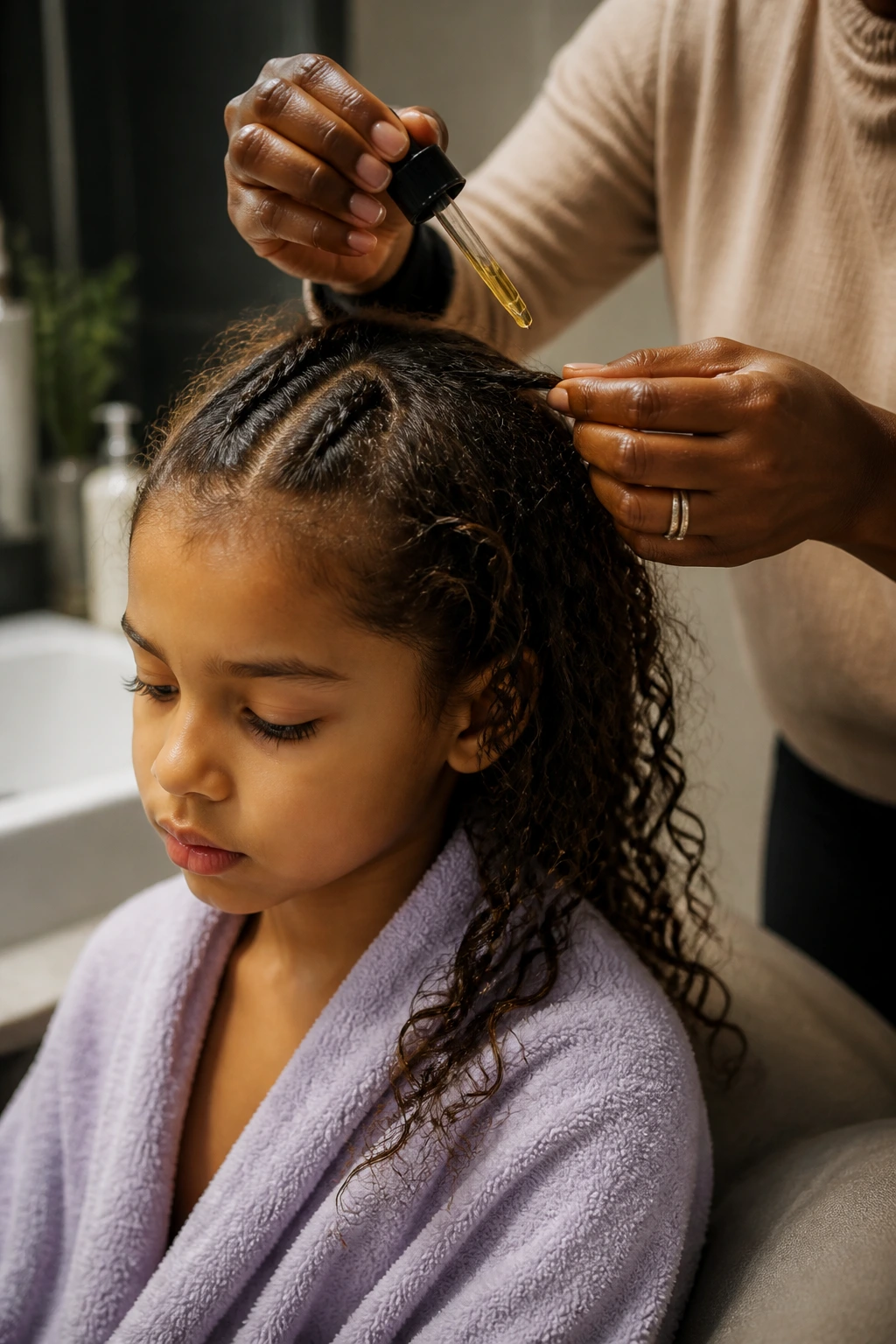
The most important part of any hairstyle is how you take it down. Never rush the process. If a style has been in for several days, the hair will have naturally shed, and those loose hairs will be caught in the braids or twists. This can look like a lot of hair loss, but it is actually just normal shedding that couldn’t fall out while the hair was secured.
Use plenty of oil or a conditioning spray during the removal. Apply it liberally to the braids or twists, letting it sit for a few minutes so it can soften the hair. Gently loosen the knot with your fingers before trying to pull the braid out. If you encounter a knot, do not yank. Work it out with your fingers, adding a bit more oil if needed. Patience during the take-down process prevents the damage that would otherwise require a haircut.
Final Thoughts
The best hairstyle for any child is the one that makes them feel confident and keeps their hair healthy. Experimenting with these different looks is a great way to bond and find what fits your specific routine. Remember that every head of hair is different, and what works for one child may require adjustment for another.
Focus on the health of the hair, prioritize hydration, and be gentle with the detangling process. If you can master those three things, the styles themselves will naturally become easier to manage. Trust the process, take your time, and enjoy the beauty of the curls in all their various forms. Over time, you will develop a repertoire of go-to styles that make those busy mornings feel like a breeze.