

Fine hair often gets a bad reputation in the world of styling. It is frequently dismissed as limp, lifeless, or impossible to volumize, yet that is usually just a failure of technique rather than a flaw in the hair itself. When you pair fine strands with a choppy bob, you are effectively cheating physics. By introducing intentional, textured layers, you remove the dead weight that drags fine hair down. You are trading volume-robbing length for a silhouette that looks deliberately lived-in and robust. This style is not about trying to make fine hair mimic thick, coarse manes; it is about embracing the natural drape of your hair while manipulating the shape to create an illusion of density.
The secret behind a successful choppy bob is the point-cutting technique. Instead of a blunt, straight-across line that highlights every single thin strand, point-cutting creates varied lengths and jagged ends. This fragmentation breaks up the visual weight. When your hair is cut with this level of detail, it actually gains a natural “bounce” because the ends are not colliding with each other in a flat, heavy mass. You are essentially building a scaffold of texture that keeps the style elevated. If you have been struggling to find a look that feels both modern and manageable, you have likely been fighting against your hair’s natural texture rather than cutting it into a shape that supports it.
1. The Classic Tousled Jaw-Length Bob
This is the quintessential starting point for anyone moving from long, thin hair to something more structured. By cutting the hair exactly at the jawline, you frame the face and instantly make the hair look thicker at the ends. The “choppy” element comes from soft, vertical slices made through the interior of the hair, which prevents the bob from looking like a uniform helmet.
Why This Works for Fine Strands
When you keep the length at the jaw, the hair has less distance to travel before it hits the shoulder. This eliminates the “drag” that often leaves fine hair looking stringy. The ends are texturized to ensure they do not flip outward awkwardly, which is a common complaint with fine-textured bobs.
Styling for Maximum Volume
- Start with a volumizing mousse on damp roots.
- Blow-dry using a small round brush, lifting the hair away from the scalp.
- Finish with a lightweight texturizing spray to give the ends a gritty, piece-y feel.
Pro tip: Do not use heavy oils or serums near the roots; stick to the very tips if you must add shine to avoid flattening the style immediately.
2. The Asymmetrical Side-Part Bob
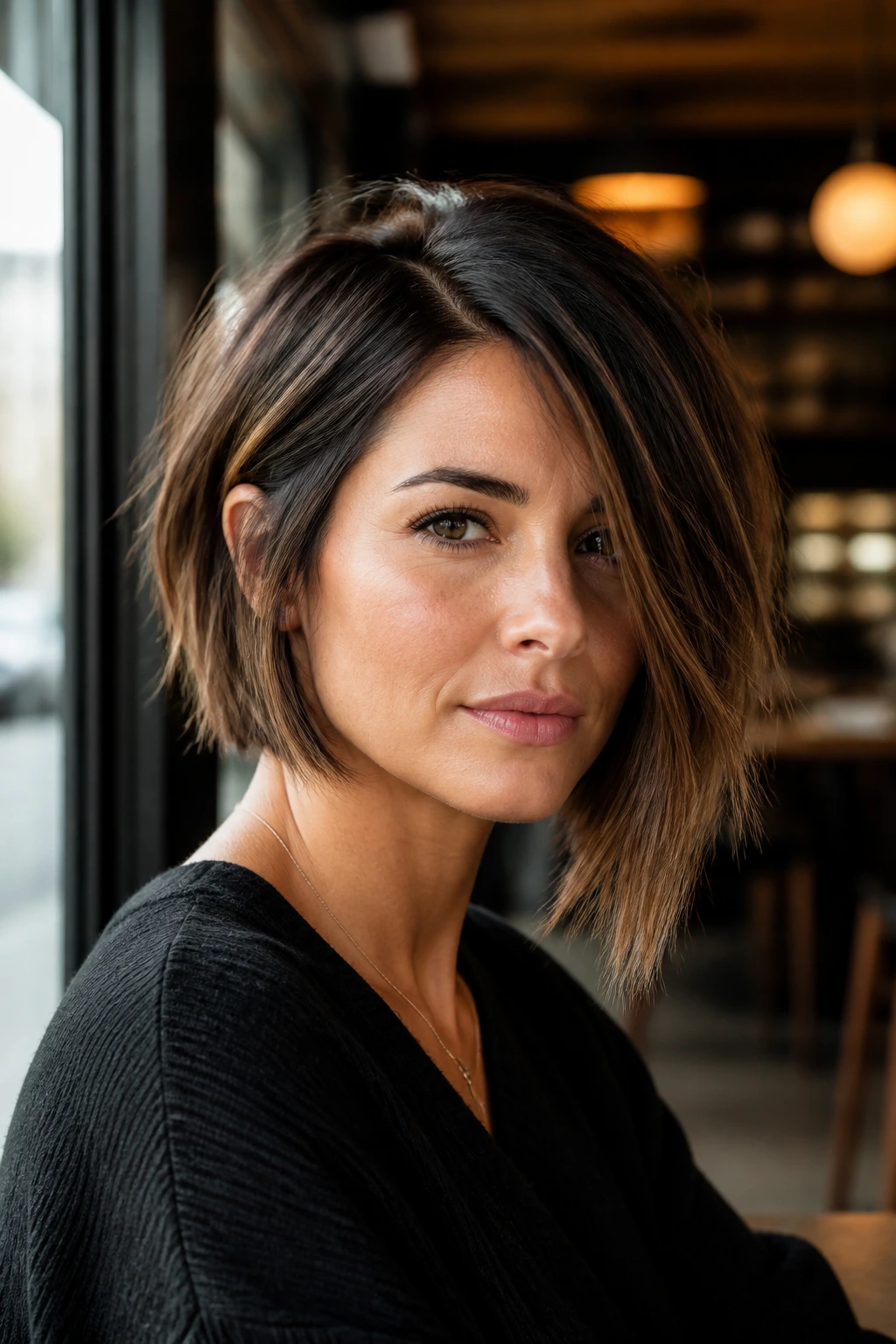
If you want to create an illusion of depth, an asymmetrical cut is your best friend. By keeping one side slightly longer than the other, you force the eye to move across the face, which masks the lack of density. It provides an edgy, intentional vibe that makes the “fine” quality of your hair seem like a stylistic choice rather than a limitation.
The Power of the Deep Side Part
A deep side part is the oldest trick in the book for instant volume. It pushes the hair over the crown, creating a “bump” of hair that naturally stands higher than it would with a center part. When you combine this with choppy, layered ends, the entire style gains a sense of asymmetry that is undeniably chic.
Maintenance Notes
- This cut looks best when the transition from short to long is gradual.
- Use a dry shampoo even on clean hair; the powder adds grip to fine strands, making the style hold its shape throughout the day.
- Trim every six weeks to keep the sharp contrast of the asymmetry.
3. The Soft Shaggy Bob with Curtain Bangs
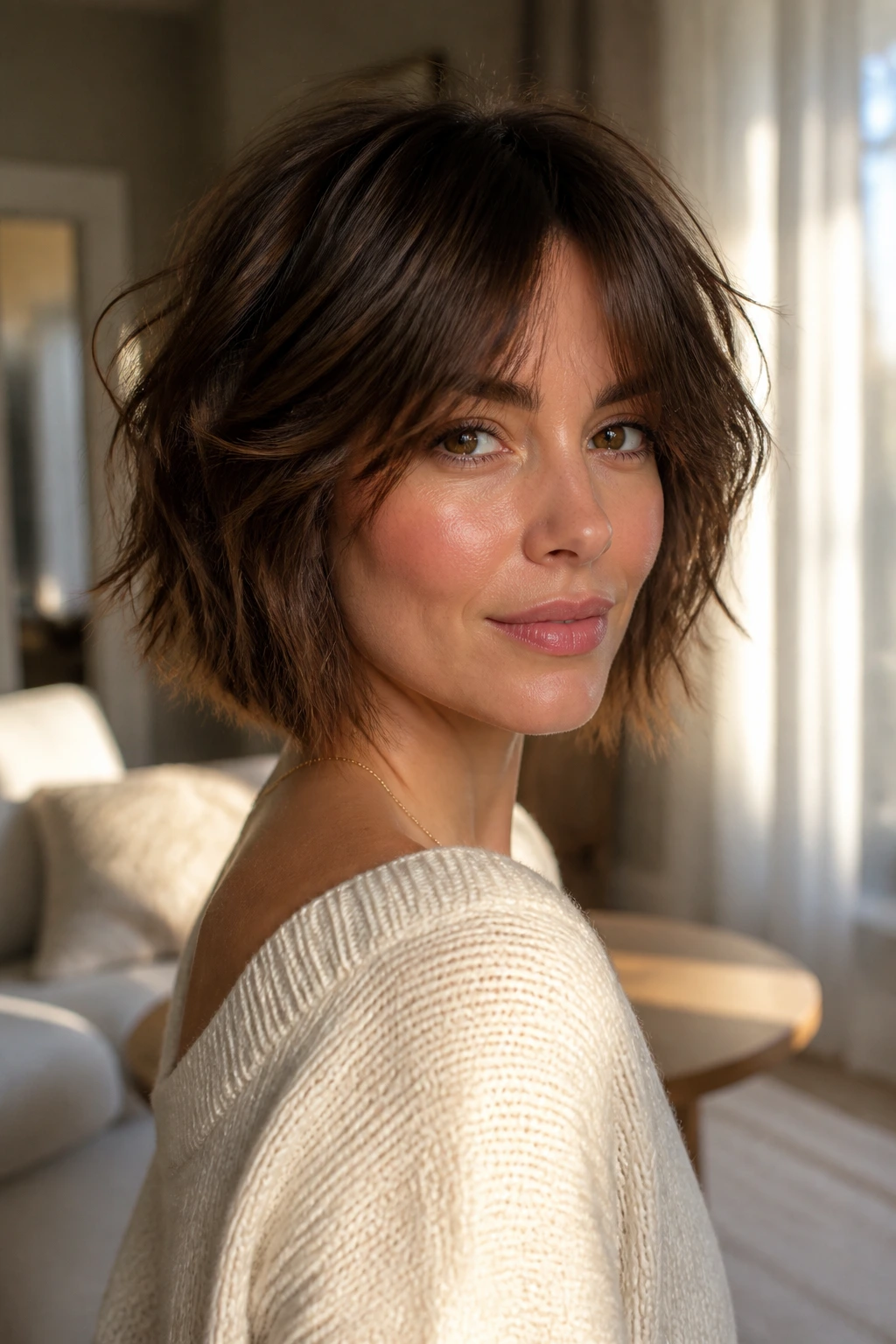
Shags are not just for long, seventies-inspired hair. A short, choppy shag is perfect for fine hair because it leans into the idea of “messiness.” Curtain bangs help blend the front into the sides, creating a soft frame that draws attention to your eyes while the rest of the choppy layers keep the back looking full.
Why It Creates the Illusion of Density
The shag relies on layers that start higher up on the head. Because the layers are shorter and more numerous, they have more “bend” to them. Fine hair is much easier to curl and wave than heavy, coarse hair, so these layers will naturally hold a slight wave, increasing the total surface area and volume of the cut.
Styling Suggestion
- Use a sea salt spray to encourage that “beach day” wave.
- Scrunch the hair while it air-dries for a natural, low-effort look.
- Use a straightener to add a slight “kink” to the layers if your hair is naturally poker-straight.
4. The Layered Inverted Bob
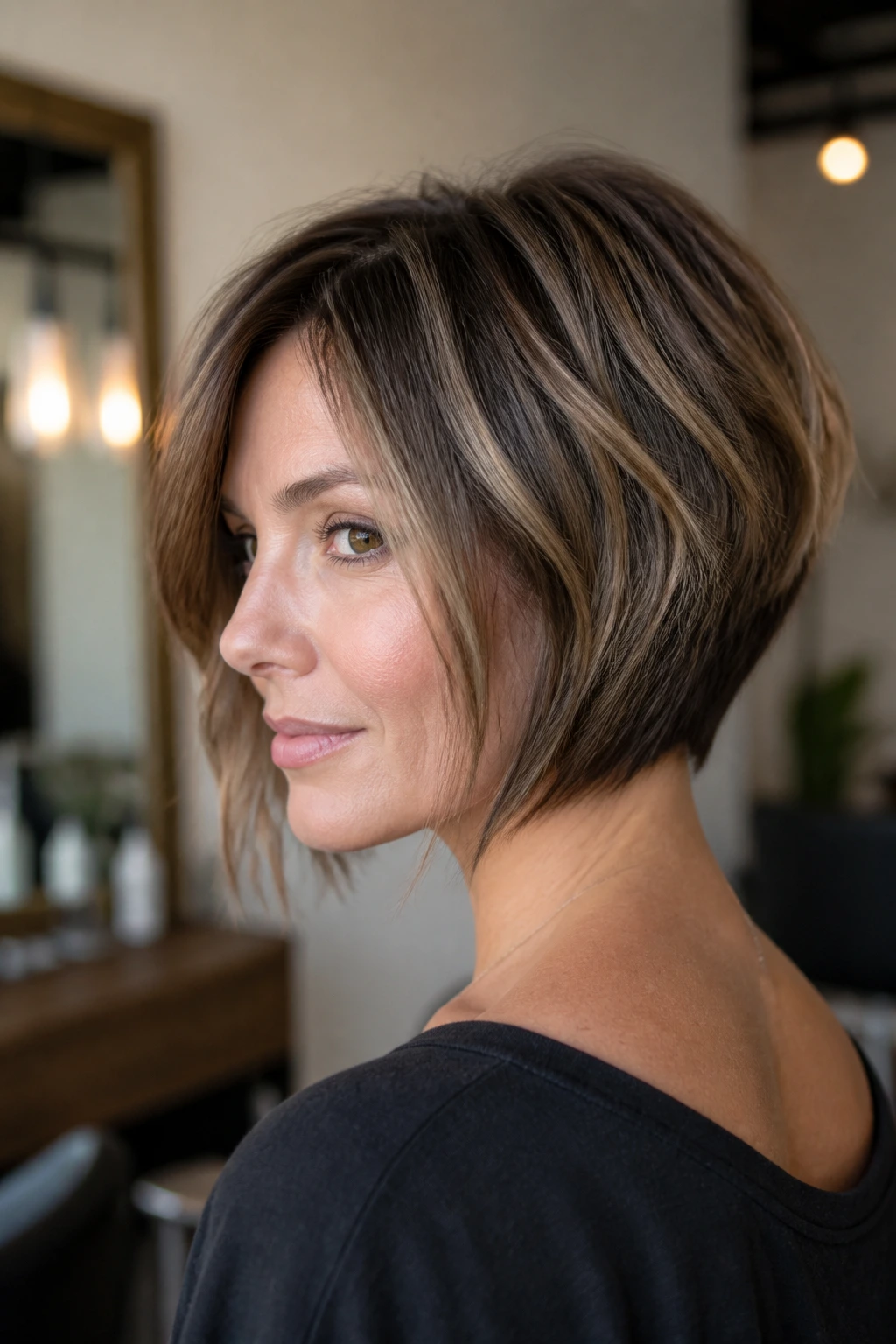
An inverted bob—where the hair is shorter at the nape of the neck and longer toward the face—is a tried-and-true method for adding volume to the back. When you add “choppy” texturing to the nape, you avoid that dated, stacked-look that can sometimes look like a stiff wedge.
Structuring the Back for Volume
The shorter hair at the back is inherently lighter. Because it is shorter, it resists the pull of gravity. By adding jagged, point-cut layers into this stack, you create a soft, rounded shape that looks dense and healthy.
Key Considerations
- Ask your stylist to keep the nape soft rather than razor-edged.
- A slight internal “undercut” at the very bottom can remove excess weight while keeping the top layers full.
- This cut requires a bit more maintenance to keep the shape looking sharp, so expect a visit to the chair every eight weeks.
5. The Messy Pixie-Bob Hybrid
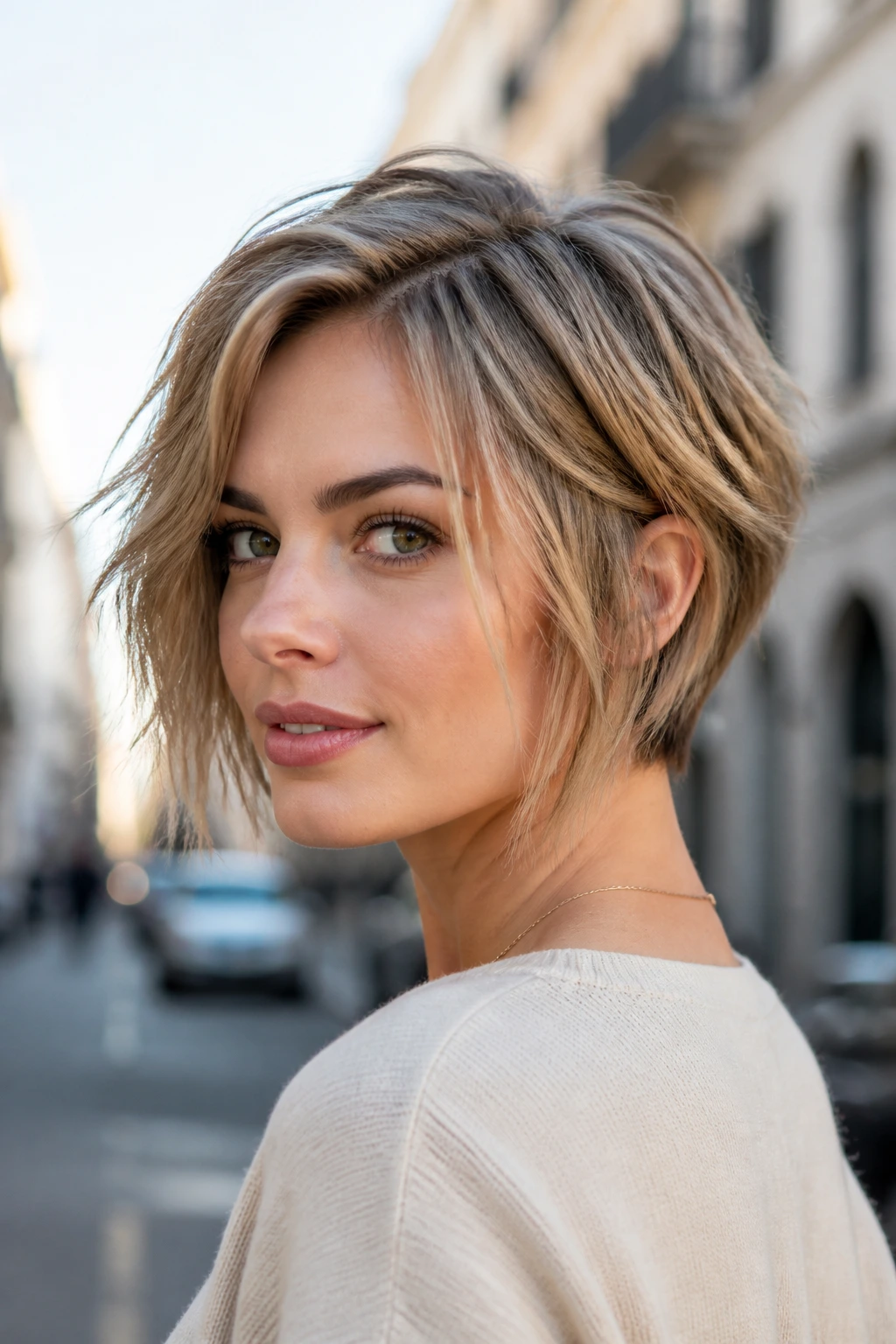
If you are tired of the daily struggle with fine hair, go shorter. The “lob” or bob-pixie hybrid keeps some length around the face, but the back is cropped very short and choppy. It is essentially the ultimate low-maintenance style that happens to look fantastic on thin hair.
How to Style It
- Apply a texturizing paste to dry hair, rubbing it between your palms first.
- Use your fingers to pull small sections of the hair forward and outward.
- Embrace the “imperfect” nature of the cut; the messier it looks, the better it works.
Observation: I have seen many people with fine hair avoid this cut for fear of looking “too thin,” but it is actually the opposite. When there is less hair, you can control the texture of every single strand.
6. The Choppy Bob with Blunt Ends

This seems counterintuitive—isn’t bluntness bad for fine hair? Not when it is paired with choppy interior layers. You get the crisp, clean look of a solid baseline, but the “weight” is removed from inside the bob so that the hair doesn’t look like a flat, heavy curtain.
Achieving the Balance
The trick is to leave the perimeter cut straight with scissors, then have your stylist use thinning shears or a razor to soften the area just above the ends. You retain the sharp outline, which makes the hair look thicker at the bottom, while the interior layers prevent the dreaded “triangle head” effect.
Daily Care
- Keep a lightweight smoothing cream on hand for the very ends.
- If you use a round brush, make sure to dry the roots in the opposite direction of how you intend to wear the hair for a lift that lasts.
7. The Wavy Choppy Bob

If you have a natural bend in your hair, use it. A choppy bob with a slight wave is perhaps the most volumizing combination possible. The wave creates gaps between the hair strands, and the choppy layers ensure those gaps look intentional rather than sparse.
Working with Natural Texture
- If your hair is straight, use a curling wand with a 1-inch barrel to create loose, messy waves.
- Do not curl the ends; leave the bottom half-inch straight for a more modern, relaxed appearance.
- Once curled, run your fingers through the waves to break them up into smaller pieces.
8. The Piece-y Bob with Fringes
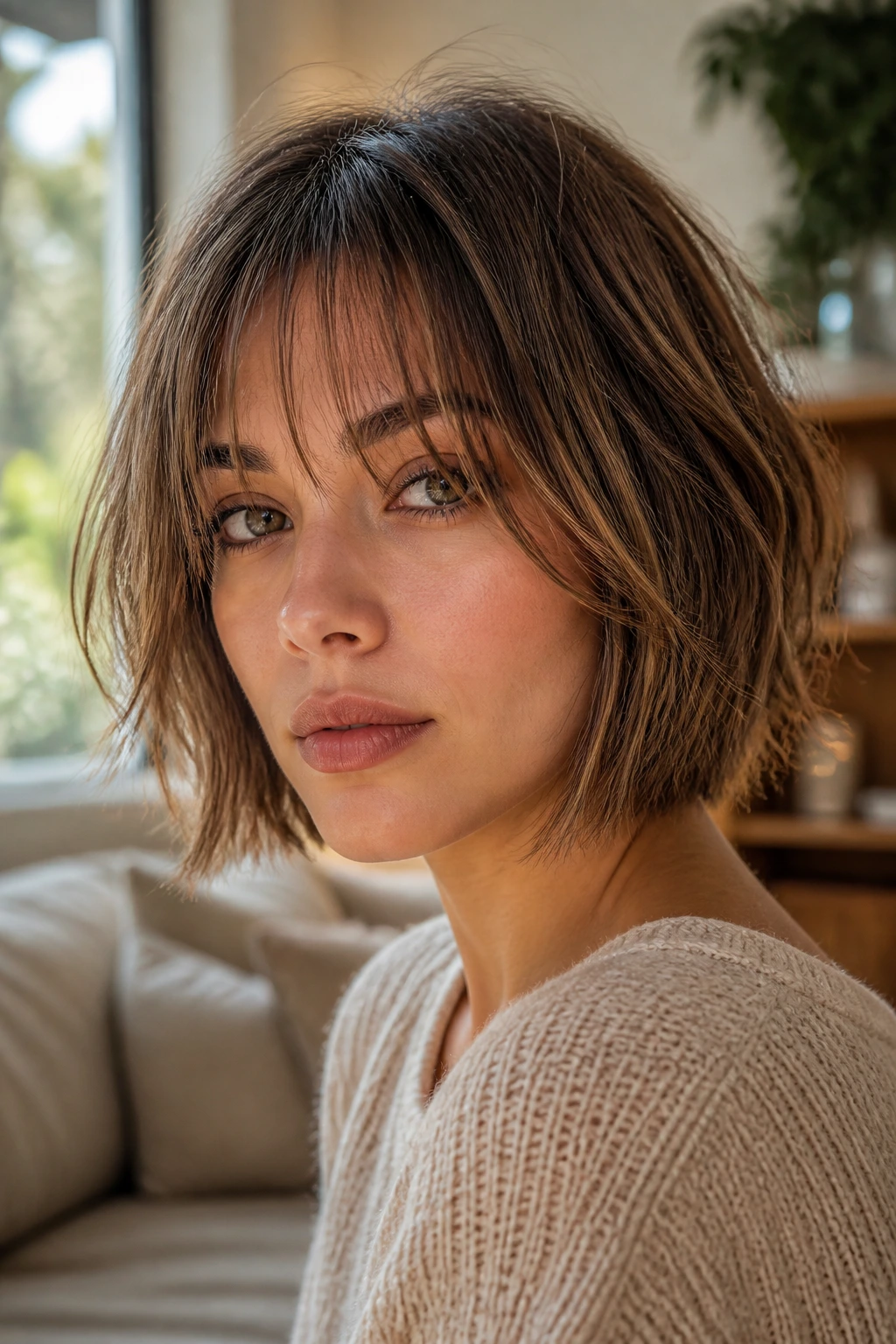
Adding a fringe, or bangs, is an excellent way to use hair that would otherwise be lying flat against your forehead. By bringing hair from the crown forward, you are shifting the volume of your style to the front. The fringe should be choppy and see-through—not thick—to blend with the rest of your hair.
The Benefit of Frontal Volume
When you have fine hair, the back of the head is often where we feel the most “thinness.” By creating a focal point with a choppy fringe, you draw the eye toward your features and away from the crown of your head. It is a subtle shift in focus that makes a massive difference in how the overall style is perceived.
9. The Rounded “French Girl” Bob

This style is all about movement. The layers are cut in a slightly rounded shape, which creates a softer, more voluminous aesthetic. Unlike a rigid, sharp bob, this version has a bit of sway to it when you walk.
Why It Feels More Voluminous
The rounded shape mimics the head’s natural contour. By keeping the hair away from the scalp and letting it drape over the curve of your skull, you achieve a “full” look without needing heaps of product.
Style Pairing
- This look goes incredibly well with a middle part, but feel free to tuck one side behind your ear for an asymmetrical look that adds instant personality.
- Minimal styling is usually best here; a simple air-dry with a bit of sea salt spray is often all you need.
10. The Edgy Razor-Cut Bob
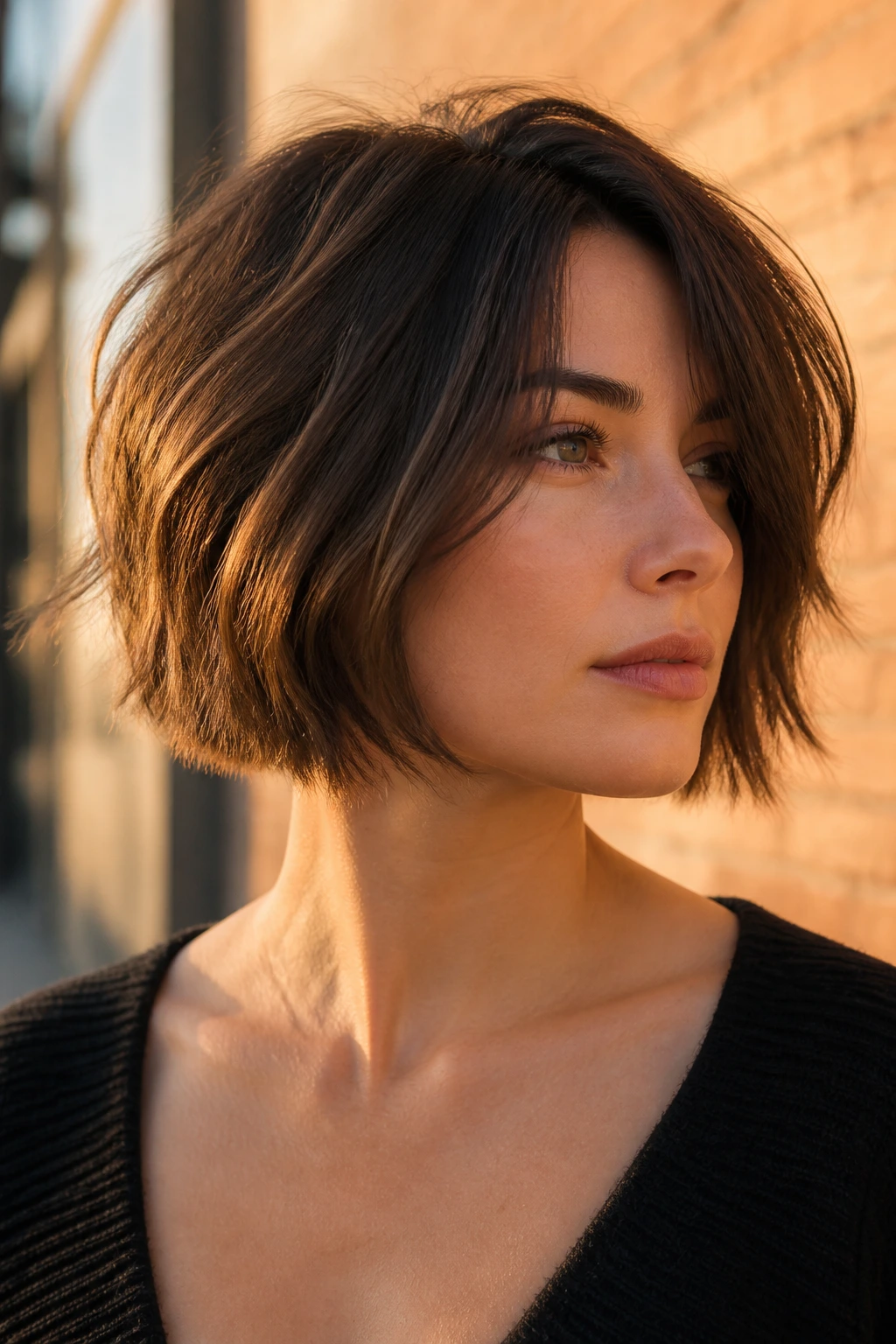
For those who want something a bit more daring, a razor-cut bob is the gold standard for thin hair. The razor doesn’t cut the hair bluntly; it “shreds” the ends, creating a feathered look that is naturally light and airy.
The Advantage of the Razor
A razor is essentially a knife, and when used by a skilled hand, it removes weight while creating movement. It creates a soft, tapered end that fine hair desperately needs. It eliminates the blunt, heavy edge that makes fine hair look like it’s struggling to stay alive.
Important Note
- Ensure your stylist is comfortable with a razor.
- If your hair is prone to split ends, proceed with caution, as razors can sometimes aggravate damage if the blades aren’t perfectly sharp.
11. The Textured Nape-Length Bob
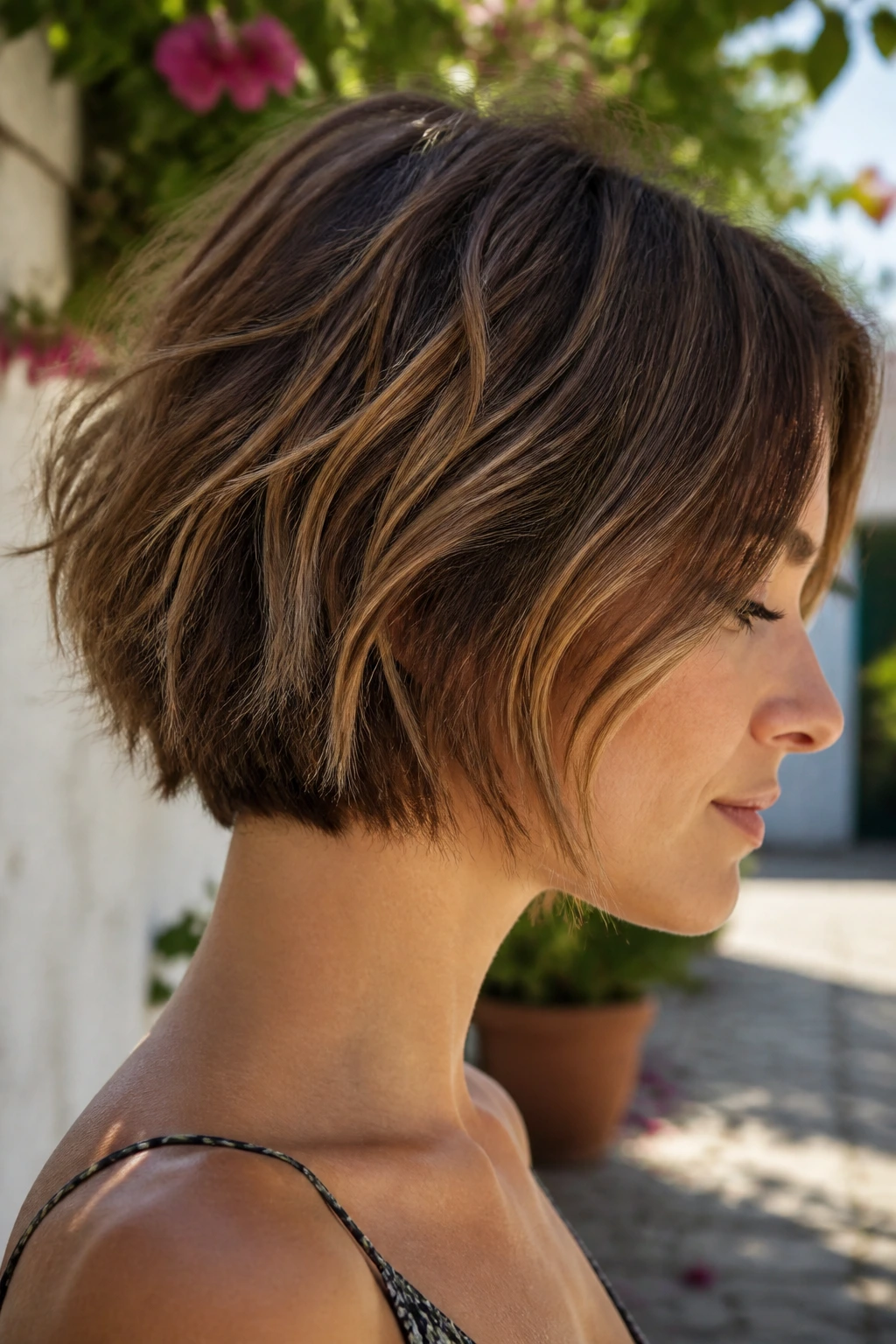
Sometimes, the best way to handle fine hair is to simply take it up a notch. A nape-length bob sits just above the collar. By cutting the length here, you create a “bunching” effect where the layers sit on top of each other, creating an automatic base of thickness.
Why This Style Works
- It is incredibly easy to maintain.
- It highlights the neck, creating an elegant silhouette.
- It is the most “breathable” haircut for those who hate having hair touching their skin in warmer weather.
12. The “Bottleneck” Bob
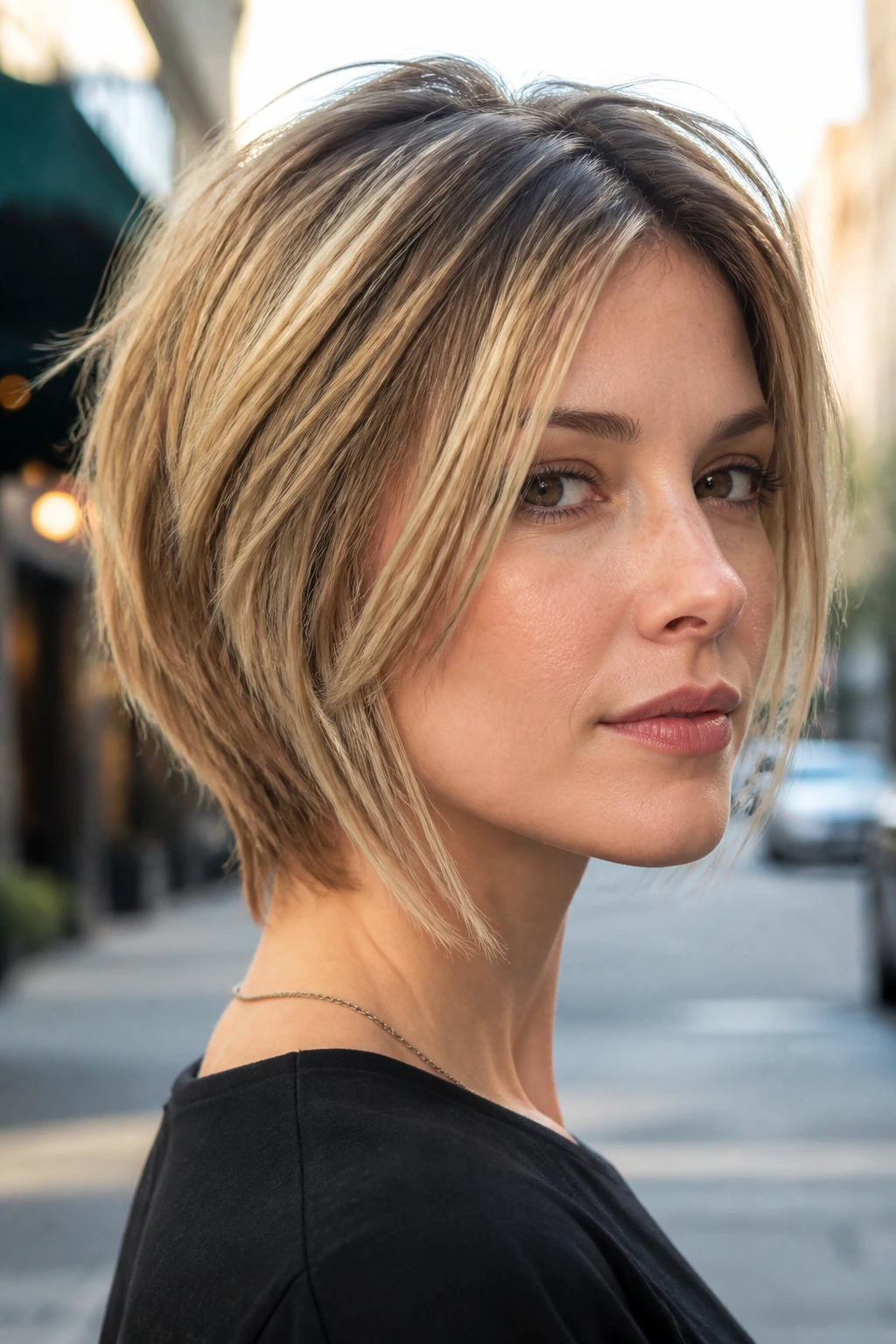
This style takes its name from the way the hair is layered around the face—short at the temple and gradually getting longer. It is essentially a bob with integrated, choppy face-framing layers that blend into the main length.
Managing the Transition
- This cut creates a lot of movement in the front.
- If you tend to pull your hair back often, this style is perfect because the shorter face-framing pieces can still be left out to frame your face while the back stays neat.
- It’s a very versatile option for those who want a bob but aren’t quite ready to lose the ability to put their hair in a ponytail.
13. The Graduated Choppy Bob
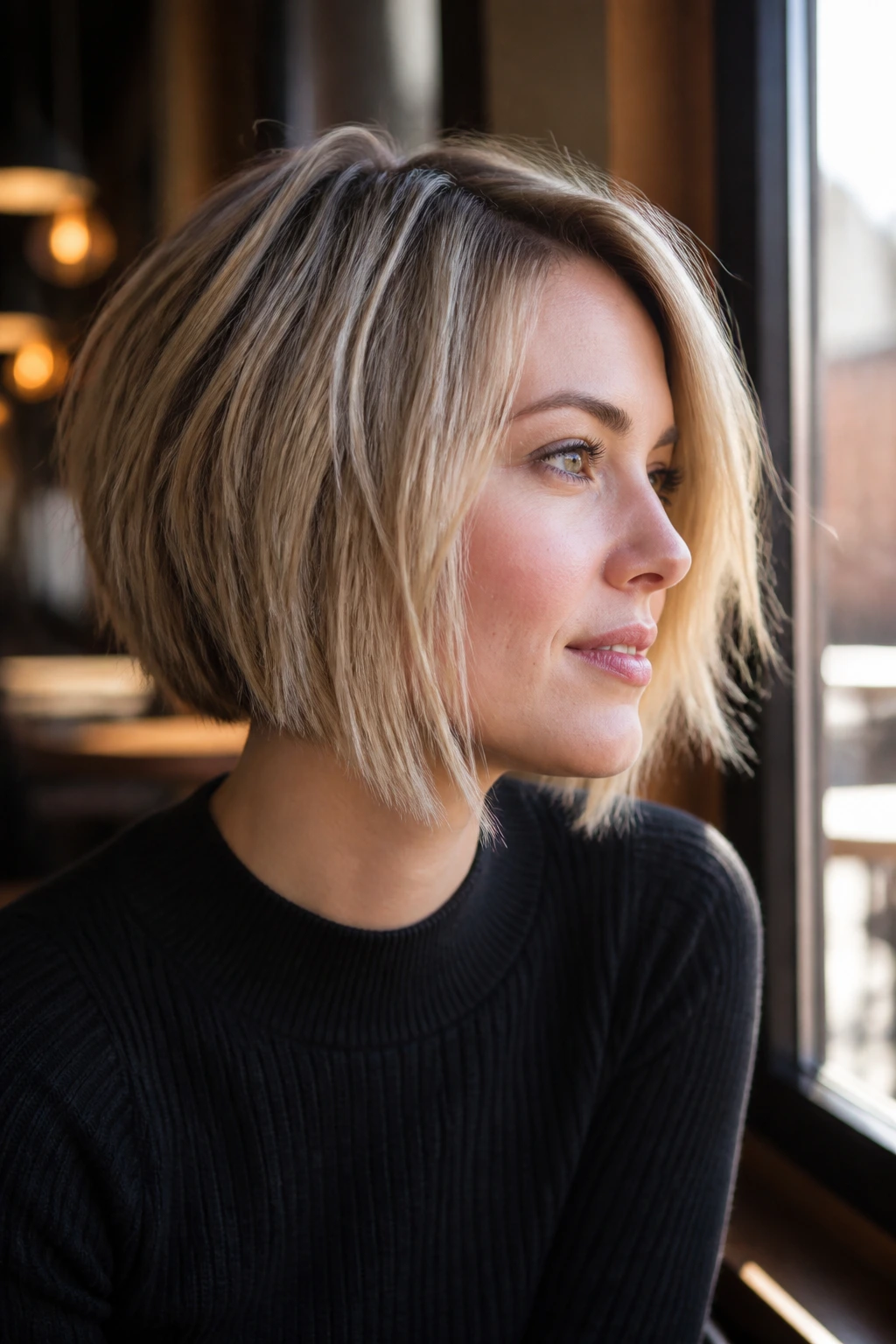
Graduation refers to a cut that is longer in the front and shorter in the back. Unlike the “inverted” style, which can sometimes look severe, the graduated choppy bob is all about soft, blended layers that create a rounded shape.
Why It’s a Staple for Fine Texture
The gradual buildup of length allows for more layers to be added to the back. More layers mean more “lift.” It is a mathematical approach to volume that has been used by stylists for decades precisely because it works.
Tips for Success
- Avoid over-styling with heat.
- Since fine hair is easily damaged, rely on the cut itself to provide the volume rather than over-compensating with a blow dryer every single morning.
14. The Wispy, Airy Bob
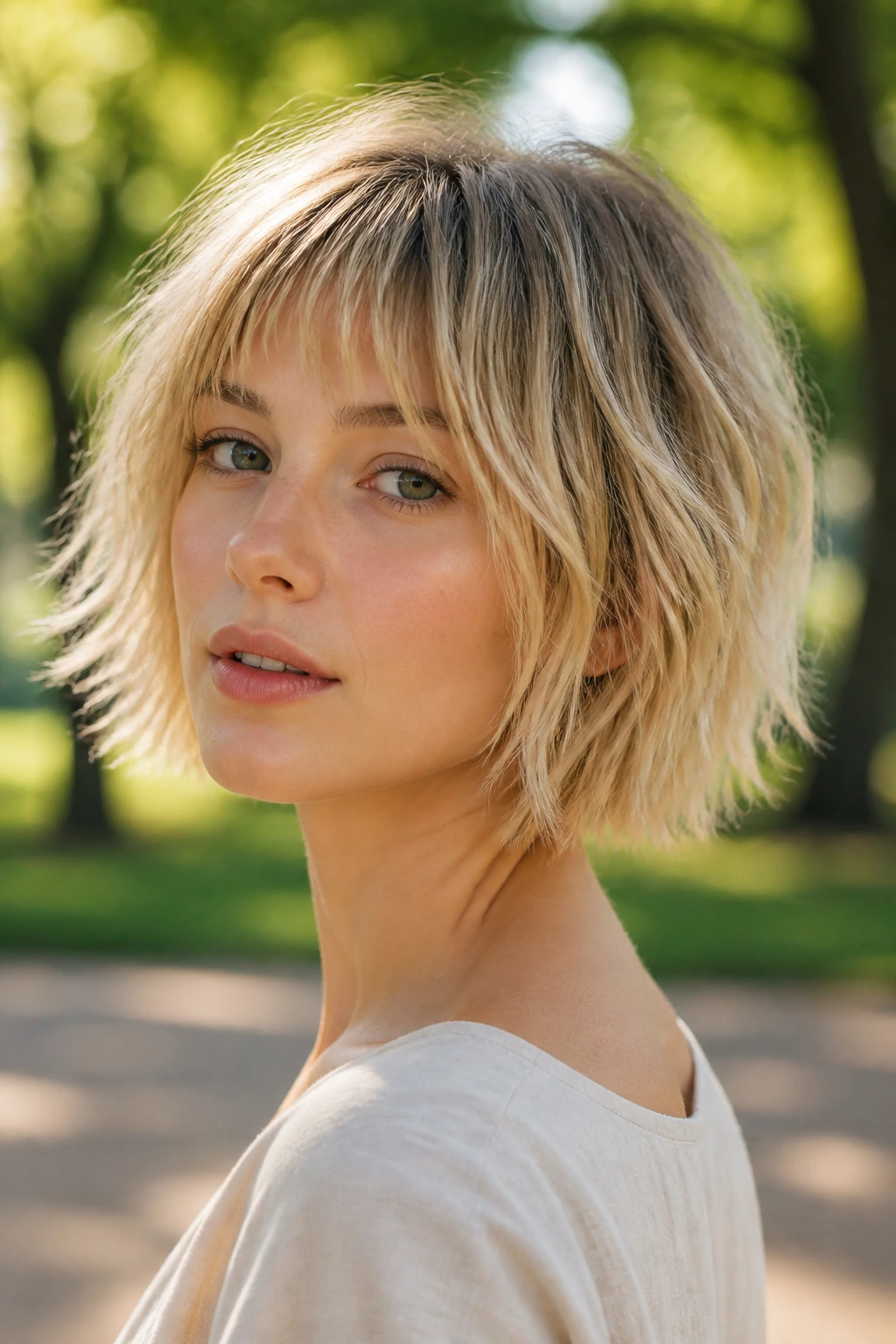
This is for the person who loves the look of hair that has been “mussed up” by the wind. The ends are heavily textured, almost to the point of appearing translucent. It is a high-fashion, ethereal look that works wonders for fine, silky hair.
The Aesthetic of Thinness
When you lean into the lightness of fine hair, you stop trying to make it look “thick” and start making it look “expensive.” The wispy bob is deliberate. It is not trying to be a heavy, bouncy bob; it is trying to be a delicate, stylish accessory to your face.
15. The Deep-Layered “Lob”
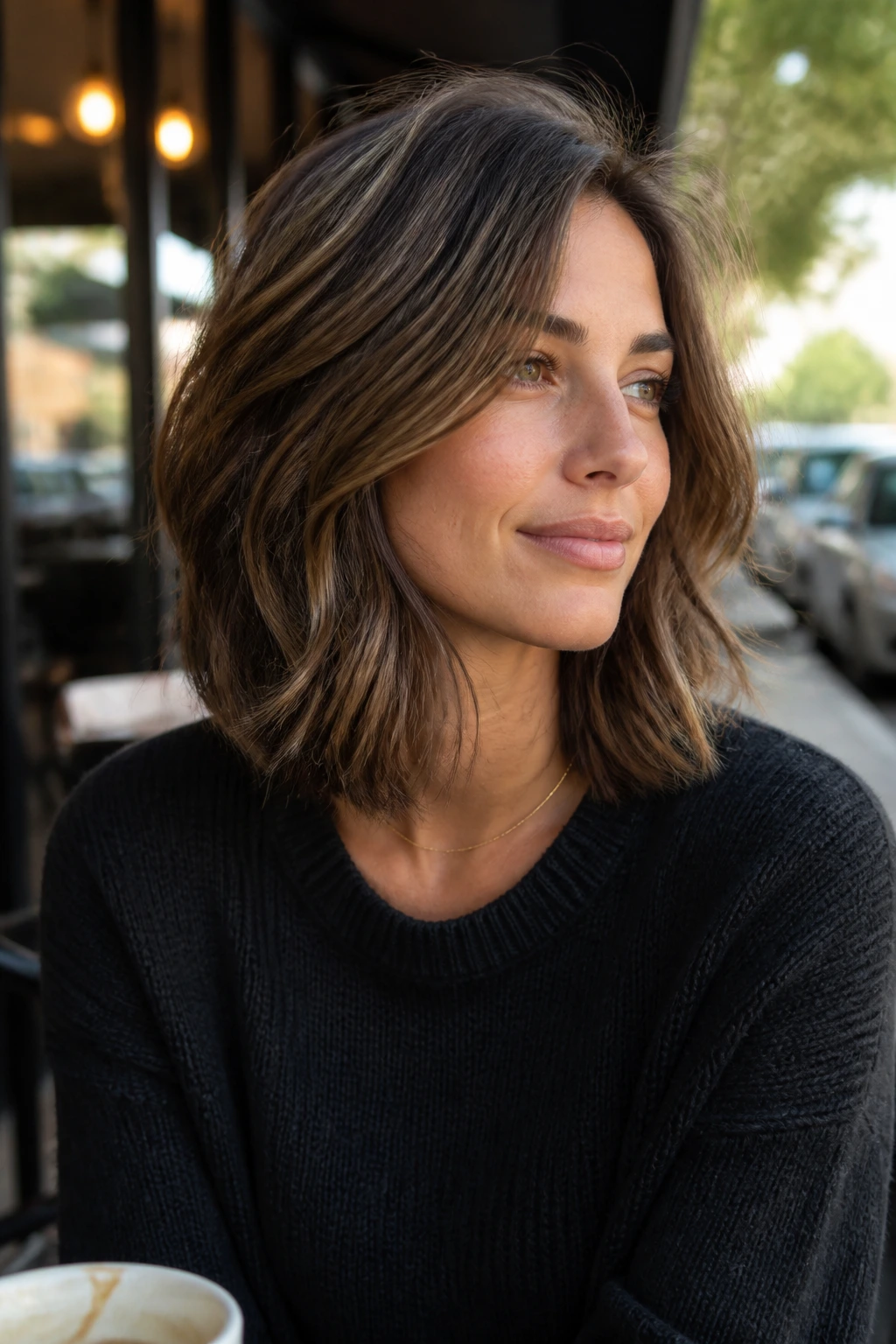
If a traditional bob feels too short, start with a “lob” (long bob) that features heavy, choppy layers throughout. This keeps enough length to touch the shoulders while the layers provide the structure necessary to stop it from going flat.
Finding the Right Layer Length
- The layers should be cut at the mid-lengths, not just the ends.
- This creates volume through the center of the hair mass, where fine hair usually collapses.
- It is an excellent choice for those who are worried about their face shape, as the longer length is universally flattering.
16. The Curly-Textured Choppy Bob
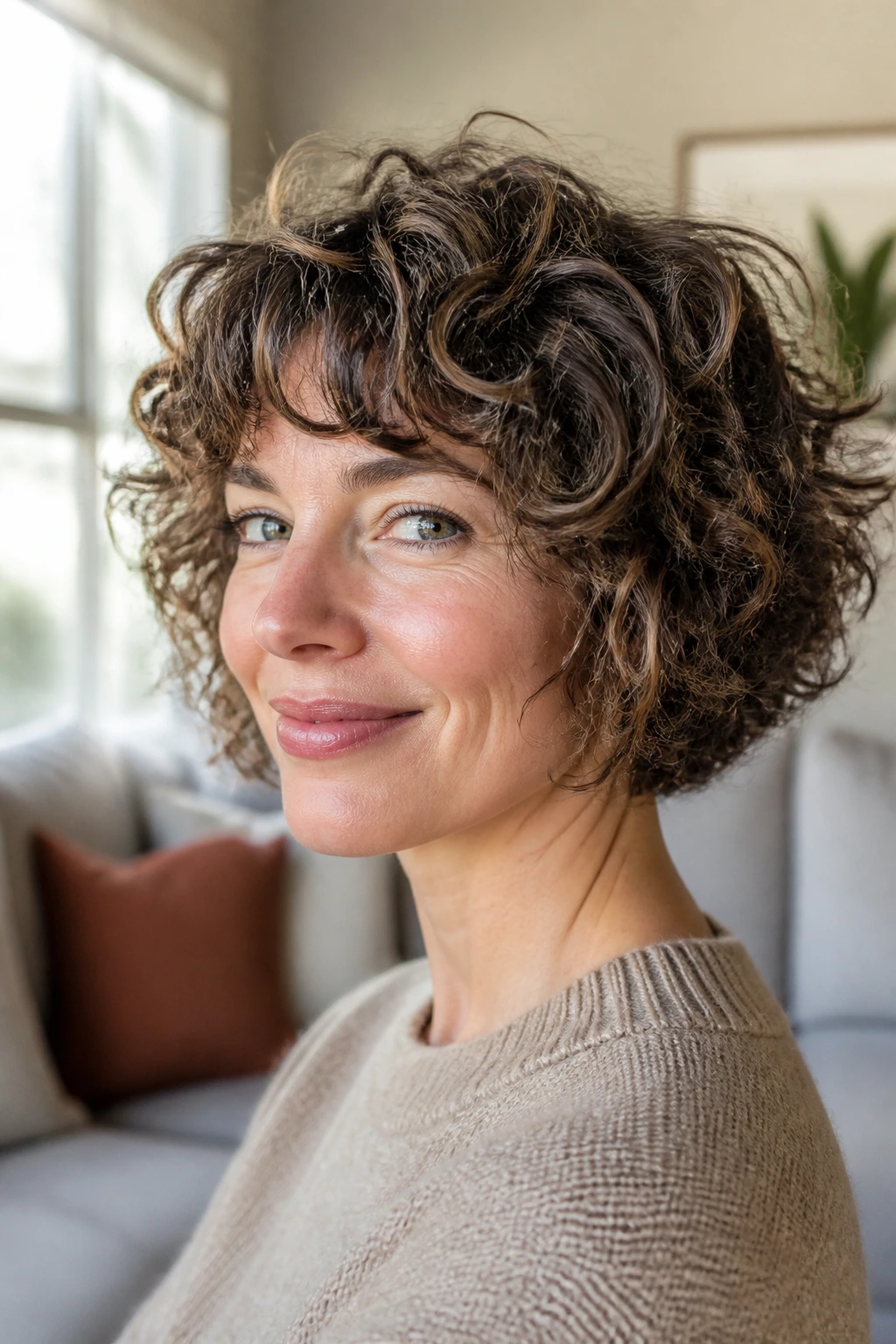
If your fine hair has a slight natural curl, don’t brush it out. A choppy bob on curly, fine hair is the ultimate volume builder. The curls themselves create space between the strands, and the choppy cut prevents them from clumping together into a heavy mass.
Tips for Curly Fine Hair
- Use a diffuser attachment on your hairdryer.
- Focus on products that are moisturizing but not heavy—mousse is generally preferred over gels.
- Use a wide-tooth comb only when wet; once dry, your fingers are the only tools you should need.
17. The Sleek-Yet-Textured Bob
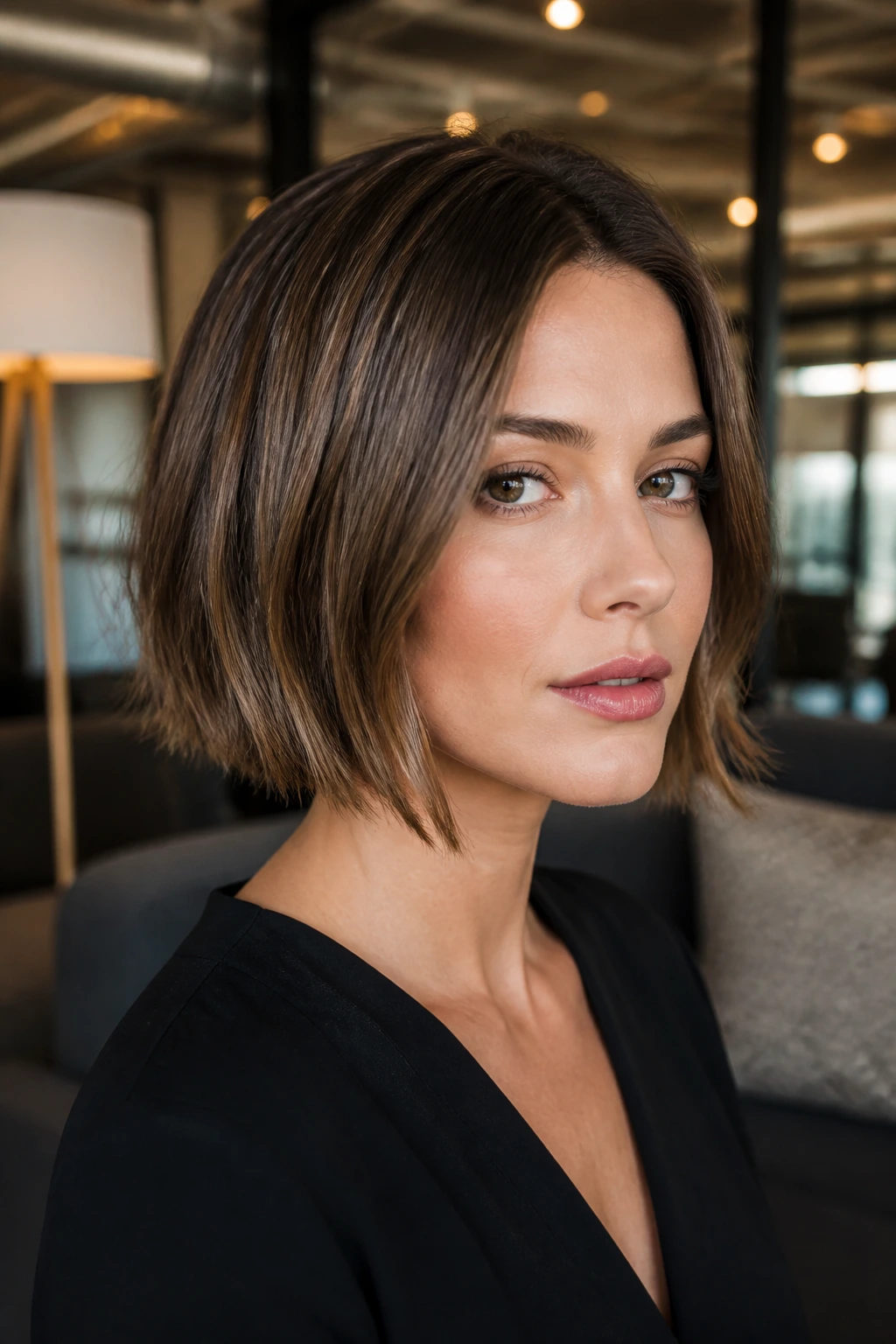
You can have a sleek look with a choppy bob if you know how to polish it. The key is to keep the “choppiness” to the very last two inches of the hair. The top stays smooth and sleek, while the bottom provides the visual interest and texture.
Balancing Sophistication and Texture
- Use a flat iron to keep the top sections smooth and professional.
- Use a bit of texturizing clay on the ends to “piece” them out.
- This look is fantastic for the office, offering a clean, modern aesthetic that feels very intentional.
18. The Modern Grunge Bob

Think of this as the rock-and-roll cousin to the classic bob. It’s shorter, more uneven, and relies heavily on a messy, “bedhead” vibe. It is the perfect antidote to the overly polished, stiff bobs that dominated past decades.
How to Achieve the “Grunge” Feel
- Don’t worry about perfect parts.
- Use a matte texturizing spray.
- The more you move your hair, the better it settles. If you are the type of person who runs their fingers through their hair all day, this is the cut for you.
19. The Hidden-Layer Bob
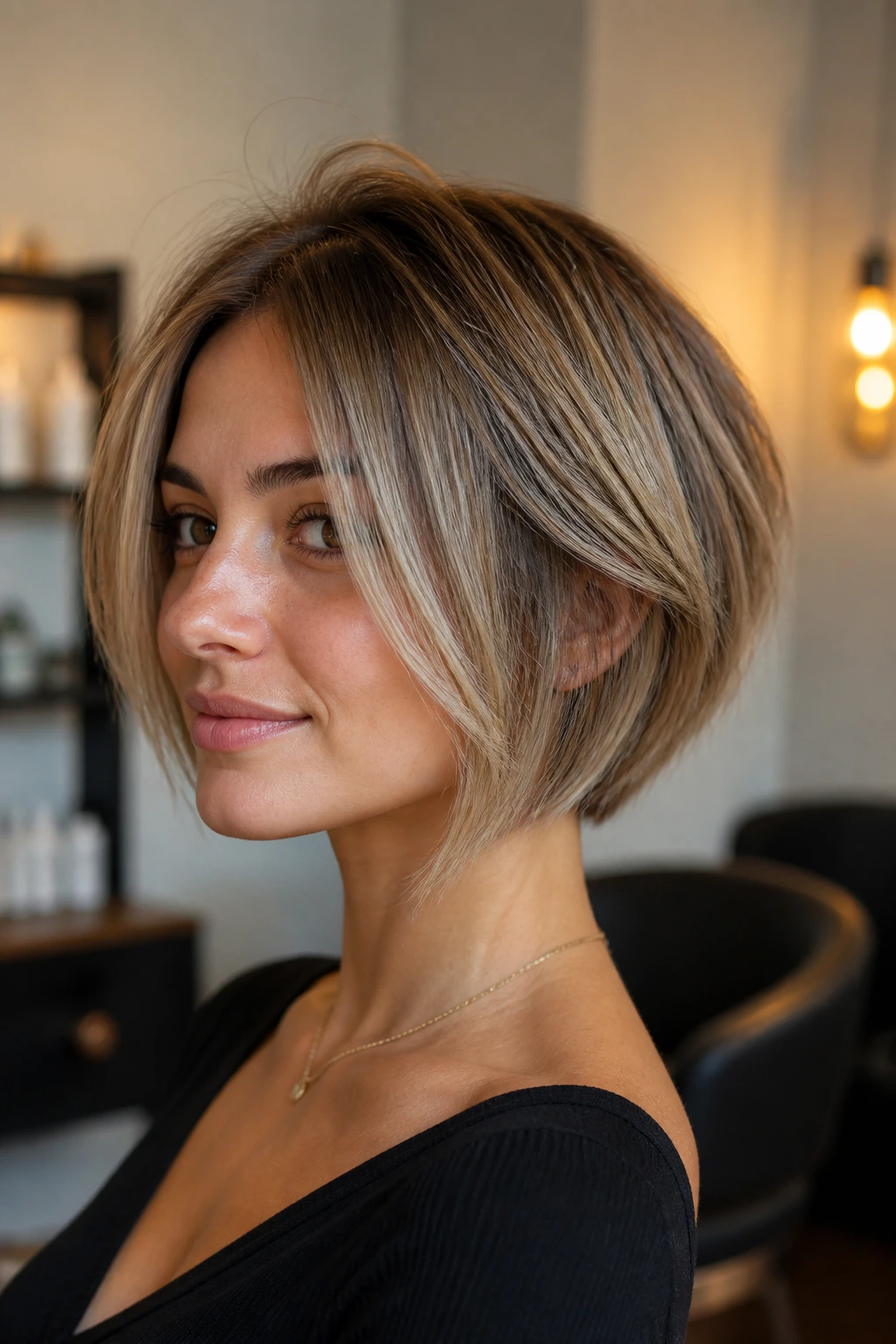
This style features longer top layers that sit over shorter, choppier under-layers. The under-layers act like a “shelf” or “spring,” pushing the top layers up and out. It’s a clever, almost invisible way to add volume to fine hair.
The Engineering of the Cut
- The top layer hides the “scaffolding” underneath.
- When someone looks at your hair, they see the smooth surface, but when you move, they see the texture and volume underneath.
- It is perfect for those who want a more traditional look but struggle with flatness at the crown.
20. The Micro-Bob with Choppy Bangs

For the truly adventurous, the micro-bob—a bob cut above the jawline—is incredibly striking on fine hair. When you combine this with choppy, shorter bangs, you have a look that is entirely about frame and shape, not density.
Why It’s a Great Choice
Fine hair can sometimes look weak at the ends if it’s too long, but at a micro-length, it looks incredibly healthy and sharp. The lack of length means there is zero weight to pull the hair down, and the choppy texture adds a playful, modern edge that makes the entire style look purposeful and vibrant.
Final Thoughts

Ultimately, the best choppy bob for your hair is the one that forces you to spend the least amount of time in front of the mirror. Fine hair is a beautiful texture that responds incredibly well to the right cut. You aren’t “hiding” your hair; you are shaping it. When you embrace layers and point-cutting, you stop fighting the gravity that naturally wants to pull thin strands flat. Whether you opt for the classic jaw-length cut or the daring micro-bob, remember that the goal is movement and ease. Your hair is an asset, not a struggle—sometimes you just need to cut it the right way to let it show its full potential.