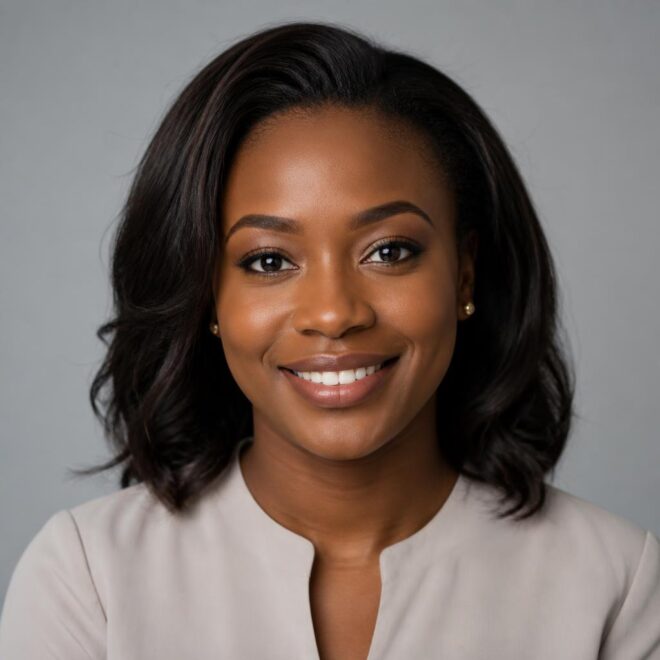


Pastel shades often feel like they were invented specifically for the spring season, and nowhere do they shine quite as brightly as they do in the world of hair color. If you are working with thin or fine hair, the challenge isn’t just picking a color that looks good; it is choosing a hue that adds the illusion of volume, dimension, and body. Easter-inspired palettes—those soft, airy, and gentle tones—are perfect for this because they lack the harsh, blocky intensity that can sometimes make thin hair appear flatter.
The key to coloring thin hair is managing the contrast between your roots and your ends. Many people make the mistake of going for a single, uniform block color, which only serves to highlight the scalp rather than creating the appearance of thickness. By integrating multiple tones within the same color family, you create a sense of depth. This keeps the eye moving across the hair, making it look fuller and more intentional. Let’s walk through the most effective Easter-inspired hues that will breathe life into your locks this spring.
1. Pale Daffodil Yellow
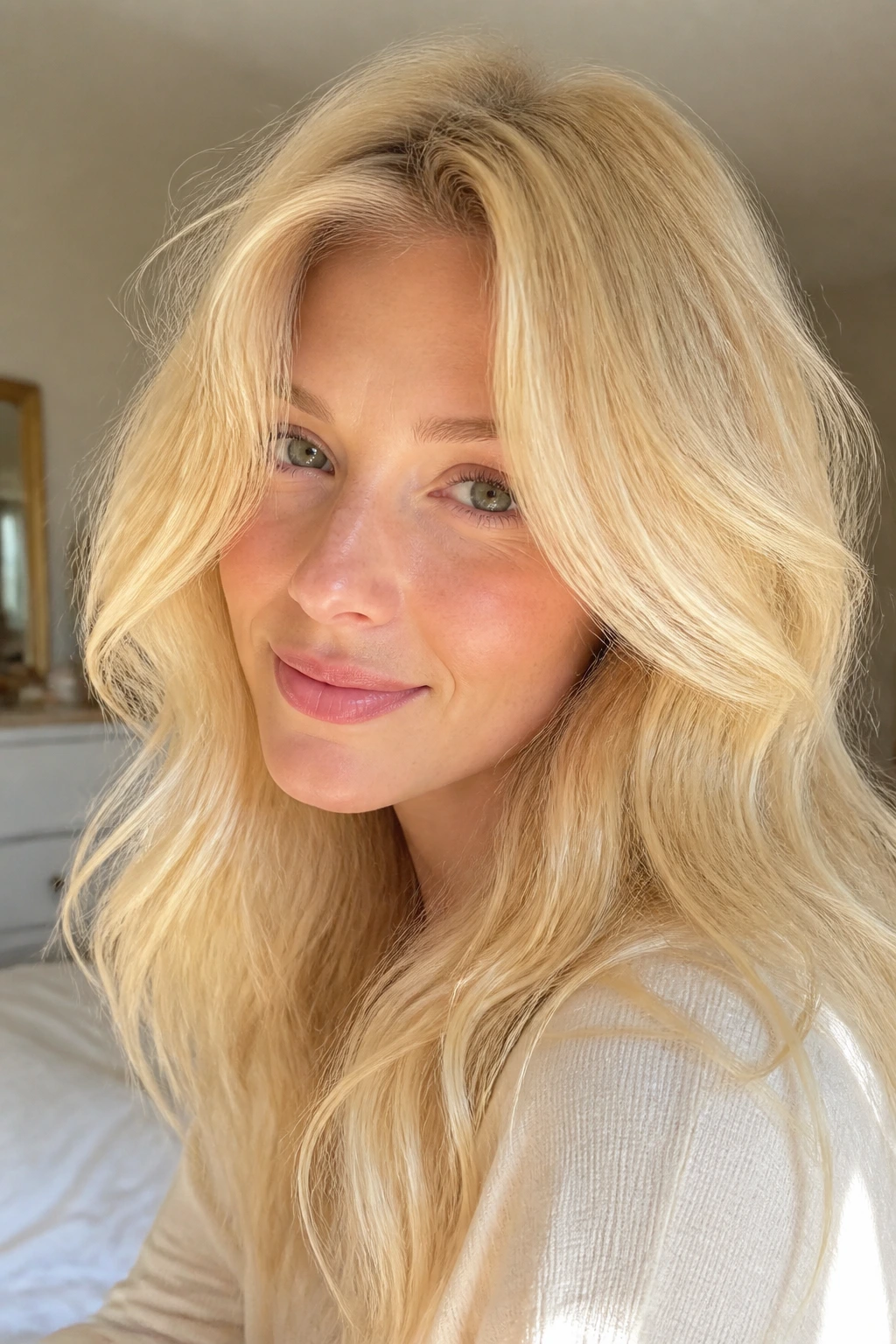
Yellow is a bold choice, but when you go with a soft, buttery daffodil tone, it becomes remarkably wearable. This shade works well for thin hair because it is inherently bright and reflective. Light bounces off lighter hair colors much more effectively than dark ones, which creates a natural, healthy sheen that makes individual strands look more substantial.
Why It Adds Volume
The light-reflective nature of this yellow keeps the hair from appearing “sucked in” or flat against the head. Because it is a warmer, pastel hue, it creates a sun-kissed effect that feels very spring-appropriate.
How to Style It
- Use a volumizing mousse before blow-drying to ensure the brightness of the color has a full-bodied canvas to sit on.
- Consider a lived-in root smudge so the yellow doesn’t start directly at the scalp, which can sometimes make the transition look thinner.
- Keep the ends slightly lighter or brighter to draw the eye downward, adding length and movement.
2. Dusty Lavender
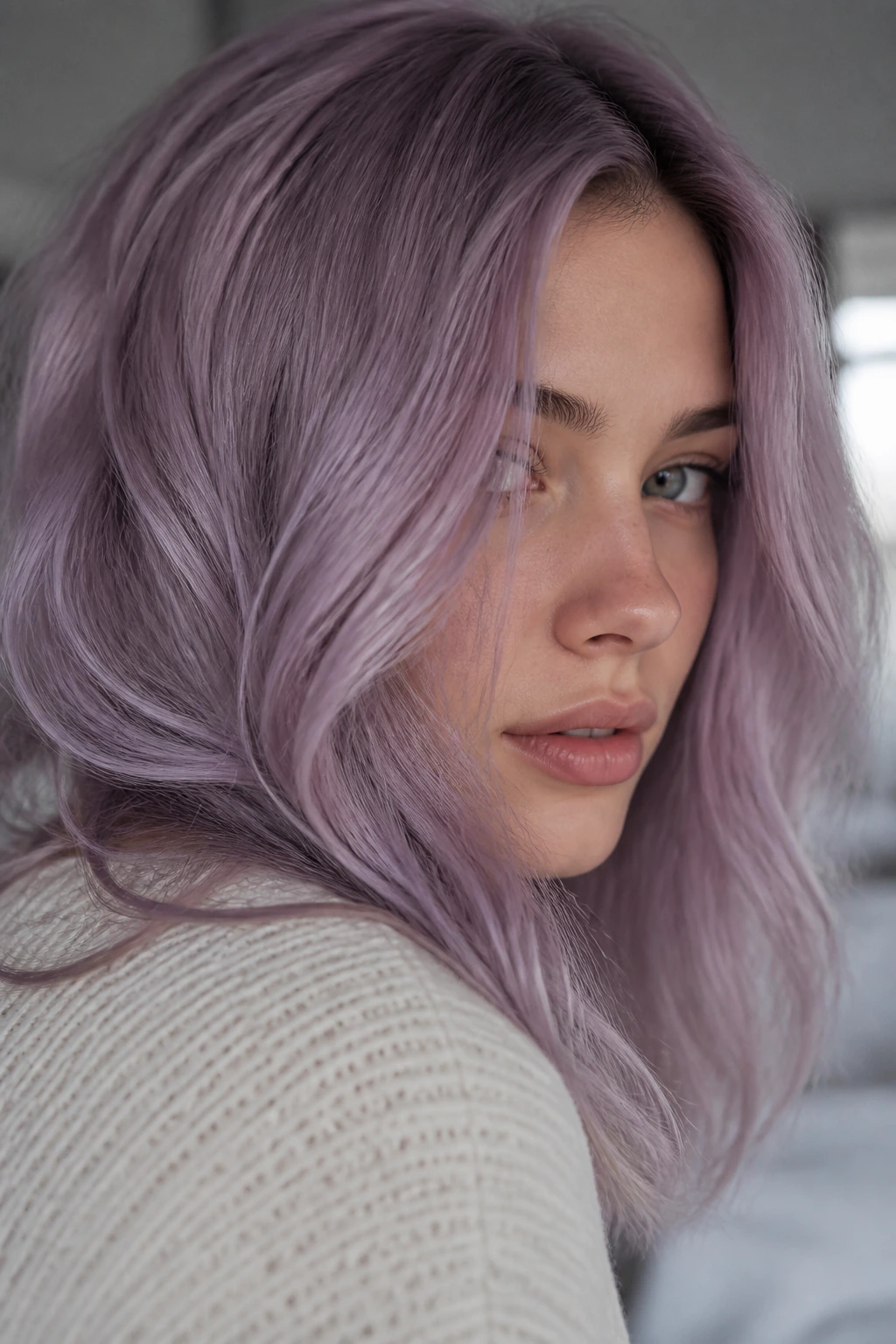
Lavender is a sophisticated, cool-toned option that works wonders for those with thin hair, especially if you have a cooler complexion. The secret here is to avoid “electric” or neon purples, which can look harsh and highlight thinness. A dusty, muted lavender has a subtle grayish undertone that adds a bit of “grit” to the strand, making fine hair feel slightly thicker to the touch.
The Science of Muted Tones
Muted or “dusty” shades often involve a bit of blue or gray base pigment. These darker base pigments cling to the hair cuticle differently than bright, clear dyes. This helps create a tiny amount of extra texture on each strand, which is a massive advantage for fine hair that tends to be slippery or flat.
3. Soft Mint Green
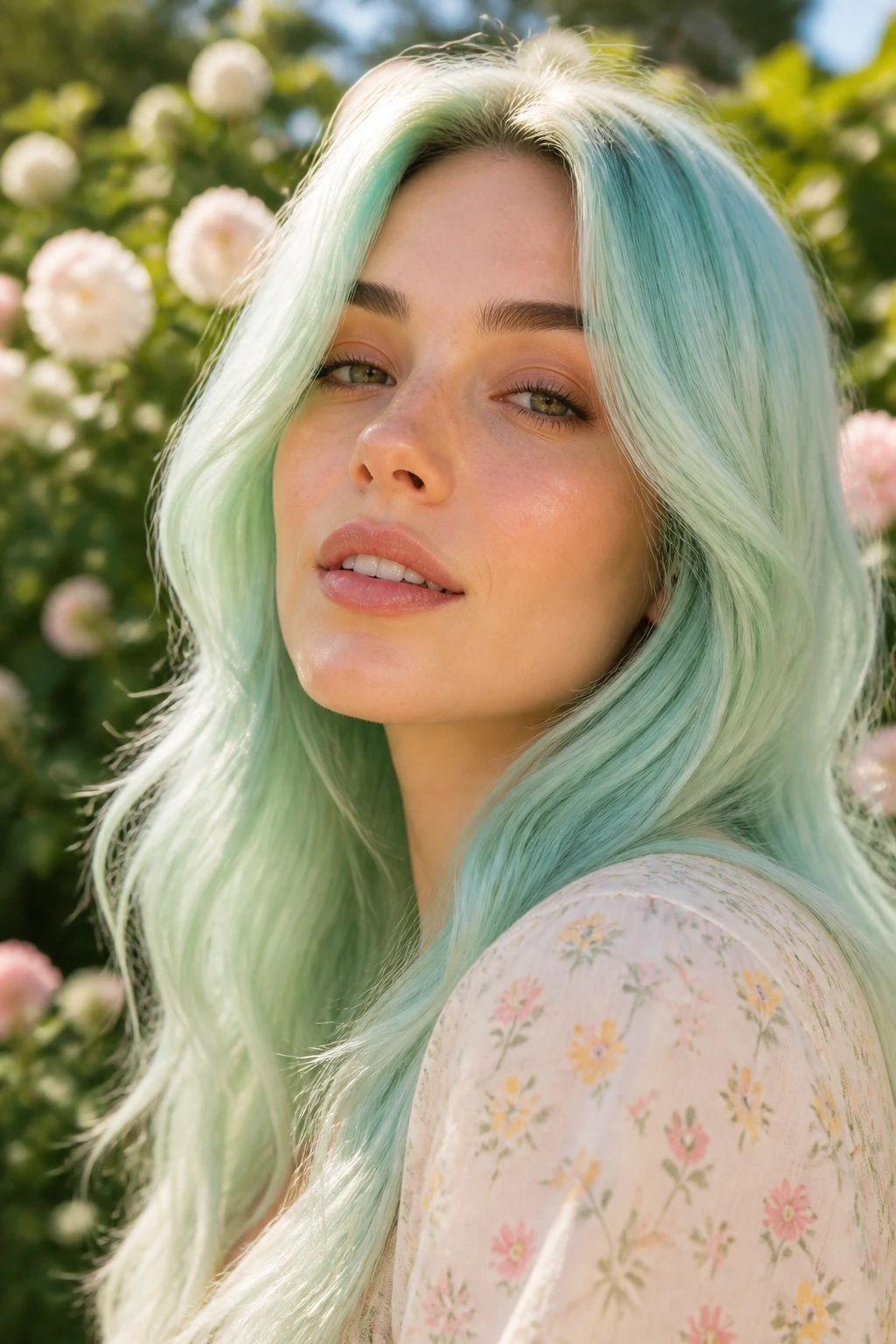
Mint green is the epitome of a fresh, springtime aesthetic. It is a very forgiving color for thin hair because it is light and airy. When you choose a soft, pastel mint, you aren’t creating a heavy, dark block of color that highlights the scalp. Instead, you are adding a whisper of pigment that looks ethereal and light.
Tips for Keeping it Vibrant
- Use a sulfate-free shampoo to preserve the delicate pigment.
- If you notice your hair looking a bit dull, a clear gloss treatment can add shine without weighing the hair down.
- Avoid heavy styling oils that might turn a beautiful pastel mint into a murky, muddy green.
4. Powder Blue
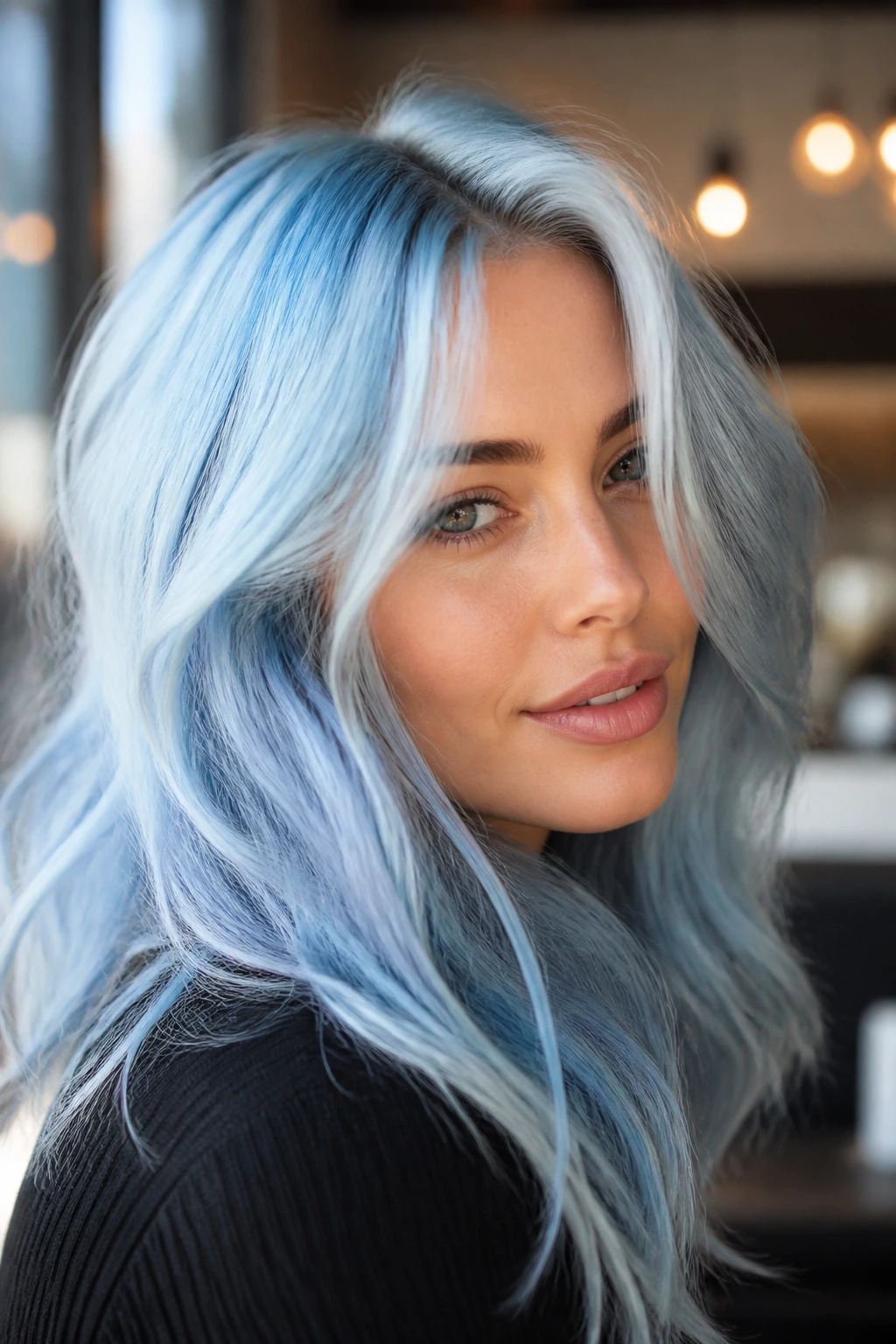
Powder blue is a cool, calm, and incredibly flattering shade. For someone with thin hair, I always suggest using a multidimensional approach with this color. Do not just go for one flat shade of blue. Ask for subtle “babylights” in a slightly lighter icy blue or a hint of silver. This technique adds depth, which is the ultimate trick for making hair appear twice as thick as it actually is.
Who Should Wear It
- If you have porcelain or cool-toned skin, this is arguably the best color in the Easter palette for you.
- Because it is a lighter tone, it won’t contrast too harshly with your scalp if your hair isn’t dense, making it a great low-maintenance color compared to darker blues.
5. Rose Quartz Pink
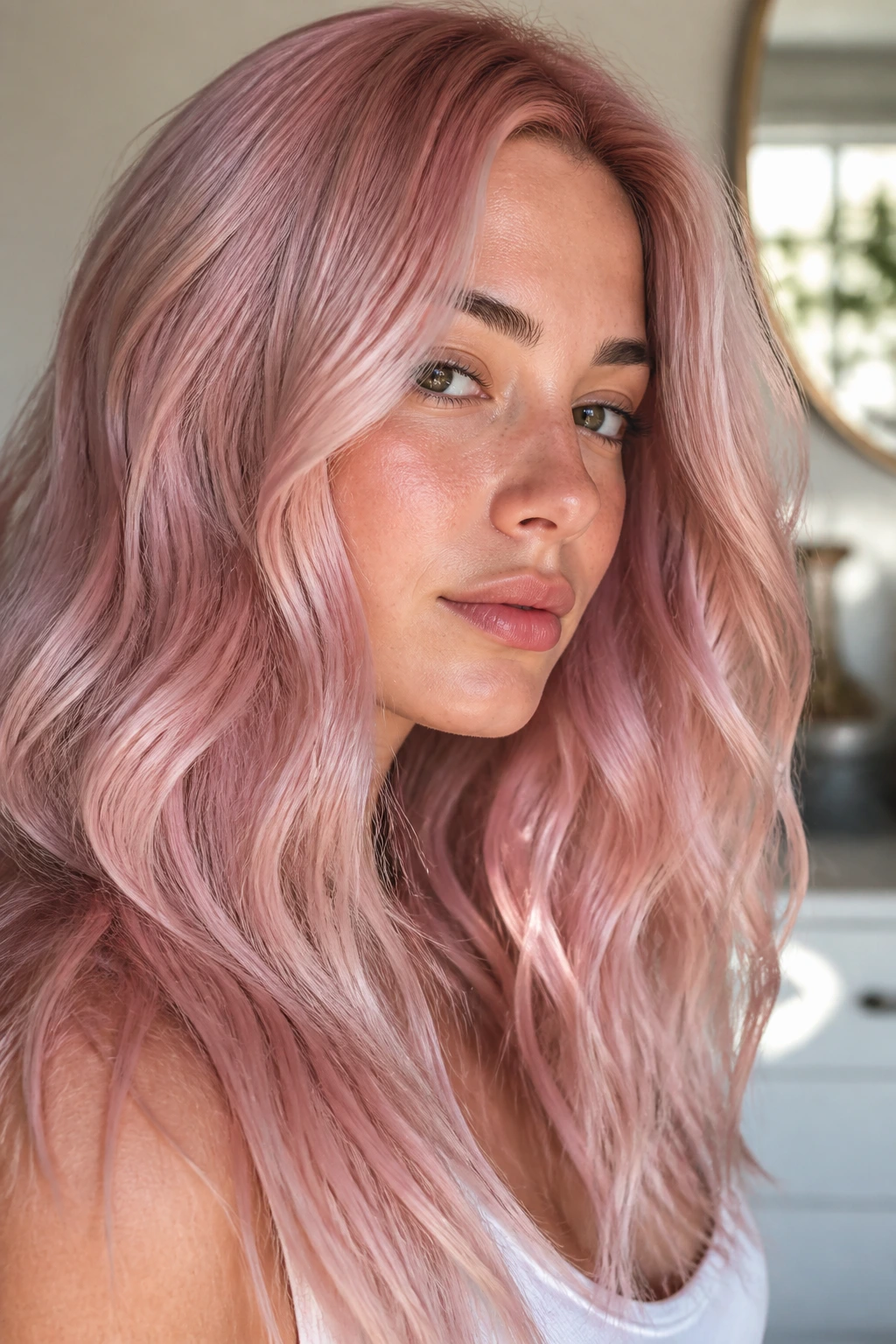
Think of a soft, crystal-inspired rose. Rose quartz is a classic because it is universally flattering and feels incredibly feminine. In the context of thin hair, rose quartz is excellent because it has enough warmth to look “alive” but enough softness to prevent the flat look.
Avoiding the “Doll Hair” Look
The danger with any pastel pink is looking like synthetic toy hair. To avoid this, ensure your stylist blends the pink with a hint of warm gold or champagne. This layering of warm tones creates dimension. Dimension is the single most important factor for thin hair because it fools the eye into seeing more hair density than is actually present.
6. Pale Peach
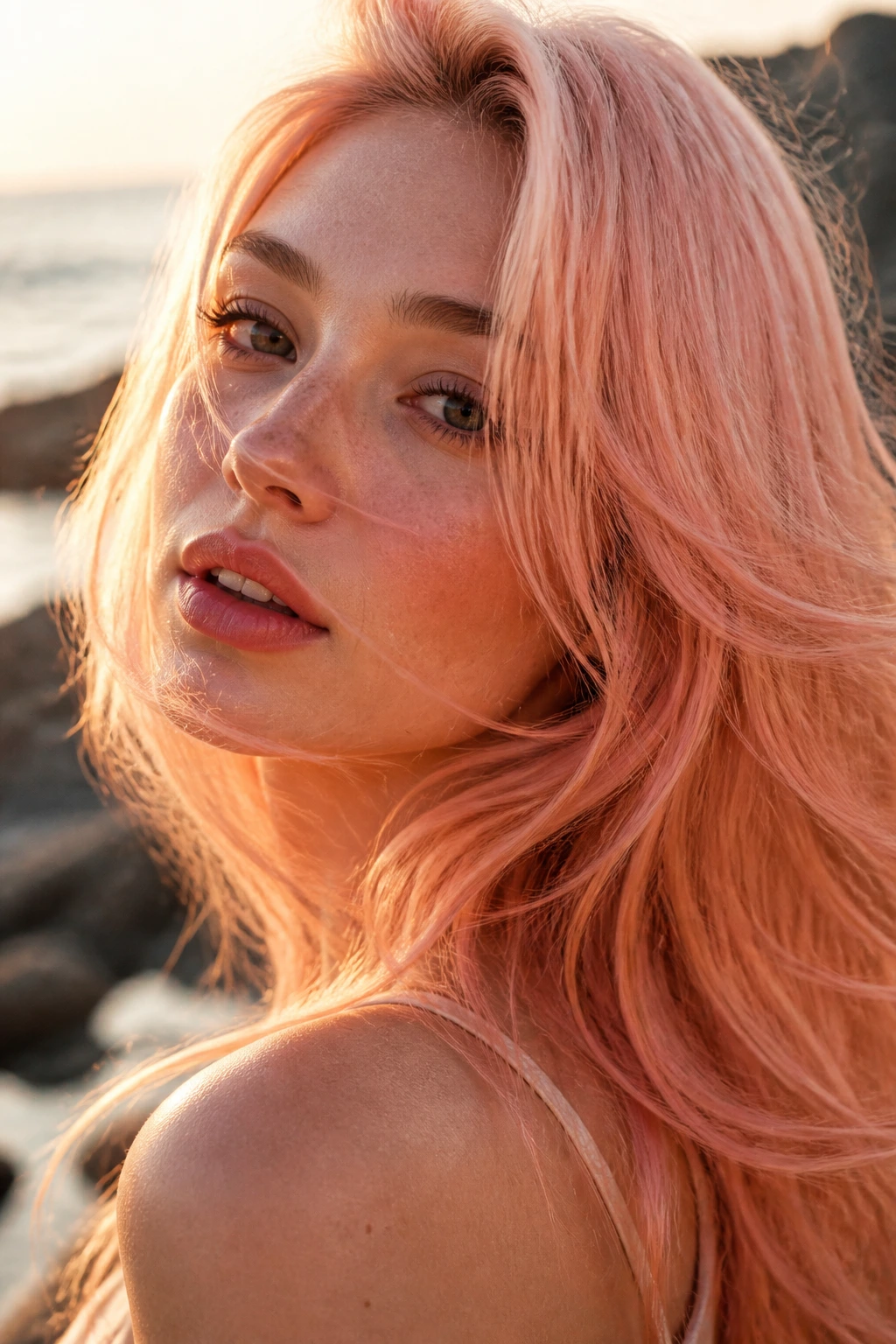
Peach is a warm, inviting, and very “alive” color. If you have thin, limp hair, peach is a fantastic choice because the warmth in the color creates the appearance of extra pigment and thickness. It reflects light in a way that feels very energetic.
Why This Color Works
- It provides a beautiful contrast against the scalp, often making the roots appear slightly less sparse than a stark white or platinum base.
- Peach looks particularly good when styled with soft, beachy waves, which naturally add the volume your hair might be lacking.
7. Champagne Gold
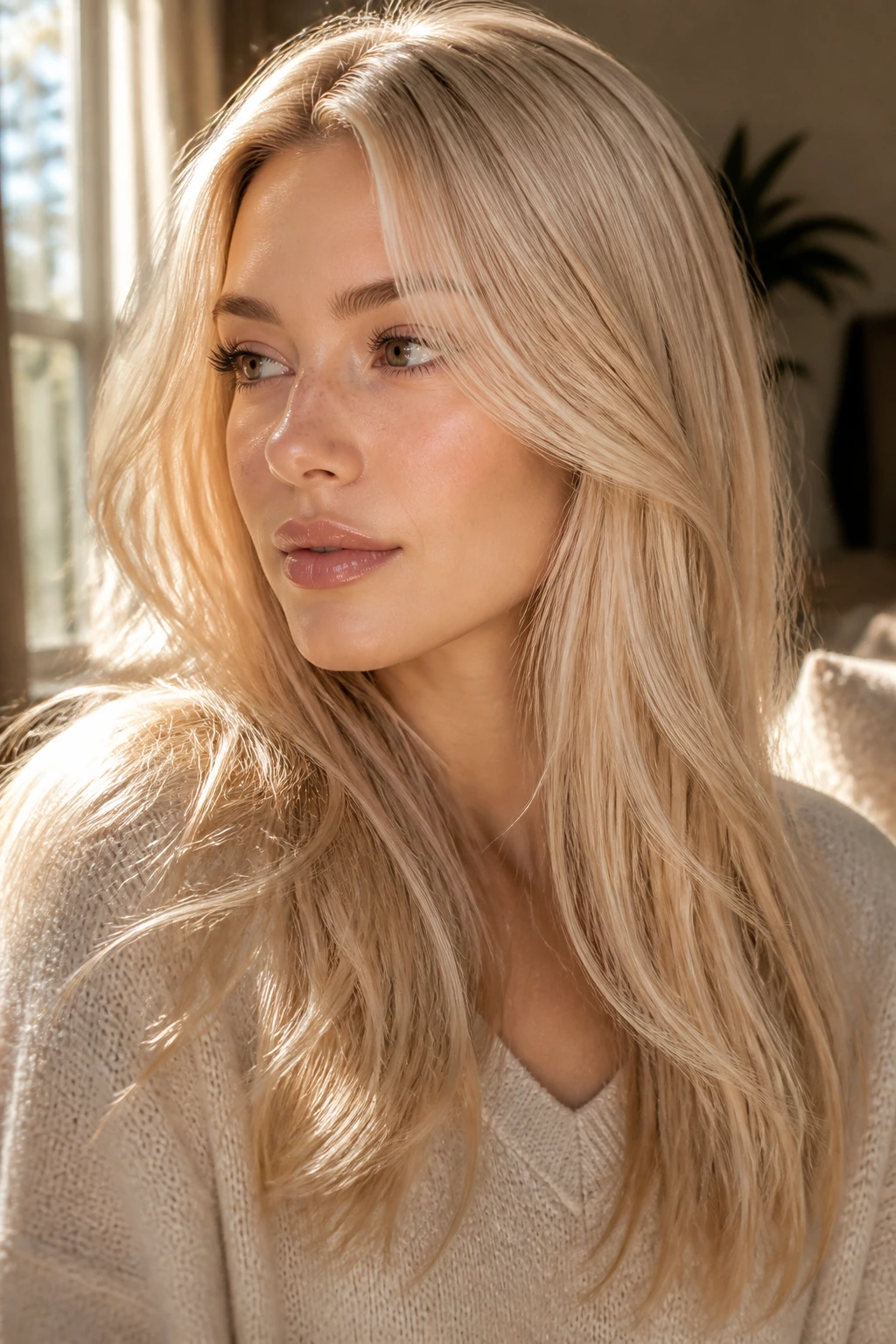
If you are hesitant to commit to a full-blown “Easter egg” shade, champagne gold is your best friend. It is an elevated blonde that incorporates just a touch of light, spring-time warmth. Champagne is perfect for thin hair because it’s inherently reflective. A high-shine finish makes fine strands look glossier and, by extension, healthier and thicker.
The “Volume” Secret
- Use a texturizing spray on your mid-lengths.
- Champagne gold is light enough to keep the hair looking airy but possesses enough warmth to fill in the space between strands visually.
8. Periwinkle
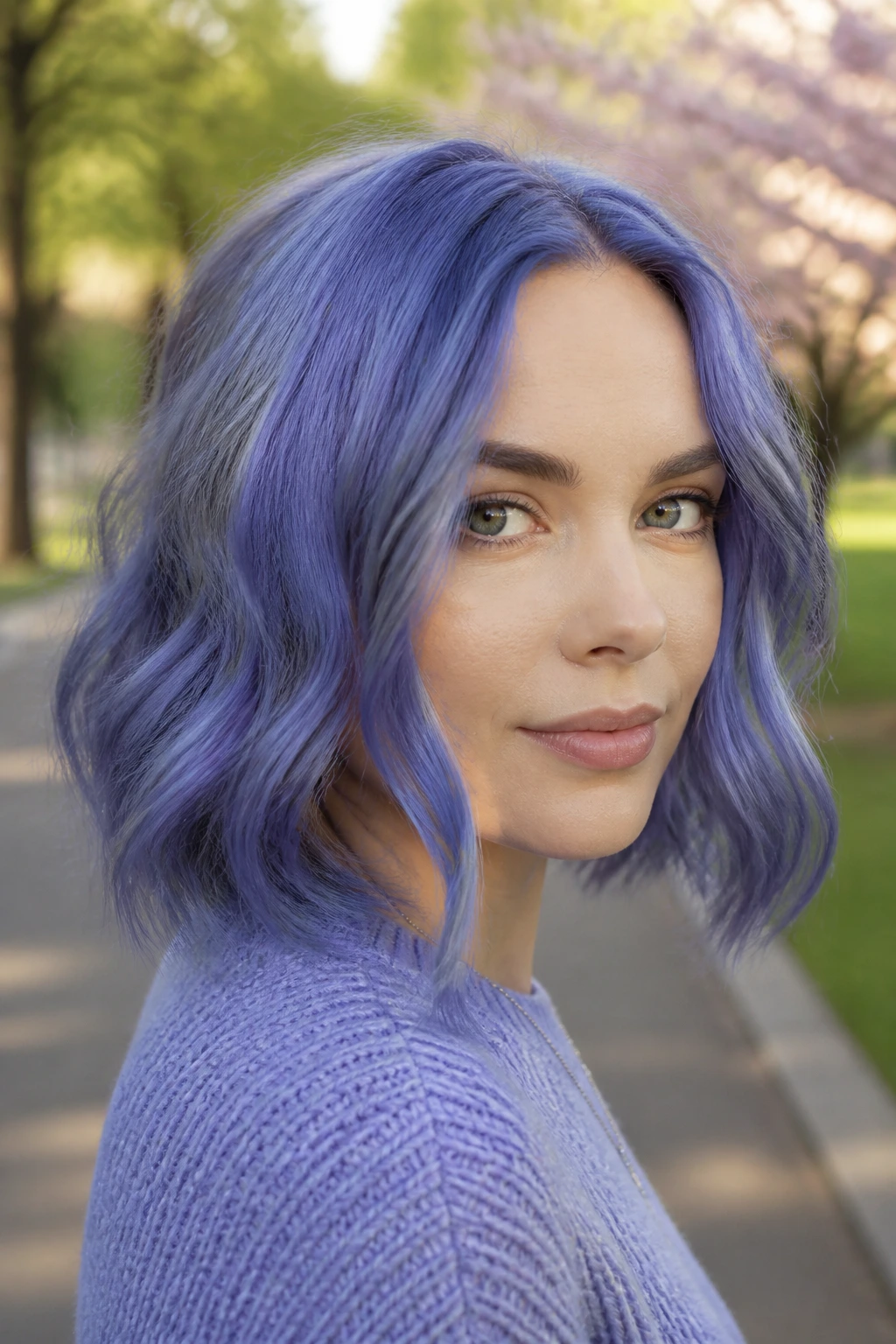
Periwinkle is the marriage of blue and purple, and it is a fantastic “in-between” shade. It is deep enough to have some weight, which is helpful if your hair is extremely fine and gets easily overwhelmed by lighter, transparent colors. Periwinkle provides enough visual density to make the hair look substantial.
Maintenance Tips
- Use a color-depositing conditioner once a week.
- Periwinkle can fade into a silvery gray, which is quite beautiful, but if you want to keep the “Easter” vibe, you need to refresh that pigment regularly.
9. Creamy Vanilla
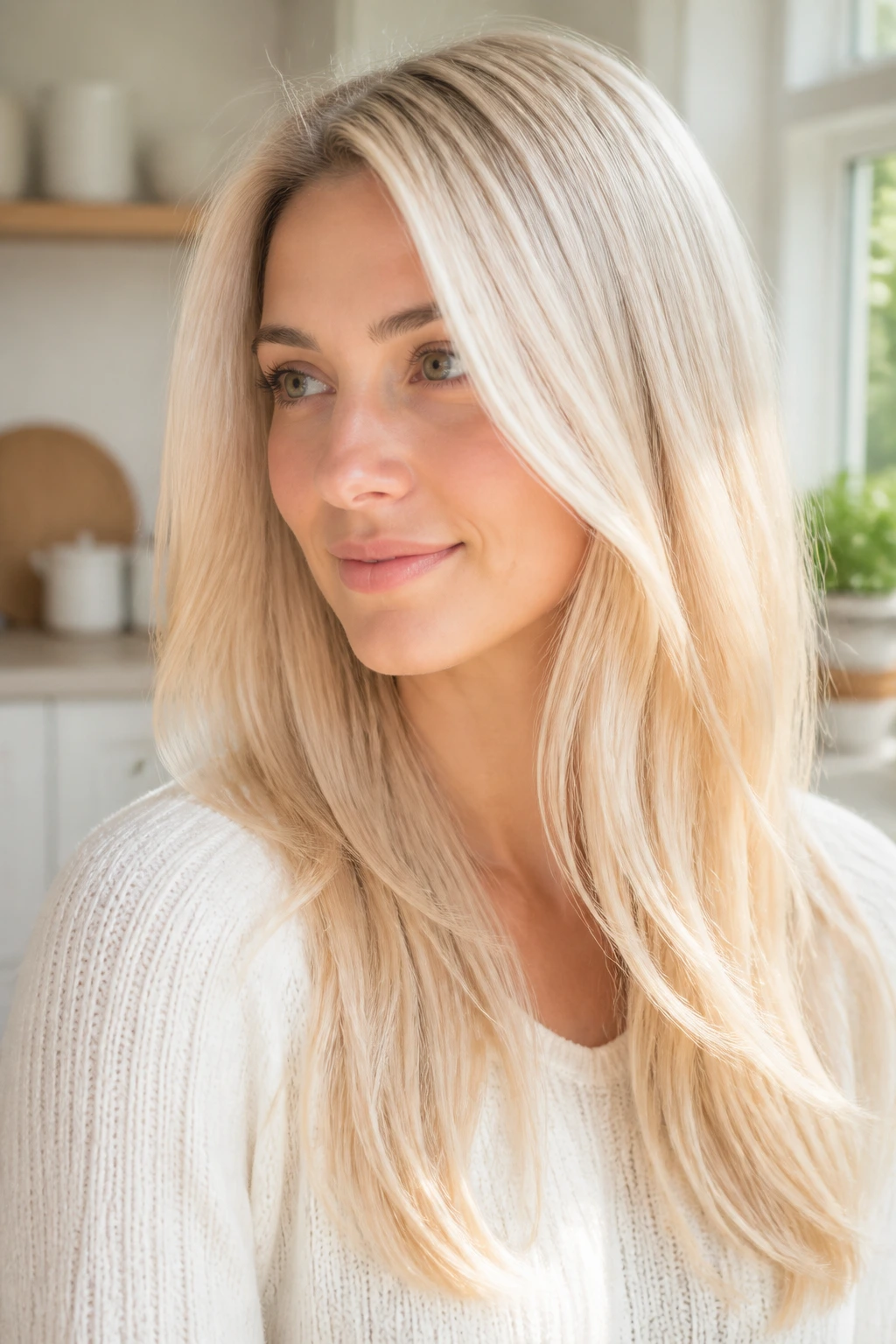
Vanilla is about as soft as you can get without going into bright white territory. White-toned hair can be tricky for thin hair because it often highlights the scalp too much. A creamy vanilla, however, has a slight yellow warmth that makes it look more natural and “full.”
Why Natural Looks Fuller
- A creamy shade mimics a more natural hair health level.
- It prevents that harsh “platinum” look that can sometimes make hair look brittle and thin.
10. Lilac Mist
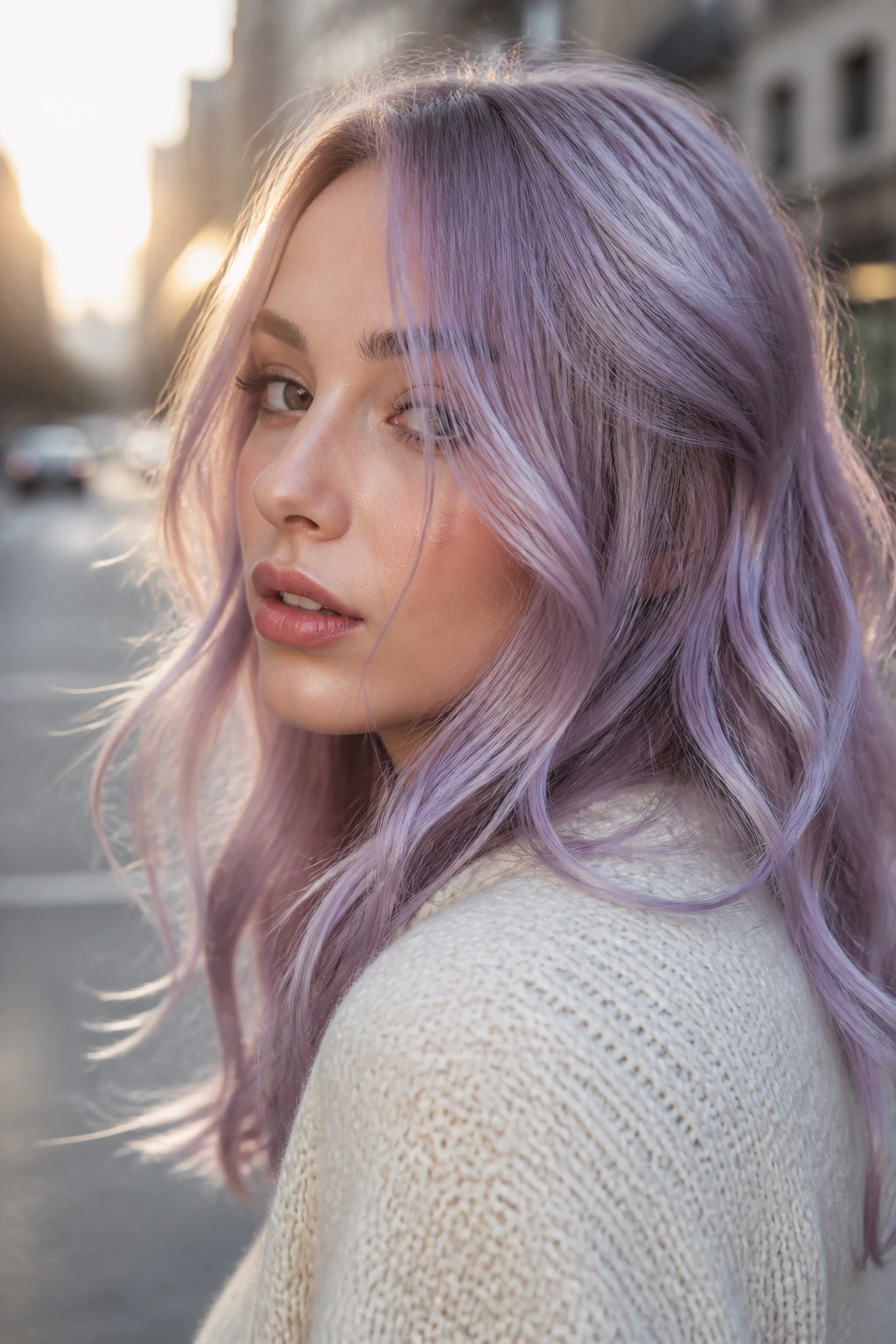
Think of the color of a light purple flower at dawn. Lilac mist is significantly lighter and more transparent than a dusty lavender. It works for thin hair if you use it as an accent or a balayage. If you have a dark natural root, keeping a bit of that root visible while painting the mid-lengths and ends with lilac mist creates an ombre effect that adds serious dimension.
11. Buttercream Blonde
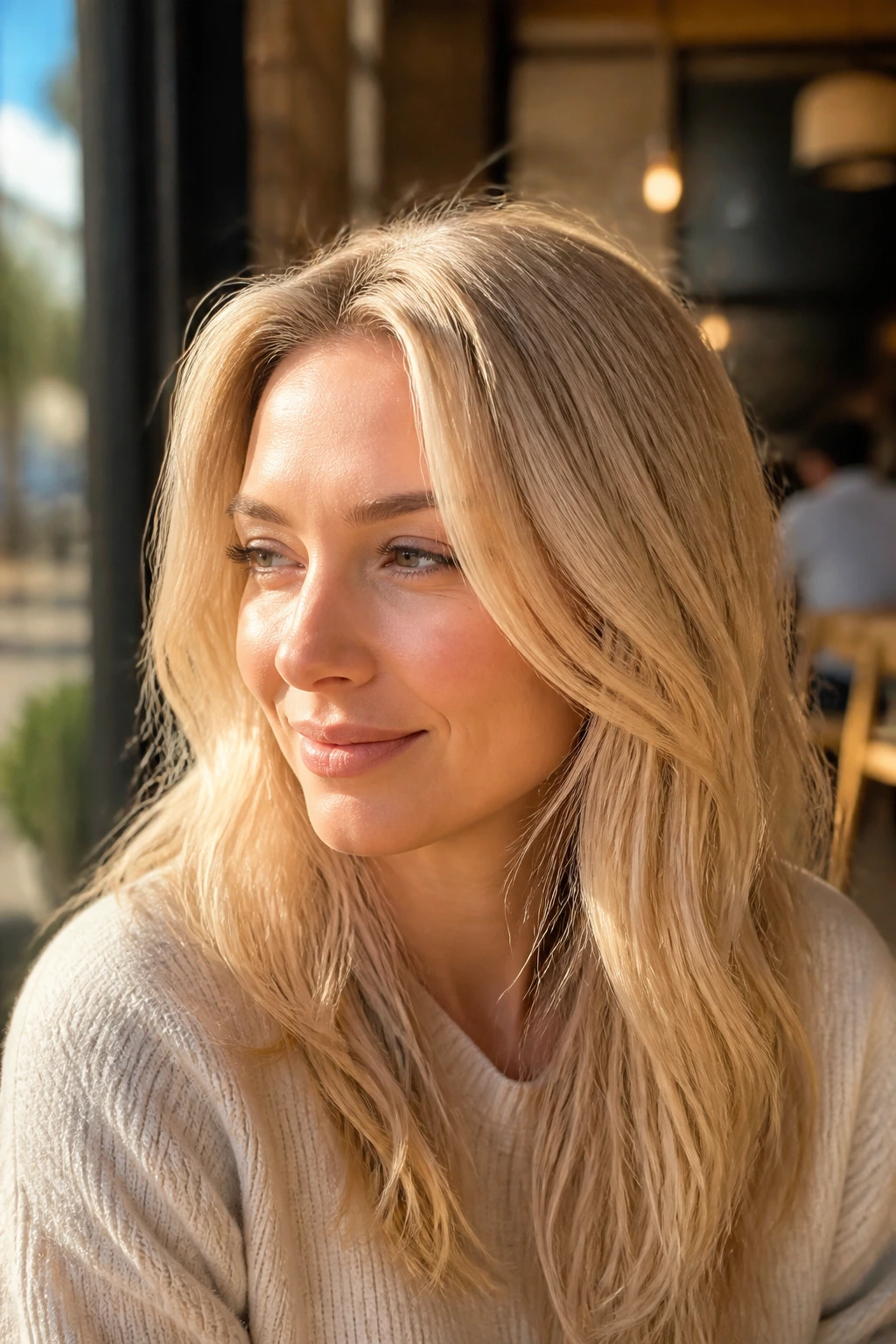
Buttercream is a bit more yellow-forward than standard vanilla. This is a great choice if you are someone who likes the look of light hair but hates how platinum makes your fine hair look flat. The extra warmth in buttercream adds a “glowing” quality to the hair.
The Role of Glow
- Glowing, warm hair absorbs more light than matte, ash-toned hair.
- This light absorption helps hide the scalp, which is a major concern for those dealing with density issues.
12. Soft Apricot
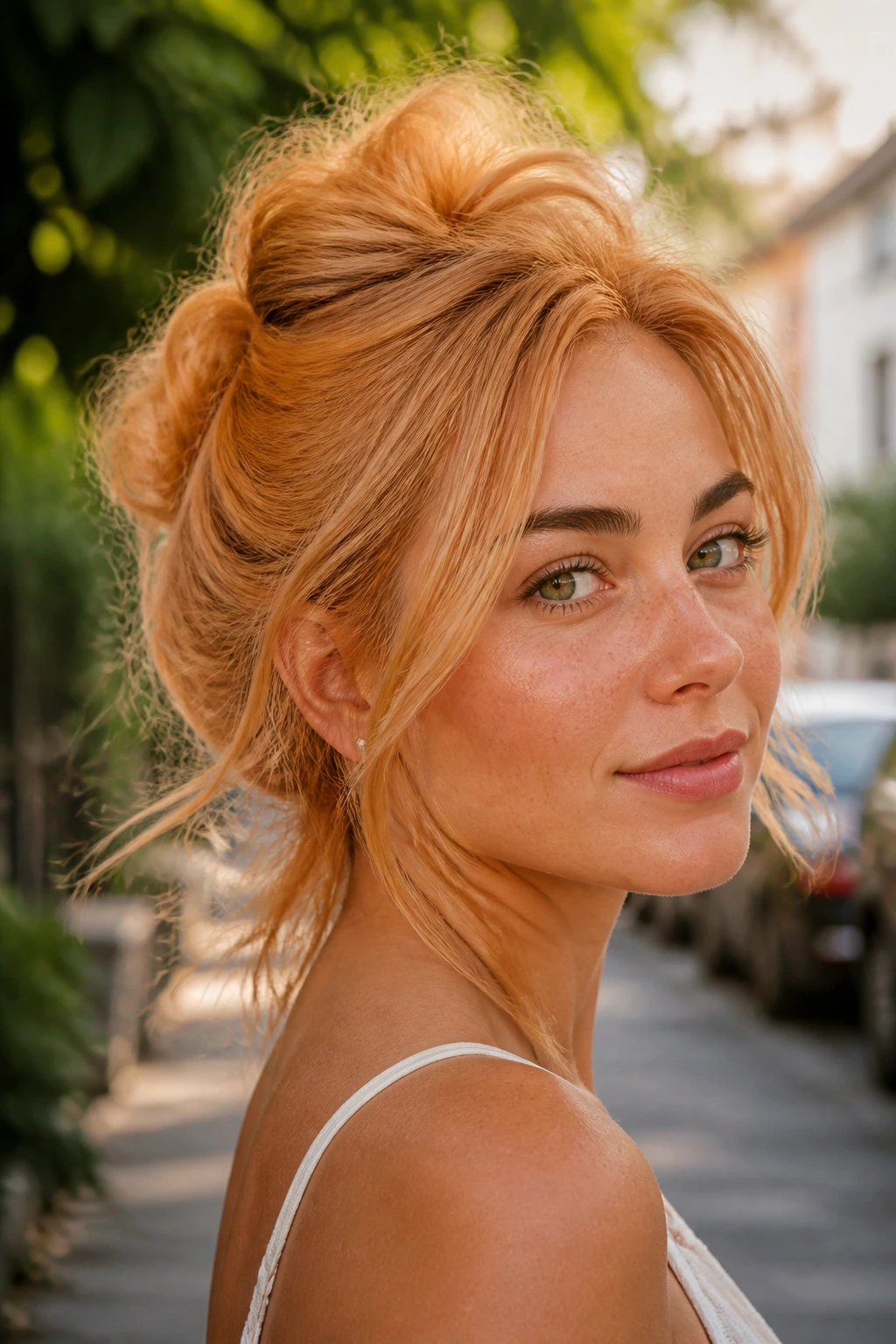
Apricot is a bit deeper and more saturated than pale peach. It feels very energetic and is perfect if you want a color that stands out without being neon. Because it is a more pigmented shade, it is excellent for covering areas where you might feel your hair is too thin.
Styling for Apricot
- A tousled, messy bun is the perfect way to style this color.
- The texture of the messy bun combines with the apricot pigment to make your hair look thicker.
13. Icy Mint
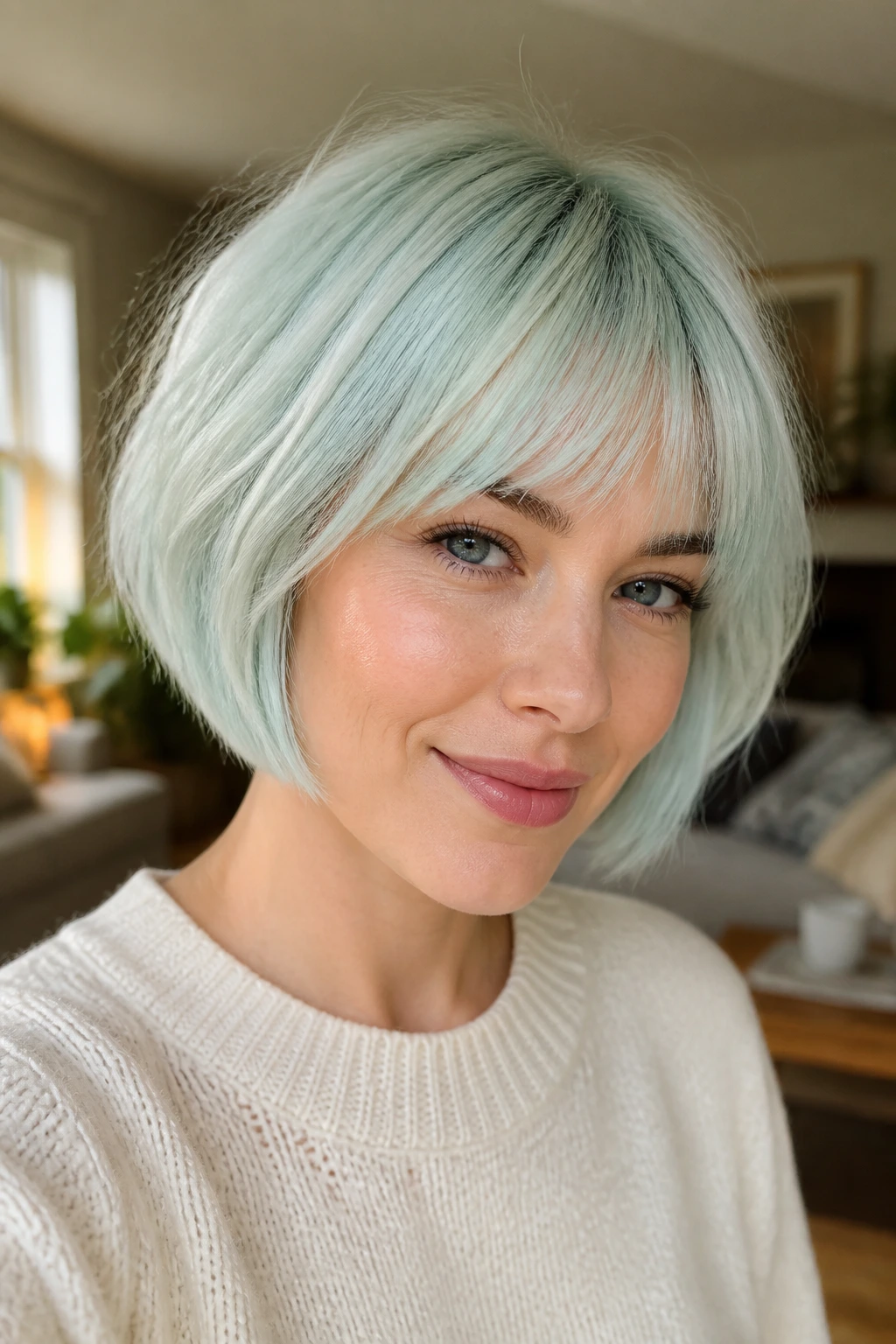
Icy mint takes the softness of mint green and adds a touch of glacial silver. It is crisp and sharp, which is a great look if you have a shorter, bob-style haircut. Short hair already has the advantage of appearing thicker, and adding an icy mint color only reinforces that structure.
14. Sweet Pea Pink
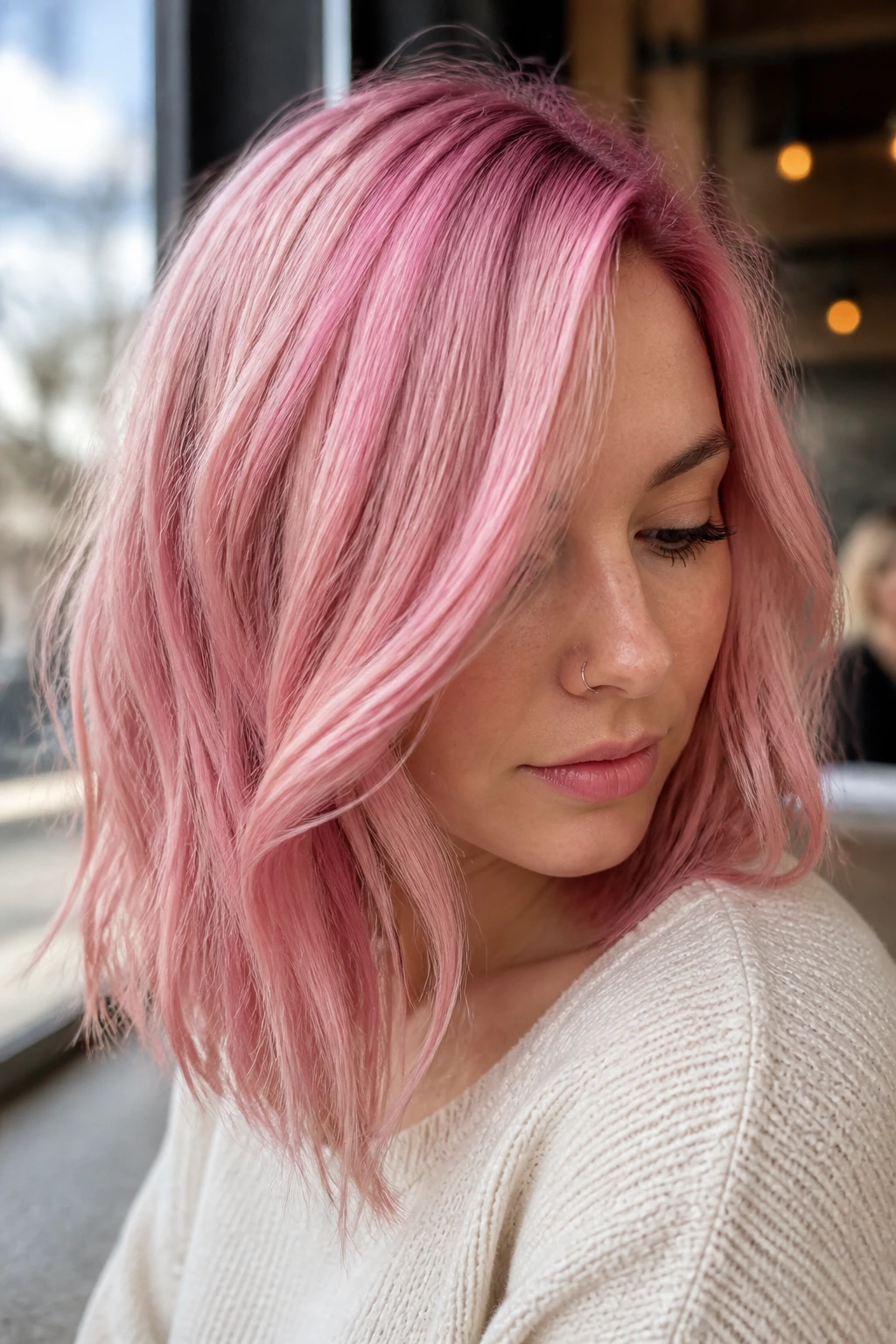
Sweet pea pink is a bit more vibrant than rose quartz. It has a slightly more “fuchsia” edge. If you have thin hair, you can use this as a “lowlight” color. By mixing a deeper sweet pea pink into a lighter blonde base, you create artificial density. This is a common trick used in editorial styling to make thin hair look like it has layers of color.
15. Pale Azure
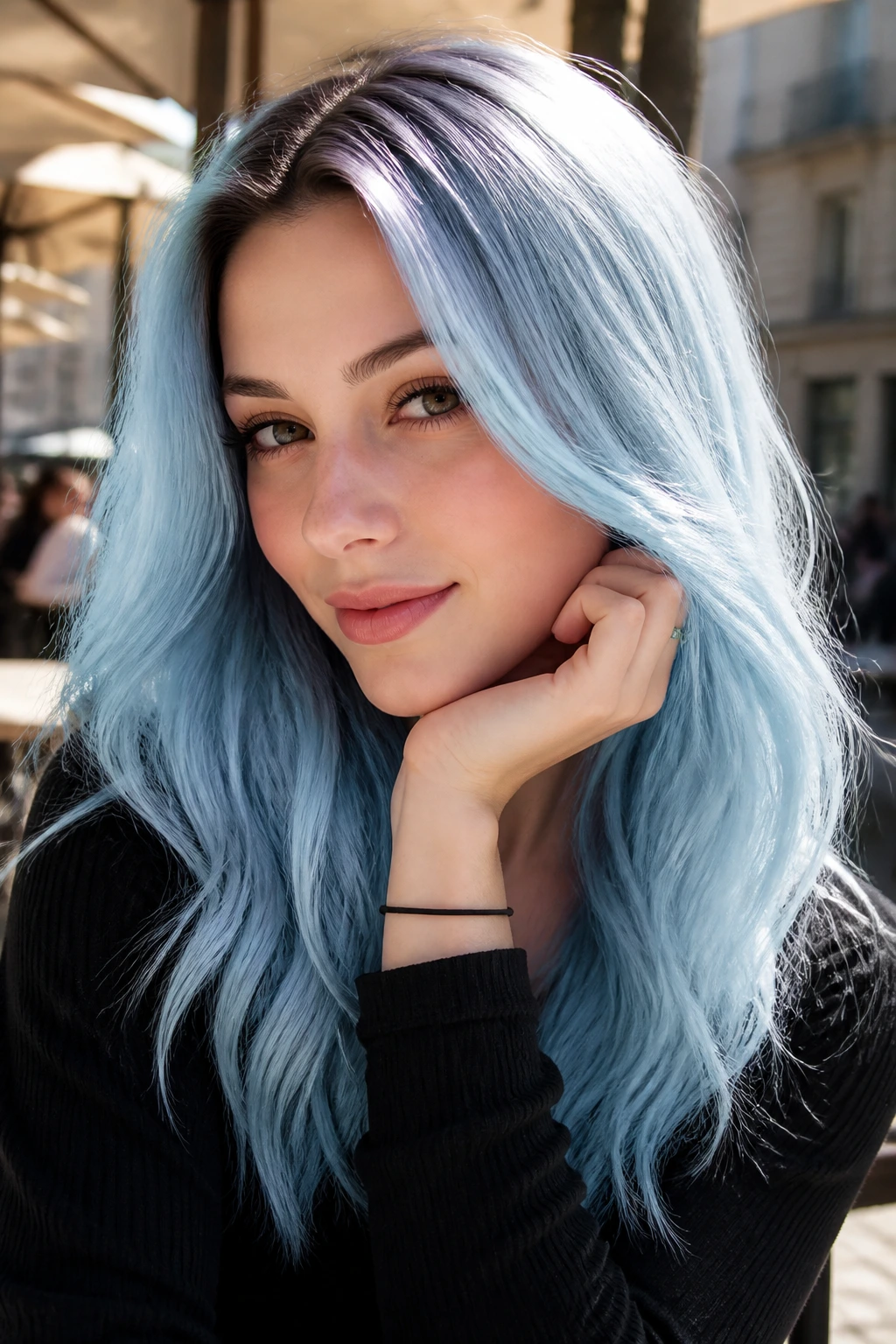
Azure is a sky-blue shade. It is very light, very bright, and very fun. If you have fine hair, ensure your stylist uses a “shadow root” technique here. This is where the root is left closer to your natural, darker color, and the azure begins a few inches down. This creates a gradient that makes the hair feel “grounded” rather than wispy.
16. Lemon Chiffon
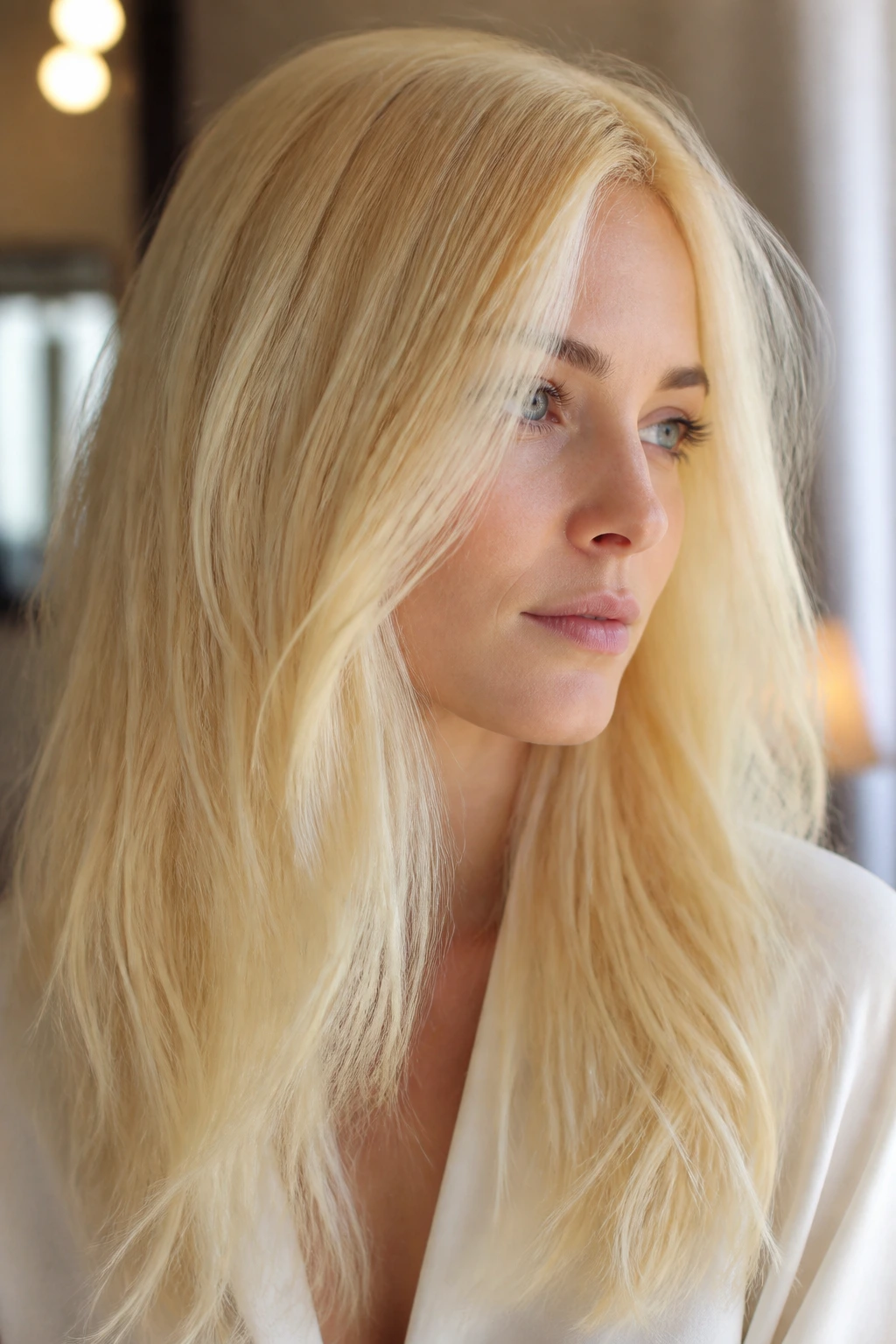
Lemon chiffon is almost translucent. It’s a very high-fashion, delicate color. If your hair is extremely fine, this color can be a risk, so make sure you are working with a professional who can maintain the integrity of your hair. You need healthy hair for a shade this light; if it’s damaged, it will break, which is the opposite of what we want.
17. Seafoam Green
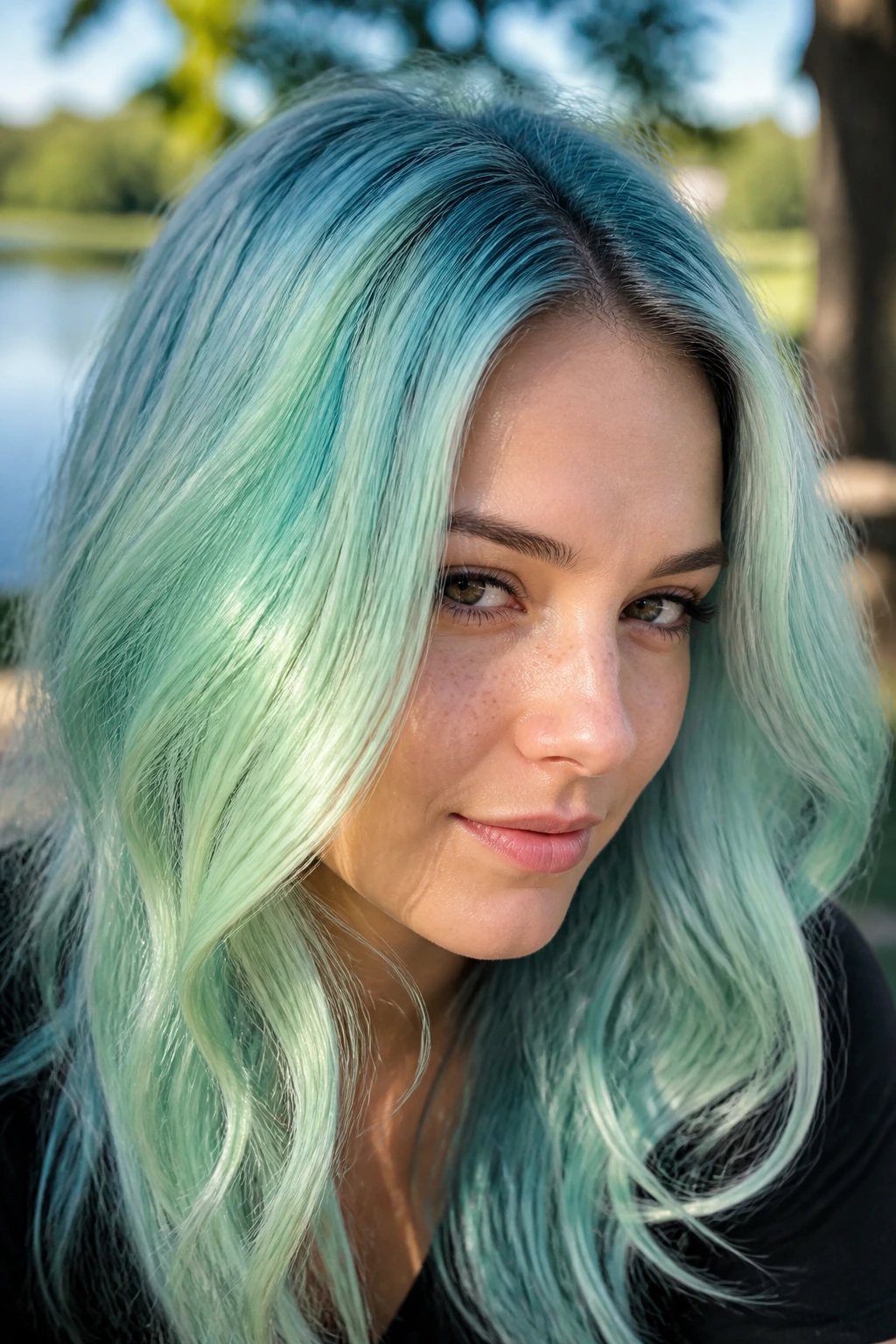
Seafoam combines mint and light blue. It is a very aquatic, refreshing shade. It looks stunning on those with blue or green eyes. Like other lighter tones, it benefits from a root-melt technique to ensure you don’t look like you have no hair at all.
18. Marshmallow White
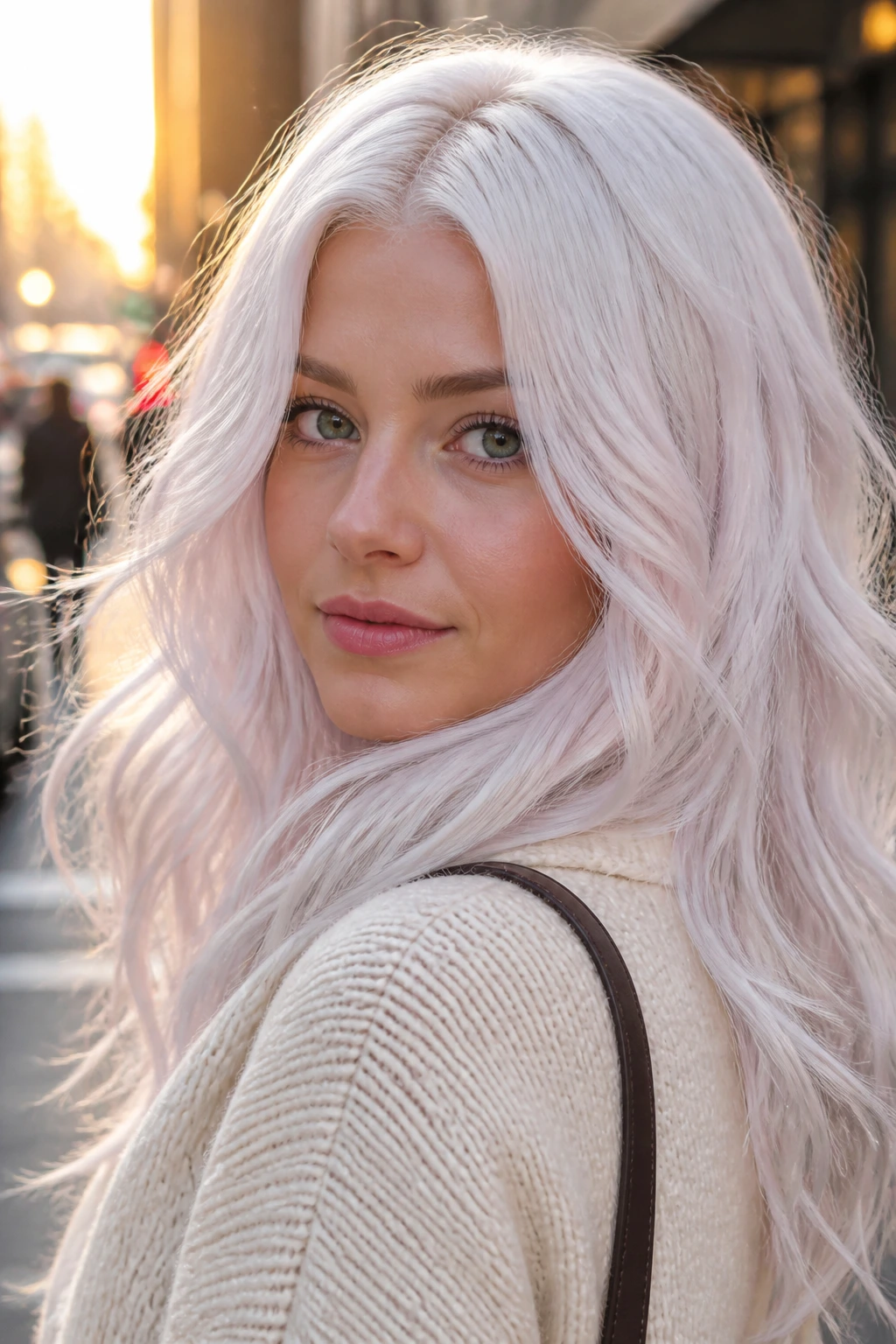
This is a soft, matte white with the slightest hint of pink or blue depending on the undertone. It’s incredibly chic. For thin hair, treat this as a high-fashion option that requires a lot of texture styling to prevent the “flat” look.
19. Dusty Rose
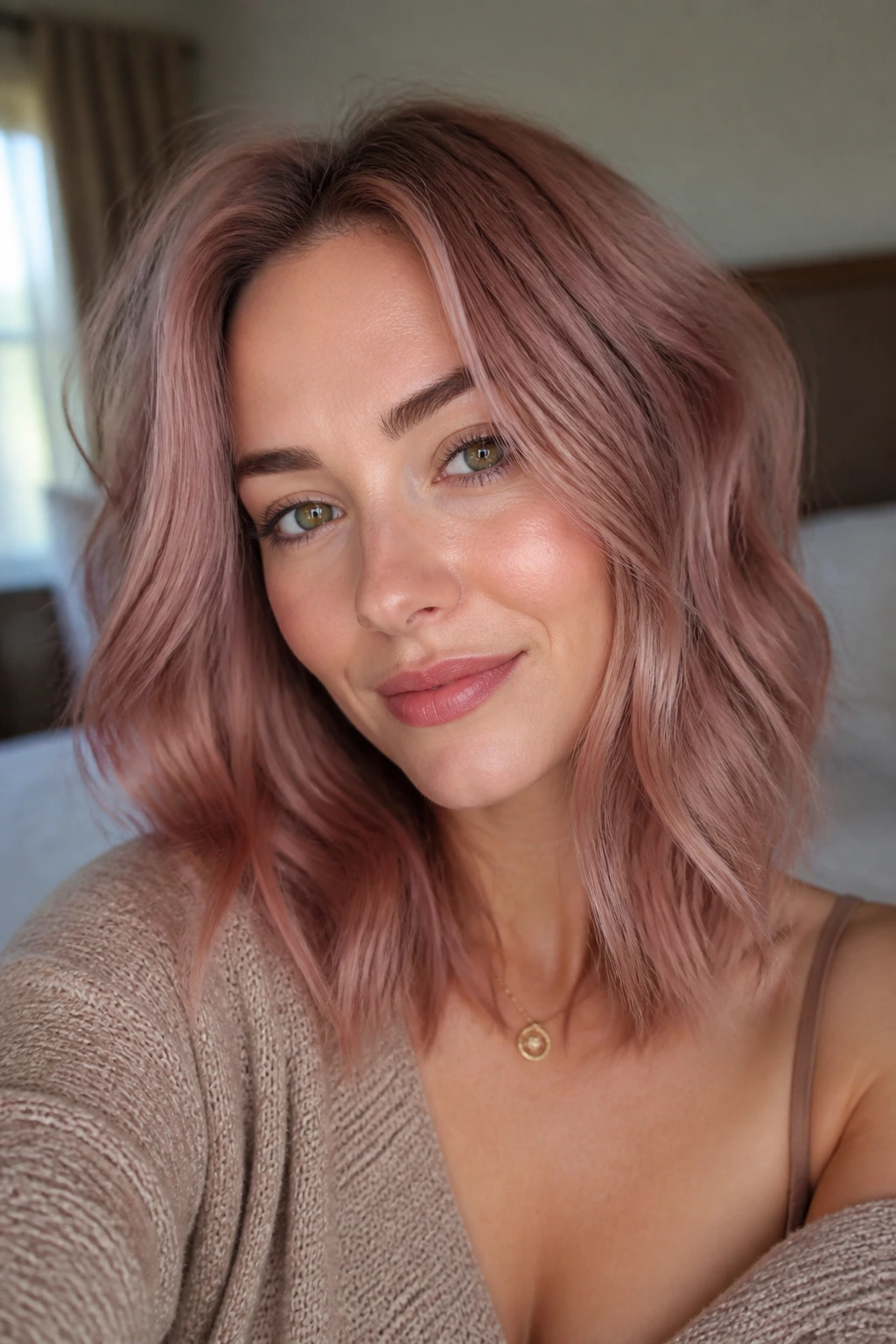
Dusty rose is a classic for a reason. It is more sophisticated and grown-up than the brighter pinks. It works for every age and every hair type. The slight brownish tint in the “dusty” part of the color provides that extra weight we’ve been talking about, helping thin hair look fuller.
20. Sunny Yellow
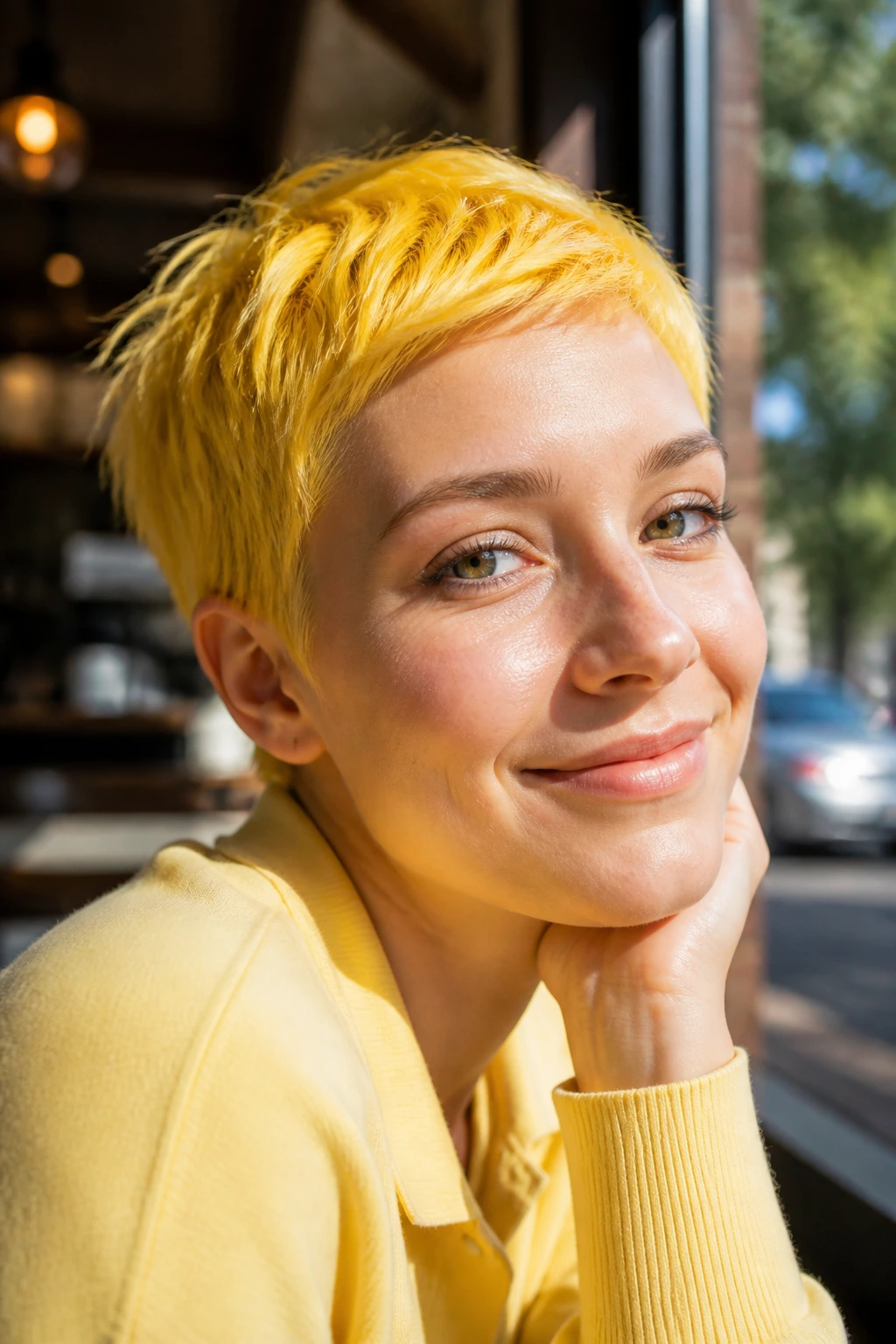
Sunny yellow is bold. It is the color of a dandelion. If you have the confidence to rock this, it is actually a very smart color for thin hair because of how intensely it reflects light. It basically acts like a highlighter for your scalp, making everything look bright and intentional.
21. Violet Pastel
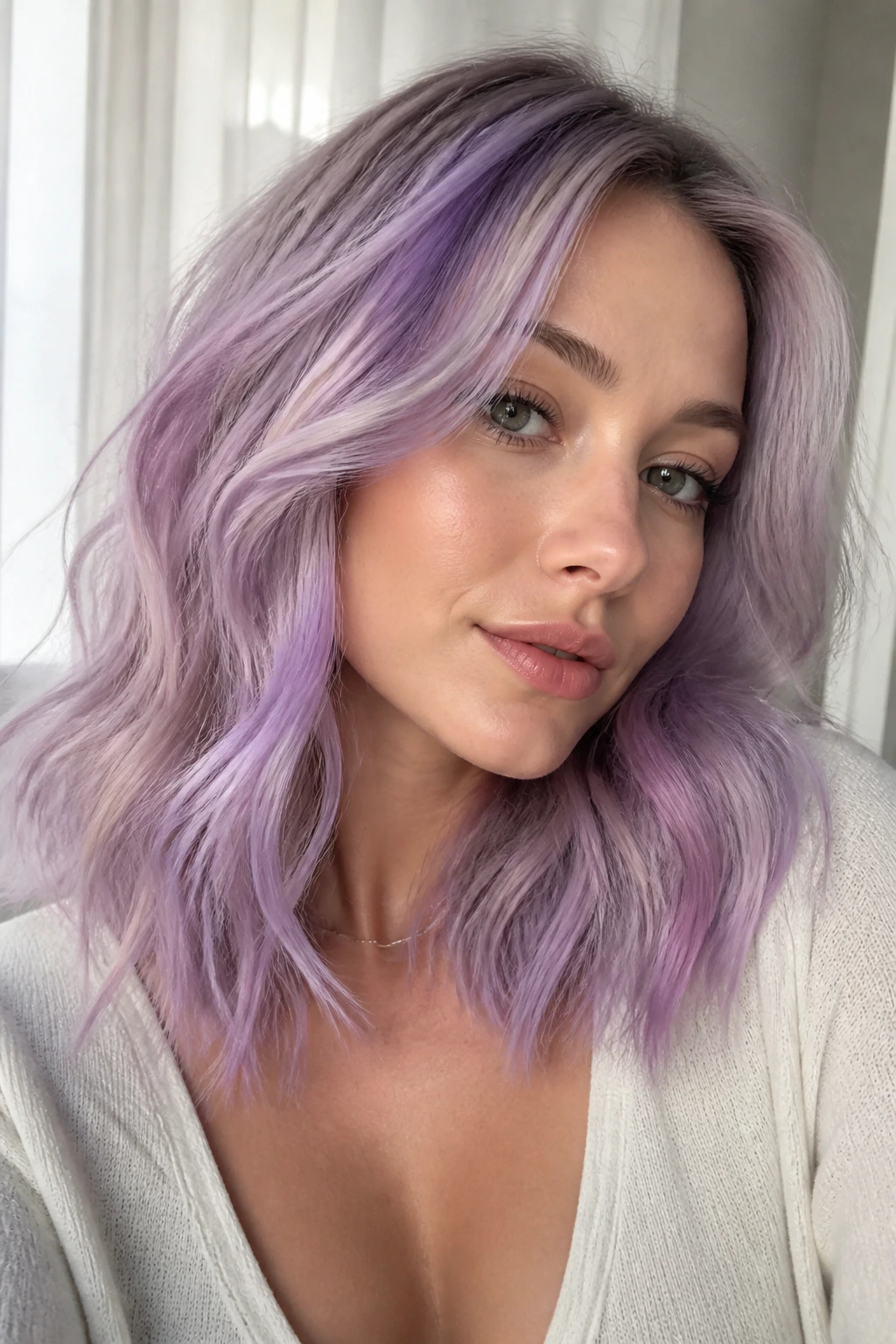
Violet pastel is a clean, clear purple. It doesn’t have the gray of lavender or the blue of periwinkle. It is pure, bright purple. It’s a great accent color if you want to spice up a blonde base without doing your whole head.
22. Spring Orchid
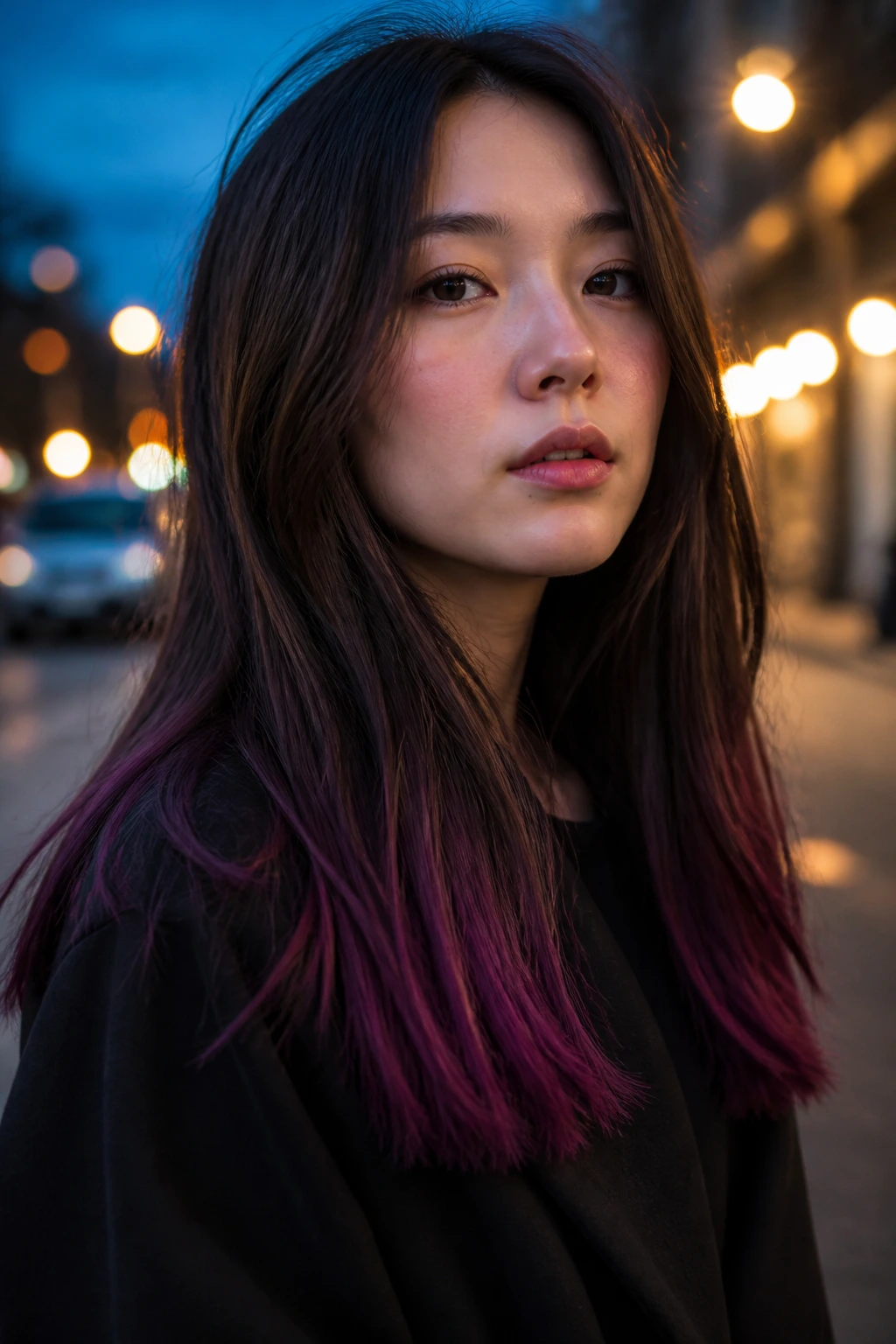
This is a magenta-leaning purple. It is deep and rich. If your hair is very fine, using a deeper shade like orchid on your ends can create the illusion of a heavier, blunter cut. It’s a subtle optical illusion that works every single time.
Understanding the Texture Factor
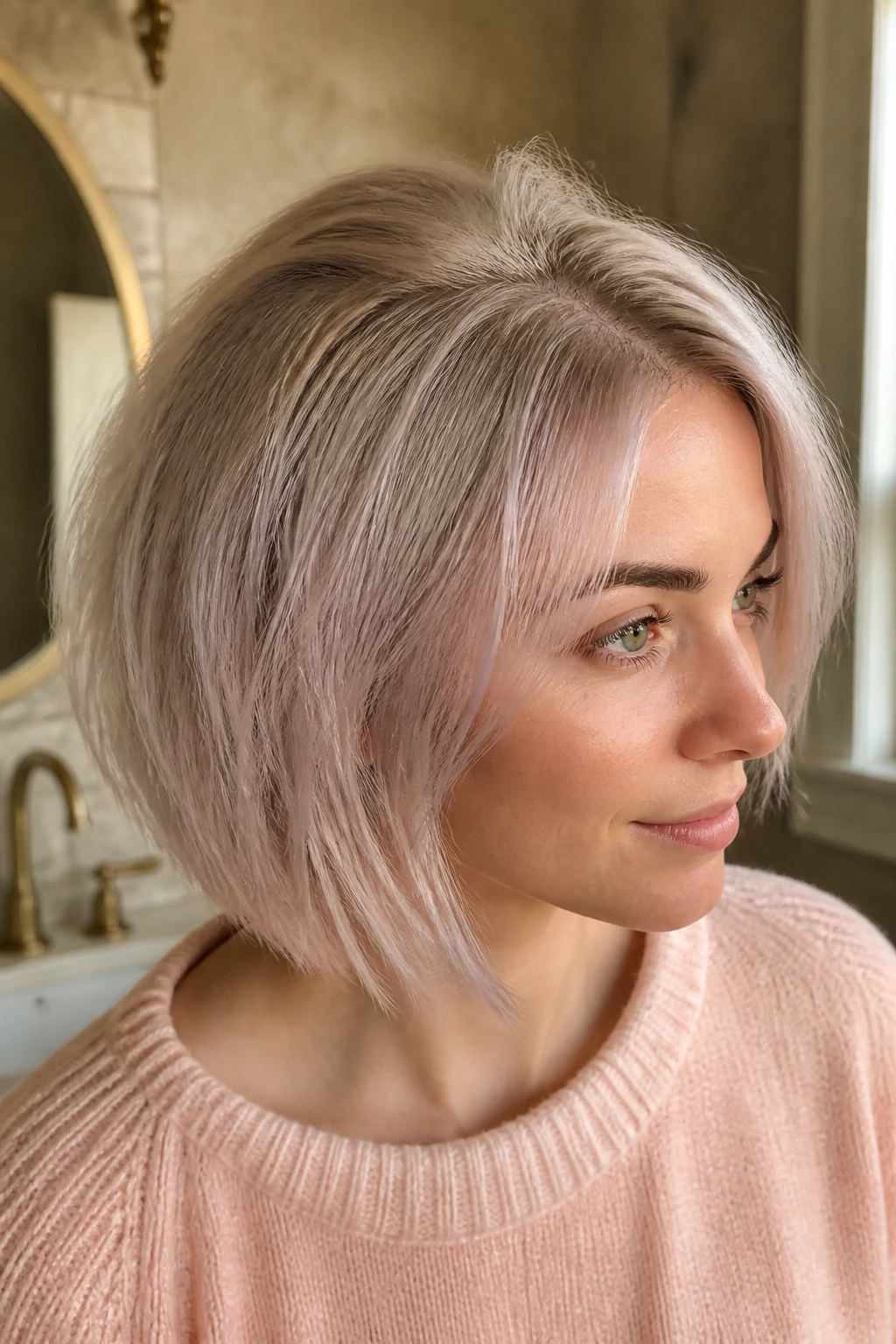
When dealing with thin hair, the color is only half the battle. You must pair these Easter-inspired shades with products that support hair health and volume. Fine hair is incredibly susceptible to damage from the bleaching process required to achieve these pastel shades. Always, and I mean always, ask for a bond-building treatment during your color service. This keeps the hair structure intact, preventing the breakage that would make your hair look even thinner.
Beyond the salon chair, the way you maintain the color matters. Pastels are notoriously high-maintenance because they fade quickly. To keep your hair looking thick and healthy, avoid washing it daily. This allows your natural oils to protect the strands and keeps the hair from getting dry and brittle. Dry shampoo is going to be your best friend. Look for tinted dry shampoos if possible; they can add a bit of visual “bulk” to the roots, hiding the scalp and making the hair look much more dense.
The Importance of the Cut
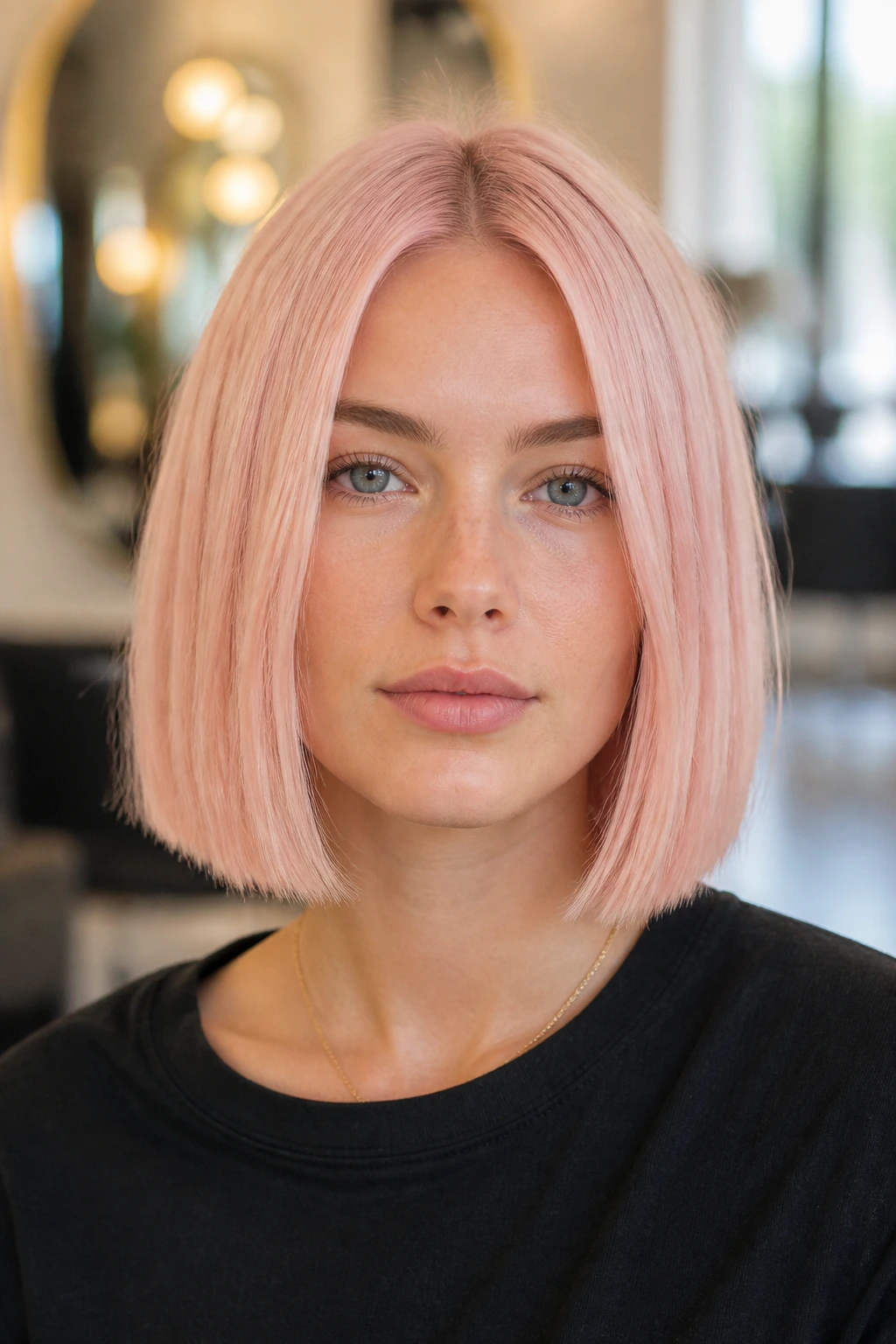
A color job is only as good as the haircut supporting it. For thin hair, blunt cuts are almost always better than heavily layered ones. When you have thin hair, layers can sometimes make the ends look stringy. A blunt bob or a solid-length cut with a few face-framing pieces provides a “weight” to the bottom of the hair that makes it appear thicker. Pair this with a soft Easter shade like pale daffodil or rose quartz, and you have a look that is both trendy and strategically sound for your hair type.
Another thing to consider is styling tools. Heat damage is the enemy of thin hair. When you are rocking these beautiful pastel colors, keep your styling tools at a low temperature. High heat can make thin hair appear wispy and frizzy, which detracts from the vibrant color you just invested in. Use a heat protectant spray—it doesn’t have to be heavy. A light, mist-based protectant will do the job without weighing down the fine strands.
Final Thoughts
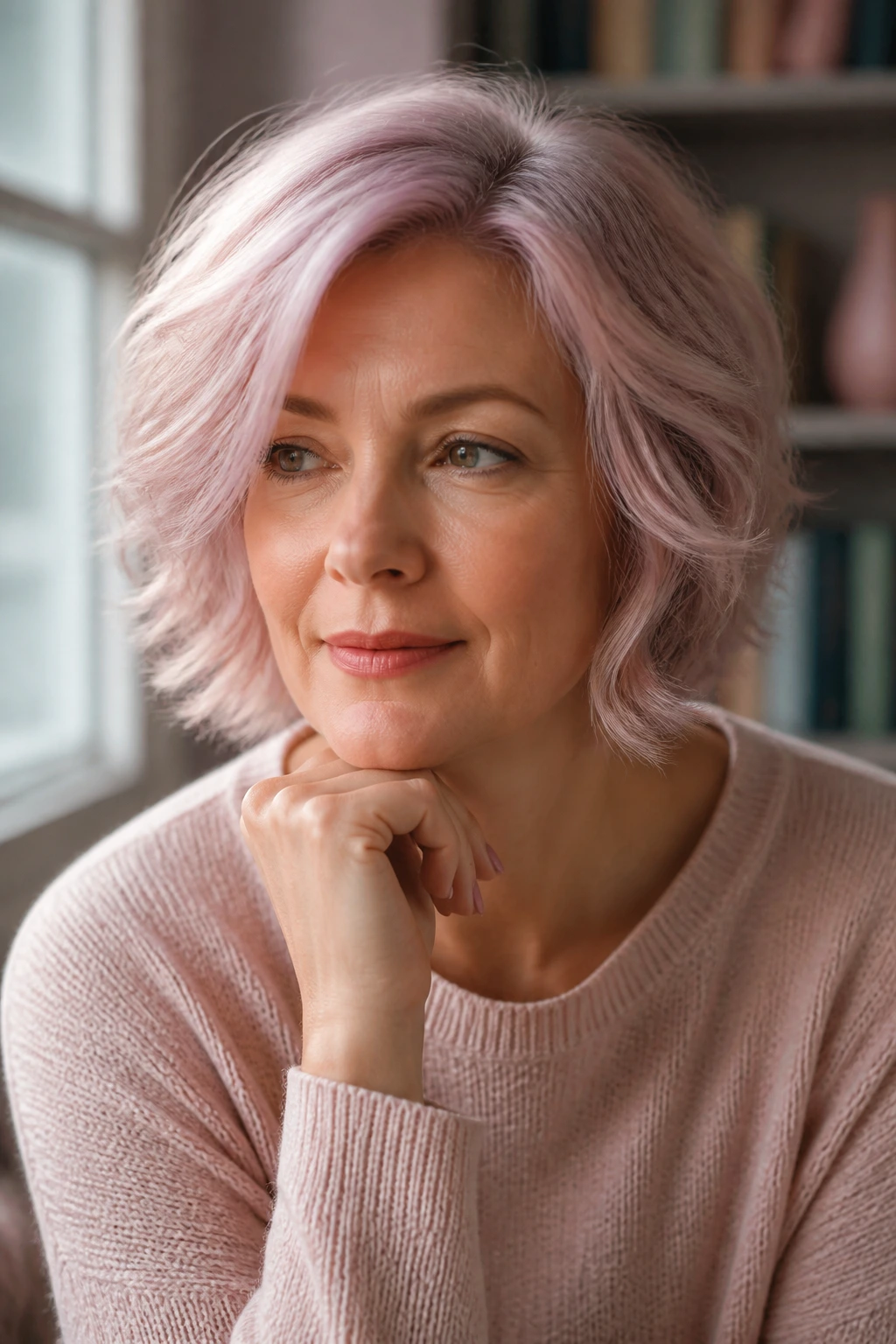
Ultimately, the best color for your thin hair is the one that makes you feel the most confident. Whether you go for a bright, sunny yellow or a soft, muted lavender, the key is to remember that dimension is your best friend. By mixing tones, keeping your roots slightly darker, and maintaining the health of your hair, you can absolutely rock the spring trends without worrying about your hair looking flat or lifeless.
The Easter palette is all about renewal and freshness. Take this opportunity to experiment with these soft, airy hues. Your hair is a canvas, and even if it’s fine or thin, it has the potential to look rich, textured, and full of life if you treat it with the right techniques and a little bit of color science. Enjoy the process of transitioning into a lighter, brighter season.