

Braiding your hair is more than just a styling choice; it is an act of preservation, a bridge to ancestral traditions, and for many, the ultimate convenience. You sit in that chair for hours, the rhythmic parting of hair becoming a meditative soundtrack to your day. When you finally stand up and see the result in the mirror, the transformation isn’t just aesthetic—it’s a feeling of readiness. Whether you are aiming for scalp health, length retention, or simply looking to bypass the daily ritual of heat styling, the world of braided hair is vast and deeply personal.
The beauty of these styles lies in their versatility. You can go from a professional, sleek aesthetic to a bohemian, free-spirited look just by changing the parting or the texture of the extension hair. If you are new to the world of braids, or if you are simply looking for your next look, understanding the construction of these styles is vital. Some require synthetic hair for longevity and tension, while others rely entirely on your natural texture. Knowing which is which can save your edges and your time.
1. Knotless Braids
Knotless braids have become a standard in hair salons across the globe, and for good reason. Unlike traditional box braids that start with a tight, bulky knot of synthetic hair right at the scalp, this method feeds the extension hair into your natural strands gradually. This creates a smooth, flat transition that feels like your own hair from the moment you leave the chair.
Why They Are Worth the Time
- They put significantly less tension on your follicles, which is essential for preserving your hairline.
- The lack of a knot means they move more freely, allowing for high ponytails or messy buns immediately after installation.
- Because they are lighter, you don’t experience that heavy, pulling sensation that often comes with traditional methods.
Pro tip: If you have fine or thinning hair, ask your braider to keep the base of the braid slightly larger to ensure there is enough density to support the weight of the extension.
2. Classic Box Braids
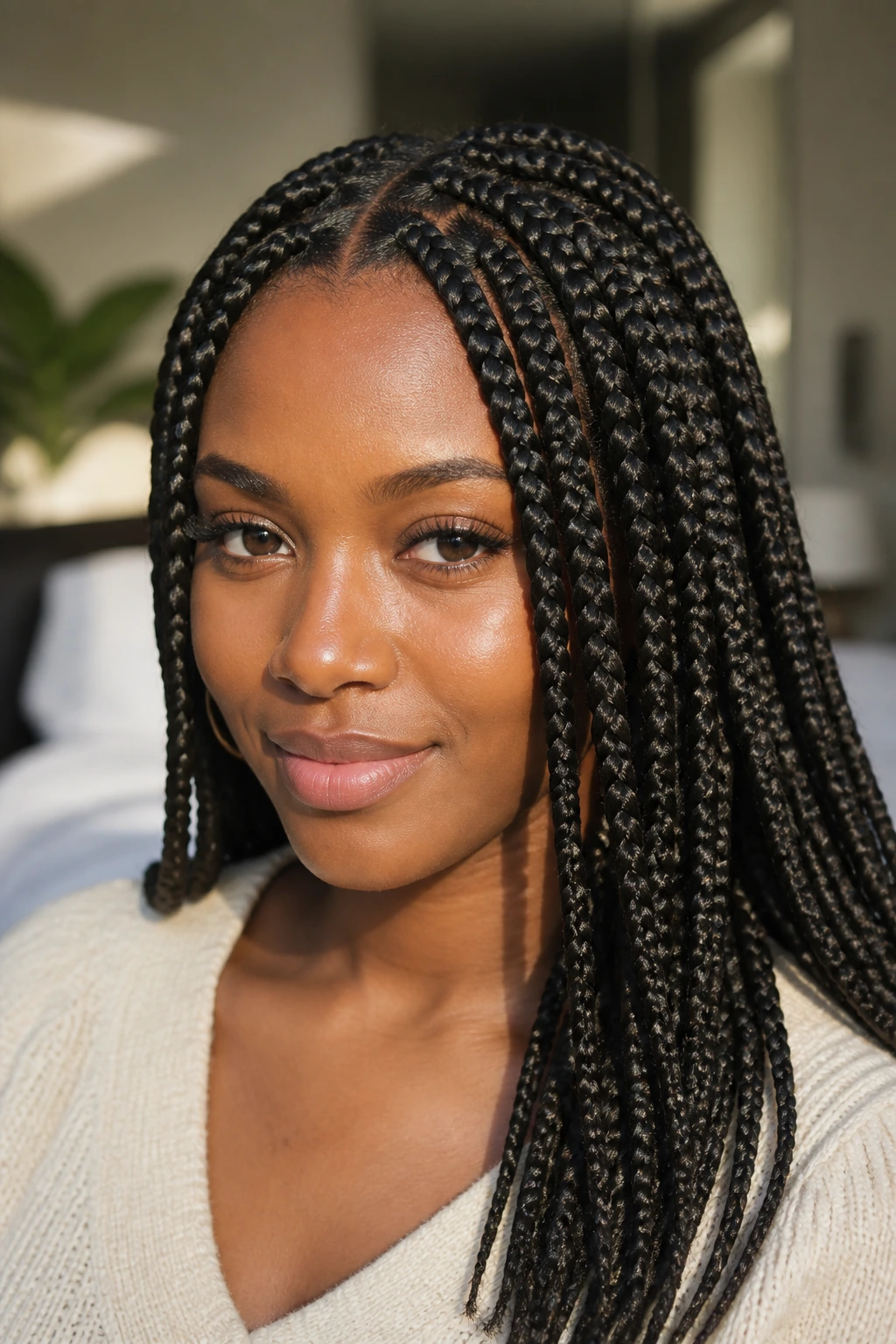
When you think of the quintessential protective style, you are likely picturing box braids. These are individual plaits that can be styled in any length, thickness, or color. They remain the gold standard for versatility because they offer a uniform look that stays neat for weeks at a time.
The Mechanics of the Box
The grid system used for box braids is where the magic happens. A skilled braider uses a tail comb to create precise, square-shaped parts across your entire scalp. This structure is what gives the style its “box” name.
Maintaining the Shape
- Wrap your hair in a silk or satin scarf every single night to prevent frizz and flyaways.
- Keep the parts clean by using a light oil or scalp cleanser on a cotton pad once a week.
- Avoid heavy, greasy products that will cause buildup and lead to premature itching.
3. Goddess Braids
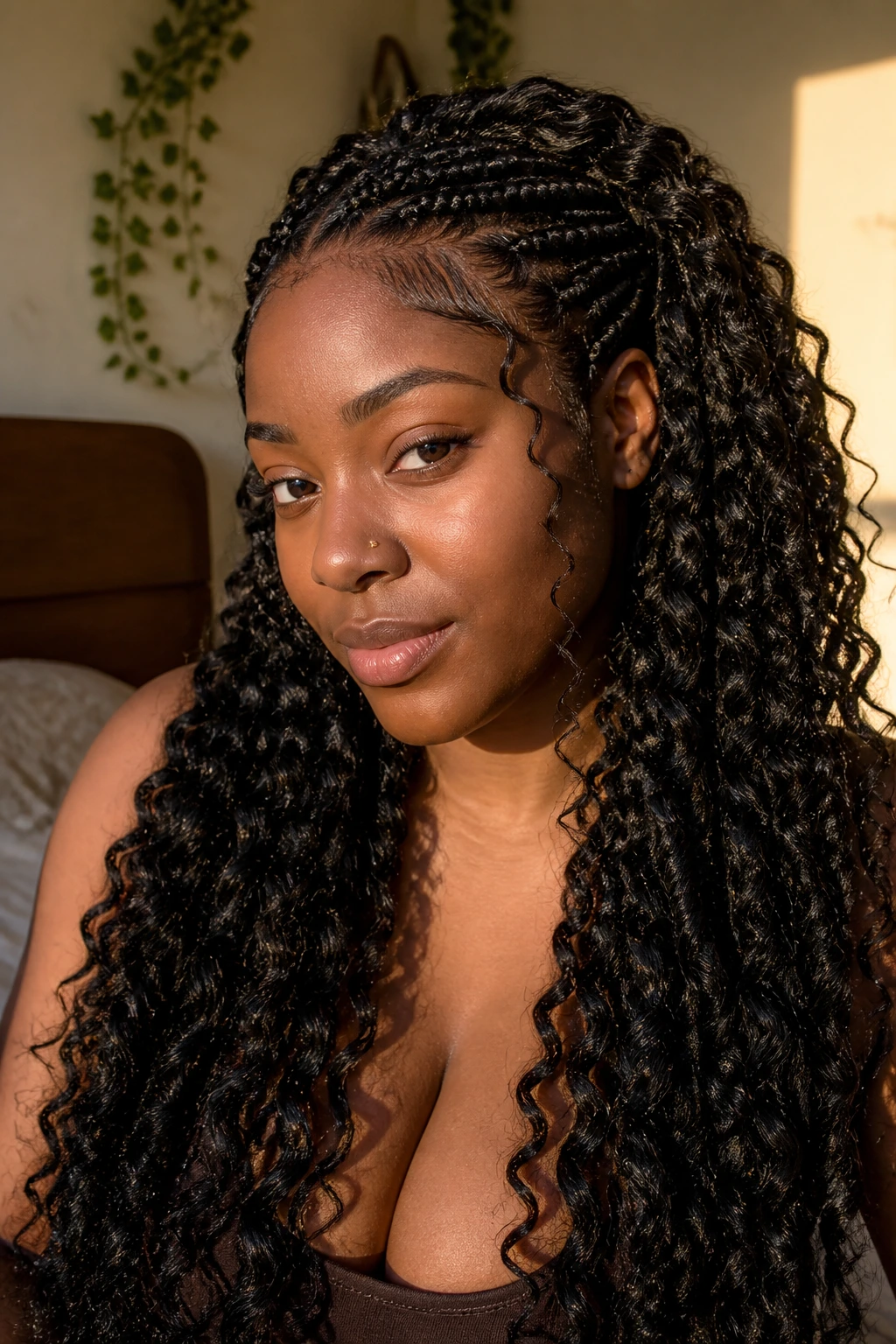
If you want a look that feels ethereal and soft, goddess braids are the answer. These are essentially box braids or cornrows, but they are finished with loose, curly ends that hang free. The contrast between the tight, structured braid and the flowing, textured curls gives the style a romantic, whimsical energy.
Choosing the Right Hair Texture
To get the “goddess” look, you need extension hair that holds a curl. Many people use human hair or high-quality synthetic “water wave” hair for the loose ends. If you use cheap synthetic hair, it will likely tangle within days. Look for brands that offer “human hair blends” or premium pre-curled synthetic textures specifically labeled for boho or goddess styles.
4. Feed-In Cornrows
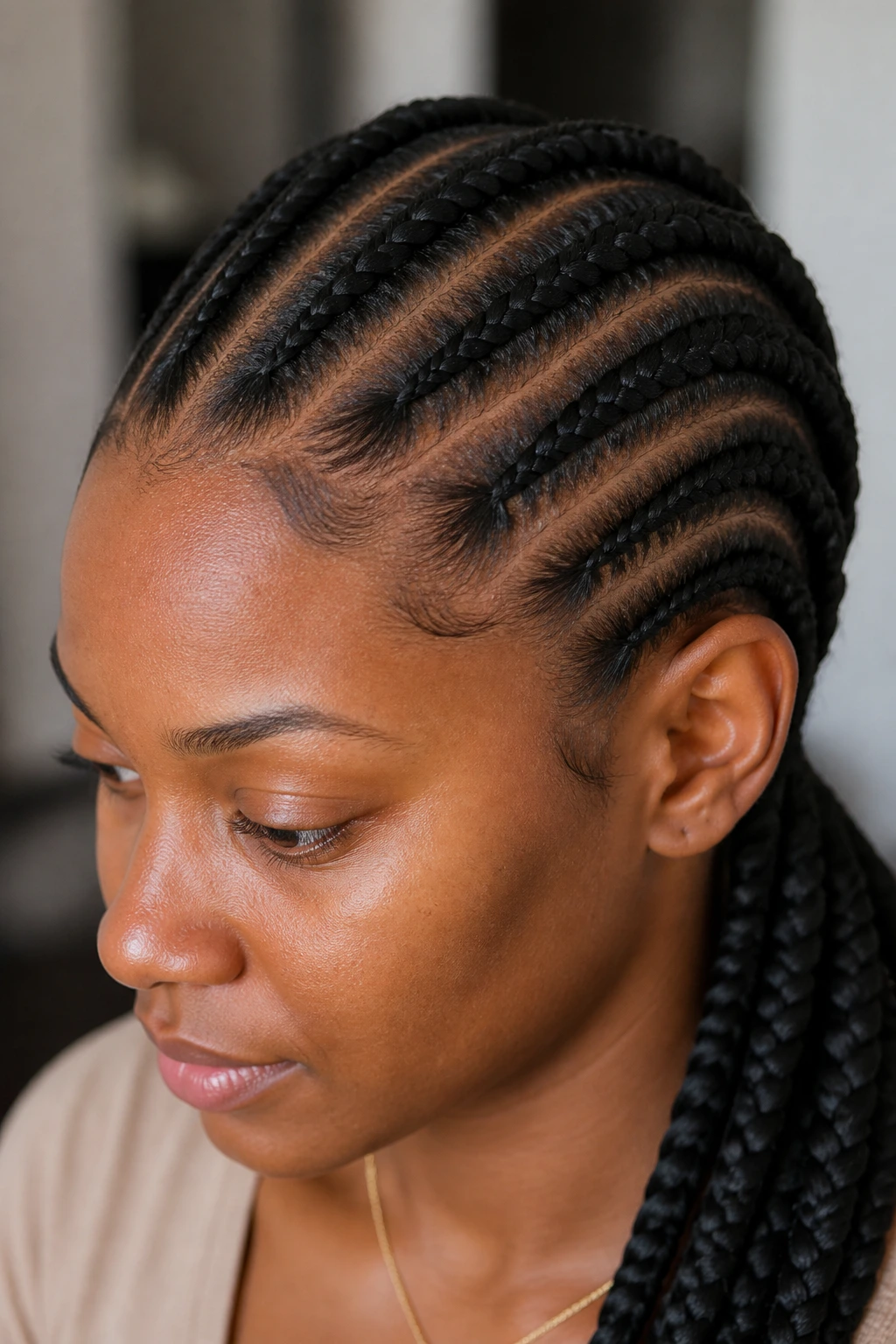
Feed-in cornrows are designed to mimic the look of natural hair growing out of the scalp. By gradually adding small pieces of extension hair as the braid progresses, the braider creates a seamless, natural-looking start. This technique is perfect for those who want a sleek look without the weight or “stiffness” of traditional cornrows.
Precision is Everything
The key to a great feed-in style is the taper at the hairline. A good braider will ensure that the first inch of the braid is almost entirely your own hair, creating a “natural-born” illusion that is incredibly difficult to spot.
5. Fulani Braids
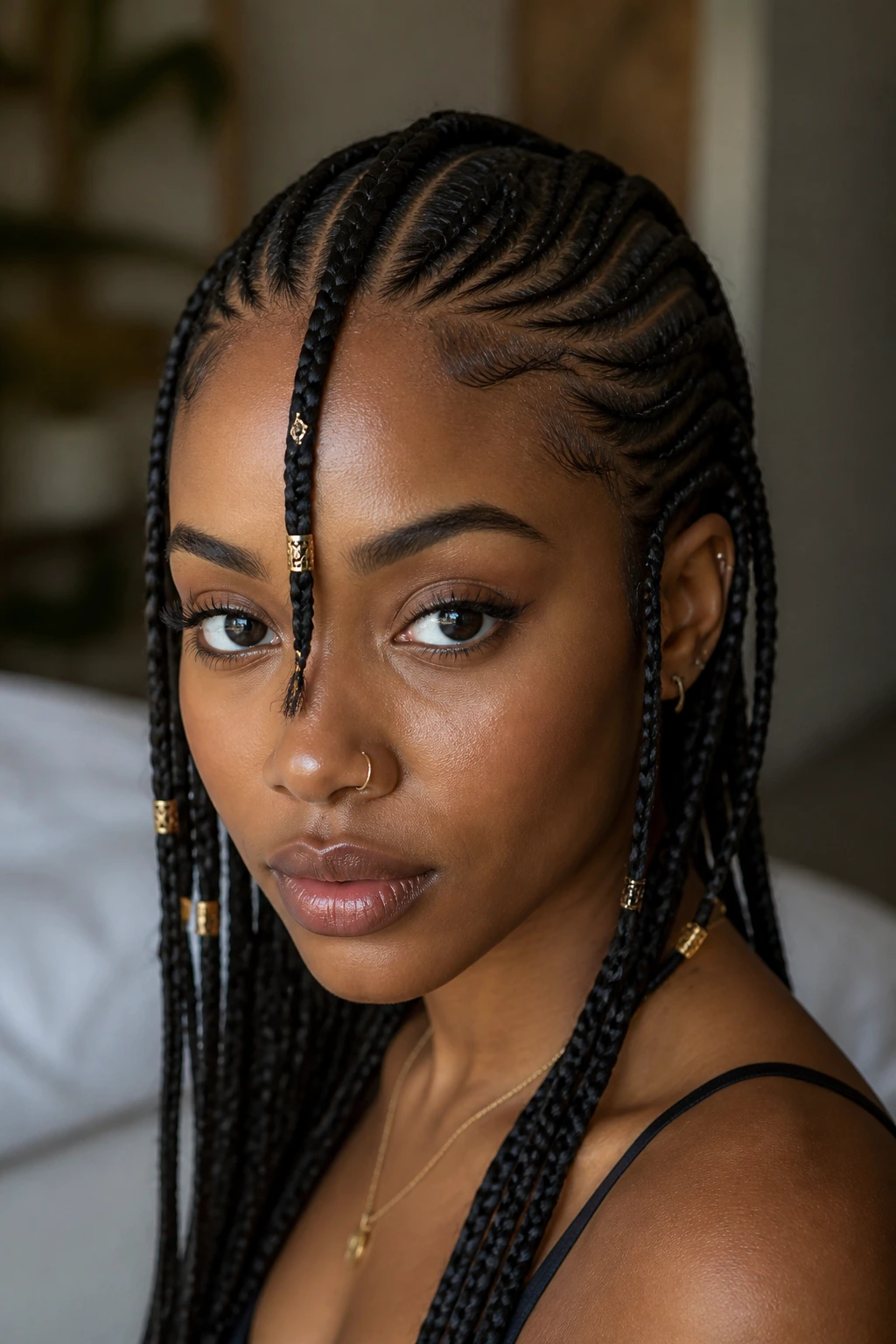
Named after the Fula people of West Africa, these braids are characterized by their intricate patterns, often featuring a center braid that runs down the middle of the scalp, combined with cornrows that feed into the sides. They are frequently accessorized with gold beads, cuffs, or shells, which add a layer of cultural depth and personal flair.
Accessorizing for Impact
Don’t be afraid to mix and match your hardware. Using wooden beads on some braids and gold metal cuffs on others creates a beautiful, layered look. Just be mindful of weight; adding too many metal cuffs to the front can pull on your delicate edge hairs, so stick to the mid-lengths if you are worried about tension.
6. Passion Twists
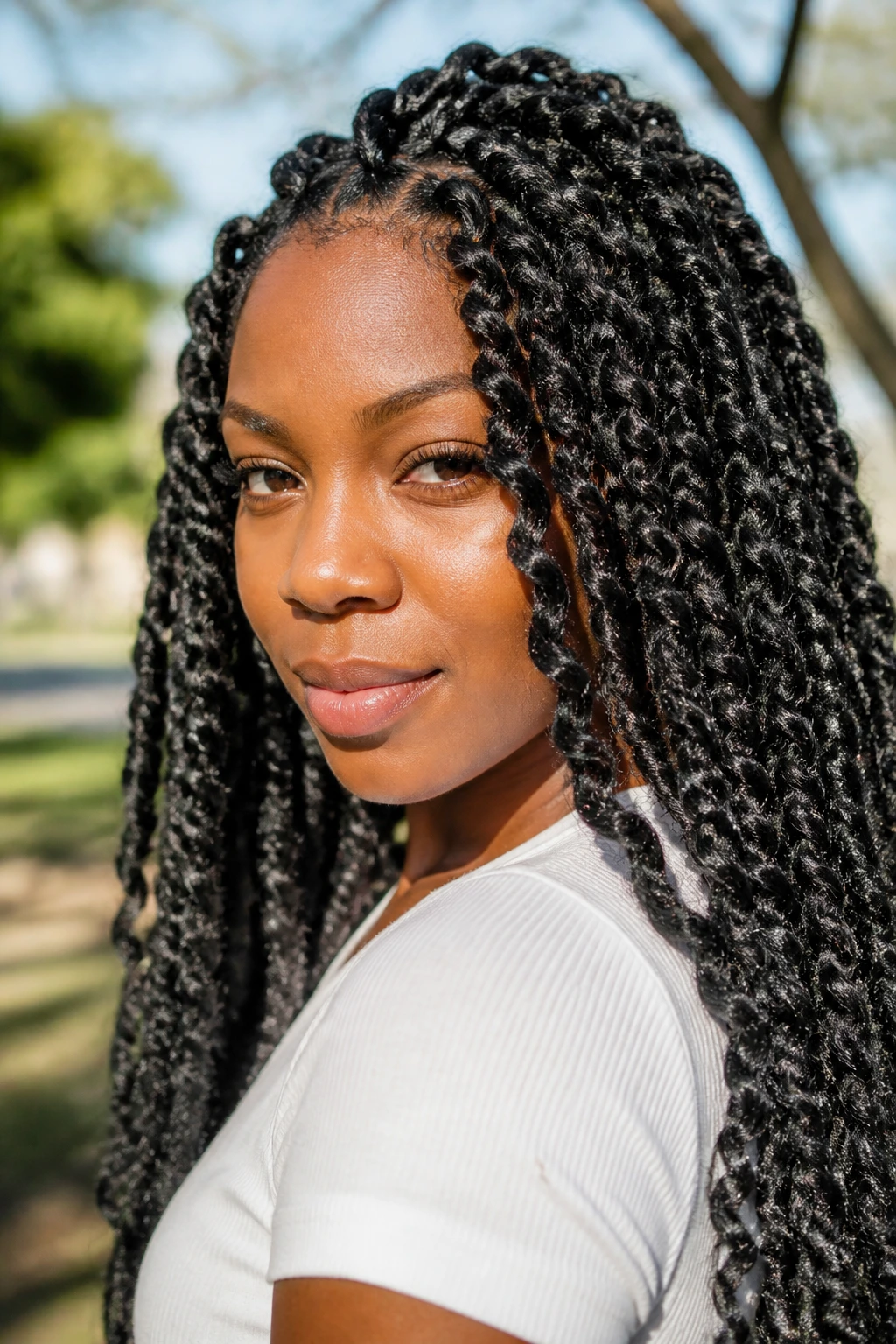
Passion twists are a soft, bohemian alternative to traditional Marley or Senegalese twists. They are created using a specific type of curly braiding hair that, when twisted, creates a messy, textured, and incredibly natural look. They are perfect for people who want a low-maintenance style that looks “lived-in” from day one.
The Lifecycle of the Twist
- These are meant to look slightly fuzzy; do not try to make them look too perfect.
- They are typically installed using the crochet method, which is much faster than individual twisting.
- If they start to look too messy, you can simply re-twist the ends with a little bit of mousse to restore the curl pattern.
7. Tribal Braids
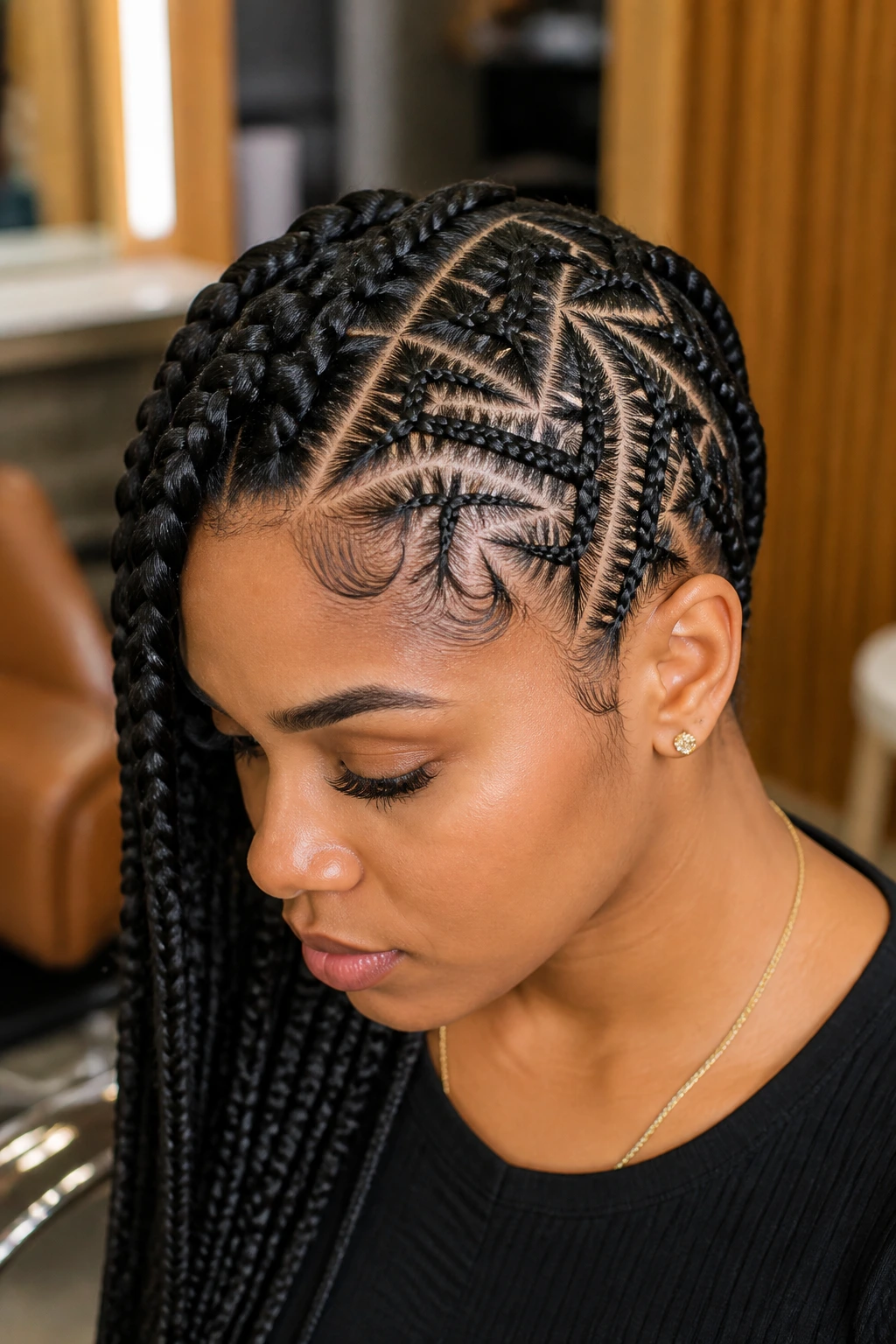
Tribal braids are a catch-all term for styles inspired by various African tribes. These often feature a mix of braid sizes—large cornrows feeding into smaller, intricate patterns—and are famous for their bold, artistic look. They are usually asymmetrical, with designs that sweep across the head rather than just running straight back.
The Art of the Parting
Because tribal braids rely heavily on the design of the parts, consider the shape of your face before committing. A side-swept pattern can soften a square jawline, while a center-part design draws attention to your eyes and cheekbones. Discuss your preferred aesthetic with your braider before they start parting, as there is very little room for correction once the grid is set.
8. Butterfly Braids
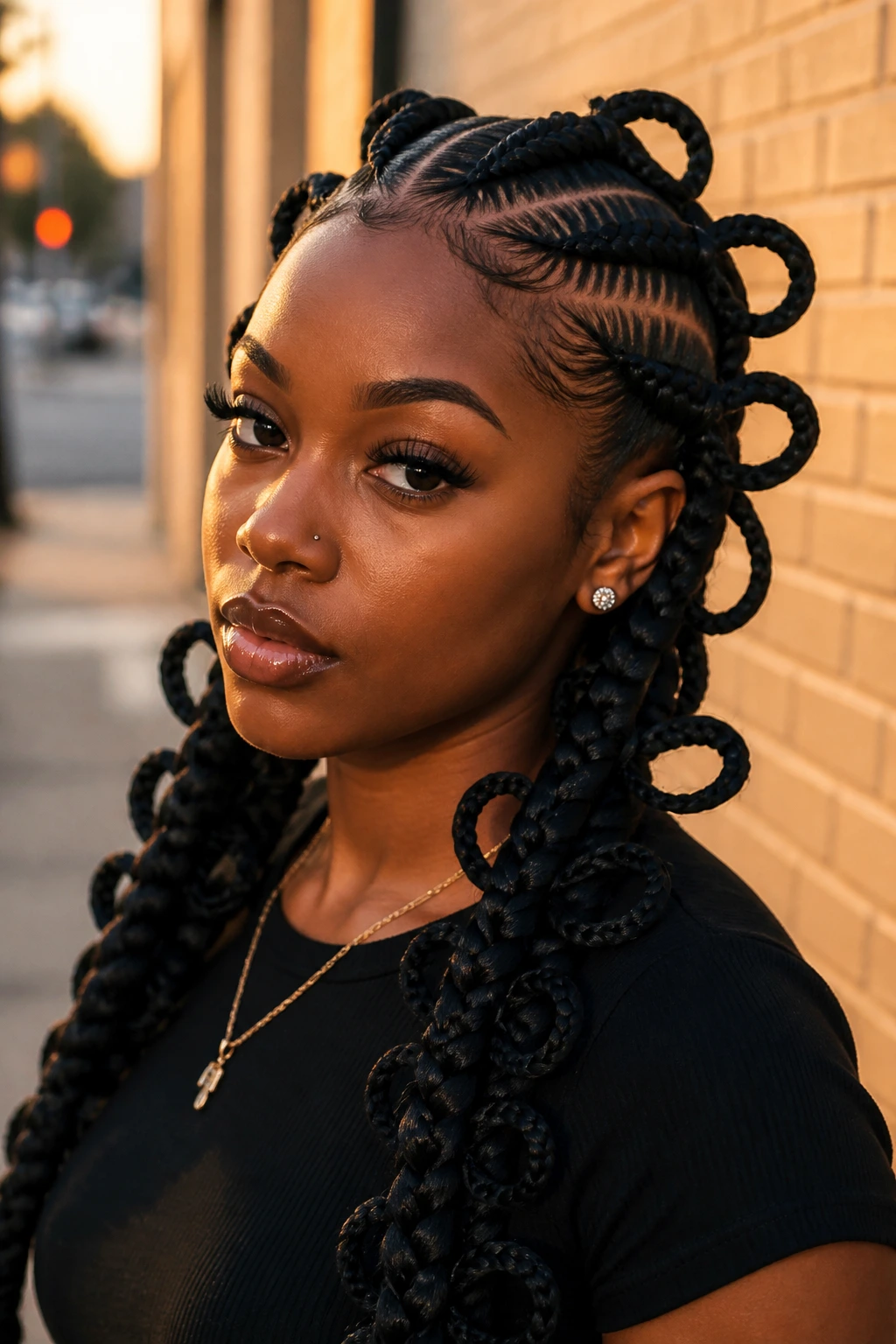
Butterfly braids are a variation of jumbo cornrows where the braider pulls out small loops of hair along the length of the braid. This creates a winged, “butterfly” effect that is voluminous and dramatic. It is a very stylized, high-fashion look that works best with thicker hair or a larger amount of extensions.
Managing the Volume
These braids are inherently big. They require a significant amount of extension hair to achieve the desired look. If you have a sensitive scalp, be aware that the thickness of the braids means they will be heavier than standard cornrows, so avoid keeping them in for longer than three or four weeks.
9. Crochet Braids
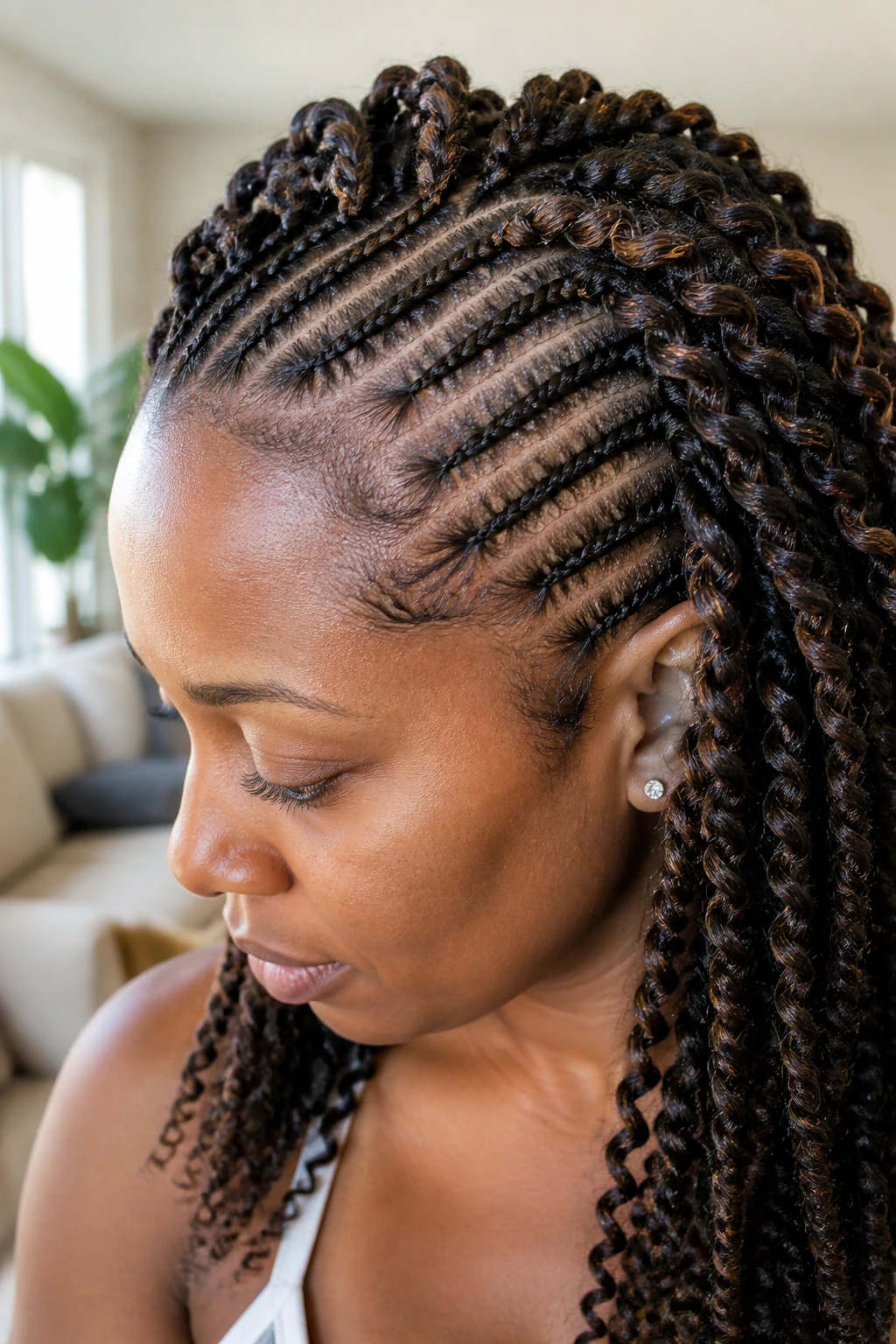
Crochet braids are the ultimate time-saver. Instead of braiding each individual strand, you cornrow your natural hair back and use a crochet hook to loop pre-braided or pre-twisted extensions through those base cornrows. The process takes half the time of individual braids and gives your scalp plenty of access for oiling and cleaning.
The Foundation is Key
Your crochet style is only as good as the cornrow base beneath it. If your base braids are loose or lumpy, your finished look will be uneven. Always ensure your cornrows are tight, clean, and follow the direction you want your final style to lie.
10. Lemonade Braids
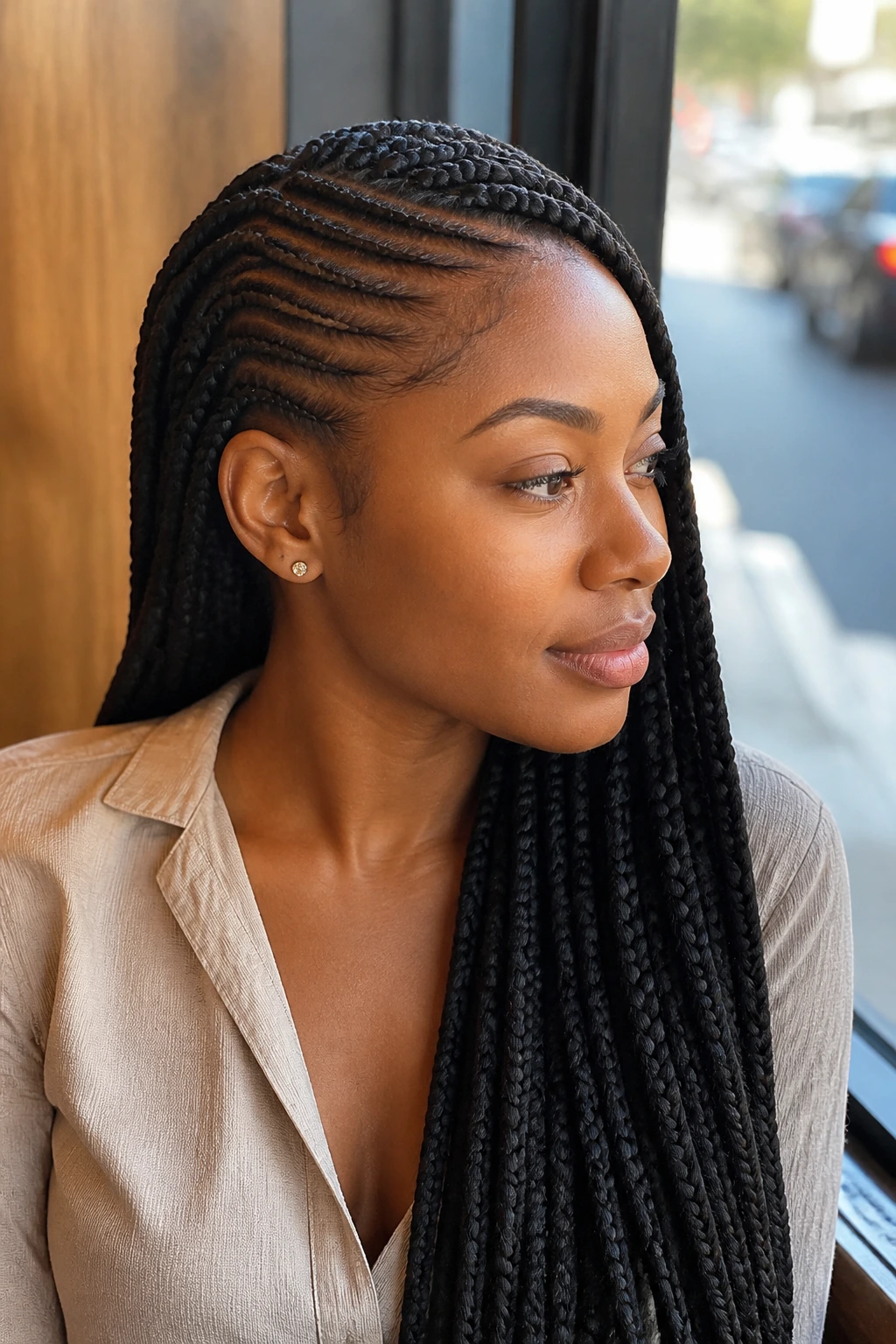
Popularized by a certain musical icon, lemonade braids are side-swept cornrows that typically start from one side of the head and flow to the other. They are incredibly sleek, organized, and have a unique silhouette that sets them apart from the standard “straight-back” cornrow style.
Why They Work for Every Occasion
- They look just as good in a boardroom as they do at a beach party.
- They require very little styling time in the morning—just a quick sweep of mousse and you are done.
- Because they are side-swept, they provide a lovely frame for your face, emphasizing your features in a way that straight-back braids rarely do.
11. Senegalese Twists
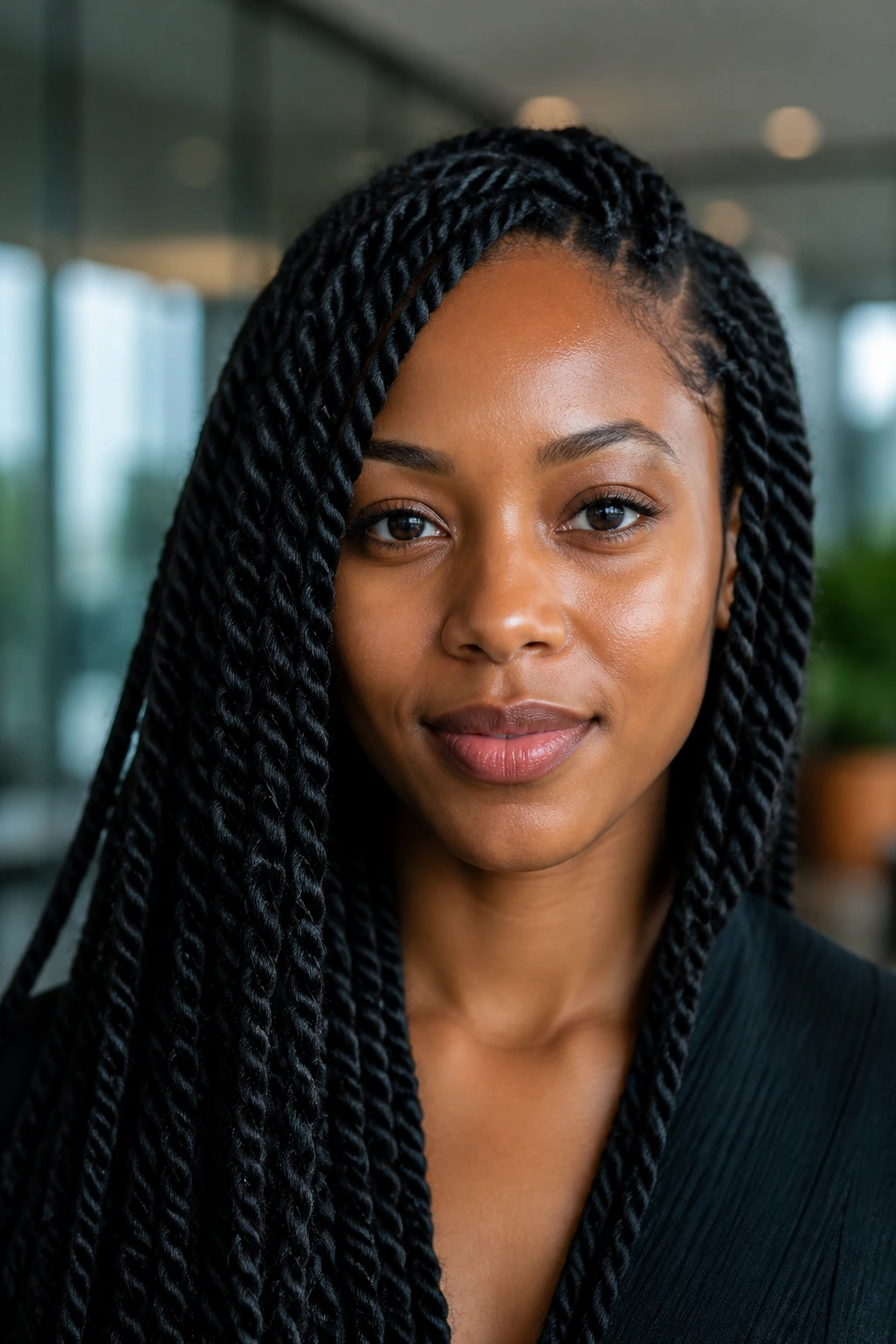
Senegalese twists are characterized by their rope-like appearance. They are smooth, shiny, and relatively heavy compared to other styles because of the dense synthetic hair used to create them. They offer a very polished, professional look and are known for their extreme durability.
The Importance of Sealing
Since Senegalese twists use synthetic hair that doesn’t hold knots well, the ends can easily unravel. The best way to secure them is by dipping the ends in near-boiling water. Always use a towel to protect your skin from the steam during this process. This not only seals the twist but also makes the hair feel softer and less stiff.
12. Micro Braids
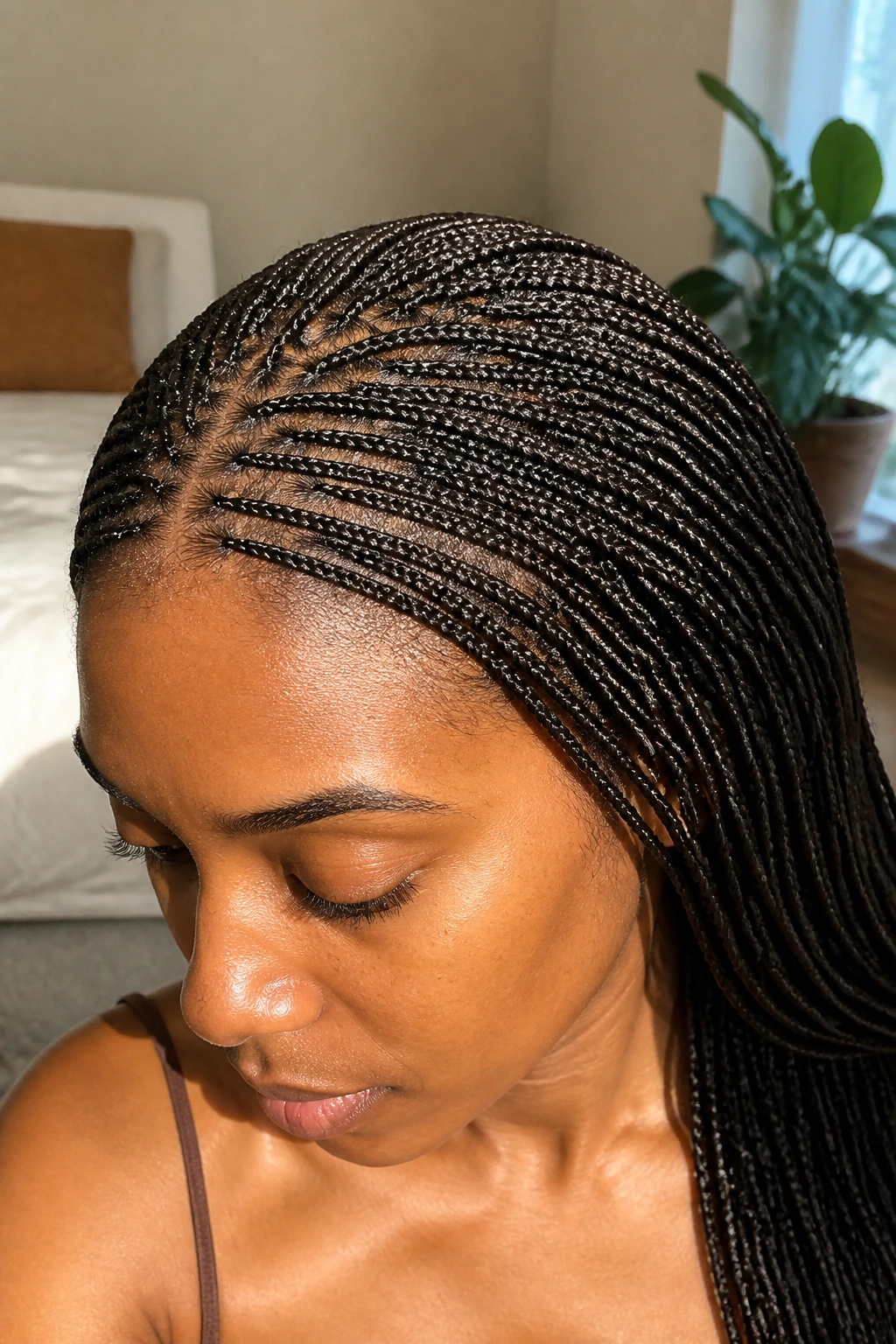
Micro braids are, as the name suggests, very thin and small. Because of their size, they look and feel remarkably like loose hair. You can wear them down, put them in high buns, or braid them into larger styles. They are an incredible commitment, often taking an entire day (or two) to install, but the end result is a highly versatile, natural-looking mane.
The Cautionary Side
Micro braids are beautiful, but they are high-risk. If your braider pulls them too tight, the weight of the tiny braids can cause significant stress on your hairline. Never let a braider install these if your natural hair is weak or brittle. They should only be attempted on strong, healthy hair and should be removed with extreme care to avoid breakage.
13. Box Braid Bobs
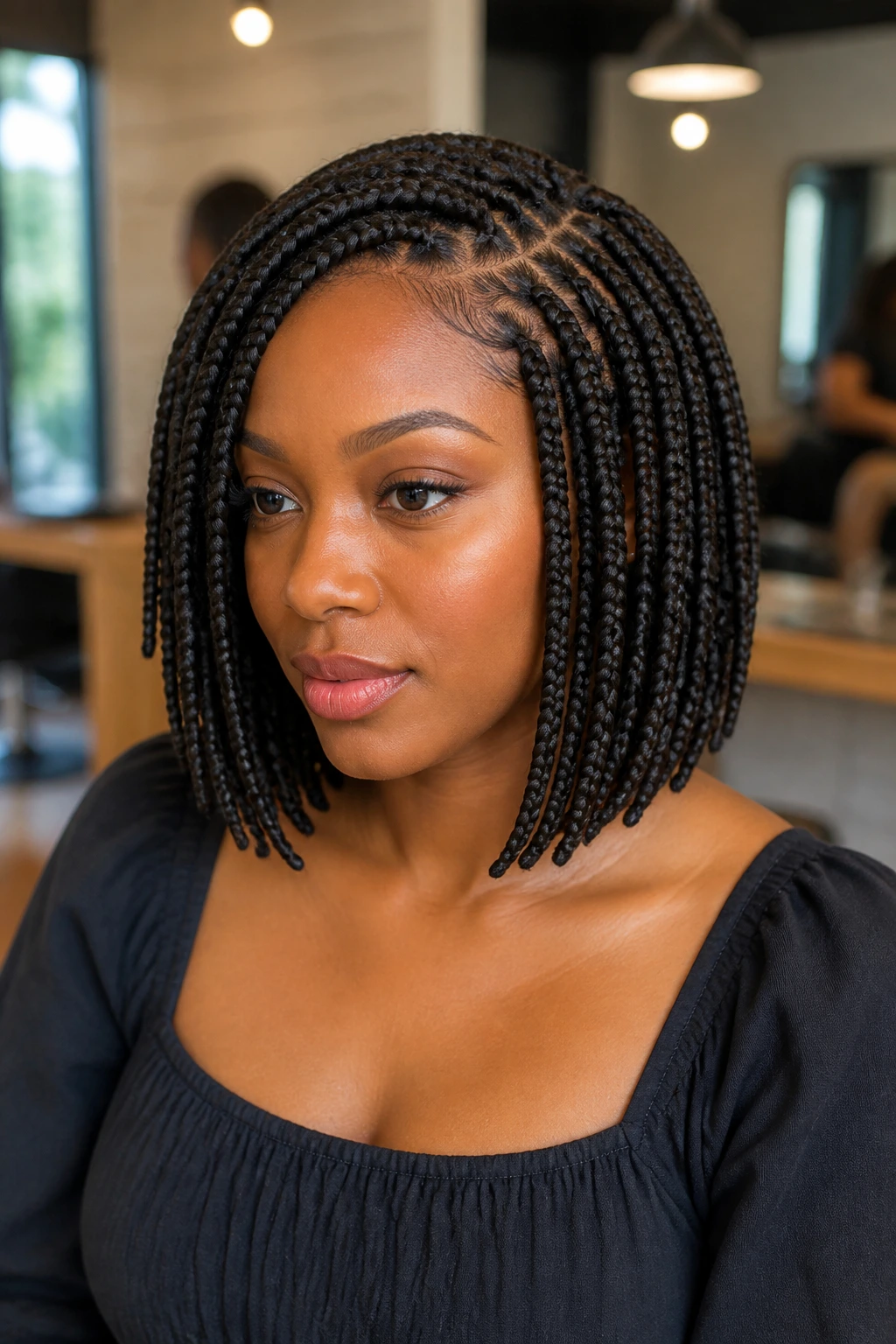
Who says braids have to be long? A box braid bob is a chic, modern, and youthful take on the traditional look. By keeping the length at or above the shoulders, you remove the heavy weight of extensions, making this a much more comfortable style for those with sensitive necks or scalps.
Framing Your Face
A bob length allows you to play with layering. You can ask your braider to cut the braids into a graduated shape, where they are shorter in the back and longer toward the front, to create a more sophisticated, salon-finished appearance.
14. Stitch Braids
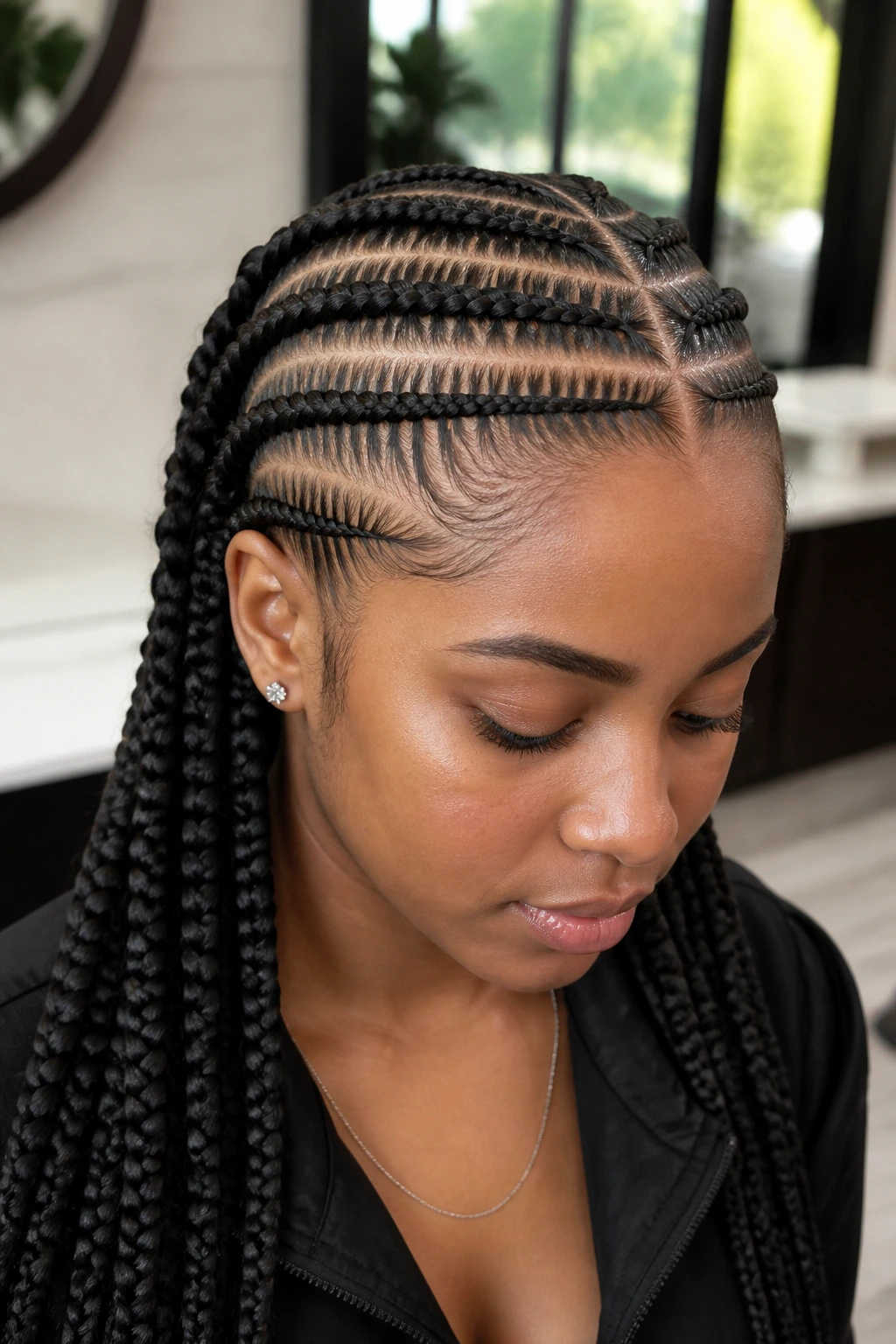
Stitch braids are created by using the pinky finger or a comb to create horizontal “stitches” across the scalp as you cornrow. The result is a clean, graphic, and highly defined pattern that stands out against the scalp. They are perfect for people who love a neat, architectural look.
Keeping the Lines Sharp
- Use a light shine spray to keep the parts looking crisp.
- Avoid excessive scratching; if your scalp is dry, use a tea tree oil-based spray to soothe the itching without disrupting the stitch lines.
- Try to touch the braids as little as possible to maintain that “freshly done” look for longer.
15. Pixie Braids
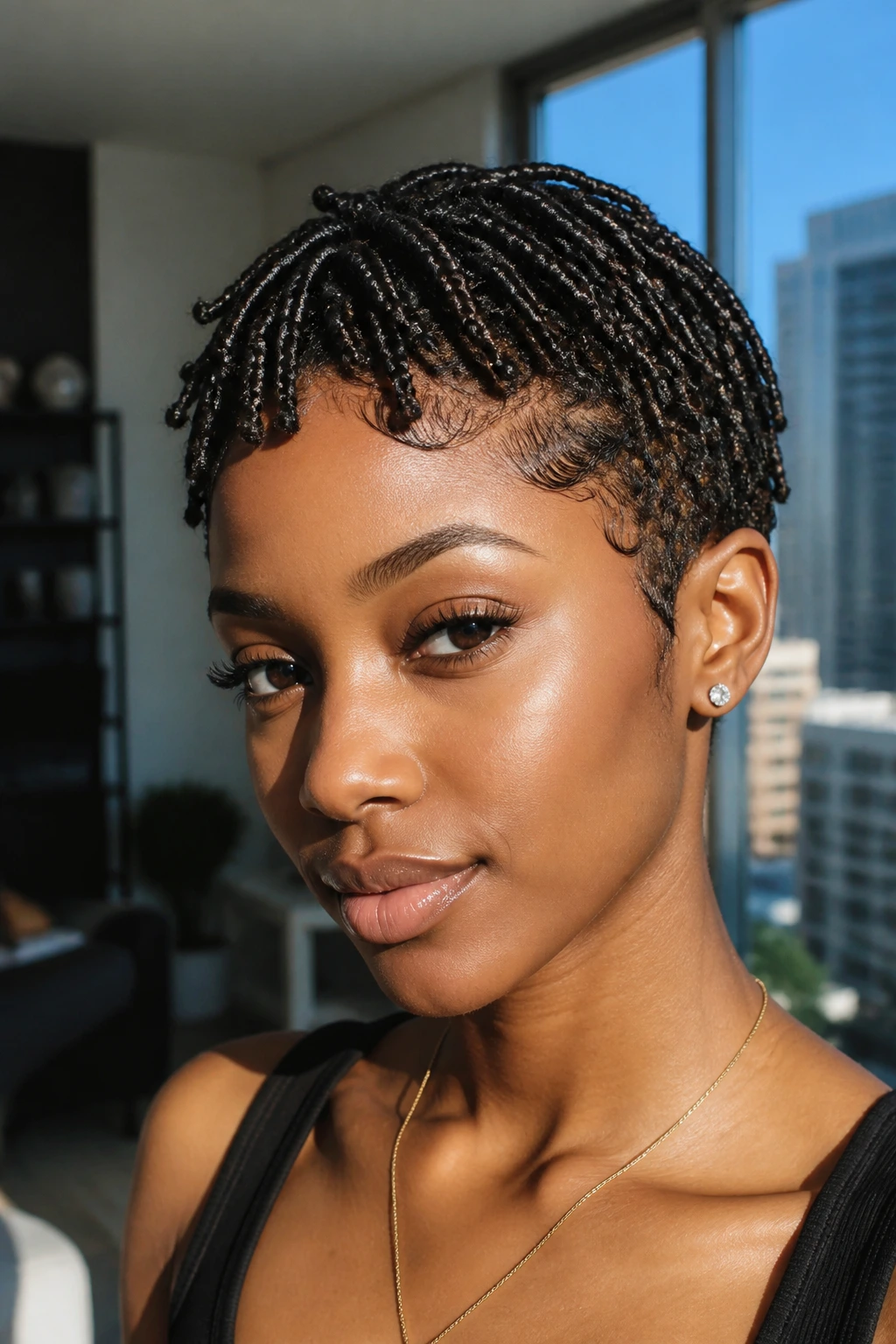
Pixie braids are tiny, cropped braids that mimic the look of a short, layered pixie cut. They are an excellent option for those who want to transition from a relaxed style to natural hair without dealing with the awkward “in-between” stage of hair growth. They are bold, edgy, and require almost no maintenance.
Styling the Pixie
Since these are so short, you don’t have to worry about styling them at all. A simple headwrap or a statement pair of earrings is all you need to elevate the look. This is a “set it and forget it” style that gives your own hair a complete break from manipulation.
16. Chunky Cornrows
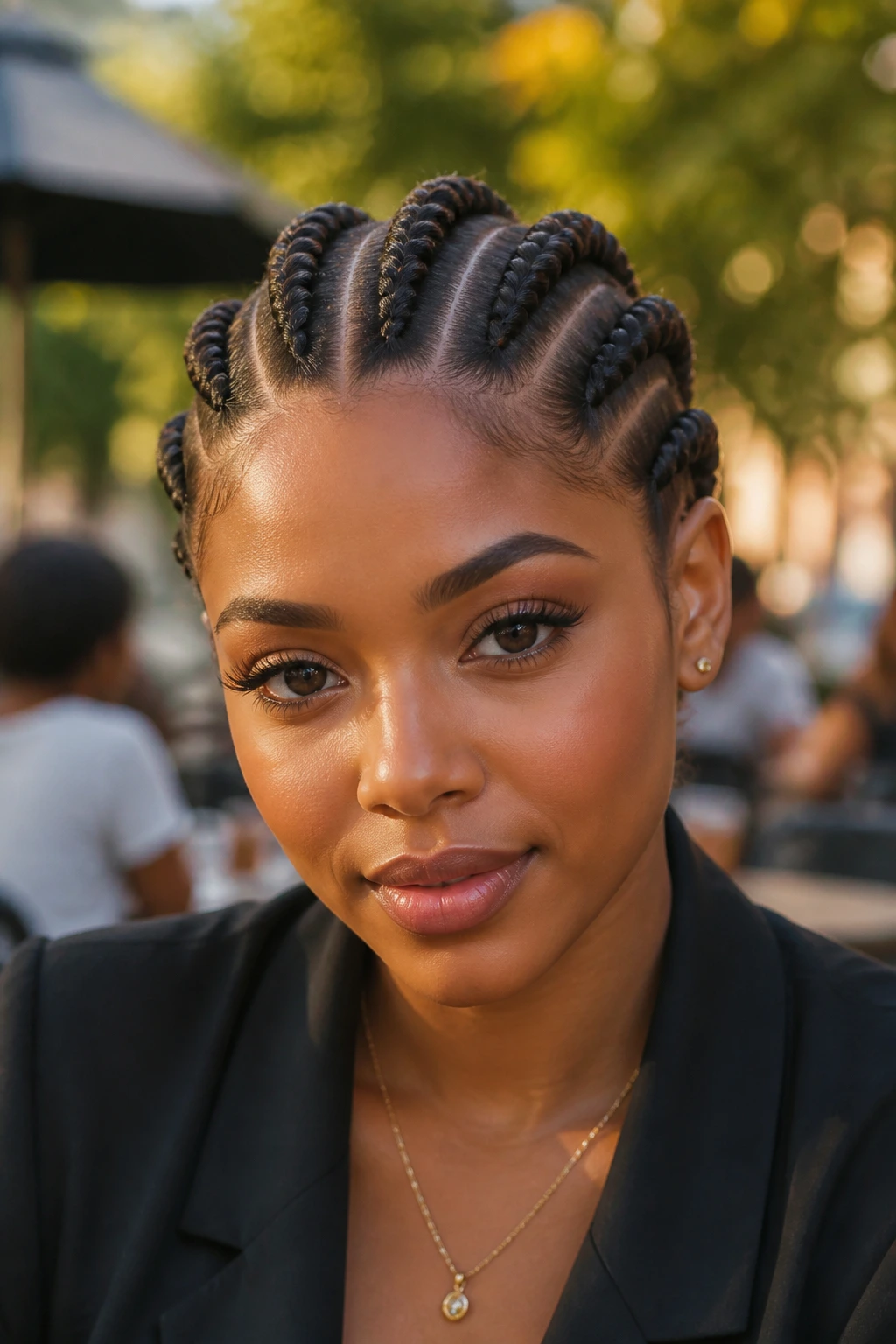
Sometimes, simple is better. Chunky, oversized cornrows are a statement style that celebrates the thickness of your natural hair. They are much faster to install than smaller braids and are perfect for days when you want to look put-together but don’t want to spend six hours in a salon chair.
Making Them Last
Because these are large, they tend to get frizzy faster than smaller braids. To keep them looking sharp, sleep with a silk bonnet every night and apply a light foam mousse every morning to smooth down any stray hairs.
17. Yarn Braids
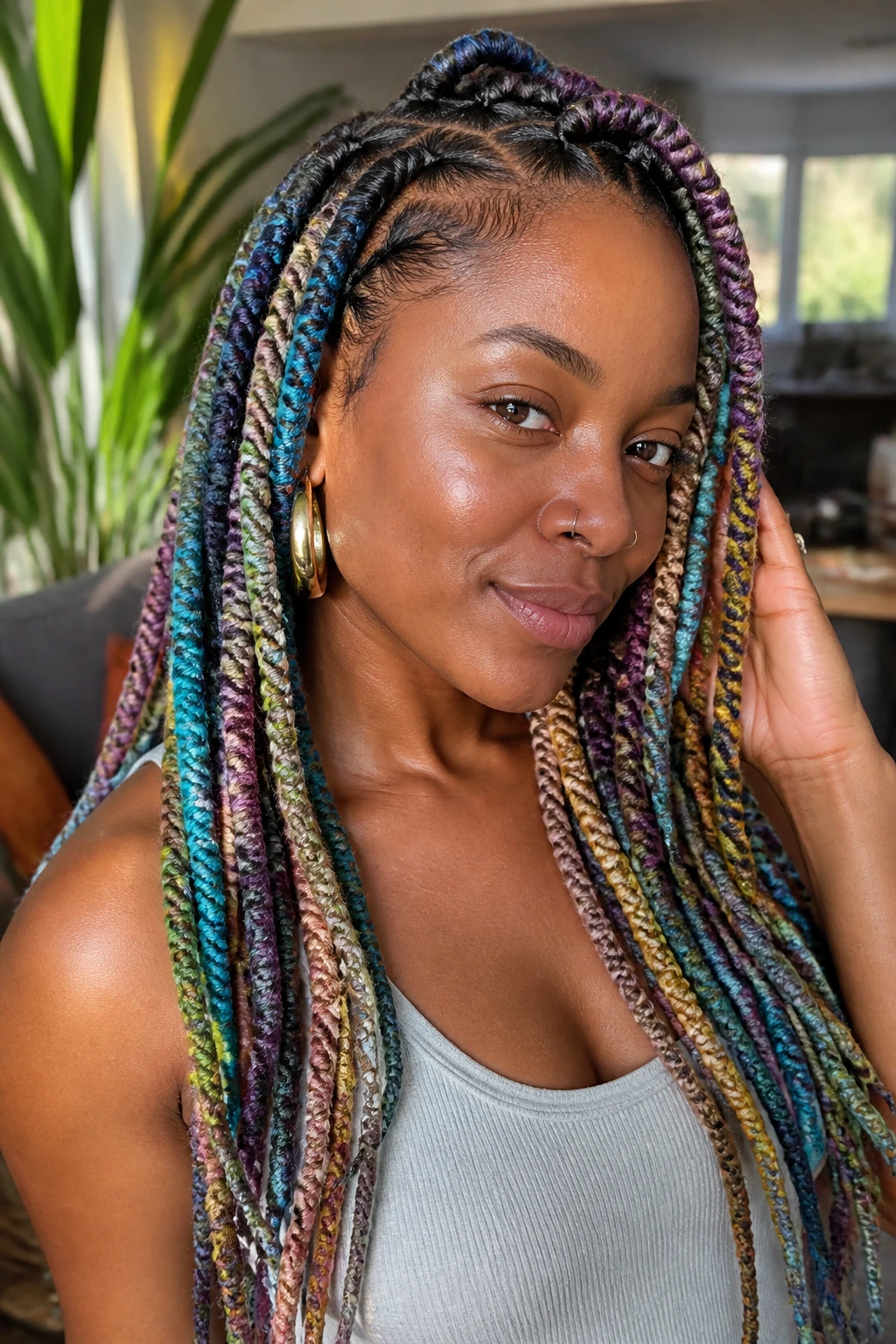
Yarn braids are a unique, textural style created by wrapping acrylic yarn around your natural hair. They are incredibly lightweight, come in every color imaginable, and have a beautiful, matte finish that synthetic braiding hair just can’t replicate.
Is Yarn Right for You?
Yarn absorbs water, which means these braids can take a long time to dry if you get them wet. They are best suited for dry, cool environments. If you live in a humid or rainy climate, keep this in mind, as the yarn can retain moisture and become heavy.
18. Halo Braids
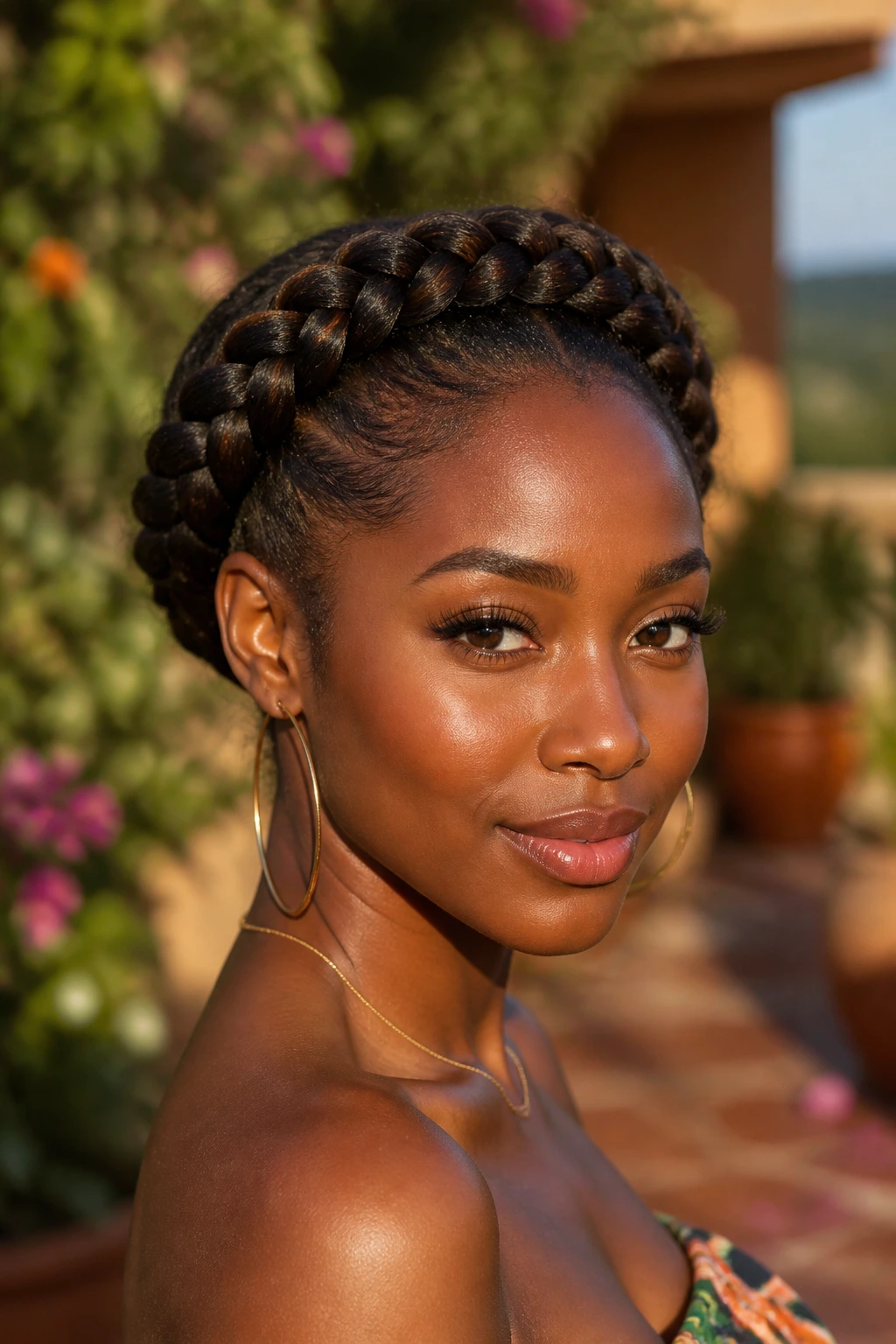
A halo braid is a singular, thick braid that wraps around the entire circumference of your head like a crown. It is a stunning, regal style that is perfect for formal events or just when you want to feel elevated. It effectively tucks all your hair away, providing excellent protection from the elements.
The Construction
While you can do this with your own hair, many people add a pack of braiding hair for volume and longevity. The secret is ensuring the tension is even all the way around, so the braid sits flat against your head without bunching up at the nape of the neck.
19. Bohemian Box Braids
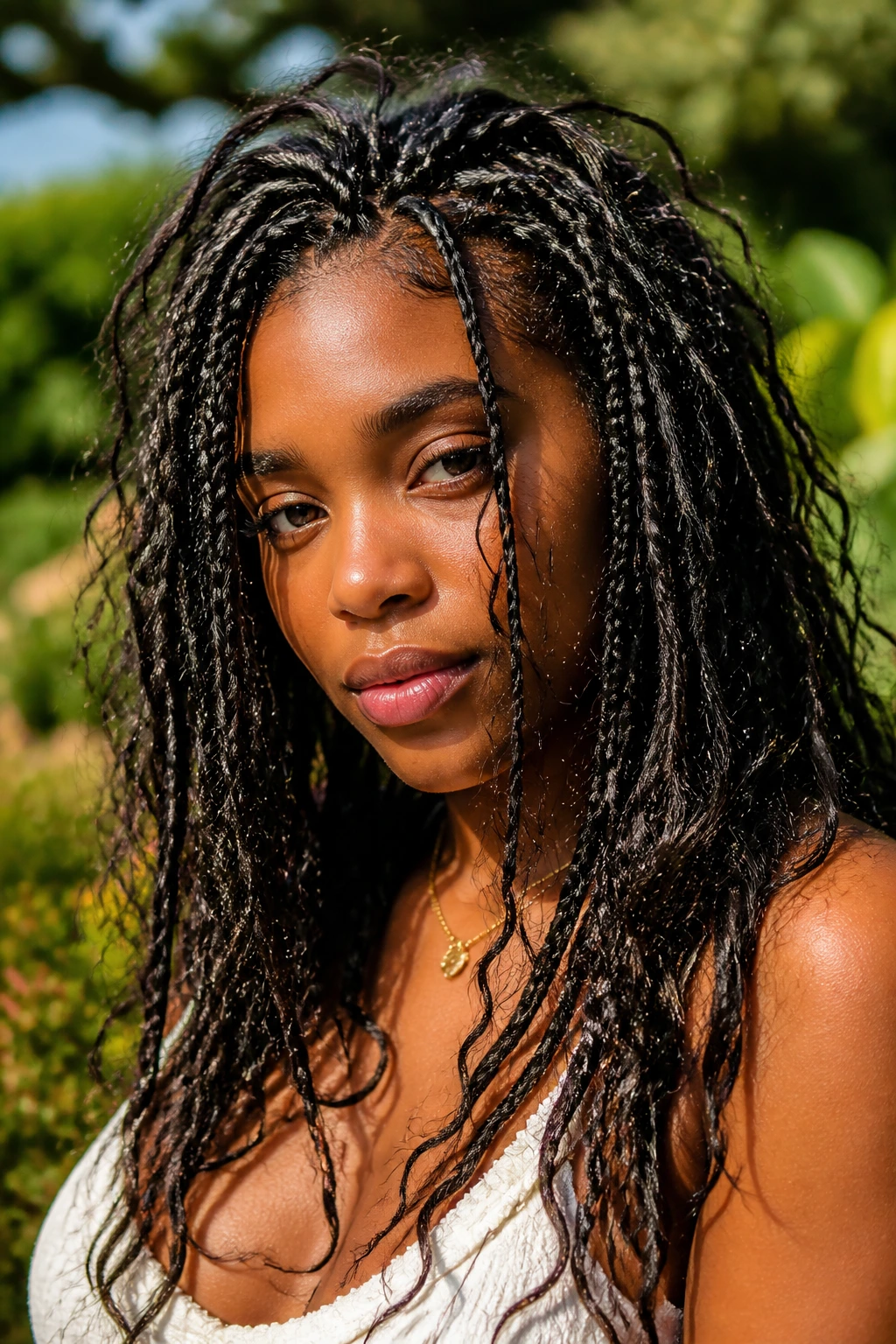
These are the trendier cousin of the traditional box braid. Like goddess braids, they feature loose, curly strands throughout the braid. However, bohemian braids go a step further by having more hair left out and often incorporating different textures like crimped or wavy hair mixed in.
Handling the Frizz
These braids are intended to look wild and free. Embrace the frizz! If you try to keep them perfectly smooth, you will defeat the purpose of the style. The more “messy” they look, the more authentic the bohemian vibe feels.
20. Havana Twists
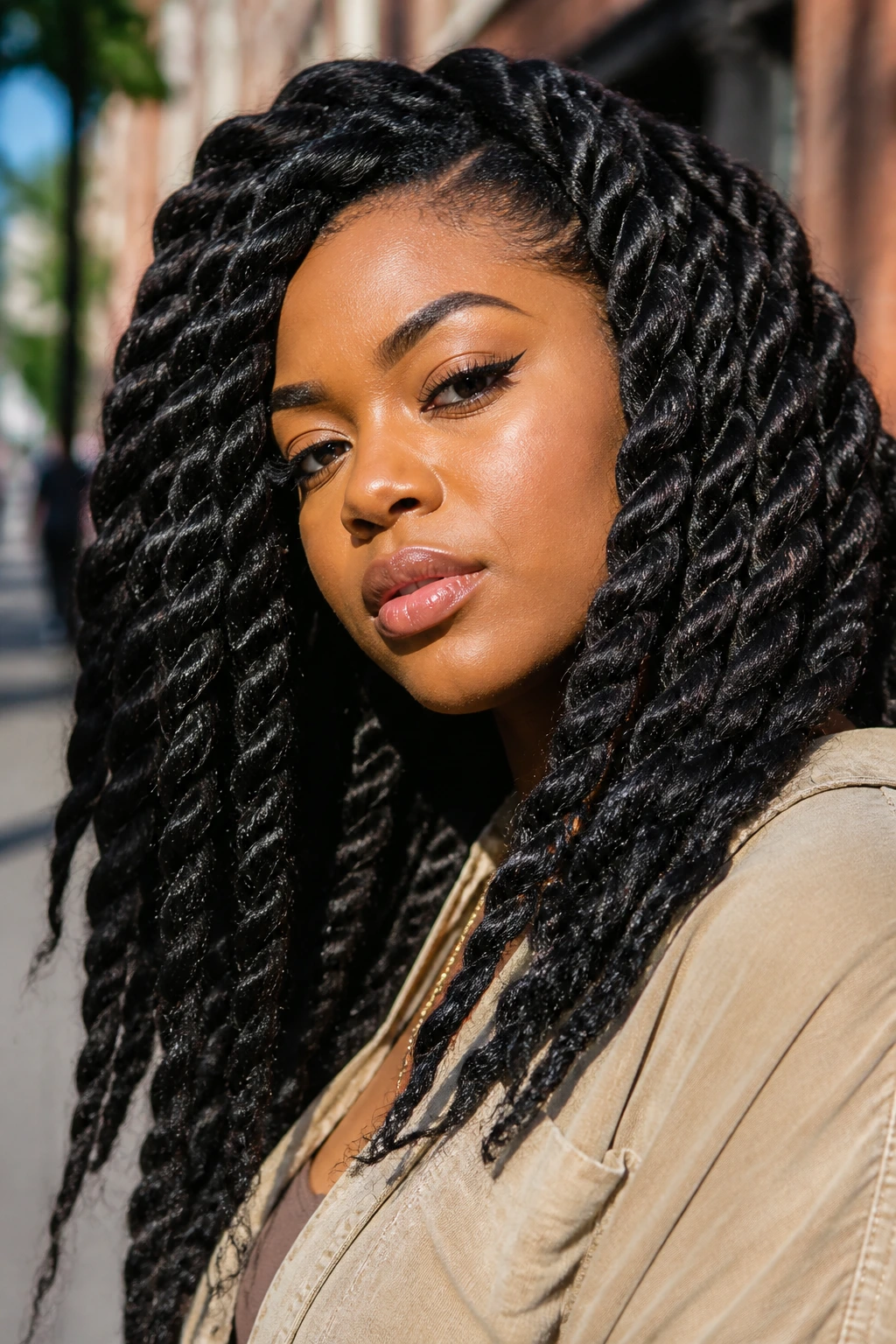
Havana twists are similar to Senegalese twists but much thicker and fluffier. They use a lighter, more textured extension hair that gives them a larger diameter. They are ideal for people who want a dramatic, head-turning look without the weight of denser, smoother twists.
The Volume Factor
Because they are large, you will use fewer twists overall, which means less time in the chair and less tension on your head. They are a fantastic choice for those with natural hair who want to add maximum volume to their appearance.
21. Shaved-Side Braids
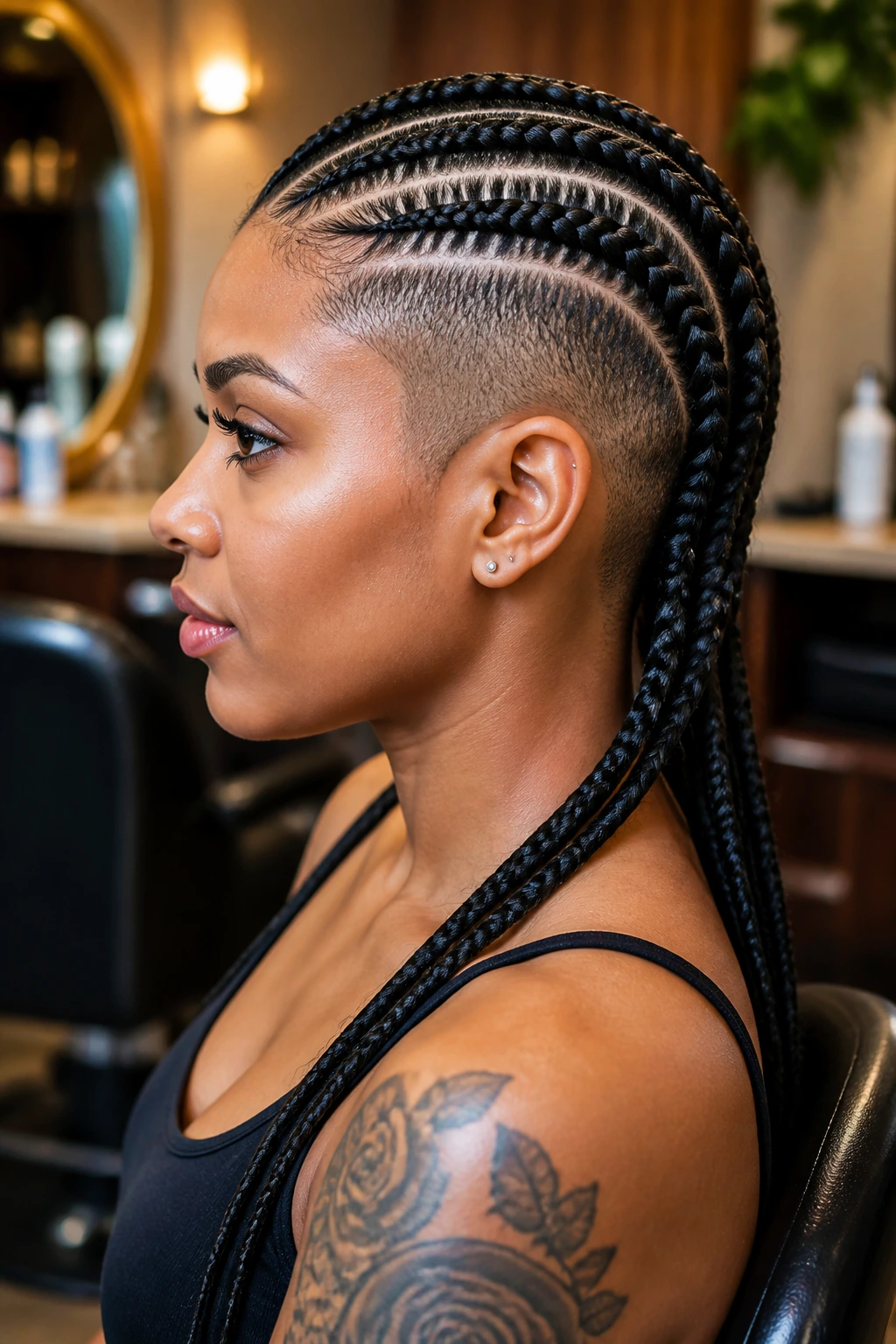
Combining braids with an undercut or shaved sides creates a look that is both feminine and tough. You can have cornrows running back from the front, or side-swept braids that terminate just above the shaved area. This style is all about contrast and personal expression.
Maintaining the Cut
If you choose to shave the sides of your head, you will need to commit to the upkeep. Keep your clippers handy to shave the area every two weeks to maintain the clean, sharp line that makes this style look intentional.
22. Faux Locs
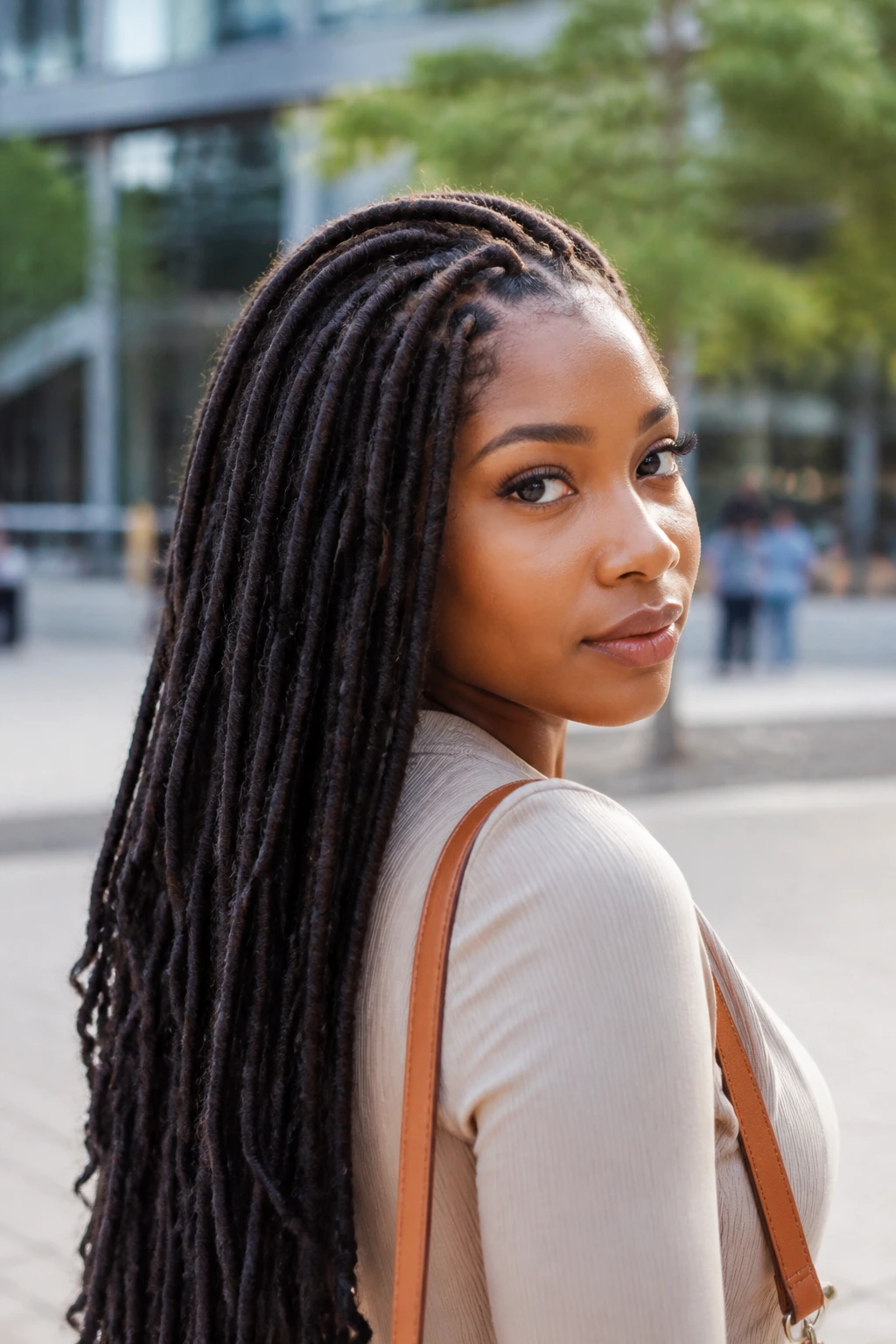
If you have ever wanted locs without the multi-year commitment, faux locs are the way to go. These are created by wrapping hair extensions around your own braided hair, creating a seamless, realistic-looking loc. They have a permanent, grounded feel that many people love.
The Weight Dilemma
Faux locs can be very heavy. To avoid neck strain, try to choose a lighter-weight extension hair and keep the length to a reasonable level. If you find them too heavy, you can always go with a bob or shoulder-length version to keep the overall mass down.
23. Mermaid Braids
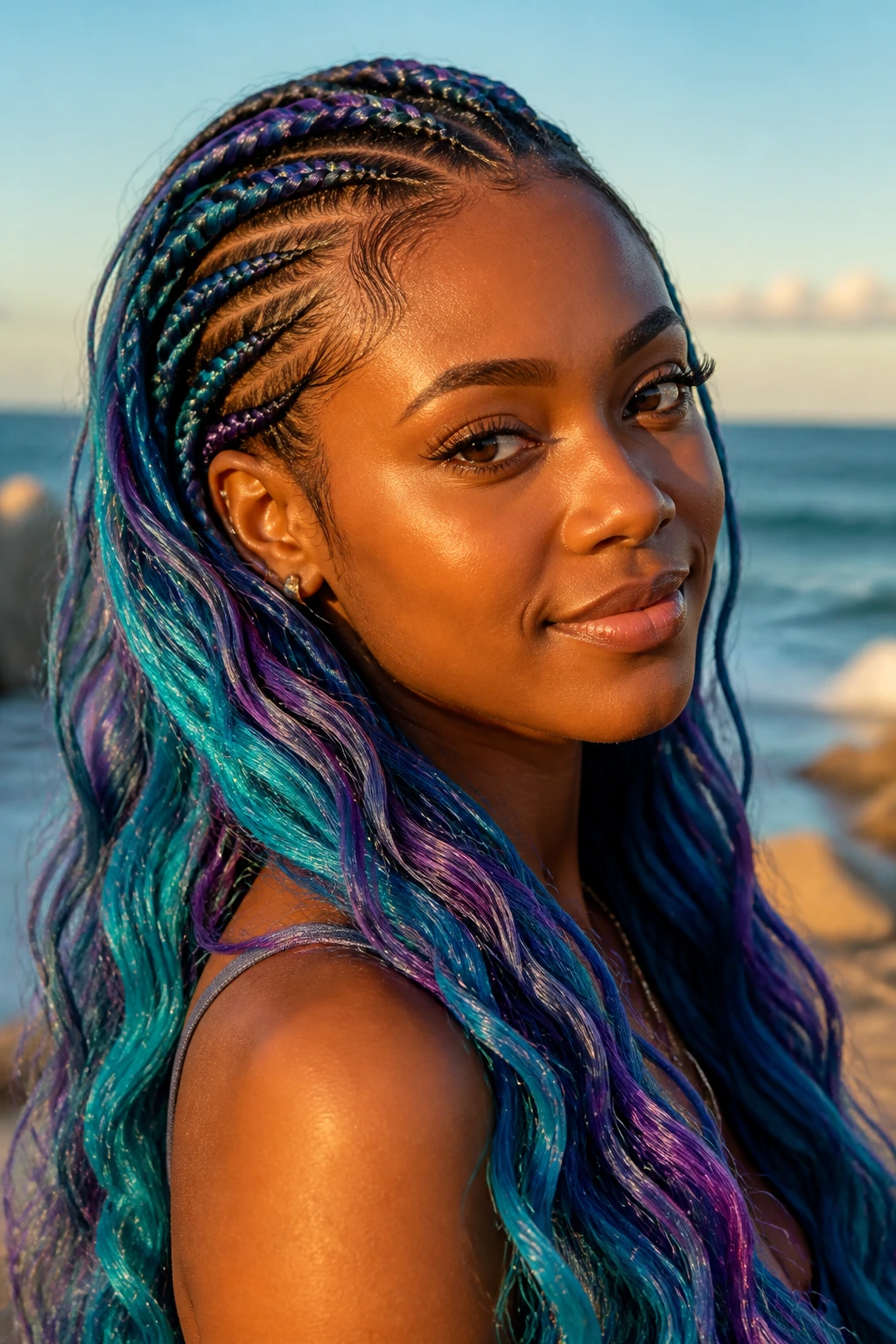
Mermaid braids often incorporate colorful extension hair—think blues, purples, and teals—to create a magical, aquatic aesthetic. They are usually done in a combination of cornrows and individual braids, and they look best when the hair is styled with subtle waves.
Color Commitment
If you are worried about dyeing your natural hair, mermaid braids are the safest way to experiment with bold color. You can incorporate as much or as little as you want, and since it’s all synthetic, you can change your entire look the moment you decide to take the braids out.
24. Fishtail Braids
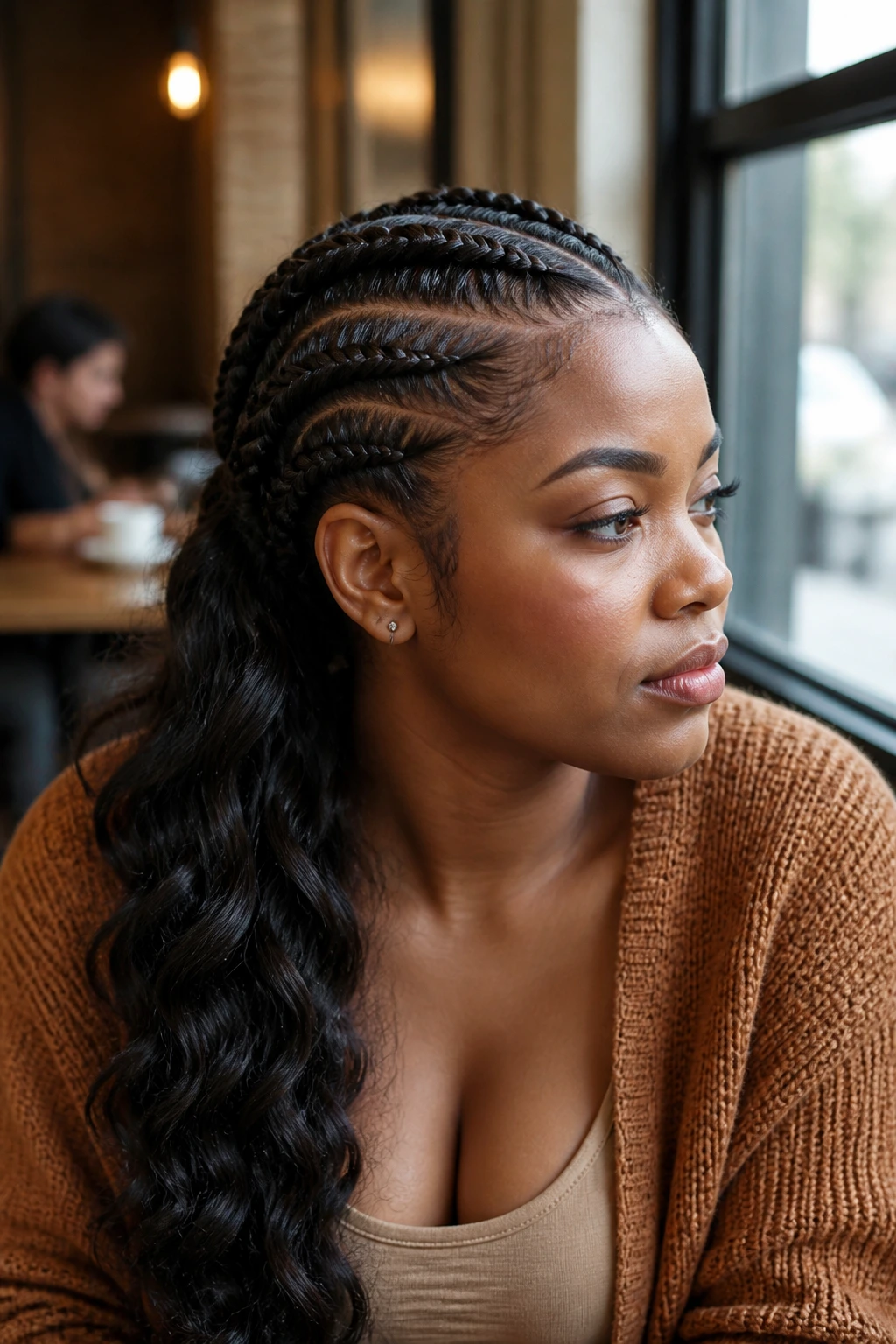
While typically seen as a single-braid style, incorporating fishtail techniques into cornrows creates an intricate, sophisticated look that is visually fascinating. It’s a bit more advanced and requires a skilled hand, but the texture it provides is unmatched by standard three-strand braiding.
The Detail Work
Because the fishtail technique is tighter, it can sometimes pull on the scalp more than a standard braid. Make sure your braider is using a gentle touch. This is a style that looks incredible when done with a bit of “pulling apart” to make the braid look wider and softer.
25. High-Pony Braids
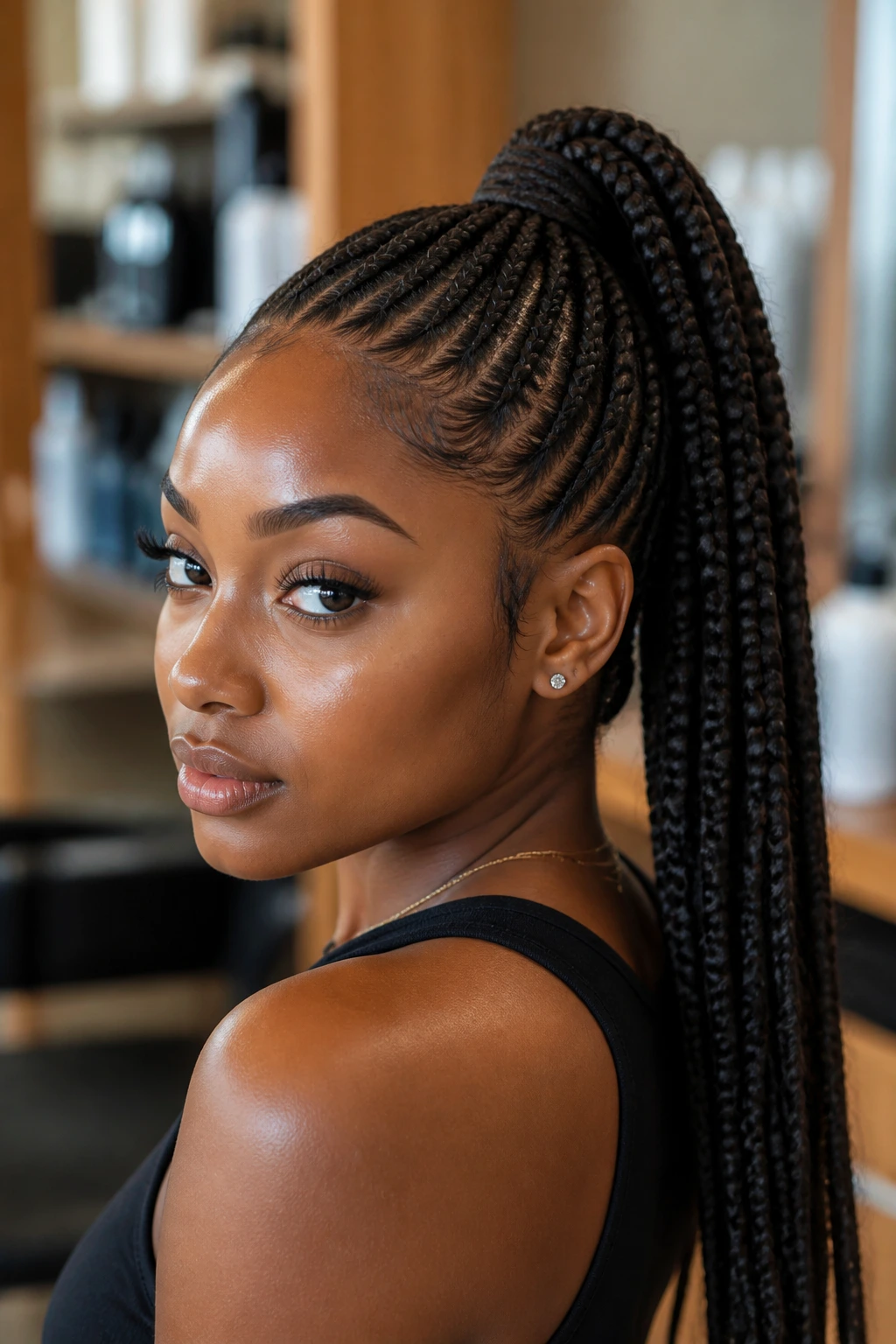
High-pony braids involve braiding your hair into a ponytail base and then braiding the tail of the ponytail itself. This pulls your features upward, creating a natural “facelift” effect. It is a sleek, modern, and highly versatile style that works for everything from the gym to a formal evening out.
The Base Strength
The tension for a high-ponytail style is concentrated at the center of your head. If the ponytail is too tight, it will pull at your hairline and the crown of your head. Always ask your braider to ensure the ponytail is secure but not so tight that it prevents you from closing your eyes or moving your head comfortably.
Final Thoughts
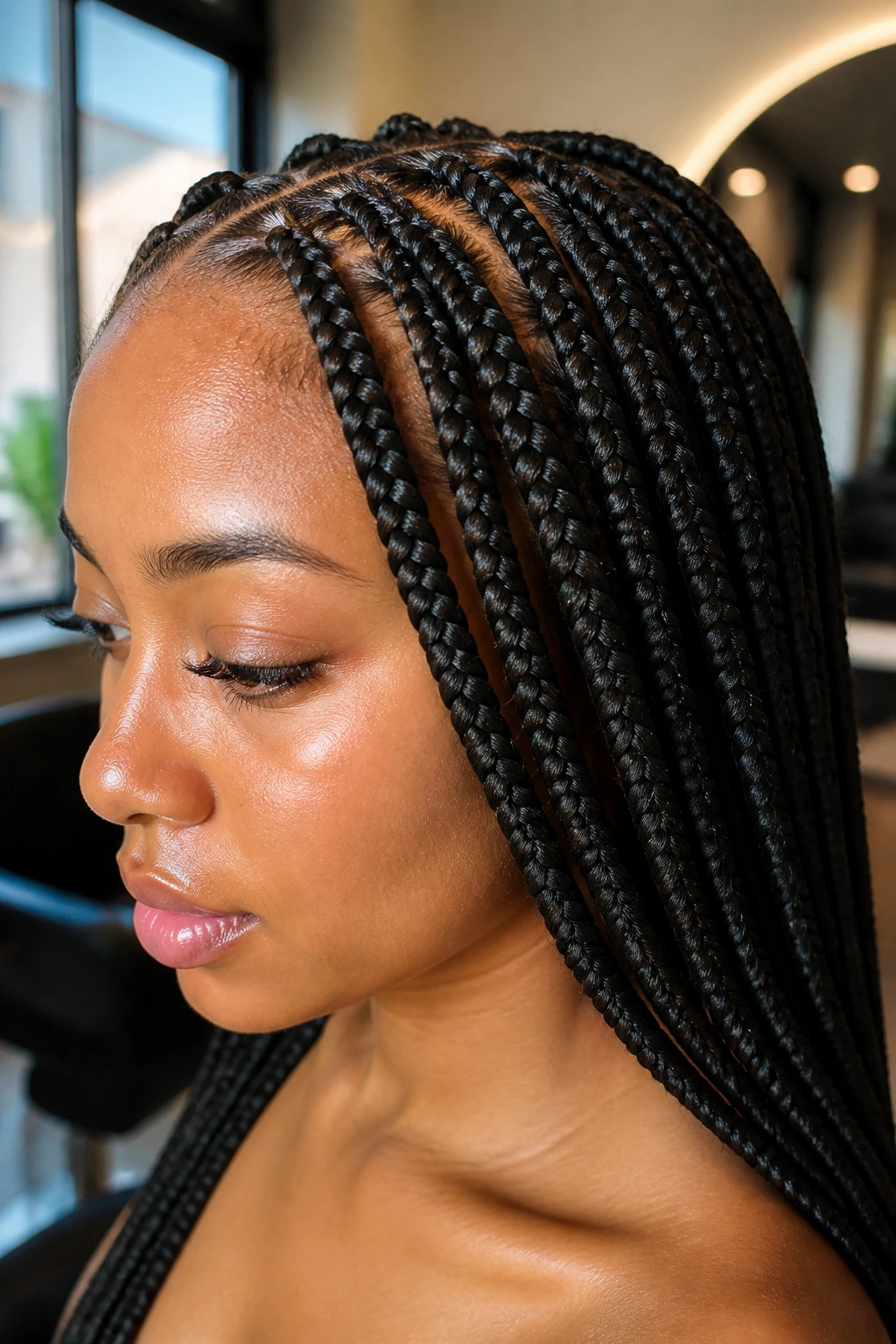
At the end of the day, your choice of braid style should come down to what makes you feel the most like yourself. Some styles are purely for protection and ease, while others are bold declarations of artistry. Remember that the health of your natural hair underneath is the most important factor—no style is worth damaging your edges or causing unnecessary breakage.
Listen to your hair. If a style feels too heavy, uncomfortable, or itchy, don’t be afraid to take it down or try something else. Braids are a beautiful, evolving part of the culture, and there is always a new technique, a new texture, or a new pattern to explore. Enjoy the process of finding what fits your life, your face, and your personal sense of style.