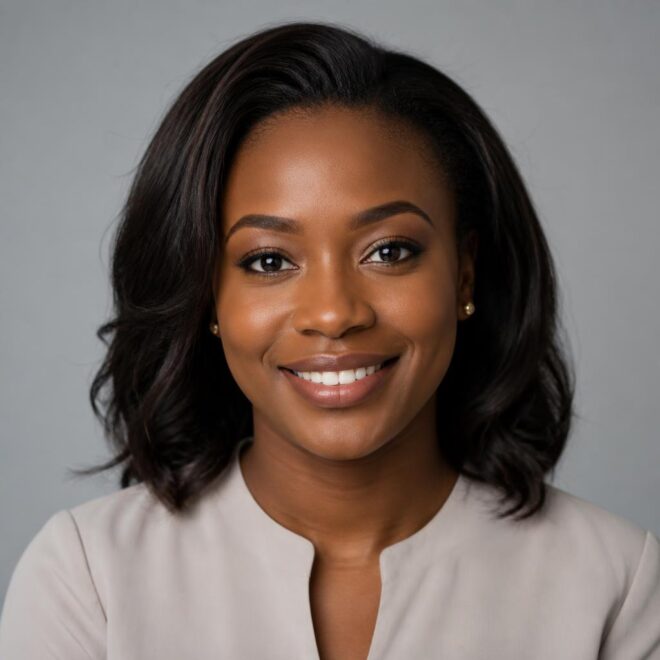


Thick hair is a structural powerhouse, but it often comes with a specific set of challenges that can make finding the right haircut feel like a high-stakes negotiation. You are constantly battling the dreaded “triangle effect,” where the weight of your hair causes the bottom to puff out while the roots lay flat. It is a persistent, frustrating geometry problem. However, the lob—or the longer bob—is the ultimate solution for this density. By strategically removing internal weight and utilizing the right texturizing techniques, you can turn that thickness into an asset, creating a look that is polished, manageable, and incredibly versatile.
When you have a substantial amount of hair, the goal is movement. A blunt, heavy cut often emphasizes the density in a way that feels heavy or dated, but a longer bob allows for just enough length to keep the hair looking sleek without losing its natural body. Whether you want something that hits at the collarbone or a version that just grazes the chin, the right cut creates a frame that respects the hair’s natural weight. We are moving away from styles that hide your hair’s potential and leaning into cuts that celebrate the volume.
The following styles prioritize flow and manageability, specifically tailored for those who possess thick, dense strands. If you are ready to stop fighting your hair and start working with its natural tendencies, these versions of the longer bob offer a roadmap to a more balanced and refined style.
1. The Undercut Lob with Internal Layers
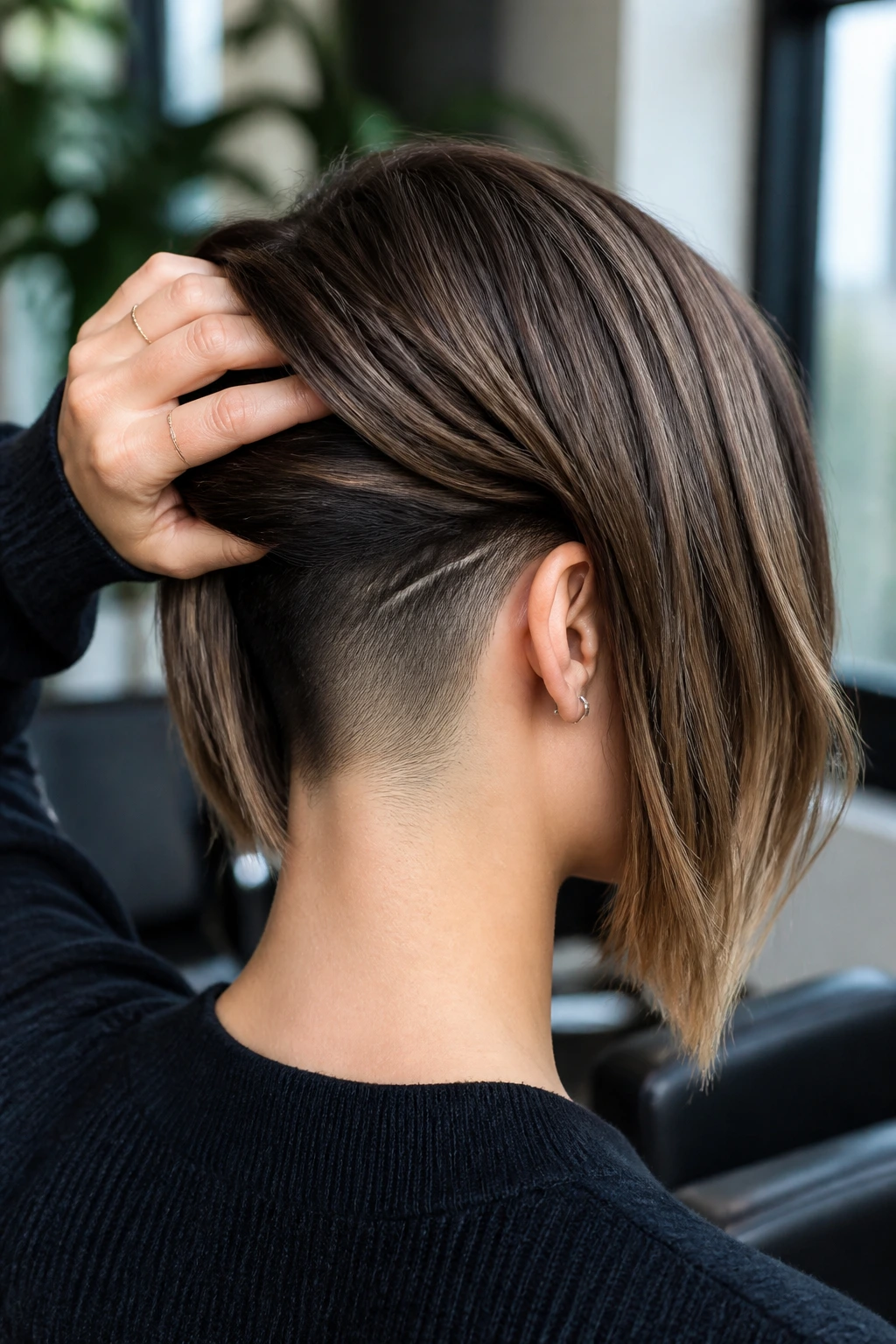
If your main struggle is the sheer volume of hair sitting at the nape of your neck, an internal undercut or “de-bulking” layer is your best friend. This technique involves taking a small section of hair near the hairline at the back and cutting it shorter, almost like a hidden pixie section. The longer layers then fall over this, effectively removing the bulk that causes the hair to push outward.
Why It Works for Thickness
When the weight is removed from underneath, the rest of the hair sits closer to the head. It creates a sleek, expensive-looking profile without sacrificing the appearance of fullness at the ends.
How to Style It
- Apply a lightweight smoothing cream to damp hair.
- Use a round brush while blow-drying, pulling the hair straight down rather than out.
- Finish with a tiny drop of hair oil at the very tips to maintain a sharp, clean edge.
Pro tip: Ask your stylist to “slice” the ends rather than using thinning shears, which can sometimes lead to frizzy, uneven regrowth.
2. The Textured Collarbone Lob
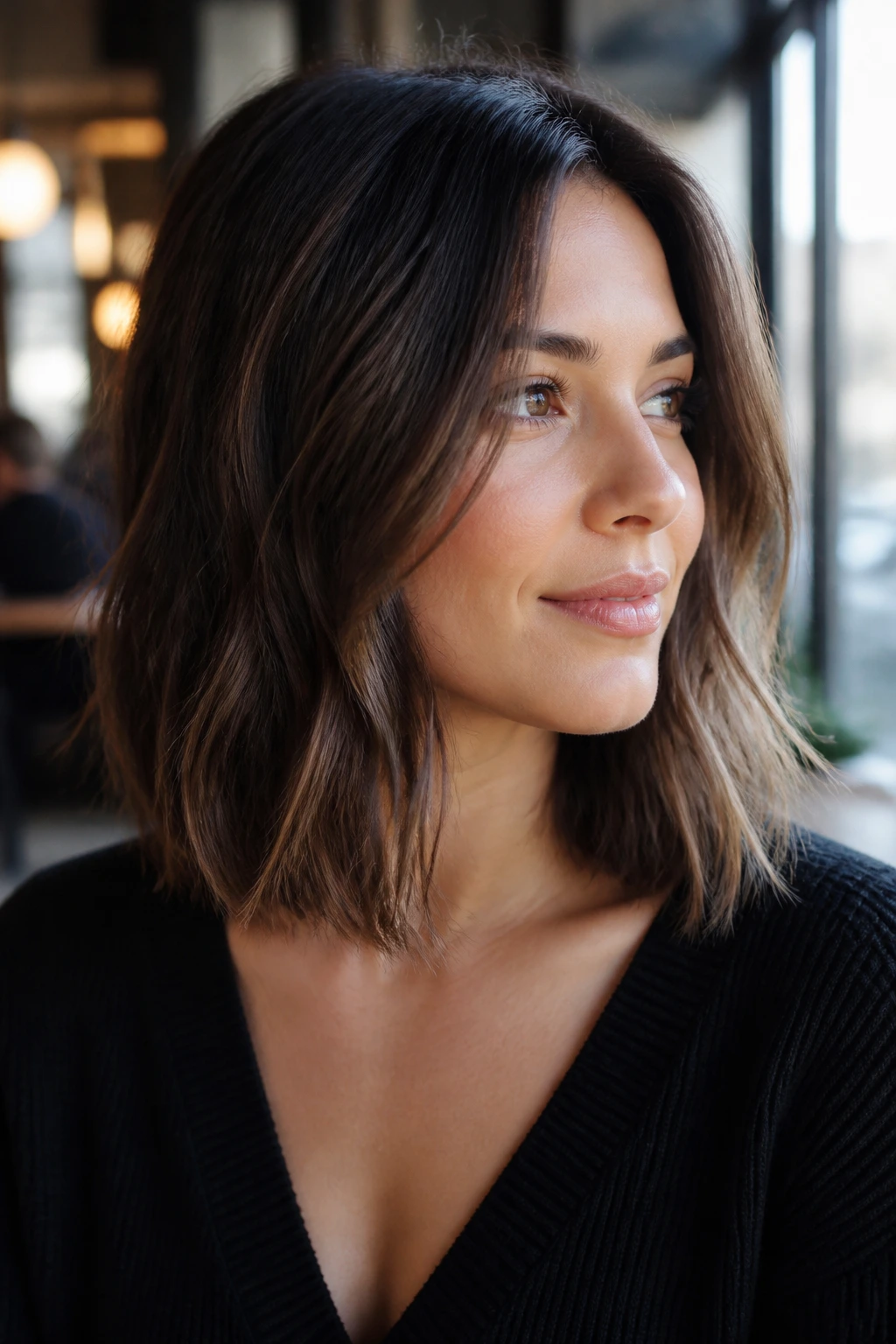
This cut sits right at the collarbone, providing just enough length to pull your hair back into a small pony if needed. It is a safe, stylish length that feels sophisticated and allows for a bit more movement than a traditional chin-length bob. Because it rests against the shoulders, the ends get a slight flip, which actually helps break up the density of thick hair.
The Power of Point Cutting
The key to this style is the application of point cutting throughout the mid-lengths and ends. Instead of cutting straight across, your stylist should hold the shears vertically and snip into the hair. This creates uneven, jagged tips that prevent the hair from stacking up like a pyramid.
Best Hair Types for This Cut
- Naturally wavy hair that needs a bit of weight control.
- Straight, coarse hair that tends to look too rigid when cut blunt.
3. The Softly Layered Long Bob
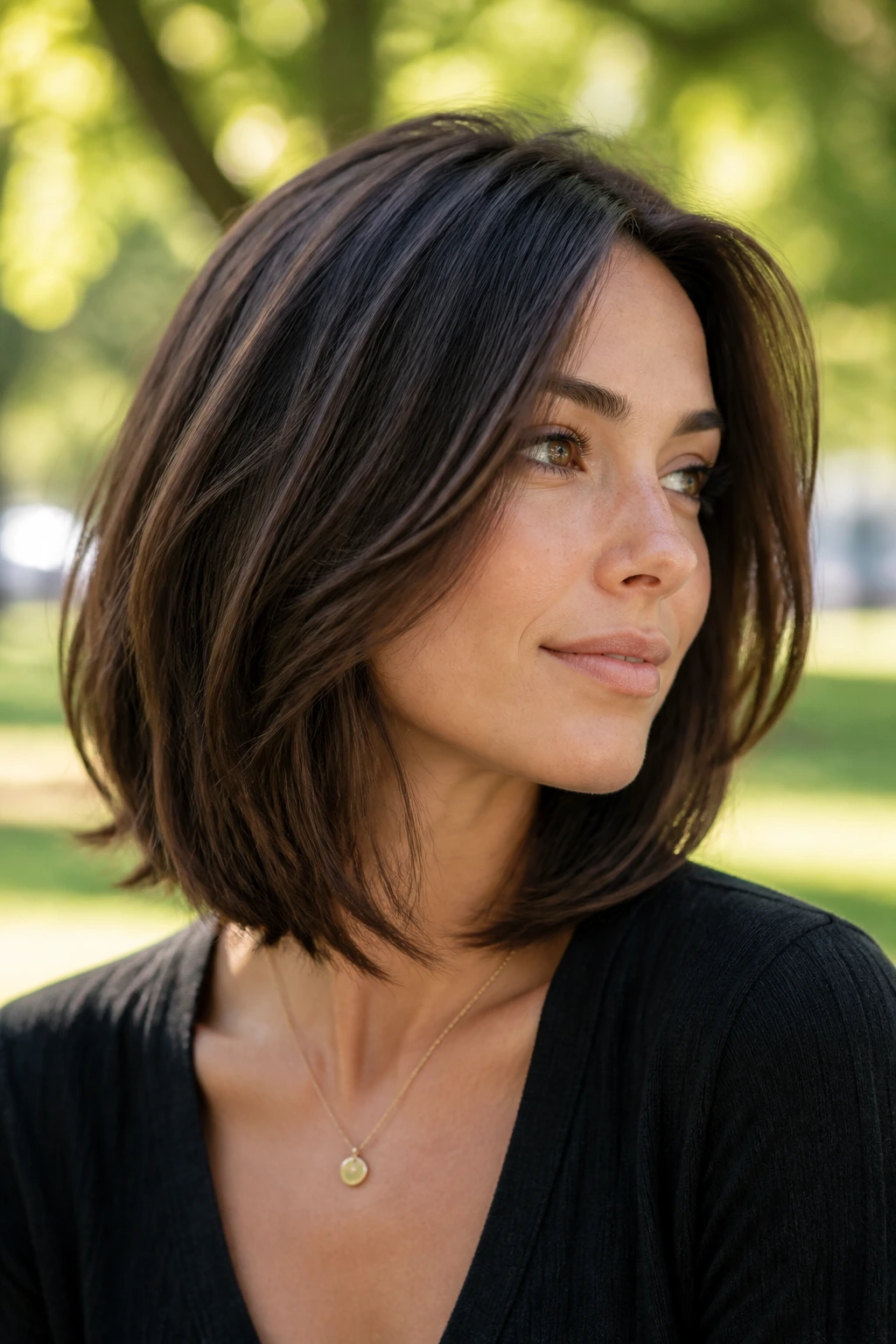
Many people with thick hair fear layers because they worry about the “poodle effect,” but the trick is in the length and the starting point. By starting the layers below the chin, you allow the hair to maintain a smooth frame around the face while introducing volume through the back and sides. This style feels very “lived-in” and avoids the severe look that some bobs can have.
Why Layers Matter
When hair is all one length, the ends become the focal point of the density. By breaking up that weight with long, blended layers, the eye moves down the hair shaft rather than getting stuck at the bottom. It turns a heavy, monolithic mass of hair into a fluid, moving style.
4. The Angled A-Line Lob
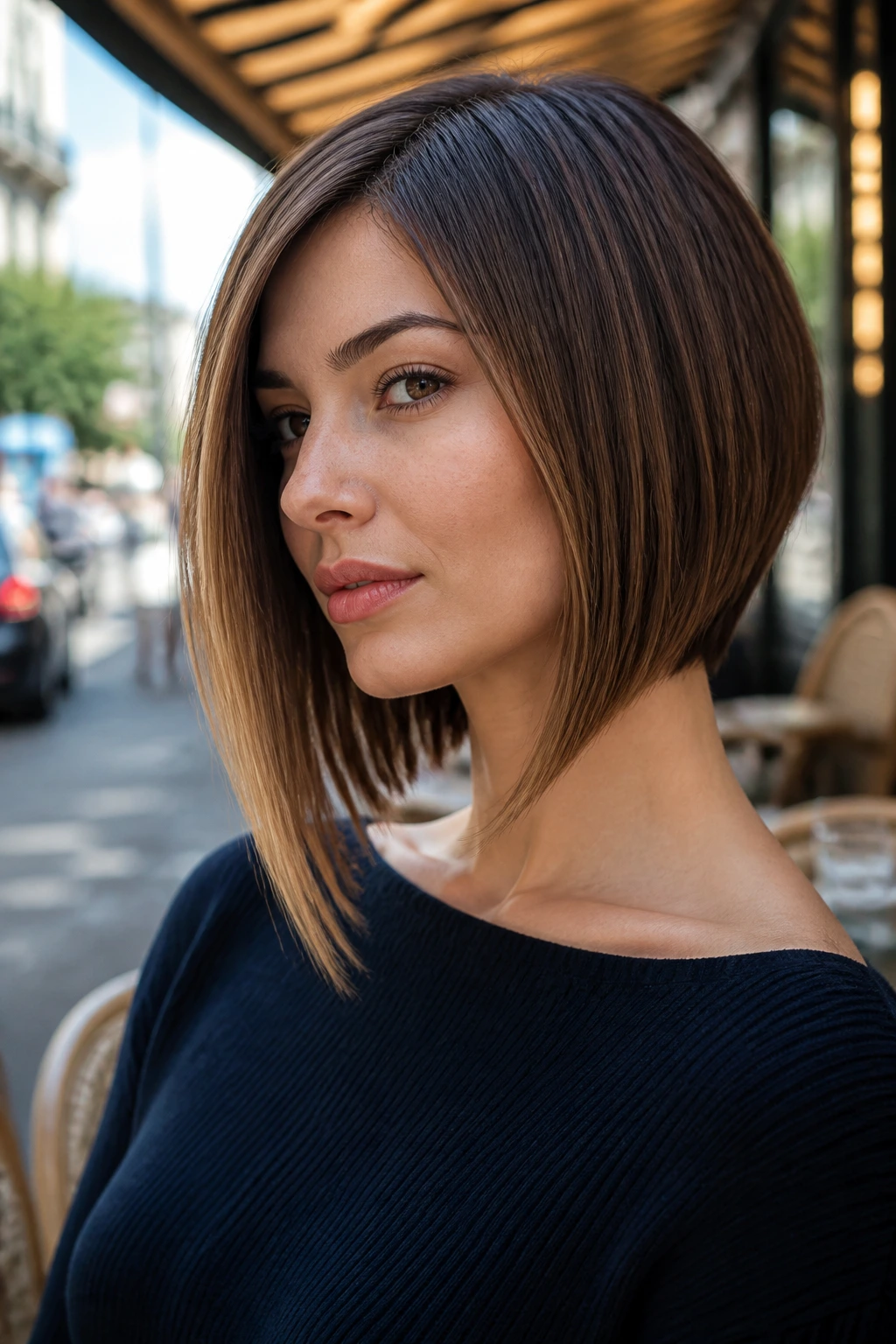
An A-line cut is shorter in the back and gradually gets longer toward the front. For thick hair, this is a masterclass in weight distribution. By keeping the back shorter, you ensure that the hair does not bunch up around the neck or create an uncomfortable bulk against the collar of a shirt.
The Aesthetic Benefit
This cut is inherently modern and sharp. It frames the jawline beautifully and makes thick hair appear intentionally styled rather than just heavy. It’s a great option if you want to keep your face framed clearly while keeping the maintenance of the back very simple.
Maintenance Note
Because the back is shorter, you will need to trim this every six to eight weeks to maintain that precise angle. If you let it grow out, the geometry of the A-line will soften and you might find the “triangle” look creeping back in.
5. The Curtain-Banged Long Bob
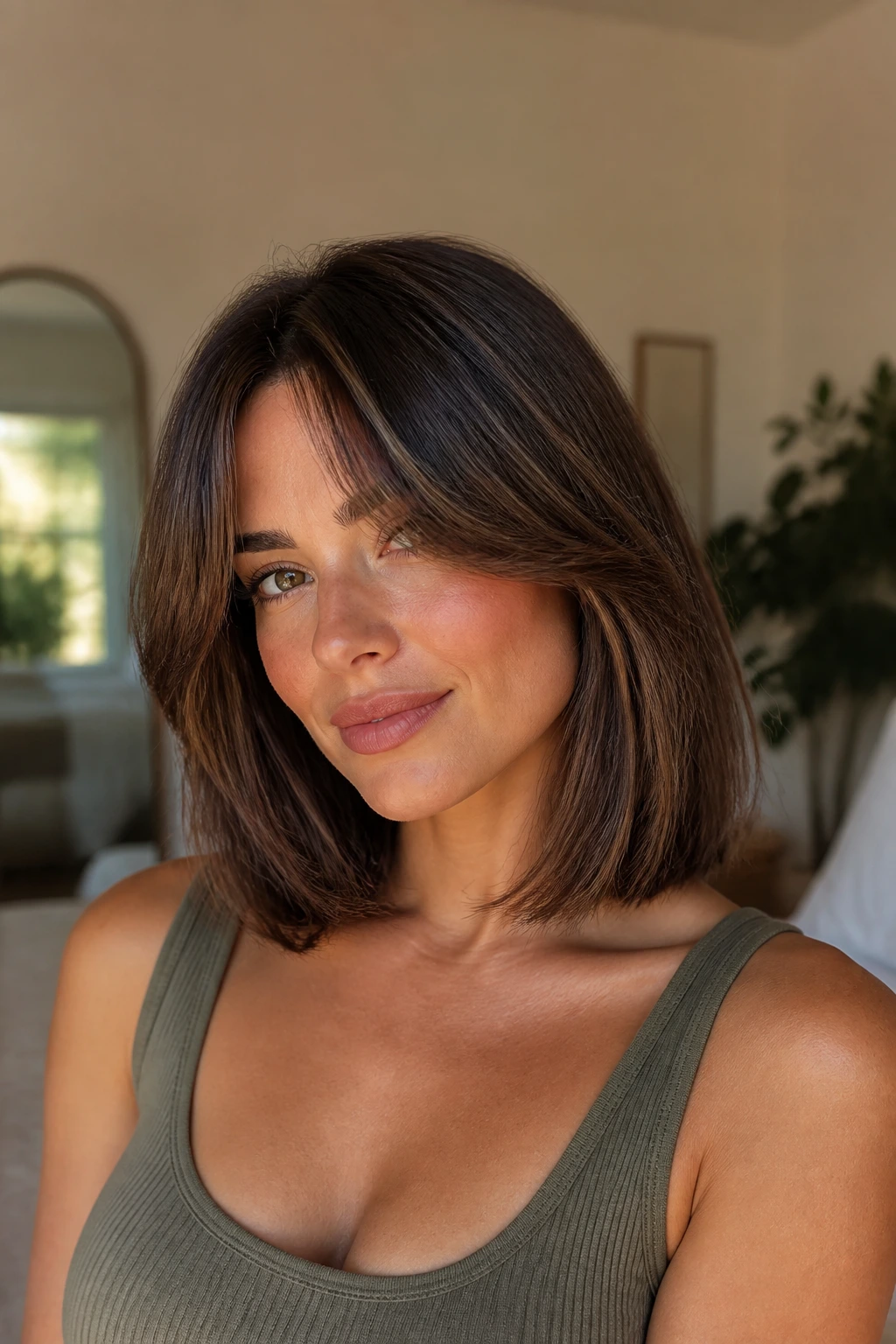
Adding bangs—specifically long, face-framing curtain bangs—is a fantastic way to distribute volume away from the sides of your face. By removing hair from the front section to create these bangs, you are literally thinning out the “frame” of your hair, which makes the remaining mass feel much more manageable.
Styling the Bangs
- Use a medium-sized round brush to roll the bangs away from your face while drying.
- Let them sit for a few minutes while they cool down before brushing through them.
- This creates a soft, sweeping motion that balances out a heavy density.
6. The Blunt Cut with Hidden Texture
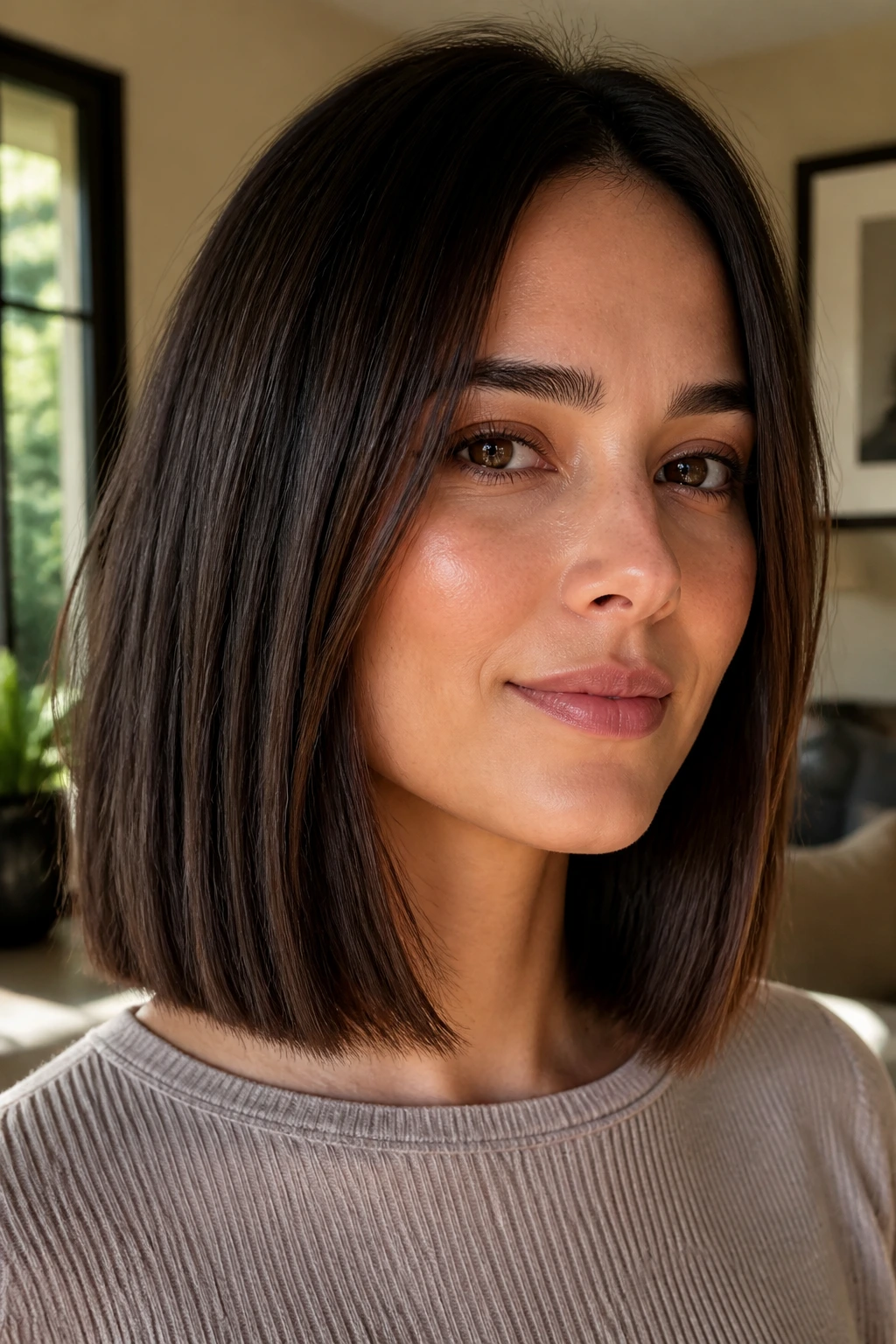
Sometimes, the solution is not to layer, but to change how the edge looks. A blunt lob is very trendy, but on thick hair, it can look like a helmet if it’s too heavy. The secret here is keeping the cut blunt at the bottom but asking for “invisible layers” hidden in the interior of the hair.
The “Invisible” Technique
Your stylist uses a specialized texturizing shear or a razor to remove small amounts of hair from the underside of the length. From the outside, the hair looks perfectly blunt and dense. Inside, it’s light and airy, meaning it won’t hold onto excess heat or moisture.
7. The Wavy Shag-Lob
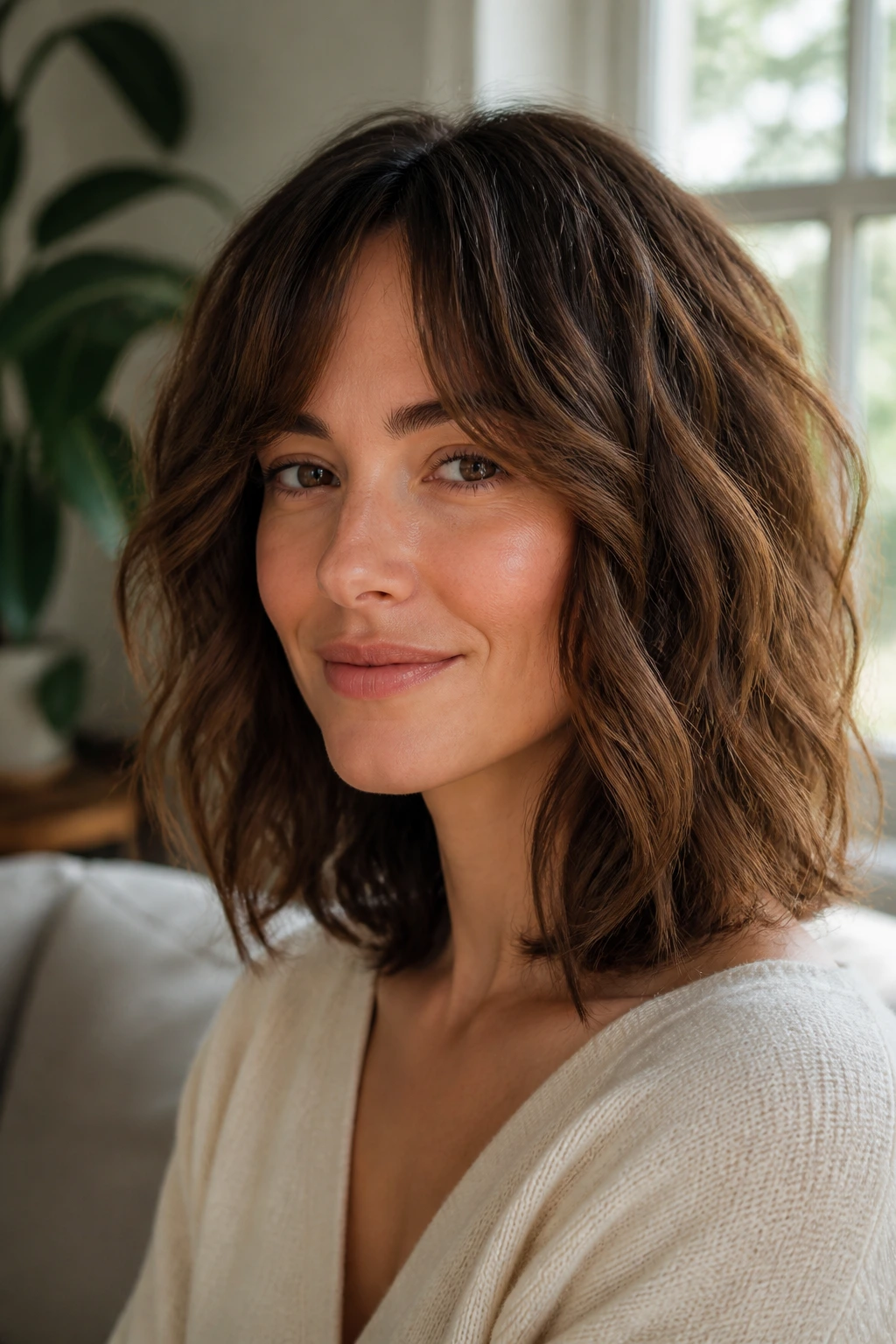
This is a more aggressive take on layers, incorporating shorter, face-framing pieces that mimic the style of a shag haircut but kept at a longer, more approachable bob length. It works exceptionally well for thick, wavy hair because the texture is meant to be encouraged, not flattened.
Why it Works
When you have thick hair and texture, the more you try to smooth it, the bigger it gets. This cut leans into the volume. The shorter pieces on top break up the weight of the longer sections, creating a dynamic, rock-and-roll vibe that looks great air-dried.
8. The Deep Side-Parted Lob

Never underestimate the power of a deep side part. When you have thick hair, a center part can often create a very heavy, balanced wall of hair on both sides of the face. Switching to a deep side part creates a natural “lift” at the roots on one side, which breaks up the visual weight.
Quick Styling Hack
Flip your hair to the opposite side of your usual part while it is still damp. When it dries, you’ll have a permanent volume boost at the roots that makes the entire style look more intentional and less weighed down.
9. The Rounded “Stacked” Lob
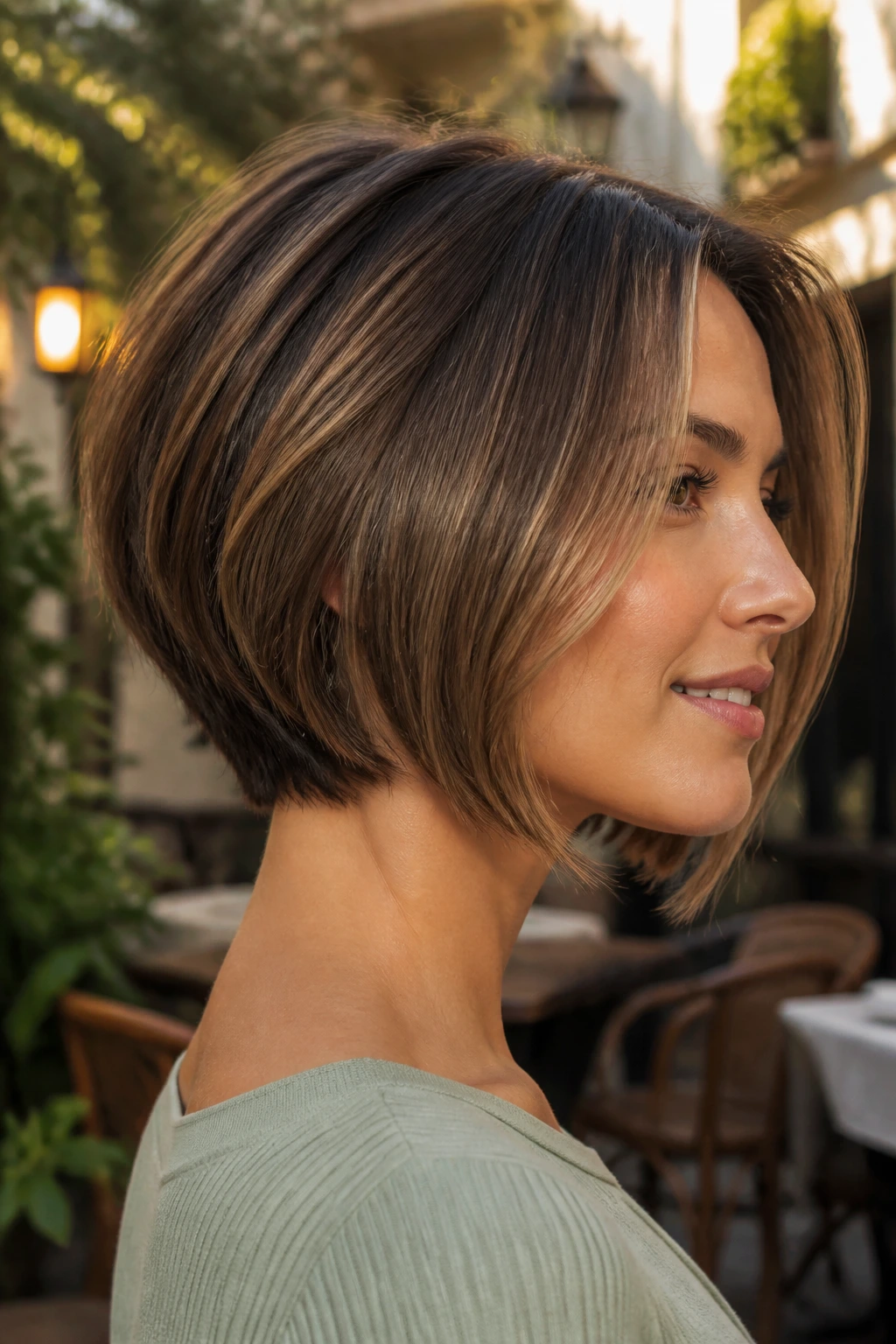
If you want something that emphasizes the neck and looks particularly elegant, the stacked lob is a classic. It features shorter, graduated layers in the back that create a soft curve. It is essentially a bob that has grown out, refined into a more elevated version.
The Shape
The roundness at the nape of the neck is incredibly flattering. It keeps the hair off the shoulders, which is a major relief for people with very thick hair, especially during warmer months. It keeps the weight off your back while leaving enough length in the front to tuck behind your ears.
10. The Razored Ends Lob

A razor cut can sometimes be intimidating for those with thick hair, but when used correctly, it is the best way to get a “whispy” finish. A razor thins the very ends of the hair as it cuts, preventing the blunt, heavy line that thick hair often produces naturally.
The Outcome
Your ends will look feathery and soft. It takes away that blocky, heavy appearance and replaces it with a light, airy finish. Just ensure your stylist uses a sharp blade—a dull razor will fray the ends and lead to split ends within a few weeks.
11. The Sleek, One-Length Lob with Smoothing Treatments
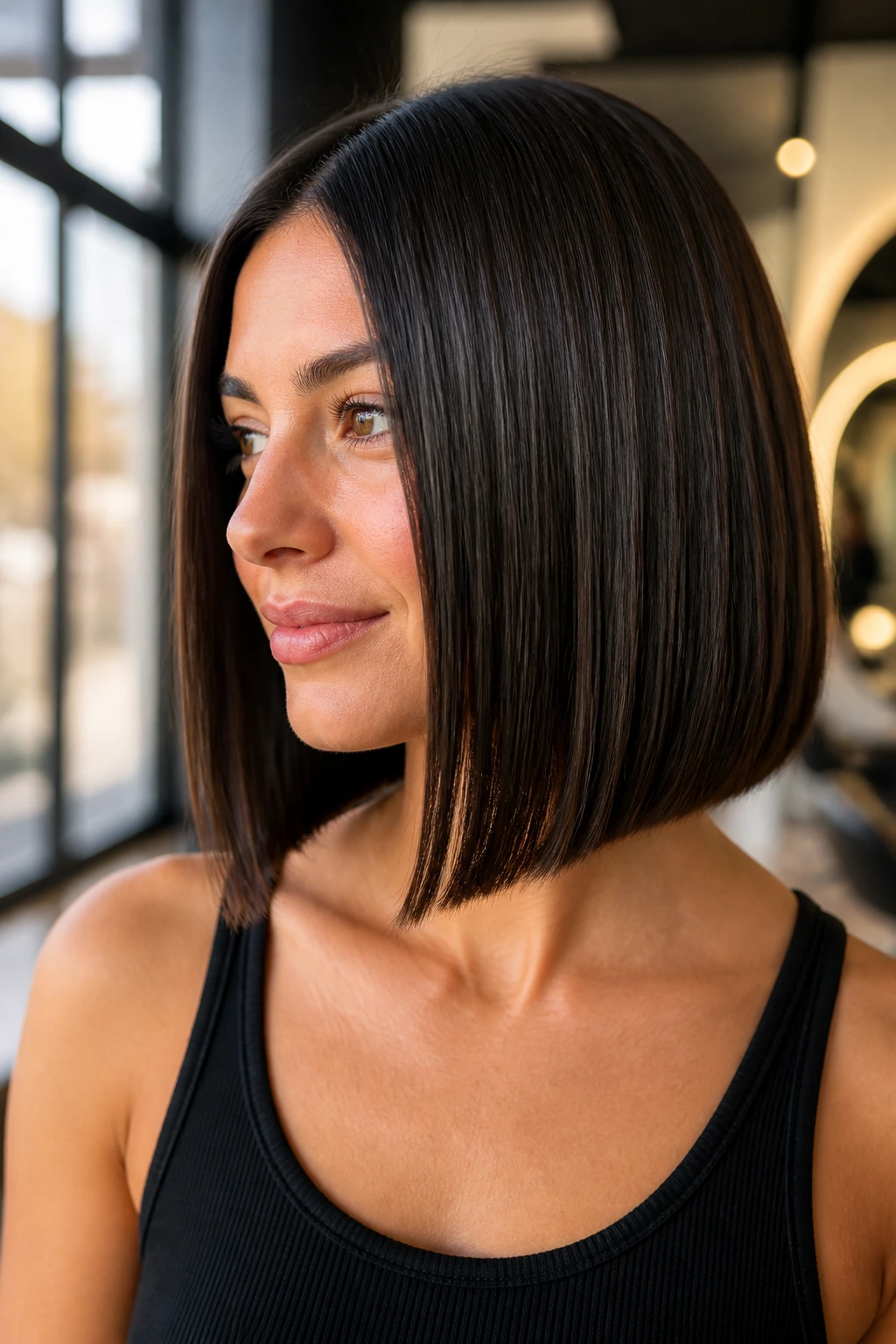
If you absolutely love the look of a blunt, one-length cut, you might need a little help from chemistry rather than just the scissors. A smoothing treatment can take the “pouf” out of thick hair, allowing you to wear a blunt cut without it expanding into a triangle by the end of the day.
The Benefits
- Reduces blow-dry time by half.
- Eliminates the need to use a flat iron every single morning.
- Keeps the ends looking sharp and clean for longer.
12. The “Bottleneck” Lob

This cut combines the length of a lob with “bottleneck” bangs—a variation of curtain bangs that are shorter in the middle and longer on the sides. It is a very flattering way to transition from the face to the rest of the hair length.
Why it Works for Density
By focusing the layering around the face, you draw attention away from the volume of the hair in the back. It’s a trick of the eye that makes the hair look intentional, groomed, and perfectly tailored to your features.
13. The Beachy Texture Lob

This is all about the cut, not the style. By asking for “shattered” ends, you are essentially asking for a cut that is intentionally uneven at the base. This mimics the look of hair that has been exposed to salt and sun, which naturally creates texture and separation.
How to Style
- Apply a sea salt spray to damp hair.
- Scrunch the ends and let it air dry.
- Avoid combing through it once it’s dry, as this will destroy the separation you’ve created.
14. The Blunt Bob with Long Face-Framing Pieces
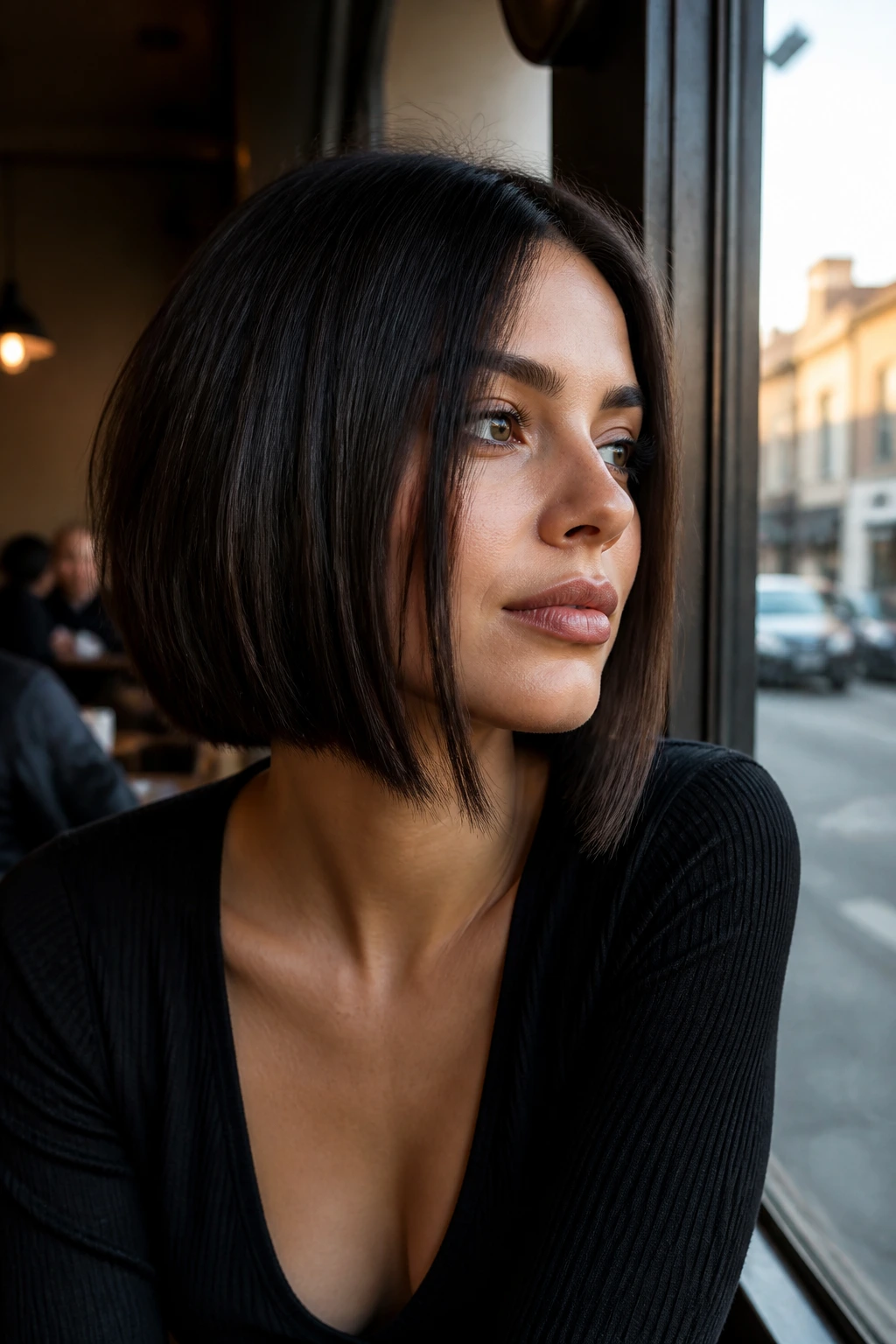
Sometimes, you want to keep the bulk of the hair at a lob length but keep the hair near the face a bit longer. These “tendrils” or longer pieces around the face are incredibly trendy and serve a functional purpose: they add length to the face, which balances out the width that thick hair can create.
The Aesthetic
This look is very high-fashion. It looks great when styled straight, but it also provides a unique look when the hair is pulled back, as the long front pieces fall naturally around the jawline.
15. The “Lob-Length” Shag
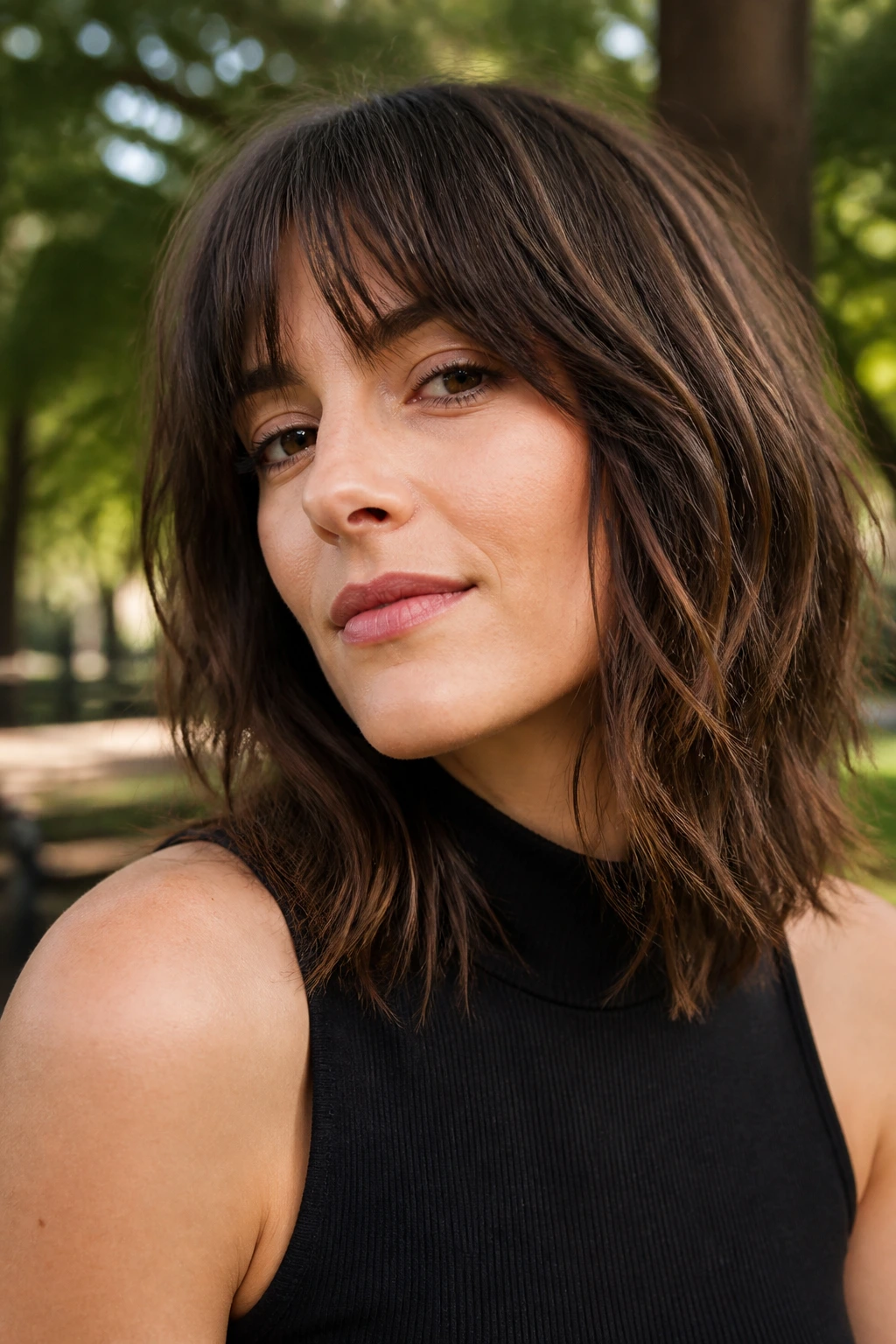
Think of this as a longer, more modern version of the classic shag. It has plenty of internal layers, which is crucial for thick hair. The layers are choppy and visible, which adds movement throughout the entire head.
The Benefit of Choppy Layers
Choppy layers are much better for thick hair than smooth, blended layers. They create distinct sections of hair that move independently. When your hair moves as individual strands rather than one big piece, the weight is distributed much more effectively.
16. The Voluminous Curl-Friendly Lob
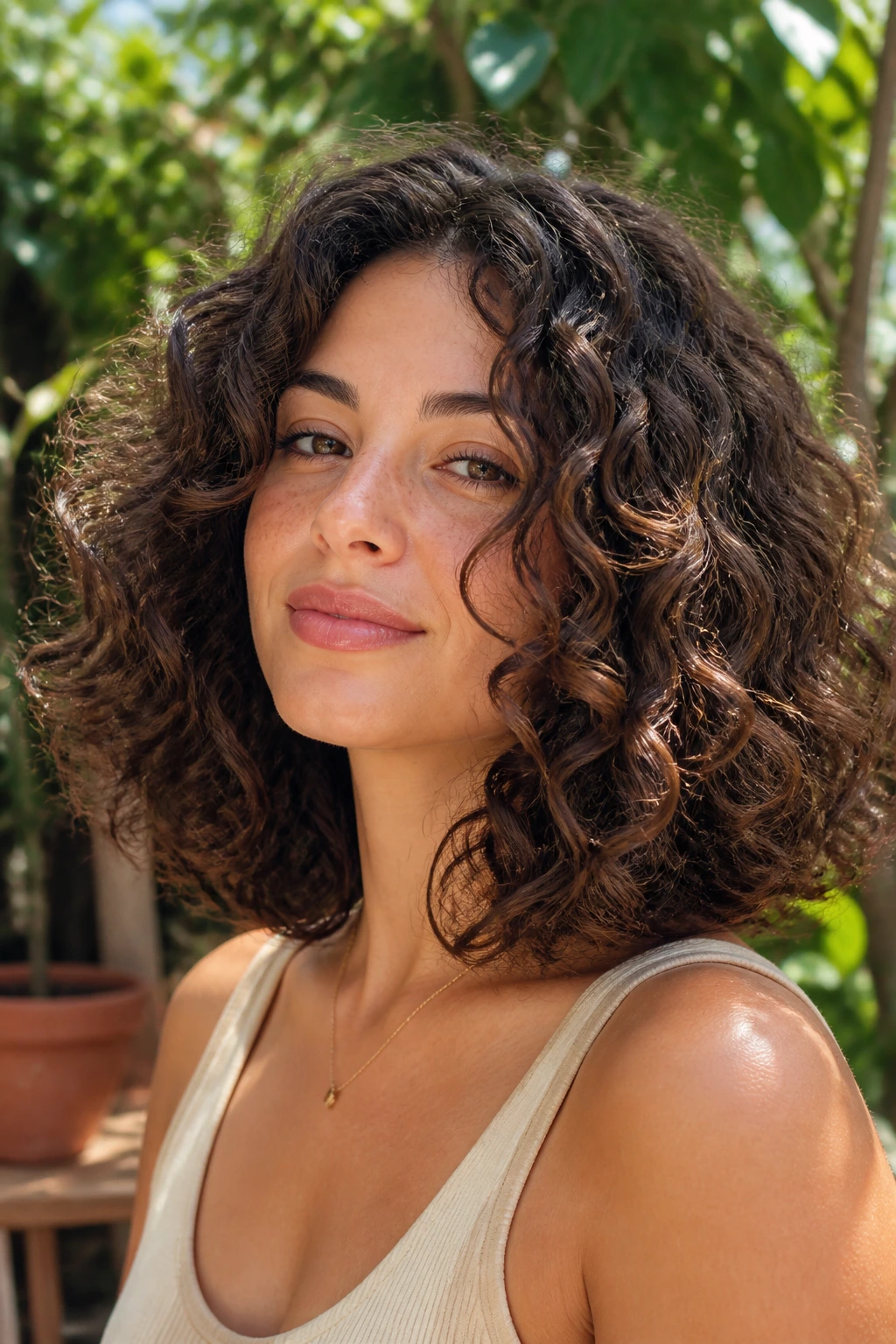
If your thick hair is naturally curly, you need a cut that allows those curls to spring up without turning into a triangular shape. This lob should be cut while the hair is dry, focusing on the curl pattern.
Why Dry Cutting is Key
Curls behave differently when they are wet versus dry. Cutting them while dry allows the stylist to see exactly where the curl sits and how much it will “jump” when the weight is removed. It prevents the cut from becoming too short or uneven.
17. The Asymmetrical Lob
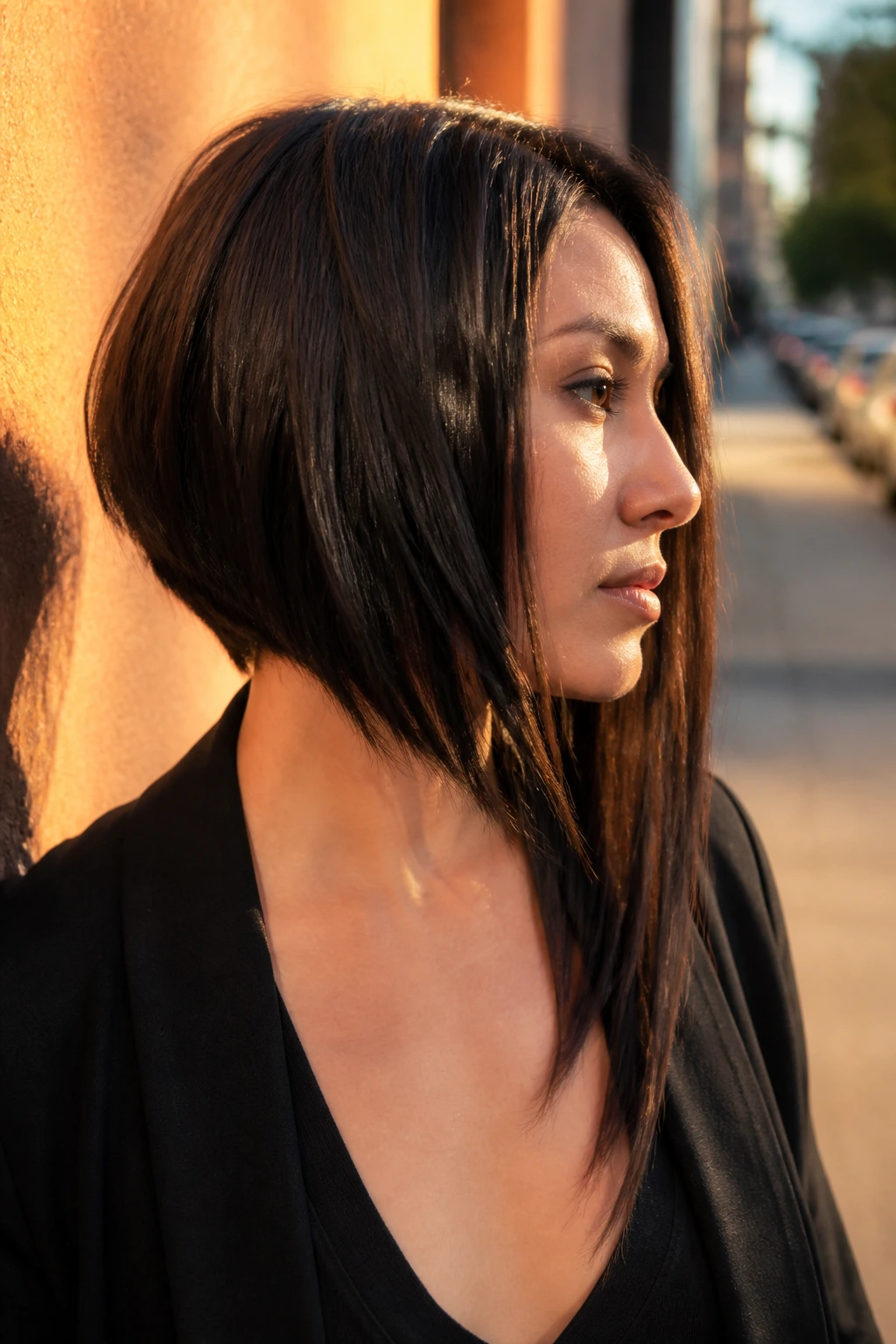
An asymmetrical lob—shorter on one side, longer on the other—is a bold way to manage density. Because the weight is distributed unevenly, the hair naturally falls in a way that feels lighter. It is a very deliberate style that showcases confidence.
Style Factor
This cut does all the work for you. It looks great with almost no styling effort because the shape is built into the cut itself. If you struggle with styling your thick hair, this is a great low-maintenance option.
18. The Graduated Lob with Side-Swept Bangs
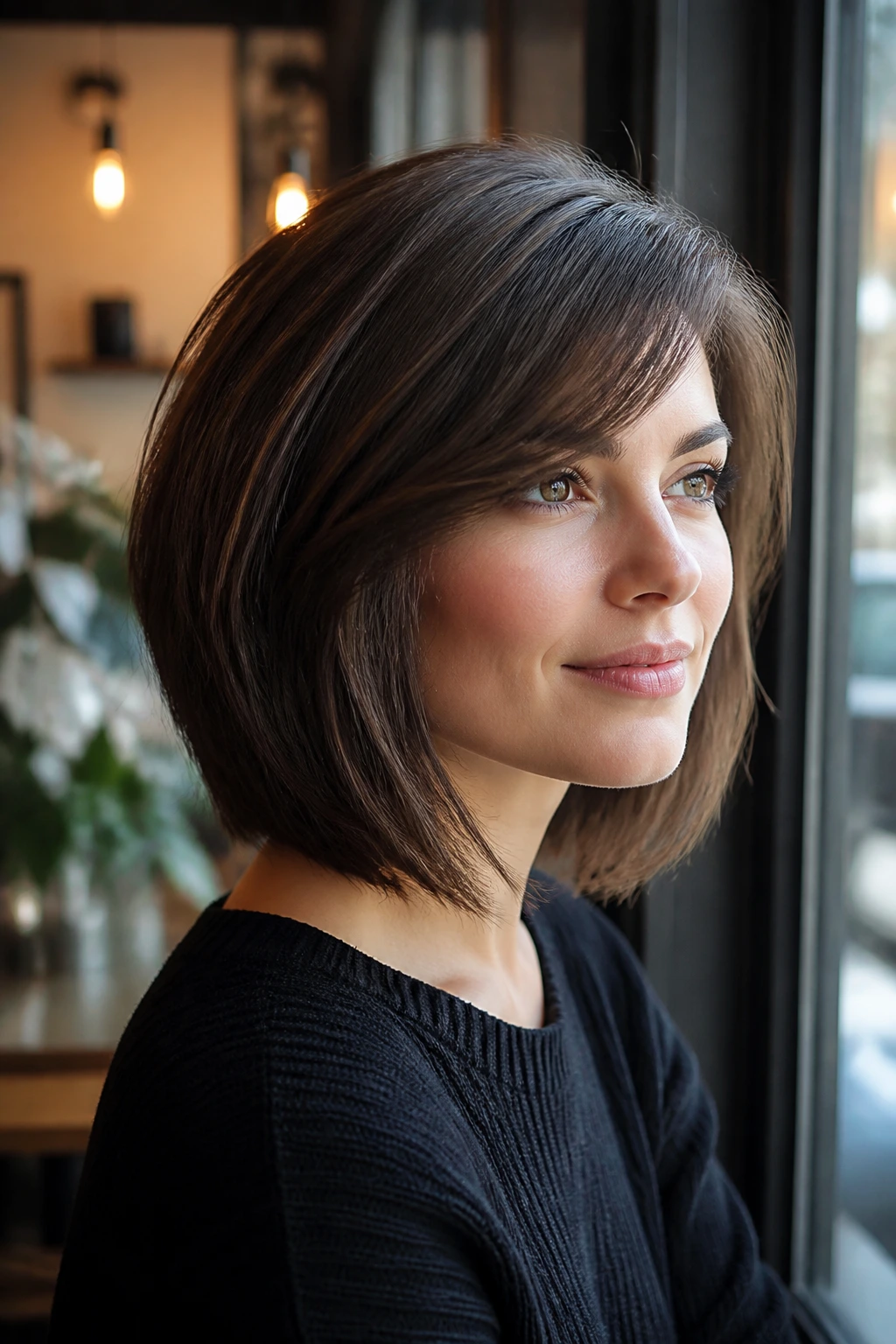
Graduated layers in the back combined with side-swept bangs offer the best of both worlds. The back stays short and light, while the front keeps a soft, feminine, and manageable shape.
The Side-Swept Advantage
Side-swept bangs are easier to maintain than straight-across bangs because they don’t require daily trimming to keep them out of your eyes. They also blend much more seamlessly into the rest of the hair, making them a great transition for anyone new to bangs.
Final Thoughts
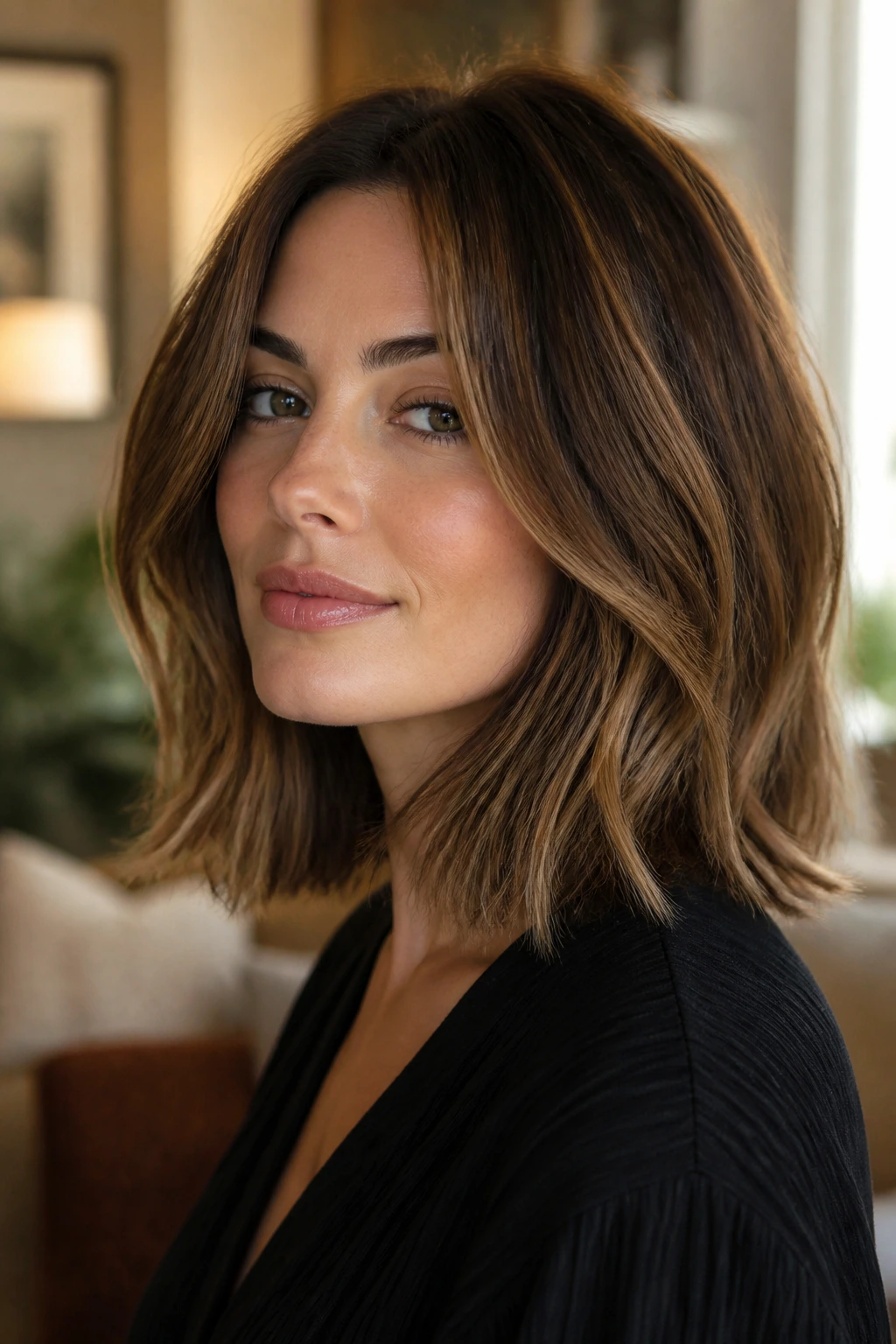
Finding the perfect longer bob for thick hair is truly about managing weight and encouraging movement. If you feel like your hair is currently a burden, it is likely because the cut you have is working against your hair’s natural density rather than with it. Don’t be afraid to ask for thinning techniques like point cutting or interior texturizing—these are not “thinning out” your hair in a way that makes it look sparse; they are simply making it behave better.
Your hair is a versatile canvas, and a well-executed lob can be the most rewarding cut you ever get. It saves you time in the morning, reduces product usage, and frames your face in a way that feels both modern and timeless. Take these ideas to a stylist who understands the mechanics of dense hair, and you will find that managing your thickness becomes a lot more enjoyable. The goal is to look in the mirror and see a style that feels like it belongs to you, not a style you are constantly fighting to keep under control.